26 Vintage Radios Buyers Compete Over
Most old radios pulled from an attic are worth a modest sum at best, but a specific slice of the market, built around bold colors, rare cabinet shapes, and historically significant engineering, regularly draws serious bidding wars. Condition and originality drive value as much as brand recognition, so the same model can sell for wildly different amounts depending on how well it survived.
FADA Model 1000 “Bullet”
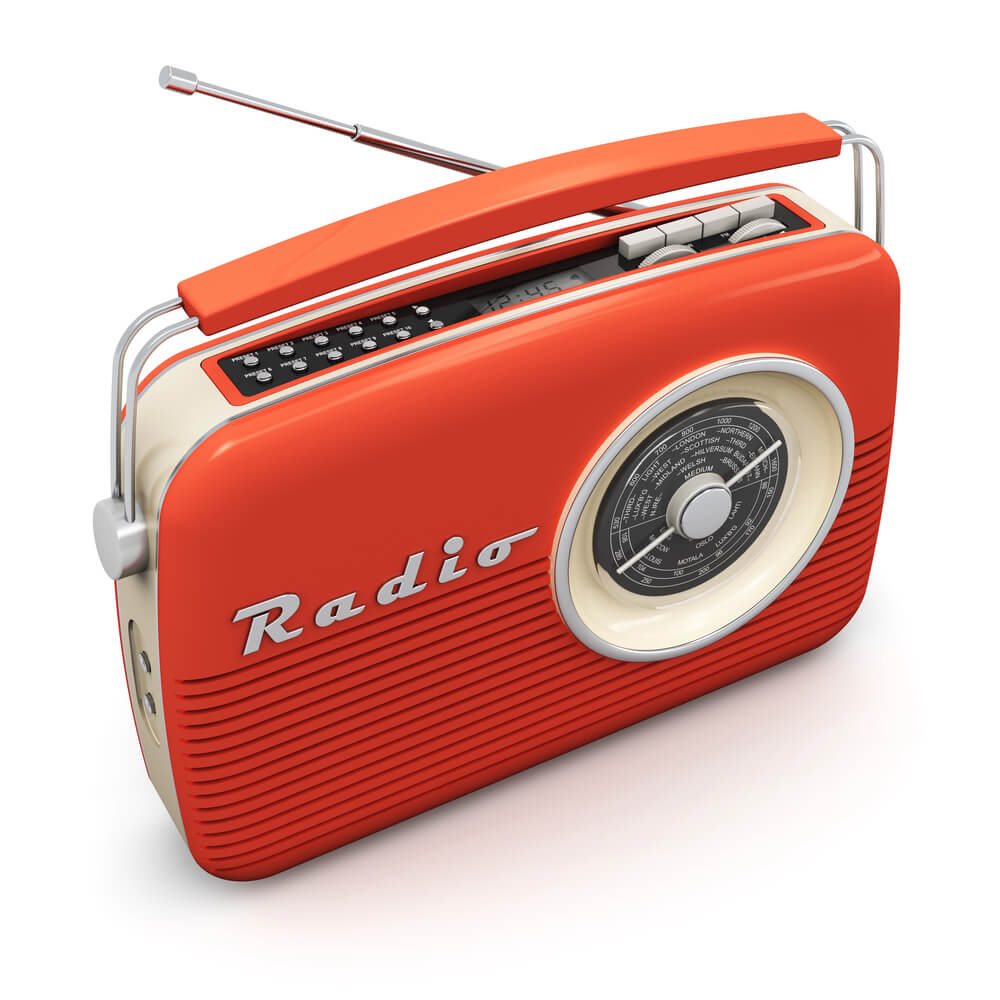
Introduced in the mid-1940s, FADA’s streamlined Bullet radio is considered one of the most iconic designs in Catalin radio collecting, prized for its sleek shape and vivid color combinations. Examples in rare colors have sold well into the thousands of dollars, with pricing shifting dramatically depending on the specific color and trim combination.
AMC Model 126 “Three-Ring”
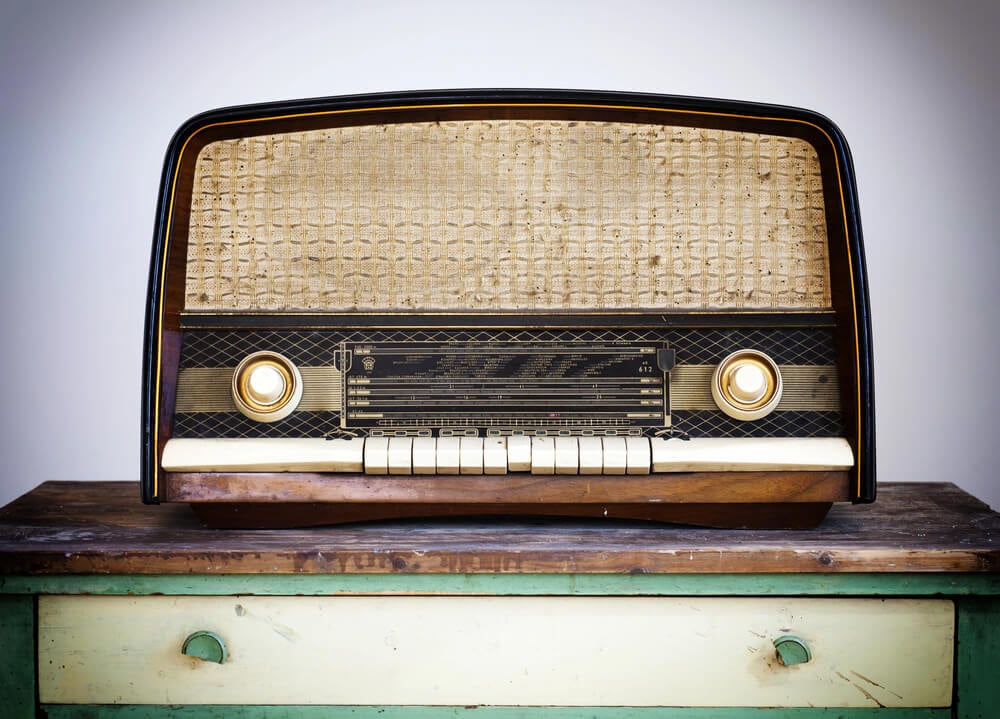
This scarce 1940s radio, nicknamed for the three ring-shaped design elements on its cabinet, set a record among Catalin radio sales when a vibrant red and orange example sold for $43,520 at auction in 2026. Its combination of extreme rarity and a striking color scheme makes it one of the most actively pursued radios among serious Catalin collectors.
FADA Model 52 “Skyscraper”
Named for its tall, tiered cabinet silhouette reminiscent of Art Deco architecture, the Skyscraper is one of the most recognizable shapes in Catalin radio design. A lavender example sold for $41,600 despite a missing back panel, while a mint green version from the same estate collection brought $28,800, illustrating how heavily color drives value even when condition is imperfect.
Emerson AU-190 Cathedral
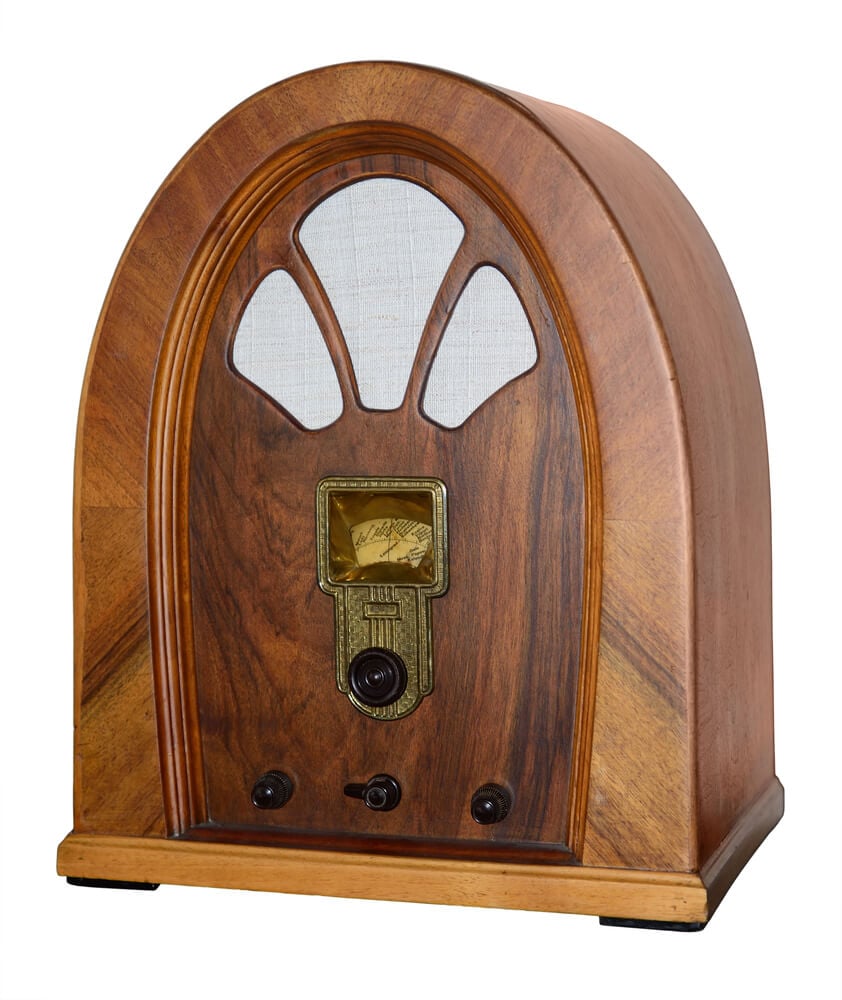
Known among collectors both as the Cathedral and the “Little Miracle,” this compact Emerson model combined a cathedral-arch cabinet shape with Catalin construction rather than the wood typically used for cathedral-style radios. Its unusual combination of a classic silhouette and colorful plastic construction makes it a crossover favorite among both cathedral and Catalin collectors.
Addison Model 2
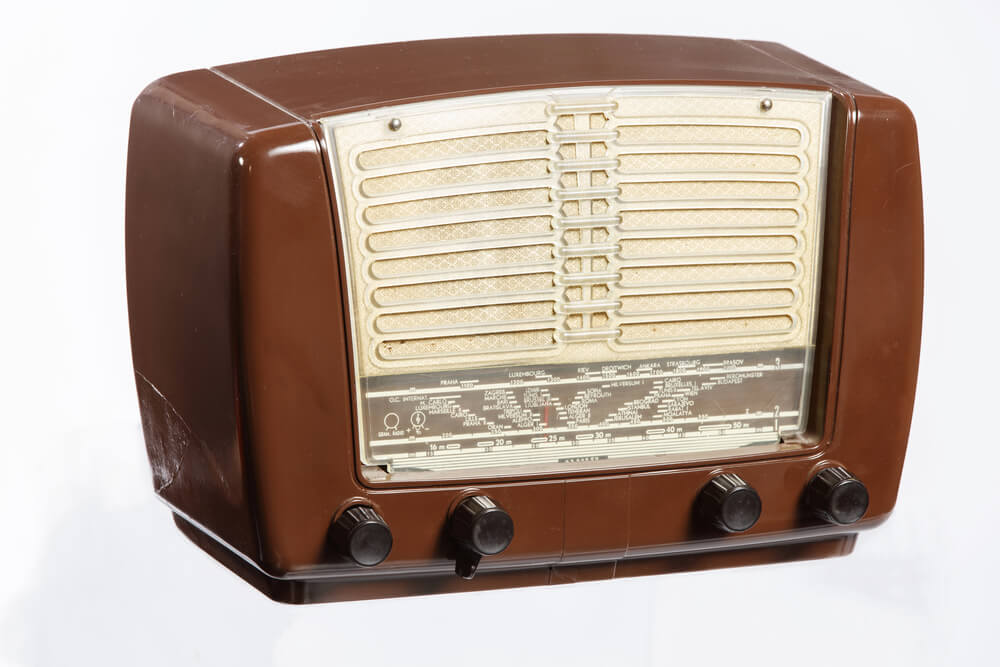
Produced in Canada rather than the United States, the Addison Model 2 stands out among Catalin radios for its multi-color cabinet combinations, which are rarer than the single-color schemes used by most American manufacturers. Well-preserved examples in striking color combinations command five-figure prices among serious collectors.
Emerson Patriot
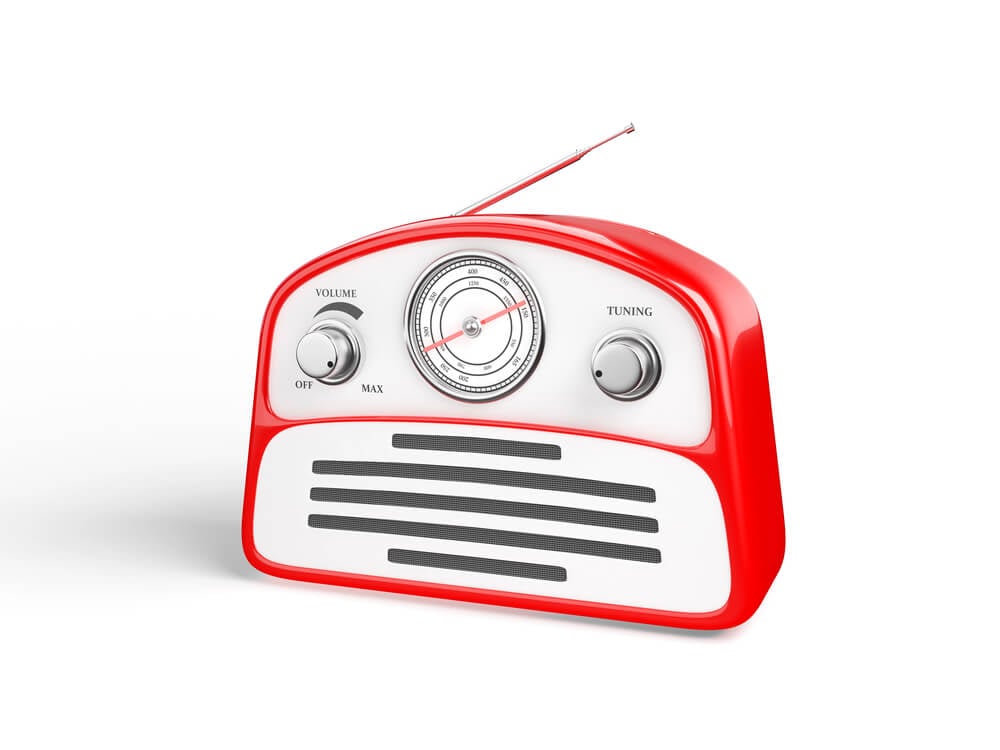
Designed with a red, white, and blue color scheme evoking the American flag, the Emerson Patriot leaned directly into patriotic imagery during a period of heightened national sentiment. Original examples with strong, unfaded coloring have sold for well over $10,000, making it one of the most recognizable and valuable Catalin designs.
FADA 652
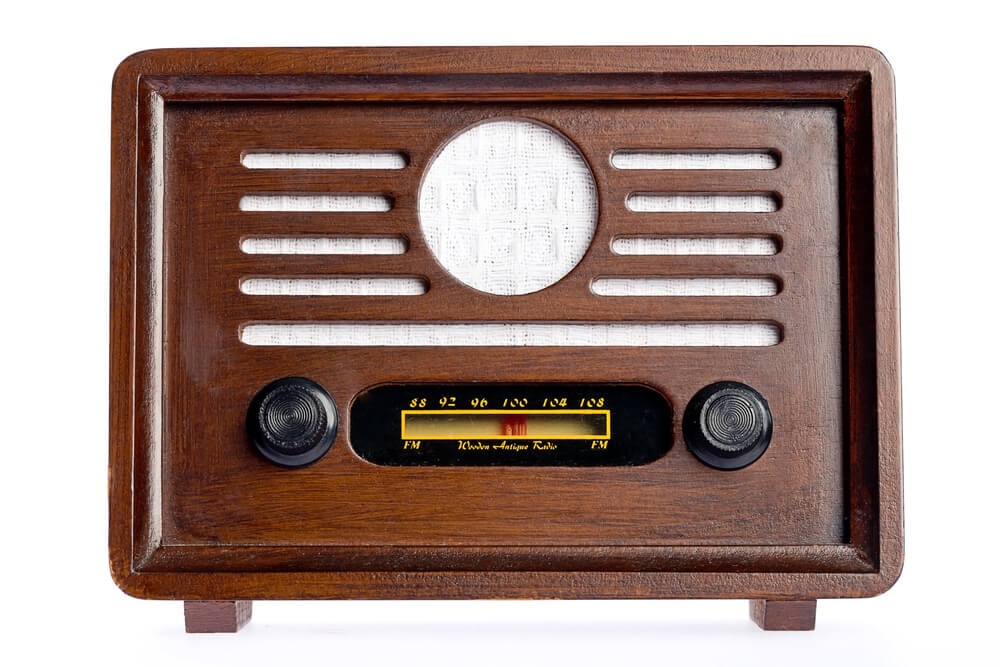
A mid-size Catalin tabletop model from FADA’s extensive color-driven product line, the 652 is prized by collectors specifically hunting for rare color variants rather than the model’s shape alone. As with most Catalin radios, examples in uncommon colors like deep blue or marbled green sell for dramatically more than the same model in a common butterscotch shade.
FADA 845
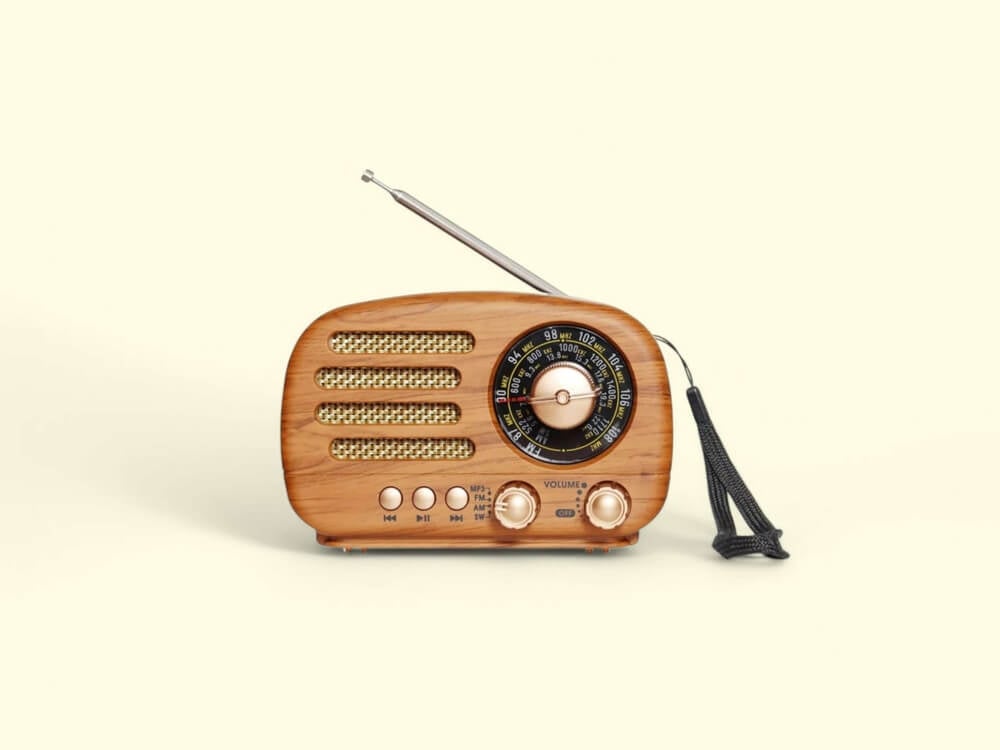
Another entry in FADA’s Catalin lineup, the 845 draws steady collector interest for its cabinet proportions and the range of color combinations the company produced for the model. Collectors specifically pursuing a complete run of FADA colorways treat rare 845 variants as a genuine milestone acquisition.
Garod Catalin Radios
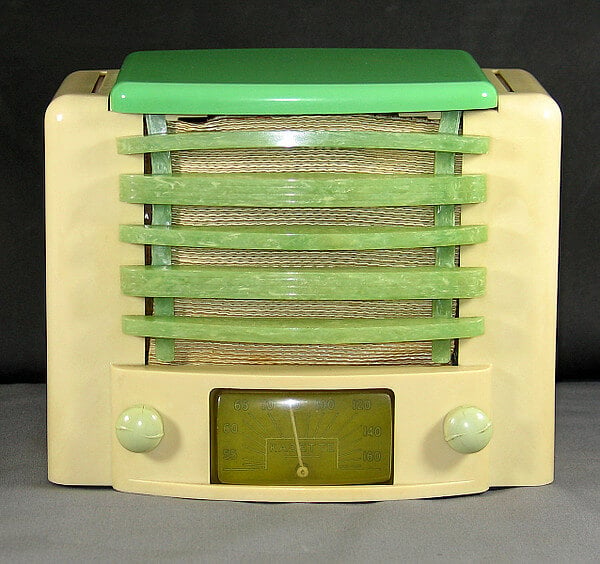
Photo by Wystan, via Flickr, licensed CC BY-SA 2.0
Garod’s Catalin radios are considered rarer overall than output from larger competitors like FADA and Emerson, since the company produced fewer total units during Catalin’s relatively brief production window in the 1930s and 1940s. That inherent scarcity means even moderately colored examples draw stronger bidding than comparable radios from higher-volume manufacturers.
Kadette Catalin Radios
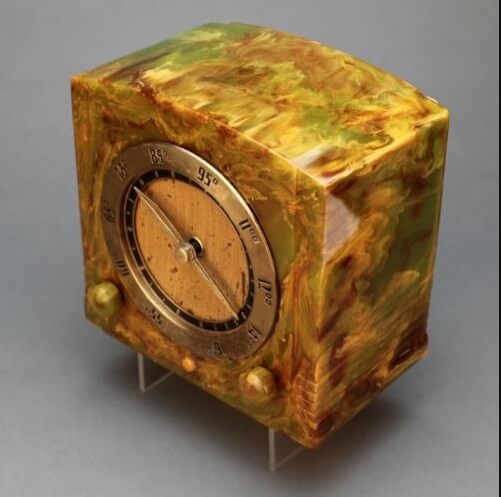
Kadette’s Catalin models round out the small group of manufacturers who worked with the colorful, fragile plastic material before it fell out of production after the 1940s. Because Catalin itself is prone to shrinking and cracking with age, well-preserved Kadette examples in vibrant, unfaded color are considered a genuine find regardless of the specific model.
Sparton “Bluebird”
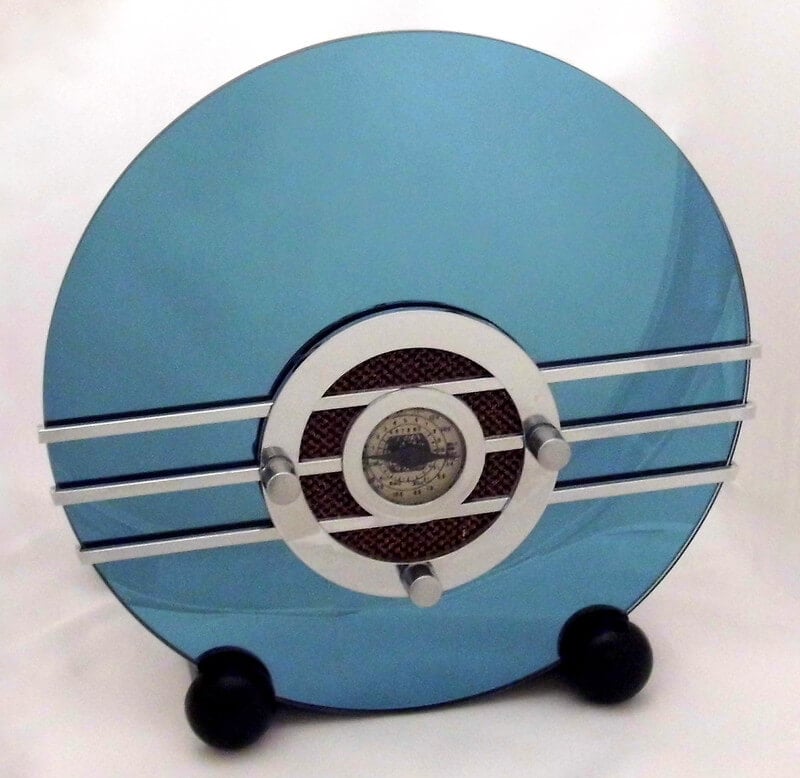
Designed with a distinctive round, mirrored blue glass front rather than a conventional cabinet, the Sparton Bluebird stands as one of the most striking examples of Art Deco radio design from the 1930s. Well-preserved examples with the original mirrored glass intact and undamaged have sold for between $5,000 and $15,000.
Philco Model 37-690
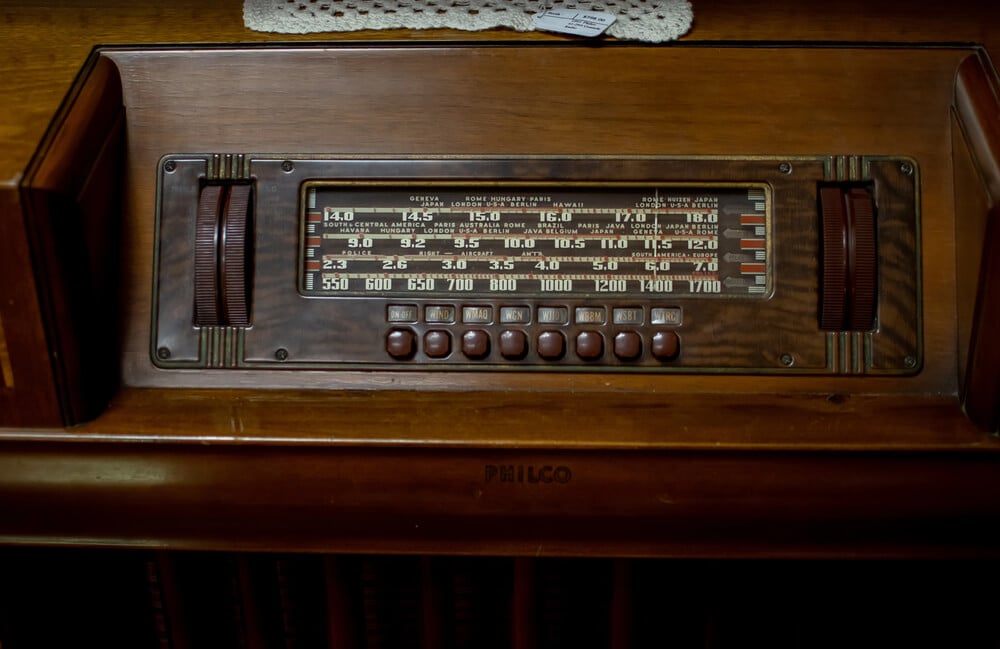
While most Philco radios from the era sell for relatively modest sums, the Model 37-690 stands out as a specific exception that regularly commands $1,500 to $3,500 among collectors. The gap between this model and Philco’s more common output is a frequently cited example of how much a specific model number can matter within an otherwise ordinary product line.
Philco Model 90 “Baby Grand”
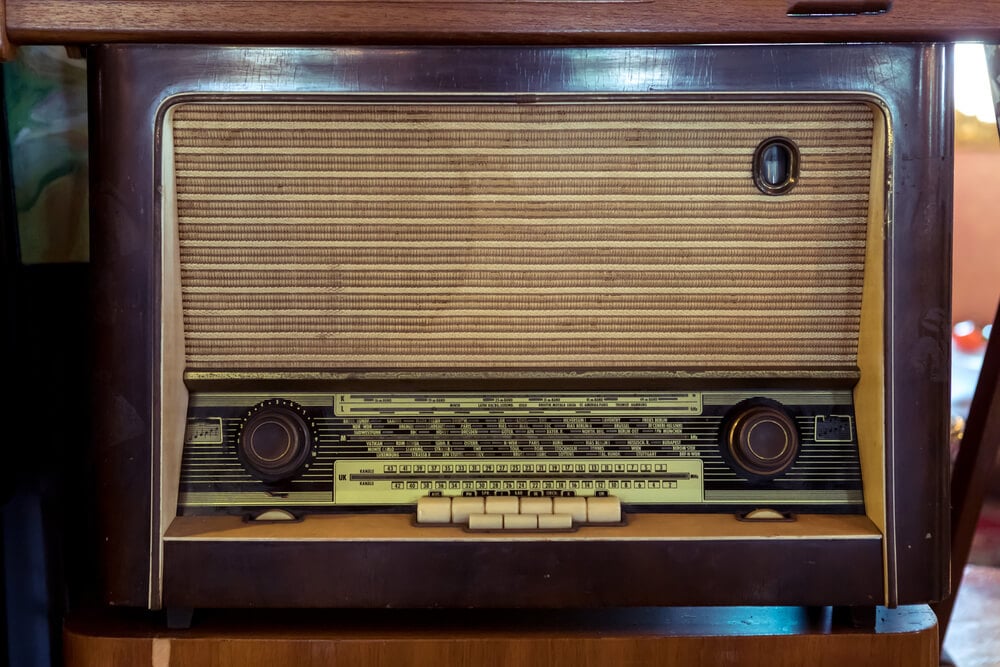
Housed in a walnut burl cathedral-style cabinet, the Baby Grand represents Philco’s higher-end wooden console output from the early 1930s, before plastic cabinets became widespread. Original examples with intact veneer and undamaged wood grain are considerably more valuable than radios with warped or repaired cabinets.
Zenith Stratosphere
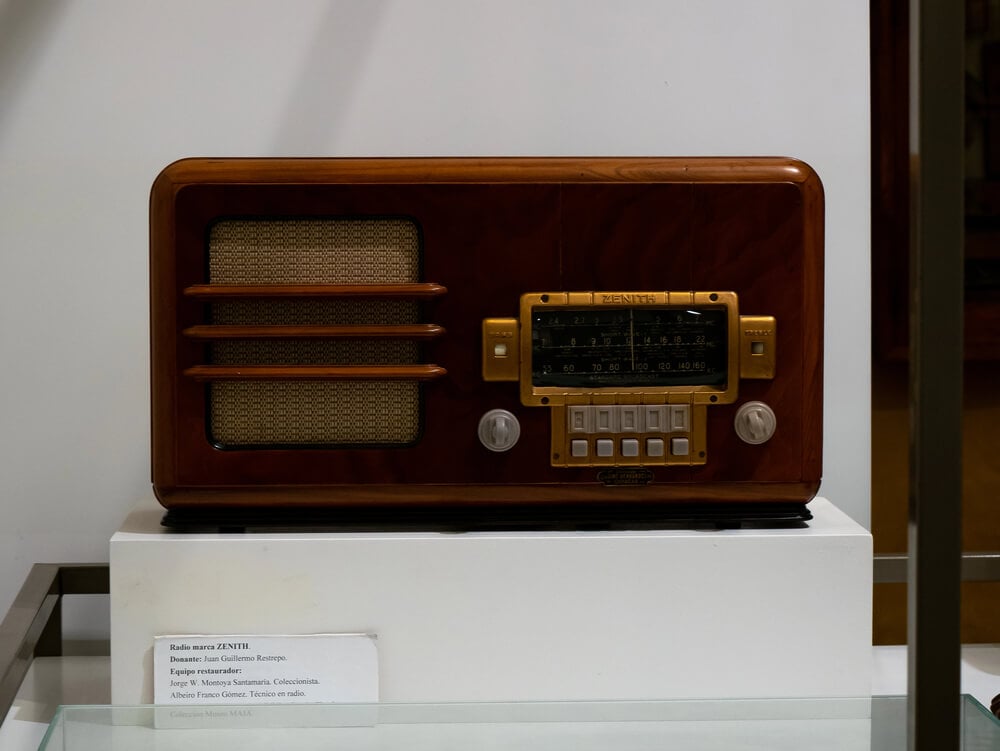
Produced in extremely limited numbers during the Great Depression despite its considerable original price tag, the Zenith Stratosphere console is considered one of the most technically ambitious and valuable console radios ever built. Surviving examples in good condition have sold for between $5,000 and $15,000 or more, reflecting both the model’s rarity and its outsized physical presence.
Zenith Trans-Oceanic
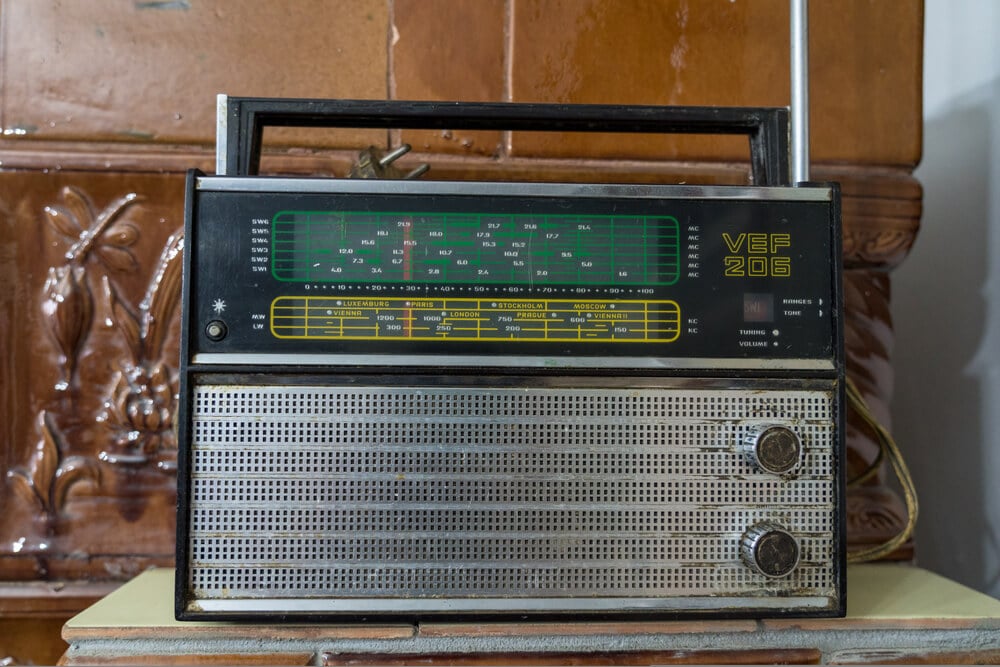
Designed as a portable, multi-band radio capable of receiving international shortwave broadcasts, the Trans-Oceanic became a favorite of travelers and journalists throughout the mid-20th century. While individual units are more affordable than most radios on this list, complete, working examples with the original case and accessories remain in steady demand among collectors of portable radio history.
RCA Radiola
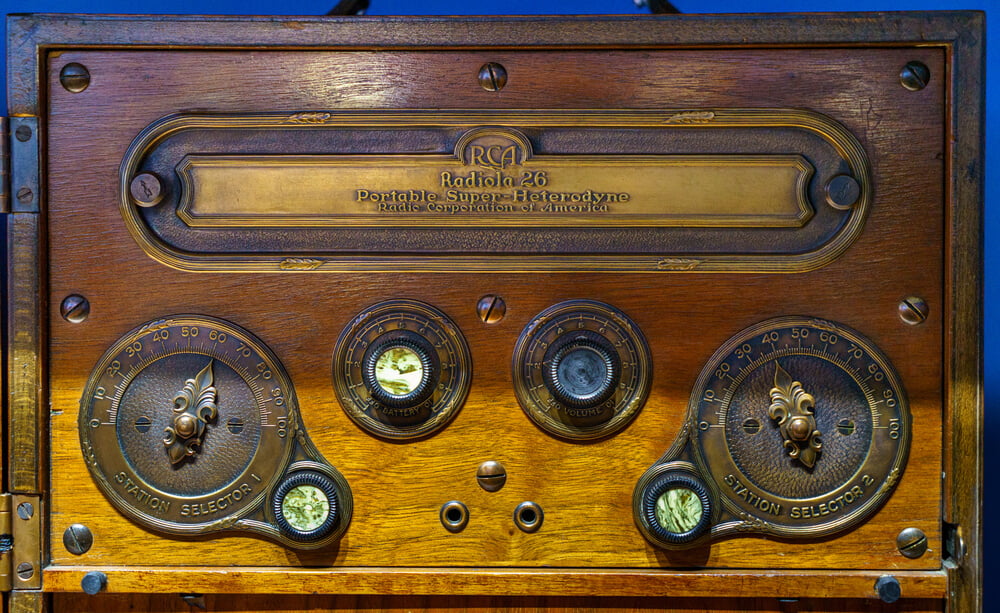
As one of the earliest mass-produced radio brands, RCA’s Radiola line documents the very beginning of home radio broadcasting in the 1920s. Early Radiola models, particularly battery-powered examples from before AC power became standard, are collected primarily for their historical significance as pioneers of the medium rather than for aesthetic appeal.
Crosley Pup Crystal Set
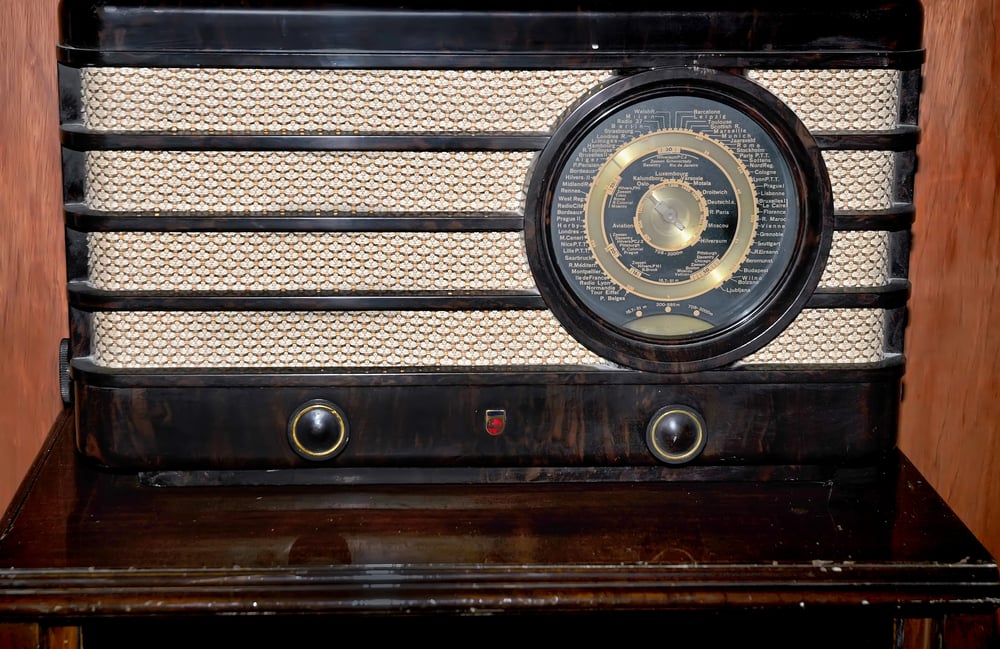
A simple, inexpensive crystal radio requiring no external power source, the Crosley Pup helped bring radio ownership within reach of ordinary households during the 1920s. Its historical role in the early democratization of radio listening makes well-preserved examples valuable to collectors specifically focused on the medium’s earliest years.
Atwater Kent Breadboard Radios
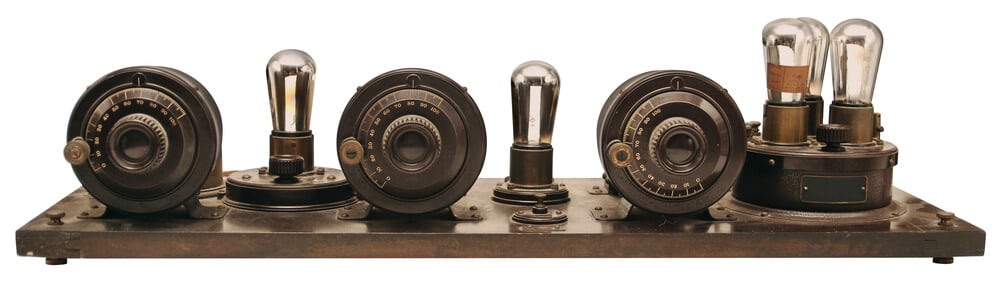
Named for their open, exposed-component construction resembling a wooden breadboard rather than an enclosed cabinet, Atwater Kent’s early radios represent the transitional period before radios were routinely housed in furniture-style cases. Their exposed wiring and components make them especially fragile, so intact, fully wired examples are considerably scarcer than later cabinet-enclosed models.
Regency TR-1
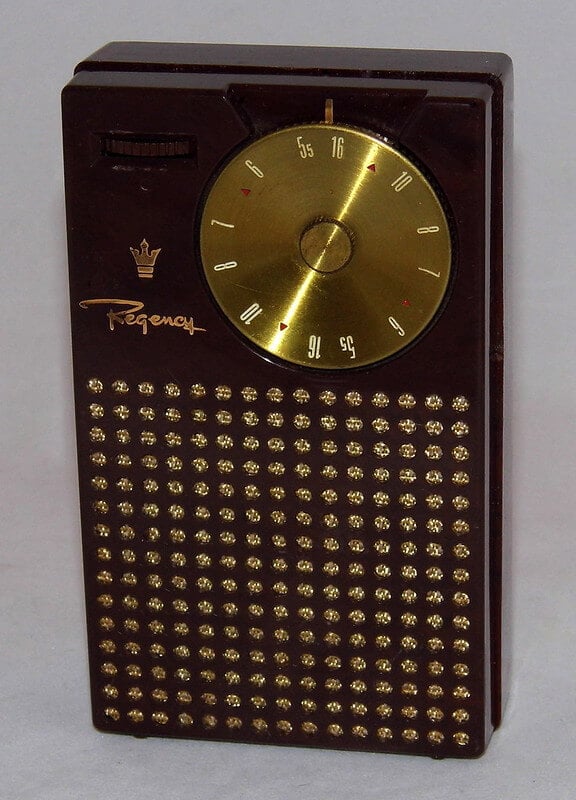
Released in 1954, the Regency TR-1 was the first commercially produced transistor radio, marking a fundamental shift away from the vacuum tube technology used in every radio before it. Its historical significance as the origin point of an entirely new radio technology makes well-preserved, working examples highly sought after regardless of the radio’s relatively plain physical design.
Zenith Royal 500 Transistor Radio
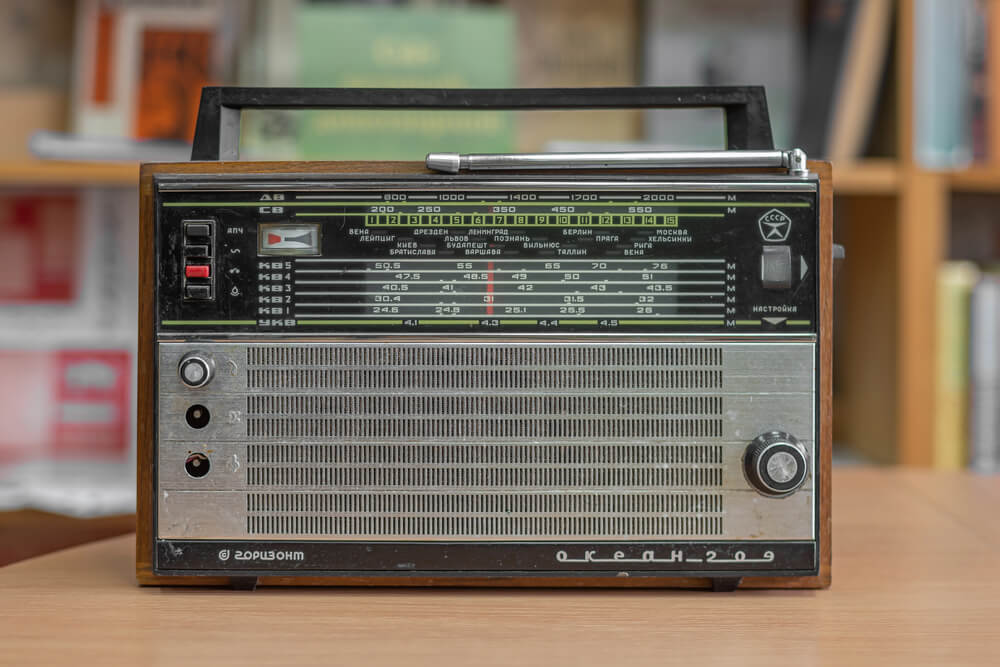
Following closely behind the Regency TR-1, Zenith’s Royal 500 became one of the best-selling early transistor radios and helped establish the pocket-sized portable radio as a mainstream consumer product. Its wide original production numbers mean common examples are relatively affordable, but early first-run units in strong original condition draw noticeably more interest.
Fada F55
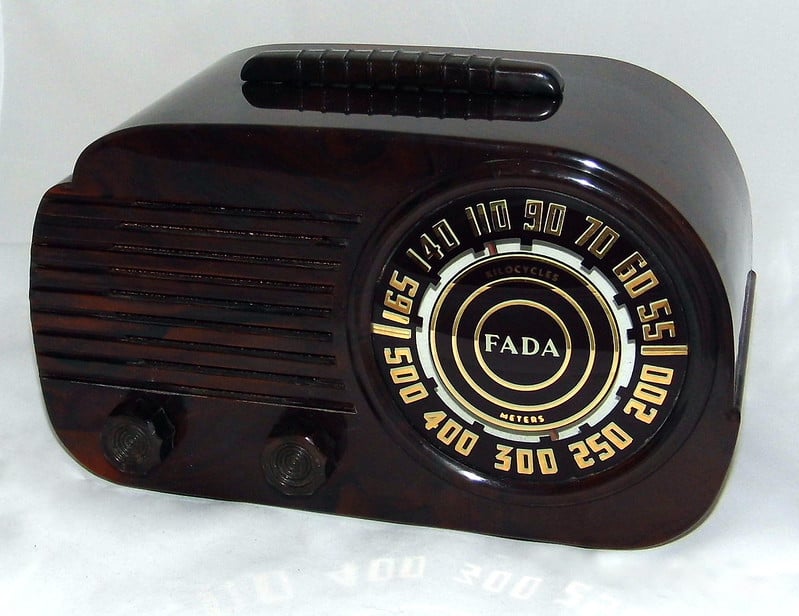
A mid-size Catalin tabletop radio from the early 1940s, the F55 features FADA’s typical Art Deco layout with a long horizontal speaker grille and square dial window. Rare color combinations, including emerald green paired with yellow trim, place well-preserved examples among the more actively pursued models in FADA’s extensive product line.
Motorola Model 5T71 Car Radio
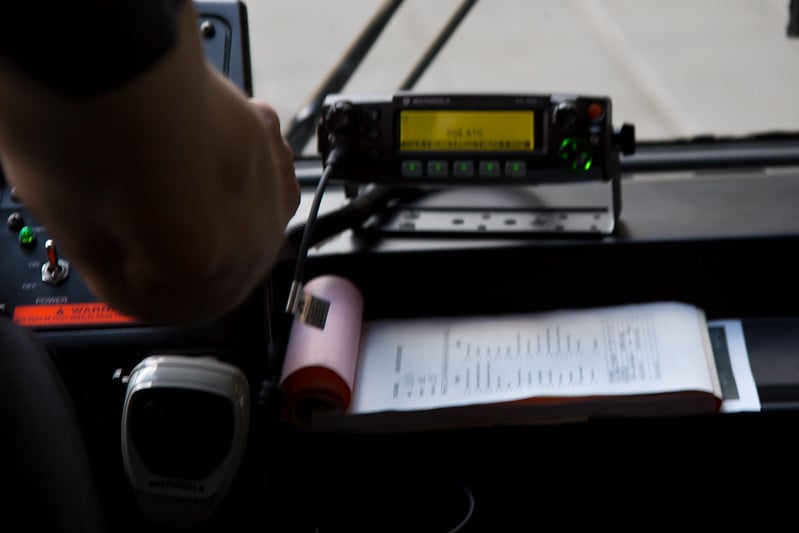
Motorola’s earliest commercial car radios, produced beginning in 1928, mark the origin of the company’s Motorola brand, whose name combines ‘motor’ with a reference to the Victrola phonograph. The company, originally Galvin Manufacturing Corporation, was established to produce these radios and eventually became known as Motorola Corporation.
Working examples from this earliest era of car radio production are scarce, since most were installed in vehicles that were long ago scrapped along with the radio still inside.
Grebe Synchrophase
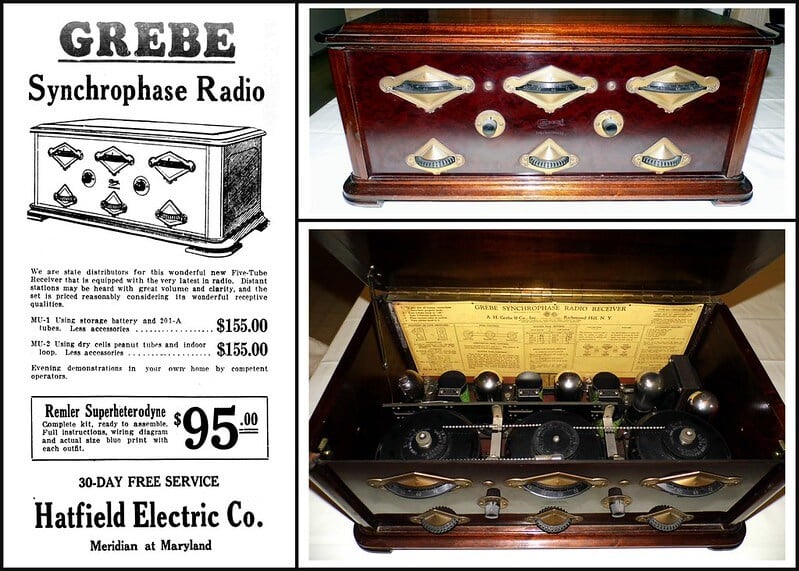
Produced by radio pioneer A.H. Grebe in the 1920s, the Synchrophase line was marketed as a premium, high-performance receiver at a time when radio technology was advancing rapidly year to year. Surviving examples in working order are valued both for their build quality and for representing a specific, well-documented moment in the early competitive radio industry.
General Electric Console Radios
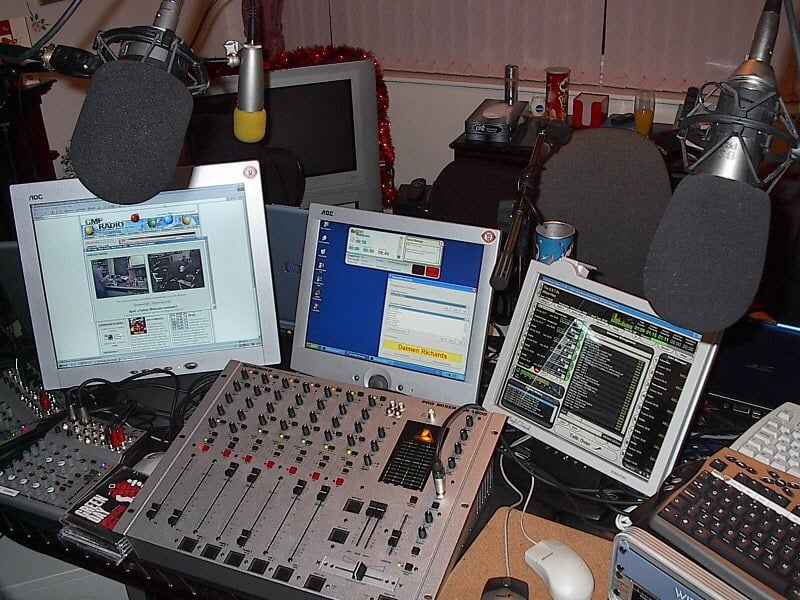
General Electric’s large wooden console radios from the 1930s and 1940s served as furniture-scale centerpieces of the American living room during radio’s peak as a home entertainment medium. While common examples sell modestly, well-restored consoles with intact veneer and working electronics appeal to buyers seeking a functional centerpiece rather than a small display piece.
Novelty-Shaped Advertising Radios
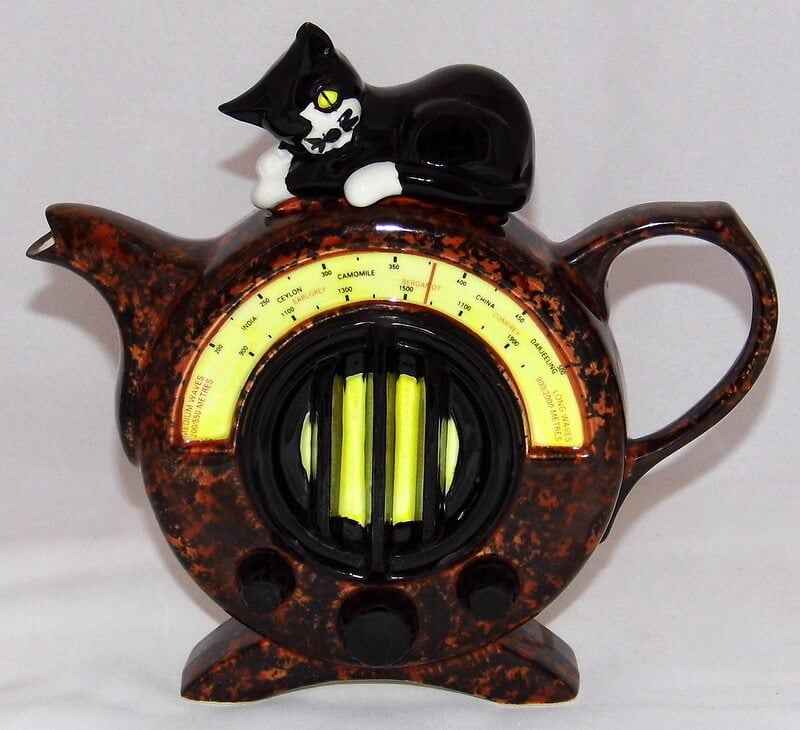
Radios manufactured in unconventional shapes tied to a specific product or brand, often produced as promotional items rather than standard consumer electronics, draw a crossover audience of radio collectors and advertising memorabilia collectors simultaneously. Their limited original production runs and dual collector appeal frequently push prices higher than a standard radio of comparable technical specification.
Coin-Operated Hotel Radios
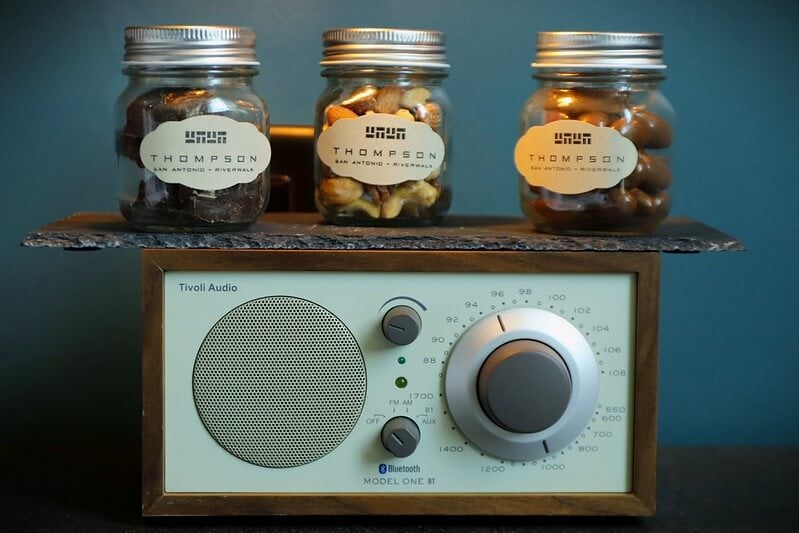
Radios manufactured for coin-operated use in hotel rooms during the mid-20th century represent a specific commercial subcategory distinct from radios built for home use. Their relative rarity today, since most were scrapped once hotels phased out the coin-operated model, makes surviving examples a niche but genuinely competitive find among collectors focused on commercial radio history.
Why Color Decides More Than Circuitry
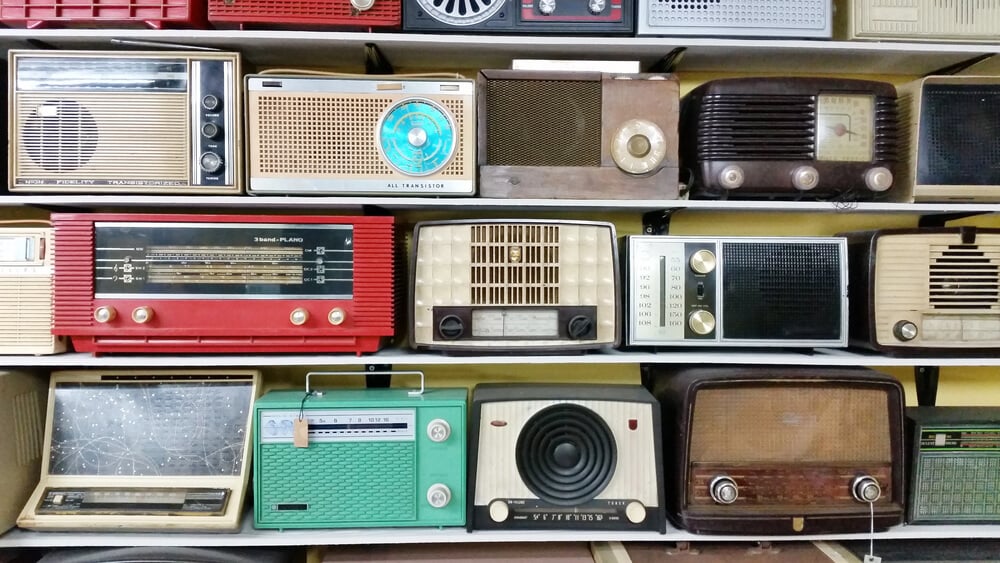
Across nearly every high-value radio on this list, the electronics inside matter far less to price than the cabinet outside. Two radios with an identical internal chassis can sell for prices twenty times apart simply because one survived in a rare, unfaded color and the other did not, a dynamic that surprises newcomers expecting engineering quality to drive the market the way it does with vintage watches or cameras.
That emphasis on color and shape over mechanical performance says something about what collectors are actually chasing. A working radio from the 1940s is not particularly useful today; what buyers are really competing over is a specific, fragile piece of industrial design that happened to survive eight decades without cracking, fading, or being thrown away.
More from Go2Tutors!

- The Romanov Crown Jewels and Their Tragic Fate
- 13 Historical Mysteries That Science Still Can’t Solve
- Famous Hoaxes That Fooled the World for Years
- 15 Child Stars with Tragic Adult Lives
- 16 Famous Jewelry Pieces in History
Like Go2Tutors’s content? Follow us on MSN.



