27 Ancient Laws Still Technically on the Books in American States
America has a long memory — longer than most people realize. Somewhere between the founding of the republic and today, thousands of laws got written down, signed into effect, and then quietly forgotten as the decades piled on. Nobody repealed them.
Nobody noticed. And so they just stayed there, buried in state codes like fossils in sediment, waiting for someone to trip over them.
Some of these laws are genuinely strange. Some reflect a world so different from the present that reading them feels like handling an artifact from another civilization.
And a few of them are technically still enforceable today, which is either funny or alarming depending on your disposition. Here’s a look at 27 of them.
Alabama

Alabama still has a law on the books making it illegal to wear a fake mustache in church if it causes laughter. It was presumably written with great seriousness.
The fact that someone apparently needed to legislate this in the first place suggests the original incident was memorable.
Alaska

Alaska law once prohibited waking a sleeping bear for the purpose of taking its photograph. The law exists, which means someone, somewhere, thought this needed clarification.
And yet, knowing that, it’s hard to feel anything but respect for whoever prompted it.
Arizona

There’s an old Arizona statute that technically prohibits donkeys from sleeping in bathtubs. The law dates back to 1924 and was reportedly enacted after a local merchant’s donkey climbed into an abandoned bathtub and got swept away in a flood — and the town had to pay to rescue it.
Bureaucracy, it turns out, has a gift for immortalizing chaos.
Arkansas

It is — or at least was — illegal in Arkansas to honk your horn at a sandwich shop after 9 p.m. That specific. That committed.
The law reads like a noise ordinance that briefly lost the plot before arriving somewhere deeply personal.
California

California has an old law that makes it a misdemeanor to shoot any kind of game from a moving vehicle, unless the target is a whale. The whale exception exists — written plainly, no irony intended — which raises questions about what California’s coastline looked like to the legislators of 1872.
Colorado
Colorado once had a law making it illegal to ride a horse while under the influence of alcohol. The spirit of the law is sensible enough — a horse is harder to stop than it looks, and the roads were shared.
But there’s something quietly funny about a DUI that technically requires four legs.
Connecticut
In Connecticut, a pickle cannot legally be called a pickle unless it bounces. This is not metaphorical.
The state’s Department of Agriculture established a standard in the 1940s requiring that a proper pickle must bounce when dropped from a height of one foot. Connecticut takes its pickles seriously, which is more than can be said for most states.
Delaware

Delaware still has old blue laws — Sunday trading restrictions — that technically limit certain commercial activity, rooted in colonial-era Sabbath observance. Many of these were never fully repealed, just layered over by more recent statutes.
They sit in the legal code like furniture pushed into a corner: inconvenient to remove and easy to ignore until someone walks into them.
Florida

Florida has a law that prohibits unmarried women from parachuting on Sundays. The law is technically still in the books in certain county codes.
There’s no recorded prosecution, which is either reassuring or a sign that enforcement has been left to the honor system.
Georgia

Georgia once had — and may still have — a law making it illegal to tie a giraffe to a telephone pole or streetlamp. The law was almost certainly aimed at circus animals passing through towns in an era when that was a genuine logistical problem.
That era has passed. The law has not.
Hawaii

In Hawaii, it is illegal to place coins in your ear. The law reportedly traces back to early efforts to prevent gambling-adjacent tricks and sleight-of-hand schemes in public markets.
It’s the kind of law that once made sense inside a very specific social context and now just sits there, baffling anyone who reads it cold.
Idaho
Idaho has a law that prohibits a citizen from giving another citizen a box of candy that weighs more than 50 pounds. This one is delightfully specific — not 49 pounds, not “a large amount.” Fifty pounds is the line.
Go figure.
Illinois

Illinois still technically has a law requiring that all cats in the city of Zion wear tail lights when outdoors after dark — though local ordinance enforcement on this one has been, charitably, inconsistent. It belongs to an old class of municipal animal regulations that made perfect sense before anyone thought too hard about the implementation.
Indiana

Indiana law once prohibited — and some statutes still technically reflect — the act of attending a public event within four hours of eating garlic or onions. The reasoning was public decency.
Whether this was ever enforced is unclear, though the ambition is undeniable.
Iowa

Iowa has an old statute making it illegal for a man with a mustache to kiss a woman in public. The law doesn’t explain its reasoning, which is probably for the best.
It just stands there in the legal record, confident in itself, asking no questions.
Kansas
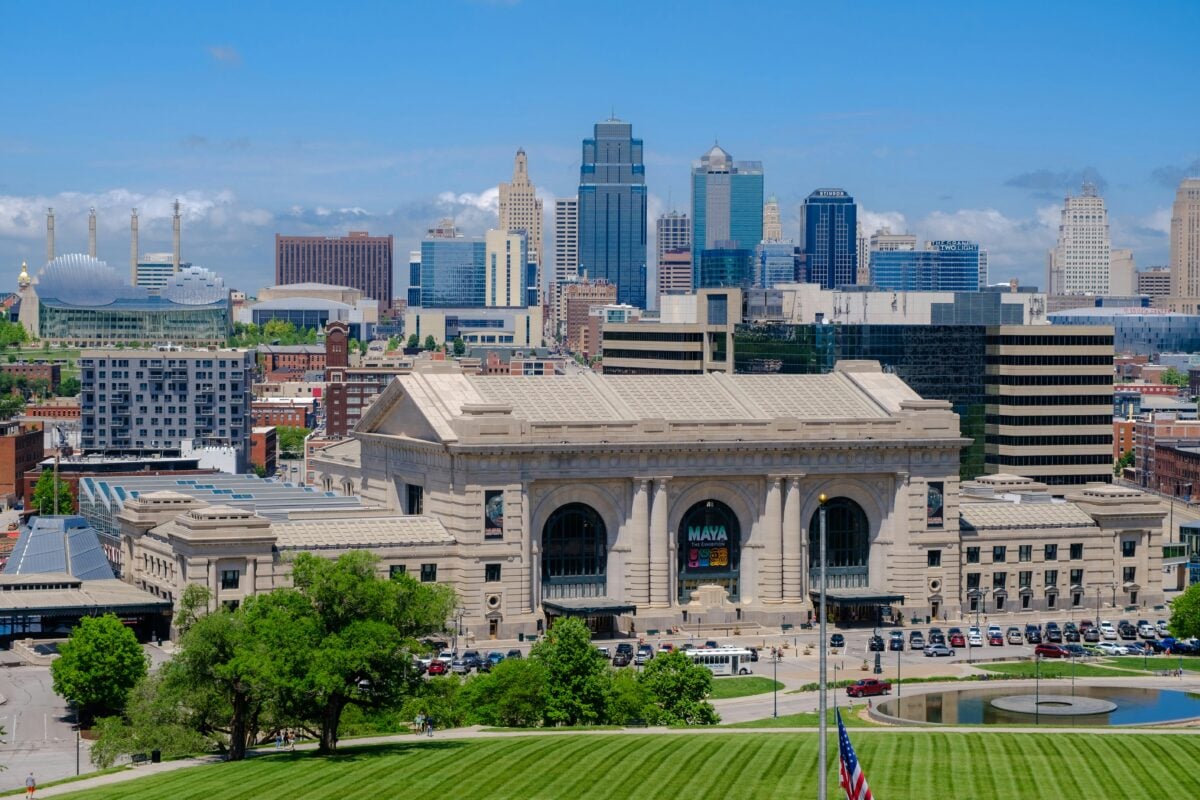
Kansas once made it illegal to serve wine in teacups. This is the kind of regulation that sounds absurd until you realize it was almost certainly aimed at establishments trying to serve alcohol through a loophole during temperance-adjacent periods.
Turns out clever workarounds and the legislation created to stop them make for strange reading a century later.
Kentucky

Kentucky law prohibits — technically — carrying an ice cream cone in your back pocket. The law reportedly originates from horse theft prevention: leaving an ice cream cone in your pocket was supposedly a method of luring a horse and leading it away, allowing the thief to claim the horse “followed them.”
The specificity of the scheme is almost admirable.
Louisiana
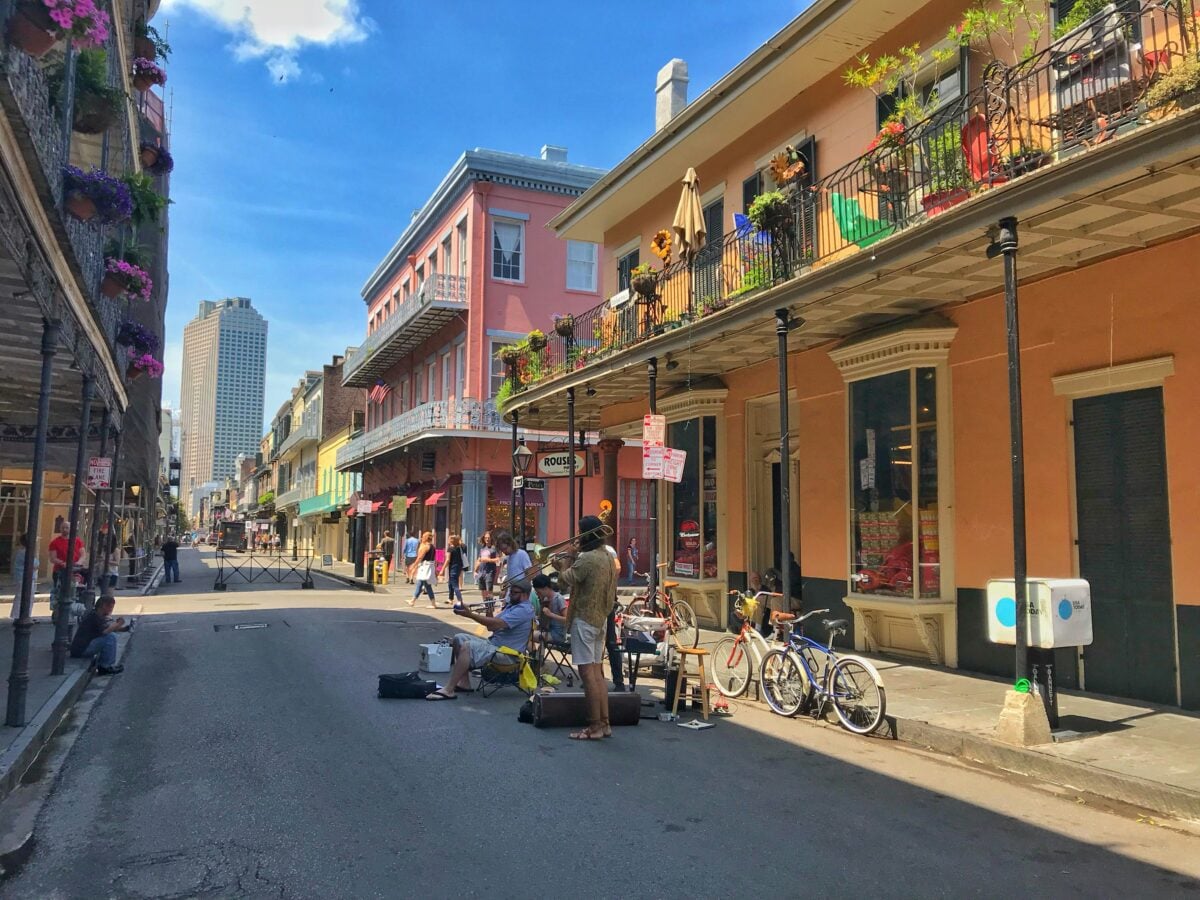
Louisiana has old statutes on the books related to fortune telling and spiritual consultation for compensation, some of which technically classify certain services as illegal depending on how they’re advertised. The laws date to an era when anti-fraud legislation and cultural suspicion of folk practices ran together without much distinction.
They were never cleanly repealed — just quietly sidestepped.
Maine

Maine still technically has laws governing the behavior of Christmas trees — specifically, old regulations about the sale of live trees during certain periods. The law is a relic of mid-century commercial standards written when tree markets were unregulated and fires were a genuine seasonal hazard.
The hazard has mostly been addressed. The law endures regardless.
Maryland

Maryland has an old law making it illegal to take a lion to the movies. It’s exactly what it sounds like: no lions in theaters.
The regulation once applied broadly to exotic animals at public venues, back when such a prohibition needed to be stated rather than assumed.
Massachusetts

Massachusetts still has a law making it illegal to keep a mule on the second floor of a building unless there are two exits available. This law feels architectural and pragmatic until you consider what the second exit looks like for a mule.
And then it doesn’t feel either of those things.
Michigan

Michigan has an old law that makes it technically illegal to paint sparrows to sell them as parakeets. The law was passed as a consumer protection measure — because this apparently happened enough to warrant legislation.
The fraud pipeline it describes is oddly specific: sourcing sparrows, painting them, presenting them as the more desirable bird.
Minnesota

Minnesota has an old statute making it illegal for a woman to be dressed as Santa Claus on city streets. The law is rooted in early-20th-century regulations governing costume and public impersonation — but the specificity of Santa as the example has not aged into irrelevance so much as pure strangeness.
Mississippi

Mississippi still has laws related to the prohibition on “unnecessary noise” that, in their original form, were broad enough to cover public laughter if a judge decided it crossed a line. These were instruments of social control dressed in the language of public order and have never been fully struck from the books, just gradually ignored.
Missouri

Missouri has an old law prohibiting anyone from driving with an uncaged bear in the vehicle. The law is not about bears being in vehicles — that part is presumably understood.
The sticking point is the cage requirement, which implies that a caged bear in the back seat was considered an acceptable arrangement.
Montana

Montana once had a law making it illegal to have a sheep in the cab of a truck without a chaperone present. What constitutes a chaperone for a sheep was apparently left to the judgment of the courts.
Montana’s legislature, in fairness, was working with a genuinely different set of daily problems than most.
Nebraska
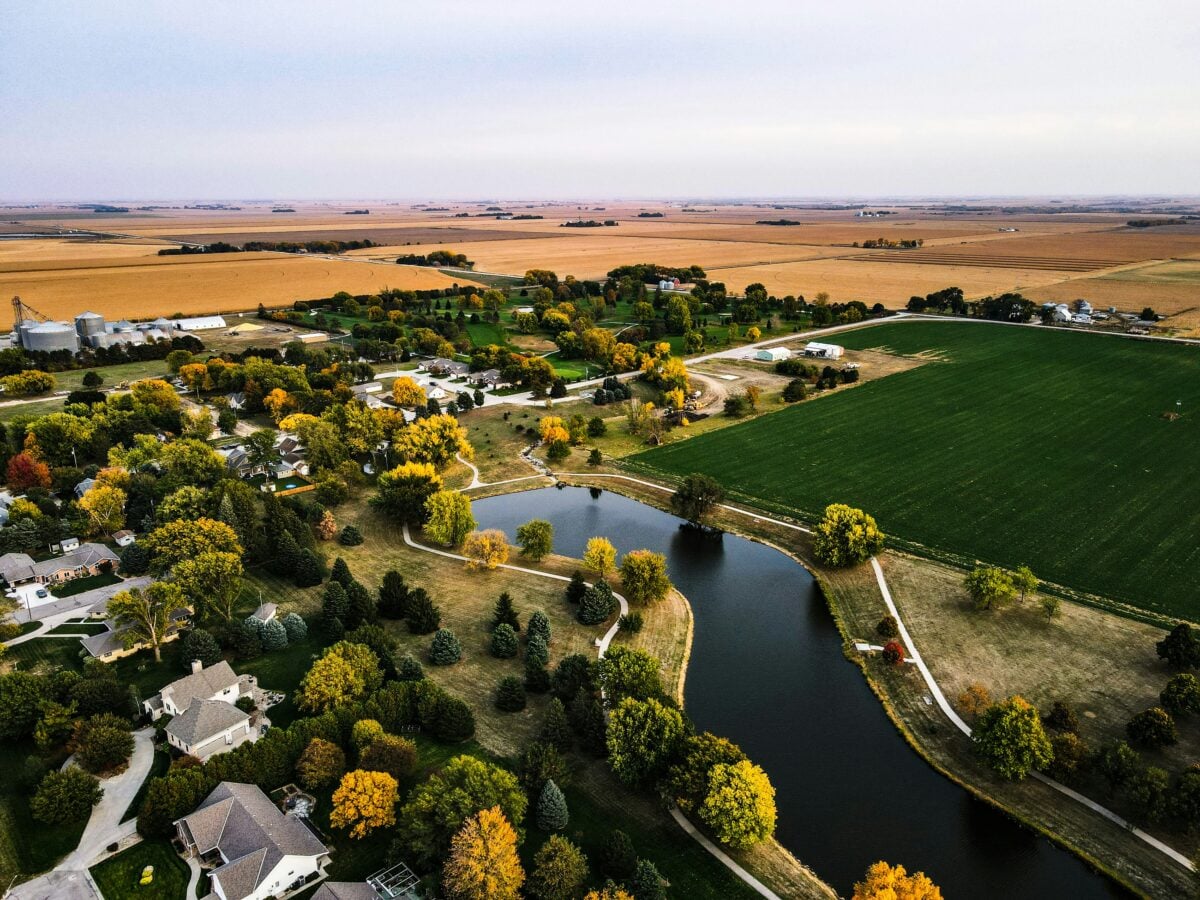
Nebraska has an old law on the books stating that a parent can be arrested if their child burps during a church service. The law, rooted in public decorum statutes from the 19th century, was never formally repealed in certain county records.
It exists in the same legal twilight as dozens of others — not actively enforced, not officially retired.
The Laws That Time Forgot

Old laws don’t die. They just get buried — under newer statutes, under updated codes, under the sheer accumulated weight of legal time.
What makes this collection of ancient American laws genuinely interesting isn’t the absurdity, though there’s plenty of that. It’s the window they open onto real moments: a flooded Arizona town, a Connecticut farmer arguing about pickle standards, a Michigan market selling sparrows with freshly painted feathers.
Every ridiculous law has a story behind it, and that story almost always involves someone, somewhere, doing the exact thing the law was written to stop. These laws are still on the books. Which means, technically, so are the stories.
More from Go2Tutors!

- The Romanov Crown Jewels and Their Tragic Fate
- 13 Historical Mysteries That Science Still Can’t Solve
- Famous Hoaxes That Fooled the World for Years
- 15 Child Stars with Tragic Adult Lives
- 16 Famous Jewelry Pieces in History
Like Go2Tutors’s content? Follow us on MSN.