27 Drive-In Theater Traditions From the ’60s That Quietly Faded Away
The drive-in theater represented something American culture hasn’t quite replicated since: a gathering place built around a shared experience that didn’t require dressing up or sitting in rows. It was casual in a way indoor theaters couldn’t be.
By the 1960s, drive-ins had become central to American leisure, offering something for families, teenagers, and couples—each group using the space differently, sometimes simultaneously, all parked beneath the same outdoor screen. The traditions that built up around this space were specific and gradually disappeared as the theaters themselves did.
What made drive-ins culturally distinct wasn’t just the movie experience. It was everything surrounding it: the economics of parking, the social hierarchies created by where you parked, the customs that emerged, and the ways the space became something different after dark.
Nearly every aspect of the drive-in experience eventually vanished, replaced by something more convenient but infinitely less textured.
Paying Per Car Rather Than Per Person
Drive-in admission was calculated by the vehicle, not the individual. A family of five paid one price; a single person paid the same.
This created an economic incentive to carpool and pile people into vehicles. It shaped social arrangements around the theater—families assembled multiple cars, groups negotiated who would drive, and occasionally strangers would negotiate rides together to reduce the per-person cost. The pricing itself was a radical departure from inside theaters and created a specific culture of togetherness.
The Family Zone in Front Rows
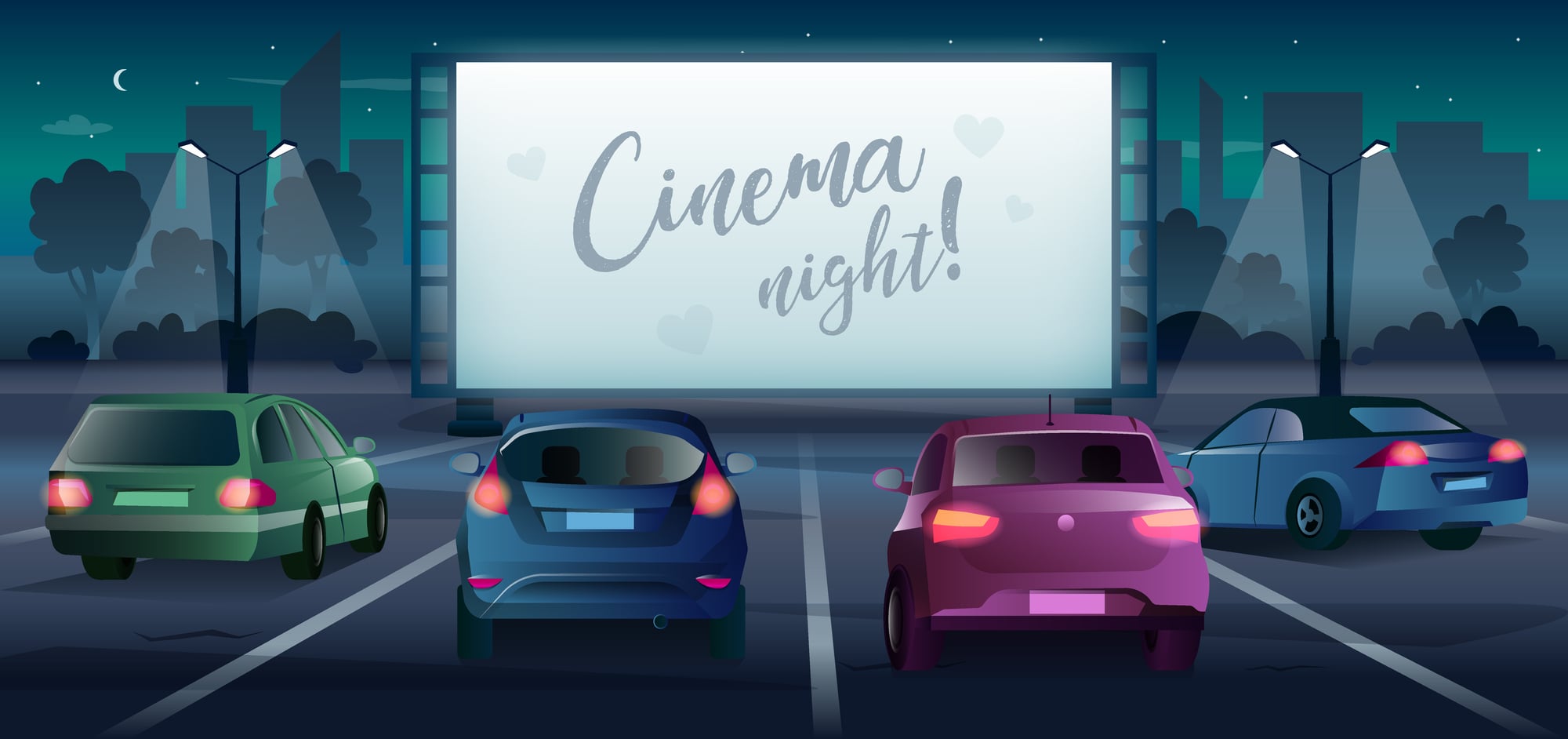
Families positioned themselves in the front rows where lights from the projection booth were most visible and teenage activity invisible. This created a literal social stratification visible from above: families in front, dating couples in middle rows, and teenagers engaged in more serious activities in the darkest back rows.
Everyone understood the geography. Parking in the wrong section meant misaligning with your own intentions.
The Passion Pit Back Rows
The rear sections of drive-ins became known as “passion pits,” a euphemism that was transparent to everyone involved. Teenagers and young adults parked there understanding the space’s purpose.
Parents knew not to investigate what was happening there. The knowledge that these activities were occurring created a specific tension in the drive-in atmosphere—families trying to relax while aware of what was happening just beyond their line of sight.
Sneaking In Through Trunk
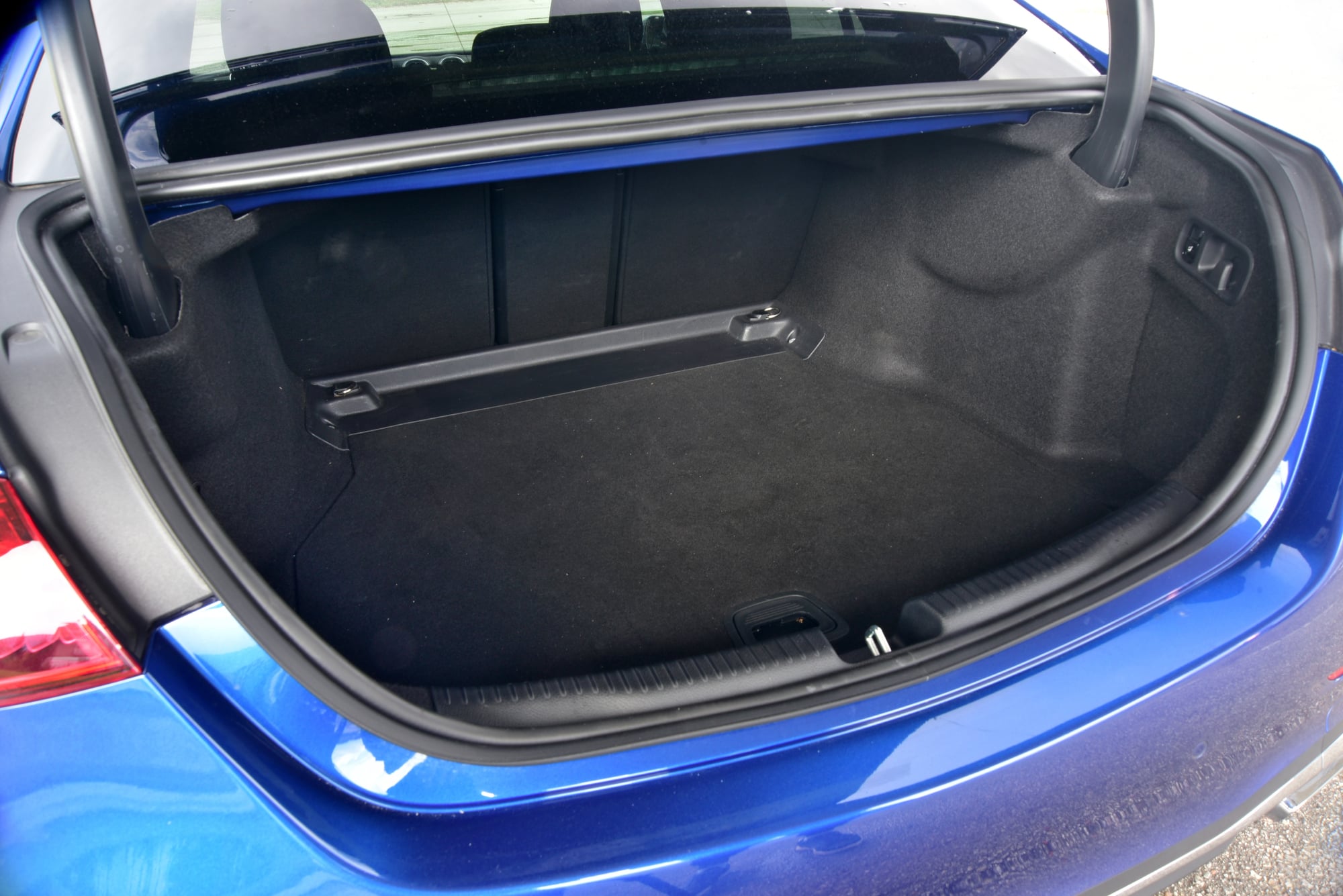
A tradition of teenage defiance, hiding in a car’s trunk and remaining there until the vehicle was parked away from the ticket booth, then emerging after the attendant had checked the car. This created a specific economic blow to drive-in operators and a specific thrill for teenagers.
Many drive-ins eventually required attendants to physically inspect vehicles or adjusted their procedures to prevent this, but the tradition persisted for years.
Bringing Your Own Food
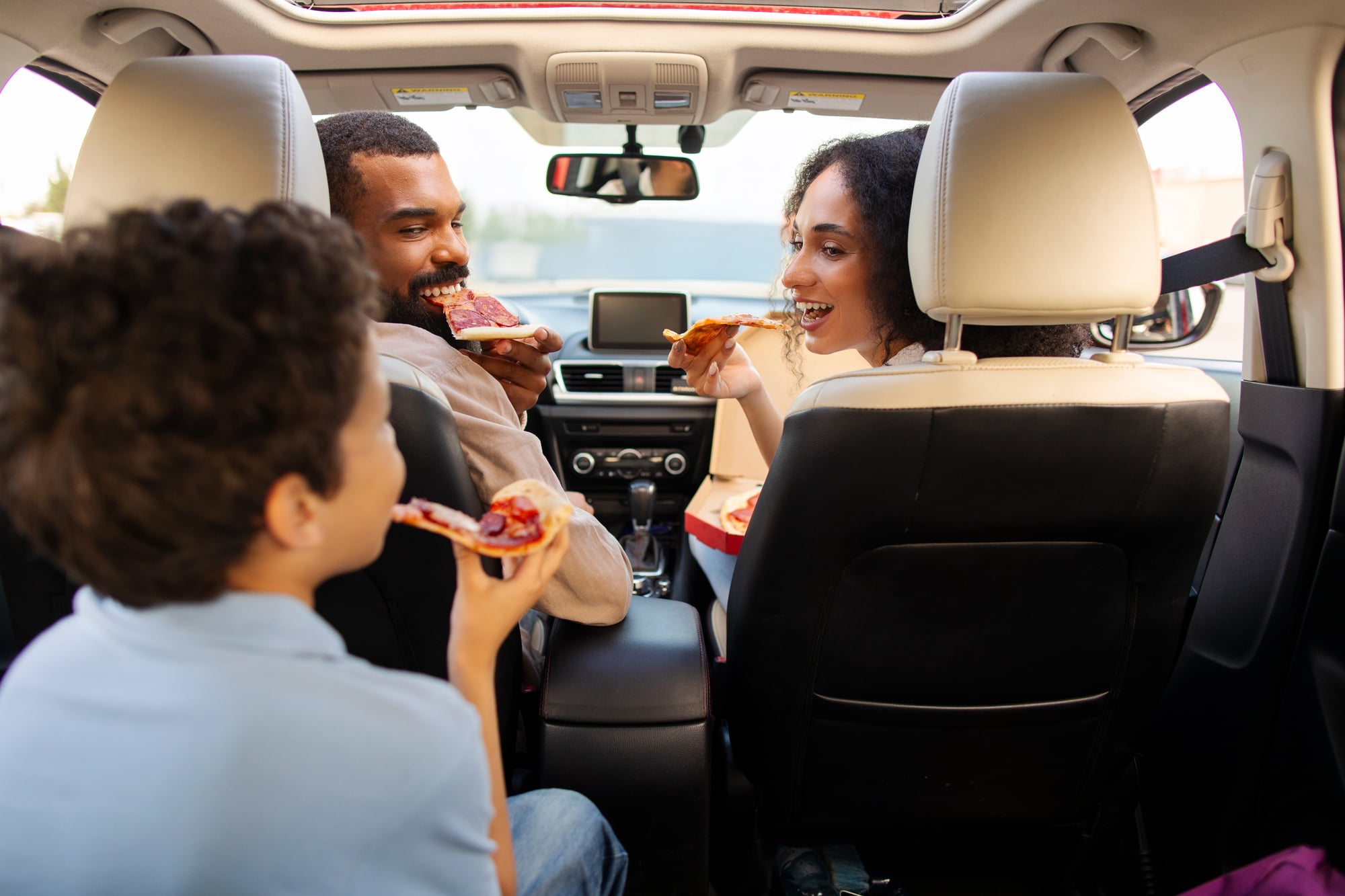
Though drive-ins had concession stands, the informal nature of the venue meant bringing your own food was widespread and often tolerated. Families would pack dinners, arrive early, eat from their car, and then watch the feature.
This blurred the line between a theater and a picnic area. Some drive-in owners eventually cracked down; others accepted it as part of the experience.
Parking Intact for Double Features
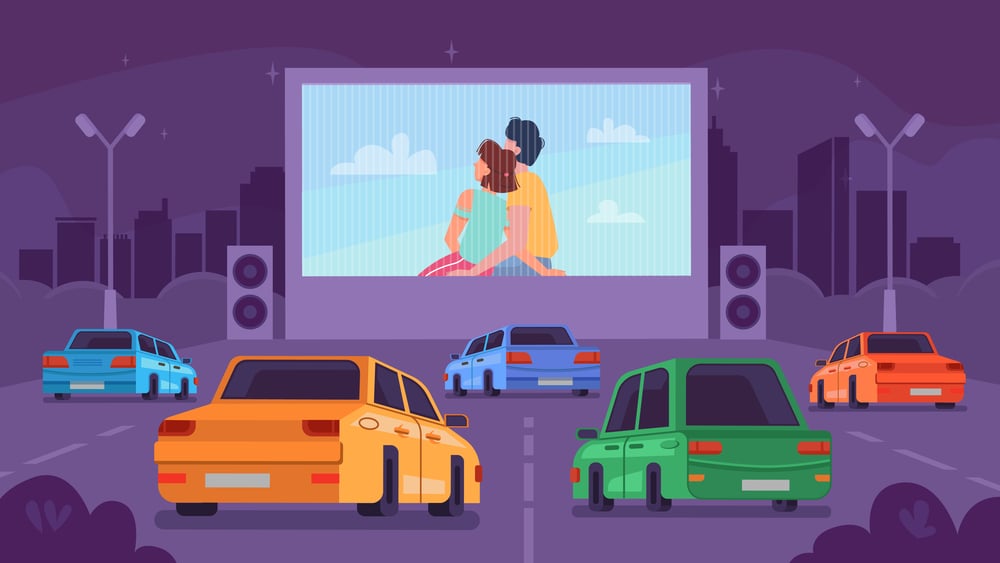
Drive-in programs often featured double features—two movies for one price. Audiences would remain parked for four hours or longer, watching both films.
This commitment shaped the entire evening. People would eat during the intermission between films, some would exit to socialize with friends in other cars, and some would simply remain parked, exhausted, through both features. The double feature created a specific endurance test.
Hanging Window Speakers
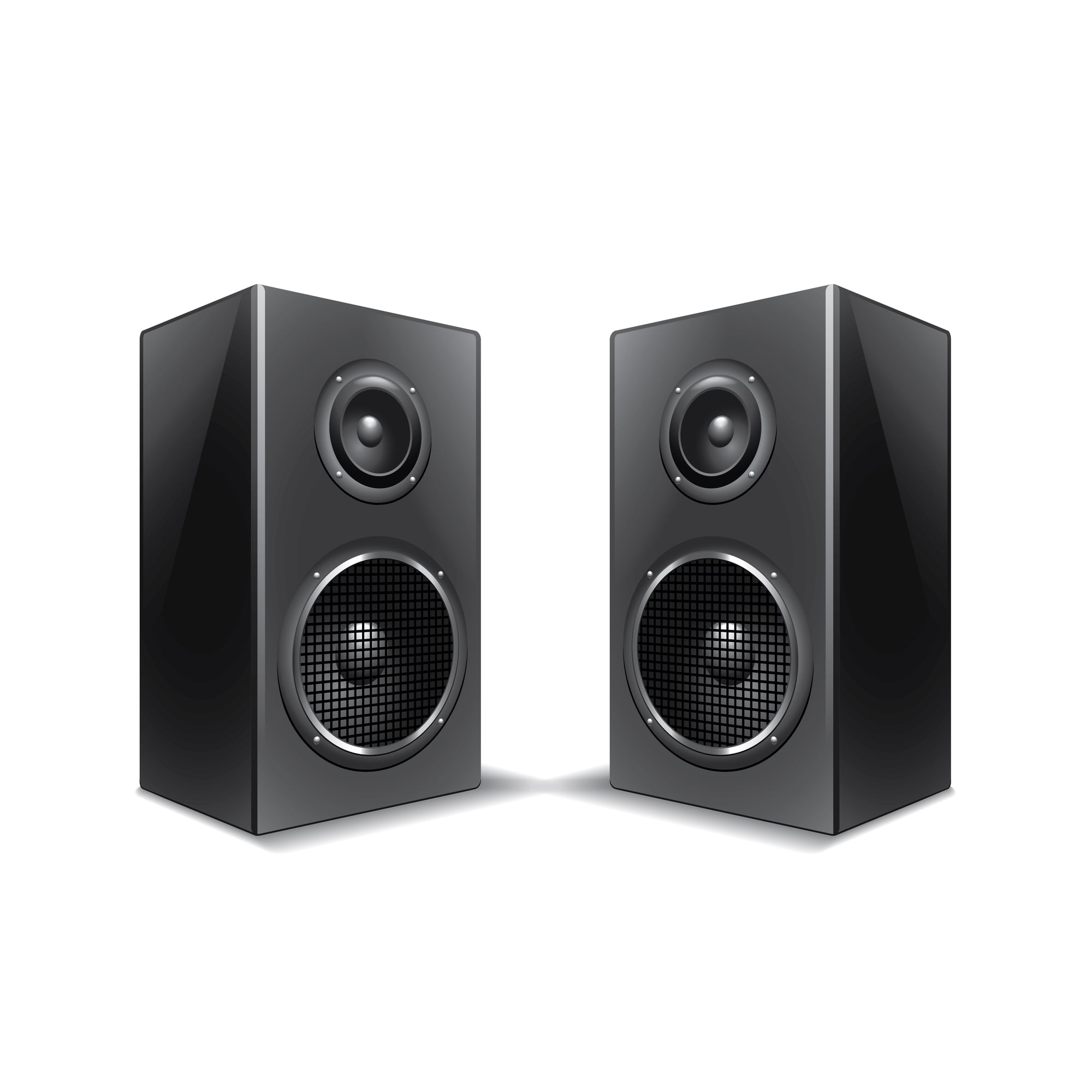
Individual metal speaker boxes hung from car windows, connected by wires to poles between parking spaces. The speaker could be adjusted for volume; leaving it on full blast annoyed neighbors.
The sound quality was poor and subject to weather interference. Eventually these were replaced by radio broadcast of the soundtrack, but for years, the hanging speaker was the only way to hear the film.
Tuning Car Radio for Sound
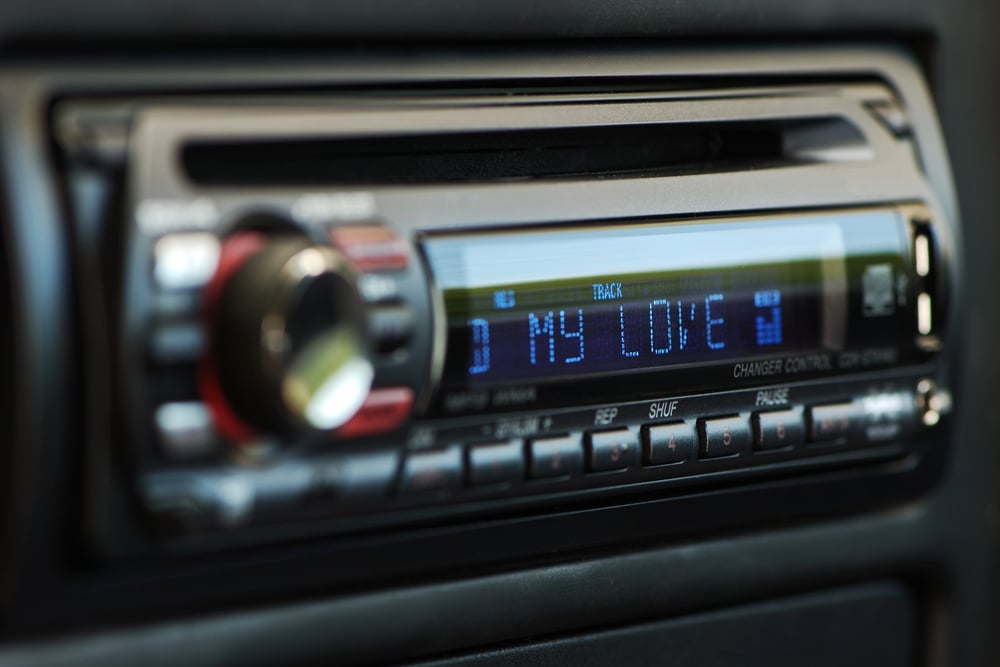
Later drive-ins broadcast the soundtrack on a specific FM frequency that you tuned into using your car radio. This required finding the exact frequency, dealing with static, and hoping your car’s radio reception was good enough.
Forgetting to tune to the right frequency meant sitting through the entire movie with no sound and realizing too late.
The Intermission Break

Between films, the screen would go dark and house lights would come up. This was the time to exit the car, use facilities, purchase concessions, and socialize with friends in other vehicles.
People would wander through the rows of parked cars, visiting friends. The intermission transformed the drive-in into a meeting ground. Some people used it to escape a bad date by disappearing until intermission ended.
Running Kids Between Cars
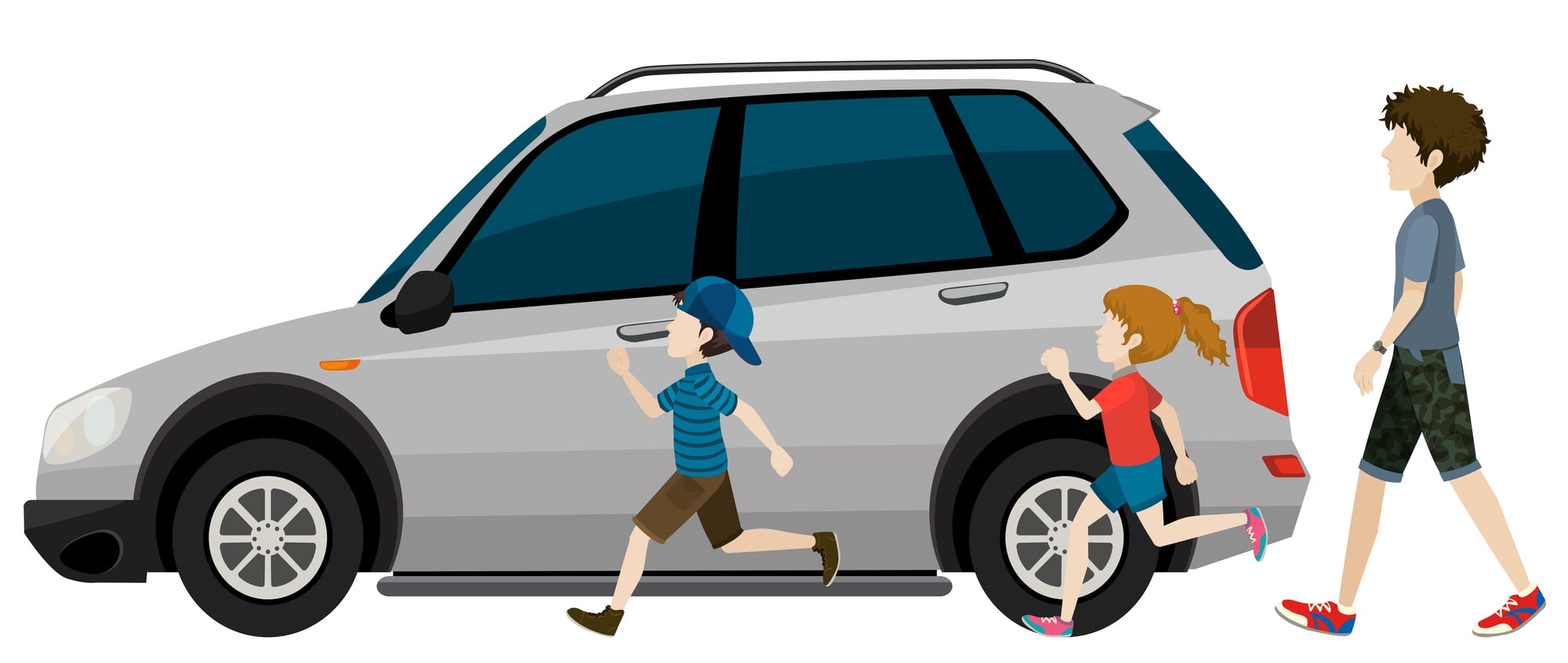
Children were allowed to roam between parked vehicles, visiting friends, playing games in the spaces between rows, and generally moving freely in ways that would be impossible in an indoor theater. Parents could watch their children while remaining in their own cars.
It created a specific kind of playground experience—dark, open, filled with families, but also with dangers that no parent would accept today.
Leaving Early Without Shame
Walk-outs were common and carried no stigma. If the movie wasn’t satisfying or the weather turned bad or you simply changed your mind, you could start your car and leave without making a scene.
This created a different relationship to film attendance. You weren’t committed by a theater’s closed doors; you could exit whenever your interest declined.
Bringing Lawn Chairs and Blankets
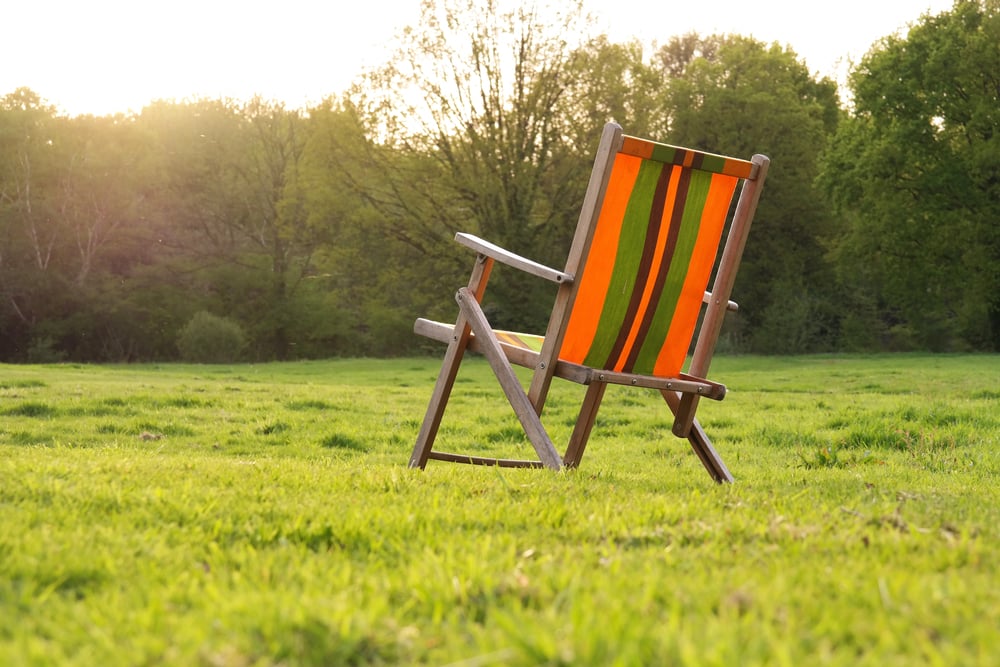
For families who wanted to sit outside their cars, lawn chairs and blankets were positioned in front of or beside vehicles. This transformed the parking lot into something like a campground.
Some people would recline on their car hoods. Others would construct elaborate outdoor seating arrangements. The informality meant people could get comfortable in ways that indoor theaters explicitly prohibited.
“Buck Night” Specials
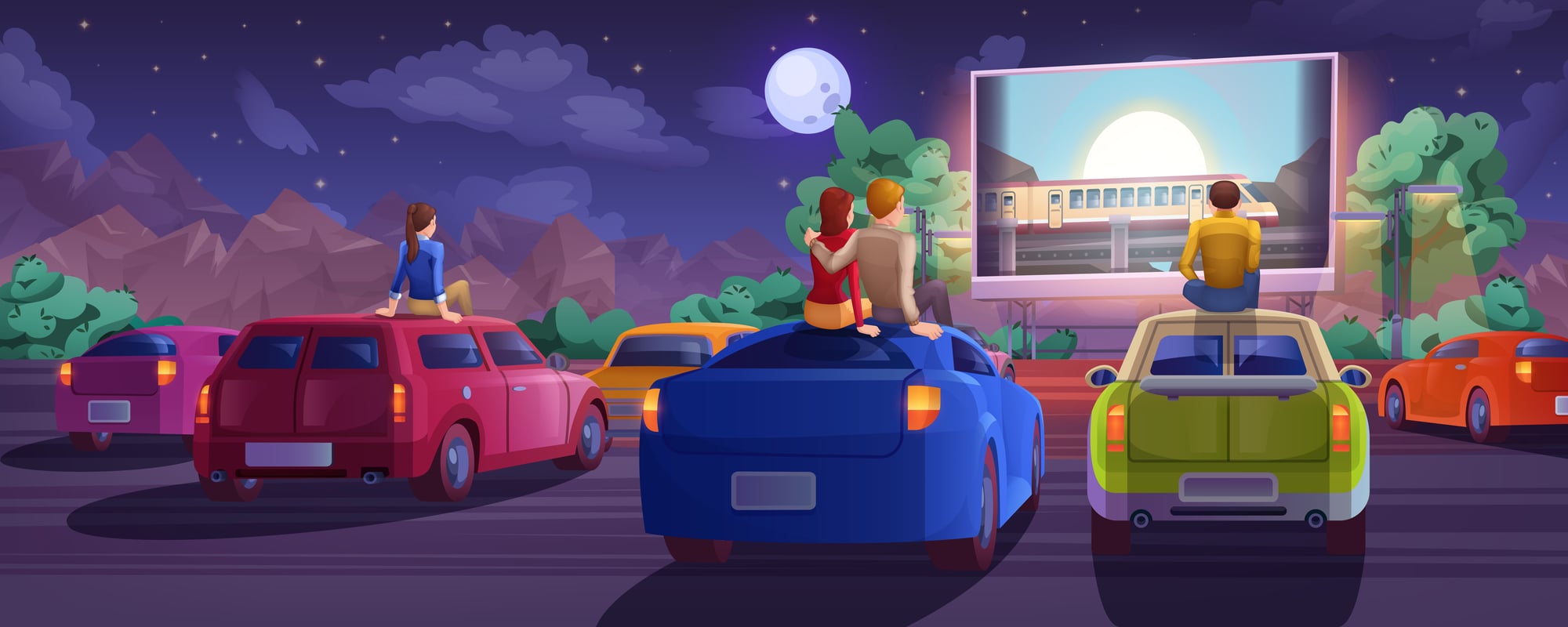
Certain nights, usually Wednesday or Sunday, offered all-you-can-fit pricing: one dollar per car regardless of occupancy. These nights attracted massive crowds, with people packing vehicles far beyond normal capacity.
The lot would be completely full, creating a specific kind of social density. These nights became events in their own right.
Religious Service Screenings
Some drive-ins held Sunday morning religious services before switching to feature films. Priests or ministers would conduct services broadcast through the same speaker system that carried movie soundtracks.
Parishioners could attend church without leaving their vehicles. These dual-purpose operations eventually declined but represented an unusual intersection of entertainment and faith infrastructure.
Bringing Infants in Pajamas

Parents could bring small children in nightclothes without concern for disrupting others or adhering to behavioral expectations. Babies could cry; toddlers could move around; the informal setting meant parenting demands could be met without shame.
This made drive-ins genuinely family-friendly in ways that indoor theaters weren’t.
Honking to Communicate
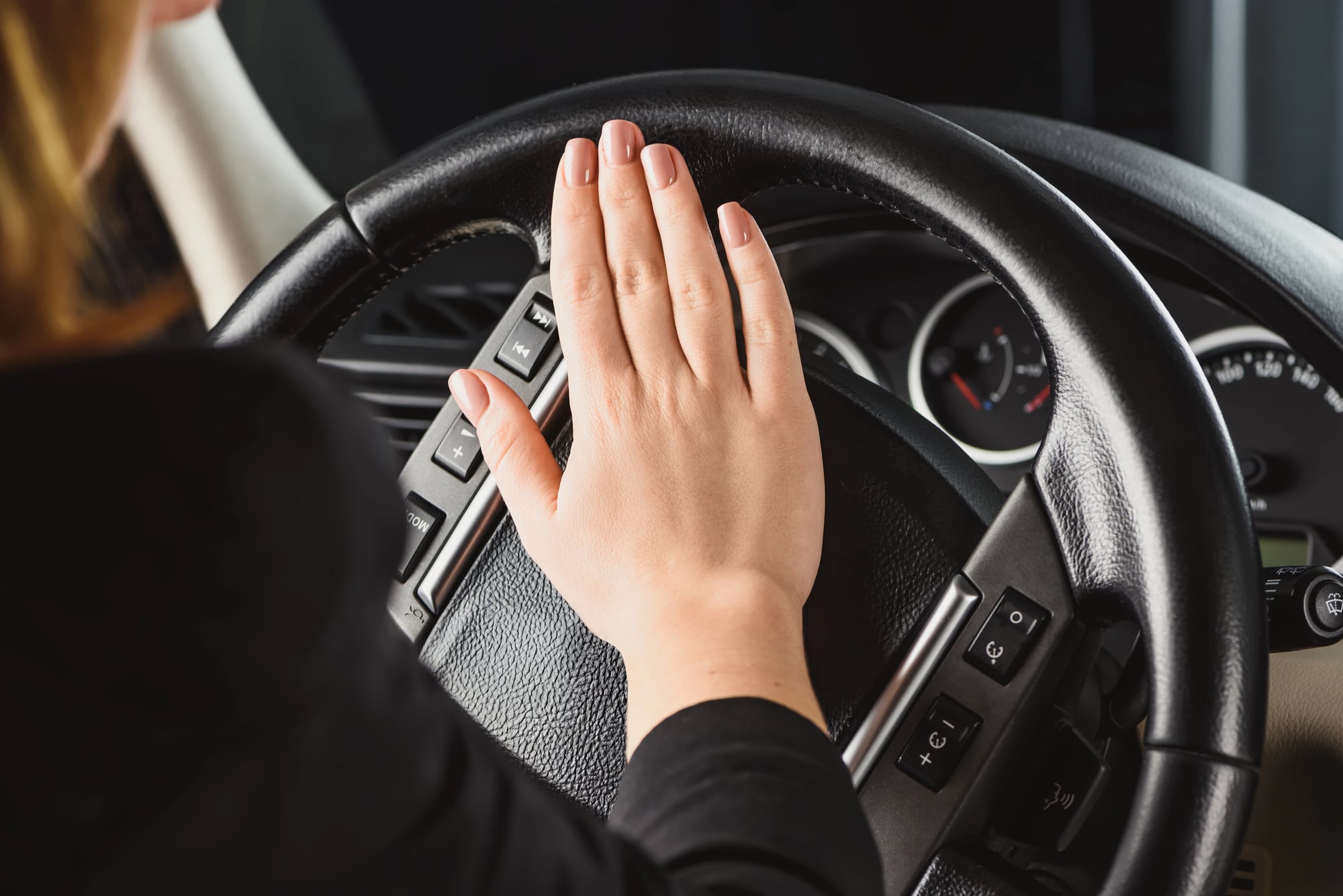
Communication between cars happened through honking. Couples would honk to signal friends; groups would arrange which cars to sit in by honking signals.
This created a specific acoustic landscape—constant low-level honking for social coordination. By modern standards, it would be unbearable; at the time, it was normal ambient noise.
Car Hop Food Service
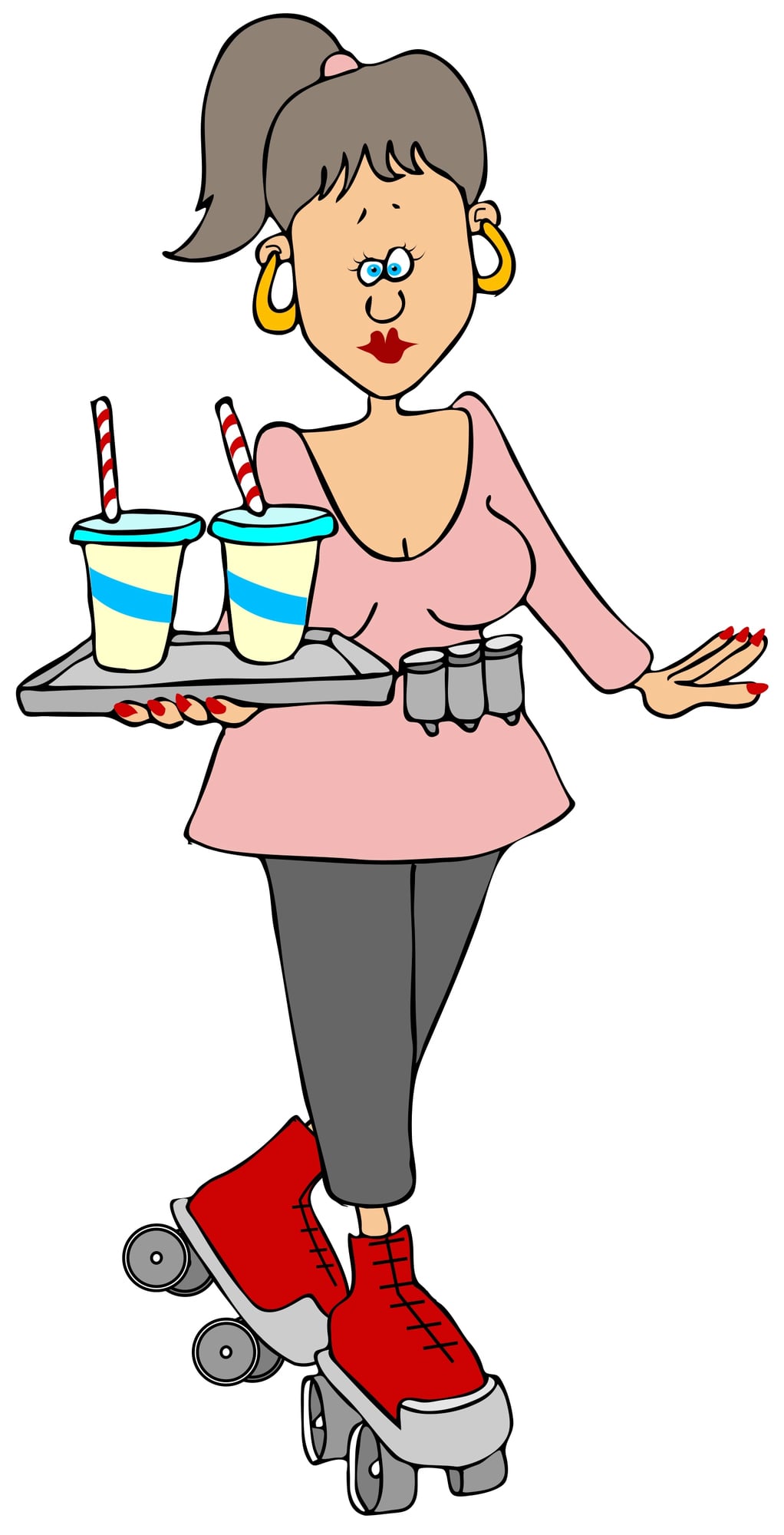
Some drive-in theaters employed car hops who would take orders and deliver food directly to vehicles. This was the closest the drive-in came to being a full restaurant experience.
The car hop tradition was particularly strong in the 1950s and 1960s but declined as labor costs rose and simpler concession stands proved more profitable.
Makeout Competition Among Teenagers
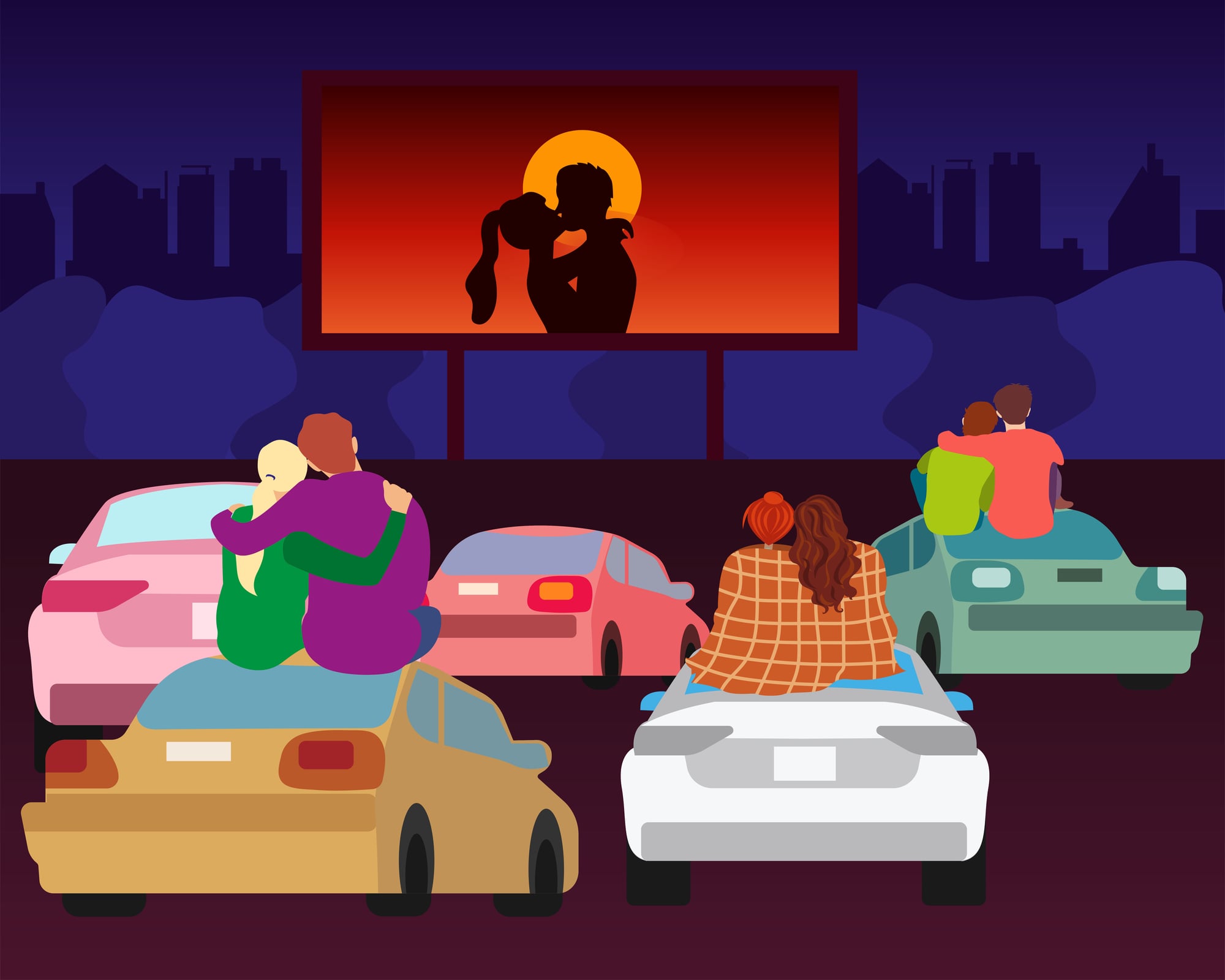
An unspoken social competition existed, particularly among teenagers, to see who could remain parked the longest without actually watching the movie. This required coordination between the person driving and the person limiting the evening to theater attendance, creating relationship friction.
Stories of endurance would circulate through school communities.
Adjusting Your Car Position During Films
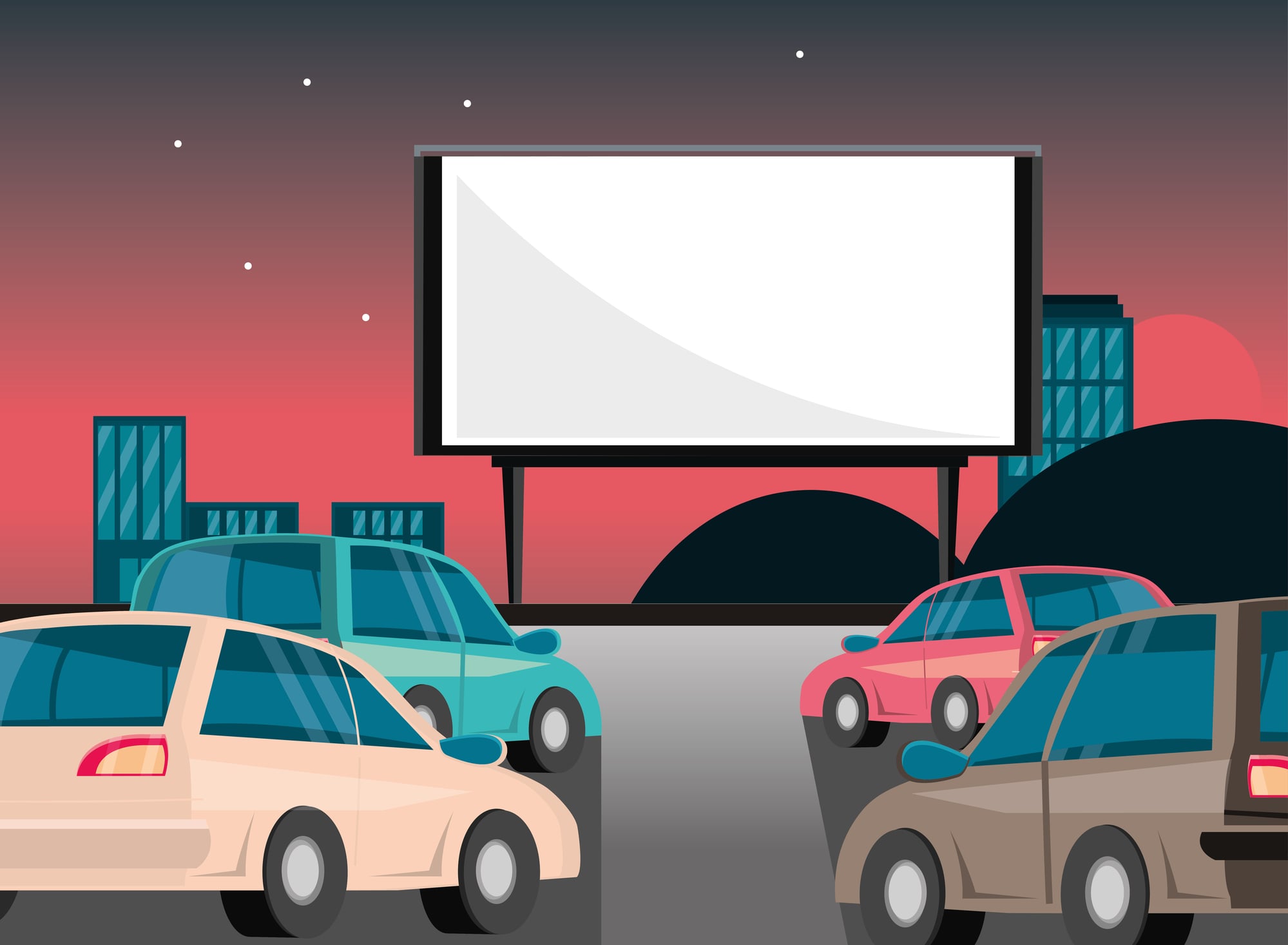
You could recline your seat, move your car position, or reposition your vehicle during the movie without creating problems. People would shift positions, extend their legs, or change their angle repeatedly.
The ability to physically adjust your comfort was unique to drive-in theaters and contributed to their appeal as a leisure destination.
Waiting for Projector Start Times
Drive-in movies had specific start times, but there was often a window of ten to twenty minutes where the screen remained dark but the parking lot continued filling. People would arrive early, park, and wait for the first preview or feature to begin.
This waiting period created its own social culture—windows down, radio on, people waiting together in anticipation.
The Great Outdoor Mosquito Problem

Mosquitoes were a persistent issue at drive-ins located near wetlands or bodies of water. People would swat at insects through open windows, use bug spray inside closed cars, or simply accept being bitten.
Bringing insect repellent was common practice. Summer drive-in attendance meant accepting certain levels of insect harassment that indoor theaters eliminated.
Trading Concession Gossip
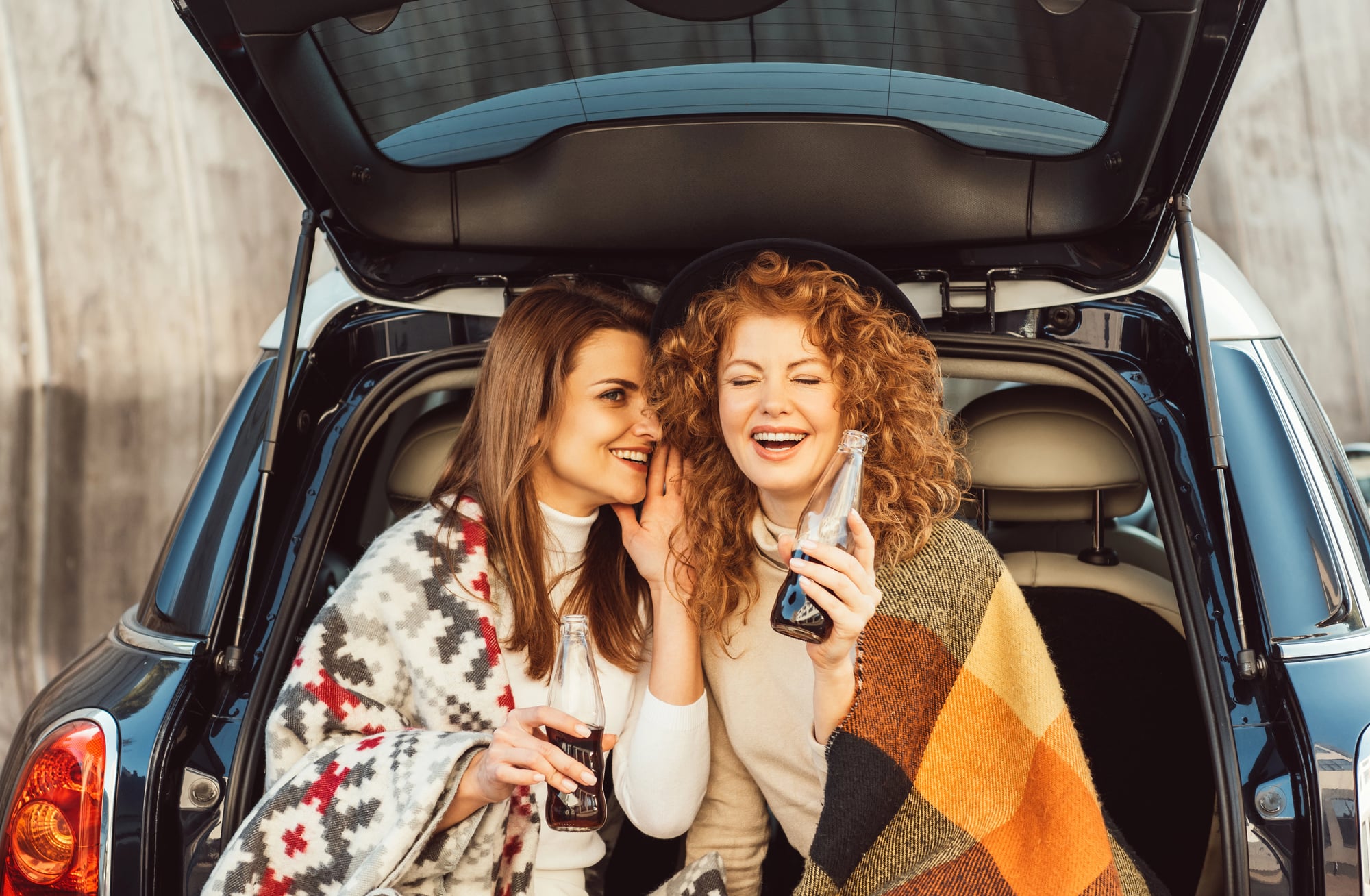
What people purchased at the concession stand became subject to social observation and commentary. Bringing hot dogs versus hamburgers, choosing candy types, or purchasing multiple snacks created material for gossip among friend groups.
The visibility of consumption at drive-ins made food choices semi-public acts in ways they weren’t at inside theaters.
Seeking Privacy Before Easy Parking
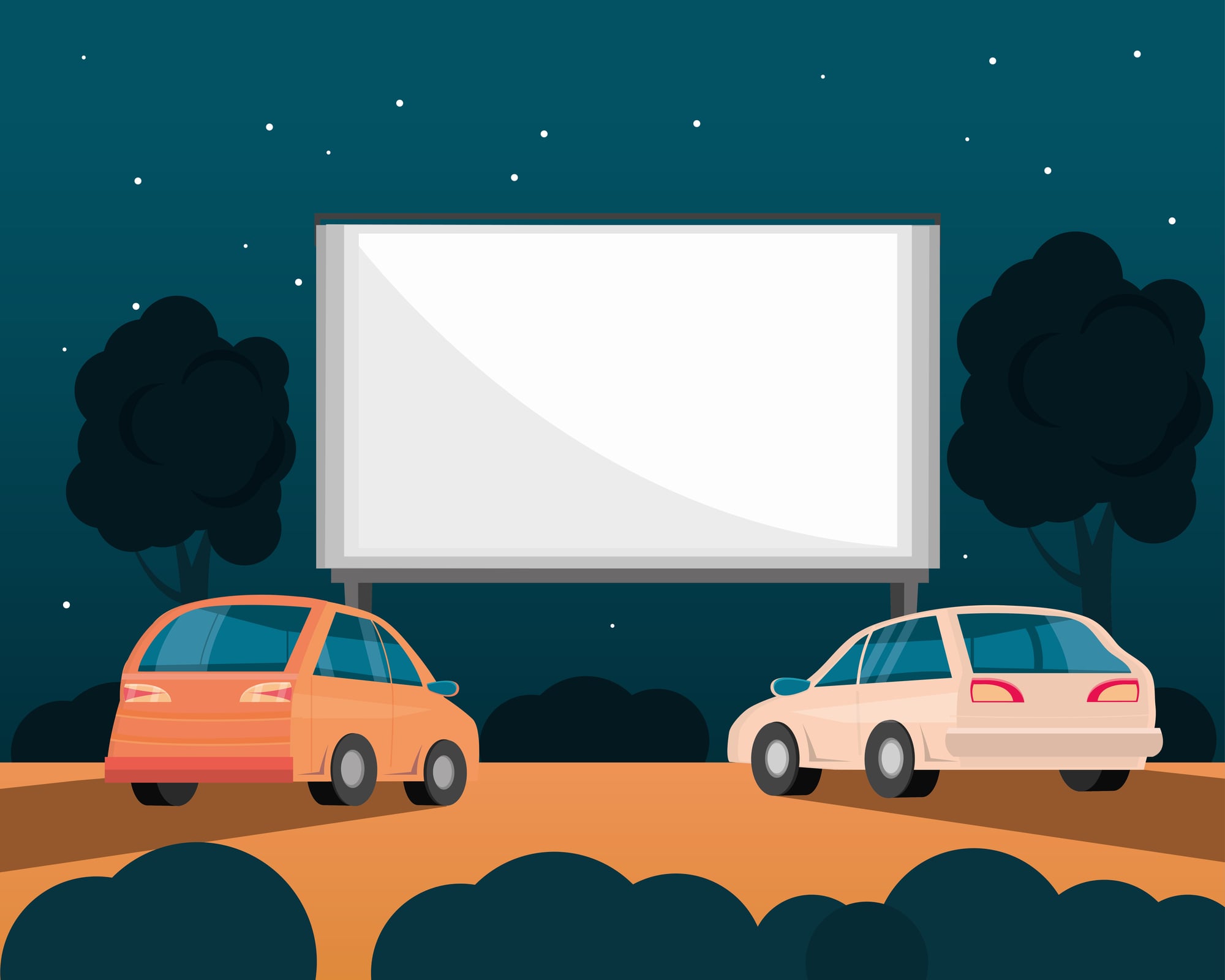
Before smartphones and GPS, drive-ins were among the few locations where people could find privacy without drawing parental attention. The combination of darkness, anonymity in a parking lot, and the cover story of attending a movie made drive-ins destinations for privacy-seeking activities of various kinds.
This dual reputation—family-friendly entertainment venue and adult privacy destination—created tension in how the spaces were understood.
Keeping the Engine Off
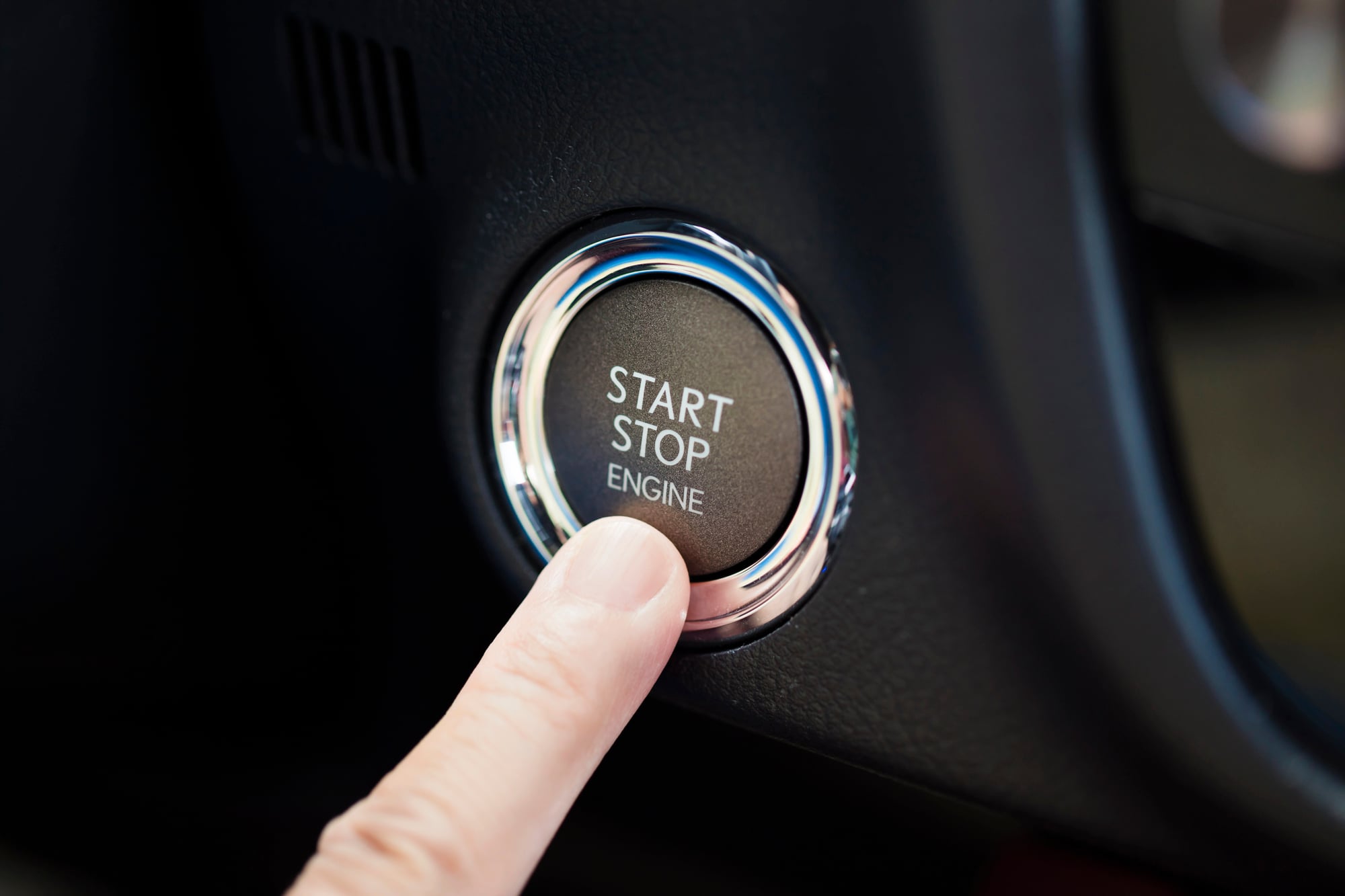
Long movies meant turning off your engine to conserve fuel and avoid overheating the vehicle. This created stillness and quiet for extended periods.
No air conditioning meant windows down or sultry discomfort. Battery drain meant potential starter issues the next day. Running your car continuously meant fuel consumption and engine strain. The choice was genuinely unpleasant either way.
Arriving at Dusk to Socialize
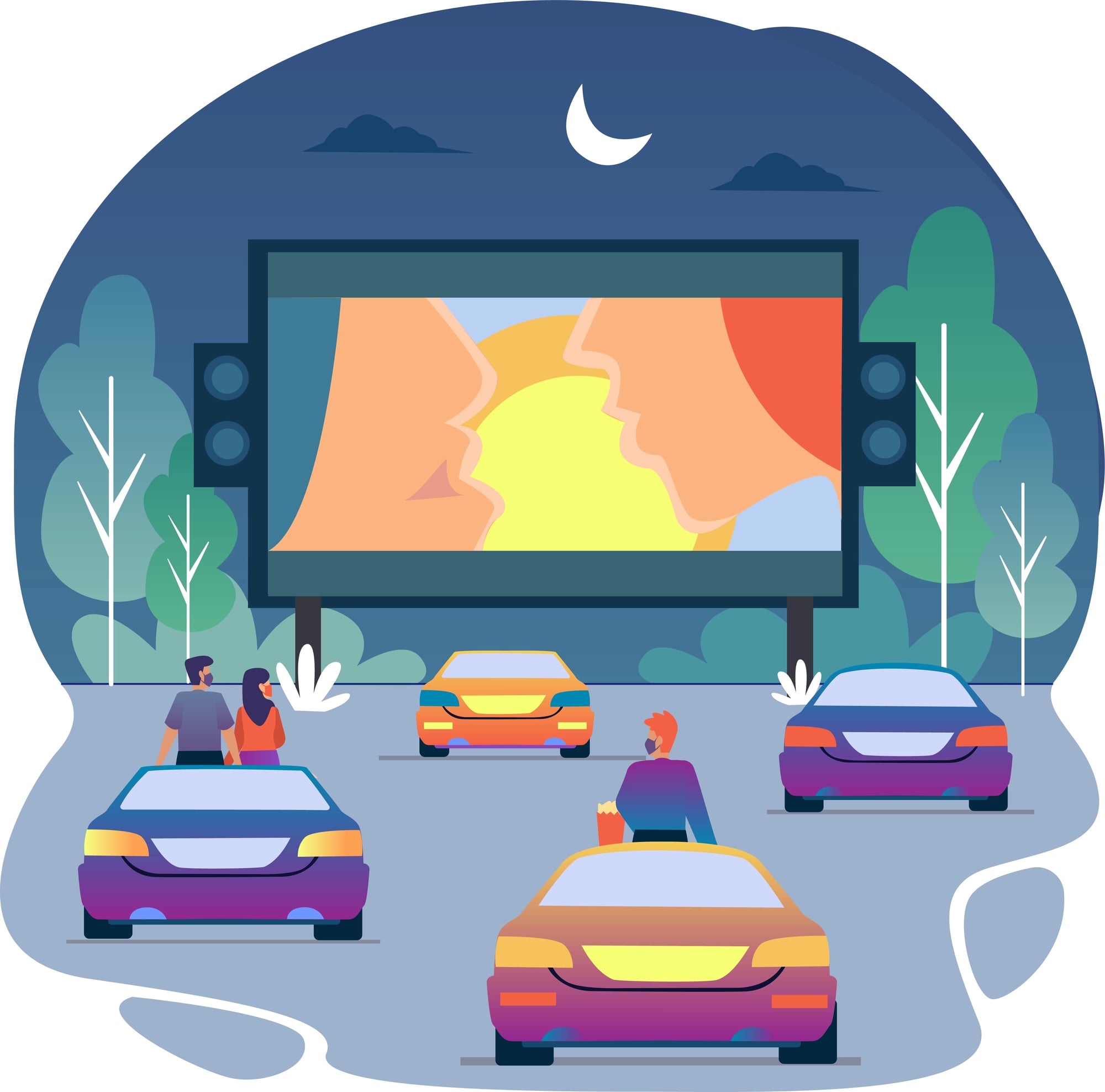
Many people arrived before the sun completely set, using the pre-film time to socialize with friends in adjacent cars, walk around the lot, and observe social hierarchies play out in the parking lot itself. The dusk period was as much a social event as the film was an entertainment event.
Timing your arrival meant arriving before others left at intermission.
Watching for Aerial Promotions
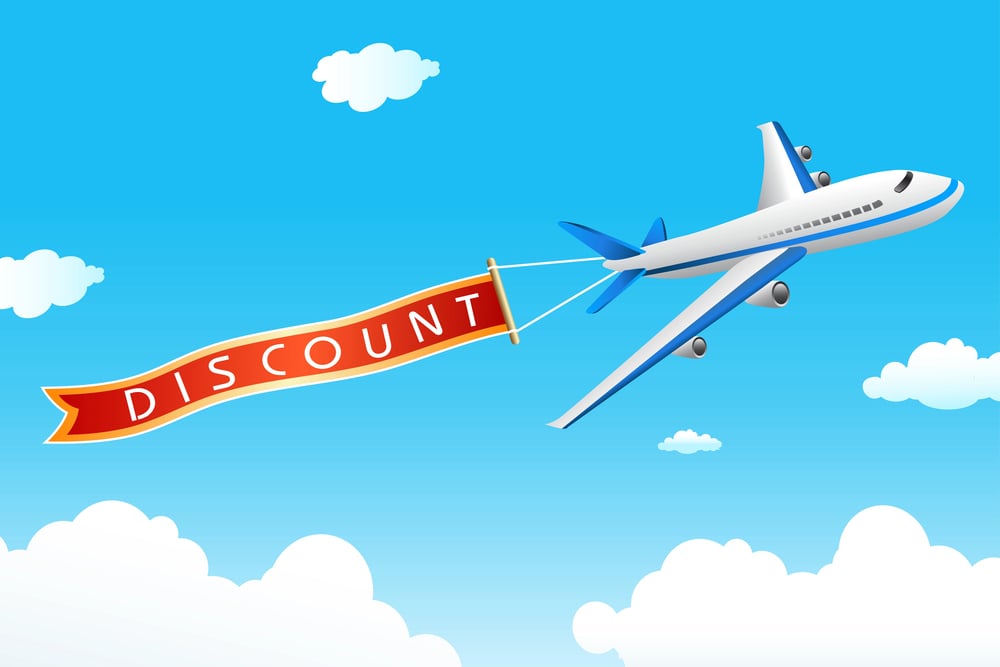
Some drive-ins would have planes fly overhead dropping promotional materials, coupons, or movie information. This aerial promotion was rare but memorable, creating moments where everyone in the parking lot would look up simultaneously and try to grab falling promotional materials.
It created a specific sense of occasion and spectacle.
Dealing With Dust and Gravel Clouds
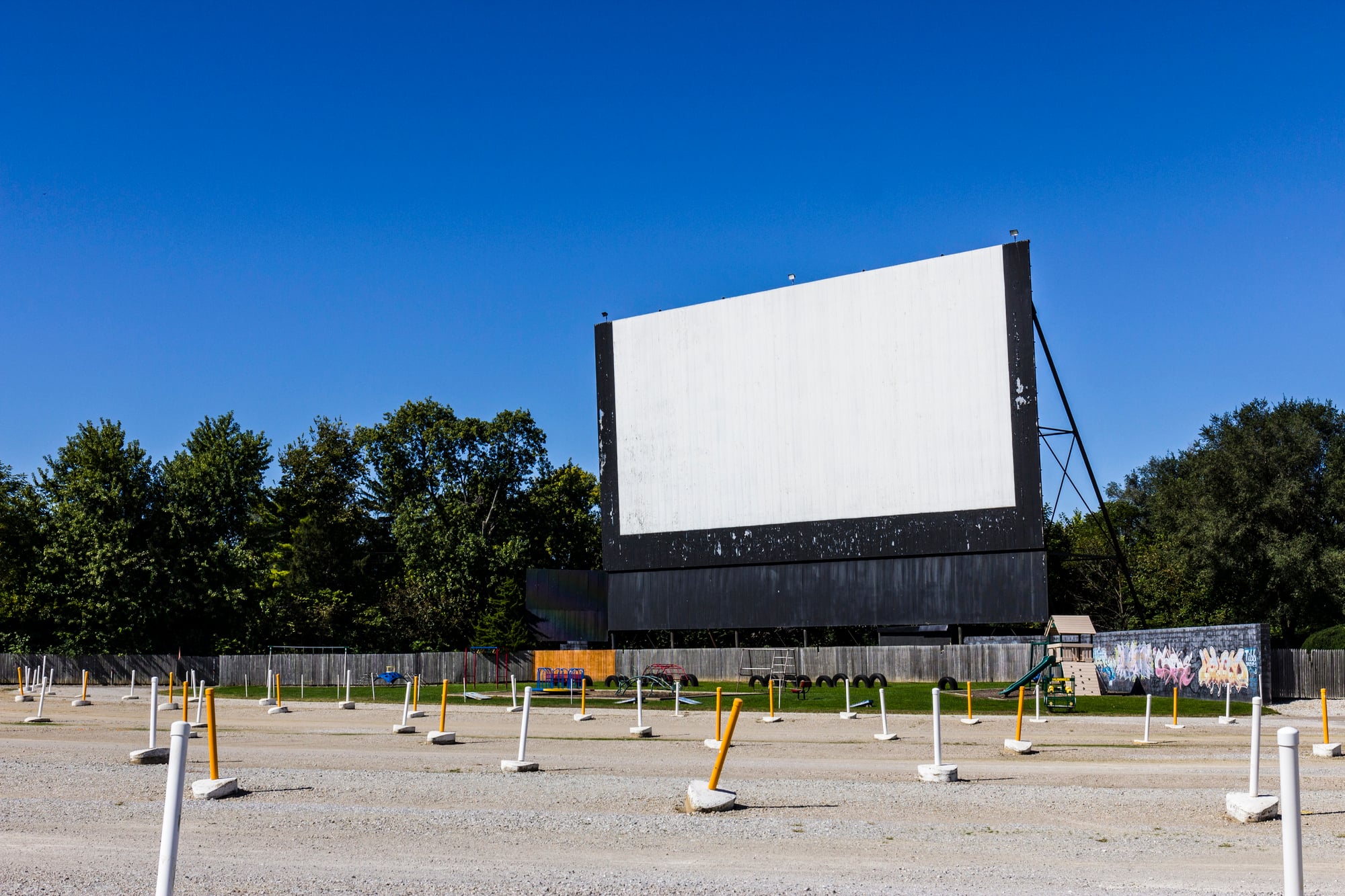
Driving through the unpaved parking lot created dust that coated cars and windshields. Gravel kicked up as vehicles positioned themselves, and the cloud of dust could be substantial, requiring windshield wipers and patience.
The dust was simply accepted as part of the drive-in experience; people didn’t expect paved, maintained parking areas as they might at modern venues.
The Final Fading
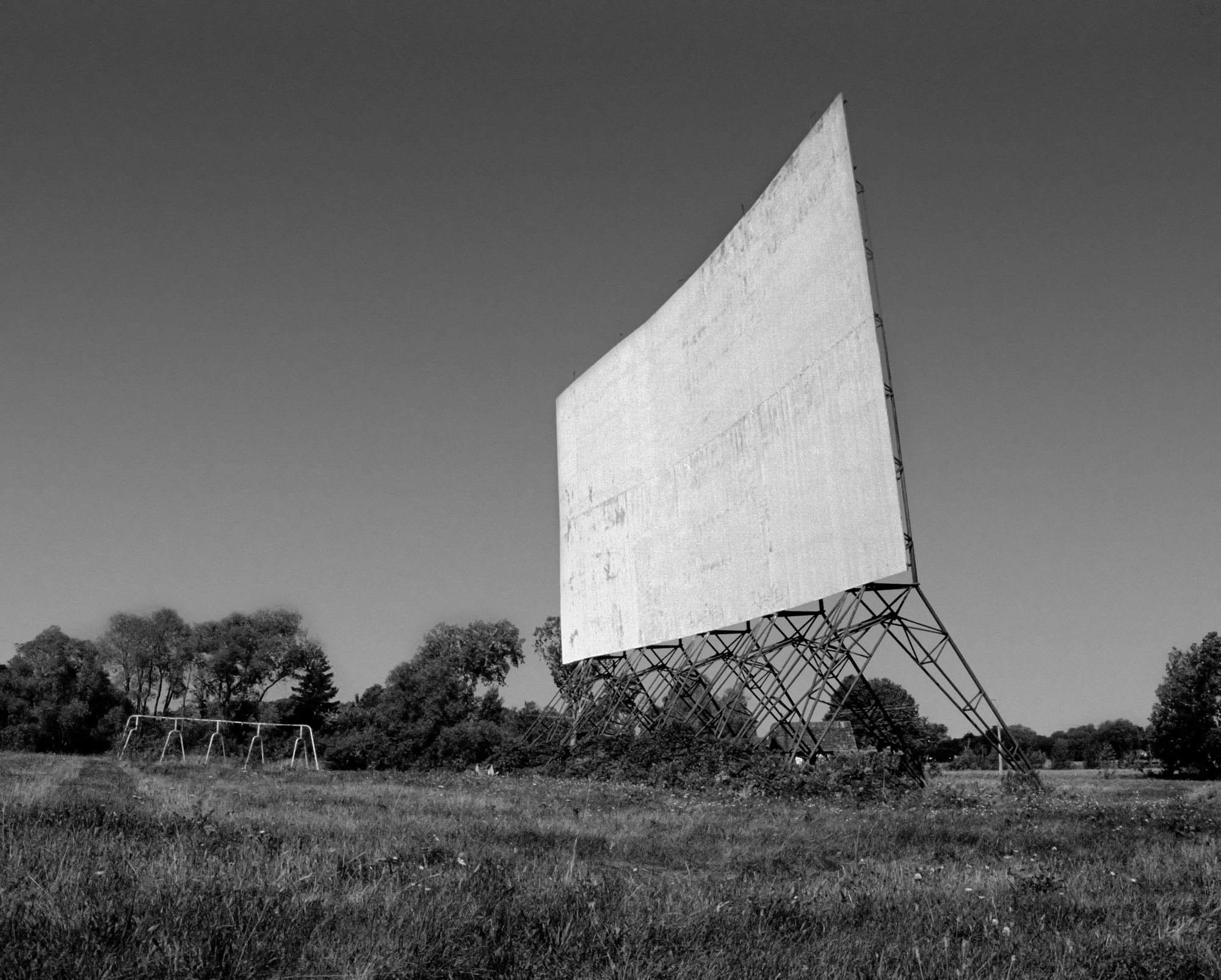
Drive-ins didn’t disappear overnight; they faded gradually through the 1970s and 1980s as land values increased, home entertainment improved, and the specific culture that had built up around them became historical rather than current. The traditions didn’t transfer to anything else because they were unique to this exact configuration of technology, economics, space, and time.
When the drive-in era ended, these practices ended with it, leaving only nostalgia and old photographs as evidence they were ever ordinary.
More from Go2Tutors!

- The Romanov Crown Jewels and Their Tragic Fate
- 13 Historical Mysteries That Science Still Can’t Solve
- Famous Hoaxes That Fooled the World for Years
- 15 Child Stars with Tragic Adult Lives
- 16 Famous Jewelry Pieces in History
Like Go2Tutors’s content? Follow us on MSN.



