32 Full Moon Traditions From Cultures Around the World
Every month, without fail, the same moon rises full and bright over every country on earth — and for as long as humans have been looking up, they have been doing something about it. Not just noticing it.
Doing something: gathering, singing, fasting, fishing, planting, praying, crying, and celebrating in ways so varied and specific that it’s almost hard to believe they’re all responding to the same object in the sky.
What’s remarkable isn’t just the diversity of these traditions — it’s the consistency of the impulse. Cultures that never had contact with each other arrived independently at the same conclusion: the full moon matters, and it deserves a response.
Here are 32 of those responses, from ancient practice to living tradition.
Guru Purnima — India and Nepal
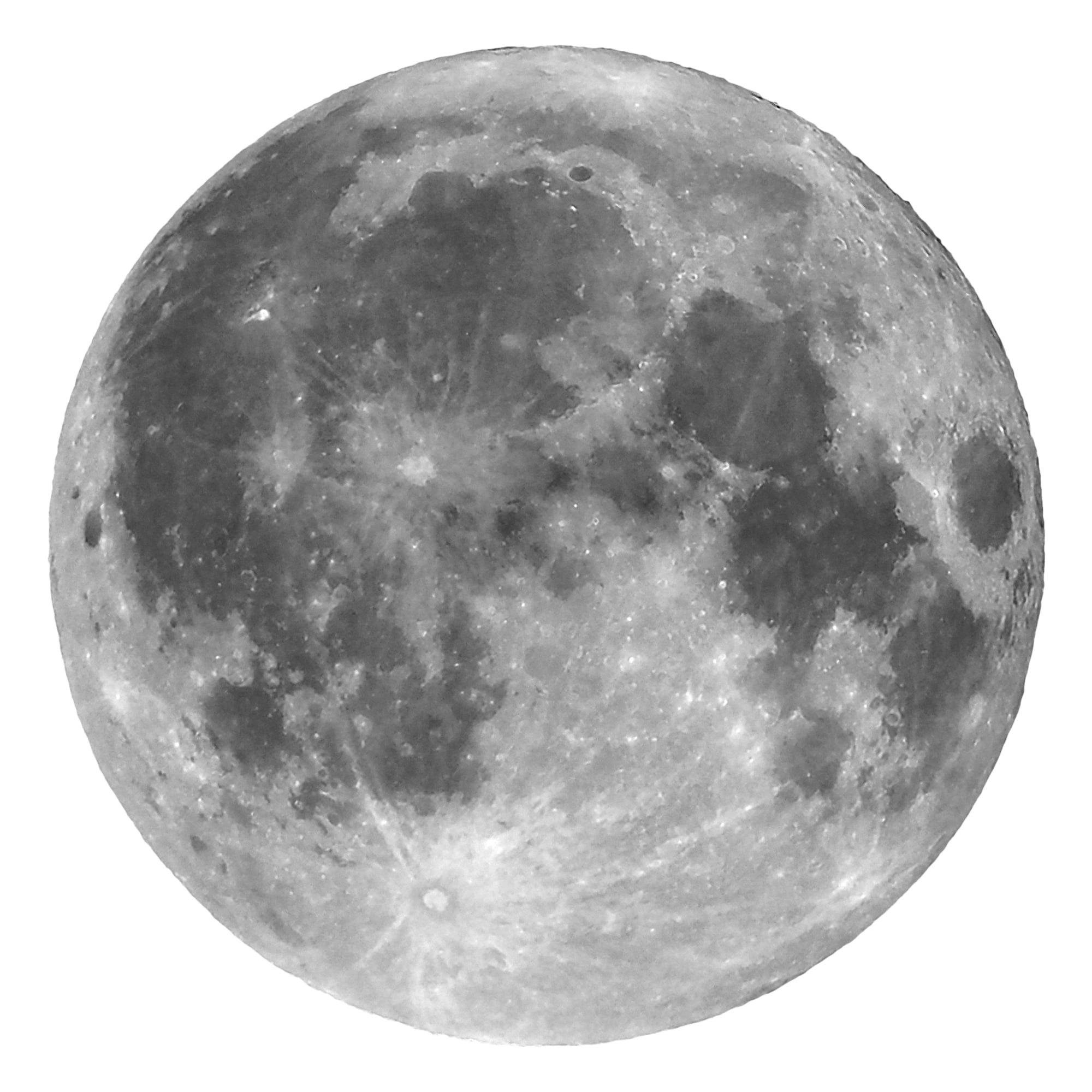
Observed on the full moon of the Hindu month of Ashadha (typically July), Guru Purnima is dedicated to honoring spiritual teachers across Hindu, Buddhist, and Jain traditions. Students visit their gurus, temples fill with prayers, and the day is considered especially auspicious for beginning a new course of study.
The tradition honors the sage Vyasa, believed to have been born on this day and credited with compiling the Vedas.
Holi — India
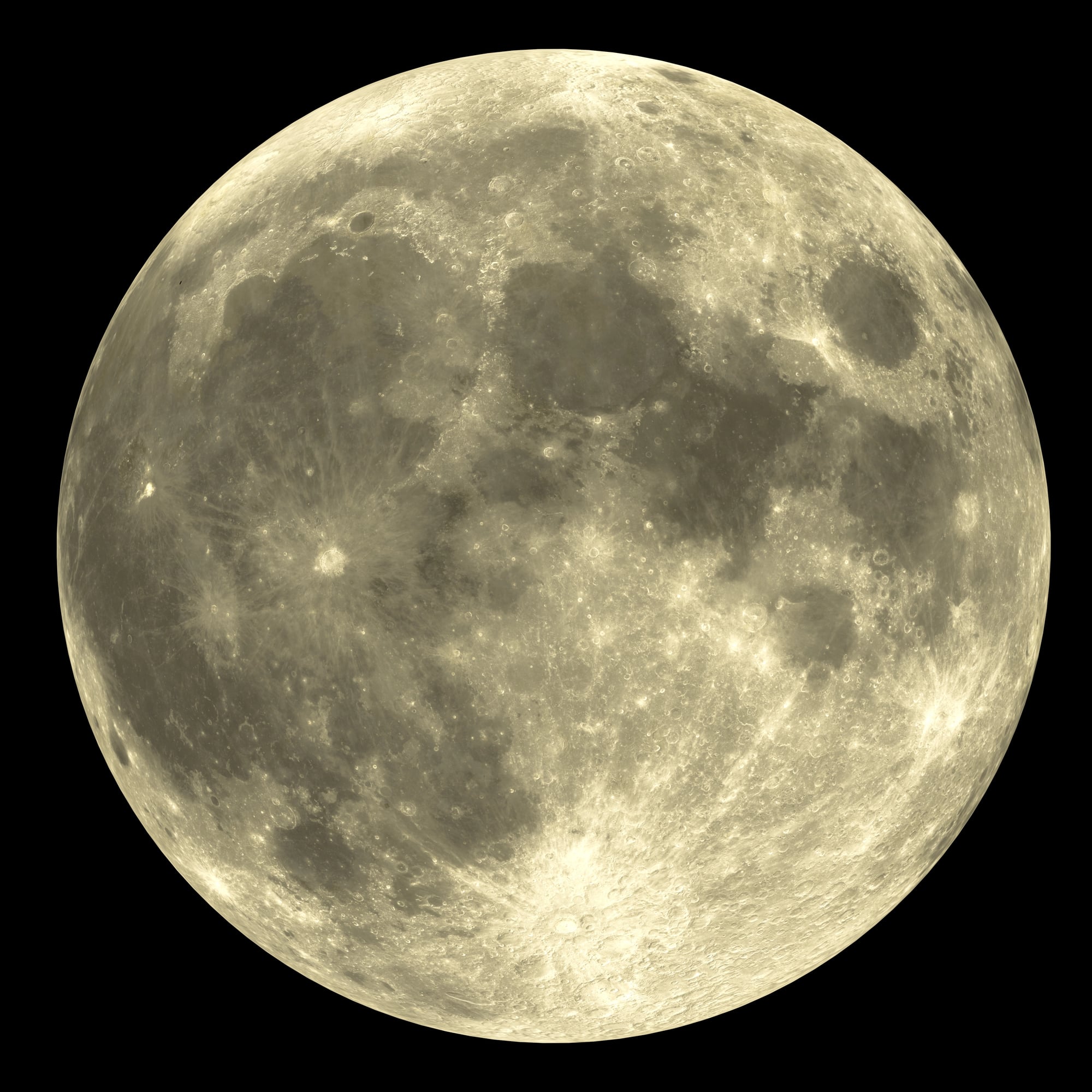
The full moon of the Hindu month of Phalguna (February–March) marks the beginning of Holi, one of India’s most recognizable festivals. The night before the colored powder takes to the streets, communities light bonfires called Holika Dahan — a ritual burning that symbolizes the destruction of ego and the triumph of devotion.
The ash from the fire is considered sacred and is sometimes applied to the forehead.
Raksha Bandhan — India
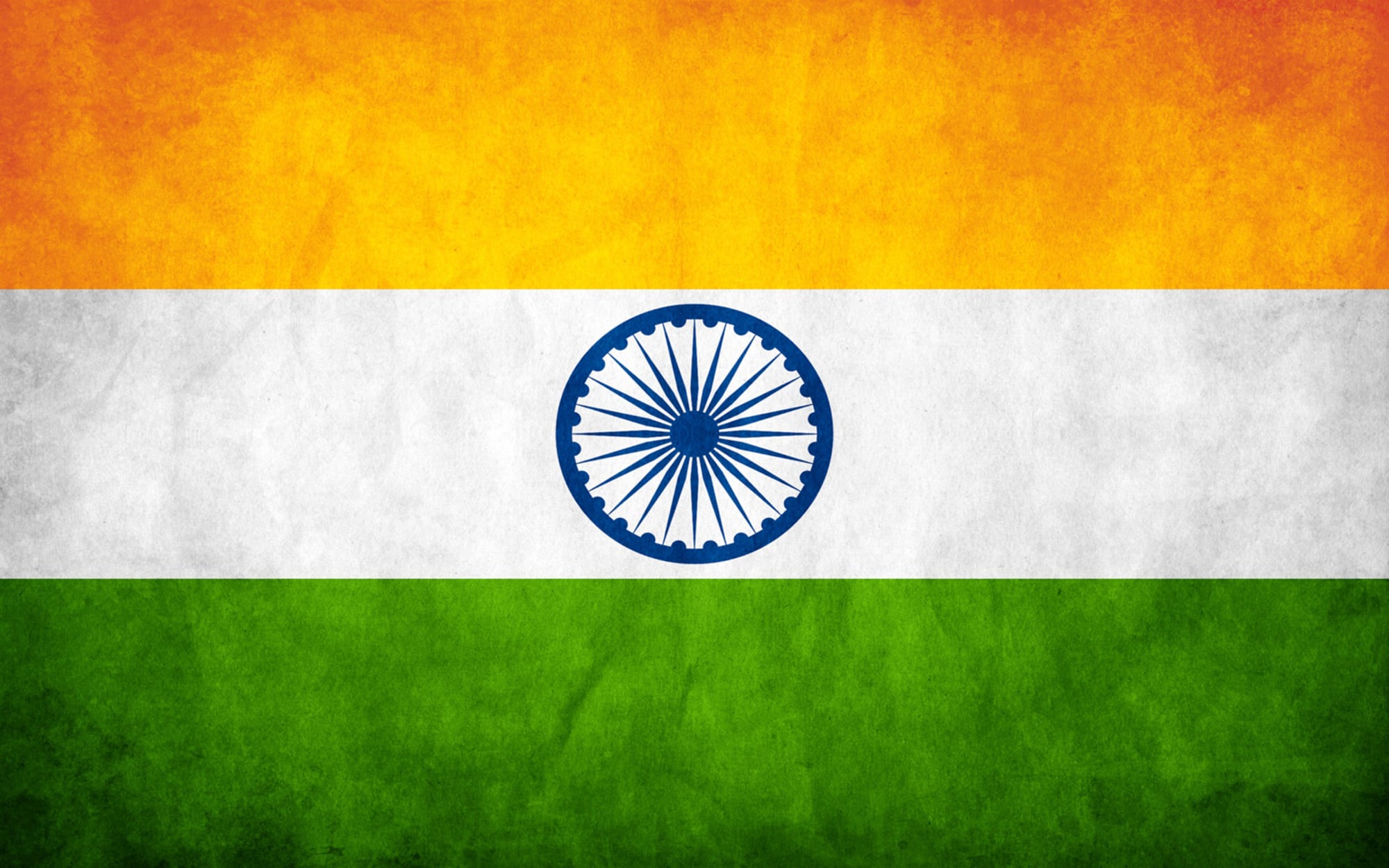
Celebrated on the full moon of the month of Shravana, Raksha Bandhan centers on the bond between siblings. Sisters tie a sacred thread called a rakhi around their brothers’ wrists as a symbol of love and protection, while brothers offer gifts and a pledge to look after their sisters.
The tradition traces back to legends including Draupadi tying cloth around Krishna’s wounded finger — a gesture of mutual care that defined the festival’s spirit.
Sharad Purnima — India
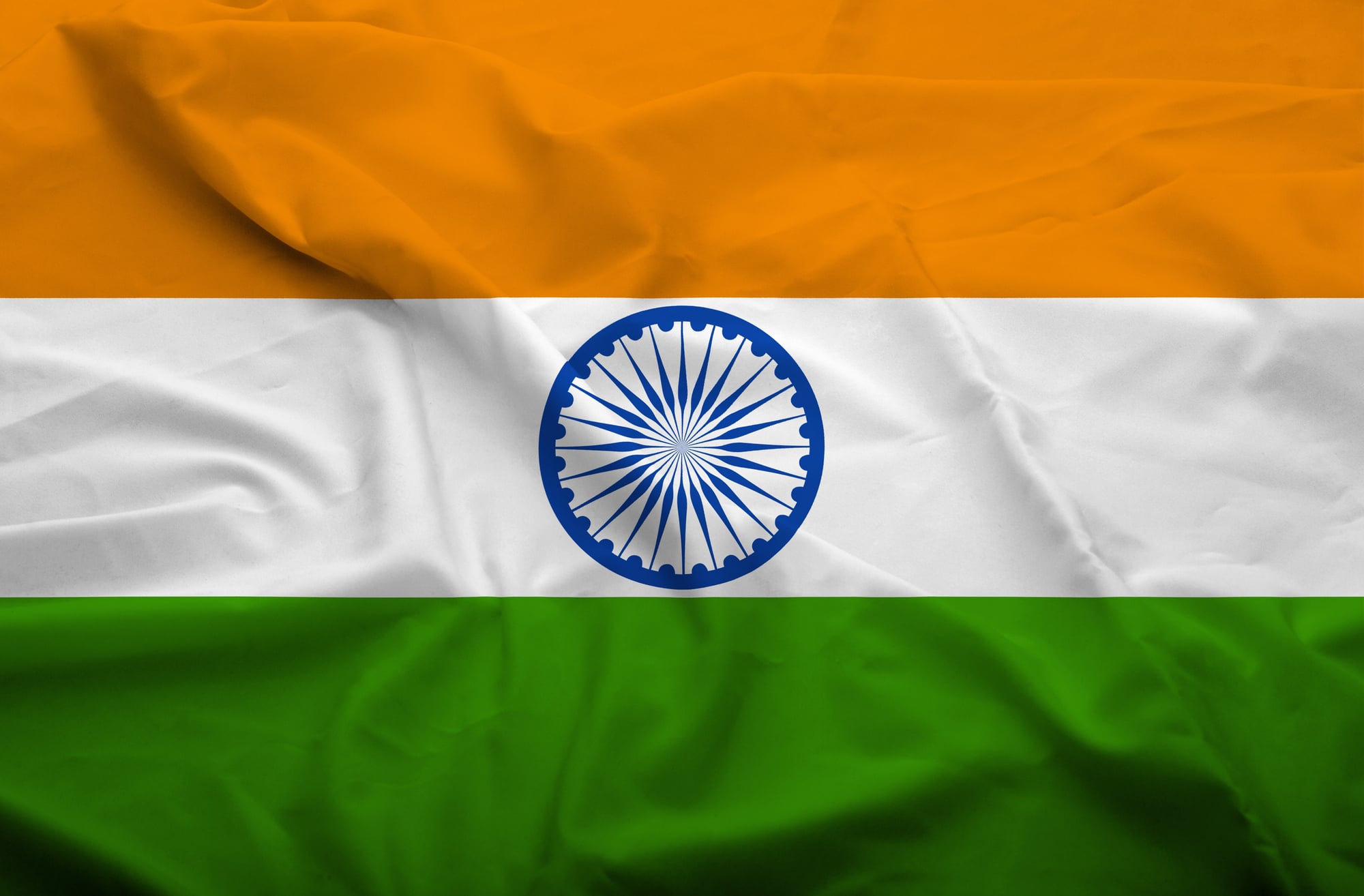
This October full moon is considered one of the most beautiful and spiritually potent nights in the Hindu calendar. According to tradition, the moonlight on Sharad Purnima carries special healing properties, and families prepare rice pudding (kheer) to be left outside under the moonlight overnight.
By morning, the dish is believed to be infused with the moon’s energy and is eaten as a blessing.
Narali Purnima — Coastal Maharashtra, India
On the same full moon as Raksha Bandhan, fishing communities along Maharashtra’s coast observe Narali Purnima, which marks the end of the monsoon season and the reopening of the sea for fishing. Fishermen offer coconuts to Varuna, the god of the sea, requesting safe passage and a good catch.
Boats are decorated, prayers are offered at the water’s edge, and the coconut — narali — gives the festival its name.
Vesak — Buddhist Communities Worldwide
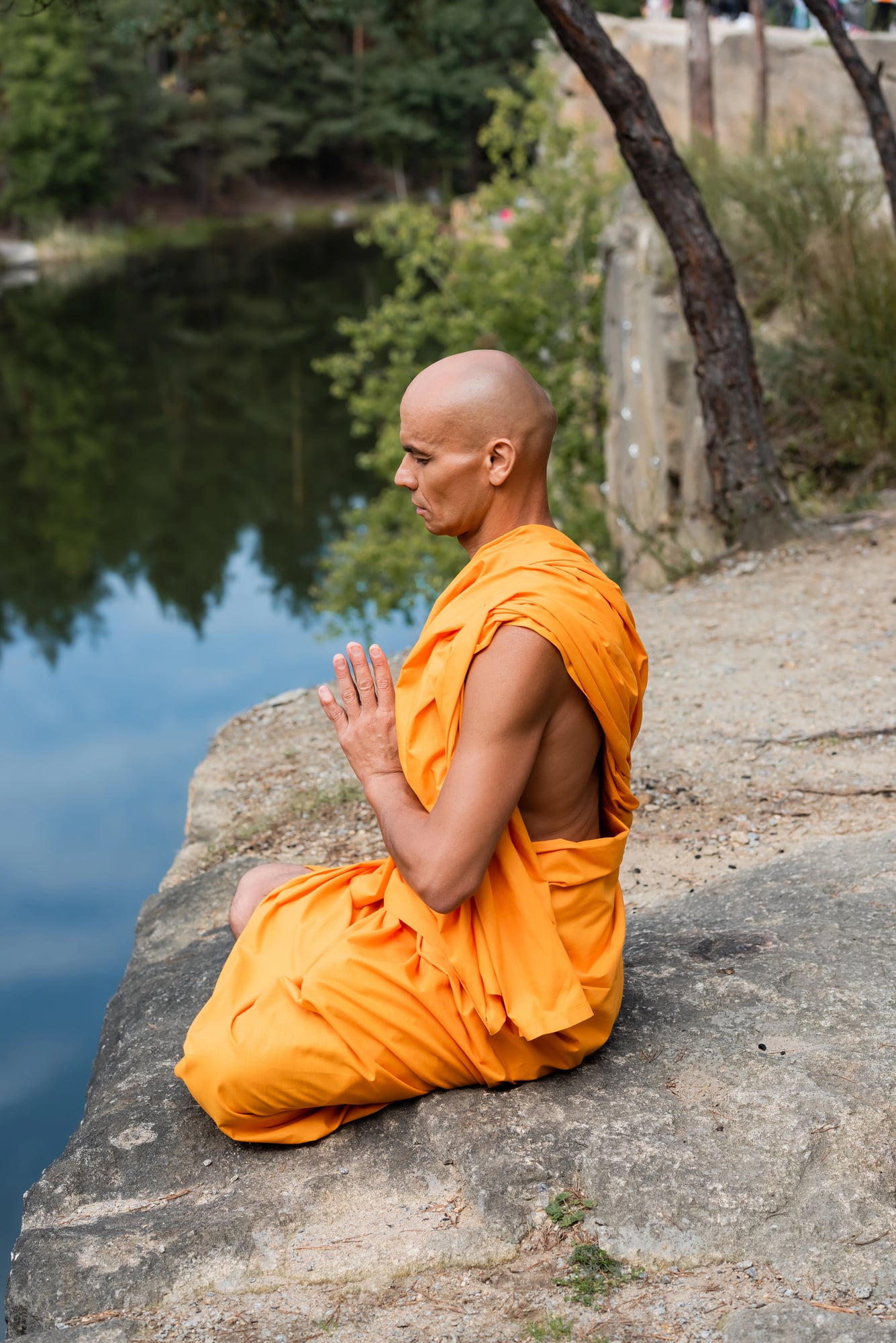
The full moon of the month of Vaishakha is among the most sacred dates in Buddhism, marking the birth, enlightenment, and passing of the Buddha — all believed to have fallen on the same lunar date. Known as Vesak or Buddha Purnima, the day is observed with prayer, meditation, the release of caged birds and animals, and candlelit processions.
The most spectacular observance takes place at Borobudur in Indonesia, where thousands gather and release paper lanterns into the sky.
Kartik Purnima — India
The November full moon of Kartika is one of the holiest nights in the Hindu year, observed as Dev Deepawali — the festival of lights celebrated by the gods. In Varanasi, the ghats along the Ganges River are illuminated with hundreds of thousands of oil lamps, and devotees float diyas (small clay lamps) on the water.
The sight is considered one of the most extraordinary religious spectacles in the world.
Loy Krathong — Thailand
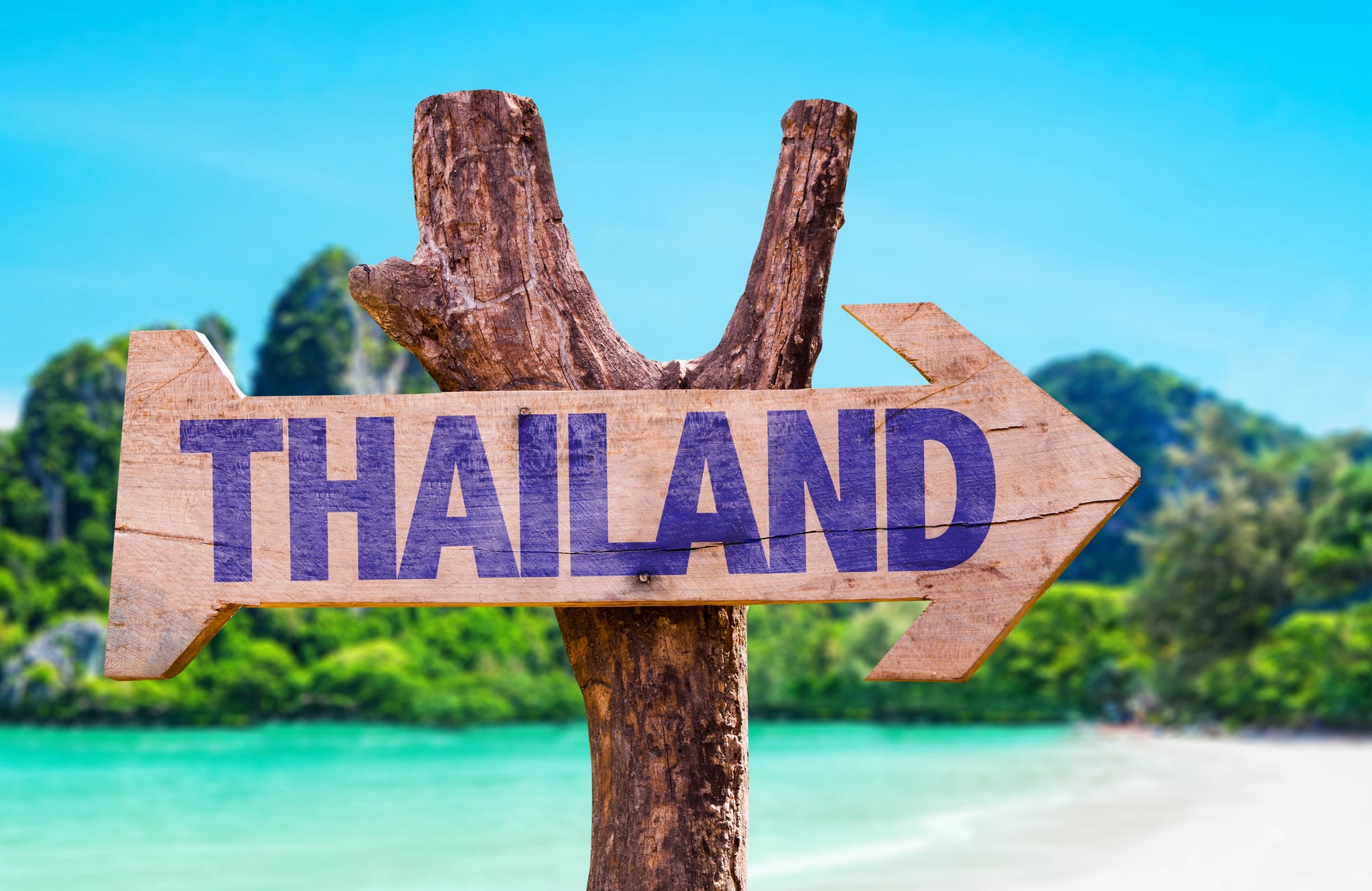
Each November full moon, Thai communities float small vessels called krathongs on rivers, canals, and any available body of water. These offerings — typically made from banana trunk sections, adorned with flowers, incense sticks, and a candle — carry away bad luck and express gratitude to the water goddess Phra Mae Khongkha.
The practice dates to the Sukhothai period and remains one of Thailand’s most beloved annual traditions.
Yi Peng — Chiang Mai, Thailand
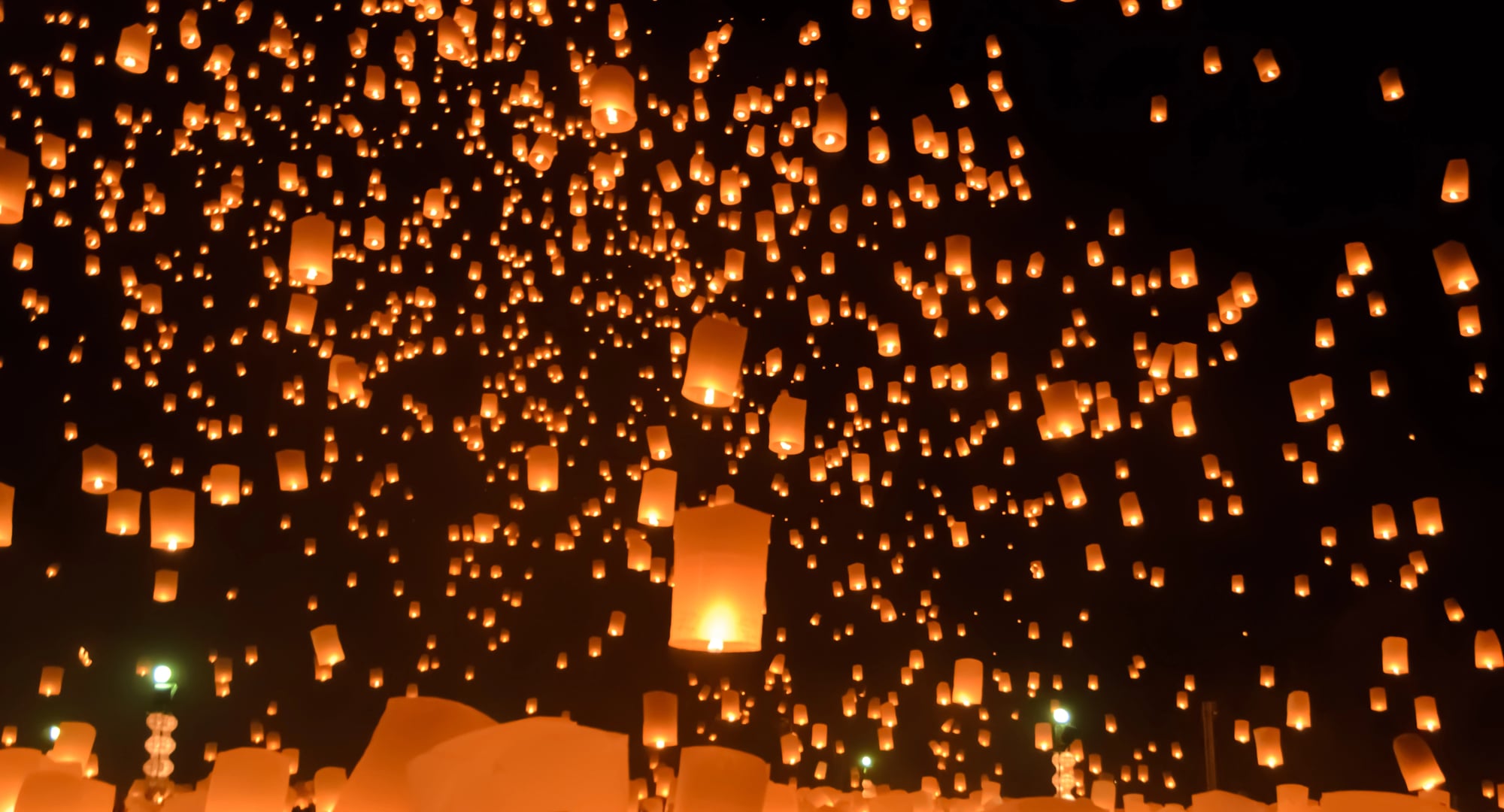
Observed simultaneously with Loy Krathong in northern Thailand, Yi Peng involves the mass release of sky lanterns called khom loi. In Chiang Mai, the mass release at temples draws tens of thousands of lanterns rising at once, turning the night sky into something that looks nothing like earth.
Each lantern is believed to carry away misfortune and carry a wish upward.
Mid-Autumn Festival — China, Vietnam, Taiwan, Singapore, Malaysia
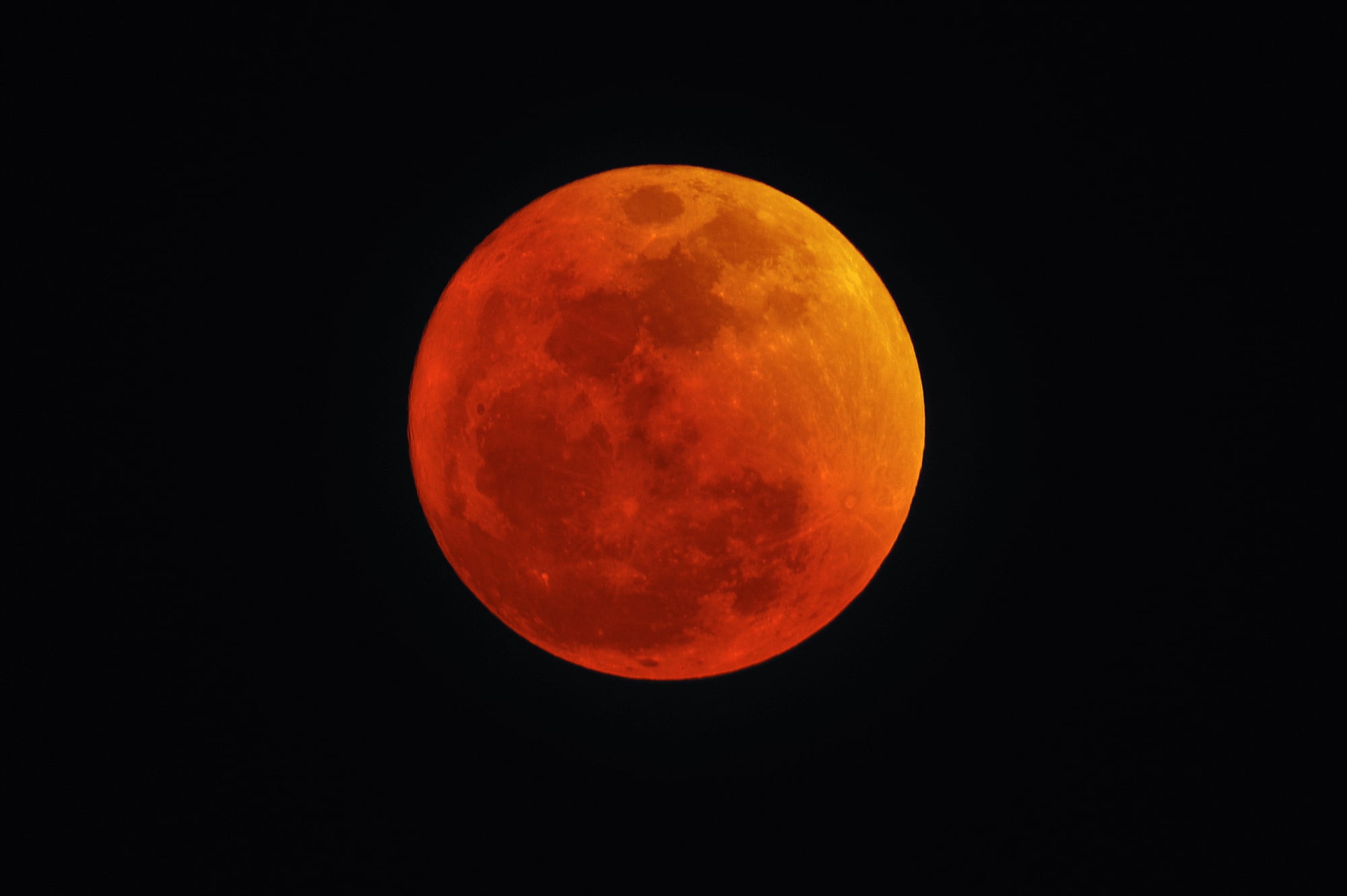
The full moon of the eighth lunar month is considered the brightest of the year, and across East and Southeast Asia this night is devoted to family reunion, moongazing, and the eating of mooncakes — dense pastries filled with lotus paste, red bean, or salted egg yolk. In China the festival is called Zhongqiu Jie; in Vietnam it is Tết Trung Thu, which evolved into a children’s celebration with lantern parades and lion dances.
The essential activity across all versions is sitting outside under the full moon with the people you love.
Tsukimi — Japan
Japan’s moon-viewing tradition, Tsukimi, was formalized during the Heian period (794–1185) when aristocrats would gather to compose poetry beneath the full moon of the eighth lunar month. Today the practice is quieter but still observed: families place offerings of tsukimi dango (round white rice dumplings meant to resemble the moon), pampas grass, and seasonal vegetables near windows or on balconies facing the moon.
It is, by design, a contemplative rather than festive occasion.
Chuseok — Korea
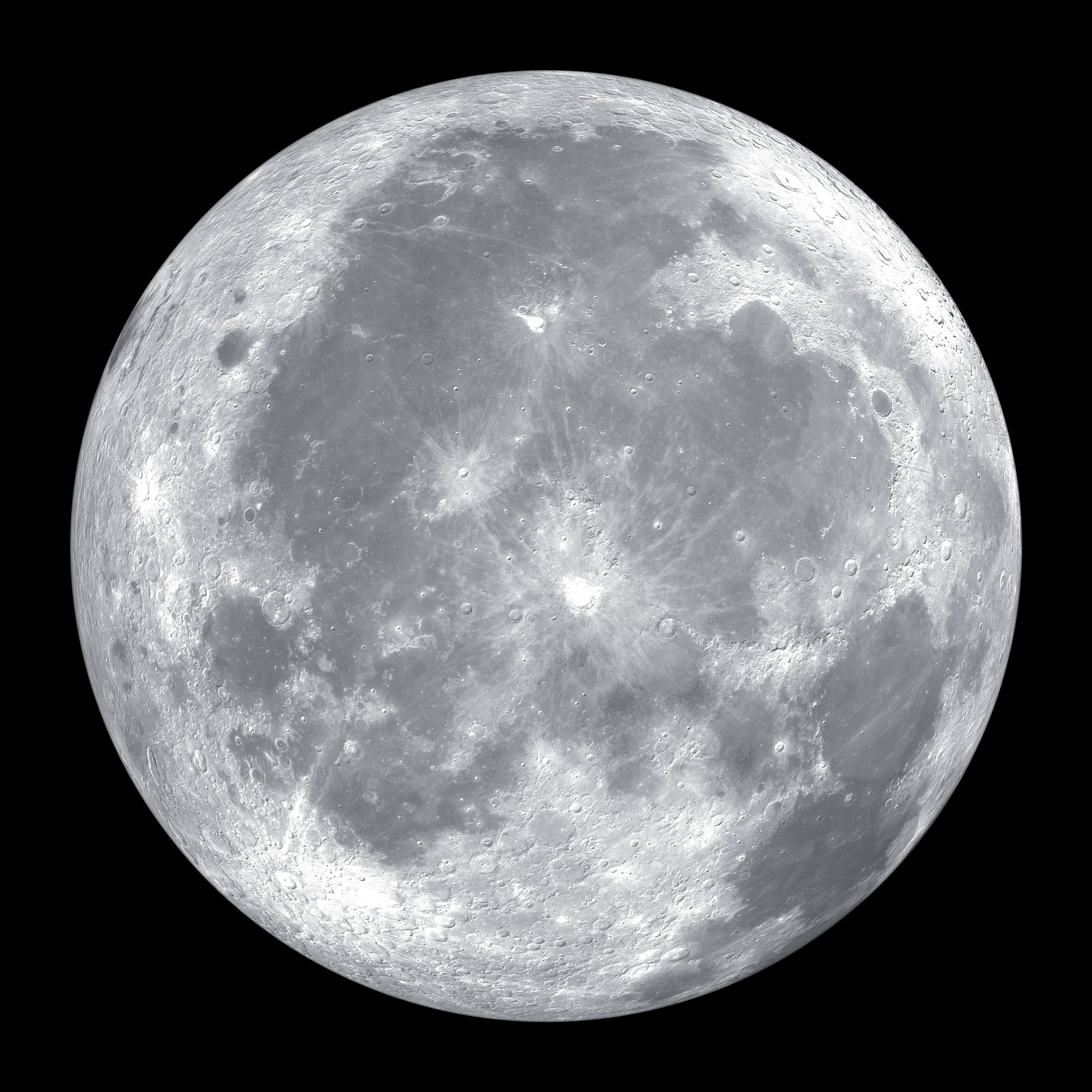
Korea’s autumn harvest festival falls on the full moon of the eighth lunar month of the lunar calendar and is one of the country’s most important holidays. Families return to their hometowns, perform ancestral rites called charye, and share songpyeon — crescent-shaped rice cakes steamed over pine needles.
The tradition is traced to gabae, a weaving contest held during the Silla dynasty (57 BCE–935 CE), though the festival’s harvest and ancestral dimensions predated that account.
Tét Trung Thu — Vietnam
Vietnam’s Mid-Autumn Festival began as a harvest celebration and lunar tribute but is now centered on children. On the night of the full moon in the eighth lunar month, children carry hand-painted paper lanterns through neighborhoods in procession.
The lanterns take the shapes of fish, stars, and lotus flowers. Adults prepare traditional bánh trung thu (mooncakes) and the whole family gathers outside to admire the moon together.
Esbat — Wiccan and Neopagan Traditions
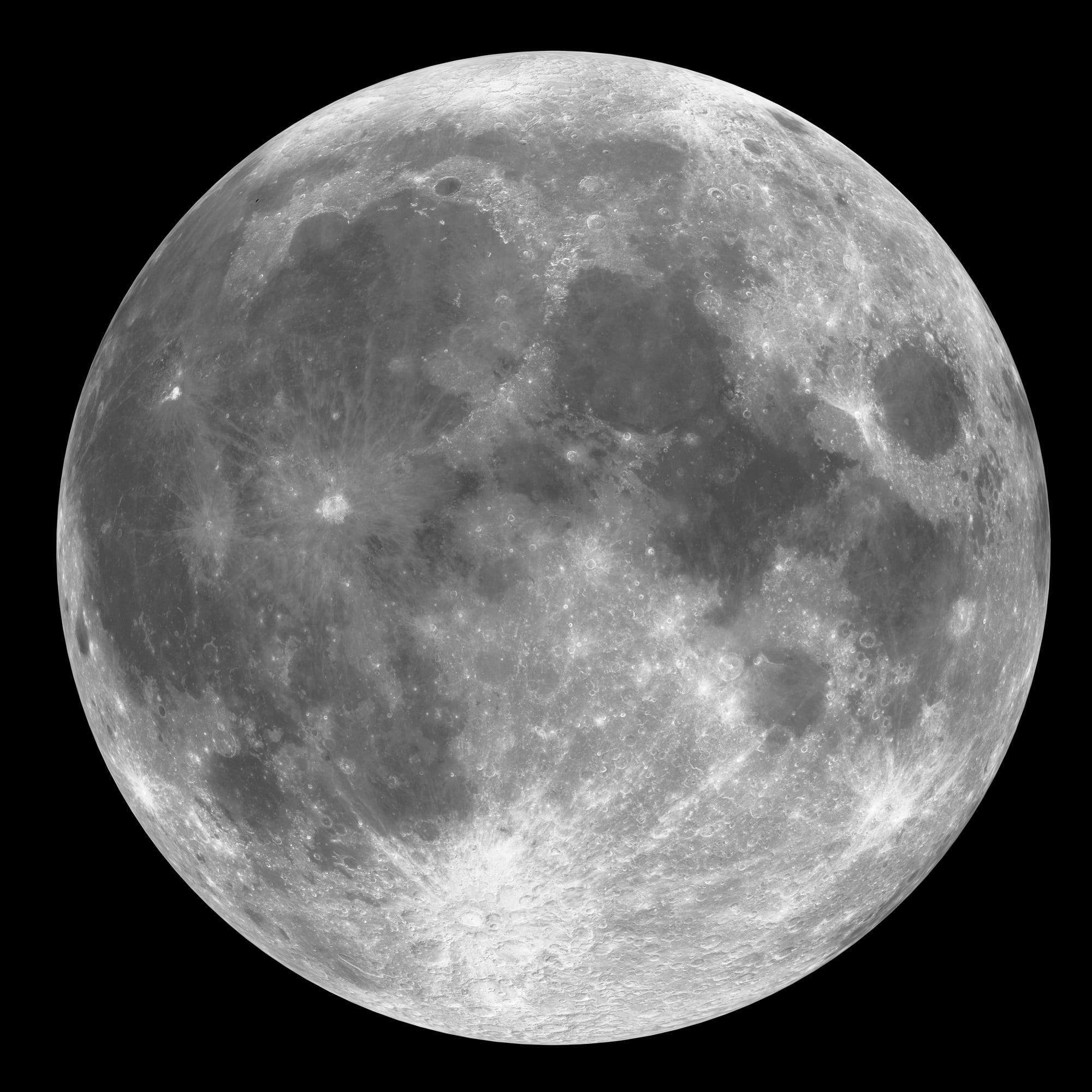
Within Wiccan practice, the full moon marks an esbat — a monthly gathering distinct from the eight seasonal sabbats. Practitioners use the full moon for spellwork related to completion, healing, and manifestation, drawing on the belief that lunar energy is at its peak when the moon is fully illuminated.
Covens gather in circles, often outdoors, to cast spells, give thanks, and attune to natural cycles. The tradition emerged formally in the mid-20th century but draws on much older folk practices.
Celtic Full Moon Bonfires — British Isles
Among the Celts, the full moon was associated with amplified spiritual energy and was marked with communal bonfires, storytelling, and dance. The fire was not incidental — it was a ritual mirror of the moon’s light, and working, traveling, or making important decisions under a waning moon was thought to invite failure.
Some historians link these gatherings to Druidic practices, though the specific details of ancient Celtic lunar ceremony remain partially obscured by limited written record.
Native American Moon Dance — North America
Many Indigenous nations across North America hold moon ceremonies as community healing events. The Moon Dance, practiced in various forms across different peoples, involves gathering, prayer, drumming, and dance intended to restore balance between people and the natural world.
In some traditions, the full moon is referred to as Grandmother Moon — a living relative to be honored and communicated with rather than simply observed.
Corn Moon Harvest Traditions — Algonquin and Related Nations
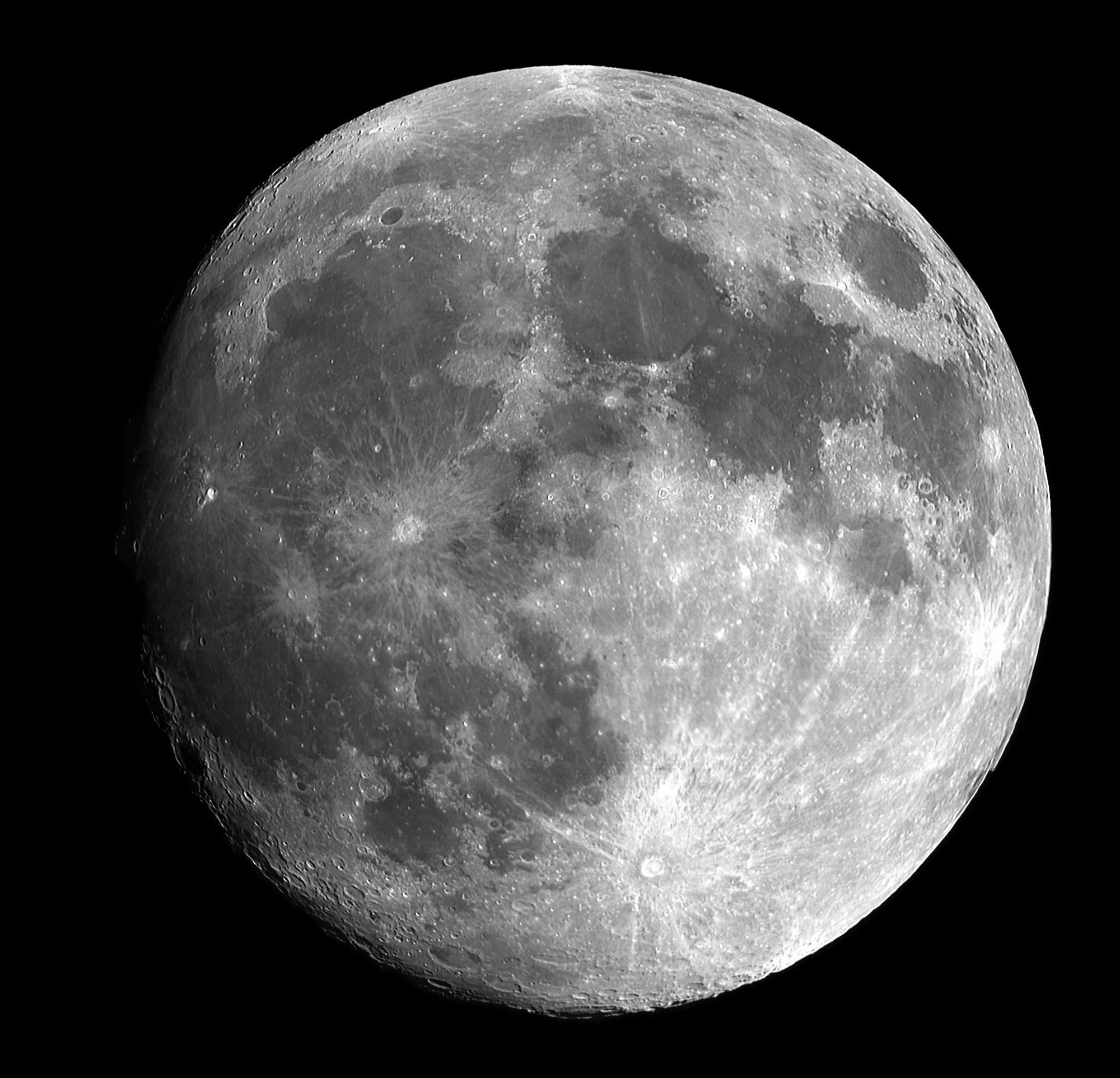
Several Algonquin-speaking peoples named the full moons of the year after seasonal phenomena, with the September full moon called the Corn Moon or Harvest Moon, marking the time to bring in crops. Because this full moon rises shortly after sunset for several nights running, it historically extended the working hours available to farmers and hunters — a practical astronomical advantage built into cultural knowledge long before calendars could explain why it worked.
Ix Chel Ceremonies — Maya
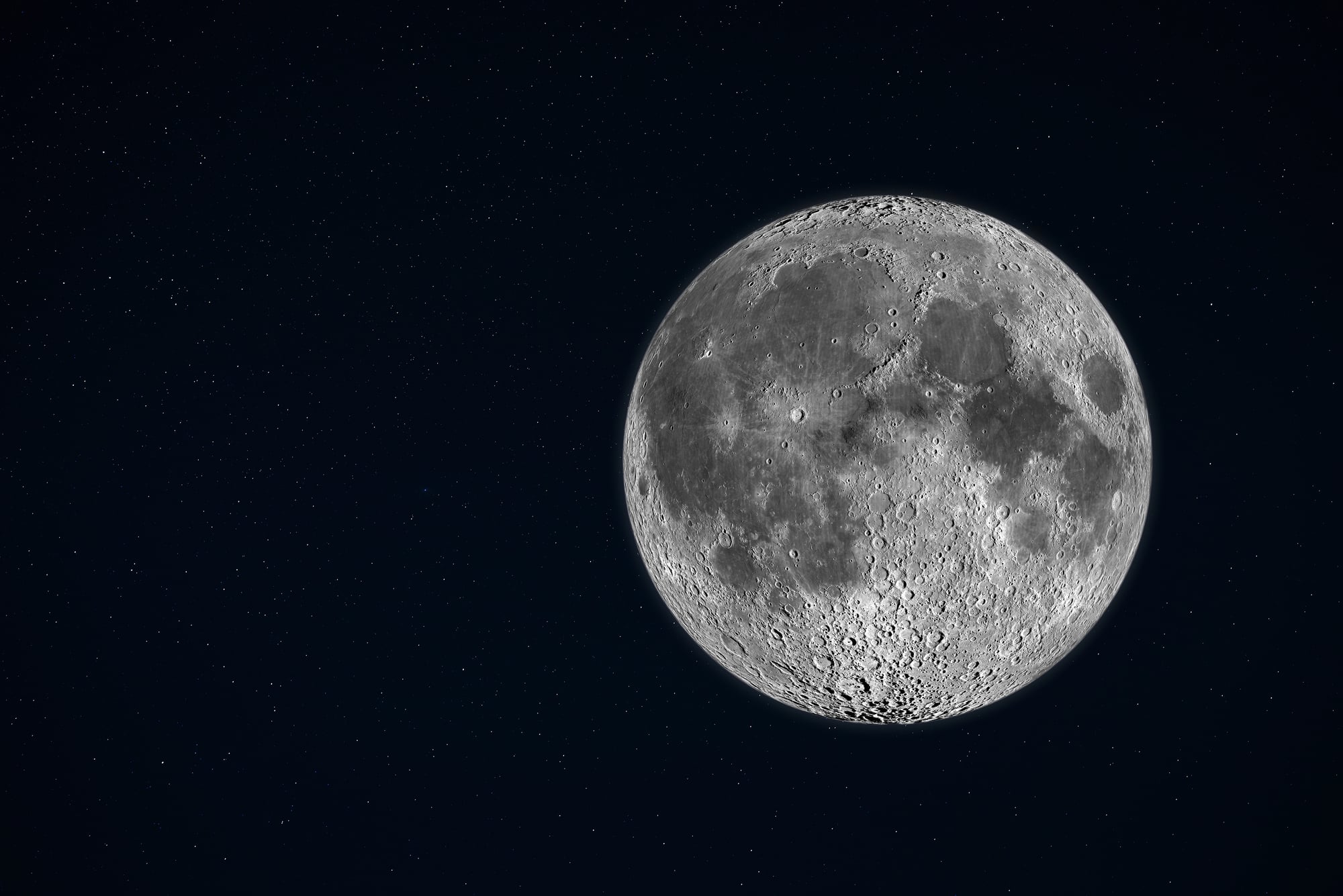
The Maya lunar goddess Ix Chel governed fertility, healing, water, and weaving. Full moons were considered especially sacred to her, and ceremonies held in her honor included offerings, communal gatherings, and rituals tied to agricultural cycles.
The Maya developed one of the most sophisticated lunar calendars of any ancient civilization, capable of predicting lunar eclipses centuries in advance. Their moon goddess was not a passive symbol — she was a force whose phases needed to be tracked and responded to.
Balinese Purnama — Bali, Indonesia
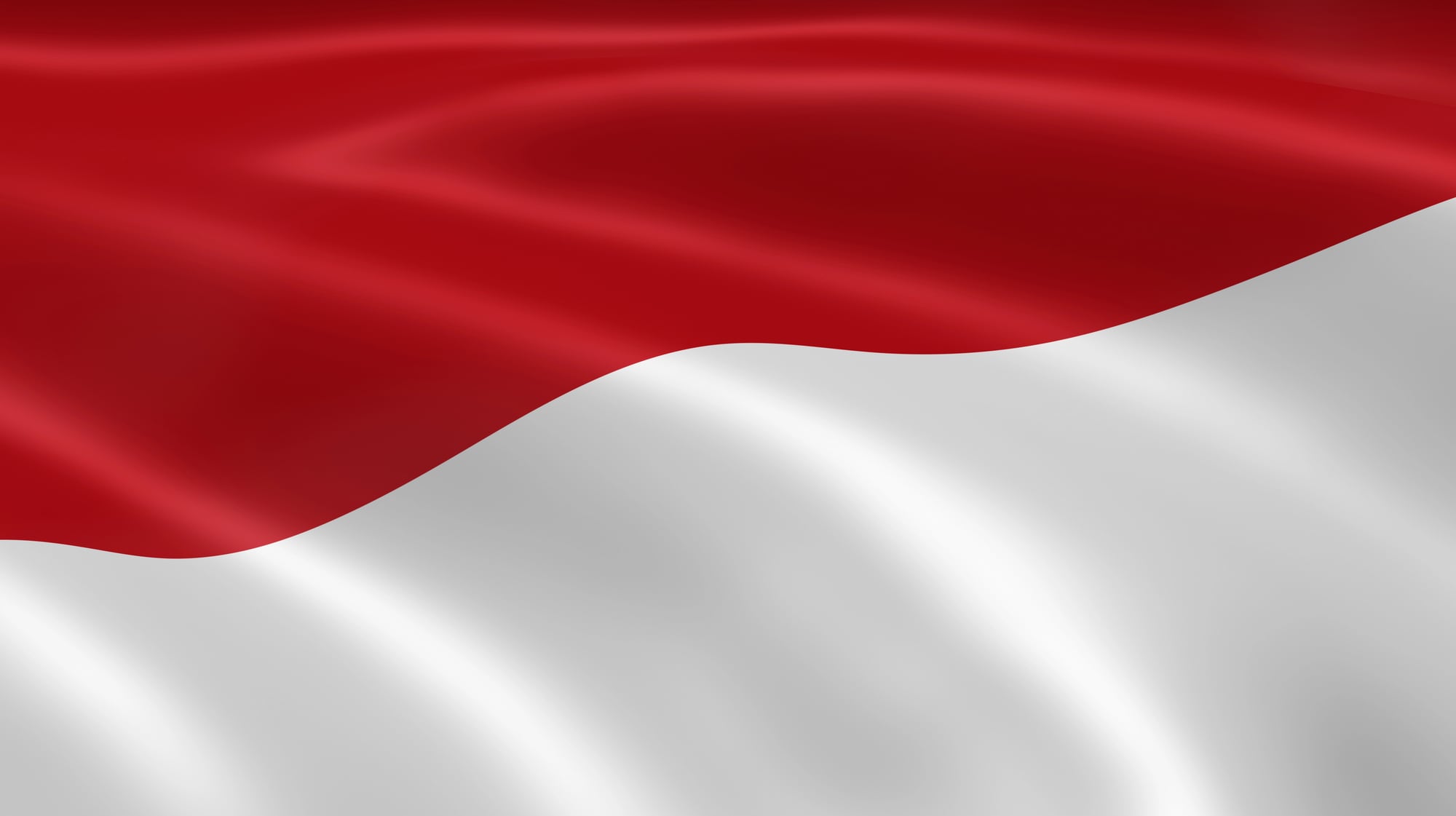
On every full moon, Balinese Hindus observe Purnama — a day of offering, prayer, and purification at temples across the island. Families dress in ceremonial sarongs, prepare elaborate canang sari (offerings of flowers and incense arranged in small palm-leaf trays), and visit their local pura (temple) to pray.
Because Bali follows both a lunar-solar calendar and a 210-day Pawukon calendar simultaneously, the timing of Purnama intersects with other religious cycles in ways that require careful spiritual accounting.
Sri Lankan Poya Day
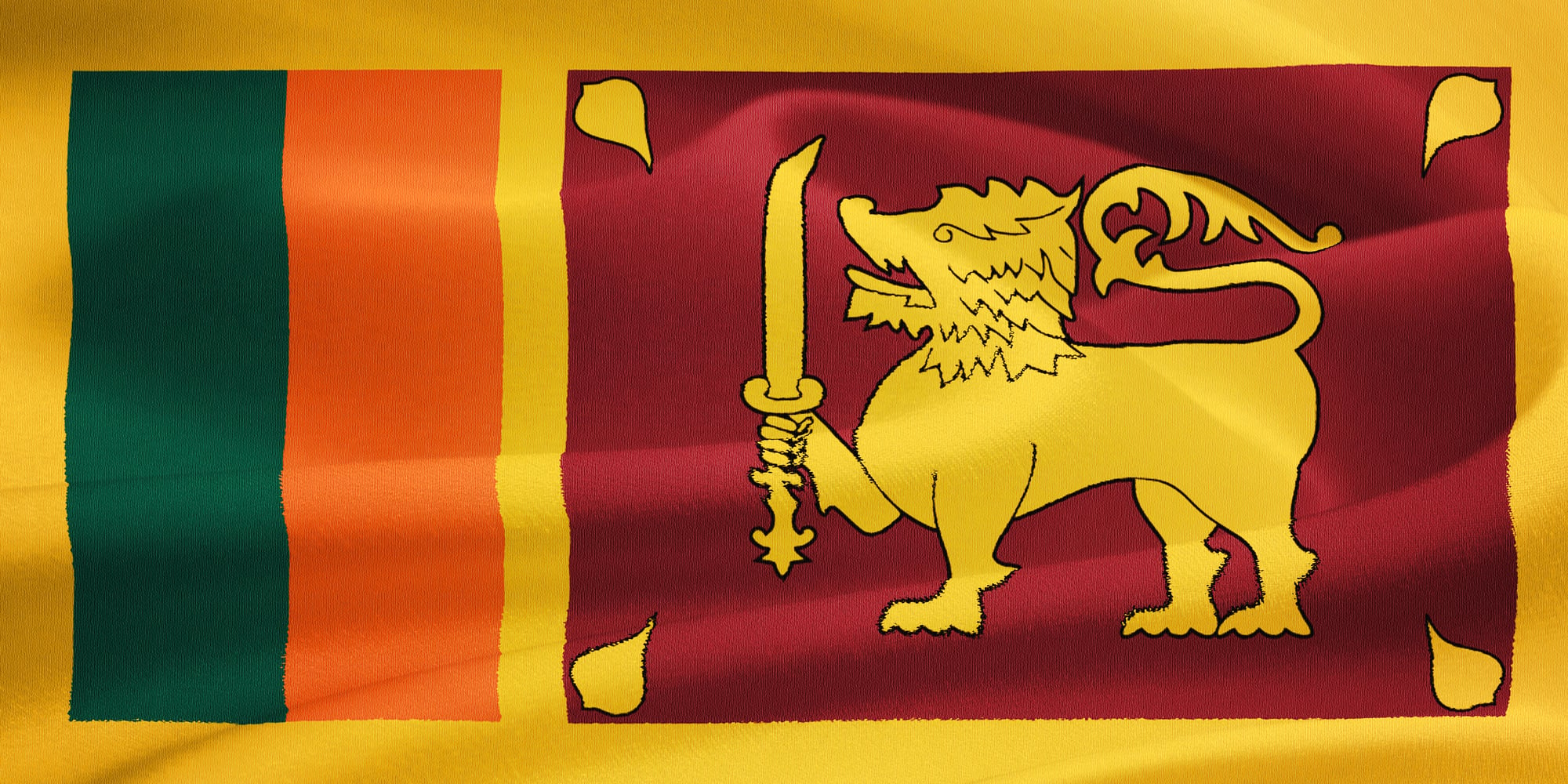
In Sri Lanka, every full moon is a public holiday called Poya Day, tied to a different Buddhist observance each month. On these days, alcohol sales are restricted, many businesses close, and devout Buddhists visit temples to observe sil — a day of meditation, fasting, and observance of precepts beyond the usual five.
The most sacred Poya is Vesak in May, but all twelve carry religious significance in the country’s predominantly Theravada Buddhist culture.
Waxing Moon Fishing Prohibition — Maori, New Zealand
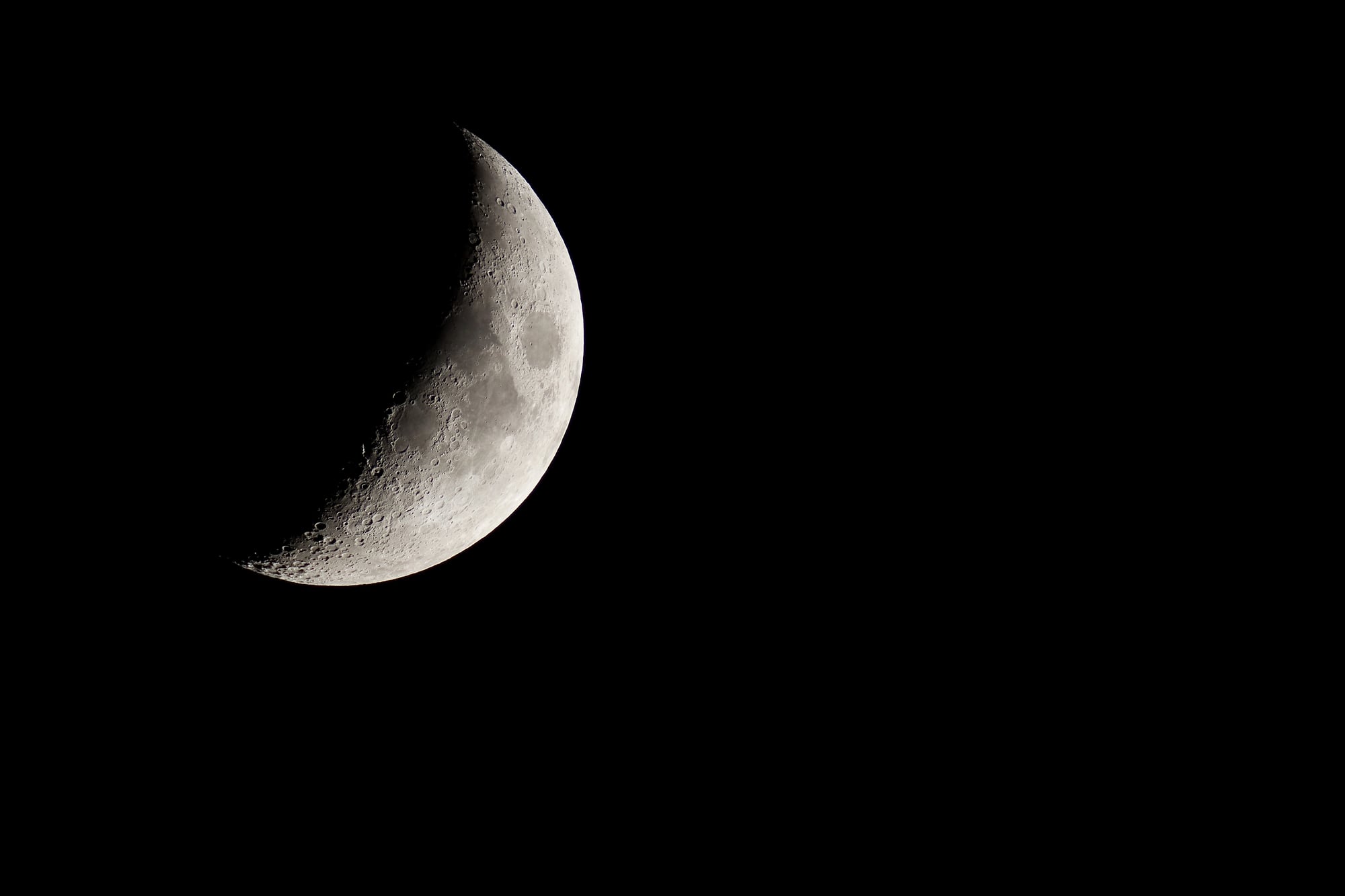
Traditional Maori knowledge recognized the connection between the lunar cycle and fish behavior, particularly the feeding patterns of saltwater species. Certain full moon periods were designated as poor times for fishing, while the nights just before and after the full moon were considered optimal.
This knowledge, encoded in the Maori lunar calendar (maramataka), has been validated by modern marine biology, which confirms that many fish species adjust feeding behavior in response to lunar-driven tidal and light changes.
Zulu Umhlanji — South Africa
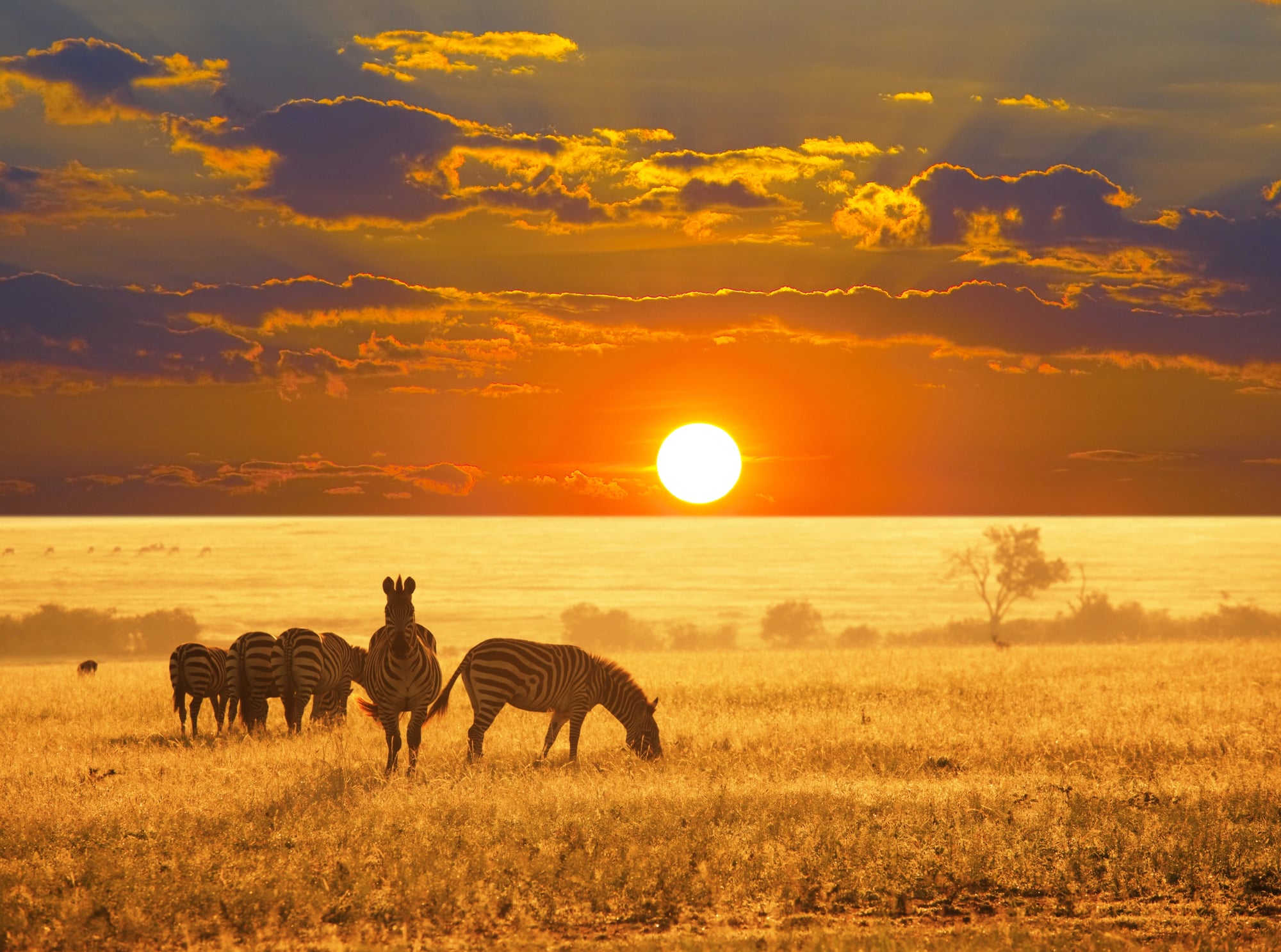
Among the Zulu people of southern Africa, the full moon (umhlanji) has traditionally been observed as a time to tend to agricultural and communal concerns. The lunar cycle informed planting and harvesting decisions, with certain crops planted on or around the full moon when the gravitational pull on soil moisture was considered favorable.
The moon also served as a community clock, with gatherings, ceremonies, and cattle movements coordinated around its phases.
Ethiopian Timkat and Enkutatash — Ethiopia
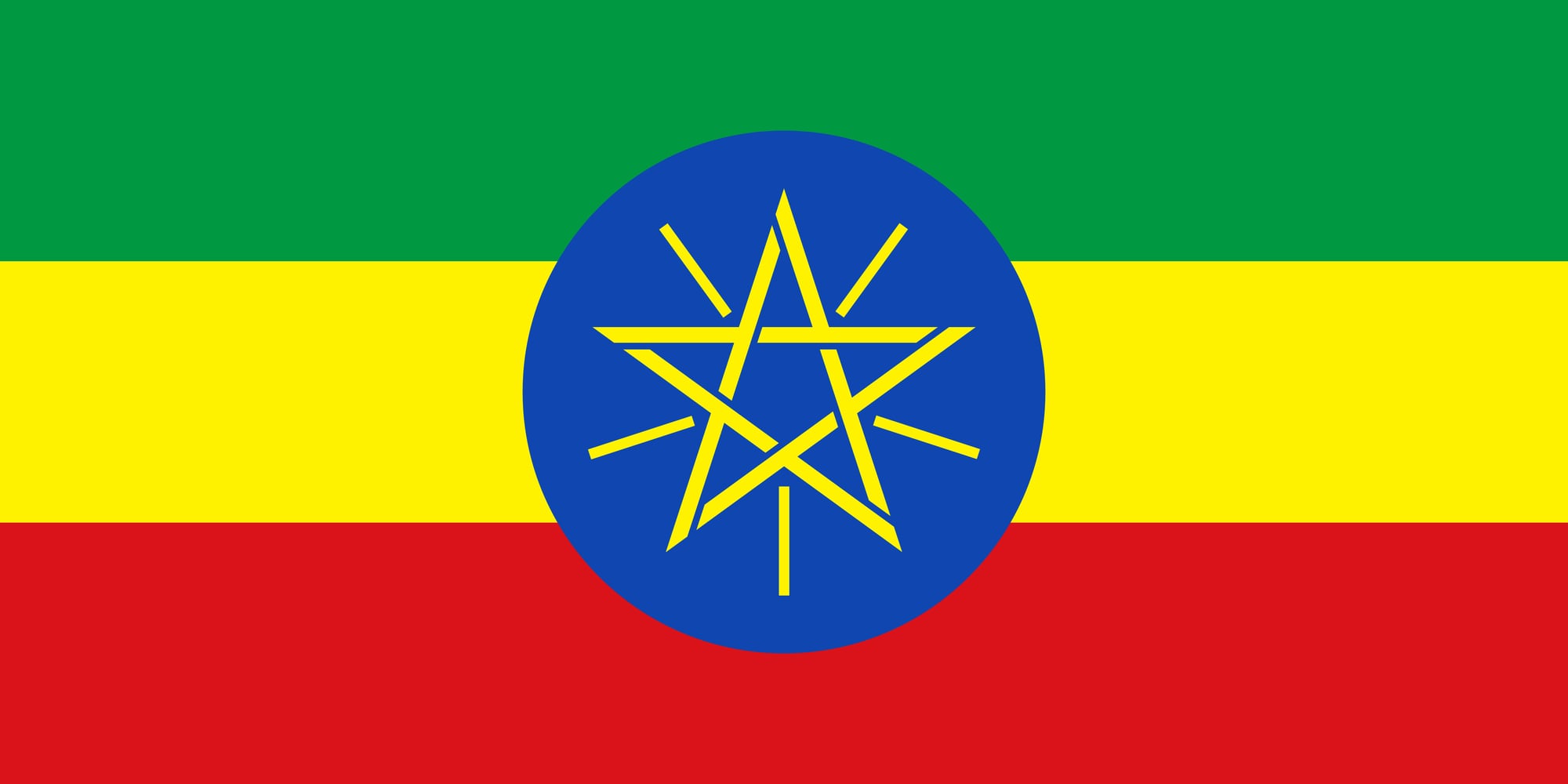
While not exclusively full moon ceremonies, Ethiopian Orthodox traditions incorporate lunar timing into their observances, particularly around Enkutatash (Ethiopian New Year in September) and Timkat (Epiphany in January). The Ethiopian calendar, which runs roughly seven to eight years behind the Gregorian calendar and uses a different structure of months, keeps these dates loosely tethered to lunar cycles.
Full moon nights during these periods are often marked by communal singing, drumming, and celebrations that extend through the night.
Babylonian Full Moon Rest Days — Ancient Mesopotamia
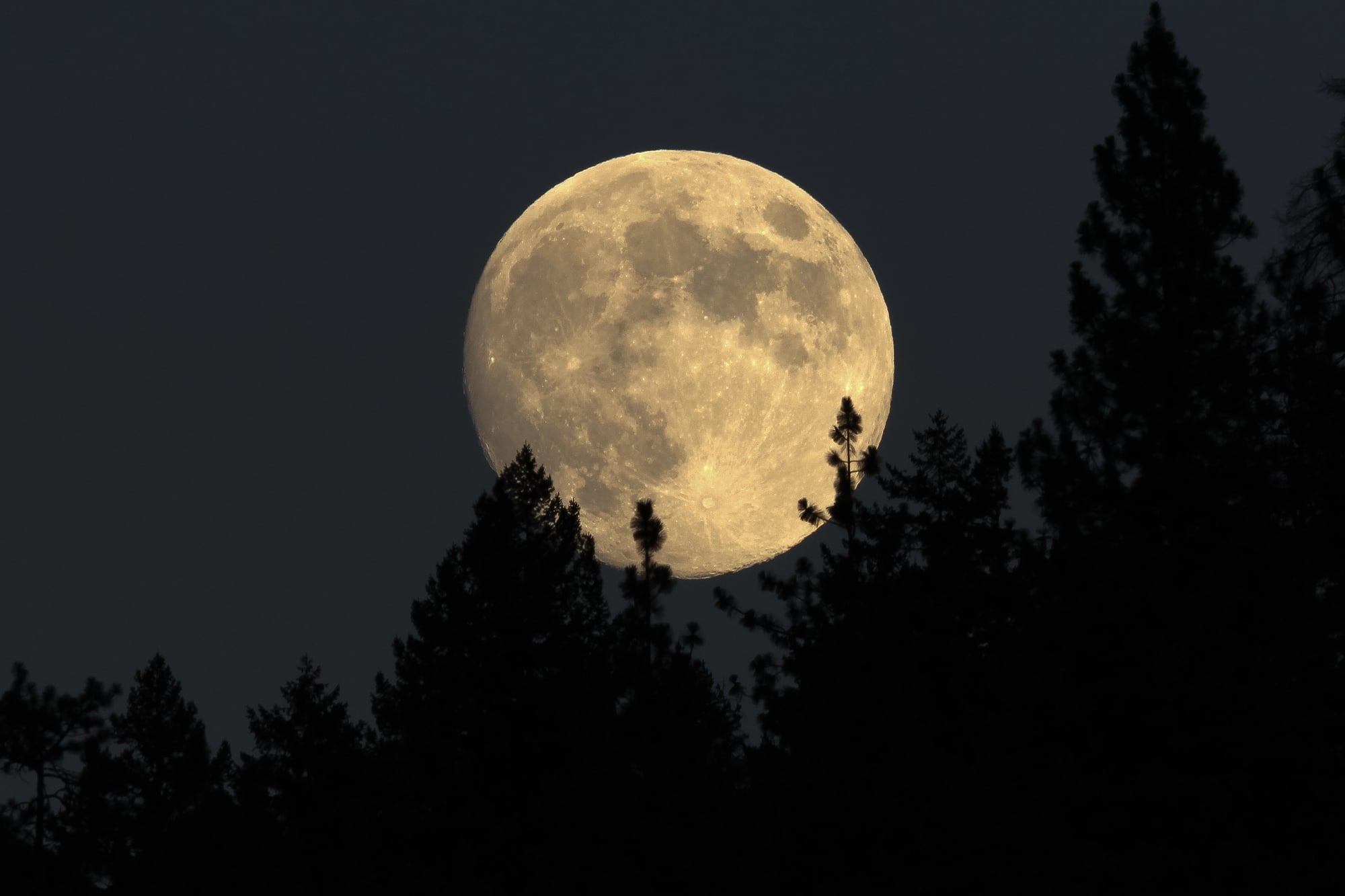
In ancient Babylon, the 7th, 14th, 21st, and 28th days of each lunar month were set aside as days of rest and religious observance. The full moon on the 14th was particularly significant, observed with rituals honoring the moon god Sin, who was considered a divine judge.
These Babylonian rest days are among the oldest documented calendar-based rest periods in recorded history, predating the seven-day week as now known.
Ancient Egyptian Thoth Ceremonies
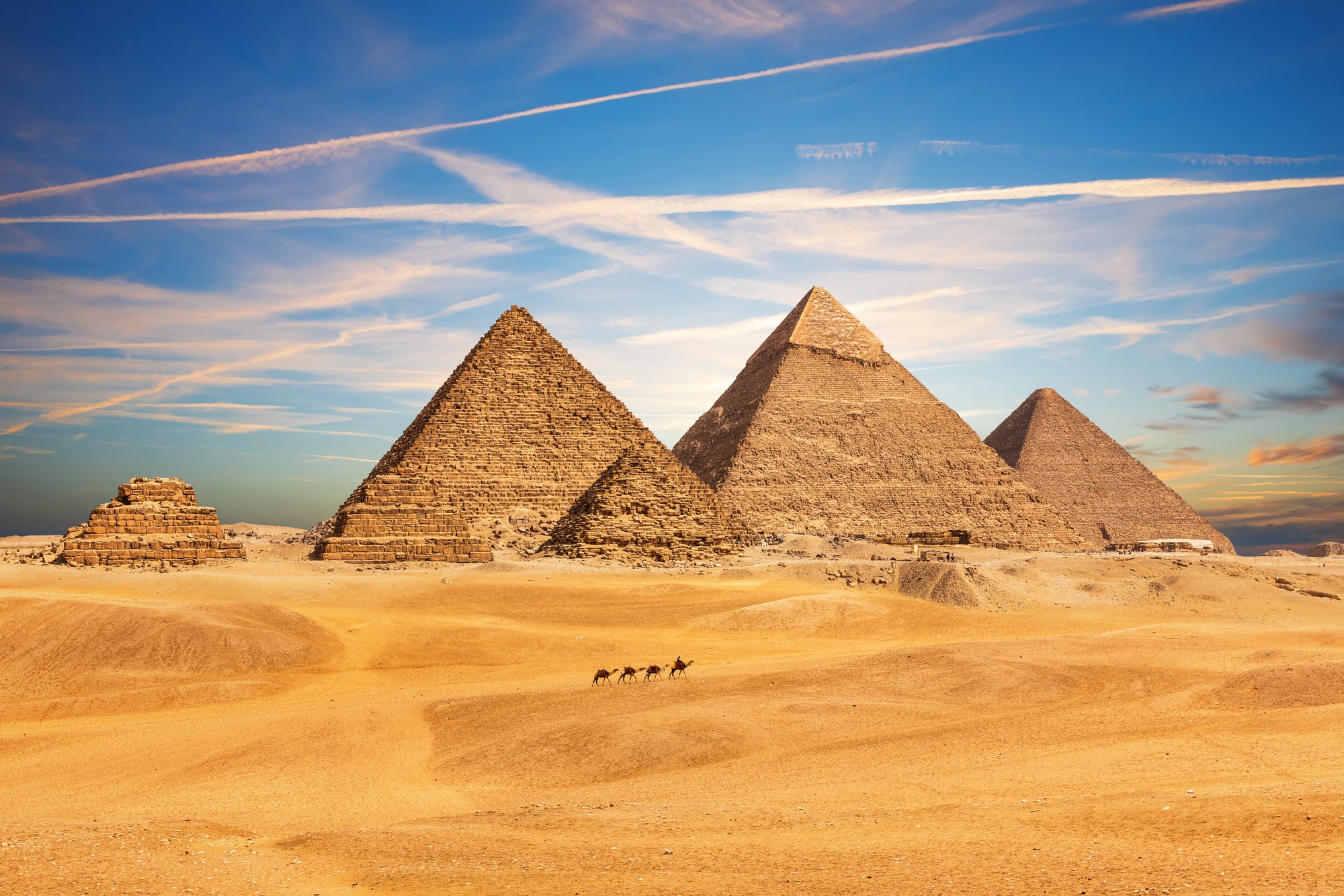
The ancient Egyptians associated the moon closely with Thoth, the god of wisdom, writing, and time. Full moons were considered auspicious for scholarly and magical work, and temple rituals timed to the lunar cycle were recorded on sacred texts.
The Eye of Horus — a protective symbol — was also linked to the full moon, which was thought to represent the restored and healed eye after its mythological injury and recovery.
Norse Máni — Scandinavia
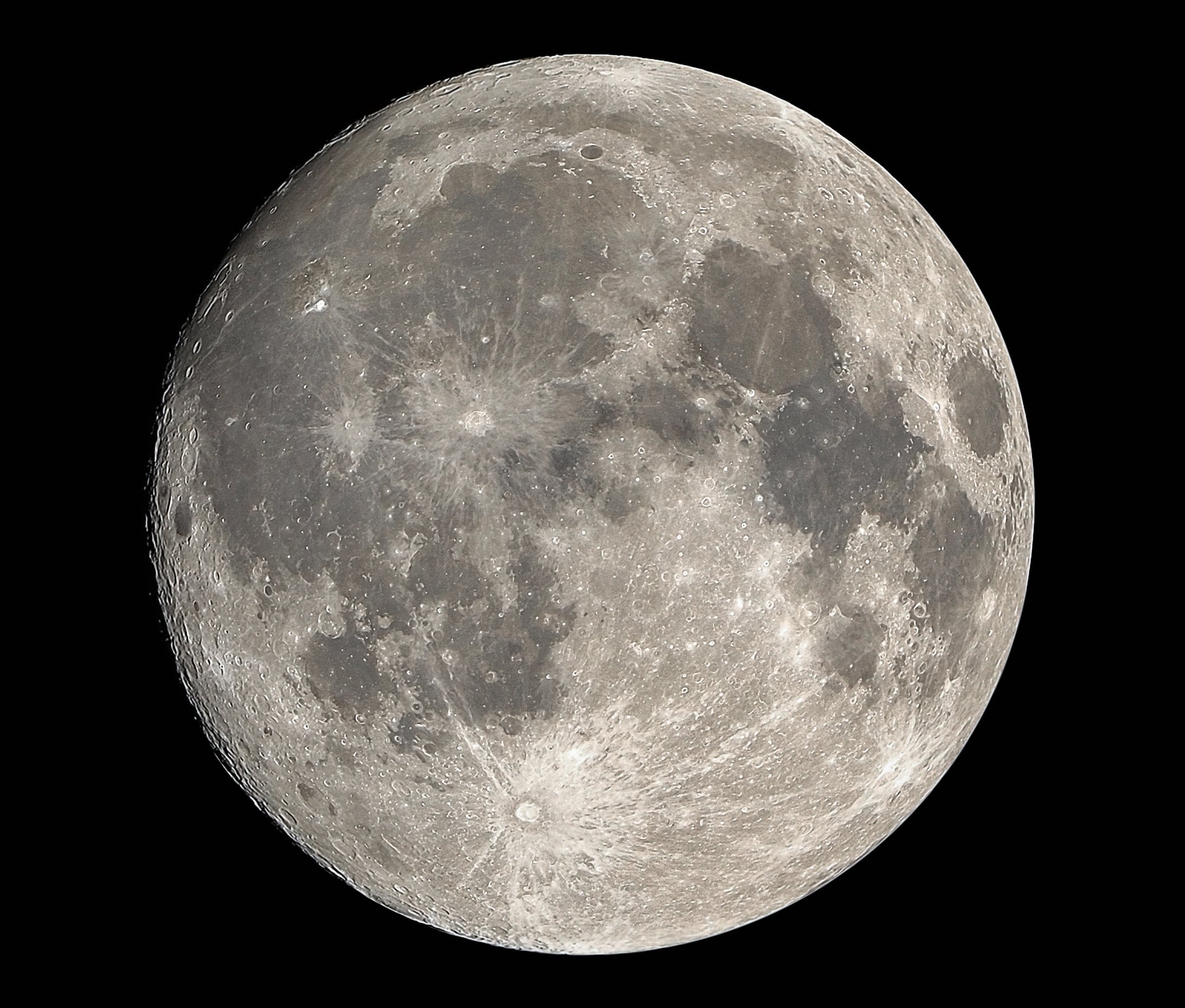
In Norse cosmology, the moon was a male deity named Máni who drove a chariot across the sky, pursued by the wolf Hati. Full moons in Scandinavian folk tradition were considered important times for community decision-making, with thing (assembly) meetings sometimes timed to lunar phases so travelers could make their journeys under moonlight.
The practical reason — safer travel after dark — blended seamlessly into spiritual significance, as it did in many pre-industrial cultures.
Wiccan Drawing Down the Moon
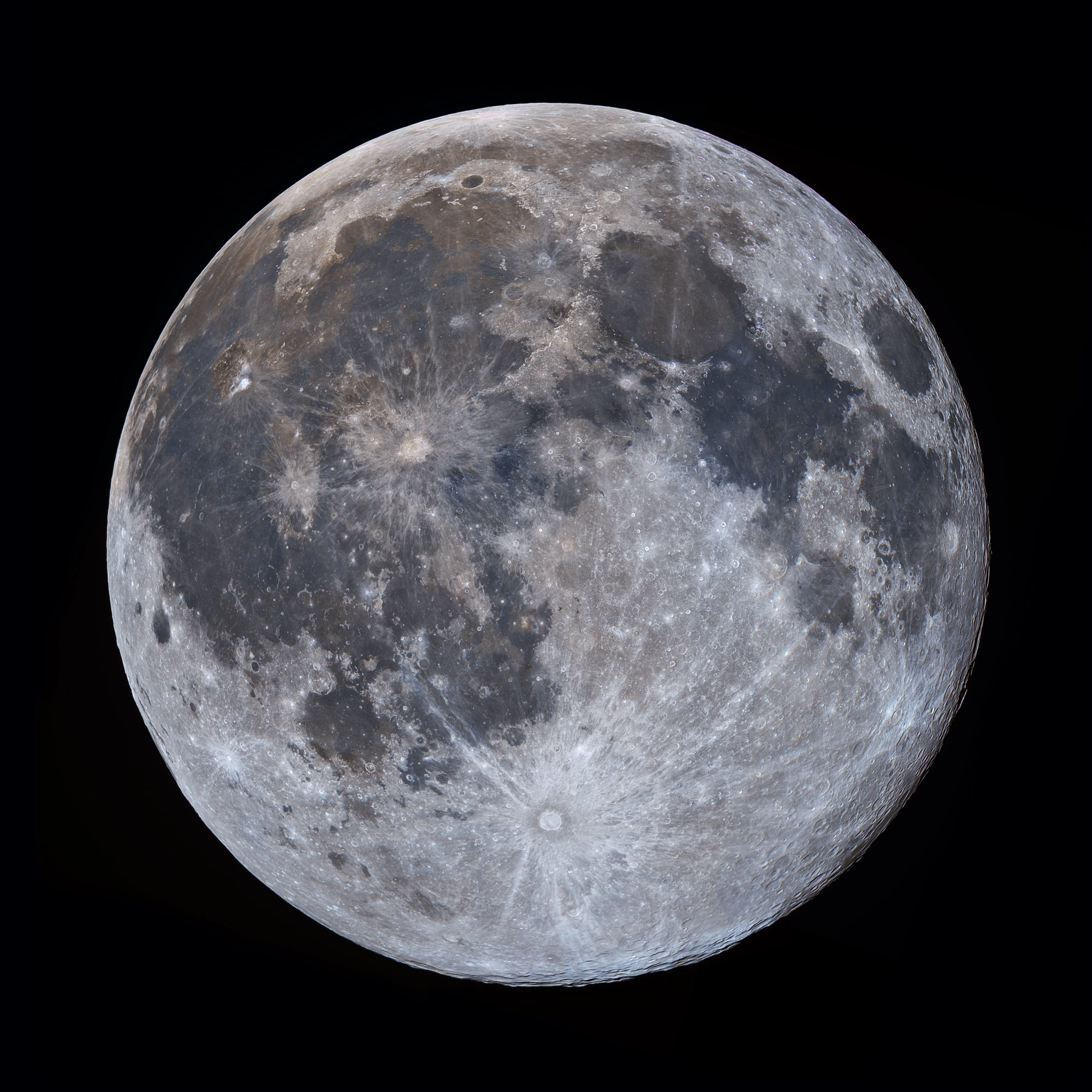
A specifically ritual practice within some Wiccan traditions, Drawing Down the Moon involves the high priestess entering a meditative or trance state during the full moon so that the spirit of the moon goddess can speak through her to the gathered coven. The practice has roots in descriptions of ancient Greek lunar magic and was formalized in its modern form by Gerald Gardner and Doreen Valiente in the 1950s.
It remains one of the most distinctive and solemn rites in contemporary Wicca.
Full Moon Party — Koh Phangan, Thailand
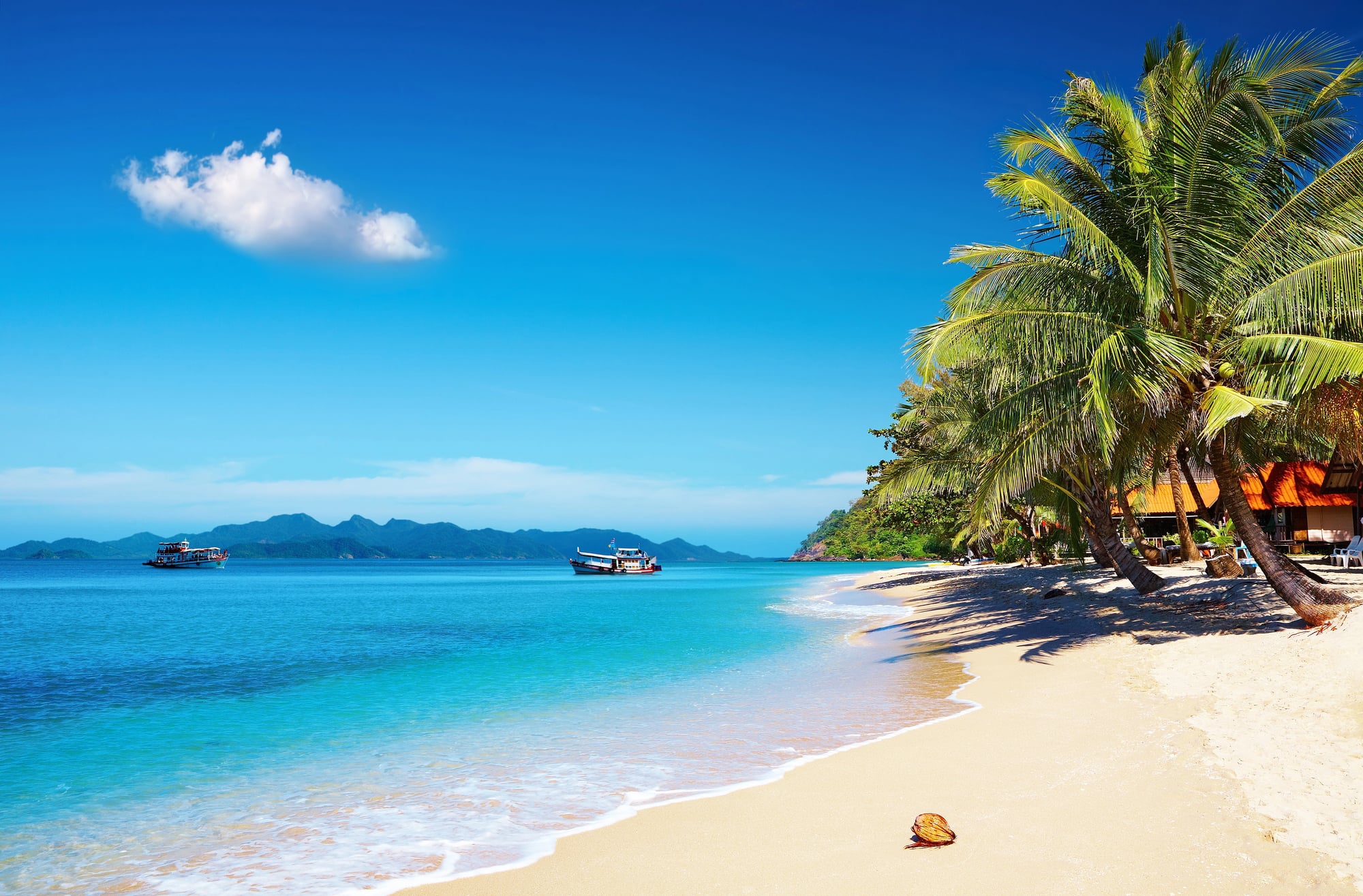
Since the late 1980s, the full moon each month brings tens of thousands of visitors to Hat Rin beach on the island of Koh Phangan for a massive overnight beach celebration. What began as a spontaneous gathering of around 30 travelers in 1987 has grown into one of the most famous recurring events in global travel culture, drawing crowds from across the world.
It is one of the few modern full moon traditions that makes no claim to spiritual meaning and simply leans into the ancient human instinct to gather and celebrate under a bright sky.
Jewish Rosh Chodesh — Jewish Tradition
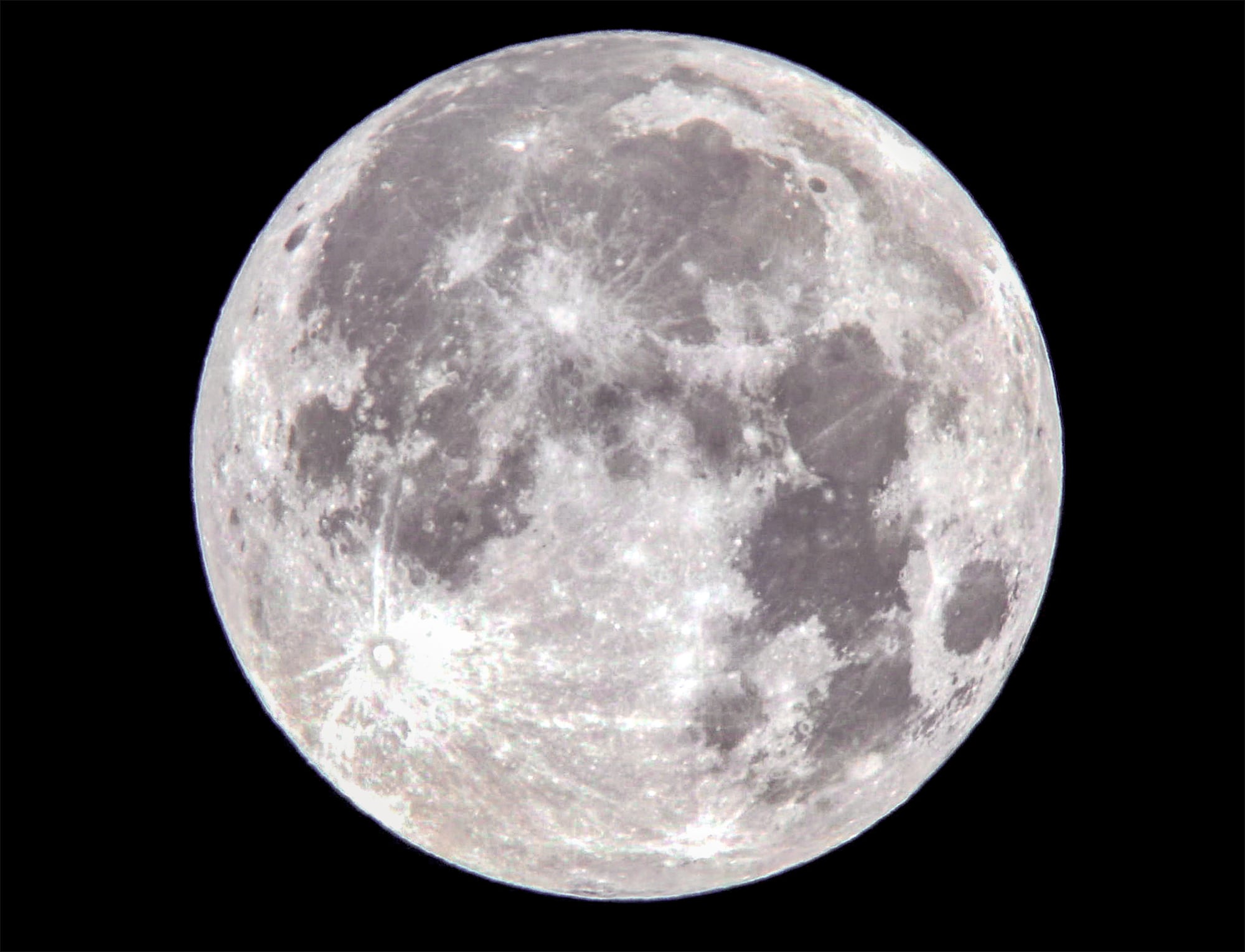
While Rosh Chodesh marks the new moon in the Jewish calendar, the full moon falls at the midpoint of every Jewish month and carries significance across several major festivals. Passover (Pesach), Sukkot, Purim, and Tu B’Av all fall on the 15th of their respective months — the full moon.
Tu B’Av, sometimes called the Jewish festival of love, falls on the full moon of Av and was historically a day when unmarried women would dance in the vineyards.
Ramadan’s End — Islamic Tradition
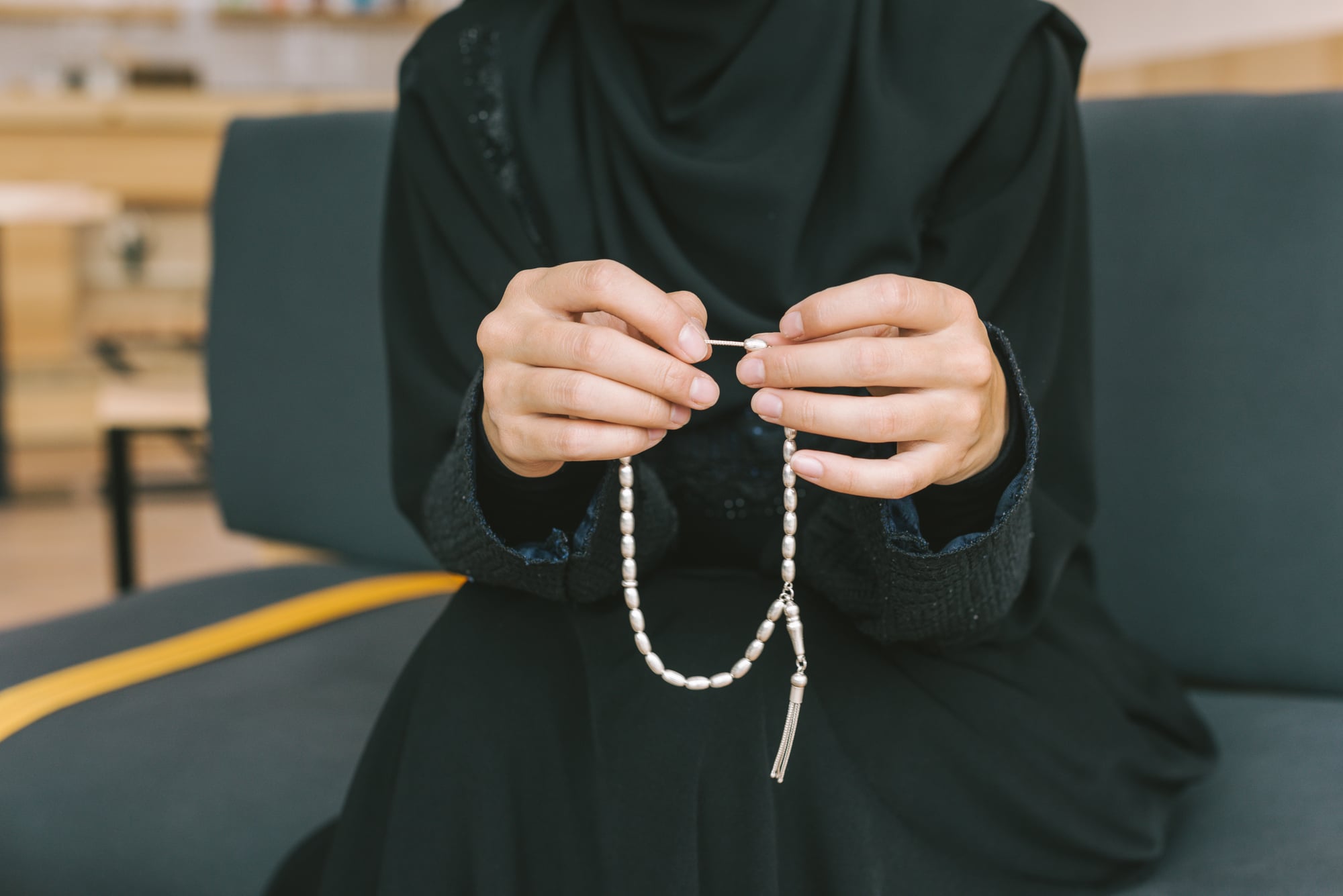
The Islamic calendar is purely lunar, and Eid al-Fitr — the feast marking the end of Ramadan — is determined by the sighting of the new crescent moon after the full month of fasting. The full moon that falls mid-Ramadan marks the halfway point of the fast, and in many communities serves as a quiet milestone of endurance.
The moon’s phases are not incidental to Islamic practice — they are the calendar.
Ancient Greek Hecate Suppers
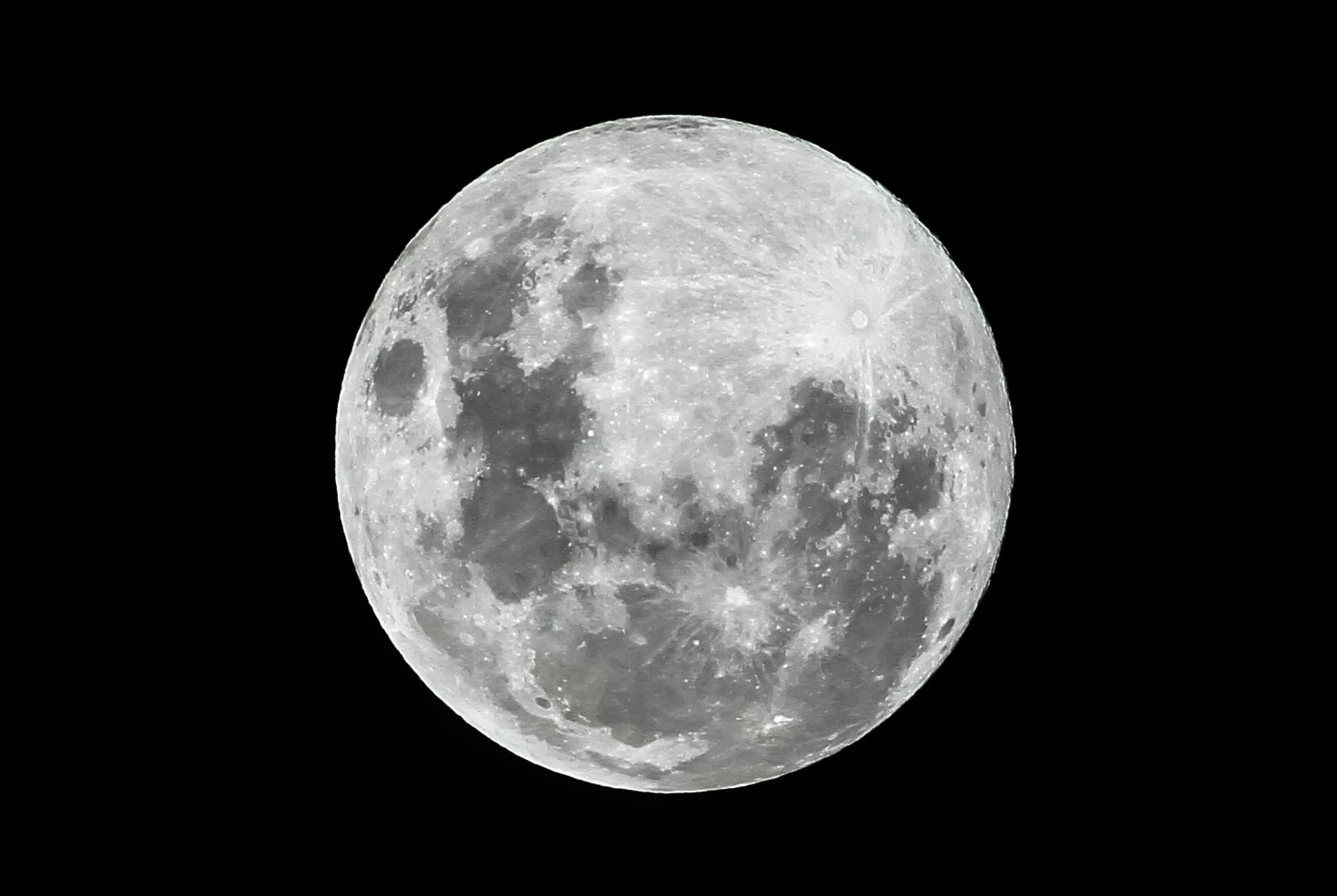
The ancient Greeks honored Hecate, goddess of crossroads, witchcraft, and the night, with offerings left at crossroads on the full moon. These offerings, called Hecate’s suppers, typically consisted of eggs, fish, and honey, and were left for Hecate and for the spirits of the dead who followed her.
The practice reflected a widespread ancient belief that the veil between the living and the dead grew thin at the full moon — a belief that appears independently in cultures from Greece to West Africa to Mesoamerica.
Batak Moon Ceremonies — Sumatra, Indonesia
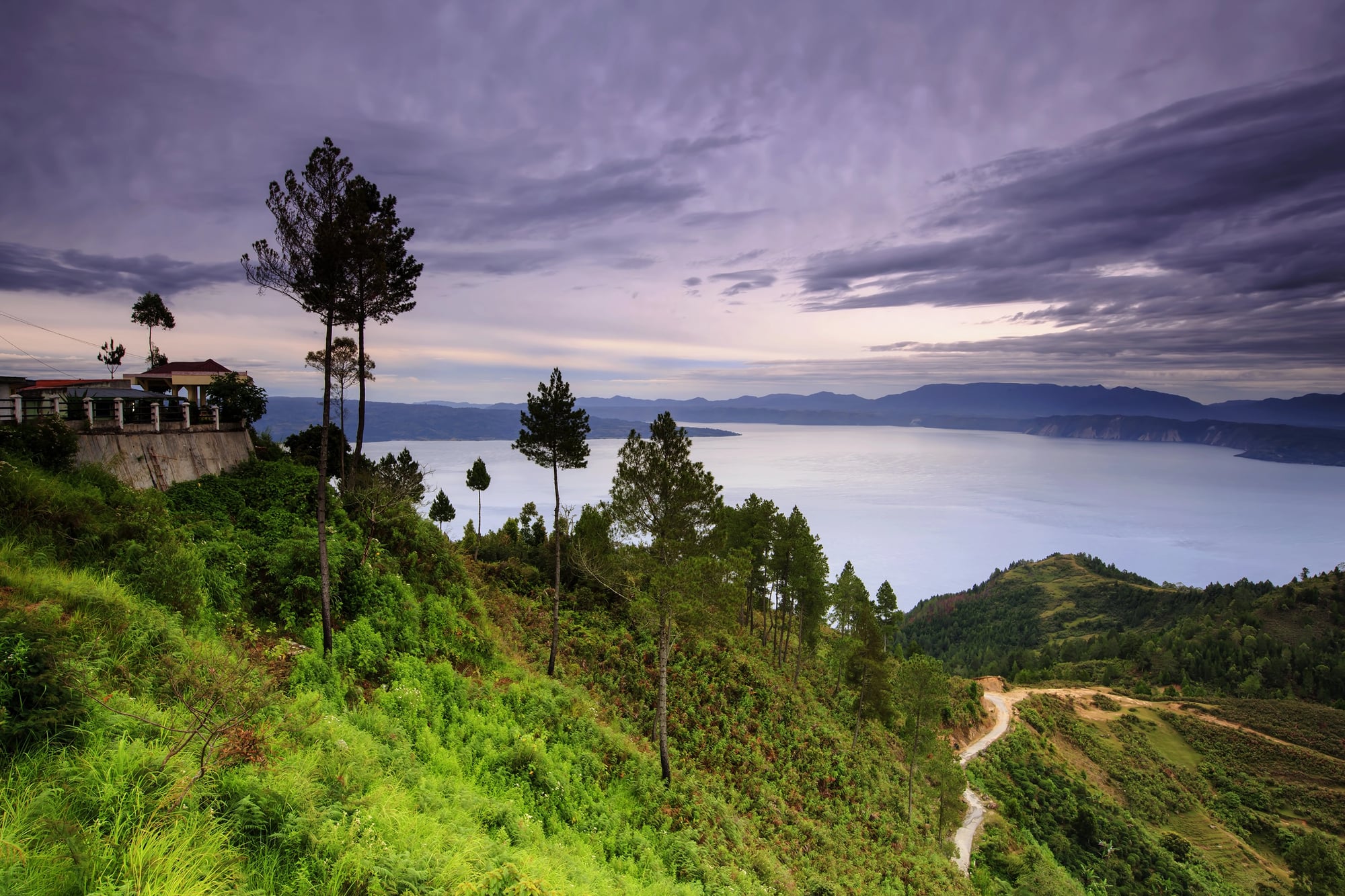
The Batak peoples of North Sumatra have historically used lunar timing to govern the adat (customary law) calendar, with full moons marking appropriate times for weddings, dispute resolution, and community gatherings. Traditional Batak healers, called datu, conducted healing ceremonies under the full moon, working with medicinal plants and ritual objects to restore balance to the sick.
The full moon was considered a time of peak spiritual power — both for healing and, in some traditions, for the movements of spirits that needed to be managed carefully.
The Moon Has Always Been a Meeting Point
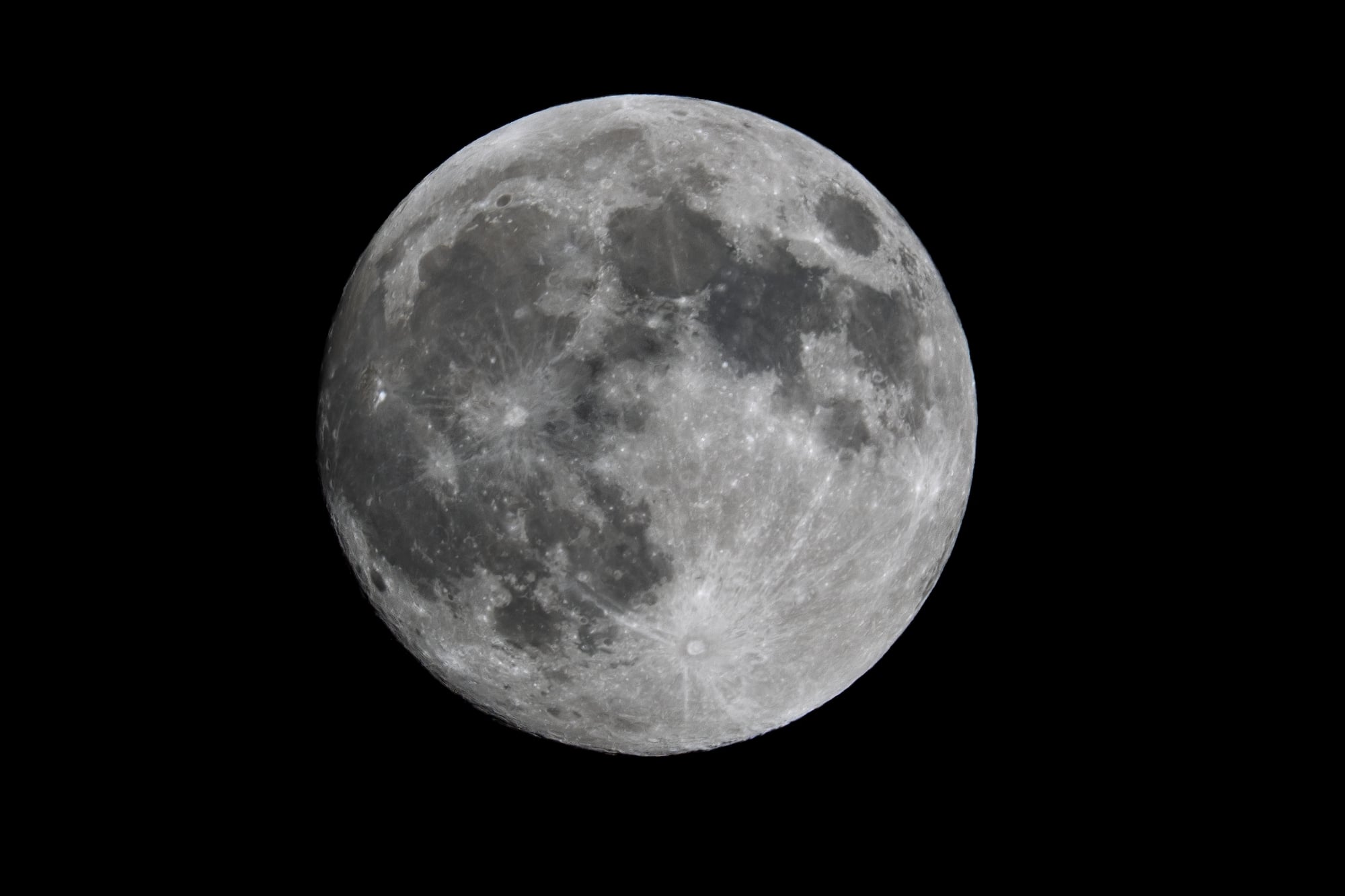
What these 32 traditions share isn’t really about the moon. They’re about the human need to mark time, gather community, honor relationships, and locate personal experience within something larger than a single life.
The moon just happens to be the most reliable shared clock that every culture on earth has always had access to — visible from every continent, always on schedule, and impossible to ignore.
The specific rituals differ enormously — rice dumplings versus coconuts, lanterns versus bonfires, silence versus song. But the underlying gesture is the same across every one of them: look up, stop what you’re doing, and acknowledge that you are part of something that was going long before you arrived and will continue long after.
That impulse hasn’t changed in 50,000 years of human history. The moon just keeps rising, and people keep responding.
More from Go2Tutors!

- The Romanov Crown Jewels and Their Tragic Fate
- 13 Historical Mysteries That Science Still Can’t Solve
- Famous Hoaxes That Fooled the World for Years
- 15 Child Stars with Tragic Adult Lives
- 16 Famous Jewelry Pieces in History
Like Go2Tutors’s content? Follow us on MSN.



