27 Records Sitting in Basements That Sell Fast Online
A basement record box usually looks like a lost cause: warped sleeves, a layer of dust, and titles nobody recognizes anymore. Buyers who work this market are not looking for the records everyone already knows to check.
They are looking for pressing details, label variations, and formats most sellers skip past entirely.
Promotional White-Label Pressings
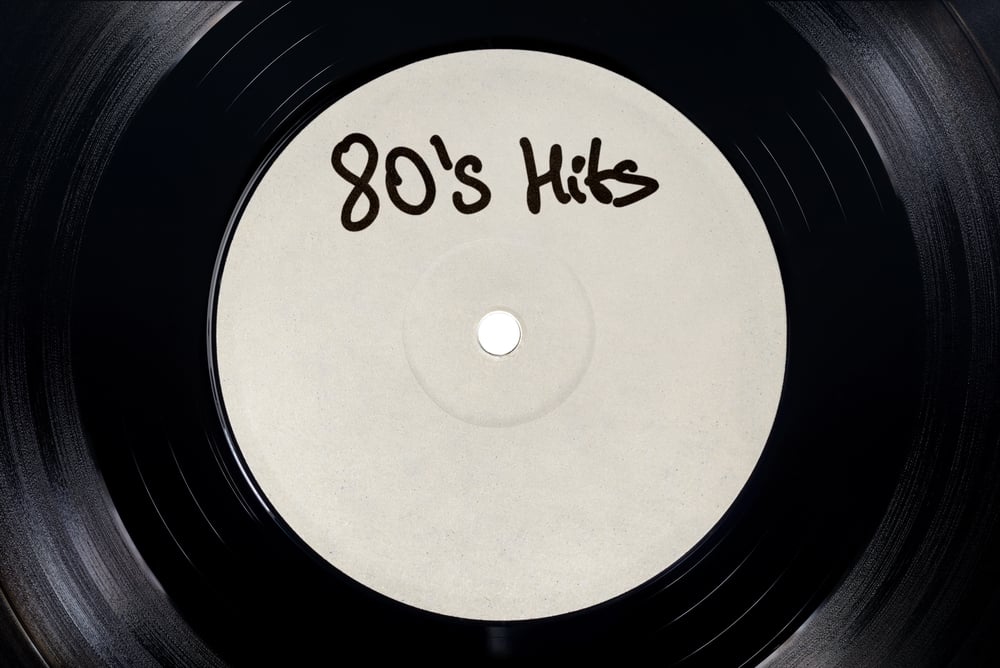
Records pressed specifically for radio stations and reviewers ahead of a commercial release carry a plain white label instead of the standard commercial artwork, often stamped “promotional use only” or similar wording. These were produced in far smaller numbers than the retail pressing and sometimes include mixes that never made it to the general release.
A white label copy in playable condition, especially paired with its mailing sleeve from the original distributing label, draws considerably more interest than an identical commercial pressing.
Regional Independent Label Pressings
Records issued by small independent labels tied to a specific city or regional music scene, before a larger label picked up national distribution, are searched for by collectors documenting the earliest pressing of a recording’s history. These regional pressings typically ran in the low hundreds or low thousands of copies and used simpler label artwork than the later national release.
Identifying the specific label imprint and catalog number, rather than the artist name alone, is what separates a common later pressing from the scarce original.
Radio Transcription Discs
Large-format discs produced specifically for radio station broadcast use, containing recorded programs or performances that were never issued commercially, are a category most record collectors never encounter outside dedicated broadcast history circles. These discs typically run at a different playback speed than standard commercial records and require appropriate equipment to play correctly.
A transcription disc documenting a performance with no commercial release equivalent has genuine archival value beyond simple collectibility.
Jukebox-Only Seven Inch Pressings
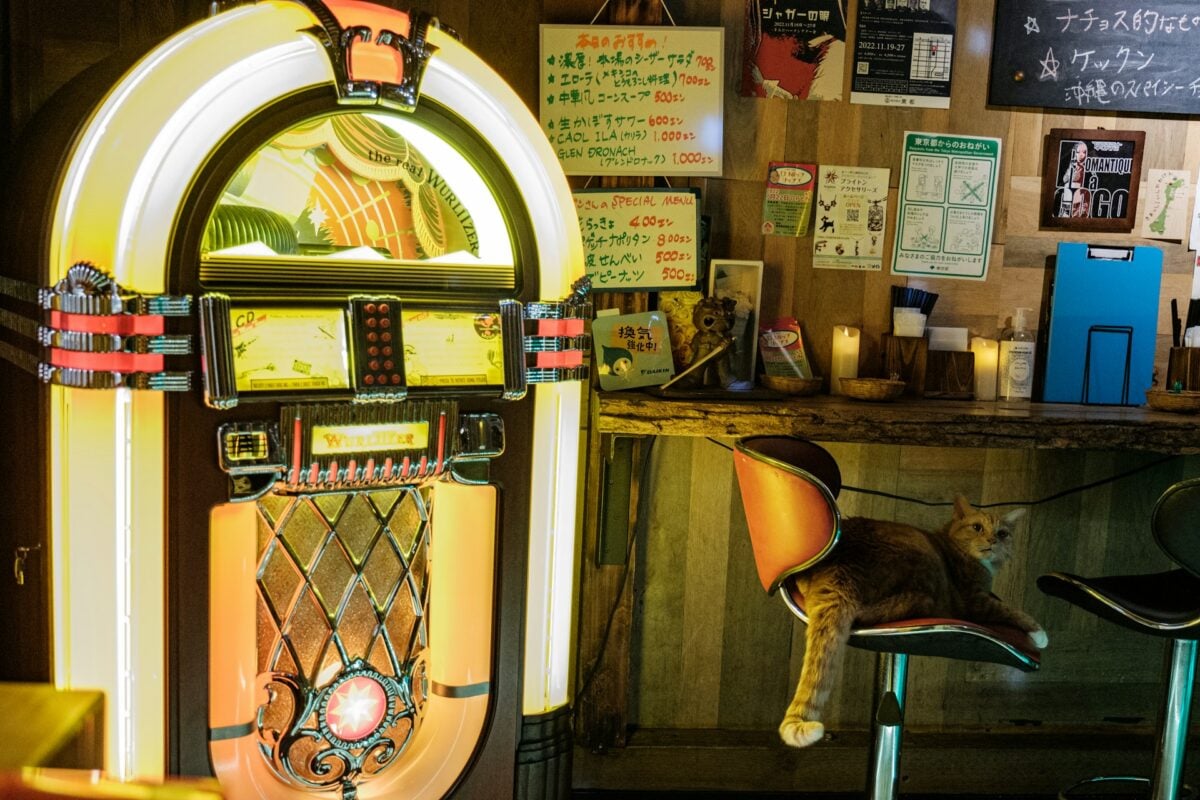
Certain seven inch singles were pressed specifically for jukebox operators, distinguishable by a large center opening rather than the standard consumer format, along with title strip inserts sized for jukebox display windows. Collectors search for these both as jukebox-restoration parts and as pressing variants in their own right.
A complete set with the original title strip intact is worth pursuing over a disc alone, since the strips were printed in smaller runs and are frequently lost.
Colored and Novelty Vinyl Variants
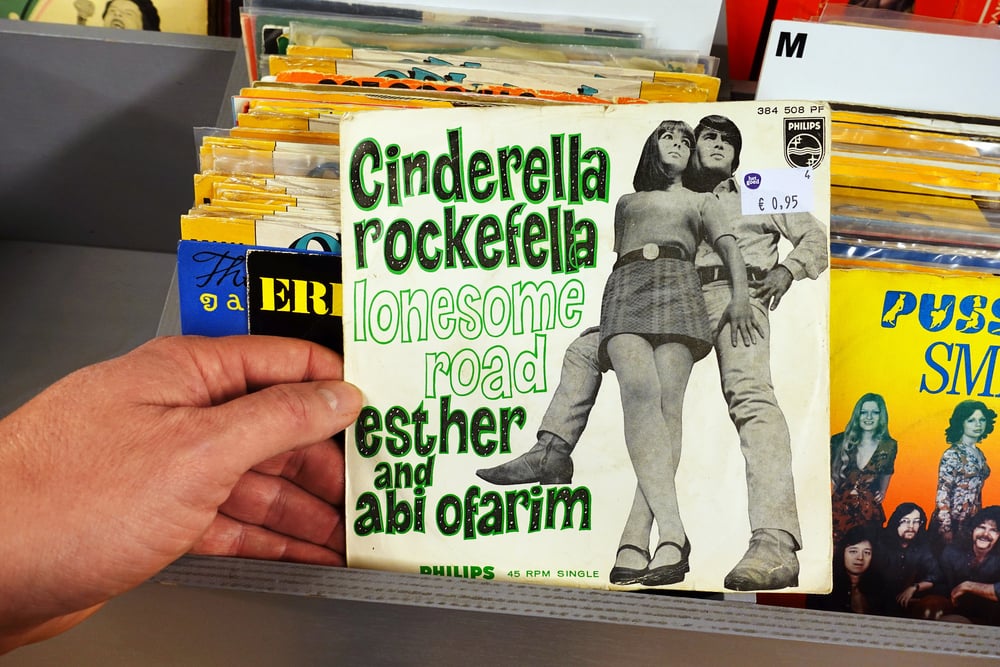
— Photo by defotoberg
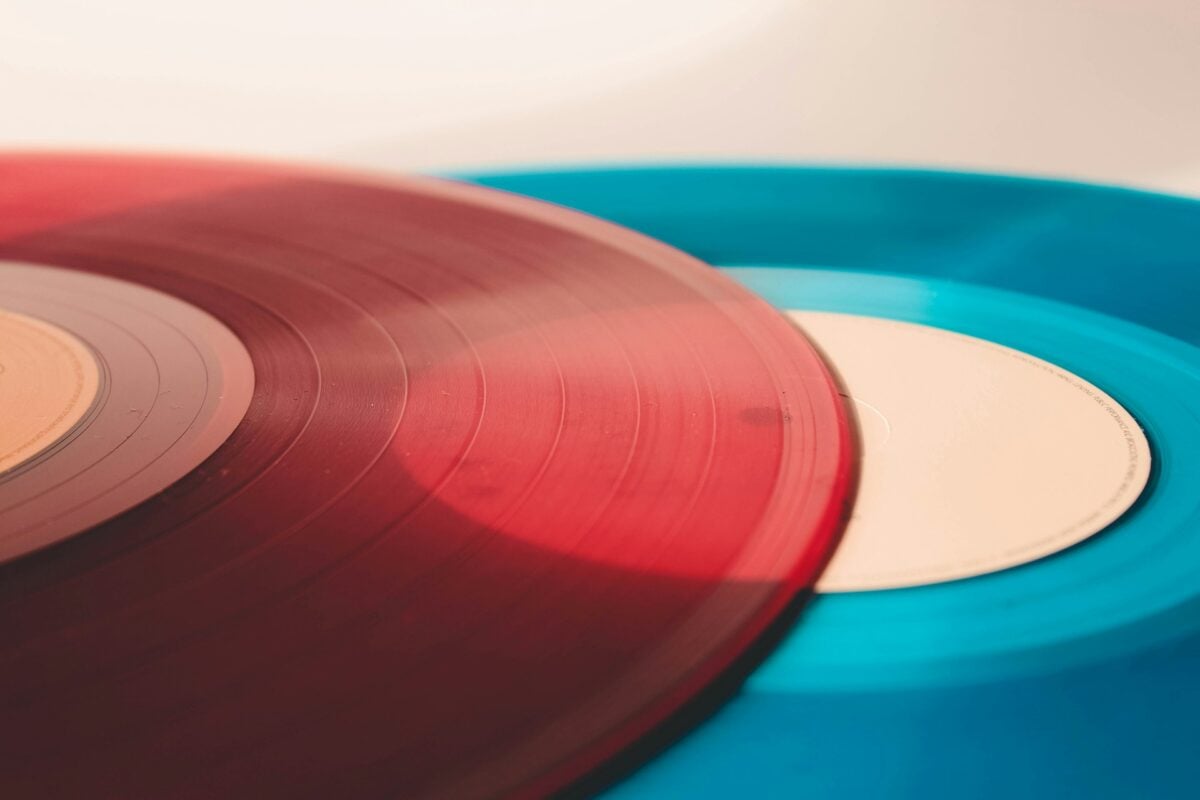
Records pressed on colored vinyl rather than standard black, or shaped as picture discs with a printed image visible through the playing surface, were often limited variant runs tied to a specific promotional campaign or regional market. A colored pressing confirmed against a discography as a genuine limited variant, rather than a later reissue using the same gimmick, carries real premium over the standard black pressing of the same recording.
Warping is a common defect specific to colored and picture disc formats and should be checked under raking light.
Test Pressings Marked Before Final Release
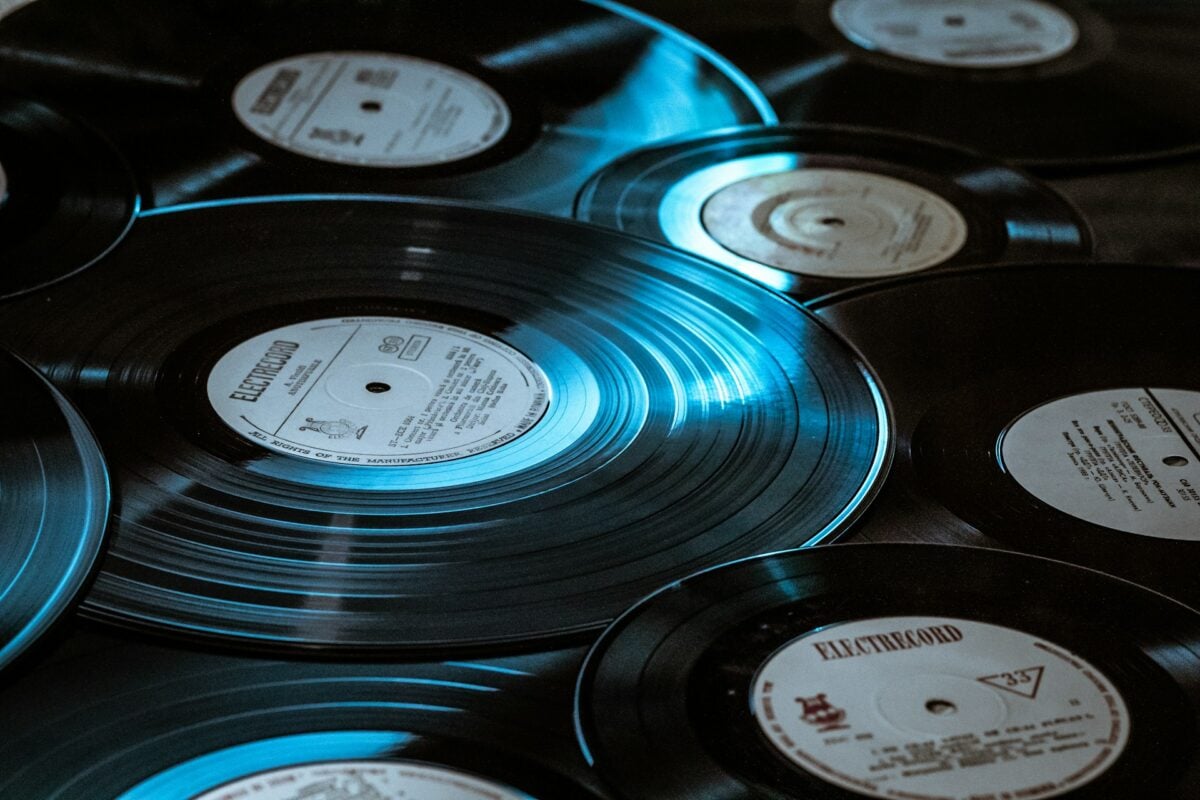
Test pressings, cut and played to approve a recording before the full commercial run began, typically carry a plain label with handwritten information rather than printed artwork. These exist in extremely small numbers, often fewer than ten copies for a given release, and are collected as the closest surviving artifact to the original studio master.
Authenticating a genuine test pressing against a later bootleg reproduction requires checking the specific plant’s stamped matrix codes in the runout groove.
Flexi Discs Bound Into Magazines
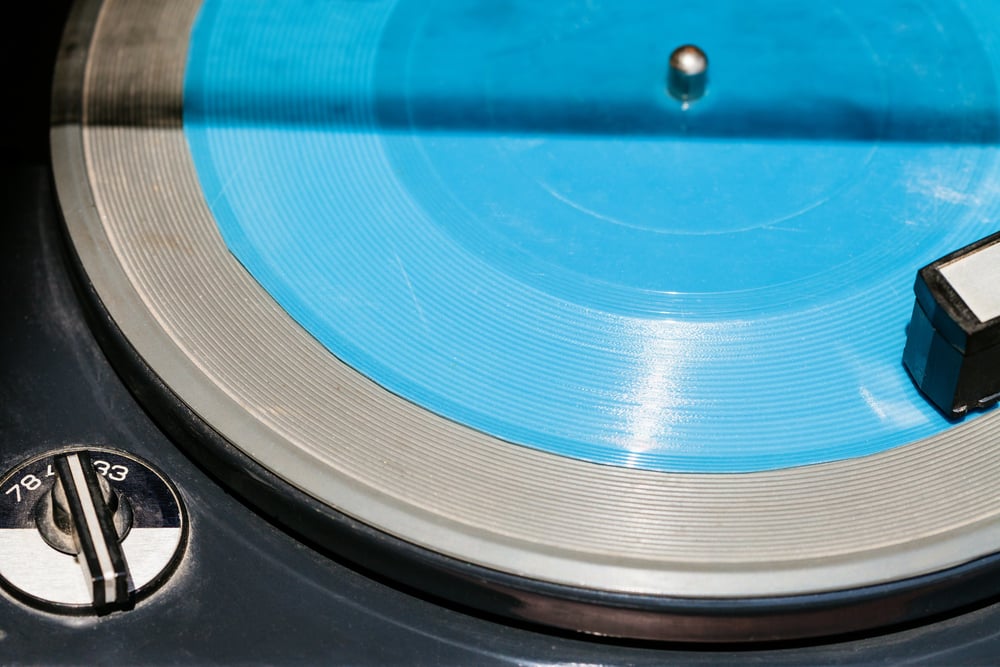
Thin, flexible plastic discs bound directly into music and youth culture magazines as a promotional insert were common through several decades and were designed to be played a handful of times before wearing out. Most were discarded with the magazine itself, which makes surviving examples still attached to their original publication genuinely uncommon.
Collectors specifically search for issues tied to a notable artist’s early or otherwise unreleased recording captured on the insert.
Children’s Story and Read-Along Records
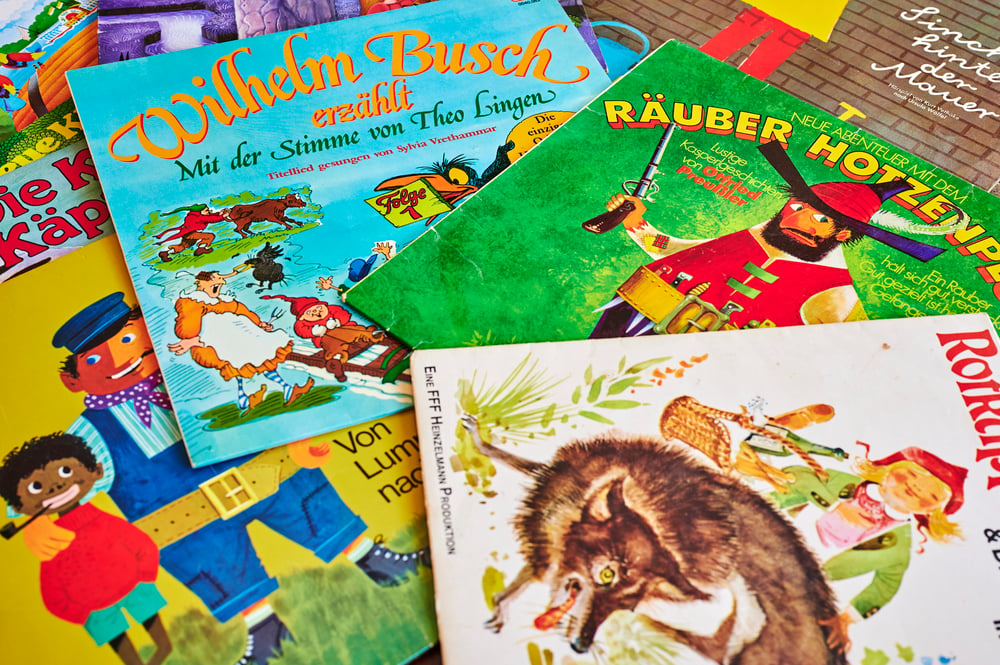
Read-along records paired with an illustrated storybook, designed for a child to follow along and turn the page at a chime cue, are an overlooked format that collectors of both children’s book illustration and character licensing chase separately from mainstream music collecting.
A complete set with both the disc and the intact booklet is considerably more valuable than either piece alone, and the booklets are the more fragile and frequently missing component.
Regional Gospel and Sacred Music Pressings

Small-label gospel recordings pressed by individual churches, choirs, or regional gospel labels, often self-financed and distributed only within a local community, document a wide swath of American religious music history that never reached wider commercial release.
Condition is frequently rough given how these records were actually used and played, and even a well-worn copy holds interest to collectors and researchers when the specific group or label is otherwise undocumented elsewhere.
Early Regional Country and String Band Pressings
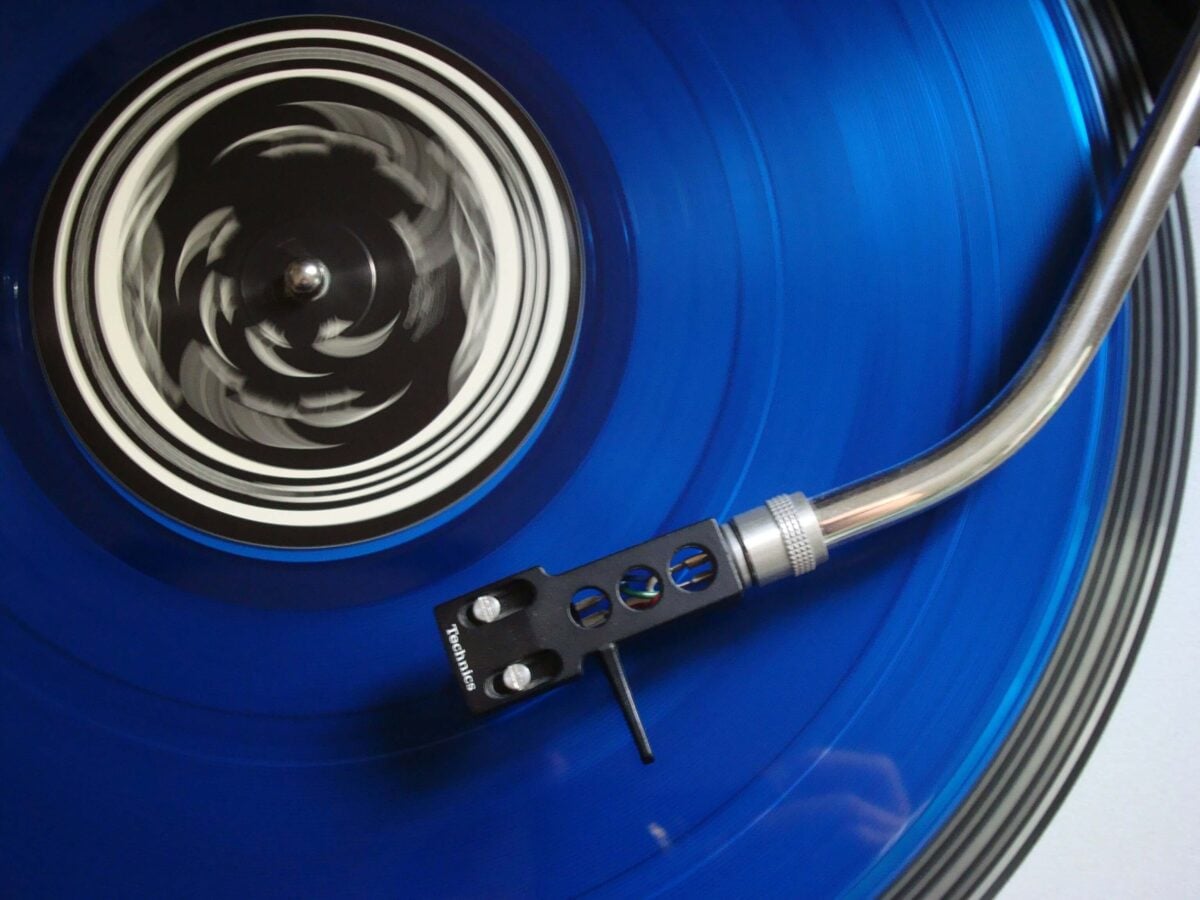
Country and string band recordings pressed by small regional labels before the genre consolidated around major Nashville-based labels are collected for documenting specific regional sounds, from Appalachian string bands to Western swing outfits, that larger labels never picked up.
Label imprint and pressing plant identification are the key research points, since artist names on these regional pressings are frequently obscure even to genre specialists.
Spoken Word and Comedy Albums From Small Labels
Comedy and spoken word recordings issued by small independent labels, sometimes recorded live at a single club performance, occupy a smaller collecting niche than music but a genuinely active one, particularly for comedians who became far more well known later in their careers.
An early small-label recording predating a comedian’s mainstream breakthrough carries real premium, and condition expectations are more forgiving here than in music collecting since the format is judged more on rarity than pristine playback.
Film Soundtrack Pressings on Small Studio Labels
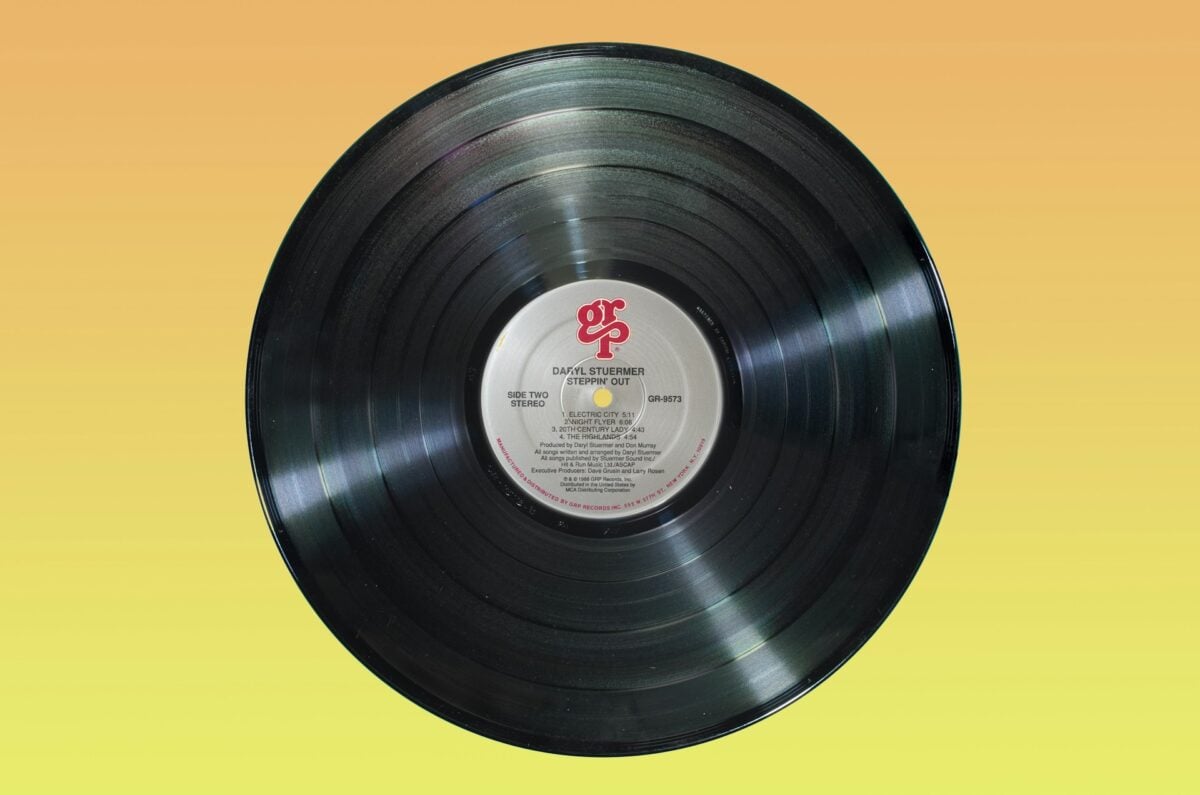
Soundtrack albums issued by a film studio’s own small in-house record label, rather than through a major music label’s distribution, were sometimes produced only as promotional items for theater and press use rather than general retail sale. These carry limited print numbers and studio-specific label artwork that differs from any later commercial soundtrack reissue.
A soundtrack pressing tied to a film that has become more culturally significant over time draws more interest than the film’s contemporary reception would have suggested.
International Pressings of Domestic Hit Recordings
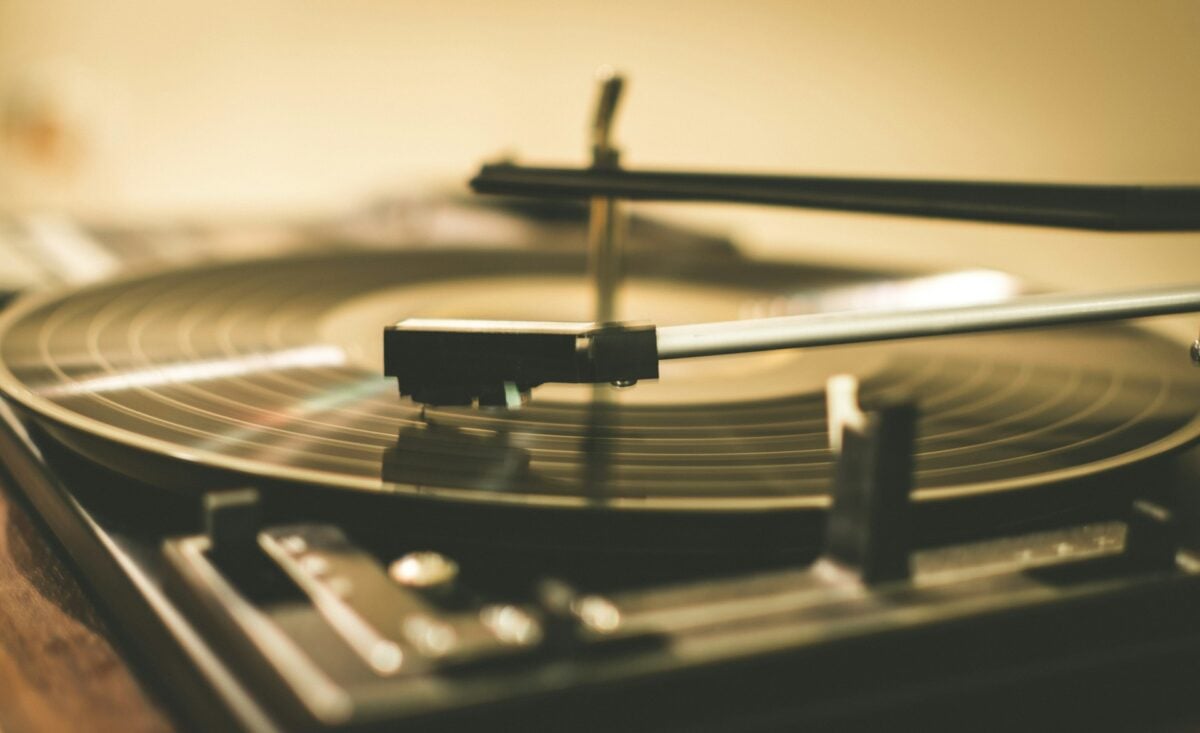
Foreign pressings of recordings that were hits domestically, produced by a licensed overseas label under a different catalog number and often with different cover artwork, are collected specifically for those pressing-level differences rather than the music itself. A foreign pressing plant’s specific mastering can sound genuinely different from the domestic release, which is part of why audiophile collectors seek them out.
Identifying the correct country of origin from the label and matrix stamps is the essential research step.
Custom Pressing Vanity Records
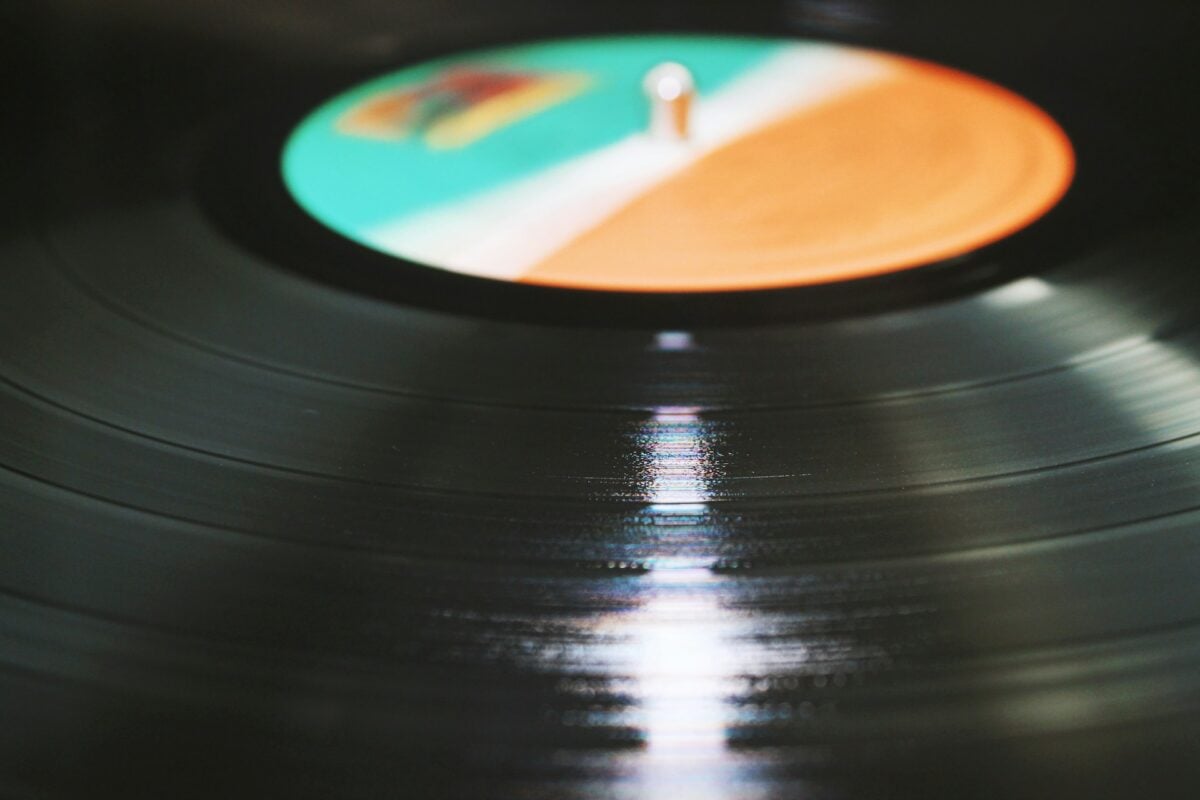
Records pressed privately by individuals, small bands, or local businesses through a custom pressing service, rather than issued by any established label, document music and voices that would otherwise have no recorded trace at all. Most of these are genuinely unknown quantities with no discography entry to check against, which makes research and listening the only way to assess interest.
A custom pressing capturing a specific local event, business jingle, or amateur band has more research value than resale certainty.
Picture Sleeve Singles Sold Separately From the Disc
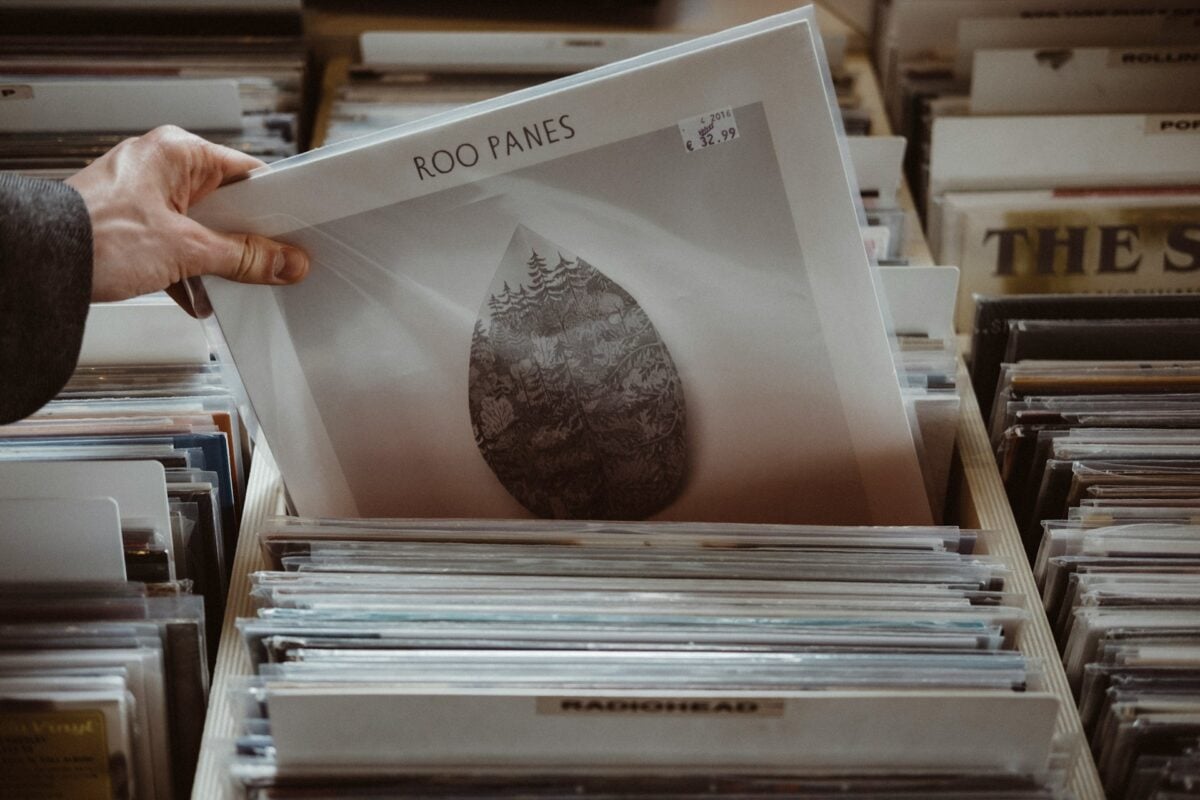
Original picture sleeves for seven inch singles, printed with cover artwork specific to that release, were frequently separated from the disc they came with over decades of storage and handling. Collectors will pursue an original sleeve on its own even without a matching disc, particularly for releases where the sleeve artwork itself became iconic separately from the recording.
A sleeve should be checked for ring wear from the disc rubbing against the inside, which is the primary condition defect in this category.
Direct-to-Disc Audiophile Pressings
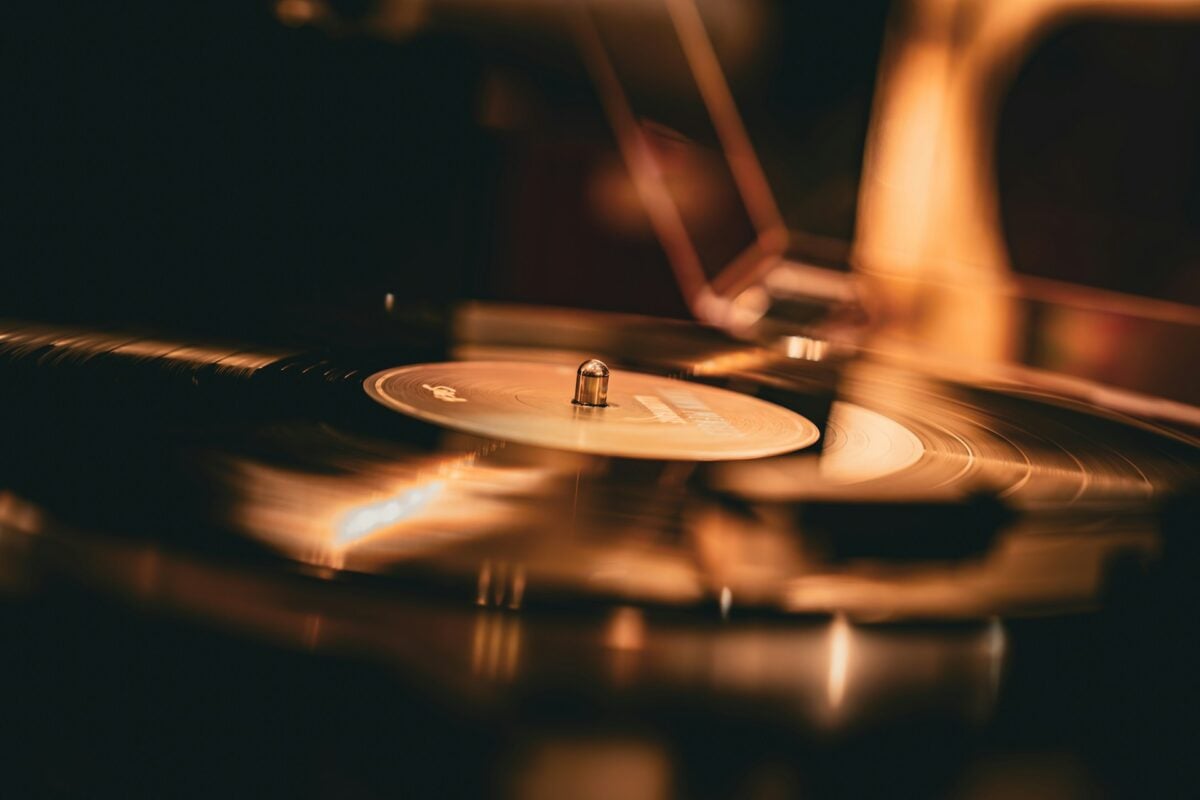
Records cut using a direct-to-disc process, recording the performance straight to the master lacquer without a magnetic tape intermediate step, were a specific audiophile trend marketed on superior sound fidelity.
These were produced in small numbers on premium vinyl stock specifically for that market, and surviving copies in unplayed condition are searched out by audiophile collectors who value the mastering process as much as the recorded content itself.
Split Singles With Two Unrelated Artists
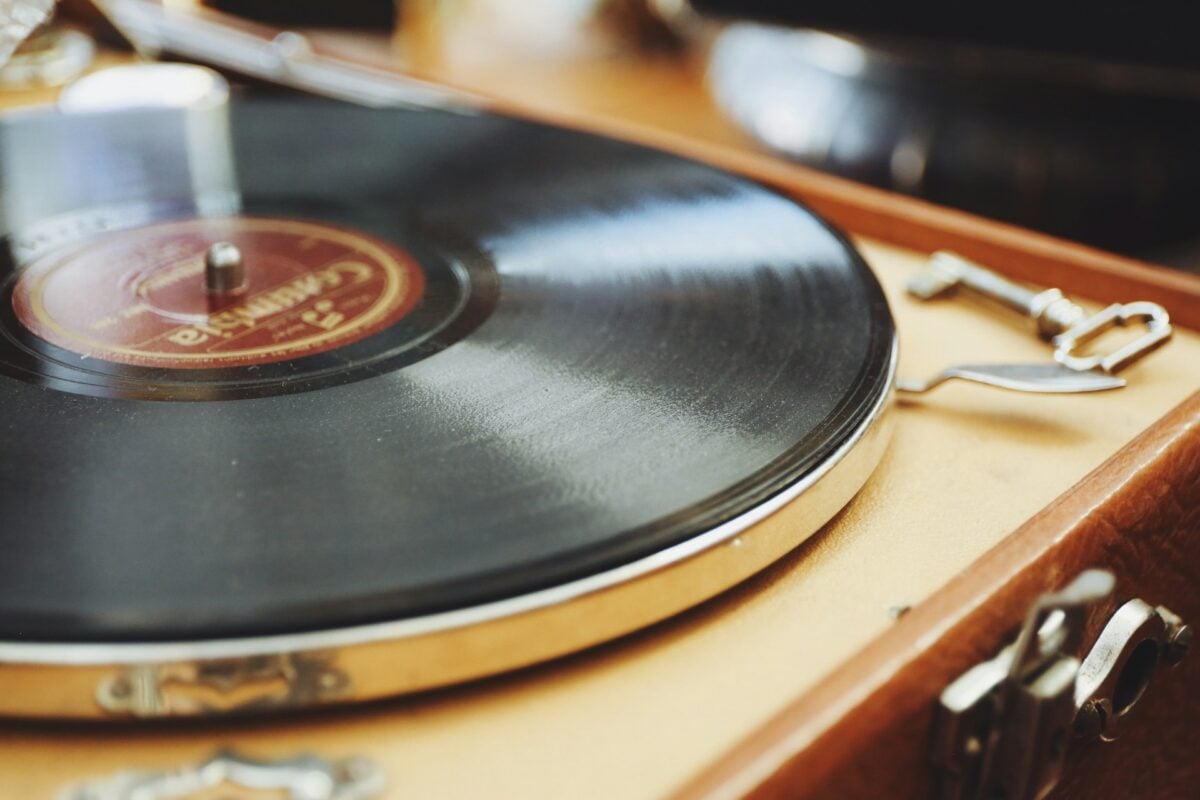
Singles pairing two different, often unrelated artists on opposite sides, typically issued to fill out a small label’s release schedule or to introduce a lesser-known act alongside a more established one, are a specific pressing format collectors track separately from either artist’s main discography.
These are frequently miscategorized in general bins under whichever artist name is more recognizable, leaving the pairing itself unnoticed by a casual seller.
Extended Play Records With Unique Track Selections
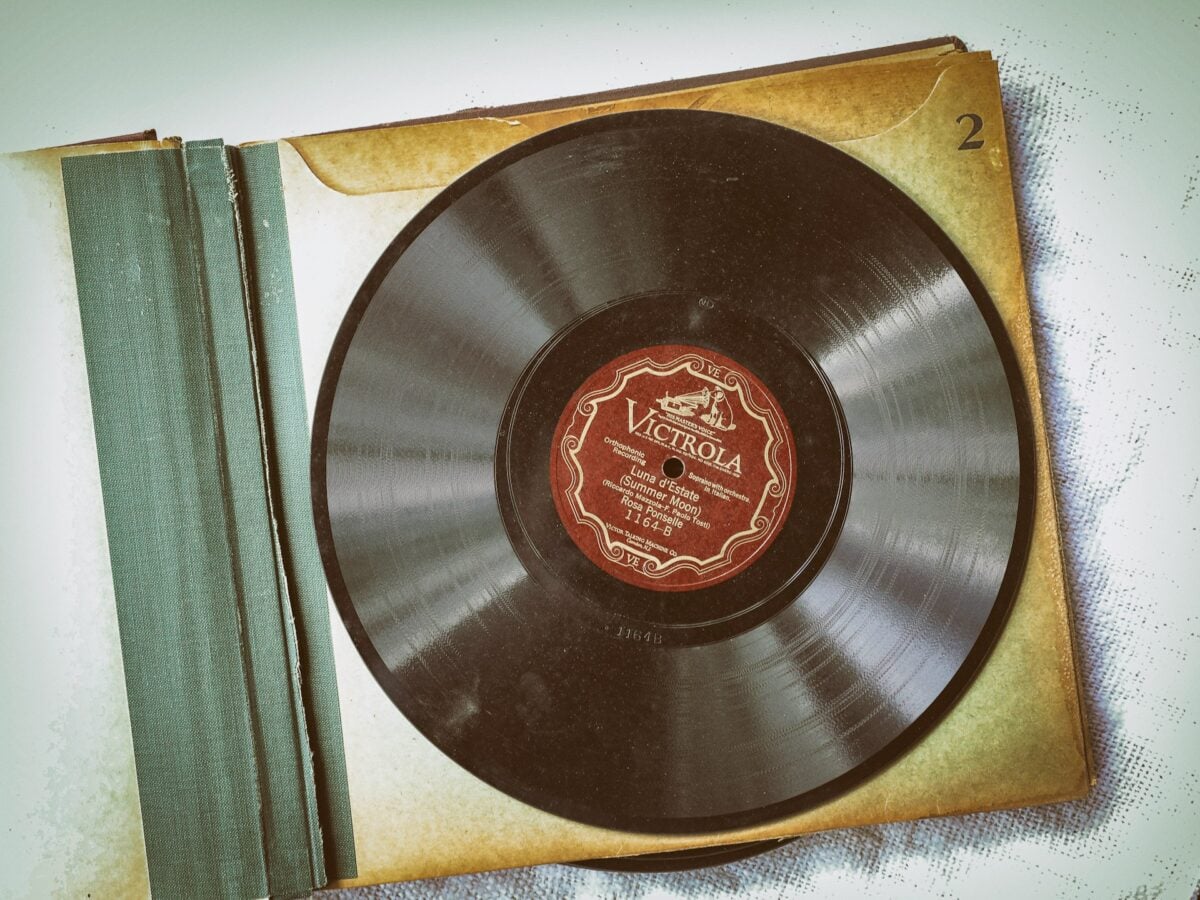
Extended play records, sitting between a single and a full album in track count, sometimes compiled tracks in combinations that never appeared together on any album release, making the specific EP the only place to find that particular pairing.
Collectors chase these track-list anomalies directly rather than the format generally, and identifying whether a given EP’s contents are genuinely unique requires checking a full discography rather than assuming based on the artist’s more familiar album releases.
Acetate Discs Cut for Home and Demo Use
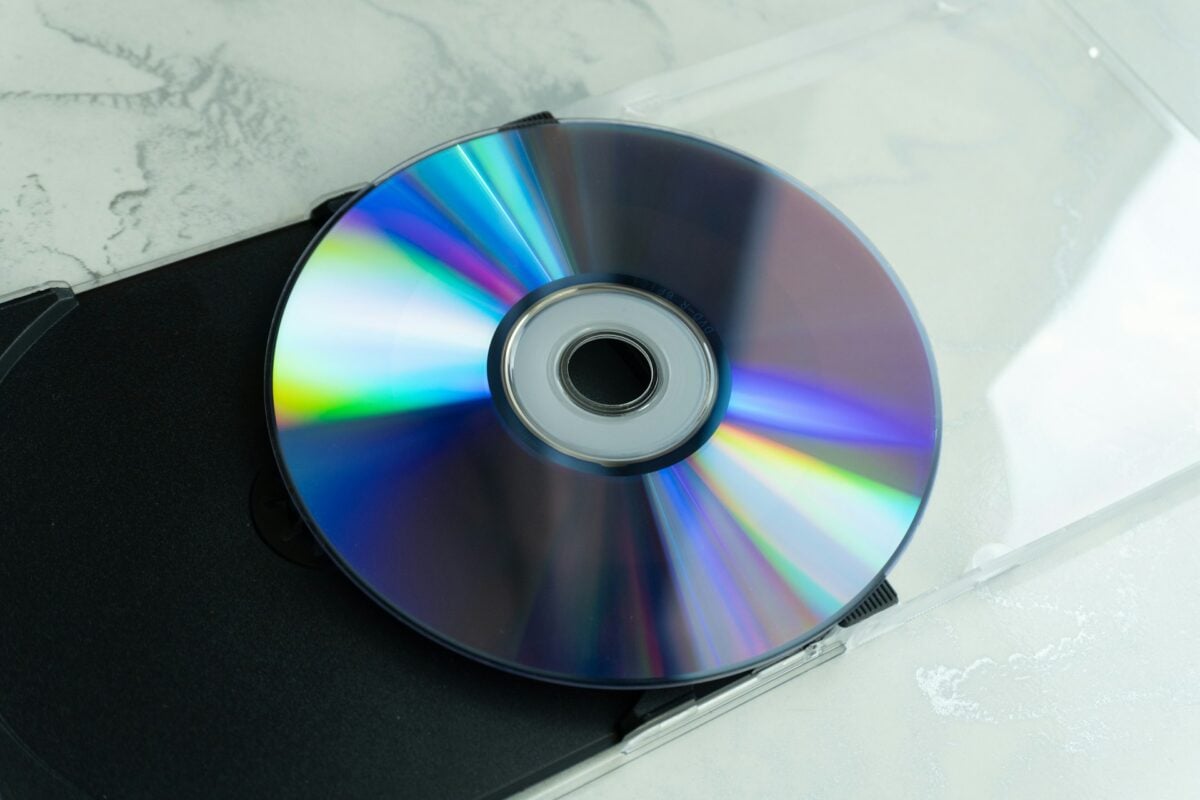
Acetate discs, cut on a lathe rather than pressed from a stamped master, were used for home recording, demo submissions, and radio audition purposes before magnetic tape became the standard demo format. These are inherently one-off or extremely limited items, and the recording quality degrades with each play since the soft coating wears under the stylus.
A demo acetate documenting an early, unreleased version of a recording an artist later became known for is a genuine research find.
Regional Polka and Ethnic Community Pressings
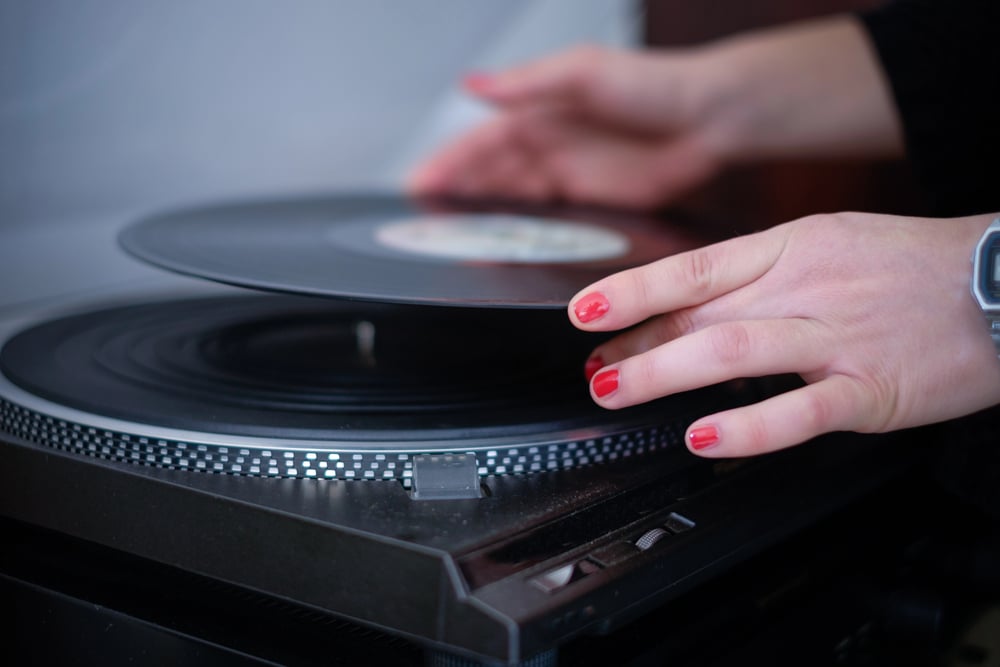
Recordings documenting specific immigrant and regional ethnic communities, pressed by small local labels serving Polish, German, Ukrainian, and other community audiences through the mid-twentieth century, are an underexplored corner of American recorded music history.
These rarely show up in general discographies, and identifying the specific community and pressing plant is research work that pays off for collectors and archivists documenting a particular regional tradition.
Novelty Character and Cartoon Tie-In Records

Records built around licensed cartoon and television characters, sometimes including read-along elements or simple sing-along songs, were mass produced but heavily used by children, which leaves surviving clean copies genuinely uncommon regardless of the original print run size.
A specific character tie-in from a show’s earliest broadcast years, before the license passed through several different record labels, is the most searched variant within this category.
Boxed Multi-Disc Sets With Original Packaging Intact
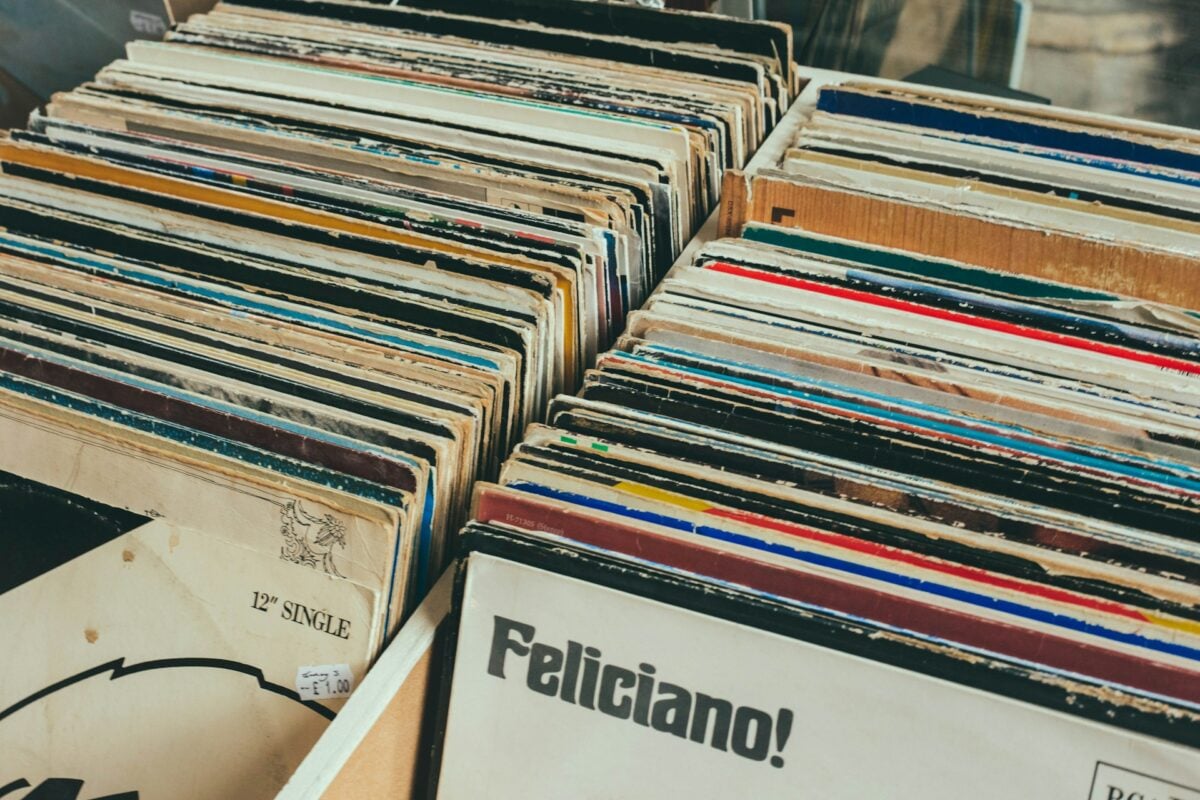
Multi-disc box sets, particularly ones issued with a booklet, liner notes, or a numbered certificate as part of the original packaging, lose most of their premium when any individual piece of that packaging goes missing over decades of storage.
A complete set with every disc, insert, and outer box intact is worth pursuing specifically because incomplete sets are what most commonly turn up, having shed pieces along the way.
Regional Blues Pressings on Small Labels
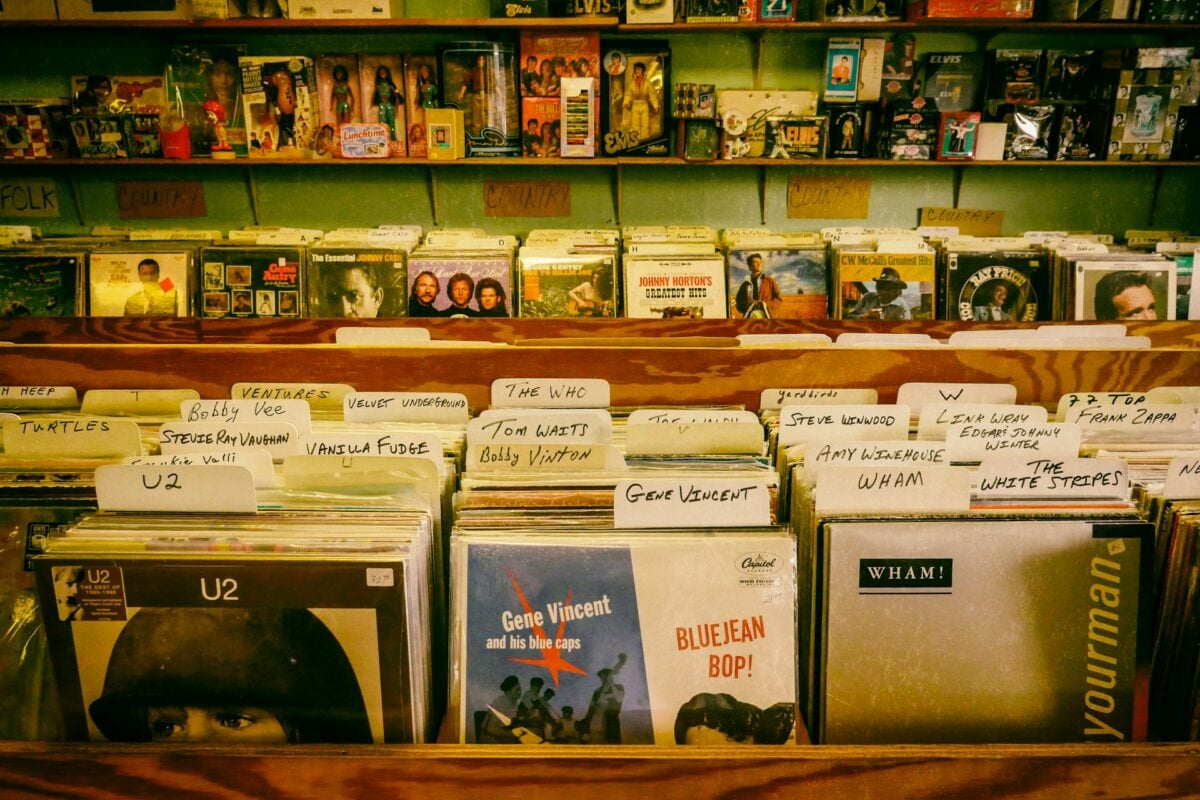
Blues recordings pressed by small regional labels operating outside the major commercial blues labels most collectors already know, often documenting a specific city’s club circuit rather than a widely toured artist, are an active research area precisely because so much of this material was never reissued or digitized.
A pressing tied to a documented but under-recorded regional scene carries more interest than condition alone would suggest, since availability of any copy at all is the limiting factor.
Label Variant Pressings of the Same Recording
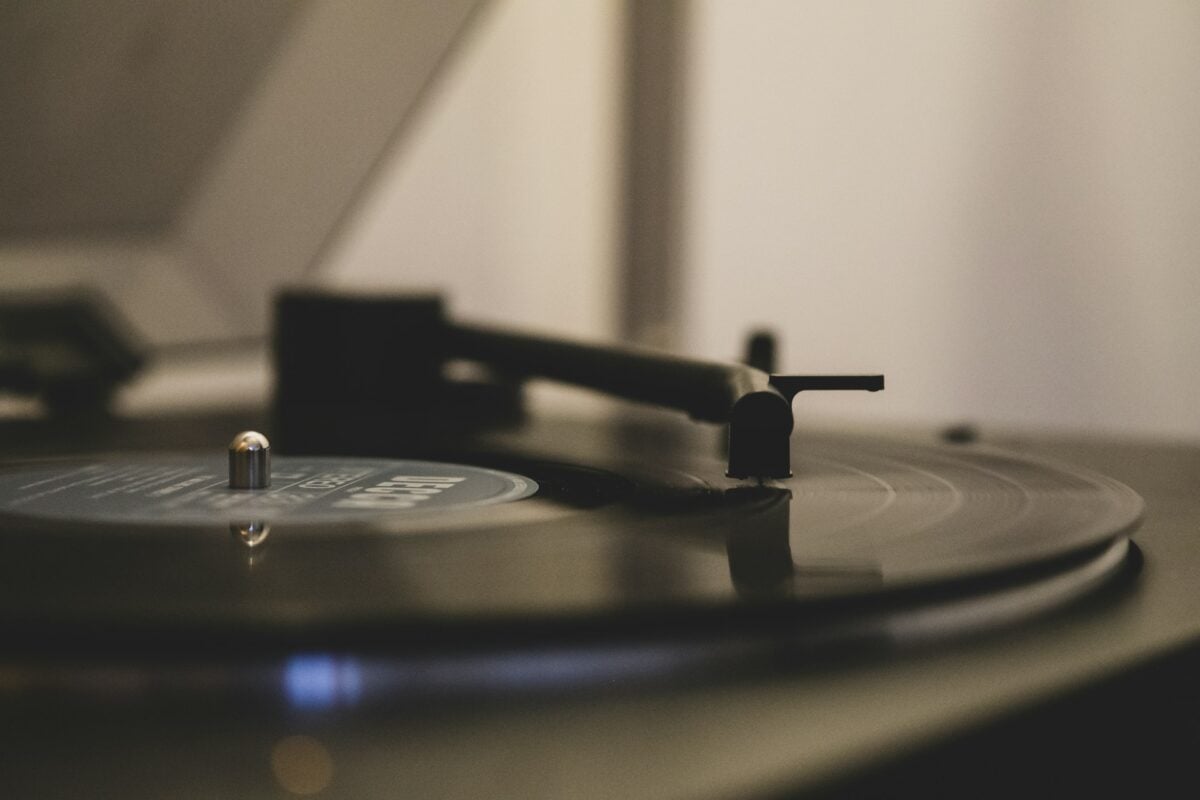
The same recording was sometimes pressed under multiple different label imprints over the years as distribution rights changed hands, and specific early label variants are worth meaningfully more than later reissues of the identical recording.
Distinguishing between variants requires checking the label design, catalog number format, and runout groove etching rather than relying on the cover art, which was often reused unchanged across multiple label variants.
Educational and Instructional Records
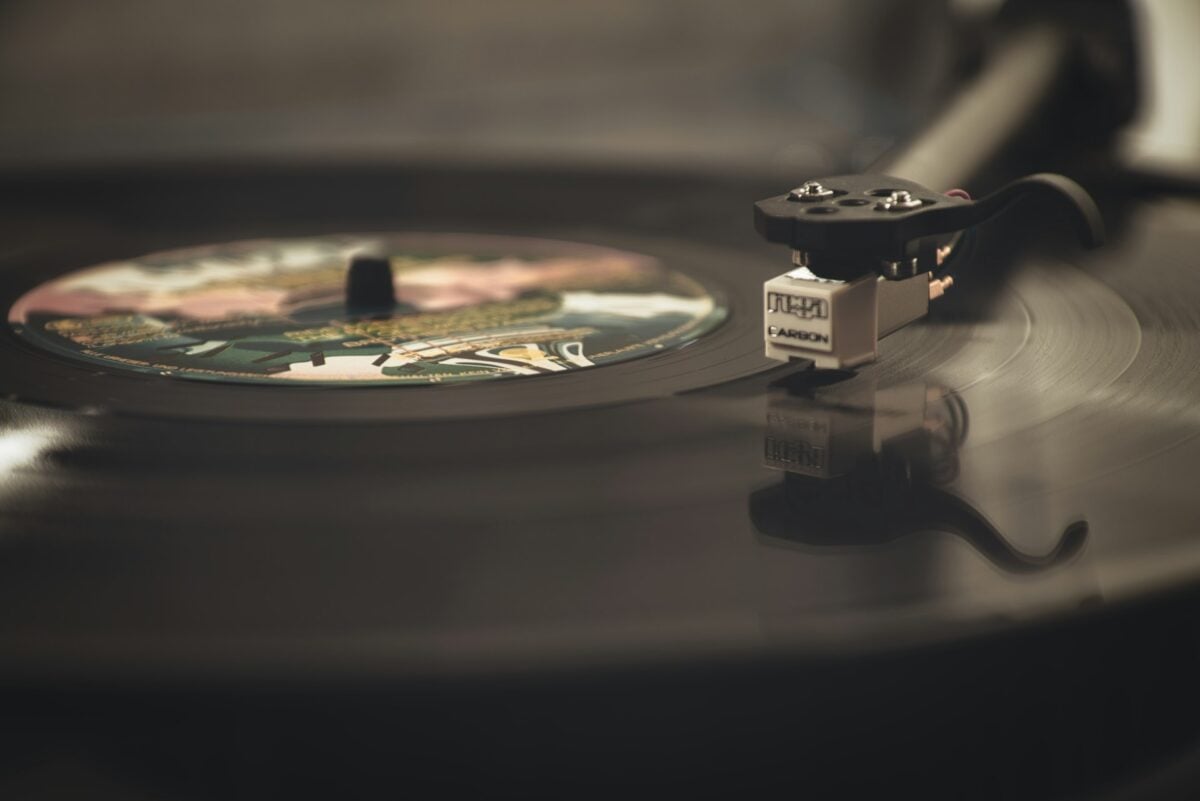
Records produced for classroom or self-instruction use, covering everything from language learning to typing practice to civil defense procedure, are collected as artifacts of educational history rather than for musical content.
A complete set with its accompanying workbook or instruction card intact is considerably scarcer than the record alone, since these supplementary materials were treated as disposable at the time.
Christmas and Holiday Novelty Singles From Small Labels
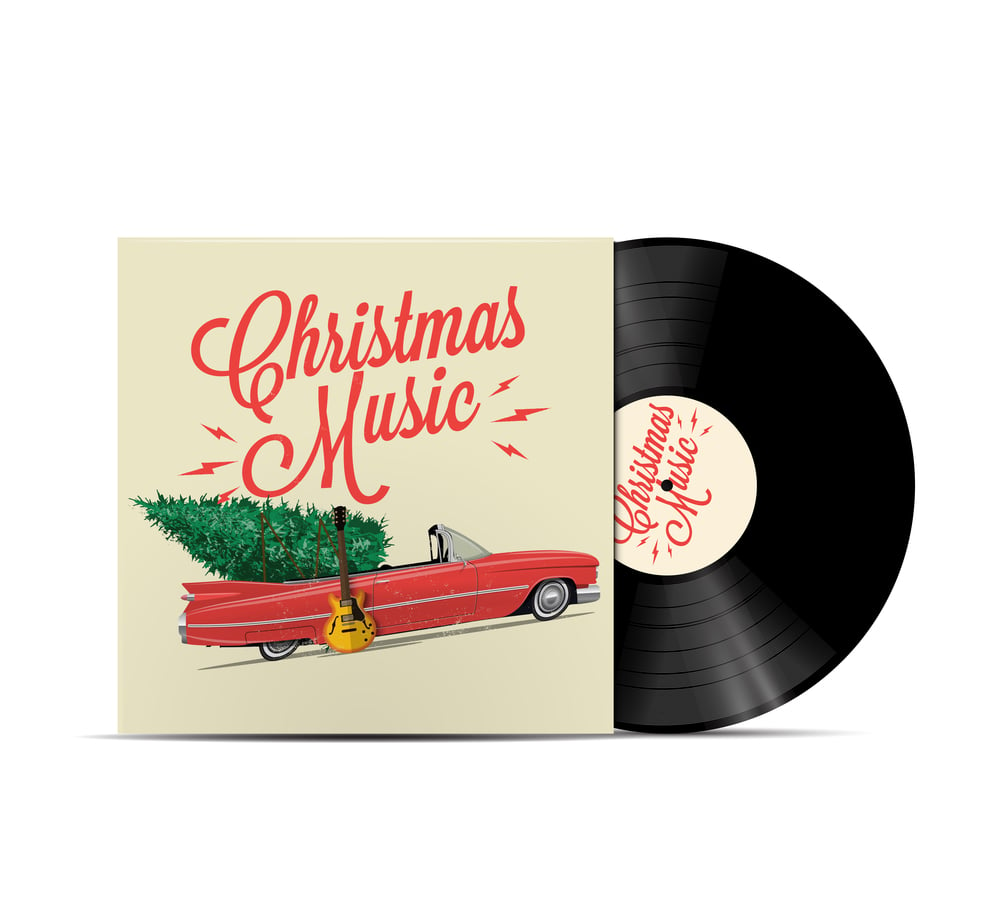
Holiday singles issued by small labels, sometimes as a one-time seasonal release with no other recordings by the same artist, occupy a specific niche among novelty record collectors who track holiday music history separately from mainstream Christmas album collecting.
A single-release artist whose only recording was a small-label holiday single is a genuinely obscure research subject with almost no discography documentation to draw on beyond the record itself.
Radio Premium Records Offered as Mail-In Giveaways
Records offered by radio stations as a mail-in premium, sent to listeners who wrote in requesting a copy of a specific broadcast performance or a station-sponsored recording, are distinct from both station transcription discs and standard commercial releases, since they were never sold retail at all. These were produced in small numbers tied directly to listener response volume, and a copy documenting a specific station’s premium campaign, with its original mailing envelope if it survives, is a genuine research find for broadcast history collectors.
The Groove That Was Never Meant to Last
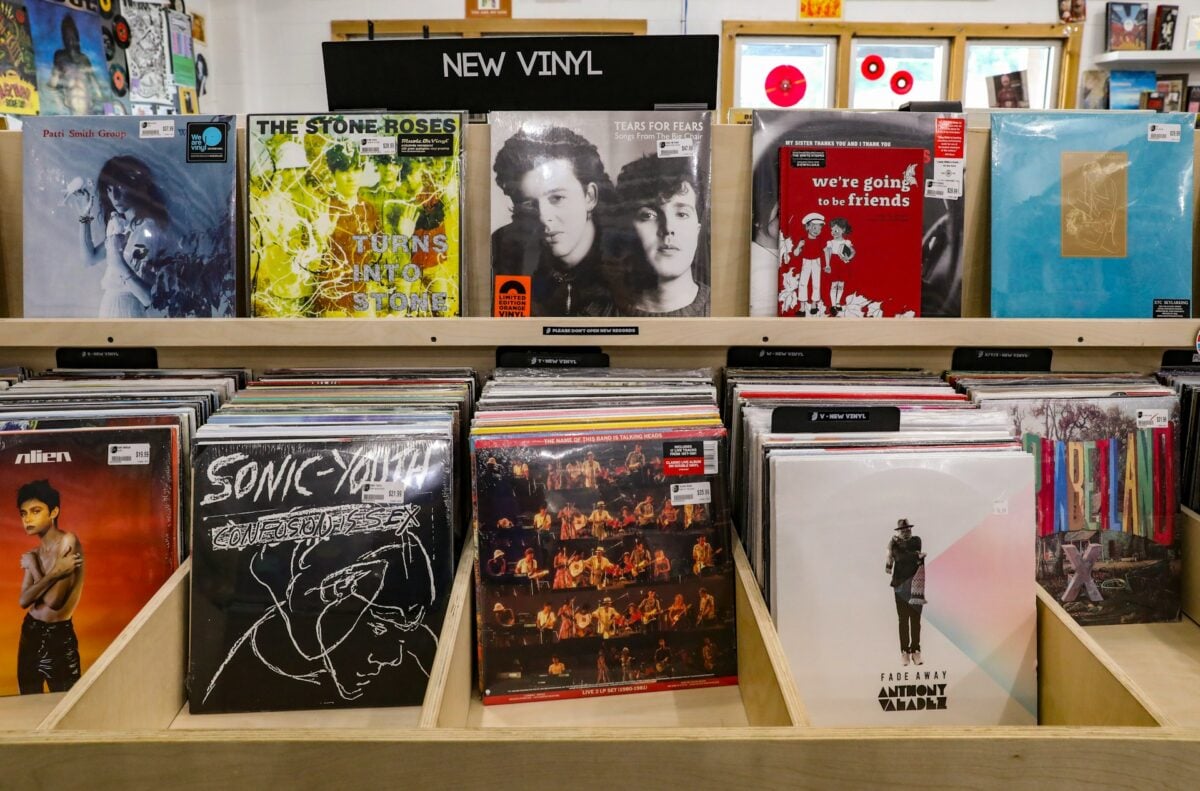
Every category here shares the same origin story: a record produced in a small run for a narrow, temporary purpose, never intended to be kept, let alone searched for decades later. That is precisely what makes a basement box worth going through slowly rather than sorting by artist name alone.
The recordings that matter most to this kind of buyer are frequently the ones that look least significant at first glance, pressed on plain labels for audiences of dozens or hundreds rather than thousands. What survived by accident is often the only surviving copy of anything at all.
More from Go2Tutors!

- The Romanov Crown Jewels and Their Tragic Fate
- 13 Historical Mysteries That Science Still Can’t Solve
- Famous Hoaxes That Fooled the World for Years
- 15 Child Stars with Tragic Adult Lives
- 16 Famous Jewelry Pieces in History
Like Go2Tutors’s content? Follow us on MSN.