27 School Traditions That Ended Without Anyone Noticing
Nobody holds an assembly to announce that a school tradition is over. Curriculum committees quietly drop a requirement, a piece of equipment breaks and never gets replaced, or a practice simply stops making sense once the world around it changes, and one day a generation of students grows up having never experienced something their parents assumed was universal.
None of these traditions ended with a headline. They ended the way most institutional habits end, one skipped year at a time until nobody was left who remembered doing it differently.
Mandatory Cursive Instruction
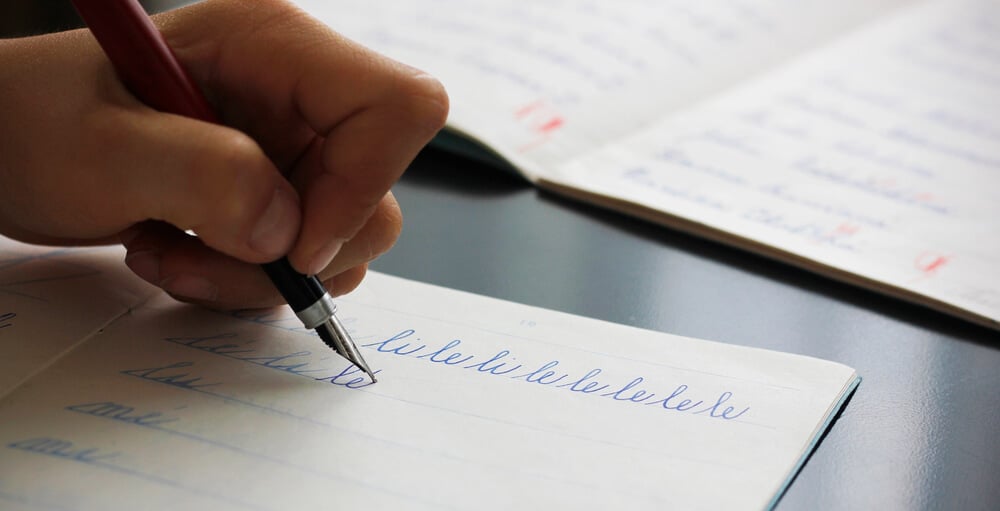
For most of the twentieth century, American elementary schools treated cursive handwriting as a core skill, with dedicated workbooks and repeated drills until every student could produce a legible signature. The Common Core standards adopted by most states in 2010 dropped cursive as a required subject, leaving it up to individual districts and often individual teachers to decide whether to teach it at all.
Many schools quietly stopped offering it entirely, and some states have since passed laws reintroducing a minimum requirement, an unusual case of a tradition ending and then partially reversing within the same generation.
Home Economics as a Required Course

Home economics classes teaching cooking, sewing, and household budgeting were standard, often mandatory, parts of the American curriculum through much of the twentieth century. As schools shifted resources toward standardized test preparation and STEM subjects starting in the 1990s and 2000s, home economics programs were among the first electives cut in many districts.
What survives today usually appears under a different name, like family and consumer sciences, and is rarely required rather than optional.
Shop Class
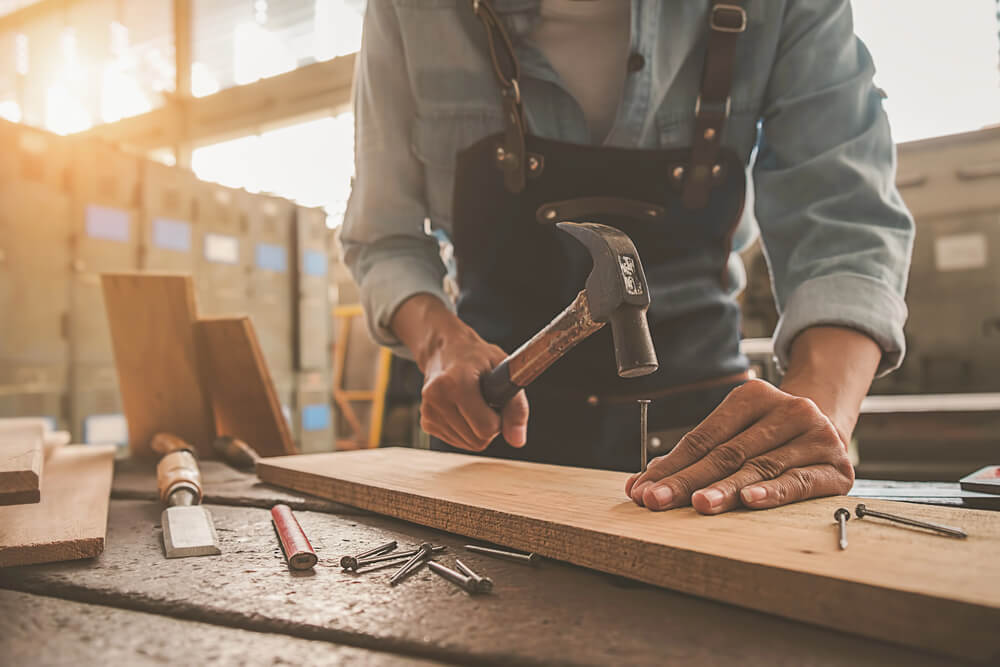
Wood shop and metal shop classes, complete with table saws, lathes, and welding equipment, were common fixtures of American middle and high schools for decades, giving students hands-on experience with tools most would otherwise never touch. Liability concerns, the cost of maintaining industrial equipment, and a curriculum-wide shift toward college-preparatory academics led many districts to eliminate shop programs starting in the 1990s.
Some schools have reintroduced scaled-down versions under a career and technical education label, but the shop classroom that once defined a rite of passage for many students is largely gone.
Mimeograph Worksheets
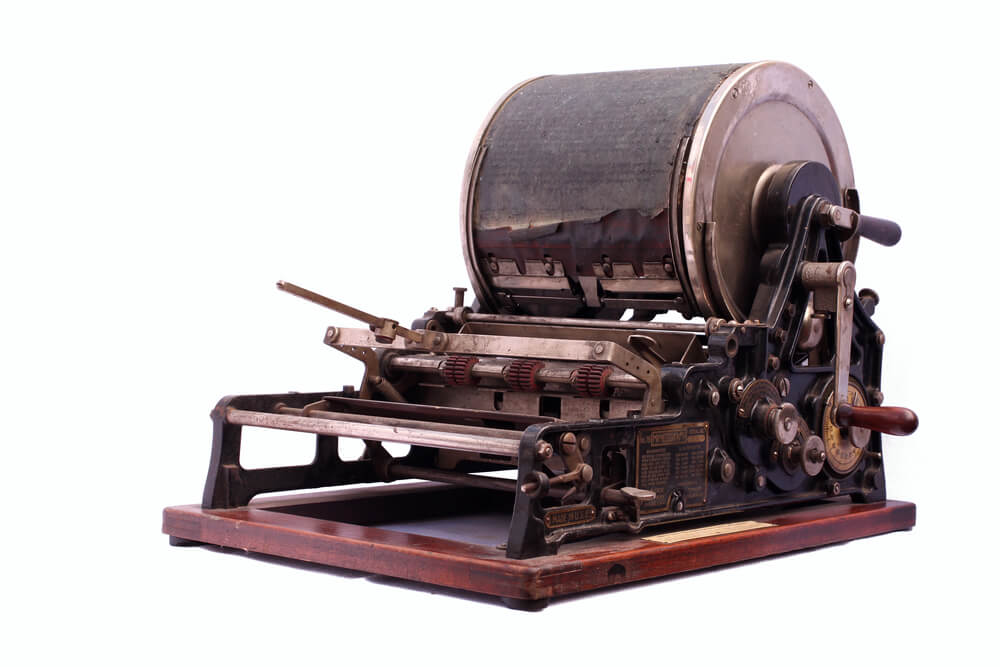
Before photocopiers became affordable and common in schools, teachers ran worksheets through mimeograph machines that used a chemical stencil process to produce copies with a distinctive purple tint and a sharp alcohol smell that many former students still remember decades later. Photocopiers replaced mimeograph machines almost entirely by the 1980s, and the purple-ink worksheet disappeared from classrooms within a generation.
The smell, more than the machine itself, is what tends to surface first when former students recall the tradition.
Filmstrip Projectors

Teachers regularly darkened classrooms to run filmstrips, a slower cousin of motion picture film that advanced frame by frame, often paired with an audio cassette that beeped to cue the next slide. Filmstrips fell out of favor through the 1980s as video cassettes offered actual motion and sound synced automatically.
The specific ritual of a student being assigned to advance the filmstrip by hand, timed to the beep, disappeared along with the technology itself.
Weekly Reader

Weekly Reader was a classroom newspaper distributed to elementary students across the country for decades, covering current events at a reading level appropriate for young students and often including the only civics or world news coverage many students encountered that week. The publication changed ownership several times and eventually folded as a standalone product in 2012, absorbed into other educational publishing brands.
Many teachers who relied on it never found a direct replacement with the same simple, weekly rhythm.
Encyclopedia Sets in the School Library

School libraries once devoted significant shelf space to multi-volume encyclopedia sets, often the primary research tool available to students working on reports, updated only when the school could afford a new edition every several years. Digital databases and, eventually, general internet access made printed encyclopedias obsolete for research purposes by the early 2000s.
Most schools quietly stopped purchasing new editions once the existing sets became outdated enough that nobody bothered ordering a replacement.
Card Catalog Systems
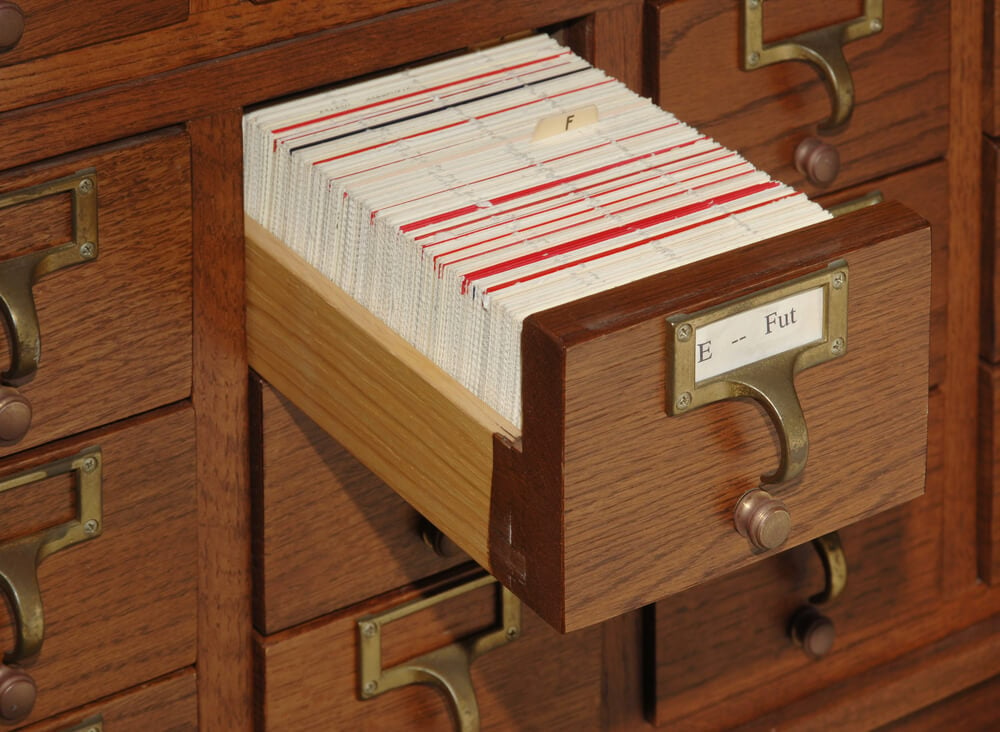
Library research once began at a wooden cabinet of small drawers filled with index cards, each one describing a single book’s title, author, and subject, organized alphabetically for students to search by hand. Computerized library catalog systems replaced physical card catalogs in most schools through the 1990s, and the skill of searching a card catalog, once explicitly taught in library orientation sessions, disappeared from the curriculum along with the furniture itself.
Overhead Projectors
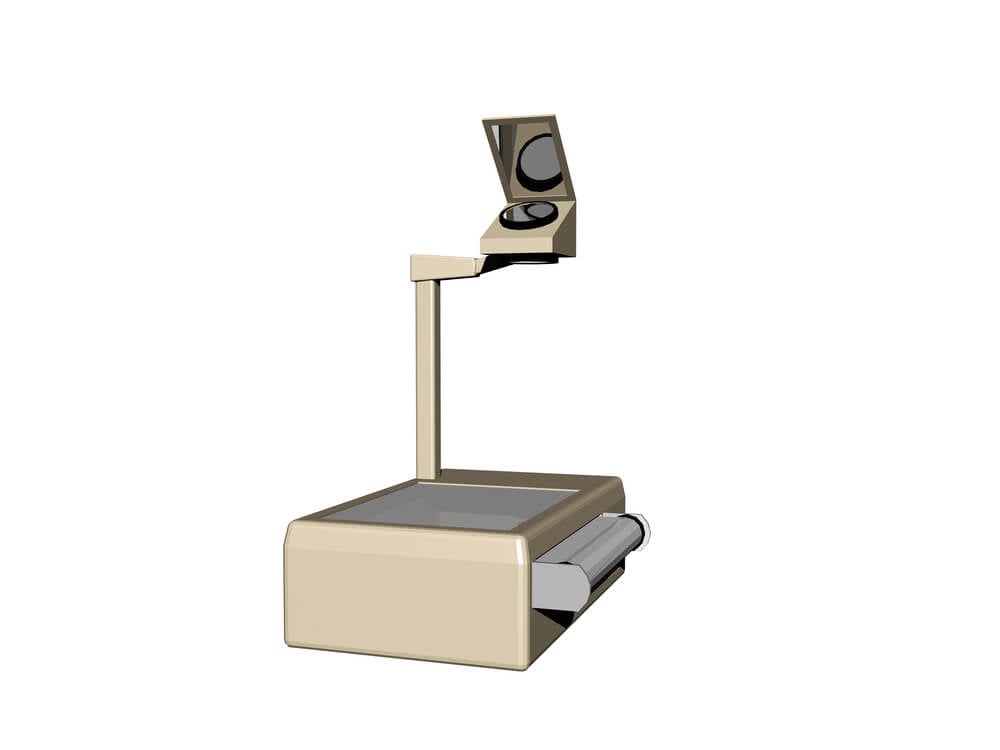
Teachers used overhead projectors for decades, writing on clear plastic transparency sheets with dry-erase markers while the enlarged image projected onto a screen or wall, a technology simple enough to require no warm-up time and reliable enough to survive in classrooms long after other technology moved on. Digital projectors and interactive whiteboards gradually replaced overhead projectors through the 2000s and 2010s.
The specific classroom ritual of a teacher sliding a new transparency into place mid-lesson largely disappeared along with the equipment.
Typing Class on Typewriters

Before computers reached every classroom, typing class meant rows of manual or electric typewriters, with students practicing timed drills to build speed and accuracy on the home row. Computer labs replaced typewriter classrooms through the 1980s and 1990s, and typing instruction shifted to word processing software rather than mechanical keys.
The specific sound of a room full of typewriters clacking in unison, once a defining feature of the class, has essentially disappeared from schools entirely.
D.A.R.E. Assemblies
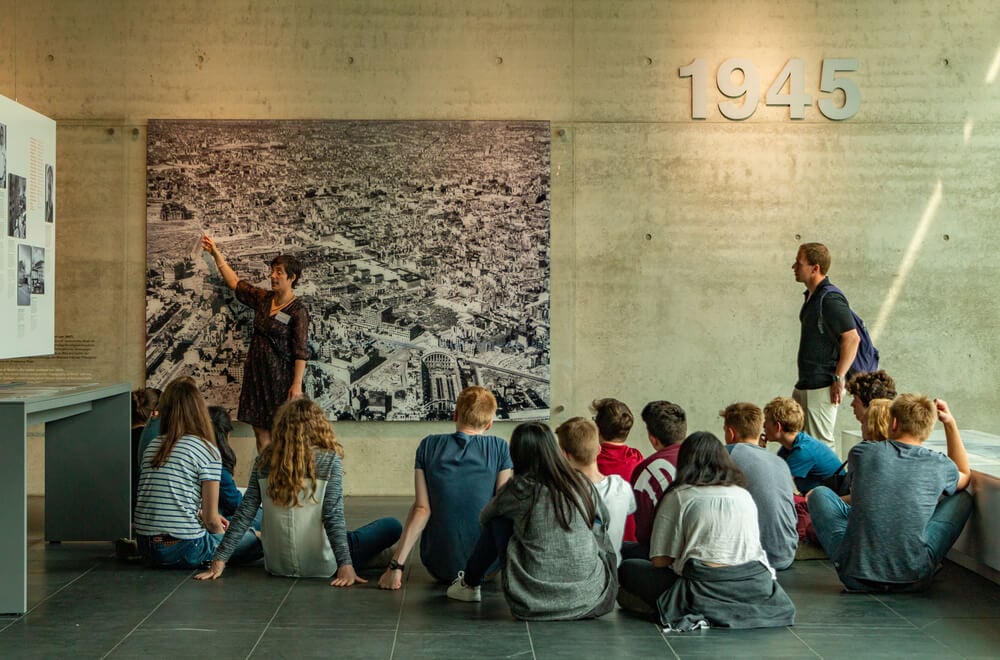
The Drug Abuse Resistance Education program sent uniformed police officers into classrooms starting in the 1980s to lead a structured curriculum on avoiding drugs and alcohol, complete with workbooks and a graduation ceremony at the end of the program. Multiple studies through the 1990s and 2000s found the original curriculum had little measurable effect on later drug use, and many districts quietly discontinued the program or replaced it with revised versions built around different research.
The specific ritual of a uniformed officer leading a weekly classroom lesson largely ended even where anti-drug education itself continued in other forms.
Sock Hop Dances
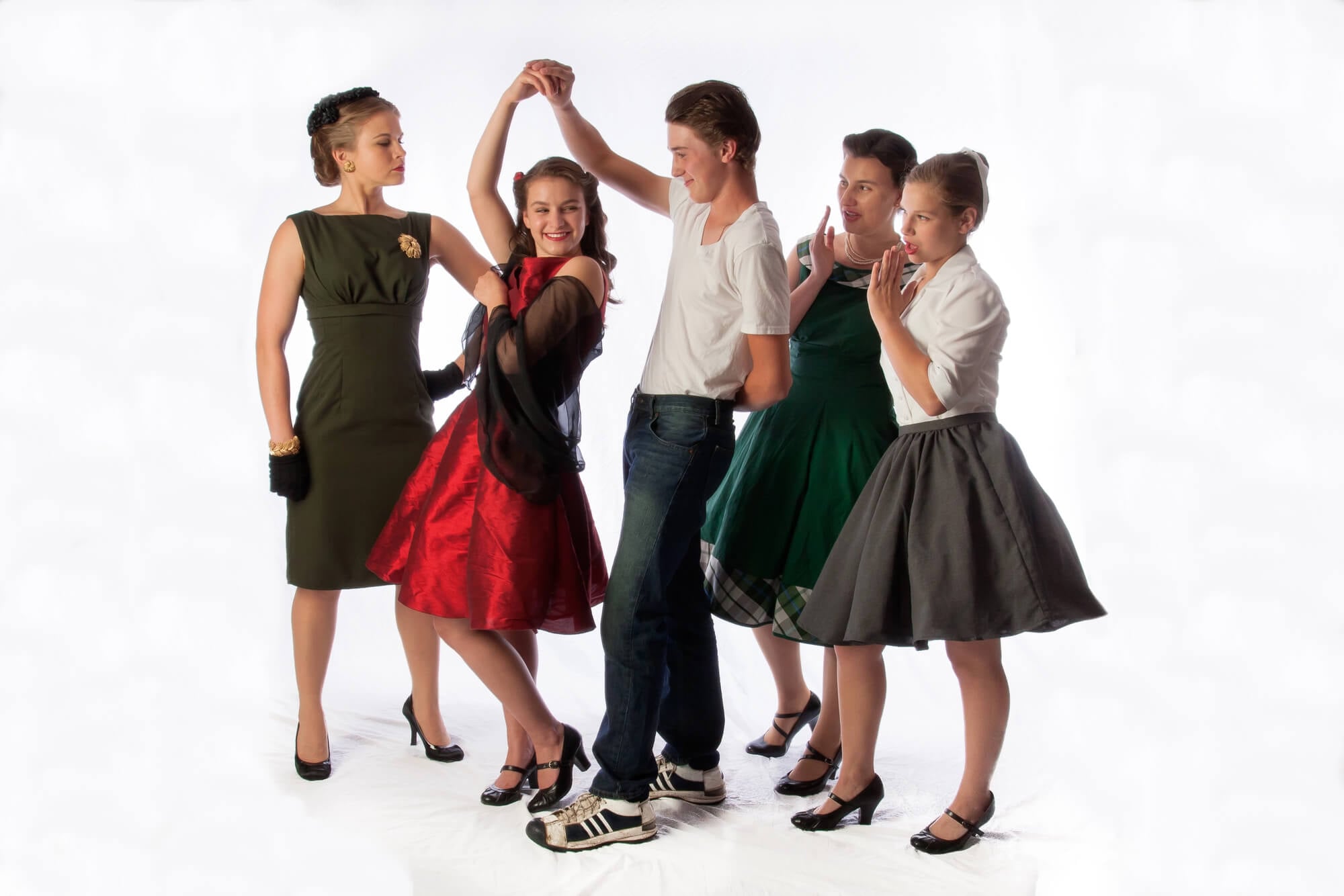
Many American schools hosted sock hops through the mid-twentieth century, informal dances where students removed their shoes to protect gymnasium floors while a live band or record player supplied the music. The format faded as school dances shifted toward DJ-driven formal events like homecoming and prom, and the specific sock-hop style, complete with the shoe-removal ritual, largely disappeared by the 1970s outside of retro-themed events.
Class Picture Week
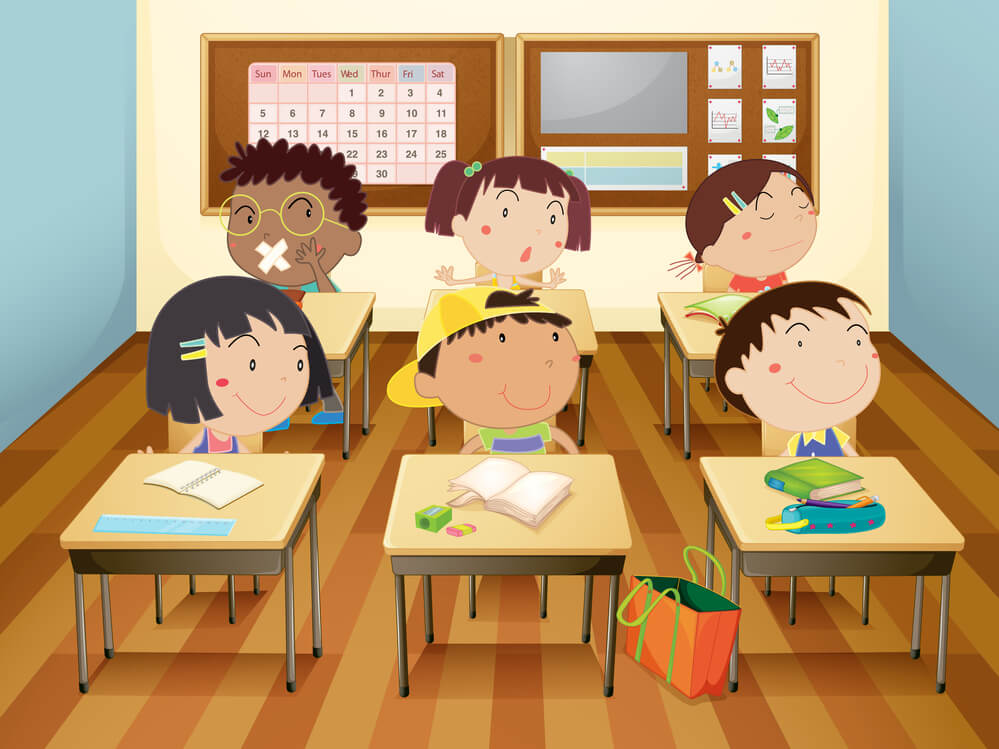
Schools once scheduled an entire week for a single photographer to work through every classroom, setting up a portable backdrop in a hallway or gym and photographing students one grade at a time over consecutive days. Digital photography and streamlined scheduling have compressed the process into a single day or even a few hours at many schools today.
The week-long production, complete with the specific anxiety of picking an outfit days in advance, has shrunk into something most current students barely notice happening.
Report Cards Mailed Home Only

For most of the twentieth century, report cards existed as a single physical document, either sent home in a sealed envelope or mailed directly to a family’s address, giving parents a periodic snapshot of their child’s progress with no way to check in between. Online grade portals, now standard in most American school districts, let parents monitor grades and missing assignments in real time throughout the semester.
The specific tradition of a single, formal report card as the sole source of academic information has been replaced by continuous digital access.
Chalkboards and Chalk Erasers

Classrooms for generations were organized around a chalkboard at the front of the room, complete with the specific ritual of a student being selected to clap chalkboard erasers together outside to clear the dust, a task treated as a minor honor by many elementary teachers. Whiteboards and, later, digital interactive displays replaced chalkboards in most American schools by the 2000s.
The specific chalk dust smell and the eraser-clapping ritual have both largely disappeared along with the boards themselves.
Show and Tell
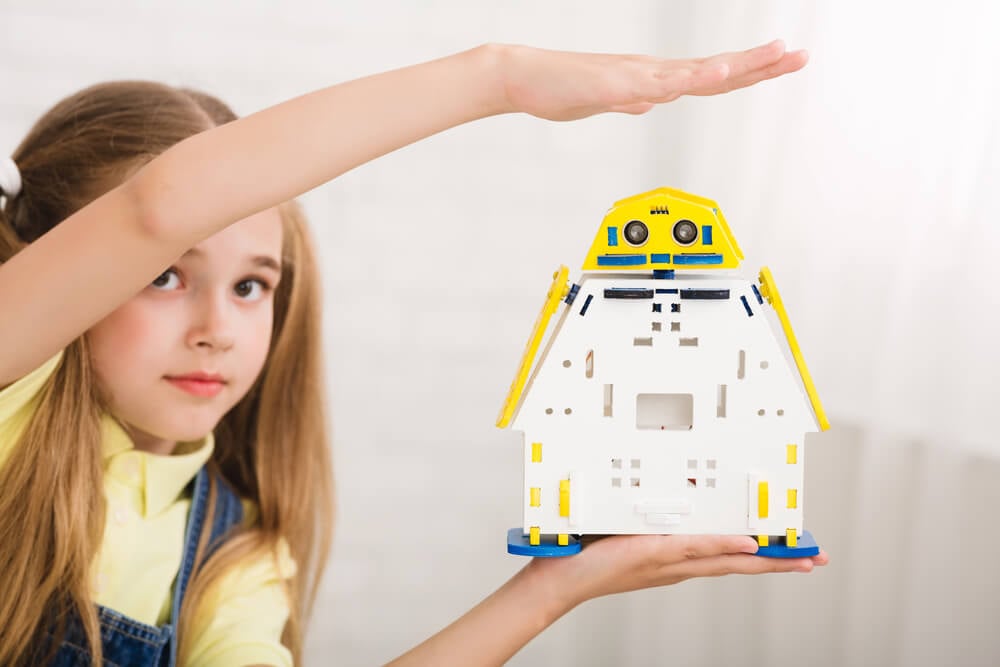
Elementary classrooms for decades set aside regular time for students to bring an object from home and describe it to the class, a low-stakes exercise in public speaking that doubled as a way for young students to learn about each other. Many schools have scaled the tradition back or eliminated it entirely as instructional time has narrowed around standardized testing preparation, particularly in the upper elementary grades.
Where it survives, it often appears in a more structured, curriculum-tied format rather than the open-ended version many adults remember.
Detention Sentence-Writing

Writing a single sentence repeatedly, sometimes hundreds of times, was once a standard disciplinary tool in American schools, intended to reinforce a lesson through sheer repetition during detention or as classroom punishment. Educational research increasingly characterized the practice as ineffective and even counterproductive, and most schools phased it out in favor of other disciplinary approaches by the 1990s and 2000s.
Some older teachers still reference the practice, but few current students have ever actually been assigned it.
Foursquare Courts on the Blacktop

School playgrounds for decades featured foursquare courts painted directly onto the pavement, a simple bouncing game that required no special equipment beyond a rubber playground sphere and four painted squares, and it functioned as a near-universal recess activity across generations. Many schools have repainted or resurfaced blacktops without restoring the foursquare lines as playground equipment budgets shifted toward structured play equipment instead.
Where the courts survive, they are often faded relics from an earlier repainting rather than an actively maintained feature.
Dodgeball as Required Physical Education
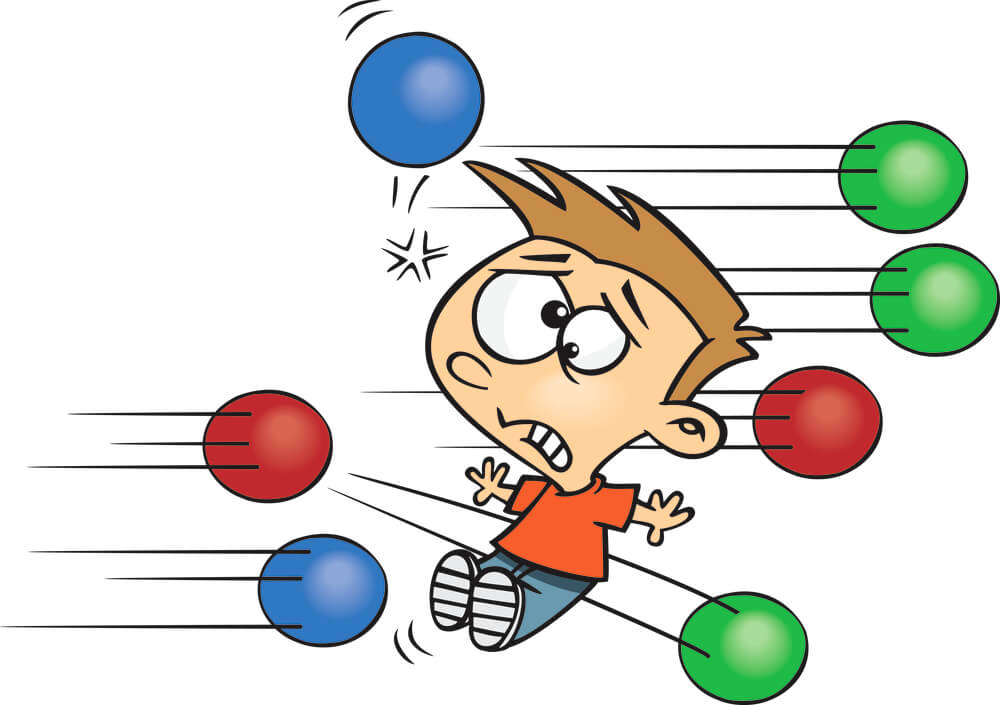
Dodgeball was a standard part of physical education curriculum in many American schools for decades, a fast-paced elimination game that also became one of the more commonly cited examples of gym class encouraging aggressive behavior toward less athletic students. Concerns over bullying and safety led a number of school districts to formally restrict or eliminate the game from required curriculum starting in the 2000s.
It survives in many schools as an occasional optional activity rather than the default unit it once was.
Snow-Day Phone Trees

Before automated messaging systems, school districts relied on phone trees during snow emergencies, with a central office calling a handful of parent volunteers who were each responsible for calling several more families, a chain designed to spread the closure announcement quickly without overwhelming a single phone line. Automated call, text, and email alert systems, now standard in nearly every American district, replaced phone trees almost entirely by the 2010s.
The specific late-night or early-morning phone call from a designated neighbor has largely disappeared along with the system it belonged to.
Milk Break Cartons at Recess

Many elementary schools once offered a mid-morning milk break separate from lunch, small cartons distributed to students during a designated recess period as a nutrition supplement, a practice tied to mid-century nutrition programs. Budget constraints and a shift toward consolidating nutrition programs around lunch service alone led most schools to eliminate the separate milk break by the later decades of the twentieth century.
It survives today mainly as a specific memory among people who attended elementary school before the practice was folded into standard lunch service.
Timed Multiplication Drills
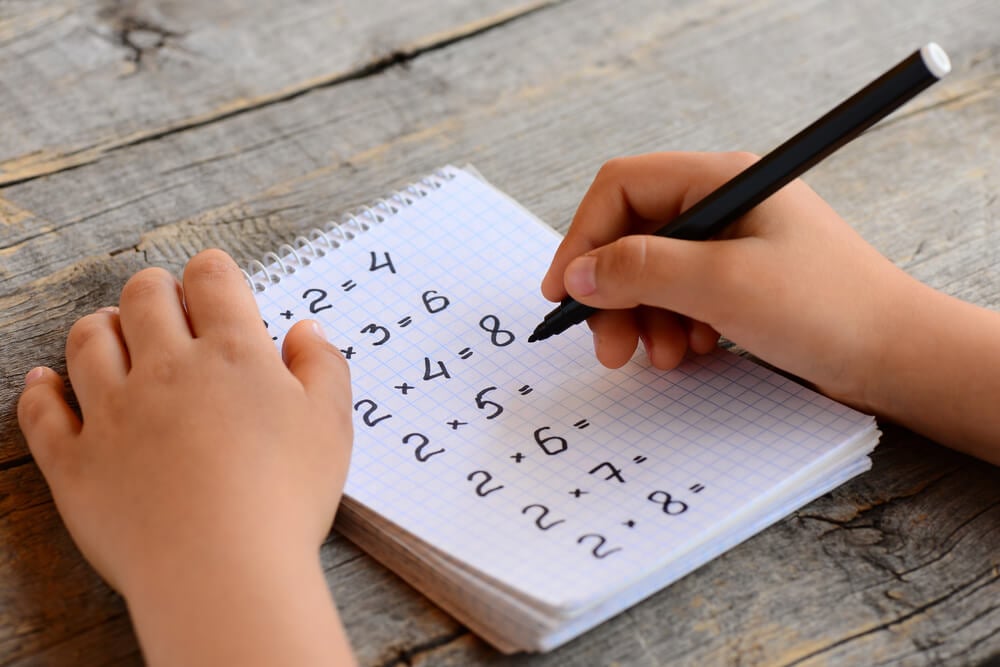
Elementary math classes for decades relied on timed multiplication tests, often called mad minutes, where students raced to complete as many multiplication problems as possible within sixty seconds, with results tracked and sometimes posted publicly in the classroom. Math education research increasingly criticized timed drills for creating anxiety without necessarily building genuine mathematical understanding, and many schools shifted toward untimed mastery-based approaches starting in the 2000s and 2010s.
The specific stopwatch-driven ritual has largely disappeared from classrooms that once built entire weeks of instruction around it.
Corporal Punishment as Discipline

Paddling and other forms of corporal punishment were legal and commonly used disciplinary tools in American public schools for most of the twentieth century, administered by teachers or administrators for infractions ranging from talking back to fighting. A growing body of research on the practice’s ineffectiveness and psychological harm led most states to ban corporal punishment in public schools between the 1970s and 2000s, though it remains legal in a handful of states today.
Where it once existed as an unremarkable disciplinary tool, most current students have never encountered it as an active school policy.
Field Day Sack Races
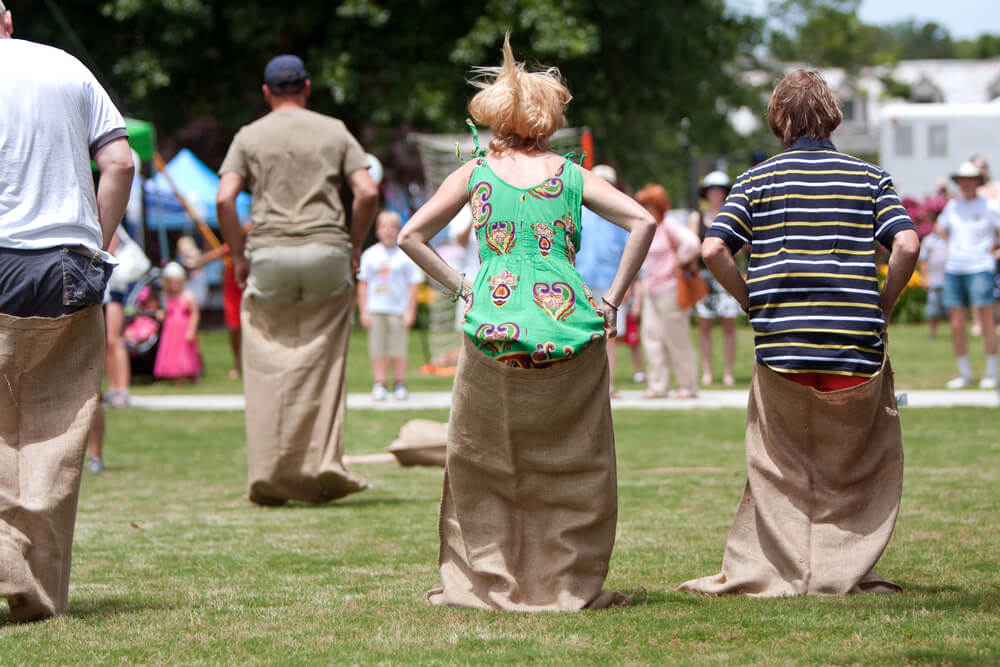
School field days for decades built their event lineup around a fixed set of classic games, sack races and three-legged races prominent among them, run as an all-school outdoor event near the end of the academic year. Liability concerns and a shift toward more structured, less physically improvised activities have led many schools to quietly drop the classic sack-and-string event formats in favor of stationary games and rotating activity stations.
Where field day survives at all, it often looks noticeably different from the version many adults remember from their own childhoods.
Daily Locker Combination Use
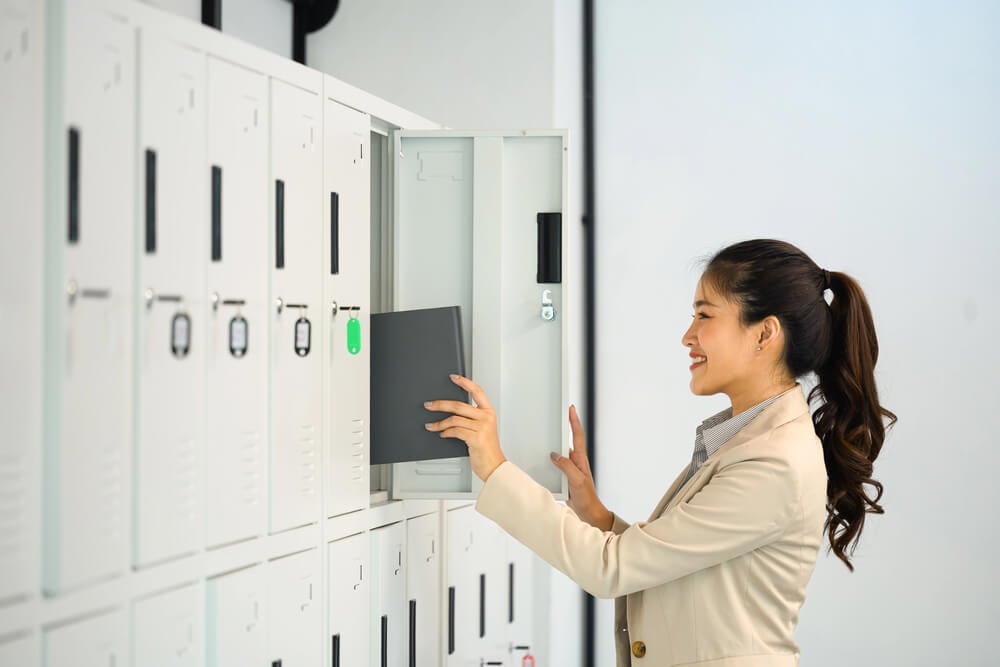
Hallway lockers with combination locks were once a near-universal fixture of middle and high schools, requiring students to memorize a three-number sequence and visit their locker multiple times a day between classes. A growing number of schools have shortened passing periods, shifted toward backpack-only policies, or removed lockers entirely during renovations, reducing or eliminating daily locker use even where the physical lockers remain installed.
Students at many current schools go through an entire year without ever needing to remember a locker combination.
Textbook Covers Made From Grocery Bags
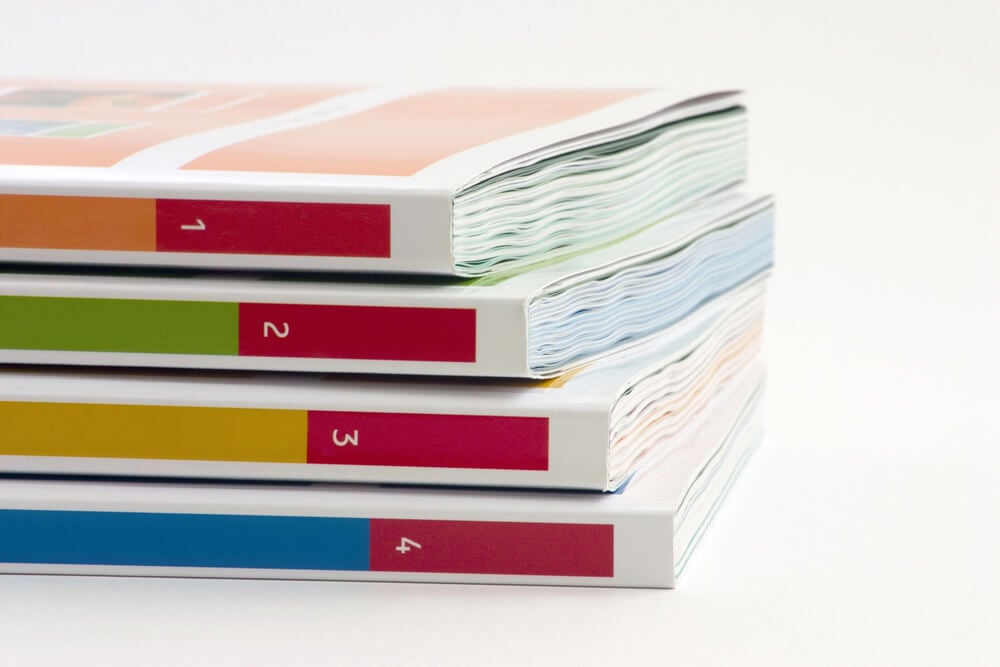
Students for generations covered their school textbooks with brown paper grocery bags, cut and folded by hand at the start of each school year to protect the covers and, often, decorated with doodles over the following months. Many schools have shifted to laminated or plastic-covered textbooks that no longer require the practice, and the broader decline of paper textbooks in favor of digital materials has removed the object the tradition was built around entirely.
The specific late-August ritual of folding a paper bag into a precise textbook cover has faded along with the books themselves.
The Friday Folder System

Elementary schools for decades relied on a specific take-home folder, often sent home every Friday, containing a week’s worth of graded assignments, permission slips, and announcements that parents were expected to review, sign, and return. Digital parent portals and email announcements have replaced much of the paperwork that once filled the Friday folder, and many schools have scaled back or eliminated the physical folder system entirely in favor of app-based communication.
The specific Friday-evening ritual of a parent sorting through a folder of the week’s paperwork has largely been replaced by a notification on a phone.
What Disappears Quietly
None of these traditions ended because someone decided they were bad ideas in a single dramatic vote. Most faded the way habits fade anywhere: a budget got tighter, a piece of research raised a concern, a newer technology solved the same problem more efficiently, and a school simply stopped doing something it had always done, without ever formally announcing the decision to stop.
That quietness is what makes school traditions different from the more obviously mourned losses on other lists. Nobody threw the last mimeograph a farewell party, and no student ever got to be the very last one taught cursive as a requirement rather than an option.
The traditions just stopped, one school year at a time, until the adults who grew up with them were the only ones left who noticed they were gone.
More from Go2Tutors!

- The Romanov Crown Jewels and Their Tragic Fate
- 13 Historical Mysteries That Science Still Can’t Solve
- Famous Hoaxes That Fooled the World for Years
- 15 Child Stars with Tragic Adult Lives
- 16 Famous Jewelry Pieces in History
Like Go2Tutors’s content? Follow us on MSN.



