27 Summer Camp Activities from the ’70s and ’80s That Would Never Be Allowed Today
Summer camp in the ’70s and ’80s was a different world. Kids disappeared into the woods for weeks with counselors who were barely adults themselves, armed with little more than good intentions and a first aid kit that probably hadn’t been updated since the Kennedy administration.
The liability waivers were one page long, and parents signed them without reading the fine print because there wasn’t any fine print to read. Those were the days when “safety first” meant wearing shoes in the canoe and maybe bringing a whistle.
Adventure came with genuine risk, independence meant actual independence, and nobody was checking to see if the rope swing over the lake had been inspected by a certified engineer. Looking back, it’s remarkable that anyone survived—and somehow, that made it all the more memorable.
Overnight Solo Camping in the Woods
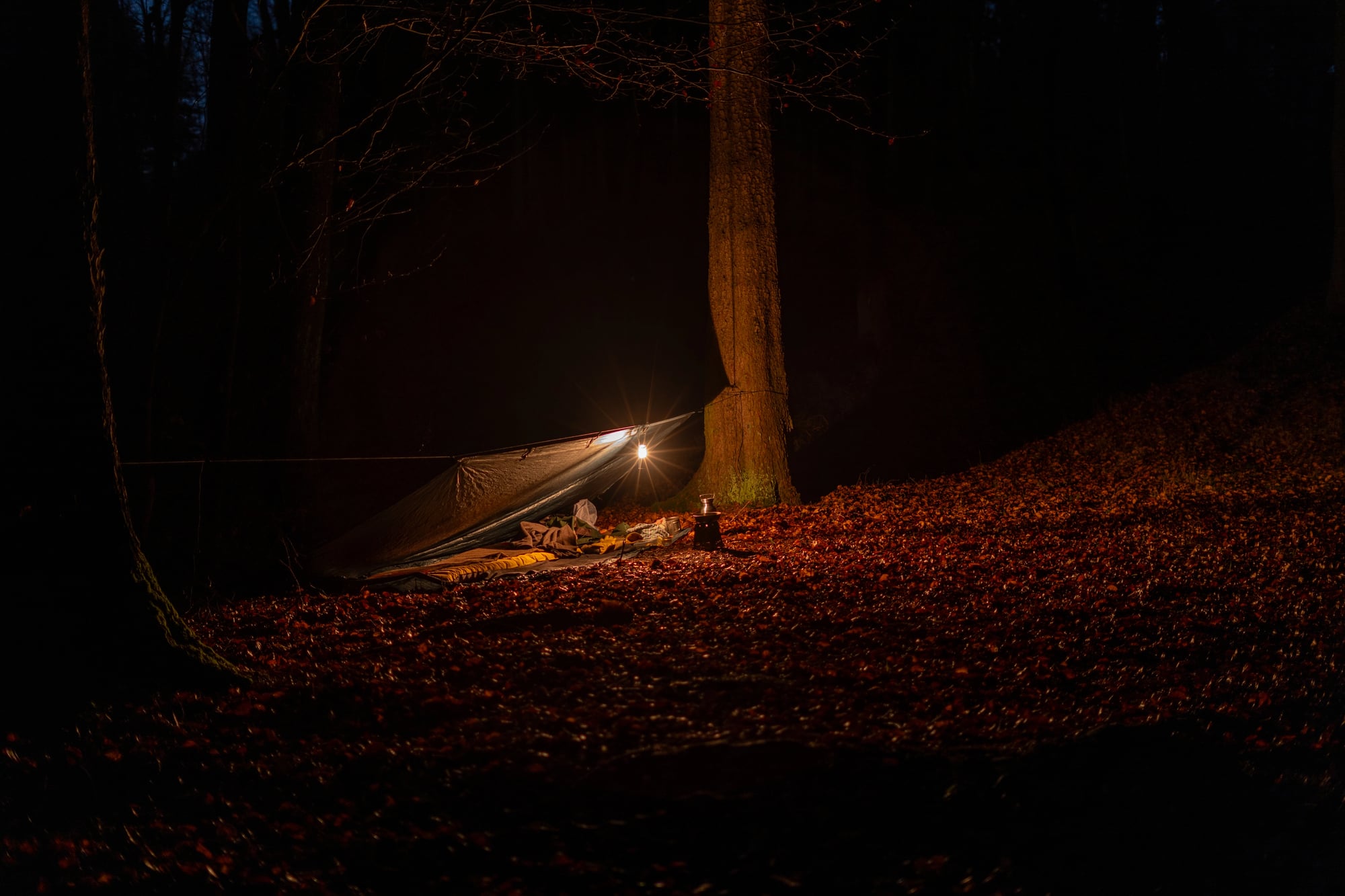
Thirteen-year-olds would get dropped off alone in the forest with a sleeping bag and some trail mix. No GPS tracker, no cell phone, no way to contact anyone until morning.
The goal was simple: survive the night and find your way back to the main camp by breakfast. Most kids loved it.
The silence, the responsibility, the chance to prove something to themselves. Sure, a few spent the entire night crying into their pillows, but that was considered part of the experience.
Hitchhiking to Town for Supplies
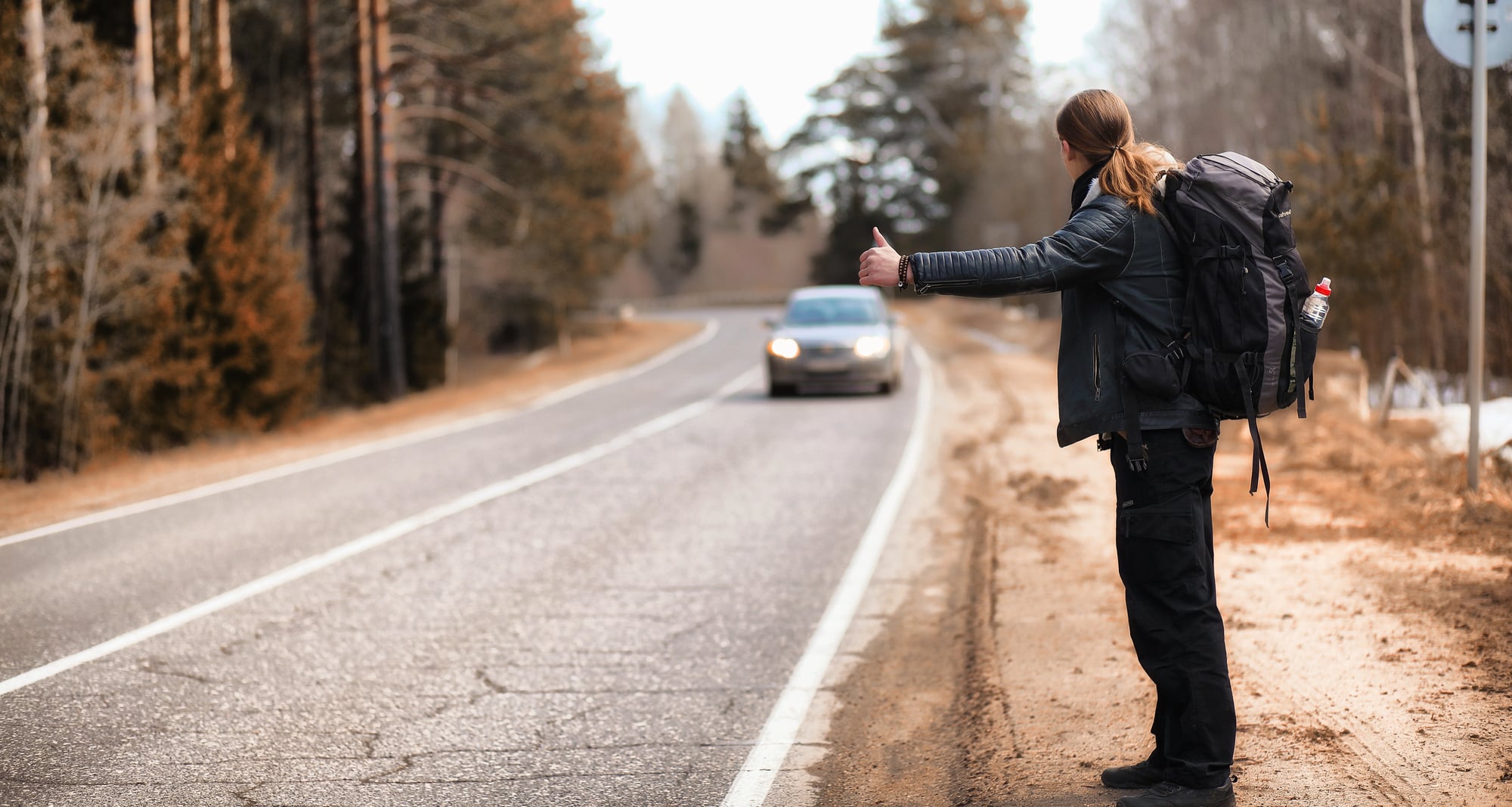
(Camp counselors would stick out their thumbs on rural highways, often with a group of campers in tow, hoping some local farmer would give them a ride to the general store.) The logic was straightforward: the camp van was broken, the store was only eight miles away, and people in small towns were trustworthy—which, to be fair, they usually were, but the practice would give modern camp directors heart attacks.
Sometimes the kids would pile into the back of a pickup truck, wind whipping through their hair as they bounced down dirt roads, completely unsecured and absolutely thrilled about it. And yet, somehow, this felt safer than walking eight miles each way in the summer heat—though neither option would pass today’s risk assessment protocols.
Axe Throwing Competitions
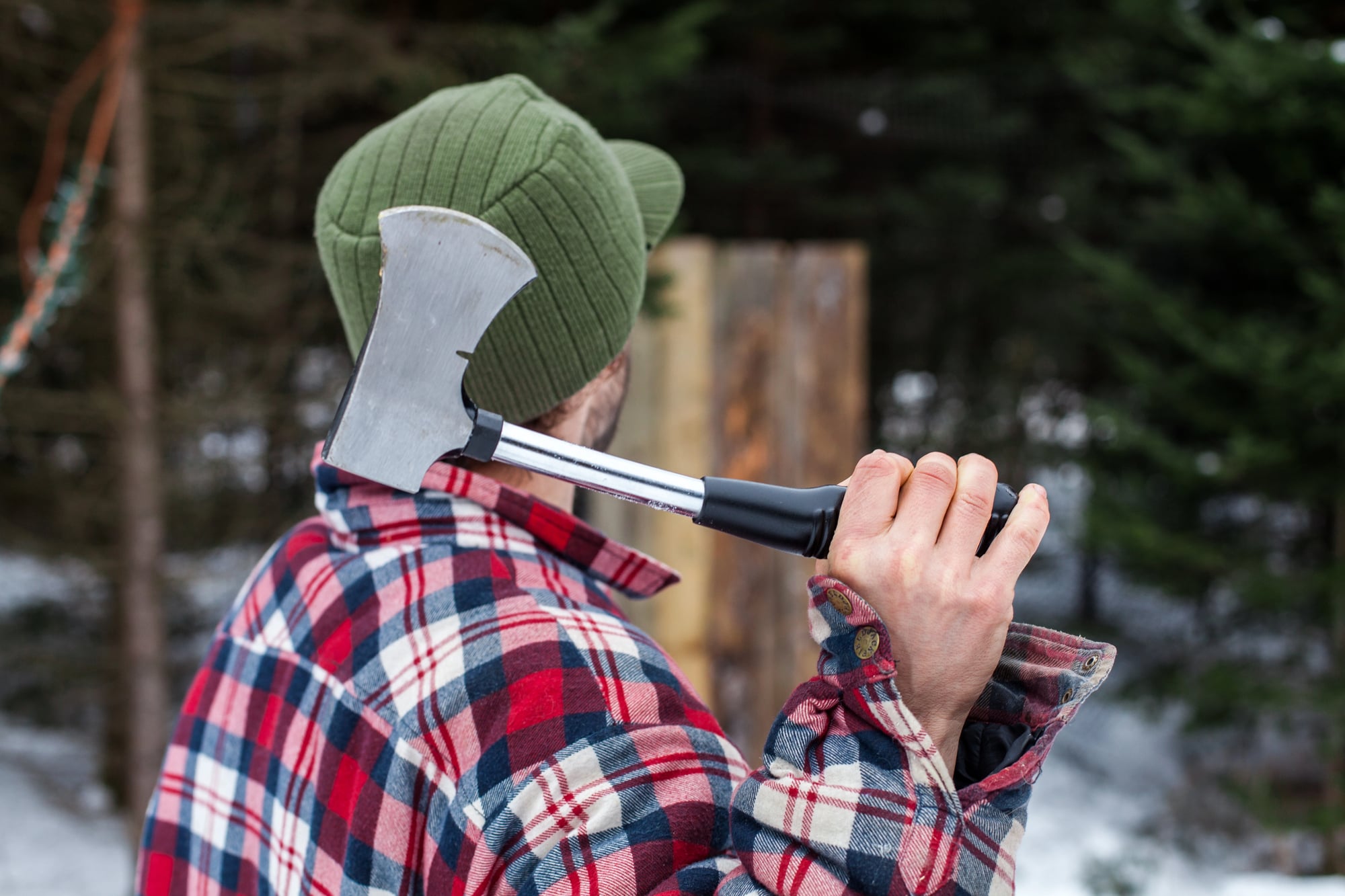
Sharp metal objects flying through the air, wielded by kids who could barely be trusted with butter knives at home. The targets were old tree stumps, the supervision was minimal, and the axes were genuinely sharp because dull axes were considered more dangerous than sharp ones.
The technique was passed down from older campers to younger ones. Stand here, grip it like this, follow through with your whole body.
Most kids never hit the target, but everyone wanted to try.
Building Actual Fires Without Adult Supervision
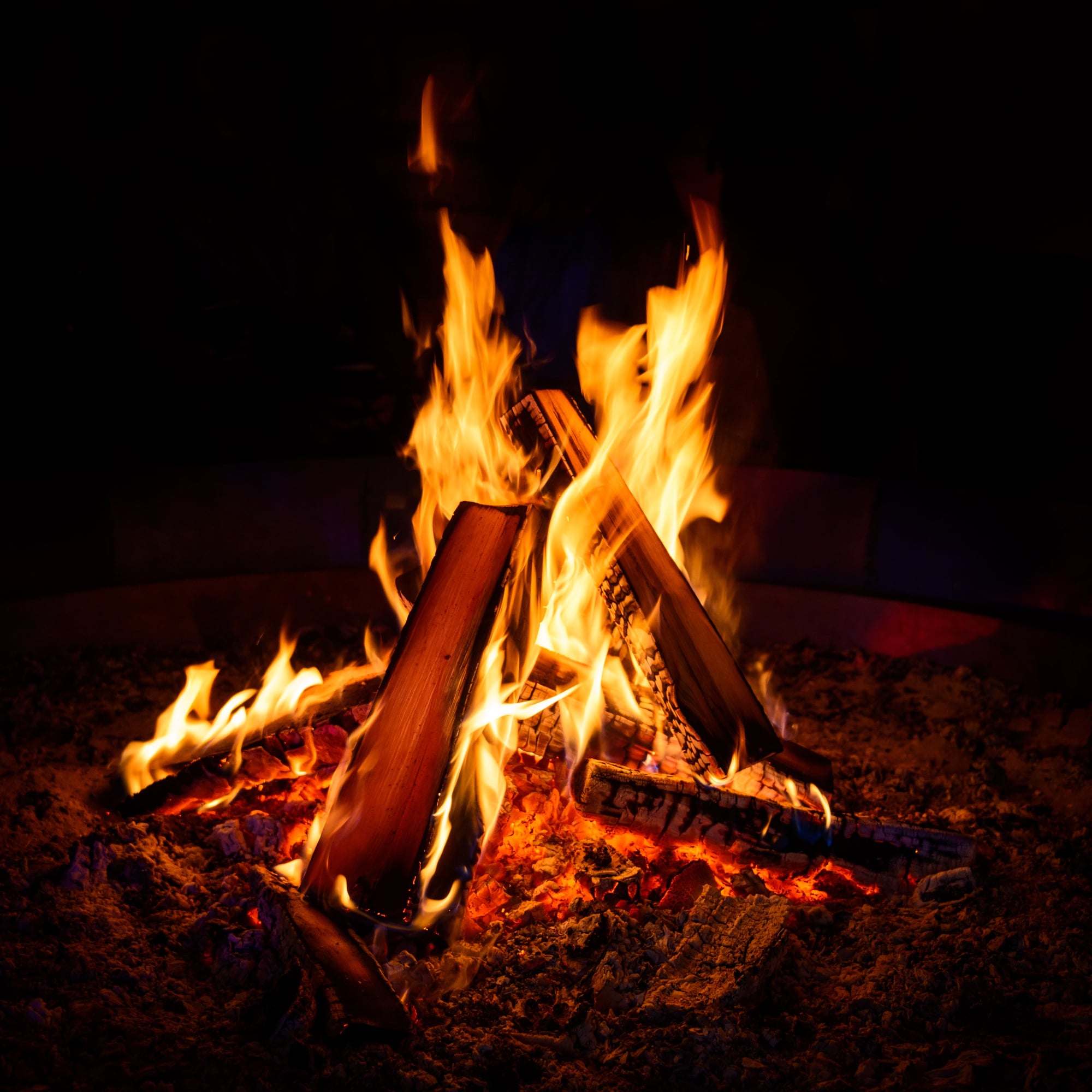
There’s something almost mythical about watching a ten-year-old coax flame from kindling: the careful arrangement of tinder, the patient blowing on barely-glowing embers, the moment when confidence meets combustion. Summer camps treated fire-building like a fundamental life skill, right up there with swimming and tying knots, and kids as young as eight would be handed matches and pointed toward a fire ring with nothing more than a reminder to keep the flames small.
The learning happened through trial and error—singed eyebrows were badges of honor rather than incidents requiring paperwork. Fire was treated as a tool to be mastered rather than a hazard to be avoided, and children approached it with the kind of respectful familiarity that comes from genuine responsibility rather than fearful distance.
Rope Swings Over Rocky Quarries
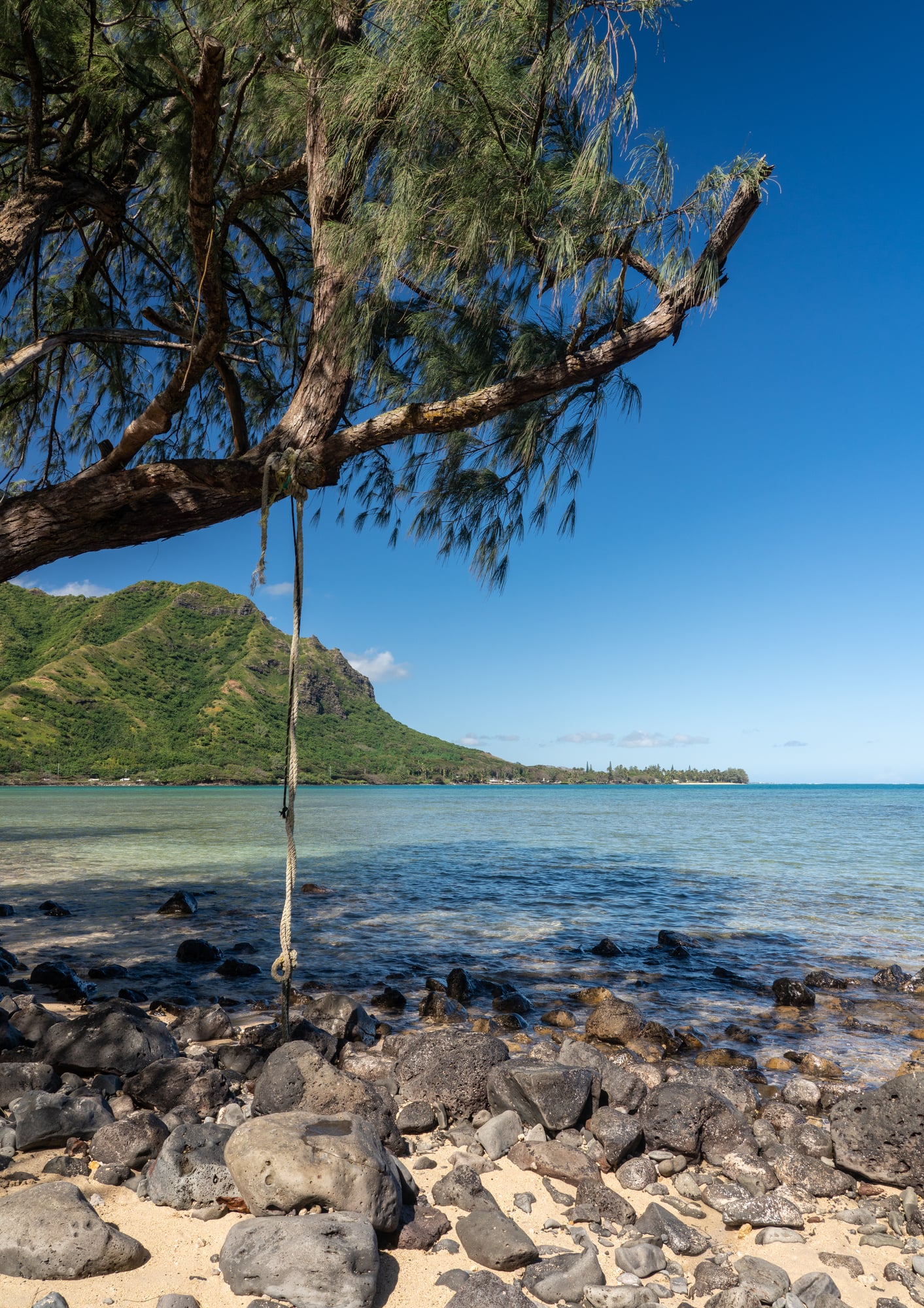
The rope was frayed. The knot at the bottom had been retied so many times it looked like abstract art.
The landing zone contained actual rocks, not just the metaphorical kind that lawyers worry about. Kids would line up for hours to take their turn, each one trying to swing farther than the last.
The counselors would test the rope by hanging from it for a few seconds, and that counted as a safety inspection.
Canoe Trips Without Life Jackets
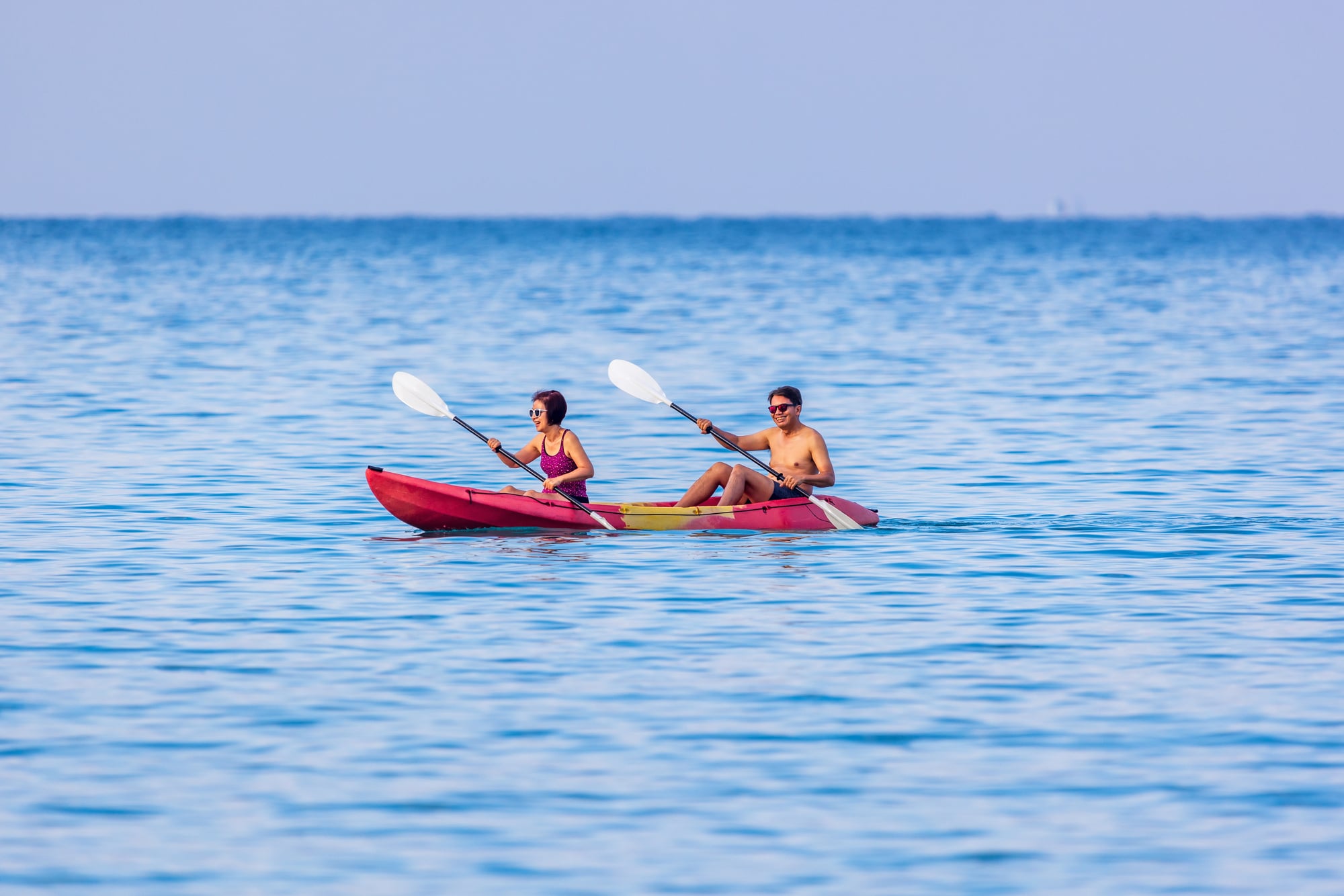
(Life jackets were for kids who couldn’t swim, and camp was where you learned to swim whether you wanted to or not.) The canoes were aluminum beasts that could survive a nuclear attack but offered zero forgiveness if you flipped them in shallow water, which happened constantly because nobody taught proper paddling technique—you just figured it out by watching the kid in front of you and hoping they knew what they were doing.
Three-day canoe trips down actual rivers, complete with rapids and fallen trees and water moccasins sunning themselves on logs, and the only safety equipment was one counselor who claimed he’d been a lifeguard the previous summer at a community pool. But those trips created the kind of confidence that comes from real accomplishment: navigating actual challenges, not simulated ones.
Homemade Fireworks

Mixing chemicals in the arts and crafts cabin was considered science education. Kids would combine saltpeter, aluminum powder, and other substances that can’t be named here without triggering a visit from federal agencies.
The explosions were small. Usually.
The burns were minor. Mostly.
And everyone learned a healthy respect for chemistry through firsthand experience.
Unsupervised Swimming in Natural Bodies of Water
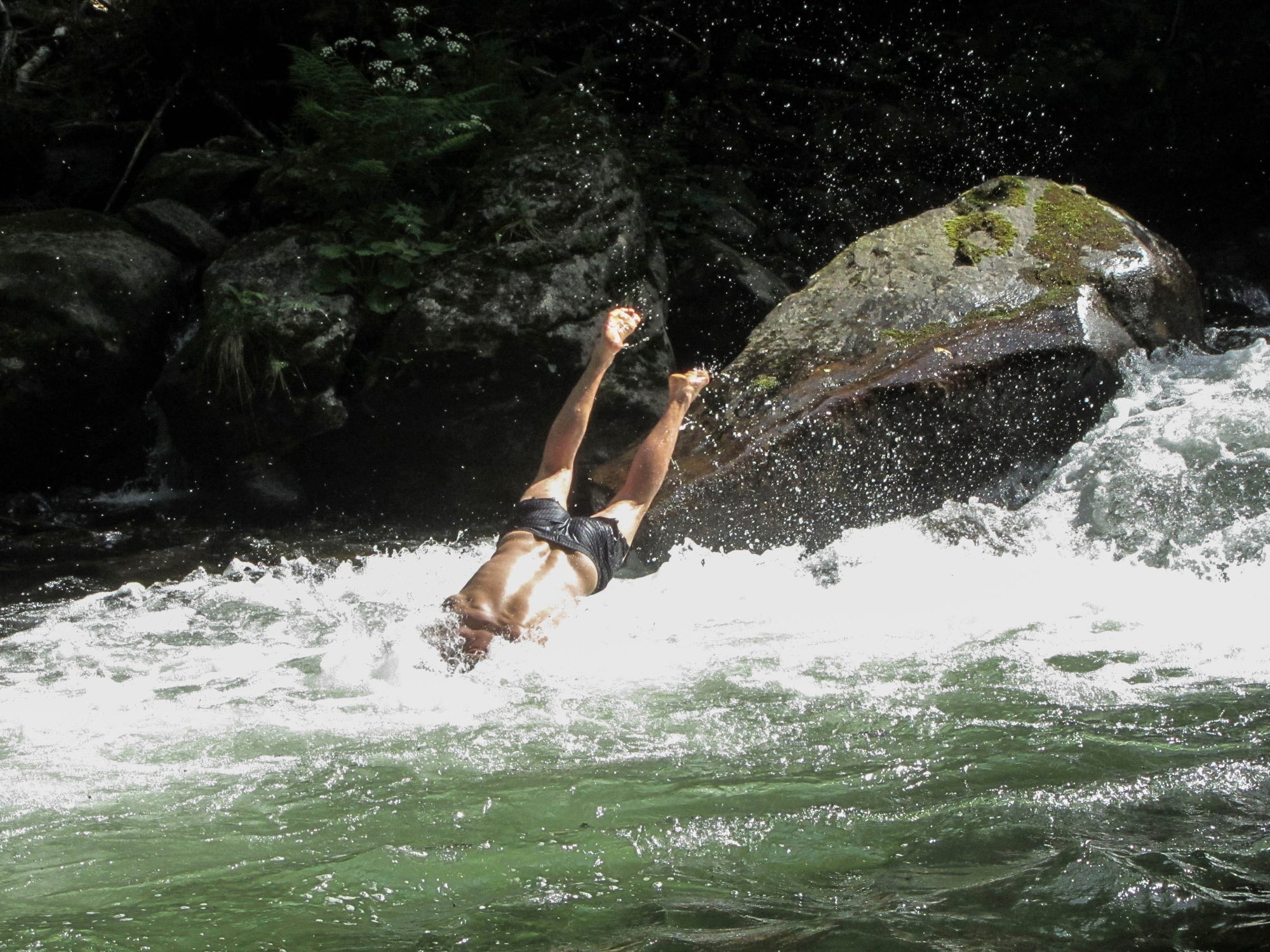
Ponds, lakes, rivers, old quarries—if there was water deep enough to submerge a human body, kids were expected to figure out how to swim in it. The bottom was whatever nature provided: mud, rocks, branches, the occasional snapping turtle that someone’s older brother swore lived there but no one had actually seen.
Swimming lessons consisted of getting thrown into the deep end by a counselor who’d learned the same way the year before, and somehow this produced stronger swimmers than any modern program with certified instructors and regulation pool depths. The water was murky, the currents were real, and kids learned to swim not in perfect conditions but in actual ones.
Elaborate Pranks Involving Real Danger

Short-sheeting beds was amateur hour. Real camp pranks involved moving entire cabins while people slept inside them, rigging water balloons to explode when doors opened, or convincing younger campers that the local Bigfoot had been spotted near the dining hall.
The pranks escalated throughout the summer. Counselors participated as enthusiastically as campers.
Nobody called it bullying because the expectation was that everyone would get pranked eventually, and everyone would eventually prank someone else. Fair enough.
Drinking From Garden Hoses and Creek Water
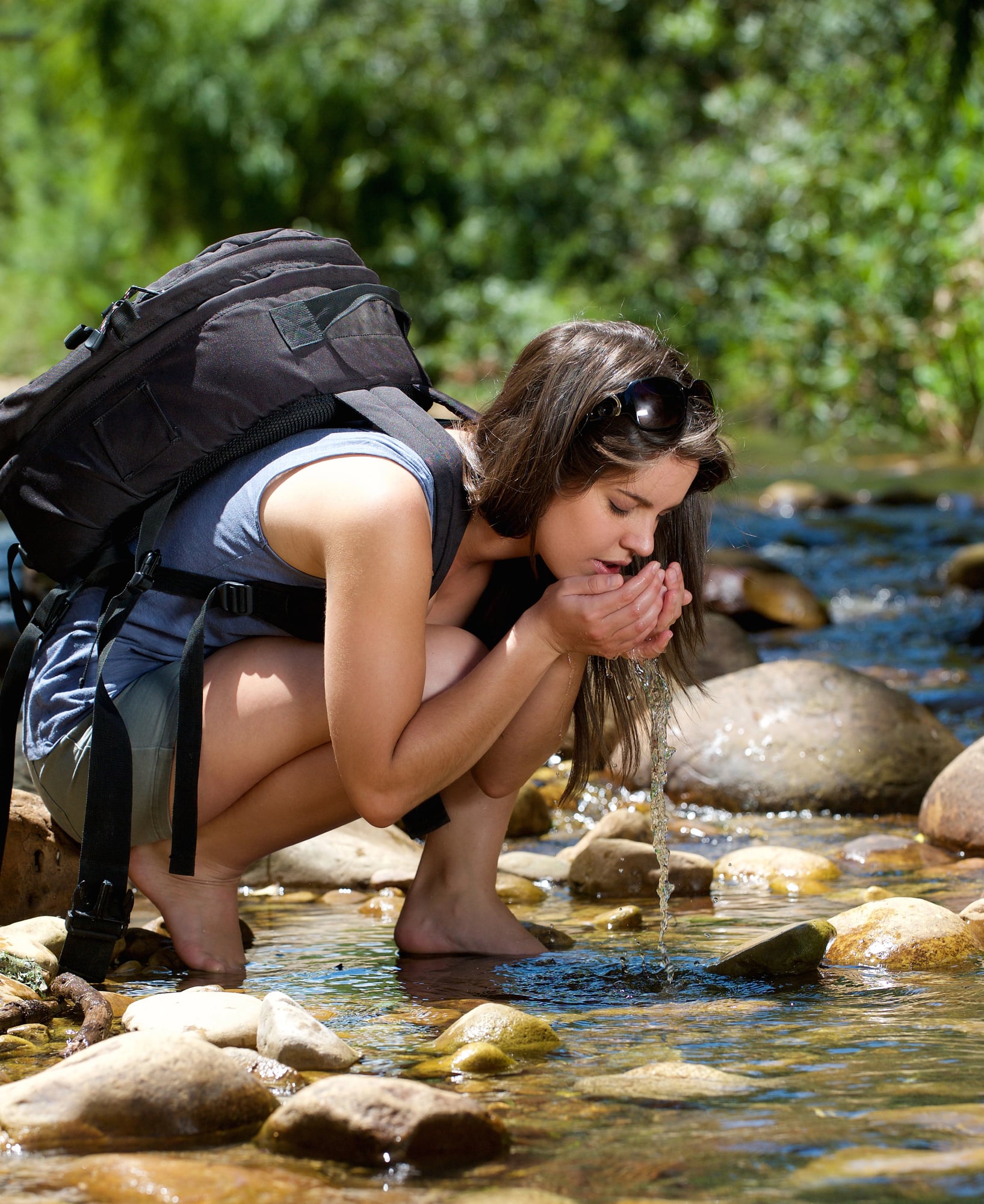
Hydration meant finding the nearest hose and drinking until you weren’t thirsty anymore. Creek water was considered perfectly safe if it was moving fast enough and didn’t smell funny.
Water bottles were for hiking trips that lasted more than a day. Otherwise, you drank from whatever source was convenient and developed an immune system that could handle pretty much anything.
Contact Sports Without Protective Equipment

(Tackle football in shorts and t-shirts, played on fields that were more dirt than grass, with goal posts made from whatever lumber was lying around the maintenance shed.) The games lasted until dark or until someone got hurt badly enough that they couldn’t walk it off, whichever came first, and the injuries were treated with ice packs that were actually just frozen vegetables wrapped in dish towels.
Wrestling matches happened spontaneously and lasted until one kid cried or until a counselor noticed and told them to take it somewhere else. But the physical toughness that came from these unsupervised collisions was real—kids learned to fall properly, to shake off minor injuries, and to distinguish between actual damage and temporary pain.
So they emerged from summer camp more durable than they’d arrived, which felt like education rather than recklessness.
Unsupervised Tool Use in Workshop Activities

Eight-year-olds with circular saws. Ten-year-olds operating drill presses.
Teenagers welding without proper ventilation. The workshop was where kids learned that tools deserved respect by occasionally getting reminded why.
Safety glasses were suggestions. Instruction manuals were for people who couldn’t figure things out on their own.
And somehow, most kids managed to build birdhouses and picture frames without losing any fingers.
Eating Questionable Wild Plants

Foraging was considered outdoor education. Kids would wander through the woods with a counselor who claimed to know which berries were safe and which mushrooms wouldn’t kill you.
The identification process was informal. If it looked like the picture in the field guide and nobody had died from eating it last year, it was probably fine.
Most kids stuck to blackberries and wild strawberries, but the adventurous ones tried whatever the counselor pointed to.
Extended Wilderness Trips With Minimal Supplies
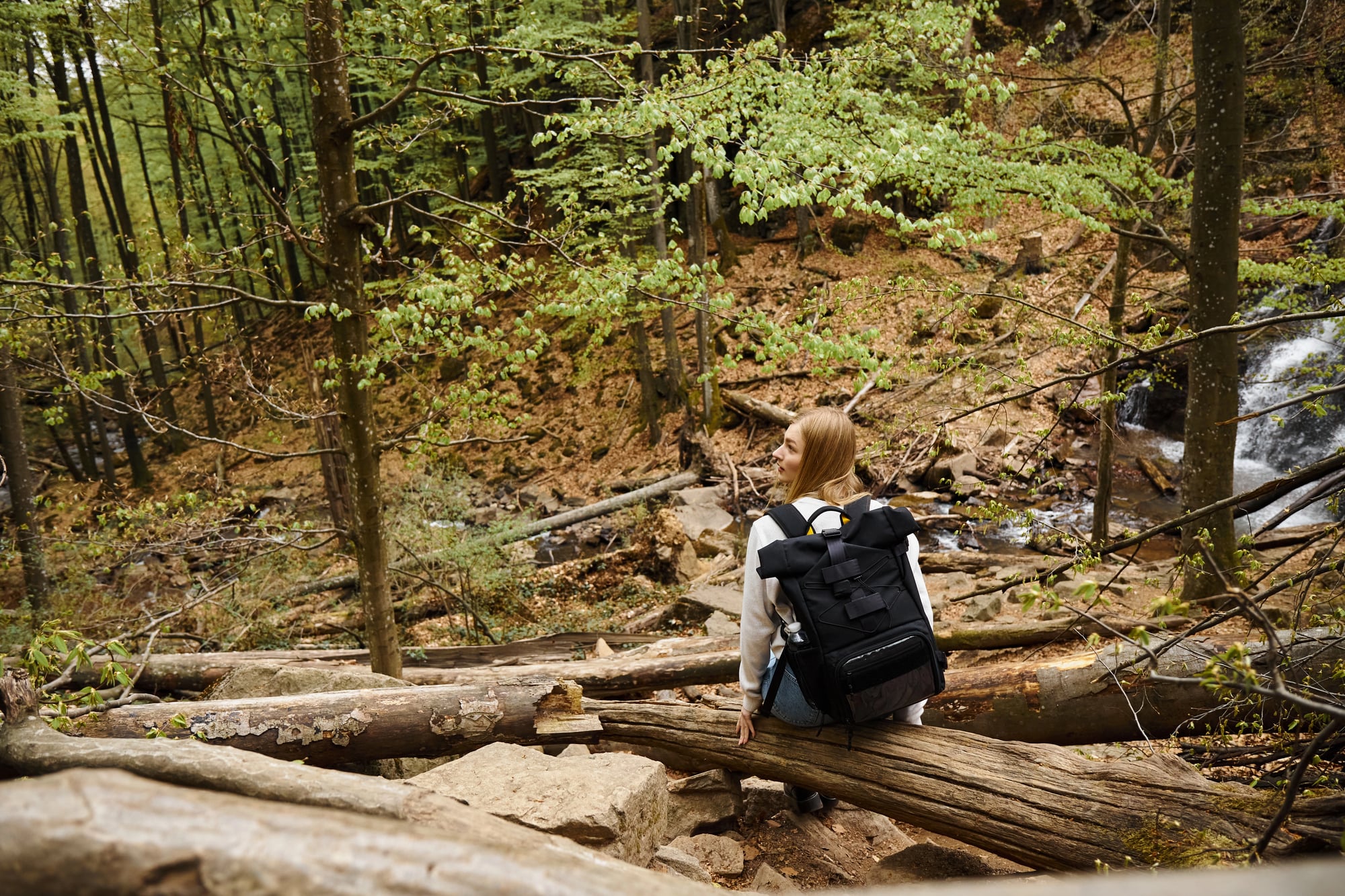
Three days in the mountains with a backpack, a sleeping bag, and whatever food you could carry. No satellite phones, no GPS devices, no way to call for help if something went wrong.
Kids learned to navigate by landmarks and gut instinct. They learned to make their food last and their water stretch.
Most importantly, they learned that they were more capable than they’d thought.
Competitive Tree Climbing Without Harnesses
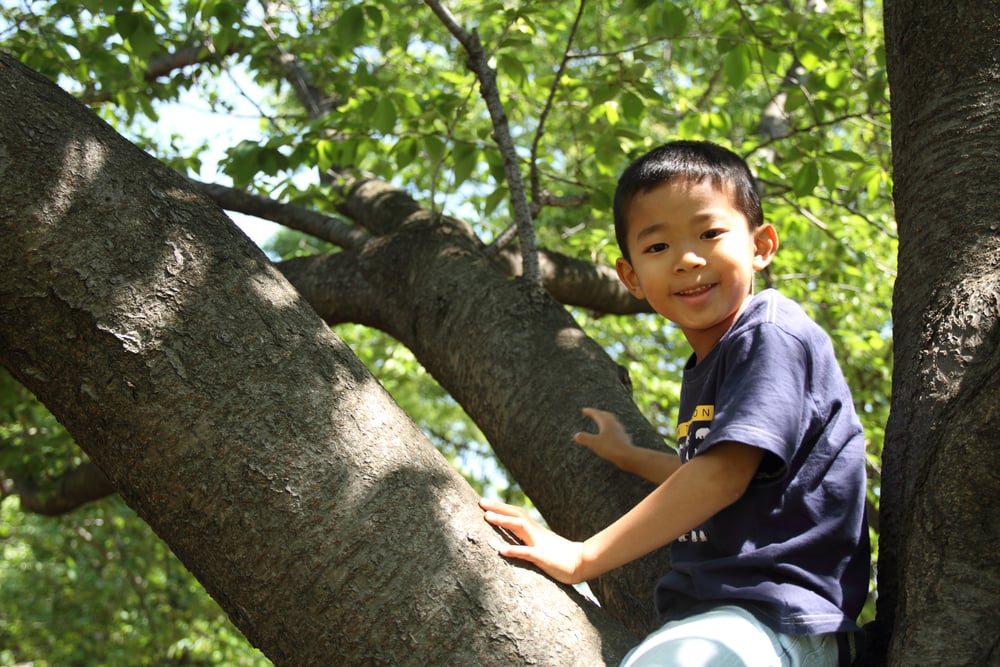
The goal was simple: get higher than anyone else had managed to get before. The trees were real trees, with real branches that could break under real weight, and the ground below was real ground that would hurt real bad if you fell on it.
Competitions were informal but intense—kids would scout trees for weeks, planning routes to the top like rock climbers planning ascents, except without any of the safety equipment that rock climbers use. The technique was passed down through camp folklore: test every branch, keep three points of contact, don’t look down until you’re ready to come down.
And somehow, this produced kids who understood their physical limits better than any structured climbing program could teach, because the consequences for overestimating your abilities were immediate and memorable.
Elaborate Haunted House Experiences
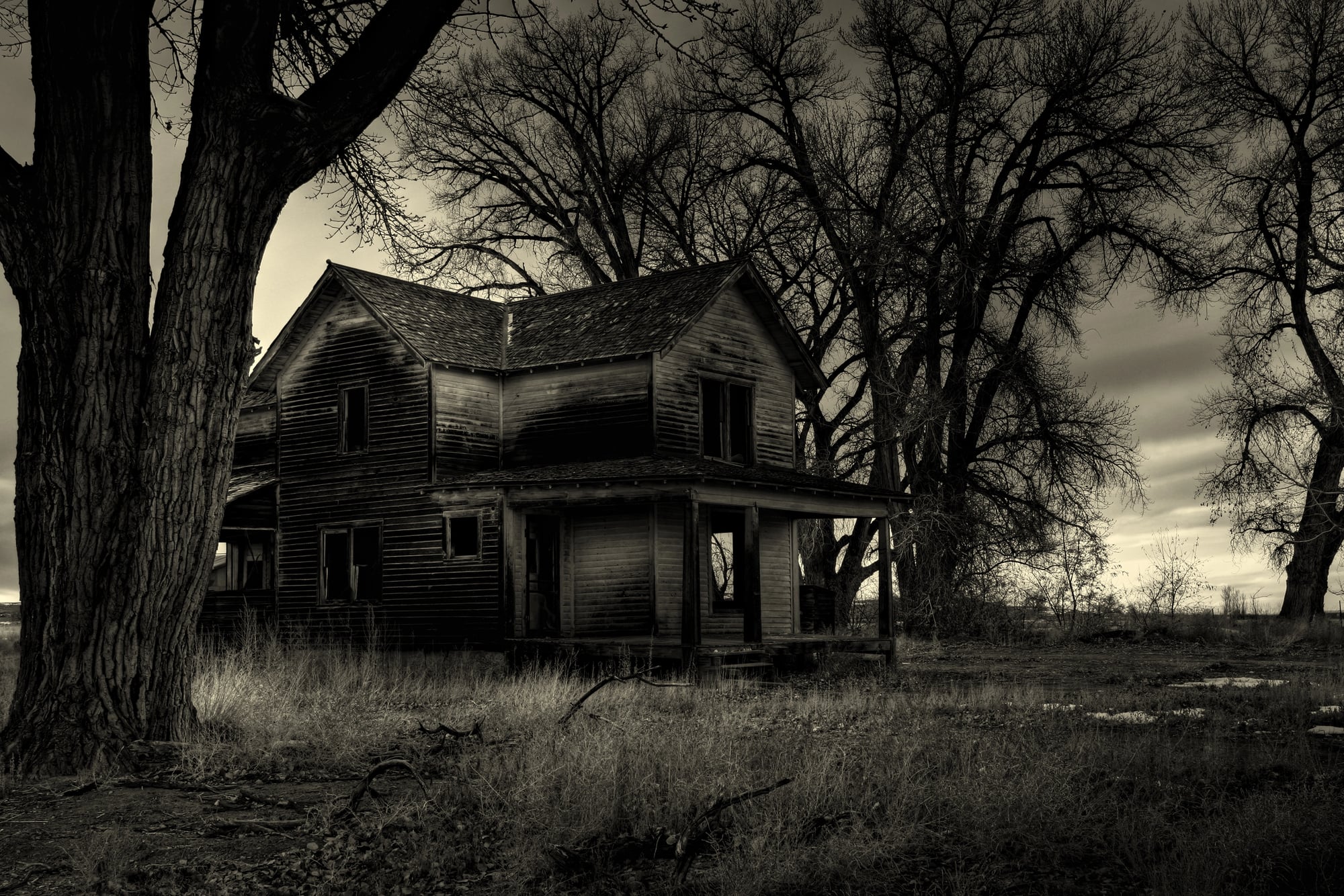
Building haunted houses in abandoned cabins or unused buildings was an all-summer project. Kids would spend weeks constructing elaborate scares involving real spiders, actual darkness, and psychological terror that would traumatize today’s campers.
The goal was to create genuine fear. Fake blood was made from corn syrup and food coloring.
Jump scares involved counselors hiding in genuinely dangerous places.
Archery With Minimal Safety Protocols
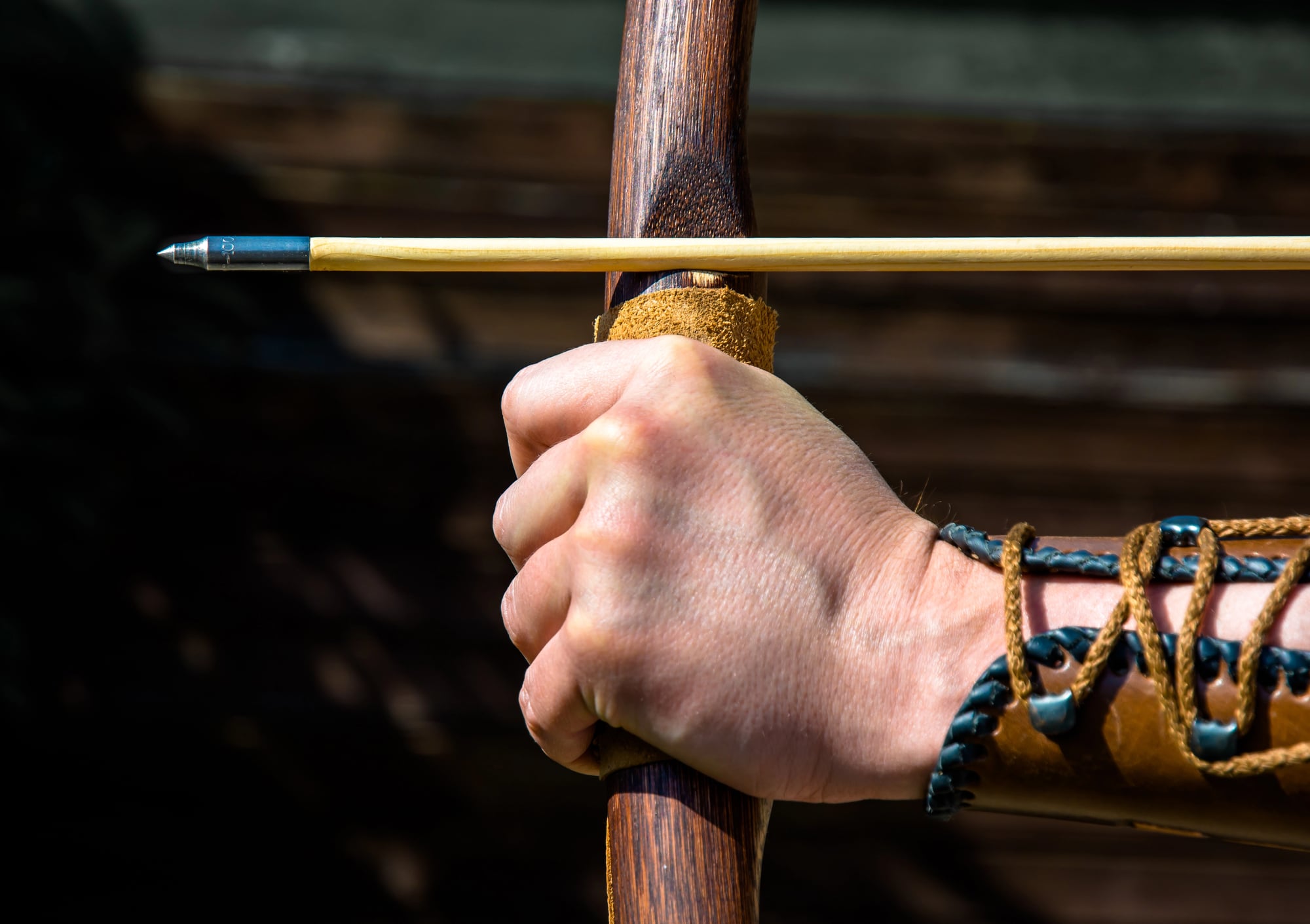
(Real arrows, real bows, and a safety briefing that consisted of “don’t shoot until everyone’s behind the line” and “try not to hit anyone.”) The targets were hay bales with paper bull’s-eyes, and the arrows that missed would disappear into the woods to be found months later by unsuspecting hikers or maintenance crews.
Kids as young as six would draw back bowstrings with surprising strength, aiming at targets that seemed impossibly far away, learning patience and focus through the simple desire to hit something they were aiming at. The instructor was usually whoever had done archery the previous summer and remembered the basic safety rules, which worked fine because the rules were simple and the supervision was constant, even if it wasn’t professional.
But there’s no denying that watching a dozen kids shooting arrows simultaneously, with varying degrees of competence and attention spans, created scenarios that modern insurance companies wouldn’t touch with a ten-foot pole.
Nighttime Raids on Rival Camps
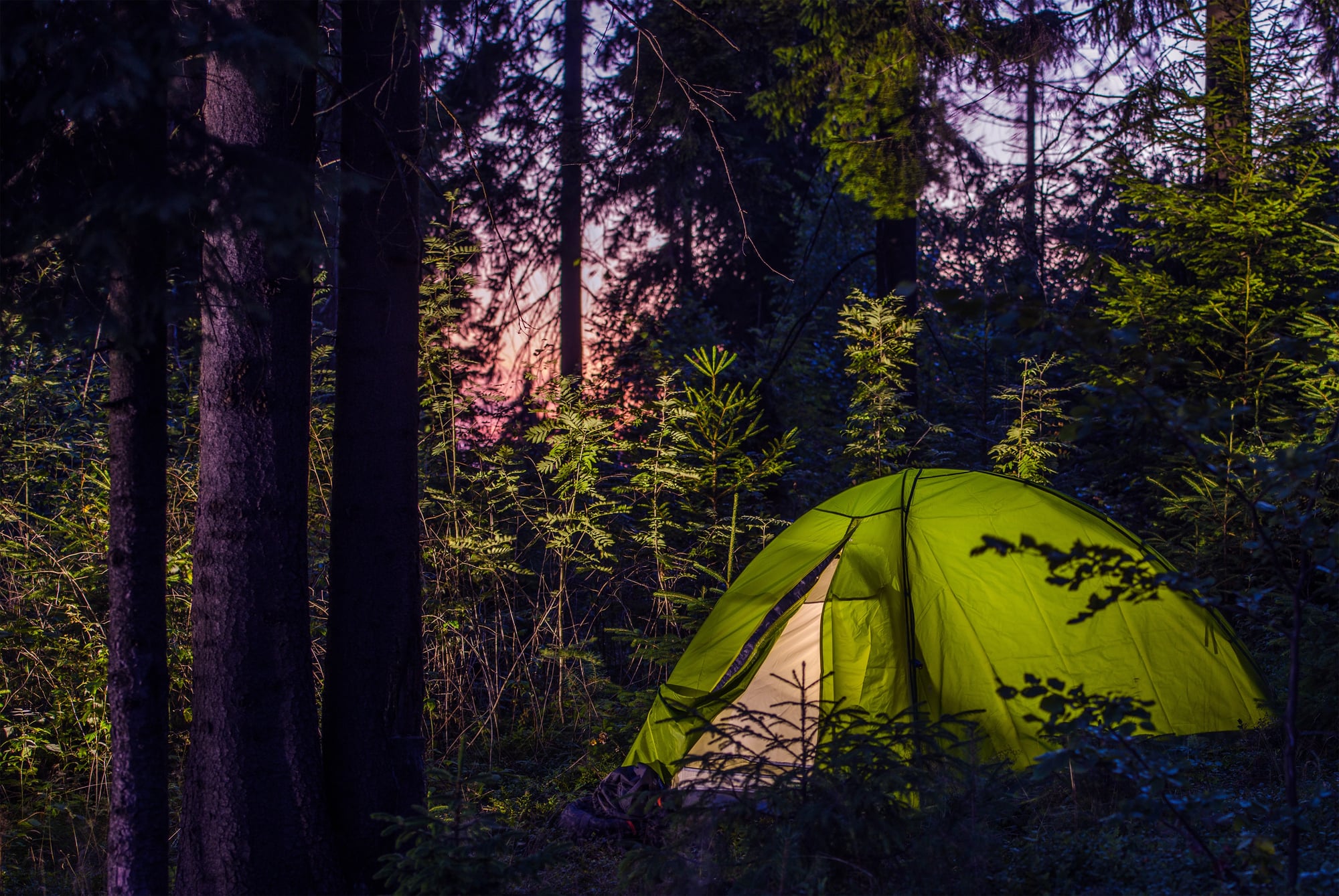
Sneaking across property lines in the middle of the night to steal flags or leave harmless but elaborate messages was considered advanced camping strategy. These expeditions required genuine stealth, careful planning, and the kind of risk tolerance that would horrify modern camp administrators.
Kids would blacken their faces with mud and crawl through actual wilderness for hours. The raids were reciprocal—everyone expected retaliation, and that was half the fun.
Makeshift Zip Lines Through Trees
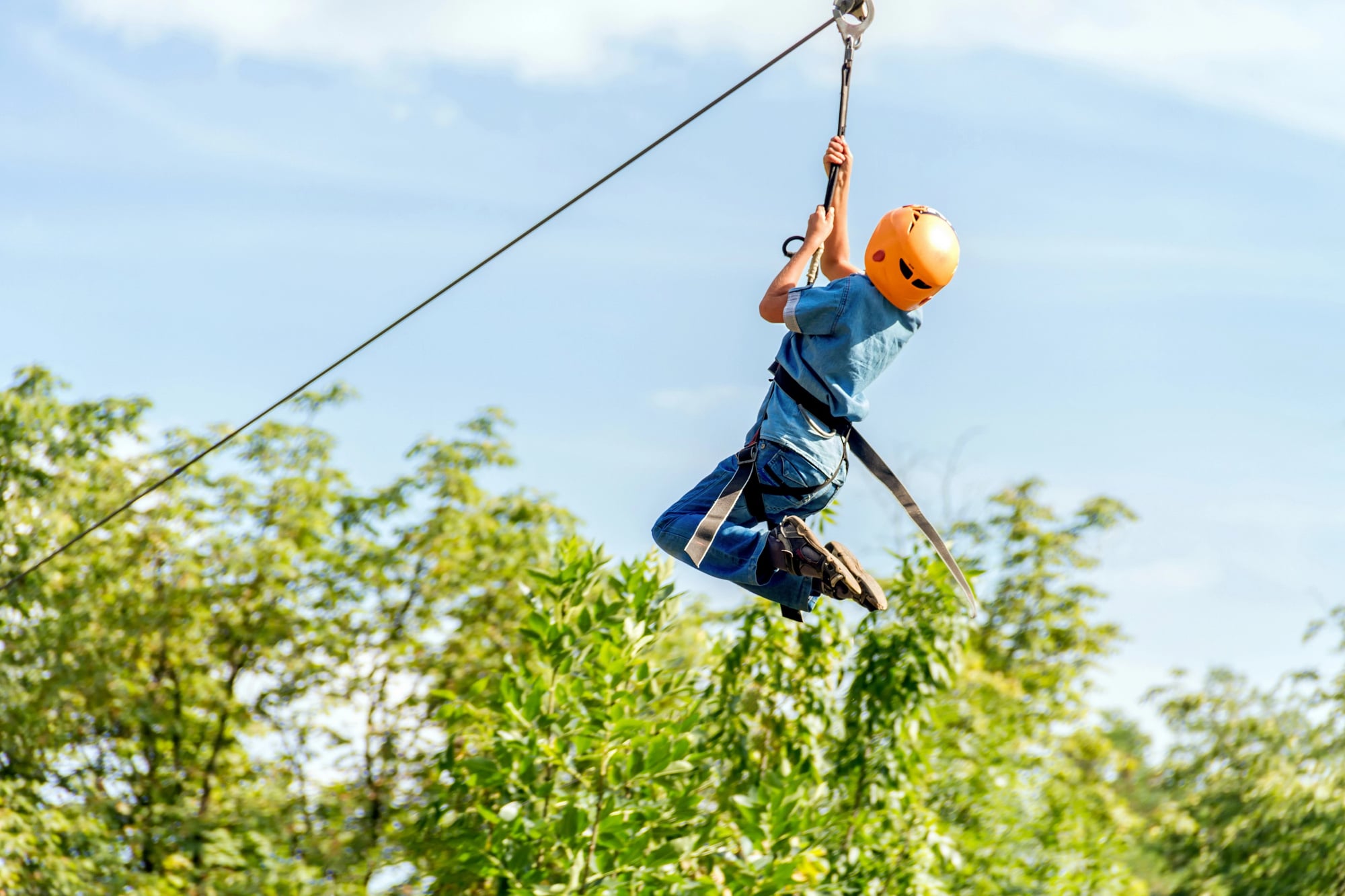
Engineering was a generous term for what happened when kids tied ropes between trees and decided to slide down them. The ropes were whatever was available, the anchoring system was optimistic at best, and the landing zone was whatever happened to be at the bottom.
Most zip lines lasted about a week before breaking or getting banned. But for that week, they were the most popular attraction in camp.
Elaborate Multi-Day Capture the Flag Games
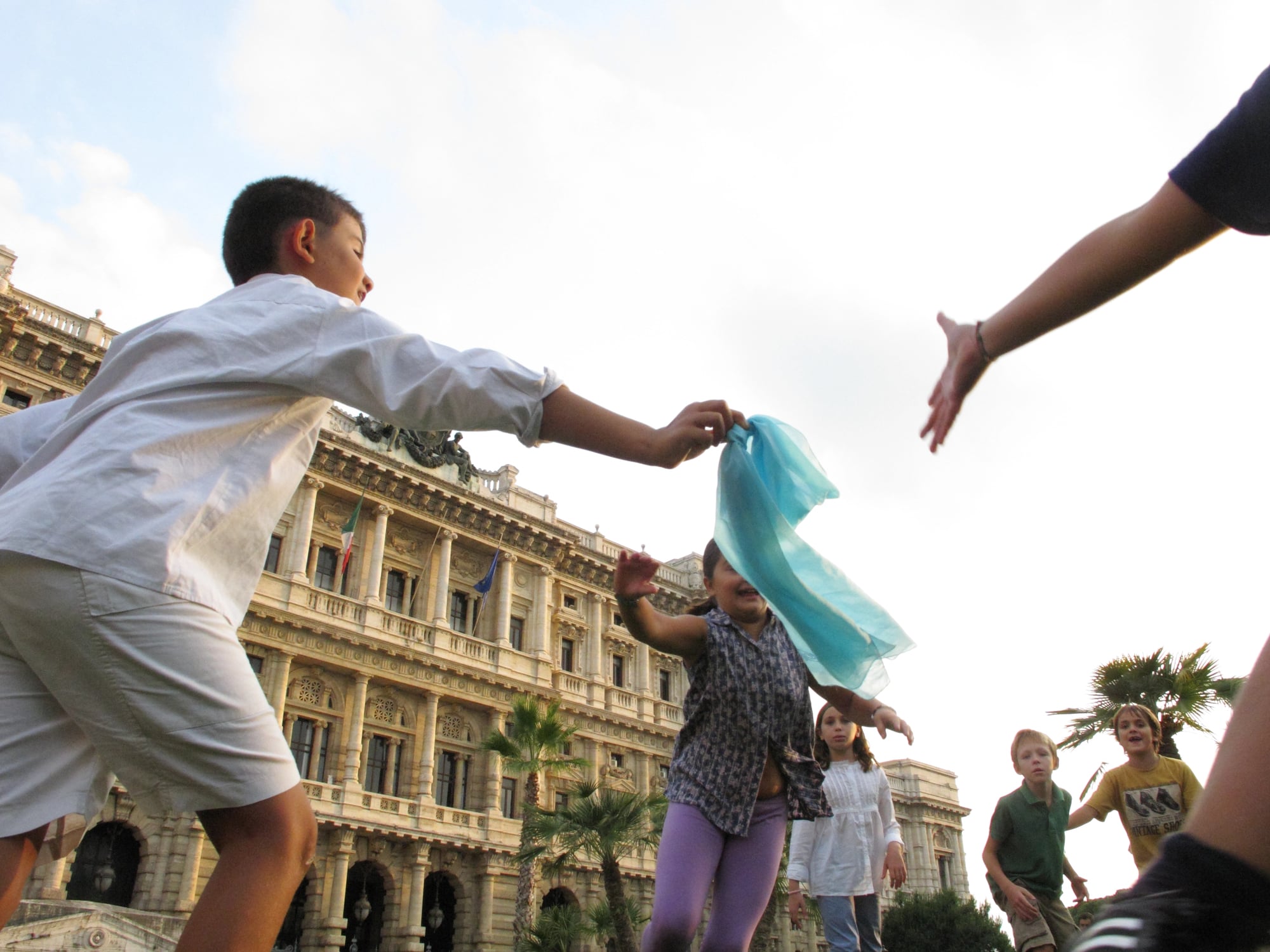
Territory covered acres of actual forest. Rules were negotiated on the fly and changed based on whoever was winning at the time.
Kids would disappear into the woods for hours, building forts and planning strategies that involved genuine military tactics. The games could last three or four days, with alliances forming and dissolving, secret meetings held in hidden locations, and victories celebrated like actual conquests.
Cliff Jumping Into Unknown Water
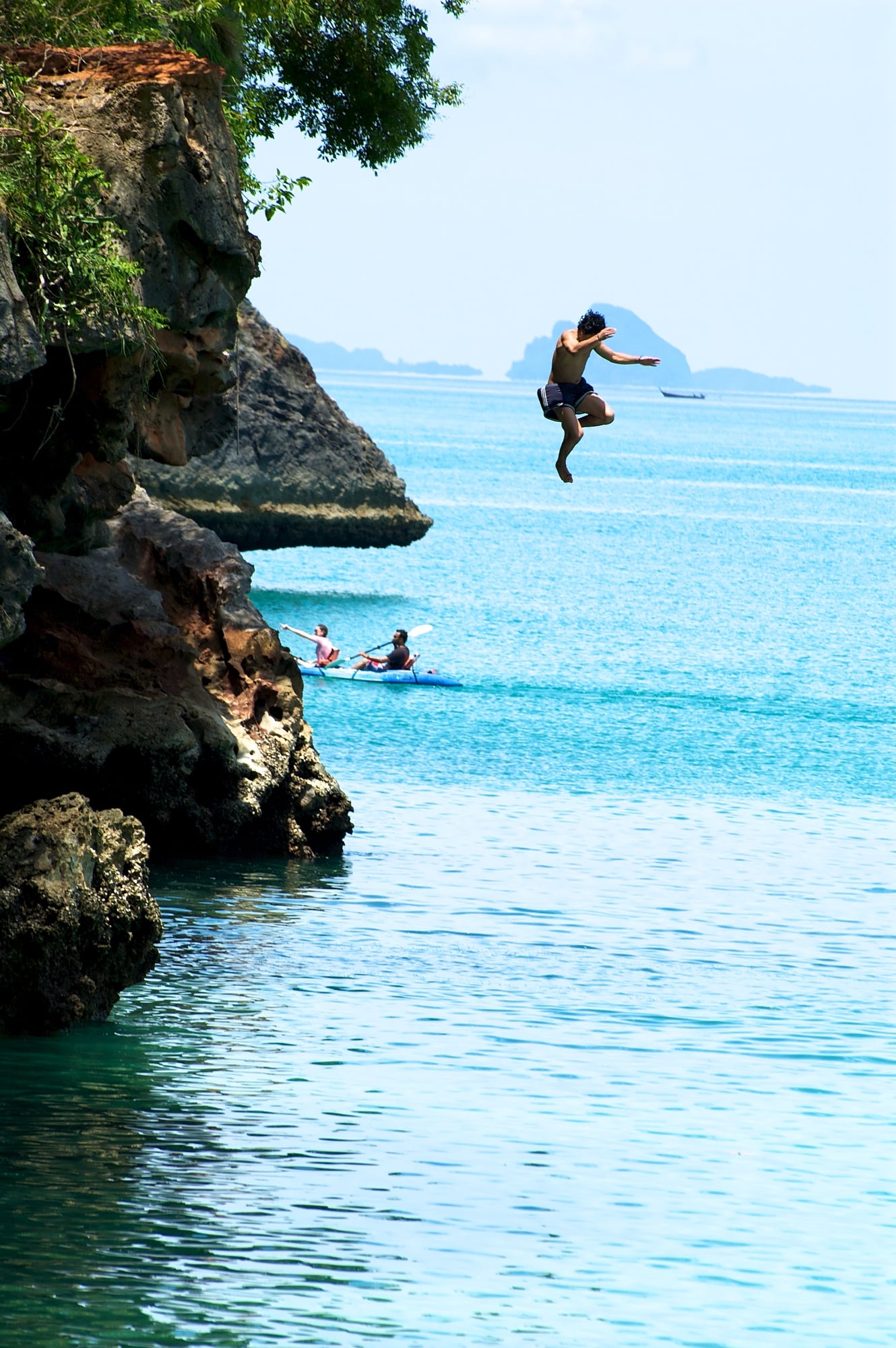
The higher the cliff, the more prestigious the jump. Nobody checked the depth of the water or looked for submerged rocks.
Kids would peer over the edge, work up their courage, and leap into whatever was below. Most jumps ended fine.
The few that didn’t became cautionary tales that somehow made the next group of kids more careful without making them less willing to try.
Making and Using Slingshots
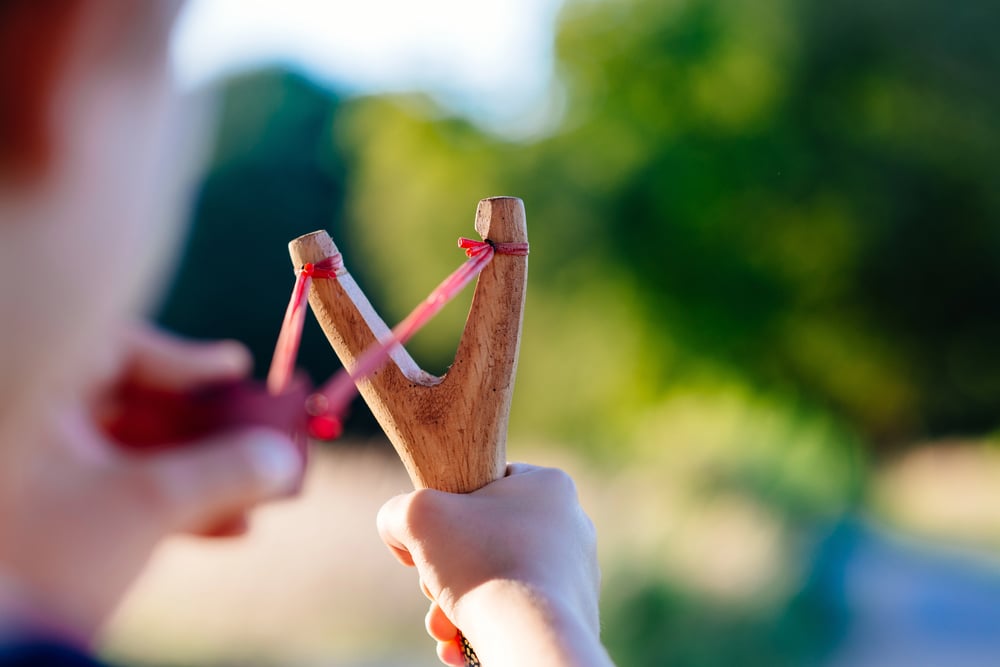
(Every kid carved their own slingshot from tree branches, using rubber strips cut from inner tubes and leather pouches made from whatever scraps the arts and crafts counselor could find.) The ammunition was rocks, acorns, or anything else that fit in the pouch and could fly reasonably straight, and the targets were tin cans, tree branches, or occasionally the side of a building that someone dared you to hit.
Accuracy competitions would last for hours, with kids perfecting their technique through hundreds of practice shots and the kind of focused repetition that only comes from genuine interest rather than structured instruction. And while the potential for property damage or minor injury was obvious, the slingshots taught patience, hand-eye coordination, and respect for projectile weapons in ways that no safety lecture could match.
So kids learned responsibility by having real consequences attached to their actions, rather than artificial ones imposed by adults.
Overnight Trips in Haunted or Abandoned Buildings
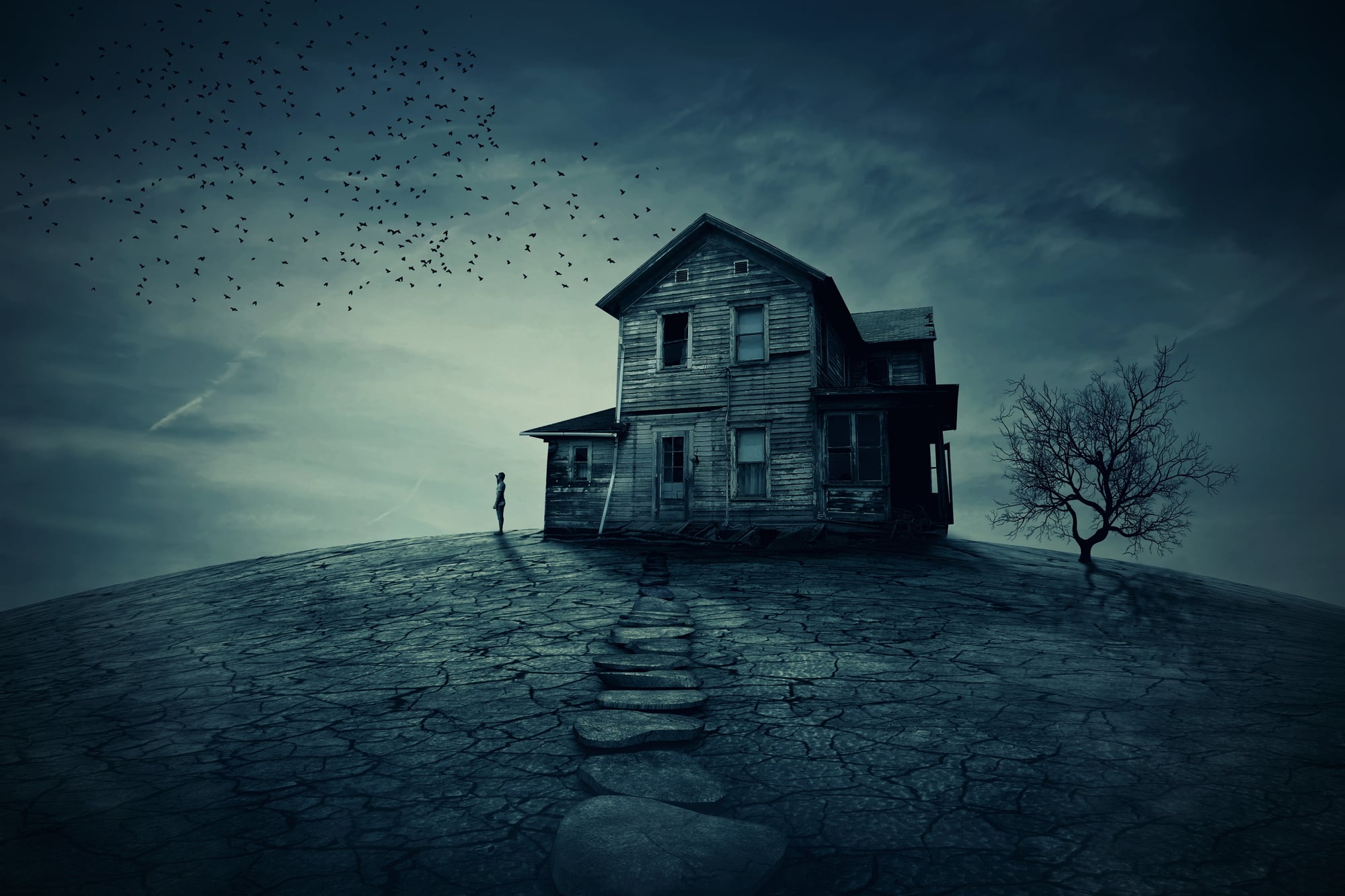
Local folklore always included stories about old farmhouses, abandoned mills, or defunct summer camps where something terrible had supposedly happened. Taking kids to spend the night in these places was considered character building.
The buildings were genuinely creepy. The stories were probably exaggerated but nobody was entirely sure.
And kids learned to distinguish between imaginary fears and real ones.
Extreme Weather Camping
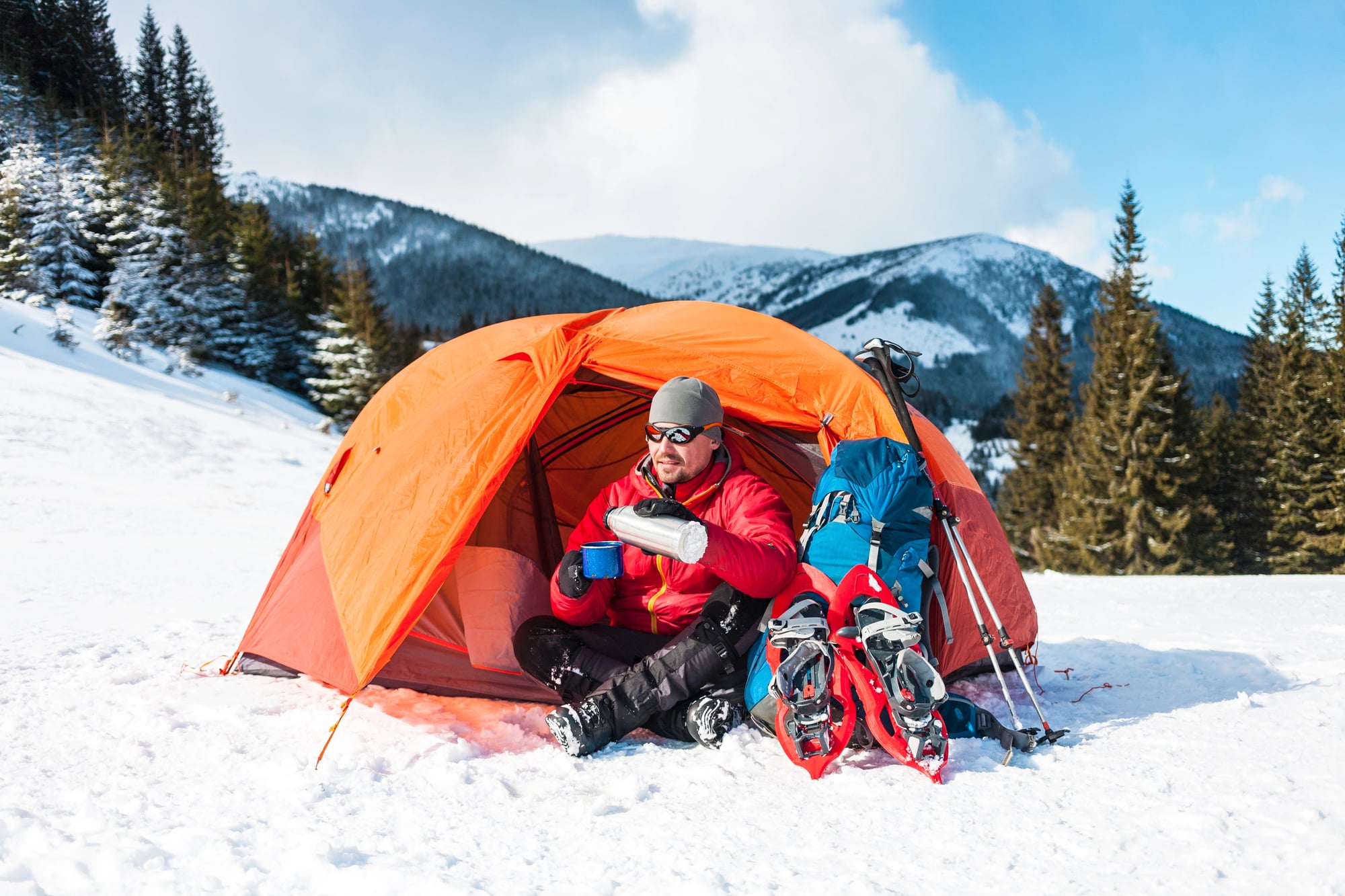
Thunderstorms, snowfall, extreme heat—none of these were considered valid reasons to cancel outdoor activities. Kids learned to camp in conditions that would send modern liability lawyers running for their phones.
Tents leaked. Sleeping bags got soaked.
Everyone was miserable and somehow loved every minute of it. Or at least remembered loving it afterward.
Creative Use of Potentially Dangerous Equipment
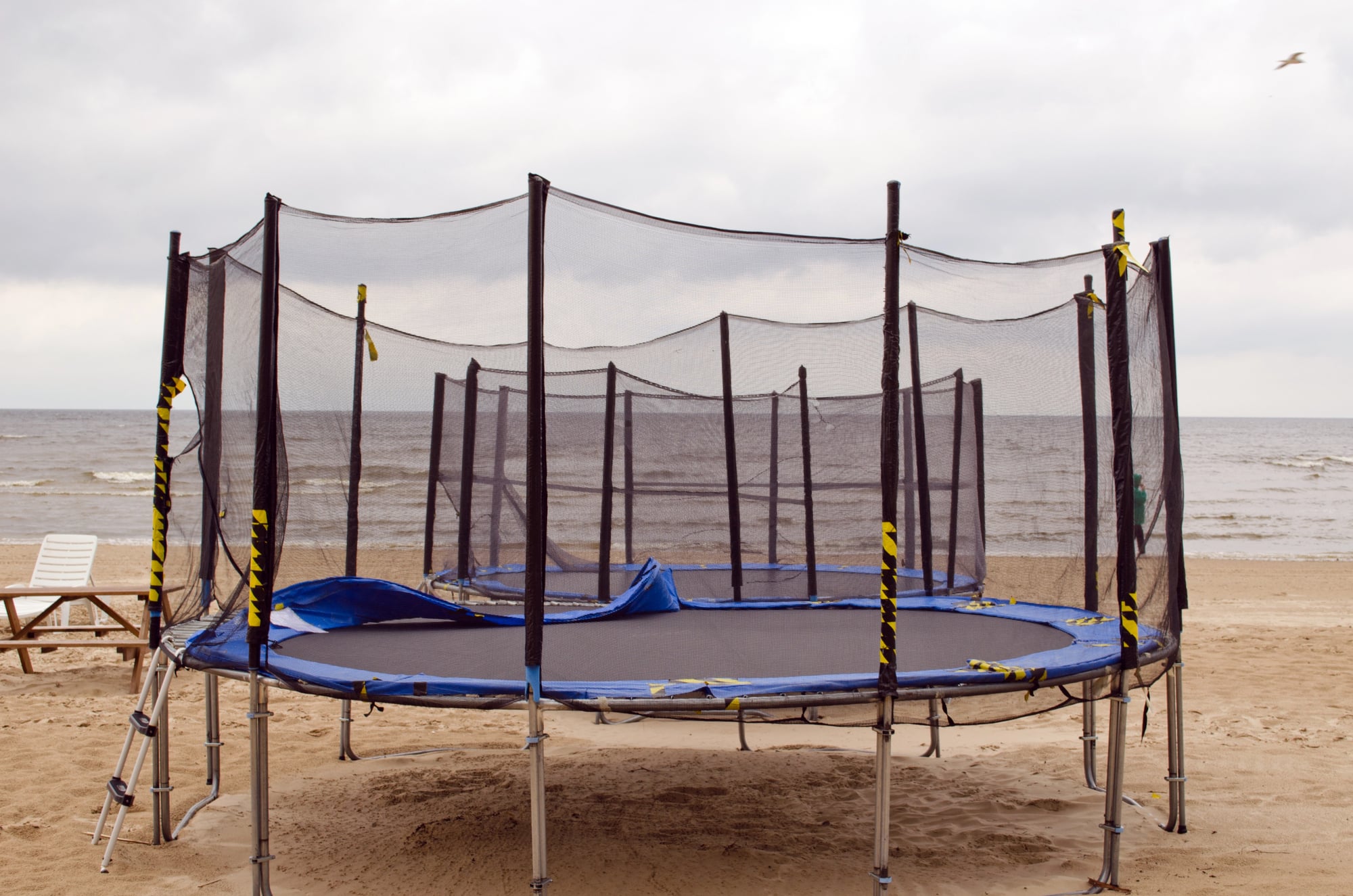
Trampolines were launching pads for elaborate acrobatics. Rope climbing equipment became impromptu zip lines.
Maintenance tools were borrowed for construction projects that would have required permits in the real world. If a piece of equipment could be repurposed for fun, someone would figure out how to do it.
Safety manuals were treated as suggestions rather than rules.
Elaborate Practical Jokes Involving Infrastructure

Moving outhouses while someone was inside them. Redirecting plumbing so shower water came out ice cold or scalding hot.
Rigging cabin doors to dump buckets of water on whoever opened them. The pranks required genuine engineering skills and often took weeks to plan and execute.
Everyone knew they might be next, which kept things interesting.
Dangerous Competitive Games
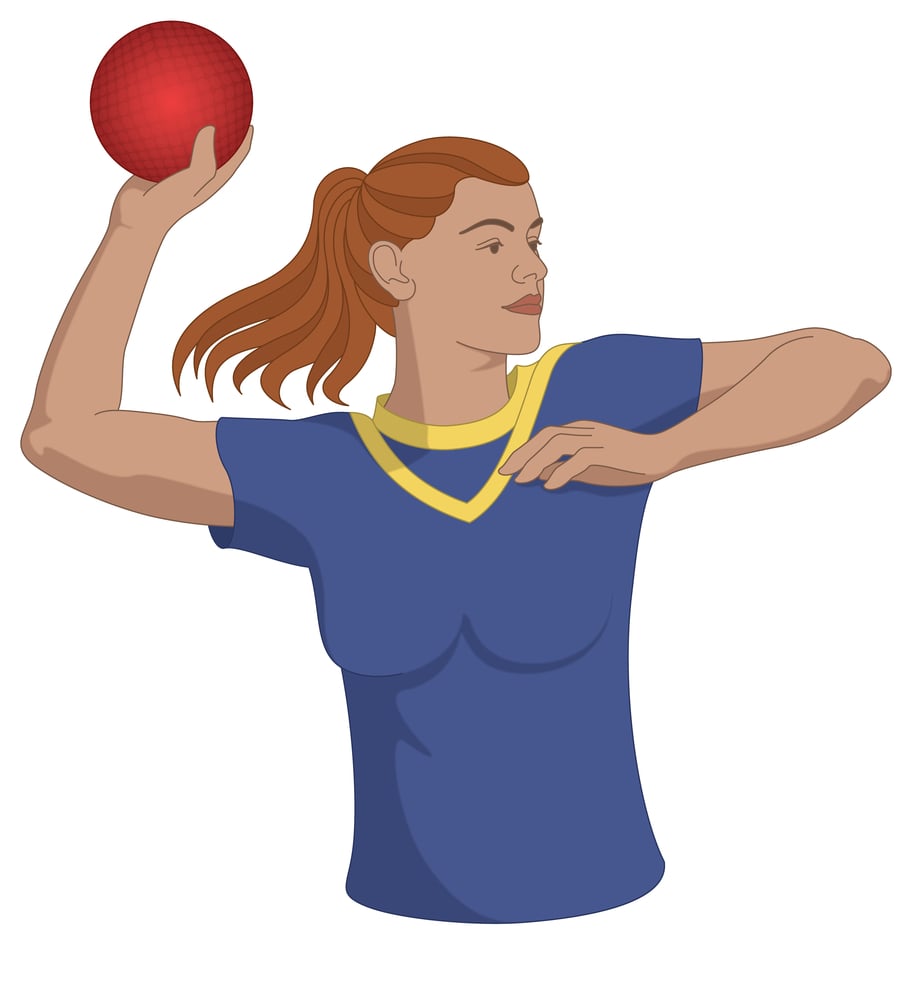
King of the Hill played on actual hills with rocks and tree roots. Red Rover with enough force to actually break through the chain.
Dodgeball with orbs that could leave bruises for weeks. The games were physically demanding and occasionally brutal.
Kids learned to play through minor injuries and developed a tolerance for physical contact that modern parents would find alarming.
What We’ve Gained and Lost
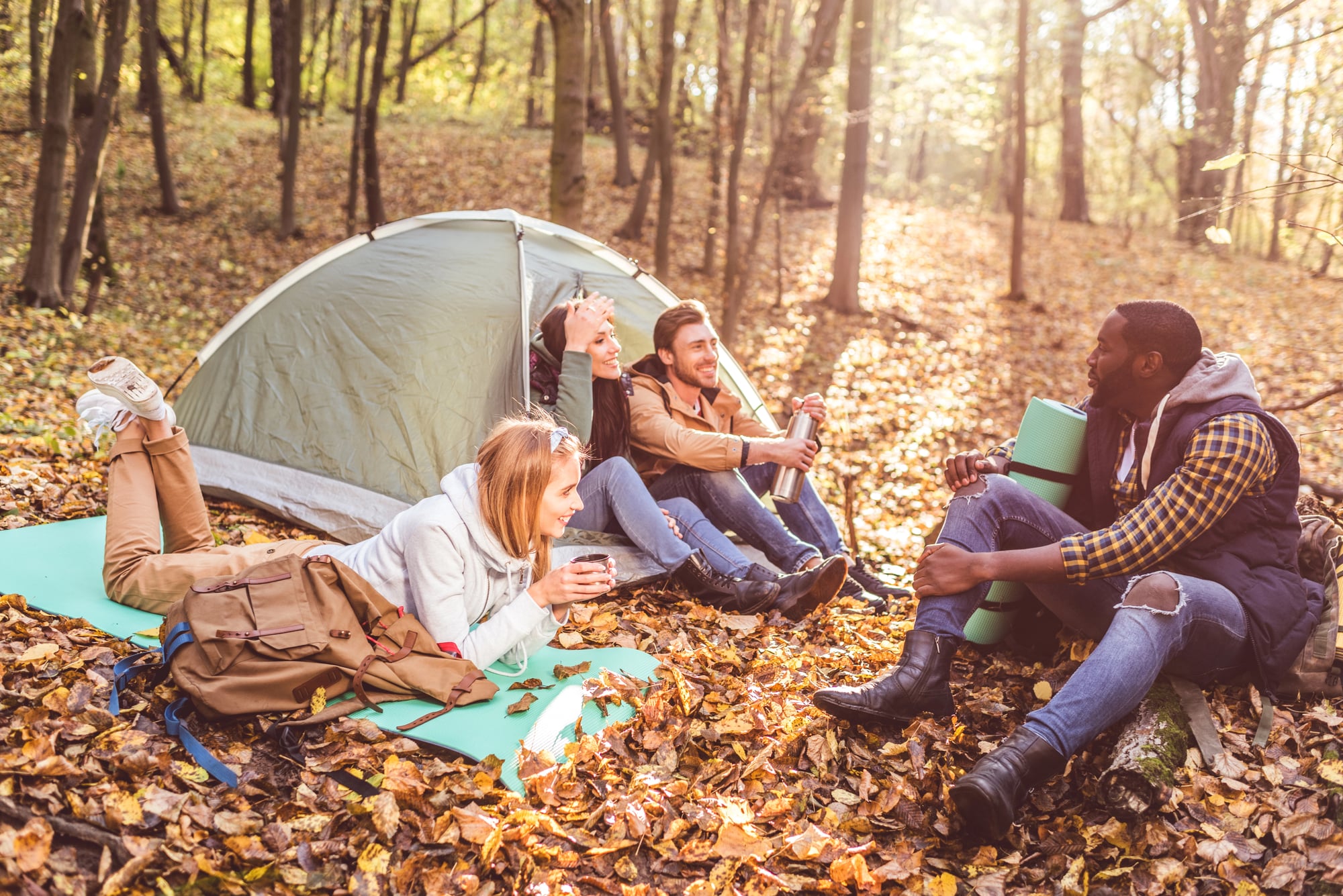
Those summer camps produced kids who could start fires, navigate by stars, and handle genuine emergencies with the kind of calm competence that comes from real experience rather than theoretical training. They also produced their share of scars, both physical and emotional, and more than a few stories that parents didn’t hear about until decades later.
Modern camps are undoubtedly safer, more inclusive, and more carefully designed to provide positive experiences for every child. But something was lost in the translation from adventure to activity, from independence to supervision, from real risk to simulated challenge.
The kids who emerged from those chaotic, dangerous, poorly supervised summer camps carried themselves differently—not because they were tougher, necessarily, but because they’d learned to trust their own judgment in situations where adult intervention wasn’t immediately available. Whether that trade-off was worth it depends on what you think childhood should prepare kids for: a world where safety is guaranteed, or one where it isn’t.
More from Go2Tutors!

- The Romanov Crown Jewels and Their Tragic Fate
- 13 Historical Mysteries That Science Still Can’t Solve
- Famous Hoaxes That Fooled the World for Years
- 15 Child Stars with Tragic Adult Lives
- 16 Famous Jewelry Pieces in History
Like Go2Tutors’s content? Follow us on MSN.