27 Sunday Traditions Households Have Quietly Dropped
Sunday once operated on its own set of rules, distinct enough from the rest of the week that a person could often tell what day it was simply by the rhythm of a household. Stores closed early or not at all, meals took longer, and a specific kind of stillness settled over entire neighborhoods by early afternoon.
None of these traditions ended with a formal announcement. They simply stopped happening one year, replaced by errands, screens, and a workweek that no longer respected the boundary Sunday used to hold.
The Sunday Roast

A large midday meal, typically featuring roasted meat, potatoes, and vegetables cooked slowly over several hours, anchored many households’ entire Sunday schedule around a single shared sit-down dinner eaten earlier in the day than any other meal of the week. Preparing the roast often started the moment everyone returned from morning church service, timed precisely so the meal was ready by early afternoon.
Extended family frequently gathered specifically for this meal, making it as much a social event as a nutritional one.
Dressing Up for Church
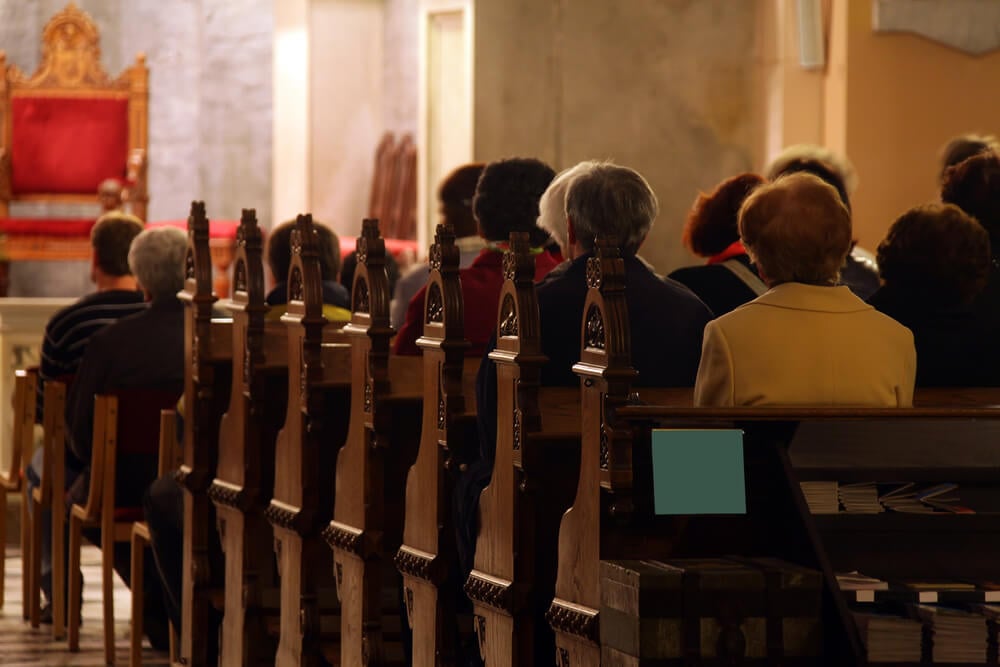
Sunday morning church attendance came with an explicit expectation of formal dress, with children wearing their best outfits, often reserved specifically for that purpose and referred to directly as “Sunday clothes.” Getting an entire household dressed and out the door on time for a set service hour was a recurring weekly logistical effort that shaped the rest of the morning.
The clothes themselves were frequently kept separate from everyday wear, hung in a specific part of the closet reserved for that single weekly occasion.
The Sunday Paper Spread Across the Floor

A noticeably thicker Sunday edition of the local newspaper, packed with extra sections including comics, coupons, and the week’s television listings, was often spread across the living room floor or a large table for slow, unhurried reading that could stretch across most of the morning. Different family members claimed different sections, with children frequently heading straight for the comics while parents worked through news and sports separately.
The ritual required genuinely blocking out time, since a Sunday paper was not something read quickly on a phone between other tasks.
Stores Closing on Sundays

Blue laws in many states once required retail stores, and sometimes even grocery stores, to remain closed on Sundays entirely, making the day structurally different from the rest of the week regardless of a household’s personal habits. Households planned their weekly shopping around this closure, making sure necessary purchases happened by Saturday evening.
The gradual repeal of these laws through the late twentieth century opened Sundays to ordinary commerce, quietly erasing one of the day’s most universally shared structural features.
Sunday Drives

Families would set out on a leisurely, unhurried drive with no specific destination, often after the midday meal, simply to enjoy the scenery or check on how a nearby area had changed. The tradition assumed cheap enough gasoline and few enough other weekend obligations that a few hours could be spent purely on the act of driving itself.
Rising fuel costs, busier weekend schedules, and simply having more entertainment options at home gradually made the aimless Sunday drive feel like an unaffordable use of time.
Polishing Shoes the Night Before

Sunday morning church attendance often came with a Saturday night ritual of polishing the entire family’s dress shoes, laid out and shined in preparation for the next day so that morning could move quickly and without last-minute scrambling. Children were frequently taught the specific technique for this task as one of their earliest household responsibilities.
The habit faded alongside the broader decline in weekly formal church attendance across many households.
Writing Letters to Distant Relatives

Sunday afternoon, with its slower pace and fewer competing obligations, was a common time set aside specifically for writing letters to relatives who lived too far away for a regular visit, often accompanied by a photograph or a small clipping from the week’s newspaper. The habit required sitting down with actual stationery and setting aside real, uninterrupted time to compose a full letter by hand. Phone calls, and eventually email and texting, gradually replaced the specific Sunday letter-writing habit almost entirely.
The Sunday Evening Family Television Hour
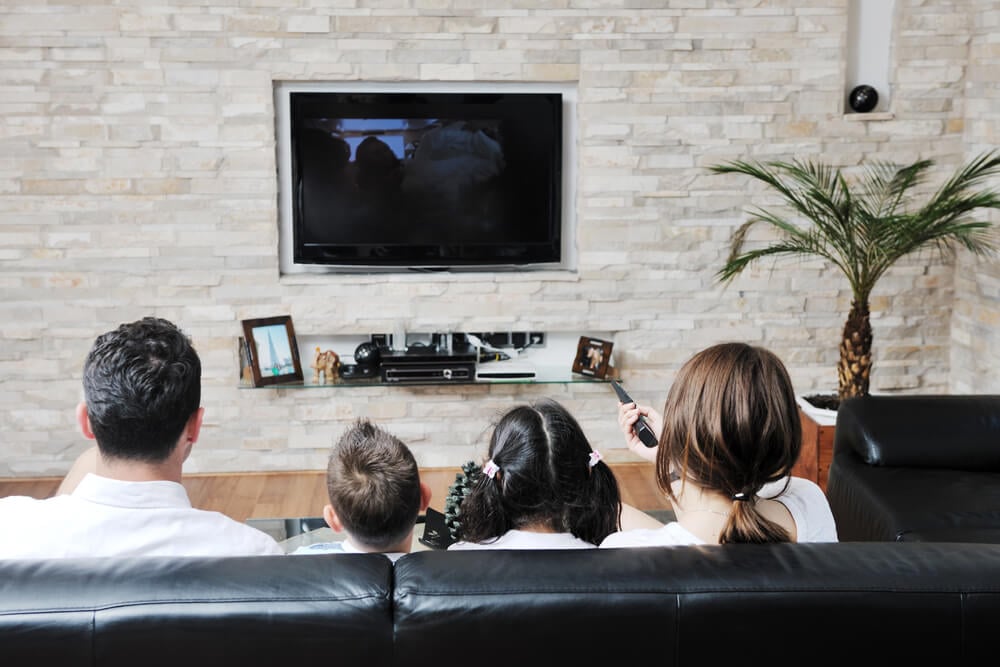
Before streaming and on-demand viewing, many households gathered around a single television set on Sunday evenings for a specific lineup of shows that the entire family watched together at the same scheduled time each week. Missing an episode meant genuinely missing it, since there was no way to watch it later at a more convenient time.
The shared, appointment-based nature of the viewing made it a distinctly communal experience rather than the individual, on-demand habit that replaced it.
Ironing the Week’s Clothes
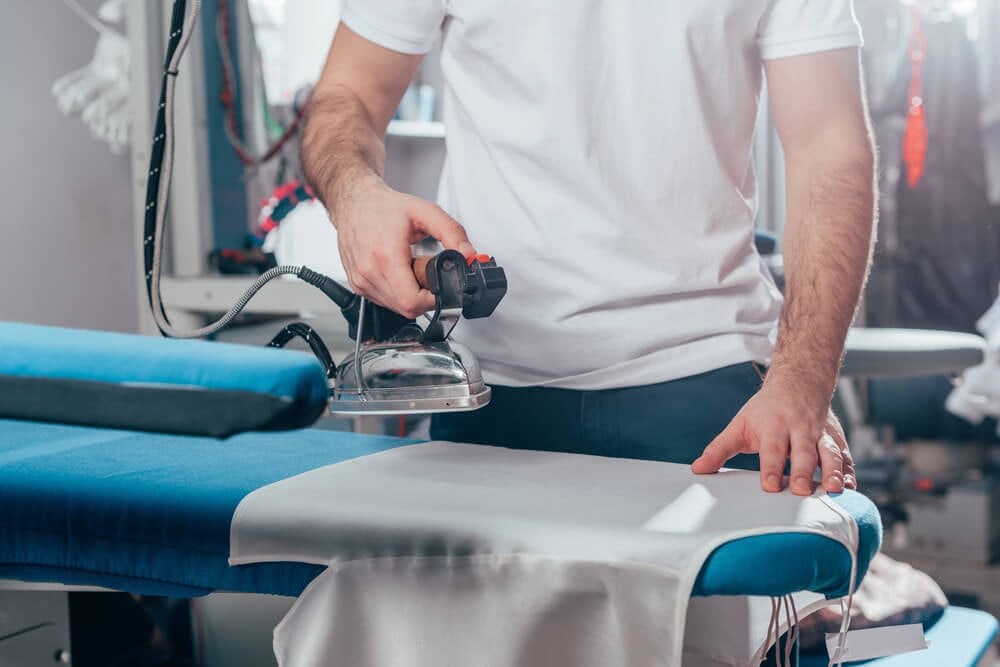
Sunday evening was commonly set aside for ironing an entire week’s worth of school and work clothes at once, laying garments out in order for each coming day so that weekday mornings could move faster. The task often took an hour or more and was frequently done while a television program played in the background.
Wrinkle-resistant fabrics and busier Sunday schedules have made this once-standard weekly ritual far less common in most households today.
Visiting Relatives Without Calling Ahead

Dropping in on grandparents, aunts, or uncles unannounced on a Sunday afternoon was once a widely accepted practice, built on the shared cultural understanding that Sunday was reserved specifically for family and that most people would be home. Households often kept extra food on hand specifically in anticipation of unannounced Sunday visitors.
The habit faded as households became more spread out geographically and as unannounced visits came to feel more like an intrusion than a welcome tradition.
Sunday School Before Church

Children often attended a separate Sunday school session earlier in the morning before the main church service began, receiving age-specific religious instruction in a smaller classroom setting before joining the full congregation. The two-part structure meant a longer total time commitment for families with children than for adult-only households attending a single service.
Declining regular attendance across many congregations has reduced how many households still maintain this specific two-part Sunday morning structure.
The Full Sunday Breakfast

Distinct from the later Sunday roast, many households also prepared a notably larger and more elaborate breakfast than any weekday morning allowed, often including items like pancakes, bacon, or eggs made to order rather than the rushed cereal of a typical weekday. The meal assumed enough unhurried time that cooking itself became part of the morning’s leisure rather than a hurried obligation before work or school.
Busier modern mornings, even on weekends, have made this kind of extended breakfast preparation increasingly rare.
Sunday as a Screen-Free Day

Some households enforced an informal or explicit rule limiting or entirely avoiding television, and later computer or video game use, specifically on Sundays, treating the day as intentionally different from the rest of the week’s entertainment habits. The rule was often tied to religious observance but persisted in some secular households simply as an inherited habit.
The sheer integration of screens into modern daily life, including work and school, has made maintaining a genuinely screen-free day far more difficult to sustain.
Setting Out Sunday Best Table Settings
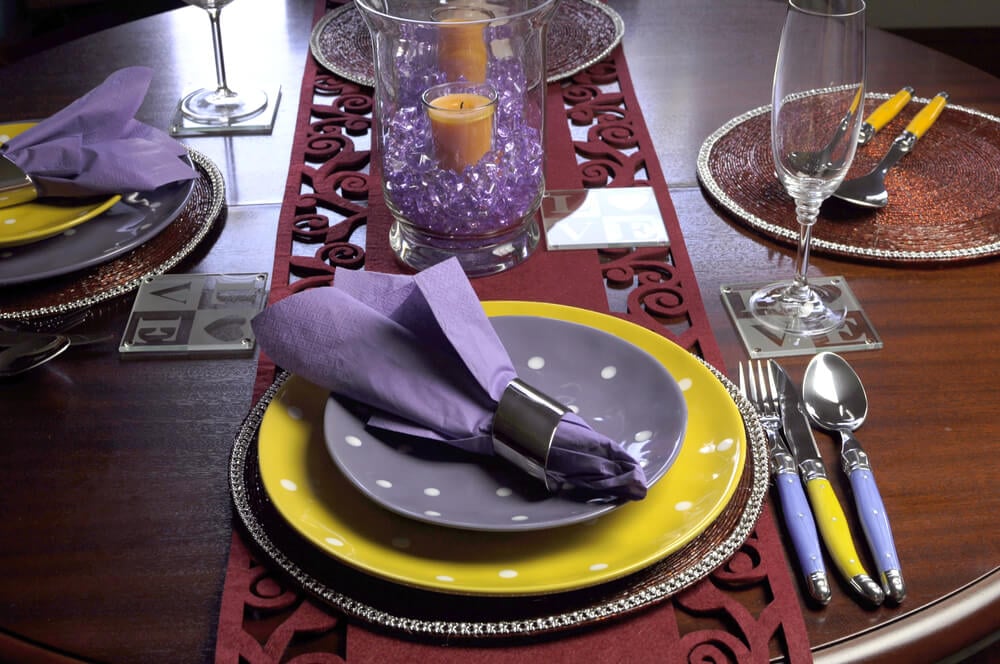
Many households reserved a specific set of nicer dishes, tablecloths, or silverware exclusively for Sunday meals, distinct from the everyday dishware used the rest of the week. Setting the table itself became a small weekly ritual, often assigned to a specific child as a regular responsibility.
The distinction between everyday and Sunday dishware has largely disappeared in households that now use the same set for every meal regardless of the day.
The After-Church Coffee Hour

Many congregations held an informal gathering immediately following the church service, with coffee, light refreshments, and unstructured socializing that extended the morning’s community time well beyond the service itself. The coffee hour often served as the primary venue where church community relationships were actually maintained and deepened over time.
Declining church attendance overall has reduced how many households still participate in this specific extended social ritual.
Sunday Afternoon Naps

A designated period of quiet in the early afternoon, often following the Sunday roast, was widely treated as an accepted and even expected part of the day, with adults napping openly in a way that would have felt out of place on any other day of the week. Children were frequently expected to observe quiet time even if they did not nap themselves, preserving the household’s overall stillness.
Busier and more scheduled modern weekends have made this once-unremarkable midday pause increasingly rare.
Polishing the Family Car

Sunday afternoon was a common time for washing and hand-polishing the family car in the driveway, often turned into a small family task with children helping rinse or dry while a garden hose ran. The activity doubled as a visible, semi-public household ritual, with neighbors often doing the same task on their own driveways at roughly the same time.
Automated car washes and busier weekend schedules have made this specific hands-on Sunday task far less common.
Sunday Evening Meal Prep for the Week

Many households used Sunday evening specifically to prepare and portion meals for the coming workweek, an intentional practice separate from the day’s other cooking that treated Sunday as the last quiet window before the week’s pace resumed. The habit required deliberately setting aside time at the end of a day otherwise devoted to rest.
This specific practice has, if anything, persisted and grown under different branding, but the older, informal version tied specifically to Sunday’s unique pace has largely given way to a more calculated, planned approach.
Reading the Comics Section Together

Beyond the general Sunday paper ritual, many households specifically treated the comics section as a shared reading activity, with a parent reading strips aloud to younger children who could not yet read the text themselves. The color comics section, distinct from the black-and-white daily strips during the week, was treated as a specific Sunday-only treat.
The decline of print newspapers overall has eliminated this specific shared ritual almost entirely for younger generations.
The Sunday Evening Dread of Monday

A specific, widely shared feeling settled over households by Sunday evening, as the freedom of the weekend gave way to anticipation of the coming workweek or school week, often marked by laying out clothes, packing bags, or a final check of homework. Television networks even built programming blocks around this exact feeling, airing shows deliberately timed to ease viewers into the coming week.
The blurring of weekday and weekend schedules, driven partly by remote work, has softened this once-sharp Sunday evening transition for many households.
Attending Evening Church Services
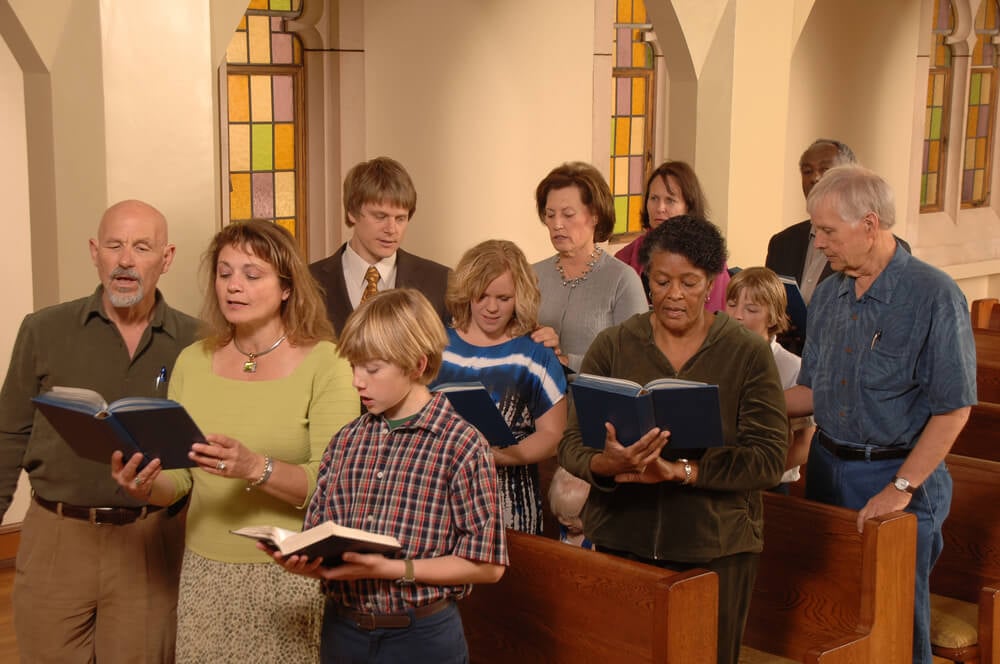
Beyond the standard morning service, many congregations also held a separate Sunday evening service, meaning some households structured their entire day around two distinct church commitments rather than one. Attending both services was often treated as a marker of a particularly devout household within a given congregation.
Declining overall attendance has led many congregations to eliminate the separate evening service entirely, folding all worship into a single morning gathering.
Sunday Visits to the Cemetery

Many households maintained a regular habit of visiting a family plot or a relative’s grave on Sunday afternoons, often bringing fresh flowers and treating the visit as a quiet, routine part of the day rather than a special occasion. The habit was particularly strong in communities where extended family had lived in the same area for multiple generations. Greater geographic mobility between generations has made this specific weekly ritual far less practical for many households today.
The Sunday Radio Preacher

Before television and later streaming dominated religious broadcasting, many households tuned in specifically to a Sunday radio sermon, often from a well-known regional or national preacher, as a fixed part of the morning’s routine even in households that also attended in-person services. The broadcast followed a predictable, appointment-based schedule that listeners built other Sunday plans around.
Television and later online streaming eventually absorbed nearly all of this specific radio-based religious tradition.
Family Photo Taking After Church

Many households used the moment right after Sunday church, with everyone already dressed formally, as an opportunity to take a family photograph on the front steps or lawn, building a specific weekly visual record over months and years. The resulting photographs, developed later at a film processing counter, often ended up in a dedicated family album organized loosely by season.
The combination of declining formal church attendance and constant casual photography on phones has made this specific weekly ritual almost entirely obsolete.
Sunday as the Day No Mail Arrived

Because mail delivery did not operate on Sundays, the day carried a small, universally understood pause in one specific channel of communication that every household simply accepted as part of the week’s rhythm. Checking the mailbox on a Sunday was, for most of the twentieth century, simply not something anyone did. The rise of digital communication has made this specific absence largely irrelevant, since most households no longer wait specifically for physical mail to arrive on any particular day.
The Sunday Night Bath

Many households treated Sunday evening as the designated time for a full, unhurried bath, particularly for children, preparing them to be clean and ready for the school week ahead in a way that felt distinct from quicker weekday washing. The ritual often included extra time for hair washing and nail trimming that a rushed weekday routine did not accommodate. Daily bathing habits in most modern households have made this specific once-weekly designation largely unnecessary.
Sitting on the Porch After Dinner

Following the evening meal, many households, particularly in warmer climates, would sit outside on a porch or stoop specifically on Sunday evenings, greeting neighbors doing the same thing and letting conversation stretch unhurried into the early evening. The habit depended on porches being a common architectural feature and on neighborhoods where people genuinely knew each other well enough for this kind of casual, recurring interaction. Air conditioning, television, and changing home architecture have all contributed to this specific tradition’s steady decline.
A Day Built to Feel Different

None of these traditions required much money or planning beyond a shared understanding that Sunday simply worked differently than the rest of the week. Stores closed, mail stopped, formal clothes came out, and an entire day slowed down together across a whole community rather than one household at a time.
What replaced this shared rhythm was not any single decision but an accumulation of smaller ones, stores staying open, sports leagues scheduling Sunday games, work quietly creeping into what used to be protected time. The day still exists on the calendar, but very little about how households actually spend it still marks it as genuinely distinct from the six days around it.
More from Go2Tutors!

- The Romanov Crown Jewels and Their Tragic Fate
- 13 Historical Mysteries That Science Still Can’t Solve
- Famous Hoaxes That Fooled the World for Years
- 15 Child Stars with Tragic Adult Lives
- 16 Famous Jewelry Pieces in History
Like Go2Tutors’s content? Follow us on MSN.



