27 TV Commercials People Can Still Recite Word for Word
A handful of advertisements managed to outlast the products they were selling, burrowing so deep into memory that a single phrase can bring back the exact jingle, the exact voice, and the exact channel a person was watching when they first heard it. Most ran for only a season or two, yet they left a permanent groove in the culture.
These are not just old commercials. They are the ones that turned into shared reference points, quoted at parties and reenacted in school hallways decades after they stopped airing.
Wendy’s “Where’s the Beef?”
An elderly actress delivered this line in 1984 while inspecting an oversized bun with a tiny burger patty inside, and the phrase escaped the commercial almost immediately to become a general-purpose complaint about anything that failed to deliver on its promise. It even worked its way into that year’s presidential campaign.
Life Cereal’s “Mikey Likes It”
Two older brothers pass a bowl of cereal to their skeptical younger sibling, certain he will refuse it, only to watch him eagerly dig in. The commercial ran for over a decade beginning in 1972 and became so associated with the actor who played Mikey that he was still asked about it well into adulthood.
Oscar Mayer’s Wiener Jingle
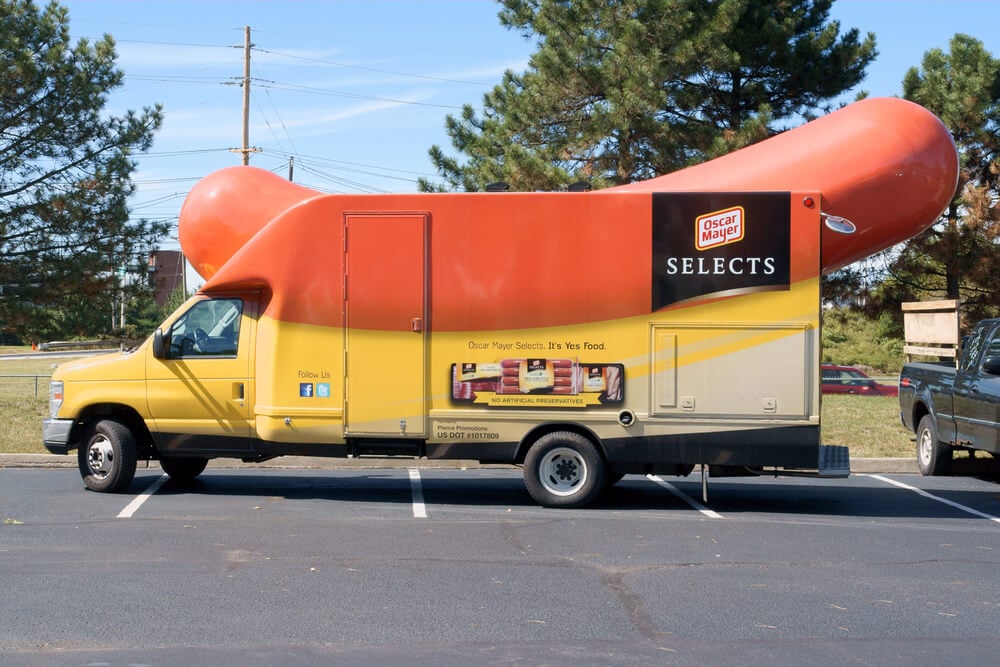
A young boy in a hot dog costume singing about wishing he were the brand’s namesake product debuted in 1965 and stuck around for decades, sung at company picnics and family cookouts by people who never once questioned the odd premise.
Folgers’ “The Best Part of Waking Up”
The jingle ran for so many years beginning in the late 1970s that it became inseparable from the idea of morning coffee itself, with the melody alone triggering recall even among people who never bought the brand.
Bud Light’s “Whassup?”
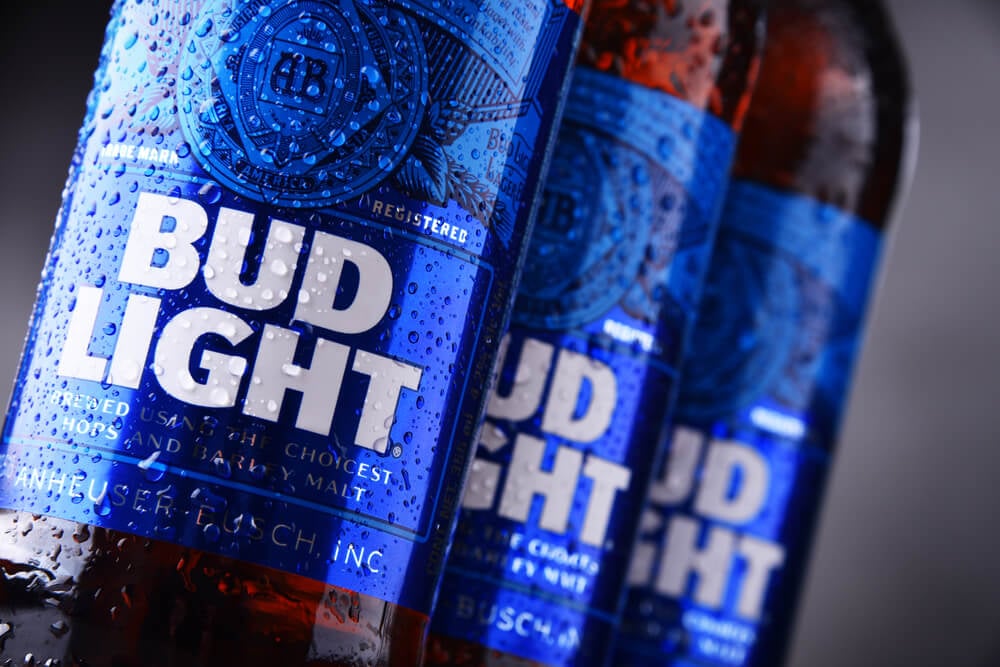
A group of friends greeting each other with an exaggerated shout became a cultural phenomenon after debuting in 1999, spawning endless parodies and imitations across television and early internet video before the campaign wound down a few years later.
Mentos’ “The Freshmaker”
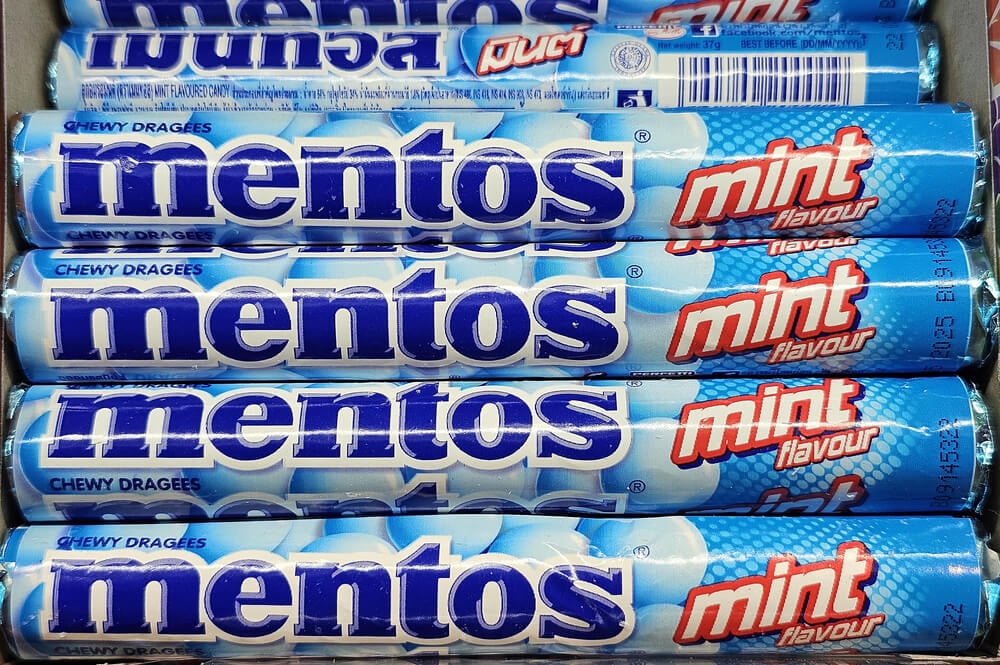
European-style commercials showing a person solving an everyday problem with theatrical flair, then popping a mint with a satisfied grin, ran throughout the 1990s and became a favorite target of parody for their over-the-top delivery.
Life Alert’s “I’ve Fallen and I Can’t Get Up”
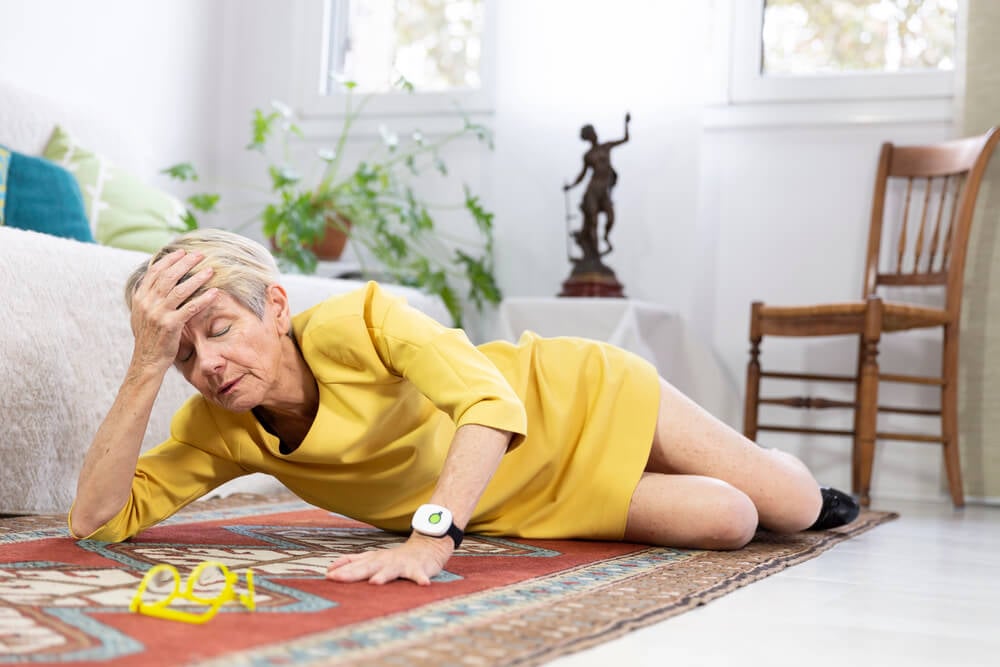
An elderly woman’s plea from the floor became one of the most parodied lines in advertising after the campaign launched in the late 1980s, referenced in movies and television long after the original ads stopped running.
Nike’s “Just Do It”
Introduced in 1988, the three-word phrase became one of the most recognized taglines in the world almost overnight, expanding far beyond athletic footwear into general cultural shorthand for pushing through hesitation.
Rice Krispies’ “Snap, Crackle, Pop”
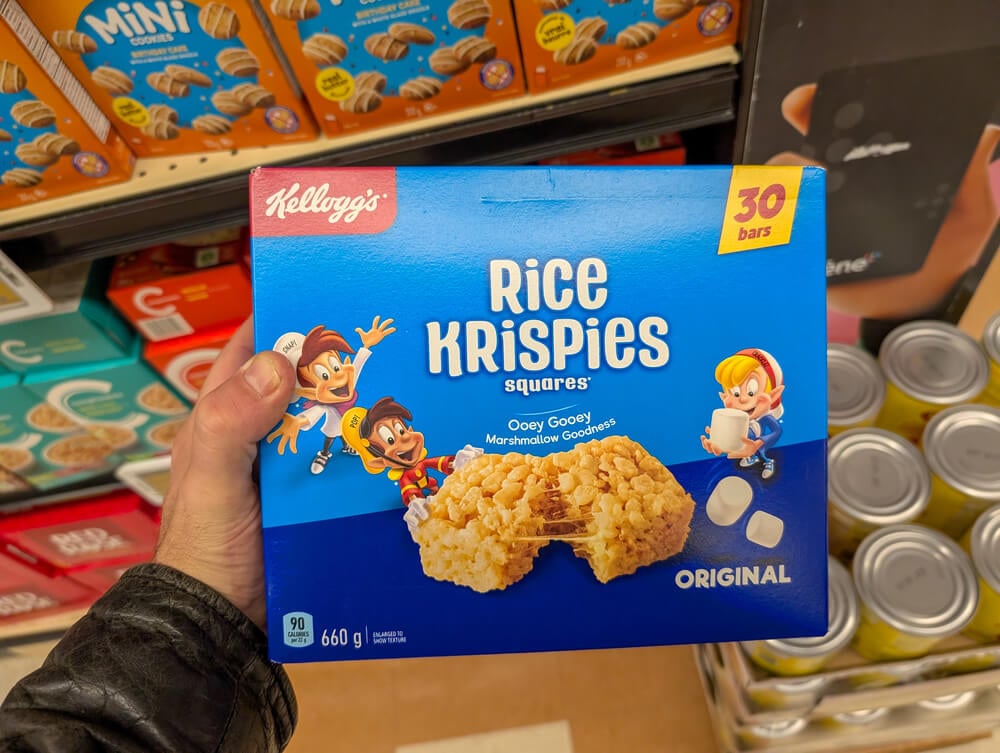
The trio of gnome-like mascots and their onomatopoeic names became inseparable from the cereal itself beginning in the 1930s, with the sound effect jingle still recognizable to people who have never seen the original black-and-white spots.
McDonald’s Big Mac Chant
A rapid-fire recitation of the sandwich’s ingredients set to a beat first aired in 1974 as part of a contest offering a free burger to anyone who could say the entire chant in under two seconds, and the chant stuck in memory long after the contest ended.
Chili’s Baby Back Ribs Jingle
A short, upbeat jingle promoting the restaurant’s rib platter ran through the 1990s and became so persistent in popular memory that people continued to sing fragments of it decades after the campaign was retired.
Trix’s “Silly Rabbit, Trix Are for Kids”
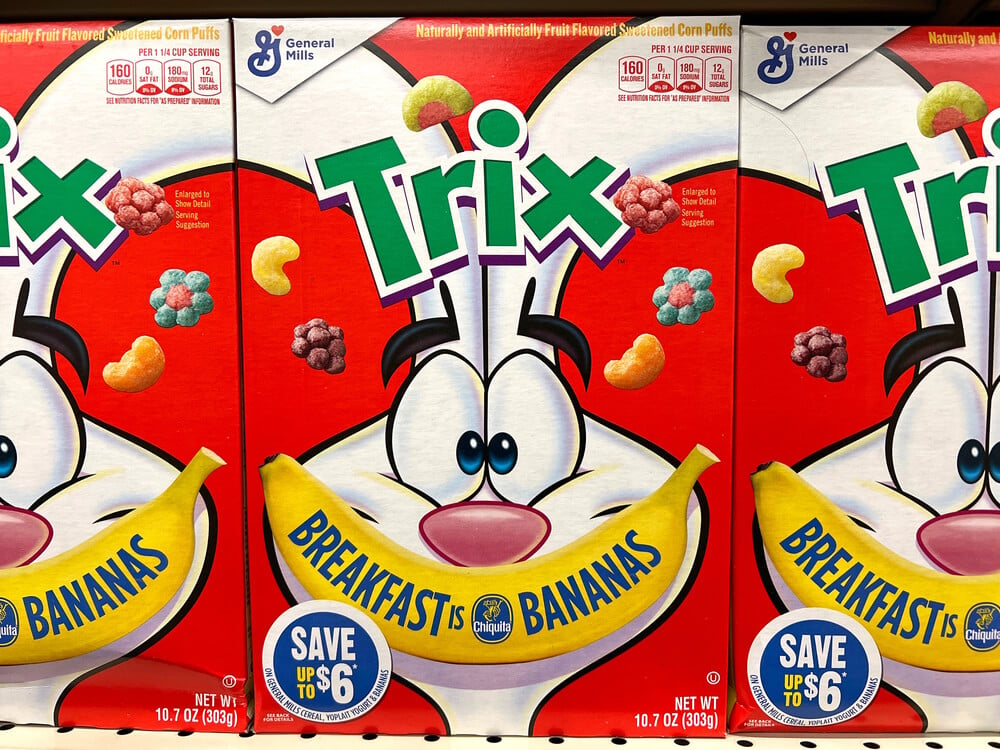
A cartoon rabbit’s repeated failed attempts to get a bowl of the cereal, followed by the same rebuke from a group of children, formed the entire structure of the campaign beginning in the 1960s and continued in some form for decades.
Coca-Cola’s “I’d Like to Buy the World a Coke”
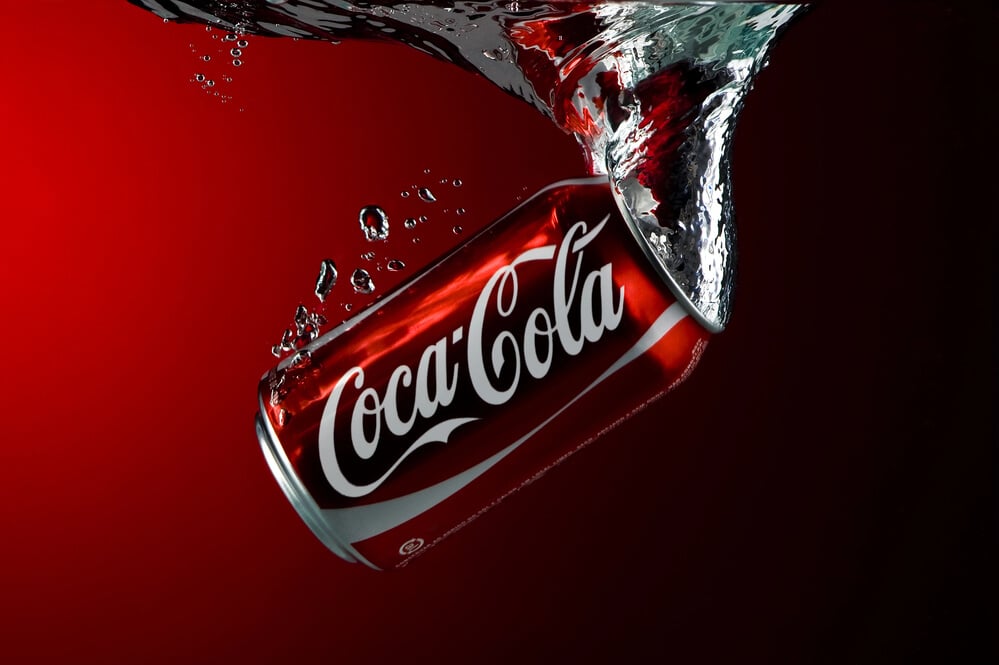
A hilltop full of young people from different countries singing together became one of the most beloved commercials of the 1970s, eventually reworked into a full song that charted separately from the advertisement itself.
Kit Kat’s “Give Me a Break”
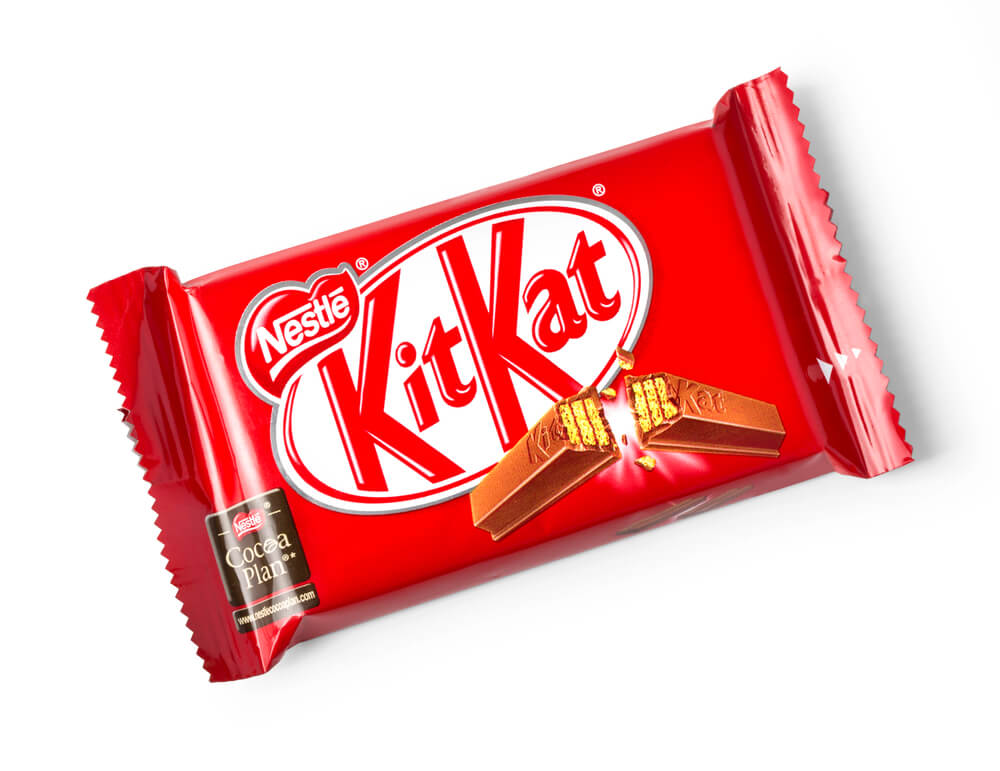
The jingle paired with the sound of the chocolate bar snapping in half became instantly recognizable after its debut in the 1980s, with the snapping sound alone enough to trigger recognition of the brand.
Skittles’ “Taste the Rainbow”
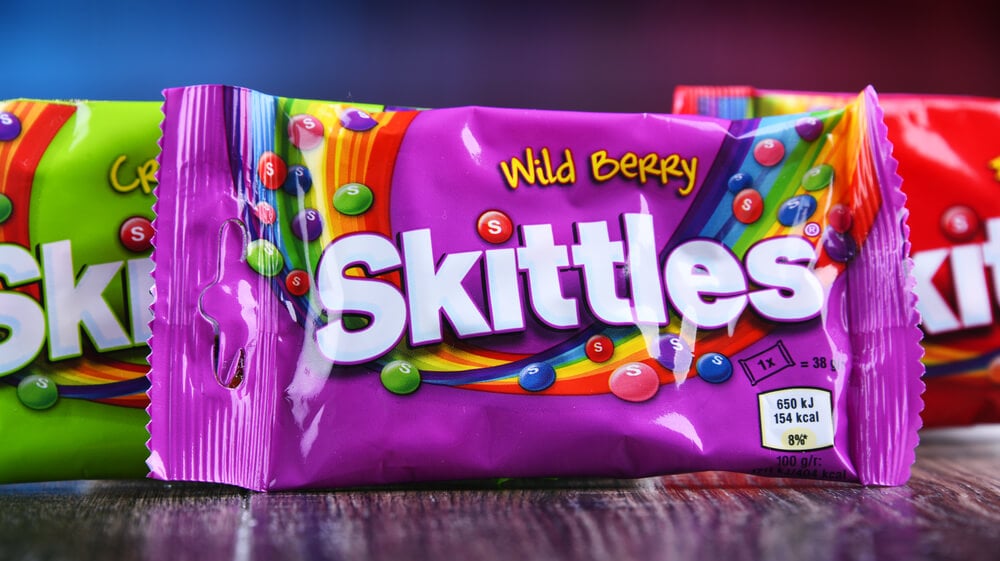
Surreal, often unsettling short films replaced the traditional jingle format beginning in the 1990s, building a reputation for commercials strange enough that people discussed them independently of the candy they were selling.
Verizon’s “Can You Hear Me Now?”
A technician wandering through increasingly remote locations asking the same question became the face of the company’s network coverage campaign beginning in 2002, running for so many years that the actor became instantly recognizable outside the advertisements as well.
Old Spice’s “The Man Your Man Could Smell Like”
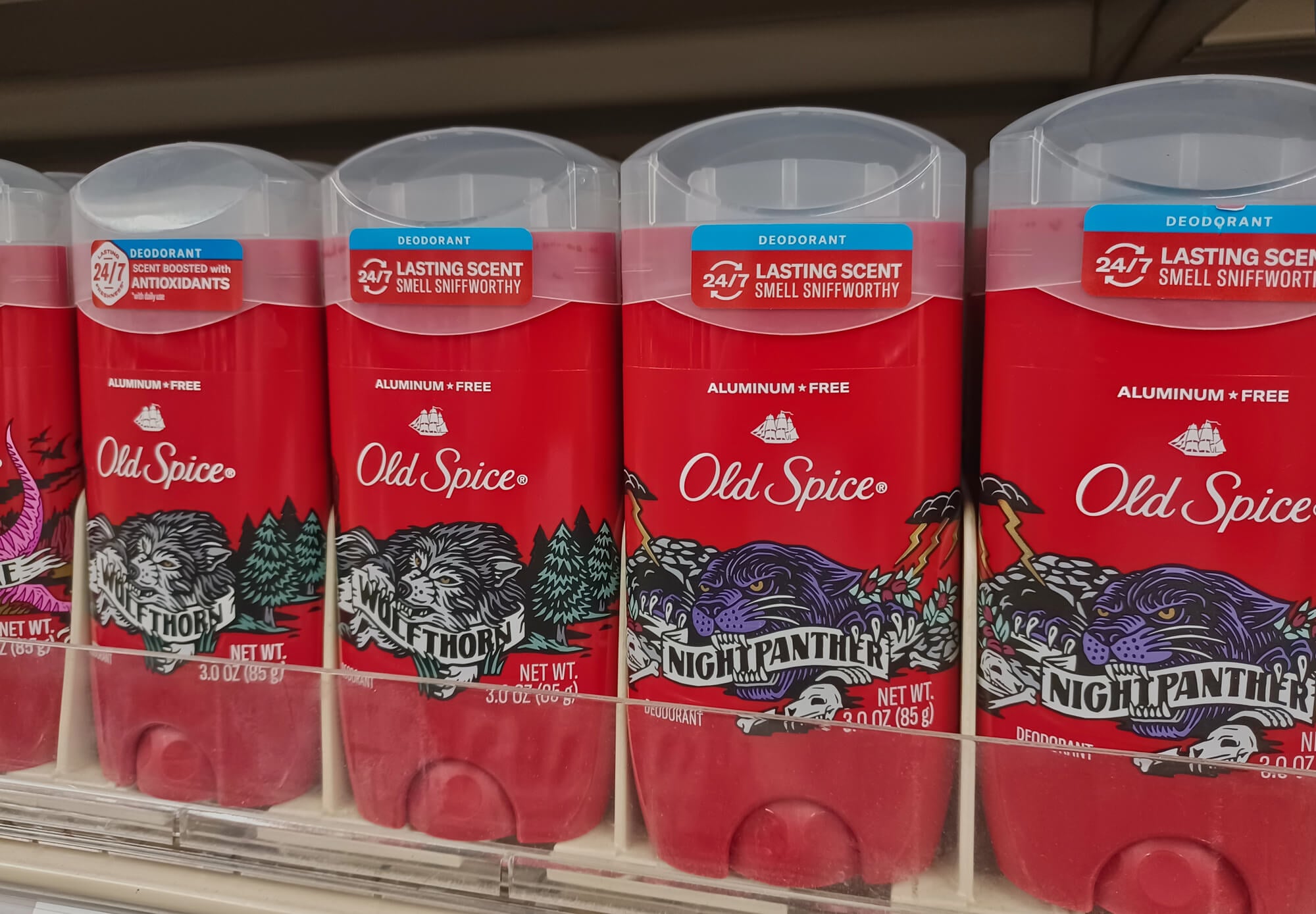
A shirtless actor delivering a rapid, surreal monologue directly to camera reinvigorated the brand’s image overnight after the campaign launched in 2010, with the ad’s structure and delivery becoming a template that other companies tried to imitate for years afterward.
Head-On’s “Apply Directly to the Forehead”

A low-budget commercial repeating its instructions three times in a row became one of the most mocked and imitated advertisements of the 2000s, memorable specifically for how little it actually explained about the product.
Toys “R” Us Jingle
The “I don’t want to grow up” jingle ran for decades beginning in the 1980s, becoming so tied to childhood identity that its retirement alongside the chain’s closure prompted genuine nostalgia from people who had not shopped there in years.
Meow Mix Jingle
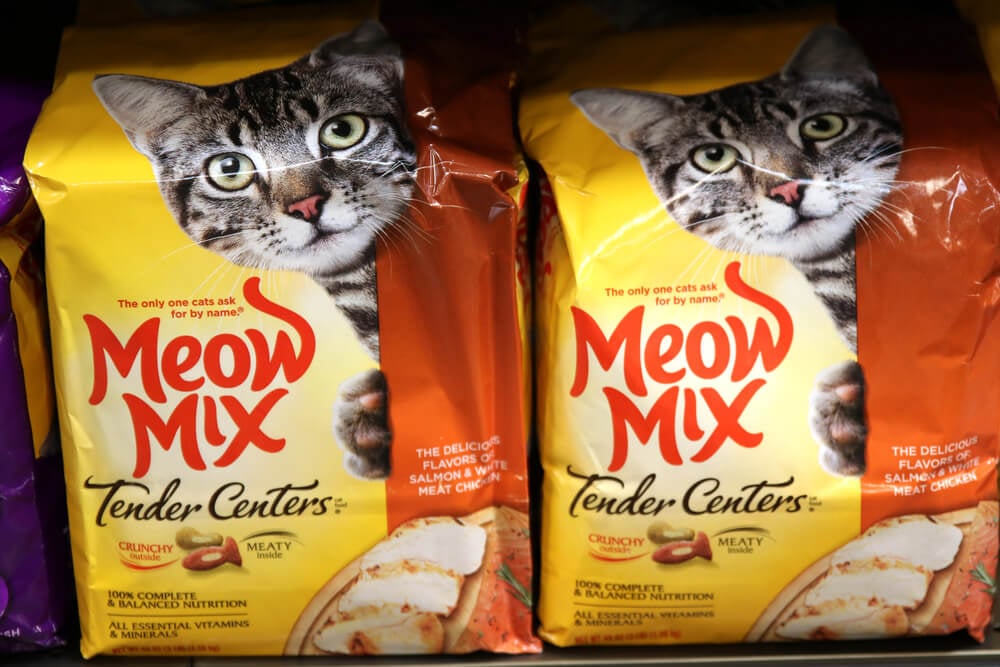
A commercial built entirely around a cat meowing the words to a simple tune debuted in the 1970s and remained in rotation in various forms for decades, a rare example of an advertisement with almost no spoken dialogue becoming instantly recognizable anyway.
Micro Machines’ Fast-Talking Announcer
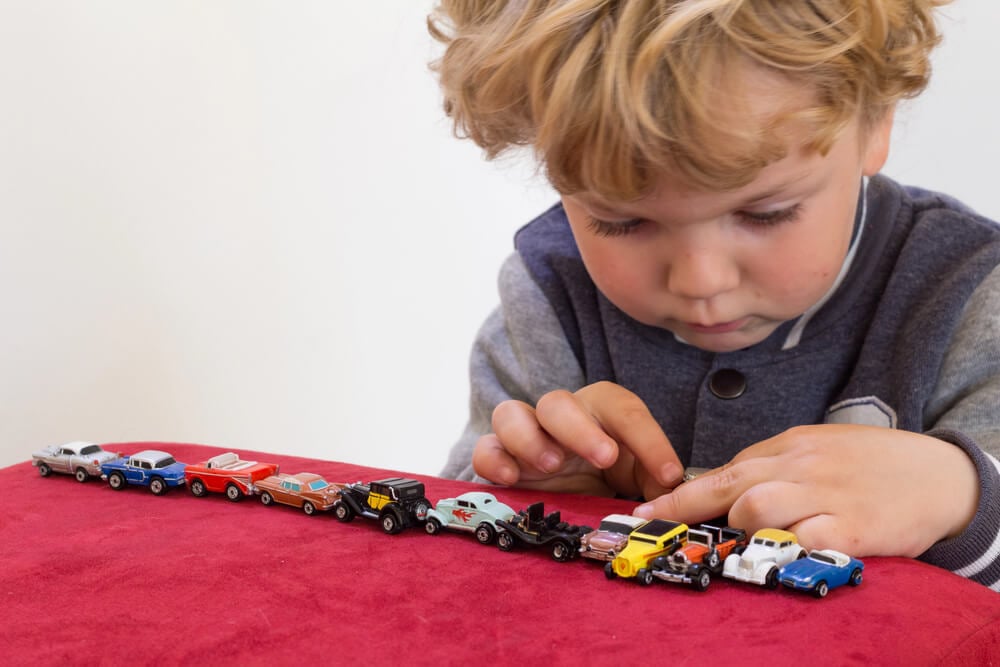
An announcer named John Moschitta Jr. built an entire advertising identity around speaking as quickly as humanly possible to list a toy line’s features, a gimmick so distinctive throughout the 1980s that his delivery style became its own reference point.
Budweiser’s Frogs
Three animated frogs croaking out the syllables of the brand name across a swamp became one of the most talked-about campaigns of the late 1990s, spawning follow-up commercials featuring lizards competing for the frogs’ spotlight.
Nestea Plunge
A person falling backward into a pool the instant they took a sip of iced tea became a recurring visual gag throughout the 1980s and 1990s, repeated so often across different settings that the fall itself became the punchline audiences expected.
Levi’s 501 Blues
A series of commercials set to blues music followed characters getting into and out of their jeans in unusual situations throughout the late 1980s, memorable enough that the soundtrack became as recognizable as the product being sold.
Charmin’s “Please Don’t Squeeze the Charmin”
A grocery store manager named Mr. Whipple spent decades beginning in 1964 begging customers not to squeeze the toilet paper, only to be caught doing it himself in nearly every commercial, a running joke that carried the campaign for over twenty years.
Sprite’s “Obey Your Thirst”
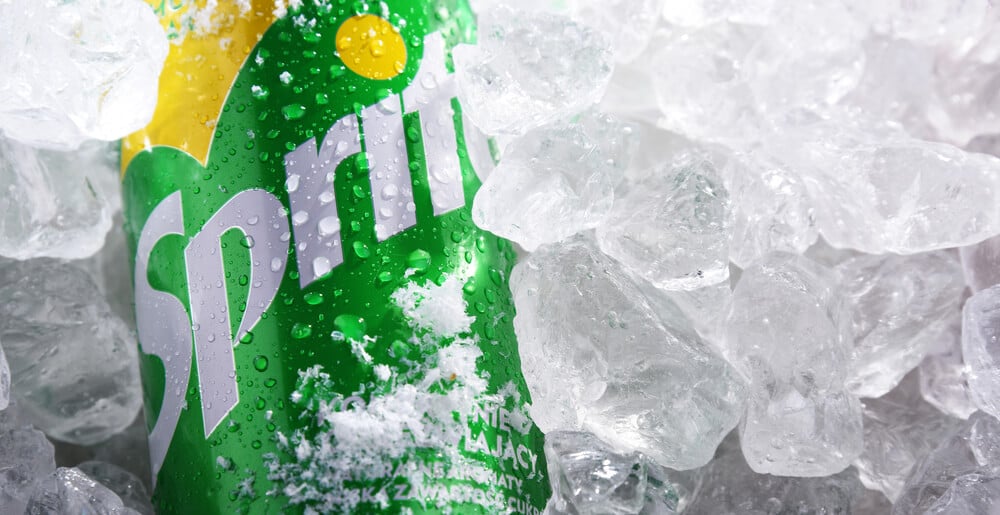
A tagline built around defying the more polished, aspirational advertising of its competitors ran throughout the 1990s, positioning the brand around a blunt, no-nonsense attitude that stood out from typical soft drink marketing of the era.
Micro-fresh Downy Bear
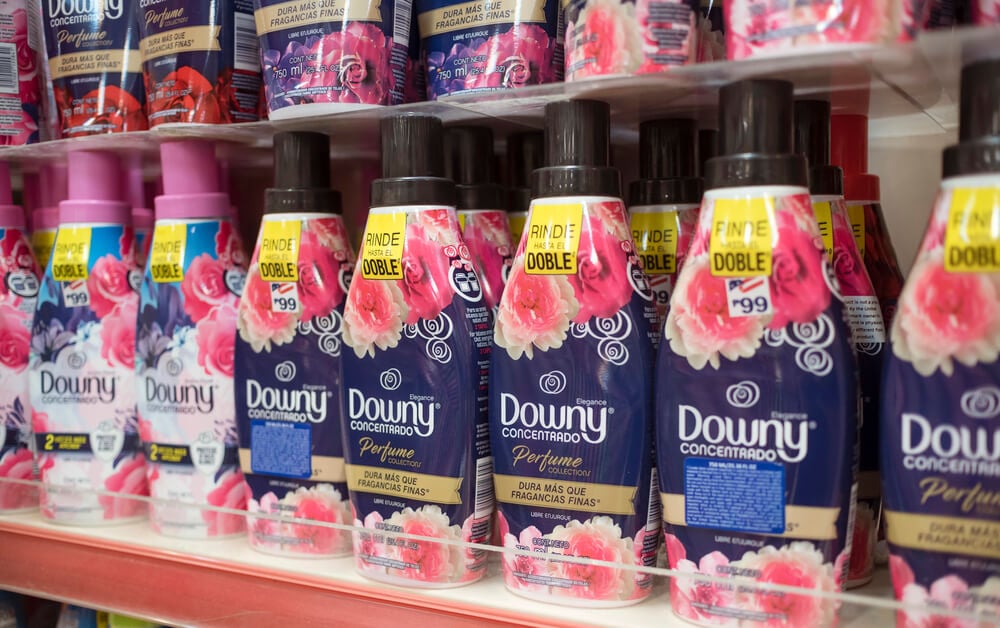
A soft-spoken teddy bear became the visual identity of a fabric softener brand beginning in the late 1980s, appearing in commercials so consistently gentle in tone that the mascot outlasted several rounds of packaging redesigns.
The Jingle That Would Not Leave
None of these commercials were built to last. They were made to sell a product for a single fiscal quarter, air a few hundred times, and disappear once the next campaign was ready. Instead, a strange handful of them got stuck permanently in the part of the brain reserved for songs learned in childhood.
That staying power says less about the products than about repetition itself, since a few seconds of sound and image, hammered into a household often enough, apparently never fully leaves. Decades later, the products may be reformulated or discontinued entirely, but the jingle is still sitting there, fully intact, waiting for the right cue to surface.
More from Go2Tutors!

- The Romanov Crown Jewels and Their Tragic Fate
- 13 Historical Mysteries That Science Still Can’t Solve
- Famous Hoaxes That Fooled the World for Years
- 15 Child Stars with Tragic Adult Lives
- 16 Famous Jewelry Pieces in History
Like Go2Tutors’s content? Follow us on MSN.