27 TV Shows From the ’70s Networks Would Not Air Today
Network television in the 1970s tackled subjects that had barely appeared on screen before, often through comedy, and did so with a bluntness that modern standards departments would flag before a single episode aired. Some of these shows were groundbreaking specifically because of how far they pushed; others simply reflected attitudes that have not aged well.
Either way, the following list represents shows that defined the decade and would face serious rewrites, content warnings, or outright rejection if pitched to a network today.
All in the Family
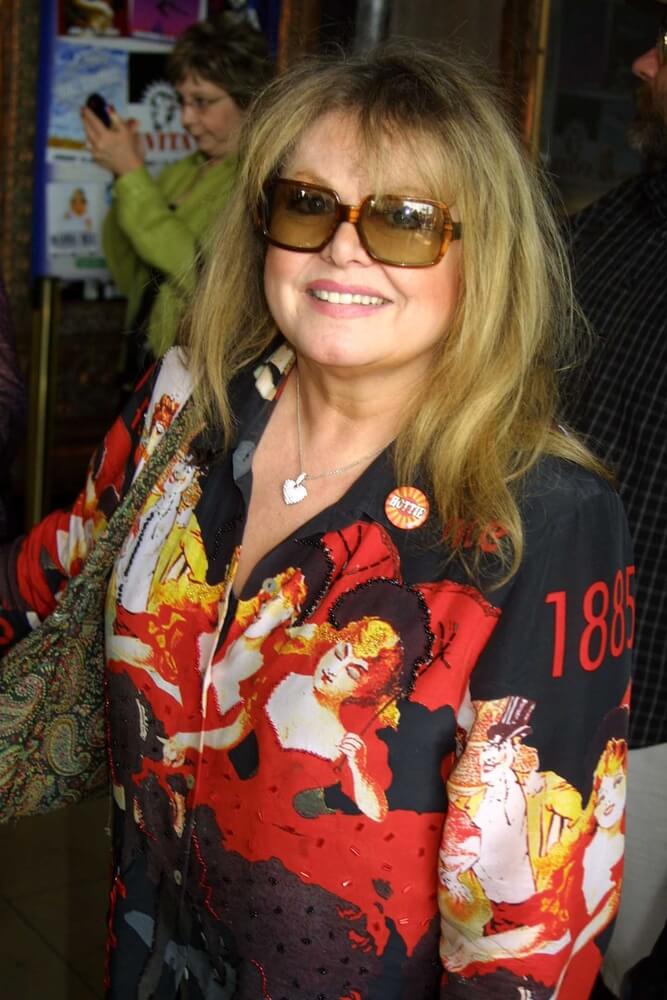
Built entirely around a bigoted, loudmouthed working-class father who argued constantly with his liberal son-in-law, the show used Archie Bunker’s ignorance as the punchline in nearly every episode. Its willingness to let prejudiced dialogue play out at length for comedic and dramatic effect would draw immediate pushback from a modern network’s standards team.
Sanford and Son
A junk dealer and his adult son traded insults across generational and cultural lines in a format that leaned heavily on ethnic humor and era-specific slurs used casually by the lead character. The show’s frank treatment of race, often played for laughs rather than commentary, marks it as a clear product of its specific decade.
Good Times

One of the first sitcoms centered on a Black family living in public housing, the show tackled poverty, gang violence, and systemic racism directly, sometimes within a half-hour comedy format that modern producers would likely split into separate dramatic and comedic properties entirely.
The Jeffersons

A spinoff of All in the Family, the show followed a wealthy Black couple navigating a mostly white apartment building, using racial tension as a recurring comedic device delivered through blunt, era-specific dialogue that a modern writers’ room would almost certainly soften.
Maude

Famous for a two-part 1972 episode in which the middle-aged title character chooses to have an abortion, Maude tackled the topic directly and without the extensive hedging modern network dramas typically apply to the subject, generating enough controversy that some affiliate stations refused to air it.
Three’s Company

Built around a man pretending to be gay so his landlord would allow him to live with two female roommates, the entire premise relied on a running joke treating a character’s orientation as a punchline, something a modern sitcom would almost certainly avoid structuring an entire series around.
Chico and the Man

A sitcom pairing an aging, prejudiced garage owner with a young Mexican-American mechanic, the show built much of its humor around ethnic stereotypes and ongoing tension over immigration status, delivered with a bluntness that would require significant rewriting for a modern audience.
Soap

A prime-time soap opera parody that dealt openly with infidelity, a recurring storyline about demonic possession, and one of television’s first ongoing gay characters, Soap drew organized protest campaigns before it even aired its first episode in 1977.
Charlie’s Angels

Three women working as private detectives for an unseen boss spent much of each episode in outfits and undercover scenarios built explicitly around their physical appearance, a framing device that modern networks have largely moved away from in prime-time action programming.
Welcome Back Kotter

Set in a Brooklyn high school remedial class, the show built comedy around a group of underachieving students using ethnic and regional stereotypes as shorthand characterization, an approach modern network comedy tends to handle with considerably more care.
Diff’rent Strokes

Following two Black boys adopted by a wealthy white businessman after their mother’s death, the show repeatedly used the culture clash between the boys and their new environment as its central comedic engine, occasionally in ways a modern network would consider tone-deaf.
Fantasy Island

Guests visited an island resort where a mysterious host granted their deepest wishes, frequently involving storylines about visitors seeking romantic conquests or reliving regrets, structured around fantasy scenarios that modern network standards would likely require significant reworking to air.
The Love Boat

An anthology series set aboard a cruise ship, each episode followed several short romantic storylines among passengers and crew, often built around casual attitudes toward relationships and workplace dynamics between crew members and guests that modern network policy would flag immediately.
Barney Miller
A police procedural set in a single New York precinct, the show’s humor frequently came from officers’ blunt, era-specific commentary about the various people brought through the station, delivered with a casualness a modern network would likely tone down considerably.
MAS*H

Set during the Korean War but produced during Vietnam, the show mixed dark battlefield comedy with open commentary about military bureaucracy, occasionally including jokes and storylines about gender roles among the medical staff that read very differently through a modern lens.
Hee Haw

A country-music variety show built around cornpone humor and a recurring cast of scantily dressed women in a cornfield set piece, Hee Haw’s visual comedy relied heavily on broad stereotypes about rural life that a modern network would almost certainly retool.
Land of the Lost
A Saturday morning series about a family trapped in a prehistoric dimension, the show included storylines and dialogue about a primitive humanoid species that leaned on outdated ideas about evolution and civilization that a modern children’s network would rewrite substantially.
Wonder Woman
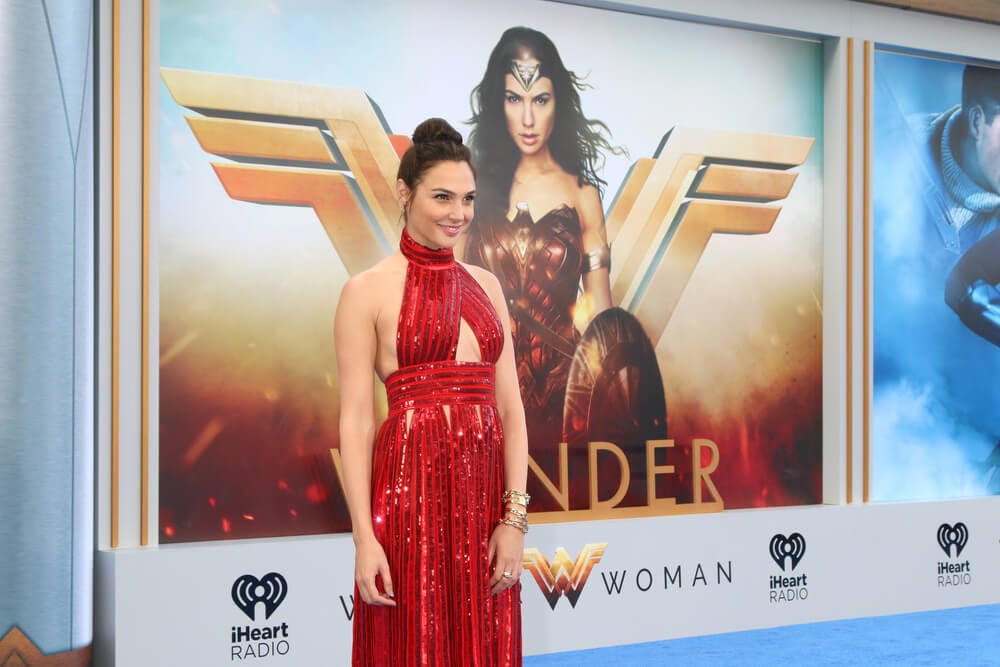
Lynda Carter’s take on the superhero leaned heavily into costume-focused camera framing during action sequences, a visual approach modern superhero television has largely moved away from in favor of less overtly appearance-focused staging.
The Six Million Dollar Man
A government agent rebuilt with bionic parts after a near-fatal accident, the show occasionally handled Cold War-era storylines with a jingoism that modern network dramas tend to present with considerably more nuance and self-awareness.
Kung Fu

Featuring a white lead actor playing a half-Chinese Shaolin monk wandering the American West, the show’s central casting decision would almost certainly be rejected outright by a modern network in favor of an actor of the appropriate background.
The Incredible Hulk
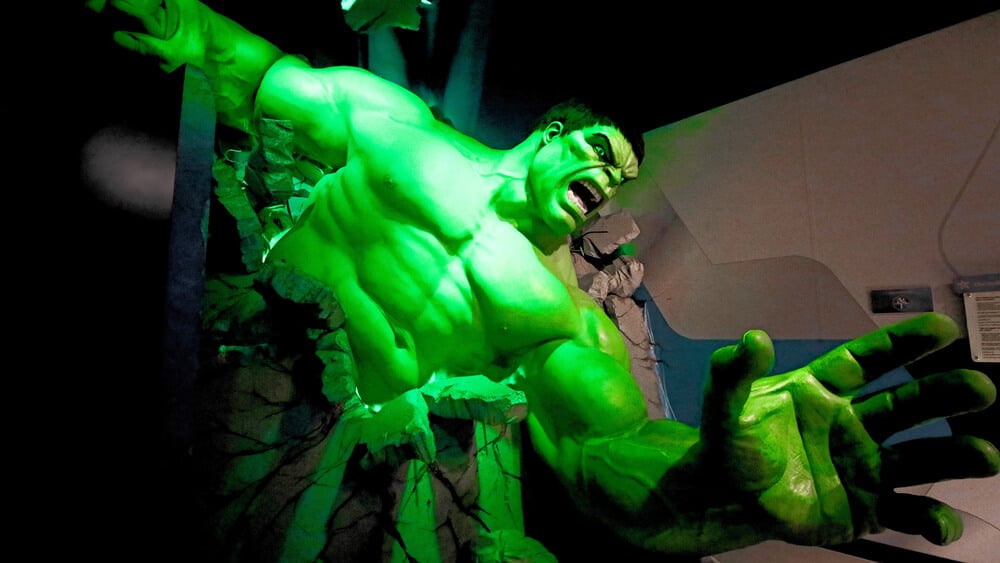
Episodes frequently ended with the Hulk causing significant destruction with little acknowledgment of consequences or accountability for bystanders, a structural pattern modern superhero television generally handles with more attention to collateral impact.
Vega$
A private investigator series set in Las Vegas, the show’s storylines regularly used the city’s casino and entertainment industry as a backdrop for plots built around gambling debts and nightlife culture presented uncritically in ways modern network drama would likely contextualize differently.
CHiPs
A California Highway Patrol drama known for elaborate car chases and crash sequences performed with minimal safety messaging attached, a combination modern broadcast standards would require significant disclaimers or restructuring to air as originally produced.
Police Woman

One of the first shows built around a female lead police detective, the character was nonetheless regularly sent undercover into scenarios built around her physical appearance, a framing device modern procedural dramas have largely retired.
Baretta
A gritty police drama whose title character used morally ambiguous, sometimes outright illegal methods to solve cases without meaningful consequence, an approach to policing modern network standards would almost certainly require reworking before air.
WKRP in Cincinnati
Set at a struggling radio station, the show built entire storylines around an ad-selling salesman’s casual disregard for accuracy and a running joke involving a Thanksgiving promotional stunt gone catastrophically wrong, humor a modern network would likely soften considerably.
The Dukes of Hazzard

Centered on two cousins evading a corrupt local sheriff in the rural South, the show prominently featured Confederate imagery on its signature car, a detail that alone would prevent a modern network from airing the series without substantial changes.
Television as a Time Capsule
None of these shows were made maliciously; most were considered progressive or at least commercially safe by the standards of their decade. Comedy in particular tends to reveal a culture’s blind spots more clearly than drama does, since jokes require a shared assumption about what an audience will find funny rather than uncomfortable.
Watching them now works less like entertainment and more like an archaeological dig, a way of measuring exactly how far certain assumptions have shifted in fifty years, and how many of them a network executive today would flag before the first commercial break.
More from Go2Tutors!

- The Romanov Crown Jewels and Their Tragic Fate
- 13 Historical Mysteries That Science Still Can’t Solve
- Famous Hoaxes That Fooled the World for Years
- 15 Child Stars with Tragic Adult Lives
- 16 Famous Jewelry Pieces in History
Like Go2Tutors’s content? Follow us on MSN.