28 ’90s Toys That Sold Out at Christmas
Every December in the 1990s seemed to produce one toy that parents chased from store to store. Morning news shows tracked the shortages, and newspapers printed tips on which warehouse trucks arrived on which days.
Some of these toys earned their frenzy, and some were ordinary products that happened to catch a wave. Either way, the stories about finding one lasted longer than the toys usually did.
Tickle Me Elmo and the 1996 Stampede
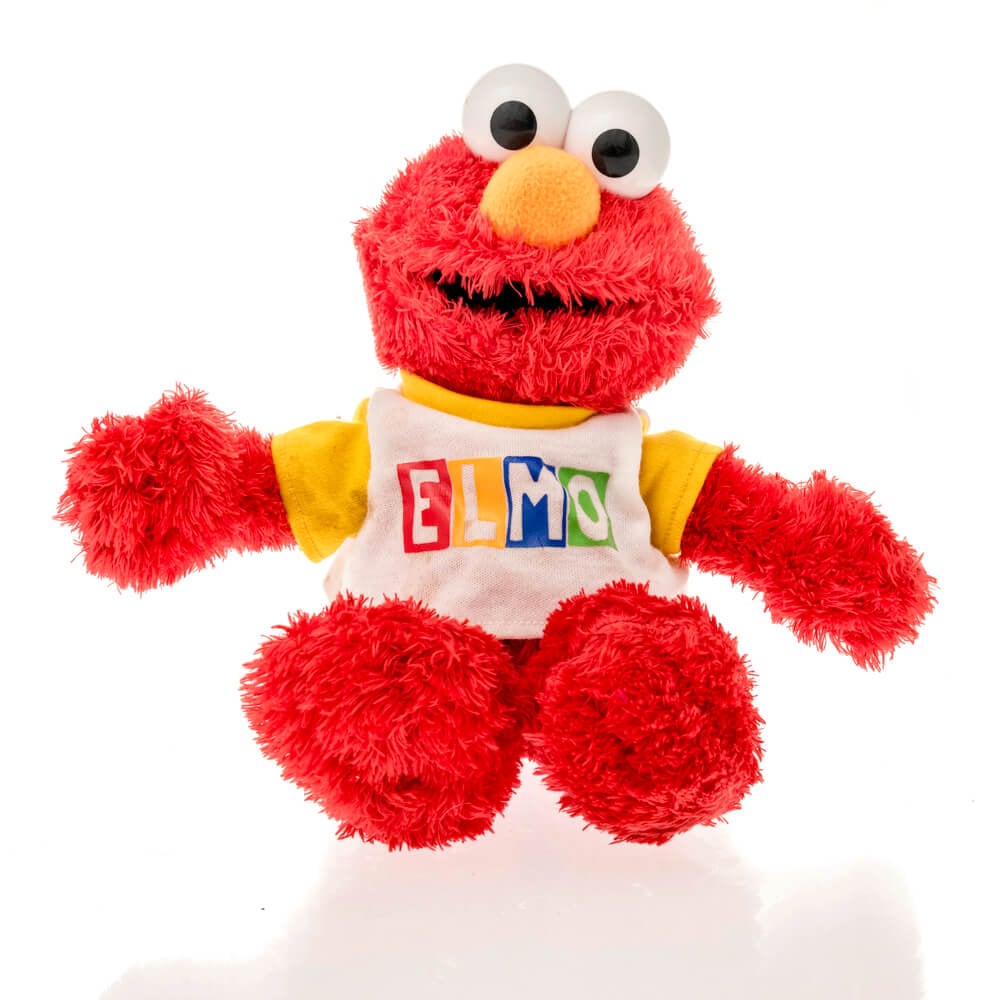
Tyco Preschool released Tickle Me Elmo in 1996, a plush Sesame Street character that giggled and shook when squeezed. Demand exploded after Rosie O’Donnell promoted it on her talk show, and roughly a million units sold that season.
Shoppers lined up before dawn, and a store clerk in Canada was hurt when a crowd rushed a delivery. Resale prices climbed to many times the retail cost.
The doll became the reference point for every holiday toy panic that followed, and news stories still compare new shortages to the Elmo year.
Furby and Its Invented Language
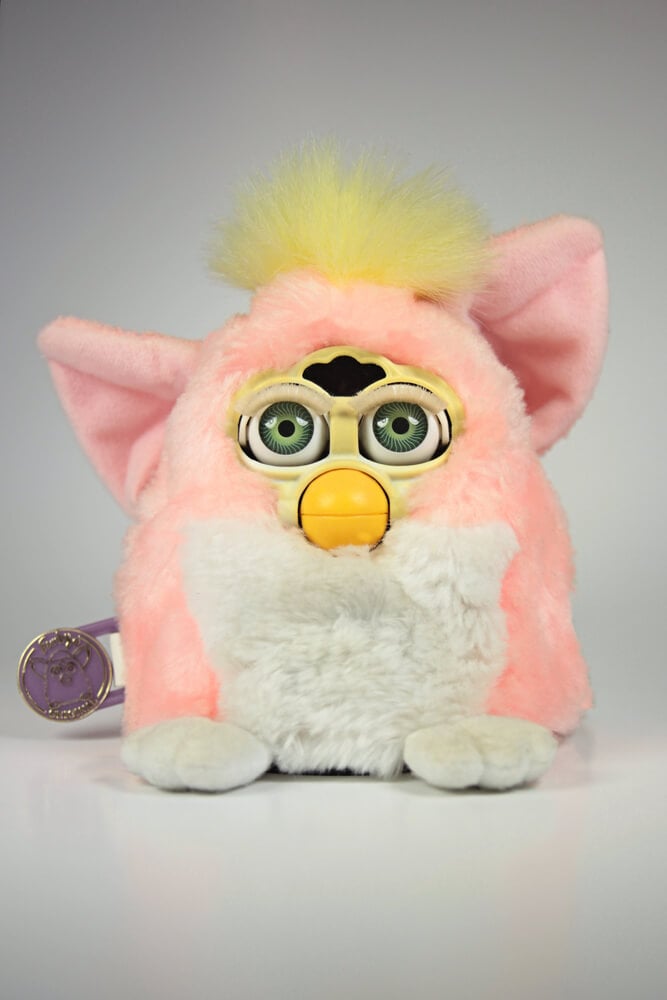
Tiger Electronics introduced Furby in 1998, an owl-like robot with moving eyes and ears that spoke its own language called Furbish. As owners played with it, the toy gradually used more English words, which made it seem to be learning.
About 1.8 million sold in the first holiday season at a retail price near 35 dollars. Rumors that Furby could record conversations spread widely enough that some government offices barred it, even though it had no recording ability.
Its habit of waking up and chattering at night became a family story in many homes.
Beanie Babies and the Princess Bear
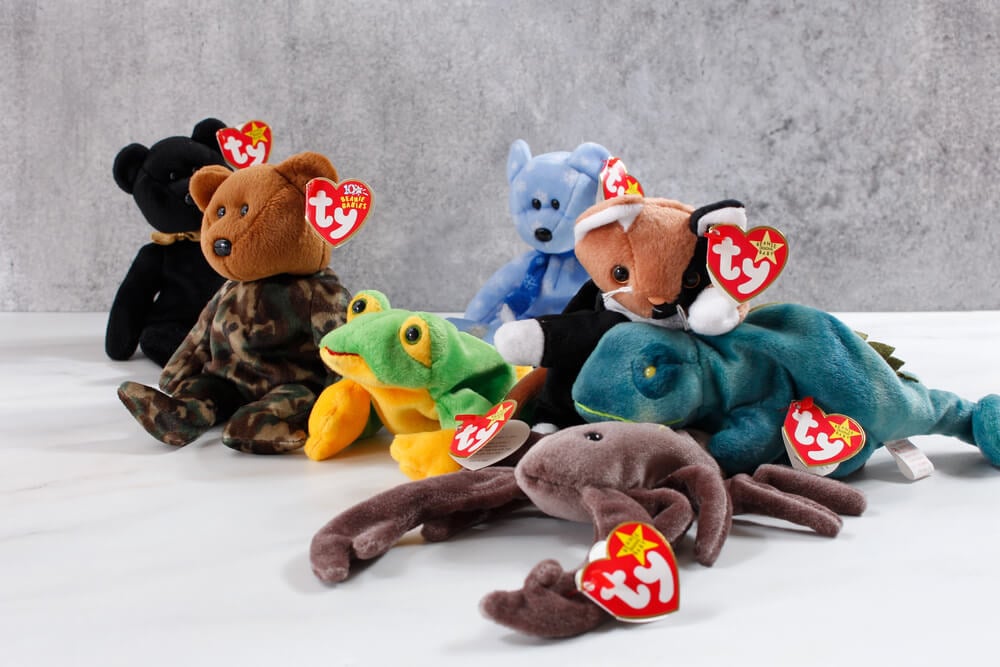
Ty Warner’s Beanie Babies were small plush animals filled with plastic pellets and sold cheaply at gift shops. The company retired designs without warning, which turned casual buyers into collectors who checked the heart-shaped tags for errors.
In 1997, Ty released Princess, a purple bear honoring Diana, Princess of Wales, and it became one of the most sought-after designs of the decade. A McDonald’s Happy Meal promotion of miniature Teenie Beanies that year reportedly ran through its supply in days.
Adults hunted them as eagerly as the children did.
Mighty Morphin Power Rangers Figures
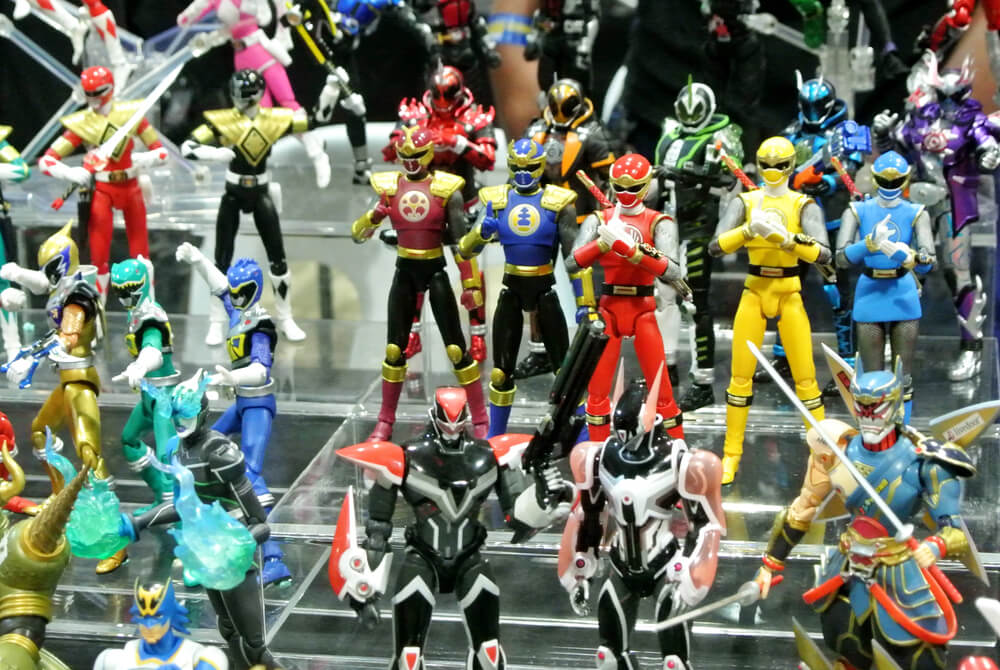
The Mighty Morphin Power Rangers premiered on Fox Kids in August 1993, and Bandai’s action figures vanished from stores by that December. The show adapted fight footage from a Japanese series and paired it with American teenage actors.
Retailers had not predicted how quickly the series would catch on, so the Red Ranger and the combining Megazord were almost impossible to find. Parents wrote to newspapers asking where to look.
The shortage carried into the following year as the show kept climbing in the ratings.
Buzz Lightyear After the First Toy Story
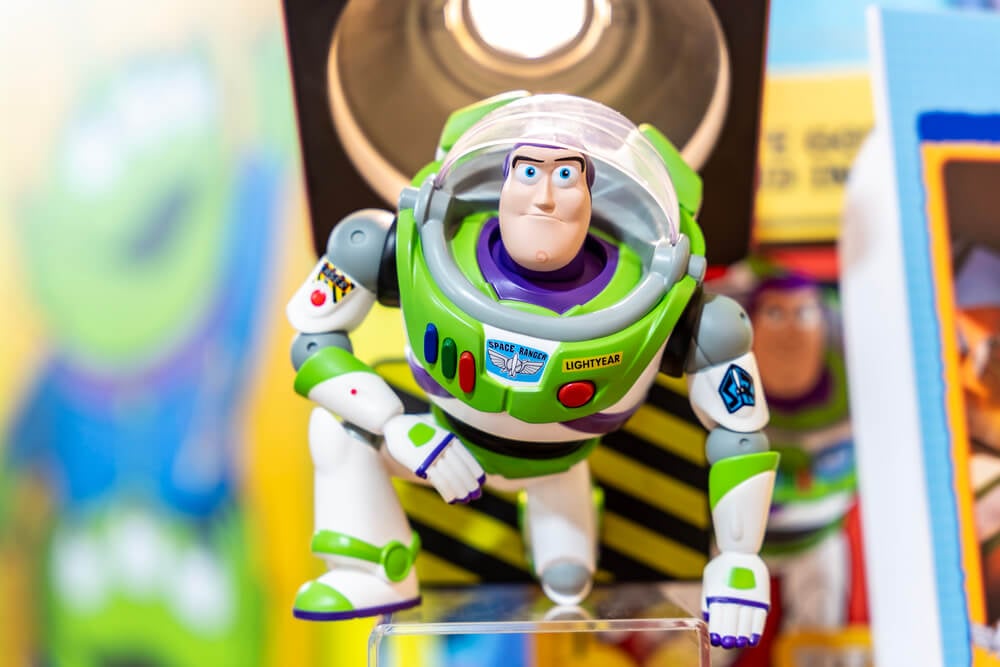
Toy Story opened in November 1995, and stores had badly underestimated how many children would want a Buzz Lightyear figure. Thinkway Toys made the talking version with karate-chop action and pop-out wings, but supplies ran out almost immediately.
Many parents gave a picture of the toy or an IOU on Christmas morning. The same scramble repeated in 1999 when Toy Story 2 arrived and Buzz and Woody sold out again.
The irony of a film about toys driving real toy shortages was not lost on reporters covering the rush.
Nintendo 64 and Its Three-Pronged Controller
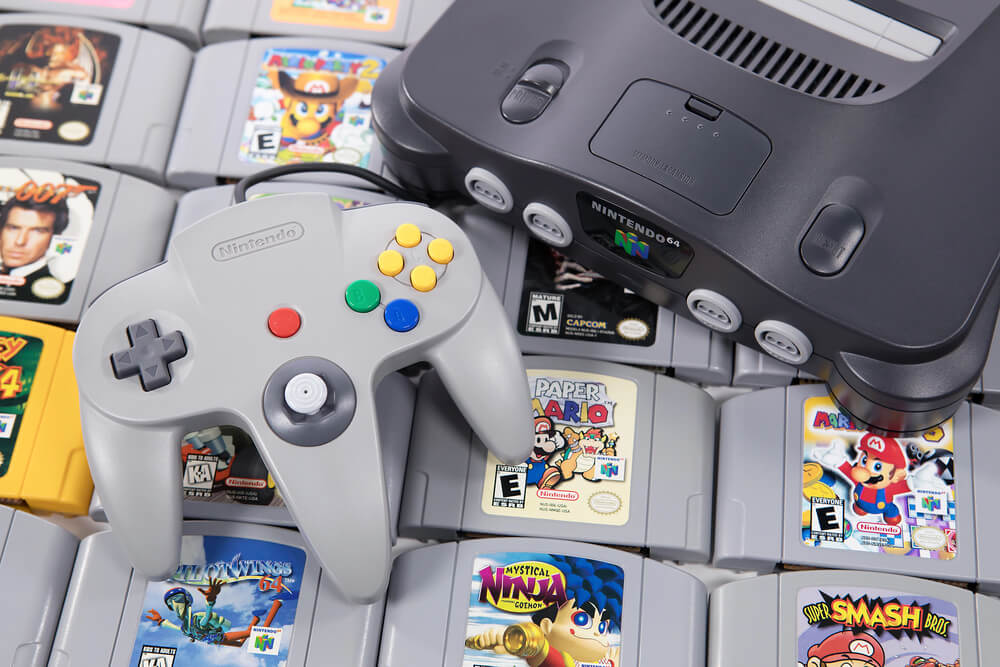
Nintendo launched the Nintendo 64 in North America in September 1996 at about 200 dollars. Super Mario 64 came out alongside it and showed what three-dimensional platform games could look like.
The controller had an unusual three-handled shape and an analog stick in the center. Stores struggled to keep the console stocked through that first holiday season.
Later games like GoldenEye 007 and Mario Kart 64 made it the machine for four-player afternoons, since the system came with four controller ports built in. Friends brought their own controllers to sleepovers.
Tamagotchi and the Digital Pet Craze
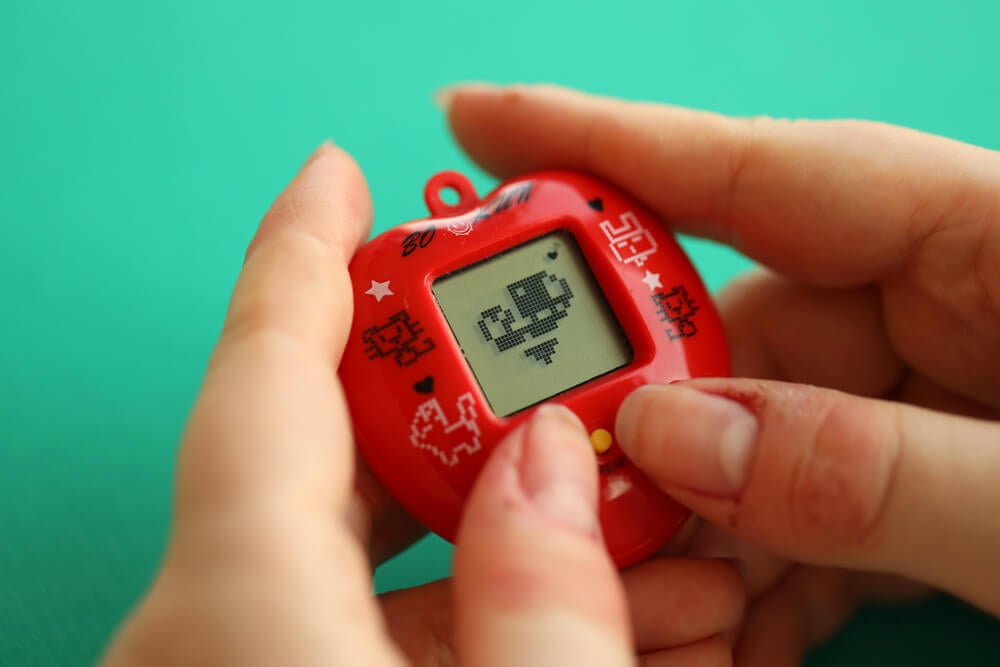
Bandai released the Tamagotchi in Japan in November 1996 and launched it in the United States in 1997. The small egg-shaped device held a pixel creature that needed feeding, cleaning, and attention, or it would die.
Children carried them everywhere, and many schools banned them because the beeping interrupted classes. Some parents ended up caring for the pets during the school day.
Knockoffs like Giga Pets and Nano Baby followed quickly, and the idea of a pocket pet became one of the defining fads of the late ’90s.
Talkboy From Home Alone 2
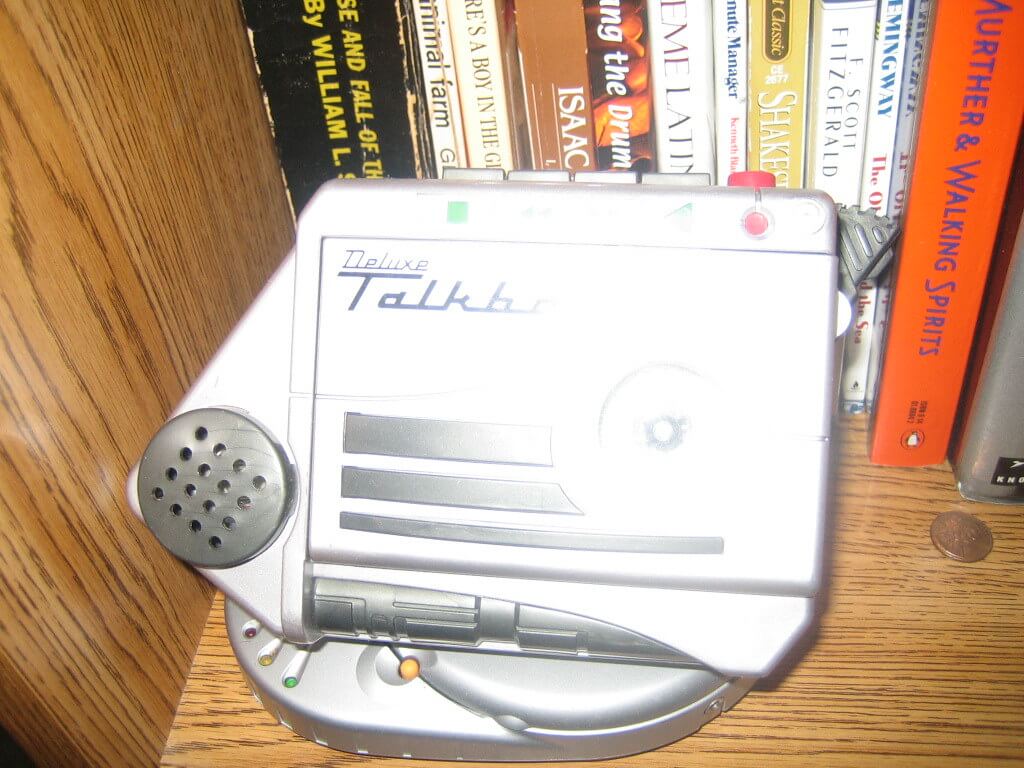
The Talkboy began as a movie prop. In Home Alone 2: Lost in New York, released in 1992, Kevin McCallister used a handheld cassette recorder to fool hotel staff with slowed-down voices.
Tiger Electronics had designed the prop and then put a real version on sale after fans kept asking for it. The recorder had a speed switch that made any voice sound deep or squeaky, which was the main appeal for most kids.
A pink Talkgirl version followed, and both were hard to find in the season after the film came out on home video.
Super Soaker and Its Pump Pressure
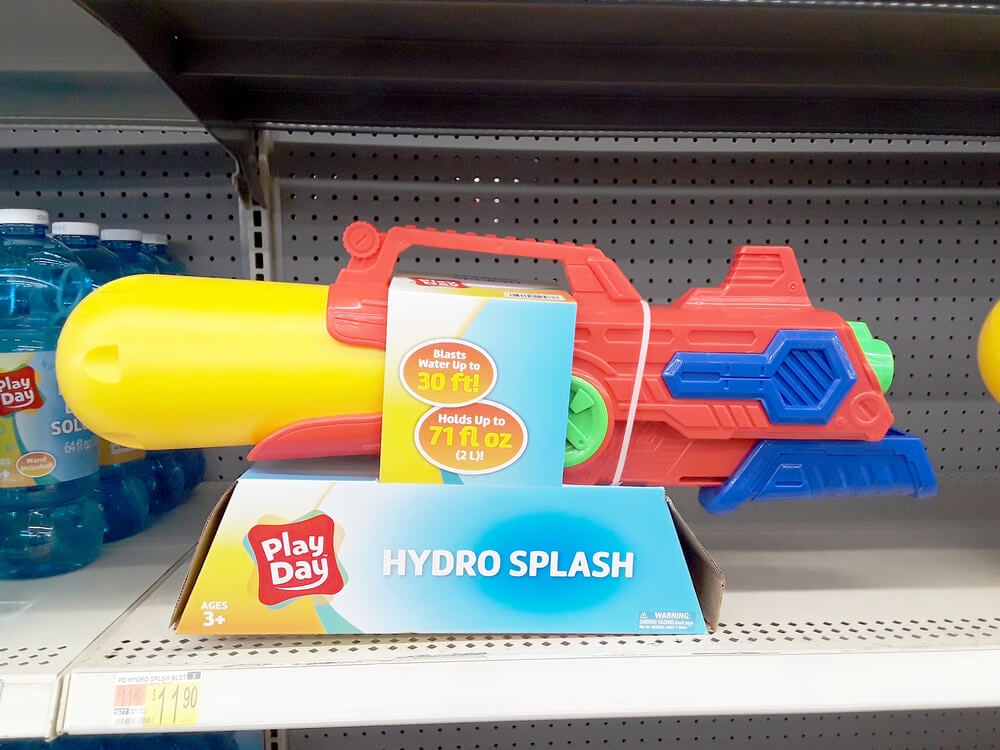
Lonnie Johnson, an engineer who worked on NASA projects, came up with the idea for a pressurized water gun while experimenting with a heat pump design in 1982. Larami released it in 1990 as the Power Drencher, then renamed it the Super Soaker the next year.
Pumping the handle built up air pressure, which let the stream reach much farther than a squirt gun. It sold in the millions and dominated summer backyards.
Christmas buyers wanted the bigger models with larger tanks, even though nobody could use them until the weather warmed.
Teenage Mutant Ninja Turtles Figures
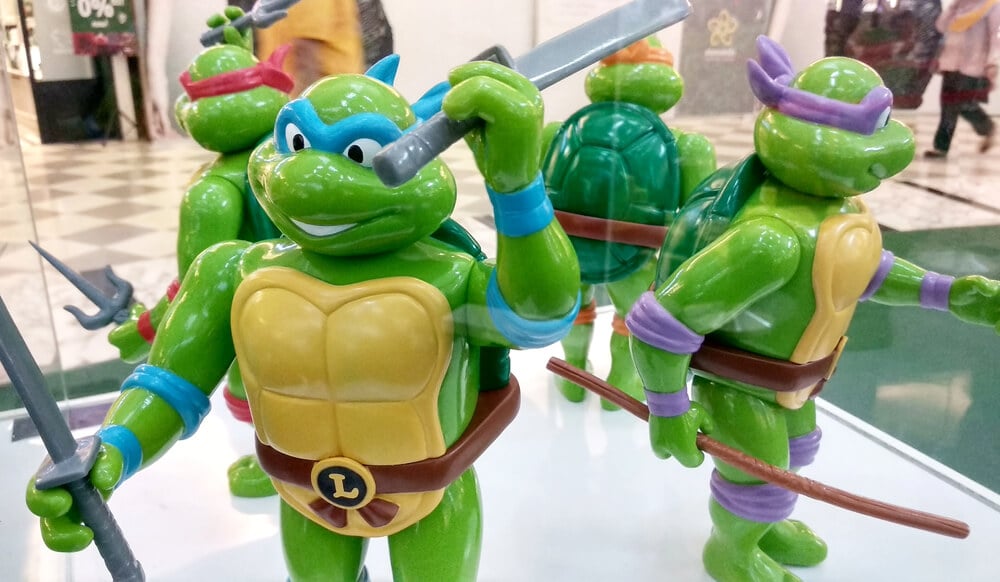
Playmates Toys launched Teenage Mutant Ninja Turtles figures in 1988 alongside the animated series. The line exploded after the live-action movie arrived in March 1990 and became one of the highest-grossing independent films of its time.
Each turtle came with its own weapon, and the villains and vehicles multiplied every year. The sewer-themed playsets, including the Technodrome, were constant holiday requests.
Collectors today track the many versions of each figure, since Playmates reissued the heroes in endless costumes, from cowboys to rock musicians. Loose figures missing their weapons are far more common than complete ones.
Actimates Barney and the Talking Television
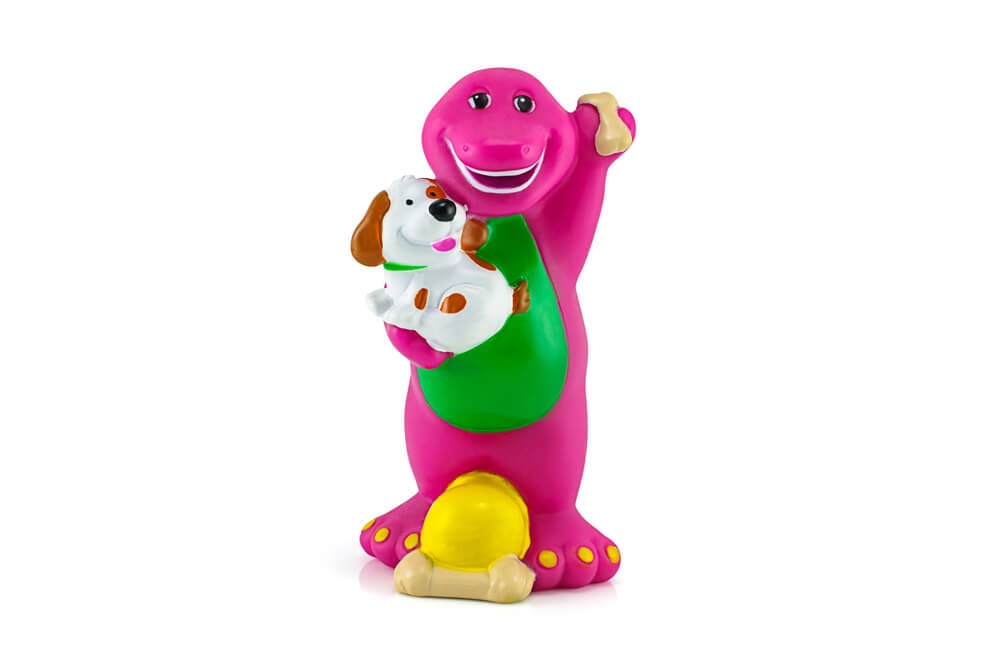
Microsoft released Actimates Barney in 1997, an interactive purple dinosaur that could talk, sing, and play games. With extra equipment, the plush responded to signals from special episodes of Barney and Friends and to a computer CD-ROM.
It sold for about 100 dollars, which made it one of the priciest plush toys on the market. Stores still ran short that holiday season.
For a software company, it was an early and unusual attempt to put a computer inside a stuffed animal meant for toddlers. Arthur and D.W. versions followed in 1998.
Pokemon Cards and the Schoolyard Trade
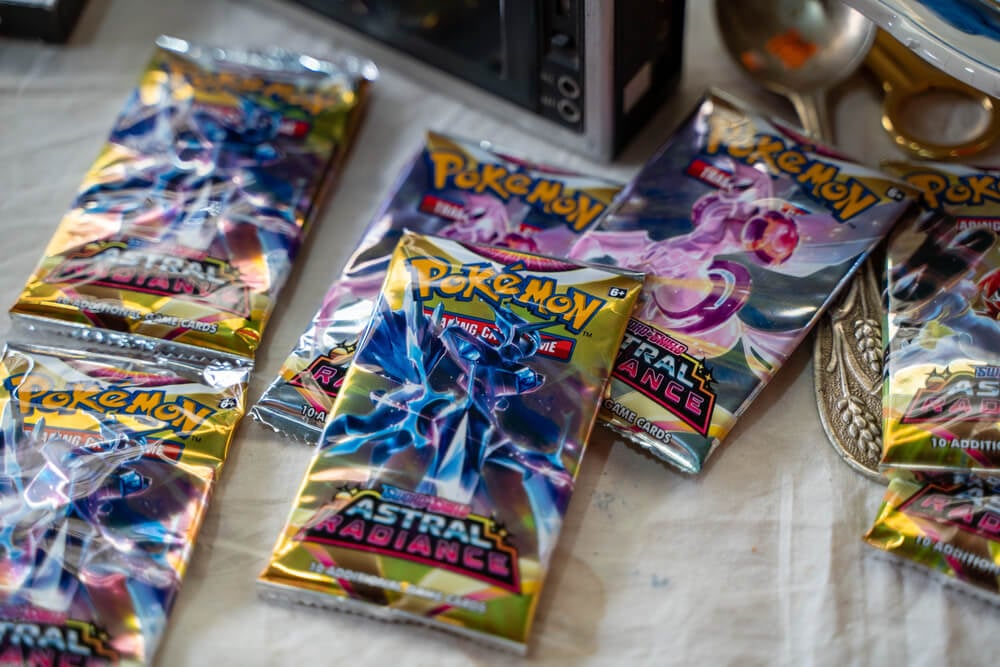
Wizards of the Coast released the Pokemon Trading Card Game in the United States in January 1999, and packs were scarce by the holidays. Children traded furiously, and the holographic Charizard card became the prize every kid wanted.
Many schools banned the cards because of arguments over unfair trades and because they distracted from lessons. Pokemon: The First Movie opened in November 1999 and handed out promotional cards at theaters, which drove even more demand.
Some of those early cards now sell for serious money depending on condition and printing.
Sky Dancers and Their Flying Wings
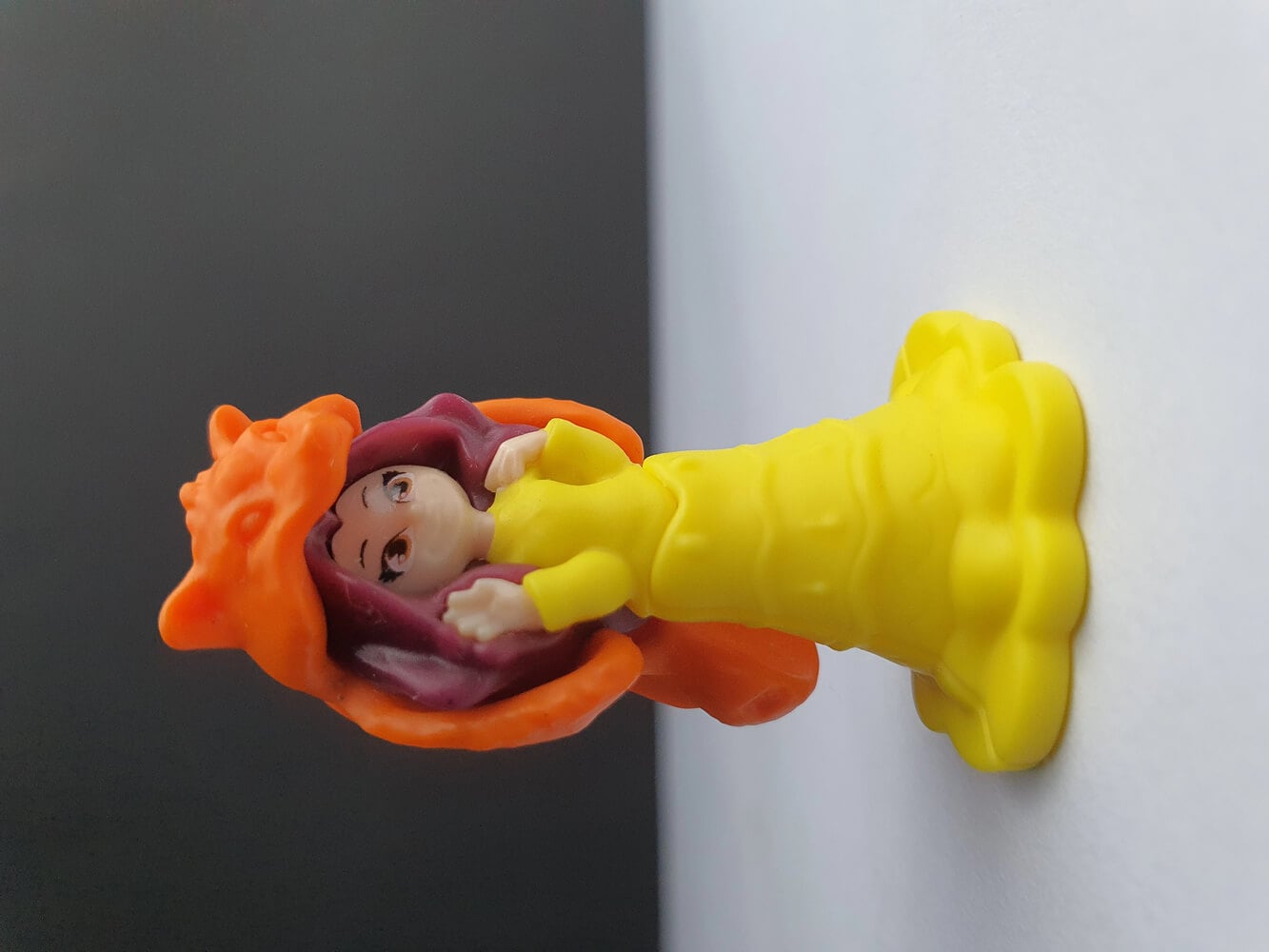
Galoob introduced Sky Dancers in 1994. Each doll had foam wings and sat on a launcher, and pulling a cord sent her spinning into the air.
The flight was hard to control, which made the toy exciting and occasionally dangerous. In 2000, Galoob and the Consumer Product Safety Commission recalled millions of them after reports of injuries to faces and eyes.
Before the recall, though, Sky Dancers were a popular holiday gift, and a short-lived animated series helped push sales in the mid-’90s. Older sisters and cousins remember the living room ceiling marks they left behind.
Super Nintendo and Super Mario World
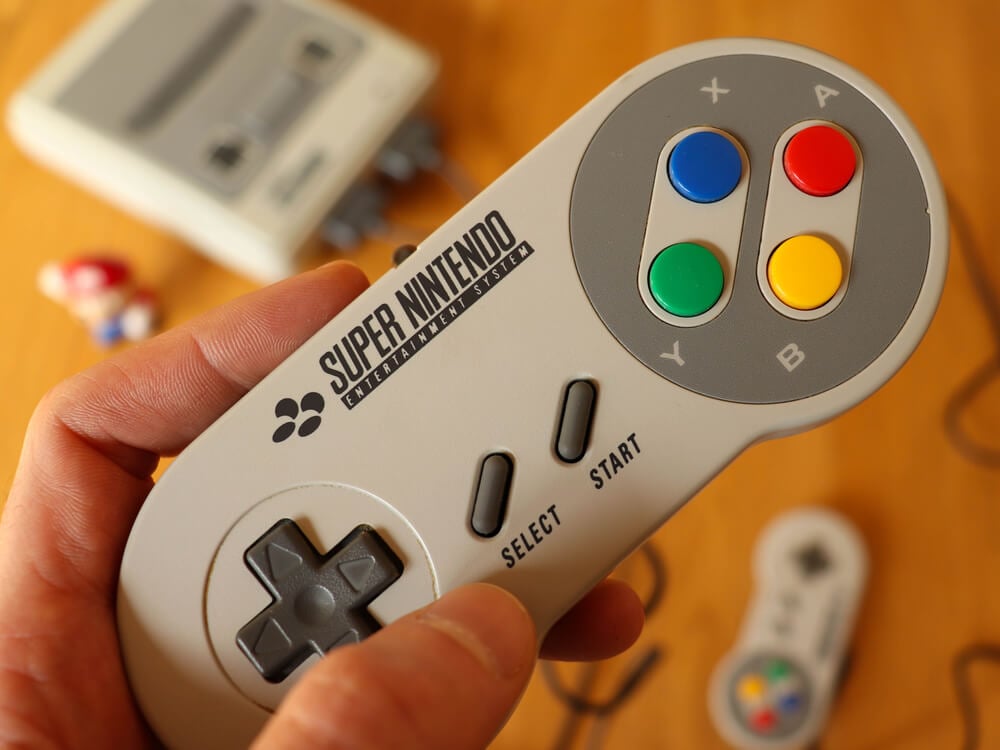
Nintendo brought the Super Nintendo Entertainment System to North America in August 1991, and it launched bundled with Super Mario World. The console offered richer colors and sound than the original Nintendo, and its games looked sharper on the family television.
Its rivalry with the Sega Genesis became one of the defining battles of the decade. Titles like The Legend of Zelda: A Link to the Past and Donkey Kong Country sold millions.
For several holiday seasons, the system was the gift older siblings asked for first.
Pogs and the Slammer
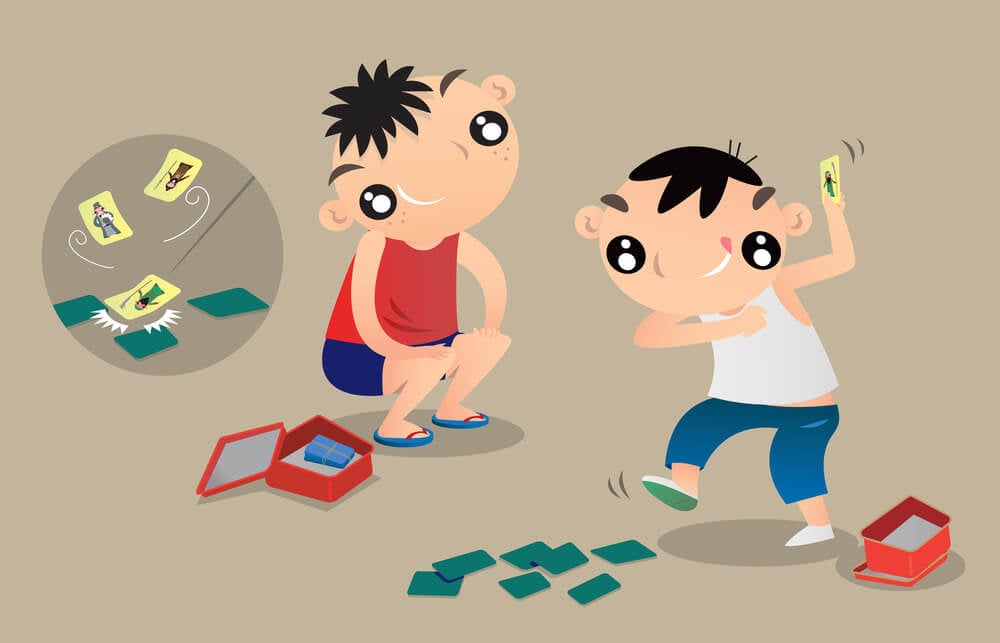
Pogs grew out of an old Hawaiian game played with milk caps, and the name came from a juice blend of passion fruit, orange, and guava. By 1994 and 1995 the craze had spread to the mainland, and companies printed caps with every kind of design.
Players stacked the caps and hit them with a heavier slammer, keeping the ones that flipped face up. Many schools banned the game because playing for keeps looked too much like gambling.
The fad faded almost as quickly as it arrived.
Gak and Its Rude Noises
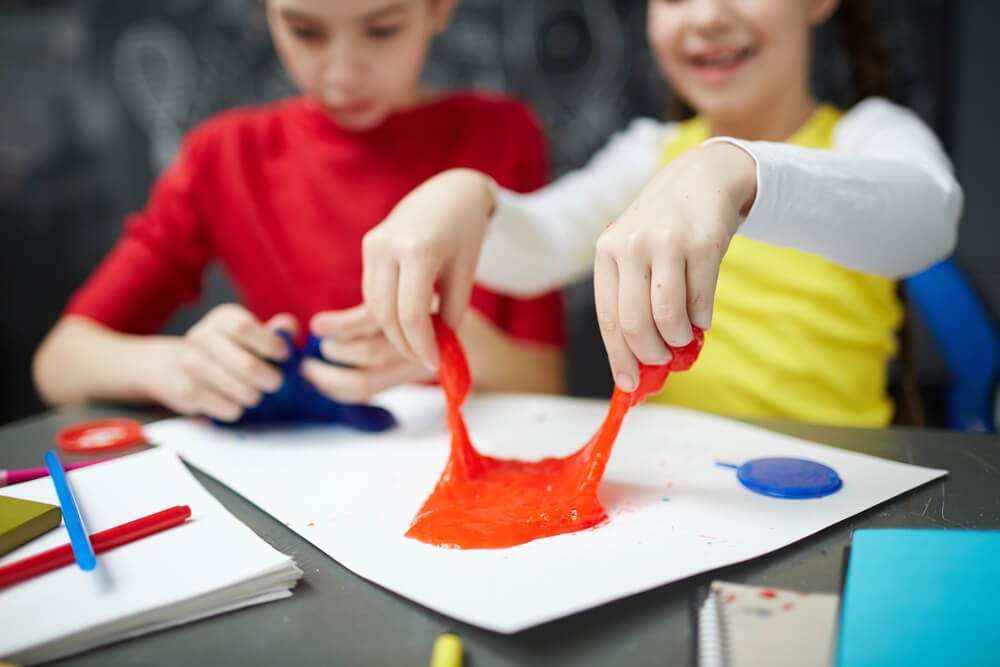
Nickelodeon launched Gak in 1992, a squishy compound sold in a plastic container. The putty was similar to slime, but it was stretchier and made a rude sound when pushed back into its tub.
Parents found it on carpets and couches, and kids found endless amusement in the noises. Gak Splat and other variations followed, and the product tied in with the network’s famous green slime, which it poured on celebrities at award shows.
It remained a fixture in Nickelodeon marketing throughout the decade. A tub of Gak rarely survived past New Year’s with its lid intact.
Totally Hair Barbie
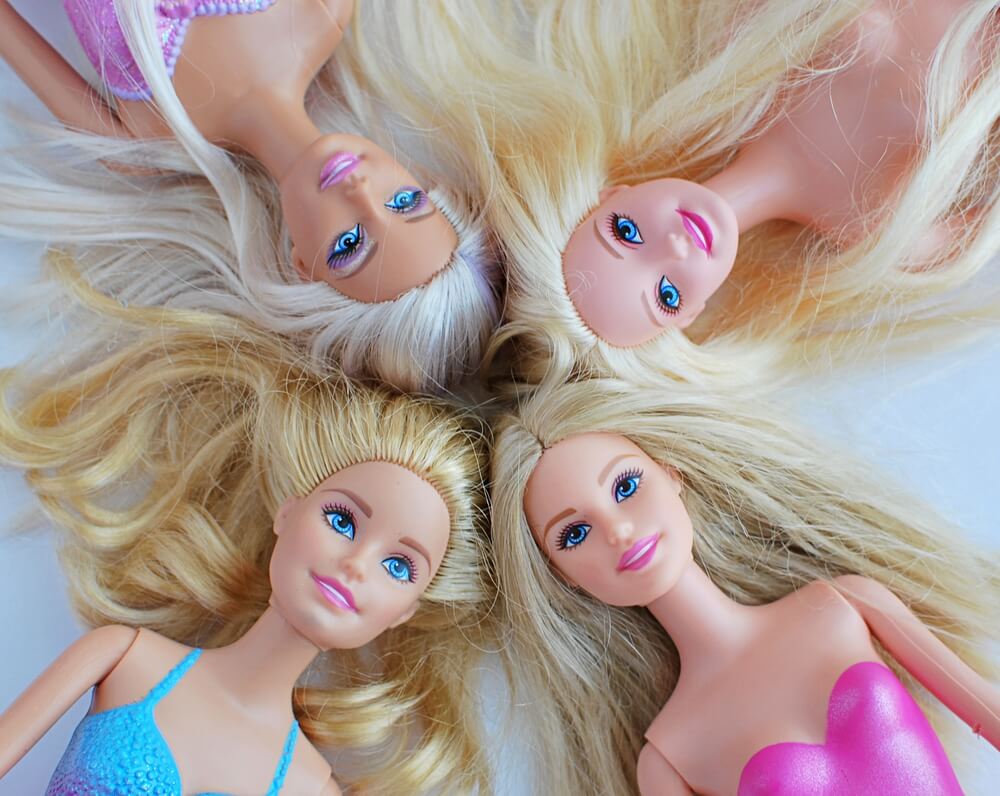
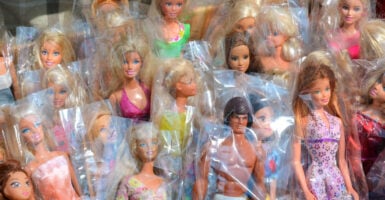
Mattel released Totally Hair Barbie in 1992 with hair that reached almost to her toes. The doll came with styling gel and a pattern-printed dress, and girls spent hours braiding and crimping her hair.
It became the best-selling Barbie in the brand’s history, with more than 10 million sold. Stores sold out during the first holiday season.
Collectors now look for unopened examples in the original box, although loose dolls with tangled hair are common and worth far less. Its crimped look defined the era’s idea of glamour.
Polly Pocket in a Compact
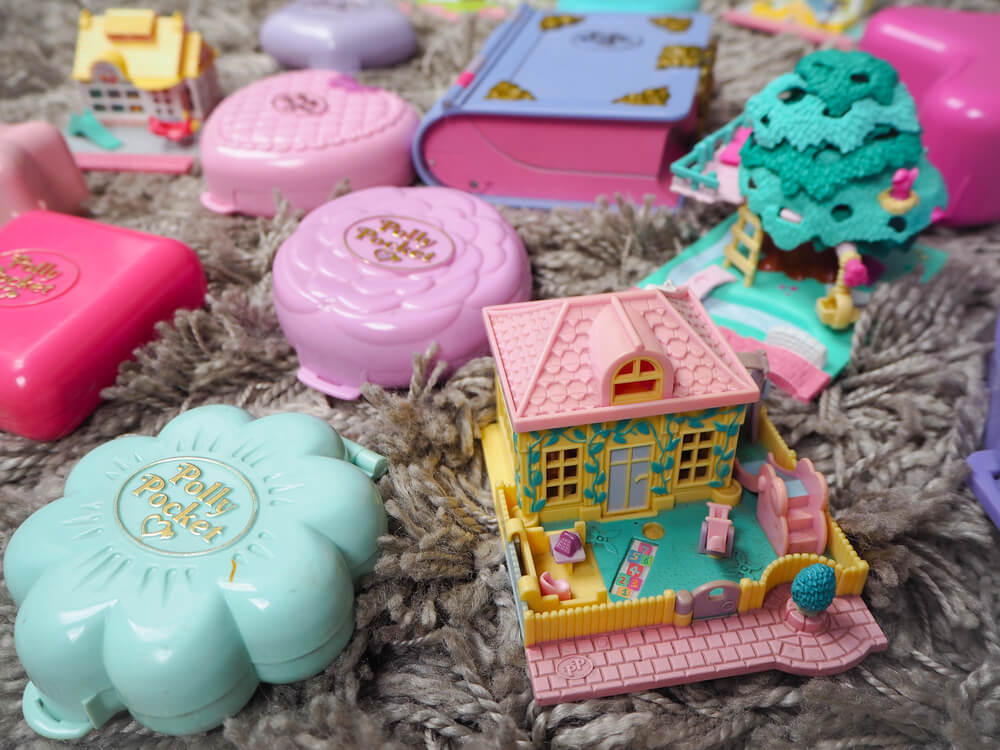
Chris Wiggs created Polly Pocket in 1983 for his daughter, building a tiny house inside a powder compact. Bluebird Toys in Britain began selling the line in 1989, and each compact opened into a miniature world with a figure less than an inch tall.
The small size made them easy to lose, and many parents vacuumed up the dolls. Mattel acquired Bluebird in 1998 and later made Polly larger with rubber clothes.
Collectors generally prefer the original Bluebird compacts from the early ’90s, and values depend heavily on whether the tiny figures survived.
Mighty Max Playsets
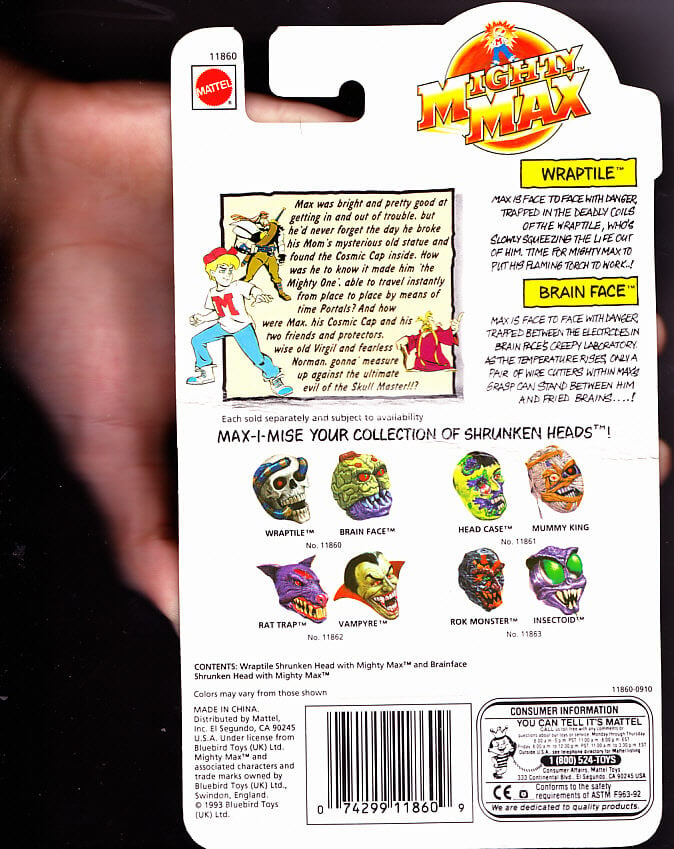
Bluebird Toys also made Mighty Max, a boys’ counterpart to Polly Pocket introduced in 1992. The playsets were shaped like skulls, monsters, and other creatures, and they opened to reveal a tiny scene with a hero named Max and his enemies.
An animated series ran from 1993 to 1994. The pocket-sized worlds appealed to kids who liked collecting and trading.
The line produced dozens of sets, and some of the larger ones are hard to find today in complete condition. Prices for them vary widely with condition and missing figures.
Treasure Trolls With Gem Bellies
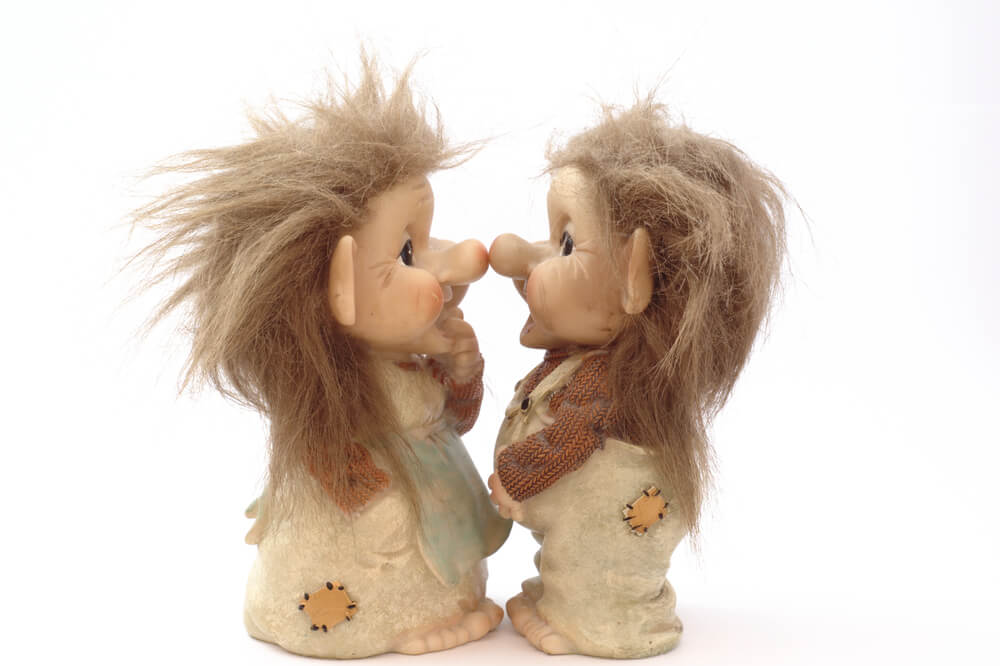
Troll dolls first appeared in Denmark in 1959, made by Thomas Dam, and they became a craze in the United States in the 1960s. The dolls came back in the early ’90s as Treasure Trolls, with a colored gem set into each belly.
Kids rubbed the gem for good luck and collected trolls in every possible outfit. Their wild neon hair made them easy to spot in any toy aisle.
An animated series called The Magic Trolls and the Troll Warriors followed, and the figures were popular stocking stuffers.
Teletubbies Plush in 1998
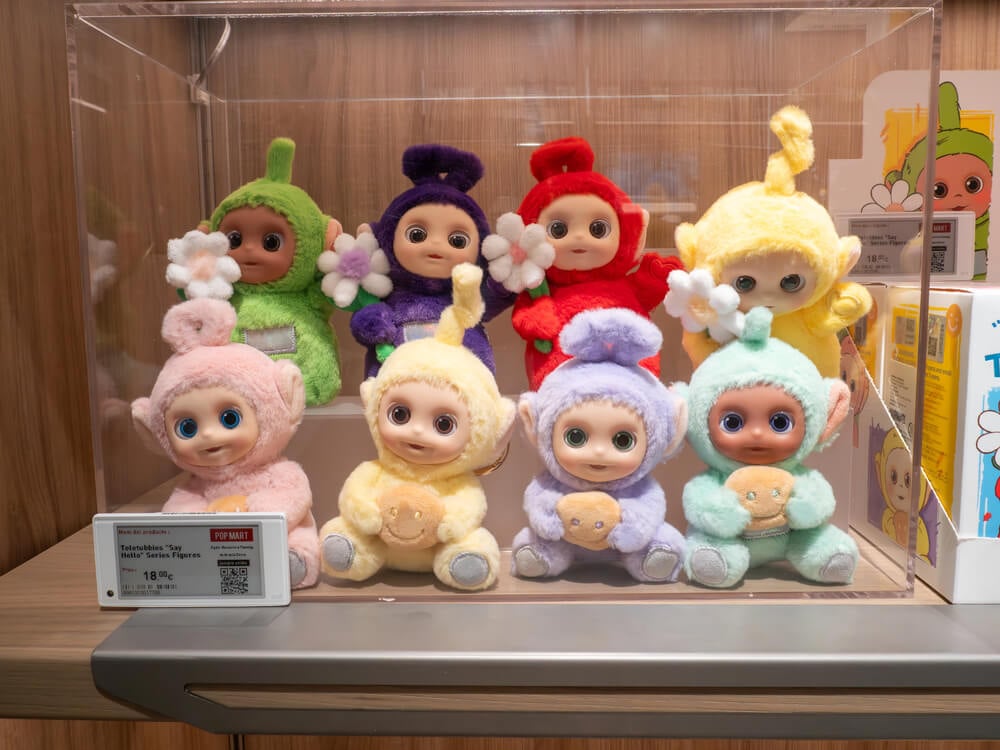
Teletubbies premiered on BBC television in March 1997, and plush versions of the four characters sold out in Britain that Christmas. The show crossed to PBS in the United States in April 1998.
That holiday season, American stores ran short of the talking Tinky Winky, Dipsy, Laa-Laa, and Po dolls. The characters had television screens on their bellies and antennas on their heads.
Adults found the show baffling, while toddlers watched it repeatedly and demanded the toys. A televangelist’s claims about Tinky Winky only added to the publicity in 1999.
Bop It and Its Commands
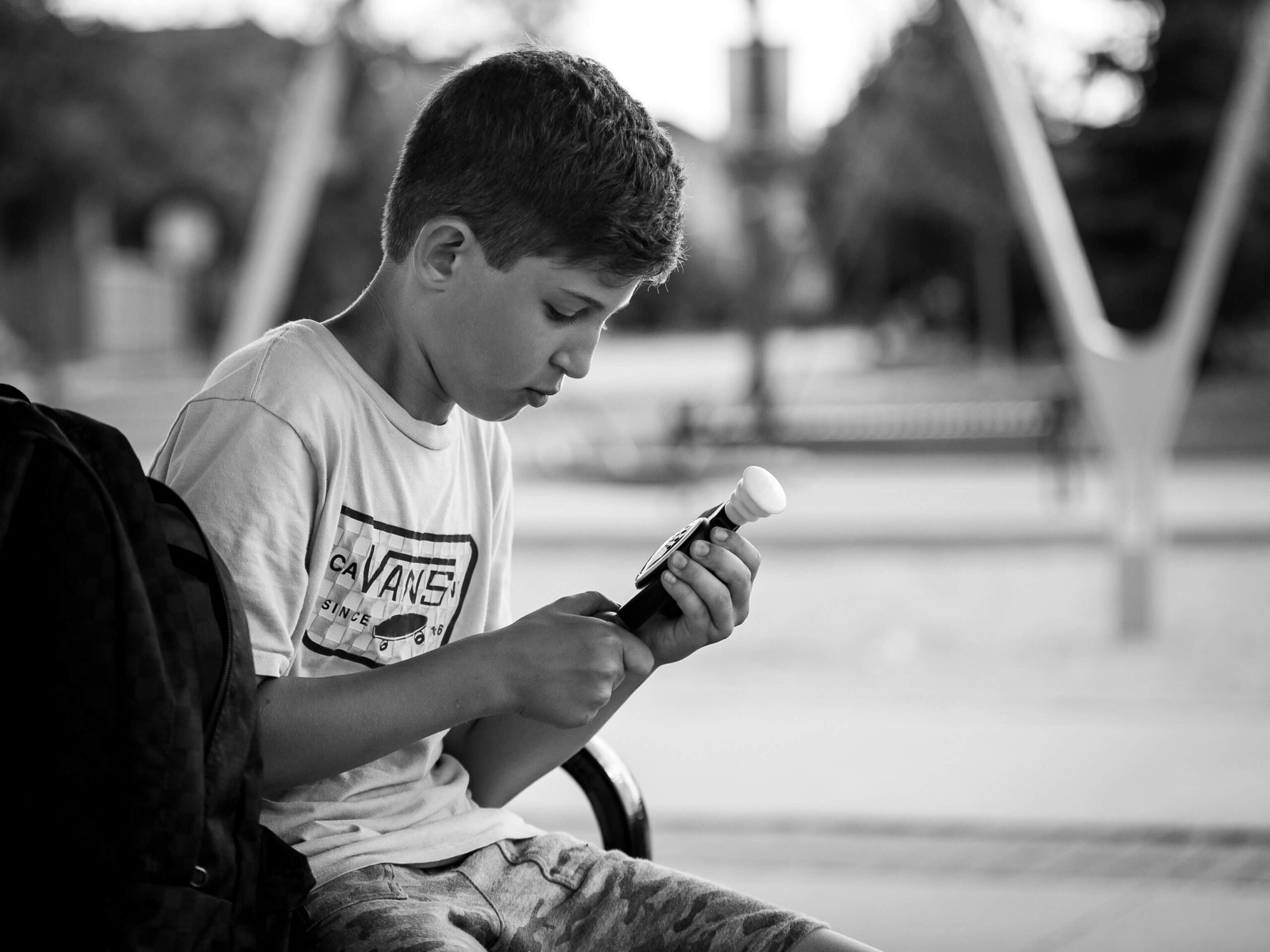
Hasbro released Bop It in 1996, an electronic game that barked commands like bop it, twist it, and pull it. Players had to follow the instructions faster and faster until they made a mistake.
The toy was loud and easy to pass around at family gatherings, which made it popular with parents too. Later versions added commands like spin it and flick it.
It became a favorite on car trips and at holiday parties, even though some adults grew tired of hearing it before New Year’s.
Game Boy Color and Pokemon Red
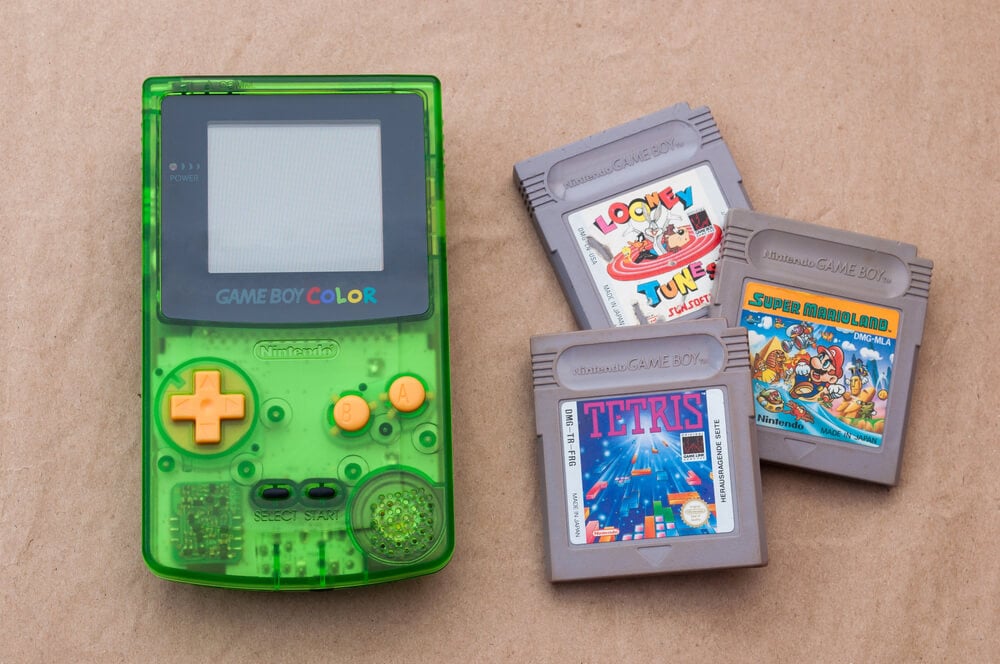
Nintendo released the Game Boy Color in North America in November 1998. The handheld could display up to 56 colors on screen at once and still played older Game Boy cartridges.
Its launch came two months after Pokemon Red and Blue arrived in the United States, and the timing helped both products sell. Children packed the handhelds into backpacks and road trips, trading Pokemon with friends through a link cable.
The system came in bright colors, and the translucent purple version was a favorite. Many of those handhelds still work today.
Cabbage Patch Snacktime Kids
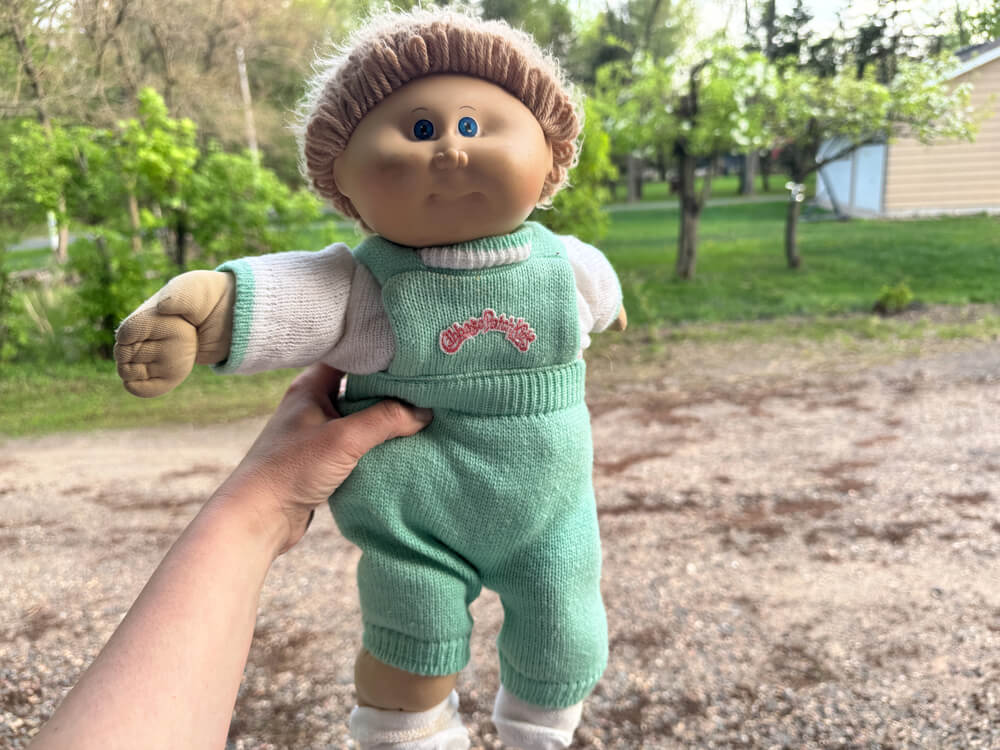
Mattel released Cabbage Patch Snacktime Kids for Christmas 1996, dolls with battery-powered mouths that pretended to eat plastic snacks. Parents found them on the top of many wish lists.
After the holiday, reports surfaced of children’s hair and fingers getting caught in the mechanism, and in January 1997 Mattel offered refunds in cooperation with the Consumer Product Safety Commission. The doll disappeared from shelves soon after.
Its short life made it one of the decade’s more cautionary toy stories. Unused examples now turn up at toy shows as curiosities.
Sing and Snore Ernie
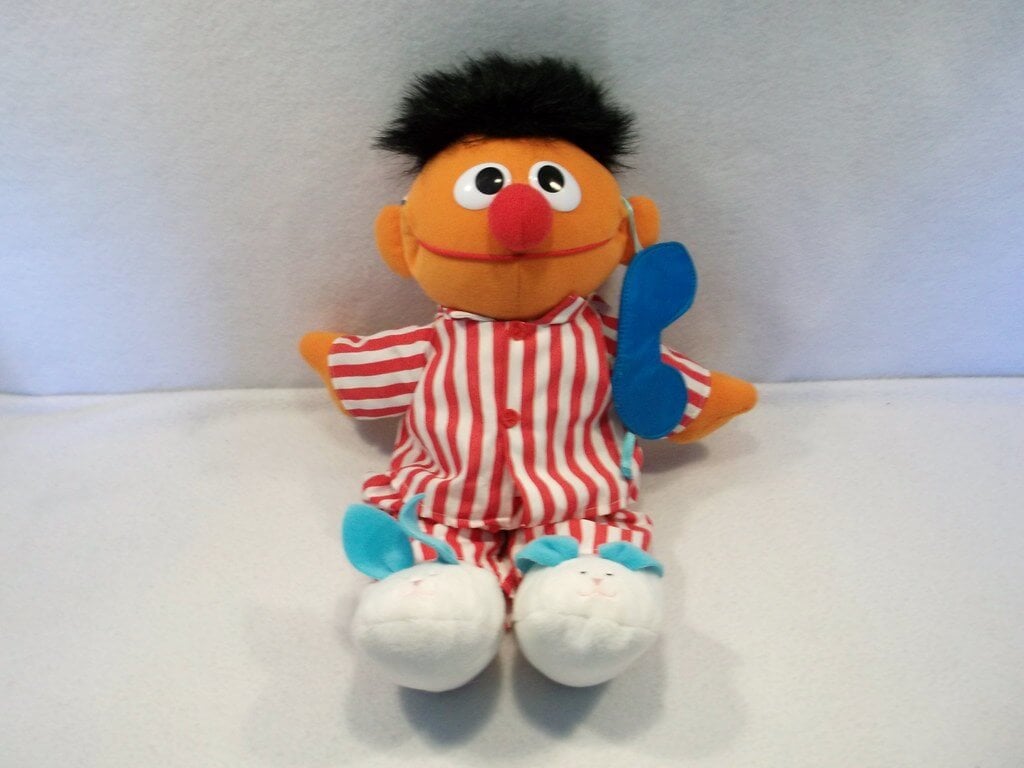
Tyco Preschool followed Tickle Me Elmo with Sing and Snore Ernie in 1997. The plush Sesame Street character sang a lullaby, fell asleep, and snored until someone woke him.
Shoppers who remembered the Elmo frenzy lined up early, and stores sold through supplies. The toy never reached Elmo’s peak, but it proved that Sesame Street plush could command holiday attention two years in a row.
Parents joked about which of the two dolls was more likely to wake them at night. Batteries were usually removed by February.
PlayStation and the CD Revolution
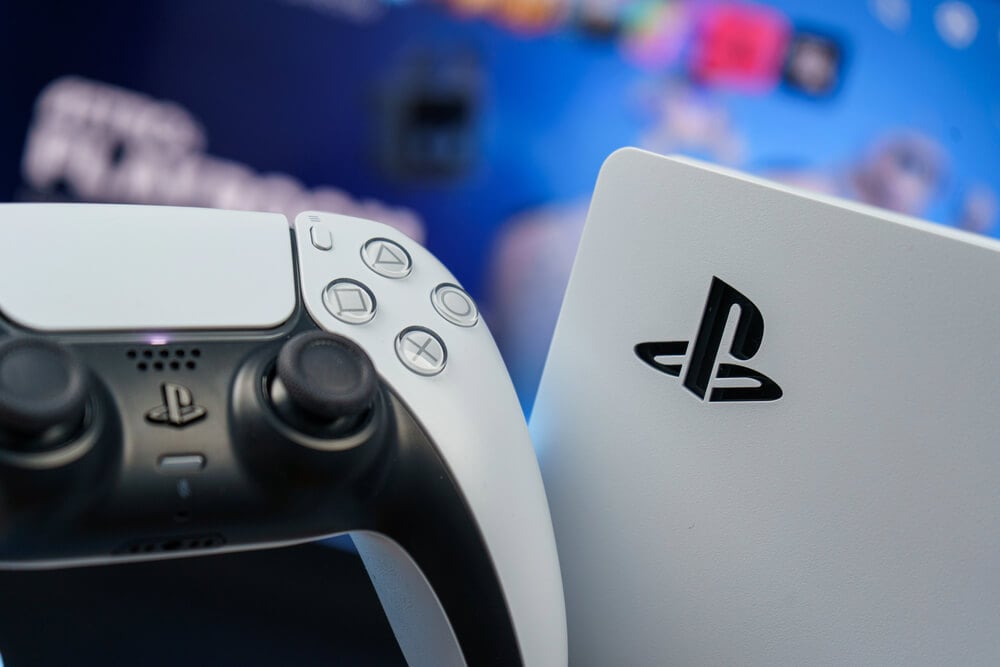
Sony launched the PlayStation in North America in September 1995 at 299 dollars. The console used CDs instead of cartridges, which let games hold larger worlds, music, and video.
Titles like Crash Bandicoot, Final Fantasy VII, and Gran Turismo showed older players that video games had grown up. It was the first home console to sell more than 100 million units.
Holiday shortages followed in several years as the library expanded, and it became the system many teenagers remember best from the decade. Memory cards for saving games became a gift in their own right.
Rollerblades and Inline Speed
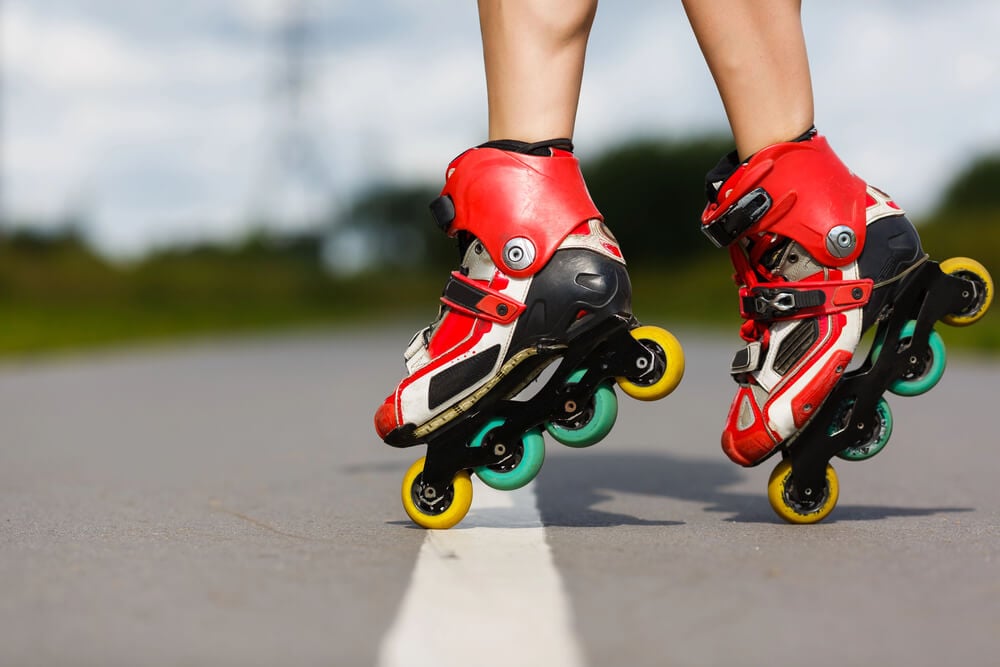
Scott and Brennan Olson founded Rollerblade in Minneapolis in 1980 after finding an old inline skate and redesigning it for hockey players who wanted to train in summer. By the early ’90s, inline skating had become a street craze, and Rollerblade became the name everyone used for any brand.
Kids asked for skates, pads, and helmets for Christmas and tried them out on icy driveways. Roller hockey leagues grew quickly, and suburban cul-de-sacs turned into rinks.
Knee pads were often worn once and then forgotten in the garage.
Yo-Yo Revival of the Late ’90s
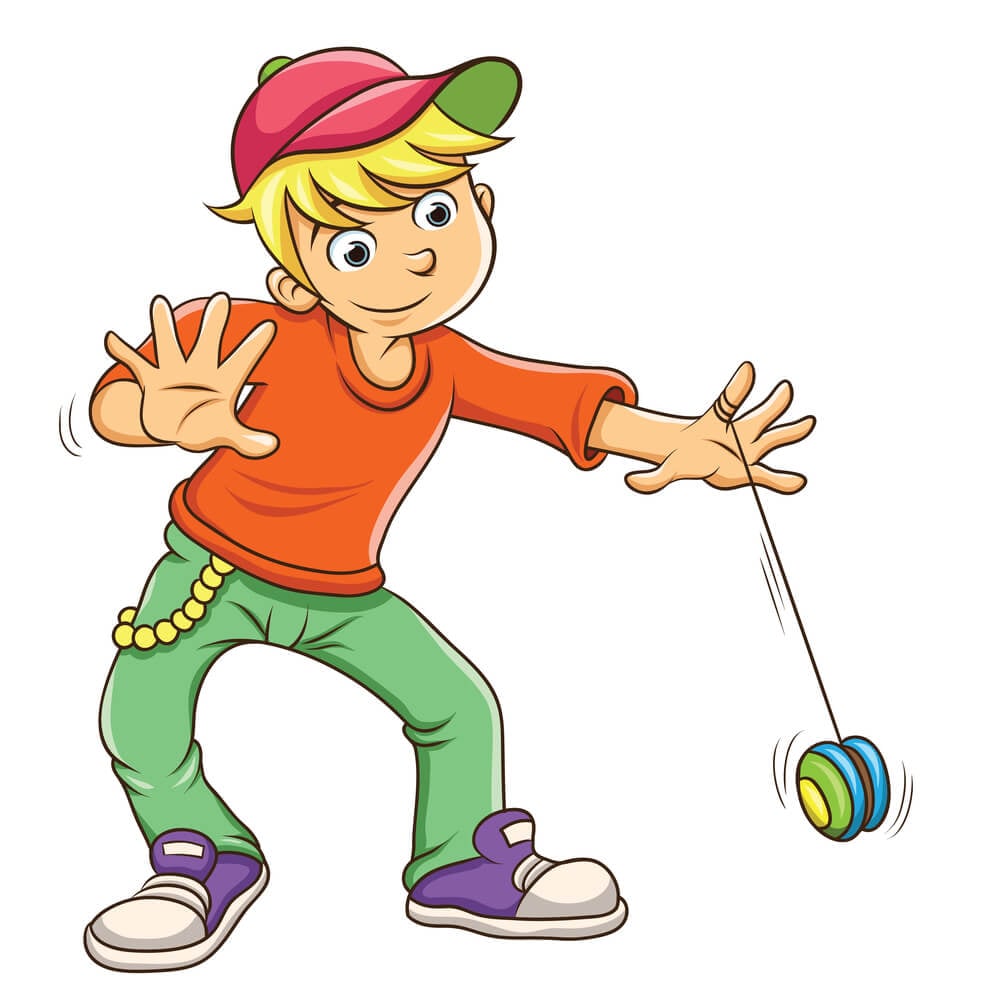
Yo-yos came back in a big way in the late 1990s. Companies like Yomega and Duncan sold models with metal bearing axles and clutch mechanisms that let the yo-yo spin much longer.
Kids learned tricks like walk the dog, rock the baby, and around the world. Schools and shops held competitions, and some schools banned the toys when playground injuries piled up.
The most popular models, like the Yomega Brain, were hard to find during the peak holiday season. Plenty of them ended up tangled in a drawer by the next summer.
Scarcity and the Christmas Morning Myth
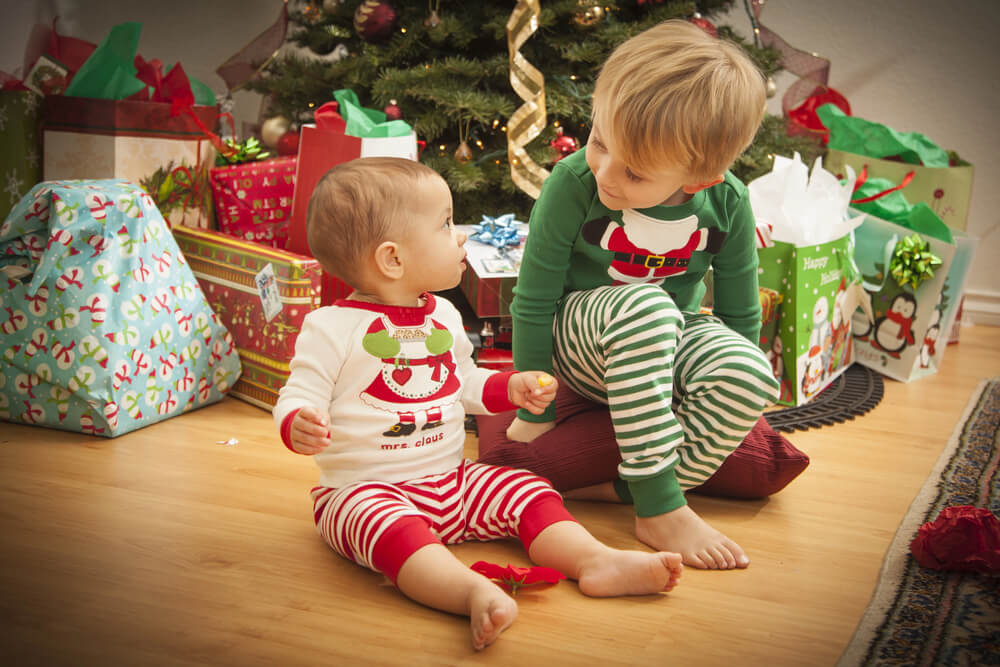
Most of these toys were not rare in any lasting sense. Factories caught up by spring, and prices dropped as quickly as they had risen.
What made them memorable was the chase, the empty shelves, and the relief of finding one. The stories parents tell about these toys are often more vivid than the toys themselves.
A Furby still in its box or a Buzz Lightyear with a broken wing can bring back an entire December. The shortage was the gift, in a way, because it turned an ordinary purchase into a small victory.
More from Go2Tutors!

- The Romanov Crown Jewels and Their Tragic Fate
- 13 Historical Mysteries That Science Still Can’t Solve
- Famous Hoaxes That Fooled the World for Years
- 15 Child Stars with Tragic Adult Lives
- 16 Famous Jewelry Pieces in History
Like Go2Tutors’s content? Follow us on MSN.