70s Gadgets That Influenced Today’s Tech
There’s something almost funny about how much of modern life traces back to a decade that most people associate with flared trousers and disco orbs. The 1970s were a strange, restless time for technology — engineers were experimenting with ideas that felt either too early or slightly insane, and consumers weren’t always sure what to do with what they were handed.
But those gadgets laid down tracks that today’s devices are still running on.
The Walkman Didn’t Start With Sony
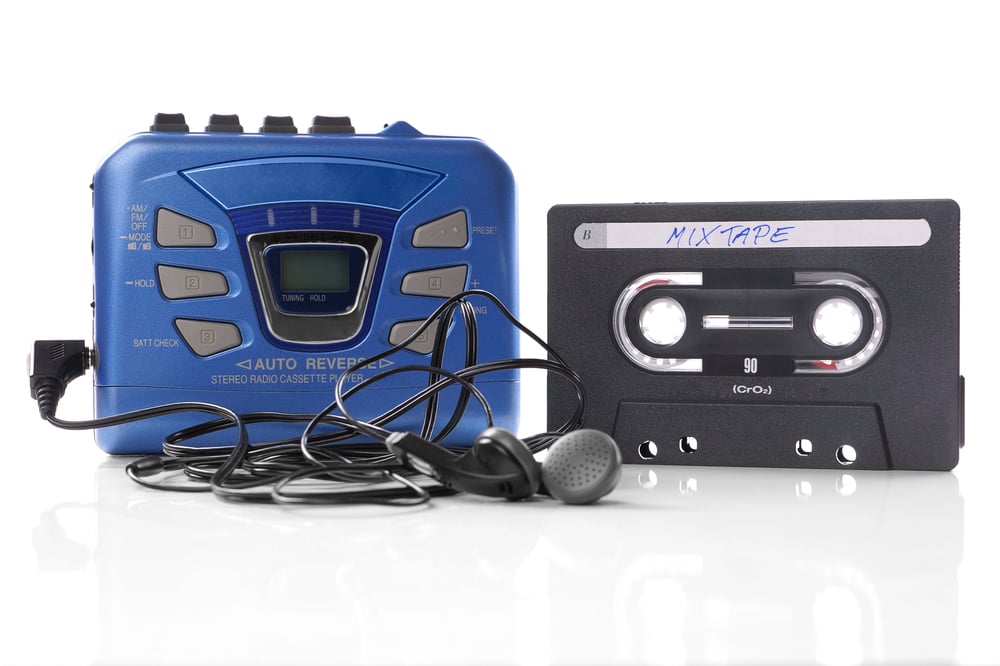
Before the Walkman launched in 1979, the idea of carrying music with you was considered odd. Music was something you listened to at home, or on a radio bolted into your car.
The Walkman changed that entirely. The concept — personal audio, consumed in private, on the move — is now so deeply embedded in daily life that it’s hard to imagine it ever being new.
Atari and the Living Room as a Gaming Arena
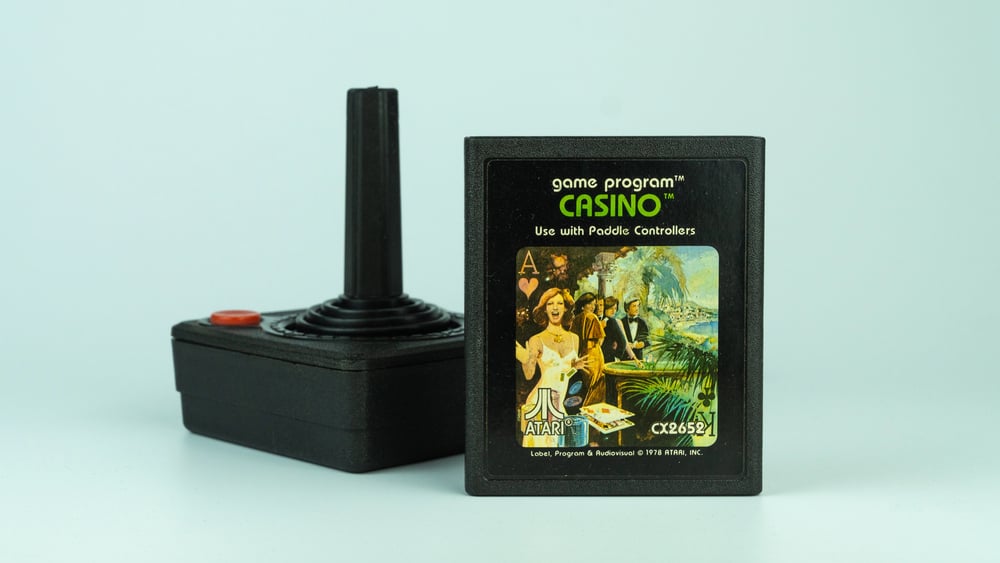
Atari’s 2600, released in 1977, was far from the first video game system, but it was the one that made home gaming sticks. Before it, video games lived in arcades — they were public experiences, coin-operated, social in a loud and crowded way.
Atari moved them into the living room. What followed from that shift is obvious now.
The Calculator Became the Chip in Everything

Texas Instruments and Hewlett-Packard were both producing handheld calculators by the early 70s, and the competition between them pushed miniaturization fast. Getting complex mathematical functions into a device small enough to fit in a shirt pocket required solving problems that had never been solved before.
The engineering work done to shrink those calculators helped establish practices that fed directly into personal computers. When the microprocessor era arrived, a lot of the foundational knowledge came from people who had been figuring out how to cram more logic into less space.
Pagers Were the First “Always Reachable” Device
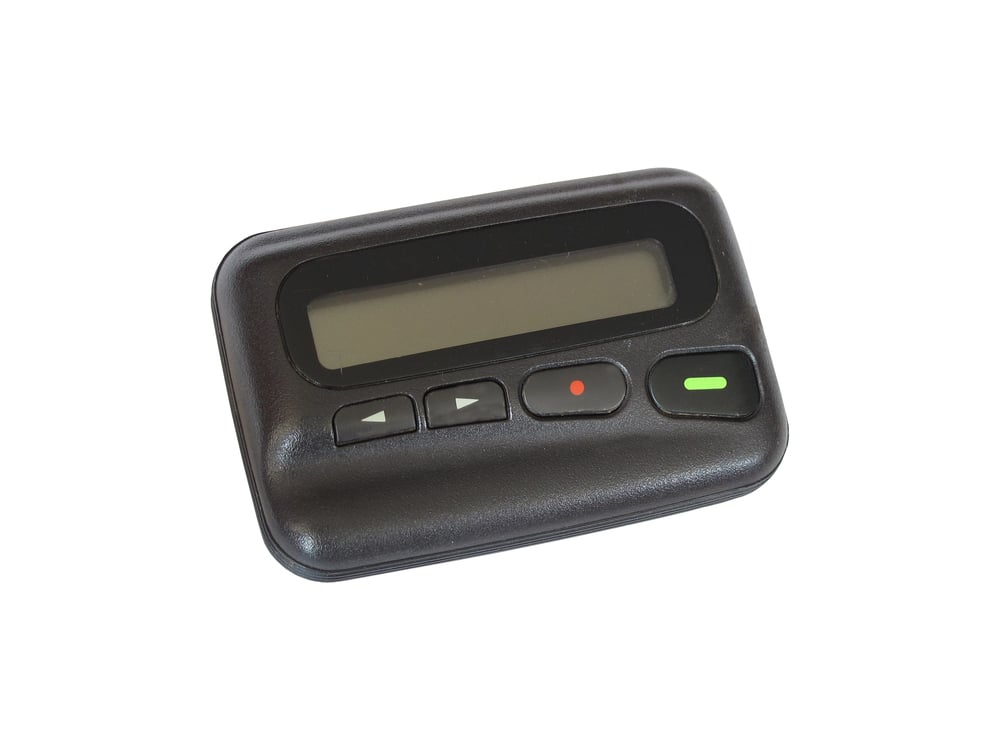
The pager, or beeper, had its consumer moment in the late 70s and into the 80s, but the infrastructure and culture it built deserve attention. For the first time, ordinary people — not just doctors and emergency workers — started accepting the idea that they could be reached at any moment, no matter where they were.
That shift in expectation is enormous. The anxiety of being unreachable, the assumption that a message can reach you in minutes — those attitudes didn’t appear with smartphones.
The VCR Gave Viewers Control Over Their Own Time
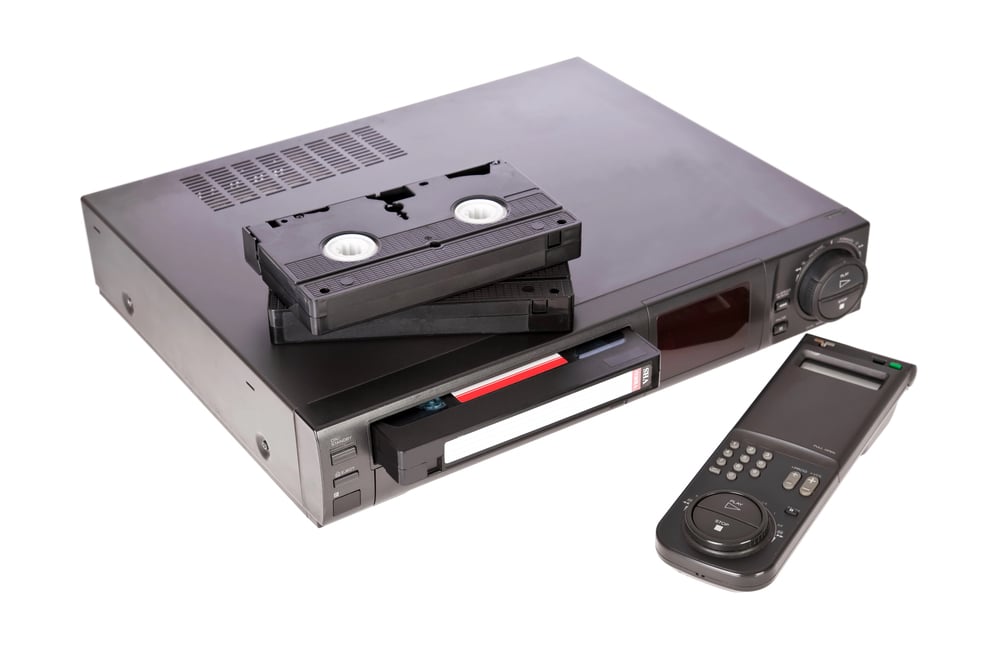
Before the VHS format won its format war and settled into living rooms worldwide, the idea of “time-shifting” was genuinely radical. Watching a television broadcast meant being in front of the television when the broadcast happened.
The VCR broke that rule. Recording a programme and watching it later, fast-forwarding through parts you didn’t want, rewinding to rewatch a favourite scene — these behaviours feel like common sense now.
Digital Watches Taught People to Trust Small Screens
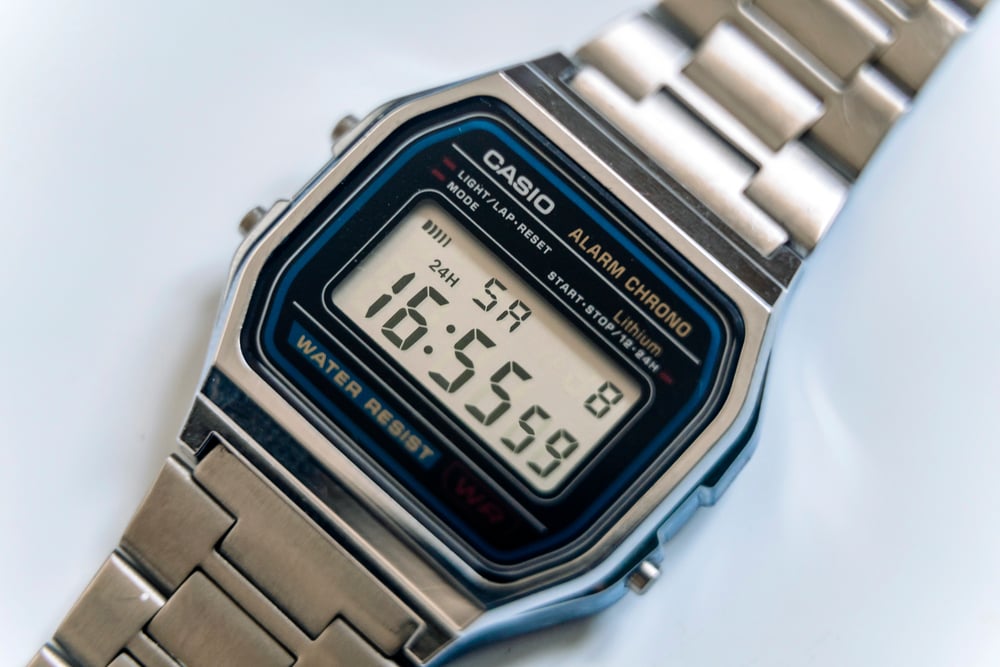
The first digital watches, with their red LED displays, arrived in the early 70s. They were expensive and the batteries drained fast, but they made a point that lasted: a tiny screen could deliver useful information clearly.
That seems trivial until you think about how much modern life depends on trusting small displays. Smartwatches, fitness trackers, tiny dashboard screens — the whole category of “glanceable information” was born from those early digital watch faces.
The Floppy Disk Made Data Portable
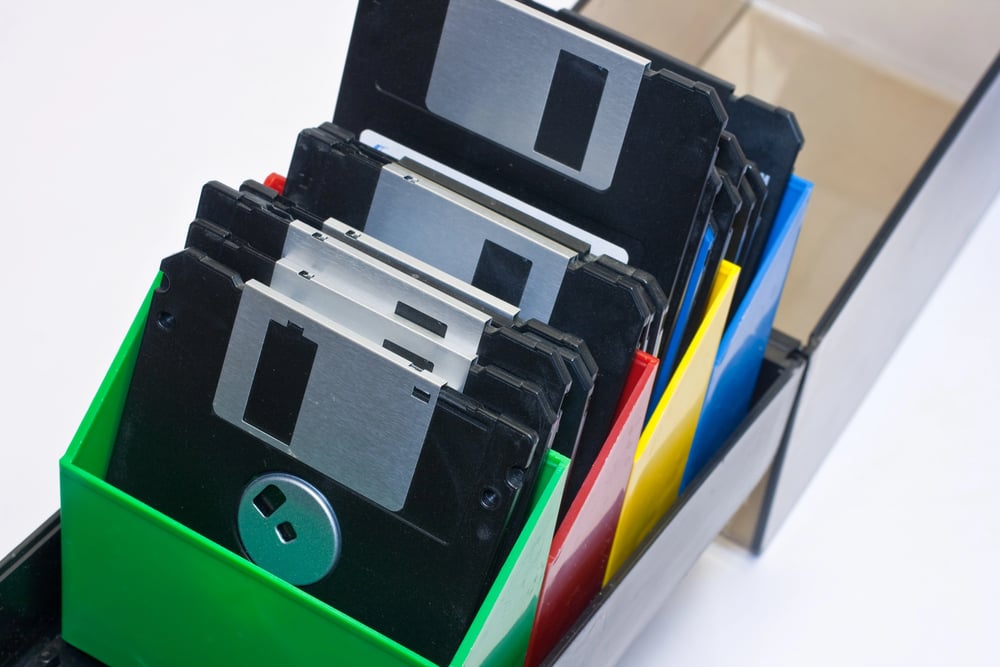
IBM’s 8-inch floppy disk debuted in 1971, and by the mid-70s, smaller versions were appearing in business environments. Before this, data storage was either built into a machine or stored on bulky magnetic tape.
The floppy made data something you could move around. That portability principle never went away.
The Polaroid OneStep Made Instant Gratification Normal

Instant photography had existed before the OneStep launched in 1972, but that camera made it genuinely accessible. You pressed the button, and a few minutes later you had a physical photograph.
No waiting, no film lab, no uncertainty. That impatience is now the default expectation.
CB Radios Were a Social Network
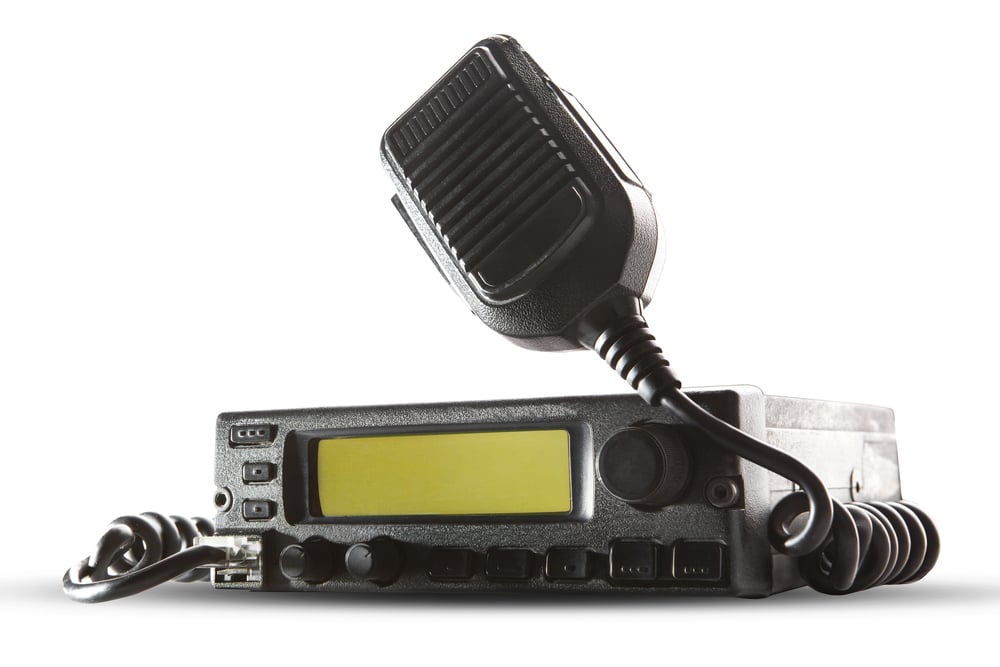
The Citizens Band radio craze of the mid-70s looks, in retrospect, like an early prototype of social media. Strangers across a wide area communicated in real time, used handles instead of their real names, developed their own slang and community norms, and shared information about road conditions, police locations, and local events.
The parallels to online communities are hard to ignore. Anonymous usernames, shared norms, real-time communication with strangers, information spread horizontally rather than through official channels — the CB radio community figured all of that out decades before the internet made it mainstream.
Answering Machines Separated Communication From Presence
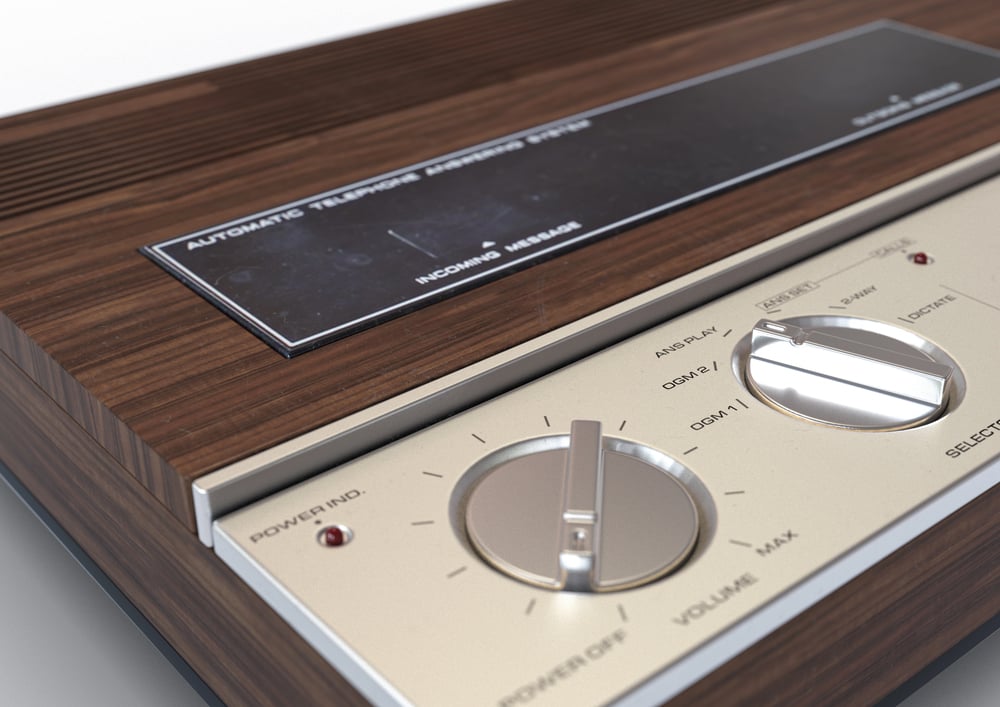
Back when nobody had an answering machine, if you missed a call, that was it. Then came the machine which whispered: talks do not need both people at once.
One could speak into the void, while another listened later, on their own clock. Messages stack up when life gets busy.
Early Synthesizers Shaped Electronic Music

Out of labs and into real gigs – that shift happened fast once the Minimoog landed in 1970. Music started sounding different everywhere by the middle of that decade – pop tracks, movie soundtracks, even oddball sonic experiments began using these new tools.
Out of nowhere came noises made by machines – those shaped what we now call electronic sound. Not one digital tool escapes the shadow cast by old Moog synths and their peers.
The Microprocessor Changed Everything Without Announcing It
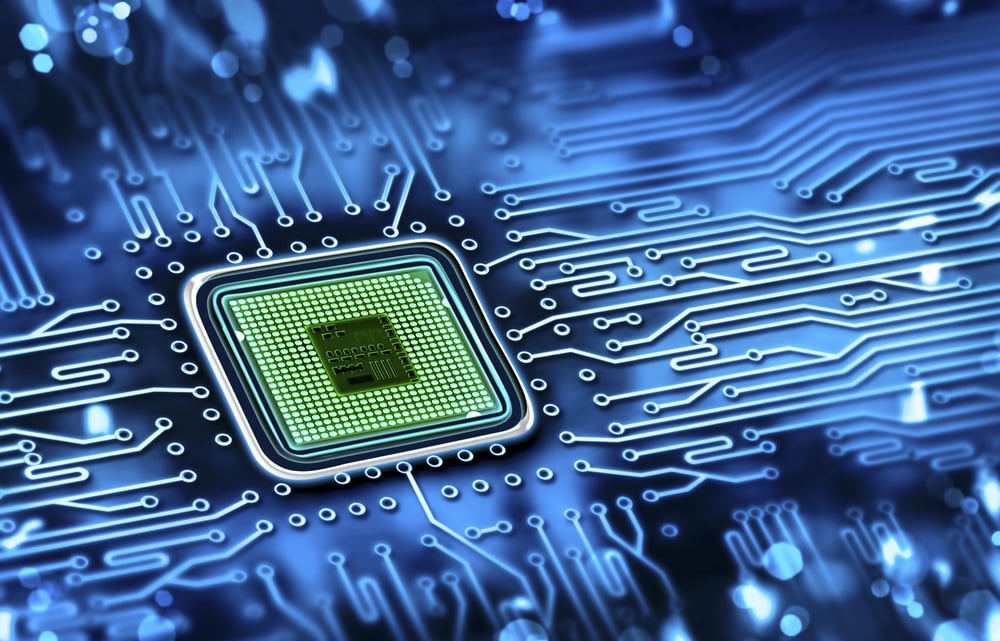
Back in 1971, Intel introduced the 4004 chip – nobody made much noise about it then. Yet that tiny piece slipped into everyday gadgets without fanfare.
Suddenly, brains for machines fit onto one sliver of silicon. What followed unfolded beneath the surface.
Electronic Pocket Translators and the Dream of Universal Communication
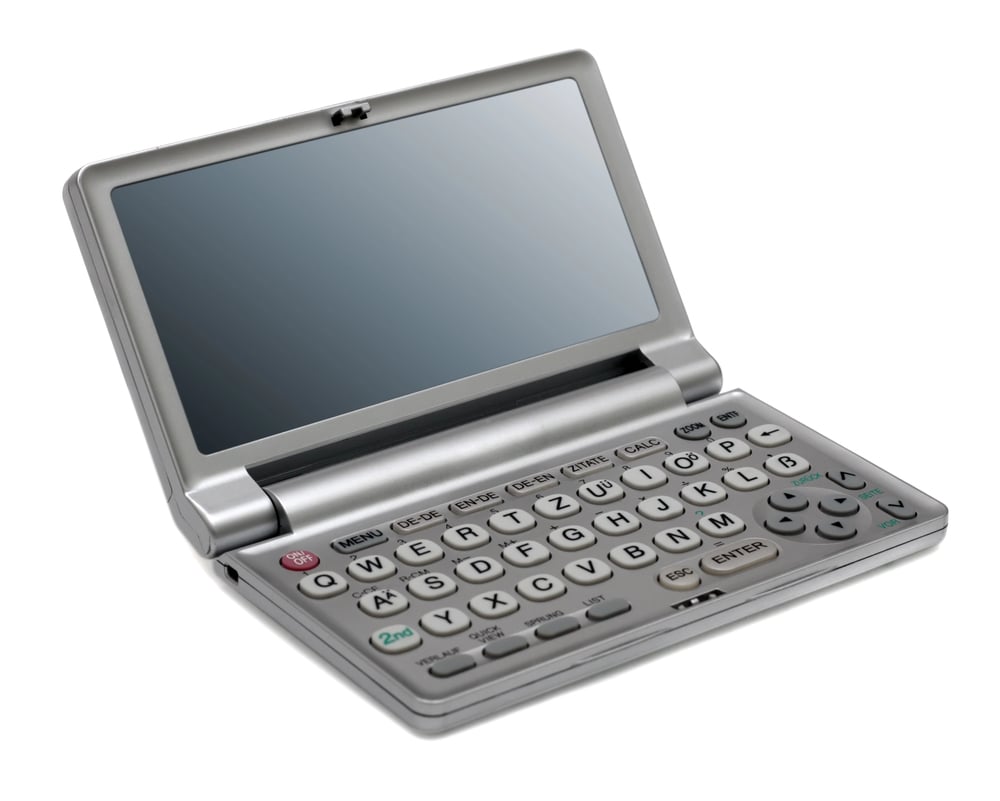
Back in the late seventies, gadgets such as the Craig 4501 – a small machine meant to translate words – hinted at a challenge still puzzling inventors today. Communication across tongues remains tricky; bridging that gap fast is what builders keep chasing.
Though tiny, tools of that era sparked big questions about connection between speakers of separate languages. Heavy machines back then barely worked.
Where the Wires Meet
What grabs attention in these devices? Not the parts inside. The thoughts they sparked.
Music just for you. Pictures right away. Information you can carry. Messages that wait their turn. Touchscreens living on your countertop.
More from Go2Tutors!

- The Romanov Crown Jewels and Their Tragic Fate
- 13 Historical Mysteries That Science Still Can’t Solve
- Famous Hoaxes That Fooled the World for Years
- 15 Child Stars with Tragic Adult Lives
- 16 Famous Jewelry Pieces in History
Like Go2Tutors’s content? Follow us on MSN.