28 Old Watches Sitting in Drawers Collectors Pay Real Money For
Most inherited watches end up in the same place: a junk drawer, a jewelry box, or a shoebox of odds and ends nobody has sorted through since a grandparent passed. Many are worth exactly what they look like. Some are not.
Pricing on every watch below depends heavily on condition, originality, and whether the piece still runs, so treat any figure here as a rough starting point rather than a guarantee. A scratched crystal, a replaced dial, or a non-running movement can cut a watch’s value dramatically, while an untouched original in working order can bring several times more.
Timex Marlin
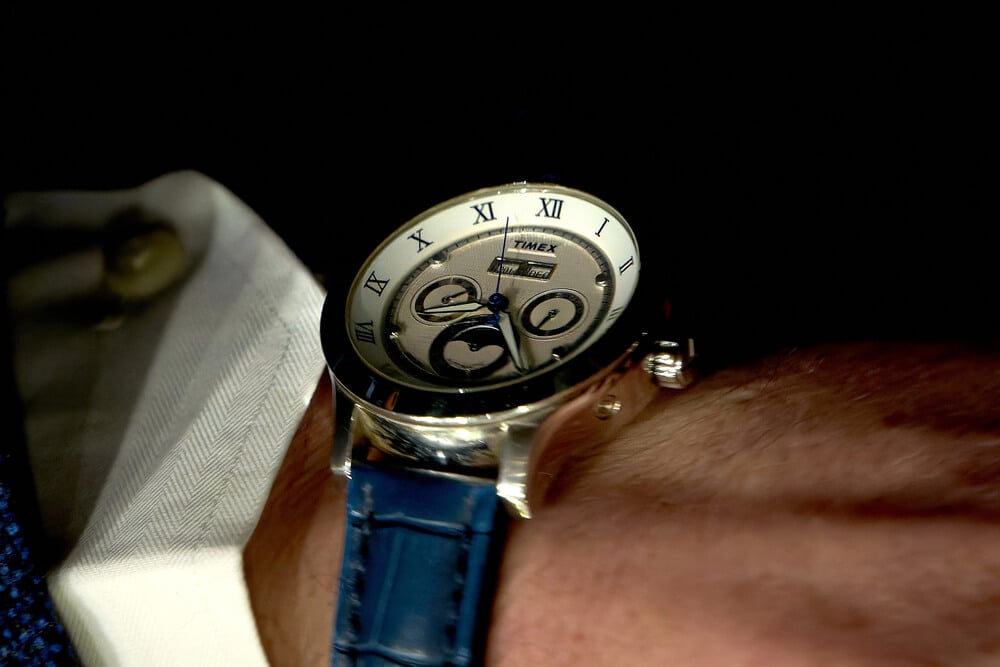
Produced primarily through the 1960s and early 1970s, the Timex Marlin was a modest, reliable hand-wind dress watch that sold in enormous numbers as an affordable everyday piece rather than a luxury item. Timex reissued the model decades later, which renewed collector interest in original examples with clean dials and unpolished stainless steel cases.
Value depends heavily on case material and dial condition, with chrome-plated running examples worth considerably less than stainless steel pieces with an unusual or well-preserved dial color.
Timex 400 Series
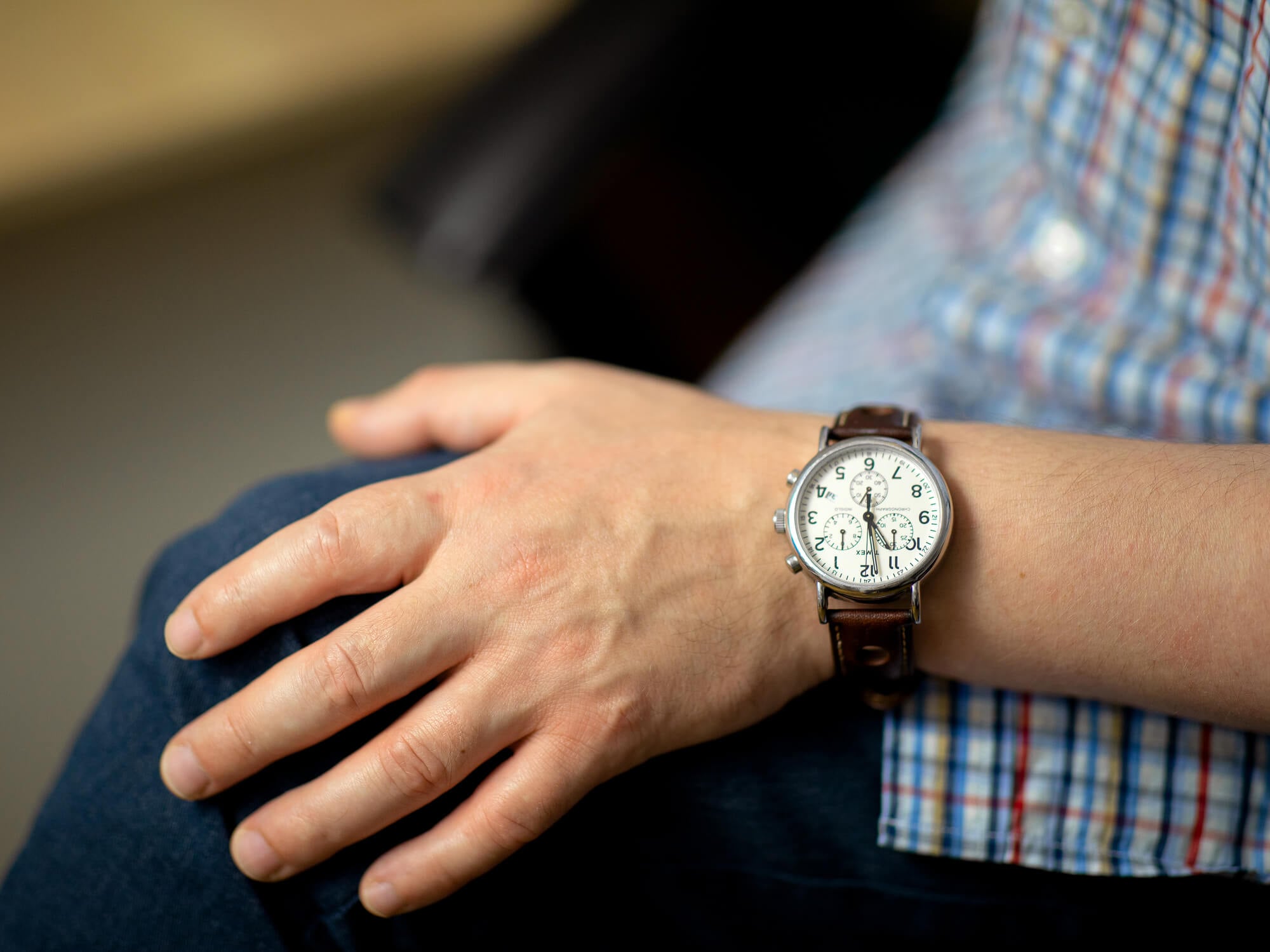
Made for only two years, 1960 and 1961, the Timex 400 series stood apart from most other Timex watches by using an outsourced Japanese or German jeweled movement rather than the brand’s typical pin-lever mechanism. That unusual pedigree makes the 400 series noticeably more sought after than standard Timex models from the same era.
These watches are notorious for dial damage from water exposure, so a clean, unspoiled dial significantly increases value over a typical surviving example.
Timex Electric
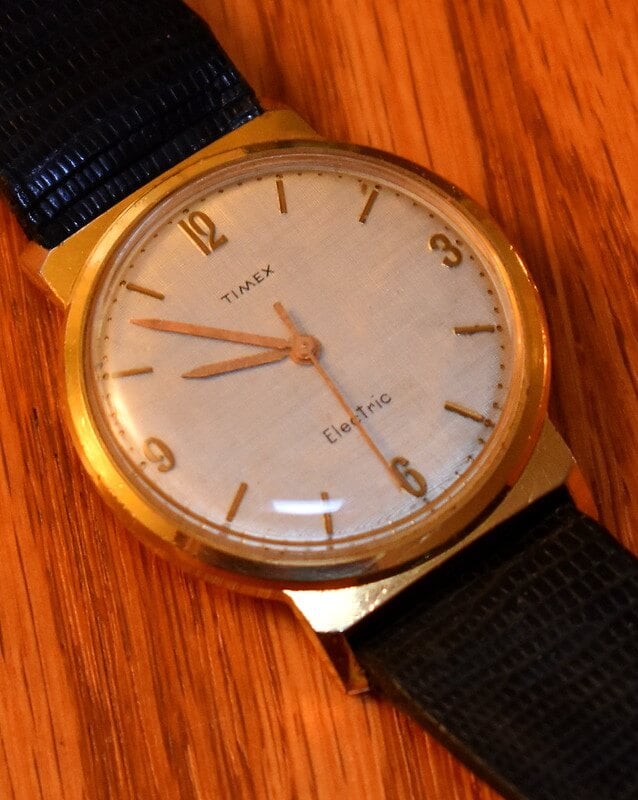
Introduced in 1956 as one of the first electric watches available to everyday consumers, Timex Electric models used a battery-powered balance wheel movement that bridged the gap between traditional mechanical watches and later quartz technology. Many featured distinctive asymmetrical case designs that stood out from conventional round watches of the period.
Collectors value these primarily for their historical role in watchmaking, with condition and a functioning movement mattering more than any single reference number.
Seiko 5
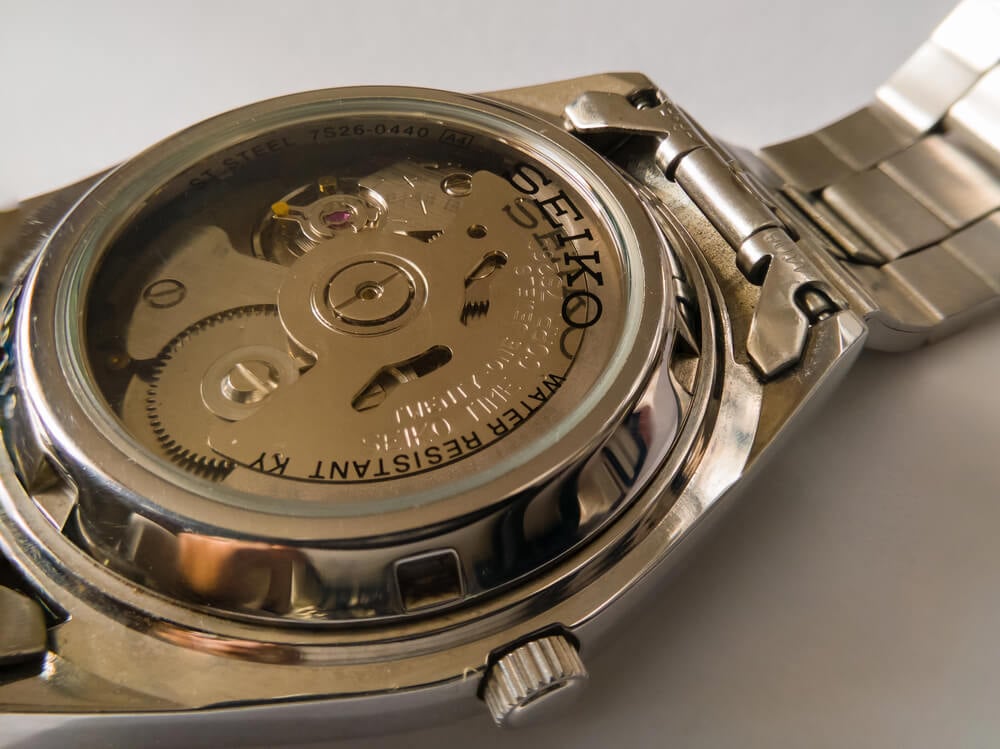
Introduced in the mid-1960s, the Seiko 5 line built its reputation on affordable, reliable automatic movements packed into a genuinely wide range of case styles across several decades of continuous production. The line’s sheer variety, from sober black dials to flashier 1970s gold-toned cases, means individual examples vary considerably in collector interest depending on the specific reference.
Simple running examples in good condition remain relatively affordable compared to other vintage categories, making the line a common entry point for new collectors.
Seiko Bullhead Chronograph
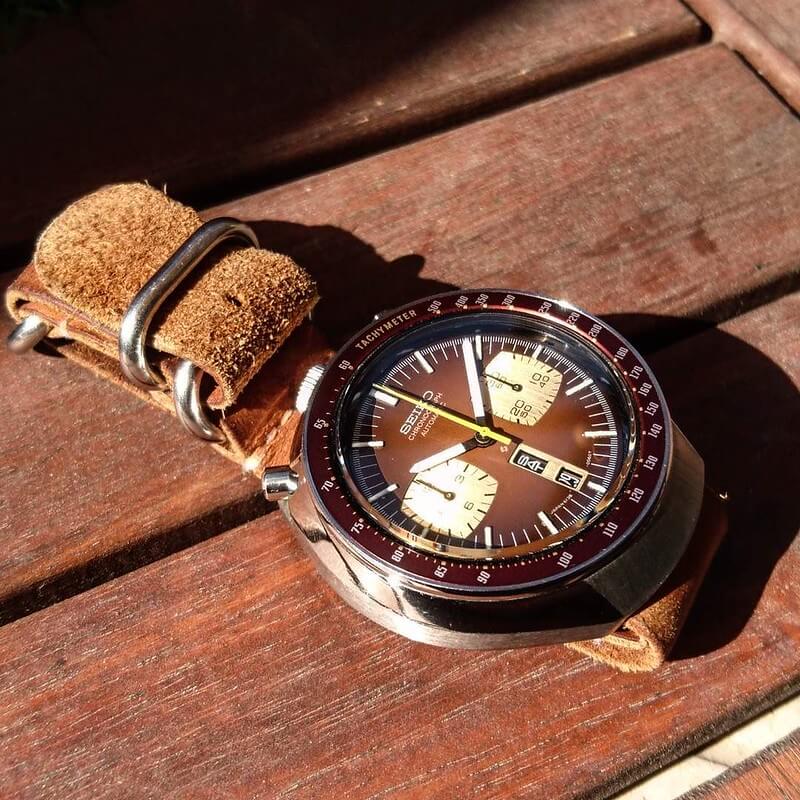
Named for a case shape that vaguely resembles a bull’s head when viewed from certain angles, the Seiko Bullhead chronograph from the early 1970s stood out for its top-mounted pushers and distinctive angular case design unlike anything else on the market at the time. The model has developed a dedicated following among collectors specifically drawn to unusual vintage chronograph case designs.
Running examples with an original, unpolished case in good condition command considerably more than pieces that have been heavily serviced or modified.
Seiko Pogue Chronograph
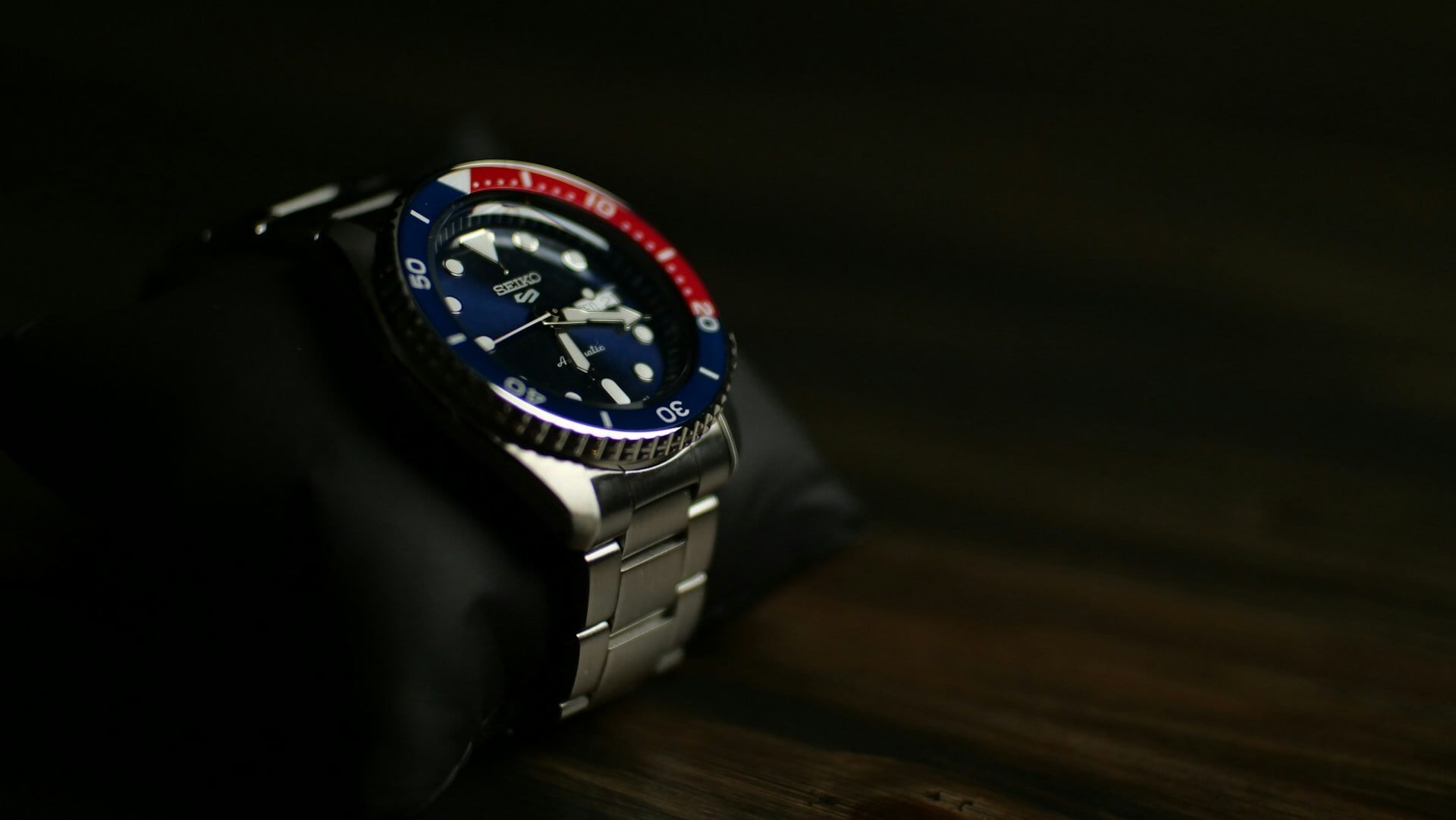
Nicknamed for astronaut Colonel William Pogue, who wore one during a NASA Skylab mission in the 1970s, the Seiko 6139 chronograph became known among collectors for its distinctive yellow dial variant in particular. The watch’s genuine connection to a real space mission gives it a documented historical story that many other vintage chronographs lack.
Original yellow-dial examples in strong condition are notably more valuable than the more common blue-dial version of the same reference.
Grand Seiko
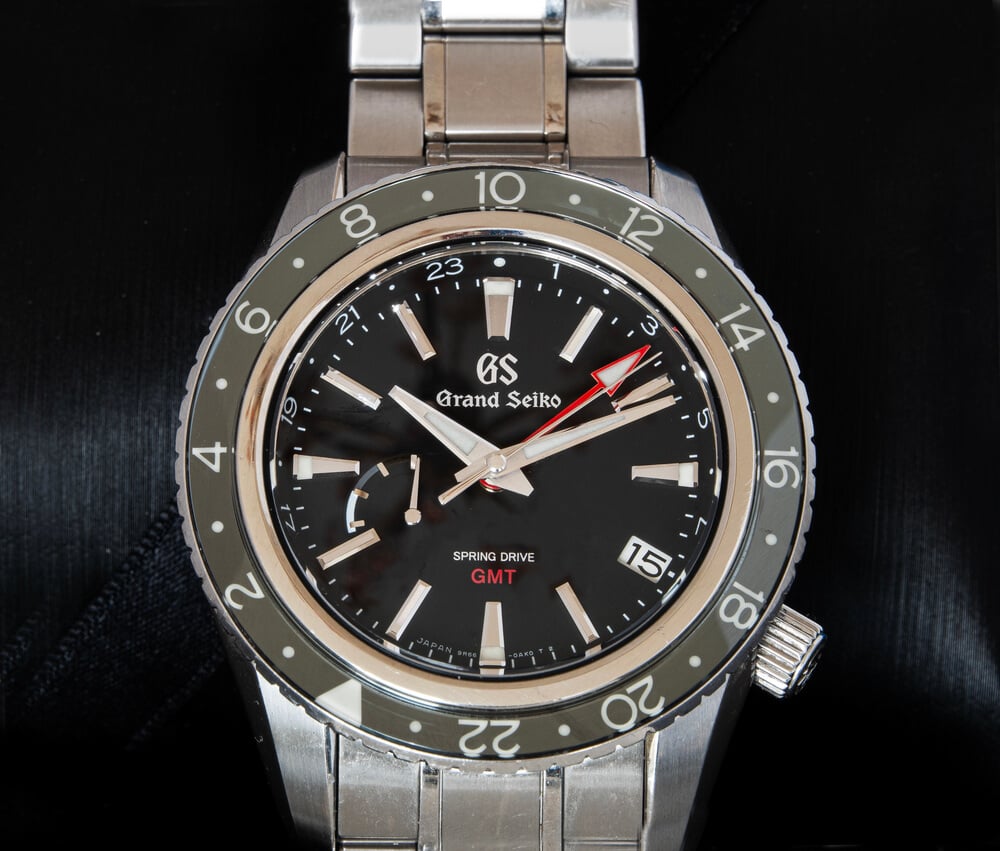
Created specifically to compete with the finest Swiss watchmaking of its era, Grand Seiko models represent the top tier of Seiko’s output, built to stricter accuracy and finishing standards than the brand’s more common lines. Vintage Grand Seiko pieces were sold almost exclusively within Japan for much of their early history, making original examples genuinely scarce outside that market.
Condition of the dial and case finishing weighs especially heavily on value for this line, since the brand’s reputation rests specifically on that level of detail.
Omega Constellation
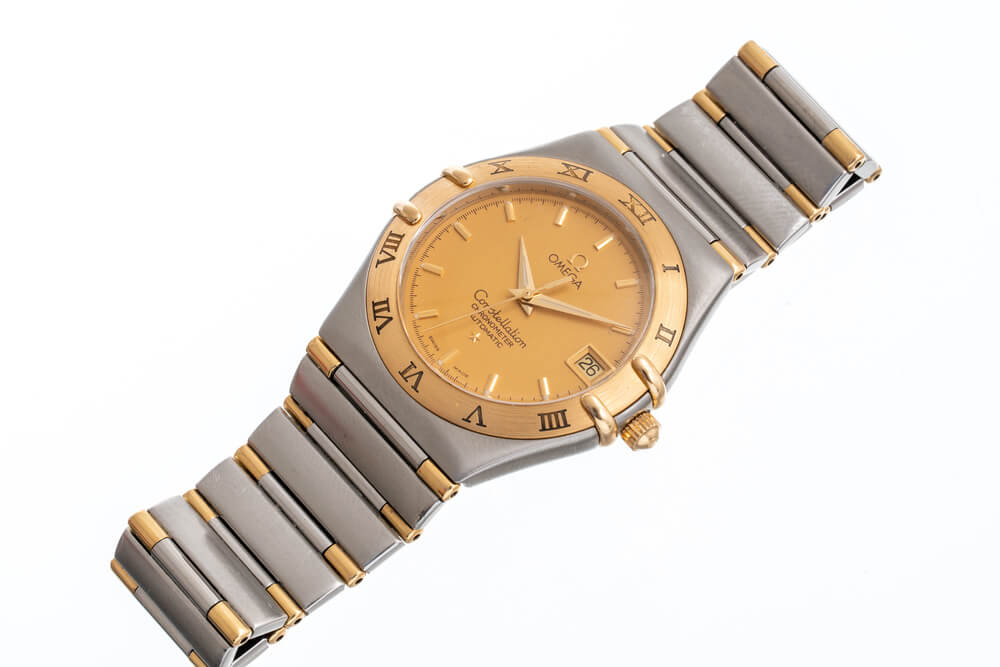
Recognizable by its distinctive pie-pan dial shape and a reputation for chronometer-grade accuracy, the Omega Constellation line dates back to the early 1950s and represented one of Omega’s most prestigious offerings for decades. The line’s steady production across many years means values vary considerably depending on the specific era and case style of an individual watch.
A running example with an original, undamaged pie-pan dial typically commands meaningfully more than a piece with a replaced or refinished dial.
Omega Speedmaster
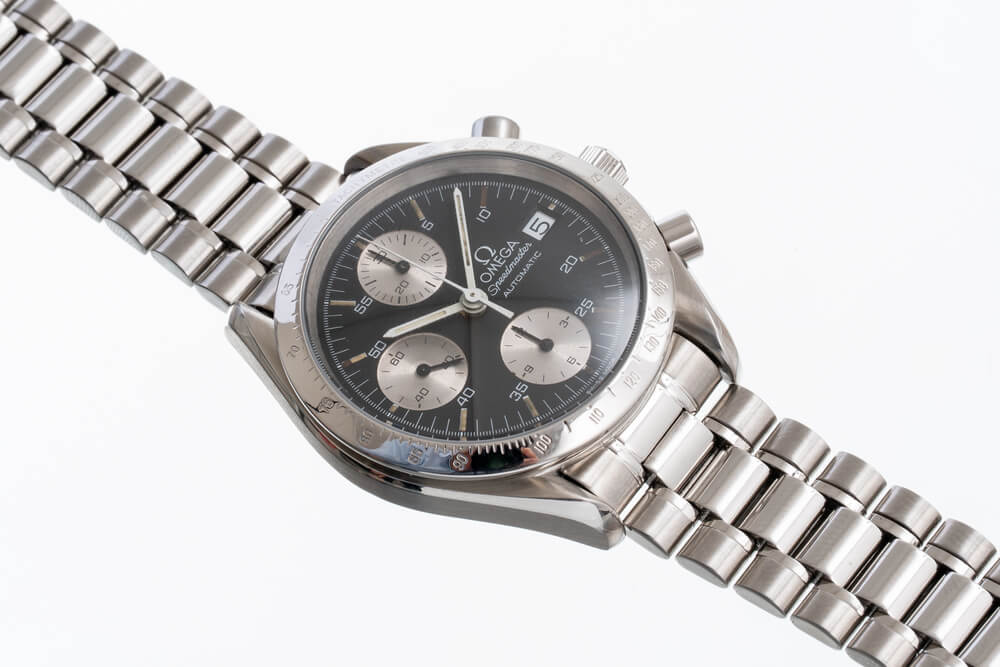
Best known for its association with NASA space missions, the Omega Speedmaster chronograph has remained in continuous production since the late 1950s, giving it one of the longest unbroken production histories of any mechanical watch still made today. Earlier vintage examples, particularly those predating certain movement changes, generally command higher prices than more recent production.
Originality of the dial, hands, and bezel matters enormously to this model’s value, since decades of use often led to parts being swapped or replaced.
Rolex Oyster Perpetual
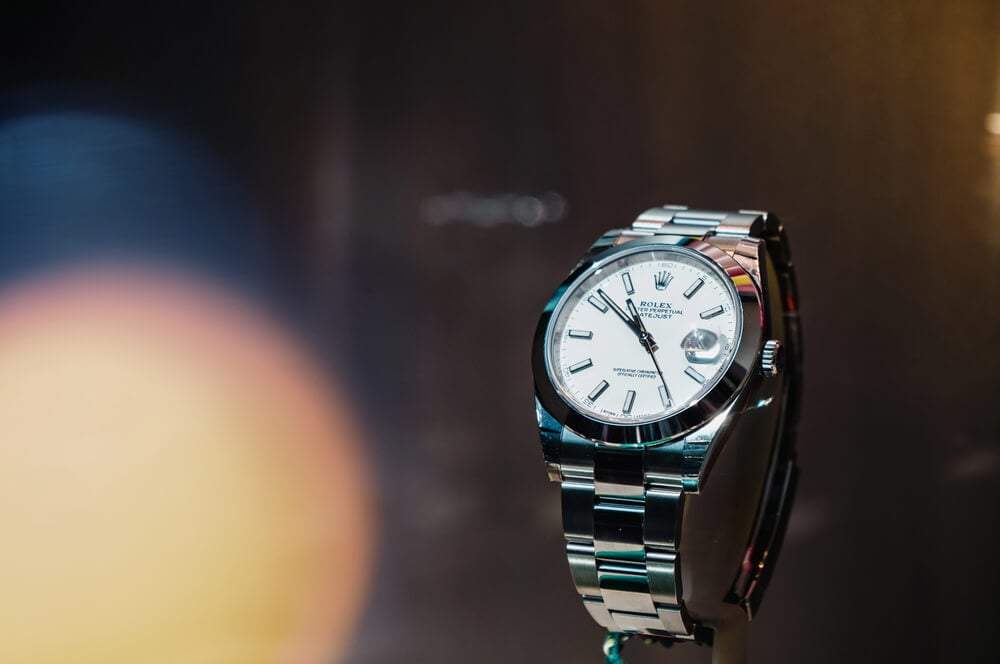
The Oyster Perpetual line, built around Rolex’s original waterproof case design introduced in the late 1920s, represents one of the most foundational and widely produced references in the brand’s history. Because so many examples were made across so many decades, condition and originality drive value far more than rarity alone for most standard vintage pieces.
An unpolished case with its original dial intact is generally worth substantially more than an otherwise identical watch that has been heavily serviced or refinished.
Hamilton Electric
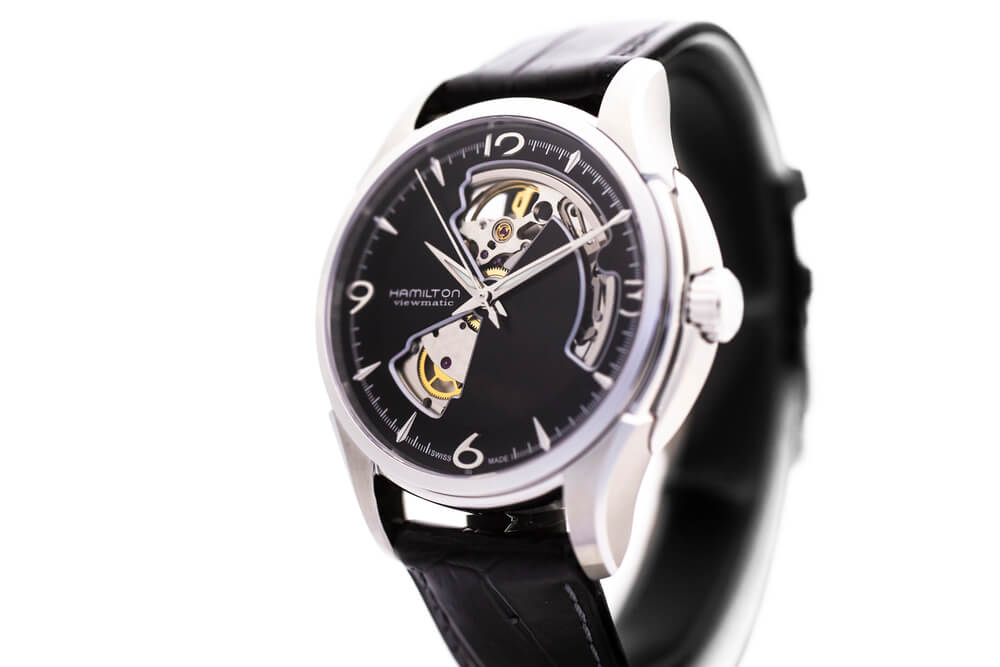
Introduced in 1957, the Hamilton Ventura and related Electric models were among the first battery-powered wristwatches sold commercially, featuring bold, angular case designs that broke sharply from conventional round watch styling of the era. The technology was notoriously unreliable in its original form, meaning many surviving examples require specialized servicing to run properly today.
Collectors specifically value examples that have been professionally serviced with the movement’s known reliability issues addressed, since a non-running example is worth considerably less.
Bulova Accutron
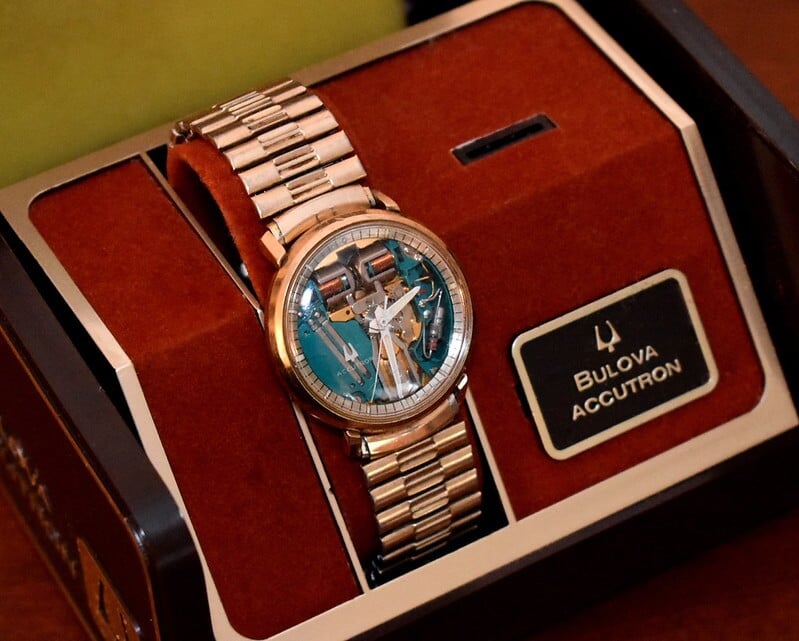
Launched in 1960, the Bulova Accutron used a tuning-fork movement that hummed audibly rather than ticked, representing a genuinely distinct technology from both traditional mechanical watches and later quartz movements. The Spaceview variant, which displayed the movement’s mechanism openly rather than hiding it behind a solid dial, has become particularly sought after among collectors.
A running Accutron with its distinctive hum intact and an unrestored dial typically commands more than a non-functioning example regardless of case condition.
Pulsar LED Digital Watch
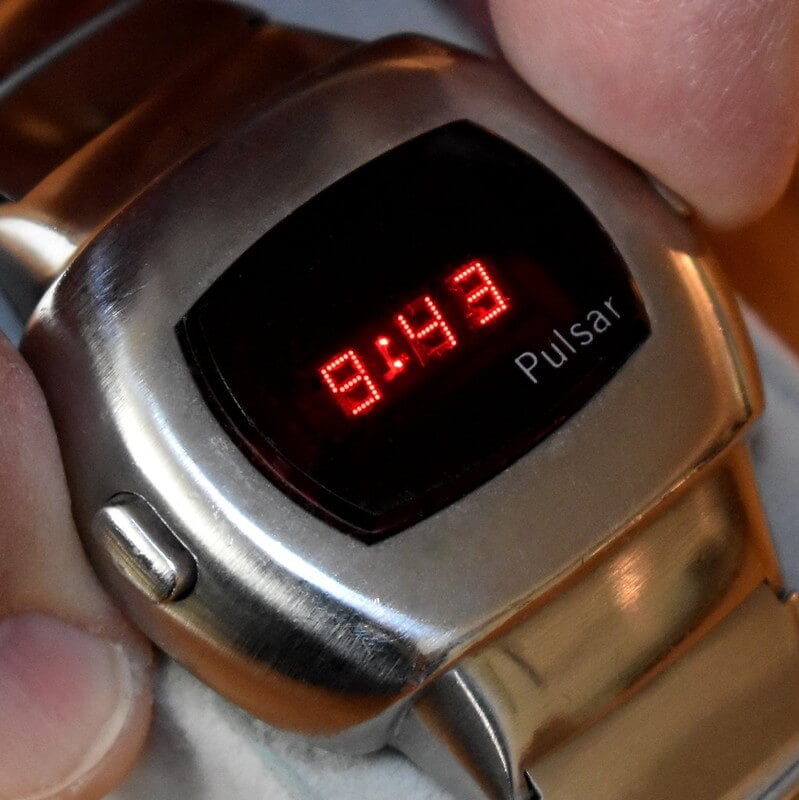
Released in 1972, the original Pulsar was the first commercially available digital watch, using red LED technology that required pressing a button to briefly illuminate the time display. The watch was a genuine luxury item at its original release price, a sharp contrast to how disposable digital watches later became.
Working original examples with an intact LED display and original case are considerably rarer and more valuable than the many later, cheaper digital watches that followed in its wake.
Casio Calculator Watch
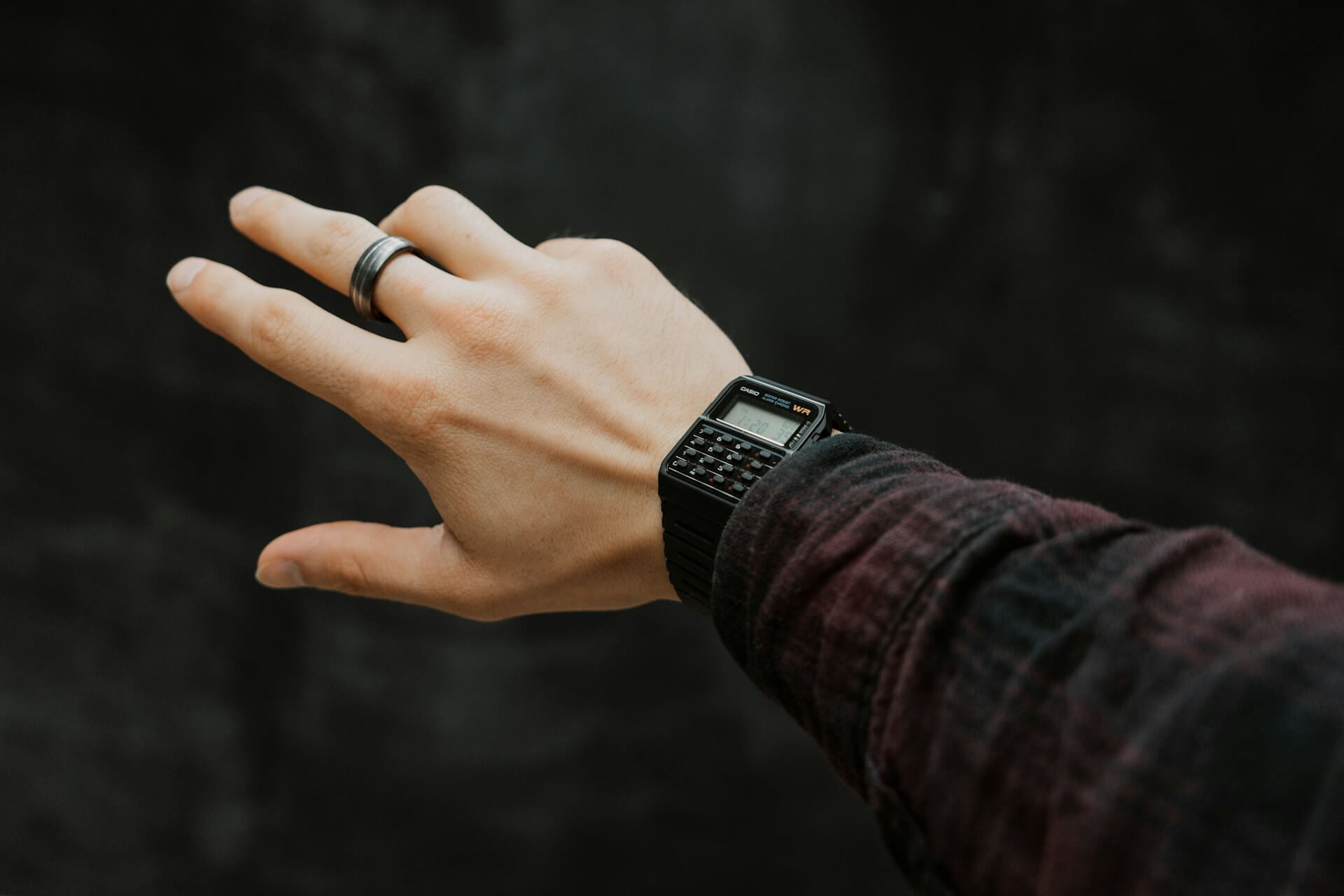
Introduced in the early 1980s, Casio’s calculator watches combined a basic digital timepiece with a functioning numeric keypad and small calculator display, becoming a specific and widely recognized symbol of that decade’s approach to wearable technology. Millions were produced, keeping most individual examples relatively affordable even in good condition.
Working examples where the rubber buttons and display remain fully functional command a genuine premium over pieces where the calculator function has failed.
Casio G-Shock Early Models
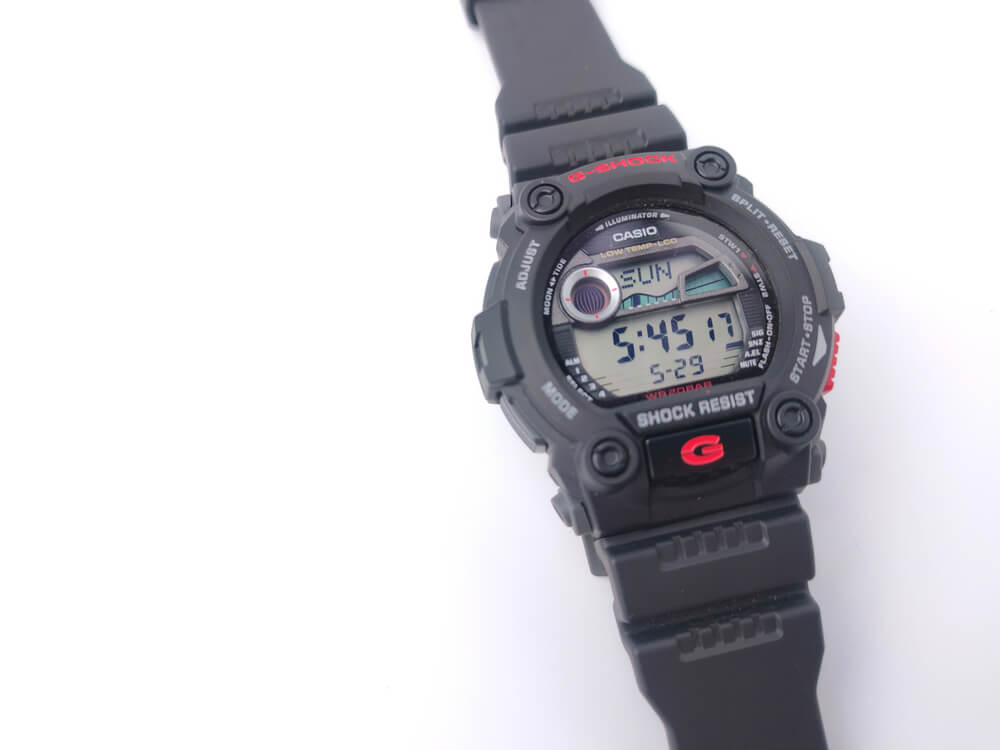
Introduced in 1983 and built specifically to survive drops and shocks that would damage a conventional watch, the earliest G-Shock models have become increasingly collectible as the line’s decades-long reputation for durability has grown. Original first-generation models in unmodified, working condition are considerably scarcer than later production, since many early examples were used hard and eventually discarded.
Original packaging and undamaged resin cases add meaningful value for collectors specifically hunting first-run examples.
Original Swatch from the 1980s
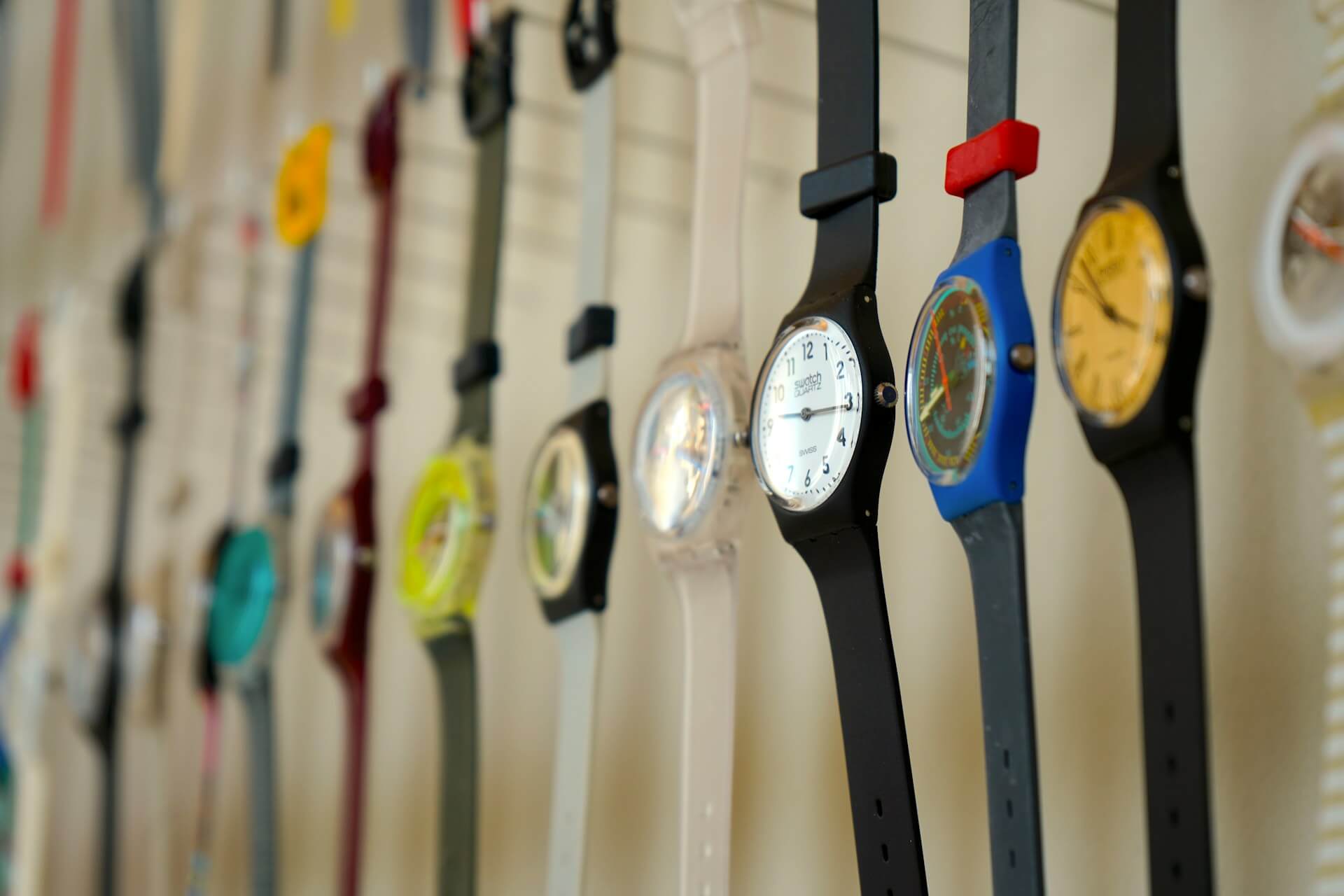
Introduced in 1983 as an affordable Swiss-made plastic watch designed partly to compete with cheaper digital alternatives, the original Swatch line became a genuine design and pop culture phenomenon through limited edition and artist-collaboration models released throughout the decade. Certain limited-run designs from this early period have become significantly more valuable than the brand’s standard, widely produced models.
Condition of the plastic case and original strap matters considerably, since both are prone to visible wear and yellowing over time.
Vostok Amphibia
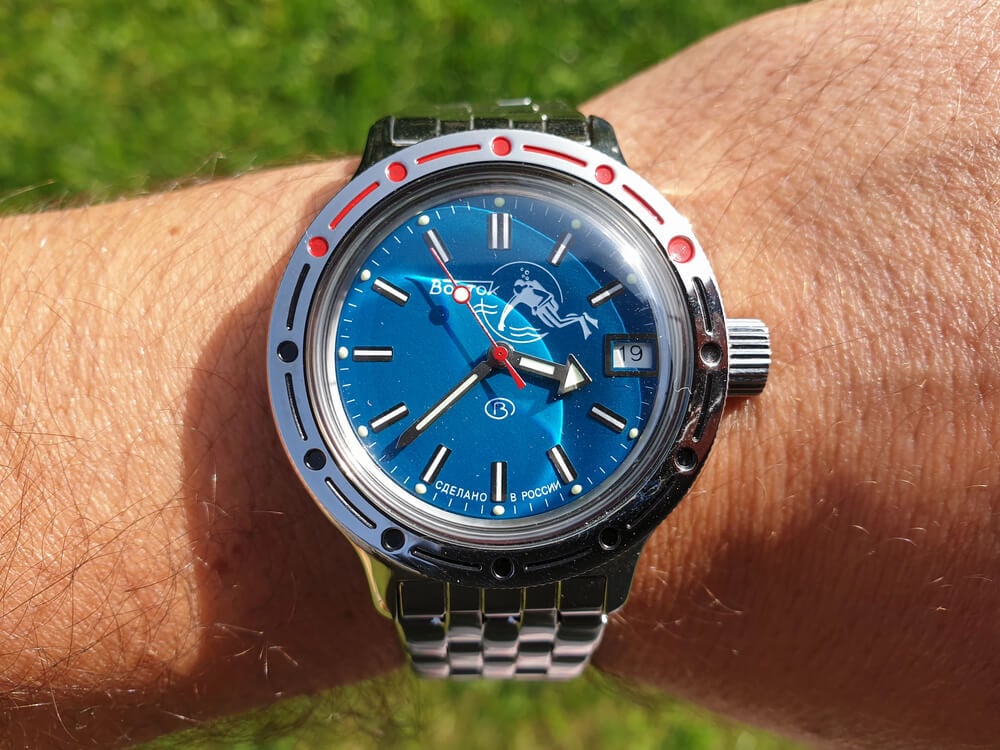
Developed in the Soviet Union starting in the 1960s specifically for military divers, the Vostok Amphibia used an unusual case design in which water pressure actually helped seal the watch more tightly rather than working against it. The model remained in production largely unchanged for decades, giving collectors a genuinely wide range of dial variants and case types to pursue.
Original Soviet-era examples, as opposed to later post-Soviet production, generally carry a meaningful premium tied to their specific historical origin.
Orient Crystal
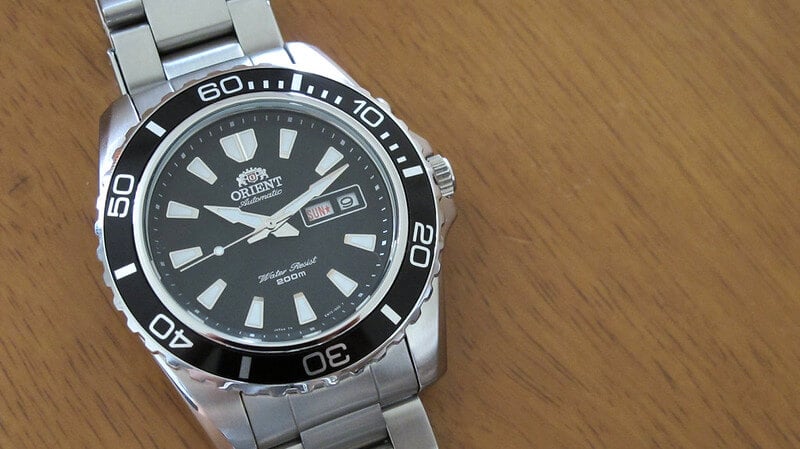
A mid-range Japanese automatic watch line dating to the 1960s and 1970s, the Orient Crystal offered a genuinely accessible entry point into vintage automatic watch collecting, often available for considerably less than comparable Seiko models of the same era. The line’s relative affordability has made it a popular starting point for newer collectors exploring vintage pieces without a significant initial investment.
Running condition and dial clarity matter more to this line’s value than any particular rare reference number.
Elgin Railroad Pocket Watch
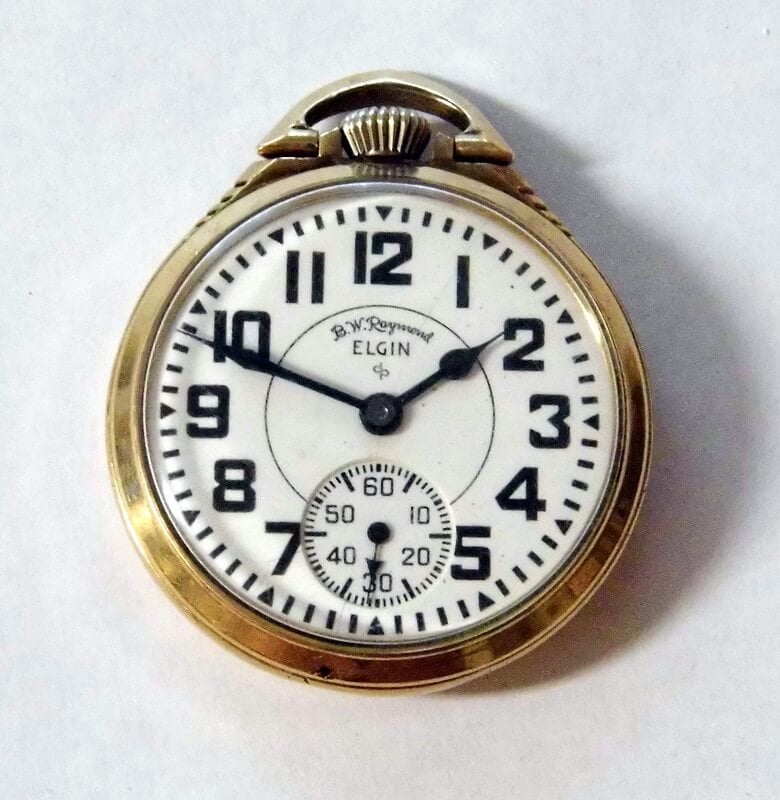
Produced by the Elgin National Watch Company beginning in the 1860s, railroad-grade pocket watches were built to strict accuracy standards specifically required for railway timekeeping safety regulations established in the early twentieth century. Surviving examples that meet documented railroad-grade specifications, with original cases and dials, are considerably more valuable than standard consumer pocket watches from the same manufacturer.
A working movement with its original case, rather than a later replacement case, is essential to meaningful collector value for this category.
Hamilton Railroad Pocket Watch
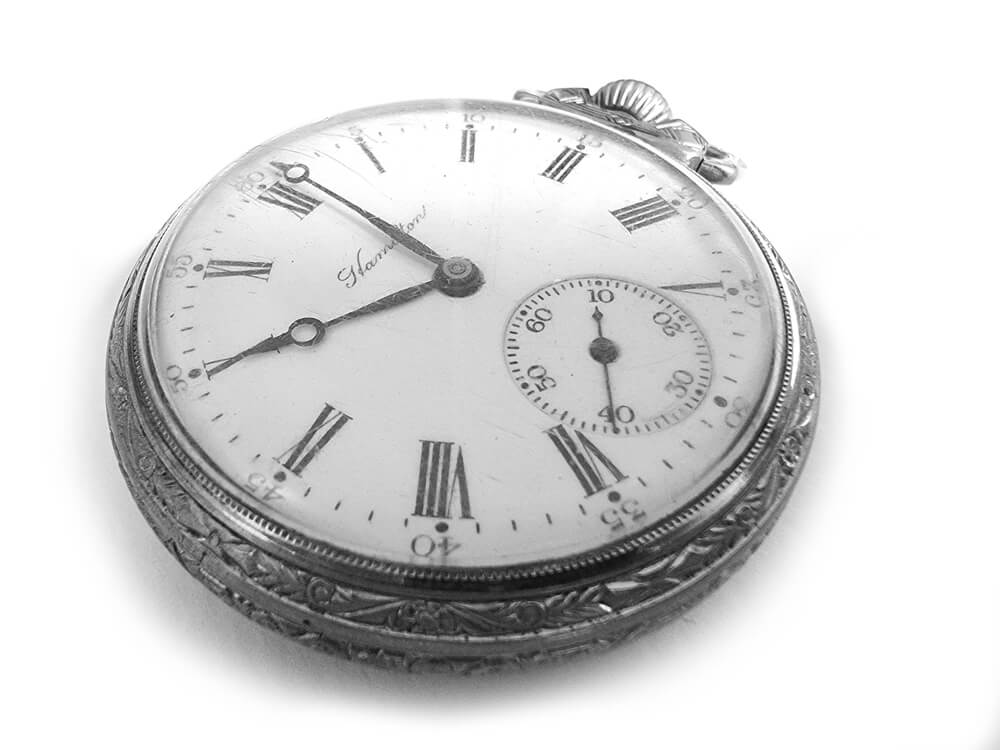
Hamilton’s railroad-grade pocket watches, produced from the early twentieth century through the mid-1900s, were considered among the most accurate and reliable timepieces available for railway use during the era when precise scheduling genuinely depended on individually carried watches. The 992 series in particular remains well regarded among pocket watch collectors for its accuracy and build quality.
Case and movement matching to original factory specifications significantly affects value, since many surviving examples have mismatched replacement parts accumulated over decades of practical use.
A-11 Military Field Watch
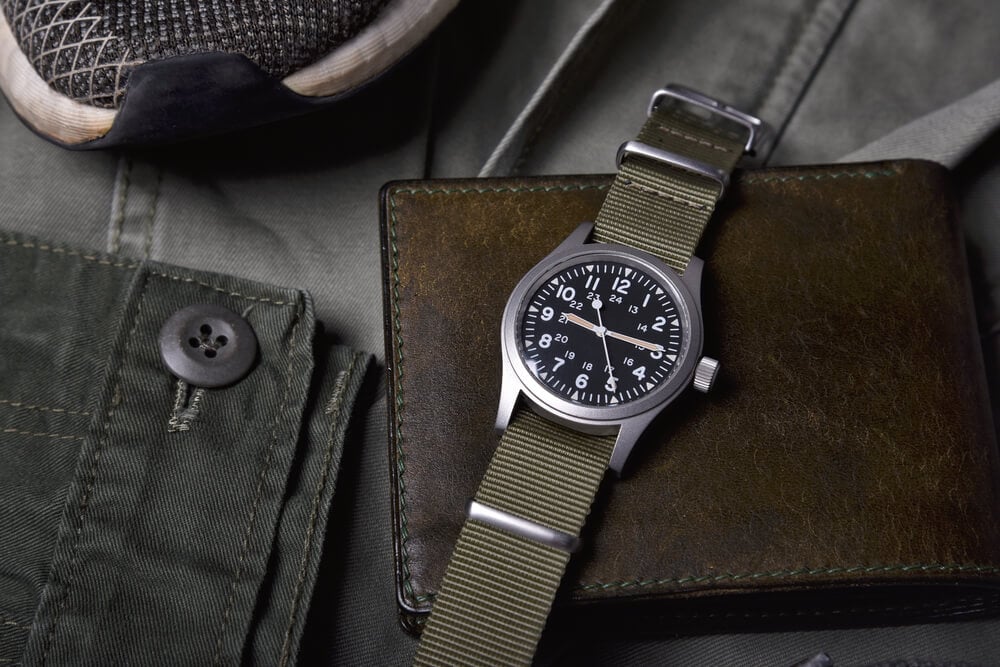
Issued to United States military personnel during the Second World War, the A-11 was a simple, highly legible hand-wind field watch produced to strict government specifications by several different manufacturers rather than a single brand. Its no-frills, purely functional design has made it a lasting reference point for the entire field watch category that followed.
Examples with clear, documented military issue markings and an unaltered case are considerably more valuable than watches simply styled to resemble the original military design.
Longines Vintage Chronograph
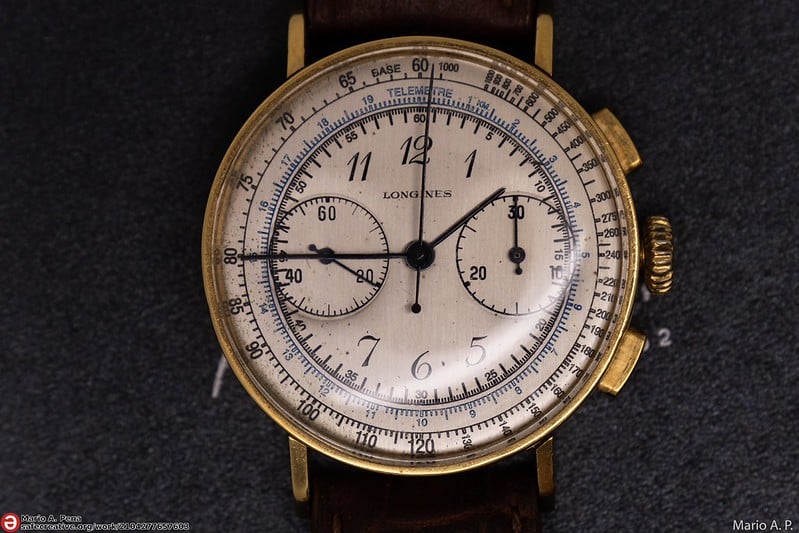
Longines produced a range of manually wound chronograph watches through the mid-twentieth century, valued by collectors for their clean dial layouts and historically significant in-house movements developed before the brand later relied more heavily on outside suppliers. Specific reference numbers and dial variants carry meaningfully different values within the broader category.
A period-correct, unpolished case paired with an original dial is the single biggest factor separating a modestly priced example from a genuinely valuable one.
Universal Geneve Tri-Compax
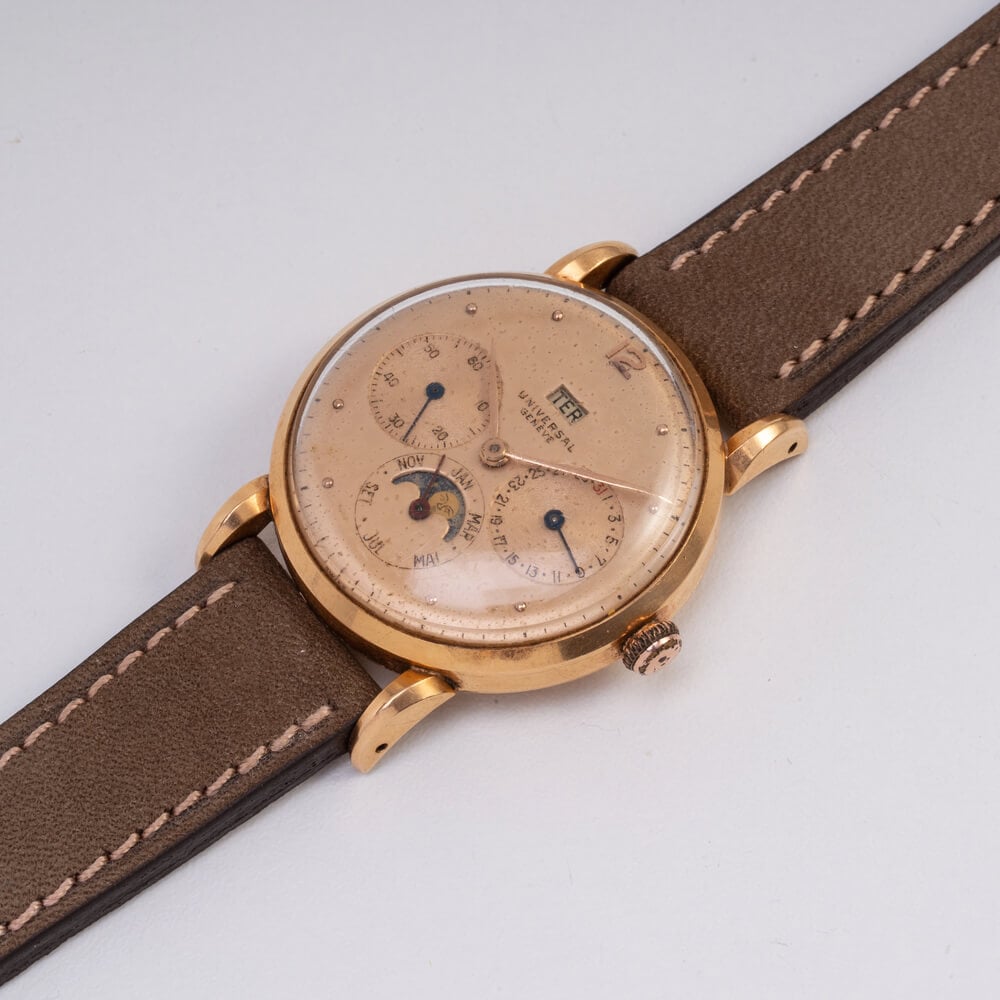
Produced from the 1940s through the 1960s, the Universal Geneve Tri-Compax combined a chronograph function with a full calendar and moon phase display, representing a genuinely complex mechanical achievement for a wristwatch of its era. The model has developed a dedicated following among collectors specifically interested in complicated vintage watches from brands outside the most famous Swiss houses.
Full functionality of all three complications, verified by a qualified watchmaker, is essential to establishing genuine value rather than relying on outward appearance alone.
Zodiac Sea Wolf
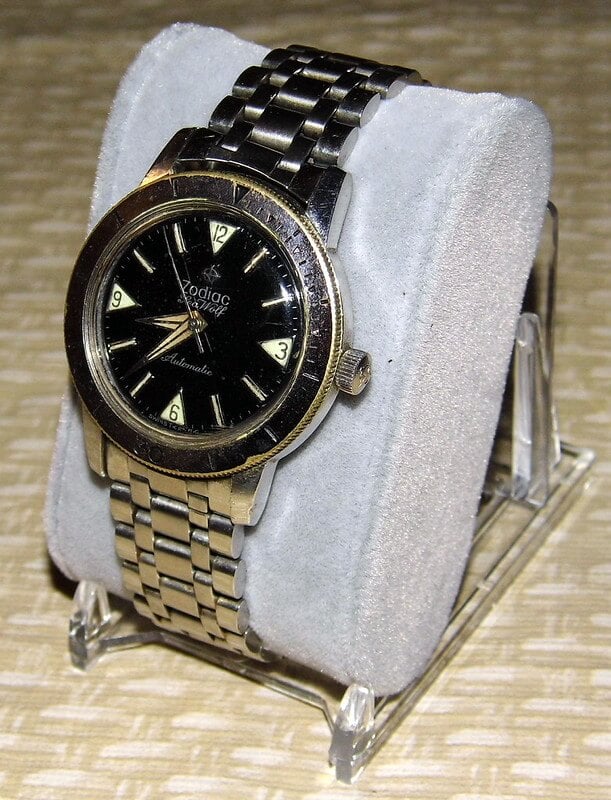
Introduced in 1953 as one of the earliest dedicated dive watches on the market, the Zodiac Sea Wolf predates many of the more famous dive watch references that followed from larger Swiss brands. The model has seen renewed collector interest as vintage dive watches broadly have grown in popularity over recent decades.
Original, unpolished cases with intact luminous markers command a clear premium over examples that show heavy case wear or replaced dial components.
Wittnauer Vintage Automatic
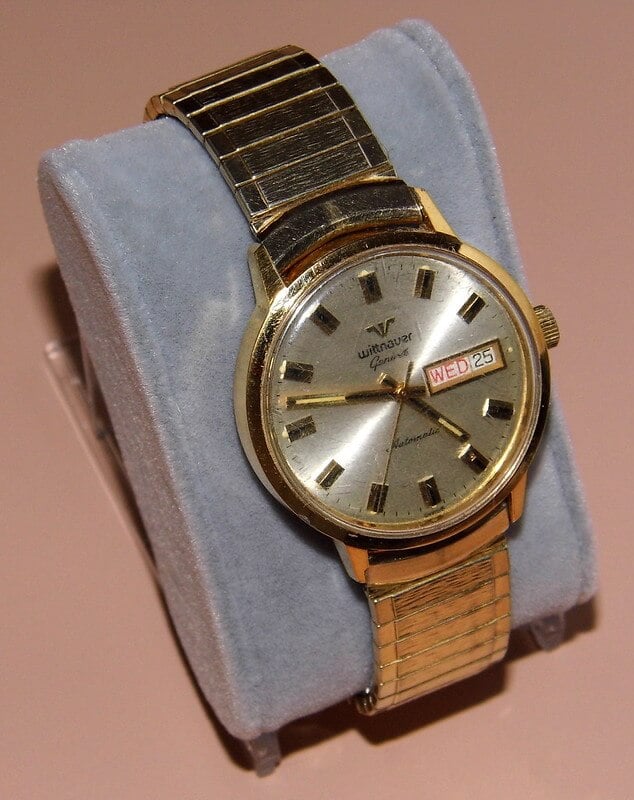
Wittnauer, closely associated with Longines for much of its history before operating independently, produced a range of solidly built automatic watches through the mid-twentieth century that offered genuine Swiss craftsmanship at a somewhat lower price point than the most prestigious brands. Individual models vary considerably in collector interest depending on case design and movement complexity.
As with most vintage pieces in this price tier, a running movement and an honest, unrestored dial matter more to value than the brand name alone.
Gruen Curvex
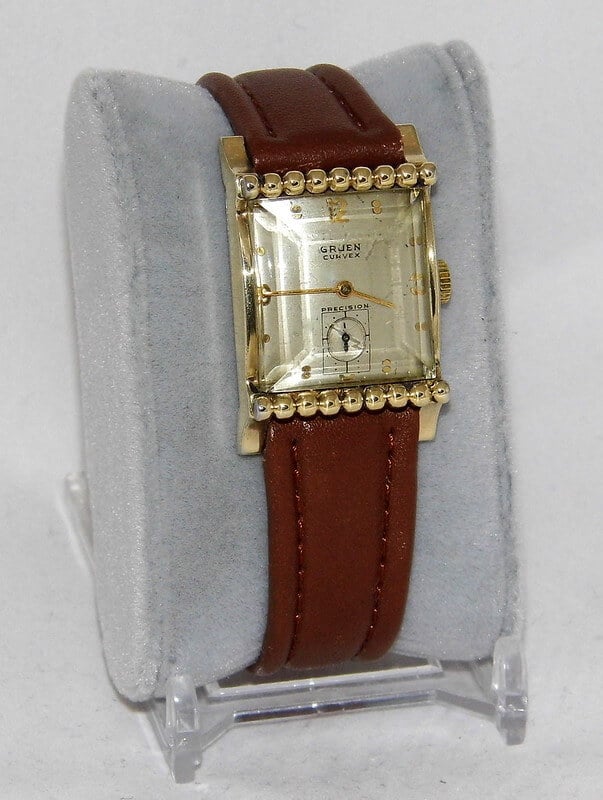
Manufactured primarily through the 1930s and 1940s, the Gruen Curvex line featured a distinctive curved case designed specifically to follow the natural contour of the wrist, a genuinely innovative engineering approach for the period. The curved case shape required a specially designed movement built to fit its unusual form, distinguishing it mechanically from standard round watches of the same era.
Surviving examples with an intact, uncracked crystal and a running curved movement are notably scarcer than more conventional vintage watches from the same decades.
Benrus Vintage Dress Watch
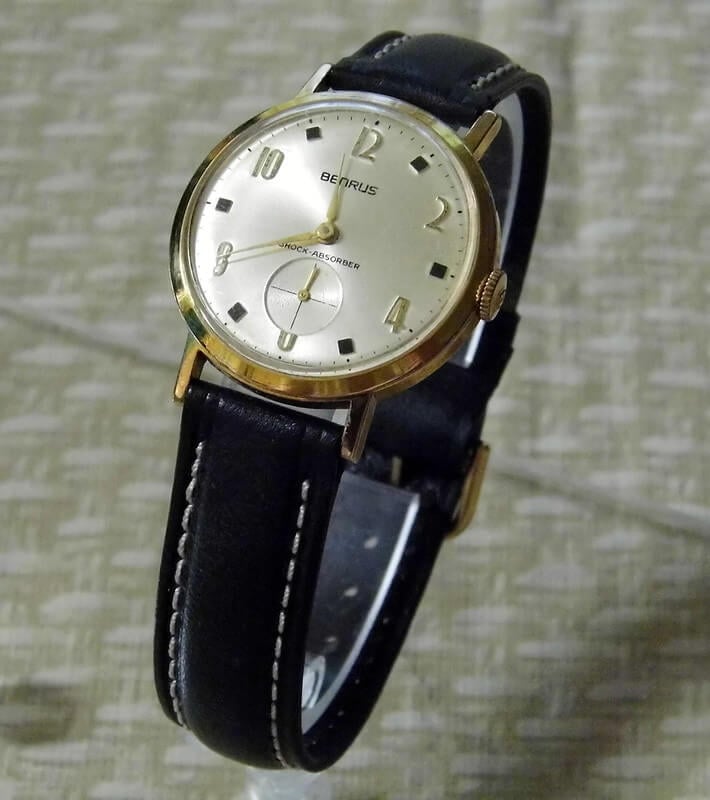
Benrus produced a wide range of affordable to mid-tier dress watches through the mid-twentieth century, offering clean, conservative styling aimed at a broad consumer market rather than any single standout complication or technical achievement. Individual examples vary widely in value depending on case material, with solid gold examples commanding meaningfully more than gold-filled or base metal versions of similar design.
Because the brand produced such a wide range of models, identifying the specific reference is often necessary before any meaningful value estimate can be made.
Waltham Pocket Watch
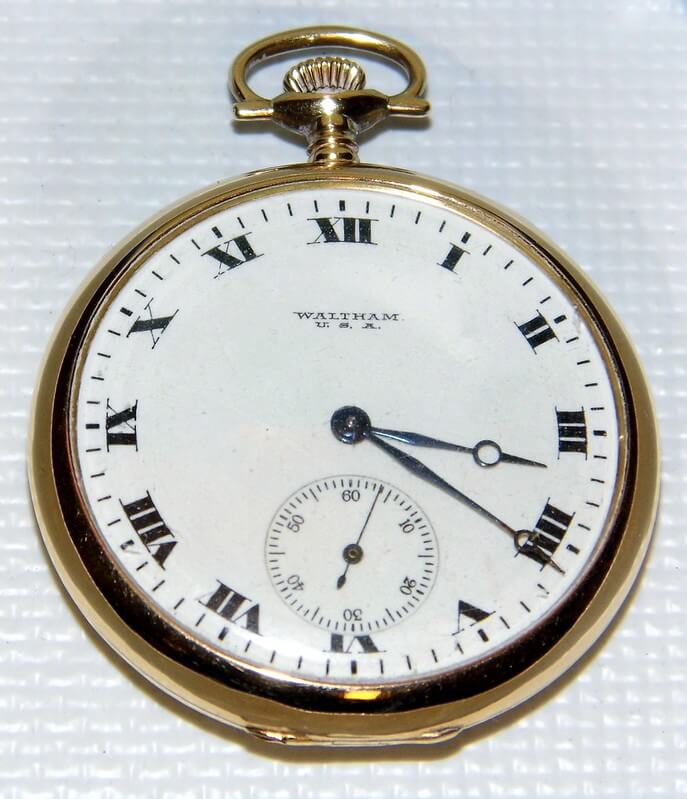
The Waltham Watch Company, operating from the mid-nineteenth century through the mid-twentieth, produced some of the earliest mass-manufactured pocket watches in the United States, playing a foundational role in the broader history of American watchmaking. Railroad-grade examples meeting documented accuracy standards are considerably more valuable than the company’s standard consumer-grade output.
As with other pocket watches from this era, an original, unswapped case paired with a functioning movement is essential to establishing genuine collector value.
What a Drawer Full of Old Watches Actually Holds
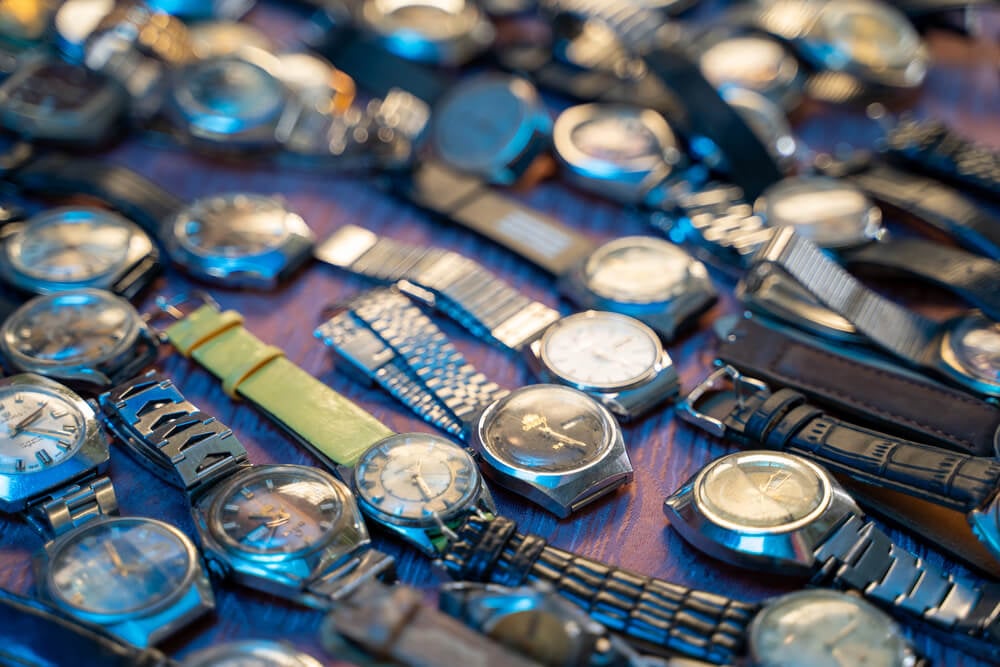
None of these watches announce their worth just by sitting there. A tarnished case, a stopped movement, and a scuffed crystal look, at first glance, like nothing more than an old watch that quit working sometime after a grandparent stopped wearing it daily.
What separates a genuinely valuable find from an ordinary keepsake almost always comes down to originality and documented condition, verified by someone who actually knows what to look for. Before assuming a piece is worthless or, just as easily, assuming it is a hidden fortune, a qualified watchmaker or appraiser remains the only reliable way to know for certain.
More from Go2Tutors!

- The Romanov Crown Jewels and Their Tragic Fate
- 13 Historical Mysteries That Science Still Can’t Solve
- Famous Hoaxes That Fooled the World for Years
- 15 Child Stars with Tragic Adult Lives
- 16 Famous Jewelry Pieces in History
Like Go2Tutors’s content? Follow us on MSN.