28 Prisoners of War Whose Escapes Read Like Fiction
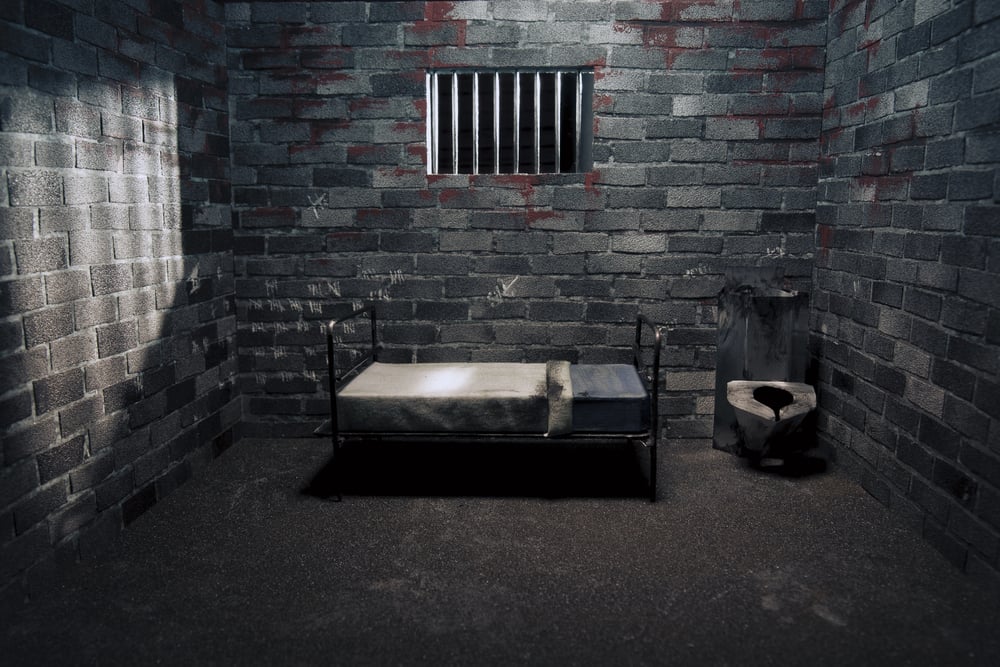
There’s something about a prison escape that refuses to stay contained to the history books. Maybe it’s because the stakes couldn’t be higher — freedom on one side, captivity or death on the other — or maybe it’s because the human instinct to get out, to find the gap in the fence, to outlast the people holding you, is one of the most stubborn forces in existence.
Whatever it is, the escapes that came out of the world’s wars aren’t just footnotes. They’re full stories, the kind that screenwriters would reject as too implausible.
Tunnels dug with spoons. Disguises sewn from scraps.
Men walking through the front gate in enemy uniforms, heart hammering, face blank. These are 28 of those stories — real people, real wars, real odds that should have been unsurvivable.
Roger Bushell
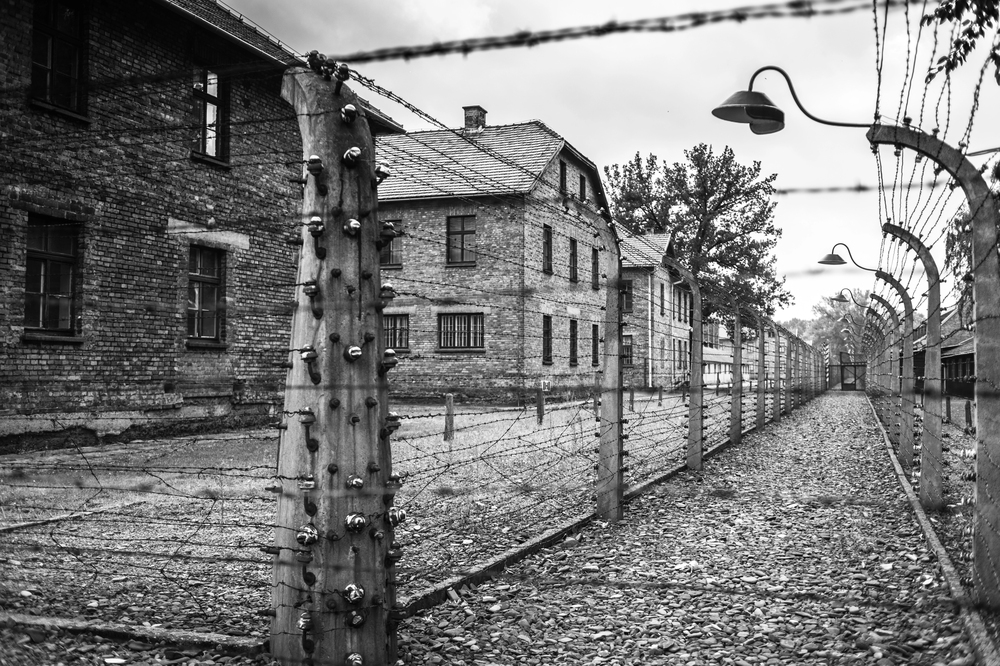
Roger Bushell organized what became known as the Great Escape from Stalag Luft III in 1944 — three tunnels, code-named Tom and Harry, dug simultaneously beneath a German POW camp in occupied Poland. Seventy-six men got out through Harry before the tunnel was discovered; Bushell himself was recaptured and executed on Hitler’s direct orders.
But the operation he designed, right down to the forged papers and tailored civilian clothes, was so meticulously constructed that it remains one of the most studied escape operations in military history.
Airey Neave
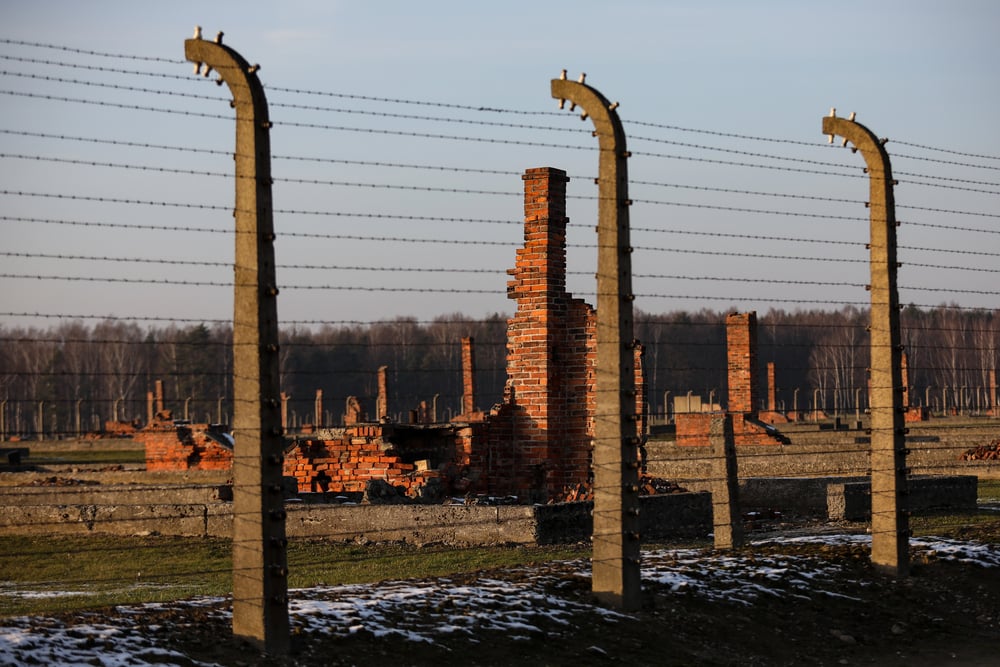
Airey Neave was the first person to escape from Colditz Castle — a feat the Germans had confidently declared impossible — when he walked out through the guardhouse in January 1942 dressed as a German officer. The uniform was assembled from a Dutch uniform dyed field grey, with rank insignia fashioned by hand; he and a fellow escapee, Tony Luteyn, simply walked past the guards and into the town.
He made it back to Britain and later became a close ally of Margaret Thatcher, which is the kind of detail that belongs in a novel but happened anyway.
Édith Cavell
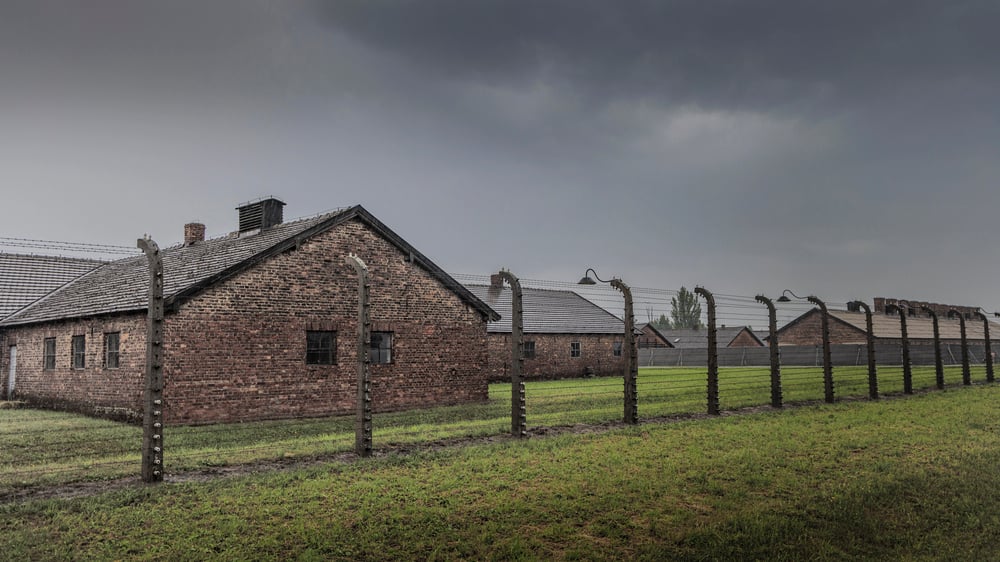
Édith Cavell wasn’t a prisoner in the traditional sense, but she was captured behind enemy lines in World War I and used her position as a nurse in occupied Belgium to help over 200 Allied soldiers escape into neutral Netherlands. The Germans arrested her in 1915 and executed her by firing squad — a decision that shocked the world and backfired catastrophically on Germany’s international reputation.
She knew exactly what she was doing and kept doing it, which is the kind of stubbornness that doesn’t have a safe word.
Dieter Dengler
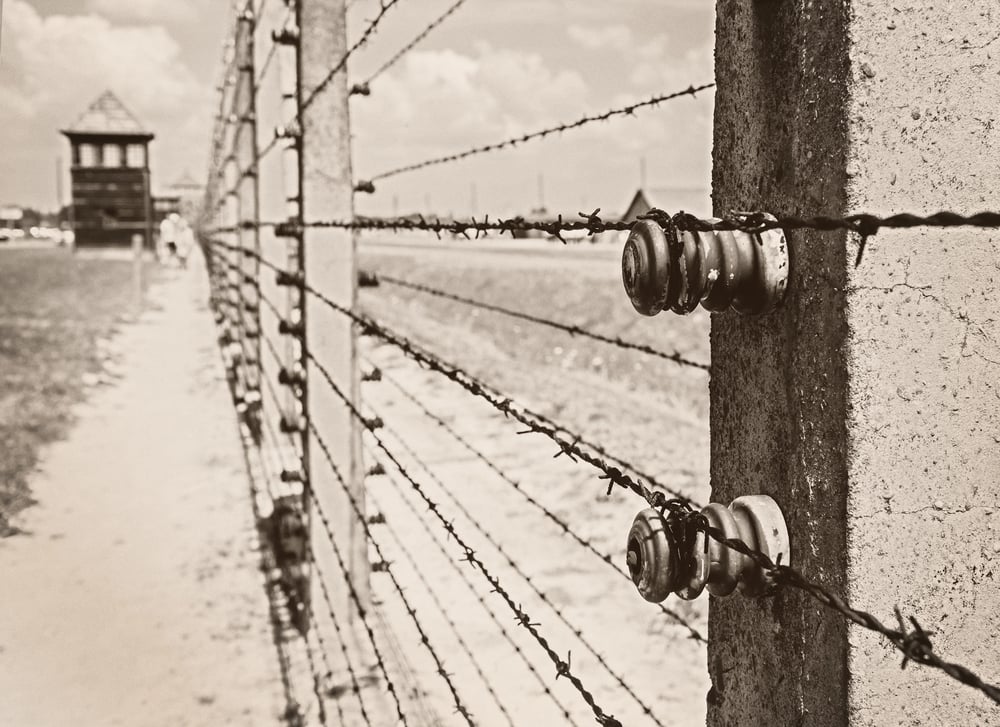
Dieter Dengler was a U.S. Navy pilot shot down over Laos in 1966 and taken to a Pathet Lao prison camp where the conditions were designed to break men, not just hold them. He escaped by working loose the stakes holding the prisoners’ leg irons, overpowering guards, and disappearing into some of the densest jungle on earth — surviving for 23 days before a rescue aircraft spotted him, skeletal and delirious, waving from a riverbank.
Of the seven prisoners who escaped with him that day, only one other survived.
Douglas Bader
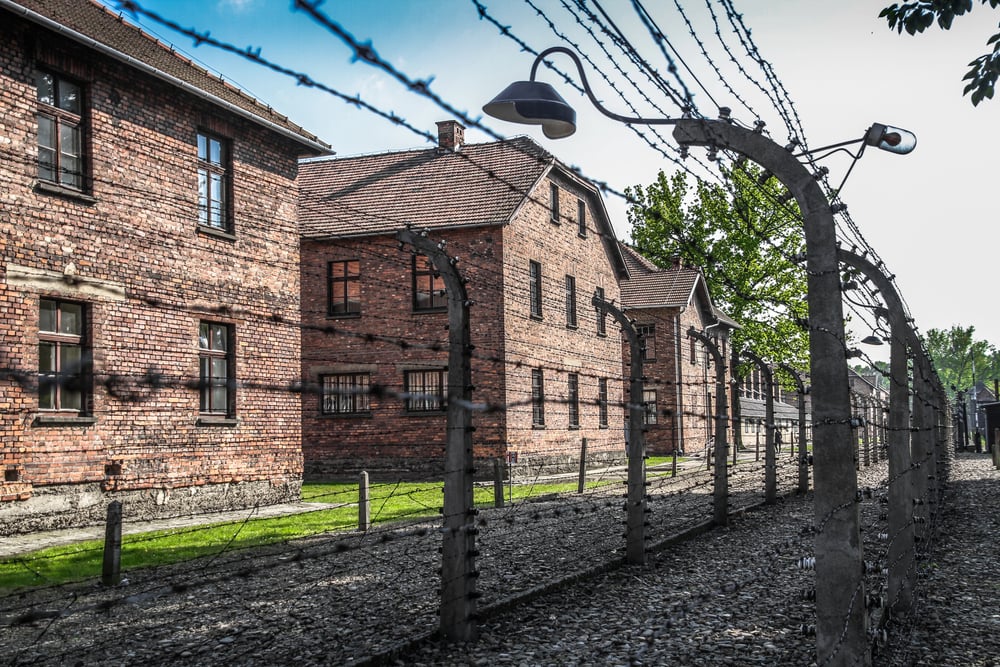
Douglas Bader was a Royal Air Force pilot with no legs — both had been amputated after a pre-war flying accident — and he escaped from a German hospital after being shot down in 1941 by climbing out of a window using a rope made of knotted bedsheets. The Germans eventually recaptured him and confiscated one of his prosthetic legs to prevent further escapes, which says something about both his determination and their frustration.
He spent the rest of the war at Colditz.
Henri Giraud
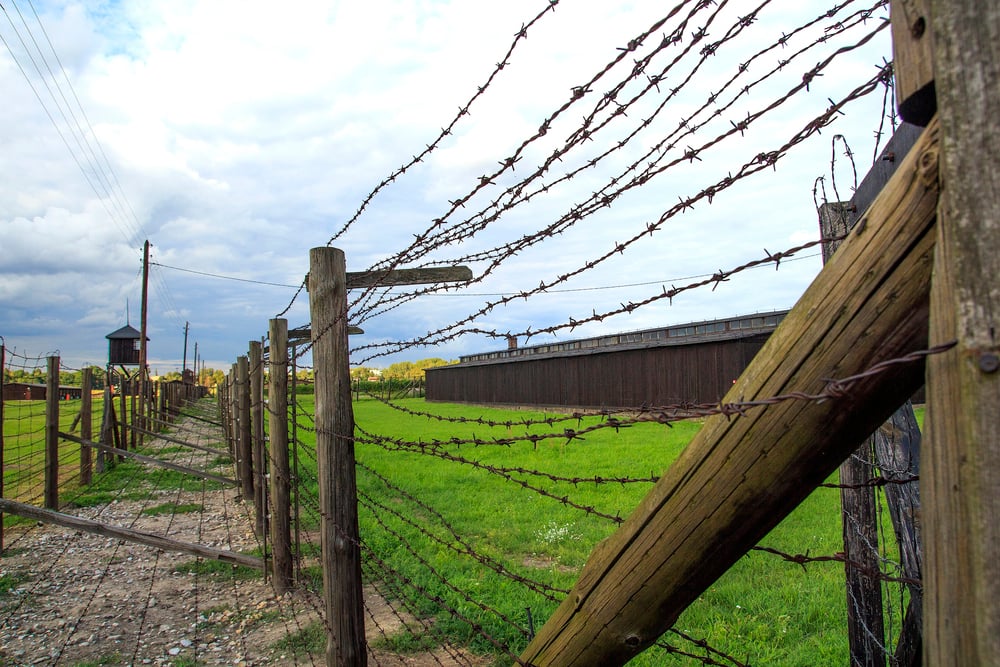
Henri Giraud was a French general who escaped from Königstein Fortress — a castle perched on a sheer cliff above the Elbe River — in 1942 at the age of 63, by climbing down a rope he had spent two years braiding from string and wire, in the rain, in the dark. He reached Switzerland, made contact with the French resistance, and eventually became a key figure in the Free French forces in North Africa.
The Germans were so embarrassed by his escape that they demanded Switzerland return him; Switzerland declined.
Syd Kinsman
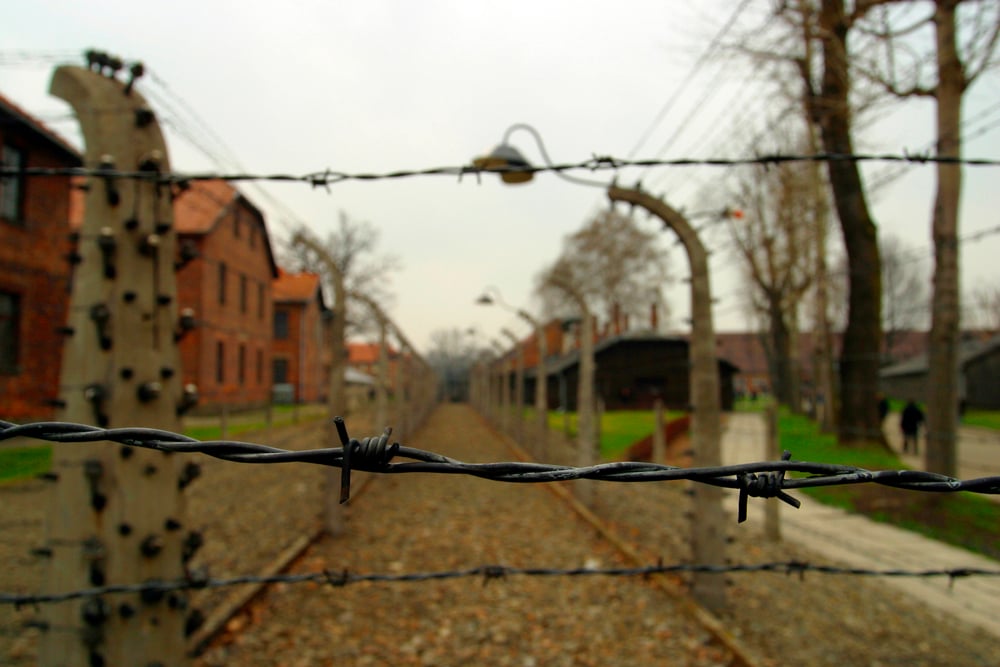
Syd Kinsman was an Australian POW held at a Japanese camp in Borneo during World War II, where the mortality rate was not a statistic anyone would want to contemplate for long. He escaped with a small group by disappearing into the jungle during a work detail, navigating through some of the least forgiving terrain on the planet with almost no supplies.
The escape itself was only the beginning — what followed was weeks of survival in conditions that killed most of the men who attempted the same thing.
Hans Larive and Francis Steinmetz
Hans Larive and Francis Steinmetz were Dutch naval officers held at Oflag IV-C, better known as Colditz Castle, and they escaped in 1941 by hiding in a manhole beneath the castle park during a work detail, then slipping out of the compound and making their way overland to Switzerland. What made their escape notable — besides actually working — was the intelligence they carried back about the camp’s layout and security, which was immediately useful to every POW organization scrambling to get men out of German hands.
Two people, one opening, and a very long walk.
Clarence Harvey “Bub” Clark
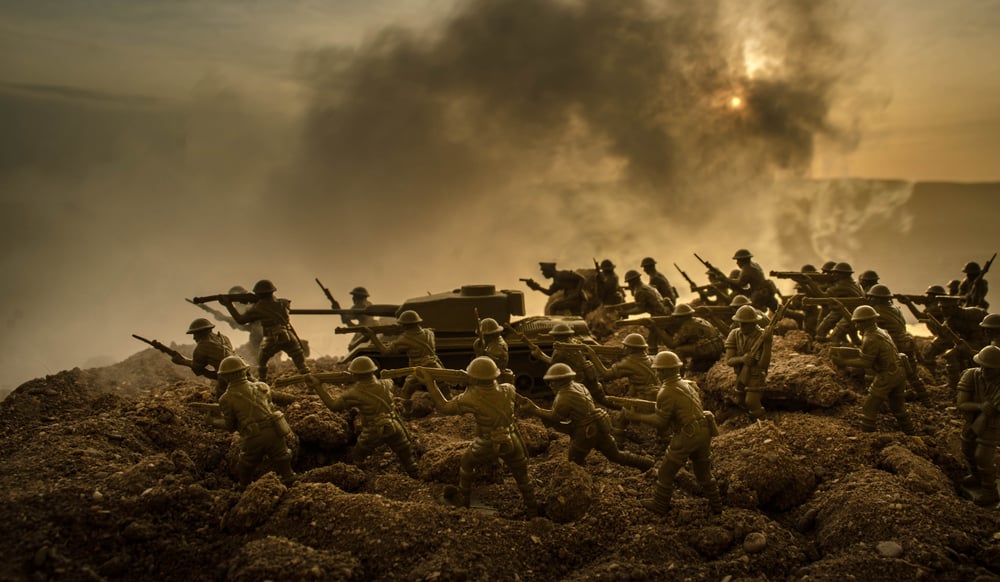
Clarence Harvey “Bub” Clark, an American airman, was shot down over Germany and held at Stalag Luft I, where he developed a reputation for attempting escapes the way other men developed reputations for card games. He used forged documents crafted from stolen materials, wore a homemade German uniform assembled piece by piece, and walked out of the camp with the kind of calm that either comes from extraordinary courage or a complete refusal to imagine being caught.
He was recaptured, but the escape itself was a masterclass in improvised disguise.
Winston Churchill
Winston Churchill escaped from a Boer prison in Pretoria in 1899 — long before he became the figure history remembers — by climbing a wall during a moment when the guards’ attention drifted, dropping into a neighboring garden, and simply walking into the city. He had no map, no contacts, no plan beyond the wall itself; what he had was the particular confidence of a 25-year-old who hadn’t yet learned to be afraid.
He eventually reached safety by hiding in a coal mine shaft and then stowing away in a wool train to Portuguese East Africa.
Heinrich Steinau
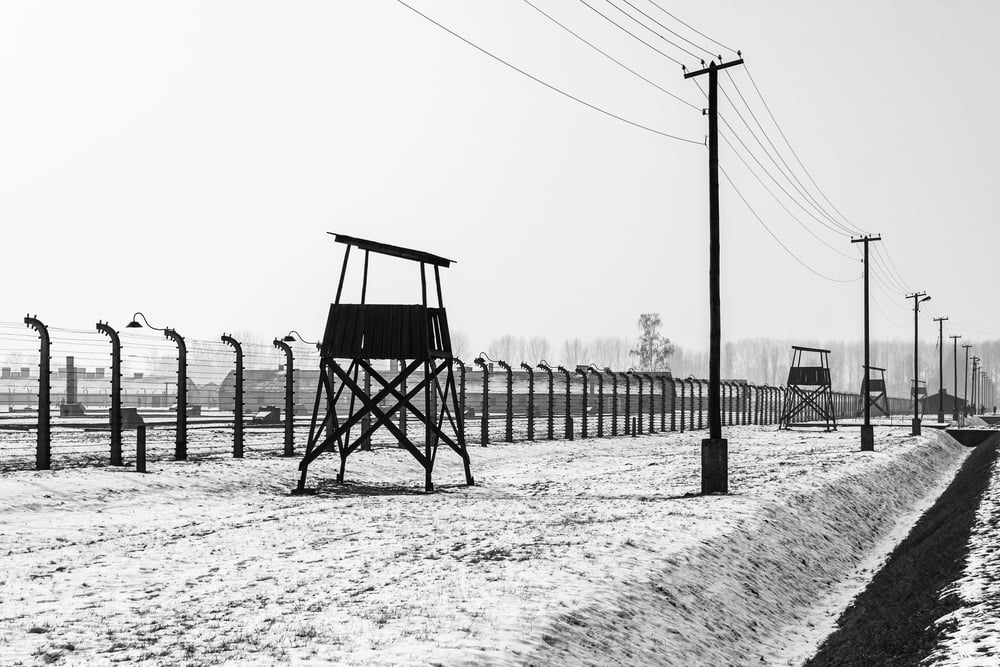
The escape that haunts you isn’t always the famous one — sometimes it’s the one where a single soldier, separated from every network and resource, walked roughly 500 miles through occupied Europe on nerve alone. Heinrich Steinau, a German POW held in Soviet captivity after Stalingrad, made his way back westward through a patchwork of forged papers and borrowed identities at a time when the wrong face on the wrong road meant immediate execution.
The details of his journey were reconstructed afterward partly from his own account and partly from the sheer improbability that it worked.
Jack Churchill
Jack Churchill — no relation to Winston — was a British officer who fought in World War II with a Scottish broadsword and a longbow, which is already a story, and was eventually captured in Yugoslavia and sent to various German camps including Dachau’s satellite facilities. He escaped from a camp in the Austrian Tyrol near the war’s end by walking out during a period of guard confusion and trekking roughly 150 miles to the American lines.
He was, by all accounts, constitutionally unsuited to captivity.
Bert Leggett
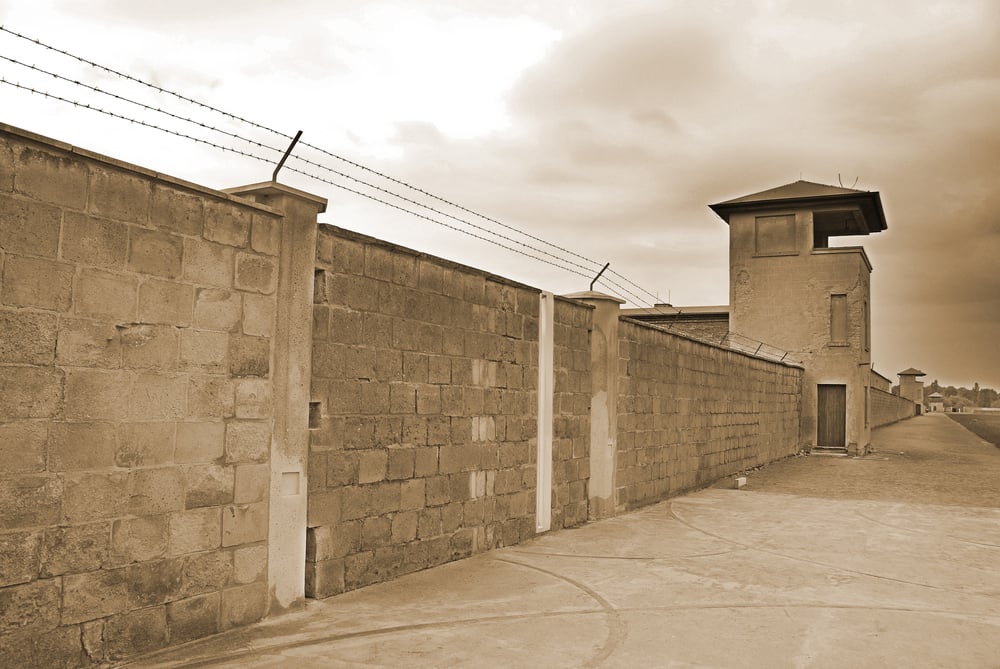
Bert Leggett was an Australian soldier captured during the fall of Singapore in 1942 and held in circumstances that reduced most men to their physical limits within months. He escaped from a Japanese work camp in Thailand by exploiting a gap in the perimeter fence during a nighttime work detail, crossing through jungle terrain where the threats included not just recapture but typhus, malaria, and wildlife that was indifferent to the political context.
He was one of very few Allied POWs to escape from the Thailand-Burma Railway camps and survive.
Bernard Montgomery’s Uncle
There’s something almost recursive about the fact that Field Marshal Bernard Montgomery had a relative — his uncle — who escaped from a Boer War prison camp in South Africa using a disguise and a considerable amount of bluffing, establishing what appeared to be a minor family tradition of refusing to stay where they were put. The escape involved passing as a civilian at a checkpoint at a time when checkpoints were the mechanism designed specifically to prevent that.
To be fair, it worked.
Evan John Jones
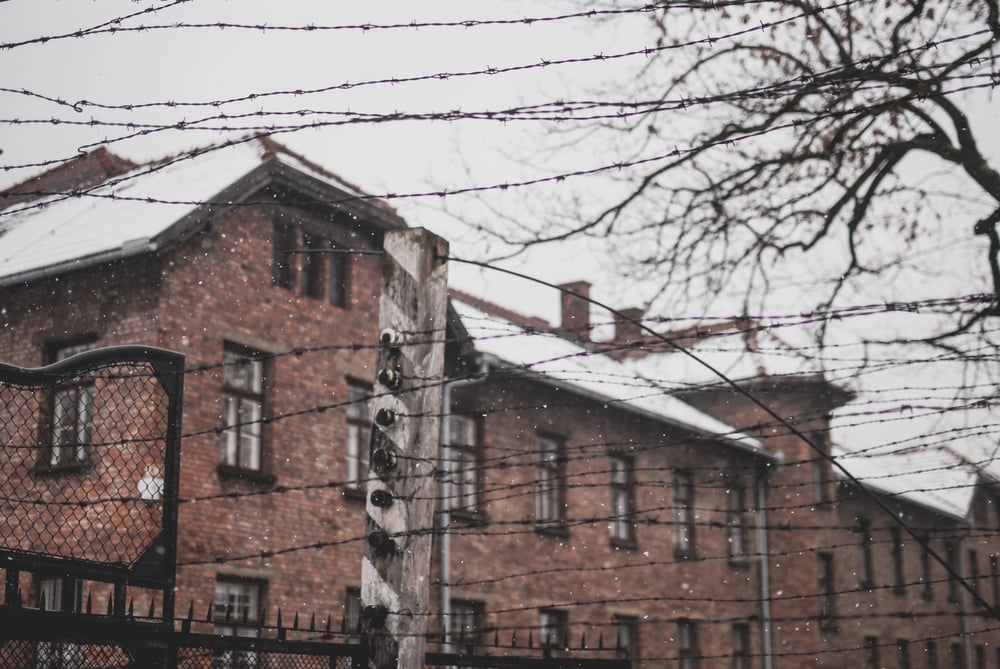
Evan John Jones was a British soldier captured during the retreat to Dunkirk who spent the early years of World War II as a POW in Germany before escaping and making his way through occupied France with the help of the French resistance network known as the Comet Line. The Comet Line was run largely by Belgian civilians, many of them teenagers and young women, who were risking their lives to shepherd Allied soldiers across the Pyrenees into neutral Spain — a route that involved roughly 300 miles of mountains and checkpoints.
Jones made it.
Gino Watkins
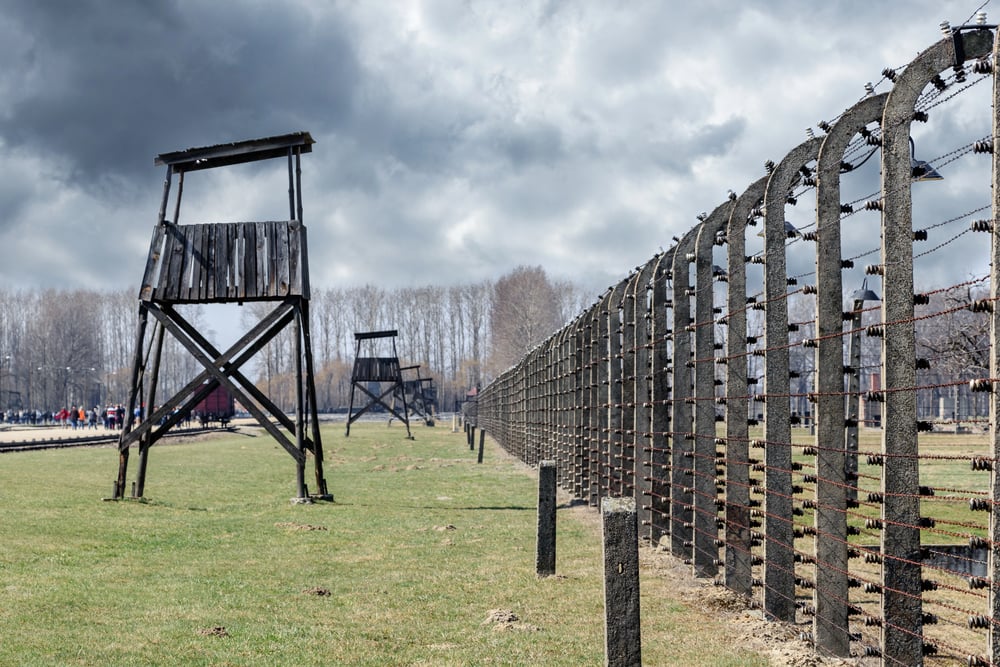
Gino Watkins was a British explorer and officer who, when captured by Italian forces in World War II, applied to his escape the same methodical stubbornness he had previously applied to Arctic expeditions. He mapped the camp layout over weeks before moving, gathered materials for a civilian disguise, and timed his exit to a guard rotation gap he had been tracking for months.
The escape bore the hallmarks of someone who genuinely believed preparation was the answer to every problem — and turned out to be right.
Ferdinand Chaves
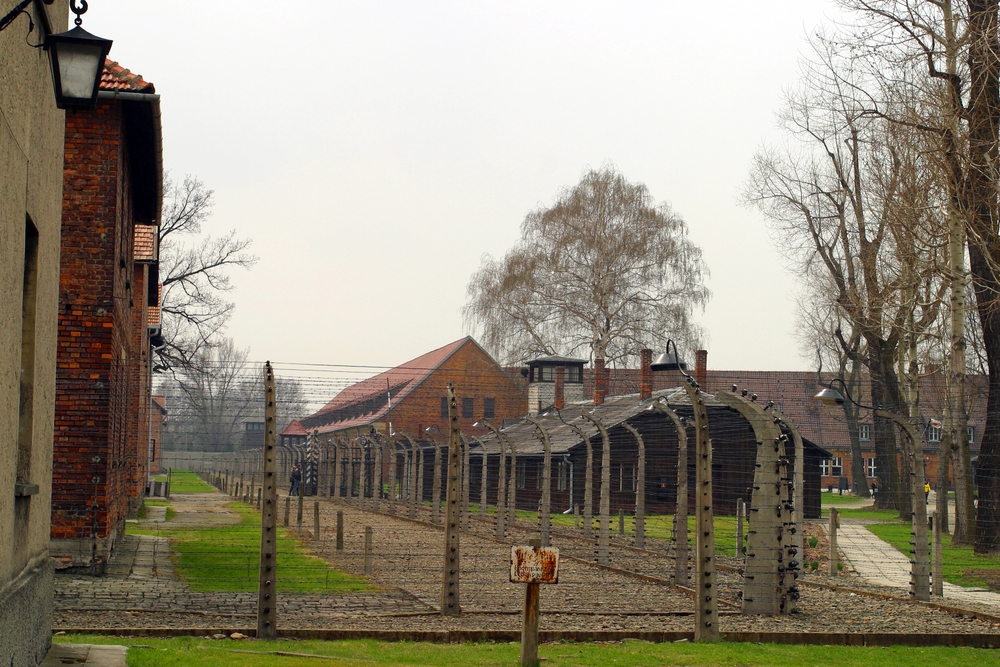
Ferdinand Chaves was a French resistance fighter captured by the Gestapo and held in circumstances that were designed to produce confessions, not escapes. He managed to slip through a transfer between facilities by concealing himself in a supply vehicle, a maneuver that required the cooperation of at least one French civilian guard who was taking an enormous personal risk.
The story survived because Chaves survived — which, given the Gestapo’s record, is the most implausible part of it.
Denys Pringle
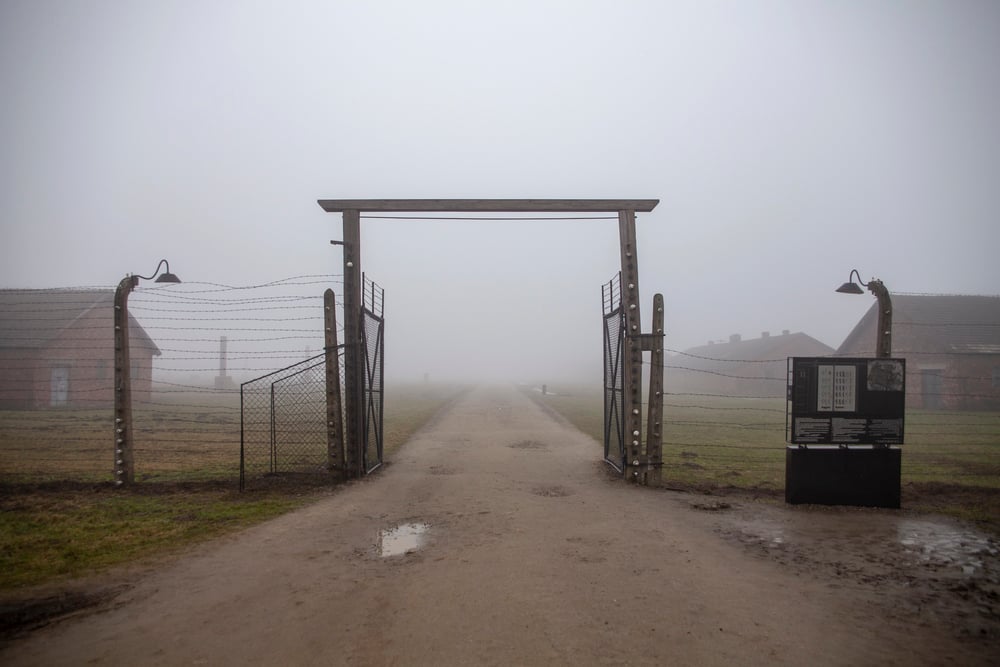
Denys Pringle was a British officer who escaped from an Italian POW camp in North Africa in 1942 and made a journey on foot through the desert that should not have been survivable on the water and food he had. He navigated partly by stars, partly by a rough sketch of the terrain he had memorized before the escape, and reached Allied lines after several days in conditions where heat alone was a serious adversary.
Escapes from North African camps were rare — the desert didn’t need fences.
William Ash
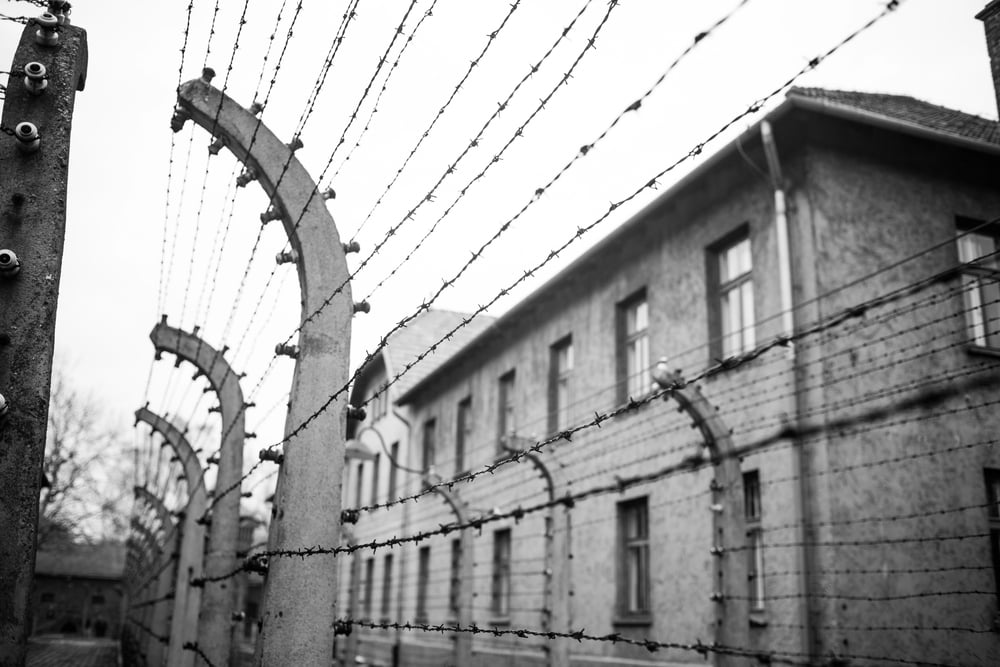
William Ash was an American-born RAF pilot shot down over France in 1942 who spent the rest of the war attempting to escape from a succession of German camps, which the Germans responded to by moving him to progressively more secure facilities. He participated in the tunnel networks at Stalag Luft III — the same camp where the Great Escape was organized — and was involved in so many attempted breakouts that the Germans reportedly referred to him by a nickname that translated roughly to “the permanent escaper.”
He never fully made it home during the war, but he never stopped trying.
John Biggam
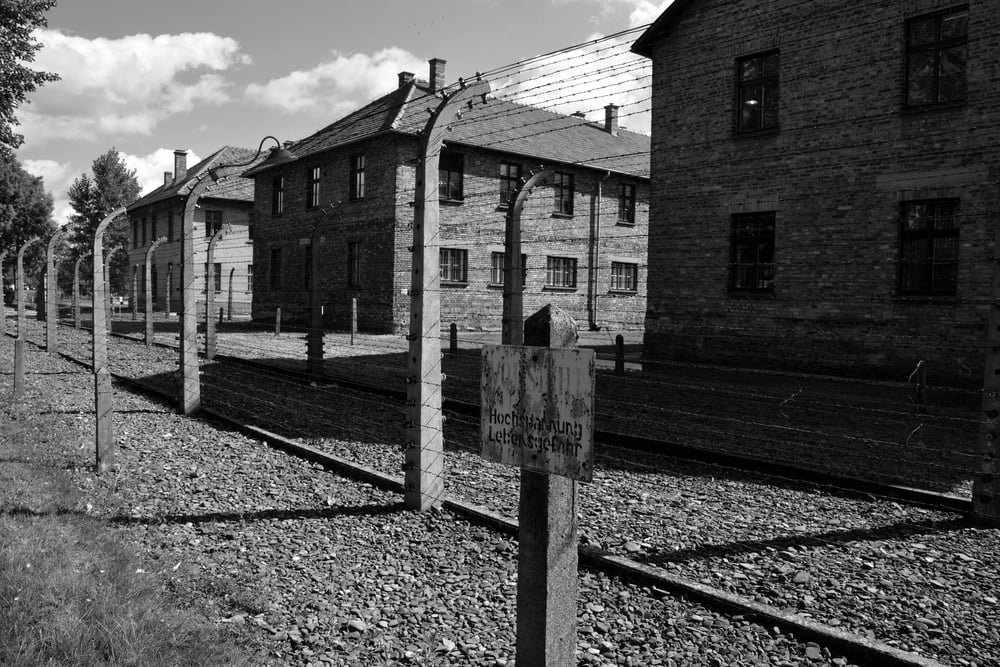
John Biggam was a Scottish POW in World War II who escaped from a German work camp by the deceptively simple method of swapping identities with a non-commissioned officer whose work detail took him outside the wire. The identity swap — trading dog tags, papers, and, in effect, names — required both men to maintain the deception under questioning for weeks before the breakout, knowing that a single inconsistent answer would end both of their stories.
Biggam was eventually recaptured but had made it far enough to give the Germans a genuine problem.
Terrence Prittie
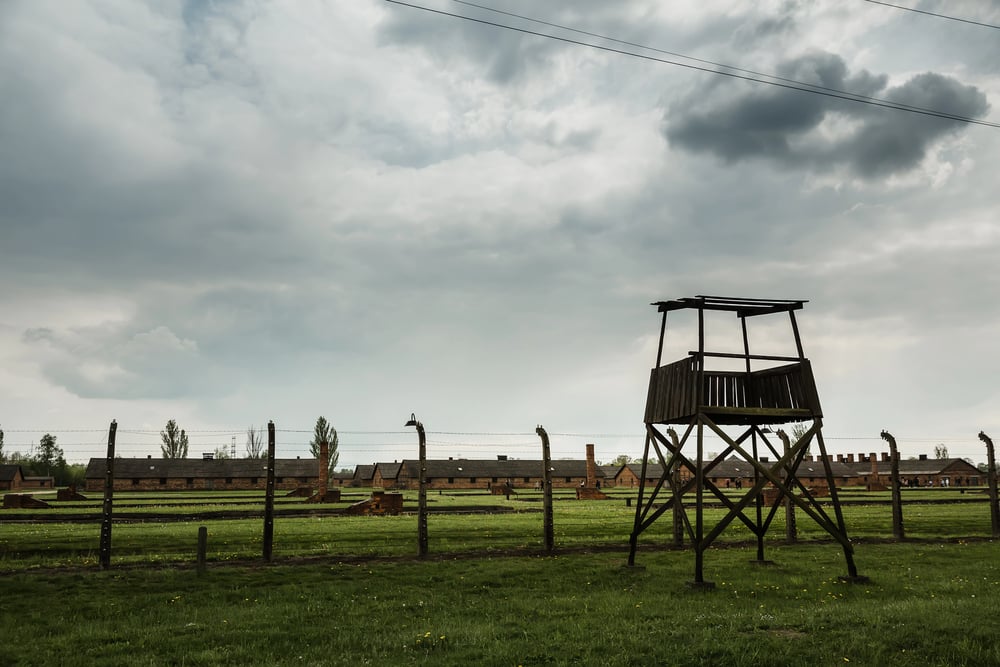
Terrence Prittie was a British officer who attempted escape from German POW camps seven times over the course of World War II — a record that reflected less a lack of success than a lack of willingness to be discouraged by it. His escapes ranged from elaborate tunnel operations to improvised disguises assembled from whatever cloth and dye the camp contained, and the pattern of his attempts gave him a detailed working knowledge of German security procedures that he later wrote about.
He was moved between camps repeatedly, which the Germans intended as a punishment but which he treated as new information.
Archibald Cochrane
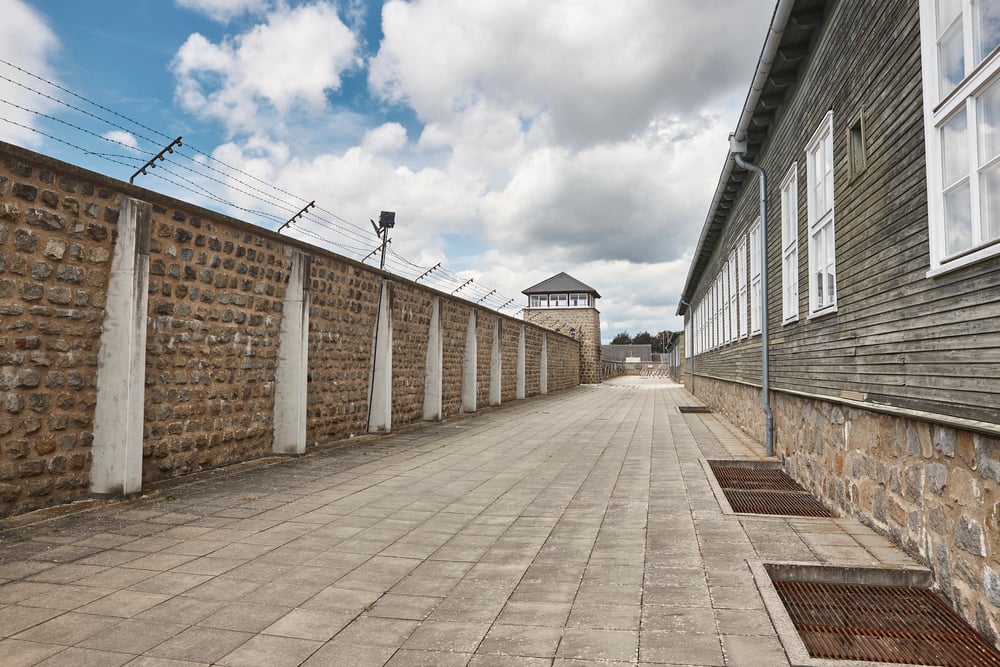
Archibald Cochrane, a British army officer held at Colditz, escaped in 1941 as part of a small group that used a homemade civilian disguise and a rope descent from one of the castle’s outer walls — which sounds simple until you consider that Colditz sat on a sheer rock outcropping 250 feet above the surrounding countryside. The rope itself was a remarkable piece of engineering, assembled from strips of blanket, electrical wire, and anything else that could be stolen from the camp’s workshops.
He was recaptured in Germany near the Swiss border, close enough that the failure was genuinely cruel.
Anthony Luteyn
Anthony Luteyn was the Dutch officer who accompanied Airey Neave in the first successful escape from Colditz, and the plan they executed was as much theatre as logistics — the two men walked through the guardhouse in German officer uniforms, said nothing to the guards they passed, and simply kept moving. Luteyn’s German was better than Neave’s, which meant he handled the one moment a guard looked like he might speak, and the exchange lasted three seconds.
He made it to Switzerland; the story of those three seconds has lasted considerably longer.
Reidford Burnside
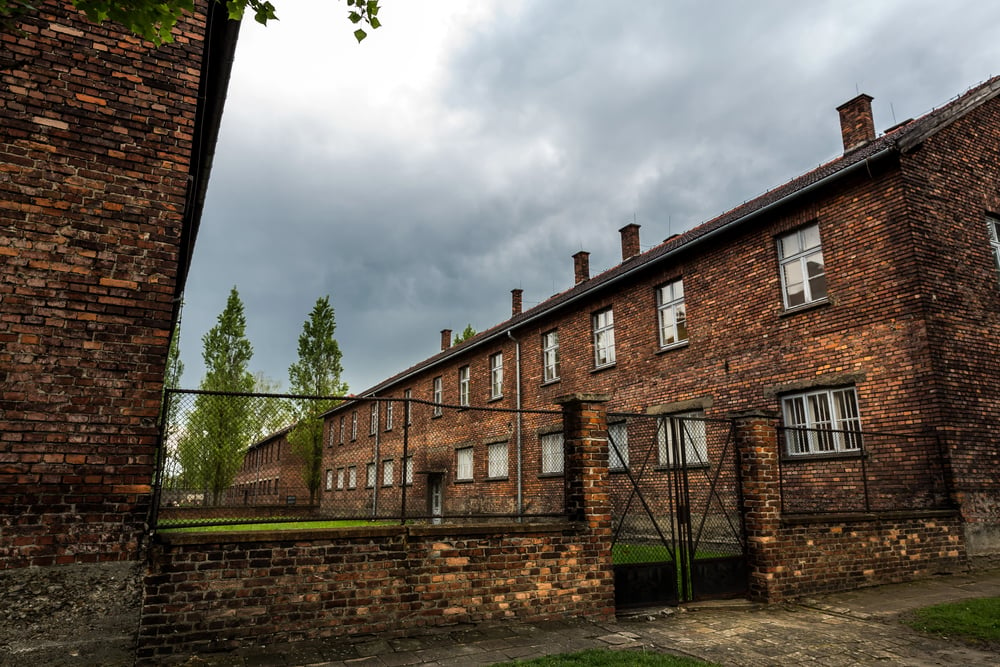
Reidford Burnside was a New Zealand soldier captured in Crete in 1941 and held in a series of camps across occupied Greece and Germany, where he contributed to escape committees that functioned essentially as small, clandestine engineering firms. He eventually escaped during a transport between facilities, using the chaos of a rail journey to slip away during a brief stop — the kind of opportunity that looks obvious in hindsight and requires total nerve in the moment.
He evaded recapture for weeks before crossing into neutral territory with help from local partisans.
Johan Doeff
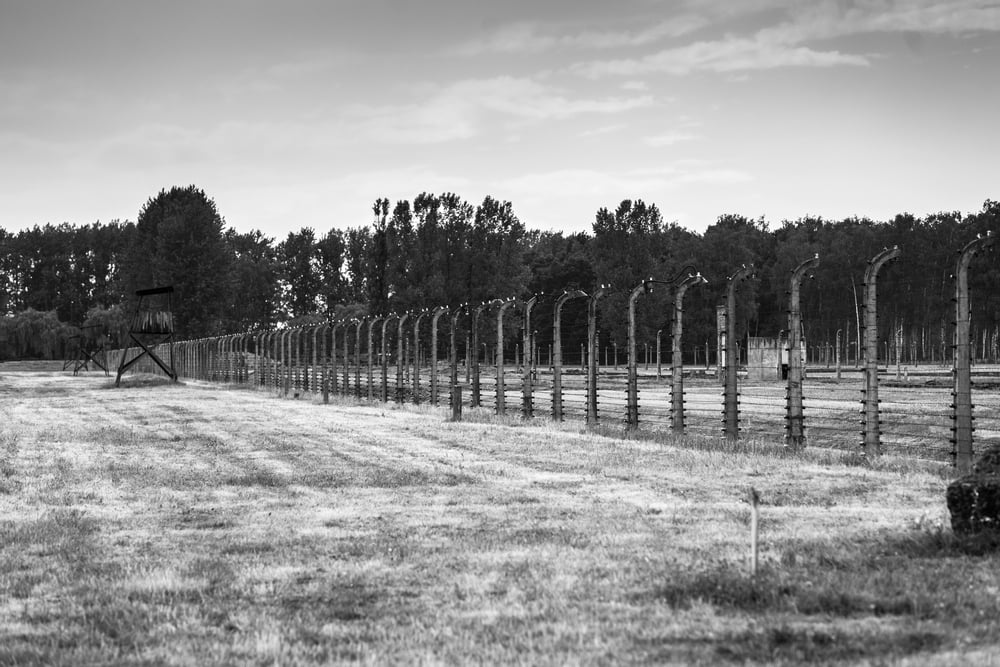
Johan Doeff was a Dutch official in Japan during the Napoleonic Wars — technically a prisoner rather than a soldier — who spent years under house arrest at the Dejima trading post in Nagasaki after the Dutch East India Company collapsed and left him with no government backing him. His “escape” was less physical than diplomatic: he maintained the Dutch trading presence by sheer persistence over 18 years, essentially willing the situation to remain viable until Dutch ships arrived again in 1817.
You could argue he never left — and that was exactly the point.
Charles de Gaulle
Charles de Gaulle was captured by the Germans in 1916 during World War I after being wounded and left for dead at the Battle of Verdun — and from that moment he became one of the most determined and comprehensively unsuccessful escape artists the war produced. He attempted to escape five times from various German camps, was recaptured each time, and was eventually transferred to Ingolstadt fortress specifically because of his reputation for trying.
The escapes failed; the stubbornness that drove them did not.
Hardy Amies
Hardy Amies is remembered primarily as the couturier who later dressed Queen Elizabeth II, which makes his wartime record as an SOE officer — parachuted into occupied Belgium to work with resistance networks — feel like it belongs to a different person entirely. He was captured briefly during one operation and extracted from the situation partly through cover documentation and partly through a performance of confident innocence that held up under Gestapo questioning.
The same instinct for presentation that later made him a celebrated designer apparently worked just as well when the stakes were rather higher.
Sławomir Rawicz
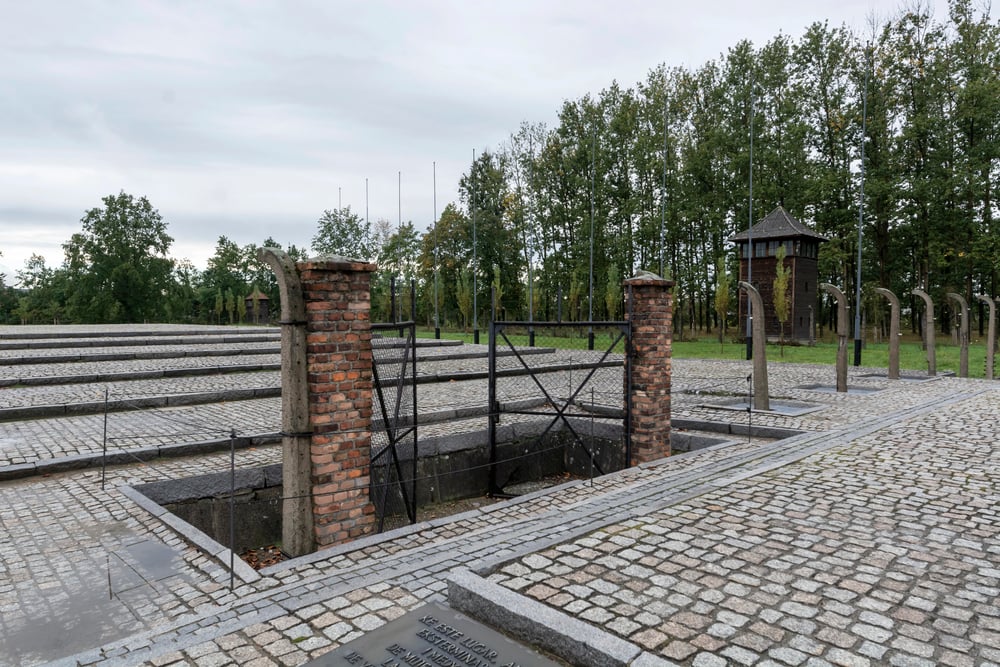
Sławomir Rawicz was a Polish cavalry officer captured by the Soviets in 1939 and sent to a Siberian gulag, from which he claimed to have escaped in 1941 with six other prisoners and walked — over roughly a year — through the Gobi Desert, Tibet, and the Himalayas to reach British India. The account, published as “The Long Walk,” has been disputed by historians who found Soviet records suggesting Rawicz may have been released through an amnesty rather than escaped, but the details of the journey, wherever they came from, remain among the most extraordinary survival claims of the 20th century.
The Distance Between the Wire and Home
What runs through all 28 of these stories — underneath the tunnels and disguises and ropes and forged papers — is something that doesn’t have a clean name. It’s not exactly courage, or at least not the ceremonial kind.
It’s closer to a refusal: a refusal to accept the geography of captivity as permanent, a refusal to let the camp become the whole world. Some of these men were recaptured.
Some were executed. Some made it home to lives that bore almost no resemblance to the ones they’d left.
But the moment they decided to try — that moment belongs entirely to them, regardless of what came next. History tends to celebrate the successes, but the attempts matter just as much.
Maybe more.
More from Go2Tutors!

- The Romanov Crown Jewels and Their Tragic Fate
- 13 Historical Mysteries That Science Still Can’t Solve
- Famous Hoaxes That Fooled the World for Years
- 15 Child Stars with Tragic Adult Lives
- 16 Famous Jewelry Pieces in History
Like Go2Tutors’s content? Follow us on MSN.



