28 TV Shows Families Planned Their Evenings Around
Before recording devices and streaming queues, a favorite show demanded actual planning. Dinner shifted earlier, phone calls waited, and the whole household gathered around one screen at one specific time, because missing it meant waiting a full week to find out what happened next.
That kind of appointment television built its own quiet rituals, ones that had less to do with the shows themselves and more to do with the people watching them together.
The Ed Sullivan Show

The Ed Sullivan Show ran on CBS from 1948 to 1971, anchoring Sunday nights for families who gathered to see whichever musical act, comedian, or novelty performer the host had booked that week. Its most famous broadcast, the Beatles’ American television debut in 1964, drew an estimated audience of over seventy million viewers. The show’s variety format meant no two Sundays looked alike, which kept families tuning in consistently for over two decades.
The Wonderful World of Disney

Disney’s anthology series aired on Sunday evenings across multiple networks starting in 1954, mixing nature documentaries, animated shorts, and original made-for-television films into a single weekly hour. Families treated it as one of the few programs suitable for every generation in the house at once. Its consistent Sunday slot made it a fixture for decades before Disney eventually shifted its content strategy toward cable and streaming platforms.
Little House on the Prairie
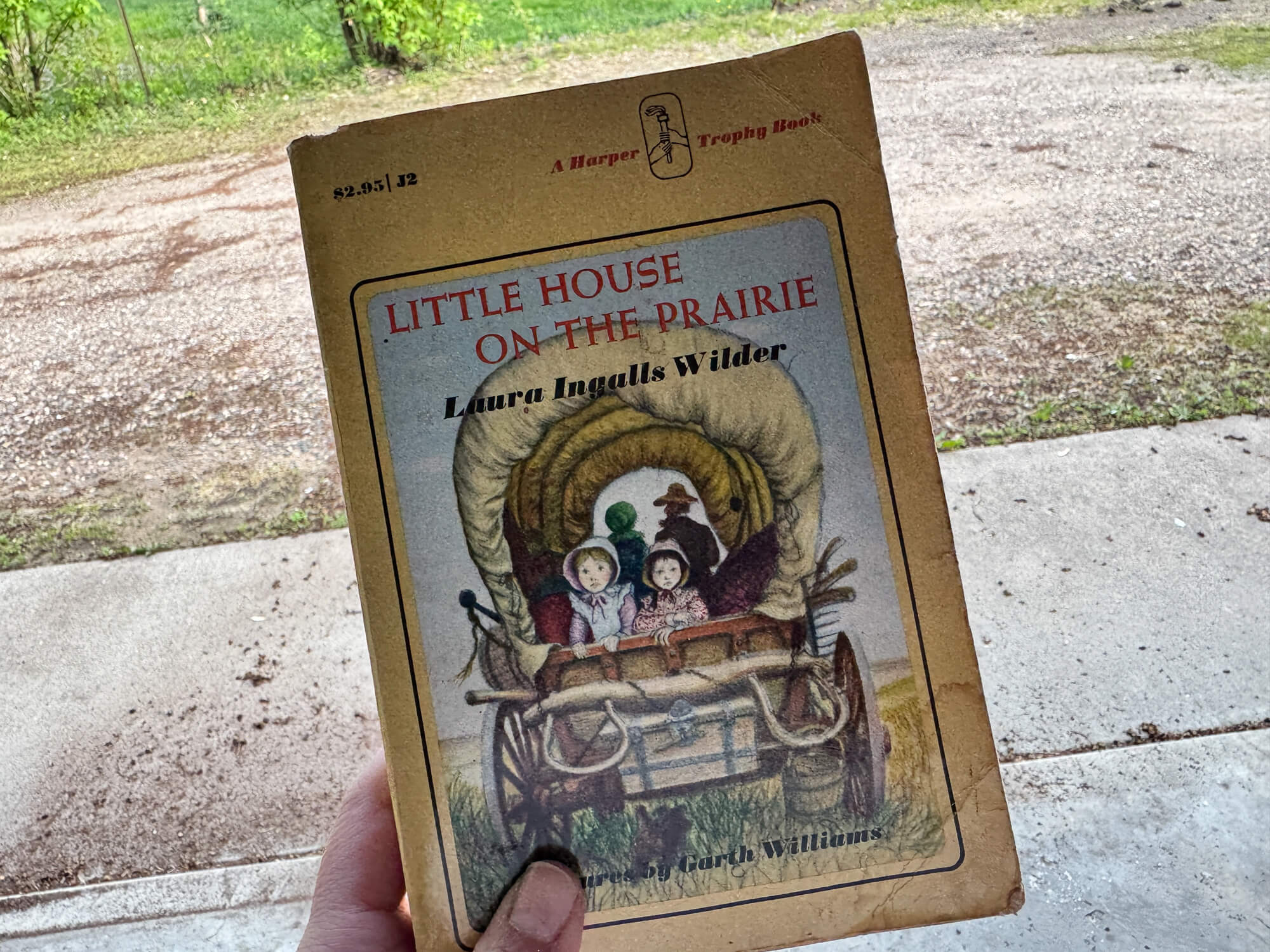
Little House on the Prairie aired on NBC from 1974 to 1983, following the Ingalls family through frontier hardship with an earnestness that made it a reliable Monday night draw. Michael Landon both starred in and directed much of the series, shaping its sentimental tone across nearly two hundred episodes. Families often treated it as required viewing specifically because it was considered safe for children.
The Waltons
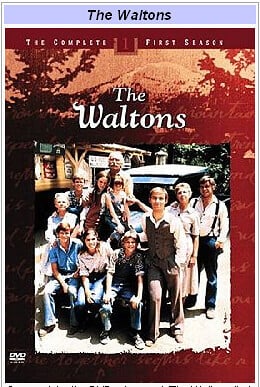
The Waltons followed a large Depression-era family in rural Virginia from 1972 to 1981, closing nearly every episode with the family calling goodnight to one another from separate bedrooms. The line became so recognizable it turned into a cultural shorthand for wholesome family programming. Its Thursday night slot on CBS made it a direct ritual closer to the work and school week.
Happy Days
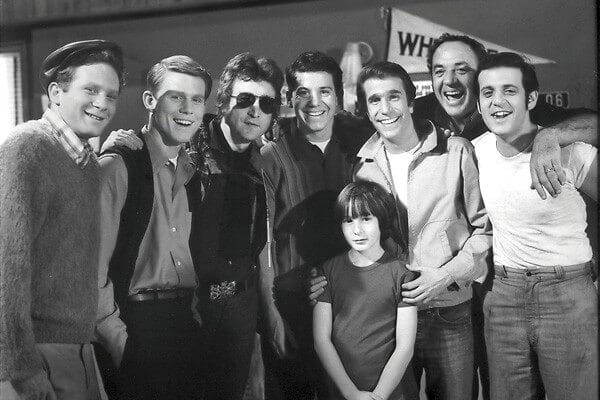
Happy Days aired on ABC from 1974 to 1984, using a nostalgic 1950s setting to appeal to parents who had grown up in that era alongside children discovering it for the first time. The character Fonzie became so popular that producers steadily expanded his role well beyond the original concept. Its Tuesday night pairing with other ABC sitcoms made for one of the most reliable weekly blocks of the decade.
The Cosby Show
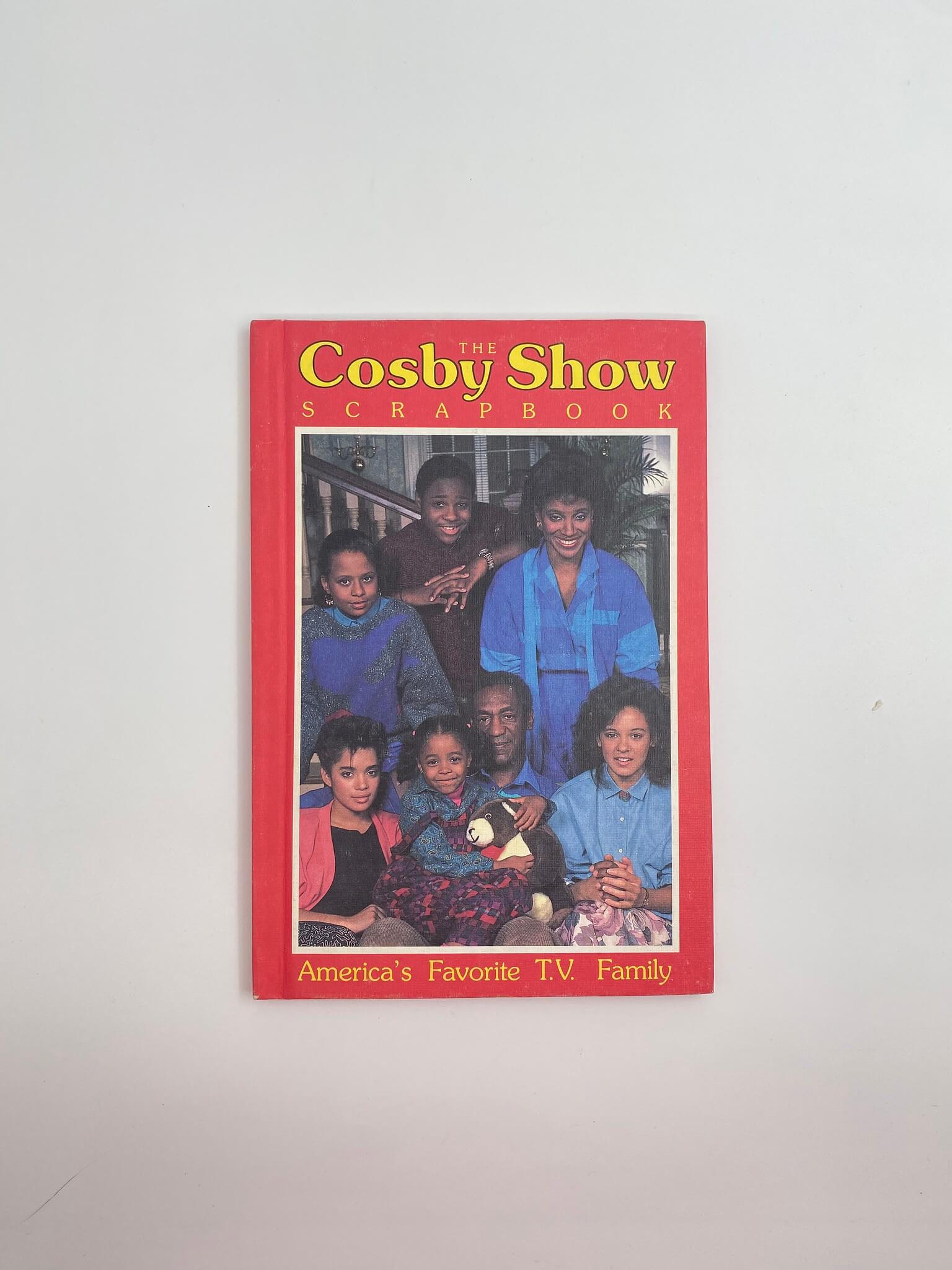
The Cosby Show aired on NBC from 1984 to 1992 and became appointment viewing for Thursday nights, regularly topping national ratings throughout much of its run. Its portrayal of an upper-middle-class family reshaped expectations for what a sitcom family could look like on network television. Families across the country built entire evenings around its timeslot at the height of its popularity.
Family Ties
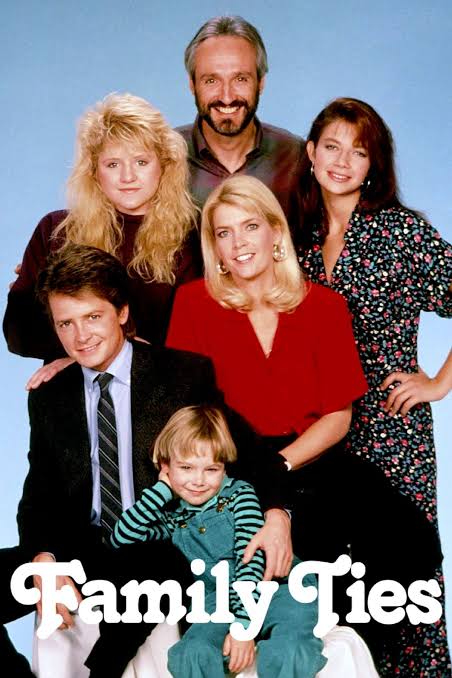
Family Ties ran on NBC from 1982 to 1989, built around generational tension between former counterculture parents and their conservative-leaning son, played by a young Michael J. Fox. Its Thursday night pairing with other NBC comedies made it part of a full evening families rarely skipped. The show’s popularity helped launch Fox into a major film career during its run.
Full House

Full House aired on ABC from 1987 to 1995, following a widowed father raising three daughters with help from two live-in friends, a setup that leaned heavily into gentle life lessons each week. Its Friday night slot as part of ABC’s TGIF lineup made it a reliable start to the weekend for families with young children. Catchphrases from the show entered everyday household vocabulary for years after episodes aired.
Growing Pains
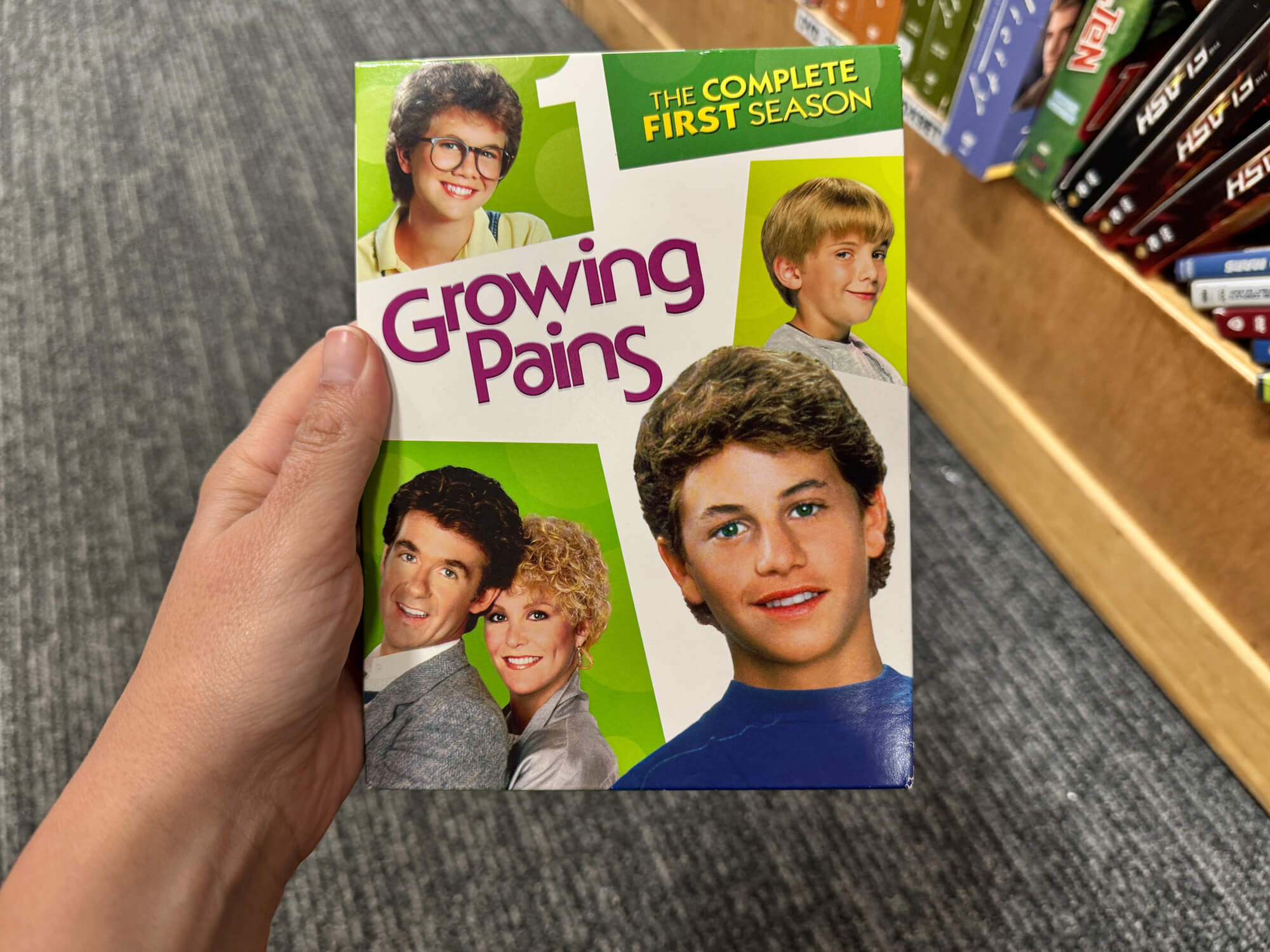
Growing Pains ran on ABC from 1985 to 1992, centering on a psychiatrist father who worked from home while his wife returned to a journalism career, a role reversal that felt notable for its era. Its Tuesday night timeslot made it part of a consistent family viewing block through the late 1980s. A young Leonardo DiCaprio joined the cast in its later seasons.
Family Matters

Family Matters premiered in 1989 and ran through 1998, initially centered on a working-class Chicago family before the breakout popularity of the nerdy neighbor character Steve Urkel reshaped the show’s focus entirely. Its Friday night slot on ABC’s TGIF block made it appointment viewing for families already tuned in for other shows that evening. Urkel’s popularity briefly made him one of the most recognizable characters on American television.
Home Improvement

Home Improvement aired on ABC from 1991 to 1999, following a television handyman host whose home life rarely matched his on-screen competence, a gap that fueled most of the show’s humor. Its Tuesday night timeslot regularly ranked among the most-watched programs of the decade. Tim Allen’s grunting catchphrase became one of the most imitated sounds in 1990s households.
Boy Meets World
Boy Meets World ran on ABC from 1993 to 2000, following a group of friends from middle school through college while leaning on a recurring neighbor and teacher figure who doubled as a moral guide throughout the series. Its Friday night TGIF slot made it part of a full evening lineup many households treated as a single extended viewing block. Its earnest tone made it a frequent choice for families with children spanning a wide age range.
The Wonder Years

The Wonder Years aired on ABC from 1988 to 1993, narrated by an adult voice reflecting on a suburban childhood during the late 1960s, giving the show a reflective tone unusual for a prime-time family series. Its Tuesday night slot drew consistent ratings throughout its run. The show’s careful use of period-accurate music became a defining, and expensive, part of its production.
Dallas

Dallas aired on CBS from 1978 to 1991 and turned Friday nights into a national event built around the wealthy, feuding Ewing family and their oil business rivalries. The 1980 cliffhanger asking who shot central character J.R. Ewing became one of the most talked-about moments in television history, drawing an audience estimated at over eighty million viewers for its resolution episode. Families who otherwise rarely watched the same programs together often made an exception for Dallas.
Dynasty
Dynasty ran on ABC from 1981 to 1989, competing directly with Dallas for the same primetime soap audience through lavish sets, dramatic confrontations, and a rotating cast of wealthy characters locked in constant conflict. Its Wednesday night slot gave families a midweek appointment distinct from other serialized dramas of the era. The show’s fashion choices influenced shoulder-pad trends throughout the decade.
Bonanza
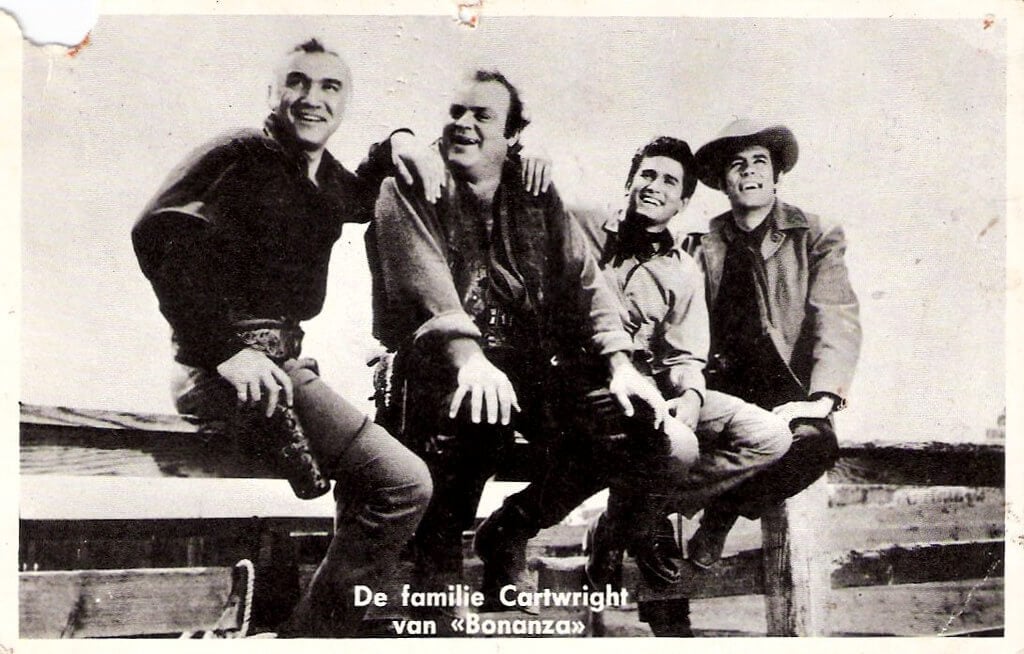
Bonanza aired on NBC from 1959 to 1973, following a father and his three adult sons running a Nevada ranch, and its Sunday night slot made it one of the longest-running Western series in television history. It was among the first American television programs broadcast regularly in color, which NBC used to help promote color television sales. Its long run meant it shaped Sunday evenings for multiple generations within the same households.
Gunsmoke

Gunsmoke ran from 1955 to 1975, becoming the longest-running prime-time drama in American television history at the time and anchoring Saturday nights for two full decades. Its slow, character-driven approach to the Western genre set it apart from more action-focused competitors. Families who watched from its earliest seasons often kept watching through cast changes and format shifts over its unusually long run.
MAS*H
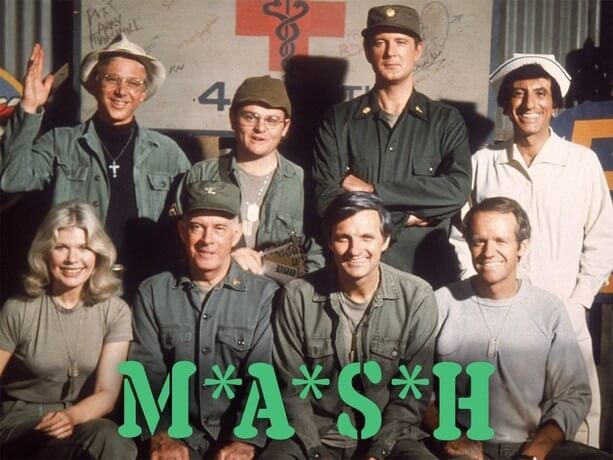
MAS*H aired on CBS from 1972 to 1983, blending comedy and wartime drama in a way few series had attempted before, and its Monday night slot made it one of the most consistently watched shows of the 1970s. Its series finale in 1983 remains one of the most-watched single television broadcasts in American history. Families often watched it despite its subject matter specifically because of how it balanced humor with more serious moments.
The Brady Bunch
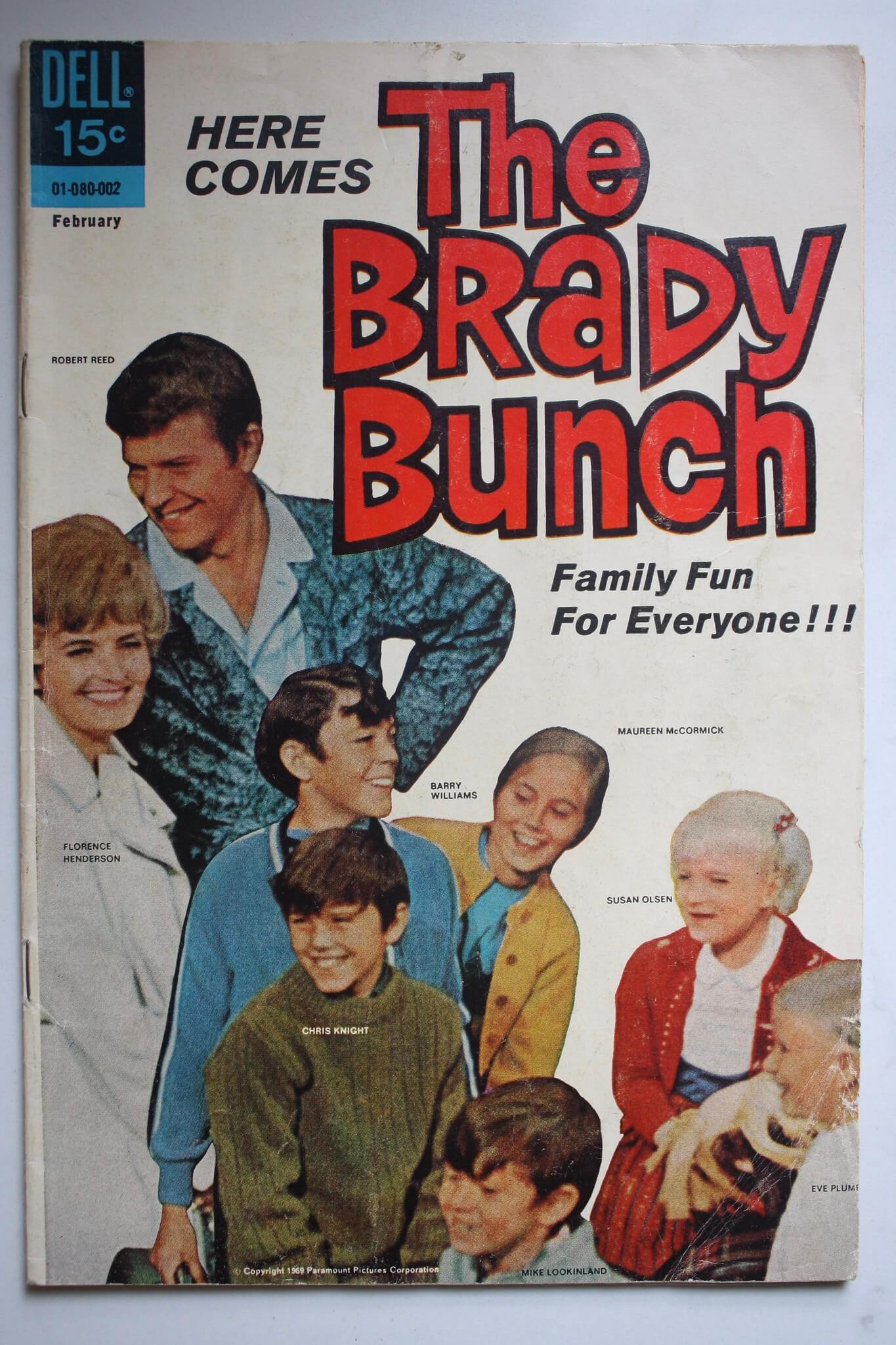
The Brady Bunch aired on ABC from 1969 to 1974, following a blended family of six children navigating everyday sitcom conflicts, and its Friday night slot made it a reliable start to the weekend for many households. Its modest original ratings gave little indication of the massive syndication popularity it would gain in the following decades. Reruns kept the show a fixture of after-school and evening viewing well past its original run.
The Partridge Family
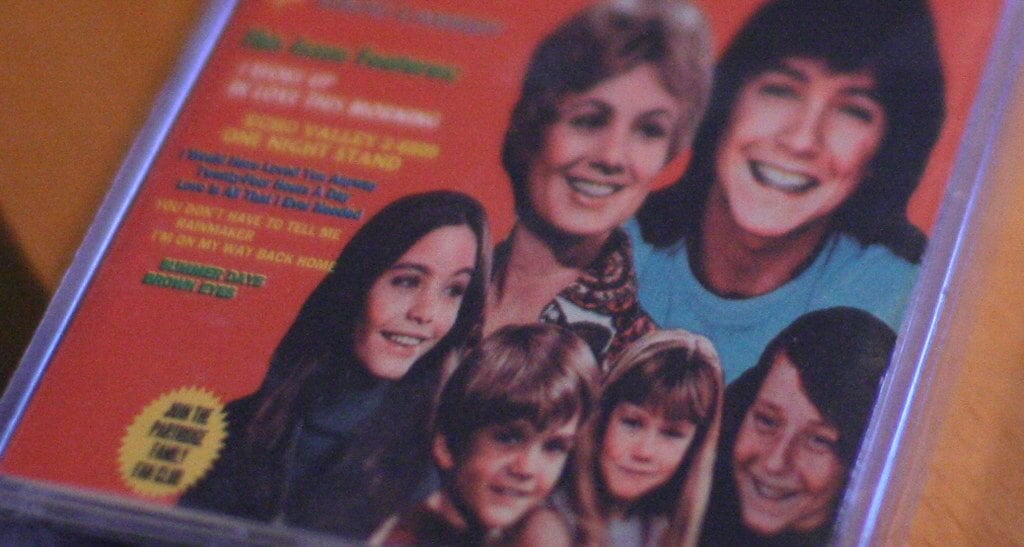
The Partridge Family aired on ABC from 1970 to 1974, following a widowed mother and her children as a touring pop band, a format that let the show release actual chart-topping singles alongside its weekly episodes. Its Friday night slot paired naturally with other family-oriented programming of the era. David Cassidy’s role on the show helped launch him into a genuine teen idol music career.
Eight Is Enough
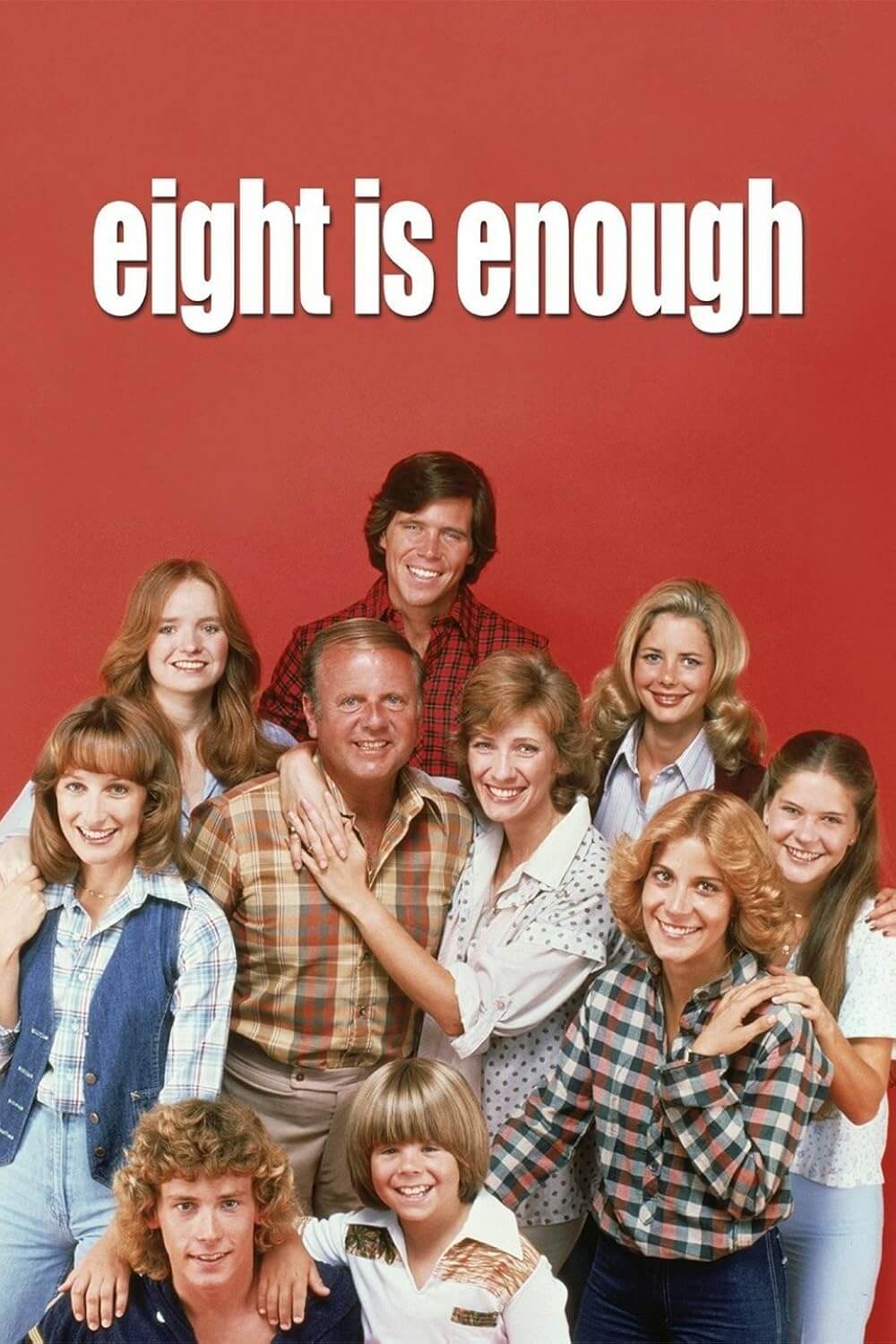
Eight Is Enough aired on ABC from 1977 to 1981, following a newspaper columnist raising eight children after the death of his wife, a premise that gave the show a constant rotation of storylines across its large cast. Its Wednesday night slot made it a consistent midweek draw for larger families who related directly to its chaotic household. The show balanced comedy and genuine family drama in a way that distinguished it from lighter sitcoms of the same period.
Diff’rent Strokes
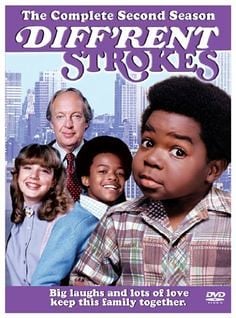
Diff’rent Strokes aired on NBC and later ABC from 1978 to 1986, following two Harlem brothers adopted by a wealthy Manhattan businessman, a premise the show used to address social issues alongside its comedy. Its consistent evening slot made it part of many families’ regular viewing routines throughout the late 1970s and early 1980s. Its earnest, message-driven episodes became widely referenced touchstones of the era’s sitcom style.
Sanford and Son
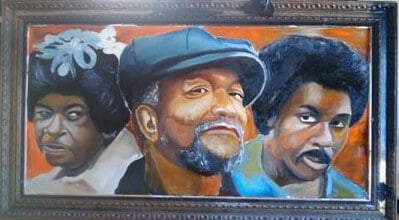
Sanford and Son aired on NBC from 1972 to 1977, centering on a junk dealer and his adult son in Los Angeles, and its Friday night slot made it one of the most popular sitcoms of the early 1970s. Redd Foxx’s performance as the sharp-tongued lead became the show’s defining draw for families tuning in weekly. Its blend of comedy and social commentary influenced sitcoms well beyond its own run.
Good Times

Good Times aired on CBS from 1974 to 1979, following a family in a Chicago housing project navigating economic hardship with humor and resilience, and its Tuesday night slot made it a consistent midweek fixture. The character J.J. Evans, played by Jimmie Walker, became known for a catchphrase that spread well beyond the show’s own audience. Families found in it a rare combination of comedy and honest depiction of everyday financial struggle.
Highway to Heaven

Highway to Heaven aired on NBC from 1984 to 1989, following a probationary angel helping people in need across a different town each week, and its Wednesday night slot made it a gentle midweek counterpart to heavier dramas. Michael Landon developed the series after Little House on the Prairie, carrying over much of that show’s sentimental tone. Families specifically sought it out for its consistently uplifting, self-contained episodes.
Murder, She Wrote

Murder, She Wrote aired on CBS from 1984 to 1996, following a mystery novelist who repeatedly stumbled into real murder investigations in her small coastal town. Its Sunday night slot made it a reliable weekend closer for families who preferred a mystery without graphic content. Its long run and consistent formula made it one of the most dependable weekly appointments of its era.
Touched by an Angel

Touched by an Angel aired on CBS from 1994 to 2003, following a trio of angels who intervened in the lives of struggling strangers each week, and its Sunday night slot made it a popular choice for families closing out the weekend together. Its earnest, faith-centered tone stood apart from most other dramas airing at the same time. The show’s consistent formula made it easy for viewers to join at any point without missing context.
America’s Funniest Home Videos

America’s Funniest Home Videos premiered on ABC in 1989 and turned viewer-submitted clips into a Sunday night staple, requiring no ongoing storyline for families to follow week to week. Its simple format meant new viewers could join at any time without missing anything from previous episodes. The show’s long run made it one of the few series to transition smoothly from VHS-era submissions to modern video formats without losing its basic format.
Where the Ritual Mattered More Than the Show

Appointment television worked because it forced a shared decision every single week: dinner at a certain time, a certain room, a certain channel that nobody argued over once the theme song started. The show itself mattered, but the specific act of gathering around it mattered just as much, if not more, to the people who did it regularly.
Streaming solved the scheduling problem these shows once created, but it also quietly removed the reason families used to end up in the same room at the same time without being asked. What disappeared was never really the programming. It was the appointment.
More from Go2Tutors!

- The Romanov Crown Jewels and Their Tragic Fate
- 13 Historical Mysteries That Science Still Can’t Solve
- Famous Hoaxes That Fooled the World for Years
- 15 Child Stars with Tragic Adult Lives
- 16 Famous Jewelry Pieces in History
Like Go2Tutors’s content? Follow us on MSN.