Most Watched TV Series Finales
Back then, TV endings didn’t air – they arrived. Whole neighborhoods fell quiet as crowds sat glued to one glowing box in the living room.
Missing the last scene? Not an option for most. Overnight, those final minutes would ripple through music, fashion, even how folks talked at work.
It wasn’t streaming – it was happening right now, together, whether you liked it or not. What gave these endings their weight wasn’t just the plot.
They arrived during a stretch of time when limited options set broadcast times, because of how people gathered around screens together. A few closings shifted culture, staying alive in memory not solely due to scenes shown but where folks stood when the images played.
A deep dive into the top-rated show endings reveals what drew crowds so large, few today can match. What made them stick around wasn’t flash – it was payoff.
Viewers showed up because something real unfolded slowly. Patience paid off week after week.
The ending felt earned, not handed out. Moments built over seasons finally clicked.
People stayed invested – no tricks, just trust. Familiar faces became part of daily life.
When it ended, it didn’t vanish quietly. It left space where talk began.
Not every finale lands like these did.
MAS*H
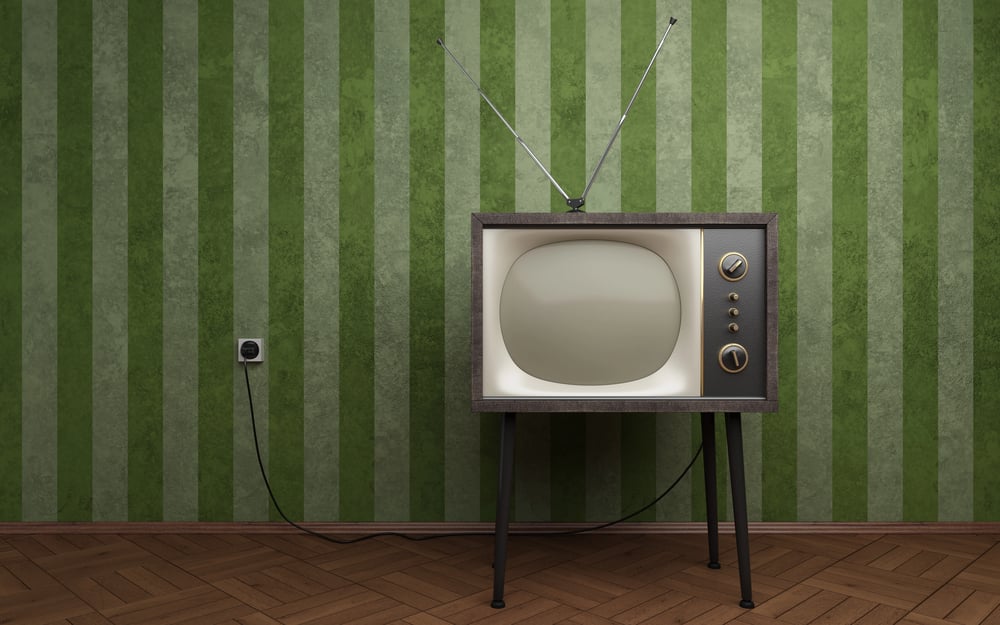
When MASH* aired its final episode in 1983, it didn’t just break records — it shattered them. An estimated 105.9 million viewers tuned in to watch ‘Goodbye, Farewell and Amen’, making it the most watched scripted television episode in U.S. history.
Part of the draw was timing. The series had run for over a decade, and its blend of humor and emotional weight gave audiences a sense that they were saying goodbye to characters who felt genuinely familiar.
The finale leaned into that feeling, offering a longer runtime and a reflective tone that stood apart from typical episodes. At the time, the U.S. population was smaller, and television options were limited.
Even so, the scale of viewership was extraordinary. For one night, television truly stopped the country.
Cheers
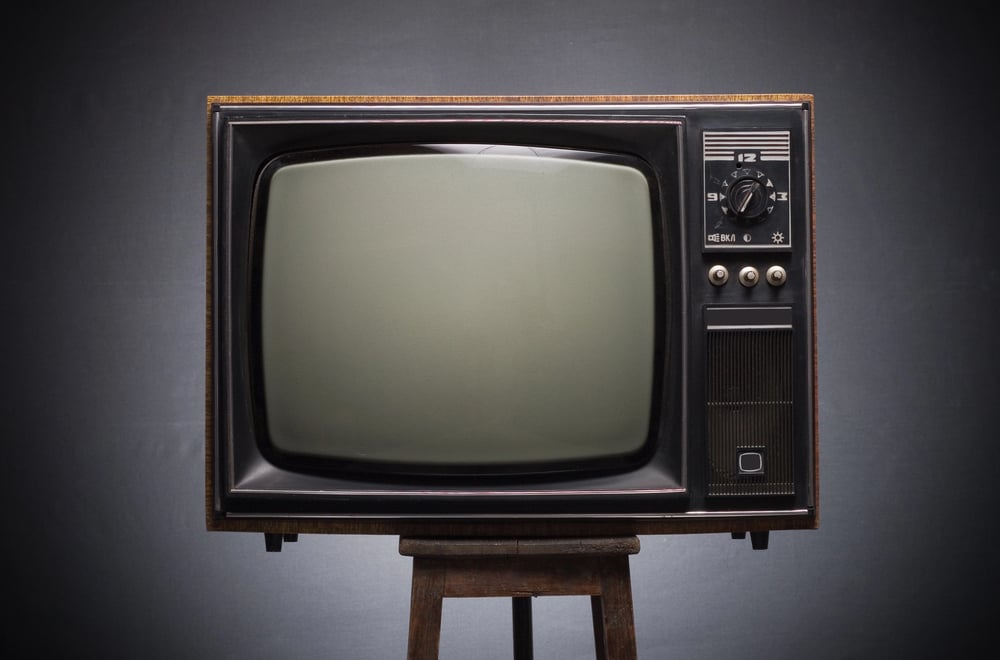
By the time Cheers ended in 1993, it had become a cultural staple. Set almost entirely inside a Boston bar, the show thrived on character chemistry rather than spectacle, which made its ending feel deeply personal to viewers.
The finale drew roughly 84.4 million viewers, an astonishing number for a sitcom. Audiences tuned in not for shocking twists, but to see where beloved characters would land after more than a decade of shared history.
That night reflected a broader truth about television at the time. Familiarity mattered.
People didn’t just watch Cheers; they lived with it, week after week, until the final goodbye felt earned.
Seinfeld
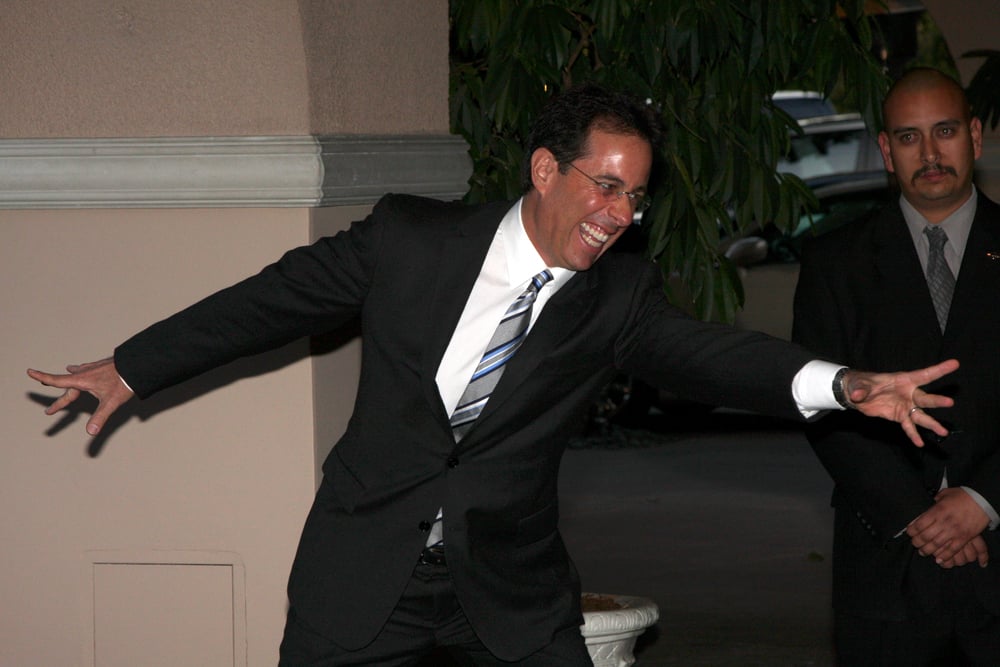
When Seinfeld concluded in 1998, anticipation was sky-high. The show had redefined comedy throughout the 1990s, becoming a reference point for everyday humor and observational storytelling.
Its finale attracted about 76.3 million viewers, making it one of the most watched television events of the decade. Reactions were mixed, but viewership was undeniable.
Almost everyone wanted to see how a show famous for ‘nothing’ would choose to end. What stands out now is how rare that level of curiosity has become.
Even divisive finales still benefited from a shared sense that you needed to watch live or risk being left out of the cultural conversation.
Friends

The Friends finale aired in 2004 and drew an estimated 52.5 million viewers. By then, television had begun to fragment, yet the show still managed to feel like a collective ritual.
Viewers had spent ten seasons watching the characters grow, change, and stumble through adulthood. The finale promised emotional closure rather than surprise, and that promise was enough to bring audiences together one last time.
It also marked the end of an era. After Friends, it became increasingly rare for sitcoms to reach that level of universal recognition, let alone command such massive finale audiences.
The Big Bang Theory
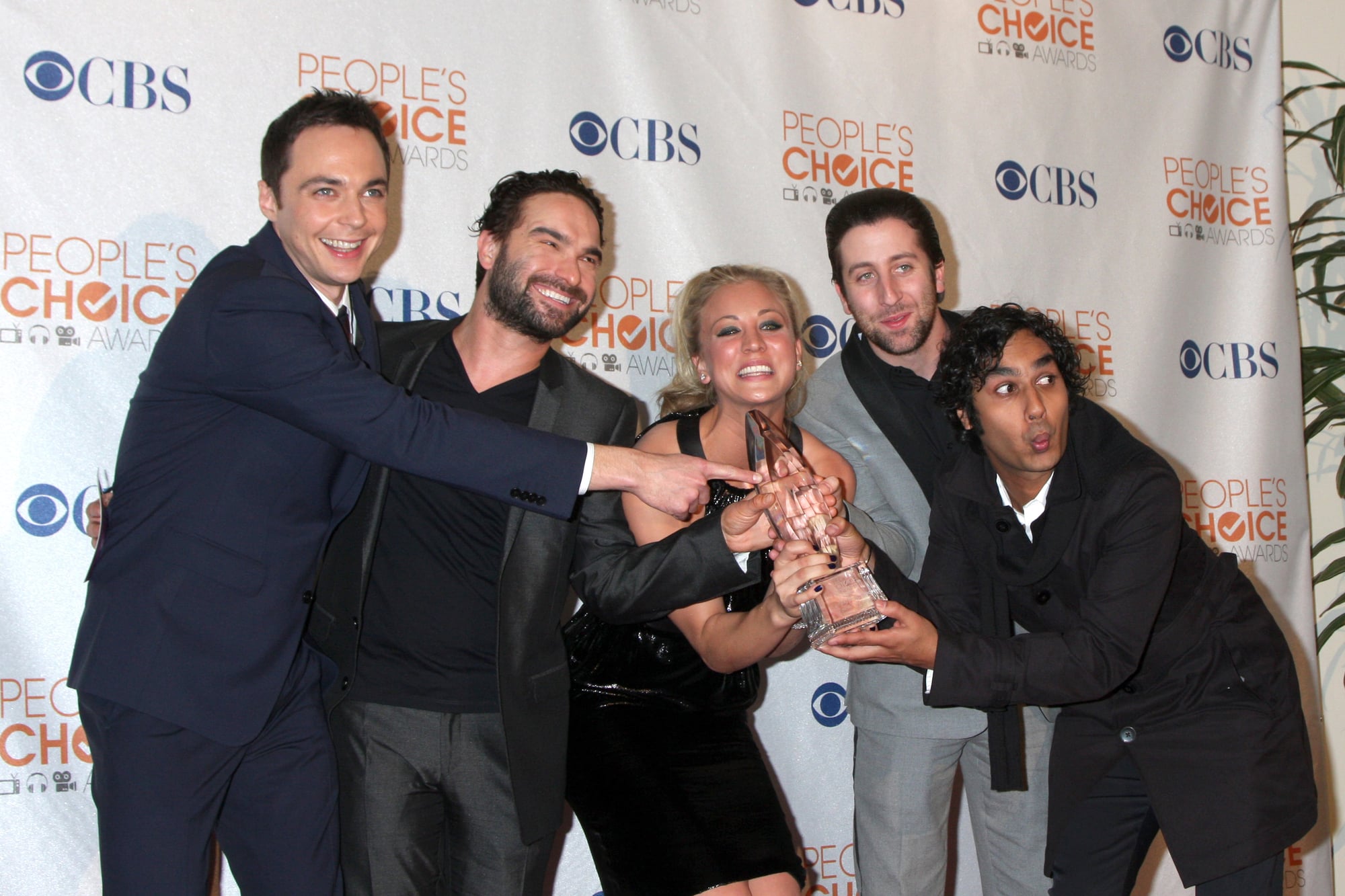
When The Big Bang Theory wrapped up in 2019, it proved that broadcast television could still deliver large live audiences in the modern era. The finale drew around 18 million viewers, a strong showing by contemporary standards.
While far from the record-breaking numbers of earlier decades, this viewership reflected how dramatically habits had changed. Streaming, on-demand viewing, and delayed watching had become the norm.
Still, the show’s final episode benefited from longevity. Twelve seasons gave audiences time to form attachments, and many chose to watch live simply to be part of the moment.
Breaking Bad

Unlike many record-holding finales, Breaking Bad built its audience gradually. The series finale in 2013 drew about 10.3 million viewers live, a massive leap from its early seasons.
Streaming played a key role in that growth. As more viewers caught up between seasons, anticipation for the ending grew steadily.
By the time the finale aired, it felt like an event even without traditional broadcast-era numbers. What makes this finale notable isn’t just how many people watched, but how it demonstrated a shift.
Cultural impact was no longer measured only by live ratings, but by sustained conversation and long-term influence.
The Sopranos
The Sopranos finale aired in 2007 and attracted roughly 11.9 million viewers. While not the highest by raw numbers, it became one of the most discussed endings in television history.
Audiences tuned in expecting resolution, only to be left with ambiguity that sparked debate for years. That reaction became part of the finale’s legacy, proving that viewership alone doesn’t determine cultural impact.
At the time, premium cable was still carving out its place. The Sopranos helped show that television could rival film in complexity, drawing devoted audiences even without broadcast-level reach.
Lost
When Lost ended in 2010, about 13.5 million viewers watched live in the U.S., with many more following shortly after through delayed viewing. The show had built a reputation for mystery, theory-building, and intense fan engagement.
The finale was as much a culmination of years of speculation as it was a narrative conclusion. Viewers weren’t just watching a story end.
They were watching a long-running conversation reach its final chapter. It highlighted how finales had become participatory experiences, shaped by forums, discussions, and shared anticipation long before the final episode aired.
Game of Thrones

The Game of Thrones finale in 2019 drew approximately 19.3 million viewers across live and same-day viewing in the U.S., with global numbers far higher. It stands as one of the most watched finales of the modern era.
What made it remarkable was its scale. Despite airing on premium cable and competing with streaming habits, it still felt unavoidable.
Social media amplified the sense that everyone was watching together. Even with divided reactions, the finale underscored how rare it had become for a single episode to dominate cultural attention so completely.
Why These Moments Feel Unrepeatable

Big audience finales mostly come from days when everyone watched at once without thinking about it. With fewer shows around, crowds gathered naturally, plus catching the broadcast right away was usually necessary.
Right now people pick what they see, where they see it, and when it fits them best. This independence shifts how final episodes feel emotionally.
Yet those top-rated last acts show a moment in time when TV had power to stop regular routines, uniting huge numbers in one collective farewell.
More from Go2Tutors!

- The Romanov Crown Jewels and Their Tragic Fate
- 13 Historical Mysteries That Science Still Can’t Solve
- Famous Hoaxes That Fooled the World for Years
- 15 Child Stars with Tragic Adult Lives
- 16 Famous Jewelry Pieces in History
Like Go2Tutors’s content? Follow us on MSN.



