28 VCR Habits That Shaped How Families Watched Movies at Home
There was something almost ceremonial about it. The clunky plastic cassette, the satisfying mechanical click of the VCR accepting it, the slow whir of the machine coming to life — and then the wait, because there was always a wait.
For roughly two decades, the VCR sat at the center of American home entertainment, and the habits that grew up around it weren’t just routines. They were rituals.
Some were practical, some were maddening, and some were the kind of small shared experiences that quietly defined what it meant to watch a movie as a family. Here’s a look at the ones that stuck.
Rewinding Before Returning
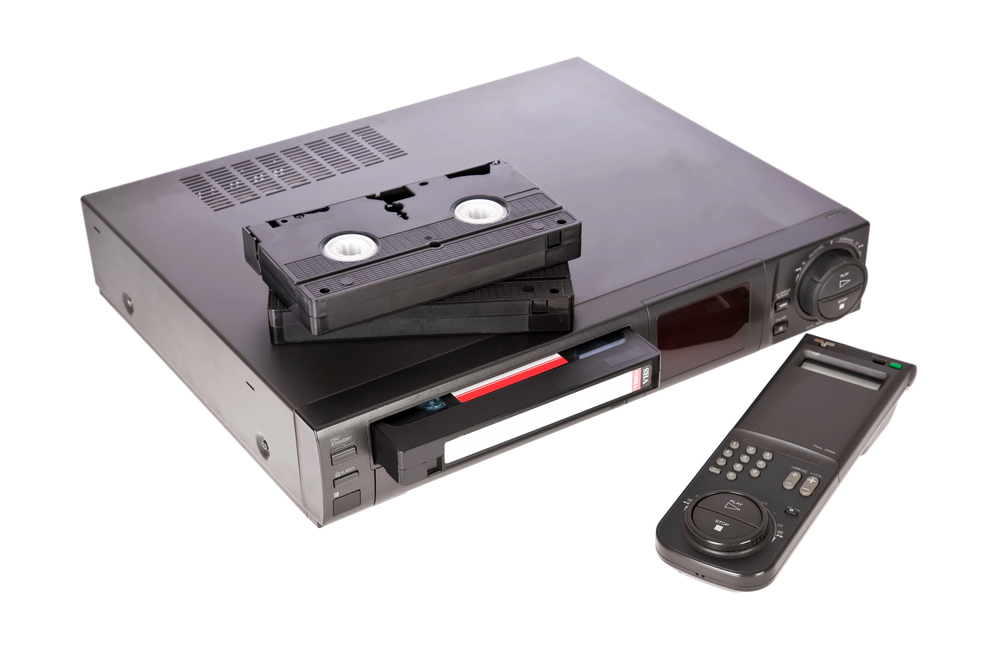
Be kind, rewind. That phrase lived on stickers plastered to the spine of every rental tape, and video stores enforced it with dollar fees that felt deeply personal.
Forgetting to rewind was a minor social crime — the kind your family blamed you for the entire drive back to Blockbuster.
Renting Instead of Buying
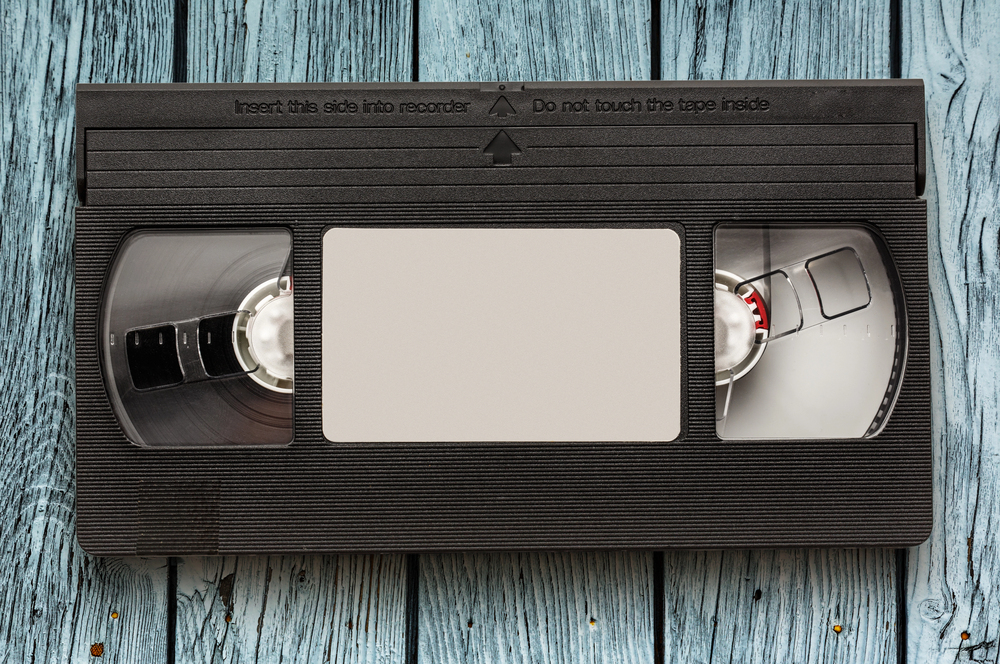
The VHS rental market was genuinely its own economy. New releases sat behind the counter at $3.99 a night, and families learned very quickly that Tuesday was the best day to show up — most of the weekend crowd had already returned their copies.
Buying a tape, which could run $89.99 at launch, was something you reserved for movies you fully intended to watch forty times.
Tracking Down New Releases
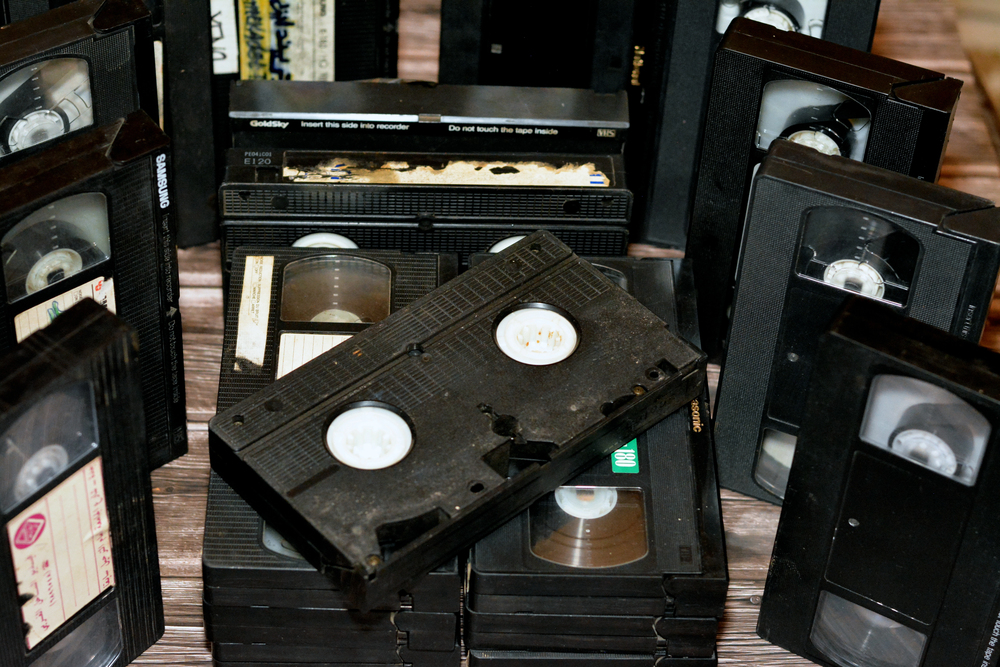
Hunting for a specific new release on a Friday night was its own adventure — one that almost never went the way you planned. Every copy of whatever everyone wanted to see was already gone, checked out by whoever arrived at the store before dinner, and the walk through the aisles looking for a suitable backup had a particular defeated quality to it, like settling for a consolation prize that you’d end up enjoying more than you expected.
So you grabbed something from the Drama wall, something your mom picked based purely on the cover art, and it turned out fine. It usually turned out fine.
Judging Movies by the Box
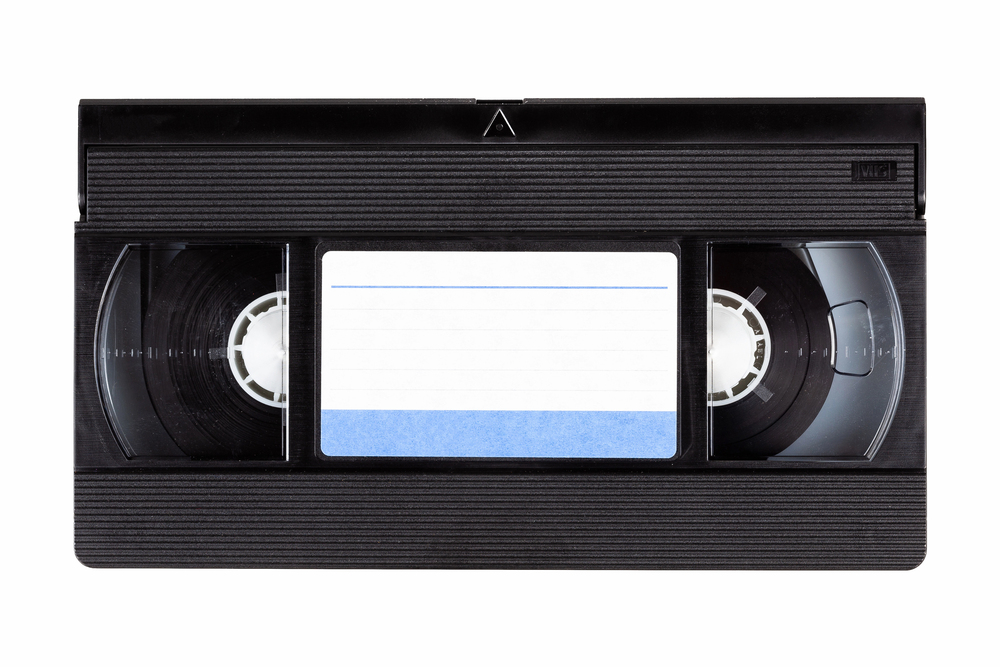
VHS box art was doing serious persuasion work. A muscled action hero mid-explosion, a foggy gothic mansion, a woman in a red dress — these images carried enormous responsibility because the box was all you had.
Families made weekend plans based entirely on those three-by-five-inch illustrations, which explains why so many Saturday nights ended in mild disappointment and a very long drive home.
Fast-Forwarding Through Previews
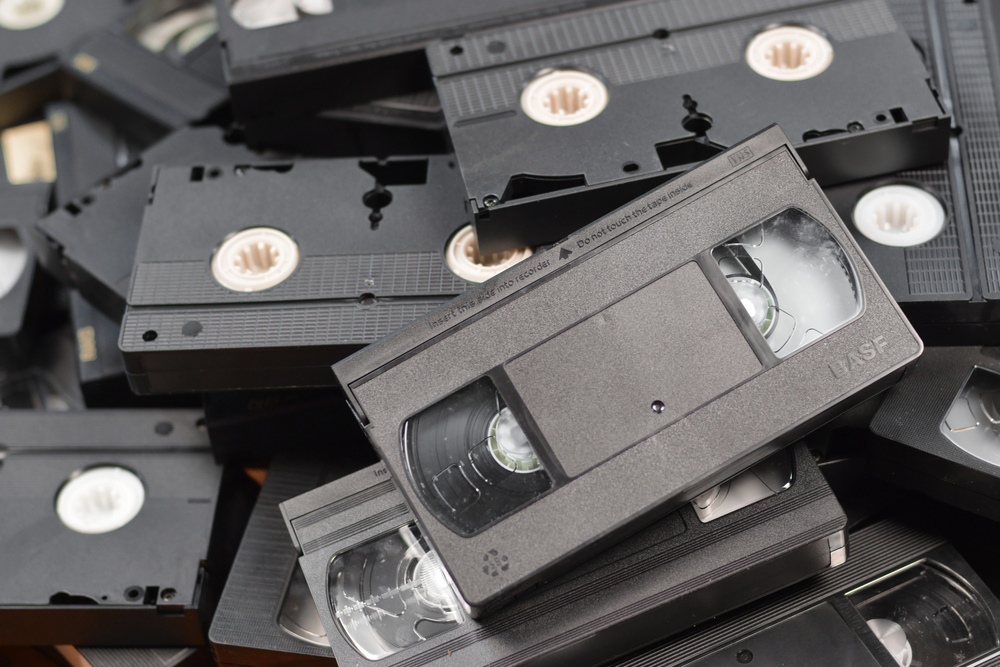
The previews at the start of a tape weren’t optional — at least not easily. Some studios locked them so the fast-forward button simply refused to cooperate, a decision that felt then and still feels now like a punishment for owning the tape legally.
The families who figured out that ejecting and reinserting mid-fast-forward sometimes bypassed the lockout passed that knowledge down like a trade secret.
Pausing at the Wrong Moment
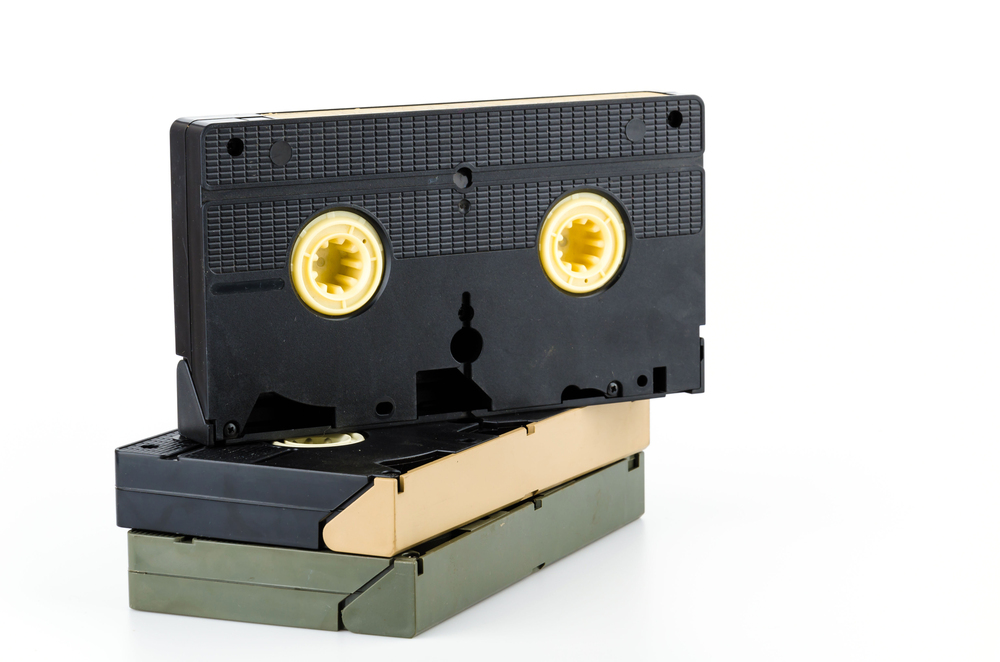
Pausing a VHS tape was a gamble every single time. The freeze-frame flickered, the image degraded, and whatever you paused on had a roughly one-in-three chance of being a blurred, slightly grotesque version of an actor’s face caught mid-blink.
Families learned to pause defensively — a second early, never on the action — and even then it was an imperfect science.
Recording Over Something Important
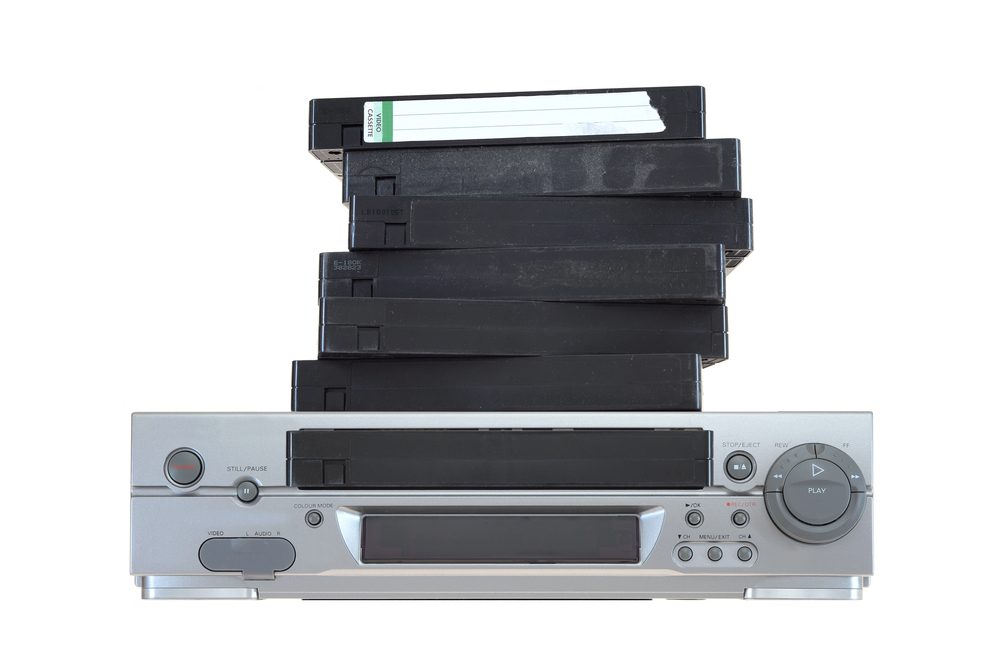
Somewhere in almost every family’s collection, there was a tape that started as a recorded copy of a movie and ended, unexpectedly, as someone’s kindergarten Christmas pageant. The VCR had no way of knowing the difference, and the person who hit record without checking the tape first became a kind of household legend — not a celebrated one.
Breaking off the little plastic tab on the back of the cassette was the only reliable protection, and not everyone remembered to do it.
Building a Home Tape Library
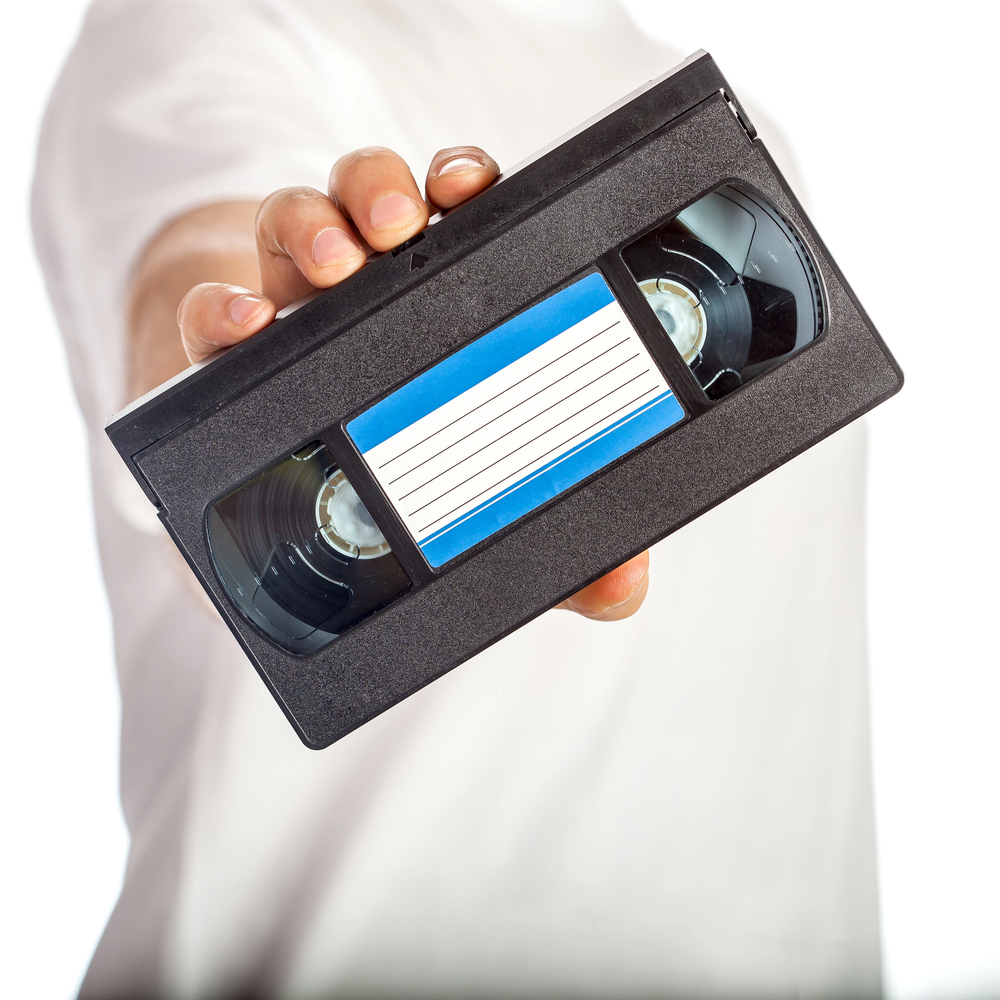
Families who recorded movies off cable or HBO developed entire organizational systems for their tape libraries — systems that were always, in retrospect, less organized than they seemed. Masking tape labels written in ballpoint pen, stacked in towers next to the TV, sorted by genre or family member preference or no discernible logic at all: this was the home archive, and it took up an entire shelf of the entertainment center without apology.
Checking the TV Guide for Movie Listings
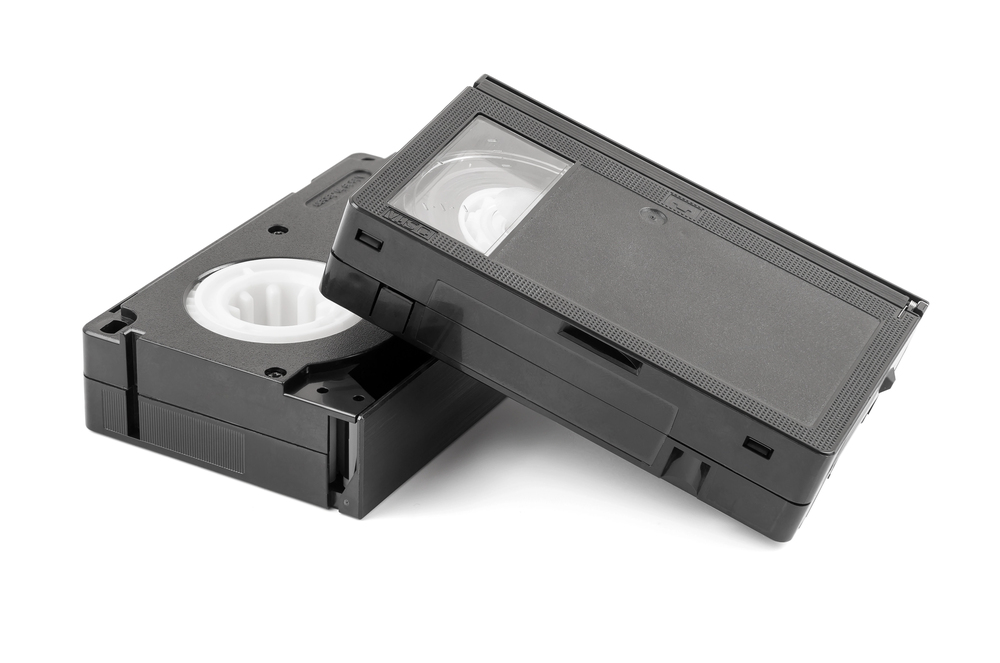
The TV Guide — the actual print magazine, small enough to fit in a back pocket — was the calendar, the planner, and the cultural compass of family movie nights. Someone, usually a parent, would circle upcoming movies in red pen and then forget about them until the night had already started and the good parts were halfway over.
The discipline required to actually catch a movie at its listed start time was, to be fair, more than most households could reliably manage.
Adjusting the Tracking
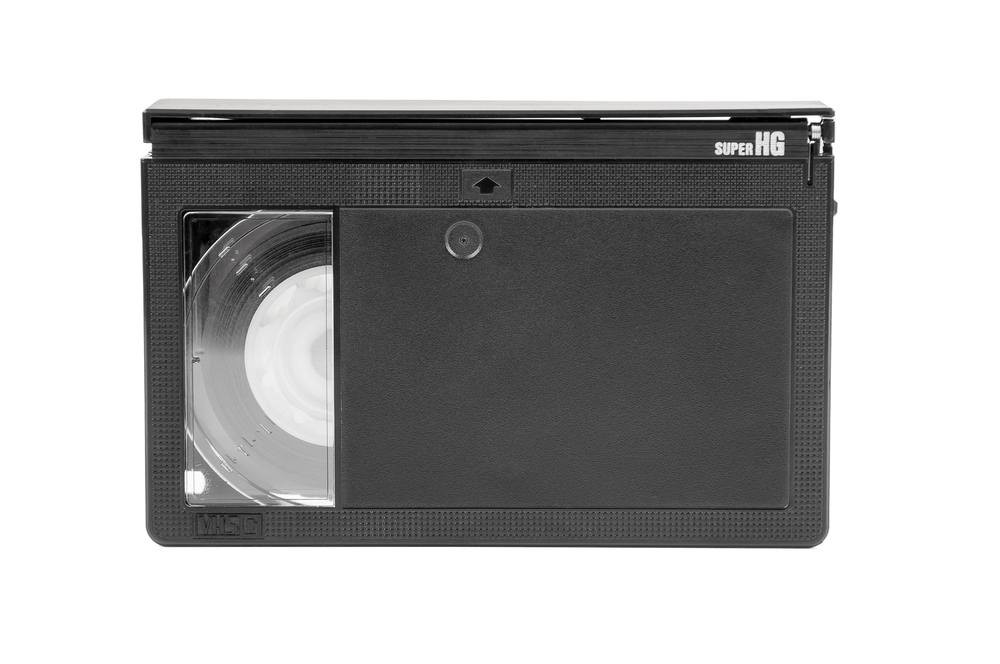
VCR tracking was a mystery that revealed itself only in failure. A wavy horizontal line crawling up the screen, a faint static buzz eating the bottom third of the picture — these were the symptoms, and the fix involved pressing a small unlabeled button on the remote and watching the image drift through worse before it got better.
It felt like tuning a radio station by feel alone, somewhere between skill and luck, and the person who could nail it in under ten seconds earned a quiet household authority.
Waiting for the Tape to Rewind
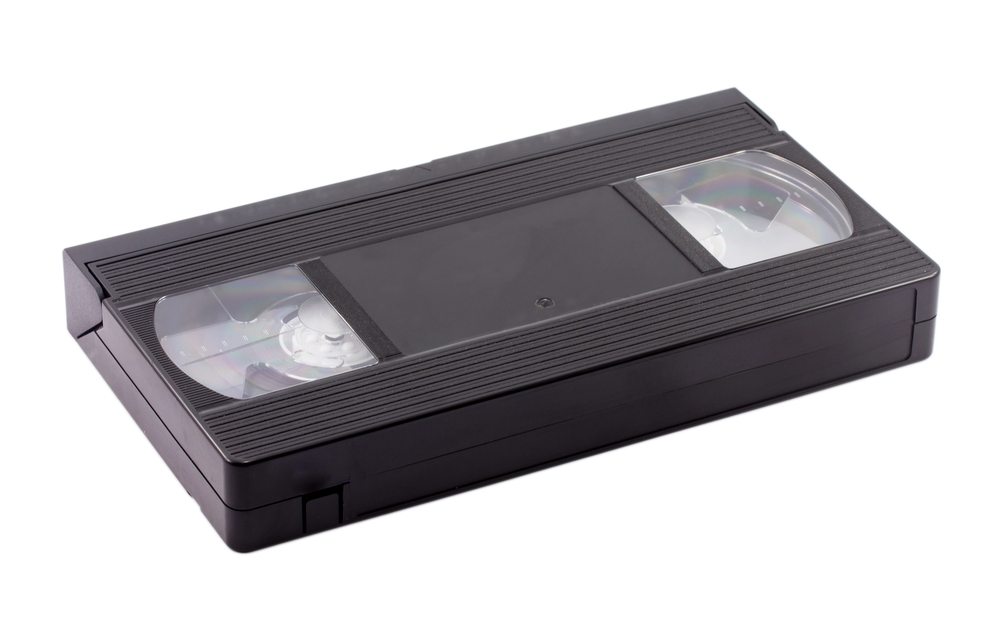
Rewinding a two-hour tape took anywhere from three to five minutes — an eternity in a room full of people waiting to watch the movie again. The mechanical whirring of the rewind motor filled the silence with an oddly satisfying sound, like a machine working hard on your behalf, and families sat in that particular suspended state of readiness that doesn’t really exist anymore.
You couldn’t do anything else. You just waited.
Recording Weekend Movies Off TV
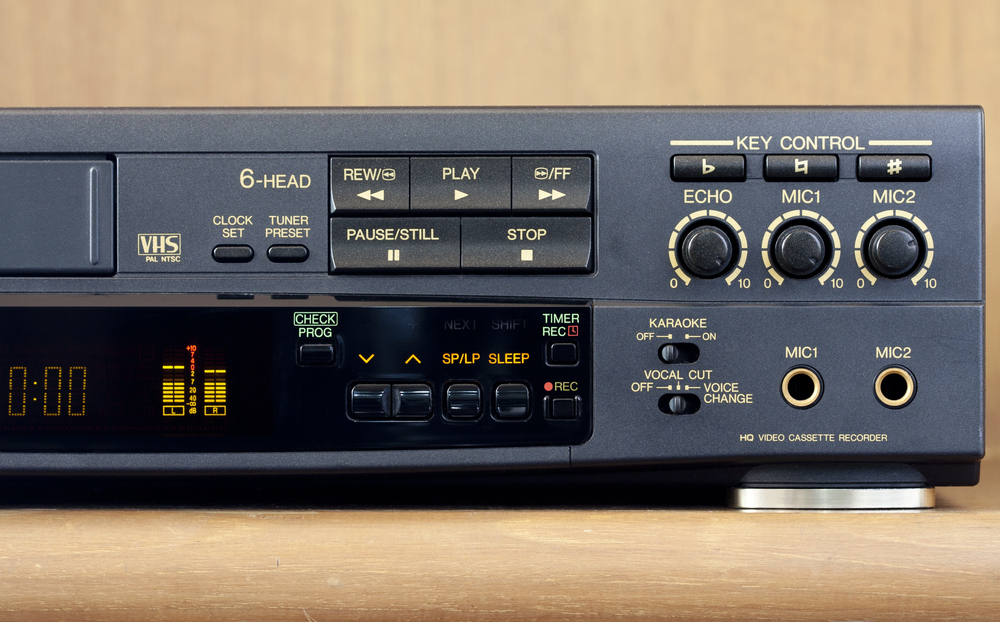
Saturday afternoon was prime taping time. Someone would load a blank tape, hit record before the movie started, and then spend the entire runtime hovering near the remote to pause during commercial breaks — because nobody wanted to sit through a recorded Tide commercial every twelve minutes when they watched it back later.
This required a level of sustained attention that the activity ostensibly providing a break from sustained attention did not seem to fully deserve.
Renting the Player Before Owning One
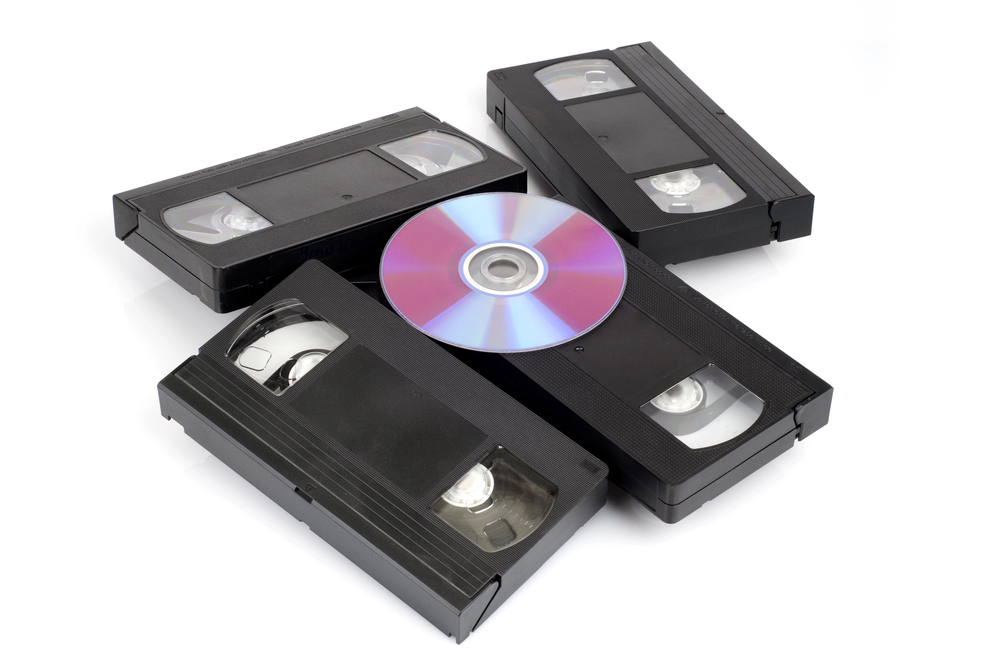
In the early 1980s, plenty of families rented the VCR itself before the price came down enough to justify buying one. A Friday-night rental included the machine, two tapes, and the mild anxiety of returning a piece of electronics in the same condition you received it, which was harder than it sounds when you have children.
The transition from renting to owning the player was a genuine household milestone — the kind of thing adults mentioned in the same breath as buying a second car.
Leaving Tapes in the Player Too Long
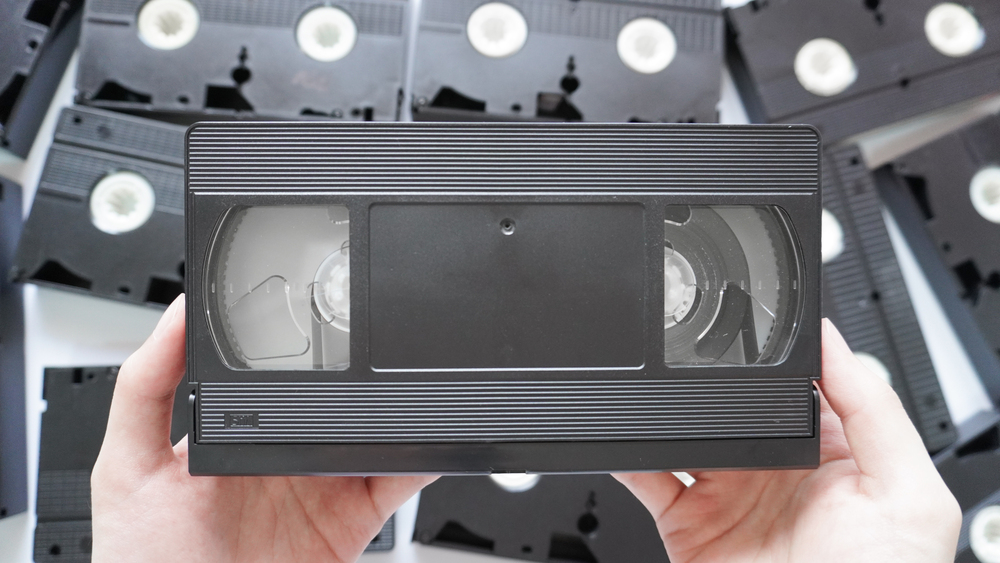
A tape left sitting in a VCR for weeks would sometimes get eaten. The machine’s internal rollers had no particular loyalty to the cassette, and the result — a crumpled ribbon of magnetic film spilling out of the casing — was genuinely distressing, especially if the tape was a rental.
The official fix involved a pencil and a great deal of careful respooling. It worked maybe half the time.
Watching the Same Movie Repeatedly
Owning a movie on VHS had a strange gravitational pull. The Lion King, Home Alone, The Little Mermaid — these tapes got watched until the image softened and the audio went slightly thin, the tape itself worn down by sheer repetition.
Children, it turns out, have a tolerance for repeated viewings that adults find genuinely difficult to comprehend, and the VCR made infinite repetition not just possible but convenient, which is either a gift or a curse depending on how many times you’ve sat through Aladdin in a single week.
Stopping Mid-Movie for Dinner
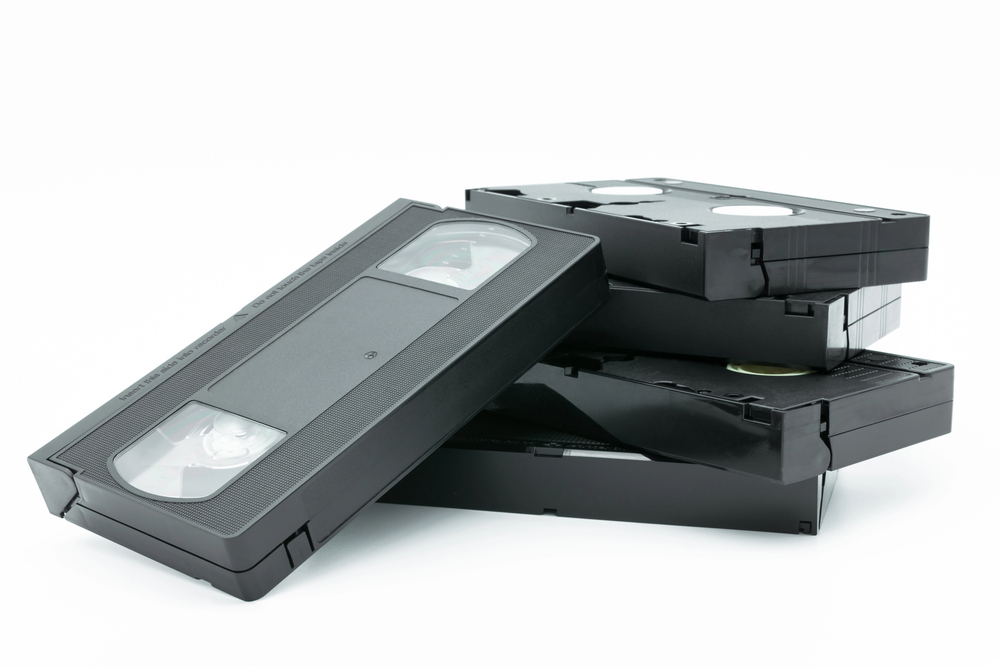
The pause button was the original dinnertime compromise. A movie started before dinner was ready, someone hit pause at whatever arbitrary moment the food was announced, and the frozen frame waited patiently on the screen while the family ate — a luxury so ordinary at the time that nobody thought to appreciate it.
Before VCRs, you either ate during the movie or you missed the movie. Pause changed the negotiation entirely.
Sharing Tapes With Neighbors

VHS tapes circulated through neighborhoods the way library books were supposed to. A family would buy a copy of something, watch it, and then lend it around the cul-de-sac for the next three months, which was technically a violation of copyright law and practically a cornerstone of community life.
The tape that didn’t come back was a minor grievance that could linger for years — people remembered.
Dealing With the Wrong Aspect Ratio
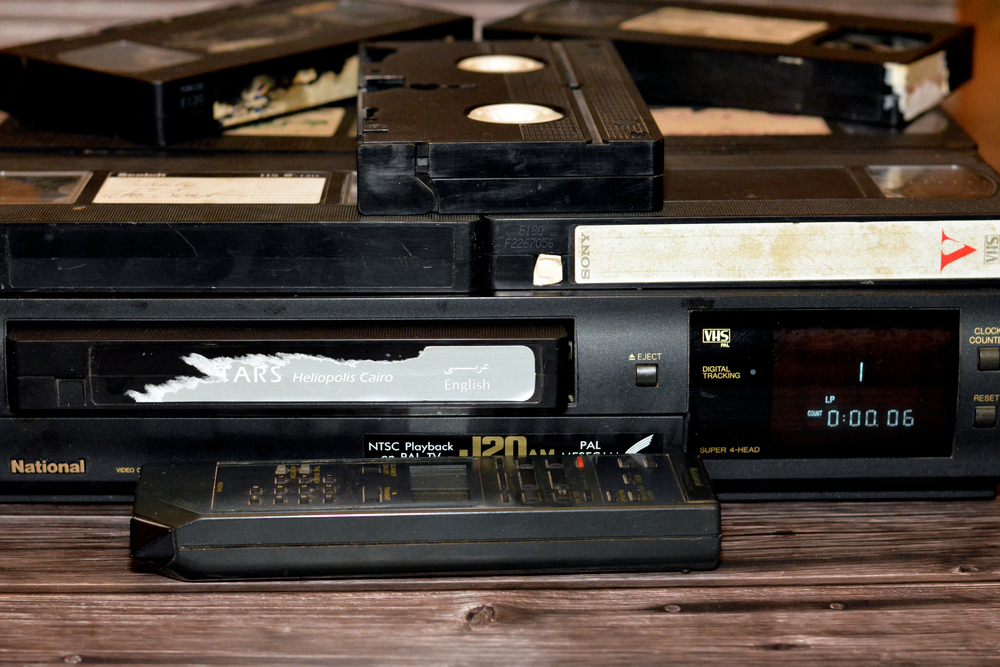
“Pan and scan” formatting cut off the sides of widescreen films to fit a standard TV, which meant that any movie shot with two actors in frame at opposite ends of the screen would simply lose one of them. Film purists were furious about this.
Everyone else watched it anyway, largely unaware that a significant portion of the cinematographer’s choices had been cropped out of existence. When letterboxed tapes became available — black bars top and bottom, full image preserved — some families genuinely thought the bars meant something was wrong with the TV.
Setting the Timer to Record While Out
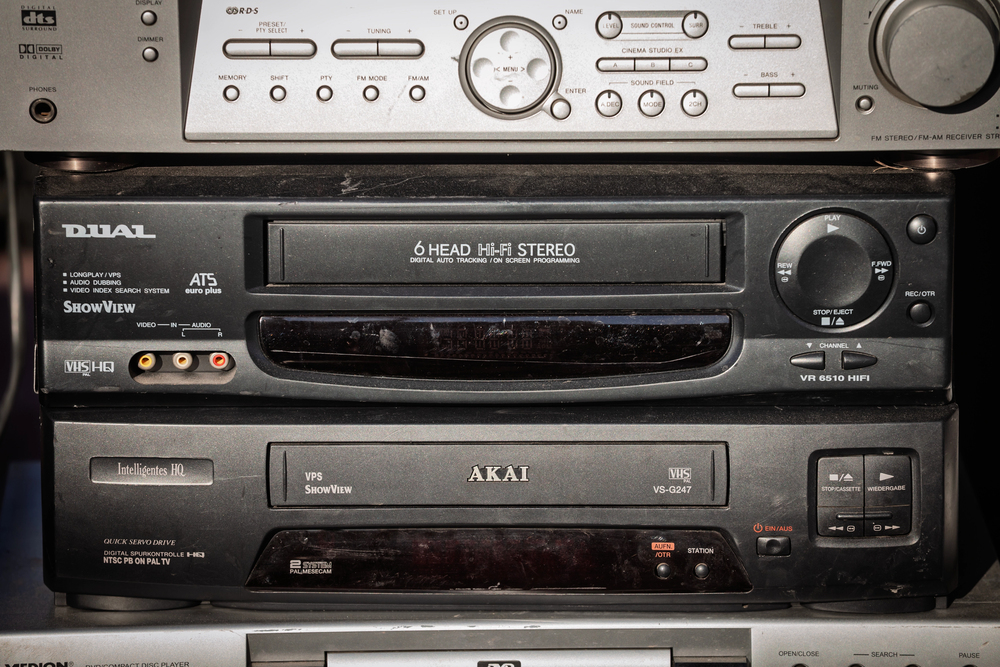
The VCR’s programmable timer was theoretically a marvel and practically a trap. You set the channel, the start time, the end time, you made sure a tape was loaded and had enough room — and then you left the house and spent the evening vaguely unsure whether it had actually worked.
Coming home to find the recording had clipped the last five minutes of a finale, or had recorded the wrong channel entirely, was the kind of low-grade domestic disappointment that accumulated quietly over years.
Buying Blank Tapes in Bulk
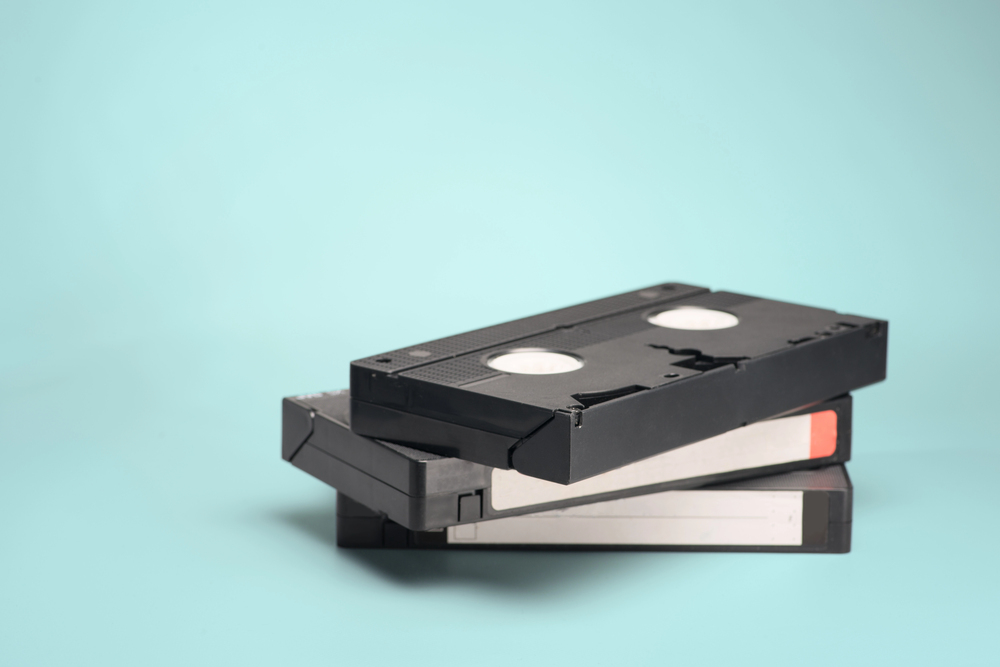
A three-pack of Maxell T-120 blank tapes was a household staple. Families bought them the way they bought paper towels — not because they needed them right now but because running out was worse.
The T-120 held six hours in EP mode, which was technically enough for three movies, though the image quality in EP was soft enough that anything recorded that way looked like it was being watched through a slightly foggy window.
Reading the Back of the Box in the Store
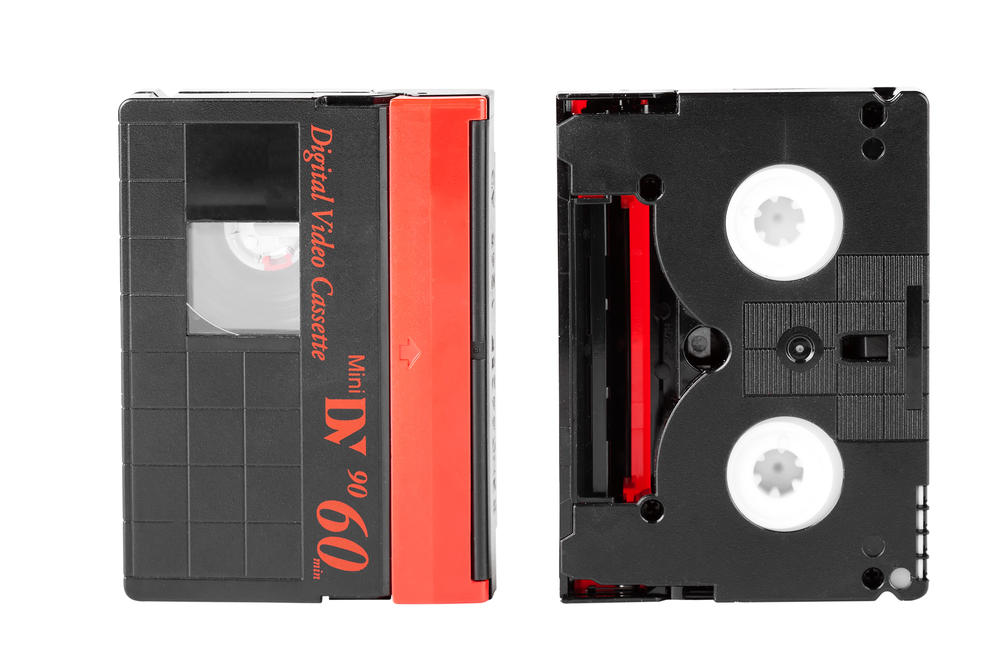
Standing in the rental store aisle reading the back of the VHS box was a complete social ritual with its own unspoken rules. You read the back.
You looked at the stills. You flipped it back to the front image.
You put it back and picked up the one next to it. The whole process could take twenty minutes, and the movie you ultimately chose was often one you’d already seen twice, because at least you knew it was good.
Dealing With the Flashing 12:00
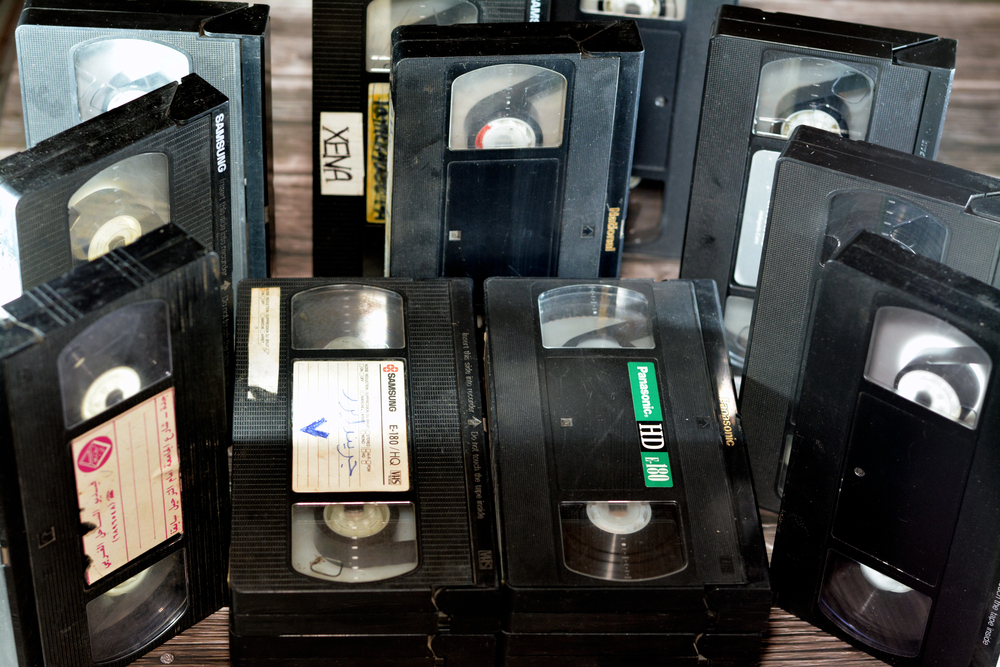
The clock on the front of the VCR blinked 12:00 in roughly sixty percent of American households at any given moment throughout the late 1980s and 1990s. Setting it required navigating a menu system that was poorly documented and aggressively counterintuitive, and the moment the power flickered — a storm, an outage, someone tripping over the cord — it reset instantly.
Most families made a quiet collective decision to simply accept the blinking and move on with their lives. Which was probably the right call.
Making Copies of Rentals
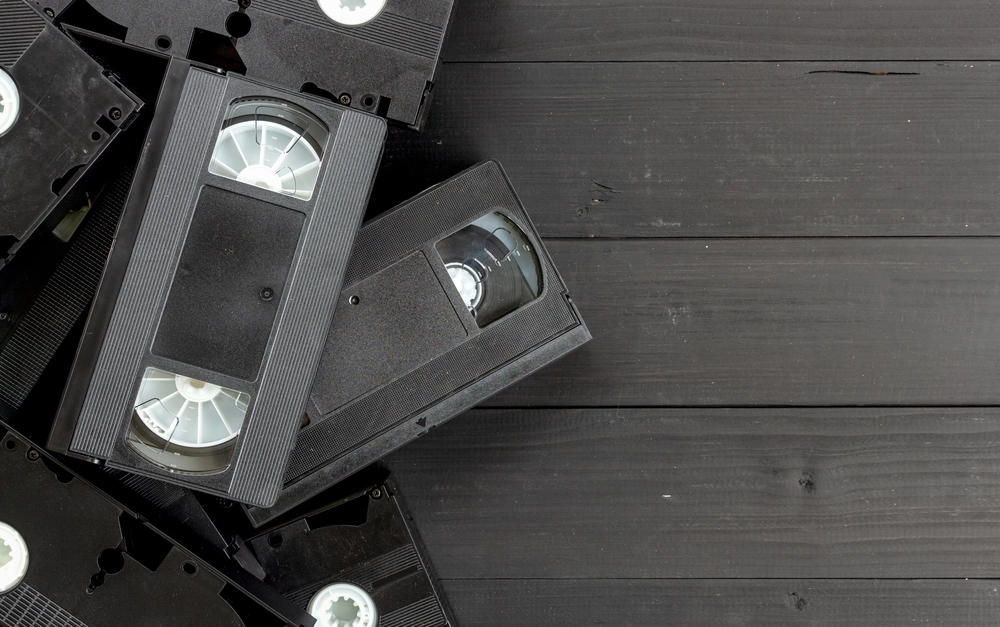
Copying a rental tape with two VCRs daisy-chained together was a practice widespread enough that the movie industry spent years lobbying against it. The copy quality degraded with each generation — the colors softened, the audio thickened — but a second-generation copy of Top Gun still had Top Gun in it, and that was usually enough.
The moral calculus involved was a conversation families generally chose not to have out loud.
Rewatching Favorite Scenes Immediately
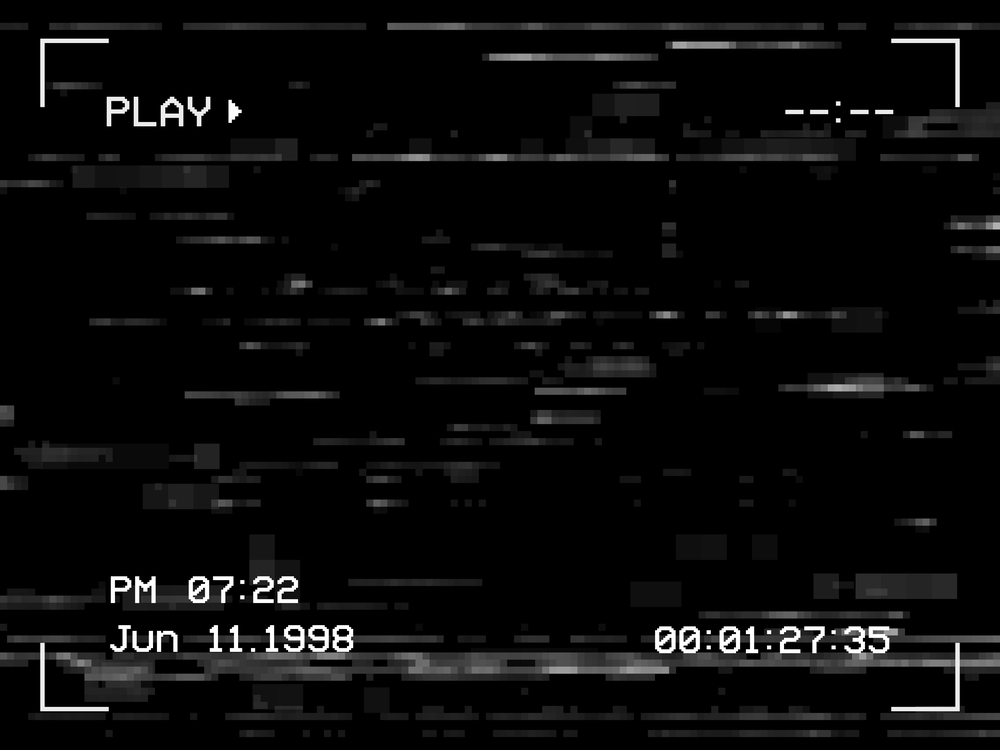
The rewind button gave movies a second life that hadn’t existed before. A joke that landed hard, an action sequence that needed a second viewing, a moment that surprised everyone — you could rewind thirty seconds and watch it again, immediately, right now.
This was a genuinely new relationship with film, one where the audience had some small amount of control over the experience, and families used it freely and without particular guilt.
Organizing the Family Video Collection
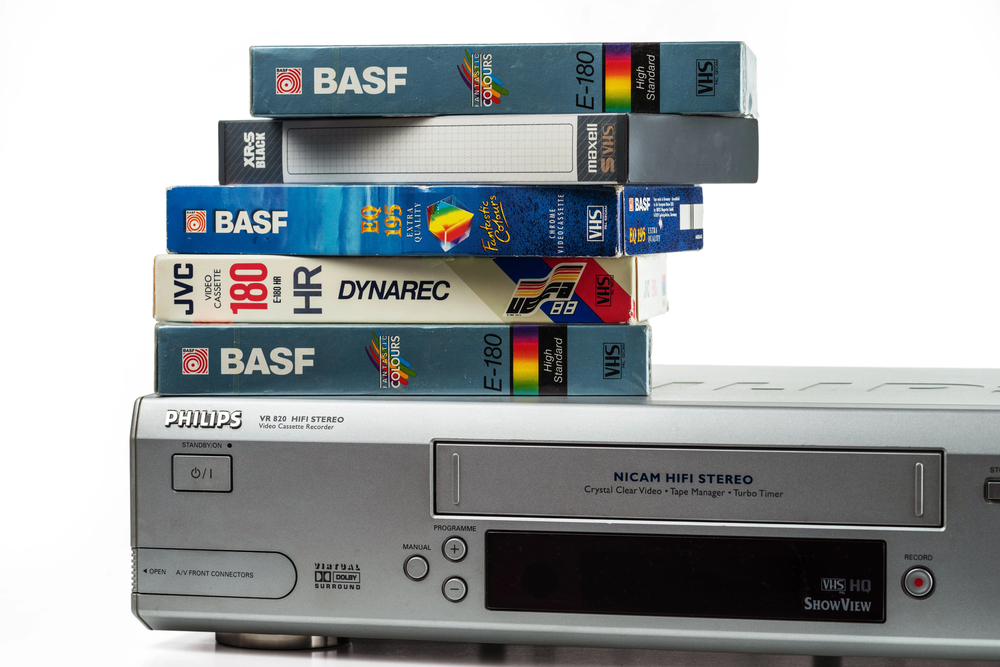
The home VHS collection, once large enough to need organization, became a project that different family members approached with entirely different philosophies. Alphabetical by title, chronological by purchase, sorted by who was most likely to watch them next — every system made sense to exactly one person and no one else.
The tape you needed was always behind three others you hadn’t touched in two years.
Caring for Tapes With Almost Superstitious Precision
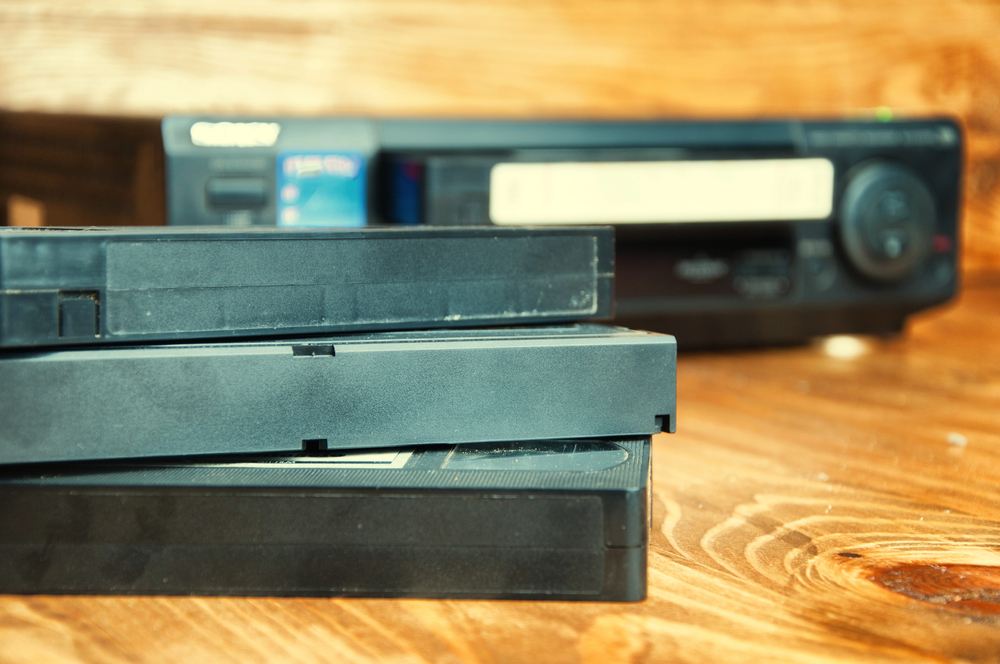
VHS tapes responded badly to heat, humidity, magnets, and being stored on their side — at least according to the instructions nobody fully read but everyone vaguely remembered. Families developed small protective rituals: always store them upright, always keep them in the case, never leave them in the car in July.
Some of this was sound advice. Some of it was transmitted wisdom of uncertain origin that spread from household to household with the conviction of established fact.
Experiencing the Rental Late Fee
The late fee was the tax on forgetting. A dollar a day, sometimes two, charged at the moment you returned the tape and clearly printed on your receipt like a mild public accusation.
Blockbuster alone collected an estimated $800 million in late fees at its peak — a number that should feel outrageous and somehow just feels accurate. Families developed elaborate systems for remembering due dates and returned tapes late anyway, almost every time.
Gathering Everyone Before Pressing Play
Someone always had to tell the stragglers the movie was starting. A shout down the hallway, a knock on a bedroom door, the negotiation over who got the couch and who got the floor — none of this happened with streaming, where starting without everyone present is not only possible but expected.
The gathering itself was part of the event, the small act of assembling that made a movie at home feel like something worth doing together rather than something you happened to watch in the same room.
What the Rewind Sound Meant
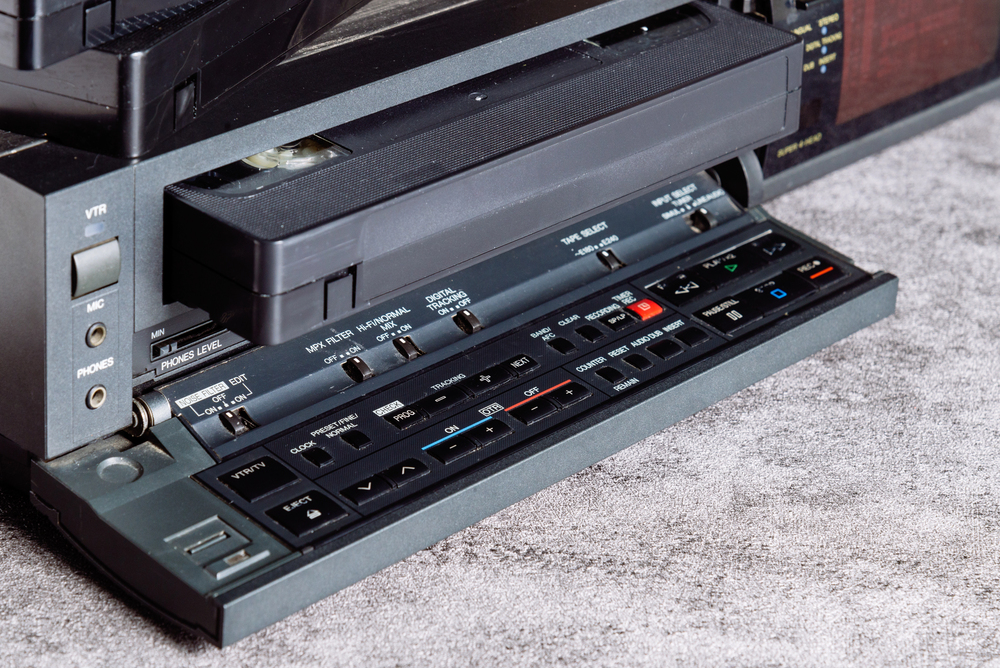
There’s a particular kind of nostalgia that doesn’t announce itself — it lives inside a sound, a texture, a specific mechanical whir. The rewind noise of a VCR is exactly that: a small, unremarkable sound that somehow carries the weight of every Friday night when the week was finally over and the family was together and something good was about to start.
Nobody noticed it then. That’s the thing about rituals — you only understand what they meant once they’re gone, and by then the tape has already run out.
More from Go2Tutors!

- The Romanov Crown Jewels and Their Tragic Fate
- 13 Historical Mysteries That Science Still Can’t Solve
- Famous Hoaxes That Fooled the World for Years
- 15 Child Stars with Tragic Adult Lives
- 16 Famous Jewelry Pieces in History
Like Go2Tutors’s content? Follow us on MSN.