29 Banned Substances That Were Once Sold Openly in Pharmacies and Grocery Stores
There was a time when walking into a drugstore meant browsing shelves that would horrify a modern pharmacist. Cough syrups with narcotics in them.
Tonics with enough alcohol and stimulant to knock over a horse. Beauty powders laced with metals that would eventually kill the people using them, slowly, without anyone quite connecting the dots for decades.
Looking back at what used to sit next to the toothpaste and cereal says a lot about how differently people once understood the words “safe” and “regulated.”
Cocaine
Coca-Cola contained it until 1903. Pharmacies sold cocaine drops for toothaches, and parents gave them to children without a second thought.
Nobody was hiding it. It sat on shelves next to cough drops.
Heroin
Bayer marketed heroin starting in 1898 as a cough suppressant, and for a while it outsold aspirin at the same company — which is a strange thing to sit with, considering how the two products ended up on opposite ends of the regulatory spectrum. Doctors prescribed it for children with persistent coughs, genuinely believing it was safer than morphine because it seemed less habit-forming at first. It wasn’t.
And by the time Bayer stopped production in 1913, the damage to public understanding of the drug had already been done, in ways that took generations to unwind.
Laudanum
Laudanum was less a medicine than a mood, something people reached for the way a modern household reaches for aspirin. It was opium dissolved in alcohol, sweetened just enough to make swallowing it feel like a small mercy rather than a warning sign.
Victorian mothers dosed fussy infants with it, poets wrote through it, and nobody in the pharmacy blinked when you asked for a bottle. Its quiet ordinariness is what makes it unsettling in hindsight.
Morphine

Morphine sold over the counter for most of the 19th century, no prescription needed, no questions asked. Civil War soldiers came home dependent on it after field hospitals handed it out like aspirin, and drugstores kept the supply flowing without hesitation.
Calling it a public health failure undersells it. It was a national habit hiding in plain sight, and the country didn’t seriously address it until well into the 20th century.
Cannabis Tinctures
Pharmacies stocked cannabis extracts as far back as the 1850s. Doctors prescribed it for pain, insomnia, and nerve conditions.
It sat in the same cabinet as morphine and quinine, listed plainly in pharmaceutical catalogs.
Radium Water
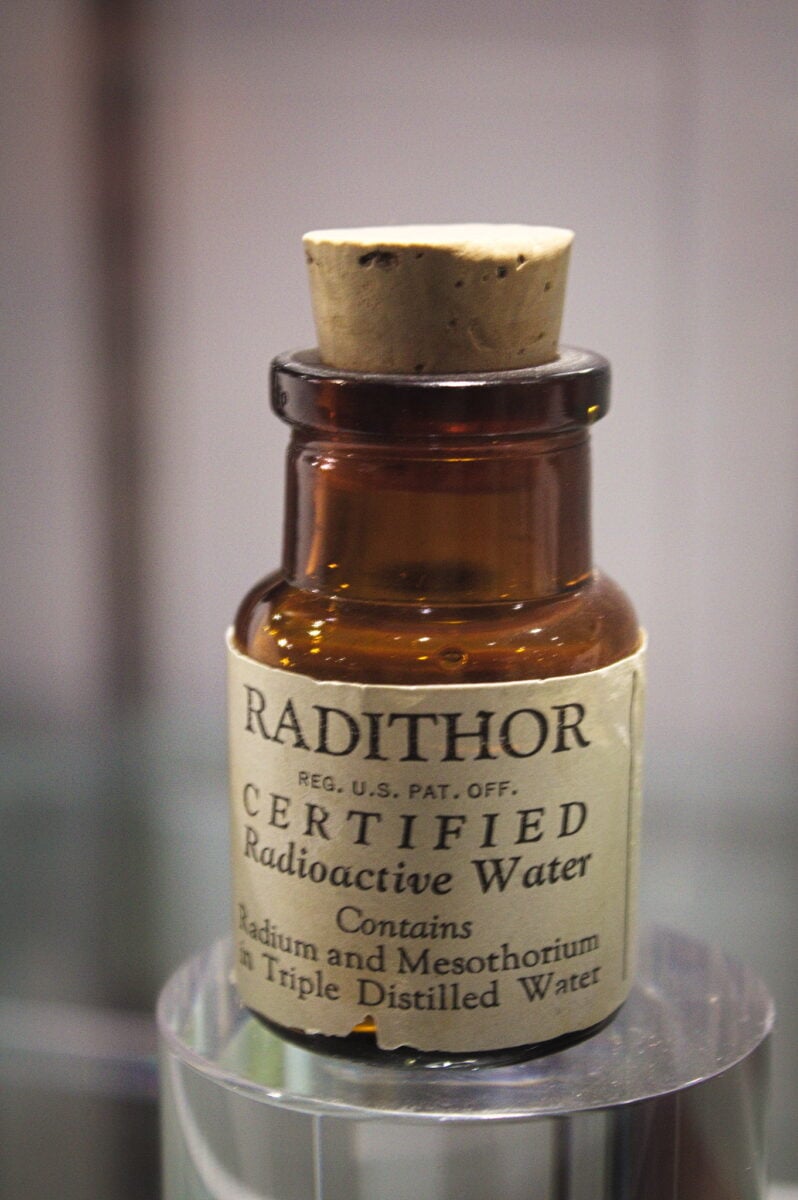
Radithor was bottled water infused with radium, sold as a tonic for vitality through the 1920s — and it did the opposite of what it promised, in the most literal way imaginable. A wealthy industrialist named Eben Byers drank it daily for years, convinced it was restoring his health, until his jaw began disintegrating and doctors realized what was happening too late to save him.
His death in 1932 made national headlines: papers ran the story under the grim tagline “The Radium Water Worked Fine Until His Jaw Came Off.” So the product vanished from shelves not because regulators caught it early, but because a man’s very public decline forced the issue.
Thalidomide
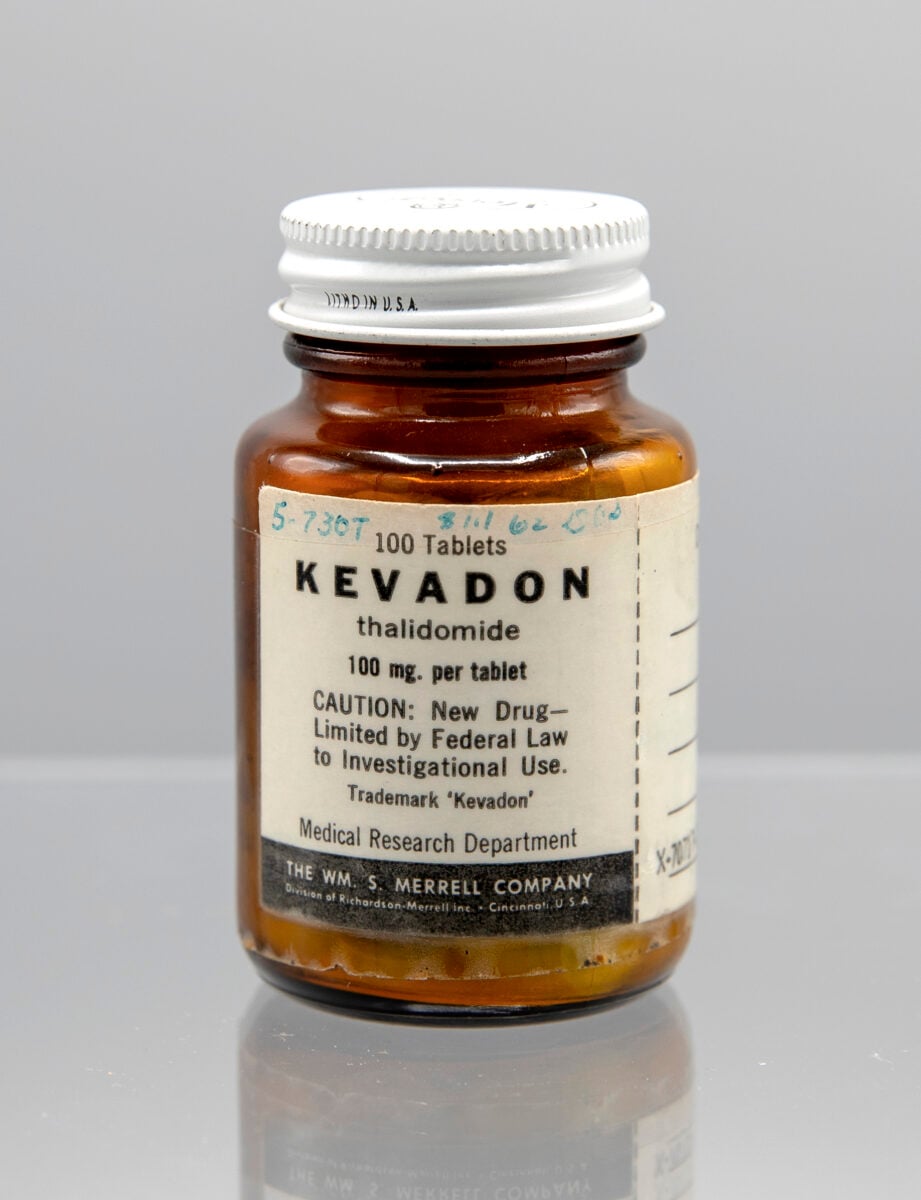
Thalidomide is the sedative that reshaped drug regulation permanently. Pregnant women took it for morning sickness, unaware it caused severe birth defects in thousands of infants across Europe and elsewhere.
It never gained full approval in the United States, largely because one FDA reviewer refused to sign off — a decision now taught as a case study in caution paying off.
Chloroform
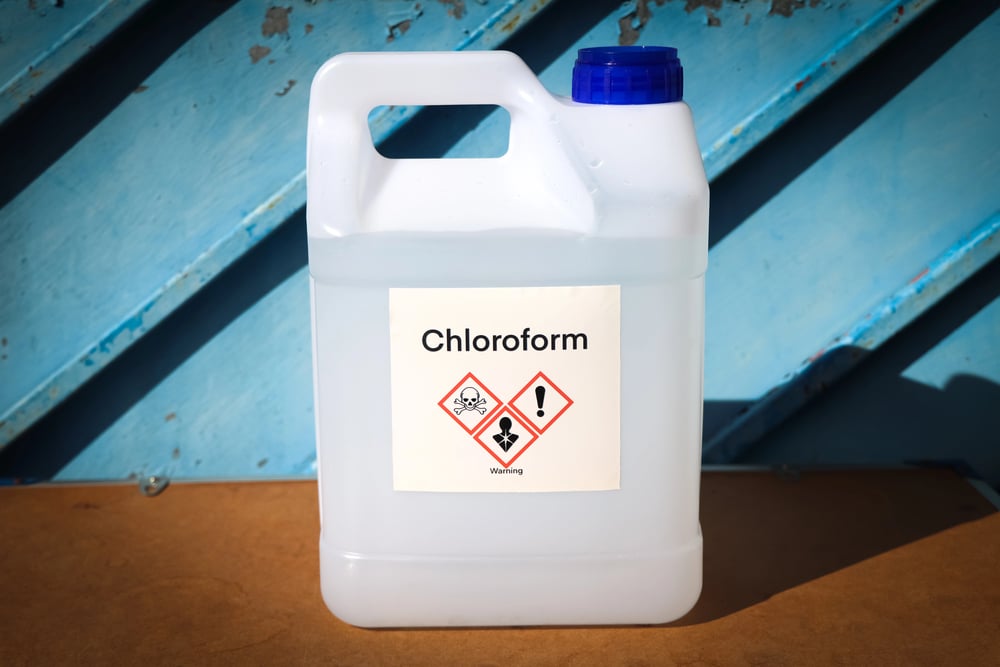
Chloroform was sold in liquid form for household use, marketed as a remedy for toothaches and general pain well into the early 1900s. Families kept it in medicine cabinets the way people now keep rubbing alcohol.
It causes heart arrhythmias and liver damage with repeated exposure, which regulators eventually took seriously enough to pull it from consumer shelves entirely.
Arsenic Complexion Wafers

Arsenic wafers promised porcelain skin and a fashionable pallor, and Victorian women ate them by the dozen without a flicker of concern. The logic was almost poetic in its cruelty: a slow poison marketed as beauty, sold beside soap and lace gloves like it belonged there.
Nobody selling them was hiding the ingredient — it was printed right on the tin, treated as a selling point rather than a warning.
Calomel
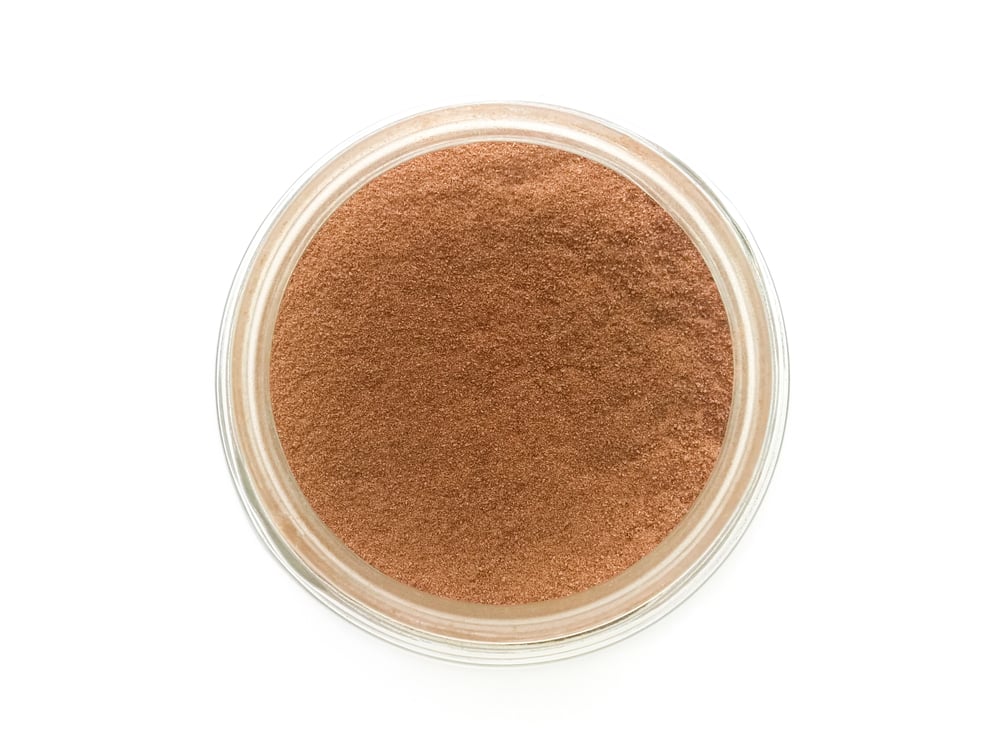
Calomel is mercury in a treatable-sounding name, and doctors dosed it for everything from teething to dysentery for well over a century. People lost teeth, developed tremors, and suffered organ damage from long-term use, and the medical profession kept prescribing it anyway because nothing better had replaced the habit yet.
Eventually the evidence became impossible to ignore, and it disappeared from cabinets the way most bad ideas do — slowly, then all at once.
Lead-Based Cosmetics
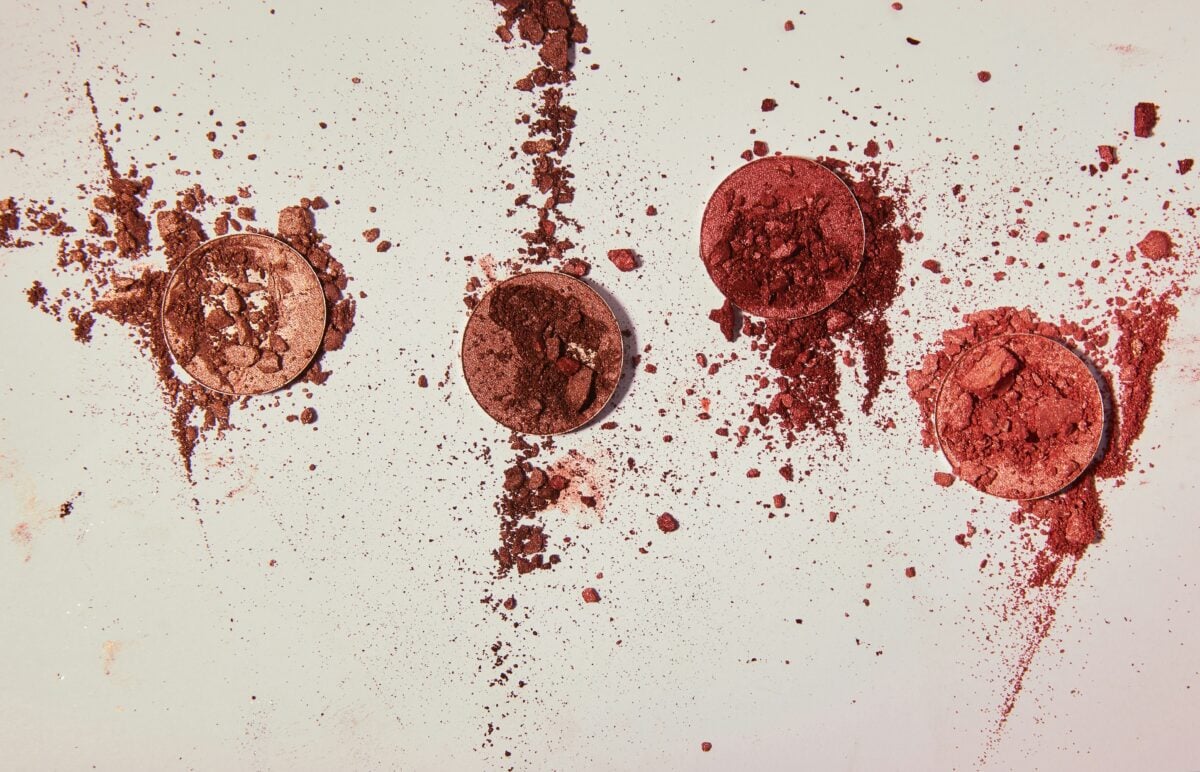
Lead sat inside face powders and hair dyes for generations before anyone connected it to the tremors and cognitive decline showing up in longtime users. Picture a woman applying it nightly for years, trusting the little tin the way someone today trusts a moisturizer, never suspecting the ritual itself was the danger.
The slowness of lead poisoning is what let it hide in plain sight for so long. Nothing about it looked dangerous until the damage had already settled in.
DDT

DDT was sprayed at picnics, dusted on children’s heads for lice, and sold in grocery store aerosol cans well into the 1960s. Rachel Carson’s “Silent Spring” changed the public conversation around it permanently.
The United States banned it for most agricultural uses in 1972, decades after it had already worked its way into soil, water, and wildlife across the country.
Strychnine Tonics

Strychnine showed up in tiny doses inside tonics sold as stimulants and appetite boosters. It’s now known primarily as rat poison.
That gap between its old marketing and its modern reputation says everything about how little oversight existed back then.
Chloral Hydrate
Chloral hydrate earned the nickname “knockout drops” for a reason, and it was sold openly as a sleep aid decades before anyone regulated sedatives with any real seriousness. It was cheap, it worked fast, and it also happened to be the substance slipped into drinks in countless old crime stories — which tells you something about how casually strong it actually was.
Doctors handed it out for insomnia the way they’d hand out aspirin today. So the line between “medicine cabinet staple” and “the thing criminals used to incapacitate people” was thinner than most customers ever realized.
Formaldehyde-Preserved Milk

Formaldehyde kept milk from spoiling on long train routes and warm shelves, and dairies used it freely before anyone forced them to stop. Think of it as a preservative doing its job too well, masking spoilage rather than preventing it, buying time the milk hadn’t actually earned. Children got sick. Some died.
The practice only ended once food safety laws in the early 1900s finally caught up to what dairies had been getting away with for years.
Vin Mariani

Coca wine is sold under names like Vin Mariani, mixing red wine with coca leaf extract into a drink endorsed by popes, presidents, and inventors alike. It was marketed as a tonic for fatigue and low spirits, sold in grocery stores and pharmacies with equal enthusiasm.
Prohibition and shifting drug laws killed it off in the early 20th century, though its fingerprints are still visible in how soda companies later marketed their own “refreshing” tonics.
Ephedra Weight-Loss Pills

Ephedra sold as a weight-loss supplement for years, stacked on nutrition store shelves next to protein powder and vitamins. It raised heart rate and blood pressure in ways that eventually proved fatal for a number of otherwise healthy users, including at least one professional athlete whose death made national news.
The FDA banned it in 2004. To be fair, the writing had been on the wall for a while before anyone acted on it.
Phenacetin
Phenacetin was a common pain reliever sold widely through the mid-1900s, found in headache powders across the country. Long-term use caused kidney damage and was later linked to certain cancers.
It was pulled from the American market in 1983 after decades of otherwise unremarkable, routine use.
Diethylstilbestrol
DES is the drug that shows how a single well-intentioned prescription can echo across generations. Doctors gave it to pregnant women from the 1940s through the early 1970s to prevent miscarriage, trusting the early research more than the eventual evidence deserved — and years later, daughters of women who took it showed sharply elevated rates of a rare vaginal cancer, a connection nobody saw coming until it was undeniable.
The FDA withdrew its approval for pregnancy use in 1971. It’s one of the clearest examples of a drug doing quiet, delayed harm long after the bottle was already empty.
Elixir Sulfanilamide
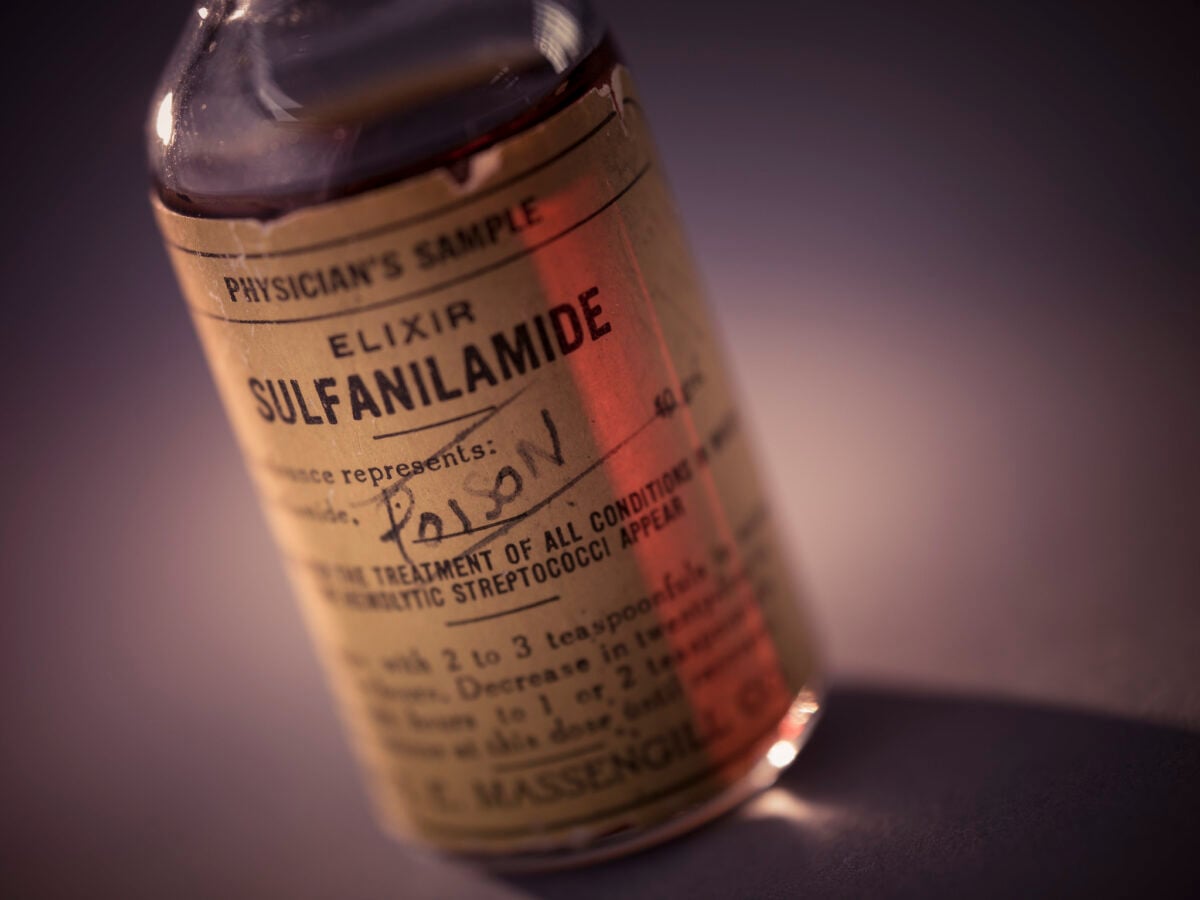
Elixir Sulfanilamide is the tragedy that built the modern FDA, plain and simple. A Tennessee company dissolved an antibiotic in diethylene glycol, a compound better known today as antifreeze, and sold it as a raspberry-flavored liquid for children in 1937.
More than a hundred people died, many of them kids, before the product was recalled. That disaster is the direct reason drug companies now have to prove safety before selling anything, which, frankly, should have been the standard from day one.
Chlordane
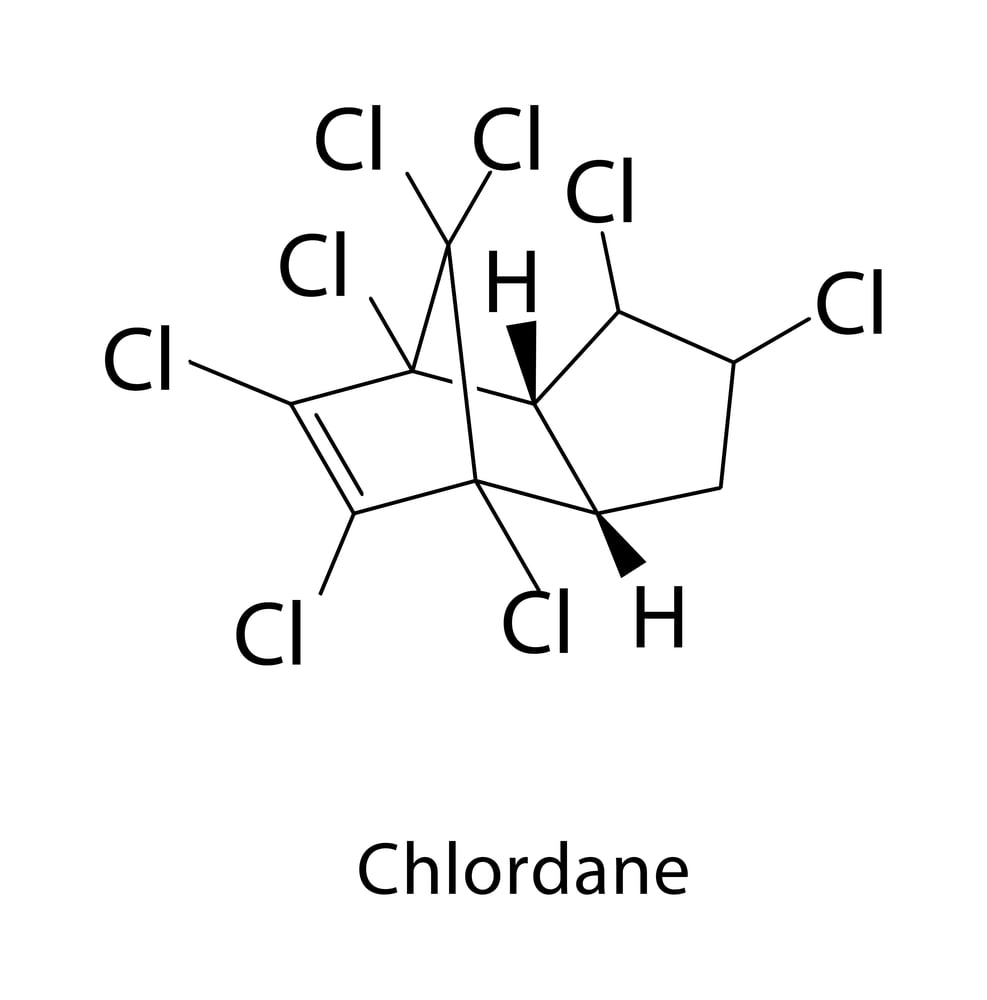
Chlordane was sold as a household pesticide, marketed for termite control and garden use well into the 1980s. Homeowners sprayed it around foundations and inside crawl spaces without protective gear.
It was banned for most uses in 1988 after studies tied it to cancer and nervous system damage in longtime handlers.
Paregoric
Paregoric was camphorated opium tincture, sold as a remedy for diarrhea and teething pain, kept in family medicine cabinets the way people now keep children’s fever medicine. It smelled sweet, tasted faintly of licorice, and worked fast enough that generations of parents swore by it without ever asking what was actually inside.
That trust was the whole problem: it worked because it was a narcotic, and nobody selling it over the counter was required to say so plainly. Regulation eventually caught up, restricting it to prescription-only status by the mid-20th century.
Codeine Cough Syrup
Codeine-based cough syrups sold without prescription in most American drugstores for decades, right up until the mid-1900s. Anyone could grab a bottle off the shelf the way they’d grab dish soap. States began tightening access gradually, and eventually federal scheduling caught up with what pharmacists had already started restricting on their own.
It’s a rare case of common sense arriving before the law did.
Mercury Teething Powders
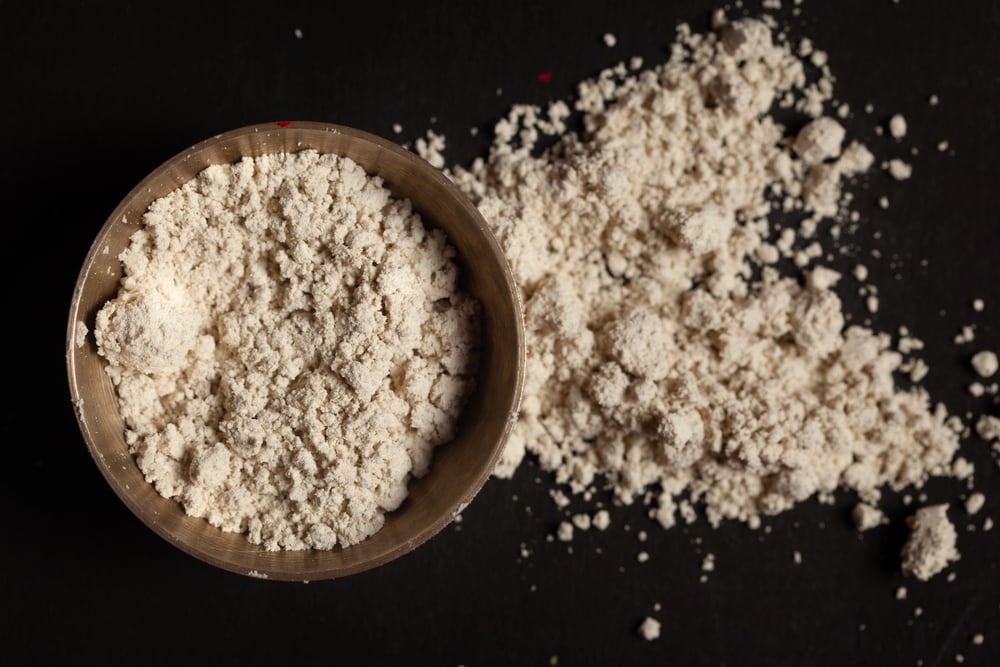
Mercury teething powders promised relief for fussy infants, and parents dusted it on sore gums without a second thought for the better part of a century. Picture the ritual: a worried mother reaching for a familiar tin, trusting a label the way you’d trust a nursery rhyme passed down without question.
The condition it caused, later named pink disease, left thousands of infants with swollen limbs and peeling skin before anyone traced the cause back to the powder itself. It disappeared from shelves only after the pattern became too consistent to explain away.
Sassafras Oil

Sassafras oil flavored root beer and folk remedies for generations before anyone tested it properly. It contains safrole, a compound linked to liver cancer in lab studies. The FDA banned it as a food additive in 1960, which is roughly a hundred years after it first became a staple flavor in American kitchens.
Cyclamates
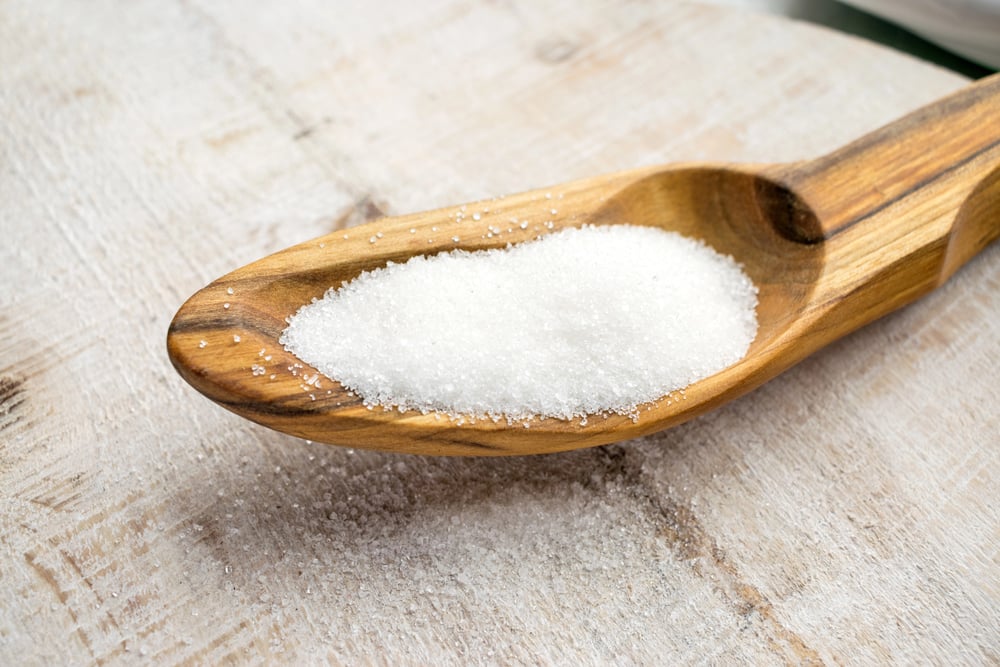
Cyclamates sweetened diet sodas and tabletop sugar substitutes through the 1950s and 60s, marketed as the guilt-free choice for anyone watching their waistline. Then animal studies in the late 1960s linked high doses to bladder tumors, and the FDA banned it outright in 1969 — a decision that still gets debated, since the doses used in those studies were wildly higher than anything a person would consume in real life.
Even so, the ban stuck. It remains banned in the United States today, even as other countries quietly kept using it.
Red Dye No. 2
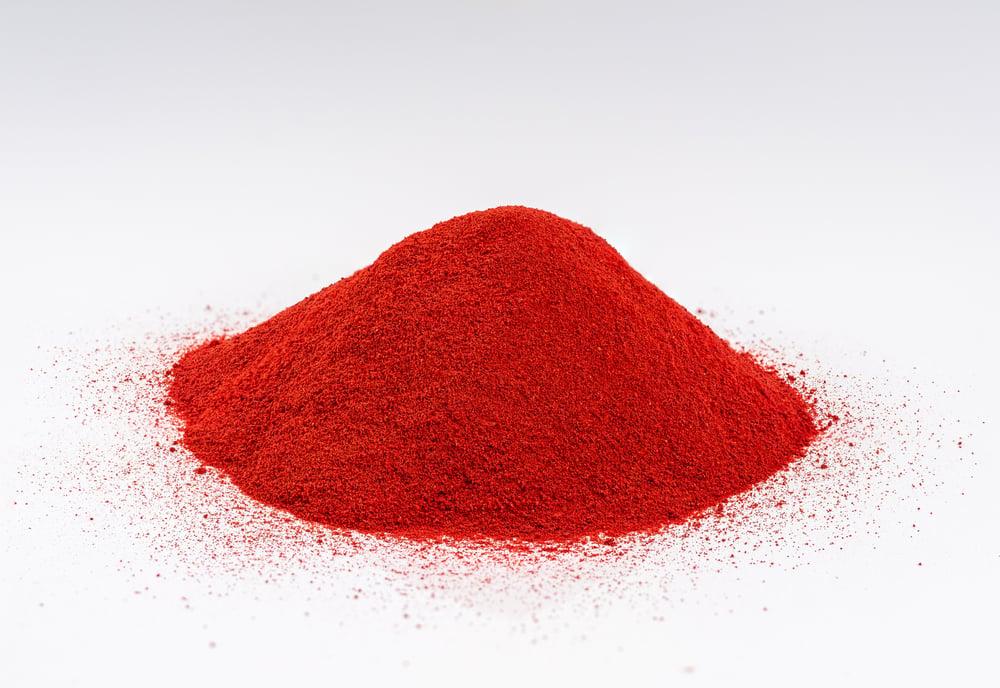
Red Dye No. 2 colored candy, baked goods, and soda for decades, a bright cheap shortcut that made processed food look more appetizing than it had any right to. Soviet studies in the 1970s linked it to cancer in lab animals, and though American researchers disputed the findings, public pressure did what science alone couldn’t.
The FDA banned it in 1976. It’s a rare instance where consumer panic outran the actual data, and regulators bent to the pressure anyway.
Absinthe
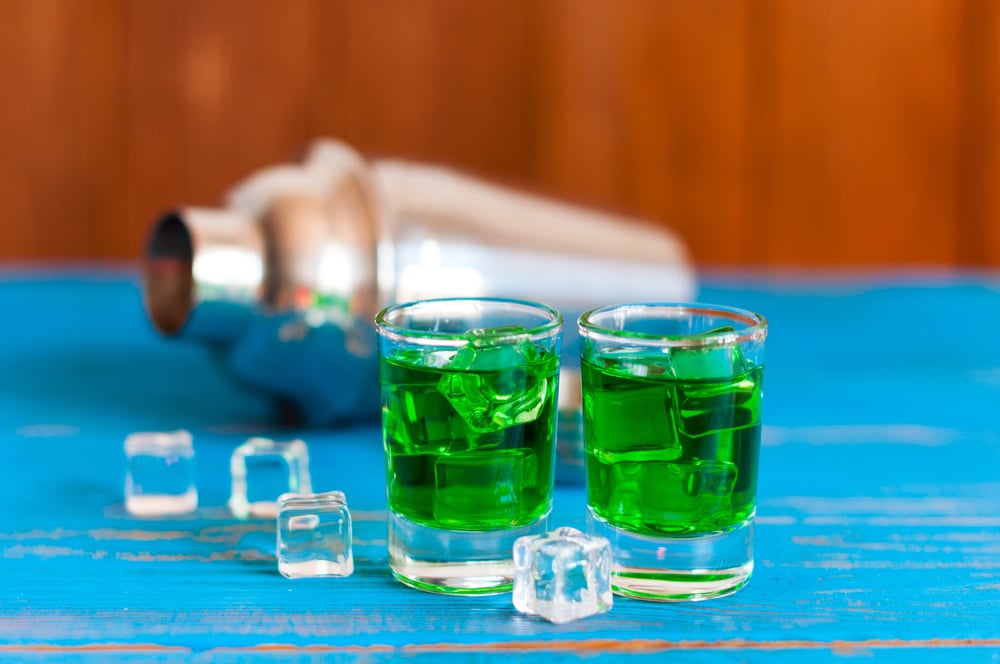
Absinthe carried a reputation long before anyone proved it deserved one, blamed for hallucinations and violent behavior that later science mostly attributed to the alcohol content and cheap production methods rather than the wormwood itself. It sold in American liquor stores and bars right alongside whiskey and gin until 1912, when the federal government banned it outright based on thin evidence and a lot of moral panic.
The ban held for nearly a century. It wasn’t legalized again in the United States until 2007, by which point the original scare had mostly become folklore.
Quaaludes
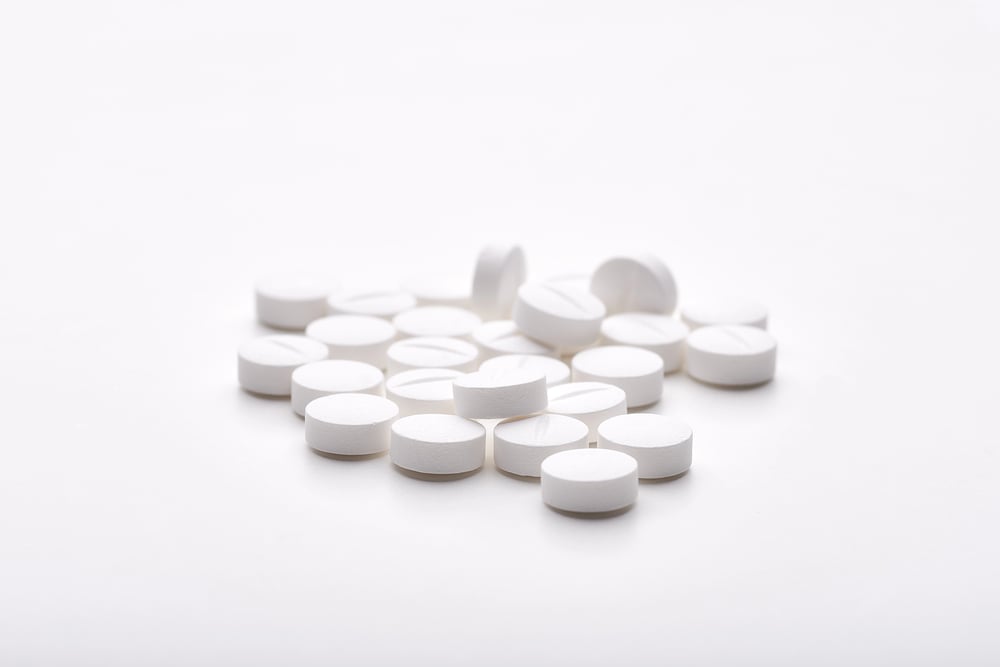
Quaaludes were sold as a prescription sedative starting in the 1960s, marketed as a safer alternative to barbiturates. That claim didn’t hold up.
Widespread misuse led to a federal ban by 1984, and the drug never really came back in any legal form.
What the Shelves Used to Hide
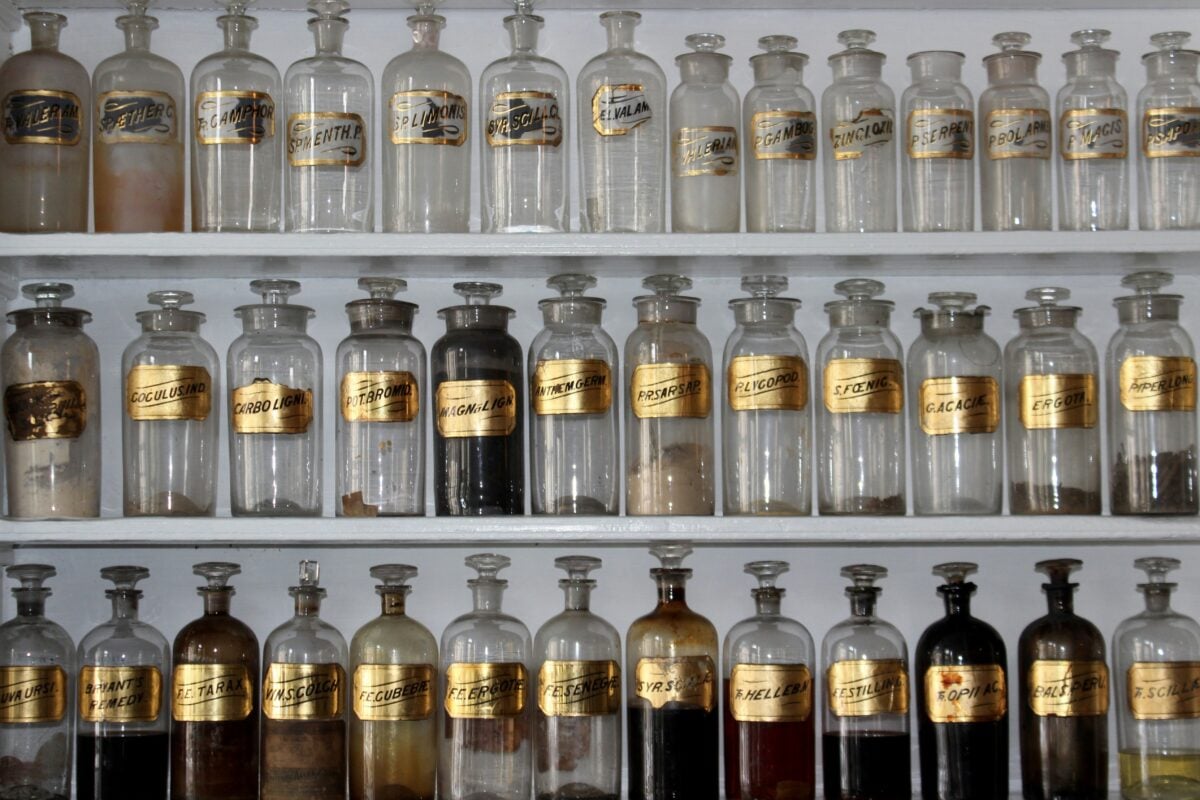
Looking at this list side by side, the thing that stands out isn’t any single ingredient, it’s how ordinary all of it felt at the time. Nobody buying radium water thought they were drinking poison.
Nobody dusting mercury on a baby’s gums thought they were causing harm. The line between “trusted remedy” and “banned substance” turned out to be thinner, and slower to reveal itself, than anyone selling these products ever let on.
Worth remembering next time something on a shelf gets called perfectly safe without much explanation as to why.
More from Go2Tutors!

- The Romanov Crown Jewels and Their Tragic Fate
- 13 Historical Mysteries That Science Still Can’t Solve
- Famous Hoaxes That Fooled the World for Years
- 15 Child Stars with Tragic Adult Lives
- 16 Famous Jewelry Pieces in History
Like Go2Tutors’s content? Follow us on MSN.