The Overlooked Advisors Behind World-Changing Leaders
History has a strange way of forgetting the people who actually ran things. You know the names of the emperors and presidents, but the advisors who whispered in their ears often vanish from memory.
These weren’t just assistants or yes-men. They shaped empires, orchestrated wars, and redrew maps while their bosses got the credit.
Chanakya Turned a Commoner Into an Emperor

Around 321 BCE in ancient India, a professor named Chanakya helped a young man named Chandragupta Maurya overthrow the powerful Nanda dynasty. Chanakya wrote the Arthashastra, a political treatise that became India’s answer to Machiavelli centuries before Machiavelli was born.
He served as prime minister and chief strategist while building the Mauryan Empire from scratch.
Aristotle Taught Alexander How to Conquer

Philip II of Macedon hired the philosopher Aristotle to tutor his 13-year-old son Alexander starting in 343 BCE. For about seven years, they studied together at a private school in Mieza, covering everything from ethics to biology to warfare tactics.
Aristotle gave Alexander an annotated copy of the Iliad that the young conqueror carried with him through every campaign, and his emphasis on reason and observation shaped how Alexander approached both battles and diplomacy.
Li Si Built China’s First Empire

When Qin Shi Huang unified China in 221 BCE, his grand counselor Li Si did most of the actual work. Li Si standardized the writing system, currency, and measurements across the new empire while organizing it into 36 administrative districts.
He also convinced the emperor to burn books and bury scholars alive to suppress dissent, though this brutal policy eventually contributed to the dynasty’s quick collapse after just 14 years.
Sejanus Nearly Stole the Roman Empire

Lucius Aelius Sejanus commanded the Praetorian Guard under Emperor Tiberius and became so powerful that Tiberius called him his partner in labor. From 14 to 31 CE, Sejanus consolidated the guard into a single fortified camp in Rome and systematically eliminated potential rivals, including apparently poisoning Tiberius’s son Drusus.
His ambitions ended when Tiberius finally realized the danger and had him executed in 31 CE, triggering a bloody purge of his followers.
Seneca Tried to Tame Nero
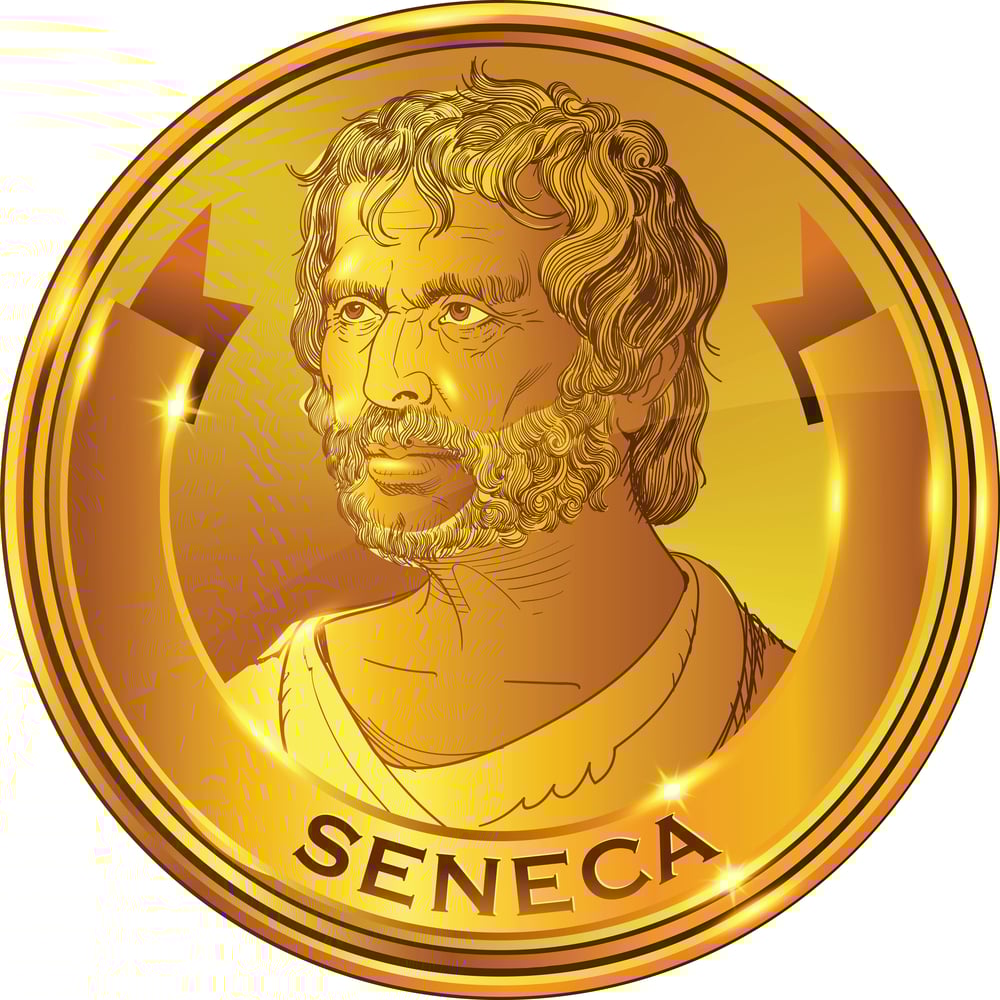
The Stoic philosopher Seneca became tutor to the young Nero in 49 CE and served as his chief advisor after Nero became emperor in 54 CE. For the first five years of Nero’s reign, Seneca and the praetorian prefect Burrus provided competent government and kept the emperor’s worst impulses in check.
But Seneca’s influence faded after Nero murdered his mother in 59 CE, and the paranoid emperor eventually forced his old teacher to commit self-harm in 65 CE for alleged involvement in a conspiracy.
Nizam al-Mulk Ran the Seljuk Empire for Three Decades

Abu Ali Hasan served as vizier to Seljuk sultans Alp Arslan and Malik-Shah from 1064 to 1092, effectively ruling the empire for 29 years. He reorganized the entire administration, founded the Nizamiyya schools across the Islamic world to promote Sunni education, and wrote the influential political treatise Siyasatnama.
His assassination by an Ismaili agent in 1092 threw the Seljuk Empire into chaos and marked the beginning of its decline.
Thomas Cromwell Orchestrated the English Reformation

After Cardinal Wolsey fell from power in 1529, his protégé Thomas Cromwell became Henry VIII’s chief minister and architect of the break from Rome. Between 1534 and 1540, Cromwell dissolved over 800 monasteries, transferred massive wealth to the crown, and engineered the legal framework that made Henry head of the Church of England.
His efficiency made him indispensable until he arranged Henry’s disastrous marriage to Anne of Cleves, which led to his execution in 1540.
Cardinal Richelieu Created Modern France

Armand Jean du Plessis served as chief minister to Louis XIII from 1624 until his death in 1642, transforming France into Europe’s dominant power. Richelieu crushed the political independence of the Huguenots, demolished the castles of rebellious nobles, and orchestrated France’s intervention in the Thirty Years’ War to check Habsburg power.
He founded the Académie Française and established administrative systems that lasted for centuries, though his ruthless methods made him deeply unpaid at the time.
Cardinal Wolsey Ran England Before He Couldn’t

Thomas Wolsey rose from butcher’s son to become Henry VIII’s Lord Chancellor and Archbishop of York by 1515, essentially running England for nearly 15 years. He organized the spectacular Field of the Cloth of Gold summit in 1520, expanded the jurisdiction of the Star Chamber to control lawless nobles, and built Hampton Court Palace.
His failure to secure Henry’s annulment from Catherine of Aragon led to his arrest for treason in 1530, though he died of natural causes before reaching the Tower of London.
Jules Mazarin Raised the Sun King

After Cardinal Richelieu’s death in 1642, Italian-born Jules Mazarin became chief minister and tutor to the five-year-old Louis XIV. For nearly two decades, Mazarin guided France through the end of the Thirty Years’ War, suppressed the Fronde rebellions, and personally educated the young king in statecraft.
His diplomatic victories at the Peace of Westphalia and the Treaty of the Pyrenees expanded French territory and influence, though he accumulated massive personal wealth that drew criticism.
Zhuge Liang Kept a Kingdom Alive Against the Odds

During China’s Three Kingdoms period, the strategist Zhuge Liang served as chancellor and regent for Liu Bei and his son in the state of Shu Han from 221 to 234 CE. Zhuge’s famous “Longzhong Dialogue” with Liu Bei outlined the strategy of allying with Wu against Wei that became Shu’s foundation.
He’s remembered for his brilliant military tactics, administrative reforms, and several inventions, though his five northern expeditions to restore the Han Dynasty all ultimately failed.
Talleyrand Survived Every French Government

Charles Maurice de Talleyrand served at the highest levels of French government under Louis XVI, the Revolution, Napoleon, Louis XVIII, and Louis Philippe between 1789 and 1834. As Napoleon’s foreign minister, he secretly worked against his master’s ambitions, then orchestrated the Bourbon restoration in 1814.
At the Congress of Vienna in 1814-1815, Talleyrand’s diplomatic skill transformed France from defeated nation to equal partner among the great powers, securing remarkably lenient peace terms.
William Seward Saved the Union From Foreign Intervention

Abraham Lincoln’s Secretary of State from 1861 to 1869, William Seward was initially the favorite for the Republican presidential nomination in 1860. After Lincoln’s victory, Seward became his closest advisor and prevented British recognition of the Confederacy through skillful diplomacy.
He survived an assassination attempt on the same night Lincoln was killed, then negotiated the purchase of Alaska from Russia in 1867 for $7.2 million, a deal widely mocked as “Seward’s Folly” at the time.
Otto von Bismarck Built Germany Through Three Wars
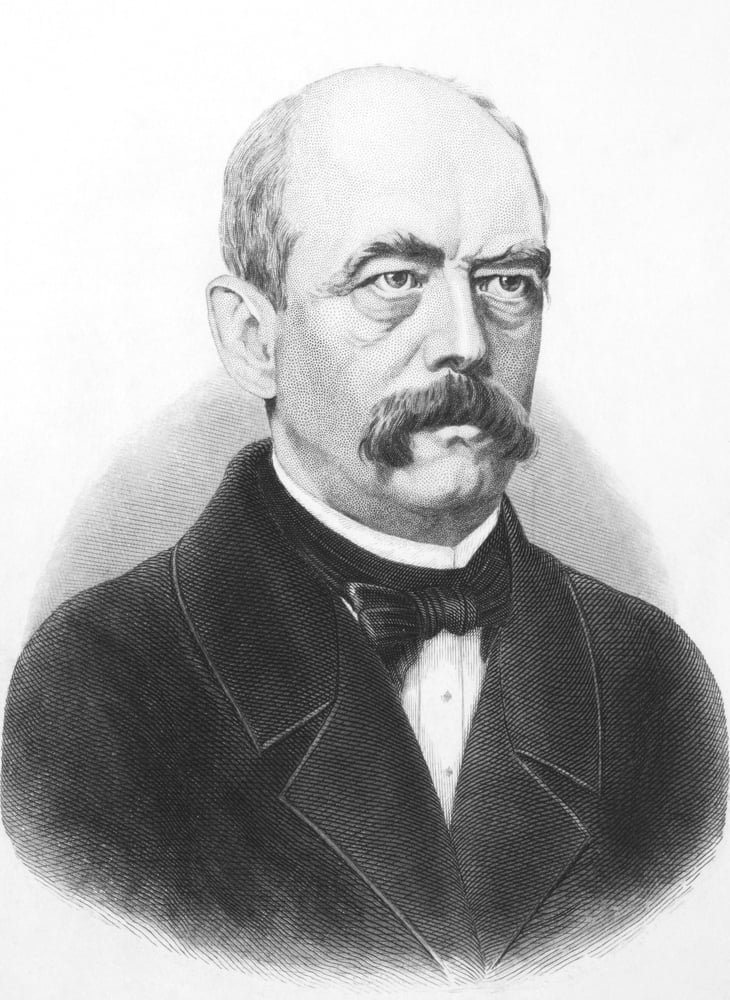
Appointed Minister-President of Prussia in 1862, Otto von Bismarck engineered German unification through carefully planned wars against Denmark, Austria, and France between 1864 and 1871. His manipulation of the Ems Dispatch provoked France into declaring war, allowing Prussia to unite the German states against a common enemy.
When Wilhelm I was proclaimed German Emperor in 1871 at Versailles, Bismarck became the first Chancellor of the new German Empire, a position he held until 1890.
Harry Hopkins Became FDR’s Most Trusted Confidant
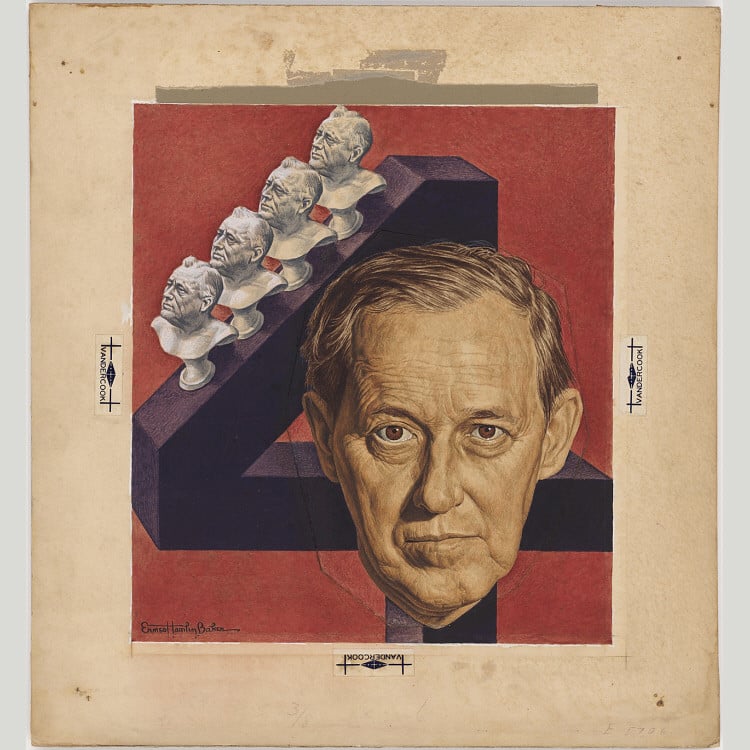
A social worker who ran New Deal programs, Harry Hopkins moved into the White House in 1940 and became Franklin D. Roosevelt’s closest advisor until his death in 1946. Hopkins managed the $50 billion Lend-Lease program supplying the Allies, served as FDR’s personal envoy to Churchill and Stalin, and attended all the major wartime conferences including Casablanca, Tehran, and Yalta.
Despite chronic illness, he was considered by many historians as one of the three most influential foreign policy advisers of the 20th century.
Colonel House Wrote Wilson’s Peace

Edward M. House became Woodrow Wilson’s most trusted advisor from 1913 to 1919, though he held no official government position and preferred the honorary title “Colonel.” House helped draft Wilson’s Fourteen Points and the League of Nations covenant, and represented Wilson in Europe during World War I when the president couldn’t travel.
Their close relationship ended bitterly after the Paris Peace Conference in 1919, partly due to Mrs. Wilson’s hostility and House’s perceived compromises on Wilson’s principles.
When the Whisperers Fade

The pattern repeats across centuries and continents. A leader rises to prominence, but someone else does the actual thinking.
These advisors shaped how empires were governed, how wars were fought, and how peace was negotiated. Some accumulated wealth and power that rivaled their masters.
Others died in disgrace or by execution when their usefulness ended. History remembers the throne, but the real work happened just behind it, in rooms where decisions were made before being announced to the world.
You can’t understand how these leaders succeeded without knowing who was standing next to them, holding the map.
More from Go2Tutors!

- The Romanov Crown Jewels and Their Tragic Fate
- 13 Historical Mysteries That Science Still Can’t Solve
- Famous Hoaxes That Fooled the World for Years
- 15 Child Stars with Tragic Adult Lives
- 16 Famous Jewelry Pieces in History
Like Go2Tutors’s content? Follow us on MSN.