29 Fast Food Menu Items That Were Pulled and Fans Still Demand Back
There’s a particular kind of grief that doesn’t get talked about enough — the kind you feel when a fast food chain quietly yanks something from the menu and replaces it with nothing half as good. It’s not serious grief, obviously, but it’s real.
You show up one day expecting the thing you’ve been looking forward to all week, and the person at the counter looks at you like you’ve asked for something from another dimension. Gone.
Just gone. Fast food companies discontinue items for all kinds of reasons: cost, supply chain headaches, slow sales in certain regions, or a rebrand that no one asked for.
But fans have long memories, and the internet has made it easier than ever to keep the outrage warm. These 29 items are the ones that refuse to stay buried — because people haven’t stopped asking for them back.
McPizza
McDonald’s served pizza at select locations through the late 1980s and into the 1990s, and it was genuinely good — a personal-sized, oven-baked pizza that took about 11 minutes to make and broke every rule in the fast food playbook. The wait time killed it operationally, but the taste kept it legendary.
A single location in Ohio held on until 2017, which somehow made the loss hit harder when it finally closed.
Taco Bell Enchirito
The Enchirito — a beef-and-bean enchilada smothered in red sauce and cheese, folded and served in a little tin — was a Taco Bell staple that came and went multiple times before disappearing for good in 2013. It had a stubborn cult following that no amount of menu reshuffling could dissolve.
Taco Bell’s own social media team has acknowledged the demand, which is corporate-speak for “we know, we know.”
McDonald’s Szechuan Sauce
One limited promotional dipping sauce from 1998 should not have had this kind of staying power — and yet here we are, decades later, still talking about it. When Rick and Morty name-dropped the sauce in 2017, McDonald’s brought it back in such staggering quantities that riots nearly broke out at participating locations.
So the sauce wasn’t just nostalgic: it became a cultural artifact, which is a sentence no one expected to write about McDonald’s chicken nugget dipping sauce.
Burger King Satisfries
Satisfries were Burger King’s attempt to sell a crinkle-cut fry with 40% less fat than a regular fry, and the concept was actually solid — the batter was denser, the inside creamier, the exterior satisfyingly rigid in a way that regular fries sometimes aren’t. But consumers are deeply suspicious of anything marketed as healthier at a fast food chain, and the fries were discontinued in 2014 after poor sales.
The people who did try them are still quietly furious about it.
Wendy’s Superbar
The Wendy’s Superbar was an all-you-can-eat buffet section that ran from 1979 to 1998, offering pasta, salad, and a Mexican station that had no business being that good inside a Wendy’s. It survived nearly two decades before being phased out as the chain refocused on its core burger identity.
For anyone who grew up loading a plate on a Tuesday night in a Wendy’s dining room, the loss is the loss of an entire ritual, not just a menu item.
McDonald’s McRib
The McRib technically comes back — but its perpetual on-again-off-again relationship with the menu is its own form of cruelty, because you can never count on it. McDonald’s announced a “farewell tour” in 2022, which sent fans into a panic and drove sales through the roof, proving exactly why the company keeps using the disappearance as a marketing instrument.
It works every time, which is infuriating, which is also why it works every time.
Taco Bell Mexican Pizza
Few discontinuations in recent fast food history generated as much noise as Taco Bell pulling the Mexican Pizza in 2020. Two fried flour tortillas, seasoned beef, refried beans, pizza sauce, and cheese — a construction that made no culinary sense and tasted extraordinary.
Taco Bell brought it back in 2022 after a petition collected hundreds of thousands of signatures, but its return has been intermittent enough that fans remain perpetually anxious about its future.
Burger King Chicken Fries
Chicken Fries had a unique shape — long, thin strips of breaded chicken designed to fit into a cup holder — which sounds gimmicky until you’re eating them on a highway and realize the genius of it. Burger King discontinued them in 2012, brought them back permanently in 2015 after relentless demand, and the return felt like a small but genuine victory for consumers who push back.
Not everything that’s brought back is worth the effort; Chicken Fries absolutely were.
Arby’s Potato Cakes
Arby’s swapped its potato cakes for crinkle-cut fries in 2021, and the reaction from loyal customers was disproportionate to what was, technically, just a side dish. But that’s the thing about potato cakes — oval, flat, crispy-edged, with a softer interior — they were specific enough to feel irreplaceable, unlike fries, which exist everywhere.
The petition to bring them back has tens of thousands of signatures, which is genuinely a lot of civic energy to direct at a potato.
Wendy’s Spicy Chicken Nuggets
Wendy’s removed its Spicy Chicken Nuggets in 2017 and promptly got a taste of what unchecked fan fury looks like on social media. Chance the Rapper tweeted about wanting them back, the tweet went viral, and Wendy’s brought them back in 2019 — which is one of the more surreal fast food resurrection stories.
They’ve since become a permanent fixture, but the years in between produced a very specific kind of existential complaint that only spicy food fans truly understand.
Pizza Hut P’Zone
The P’Zone was a calzone-adjacent creation from Pizza Hut — folded pizza dough stuffed with toppings and served with dipping sauce — that felt substantial in a way that most fast food never quite manages. It floated in and out of the menu over the years before largely disappearing, and it has a dedicated following that still posts about it with a sincerity usually reserved for things that actually matter.
Pizza Hut’s menu has expanded in every other direction, which makes the P’Zone’s absence more conspicuous, not less.
Sonic’s Pickle-O’s
Sonic’s Pickle-O’s were fried pickle slices in a crispy batter, served as a side or snack, and they arrived at the exact moment that fried pickles were experiencing their cultural peak. Pulled sometime in the early 2000s, they’ve since been the subject of recurring online campaigns, especially as pickle-flavored everything has exploded in popularity.
Sonic has tested limited versions in regional markets since, which is just close enough to real to keep the hope alive.
McDonald’s Arch Deluxe
The Arch Deluxe was McDonald’s 1996 attempt to court adult customers with a more sophisticated burger — a quarter-pound beef patty, peppered bacon, a split-top potato roll, and a mustard-mayo sauce that genuinely distinguished it from everything else on the menu. The campaign behind it was famously disastrous (children expressing disgust at “adult food” was a creative direction someone approved), and the burger was pulled within a year.
The idea that McDonald’s could make something genuinely upscale still feels like an alternate timeline worth revisiting.
Taco Bell Caramel Apple Empanada
The Caramel Apple Empanada was a fried pastry pocket filled with spiced apples and caramel that appeared on Taco Bell’s dessert menu periodically before vanishing, and it occupies a strange place in fast food memory — beloved but rarely mentioned until it’s brought up, at which point everyone remembers it all at once. Its warm, flaky construction was the kind of thing that made you plan the rest of your order around it.
Dessert at Taco Bell has never quite recovered its footing since.
Jack in the Box Frings
Frings were exactly what they sound like: half french fries, half onion rings in the same order, a concept so elegantly simple it’s baffling that no one else has made it a permanent fixture. Jack in the Box offered them for years before quietly discontinuing the combo, and the lingering complaint is less about the individual items and more about the logic of forcing a choice between two things that pair naturally.
You can still order both separately, but that’s not the point — and anyone who’s argued about fries versus rings at a drive-through knows it.
Dairy Queen Breeze
The Dairy Queen Breeze was the low-fat answer to the Blizzard — made with frozen yogurt instead of ice cream — and it ran from the early 1990s until around 2000, appealing to a customer who wanted the Blizzard experience without the full caloric commitment. It was pulled without much ceremony, and its fan base has been quietly persistent ever since, especially as frozen yogurt had its own mainstream moment in the late 2000s.
The timing of its discontinuation, in retrospect, looks like leaving a party just before it got good.
Burger King Yumbo
The Yumbo — a hot ham and cheese sandwich on a hoagie bun — was a Burger King original from the 1970s that disappeared for decades before a brief revival in 2014. It’s a sandwich that shouldn’t feel revolutionary, except that Burger King has never quite replaced the warm, straightforward appeal of it, which is a quiet indictment of how complicated fast food menus have become.
Simple is hard, turns out.
McDonald’s Steak, Egg & Cheese Bagel
McDonald’s once served a toasted bagel loaded with steak, egg, American cheese, and a sautéed onion-and-green-pepper mix, and it was — without much competition — the best breakfast sandwich the chain has ever produced. It was pulled in most markets around 2020 during the pandemic-era menu simplification, a decision that felt clinical and wrong.
The gap it left in the McDonald’s breakfast lineup has never been credibly filled.
Hardee’s Frisco Burger
The Hardee’s Frisco Burger came on sourdough bread — actual sourdough, not a sourdough-adjacent roll — with tomato, bacon, and a Thousand Island-style sauce, and the bread alone made it a different experience from anything else on the fast food burger landscape. It was a regional favorite that appeared and disappeared over various menu cycles, and its absence is felt most acutely by people in markets where Hardee’s is the primary option.
Sourdough at a drive-through should have been the future; instead it became a memory.
KFC Potato Wedges
KFC replaced its potato wedges — thick-cut, seasoned, with a fluffy interior that behaved nothing like a standard fast food fry — with Secret Recipe Fries in 2020, and the backlash was immediate and sustained. Potato wedges had been a KFC fixture long enough that they were part of how people understood the restaurant’s identity, the same way coleslaw is.
Fries are everywhere; those particular wedges were not.
Taco Bell Nacho Fries
Nacho Fries keep coming back as limited-time items, which is technically good news, but the rotating availability has created a kind of low-grade anxiety among fans who want them on the menu permanently. Seasoned fries served with a warm nacho cheese dipping sauce, they managed to feel both familiar and specific — a hard combination to pull off.
Every time Taco Bell retires them, the same wave of protest rolls through, and every time, the chain seems mildly surprised by it.
McDonald’s Snack Wraps
McDonald’s Snack Wraps — small flour tortillas wrapped around grilled or crispy chicken, with shredded lettuce, cheese, and a sauce — were a fixture of the mid-2000s menu that filled a niche no other item quite replaced. They were pulled in most U.S. markets by 2016, and McDonald’s has since acknowledged the demand so many times it’s become a running conversation between the chain and its customers.
Canada still gets them, which is its own particular indignity.
Dairy Queen Georgia Mud Fudge Blizzard
The Georgia Mud Fudge Blizzard — brownie pieces, pecans, and fudge swirled through vanilla soft-serve — existed on the Dairy Queen menu long enough to become a reference point for what a Blizzard could be at its best. It moved into the rotation-only category and then largely vanished, replaced by flavors that are fine but feel architecturally less interesting.
Pecans in a blizzard wasn’t a small thing; it was the thing that made it feel considered.
Burger King Italian Original Chicken Sandwich
Burger King’s Italian Original Chicken Sandwich was built on a ciabatta-style roll with marinara sauce, mozzarella, and crispy chicken, and it had a coherent Italian-American logic to it that most fast food sandwiches conspicuously lack. Limited availability and inconsistent rollouts across regions meant that not everyone even got a chance to try it before it disappeared.
Which is a clean summary of how fast food manages to make its own fans feel like outsiders.
Wendy’s Frosty Creations
Wendy’s ran a series of limited Frosty Creations — Frostys blended with mix-ins like M&Ms, pretzels, and strawberries — that briefly made the Wendy’s dessert menu the most interesting one in the fast food landscape. They were pulled after limited runs, and the base Frosty has remained largely unchanged since, which is respectable but a little lonely.
What Wendy’s proved with those limited runs is that the Frosty format can do more — it just hasn’t.
Sonic Ocean Water
Ocean Water — Sonic’s vibrant blue coconut-flavored drink that looked radioactive and tasted like summer at a beach town — has had a complicated relationship with the permanent menu, cycling in and out of availability by location. For a drink that costs almost nothing to produce and photographs aggressively well in the social media era, its inconsistent availability makes very little sense.
Some things become symbols, and Ocean Water became one without really trying.
McDonald’s Hi-C Orange Lavaburst
Hi-C Orange Lavaburst was the drink McDonald’s served in its fountain machines for several decades before pulling it in 2017 in favor of Sprite Tropic Berry, a swap that felt like a betrayal to anyone who grew up treating it as the unofficial mascot of the Happy Meal. It came back briefly in 2021 amid fan pressure, then cycled back out.
Few decisions in McDonald’s modern history have generated more sustained, bewildered complaint from people who feel genuinely wronged by a fruit drink.
Taco Bell Beefy Crunch Burrito
The Beefy Crunch Burrito was a limited item that achieved a near-perfect ratio of seasoned beef, Flamin’ Hot Fritos, rice, sour cream, and nacho cheese, and it arrived at the exact cultural moment when Fritos in a burrito felt novel rather than obvious. Taco Bell brought it back a few times as a limited item since its original run, but permanent placement has never happened, which is an ongoing source of genuine irritation for a customer base that has been very clear about what it wants.
The Fritos crunch was specific. Nothing else in the lineup replicates it.
Chick-fil-A Spicy Chicken Biscuit
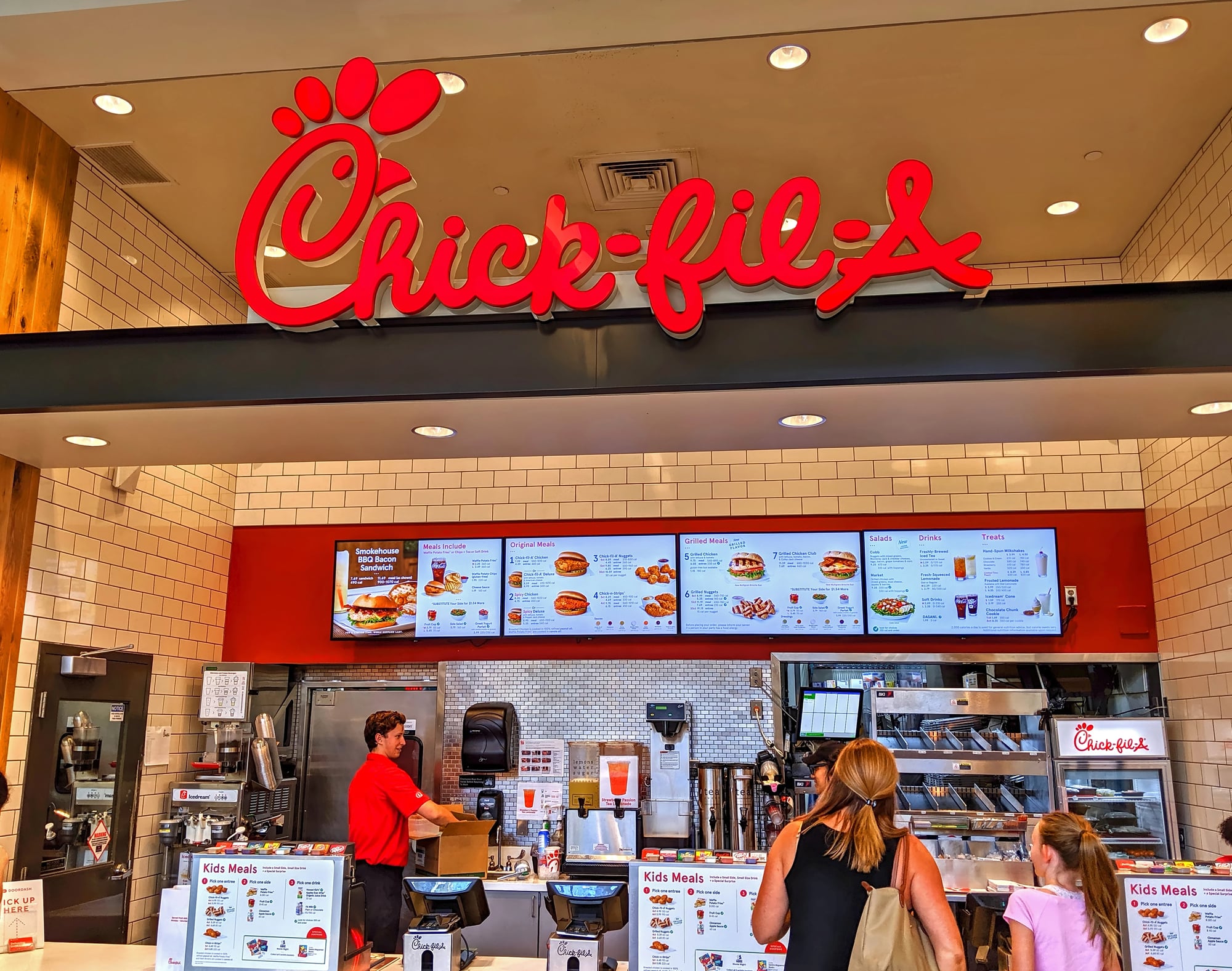
Chick-fil-A offered a spicy chicken biscuit at breakfast — crispy, heat-forward chicken on a buttered, slightly flaky biscuit — that many fans consider the peak of the chain’s breakfast offering, which is saying something given how seriously Chick-fil-A takes its chicken. It was quietly removed from most menus, replaced by items that are popular but not beloved in the same instinctive way.
The gap between “good fast food breakfast” and “the one you actually miss” is exactly the distance this biscuit used to cover.
The Hunger Behind the Memory
Something worth noticing: almost none of these items were the cheapest things on the menu, or the most convenient, or the most aggressively marketed. The items people demand back are the ones that felt thought through — specific in some way, shaped around a real preference rather than a trend.
The McRib has its sauce. The Arch Deluxe had its roll.
The Steak, Egg & Cheese Bagel had its onions. Fast food nostalgia isn’t really about the past.
It’s about wanting proof that someone on the other side of the counter was paying attention.
More from Go2Tutors!

- The Romanov Crown Jewels and Their Tragic Fate
- 13 Historical Mysteries That Science Still Can’t Solve
- Famous Hoaxes That Fooled the World for Years
- 15 Child Stars with Tragic Adult Lives
- 16 Famous Jewelry Pieces in History
Like Go2Tutors’s content? Follow us on MSN.



