29 Films That Flopped and Became Classics
Box-office numbers on opening weekend are a terrible predictor of how a film will be remembered a decade later. Plenty of movies now treated as essential viewing barely covered their budgets, closed after a handful of weeks, or were dismissed outright by critics at the time. Home video, cable reruns, and streaming gave each of these a second chance the theatrical run never did.
The Shawshank Redemption
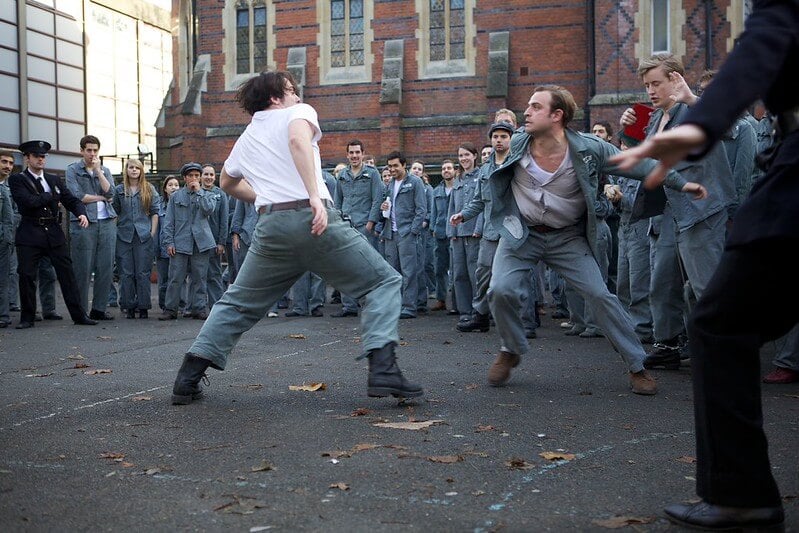
Released in 1994 into a crowded fall lineup that included Forrest Gump and Pulp Fiction, this prison drama barely made back its budget during its theatrical run. Strong reviews did little to draw crowds at the time. Frequent television airings and word-of-mouth home-video rentals turned it into one of the most consistently highly rated films on major audience-ranking sites.
Blade Runner
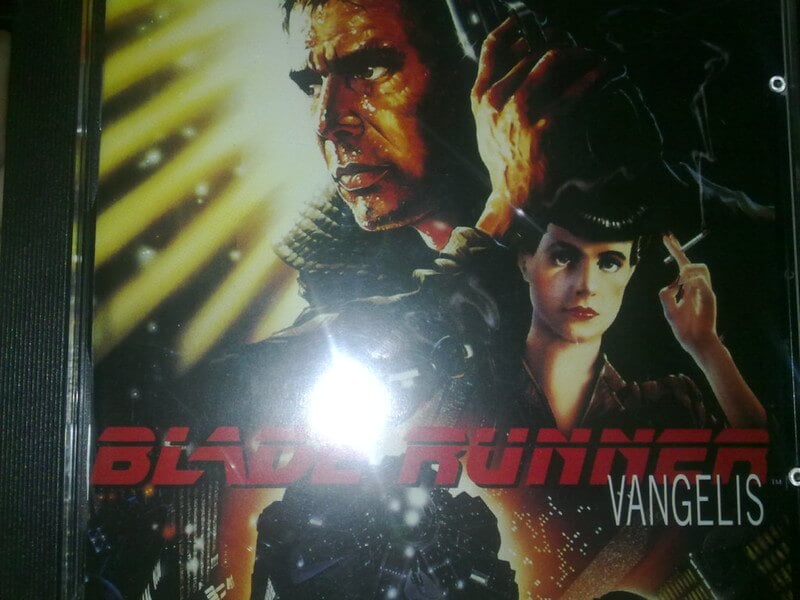
Ridley Scott’s 1982 science-fiction film opened the same summer as E.T. the Extra-Terrestrial and struggled to find an audience against that competition. Critics at the time were divided over its slow pacing and dense visual style. Its reputation grew steadily through later director’s cuts and home video, and it is now regularly cited among the most influential science-fiction films made.
Fight Club
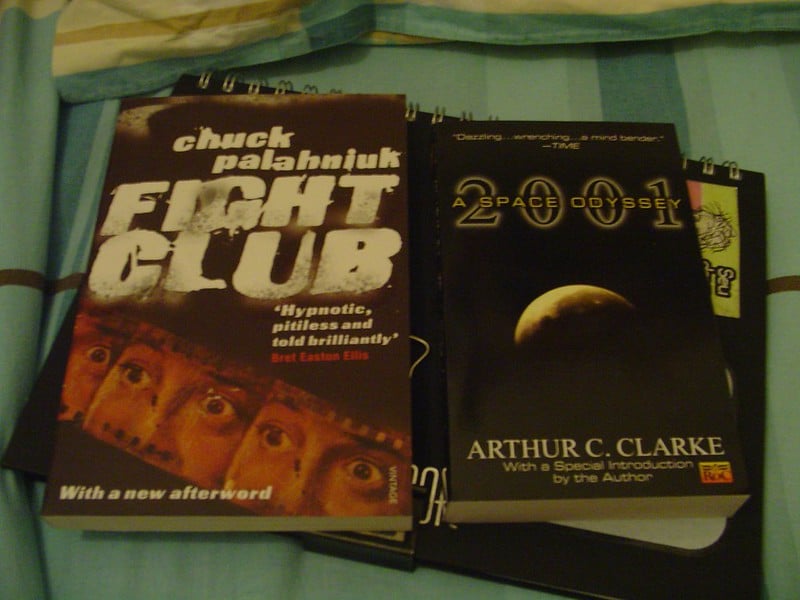
David Fincher’s 1999 adaptation underperformed against its production budget during its theatrical release, and reviews at the time were mixed over its violence and tone. The film found a much larger audience on DVD, where its visual style and twist ending rewarded repeat viewing. It is now frequently taught in film courses as a defining work of its era.
It’s a Wonderful Life
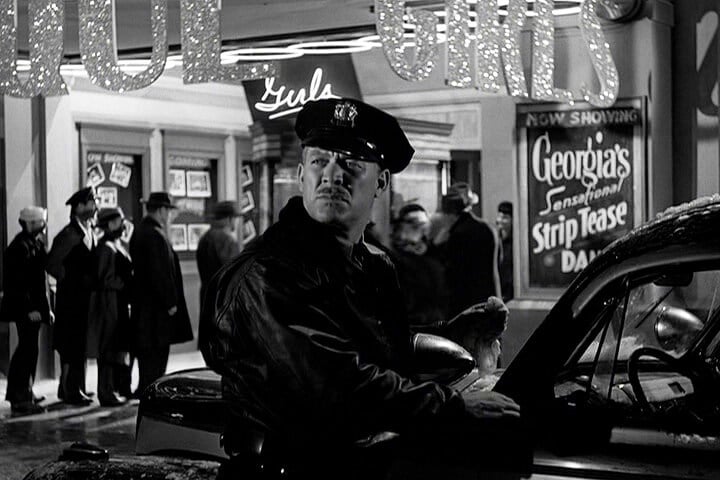
Frank Capra’s 1946 drama underperformed at the box office and left its production company operating at a loss. It was largely forgotten for decades until its copyright lapsed in the 1970s, allowing television stations to air it repeatedly and cheaply during the holidays. Those broadcasts are the main reason it is now considered a holiday-season staple.
The Big Lebowski
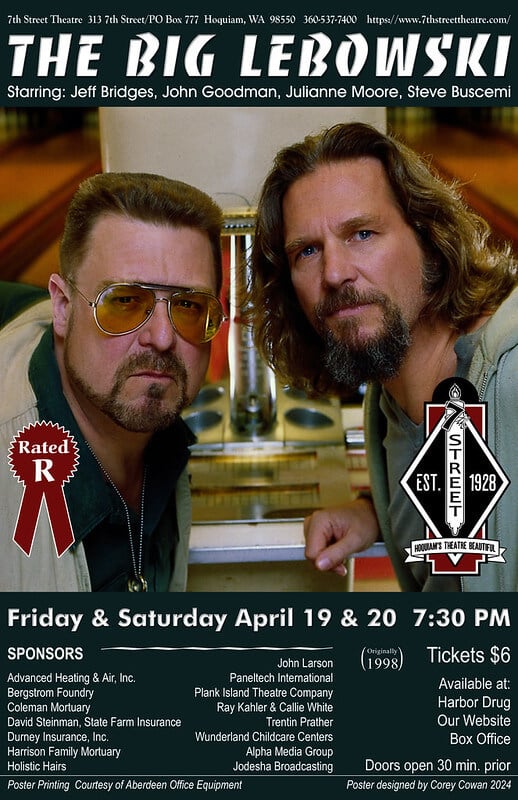
The Coen brothers’ 1998 comedy opened to a lukewarm box office and mixed reviews, arriving just after their acclaimed Fargo raised expectations the film did not immediately seem to meet. A devoted fan base grew slowly through home video and repeat quoting of its dialogue. Annual fan festivals dedicated to the film now take place in multiple countries.
Vertigo
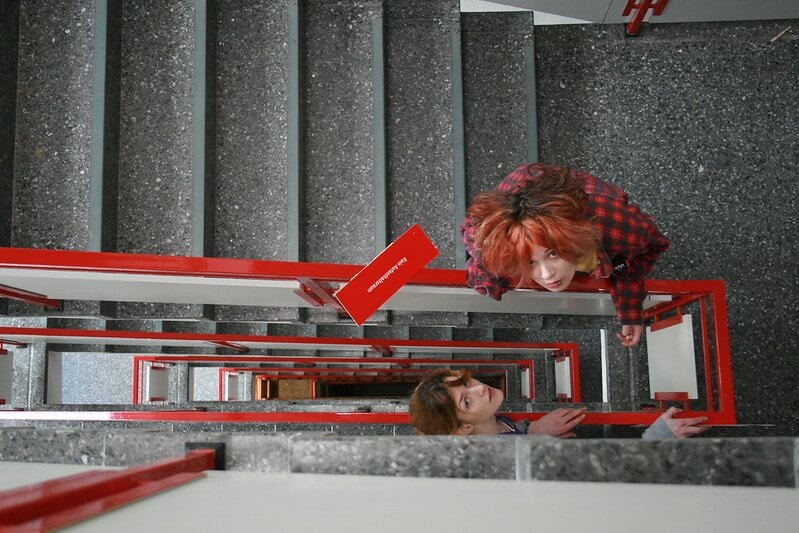
Alfred Hitchcock’s 1958 thriller received a tepid response from critics and audiences on release, and it underperformed relative to his other films of the period. Its reputation was rebuilt gradually through critical reassessment over the following decades. In 2012, a major critics’ poll ranked it above Citizen Kane as the greatest film ever made.
Willy Wonka & the Chocolate Factory
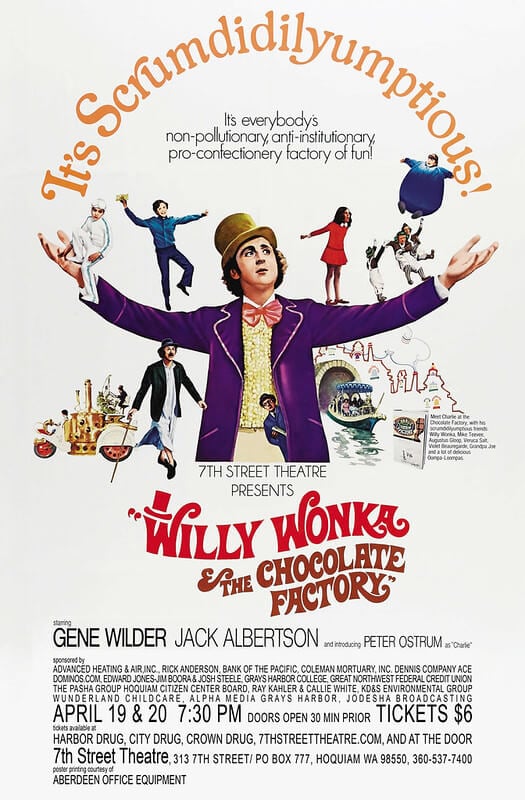
The 1971 musical based on Roald Dahl’s novel had a modest theatrical run and did not recoup its production costs immediately. Frequent television broadcasts throughout the following decades built the audience the theatrical release never found. Gene Wilder’s performance is now considered one of the defining family-film roles of its era.
The Thing
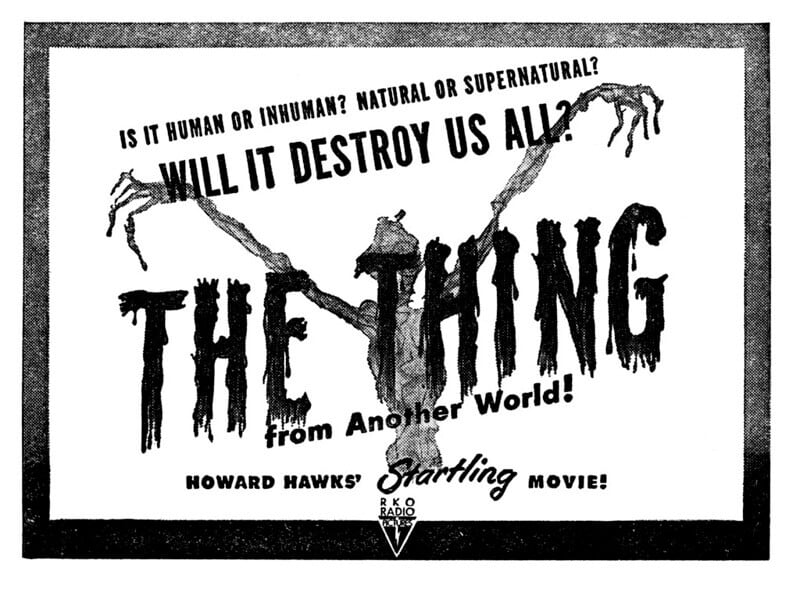
John Carpenter’s 1982 horror remake opened poorly against Steven Spielberg’s E.T. the Extra-Terrestrial and was harshly reviewed at the time for its graphic practical effects. It was pulled from some theaters within weeks. Later reappraisal, driven largely by its influence on horror filmmakers, has made it one of the most frequently cited genre films of its decade.
Office Space

Mike Judge’s 1999 workplace comedy earned back only a fraction of its production budget during its theatrical run. Cable television airings introduced it to a much wider audience over the following years. Its phrases and scenarios about corporate frustration have since become common shorthand in office culture well beyond the film’s original release.
Donnie Darko

This 2001 film had a limited theatrical release and made little impact at the box office, partly due to its unfortunate proximity to the September 11 attacks given its plot involving a plane crash. A director’s cut and strong DVD sales built a devoted following over the next several years. It is now regularly cited as a defining cult film of its decade.
The Rocky Horror Picture Show

The 1975 musical was a box-office failure on its initial wide release and was pulled from many theaters within weeks. Midnight screenings, where audiences began dressing as characters and reciting dialogue, slowly built the following that made it a cultural institution. It has since become one of the longest continuously running theatrical releases in film history.
Heathers

This 1988 dark comedy about high school cliques and violence performed poorly at the box office on release. Its unusually caustic tone for a teen film limited its initial audience. Home video and later stage adaptations built a lasting reputation, and it is now frequently cited as an influence on darker teen comedies that followed.
Citizen Kane
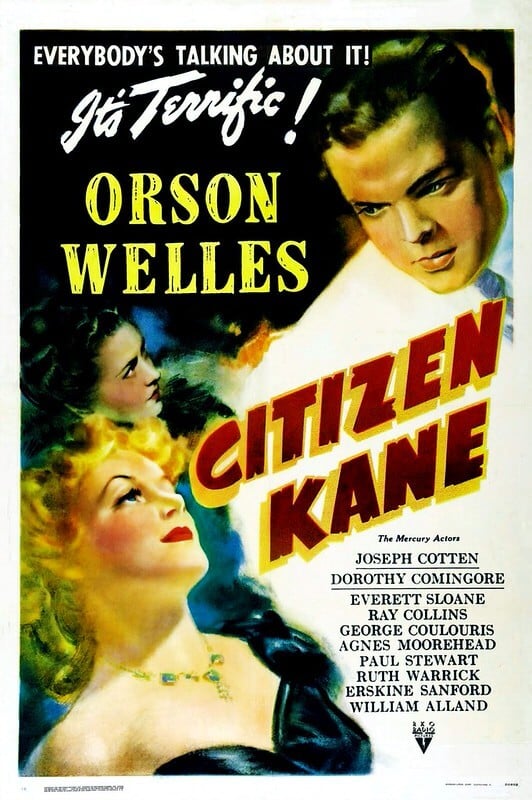
Orson Welles’s 1941 film underperformed at the box office, partly due to publisher William Randolph Hearst’s public campaign against it, which limited its distribution and press coverage. It went largely unseen by mainstream audiences for years. Critical reassessment beginning in the 1950s eventually made it a fixture atop greatest-films lists for decades.
Scarface

Brian De Palma’s 1983 crime drama received mixed reviews and only modest box-office returns relative to its cost, with some critics objecting to its graphic violence. Its reputation grew substantially through home video and its adoption within hip-hop culture during the following decade. Its imagery is now widely referenced across music and fashion.
Idiocracy

Mike Judge’s 2006 satire received almost no theatrical marketing and a limited release, making it nearly impossible for audiences to find in theaters at all. Cable broadcasts and online clips built its reputation over the following years. Its premise about declining public discourse is frequently referenced in political commentary well outside film circles.
Miller’s Crossing

The Coen brothers’ 1990 crime drama underperformed at the box office against the same year’s more accessible gangster films. Critics were respectful but audiences stayed away. Its reputation has grown steadily among film scholars, who now regularly cite its dialogue and visual composition as some of the directors’ strongest work.
Brazil

Terry Gilliam’s 1985 dystopian satire faced a well-documented struggle with its studio over the final cut and received a limited, delayed release as a result. It performed poorly at the box office in its truncated theatrical run. The eventual release of Gilliam’s preferred cut on home video secured its reputation as a landmark of the genre.
The Iron Giant

Warner Bros.’ 1999 animated film was given minimal marketing support and underperformed badly at the box office, a result later attributed partly to studio politics at the time. Television broadcasts and later streaming availability built a much larger audience than its theatrical run ever reached. It is now frequently ranked among the best animated films of its decade.
Pump Up the Volume

This 1990 teen drama about a pirate radio broadcaster had a limited theatrical release and little box-office impact. Its themes of teenage alienation found a more receptive audience through cable reruns and video rental in the years that followed. It is now cited as an influence on later media about youth rebellion and underground broadcasting.
Repo Man

This 1984 science-fiction comedy had a chaotic, poorly supported theatrical release that limited its initial audience significantly. A strong soundtrack and midnight-movie screenings built its cult following over the following years. It is now regarded as a defining example of low-budget genre filmmaking from its decade.
Josie and the Pussycats
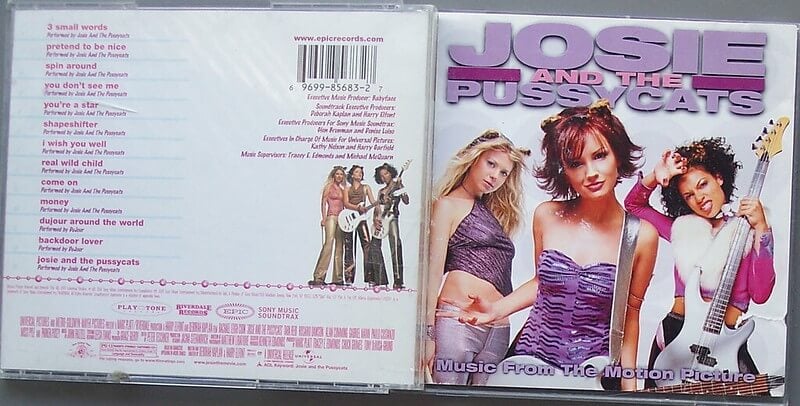
This 2001 comedy, based on the animated series, was a significant box-office disappointment and received mixed reviews focused on its satire of corporate marketing. Later reassessment has praised the film for skewering advertising and celebrity culture more pointedly than critics initially credited. Its soundtrack has also drawn renewed attention in recent years.
Empire Records
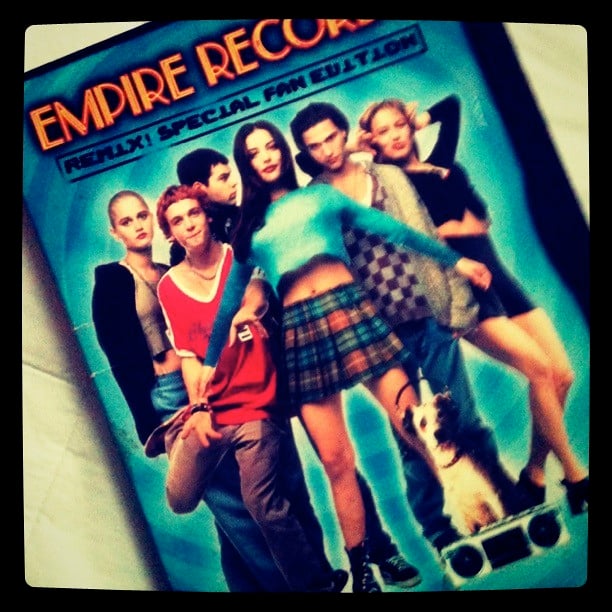
This 1995 comedy set inside an independent record store underperformed badly at the box office on its limited release. Frequent cable airings throughout the following decade built a loyal following, particularly among audiences nostalgic for independent music retail. It remains a frequently referenced touchstone for that era of record-store culture.
The Nightmare Before Christmas

Despite eventually becoming closely associated with two holidays, this 1993 stop-motion film had a modest opening weekend relative to expectations for a Disney-associated release. Its reputation grew substantially over the following decade through home video and merchandising. It is now one of the most consistently rereleased films in theaters during the fall season.
Zodiac

David Fincher’s 2007 crime drama underperformed at the box office against its production budget, with some critics at the time finding its methodical pacing challenging. Reassessment over the following years, aided by strong home-video and streaming viewership, has elevated it to frequent inclusion on best-of-decade lists. Its meticulous research is now often cited as a model for the genre.
Fear and Loathing in Las Vegas
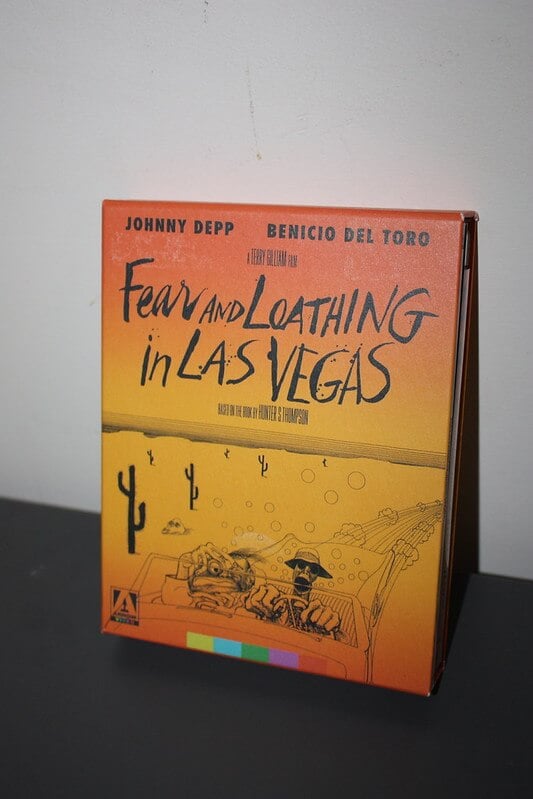
Terry Gilliam’s 1998 adaptation of Hunter S. Thompson’s novel underperformed at the box office and received a mixed critical reception focused on its disorienting structure. Its reputation grew through home video and its enduring connection to counterculture aesthetics. Johnny Depp’s performance is now frequently cited as one of his most distinctive.
Drop Dead Gorgeous

This 1999 mockumentary satirizing small-town beauty pageants performed poorly at the box office and received a mixed critical reception at the time. Its dark humor found a more appreciative audience through cable television and later streaming availability. It is now frequently reassessed as ahead of its time in its satire of reality-television culture.
But I’m a Cheerleader

This 1999 comedy had an extremely limited theatrical release and little box-office impact at the time. Its reputation grew steadily over the following two decades through home video and its frequent citation within discussions of representation in independent film. It is now regarded as an influential entry in its genre.
Death to Smoochy

This 2002 dark comedy about children’s television was a significant box-office and critical disappointment on release. Reassessment in the years since has been more favorable toward its willingness to commit fully to an unusually bleak premise for a mainstream comedy. It has developed a smaller but consistent following among fans of the genre.
Wet Hot American Summer
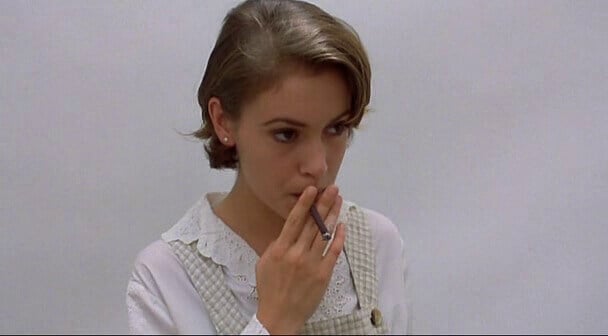
This 2001 summer-camp comedy, packed with a cast of then-unknown actors who would later become major stars, was a significant box-office and critical failure on release, earning back only a small fraction of its already modest budget. Its deliberately absurd tone confused many reviewers expecting a more conventional teen comedy. Home video and streaming built a devoted following over the following decade, eventually leading to a prequel television series revisiting the same characters years later.
The Shape a Reputation Takes
None of these films succeeded on the timeline a studio actually needs to justify a budget. Every one of them opened, underperformed against expectations, and in several cases closed within weeks, taking whatever commercial momentum they had with them. Reputation, it turns out, is built on a much longer clock than a box-office report.
What rescued each of these titles varied: a lapsed copyright, a cable rerun schedule, a devoted midnight-movie crowd, a generation discovering a film years after release with none of the original expectations attached. None of that changes what happened during the theatrical run. It just proves that a flop and a failure are not always the same thing.
More from Go2Tutors!

- The Romanov Crown Jewels and Their Tragic Fate
- 13 Historical Mysteries That Science Still Can’t Solve
- Famous Hoaxes That Fooled the World for Years
- 15 Child Stars with Tragic Adult Lives
- 16 Famous Jewelry Pieces in History
Like Go2Tutors’s content? Follow us on MSN.