Lost Libraries of the Ancient World and What Was Inside Them
Lost Libraries of the Ancient World and What Was Inside Them There is something quietly devastating about a library that no longer exists. Not because the building is gone — buildings fall all the time — but because of what the absence means: thoughts that were written down, carefully copied, stored in clay or papyrus or vellum, and then lost anyway.
The ancient world was far more literate, far more curious, and far more organized than it tends to get credit for, and the libraries it built were genuine attempts to hold all of human knowledge in one place. Some burned. Some were buried. Some were simply forgotten until an archaeologist’s shovel found them again centuries later.
What follows is a tour of those lost collections — what they were, what they held, and what the world lost when they disappeared.
The Library of Alexandria
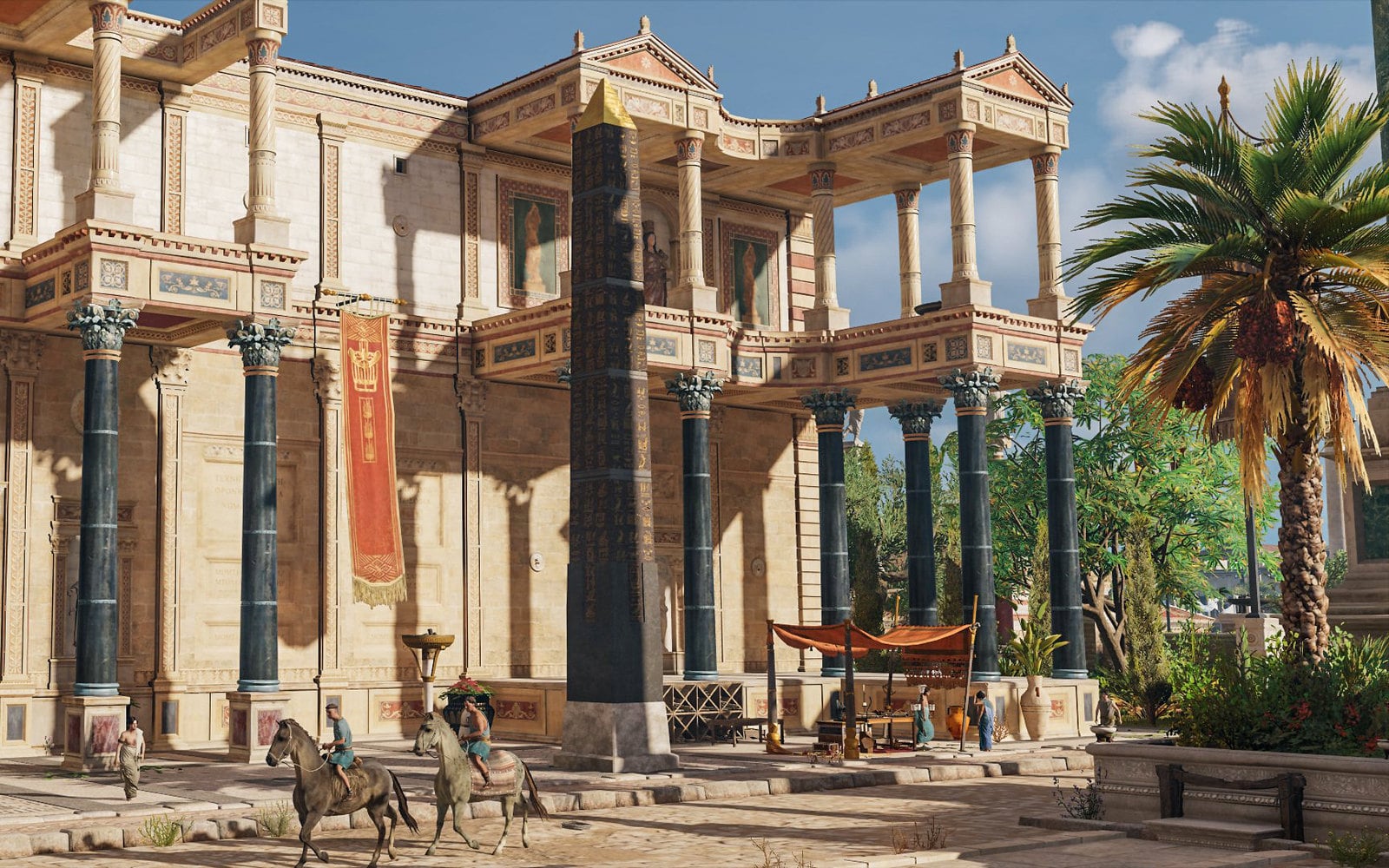
The Library of Alexandria No lost library sits heavier in the imagination than Alexandria. Founded in the third century BCE under Ptolemy I or his son Ptolemy II, it aimed — with spectacular ambition — to collect every written work in existence, and at its height it reportedly held somewhere between 400,000 and 700,000 papyrus scrolls.
It didn’t burn in a single dramatic fire, which is the persistent myth; it declined slowly, through underfunding, political neglect, and a series of damaging events spread across centuries — Julius Caesar’s accidental fire in 48 BCE, the later reign of Aurelian, and the gradual withdrawal of royal support. The scrolls it held included works of Aristotle, Euclid, Eratosthenes, and dozens of playwrights and philosophers whose names survive only because someone once quoted them.
The Library of Pergamon
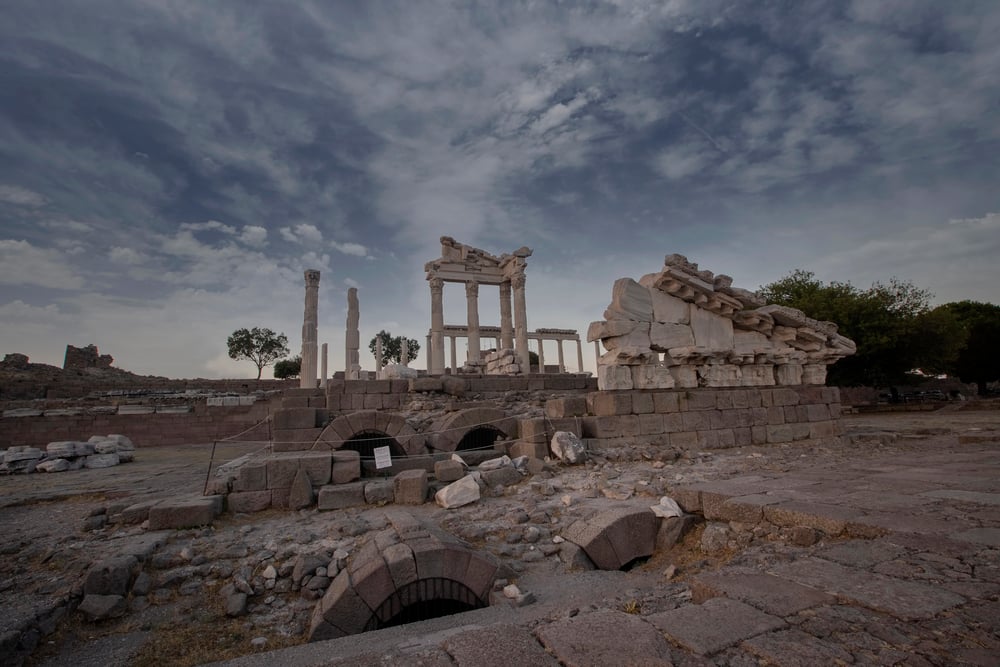
The Library of Pergamon Alexandria had a rival, and that rivalry was taken seriously enough to cause real diplomatic tension. The Library of Pergamon, built in what is now western Turkey under the Attalid dynasty, grew to an estimated 200,000 volumes and competed so aggressively with Alexandria for scrolls that Egypt allegedly cut off papyrus exports — which, as it happens, may be why Pergamon developed parchment as a writing surface, the material that would eventually replace papyrus across the Mediterranean.
Mark Antony reportedly gave Cleopatra the entire Pergamon collection as a gift, folding it into Alexandria’s holdings. Whether that transfer ever actually happened is still debated, but the story says something about how these collections were treated: as political currency, as proof of power, as things worth fighting over.
The Royal Library of Nineveh
The Royal Library of Nineveh This one survived, at least partially — and what survived is extraordinary. Assembled by the Assyrian king Ashurbanipal in the seventh century BCE, the library at Nineveh contained over 30,000 clay tablets inscribed in cuneiform, covering everything from astronomical observations and medical texts to mythological narratives and royal correspondence.
The tablets were fired clay, which meant that when the city burned during the Babylonian and Median sack of 612 BCE, many of them were preserved rather than destroyed. Archaeologists excavated the site in the 1840s and 1850s, shipping thousands of tablets to the British Museum.
One of those tablets contained the flood narrative from the Epic of Gilgamesh — written down centuries before the Book of Genesis was composed.
The Temple Libraries of Karnak and Edfu
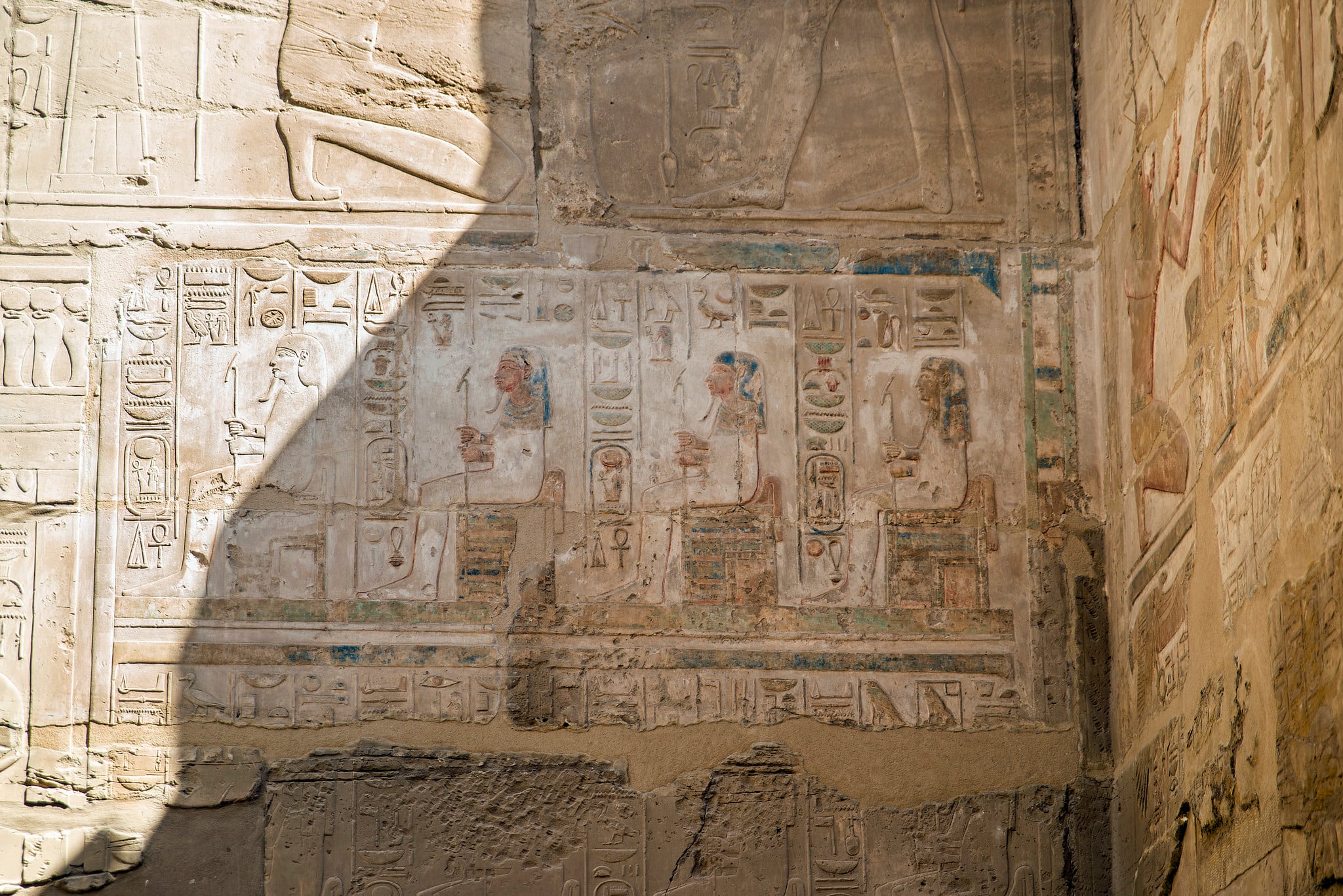
The Temple Libraries of Karnak and Edfu Egypt’s temple libraries operated on a principle that knowledge and ritual were the same thing. The temples at Karnak and Edfu both maintained what the Egyptians called “Houses of Life” — scriptoriums and archives attached to the sacred complex, holding medical texts, astronomical records, hymns, spells, architectural diagrams, and theological treatises.
These weren’t public institutions; access was restricted to priests and scribes trained specifically to handle the materials. The Edfu temple, built during the Ptolemaic period, still has wall inscriptions listing the contents of its library — a kind of catalog carved in stone, which is about as permanent as a catalog can get.
Most of the actual papyri are gone.
The Library of Aristotle

The Library of Aristotle Aristotle’s personal library is one of the great cautionary tales in book history — a story about what happens when inheritance goes wrong. After Aristotle died in 322 BCE, his collection passed to his student Theophrastus, who left it to a man named Neleus, who took it back to his hometown of Skepsis in Asia Minor and reportedly had it buried in a pit to protect it from Pergamon’s acquisitive kings.
It stayed underground for roughly two centuries. When it was finally recovered and sold to a Roman bibliophile named Apellicon of Teos, the manuscripts were damaged and poorly transcribed; the editions that reached Rome were full of errors.
Sulla seized the collection when he sacked Athens in 86 BCE, brought it to Rome, and had it re-edited — a process that shaped which versions of Aristotle’s texts became canonical for the next thousand years.
The Imperial Library of Constantinople

The Imperial Library of Constantinople Here is an institution that lasted longer than almost any other in history and still managed to end in catastrophe. Founded by the emperor Constantius II around 357 CE, the imperial library of Constantinople accumulated manuscripts for over a thousand years, reportedly reaching 120,000 volumes at its peak.
It survived fires, political upheavals, and the Islamic conquests that reshaped the Mediterranean — and then the Fourth Crusade happened. In 1204, Crusader forces sacked Constantinople, looting and burning with a thoroughness that shocked even their contemporaries.
The library, which had been quietly preserving Greek and Roman texts through centuries of chaos, was gutted. What remained limped forward until the Ottoman conquest of 1453, after which any surviving materials scattered or disappeared into private Ottoman collections.
The Library of Carthage
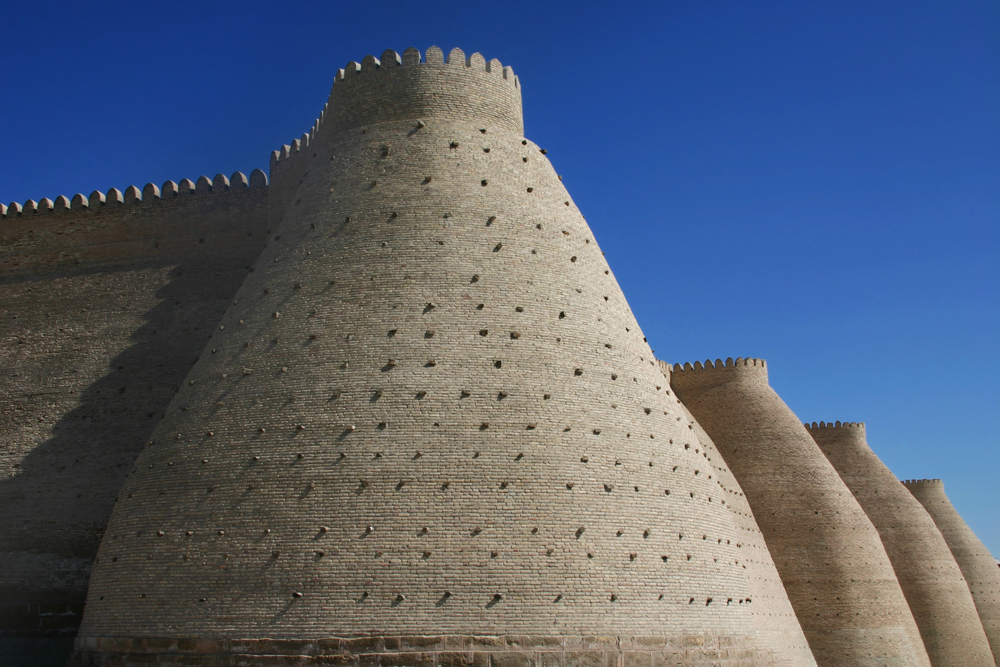
The Library of Carthage Carthage is one of those civilizations that history essentially erased on purpose. When Rome finally destroyed the city in 146 BCE after the Third Punic War, it didn’t just demolish the buildings — it systematically dismantled Carthaginian cultural memory.
The library at Carthage reportedly held hundreds of thousands of volumes, and Rome distributed almost all of them to neighboring North African kingdoms rather than preserve or translate them. The one Carthaginian text Rome kept and translated into Latin was a farming treatise by Mago — a book on agriculture, which the Romans found useful enough to copy.
The rest of Carthaginian literature, history, philosophy, and religious writing vanished so completely that virtually everything known about Carthage comes from Greek and Roman sources, which had every reason to be uncharitable.
The Serapeum Library
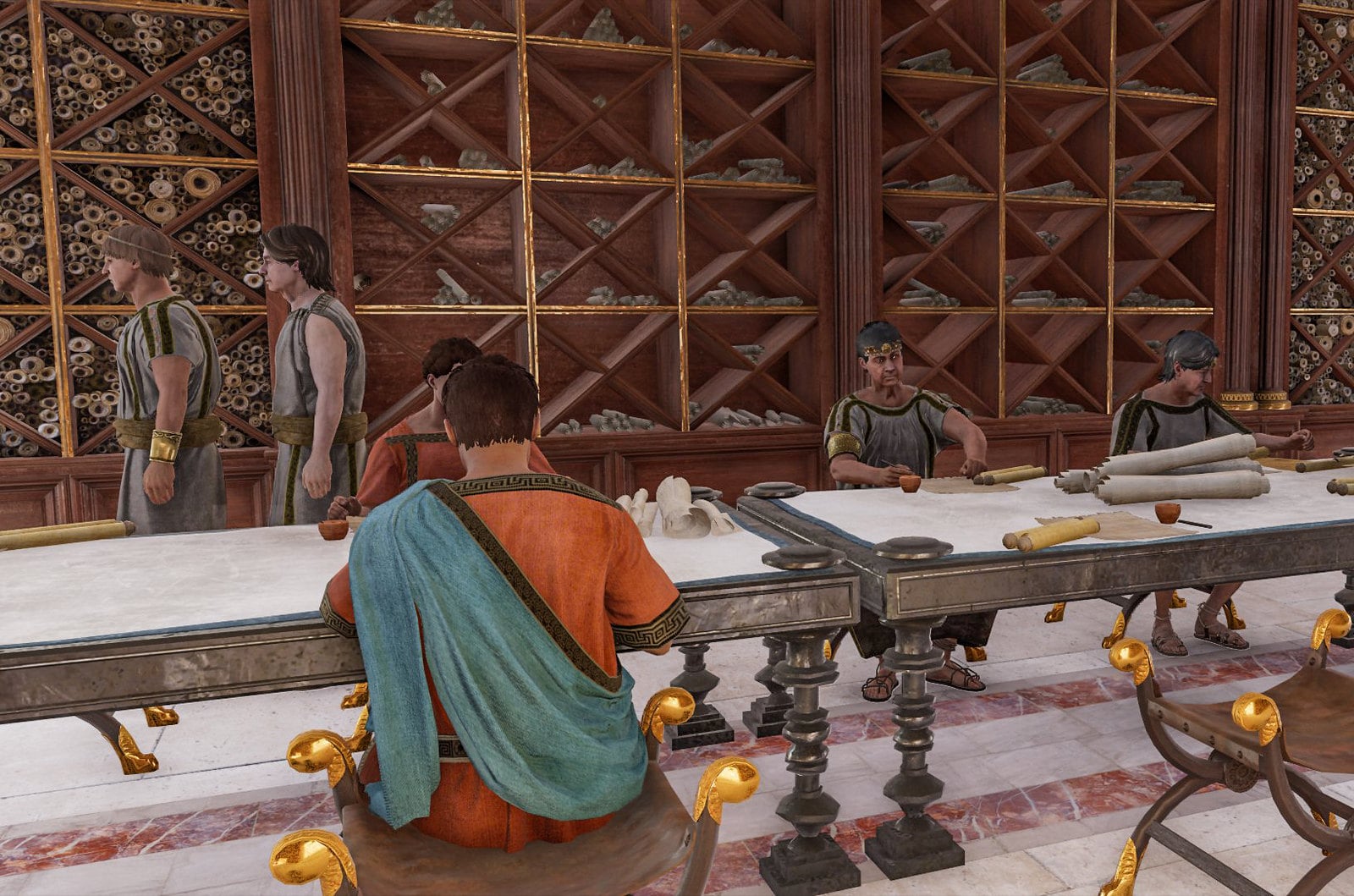
The Serapeum Library The Serapeum was Alexandria’s backup. When the main Library of Alexandria grew too large, a secondary collection was established inside the Temple of Serapis, an imposing complex sitting on a hill above the city.
This branch library held perhaps 40,000 scrolls and served as both a working research collection and a kind of overflow depot. It survived the main library’s decline and continued operating into the late Roman period — until 391 CE, when the Christian emperor Theodosius issued edicts against pagan temples, and Bishop Theophilus led a mob that destroyed the Serapeum.
Whether the books were burned then or had already been removed is a question historians still argue. The building was demolished.
What was inside it, at that moment, is unknown.
The Houses of Wisdom in Baghdad
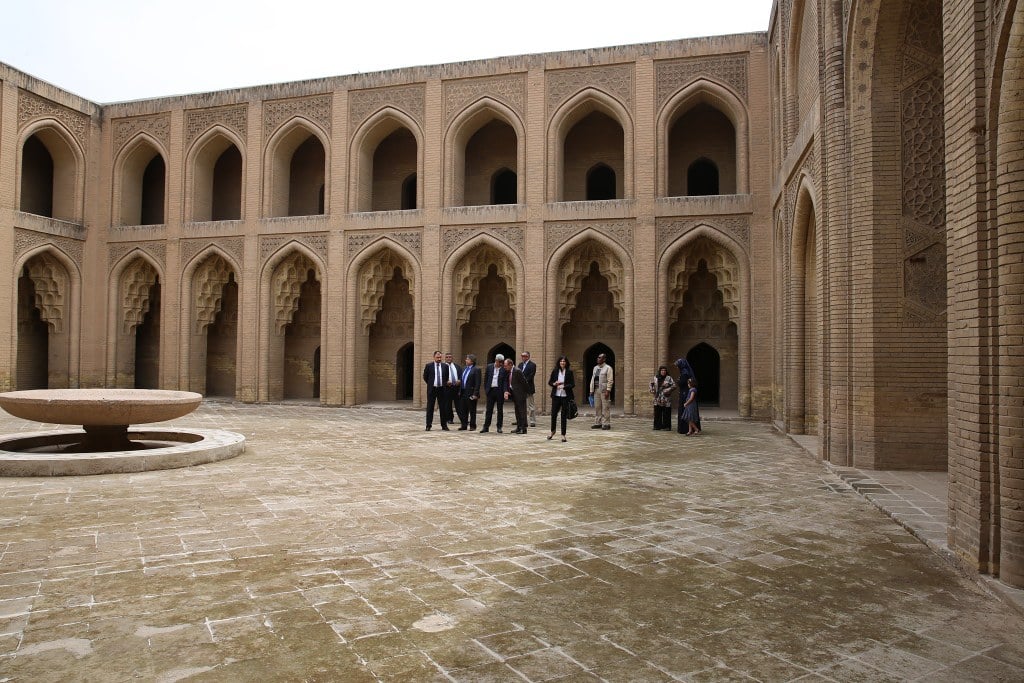
The Houses of Wisdom in Baghdad The Bayt al-Hikma — the House of Wisdom — wasn’t a single library so much as a vast intellectual complex, and it defined the cultural ambitions of the Abbasid Caliphate from the eighth century onward. At its height under Caliph al-Ma’mun, it employed translators working from Greek, Persian, Syriac, and Sanskrit to produce Arabic versions of texts that would otherwise have been permanently lost — Galen, Ptolemy, Euclid, and Aristotle all survived in part because of Baghdad.
Then came 1258 and the Mongol invasion under Hulagu Khan. The destruction was catastrophic enough that contemporary sources, some of them Mongol sympathizers, recorded the Tigris running black with ink from the dumped manuscripts.
The scale of the loss is genuinely difficult to absorb.
The Nalanda Monastery Library
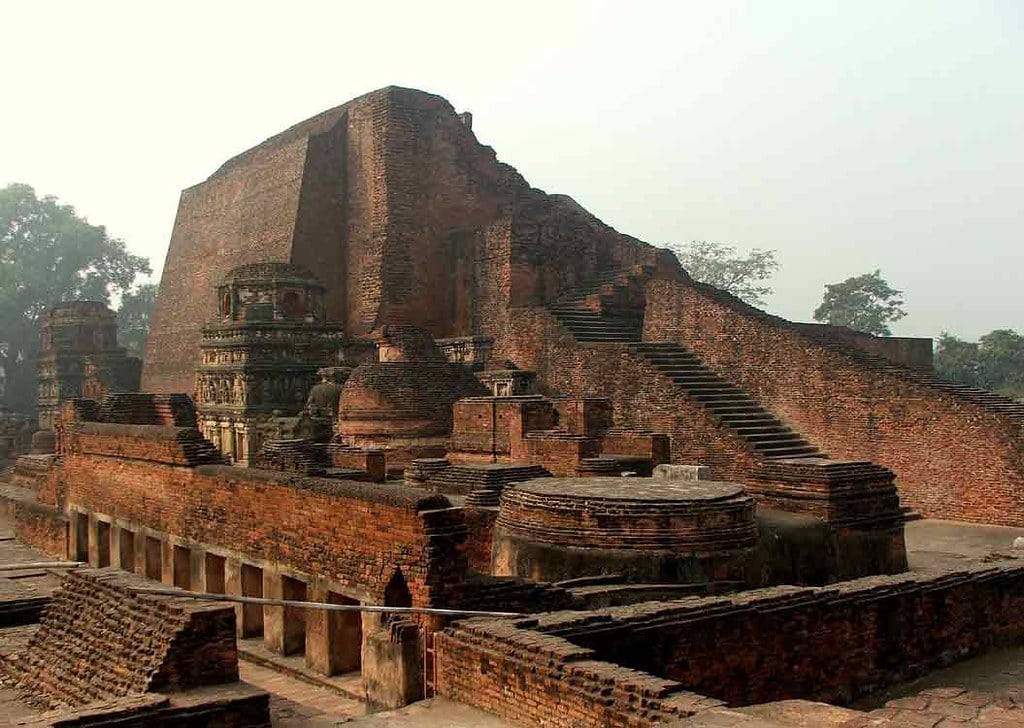
The Nalanda Monastery Library Nalanda, in what is now the Indian state of Bihar, was arguably the greatest university of the ancient world — and its library, called Dharmaganja, was proportionate to that status. The complex housed three library buildings, the tallest of which reportedly rose nine stories, and the collection covered Buddhist theology, logic, grammar, medicine, mathematics, and astronomy.
Students came from China, Korea, Java, and Persia to study there. In 1193, Turkic forces under Bakhtiyar Khilji burned it.
Accounts say the library burned for three months — which, if accurate, gives some sense of how much material was stored there. The destruction essentially ended Buddhist higher learning in India.
The Temple of Jerusalem’s Archives
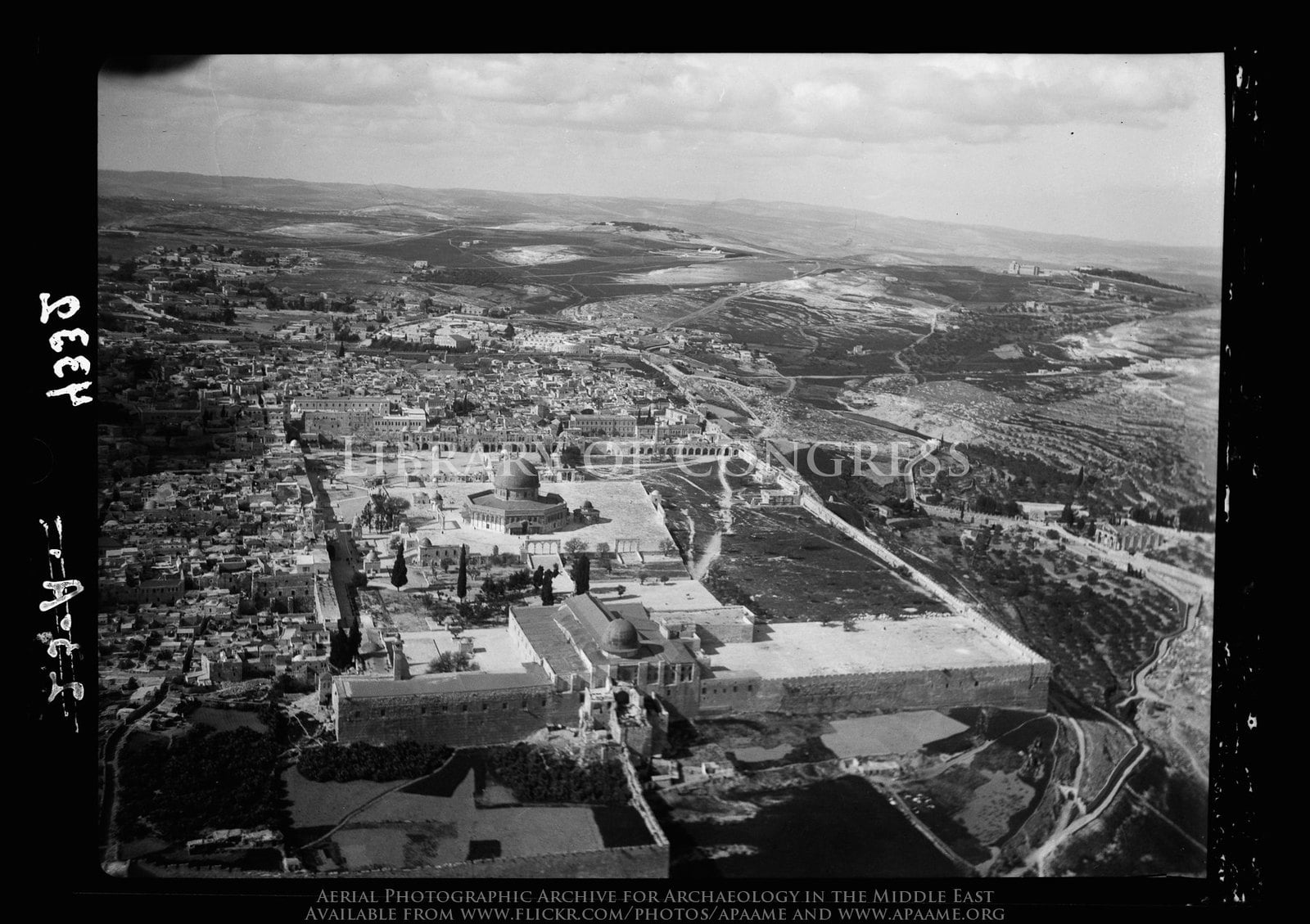
The Temple of Jerusalem’s Archives The Temple in Jerusalem was more than a religious site; it was an administrative and archival center for Judean society. Records of property, genealogy, debt, and legal contracts were stored there alongside religious texts.
When the Romans under Titus destroyed the Temple in 70 CE, the archives went with it. The loss wasn’t just theological — it was practical and social in ways that rippled through Judean life for generations, because the records that established who owned what, and who owed what to whom, were simply gone.
The Talmudic tradition that followed was in part a massive collective effort to reconstruct and preserve through memory and argument what the physical destruction had taken.
The Library of Timgad
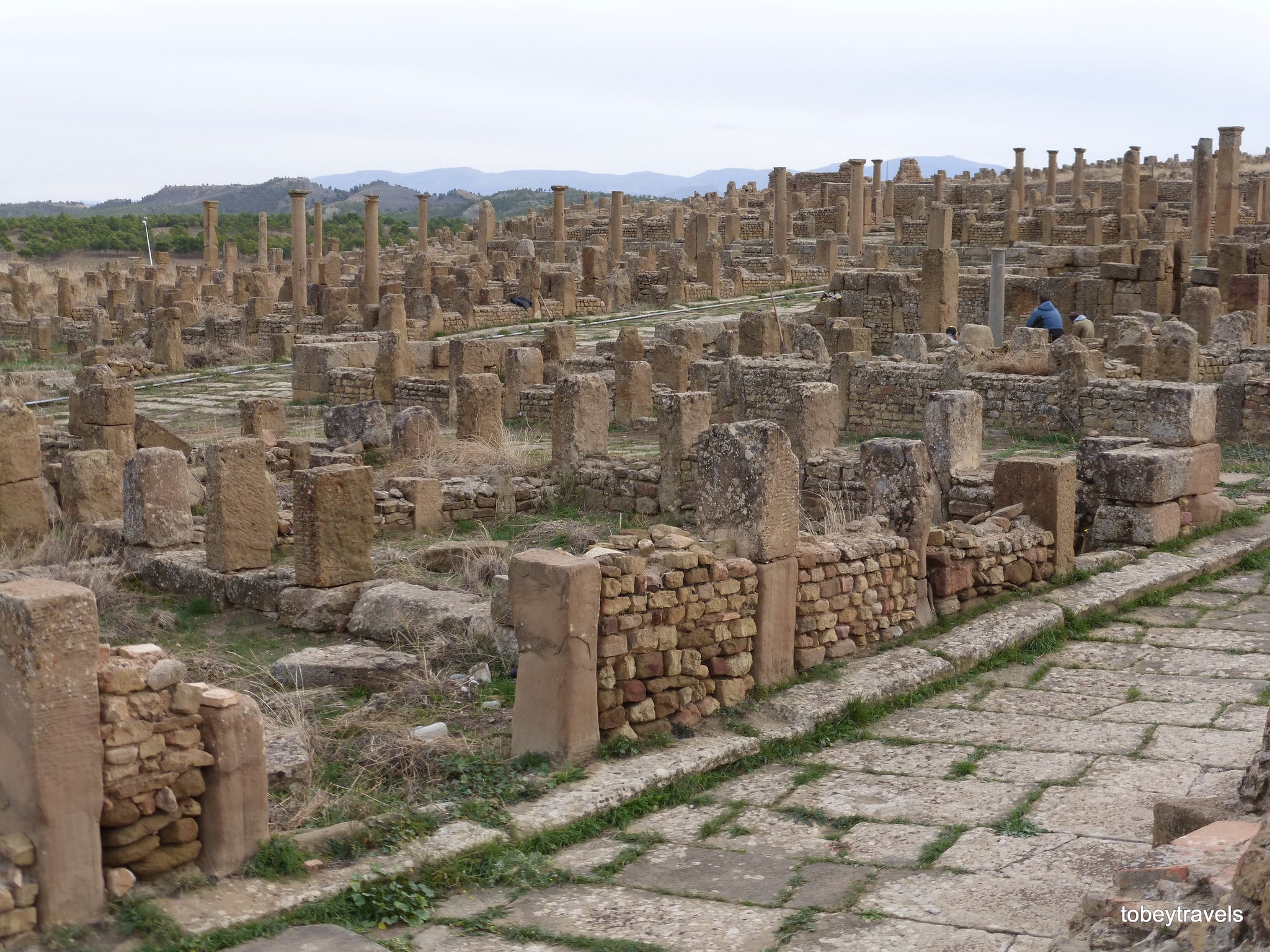
The Library of Timgad Timgad was a Roman colonial city in what is now northeastern Algeria, and its public library is one of the best-preserved examples of a municipal Roman library ever excavated. Built in the second century CE, it served an ordinary Roman provincial population — not a royal court, not a religious institution — and its collection was civic rather than scholarly: legal texts, histories, speeches, popular literature.
The physical structure still stands in partial ruin. The books are gone, which is the standard outcome for papyrus in a North African climate over two thousand years.
But the architecture tells you something: semicircular niches for scroll storage, a reading room, a careful orientation away from damp. Someone put real thought into keeping those books safe.
The Ebla Archives
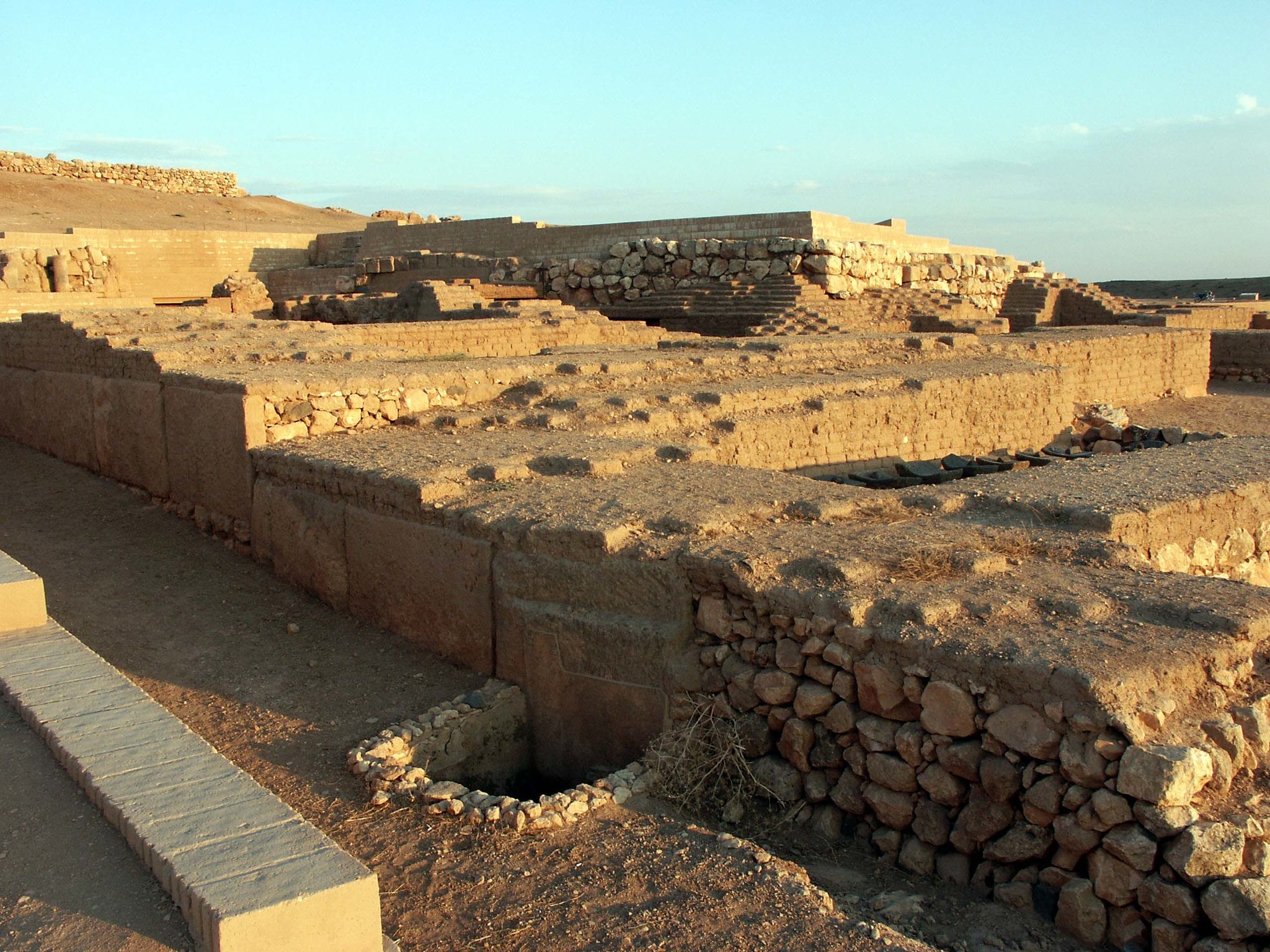
The Ebla Archives Discovered in 1974 in northern Syria, the archive at Ebla predates most of the institutions on this list by a wide margin. Around 1,800 clay tablets were found in a palace destroyed around 2300 BCE, making this one of the oldest administrative libraries ever uncovered.
The tablets were written in Eblaite, a Semitic language that scholars had not previously known existed. They recorded trade transactions, diplomatic correspondence, lists of foreign cities, and mythological texts — a complete administrative record of a Bronze Age city-state.
The library didn’t burn so much as collapse, preserved under rubble, which is the only reason any of it survived to be read.
The Lost Libraries of the Maya
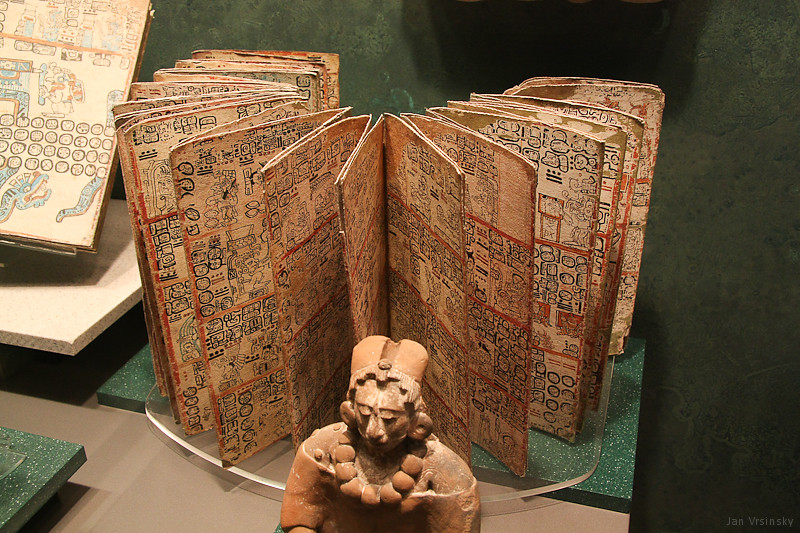
The Lost Libraries of the Maya The Maya built a sophisticated written tradition across centuries, producing books — called codices — made from bark paper, coated with lime plaster, and folded like accordions. Thousands of these existed.
In 1562, a Franciscan friar named Diego de Landa organized a mass burning of Maya manuscripts at Maní in the Yucatán, destroying an estimated 27 codices along with hundreds of sacred objects, on the grounds that they contained nothing but superstition. Of all the losses on this list, this one is among the most recent and among the most deliberate.
Only four Maya codices are known to have survived, and they contain fragments of astronomical tables, ritual calendars, and mythological narratives — a sliver of what once existed.
The Monastic Libraries of Ireland

The Monastic Libraries of Ireland Ireland’s monasteries spent the sixth and seventh centuries doing something quietly extraordinary: copying everything they could find from the wreckage of Roman civilization. Monks at places like Iona, Clonmacnoise, and Bangor produced manuscripts that preserved Latin texts that might otherwise have disappeared entirely from Europe.
Then the Viking raids began in earnest in the late eighth century. Some manuscripts were hidden, buried, or carried to the European continent for safekeeping.
Many were burned. The Book of Kells survived, and the Book of Armagh, and a handful of others — but the full scope of what those libraries held before the raids is simply unknown, which is its own kind of loss: you can’t grieve what you don’t know you’ve lost.
What the Silence Costs

What the Silence Costs The most unsettling thing about all of these lost libraries isn’t the fires or the floods or the deliberate destruction — it’s the specific silence they left behind. There are writers the ancient world considered essential, whose complete works are gone: Aristotle’s dialogues, which his contemporaries apparently preferred to the lecture notes that survived; the plays of Sophocles, most of them; the histories of the Etruscans, written by the Etruscans themselves.
Every fragment that does survive — a quote in someone else’s margin, a title mentioned in a catalog, a passage copied before the original was lost — is a small proof that something larger once existed. The libraries are gone.
The knowing that they existed is the part that refuses to stay quiet.
More from Go2Tutors!

- The Romanov Crown Jewels and Their Tragic Fate
- 13 Historical Mysteries That Science Still Can’t Solve
- Famous Hoaxes That Fooled the World for Years
- 15 Child Stars with Tragic Adult Lives
- 16 Famous Jewelry Pieces in History
Like Go2Tutors’s content? Follow us on MSN.



