31 Things Classrooms Had in the Nineties That Schools Have Completely Phased Out
Nineties classrooms had a specific smell that no one thought to catalog because everyone assumed it would always be there — chalk dust, dry erase marker from the one whiteboard in the art room, the particular warm plastic scent of a VCR that had been running for twenty minutes. The room itself was a collection of technologies in different stages of obsolescence even then: a globe that still had Yugoslavia on it, a pencil sharpener bolted to the wall since the 1970s, a filmstrip projector in a cabinet that nobody had touched since 1988.
Children in those classrooms had no idea they were being educated in a moment that would feel, thirty years later, like a completely different civilization. Here are thirty-one things from those rooms that schools have since removed entirely.
The Chalkboard
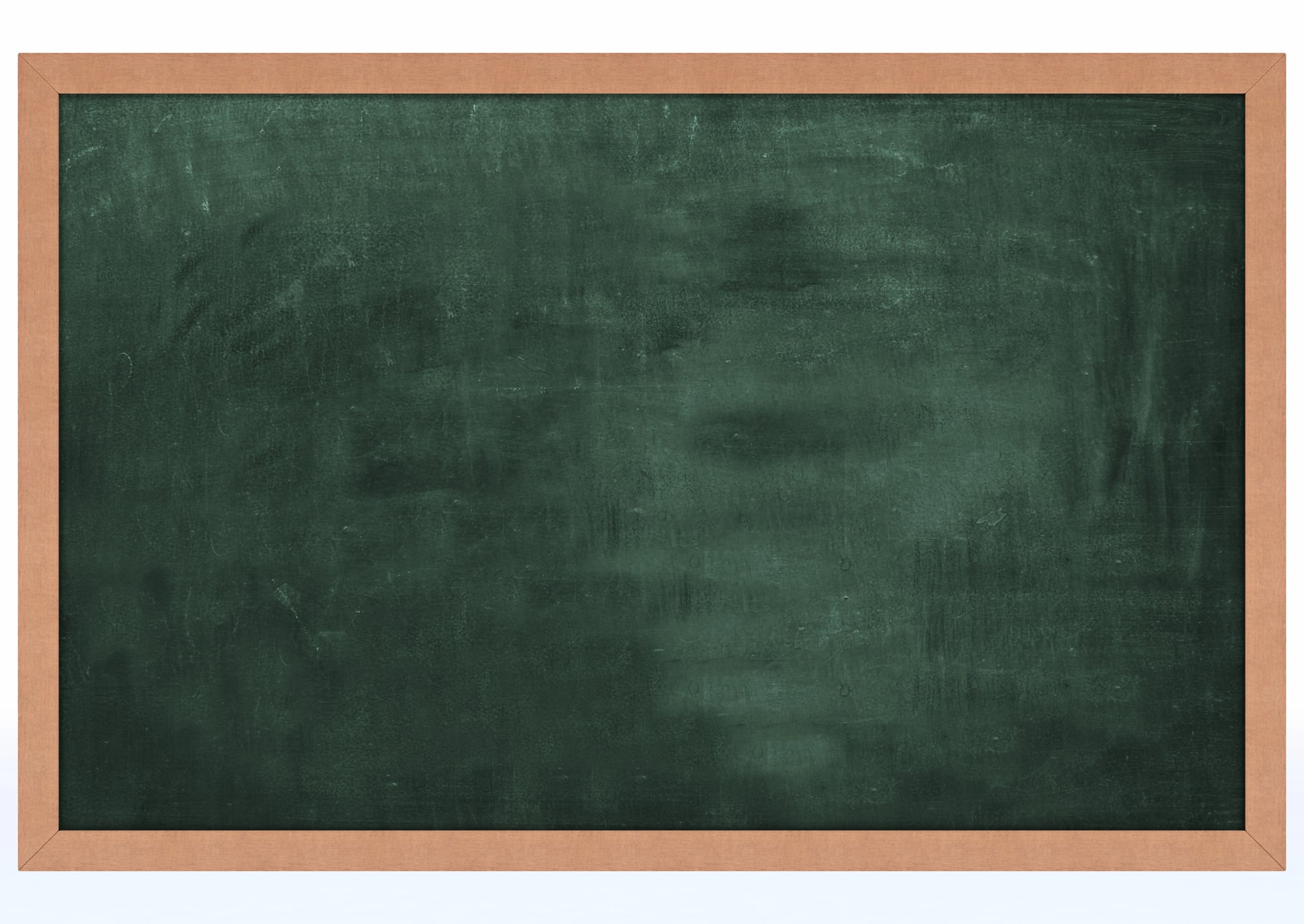
For over 200 years, the chalkboard — slate stone, later coated pressed board — was the standard teaching surface in classrooms worldwide. The sound of chalk on a chalkboard and the periodic screech of a fingernail dragged across it are sounds that entire generations share as a neurological experience.
Chalkboards were phased out beginning in the early 2000s in favor of dry erase whiteboards and then SMART boards. Students born after 2005 in most developed countries have likely never written on one. The phrase “nails on a chalkboard” is gradually losing its visceral referent.
The Overhead Projector
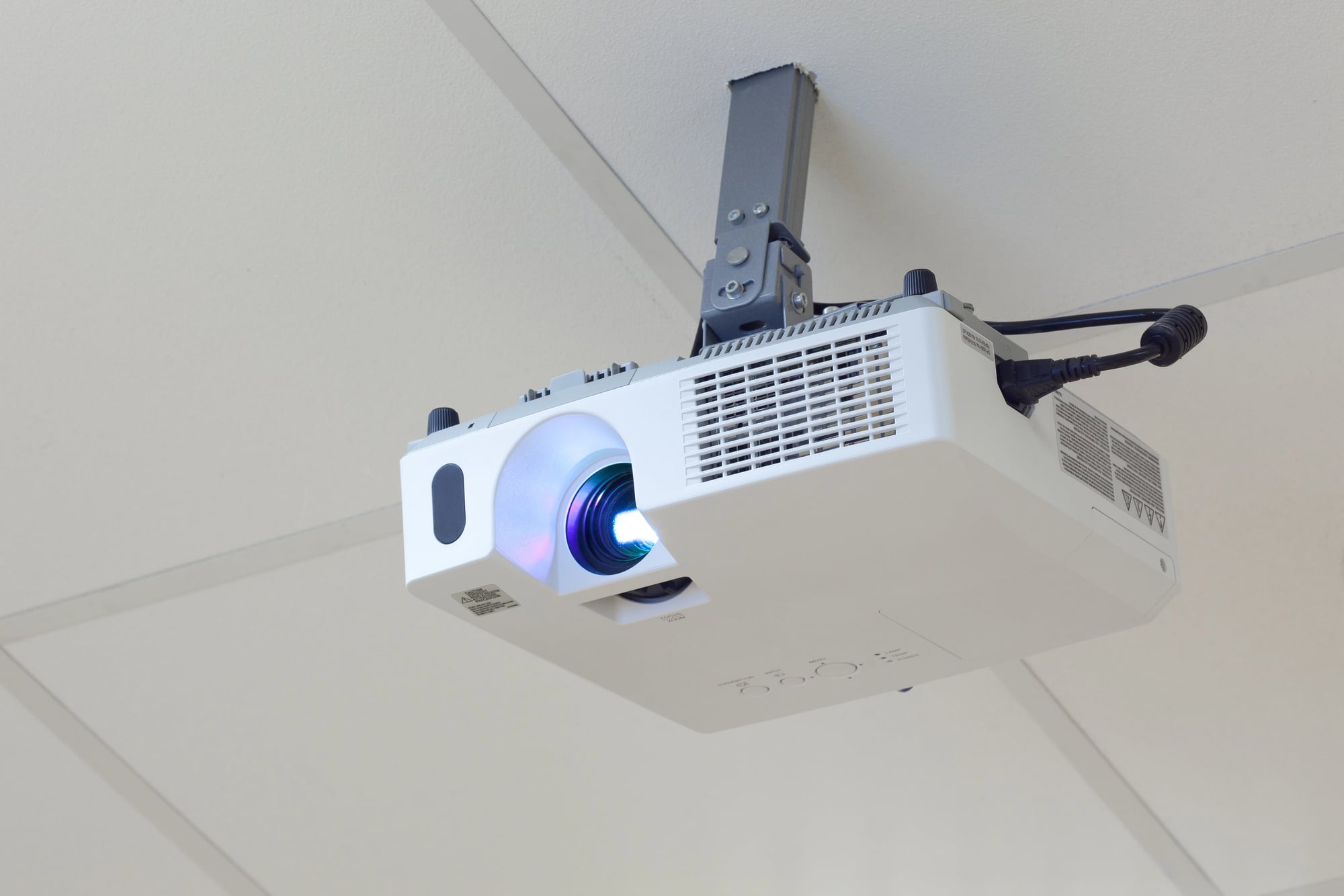
The overhead projector — invented in its classroom form by Roger Appeldorn at 3M in the early 1960s — worked by shining a light through a transparent sheet and projecting the image onto a pull-down screen. Teachers used them to show pre-prepared transparencies or to write notes in real time with a marker.
The moment a teacher walked to the machine and switched it on, the room changed quality in a specific way: the fan started, the light blazed, and the ceiling-mounted screen descended or the pull-down type was released. Document cameras and digital projectors replaced them completely by the 2010s.
The Transparency Sheet

Overhead projectors required their own medium: the transparency, a clear acetate sheet on which teachers wrote with special markers or printed using a laser printer. Schools kept stacks of them, used and reused until they became crowded with marker residue that never fully wiped off.
The process of preparing a lesson on transparencies — writing each point by hand or running them through a printer that jammed if you breathed wrong — was a time investment invisible to students who simply watched the results projected on a white screen.
The Filmstrip Projector
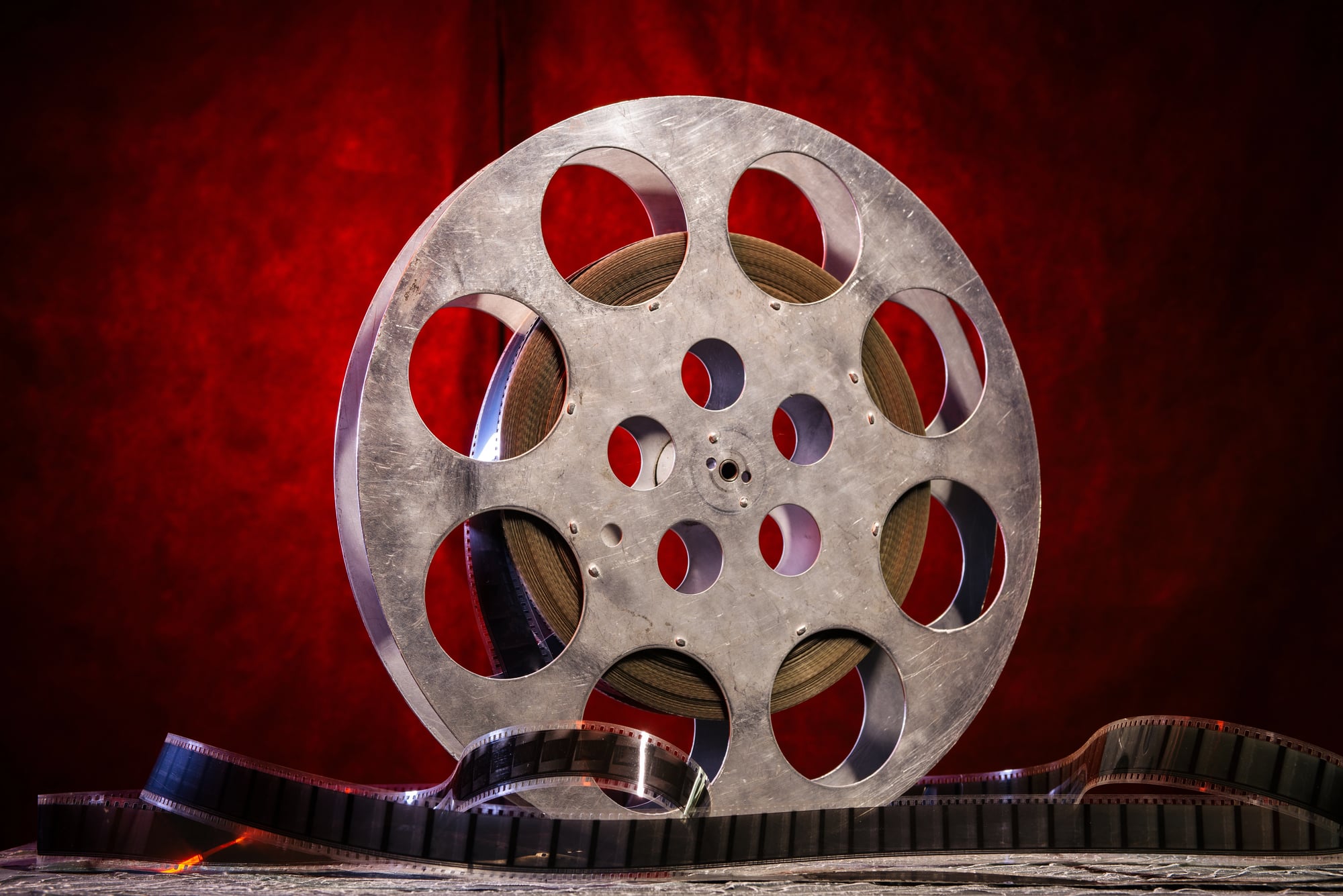
Before VCRs became common in schools, the filmstrip projector showed educational content through a series of still images on a reel of film. A tone or beep signaled when to advance to the next frame.
Teachers sometimes narrated, sometimes played an accompanying audio cassette. The projector had a distinctive click between frames, and if the film jammed or the bulb blew — which it did with some frequency — the lesson simply stopped.
Filmstrip projectors largely disappeared from classrooms in the late 1980s and early 1990s as VCRs took over.
The VCR and AV Cart
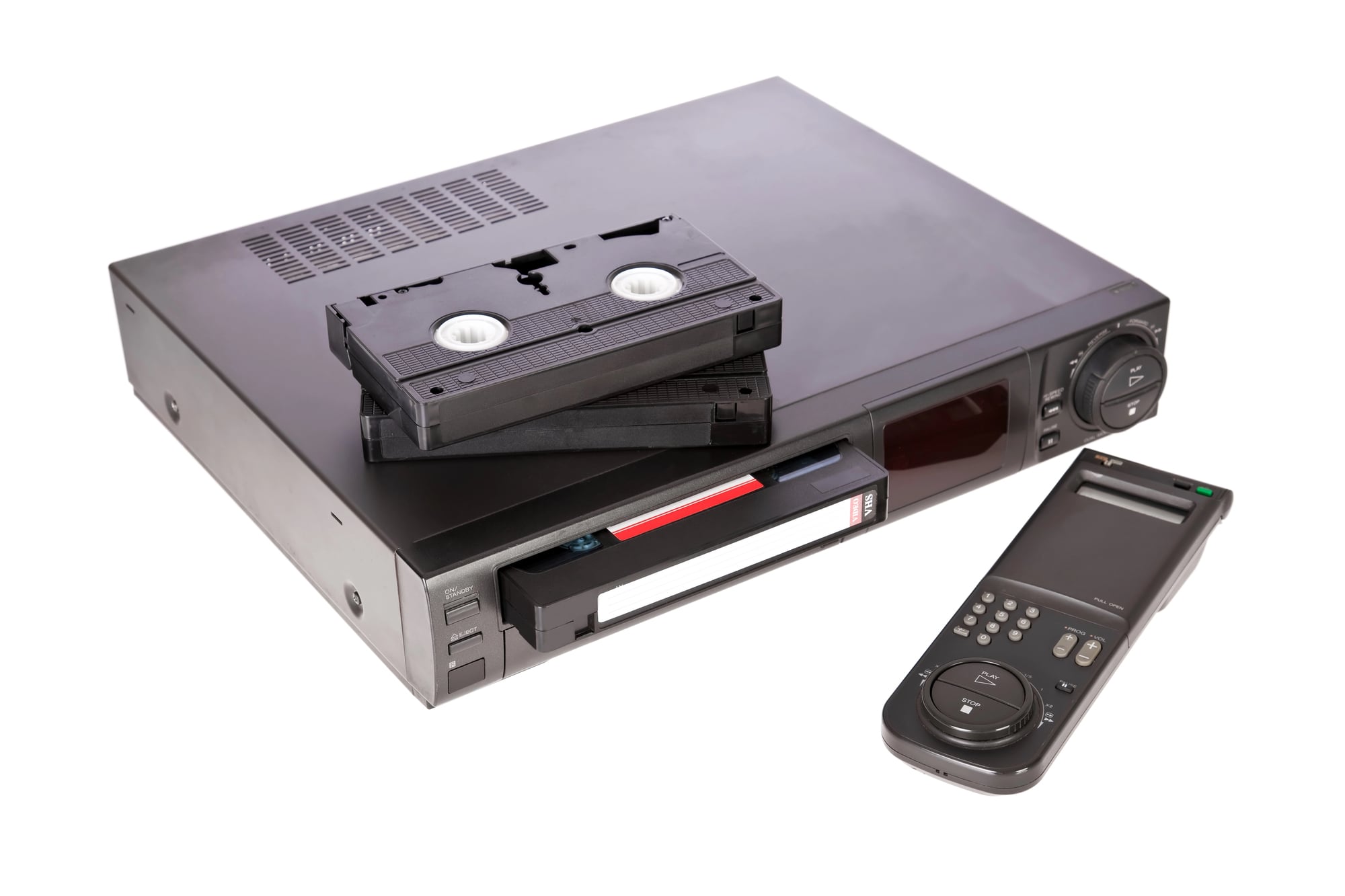
The television and VCR on a wheeled cart arriving in the classroom was one of the most reliable indicators that something different was about to happen. The cart was typically tall, metal, and slightly unstable; the TV mounted on top was a large CRT model that someone had to adjust for viewing angle.
The ritual of the teacher dimming the lights, wrestling with the cable connection at the back of the VCR, and then having the tape begin in the wrong place was so consistent as to qualify as a shared curriculum. VCRs were replaced by DVD players and eventually by streaming, and the AV cart itself disappeared when projectors became built into classrooms.
The Library Card Catalog
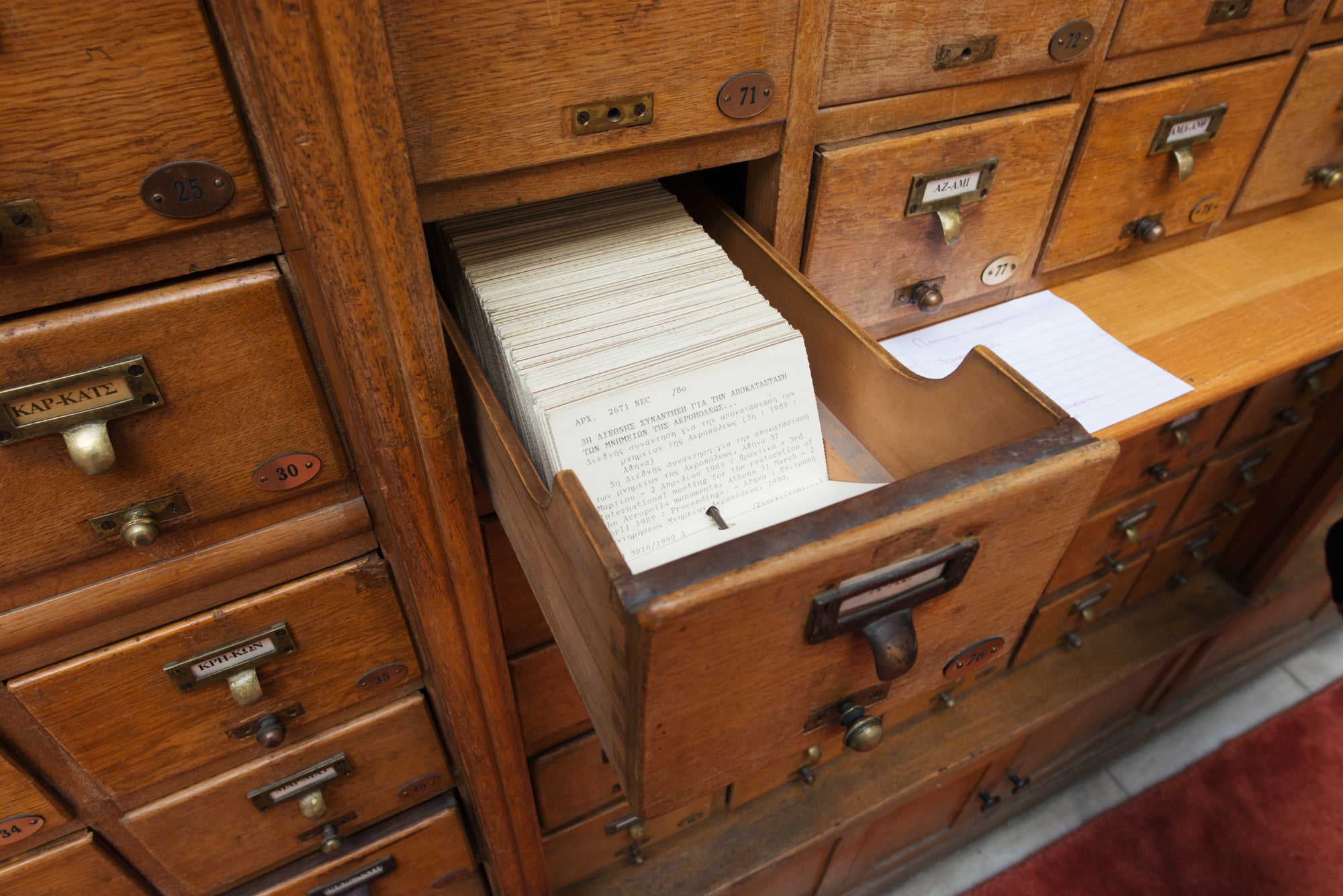
Before the early 2000s, every school library had a card catalog: rows of small wooden drawers, each containing alphabetically organized index cards listing the library’s holdings by author, title, and subject. Looking up a book required physically walking to the catalog, pulling a drawer, and flipping through cards by hand.
The physical sensation of the drawers — slightly sticky, smelling of paper and old wood — was a fixed part of the research experience. Online public access catalogs (OPAC) replaced card catalogs, and most schools had completed the transition by 2005.
Trapper Keepers
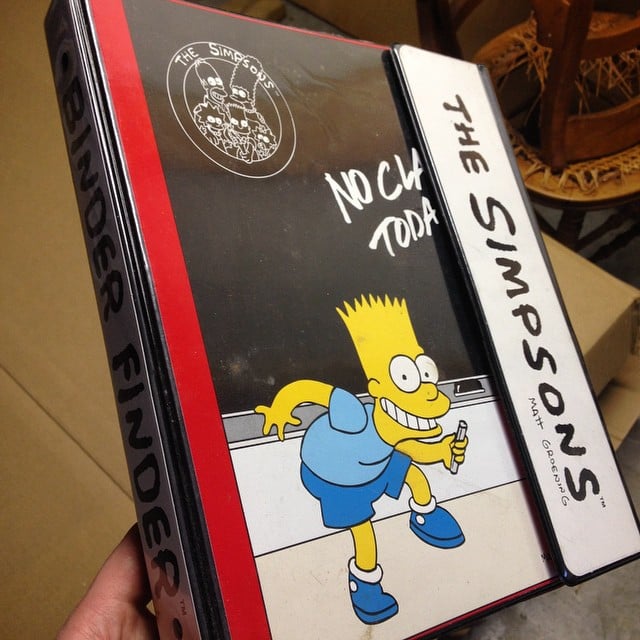
The Trapper Keeper was a three-ring binder system with a Velcro closure, made by Mead beginning in 1978, that became one of the most iconic school supplies of the 1980s and 1990s. It had pockets, built-in folders, and a design language that ranged from geometric patterns to airbrushed landscapes to licensed characters.
Trapper Keepers were noisy — the Velcro had to be ripped open — which endeared them to students and annoyed teachers consistently for two decades. The shift to laptop-based work and digital organization made physical binder systems progressively less central to school life.
Cursive Writing Instruction
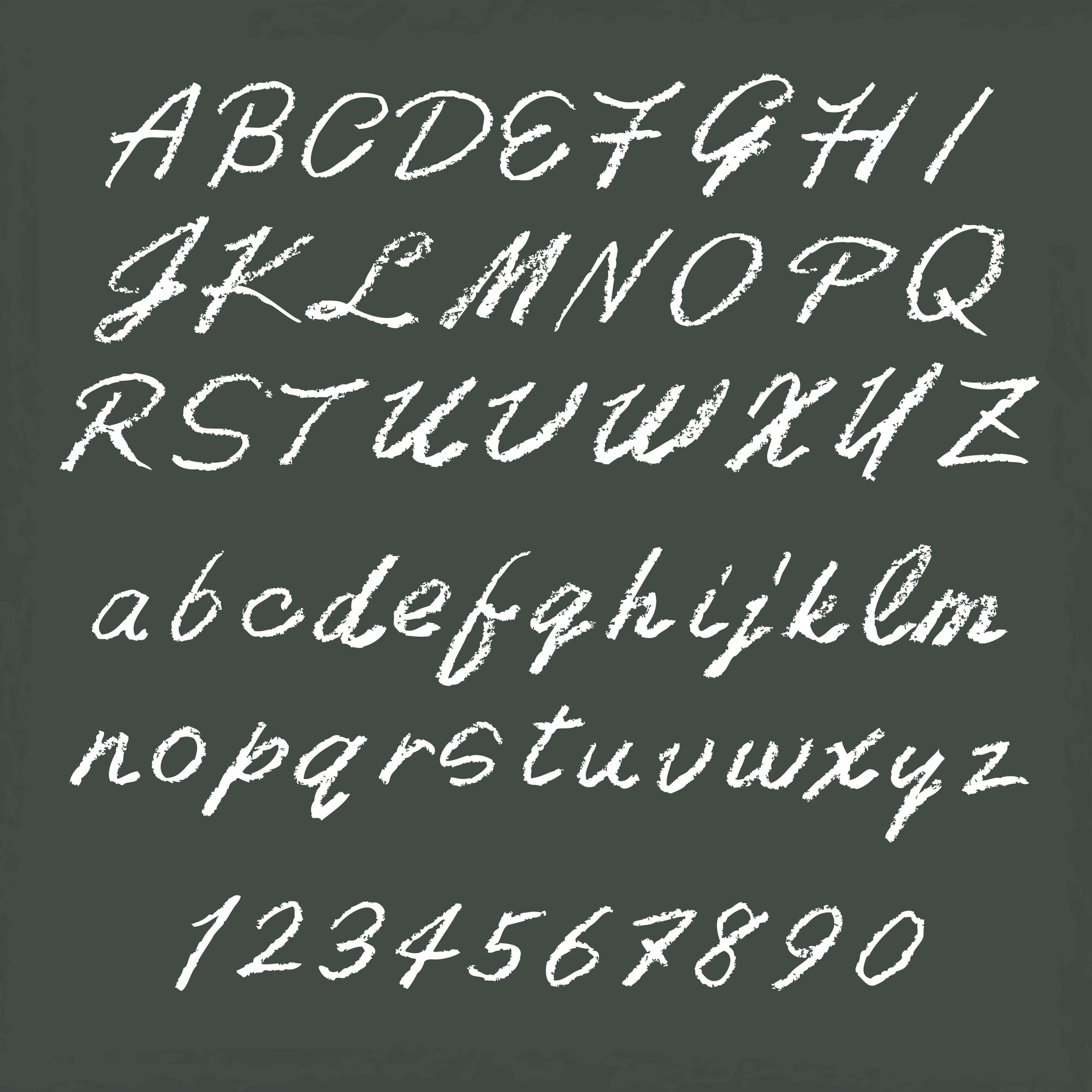
Cursive handwriting was a required subject in most American and British schools through the 1990s, taking up significant classroom time in early elementary grades. Students practiced letter formation on lined paper, working through the alphabet in both upper and lower case, and were often assessed on the neatness and consistency of their script.
By the 2010s, many school systems had removed formal cursive instruction from the curriculum, replacing it with keyboard skills. Several US states subsequently moved to restore cursive requirements after studies raised concerns about cognitive development impacts, though the subject has never regained its previous prominence.
The Wall-Mounted Pencil Sharpener
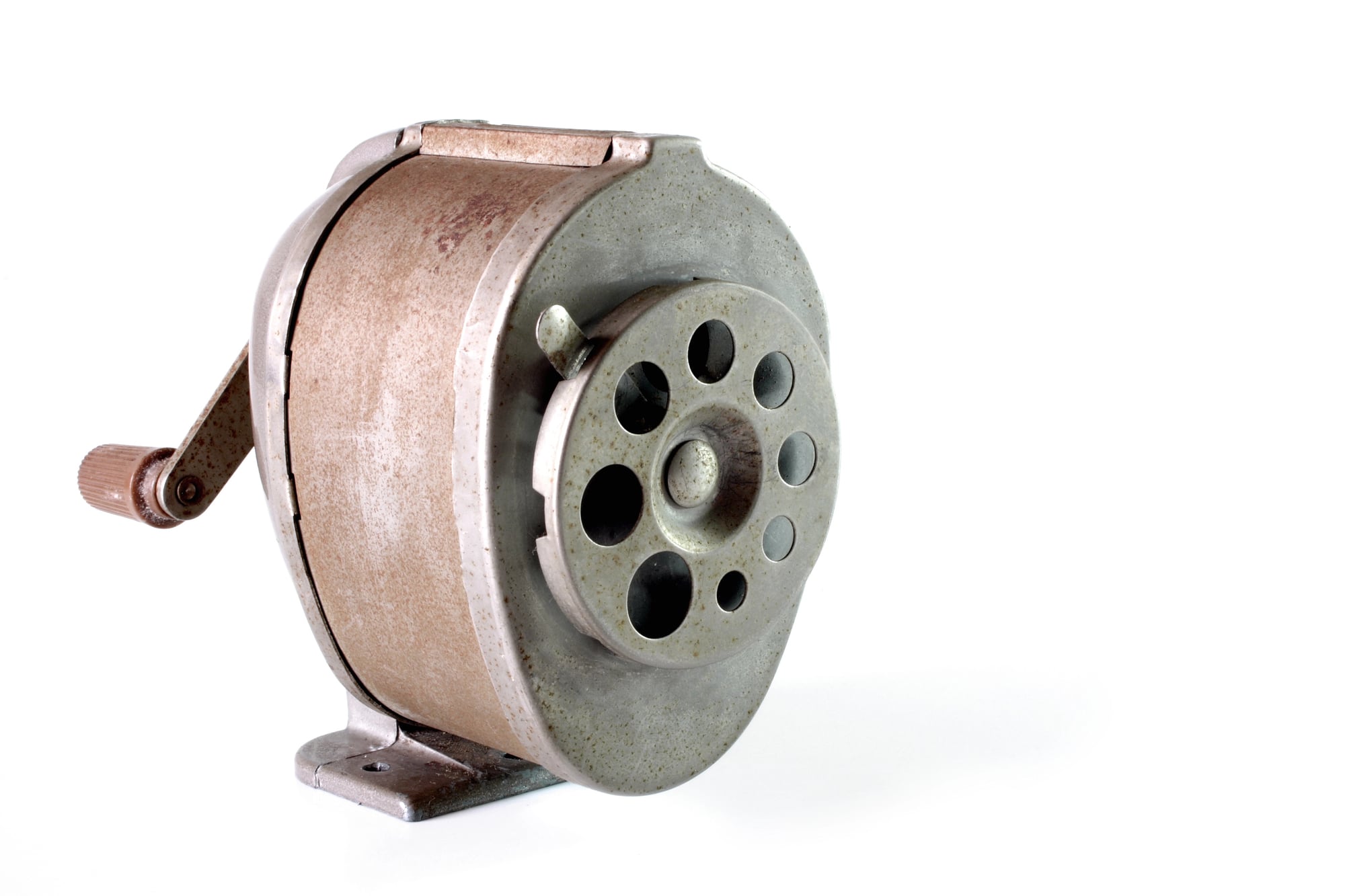
The pencil sharpener bolted to the classroom wall was one of the most constant physical features of a school room — heavy-duty, hand-cranked, capable of sharpening a pencil to a point fine enough to pierce skin with approximately forty seconds of effort. The machine was usually attached near the door, and walking to it required a silent negotiation with the teacher about whether the timing was appropriate.
The hand-cranked wall sharpener has been replaced by electric desktop models, which are faster, quieter, and produce a less satisfying result.
Pull-Down Maps
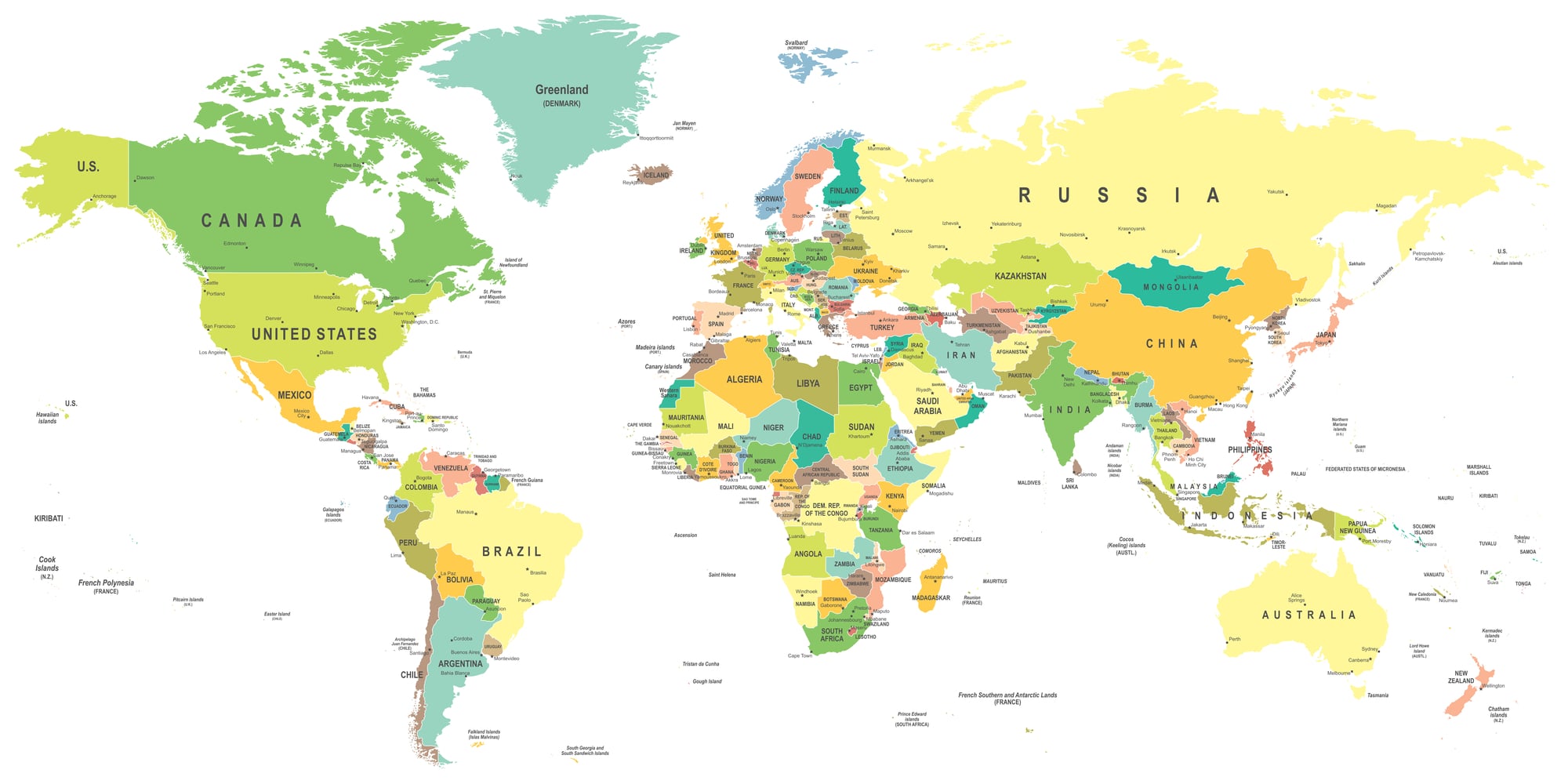
Classroom walls in geography and history rooms typically featured a series of pull-down maps mounted on a scroll above the chalkboard — the world, individual continents, national maps that could be deployed depending on the lesson. The maps were often decades old, featuring national boundaries and country names that no longer existed.
Finding Yugoslavia or West Germany on a classroom map in 1993 required either a very old map or a very up-to-date one, and most classrooms had the former. Google Maps and digital projections have made the physical pull-down map obsolete.
The Encyclopaedia Britannica
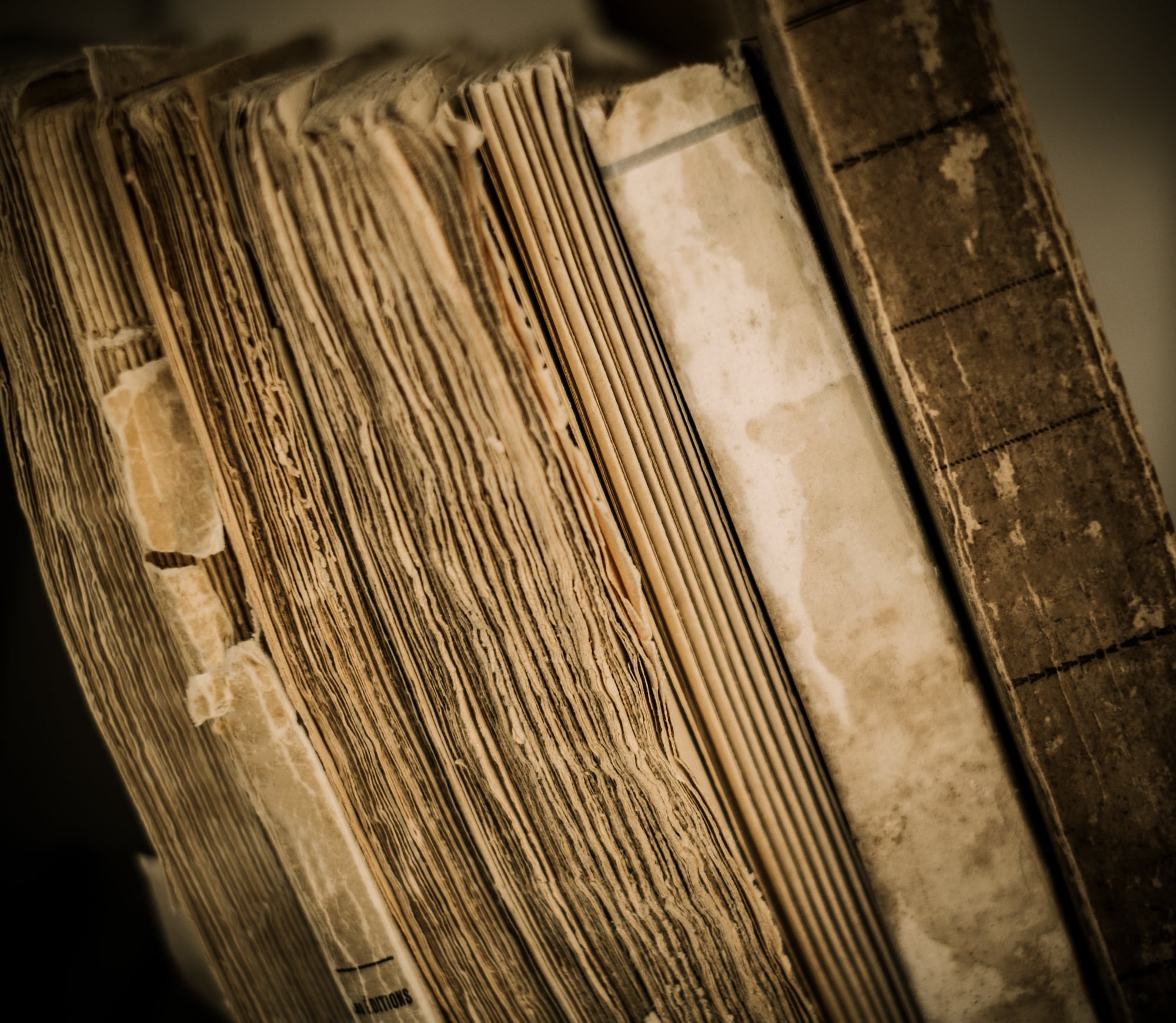
Every school library of any standing had a set of the Encyclopaedia Britannica — usually in the most recent edition the school could afford, which was often ten or fifteen years old. Students assigned research papers spent considerable time with these books, looking up subjects and transcribing information by hand before photocopying became common enough to use for notes.
The Britannica print edition was discontinued in 2012 after 244 years of publication, replaced by its online version. Wikipedia had already made the print reference encyclopedia functionally obsolete several years before the official discontinuation.
Microfiche Machines
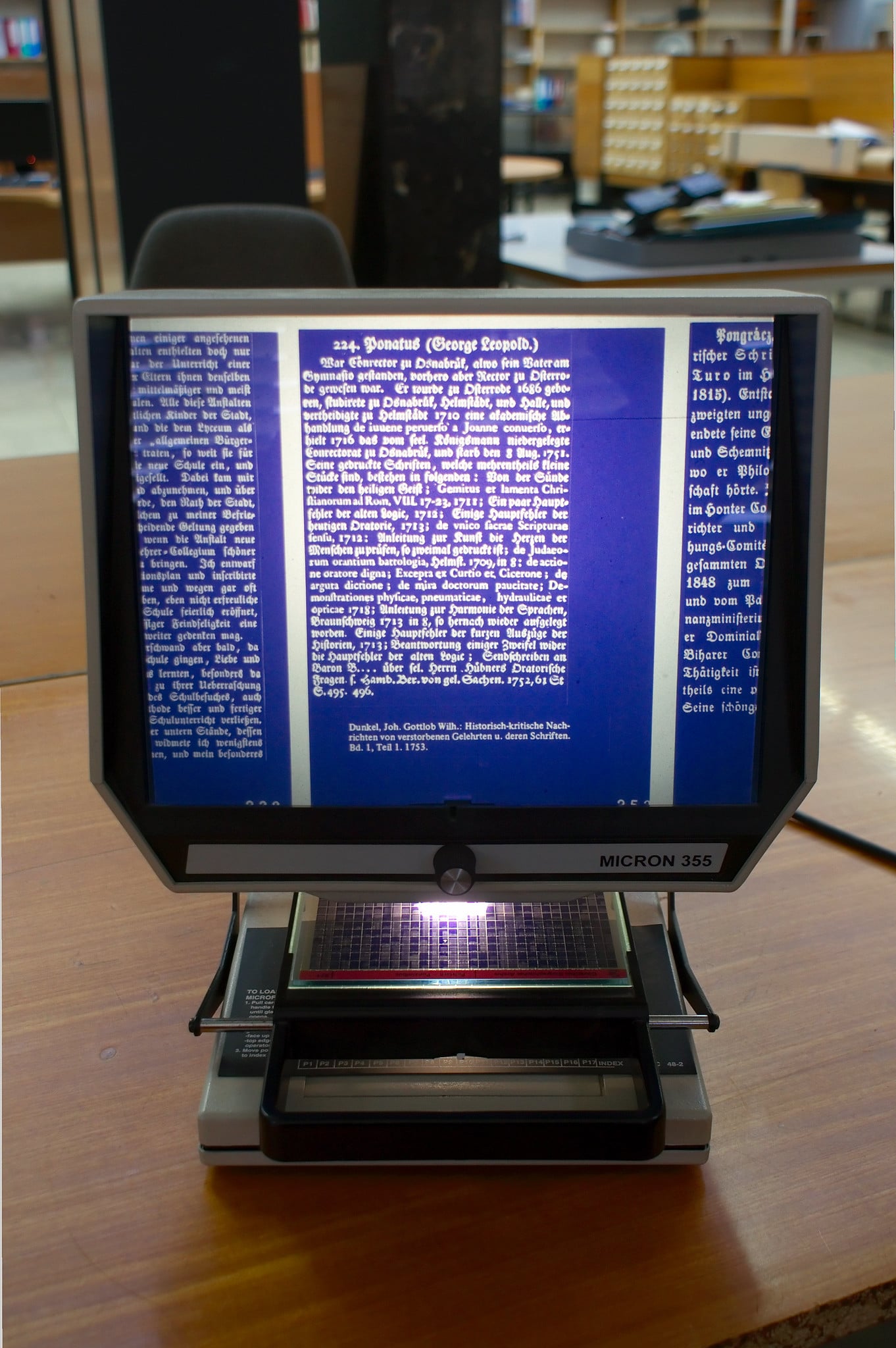
School libraries, particularly in secondary schools, maintained microfiche machines: devices that displayed documents — usually newspaper archives, academic articles, or government records — stored on flat transparent sheets at extreme reduction ratios. Reading microfiche required adjusting a lens and navigating a tray across a lit screen, and the images were often difficult to read clearly.
Digitized newspaper archives and document databases replaced microfiche entirely, but the machines remained in libraries well into the 2000s in schools that lacked the budget or initiative to update.
The Globe
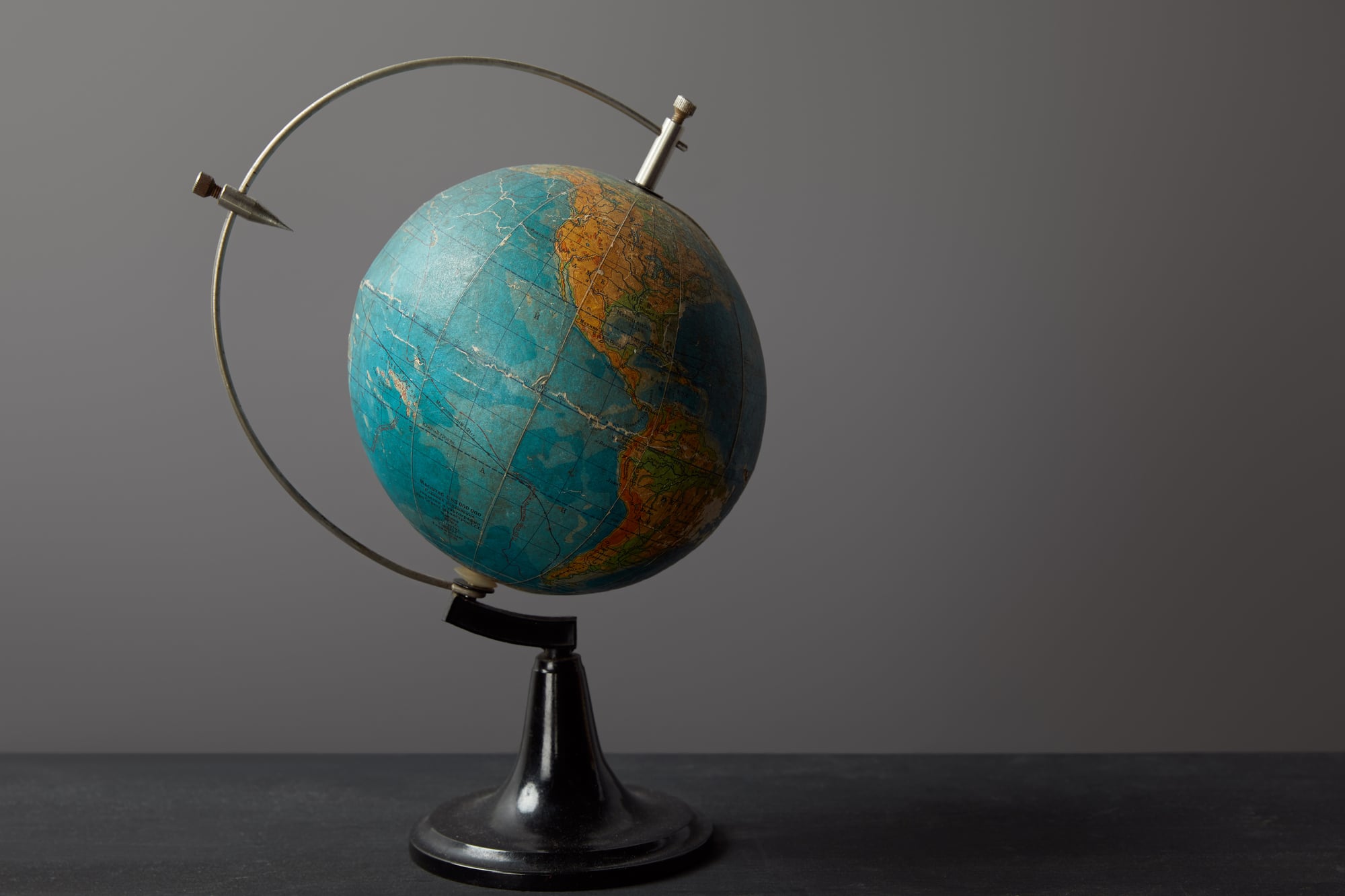
The classroom globe was a constant prop in the geography room, a physical sphere representing the earth that could be spun, pointed at, and used to demonstrate concepts that were abstract on a flat map. The problem with classroom globes was that they aged badly: national boundaries changed faster than budgets allowed for replacements.
Many 1990s classrooms had globes showing the Soviet Union, Czechoslovakia, or other configurations that had ceased to exist. Google Earth and digital projections have replaced the globe, though they have not replicated the specific satisfaction of spinning one.
The Floppy Disk
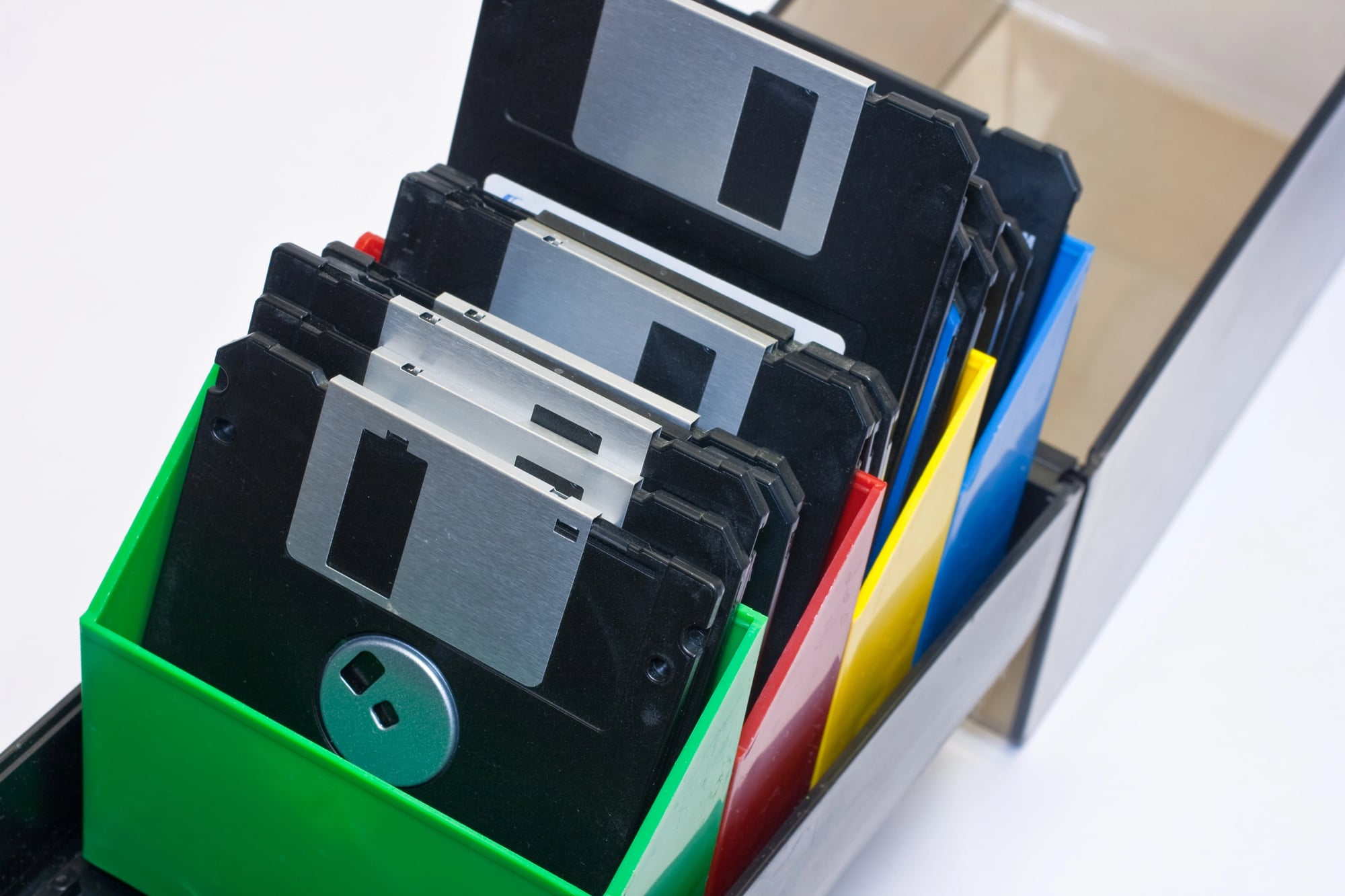
The 3.5-inch floppy disk was the primary medium for transferring schoolwork between home and school through most of the 1990s. Students saved work to a disk at home, brought it to school, and hoped the drive at school could read it.
The disk held 1.44 megabytes of data — enough for a word processing document, not enough for almost anything else by modern standards. USB drives replaced floppy disks in the early 2000s, and floppy drives disappeared from computers entirely by the early 2010s.
The save icon in most software applications is still a picture of a floppy disk, which constitutes a reasonable summary of how thoroughly it has been forgotten.
Computer Labs Running Windows 3.1 or Early Mac OS
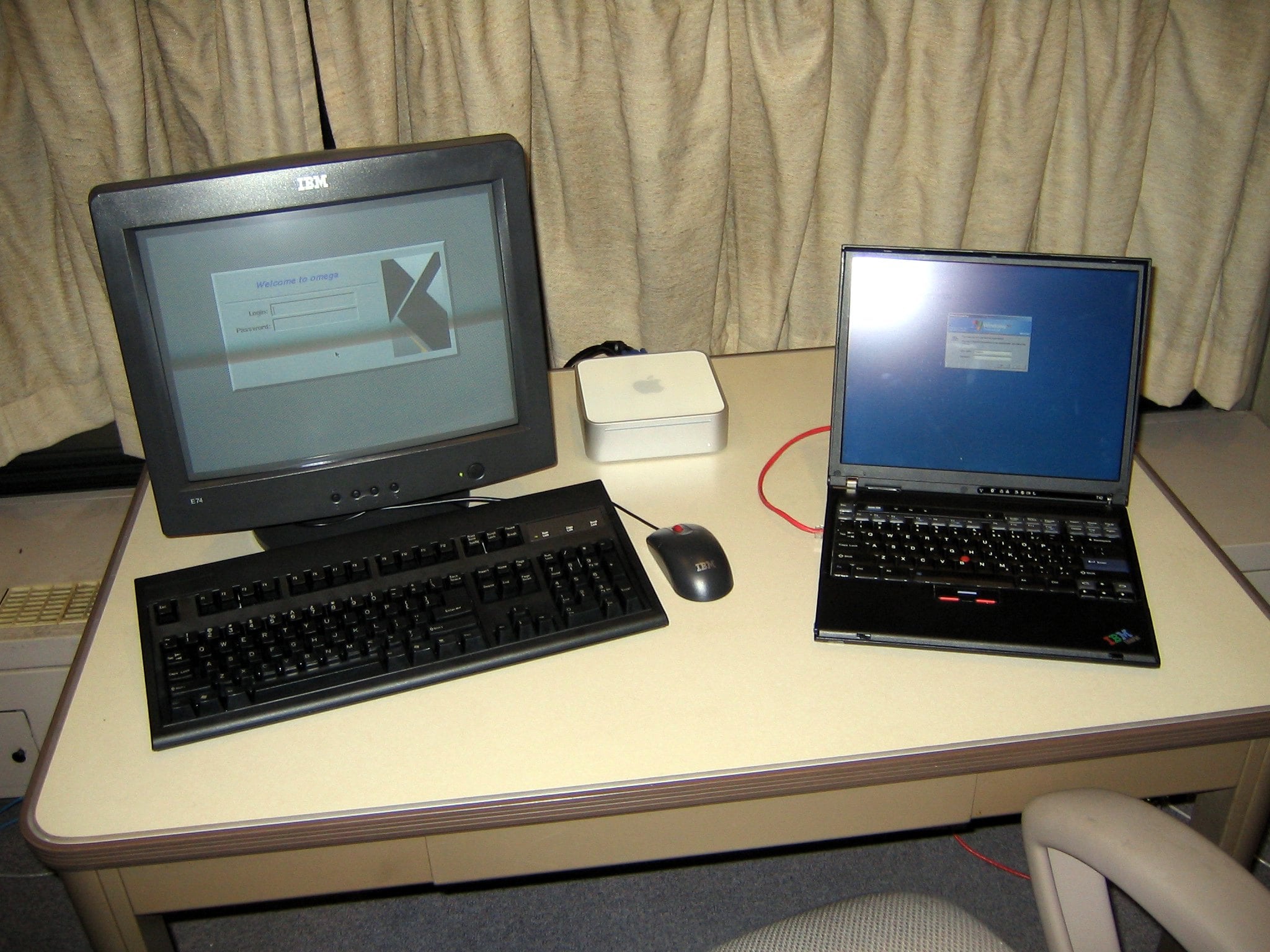
The school computer lab of the 1990s was typically a room with ten to thirty computers, each running Windows 3.1, Windows 95, or an early Mac operating system, arranged in rows with a printer at the back that required a teacher’s intervention to operate. Students visited on scheduled occasions — once a week, perhaps — to learn basic word processing, and the machines were slow enough that typing a paragraph felt like an achievement.
The idea of a shared computer lab accessible by rotation has been replaced in most schools by individual devices, though the specific experience of waiting for a program to load from a floppy drive is not one that can be digitally replicated.
The Dot Matrix Printer
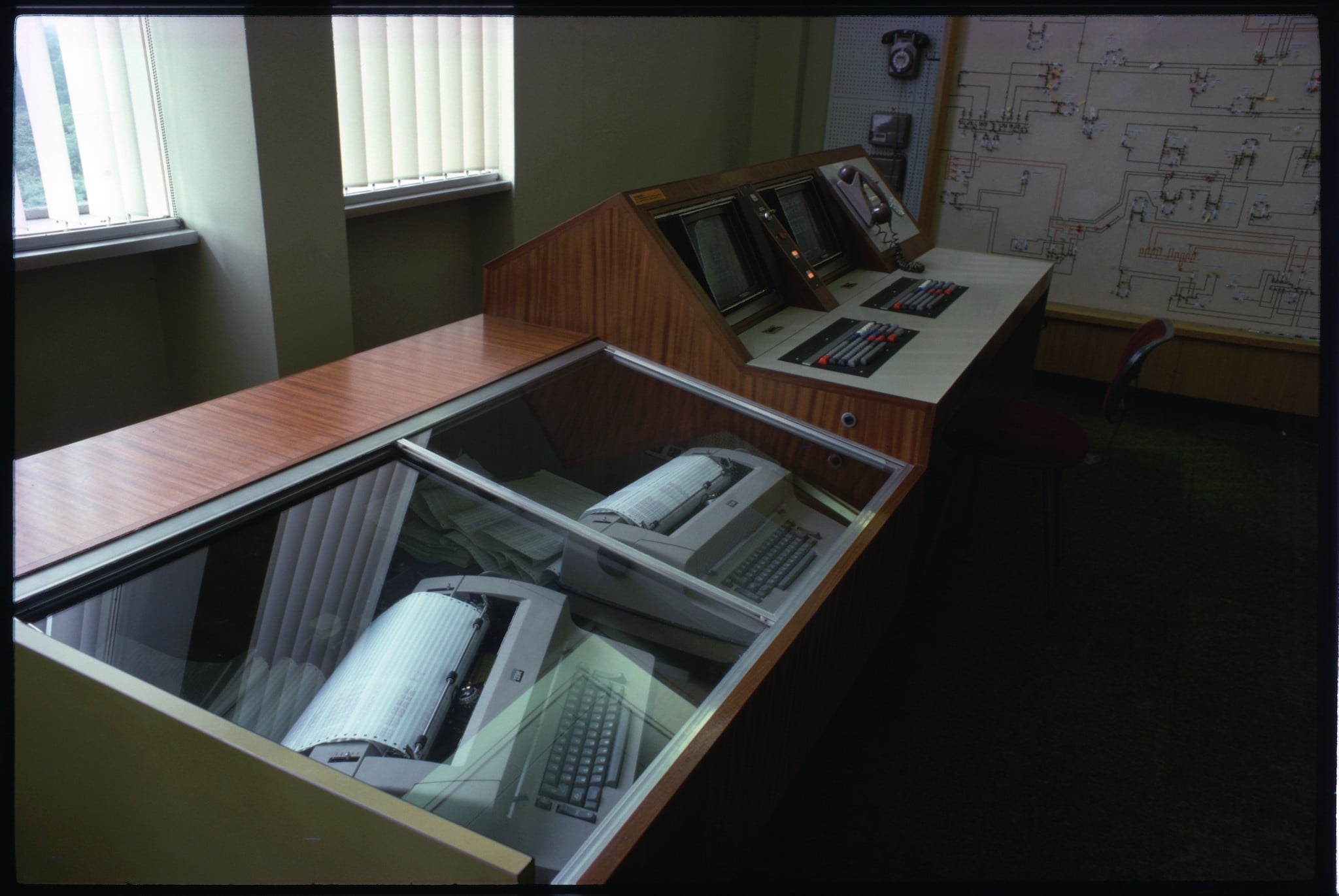
Before laser and inkjet printers became affordable, schools used dot matrix printers: impact printers that formed characters by striking a ribbon with a matrix of pins, producing characters from a grid of dots on a continuous roll of paper with perforated margins. The paper had to be separated from its margins after printing.
The noise of a dot matrix printer — a sustained mechanical chatter that made normal conversation impossible — was one of the sounds of the school computer lab. The perforated strips of margin paper were a specific piece of waste with no analog equivalent.
Oregon Trail on Apple II Computers
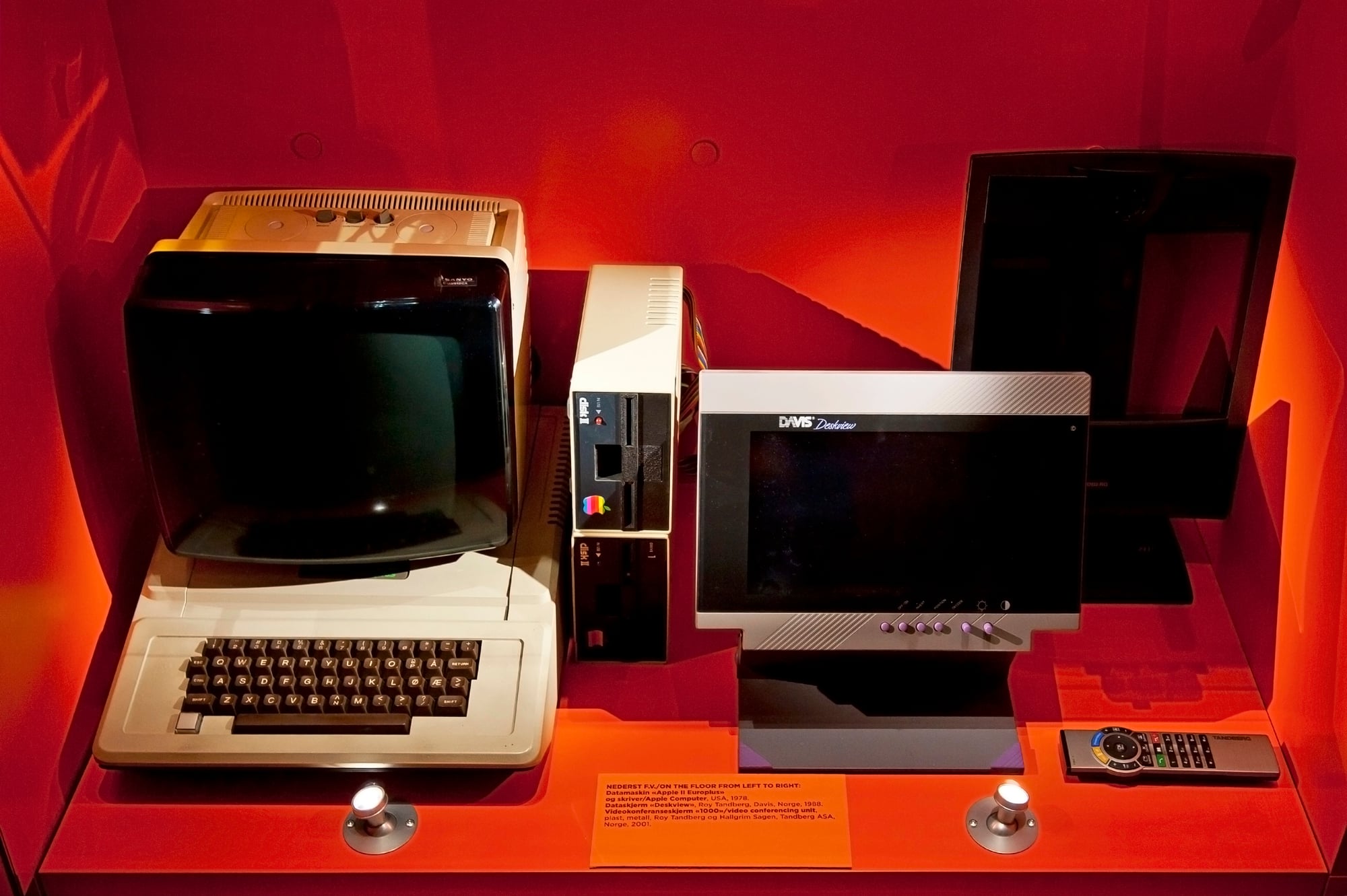
Oregon Trail was an educational game first developed in 1971 and distributed widely through Apple II computers in schools throughout the 1980s and 1990s. Students guided a wagon party across the American frontier, managing supplies, making decisions, and inevitably watching family members die of dysentery.
The game was used to teach both American history and resource management. The specific experience of playing Oregon Trail on an Apple II — the green text, the occasional cruelty of the random events, the moment when the entire family died from a river crossing — is one of the more specific shared cultural memories of American children educated in the 1980s and 1990s.
Handwritten Hall Passes
Students leaving the classroom required a hall pass — typically a piece of paper or a laminated card signed by the teacher with the time of departure and the destination. The hall pass system depended on teachers producing written authorization on physical paper, a process that no longer exists in schools where attendance and movement can be logged digitally.
The physical hall pass has been replaced by digital systems in many schools, though some teachers maintain the tradition by issuing passes on sticky notes, which is functionally identical but lacks the nostalgic weight.
The Weekly Reader

The Weekly Reader was an educational newspaper distributed in American classrooms from 1928 until 2012, when it was discontinued. It provided age-appropriate current events coverage for students from kindergarten through sixth grade, arriving each week during the school year and forming a consistent part of the classroom reading routine.
The final print edition came out in 2012, after which the brand transitioned briefly online before ceasing publication entirely. Several generations of Americans had their first contact with structured news literacy through its pages.
The Dewey Decimal System (As a Physical Practice)
The Dewey Decimal System still classifies books in libraries, but in the 1990s it was something students had to physically learn to navigate — memorizing what each numerical range covered, understanding the relationship between the shelving system and the card catalog, developing the muscle memory of finding a call number and locating it in three-dimensional space on actual shelves.
The physical library navigation skills that the Dewey system required have become largely irrelevant in an era of search boxes and digital catalogs. The system survives; the practice of using it does not.
Mimeograph Machine Copies
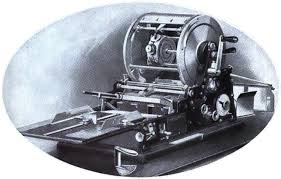
By the 1990s, the mimeograph had largely been replaced by the photocopier in most schools, but the resulting worksheets often felt similar: paper warm from the machine, slightly damp, carrying the faint chemical smell of the process. In some schools on tighter budgets, the spirit duplicator — or ditto machine — remained in use into the mid-1990s.
The purple ink, the particular chemical smell, and the slightly blurry text are vivid memories for a generation of students who received assignments on paper that was still warm from the machine. The photocopy replaced them, and then digital documents replaced the photocopy.
Typing Classes on Electric Typewriters
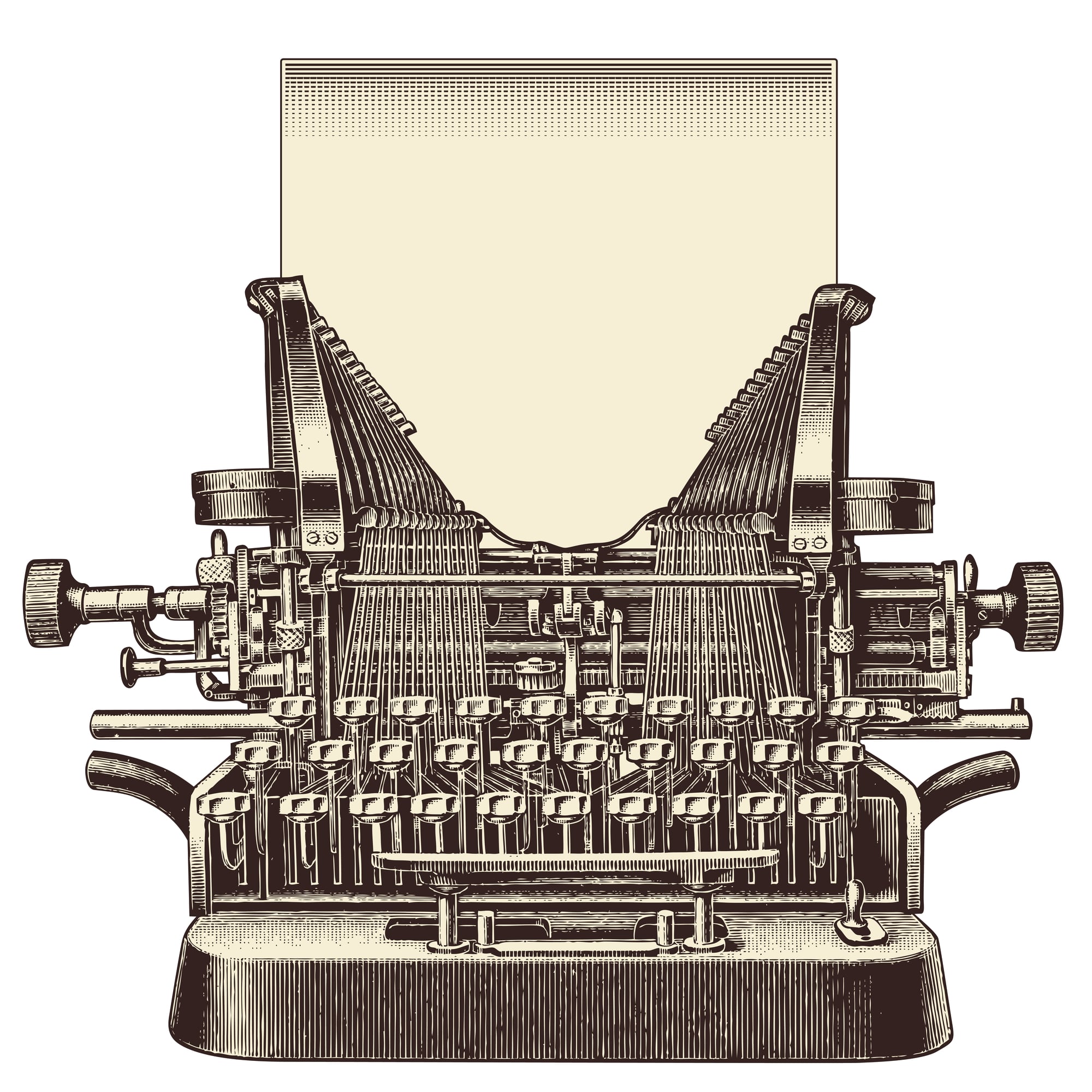
Some schools in the early 1990s still taught typing on electric typewriters rather than computers, with the carriage return bell at the end of each line serving as an audio cue for students to develop consistent rhythm. The techniques taught — finger placement, posture, not looking at the keys — are the same as modern touch typing, but the physical sensation of the typewriter key depressing and the character striking the page is fundamentally different from a laptop keyboard.
By the mid-1990s, most typing classes had migrated to computers.
Physical Grade Books

Teachers in the 1990s maintained paper grade books — printed ledgers in which each student occupied a row and each assignment a column, with grades recorded in pencil or pen. Grade books had to be totaled by hand at the end of each term, a process that produced occasional arithmetic errors that affected students’ grades.
The physical grade book has been replaced entirely by digital gradebook software that calculates automatically and allows parents and students to check grades online in real time. Whether this improvement in transparency has been universally positive is a matter that teachers and parents continue to discuss.
The School Intercom System
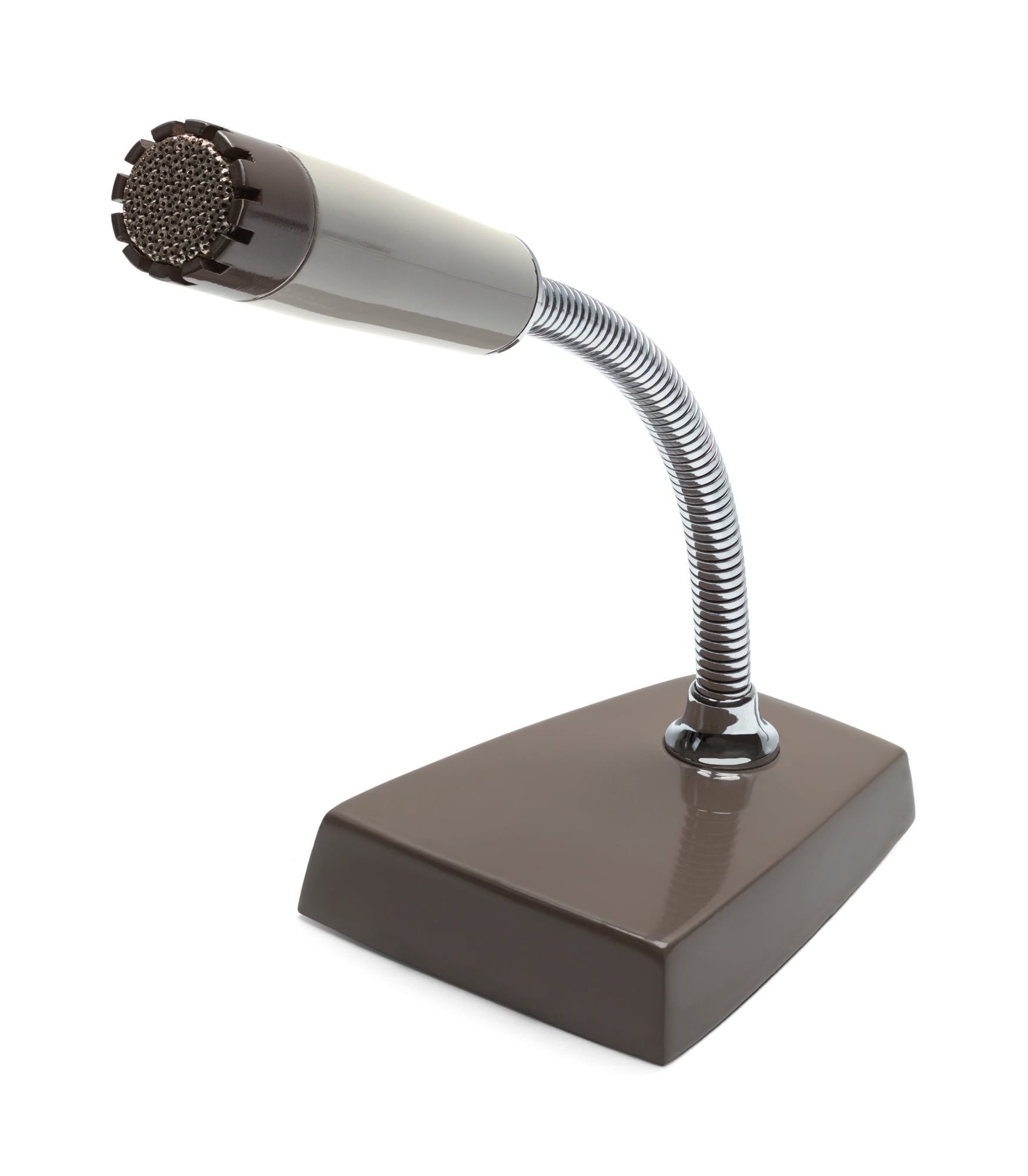
The school intercom of the 1990s was a single-speaker box mounted above the door through which the principal’s voice arrived, scratchy and authoritative, to announce the day’s schedule, call students to the office, or interrupt a lesson with information that could not wait. The system ran in one direction only.
Modern school communication systems are bidirectional and digital, integrated with security systems, and capable of reaching individual rooms or the entire building simultaneously.
Physical Encyclopedias in Classroom Collections

Beyond the library’s Britannica, many classrooms kept smaller reference sets — World Book, Compton’s, Childcraft — on a dedicated shelf, available for in-class research. These were typically donated when families updated their home sets, which meant classroom encyclopedias were consistently a generation or two behind the library’s collection.
Students who needed a current fact had to negotiate between the encyclopedia’s publication date and the assignment’s requirements, developing an early and practical understanding of source limitations that modern search engines do not automatically provide.
AV Club

The audiovisual club — a student organization responsible for operating projectors, sound equipment, and recording devices for school events — was a fixture of schools through the 1990s. Members received training in using equipment that was genuinely specialized and not widely understood, which gave the club a functional purpose.
The democratization of recording and playback technology — cameras in every pocket, streaming in every classroom — has made the specialized knowledge that AV Club offered obsolete. The social archetype persists; the operational function has evaporated.
Physical Permission Slips

Every field trip, parental notification, or consent request required a paper form sent home with students, signed by a parent, and returned — a three-step physical process with a failure rate proportional to the reliability of ten-year-olds as message carriers. Schools managed this system for generations.
Digital communication platforms have replaced physical permission slips in most districts, moving consent to an email link or a parent portal login. The experience of losing the permission slip between Wednesday and Monday, and of telling your teacher that your parents had signed it, is no longer available.
The Pencil Box
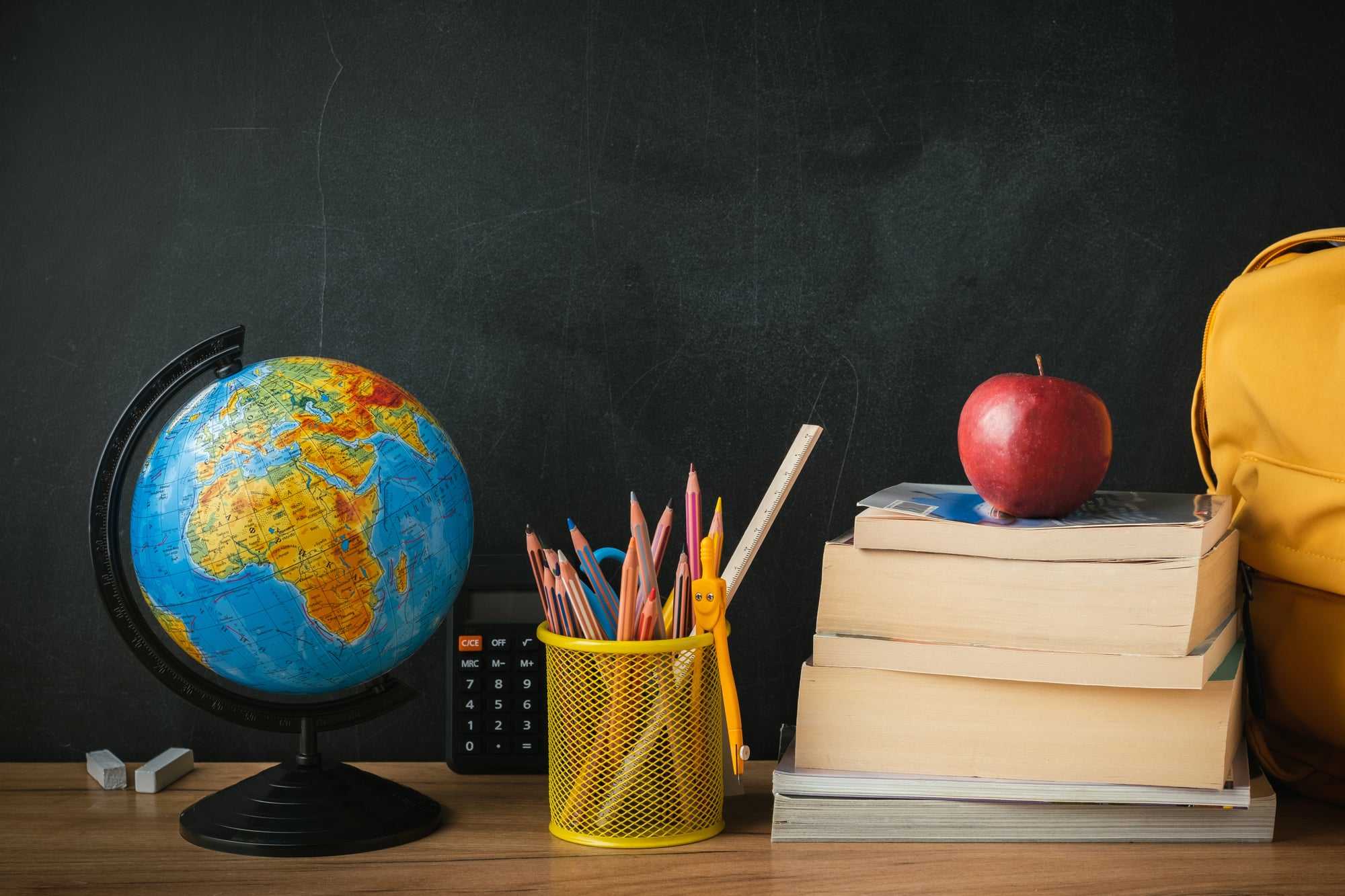
Before backpacks had elaborate organizational compartments, the pencil box — typically a flat plastic case that held two or three pencils, an eraser, and a ruler — was a distinct and essential school supply item. Pencil boxes had different quality tiers, from the basic rectangle to hinged versions with sliding trays.
Branded versions featuring cartoon characters were a marker of social currency in early elementary grades in a way that is difficult to explain to people who did not experience it but entirely obvious to those who did.
Assigned Seating Charts as a Physical Document

Teachers maintained physical seating charts — hand-drawn grids of the room with names written in pencil, updated when the arrangement changed. Changing a seating chart required erasing and rewriting.
The seating chart was also used for calling roll, which meant it was visible on the teacher’s desk and occasionally consulted by substitute teachers with varying degrees of accuracy. Digital classroom management software now handles seating and attendance, which is more efficient and generates no moment of anxious scrutiny by a substitute teacher squinting at a piece of paper trying to pronounce names correctly.
Classroom Fish Tanks and Animal Habitats

Many 1990s classrooms kept small habitats — fish tanks, hamster cages, ant farms — as a low-investment introduction to biology and responsibility. The animal was collective property; its feeding was a rotating duty.
Hamsters in particular led short, medically eventful classroom lives, and the collective grief when the classroom hamster died was a socialization experience unavailable in the modern curriculum. Health and hygiene regulations in most school districts have progressively restricted or eliminated live classroom animals.
The Scantron Sheet
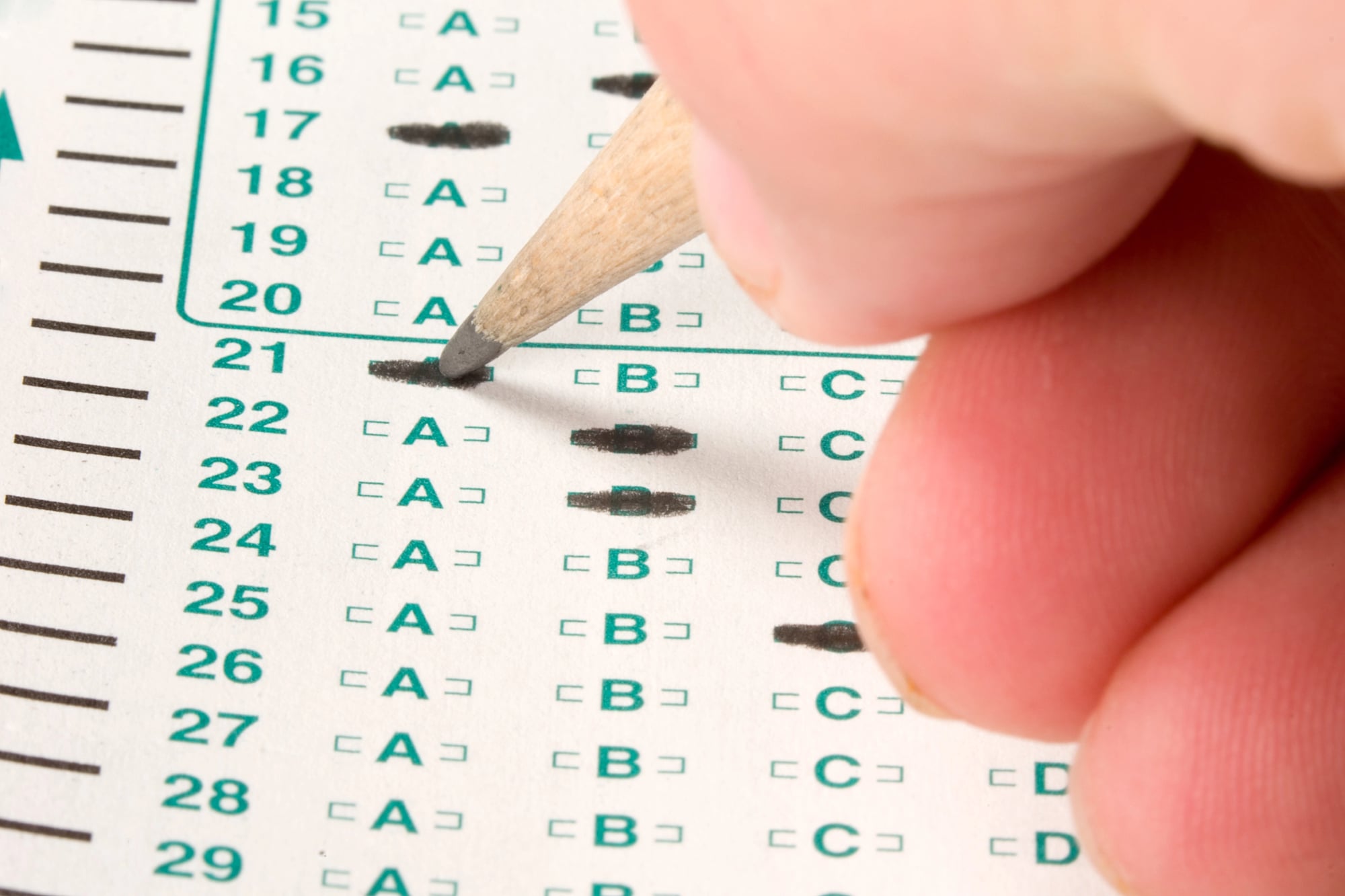
The Scantron answer sheet — a paper form on which students filled in bubbles with a No. 2 pencil to be read by an optical scanner — was the primary mechanism for multiple-choice testing from elementary school through standardized testing at the secondary level. The specific instruction to fill in bubbles completely and not make stray marks, and the anxiety of whether the scanner would register a bubble filled with insufficient darkness, were a universal test-taking experience.
Digital testing platforms have replaced Scantron sheets in most contexts, though some standardized tests continue to use them.
What the Room Itself Meant
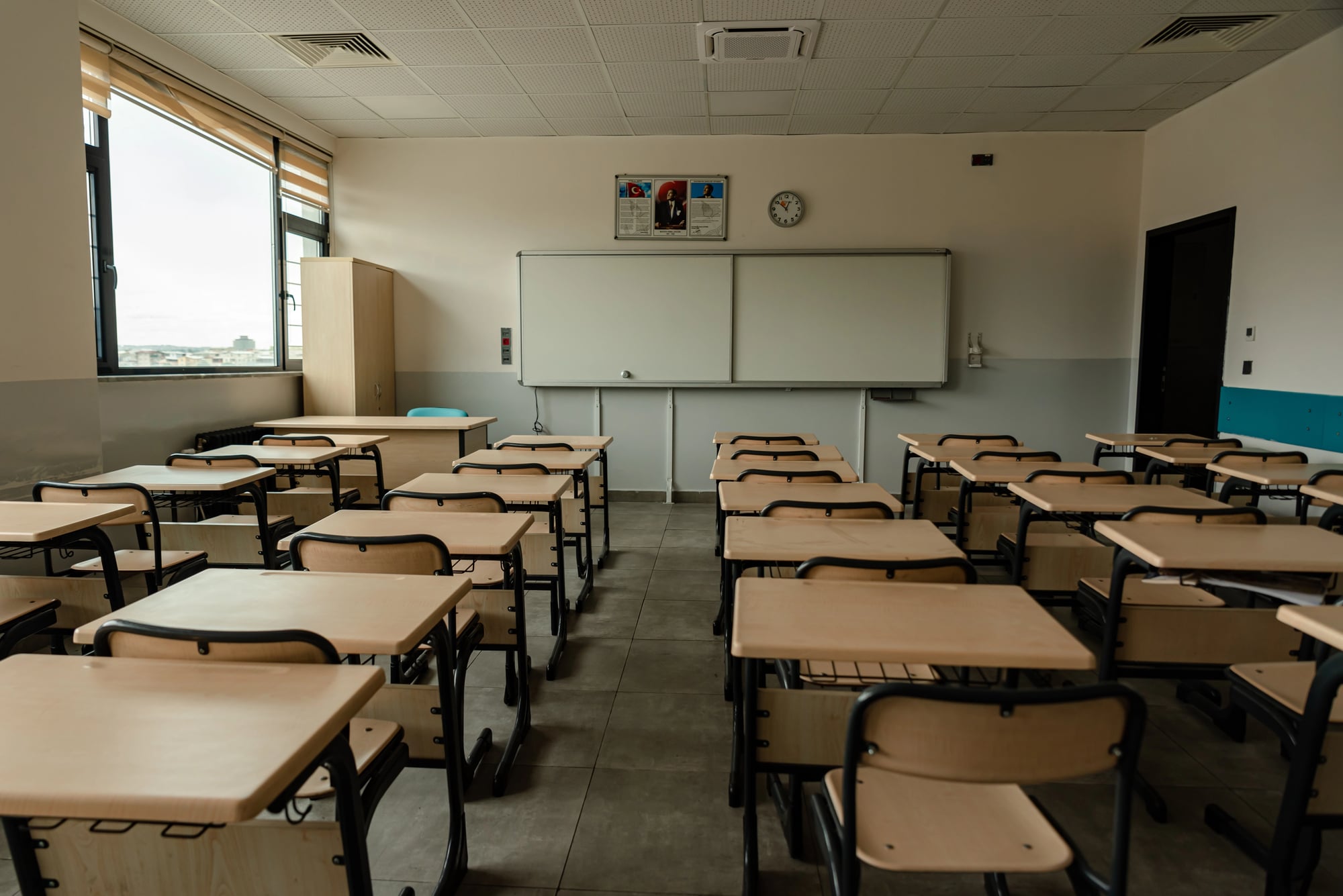
The 1990s classroom was a room that contained everything it needed because it had no reliable connection to anything outside itself. There was no internet to search, no streaming service to supplement a lesson, no digital grade portal for parents to check at 10 p.m.
The teacher and the room’s physical contents were the curriculum. That constraint produced something the modern connected classroom has struggled to replicate: an experience of genuine focus that came not from self-discipline or a phone-free policy but simply from the fact that nothing else was available.
The technologies that replaced the items on this list are, almost without exception, improvements. What they replaced was not just equipment — it was an architecture of attention that no longer exists.
More from Go2Tutors!

- The Romanov Crown Jewels and Their Tragic Fate
- 13 Historical Mysteries That Science Still Can’t Solve
- Famous Hoaxes That Fooled the World for Years
- 15 Child Stars with Tragic Adult Lives
- 16 Famous Jewelry Pieces in History
Like Go2Tutors’s content? Follow us on MSN.



