Emojis You Have Been Using Wrong
You send emojis all day without thinking twice. A quick thumbs up here, a crying-laughing face there, maybe throw in some hands pressed together when you need a favor.
But the people who designed these tiny icons had very specific meanings in mind, and a lot of them don’t match how you’re actually using them. Some emojis mean completely different things in other cultures.
Others just look like one thing while officially representing something else entirely. Your texts have been telling a different story than you thought.
The Praying Hands Are Actually a High Five
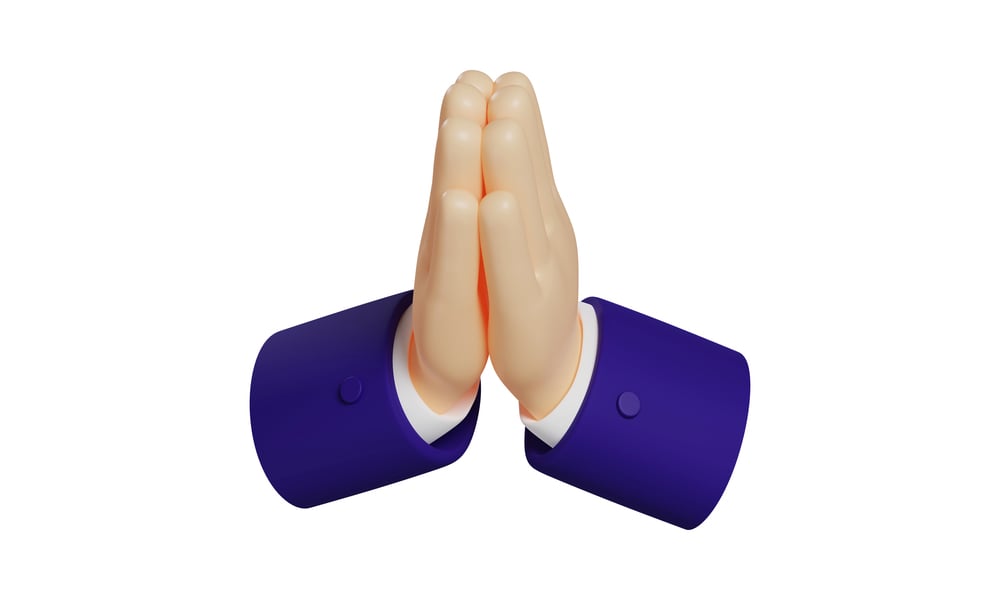
Most people send 🙏 to say thank you, show prayer, or ask for help. The official description calls it “folded hands” and it started as a gesture of gratitude or prayer in Japanese culture.
But the designer originally drew it based on two hands pressed together in a high five. Look closely at the design and you can see it either way.
In Japan, this gesture shows respect and appreciation. In Western contexts, people turned it into a prayer emoji.
Neither use is technically wrong, but the high five interpretation was the original intent.
The Steam Face Isn’t Angry
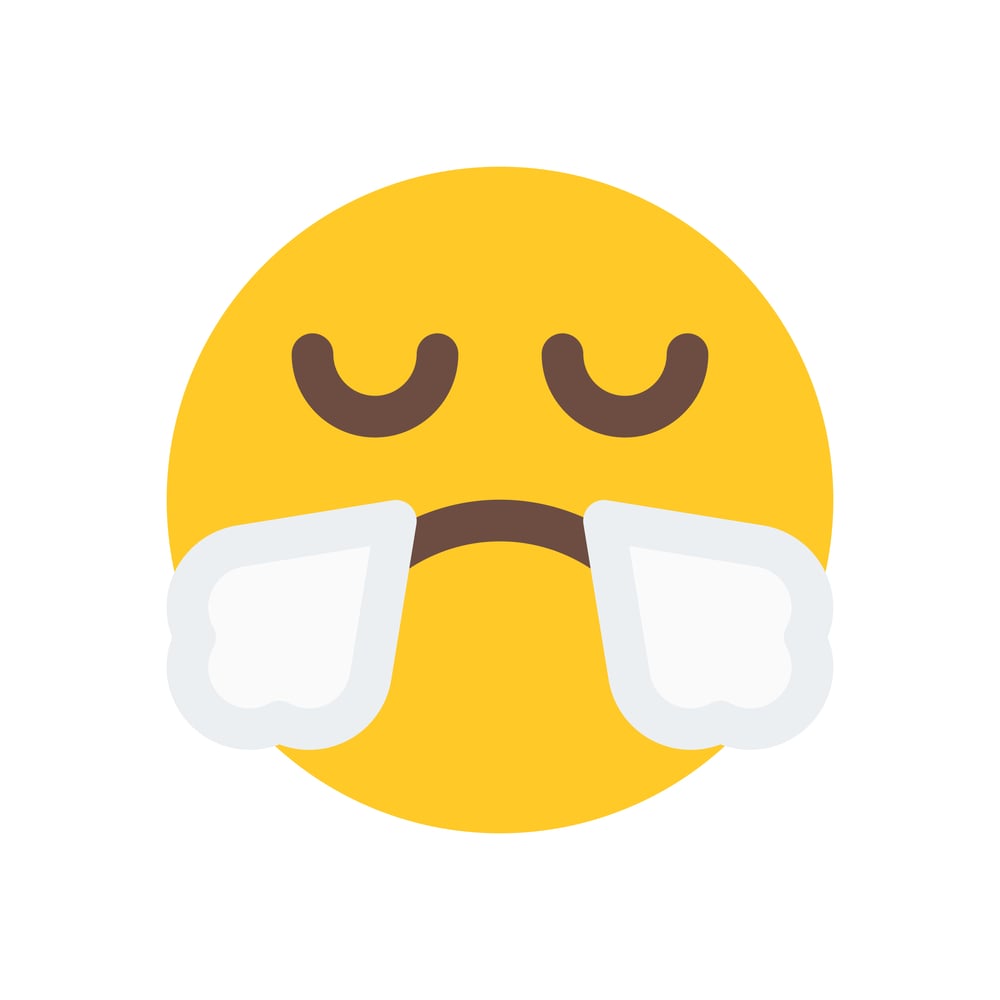
When you see 😤 you probably think someone’s furious or frustrated. All that steam coming out of the nose looks like cartoon anger.
But this emoji officially represents triumph and a sense of achievement. In Japan, the puffs from the nose indicate someone feeling proud or determined after accomplishing something difficult.
You’ve been using it to show annoyance when it’s supposed to celebrate victory. The confusion makes sense though, since Western cartoons use the same visual to show characters getting mad.
The Information Desk Person Isn’t Here to Help
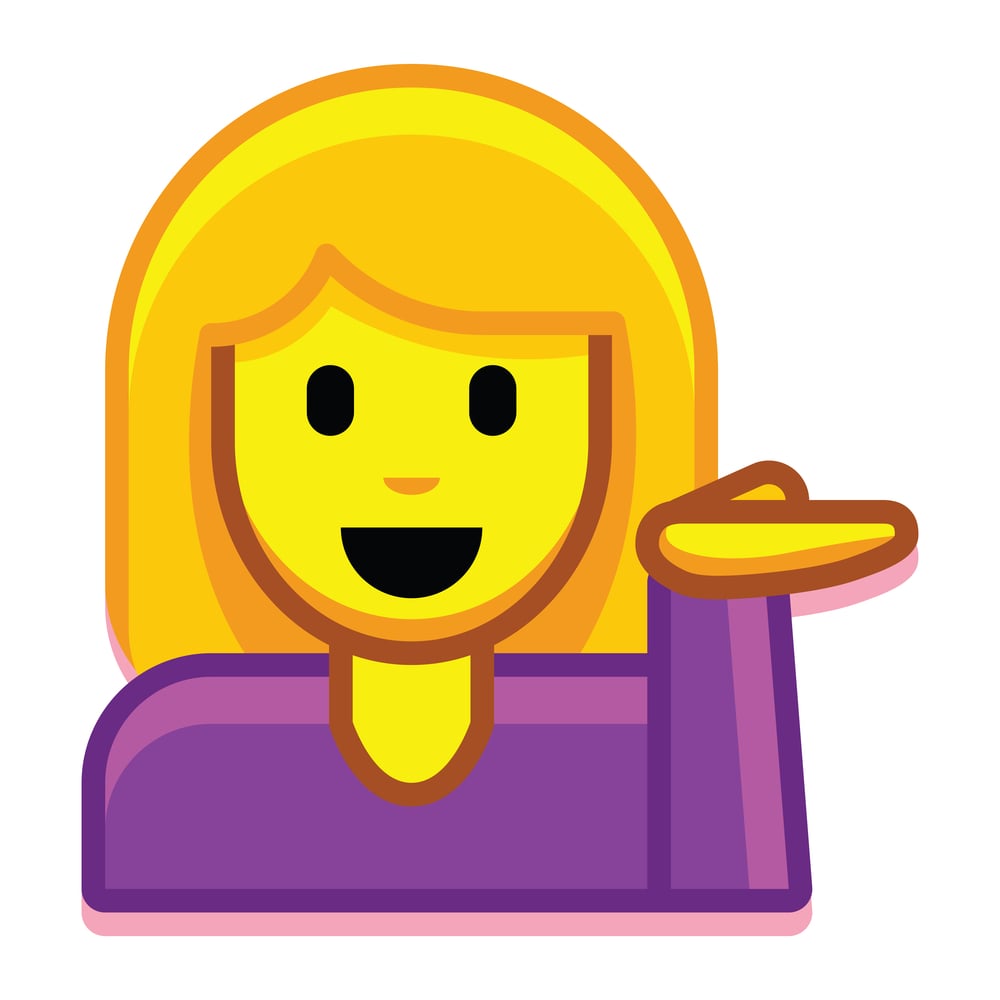
The 💁 emoji shows someone with their hand out to the side. You might use it when sharing information or being helpful. But look at that pose and expression more carefully.
This represents sass, attitude, or the “talk to the hand” gesture. People use it to show confidence, shade, or a dismissive attitude.
The official name mentions an information desk, but the design captures someone serving attitude, not customer service. Context changed everything about how this one gets interpreted.
The Grimacing Face Isn’t Smiling
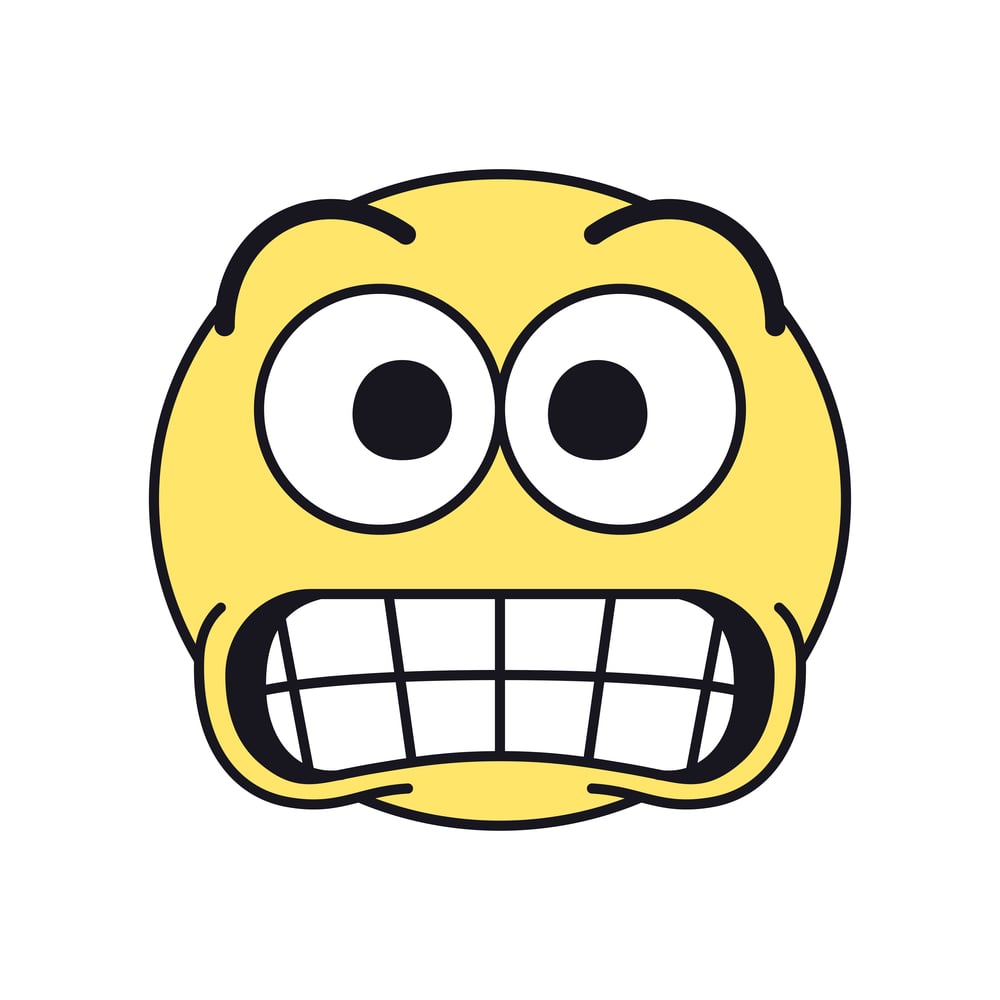
You see 😬 and think it’s a big toothy grin or an awkward smile. People send it when something uncomfortable happens or when they’re cringing.
That interpretation actually works. This emoji shows grimacing, not happiness.
Those exposed teeth represent tension, awkwardness, or nervous energy. If you’ve been using it for genuine smiles, you’ve been telling people you’re uncomfortable when you meant to express joy.
The teeth make it look smile-adjacent, but the overall expression shows discomfort.
Tired Face and Weary Face Mean Different Things
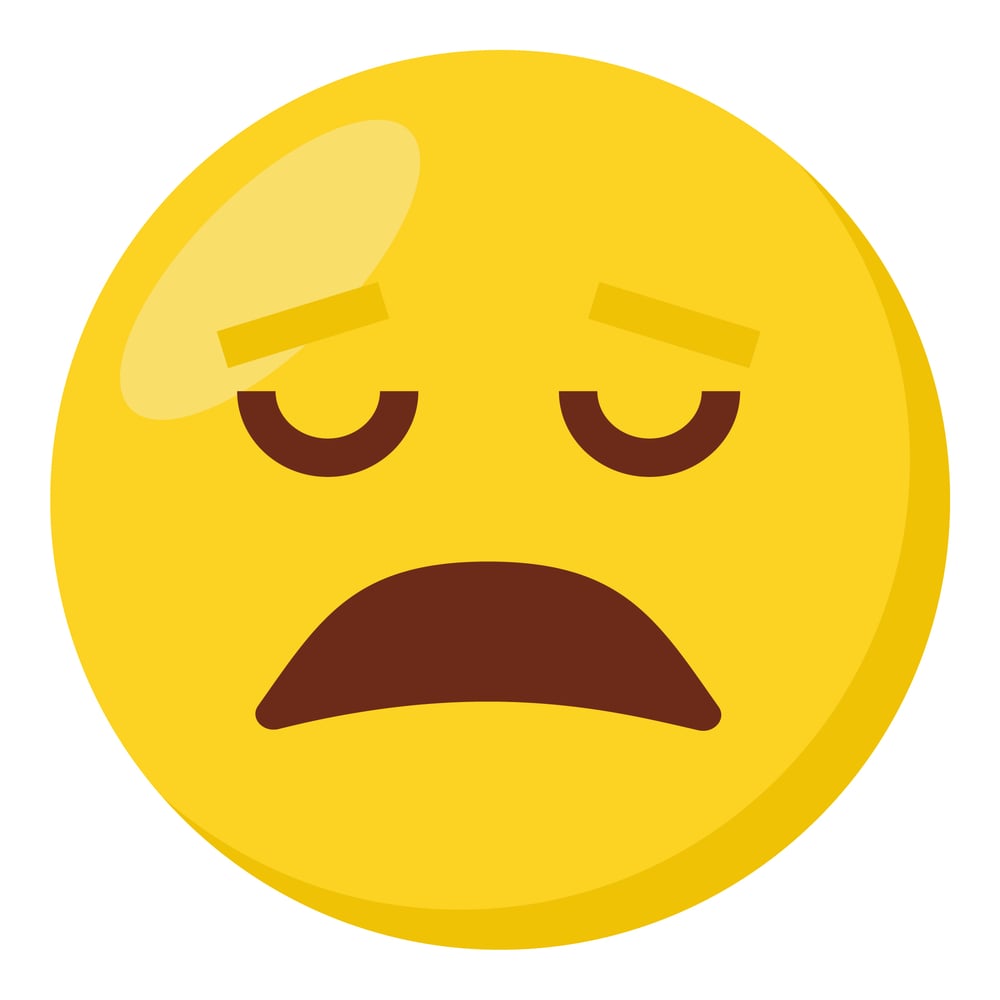
The emojis 😫 and 😩 look similar enough that people use them interchangeably. Both show faces with closed eyes and open mouths.
But tired face (😫) indicates exhaustion and frustration, while weary face (😩) represents distress and being overwhelmed. The eyebrow positions differ slightly.
Most people don’t notice the distinction and just grab whichever one their keyboard suggests first. The difference matters in the original design intent, even if nobody really separates them in practice.
The Upside Down Face Has Layers
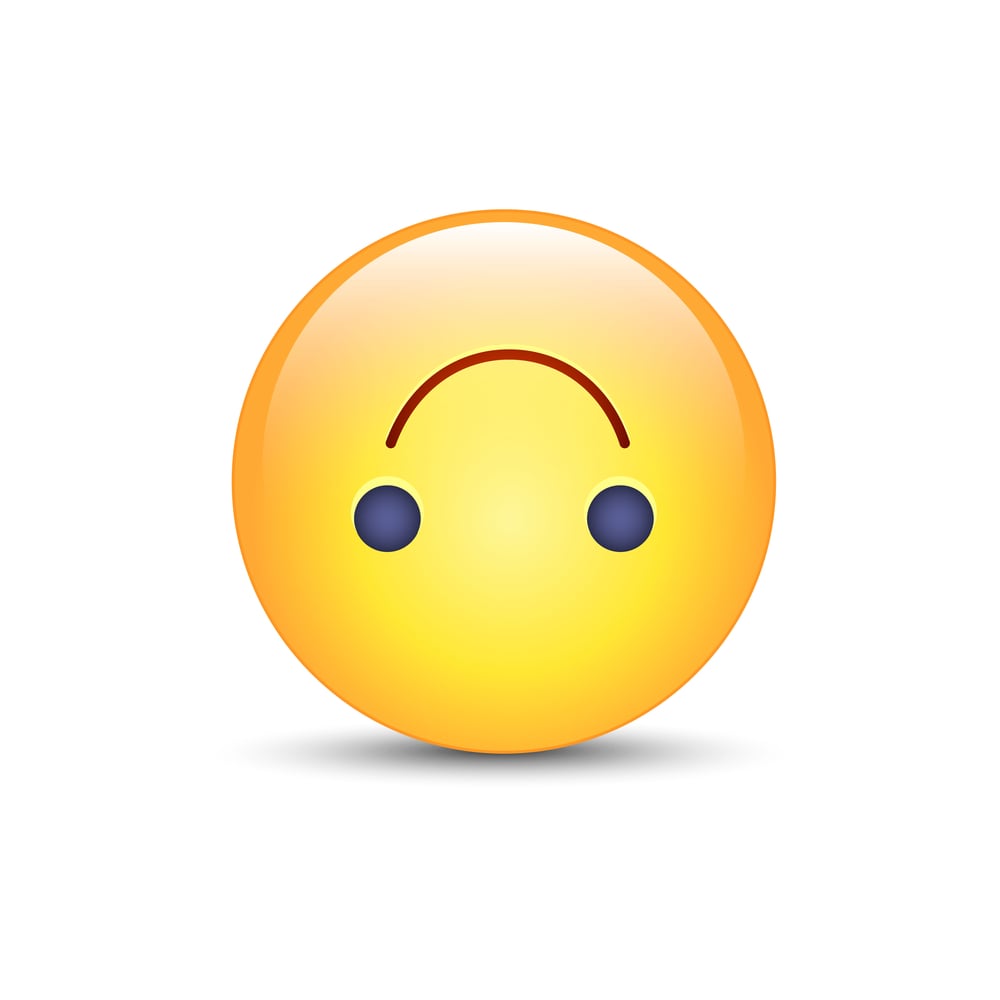
When 🙃 first appeared, people weren’t sure what to do with it. An upside down smiley face could mean anything.
Some use it sarcastically. Others send it when feeling silly or playful.
Many throw it in when they’re actually annoyed but trying to seem chill about it. The official description just says “upside-down face” without assigning specific emotion.
This one evolved through use rather than design intent, and now it carries meanings the creators never specified. Your interpretation probably differs from your friends’ interpretations.
The Angel Face Isn’t Innocent

You see 😇 and think pure thoughts, innocence, or genuine goodness. People send it when they do something nice or want to appear wholesome.
But that halo often gets used sarcastically. Someone sends it right after admitting to something slightly wrong, as if to say “who, me?”
The emoji works both ways depending on context, but the ironic usage has become just as common as the sincere one. If you only use it to show genuine innocence, you’re missing half its modern function.
The Name Badge Emoji Isn’t About Names
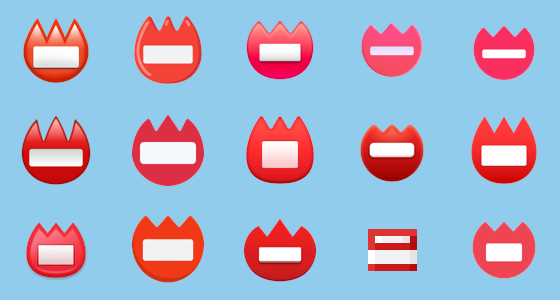
The 📛 emoji shows a red rectangle with white space inside, like a name tag. Except most people don’t use it for introductions or identification.
In Japanese culture, this symbol marks something as off-limits or prohibited for beginners. It appears on signs indicating fire or danger.
Western users often have no idea about this meaning and either skip the emoji entirely or use it literally for name-related contexts. The cultural gap here runs deep.
The Sleeping Face Isn’t Just Sleepy
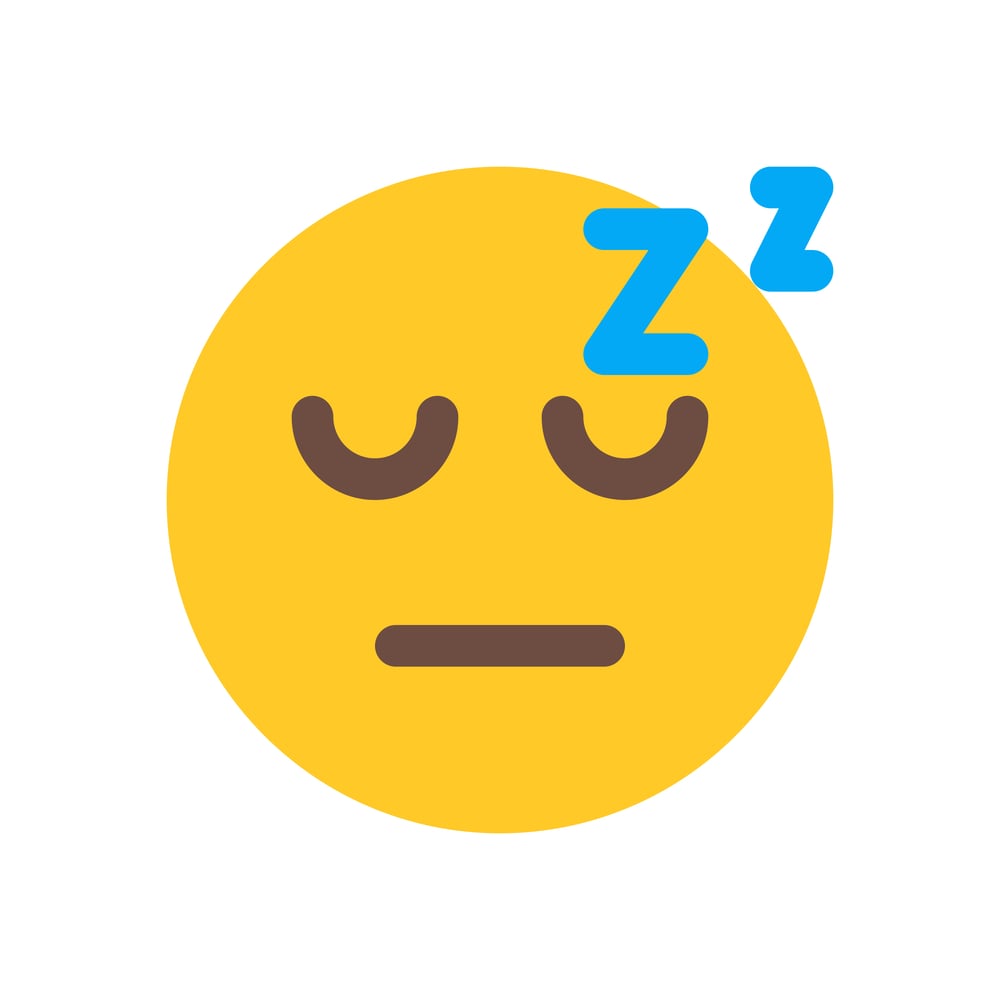
You have two sleep-related emojis: 😪 with a tear or drop, and 😴 with the Z’s. The one with the tear doesn’t show crying from sadness.
That drop represents a sleep bubble in manga and anime, indicating drowsiness or actually being asleep. Western users sometimes interpret it as sadness or tiredness with emotion attached.
The Z emoji clearly shows sleeping. If you use the teardrop one to indicate crying while tired, you’re adding meaning that isn’t there in the design.
The Smirking Face Causes Confusion
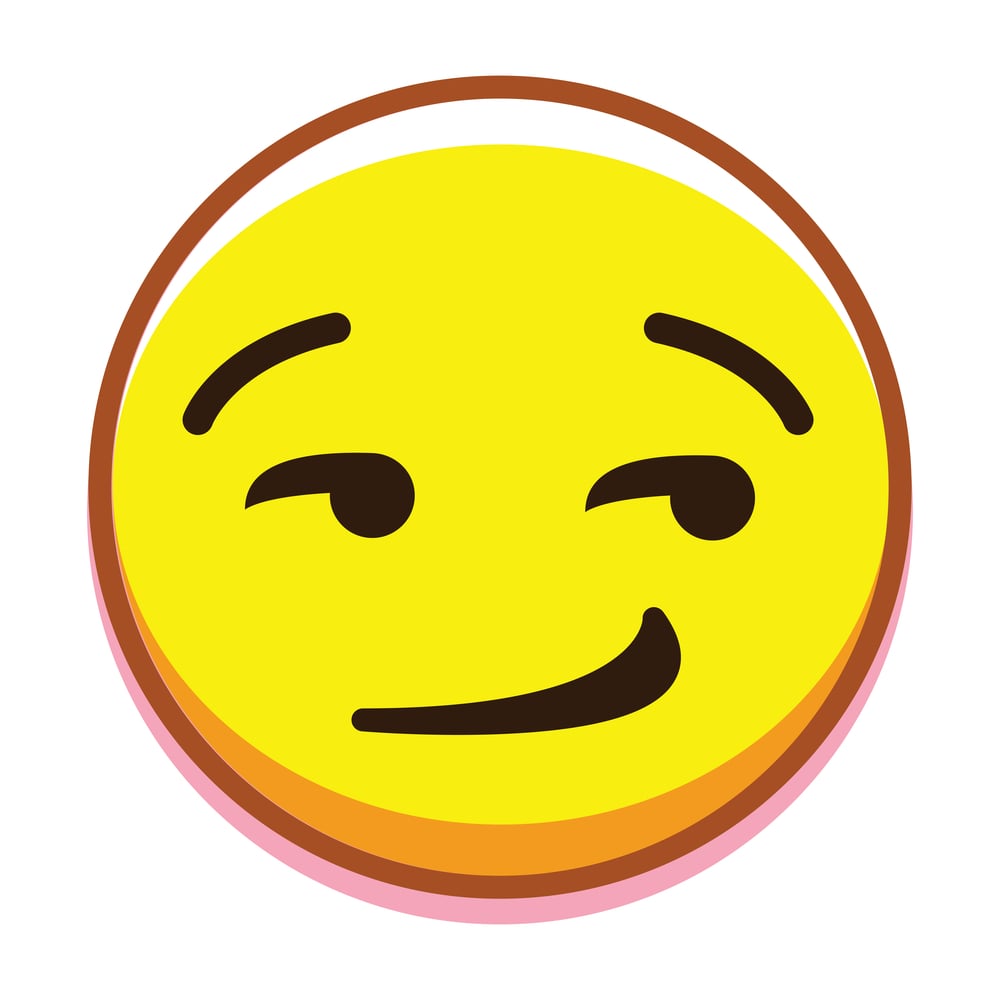
The 😏 emoji creates problems in cross-cultural communication. In some regions, it suggests flirtation or confidence. In others, it reads as smug or creepy.
People send it thinking they’re being playful, while the recipient interprets it as inappropriate. The half-smile and raised eyebrow can mean so many different things that this emoji routinely causes misunderstandings.
Your intent doesn’t always match the interpretation, and this one proves it.
The Thinking Face Gets Overused
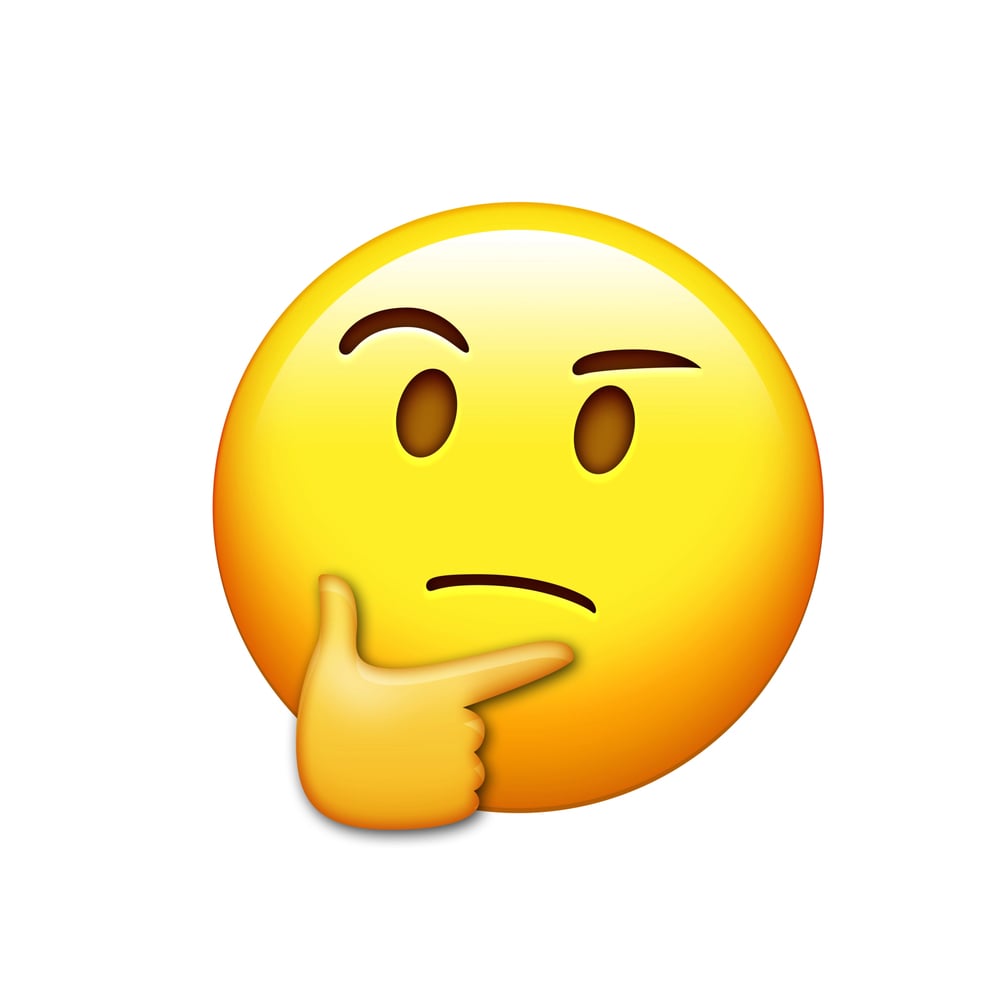
When 🤔 appeared, people immediately adopted it for any moment of consideration or confusion. The hand on the chin suggests pondering or skepticism.
But many people throw it in when they’re not actually thinking deeply about anything, just filling conversational space. It became a default response that means “hmm, okay” more than “let me consider this carefully.”
The emoji still works, but it’s lost some precision through overuse.
The Dizzy Face Shows Different Things to Different People
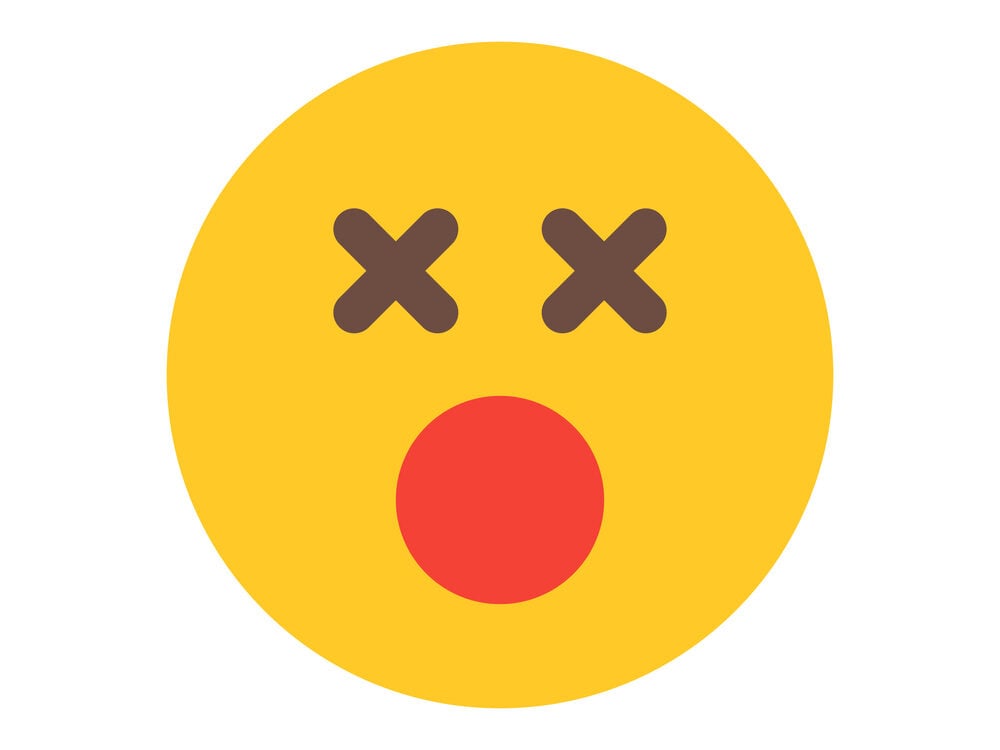
The 💫 around a face can indicate dizziness, seeing stars after impact, or feeling dazed. People use 😵 for all these situations plus confusion, being drunk, or feeling overwhelmed.
The original intent focused on the physical sensation of dizziness or disorientation. Now it covers any state of mental fog.
You send it when life gets chaotic, even if you’re not literally dizzy. The meaning expanded beyond the design.
Food Emojis Developed Double Meanings
The 🍑 started as just a peach. The 🍆 was simply an eggplant.
Both got adopted for other meanings that have nothing to do with produce. Platforms keep trying to redesign these to look more like actual fruit and vegetables, but the alternate meanings persist.
If you use them only for cooking and grocery contexts, you’re in the minority now. The internet changed what these represent, regardless of original intent.
The Real Story Behind Your Messages

Emojis work because they’re flexible. The same icon means different things to different people in different contexts.
You can use the praying hands for prayer, gratitude, or a high five and still communicate effectively. The official meanings matter less than shared understanding with the person receiving your message.
But knowing the original intent adds another layer to your digital conversations. You might keep using these emojis exactly as you have been, or you might start seeing them differently.
Either way, you now know your messages have been carrying meanings you never intended.
More from Go2Tutors!

- The Romanov Crown Jewels and Their Tragic Fate
- 13 Historical Mysteries That Science Still Can’t Solve
- Famous Hoaxes That Fooled the World for Years
- 15 Child Stars with Tragic Adult Lives
- 16 Famous Jewelry Pieces in History
Like Go2Tutors’s content? Follow us on MSN.



