29 Postcards and Letters With Collector Value
Most postcards tucked into shoeboxes and old albums are worth pocket change, but a specific set of categories consistently draws serious bidding among paper collectors. Condition, rarity, and subject matter all factor heavily into price, and pricing varies enormously even within a single category depending on how well a piece survived.
Real Photo Postcards
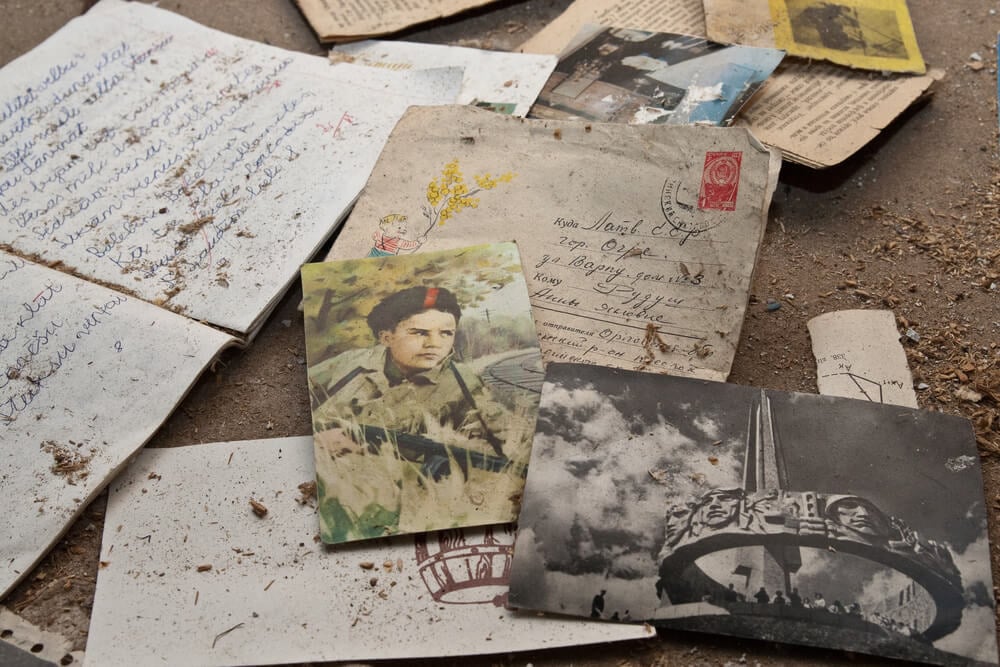
Known in the trade as RPPCs, these postcards were printed directly from a photographic negative onto postcard stock rather than run through a printing press. Produced in especially limited numbers by local photographers between roughly 1902 and 1918, they capture genuine, undoctored scenes of small-town life that make them the backbone of serious postcard collecting today.
Golden Age Halloween Postcards

Postcards from the 1900s through the mid-1910s depicting witches, goblins, and jack-o’-lanterns represent one of the most actively collected holiday categories, since Halloween postcards were produced in smaller runs than Christmas equivalents. Cards with unusually dark or whimsical imagery, such as a grim reaper illustration, regularly draw the strongest prices within the category.
Hold-to-Light Postcards

These cards were manufactured with small die-cut windows hidden within the printed image, invisible until the card is held up to a light source, at which point the windows glow to reveal stars, moonlight, or lit windows. The technical complexity required to manufacture them kept production limited, and intact, undamaged examples are considered a specialty within novelty postcard collecting.
Artist-Signed Postcards
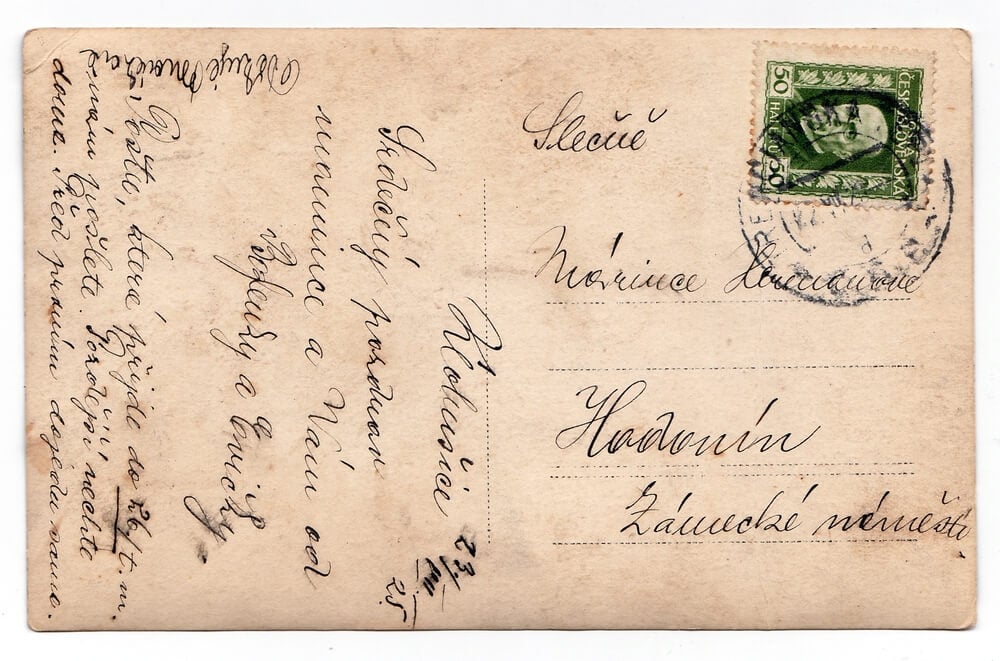
Postcards illustrated and signed by a recognized commercial artist, most notably the Art Nouveau designer Alphonse Mucha, occupy their own dedicated corner of the hobby entirely separate from photographic or topographical postcards. Complete themed sets, such as Mucha’s twelve-card “Months of the Year” series, are especially prized when collectors can assemble every card from the original run.
Large Letter Postcards

Popular from the 1930s through the 1940s, these postcards spelled out a city or state’s name in oversized block letters, with each letter filled in with a miniature scene representing a local landmark or industry. Their bold, colorful design has made them a favorite among collectors focused specifically on American roadside and travel nostalgia.
Silk Embroidered Postcards

During the First World War, French and Belgian textile workers hand-embroidered silk mesh panels that were later mounted onto postcard backing and sold to soldiers stationed overseas to send home. The labor-intensive production process and the emotional weight of a soldier’s wartime correspondence make well-preserved examples a distinct and actively pursued category among military collectors.
Linen Postcards

Manufactured primarily from the 1930s through the 1950s on textured, high-rag-content paper that resembled fabric, linen postcards used bold, saturated inks that made them stand out sharply from the smoother photographic cards that came before and after them. Their bright colors and mid-century American subject matter, from diners to motor courts, have made them popular with a younger generation of collectors drawn to that era’s design.
World’s Fair Postcards
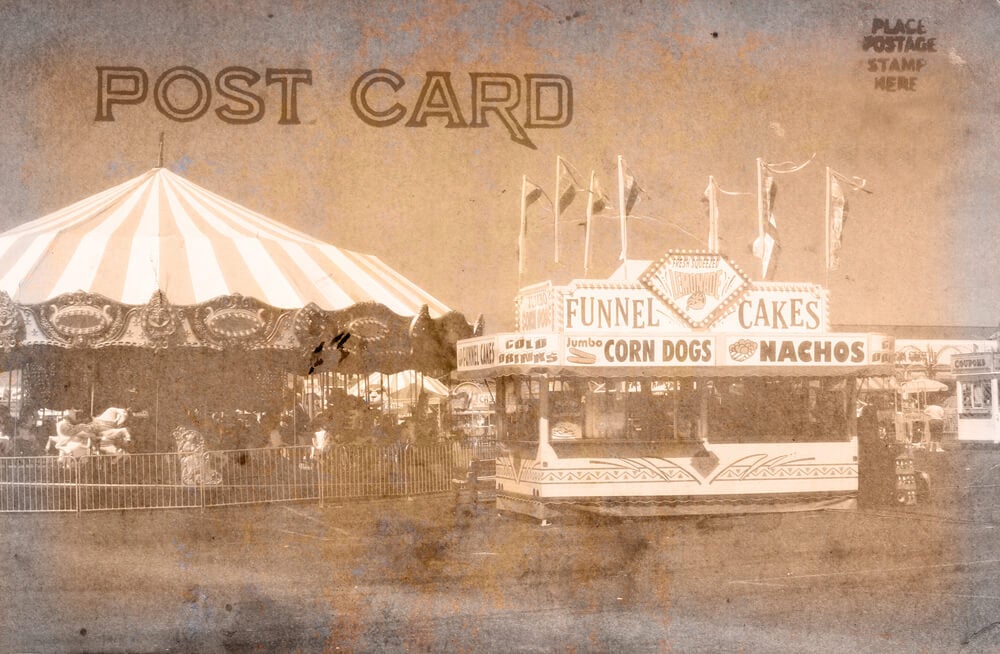
Postcards produced for major expositions, including the 1893 World’s Columbian Exposition in Chicago and the 1904 Louisiana Purchase Exposition in St. Louis, document architecture and exhibits that in many cases no longer exist anywhere else. Because World’s Fair buildings were typically temporary structures torn down after the event closed, these postcards often serve as the only surviving visual record of a specific pavilion or exhibit.
San Francisco Earthquake Disaster Postcards

Photographers rushed to document the devastation following the 1906 San Francisco earthquake and fire, producing real photo postcards that were sold within days of the disaster itself. Their historical significance as immediate, on-the-ground documentation of a major American catastrophe gives them consistent value among collectors of disaster and news-event ephemera.
Titanic-Era Steamship Correspondence
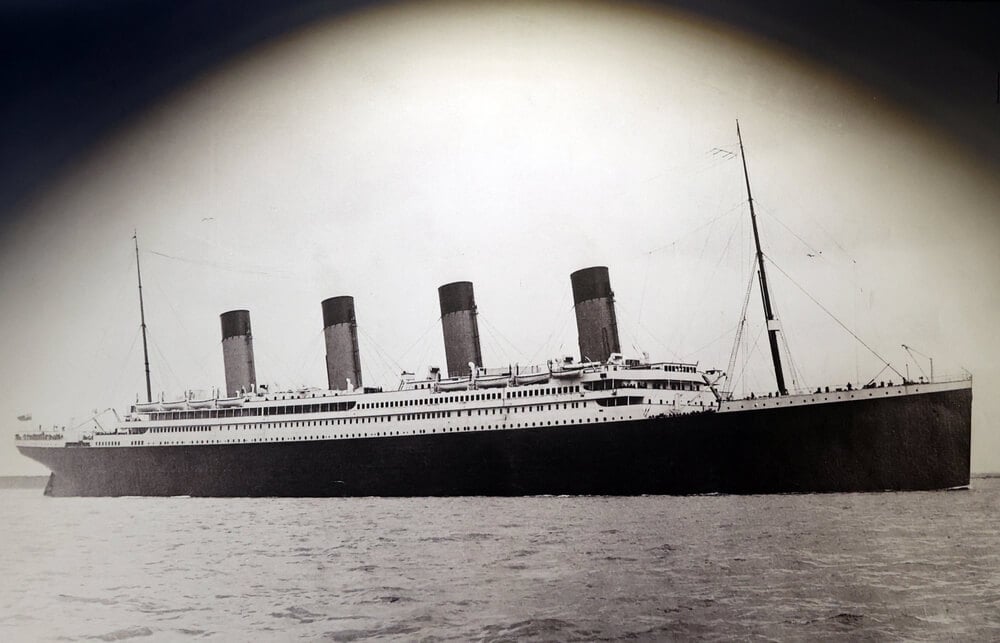
Letters and postcards mailed from transatlantic steamship lines in the years just before the 1912 sinking of the Titanic carry added significance simply for predating the disaster, particularly when they reference the ship or line directly. Genuine mail actually posted aboard the Titanic before its sinking is exceptionally rare and among the highest-value items in maritime postal history.
Baseball Real Photo Postcards

Team and individual player postcards produced during baseball’s early professional era, particularly before 1920, are pursued by both postcard collectors and sports memorabilia collectors simultaneously, which tends to push prices higher than most other RPPC subjects. A postcard’s value climbs sharply when it depicts a Hall of Fame player, a well-known team photo, or carries an authenticated autograph.
Small-Town Main Street Real Photo Postcards
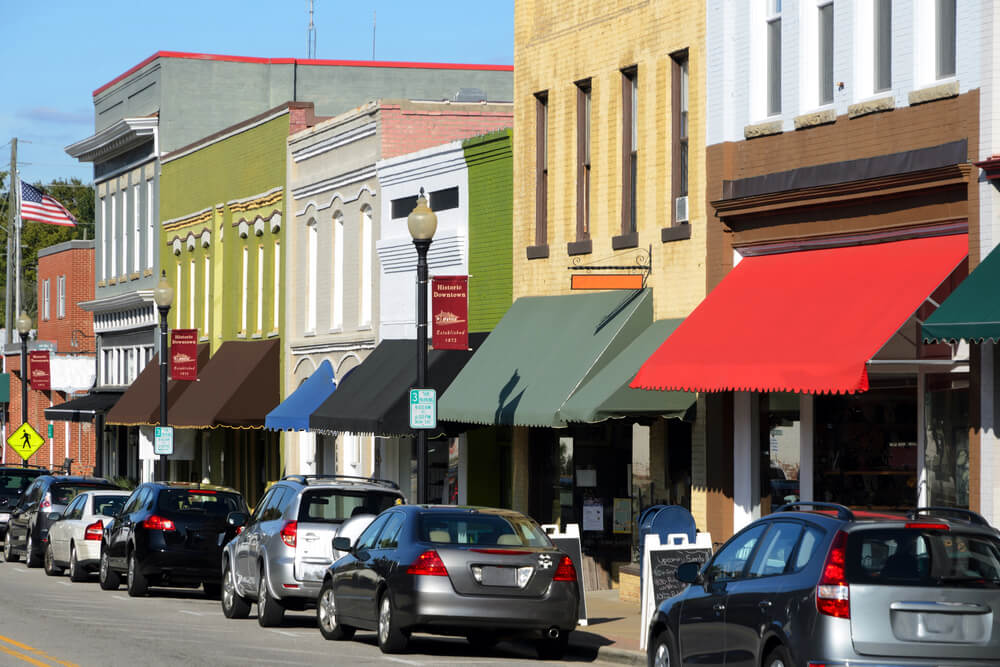
Local photographers across the country produced postcards of their own town’s main commercial street, often the only surviving photographic record of a small town’s downtown before later fires, renovations, or demolition changed its appearance. Collectors focused on a specific state or region actively compete for these cards regardless of the town’s size or historical significance.
Antarctic and Polar Expedition Mail

Letters and postcards carried aboard early 20th-century polar expeditions, including voyages associated with explorers like Ernest Shackleton, were often postmarked at remote research stations or aboard the expedition ship itself. Their extremely limited volume, since only a small crew had any opportunity to send mail, makes authenticated examples a niche but highly valued category among specialized postal historians.
Stampless Folded Letters

Before adhesive postage stamps became standard in the mid-19th century, letters were commonly folded and sealed without an envelope, with postage recorded by a handwritten or stamped rate marking rather than a printed stamp. Surviving examples from this era, particularly those with clear town postmarks and legible content, are collected as much for their postal history as for the letter’s written content.
Pony Express Covers

Mail carried by the short-lived Pony Express route between Missouri and California in 1860 and 1861 bore regular U.S. postage stamps but is now identified by distinctive Pony Express handstamps and routing markings that are instantly recognizable to postal historians. Because the service operated for less than two years before being replaced by the transcontinental telegraph, authenticated covers are exceptionally scarce and consistently rank among the most valuable items in American postal history.
Civil War Soldier Letters
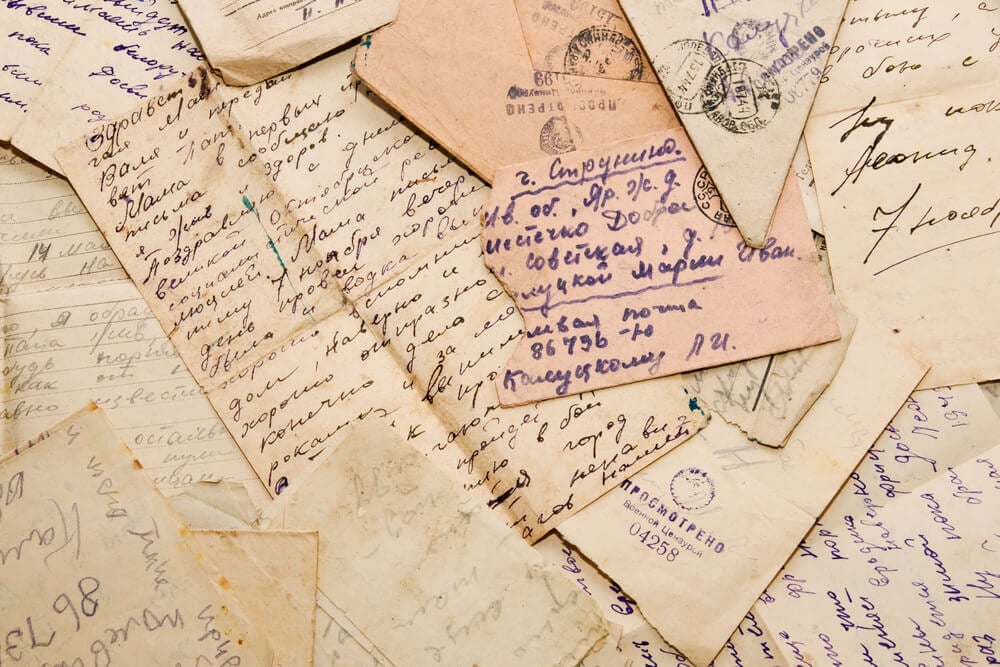
Personal correspondence written by soldiers during the American Civil War, particularly letters describing specific battles, camp conditions, or named regiments, are collected both for their postal markings and their firsthand historical content. Letters that can be tied to an identified soldier and unit, especially one with a documented service record, command significantly more interest than anonymous or illegible examples.
WWII V-Mail
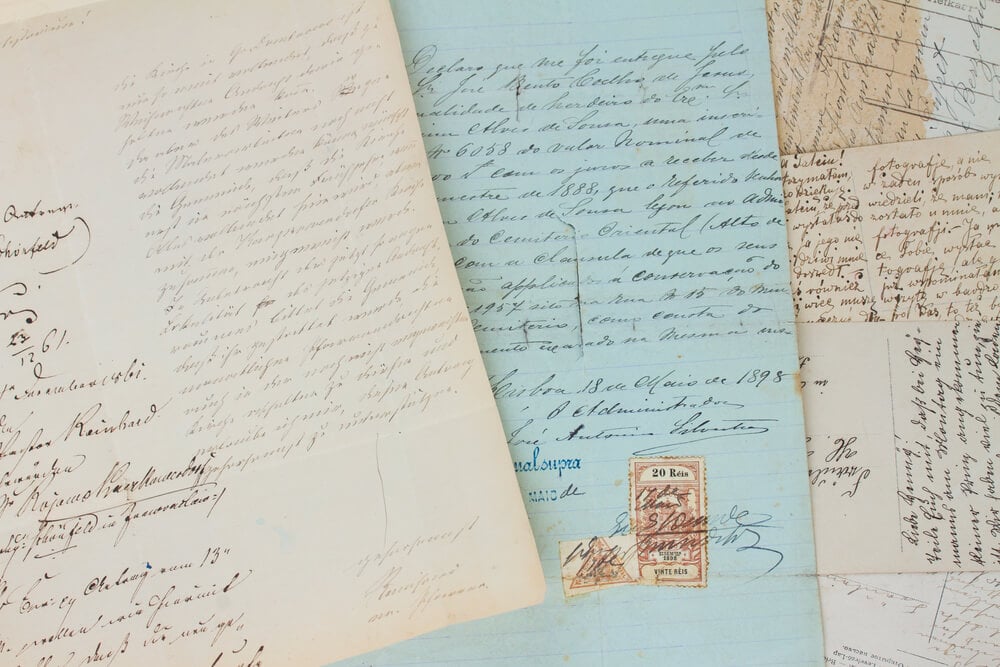
To save cargo space during the Second World War, the United States military photographed soldiers’ letters onto microfilm for transport and reprinted them at a smaller size upon delivery, a system known as V-mail. Complete, legible examples with their original mailing envelope are collected today as a distinctive artifact of wartime logistics rather than simply for the letter’s content.
Prisoner-of-War Camp Correspondence

Letters mailed from military prisoner-of-war camps during the World Wars typically passed through censorship offices and carry specific camp markings, making them identifiable to postal historians even without a legible return address. Their rarity and the personal history attached to them make authenticated examples a serious, if difficult to source, category within wartime postal collecting.
Hindenburg Crash Covers

Mail recovered from the wreckage of the German airship Hindenburg after its fatal 1937 crash in New Jersey, some of it scorched or water-damaged from the disaster itself, has become one of the most recognized categories in aviation postal history. The combination of a famous disaster and an extremely limited surviving quantity of recovered mail makes authenticated examples highly sought after.
First Day Covers of Historic Stamp Issues
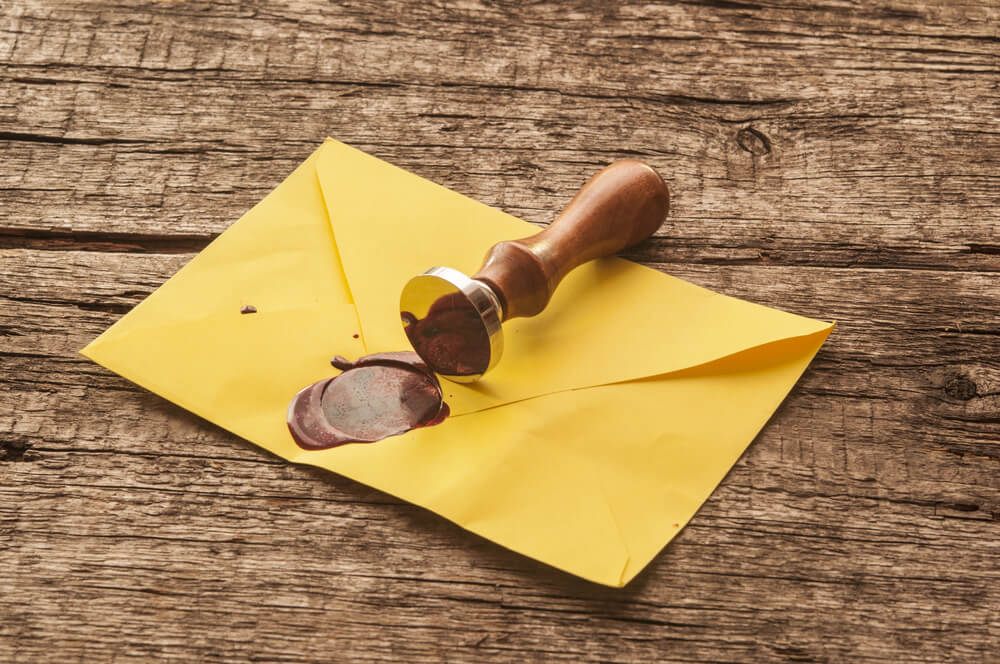
An envelope postmarked on the exact release date of a new stamp, known as a first day cover, becomes especially valuable when it corresponds to a historically significant stamp issue, such as early 20th-century commemoratives. Collectors specifically pursue covers with a clean, legible postmark and an intact, undamaged stamp, since either flaw sharply reduces the item’s value.
Presidential Free Frank Signatures

Members of the United States Congress and, historically, the President have had the privilege of signing mail in place of a postage stamp, a practice known as franking. Envelopes carrying an authenticated signature from a historically significant political figure, used in place of postage, are pursued by autograph and postal history collectors simultaneously.
Comic and Mechanical Novelty Postcards
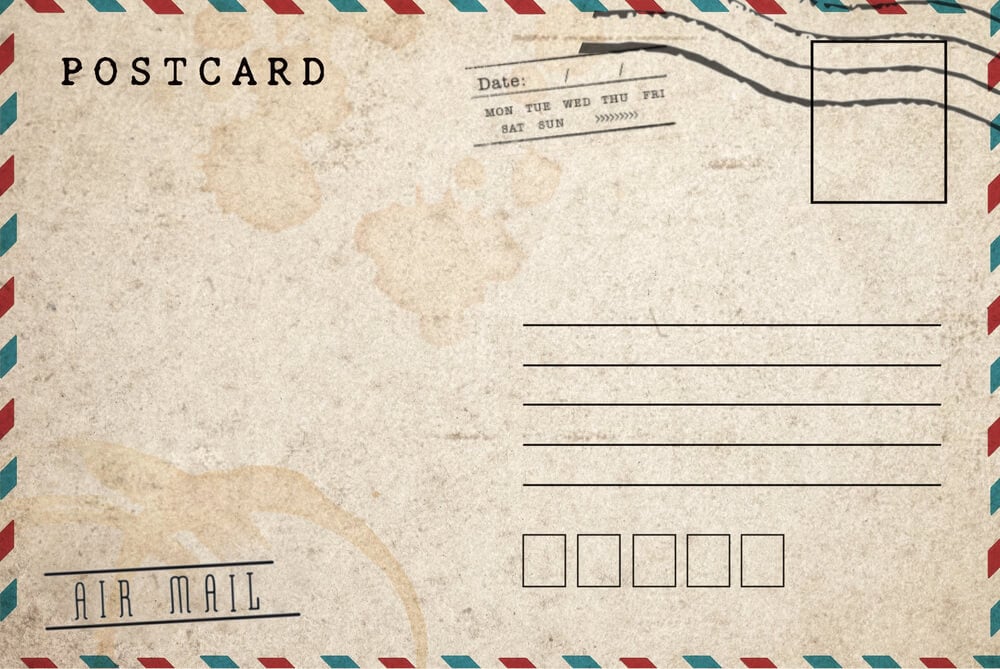
Some early 20th-century postcards included moving parts, such as a small paper wheel or lever that animated a simple joke or scene when turned. Their mechanical fragility means most surviving examples have a broken or missing part, so fully functional cards command a real premium over otherwise identical damaged copies.
Wild West and Frontier Real Photo Postcards
Real photo postcards depicting cowboys, frontier towns, and early ranching operations in the American West are pursued by a crossover audience of postcard collectors and Western Americana collectors. Cards that can be tied to a specific identified ranch, town, or named individual carry substantially more value than generic, unidentified frontier scenes.
Advertising Postcards

Companies in the early 20th century commonly distributed postcards featuring their products or storefronts as a form of low-cost advertising, and today these cards serve as a visual record of brands and businesses that have since disappeared. Soda, packaged grocery goods, and department store advertising cards are among the most actively collected subcategories.
Christmas and Santa Postcards
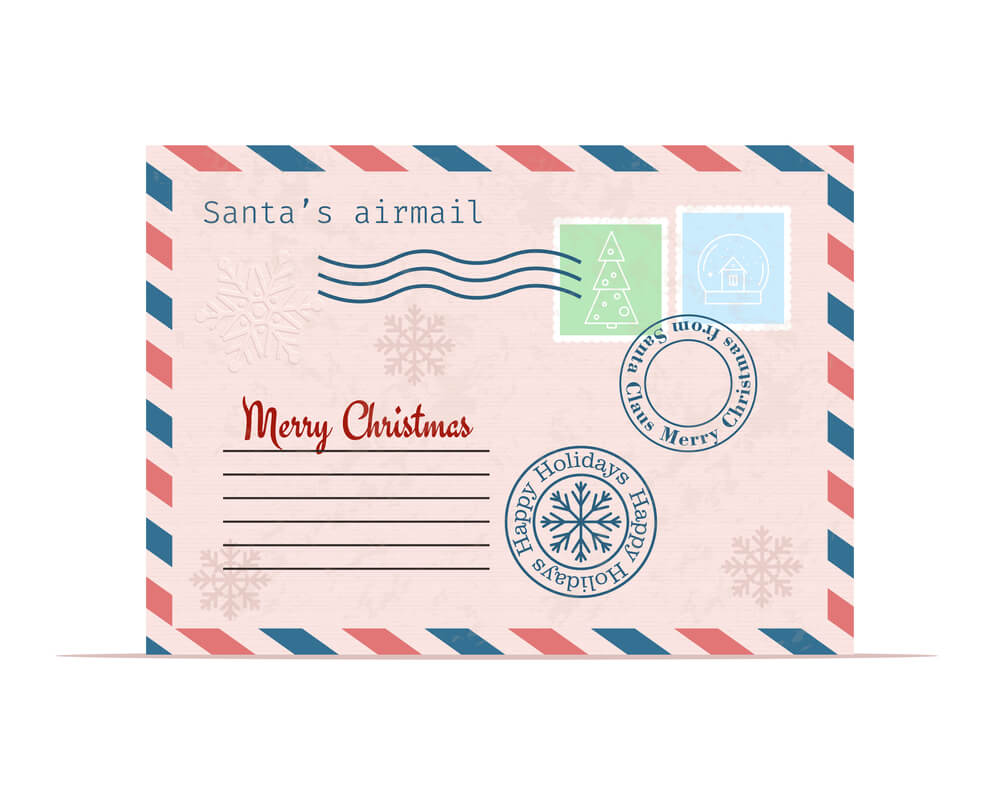
Golden Age Christmas postcards, particularly those featuring detailed illustrations of Santa Claus in regional dress rather than the now-standard red suit, are pursued by holiday ephemera collectors as a distinct category from general greeting cards. Cards produced by well-documented publishers with a clear printing date tend to hold value more reliably than unmarked, generic examples.
Hand-Tinted Photochrom Postcards
Produced using an early color photography printing process that applied color to a black-and-white photographic negative before printing, photochrom postcards offered vividly colored scenes decades before color photography became commercially practical. Their unusual production method and the vibrant, almost painterly colors they produced have made them a specialty collecting category in their own right.
First Flight Airmail Covers
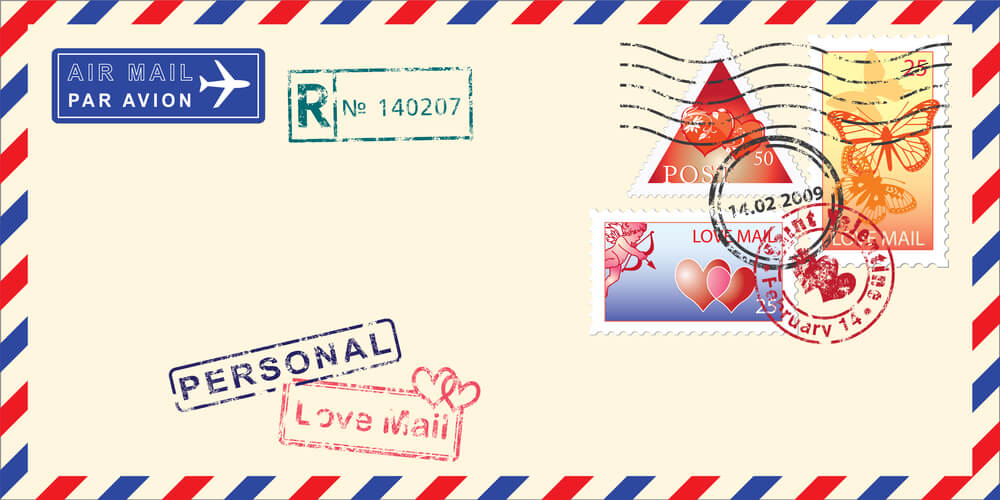
Envelopes carried aboard the inaugural flight of a new airmail route, particularly routes established during the early 1920s and 1930s expansion of commercial aviation, are marked with a special cachet noting the flight’s significance. Collectors specifically pursue covers tied to well-documented, historically significant routes, since a cover’s value depends heavily on how well-established and rare that specific flight’s surviving mail is.
Ocean Liner and Cruise Ship Postcards
Postcards issued by major transatlantic and cruise shipping lines, often sold onboard the vessel itself, document ship interiors and exteriors that in many cases were later scrapped or lost. Cards tied to particularly famous or ill-fated vessels draw considerably more attention than postcards depicting still-active or unremarkable ships.
Celebrity and Historical Figure Signed Postcards

An otherwise ordinary postcard can jump dramatically in value if it carries an authenticated signature or handwritten note from a recognized historical or celebrity figure. Because authentication is central to this category’s value, provenance and a documented chain of ownership matter as much as the signature itself.
Paper That Refused to Be Disposable

Postcards and letters were never designed as collectibles; they were disposable communication, meant to be read once and set aside. Most of what survives today made it through by accident, tucked into a family Bible or forgotten in a drawer for a century, rather than through any deliberate effort at preservation.
That accidental survival is precisely what gives the surviving pieces their weight. A postcard mailed from a town that no longer looks the way it did, or a letter written by a soldier who never made it home, carries a kind of documentary honesty that no reproduction can fake. Collectors are not really buying paper; they are buying the closest thing left to a firsthand account.
More from Go2Tutors!

- The Romanov Crown Jewels and Their Tragic Fate
- 13 Historical Mysteries That Science Still Can’t Solve
- Famous Hoaxes That Fooled the World for Years
- 15 Child Stars with Tragic Adult Lives
- 16 Famous Jewelry Pieces in History
Like Go2Tutors’s content? Follow us on MSN