29 Symbols Used for Centuries Before Digital Communication Existed
Long before a phone could buzz in your pocket, people still needed to say things fast: warn a neighbor, mark a grave, claim a piece of land, or let a stranger know a house was safe to knock on. They did it with ink, wax, smoke, carved wood, and painted boards, and a surprising number of those old signals never actually went away.
You’ve probably used a few of them today without noticing, which says something about how good the originals were.
Smoke Signals

Smoke signals worked because fire is honest. A column of smoke against open sky travels farther than any voice.
Native American nations across the Great Plains used spaced puffs to mark danger, gathering, or safe passage. No cell tower required, just wind and patience.
The Ampersand
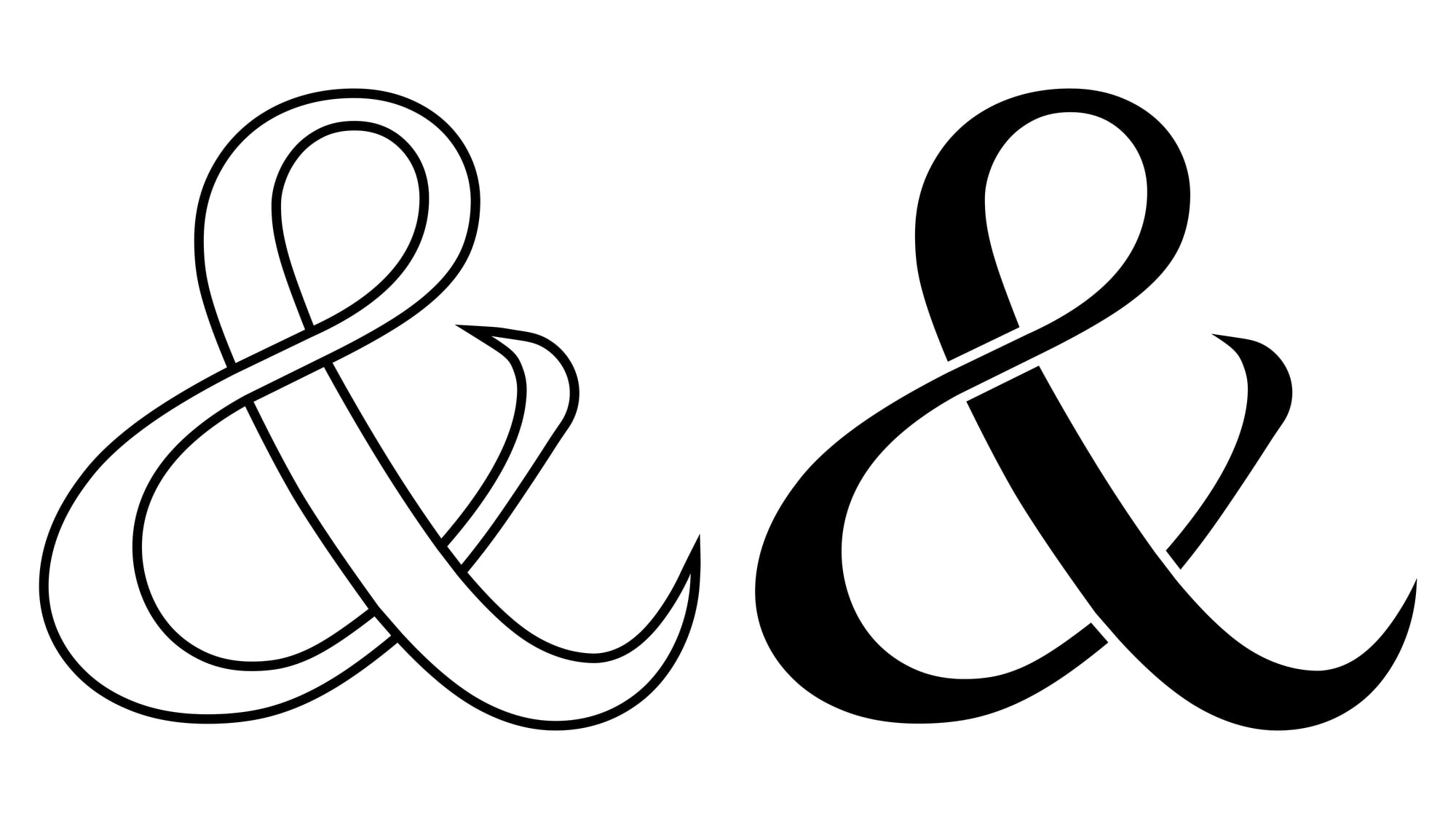
The ampersand started as a ligature: Roman scribes squashing the Latin word “et” into one stroke, mostly because writing “and” a hundred times a day got old fast — and that impulse, tired hands looking for a shortcut, is really the same reason texting slang exists now. Its shape kept drifting for a thousand years, from a clean two-letter fusion into the loopy squiggle you recognize today (nobody designed that change, it just accumulated, scribe by scribe, century by century).
So the symbol sitting in a company name or a wedding invitation is basically a fossil of someone’s impatience. And it outlasted plenty of inventions that tried to replace it.
The Pilcrow
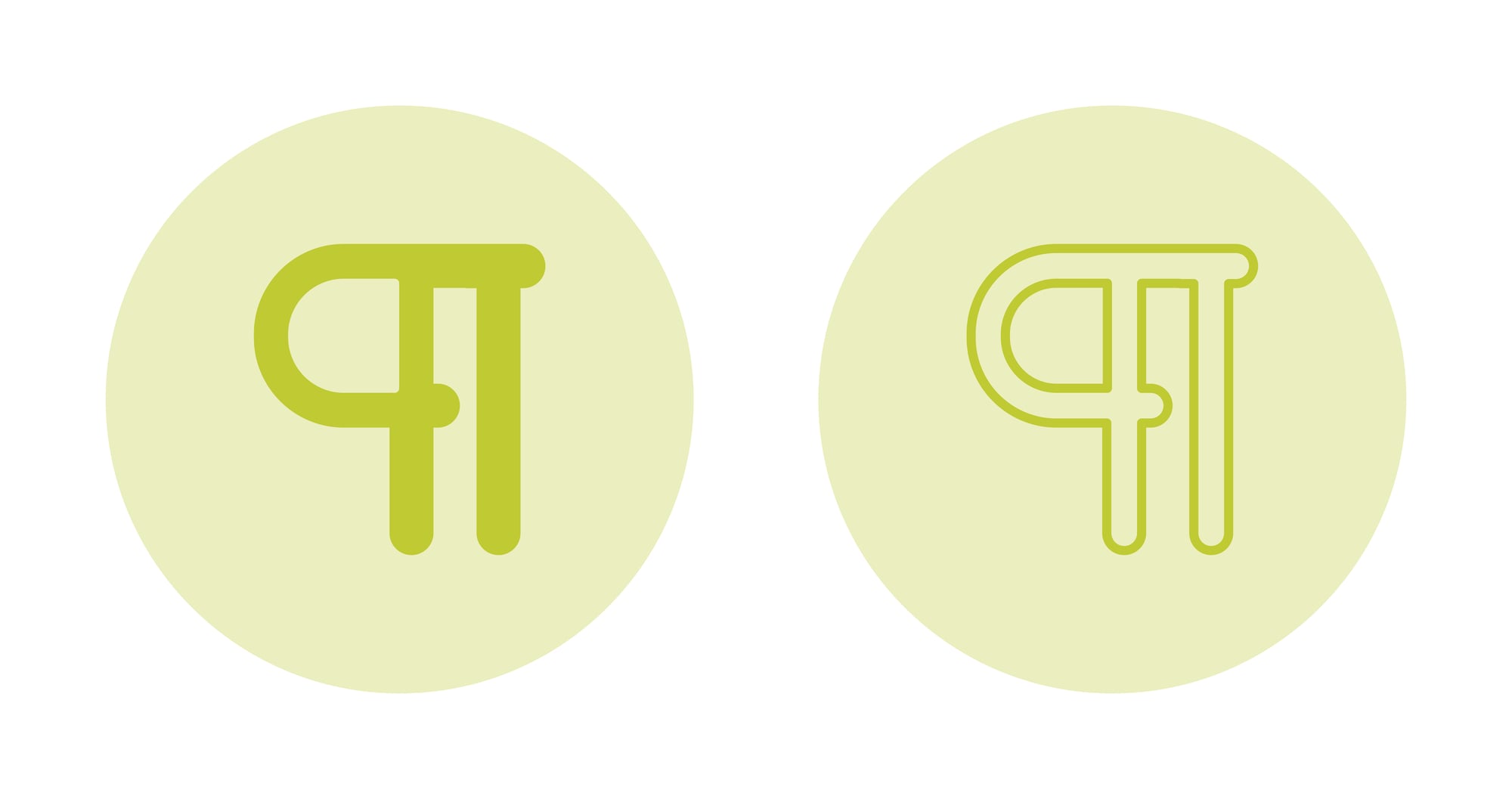
The pilcrow looks like a backwards P wearing a cape, and for centuries it did quiet, unglamorous work: marking where one thought ended and another began on a page with no spacing, no line breaks, nothing to guide the eye. Medieval scribes used it the way a conductor uses a raised hand, a small signal that says pause here, something new is starting.
It has mostly vanished from casual writing now, but it still hides inside word processors, waiting under a formatting button nobody clicks. There’s something almost tender about a symbol that outlived its usefulness and kept showing up anyway.
Hobo Signs

Hobo signs were the original crowdsourced review system, and a more honest one than anything online today. A traveler would chalk a symbol on a fence post or gatepost — a cat meant a kind woman lived there, a triangle meant the owner had a temper — and the next traveler read it like a warning label.
Nobody could fake a five-star rating, and that’s precisely why it worked. It’s hard not to respect a system built entirely on trust between strangers who never met.
Semaphore Flags
Semaphore used two flags and an alphabet made of angles. Ships read each other from a mile off, no radio, no delay beyond what the eye could catch.
Navies leaned on it well into the twentieth century. It was slow by today’s standards, but it never once dropped a signal to a dead battery.
Wax Seals
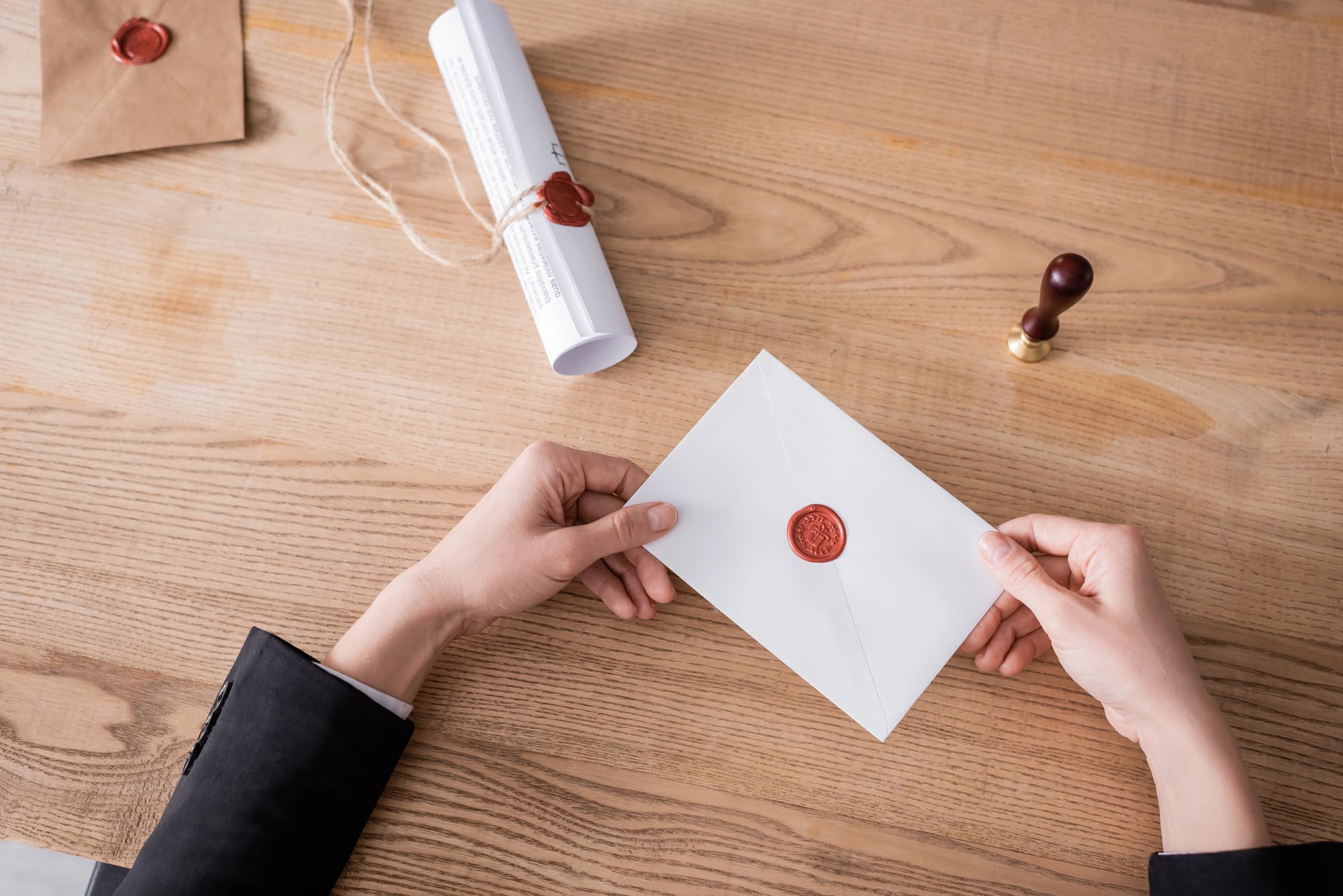
Wax seals did something modern signatures still struggle to fake: they proved a letter hadn’t been opened along the way, because breaking a seal left evidence no amount of careful re-gluing could hide. A nobleman’s signet ring, pressed into hot wax, carried his identity the way a signature does now — except you couldn’t forget your seal at home, since it was usually on your finger.
The wax itself changed color depending on rank and occasion, red for official business, black for mourning, and losing your seal ring was apparently a real crisis, not just an inconvenience. So an entire correspondence system rested on a blob of colored wax and the honesty it was supposed to guarantee.
The Fleur-De-Lis

The fleur-de-lis is a lily that never quite decided if it wanted to be a flower or a weapon. French kings carried it into battle and painted it onto banners, turning something soft into something that meant power, lineage, don’t test us.
It shows up now on Boy Scout badges and a football helmet in New Orleans, which is either a strange afterlife for a royal symbol or exactly the kind of quiet joke history likes to play. Somewhere between the battlefield and the sports arena, the flower kept its shape and lost its threat.
Tavern and Trade Signs

Illiteracy used to be the design problem every business had to solve, and pictures solved it better than words ever could. A boot meant a cobbler, a mortar and pestle meant an apothecary, three golden spheres meant a pawnbroker, and you didn’t need to read a single letter to know where you were walking into.
Modern branding people talk about “visual identity” like they invented the concept, but medieval tradesmen were doing it centuries earlier with a painted board and a nail. To be fair, their logos have aged better than most.
Heraldic Coats of Arms
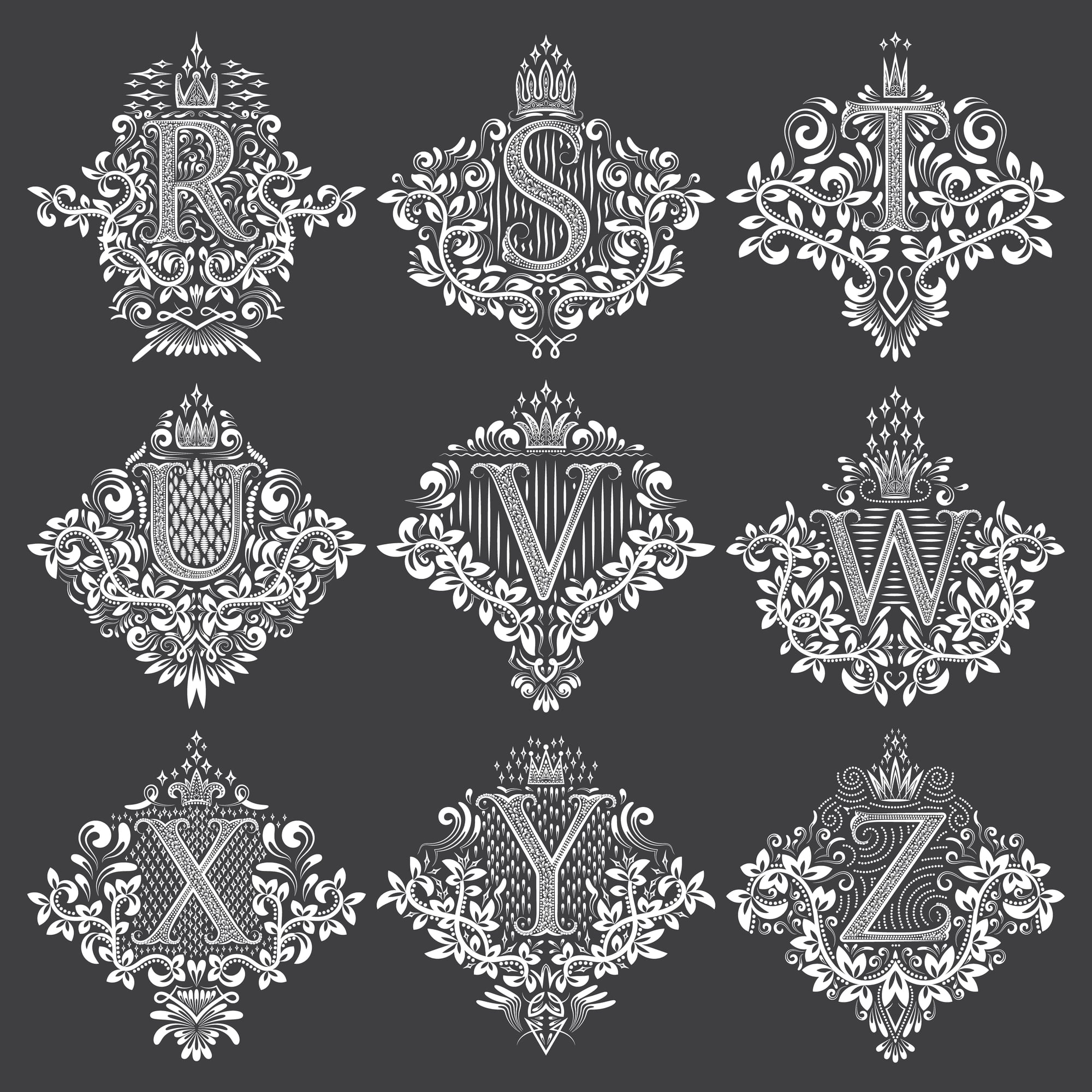
Coats of arms identified a knight buried under armor. Colors and shapes replaced a face nobody could see in battle.
Lions meant courage, no surprise there. Families still guard these symbols today, centuries after the battles that made them necessary ended.
The Ichthys
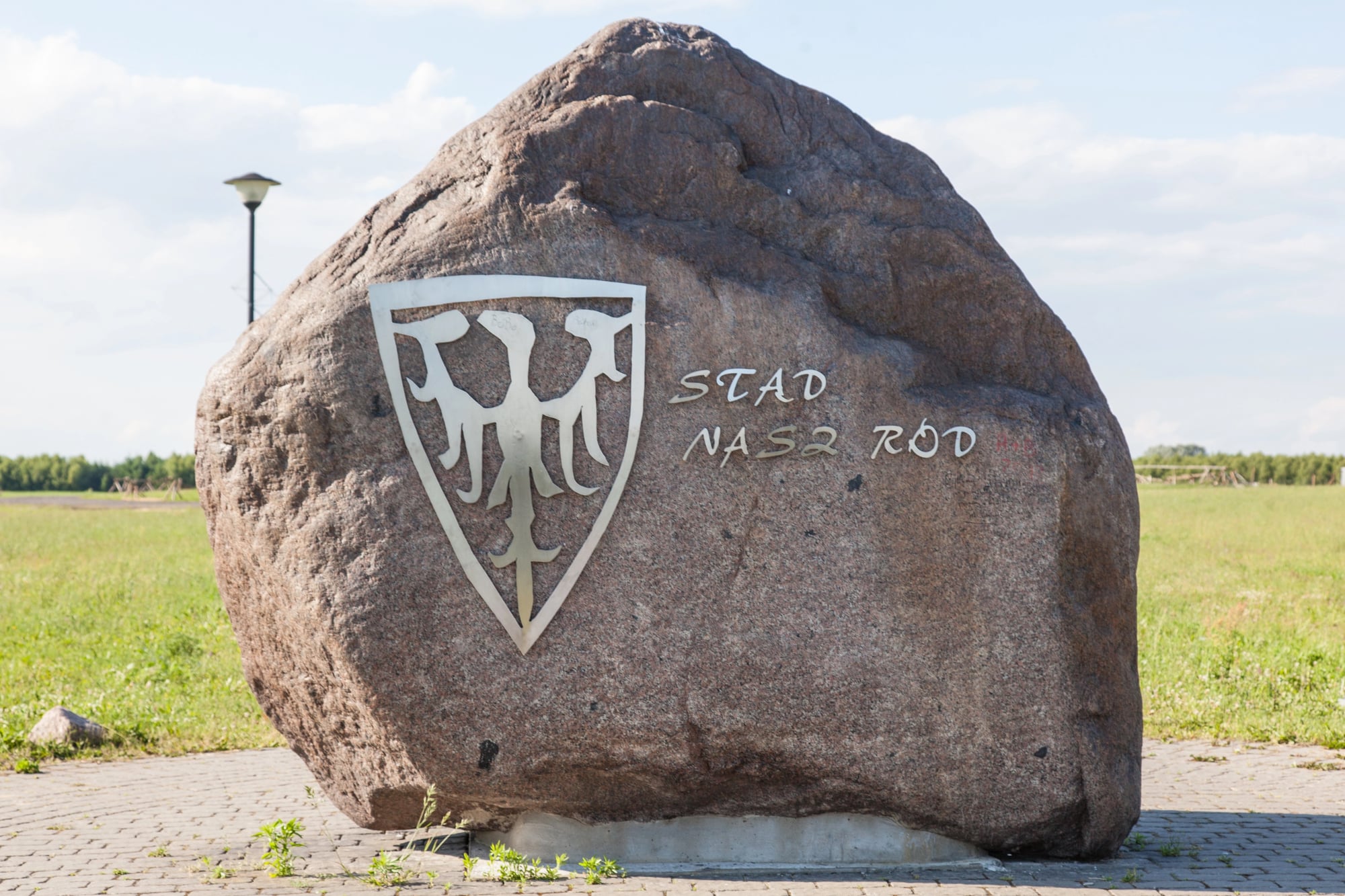
The ichthys — two curved lines crossing into a fish shape — worked as a password before passwords existed, drawn quickly in dirt with a foot or a stick by early Christians who couldn’t risk saying their faith out loud. If a stranger recognized the second curve and finished the drawing, you’d found someone safe, and if they only stared blankly, you kept walking — because that small test could mean the difference between friendship and arrest under Roman rule.
It’s strange to think about now: a bumper sticker symbol that once carried real danger for whoever knelt down to draw it. And yet the shape barely changed in two thousand years, which is more than you can say for most logos.
Trail Blazes

A blaze is just a scar cut into bark, and yet generations of hikers have trusted that scar with their lives. Someone with a hatchet decided a shape, a stripe, a dot above a stripe, an axe-mark shaped like an arrow, and that decision, made once, kept guiding strangers home for decades after the person who made it was gone.
Forests are indifferent to almost everything, but not this: the trees still hold the mark exactly where it was placed. There’s something quietly moving about a wound that becomes a kindness.
The Section Sign
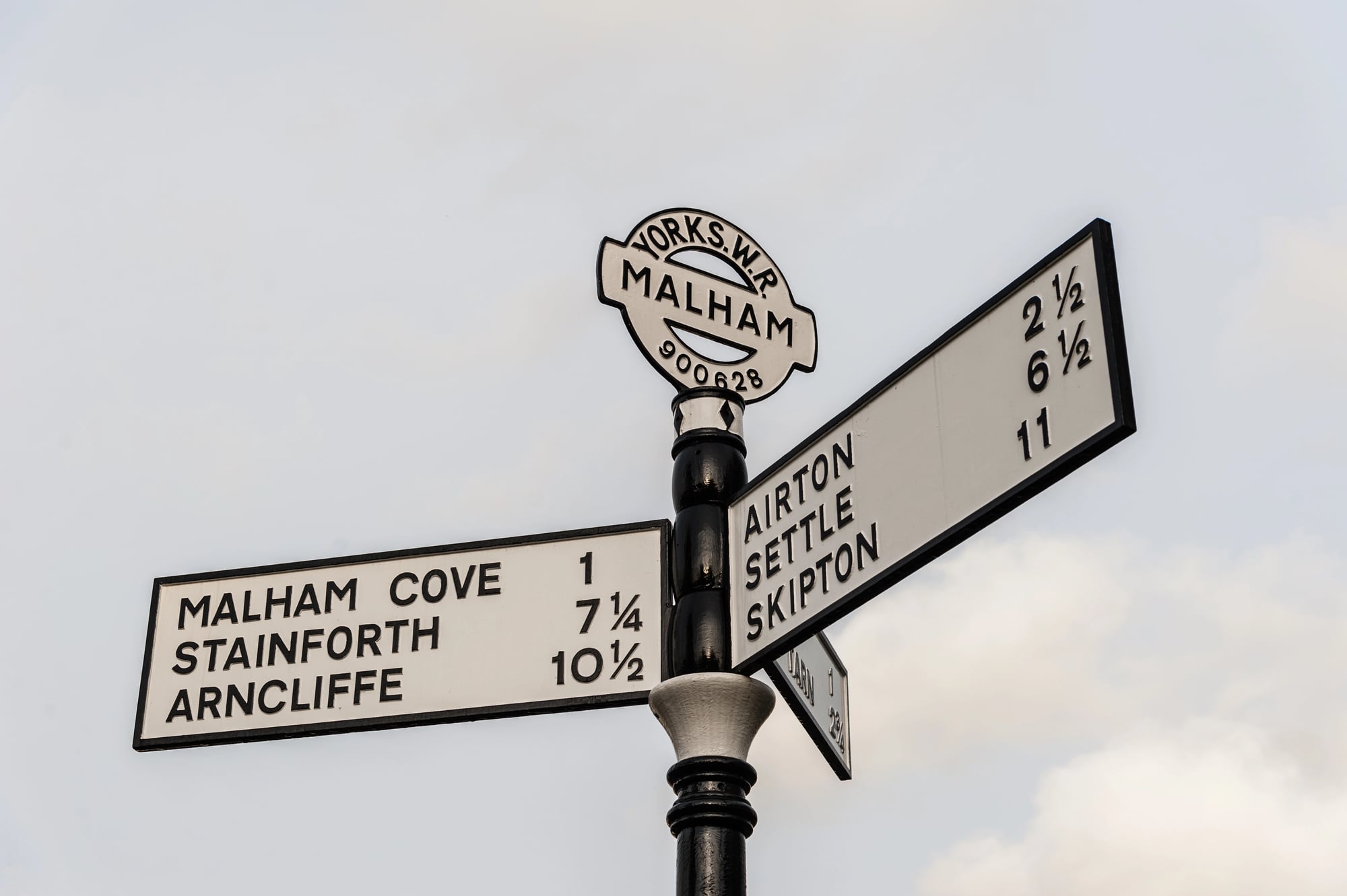
The section sign (§) is the most underappreciated symbol in any legal document, mostly because nobody explains what it means until law school forces the issue. It marks a numbered division within a legal text, and it’s been doing that job since medieval European law needed a faster way to point to a paragraph without writing the whole phrase out.
Lawyers love it, everyone else ignores it, and that’s probably the correct amount of attention for a symbol this quietly important. It deserves slightly more credit than it gets.
Nautical Signal Flags
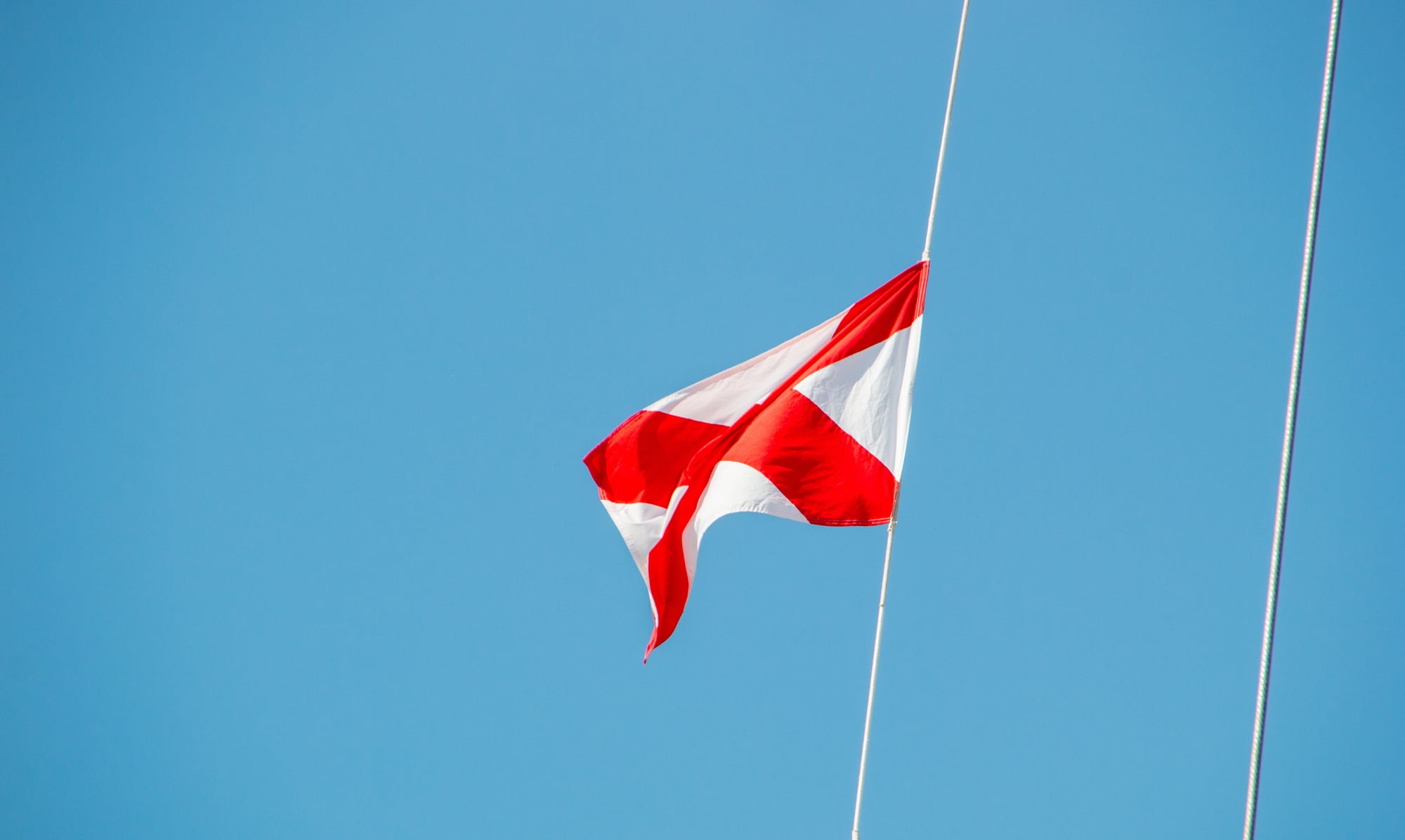
Every flag on a ship meant something specific. A solid yellow flag meant quarantine aboard.
Red and white checkers meant a pilot was needed. Sailors read an entire conversation off a rope line before radios made it unnecessary.
The Skull and Crossbones
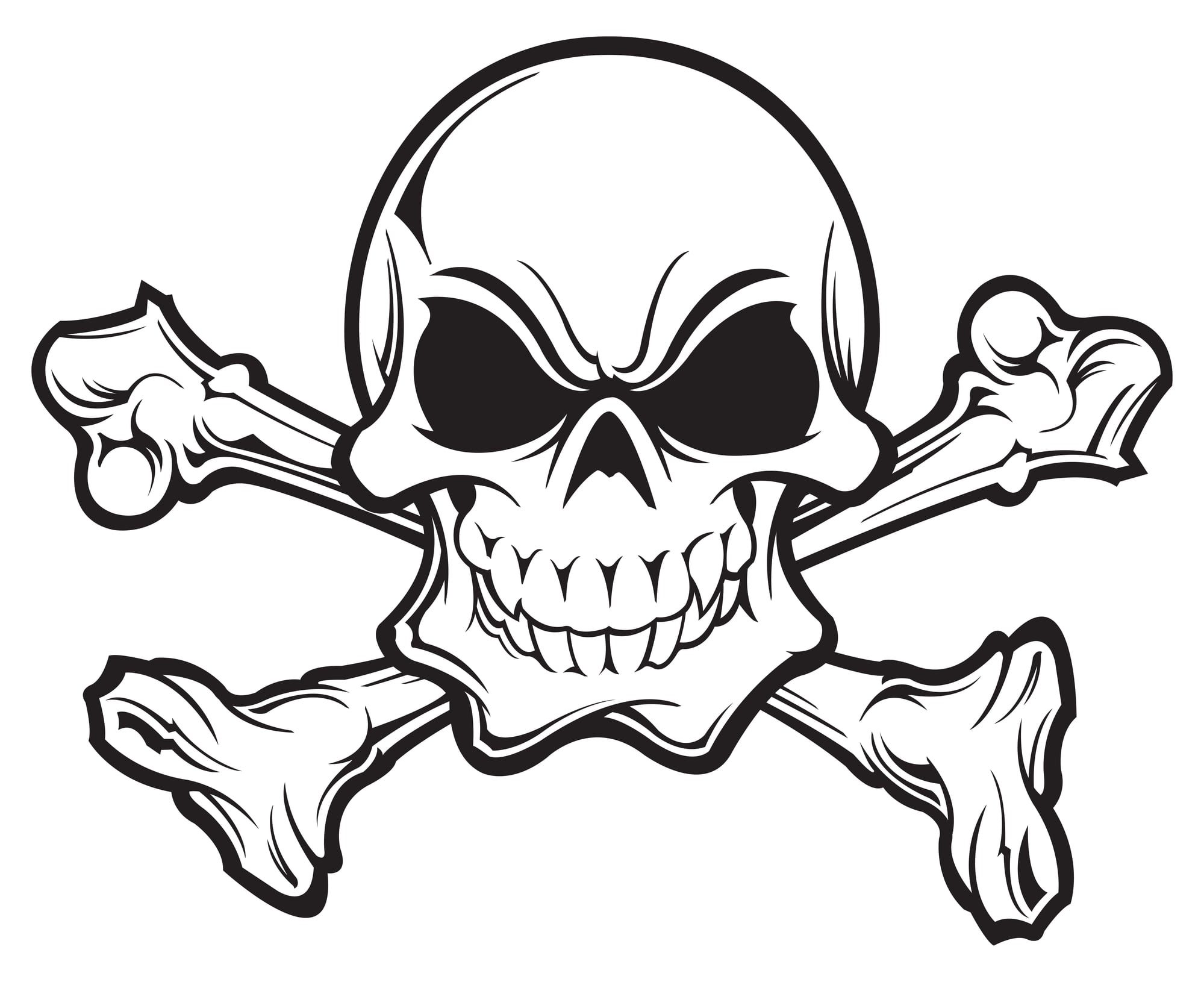
The skull and crossbones started, oddly enough, as a memento mori, a reminder carved onto gravestones that death comes for everyone regardless of rank, which is a fairly bleak thing to put on a tombstone but medieval Europe wasn’t exactly known for subtlety. Pirates borrowed the image centuries later for the Jolly Roger, not because they cared about mortality lessons, but because a flag that terrifies a merchant crew into surrender saves everyone the trouble of an actual fight: fewer casualties, faster loot, less mess.
It eventually landed on poison bottles too, doing the same basic job it always did, warning you plainly that something here ends you. So one symbol traveled from cemetery to shipwreck to medicine cabinet without ever changing its core message.
Milestones
Roman roads were measured in stone, one marker every thousand paces, and those markers did more than count distance, they told a tired traveler exactly how far Rome still was from wherever they stood. Some still stand along old roads in Europe, worn smooth by centuries of hands touching them for luck or just for certainty.
A stone doesn’t care how far you’ve come, only how far remains, and there’s something almost comforting in a symbol that refuses to flatter you. Distance, at least, never lied.
The Om Symbol
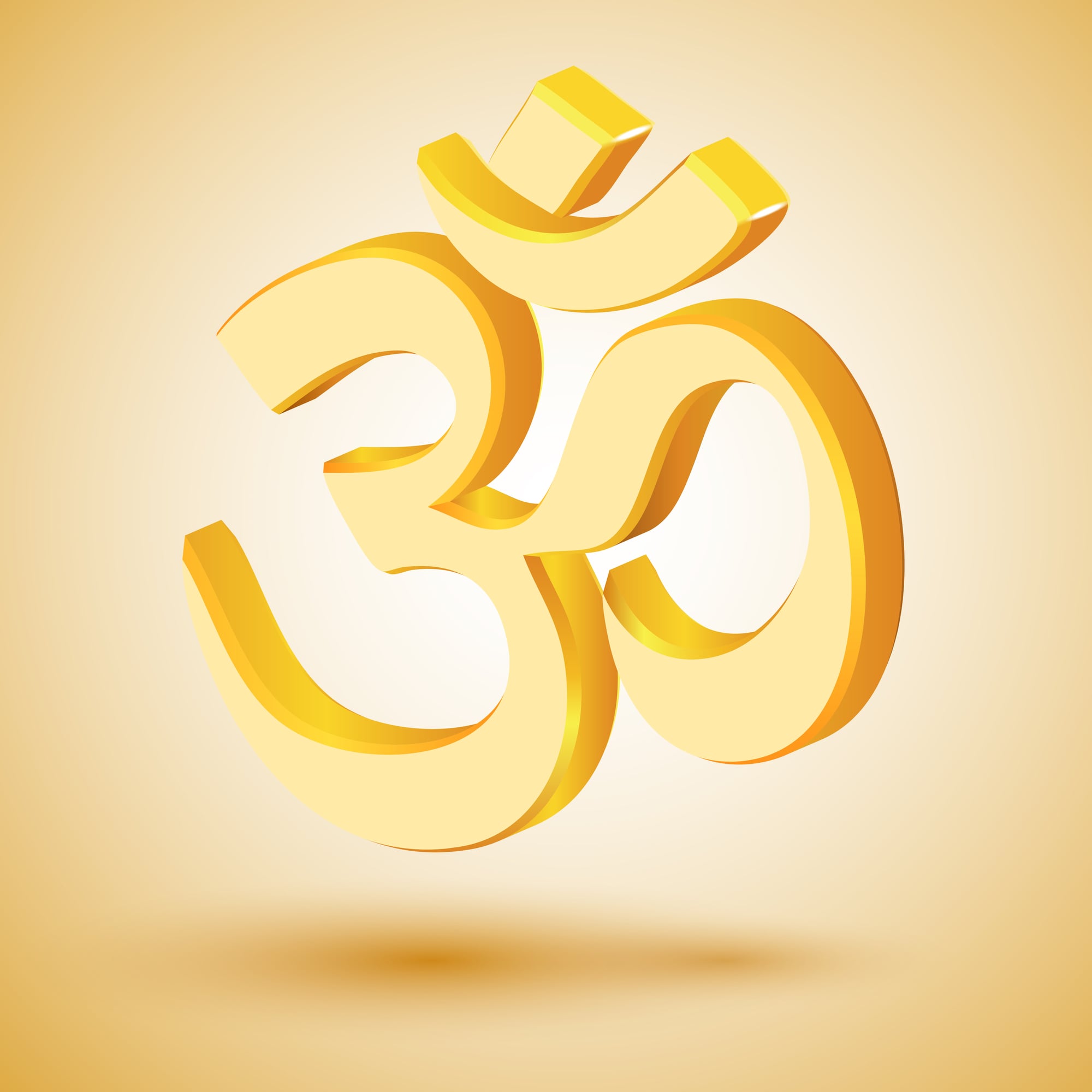
Om is not decoration, whatever a tapestry at a college dorm might suggest. In Hindu, Buddhist, and Jain traditions, the symbol represents a sound believed to be the vibration underlying existence itself, chanted in meditation long before anyone in the West put it on a coffee mug.
Treating it as a fashion accessory misses the point entirely, which is a shame given how seriously it’s meant to be taken. Context matters here more than most people bother to learn.
Merchant’s Marks
Merchants needed a signature that worked on crates, barrels, and bolts of cloth. A merchant’s mark did that job across medieval Europe.
Each mark was personal, almost like a brand today. Forge one, and you’d answer to an entire guild, not just one angry buyer.
The Ouroboros
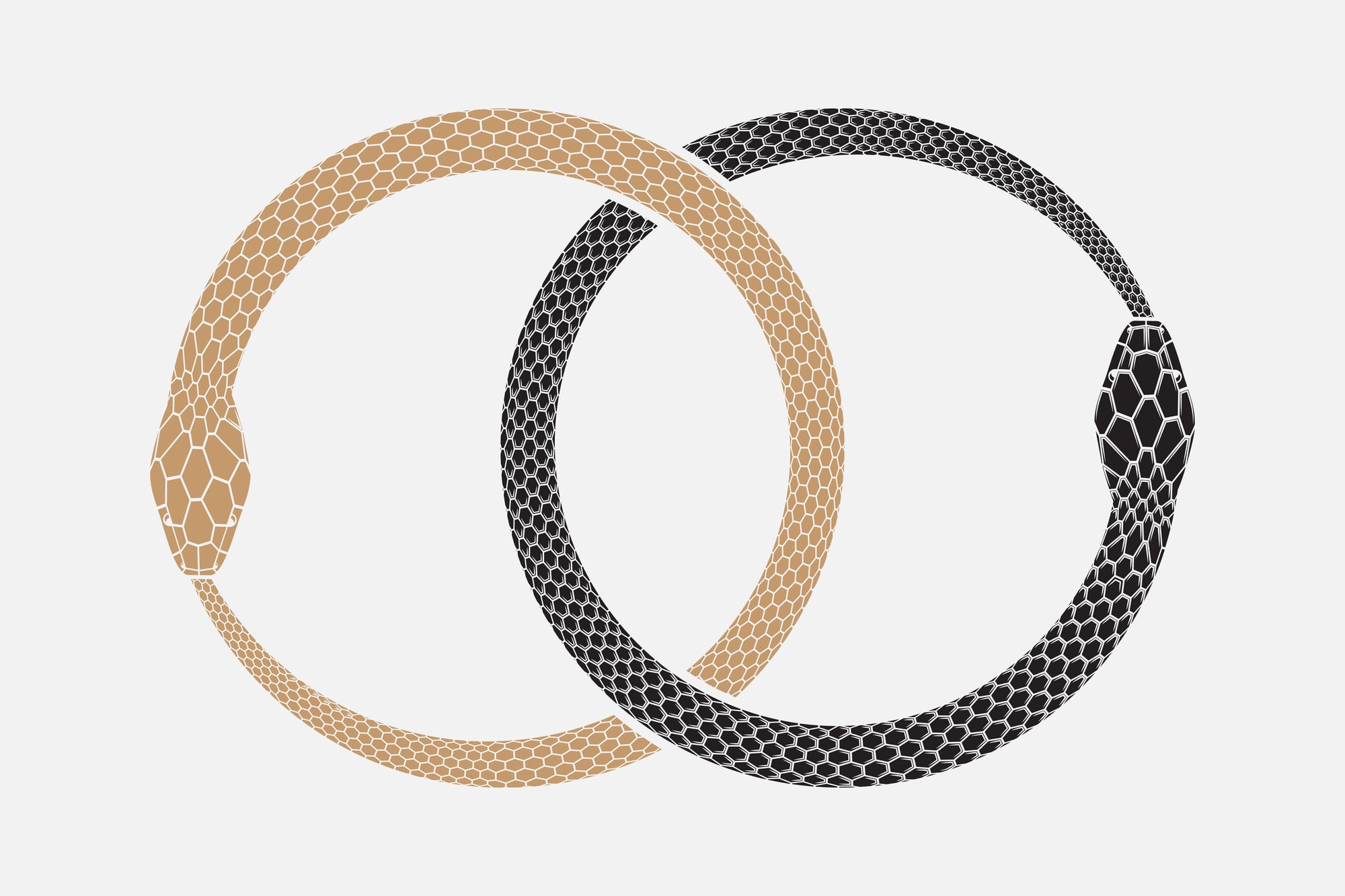
The ouroboros — a serpent eating its own tail — shows up in Egyptian tombs, Norse mythology, and Greek alchemy texts, which is a strange coincidence unless you consider one thing: separate civilizations kept arriving at the same uncomfortable question, does anything actually end, or does it just keep circling back into itself. Alchemists loved it especially, using the image to describe a process with no clean beginning and no clean finish, one substance transforming endlessly into another and back again.
It’s an odd thing for unconnected cultures to draw the same picture, and yet here it is, over and over, across centuries that never spoke to each other. So maybe the symbol wasn’t invented so much as noticed.
Talking Drums
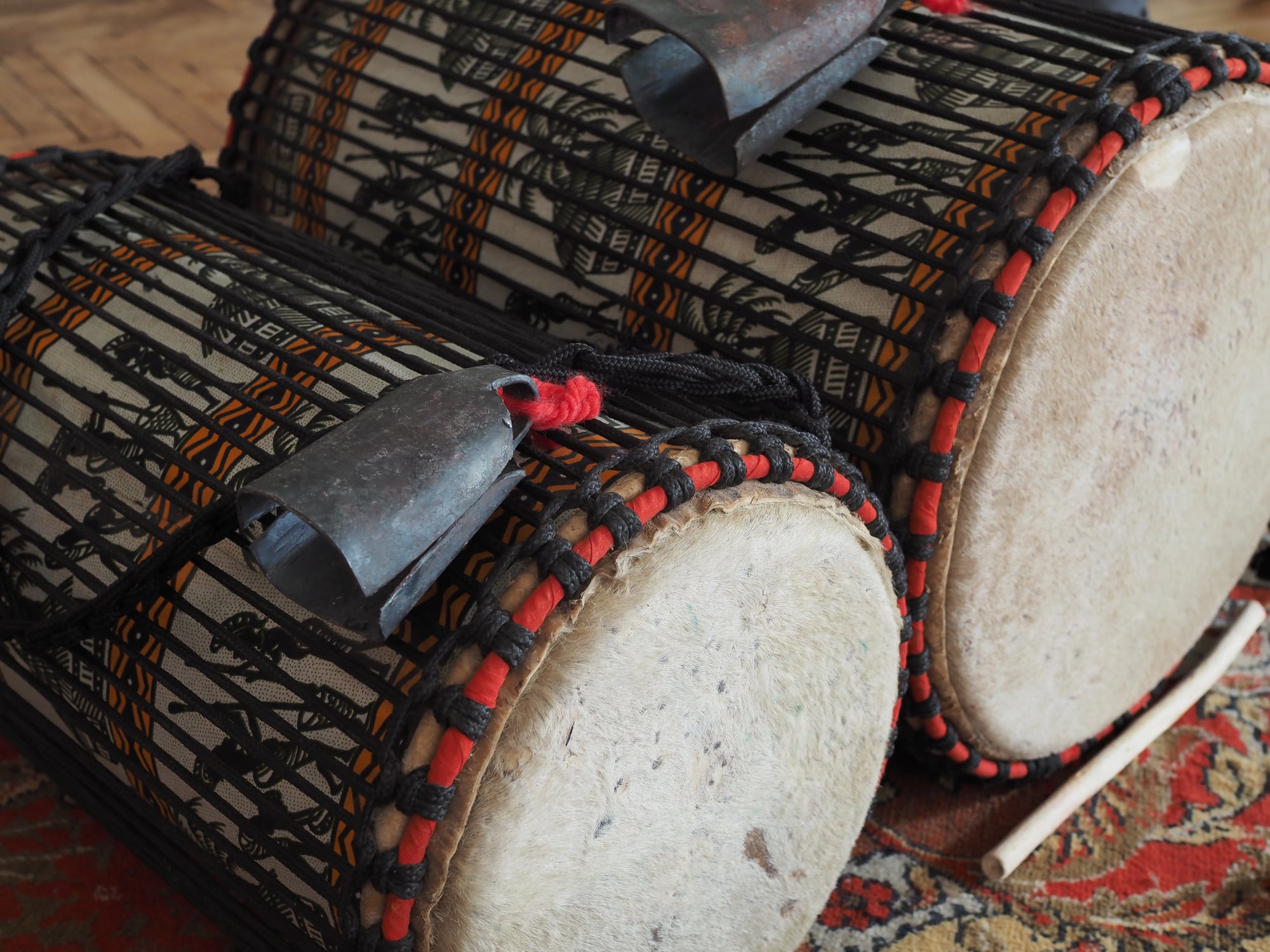
West African talking drums don’t just make noise, they imitate the rise and fall of spoken language itself, close enough that a trained ear could hear an actual sentence carried across a valley. Villages used them the way a lighthouse uses light, not for beauty, but because the message had to travel farther than a voice could reach on its own.
A skilled drummer could send news of a birth, a death, or an approaching stranger before that stranger ever arrived. Sound, it turns out, can carry meaning the same way ink does.
The Ankh
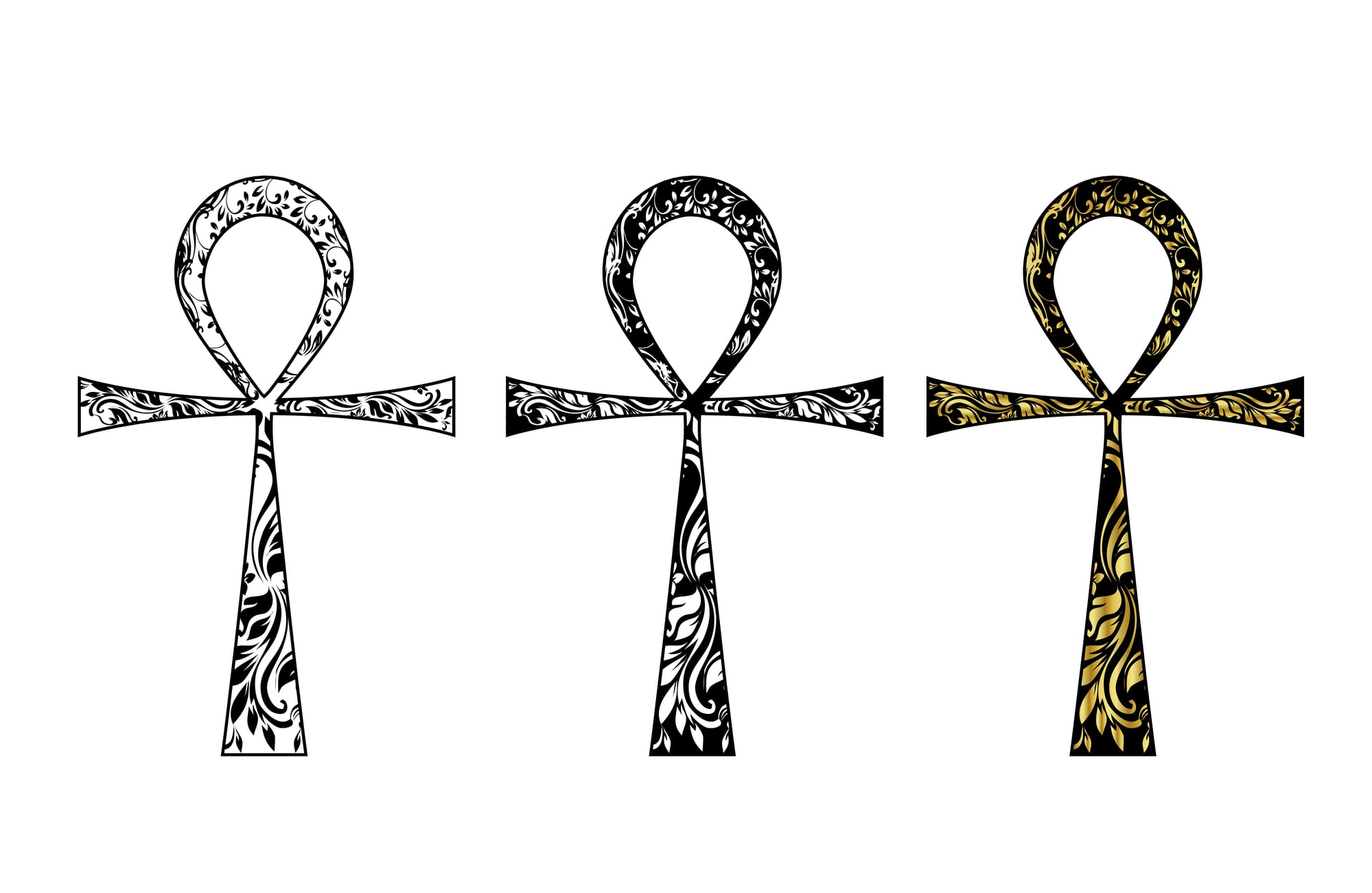
The ankh is not just a fashion symbol despite what jewelry counters suggest. Ancient Egyptians carved it into tomb walls and temple columns as a representation of life itself, specifically eternal life, which is a much heavier concept than most people wearing the pendant realize.
Pharaohs and gods are shown holding it in nearly every surviving piece of tomb art, gripping it like the one thing that actually mattered. It’s one of the oldest symbols still in casual circulation, and it deserves more reverence than it usually gets.
Boundary Stones
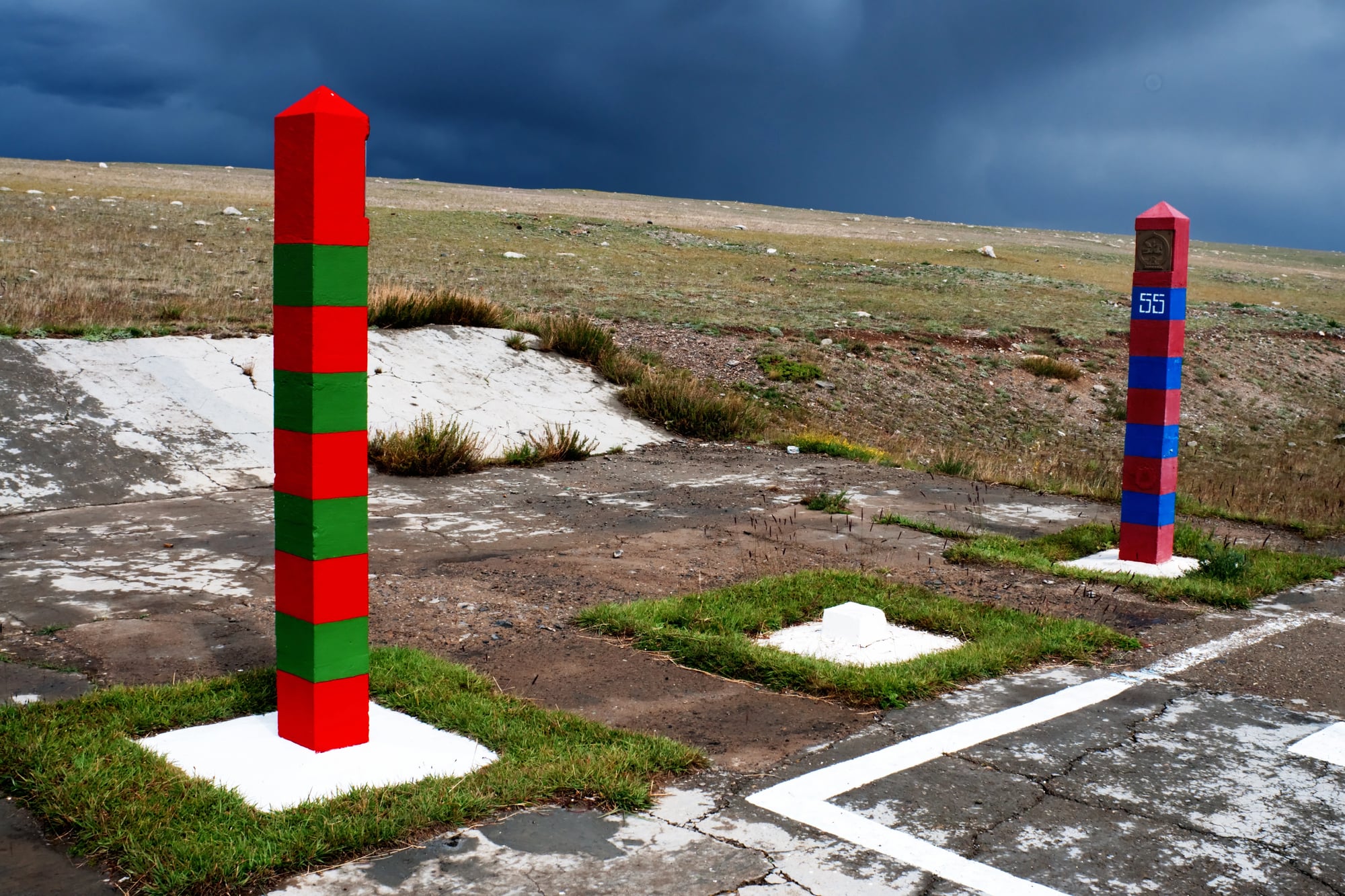
A boundary stone marked where your land ended and someone else’s began. Romans called them termini and took the concept seriously enough to worship it as a god.
Moving one was considered a crime, sometimes a sacred offense. Stone doesn’t move on its own, which made it the perfect witness.
The Yin and Yang
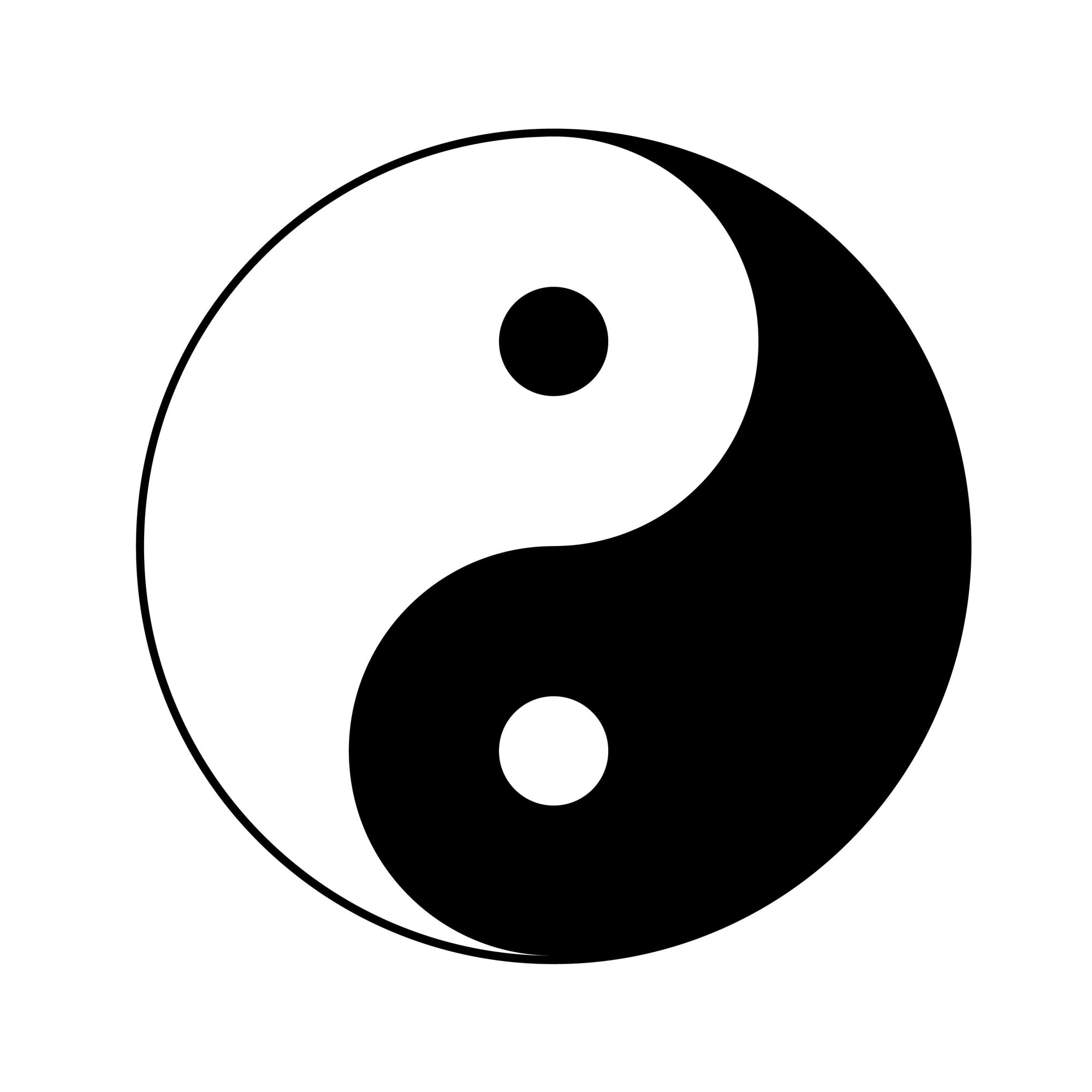
Yin and yang look simple, a black comma curling into a white one, each holding a small dot of the other, but the idea underneath is anything but simple: nothing exists in a pure state, and even the darkest moment contains a seed of its opposite. The symbol comes out of Chinese philosophy, specifically Taoist thought, where balance matters more than any single force winning outright, which is a fairly different worldview from most Western symbols built around conflict and victory.
It’s stayed remarkably consistent for over two thousand years, the shape barely shifting while entire empires around it rose and fell. So maybe the reason it survived is exactly what it’s describing: nothing stays one thing forever, including symbols.
Hex Signs
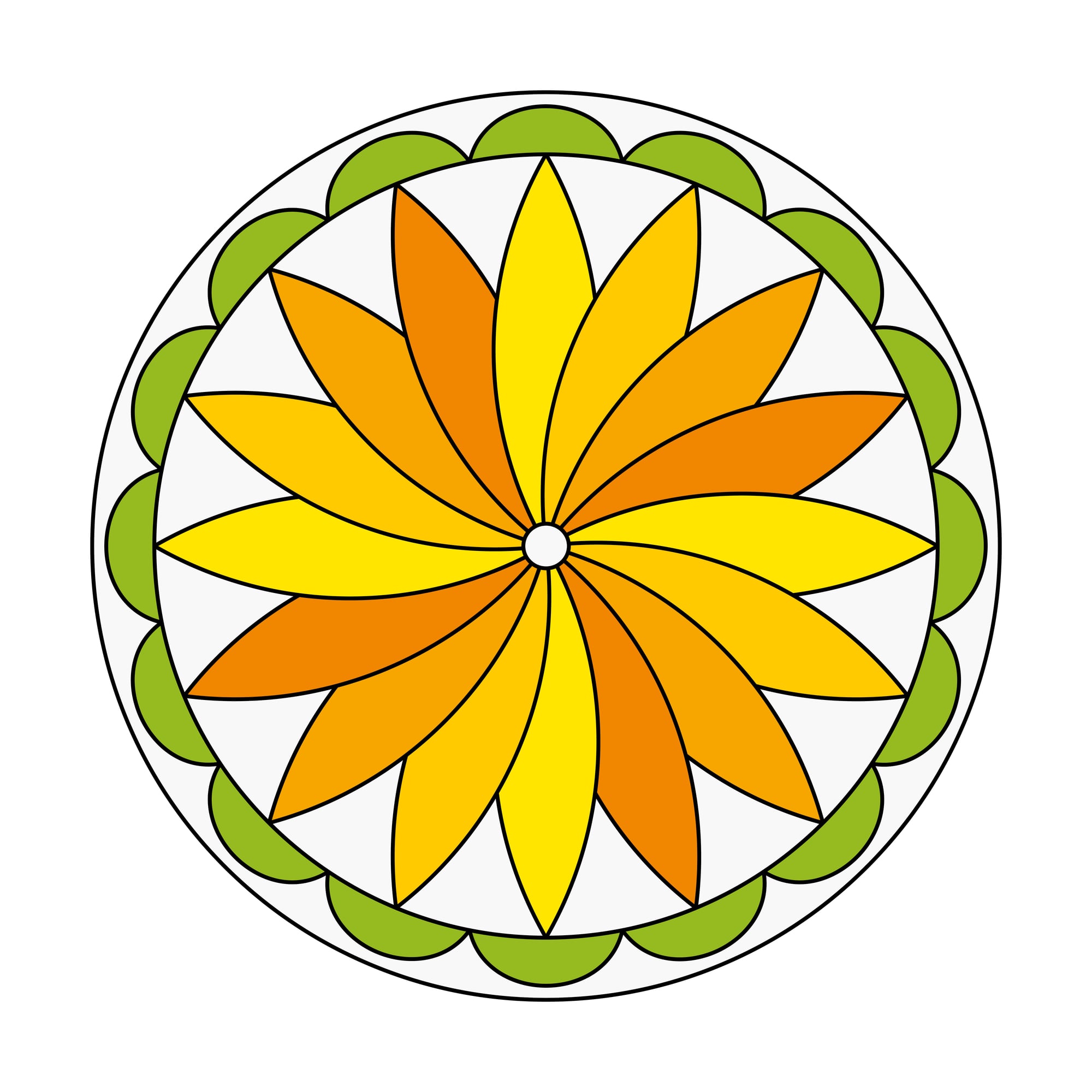
Hex signs are the barns of Pennsylvania Dutch country wearing their hearts on the outside instead of keeping them tucked away. Painted circles, stars, and flowers decorate barn walls, and depending on who you ask, they either ward off misfortune or simply announce a family’s pride in the building they raised.
Nobody fully agrees on where the tradition started or what it was originally meant to do, and somehow that uncertainty makes the barns more charming, not less. A painted star on faded red wood says something a plaque never could.
Church Bell Patterns
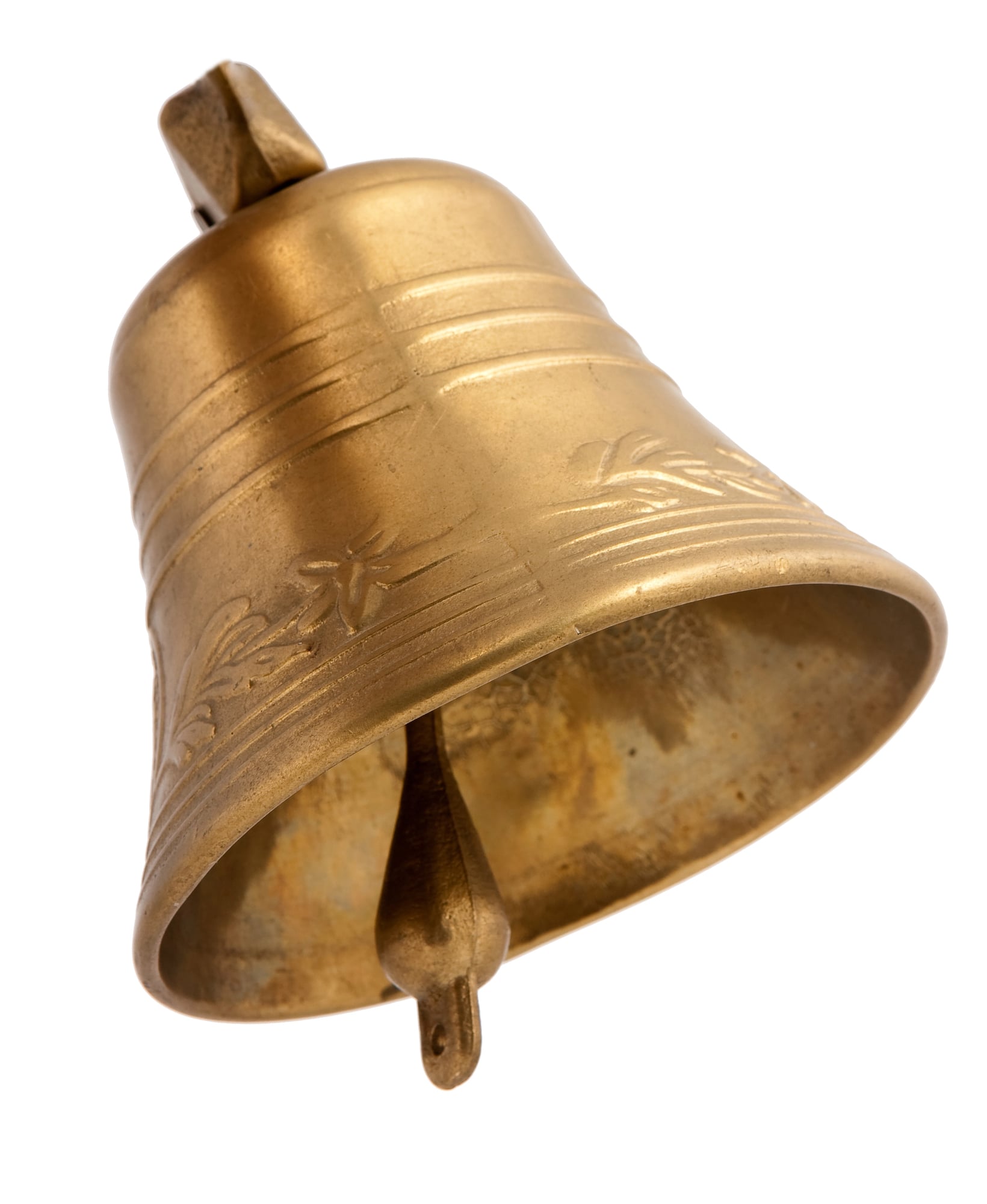
Bells used to carry actual information, not just noise, and modern phone notifications owe them more credit than they get. A specific pattern of rings announced a fire, a death, a wedding, or a call to prayer, and everyone in town knew the difference without needing an explanation.
Losing that skill feels like a small tragedy nobody mourns, mostly because nobody remembers it was a skill in the first place. Turns out silence used to mean something too, back when the ringing stopped.
The Red Cross

A red cross on white meant help was near. Henry Dunant proposed the symbol after witnessing the Battle of Solferino in 1859.
The Red Cross was formally established in 1863, and the symbol was standardized at the First Geneva Convention in 1864. It reversed the Swiss flag’s colors as a tribute to his home country.
Soldiers on every side learned to respect it, or were at least supposed to.
Runes
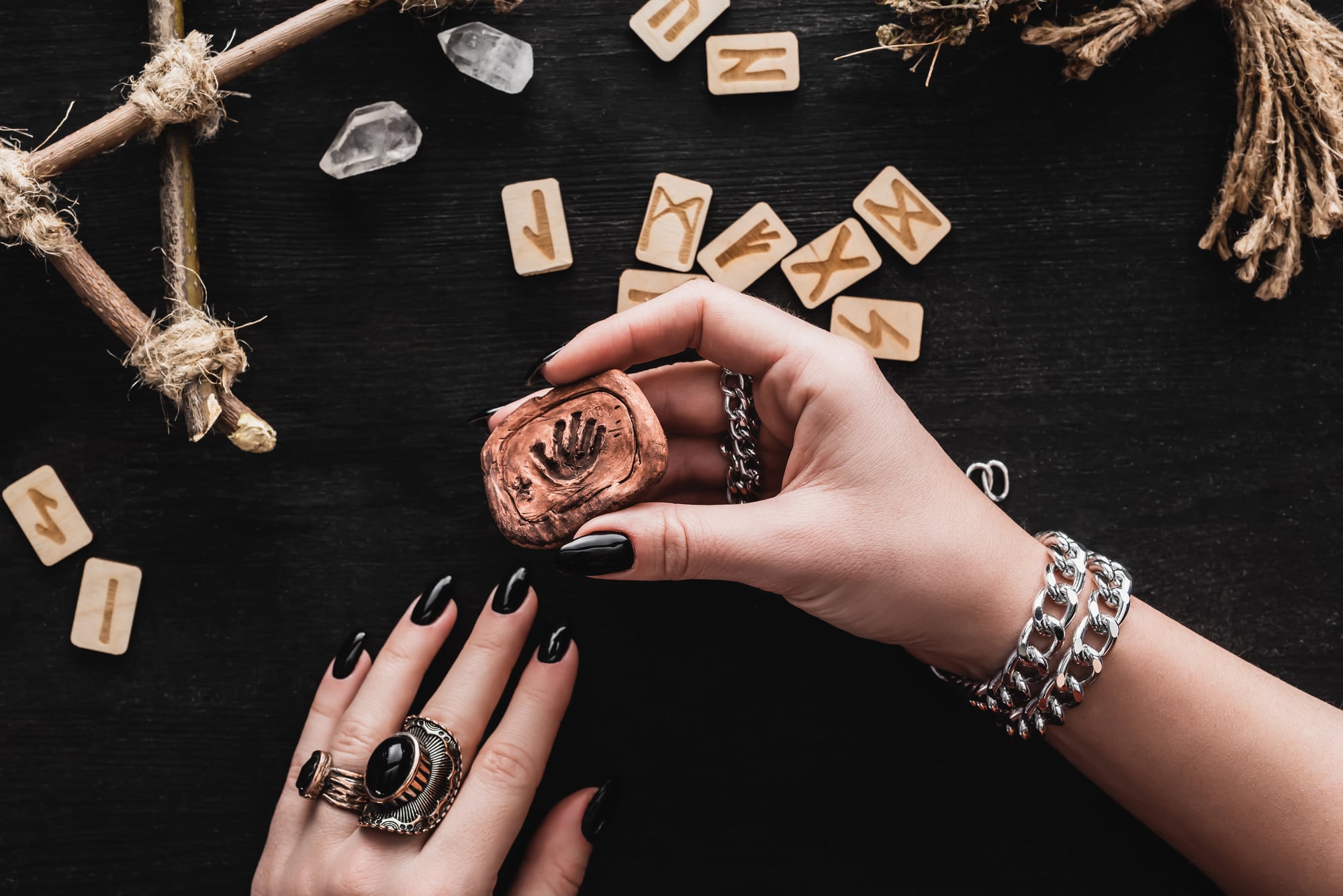
Runic alphabets weren’t just letters, they were treated as objects with actual power, carved onto swords, stones, and amulets by Germanic and Norse peoples who believed the symbols themselves carried weight beyond their sound, a very different relationship with an alphabet than anyone has with the one used to text a grocery list today. Each rune had a name and a meaning attached to it (Fehu for cattle and wealth, Thurisaz for a thorn or a giant, depending on which scholar you ask), so writing something down wasn’t neutral, it was closer to casting something into the world.
Most people only encounter runes now on a fantasy book cover or a metal band’s logo, stripped of the belief that used to surround them. And that stripped-down version is really all that survived the centuries.
The Caduceus
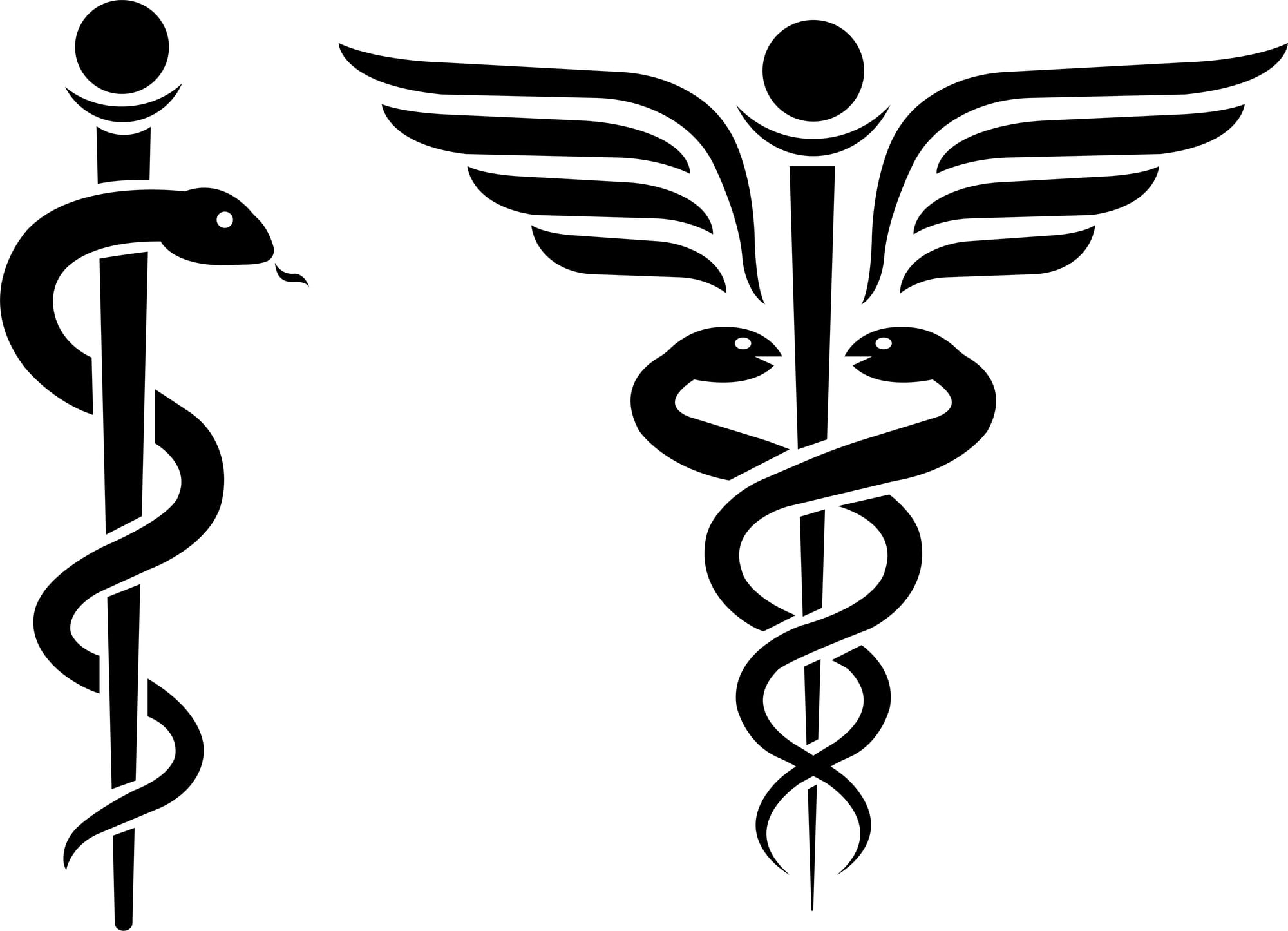
The caduceus is a staff with two snakes winding around it, and somewhere along the way American medicine picked the wrong symbol to represent itself. It actually belongs to Hermes, the messenger god associated with commerce and trickery, not healing, when the medical symbol should technically be the Rod of Asclepius, a single snake on a plain staff, tied to the actual god of medicine.
Hospitals and ambulances still display the wrong one anyway, an error repeated so often it became its own kind of tradition. Mistakes, it turns out, can outlive the correction meant to fix them.
Barber Poles

Barber poles used to advertise more than a haircut, and the story behind the red stripe surprises most people who hear it. Medieval barbers performed minor surgery and tooth extractions alongside trims, and the pole’s red and white stripes trace back to that exact combination of trades, with blue sometimes added in the American version for reasons nobody fully agrees on.
It’s a strange bit of history hiding on a street corner in plain sight, spinning quietly while people wait for a fifteen-dollar cut. Nobody asks what it means anymore, which is sort of the whole point of a symbol this old.
The Manicule

A manicule is a small drawn hand with a pointing finger. Scribes doodled them in margins for centuries to flag an important line.
Printers picked up the habit once books went to press. It did exactly what an emoji does now, just slower and with more ink.
What These Marks Were Really Saying

None of these symbols needed a screen to work, and maybe that’s the part worth sitting with. A drawn fish, a painted boot, a ring pressed into wax — each one solved the same basic problem you solve fifty times a day without thinking about it: how do you get an idea out of your head and into someone else’s, reliably, across distance, without losing what mattered.
The tools changed. The impulse behind them never did.
Every symbol on this list is proof that people have always found a way to say what needed saying, long before there was a battery involved.
More from Go2Tutors!

- The Romanov Crown Jewels and Their Tragic Fate
- 13 Historical Mysteries That Science Still Can’t Solve
- Famous Hoaxes That Fooled the World for Years
- 15 Child Stars with Tragic Adult Lives
- 16 Famous Jewelry Pieces in History
Like Go2Tutors’s content? Follow us on MSN.



