29 Vintage Holiday Items Buyers Look For Year-Round
Holiday decorations are seasonal by definition, but the market for the right vintage pieces never actually closes. Serious buyers shop attics and estate sales in July just as readily as December, because the good material moves fast once the season starts and nobody wants to be competing for it in a crowded November market.
These are the pieces that keep collectors checking listings no matter what month it is.
Glass Kugel Ornaments
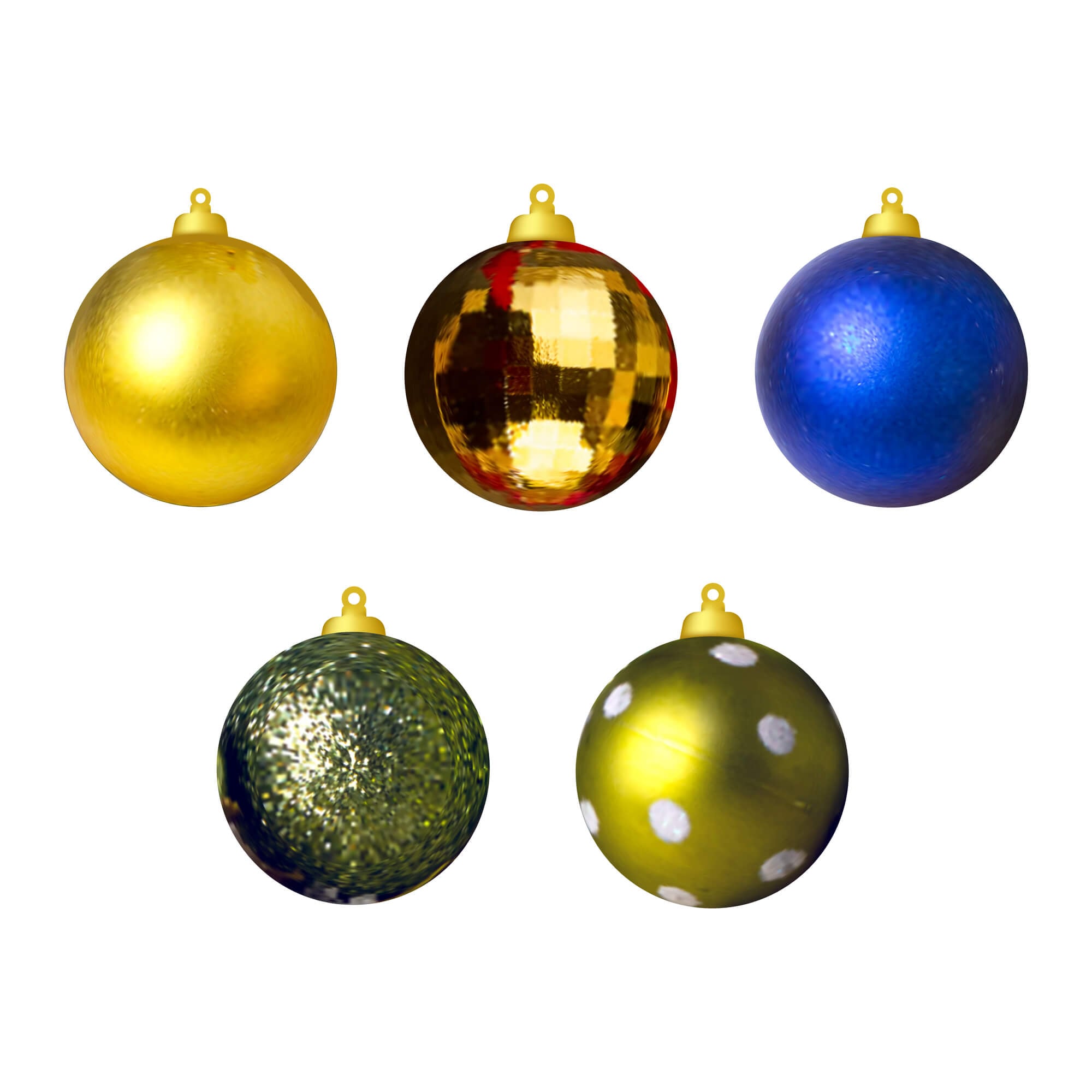
Produced primarily in Germany during the nineteenth century, these heavy, thick-walled glass ornaments were made using a mercury glass coating process that gives them a distinctive weighty feel compared to later, lighter blown-glass ornaments. Condition is judged largely by how much of the original silvering remains intact on the interior surface.
Well-preserved kugels in unusual colors or shapes can bring several hundred dollars each.
Feather Trees

German feather trees, made from dyed goose or turkey feathers wired onto wooden branches, predate the artificial tree industry by decades and were originally created partly in response to concerns about deforestation from cutting live trees each season. Original trees with intact feathers and their wooden candle holder attachments are increasingly scarce.
Well-preserved examples in unusual colors, particularly white or pink rather than the more common green, command a significant premium.
Bubble Lights

Introduced commercially in the 1940s, these string lights used a liquid-filled glass tube that bubbled when heated by the bulb beneath it, a novelty that made them an immediate holiday sensation. Original boxed sets with all bulbs still bubbling correctly are considerably more valuable than loose, untested strands.
Working, boxed original sets can bring meaningful sums, particularly the earliest production runs.
Shiny Brite Ornaments

This American ornament manufacturer began production in the 1930s, initially importing German glass technique before shifting to domestic production during wartime material shortages. Original boxes with the company’s branding intact significantly increase value over loose ornaments sold without their packaging.
Complete boxed sets in unusual colors or patterns can bring a solid premium over common examples.
Santa Claus Belsnickle Figures
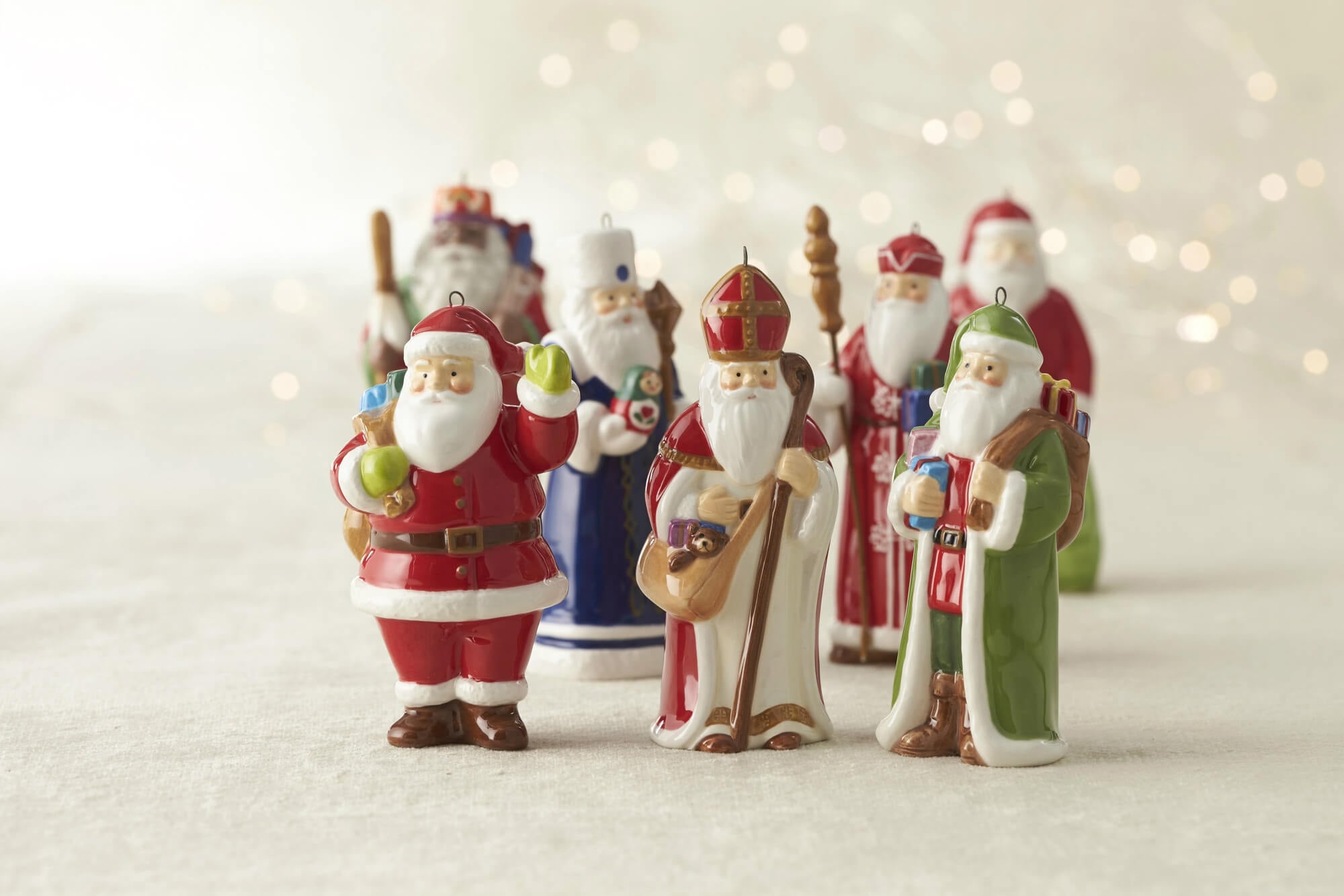
These German candy-container figures, depicting a folkloric gift-bringer distinct from the modern Santa Claus image, predate the standardized red-suited Santa that emerged later in American popular culture. Original paint condition and figure size both significantly affect value, with larger, well-preserved examples commanding the most interest.
Confirmed early German examples can bring several hundred dollars.
Dresden Ornaments
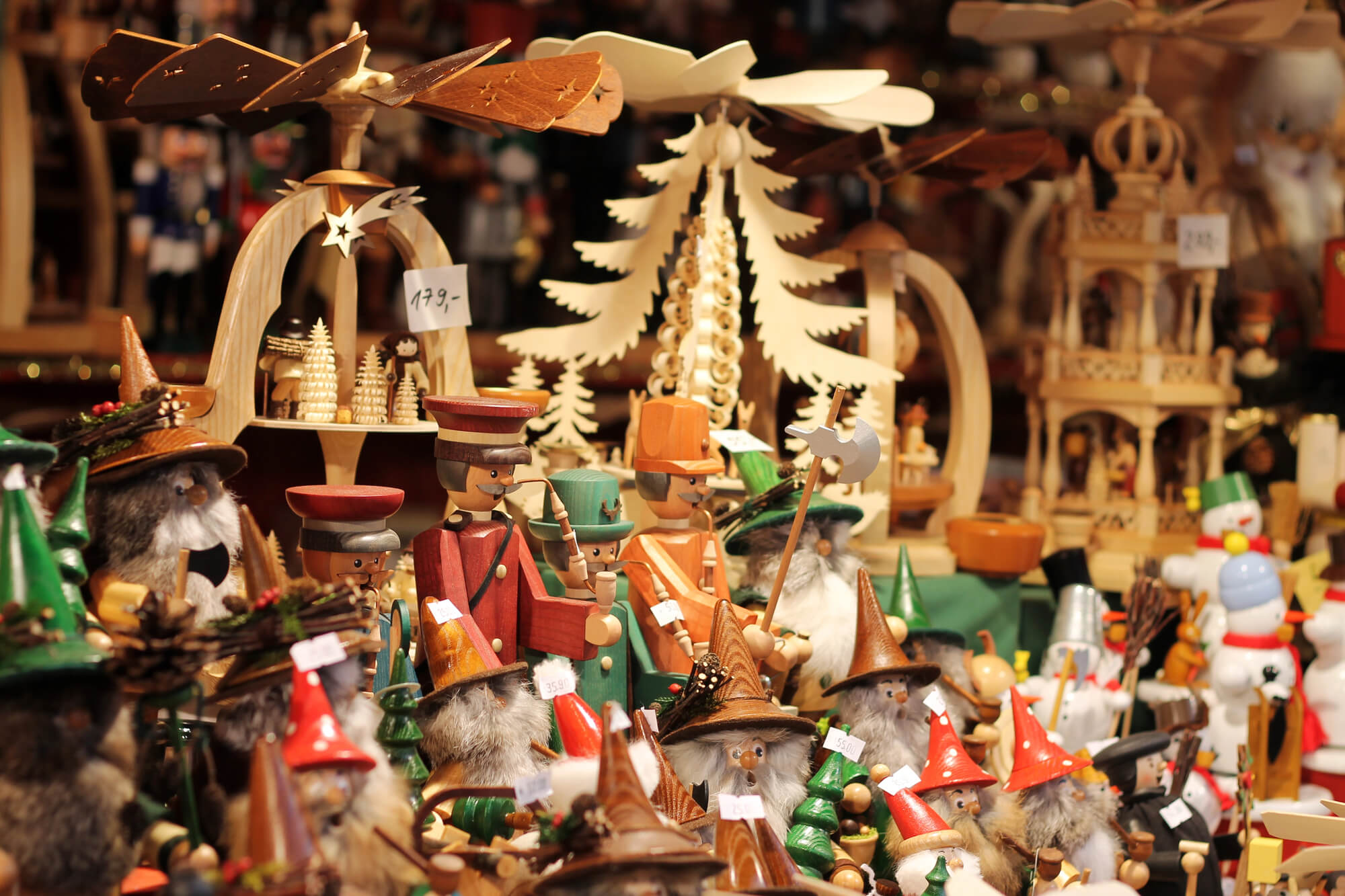
Made from pressed and embossed cardboard rather than glass, these highly detailed ornaments depicting animals, vehicles and everyday objects were produced in Germany beginning in the late nineteenth century. Because the cardboard construction is inherently fragile, well-preserved examples are considerably scarcer than glass ornaments from the same era.
Detailed, undamaged examples can bring significant sums from specialist collectors.
Cotton Batting Ornaments
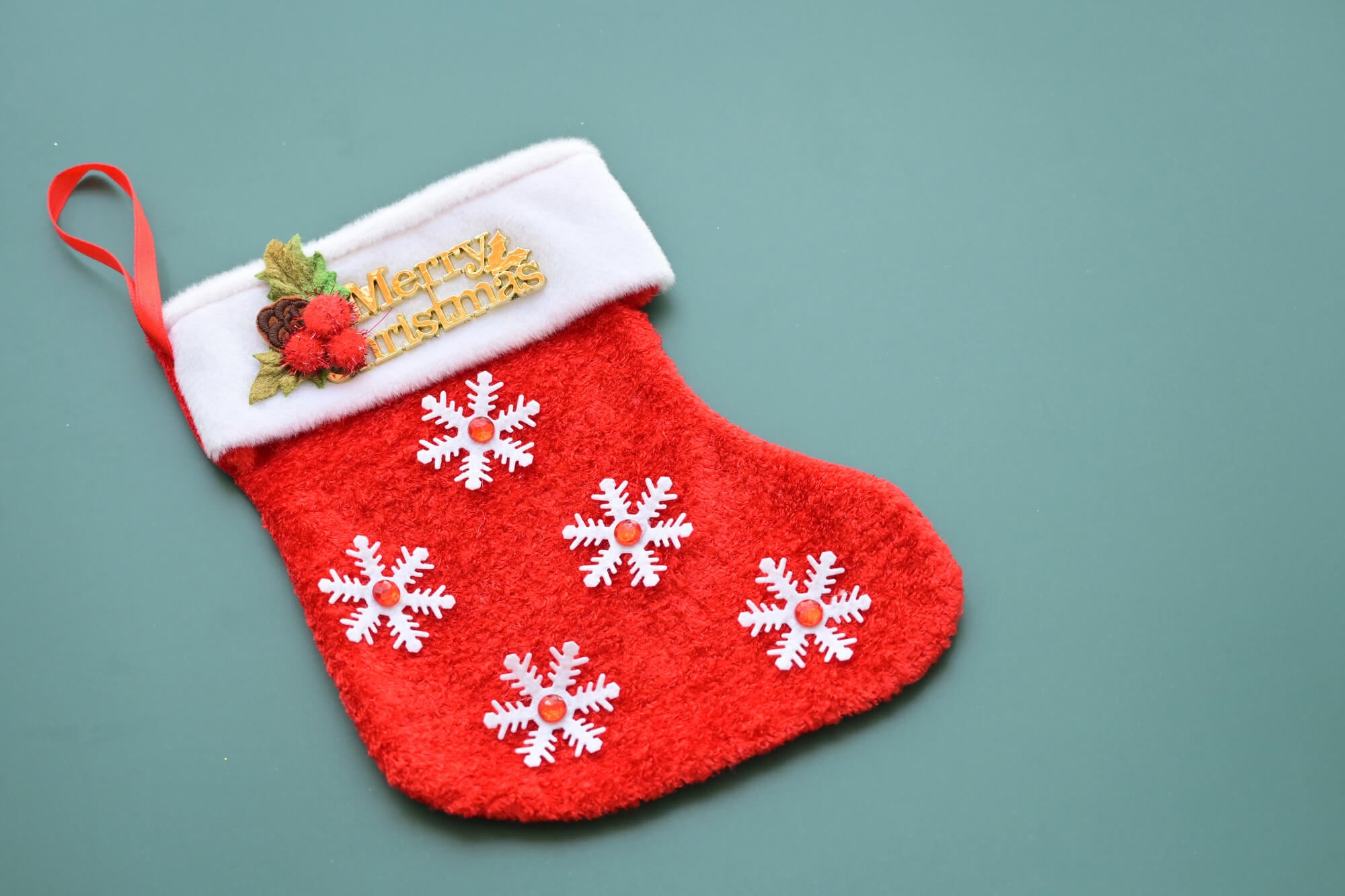
Handmade from spun cotton shaped over a wire frame and often depicting fruits, vegetables or small figures, these ornaments were popular in the early twentieth century before manufactured glass ornaments became the dominant style. Original paint and intact cotton fibers without significant deterioration are the main condition factors buyers examine.
Well-preserved examples in good condition typically bring a modest but steady premium.
Ceramic Christmas Trees with Bulb Lights

Popularized in the 1950s, these small illuminated ceramic trees molded with individual colored plastic “bulbs” fitted into small drilled sockets became a mid-century living room fixture across America. Original, undamaged plastic bulb pegs are a significant factor in value, since they were prone to breaking or going missing over decades of seasonal storage.
Complete examples with all original bulb pegs intact typically bring more than pieces requiring replacement parts.
Nativity Sets, Fontanini and Similar Italian Makers
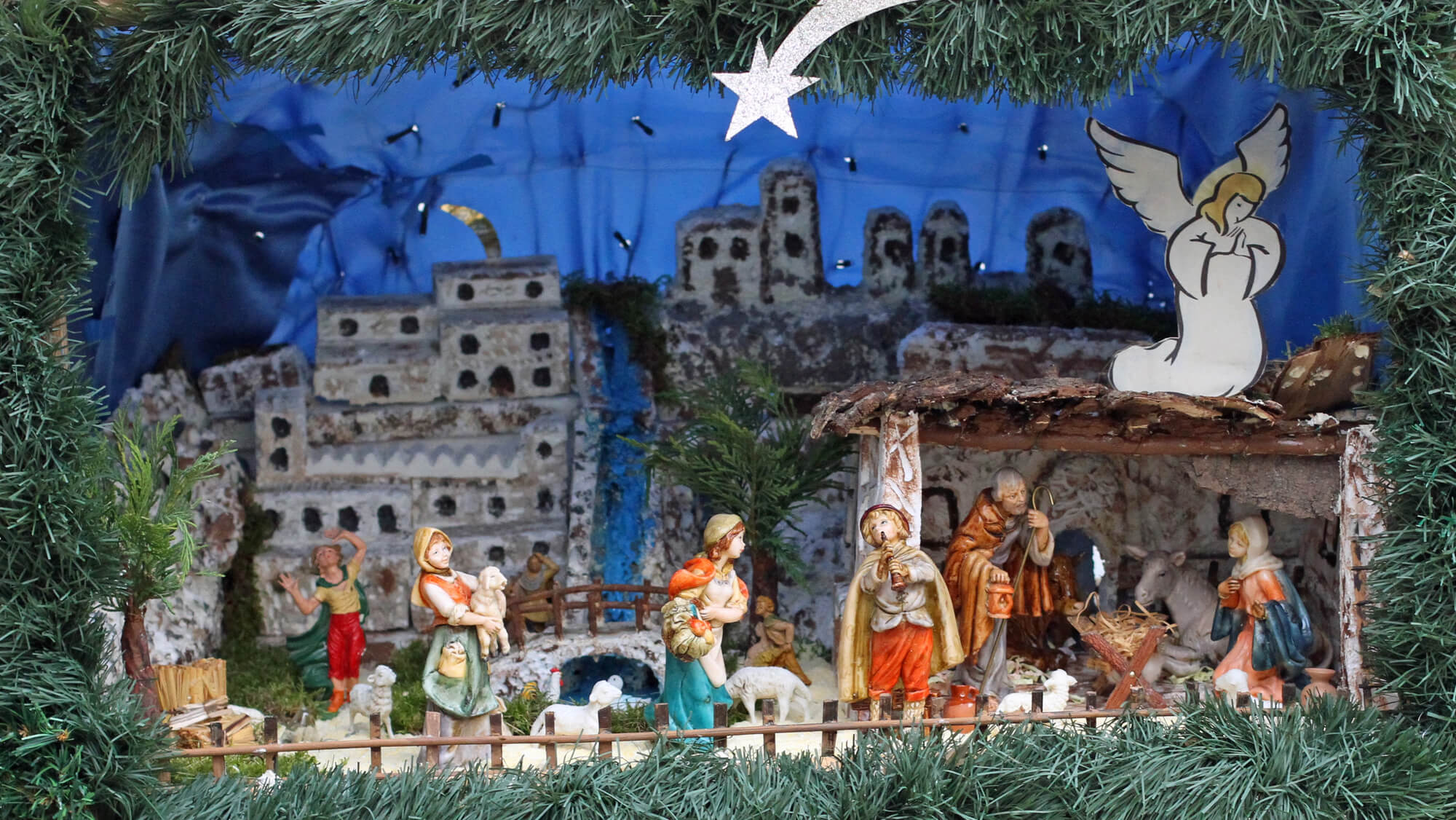
Hand-painted resin and composition nativity figures produced by established Italian manufacturers throughout the twentieth century remain a consistently collected category, with complete sets holding significantly more value than individual figures. Older sets from before certain manufacturing changes are particularly sought after by specialists who track specific production years.
Complete, well-preserved sets can command meaningful sums well beyond what individual figures would suggest.
Halloween Jack-O’-Lantern Candy Containers
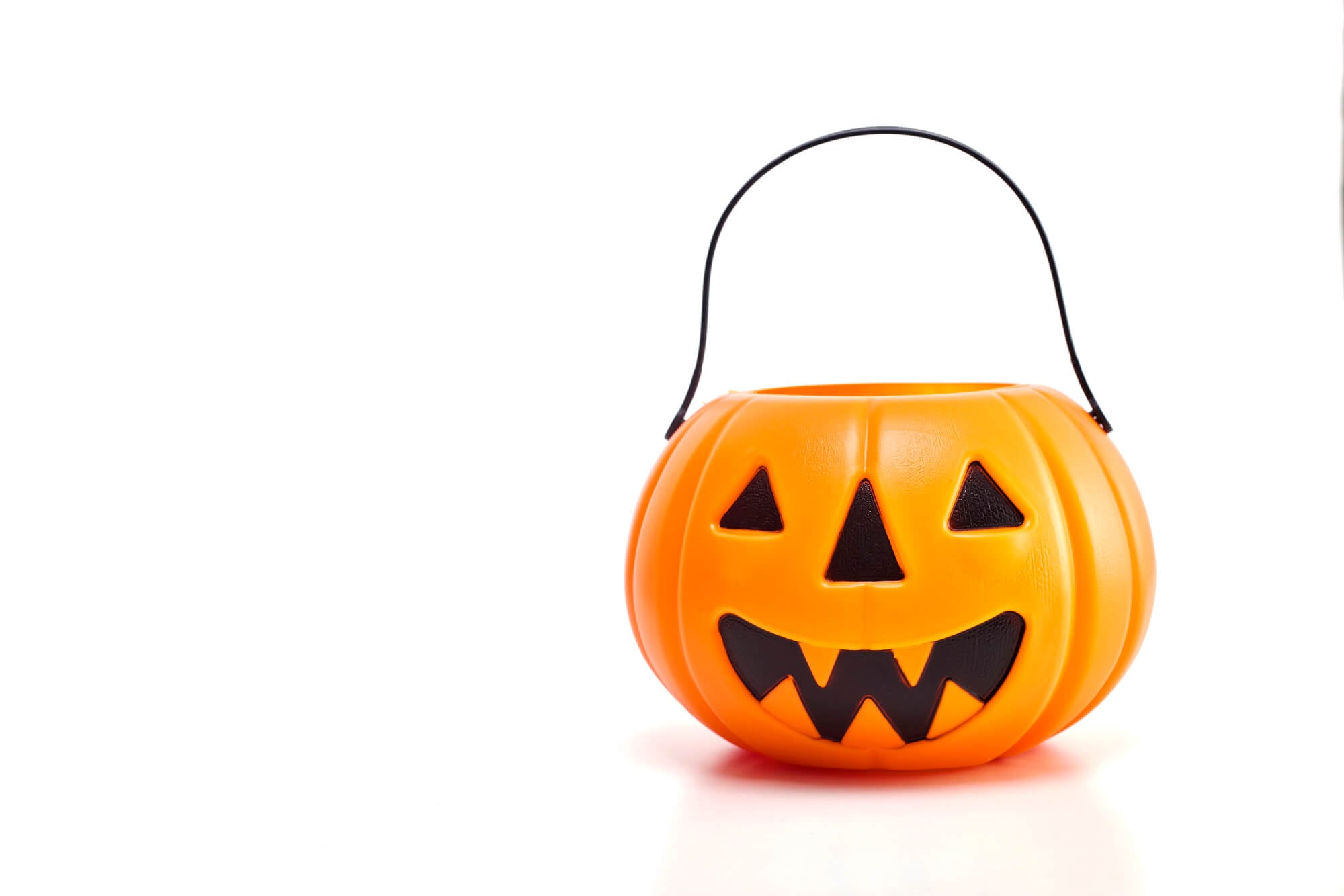
Made from papier-mâché with painted faces, these German and later American-made candy containers predate the plastic pumpkin buckets familiar to modern trick-or-treaters. Original paint condition and an intact insert lid are the primary value factors.
Well-preserved examples, particularly unusual expressions or colors, can bring significant sums from specialist Halloween collectors.
Halloween Diecut Decorations
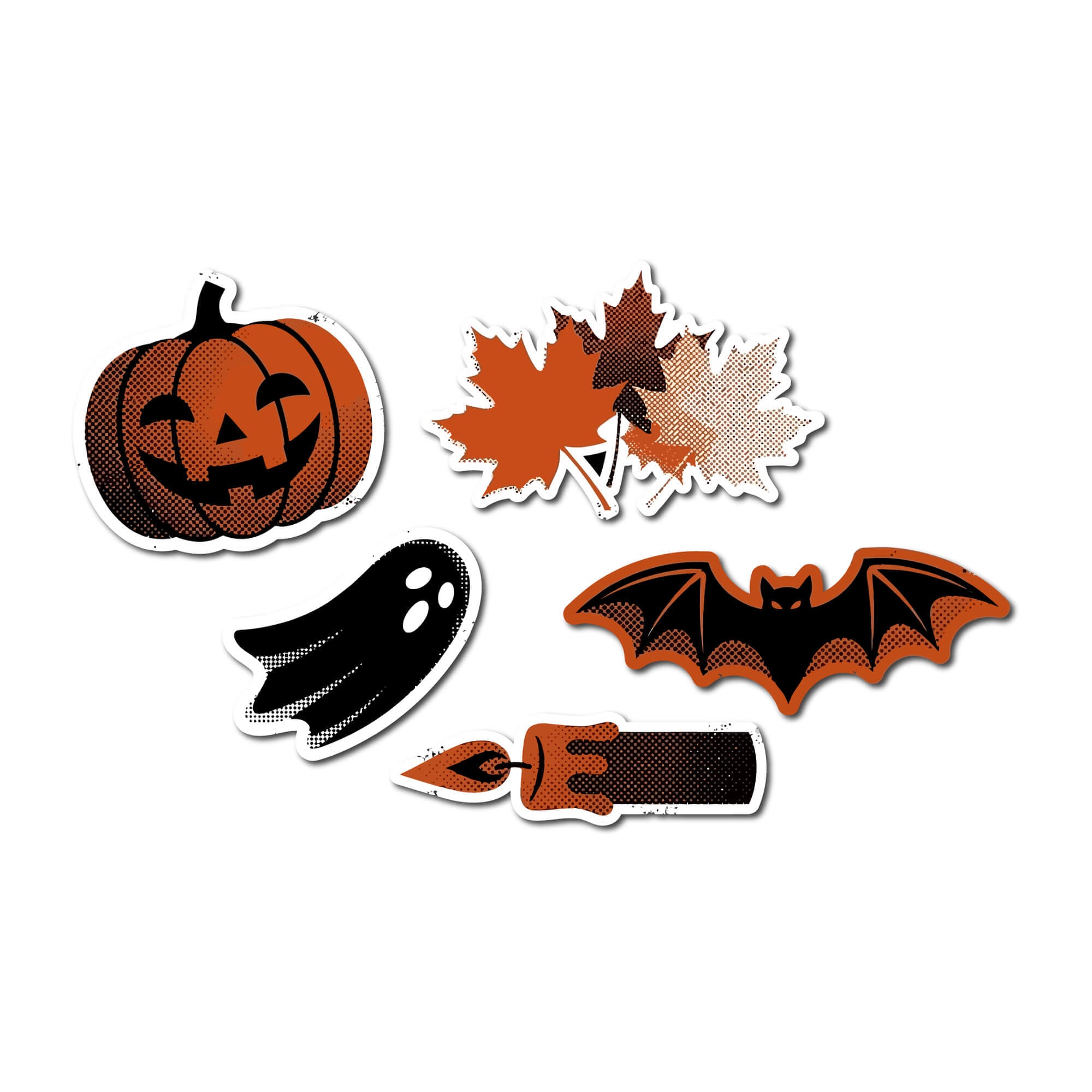
Beistle and similar manufacturers produced elaborate diecut paper decorations throughout the early to mid-twentieth century, depicting witches, black cats and other seasonal imagery in a style distinct from later mass-produced plastic decorations. Because paper decorations were rarely stored carefully between seasons, well-preserved examples are considerably scarcer than their original production numbers would suggest.
Complete, undamaged examples can bring a meaningful premium among specialist collectors.
Easter Egg Diecuts and Candy Containers

Similar in construction to their Halloween counterparts, these seasonal paper and papier-mâché decorations from the early twentieth century document a period when handmade and small-batch holiday decorating was standard practice. Original paint and structural integrity are the primary condition factors.
Well-preserved examples typically bring modest but steady sums among specialist collectors.
Valentine’s Day Mechanical Cards

Elaborate die-cut cards from the late nineteenth and early twentieth centuries, some featuring moving parts or layered pop-up elements, represent a level of craftsmanship well beyond typical modern greeting cards. Condition of the moving mechanisms and any lace or ribbon trim significantly affects value.
Well-preserved examples with functioning mechanisms can bring meaningful sums among ephemera collectors.
Thanksgiving Turkey Candy Containers
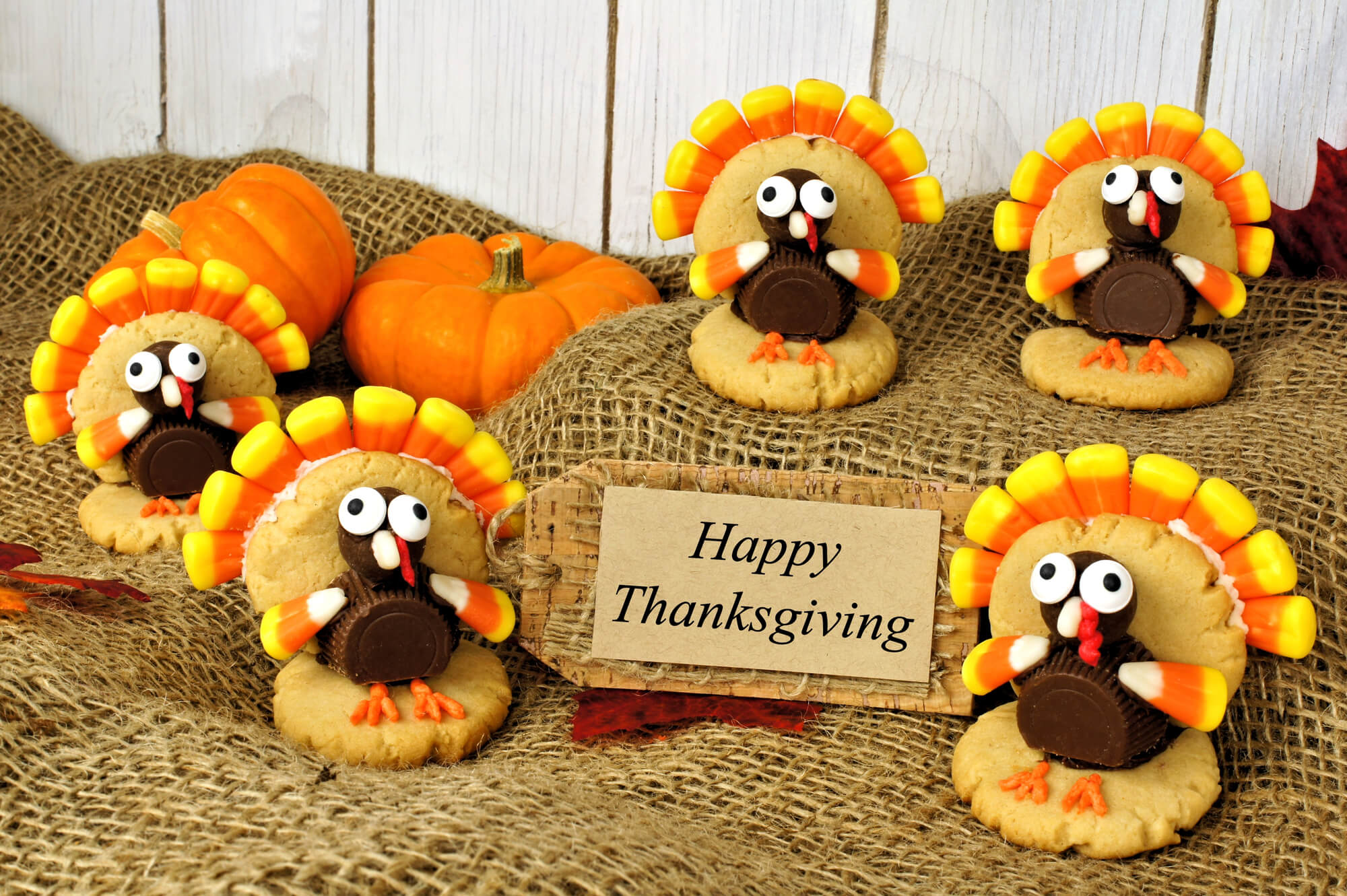
Made from papier-mâché or composition material in the shape of a turkey, these candy containers were a common table decoration in the early to mid-twentieth century before plastic decorations became standard. Original paint and an intact removable head or lid significantly affect value.
Well-preserved examples can bring a solid premium among specialist holiday collectors.
Fourth of July Firework Advertising Ephemera

Printed advertising posters, labels and packaging from early twentieth-century fireworks manufacturers document a period of considerably less regulated consumer pyrotechnics than exists today. Because the packaging itself was inherently disposable, surviving examples in good condition are genuinely scarce.
Well-preserved examples can bring significant sums among specialist collectors of advertising ephemera.
Christmas Tinsel Icicles, Lead Foil

Produced before health concerns led manufacturers to switch to safer materials, these heavy metallic icicle strands from the mid-twentieth century have a distinctive drape and weight that later plastic versions never fully replicated. Original packaging significantly increases value over loose strands.
Boxed, unused original packages can bring a solid premium among collectors specifically focused on tree-trimming ephemera.
Santa Claus Postcards

Printed throughout the early twentieth century, these illustrated postcards document evolving visual interpretations of Santa Claus before advertising campaigns standardized his modern appearance. Unusual illustrations, particularly those depicting regional or non-American folkloric variations, command the most collector interest.
Well-preserved examples typically bring modest but steady sums, with rare illustrators or publishers commanding more.
Rauschgoldengel Foil Angel Ornaments

These German gilt-foil angel ornaments, hand-crafted with elaborate wired wings and dresses, represent one of the oldest continuously produced ornament styles, with origins tracing back centuries before mass production began. Larger, more elaborate examples with well-preserved gilding command significant premiums.
Confirmed antique examples in strong condition can bring several hundred dollars.
Wax Santa and Angel Figures

Molded wax figures, popular decorative items in the nineteenth century before more durable materials became standard, are particularly fragile and prone to melting or cracking if stored improperly over decades. Undamaged surface detail and original paint significantly affect value given how rarely these figures survive intact.
Well-preserved examples are genuinely scarce and can bring meaningful sums from specialist collectors.
Christmas Village Houses, Early Putz Style

Small cardboard houses used in elaborate under-the-tree miniature village displays, a German tradition known as “putz” that predates modern ceramic and resin village collectibles by decades. Original glitter and mica snow coating, along with an intact cellophane-covered window, significantly affect value.
Well-preserved examples from the earliest production decades can bring a solid premium among specialist collectors.
Advent Calendars, Early Printed Examples
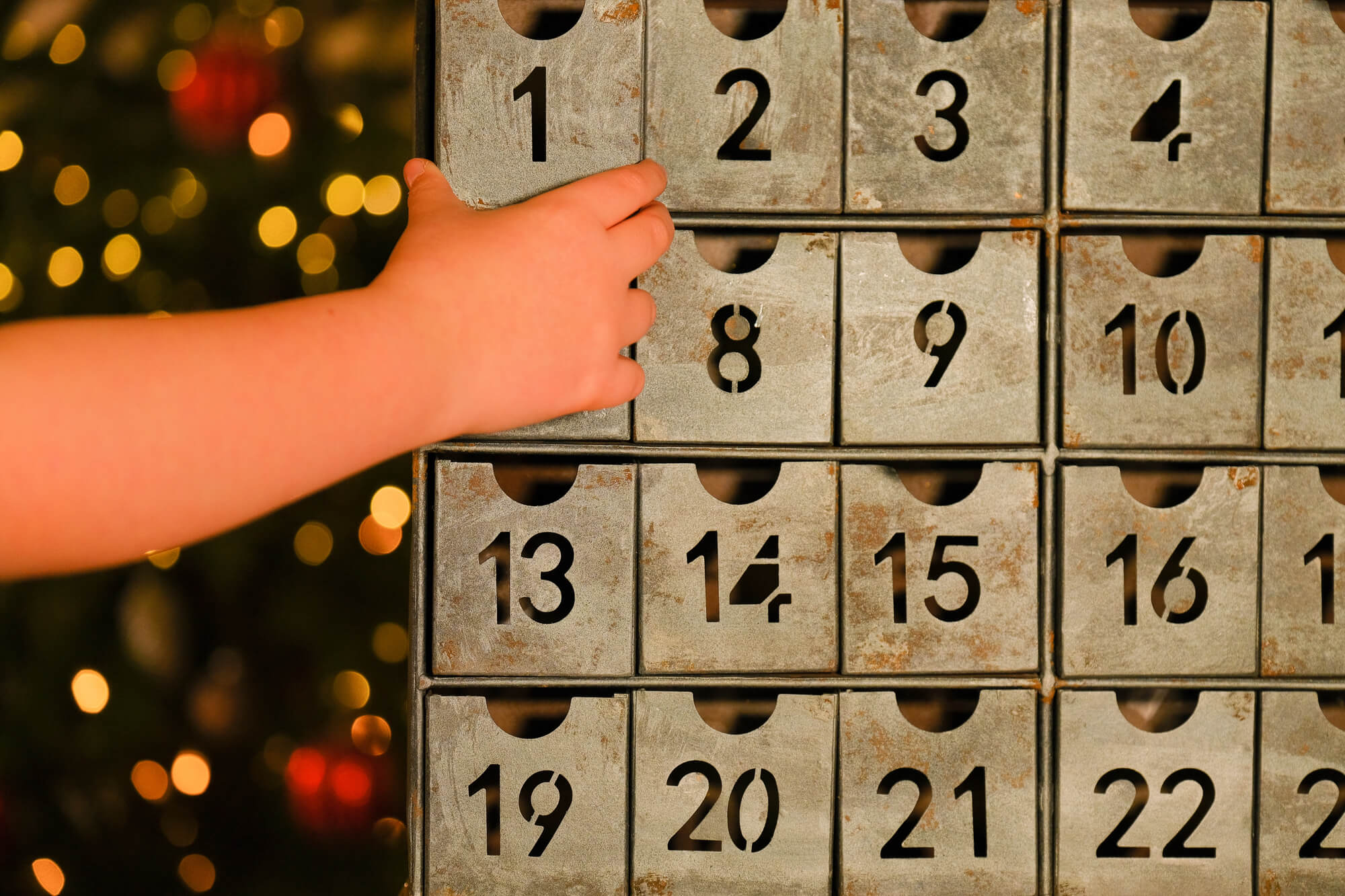
The earliest commercially printed Advent calendars from the early twentieth century predate the chocolate-filled versions familiar to modern buyers, relying instead on small printed doors revealing illustrations. Unused, uncut examples are considerably scarcer than the many that were opened and discarded after a single season.
Well-preserved unused examples can bring meaningful sums among specialist ephemera collectors.
Christmas Card Collections, Early Twentieth Century
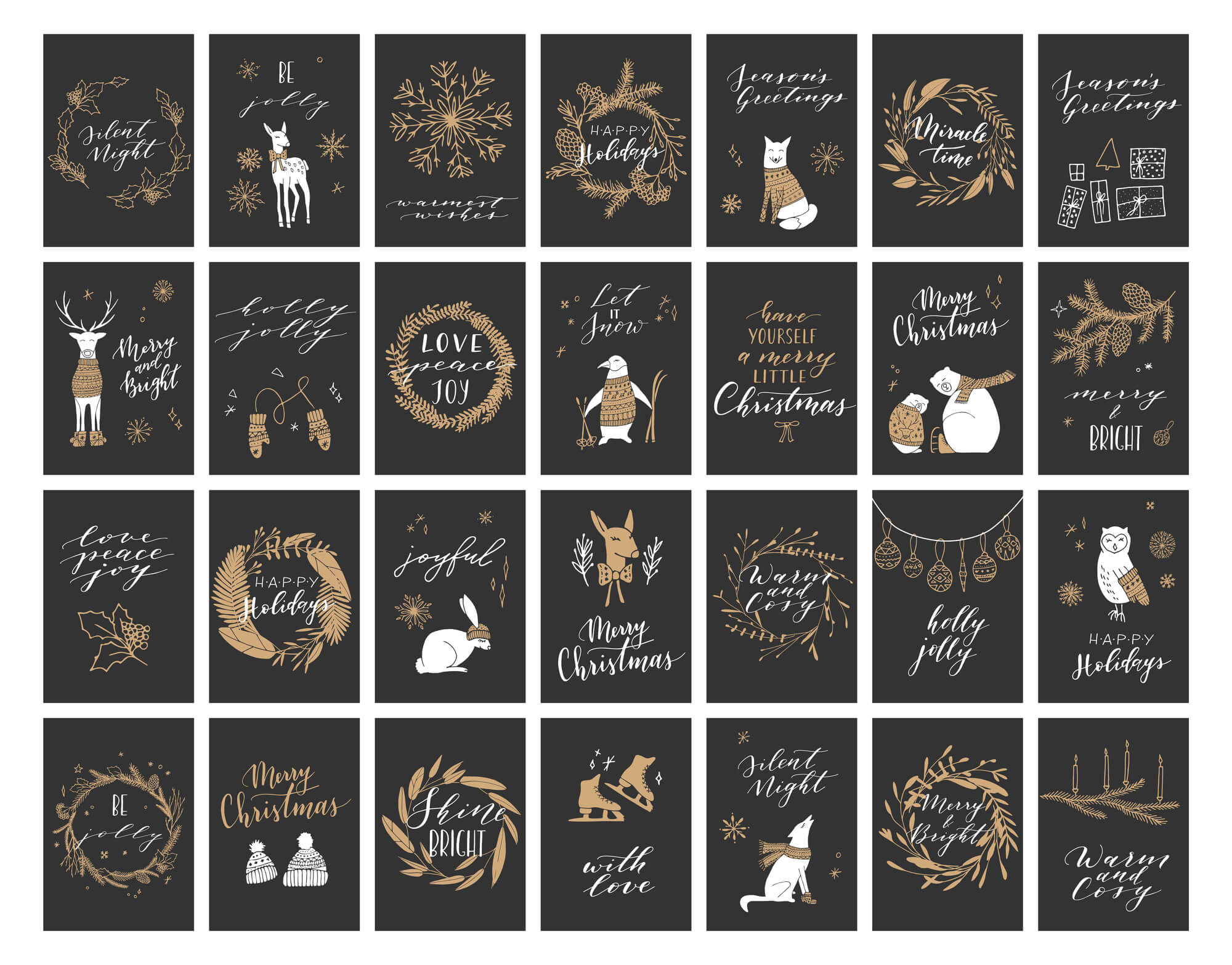
Complete, dated collections of holiday greeting cards from a specific era, particularly those with unusual illustration styles or from now-defunct card manufacturers, draw interest from collectors of graphic design and social history. Individual cards hold modest value, but large, well-organized collections with dated envelopes can bring a meaningful sum as a group.
Cards signed by notable individuals carry additional value independent of their holiday theme.
Reindeer and Sleigh Yard Decorations, Early Plastic
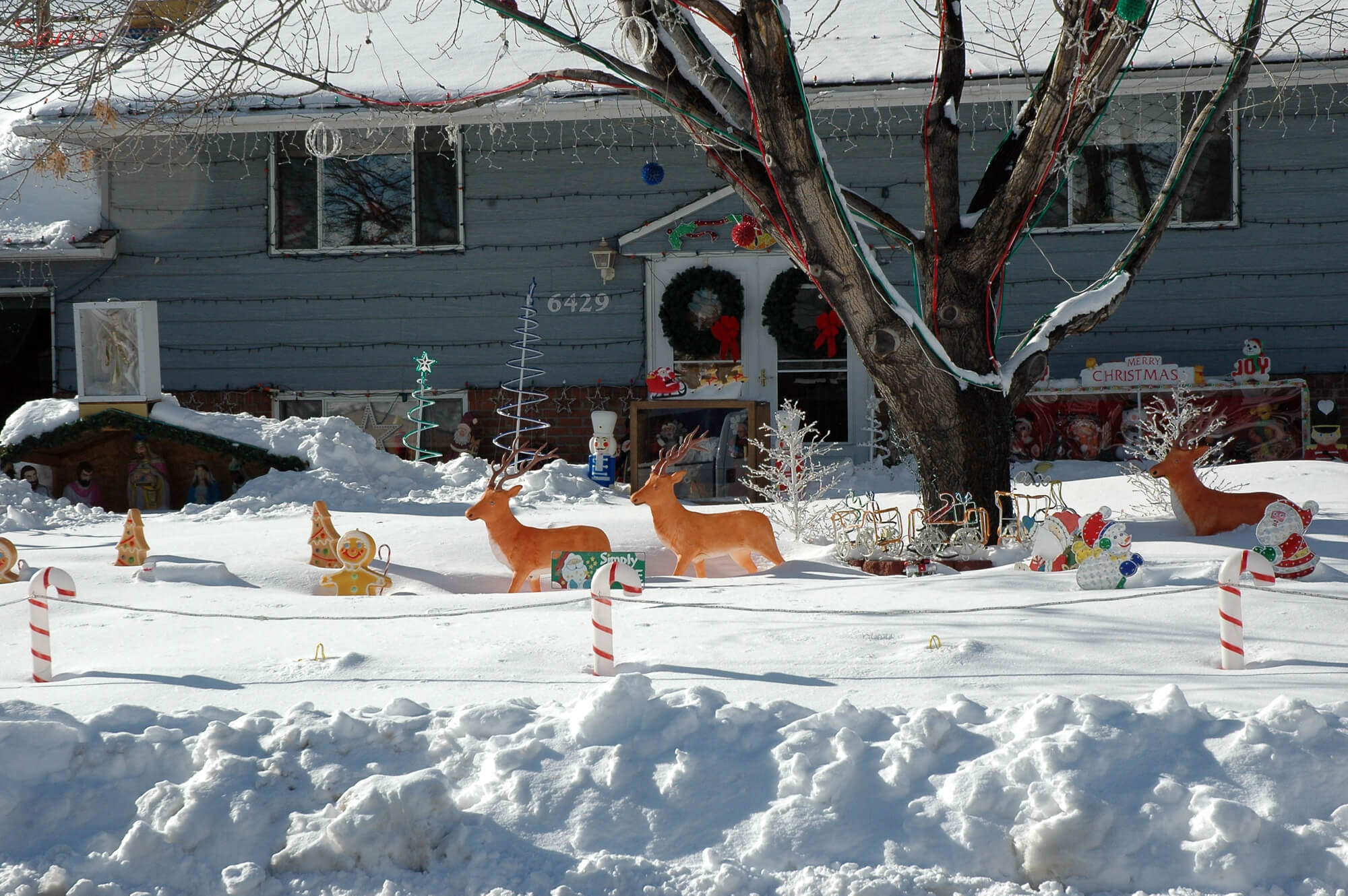
The earliest blow-molded plastic yard decorations from the 1950s and 1960s predate the inflatable decorations common today and are increasingly sought after for their distinctive mid-century design aesthetic. Original paint and structural integrity, given decades of outdoor seasonal use, significantly affect value.
Well-preserved examples from recognized early manufacturers can bring a solid premium.
Christmas Tree Stands, Cast Iron and Mechanical
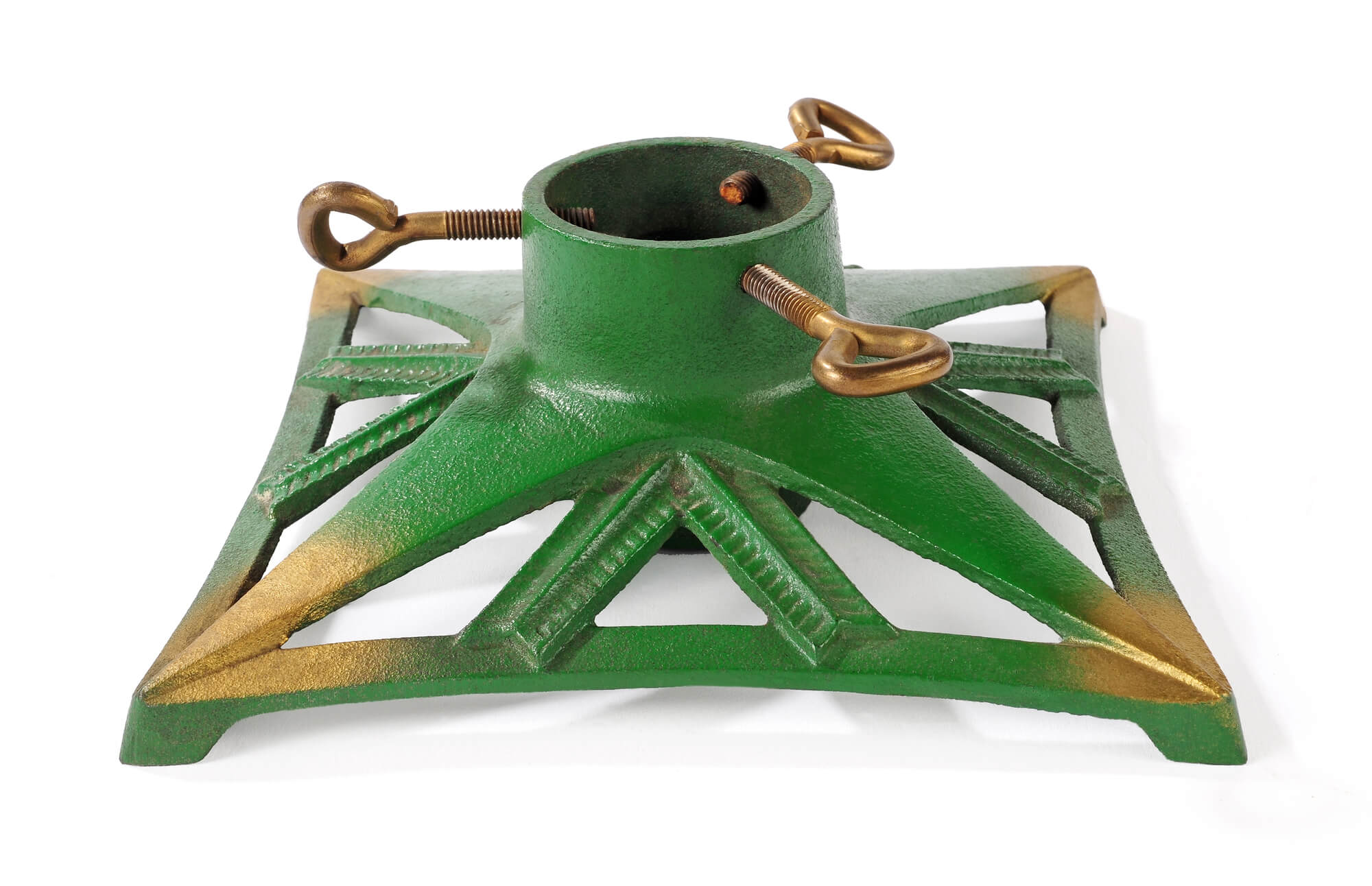
Ornate cast iron tree stands from the early twentieth century, some featuring mechanical rotation mechanisms powered by a hand crank or later an electric motor, represent a category of holiday collectible often overlooked in favor of ornaments and lights. Working mechanical mechanisms significantly increase value over purely decorative stands.
Well-preserved, functional examples can bring a meaningful sum among specialist collectors.
Halloween Costume Masks, Early Composition

Made from pressed composition material rather than the plastic and latex used in later decades, these early Halloween masks from the first half of the twentieth century have a distinctive hand-painted quality increasingly rare in mass-produced modern costumes. Original paint and structural integrity, given the fragile material, significantly affect value.
Well-preserved examples, particularly unusual or unsettling character designs, command real interest among specialist collectors.
Easter Rabbit Candy Containers, German Composition
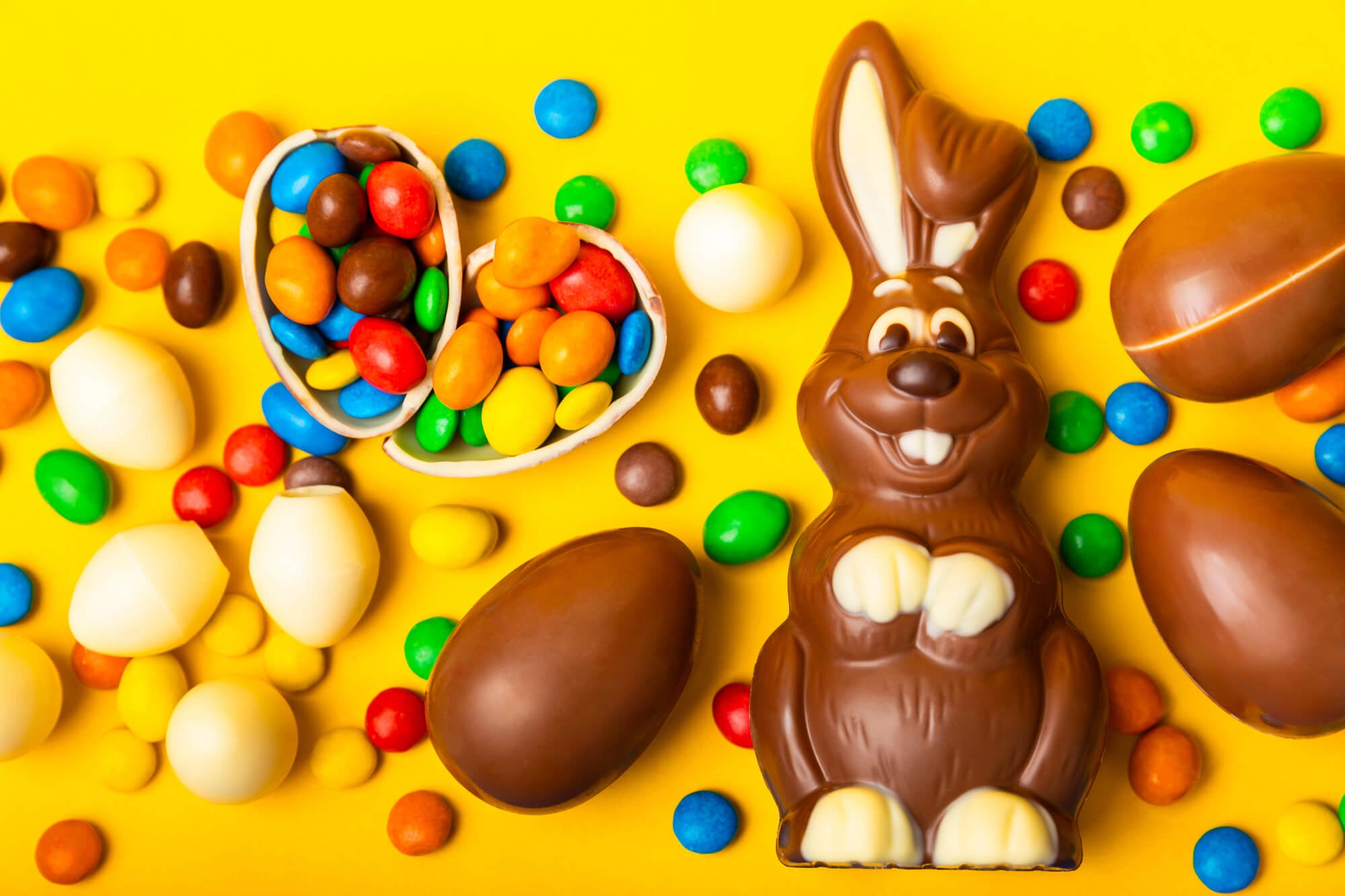
Similar in construction and appeal to their turkey and pumpkin counterparts, these composition rabbit figures with removable heads concealing a candy compartment were popular imports in the early twentieth century. Original paint and an intact, properly fitting head are the primary condition factors.
Well-preserved examples can bring a solid premium among specialist holiday collectors.
Christmas Tree Toppers, Glass Spire and Finial Style
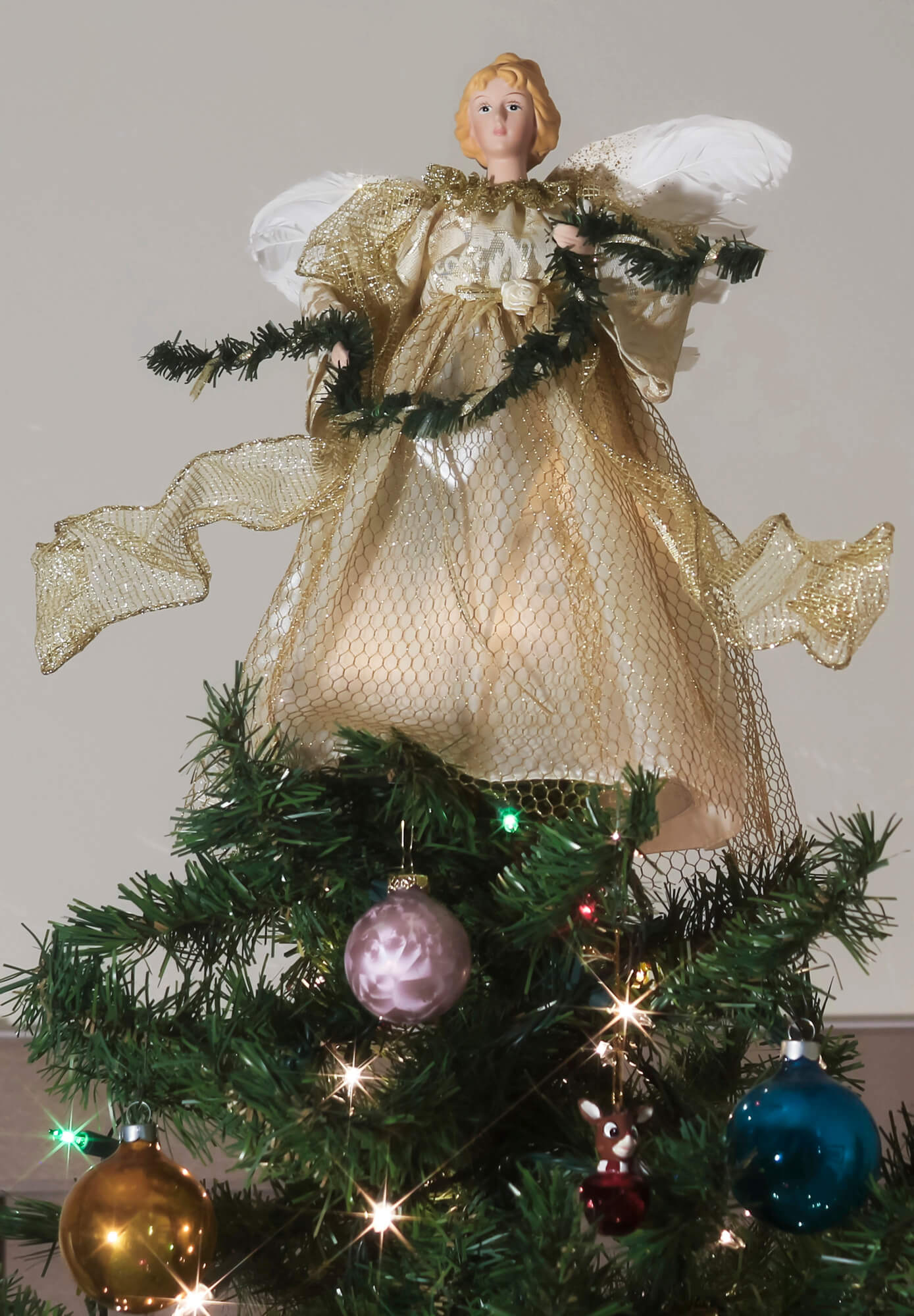
Elaborate glass tree toppers from the early to mid-twentieth century, often featuring layered points or unusual shapes beyond the standard star, represent one of the more fragile categories on this list given their size and prominent tree placement. Undamaged tips and original silvering significantly affect value.
Well-preserved examples in unusual shapes or colors can bring a meaningful premium over standard star-shaped toppers.
Christmas Light Bulb Boxes, Figural Milk Glass

Painted milk glass light bulbs shaped like Santa faces, fruits, lanterns and other figures were a popular string-light option in the early to mid-twentieth century before plain colored bulbs became standard. Original paint condition, without significant chipping, is the primary value factor.
Well-preserved figural examples, particularly unusual shapes, can bring a solid premium over common round colored bulbs.
Halloween Noisemakers, Tin Litho
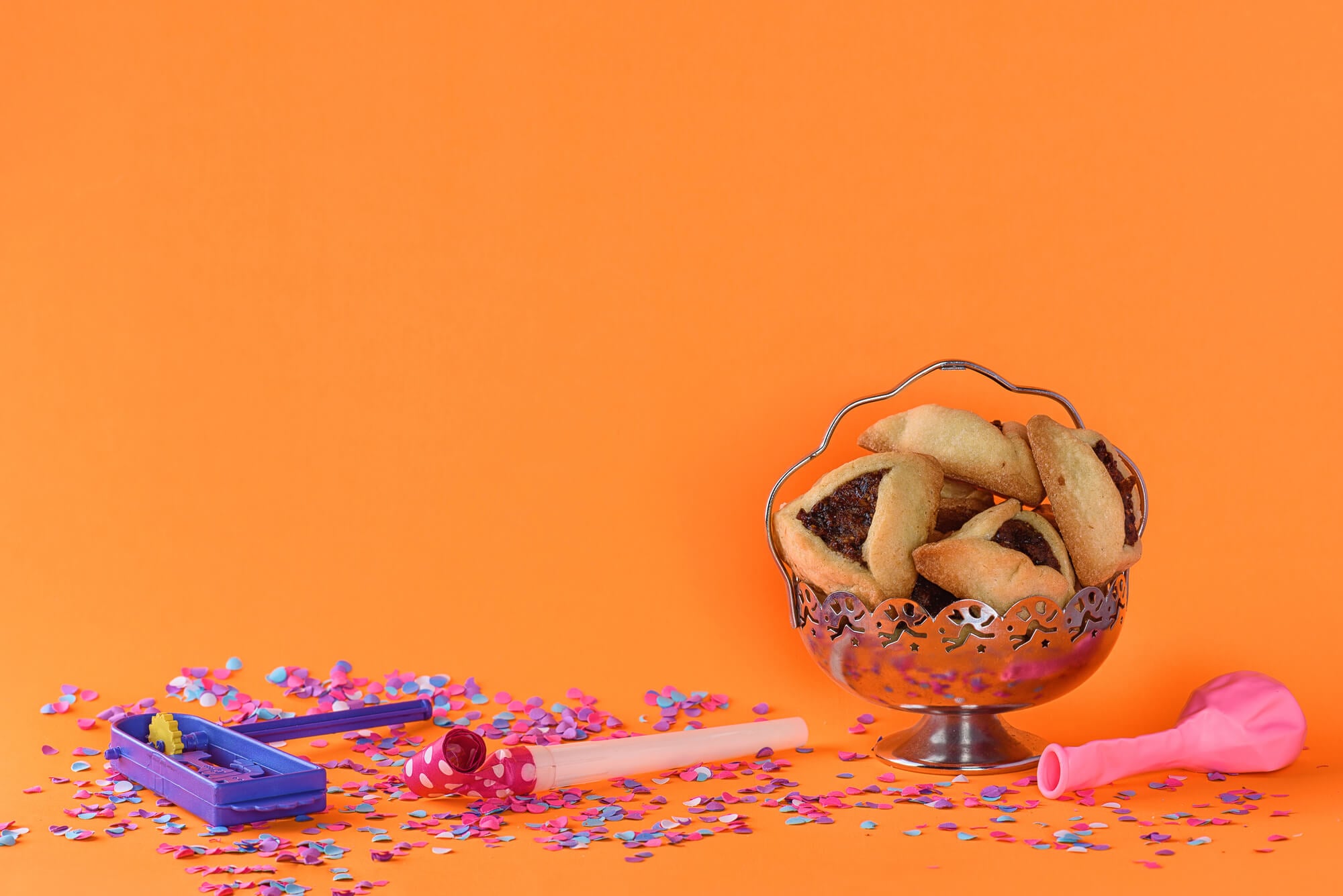
Colorfully printed tin noisemakers from the early to mid-twentieth century, often featuring Halloween-specific imagery distinct from the general party noisemakers used at other celebrations, are a smaller but dedicated collecting category. Working mechanisms and undamaged printed surfaces significantly affect value.
Well-preserved examples can bring a solid premium among specialist collectors of tin litho toys and party goods.
The Calendar Collectors Actually Follow
Buyers who chase these categories are not waiting for a specific season, because the real competition for the best pieces happens long before the holiday itself arrives. An estate sale in April can hold a better Christmas find than anything available in a crowded December market, simply because fewer buyers are looking that carefully in the off-season.
That is the quiet advantage of shopping holiday material year-round: the good pieces do not know what month it is, and neither do the people who understand what they are worth. The season on the calendar and the season in the market have never actually matched up, and the buyers who know that are the ones who keep finding the best pieces first.
More from Go2Tutors!

- The Romanov Crown Jewels and Their Tragic Fate
- 13 Historical Mysteries That Science Still Can’t Solve
- Famous Hoaxes That Fooled the World for Years
- 15 Child Stars with Tragic Adult Lives
- 16 Famous Jewelry Pieces in History
Like Go2Tutors’s content? Follow us on MSN.



