29 Watches Found in Junk Drawers Worth Appraising
You’ve sorted through decades of family accumulation and found an old watch in a drawer. Before assuming it’s worthless, consider that vintage timepieces—even scratched ones—frequently command serious prices.
The difference between a $50 estimate and a $500 one often rests on details that only an appraiser can spot: a maker’s name, a case metal, a serial number. Any watch with a visible brand name deserves a professional look before it ends up at a yard sale.
Patek Philippe Nautilus
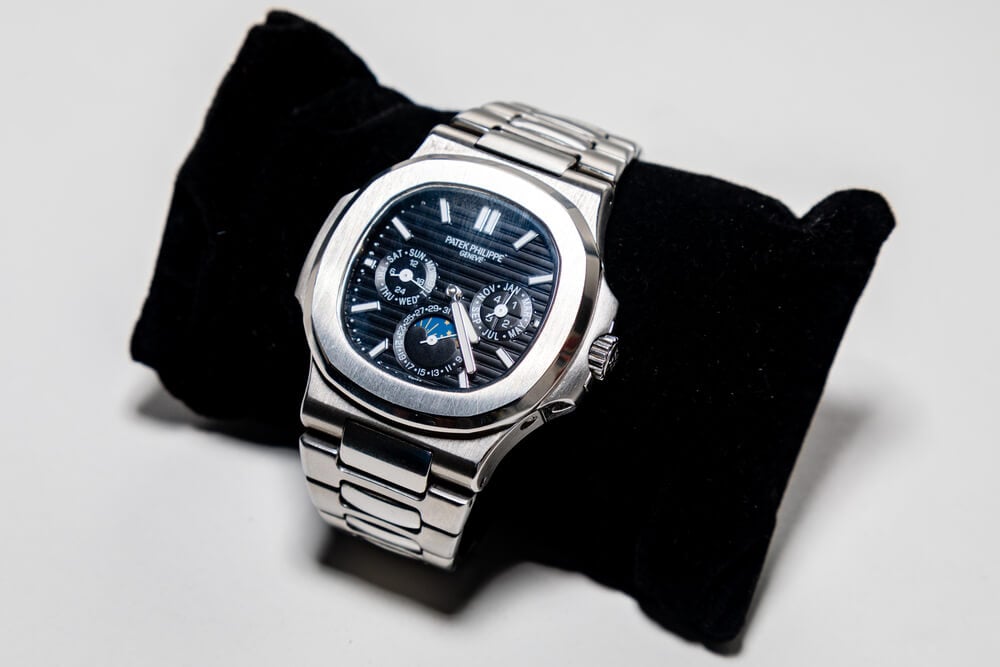
Even in poor condition, a vintage Nautilus is worth thousands because the model created the luxury sports-watch market in 1976 and hasn’t been discontinued since. A battered example from the 1980s in stainless steel might fetch $8,000 to $12,000 even with a scratched crystal and faded dial.
Gold versions command multiples of that. The watch is famously difficult to find secondhand; even a non-working model justifies professional appraisal and repair consultation before selling.
Rolex Submariner Pre-1970
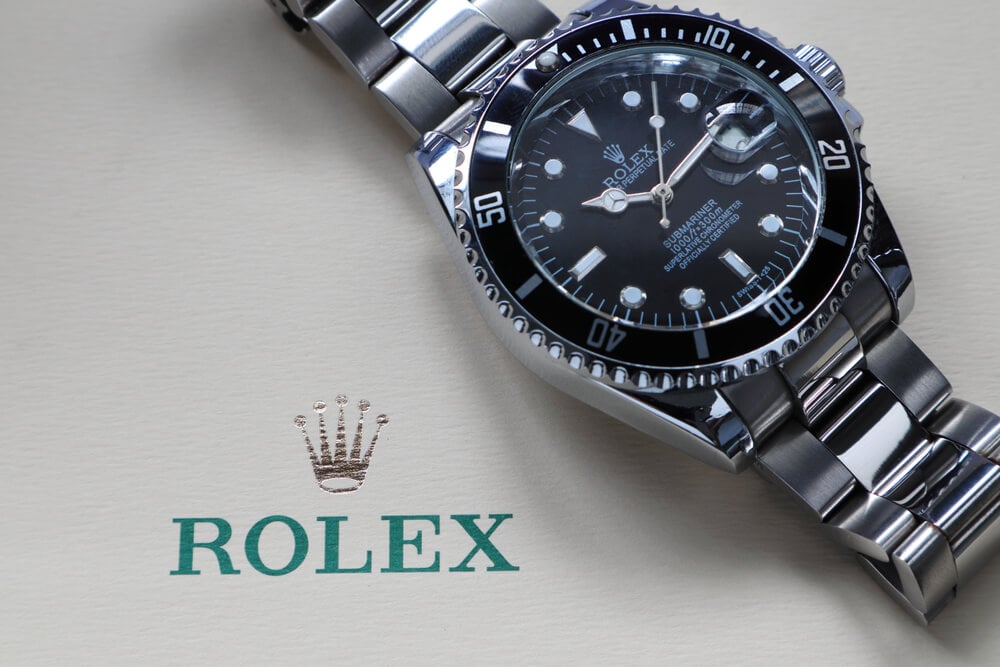
The Submariner has been in production since 1953, but the early references—particularly the 5513 and 6538 models—are collectible enough to motivate theft. A 1960s stainless steel Submariner in fair condition (working, scratched, faded dial) runs $4,500 to $7,000.
The presence of specific dial markers, lug shapes, and crown configurations separates a $3,000 watch from a $15,000 one. Wear is expected and accepted; originality of parts matters far more than cosmetics.
Heuer Chronograph from the 1960s
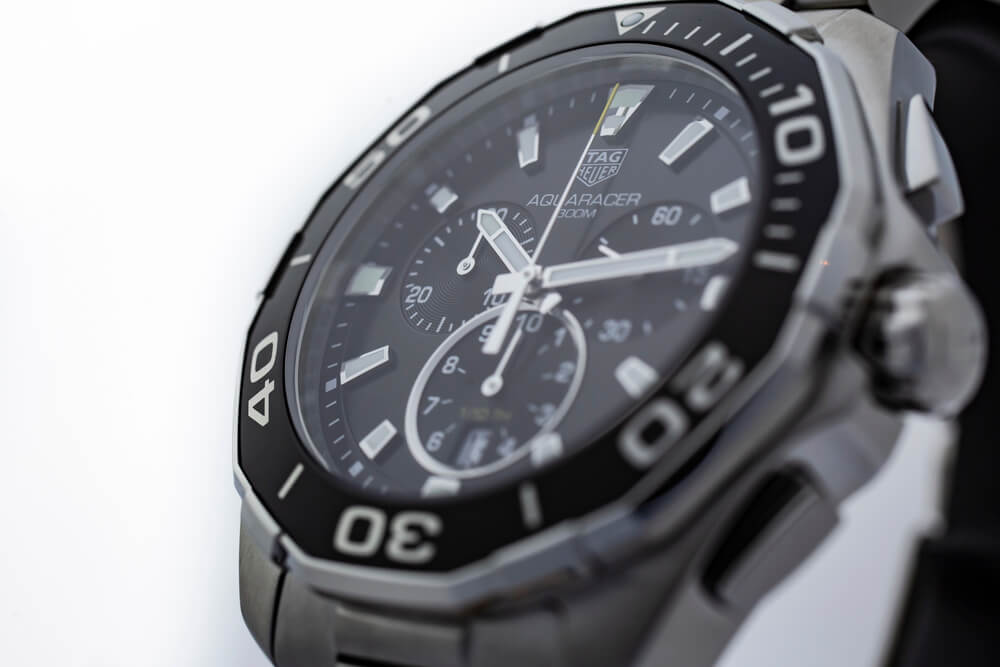
Heuer chronographs from the 1960s—particularly the Carrera and Autavia models—are pursued by serious collectors despite their modest original prices. A Heuer Carrera or Autavia in running condition with a legible dial sells for $2,000 to $4,500 depending on the specific reference number and case metal.
Non-running examples still appraise in the $1,200 to $2,500 range if the movement is complete. The brand’s connection to racing and its eclipse by TAG Heuer in the 1980s paradoxically made the earlier pieces more collectible.
Seiko 6139 Chronograph
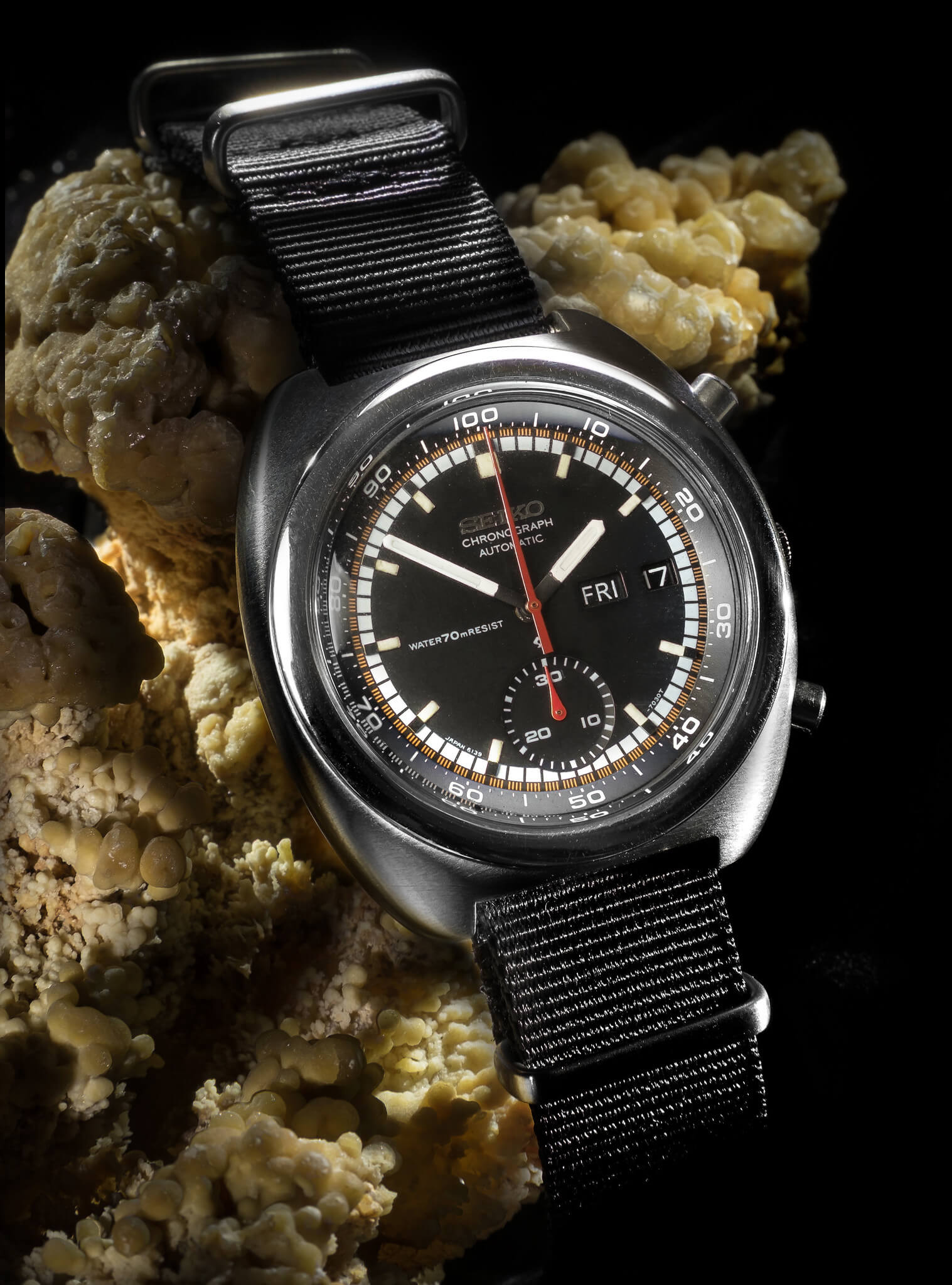
Seiko’s 6139 chronograph, produced from 1969 to 1977, is the most affordable high-quality Japanese chronograph of the era and attracts devoted collectors. A working 6139 with its original dial and bracelet reaches $600 to $1,200; a rare dial variant can exceed $2,000.
Even a non-running 6139 with an intact dial is worth $300 to $500 to a collector, since the movement is repairable and the dial is the expensive component.
Omega Speedmaster Professional
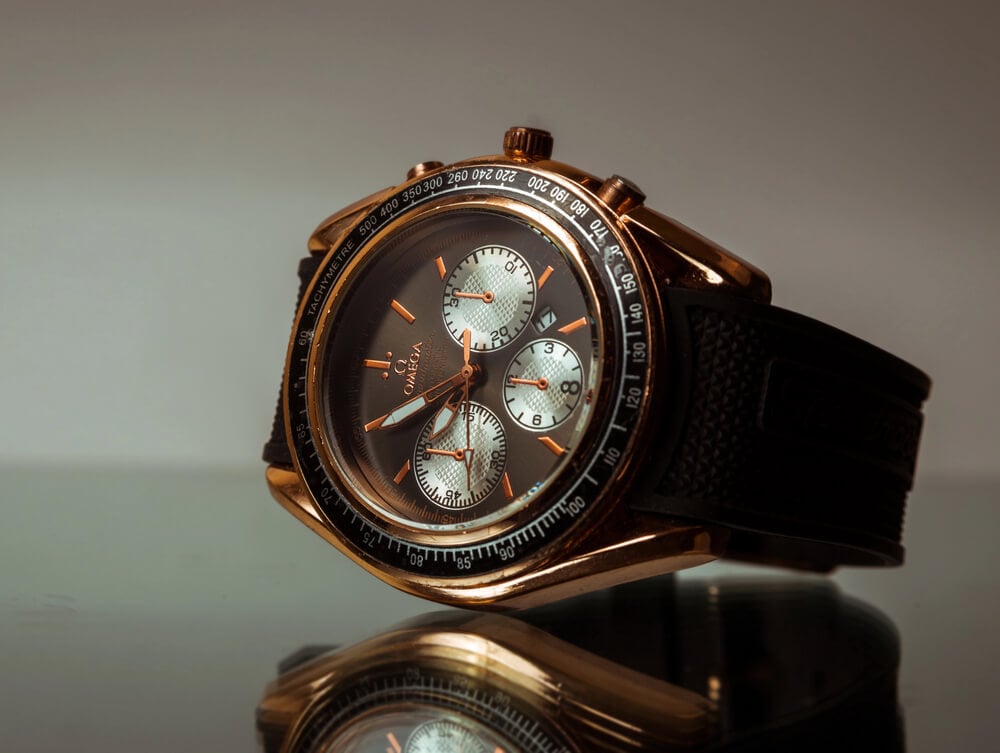
The Speedmaster Professional has been made continuously since 1962 and still retains value at any point in its production run. A 1970s Speedmaster in good running condition with typical desk-diving marks brings $800 to $1,500.
The watch’s moon-qualified heritage and robust movement mean even examples with damaged crystals and faded printing are serviceable and desirable. Condition dependency is lower than most collectible watches; the movement’s reputation carries more weight than appearance.
Zenith El Primero
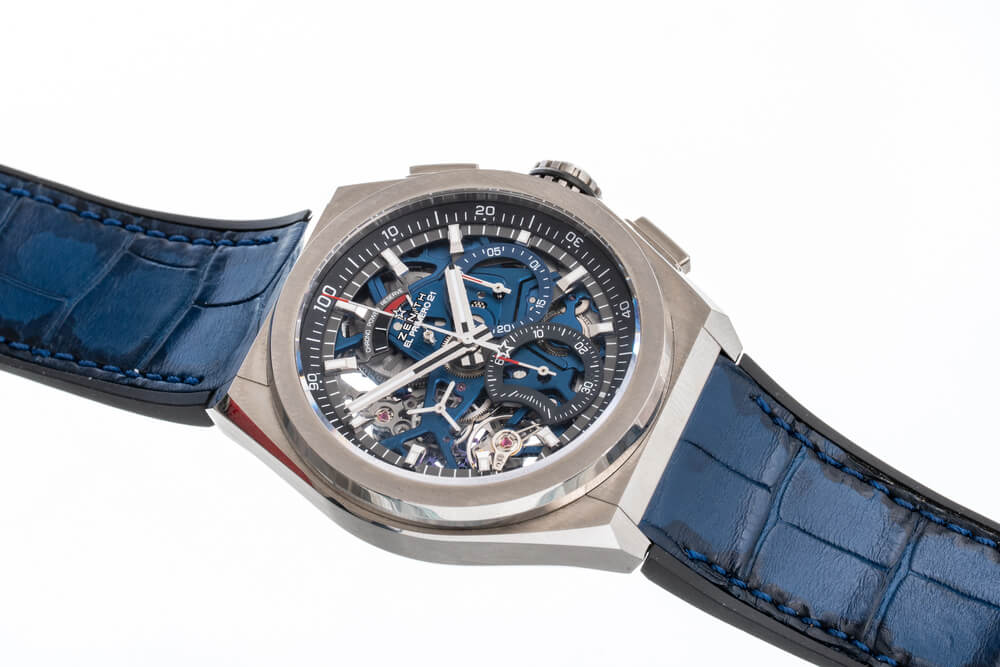
Zenith’s El Primero, launched in 1969, is one of three chronographs credited with inventing the automatic chronograph, and 1960s-70s examples remain highly collectible. A vintage El Primero in running condition with original dial sells for $1,500 to $3,000; rare dial variants go higher.
Even a battered example with a readable dial is worth $800 to $1,500 because the movement is legendary among enthusiasts. The watch’s technical significance outweighs cosmetic condition.
Tudor Oyster Perpetual Submariner
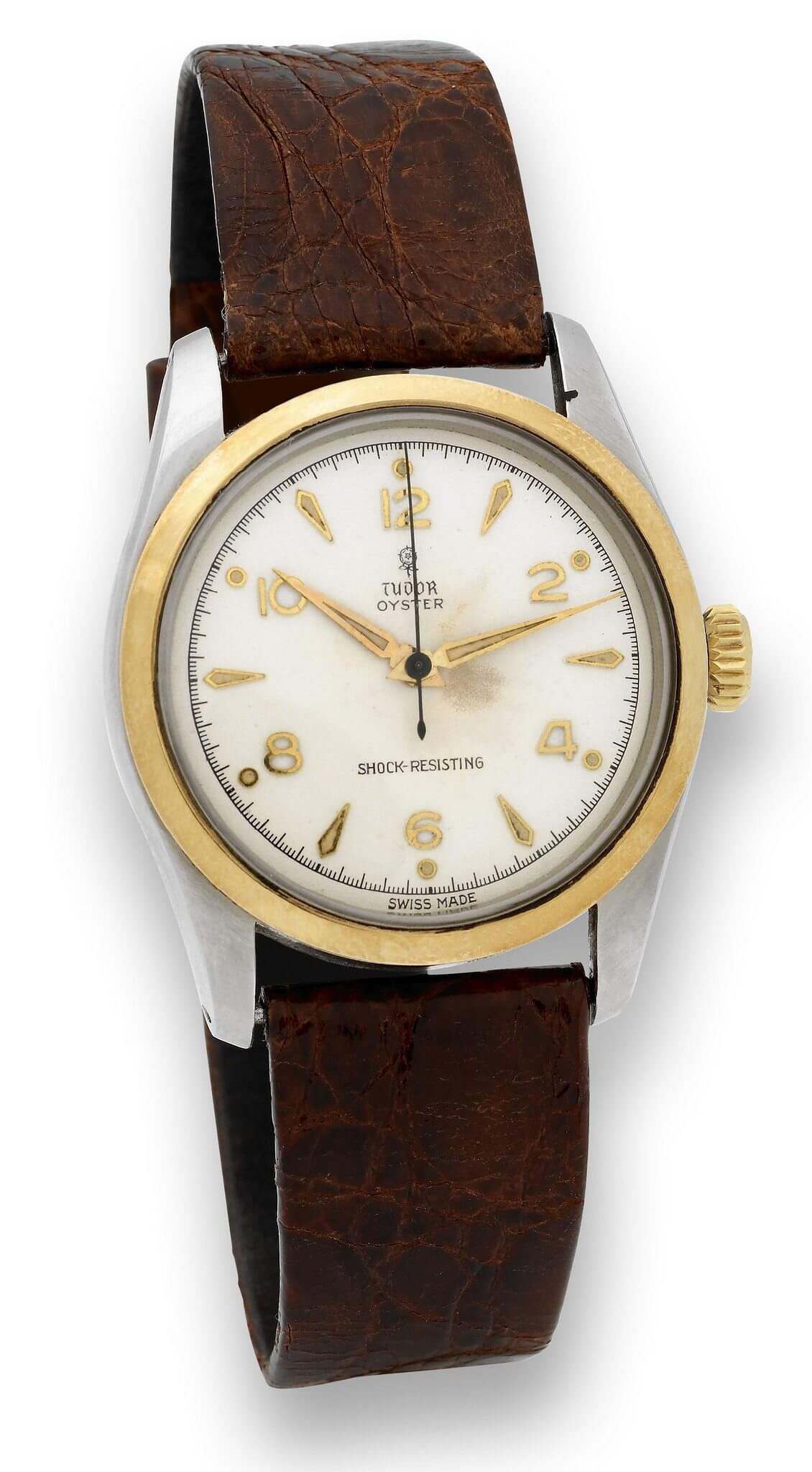
Tudor, Rolex’s budget brand, made sport watches that aged into collectibility as Rolex prices exploded. A 1970s Tudor Submariner in fair condition—working, scratched, faded dial—brings $1,200 to $2,200.
The watch is mechanically identical to a Rolex Submariner but cost far less new, making it attractive to budget-conscious collectors. Non-working examples still fetch $600 to $1,000 if the dial is legible and the case is solid.
Universal Genève Polerouter
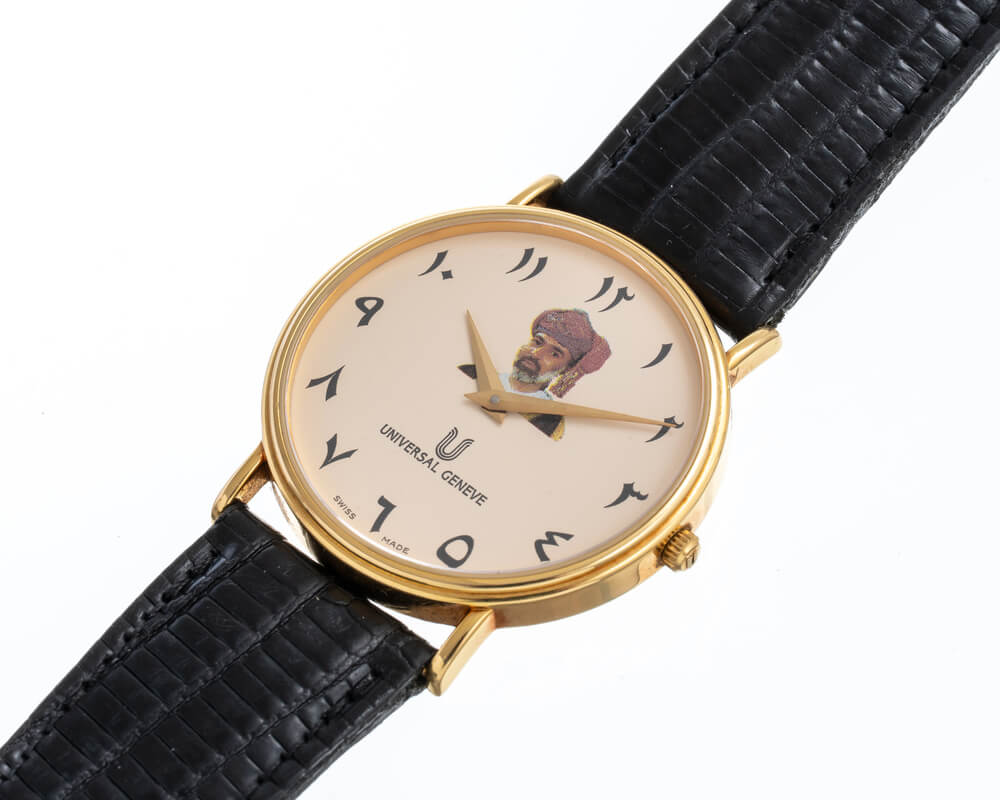
Universal Genève’s Polerouter from the late 1950s through 1960s was designed for extreme environments and earned a reputation among pilots and explorers. A Polerouter in running condition with decent dial printing commands $800 to $1,600; rare dial variants exceed $2,500.
Even a non-working example with an original dial is worth $400 to $700 because the watch’s engineering and scarcity support values that ignore cosmetic wear. The brand’s relative obscurity today makes flea-market finds especially profitable.
Longines Conquest
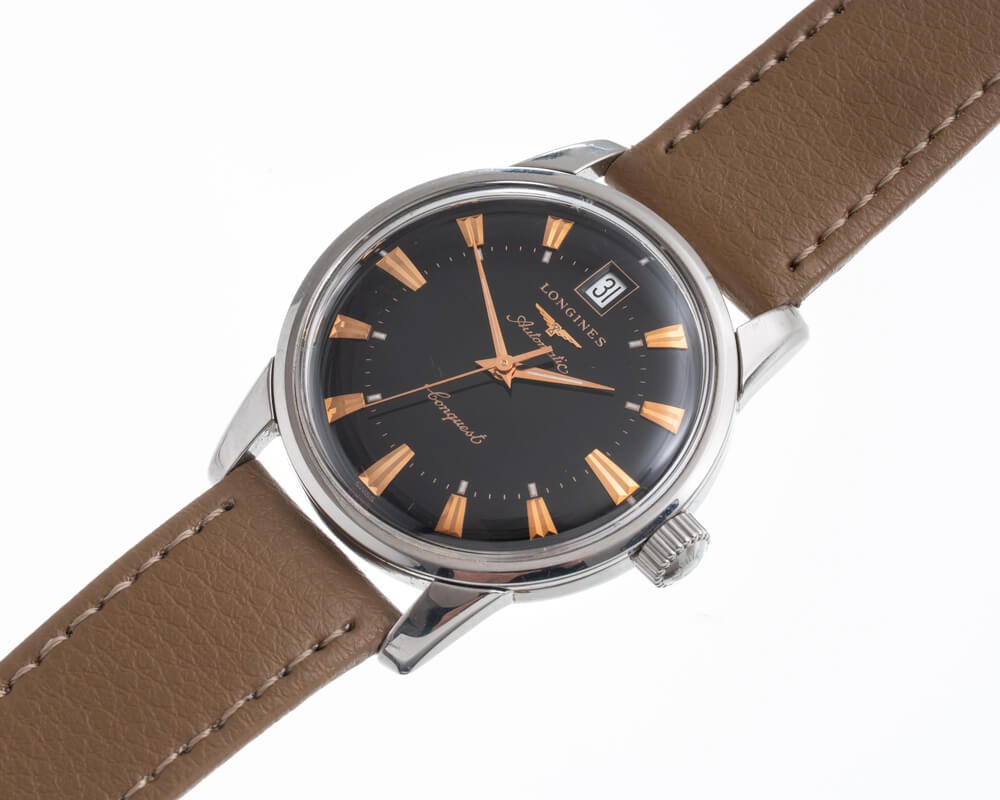
Longines was one of the most prestigious watchmakers before the quartz crisis, and its Conquest line attracted engineers and military users. A 1960s Conquest in running condition with an original dial brings $600 to $1,200.
Many Conquest watches have been serviced and modified over decades, so an example with unaltered parts commands a premium. Even a movement-only Conquest (dial and case lost) is worth $100 to $250 because the movement is robust and serviceable.
Wittnauer Automatic
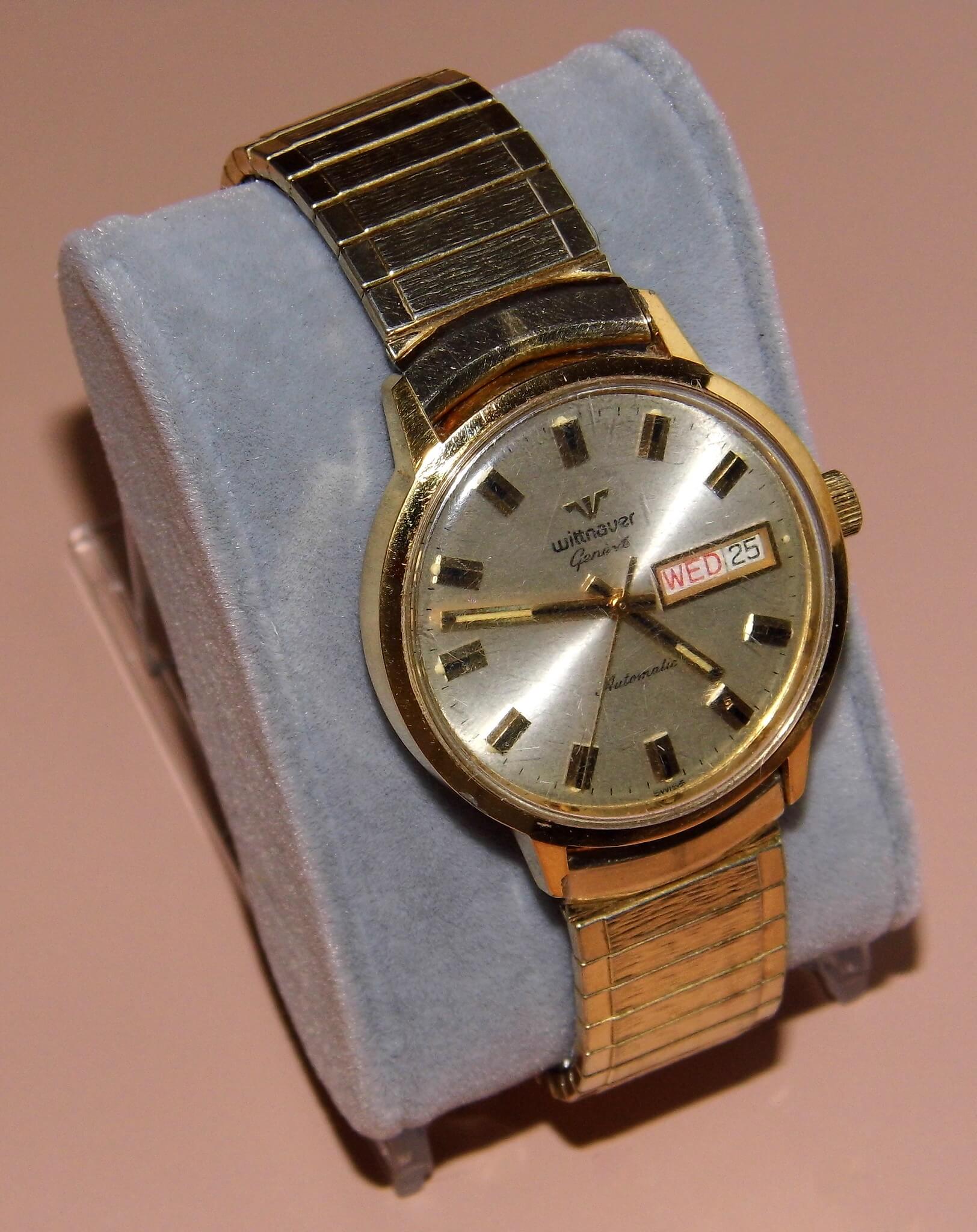
Wittnauer, a Swiss maker now forgotten, produced excellent automatics from the 1950s through 1970s at prices accessible to American professionals. A Wittnauer in good running condition with legible dial and intact case reaches $250 to $500; rare models or precious-metal cases push higher.
The brand’s absence from modern collecting discussions means these watches are undervalued relative to identical movements from “prestige” makers. Condition is less critical than movement function and case integrity.
Movado Kingmatic
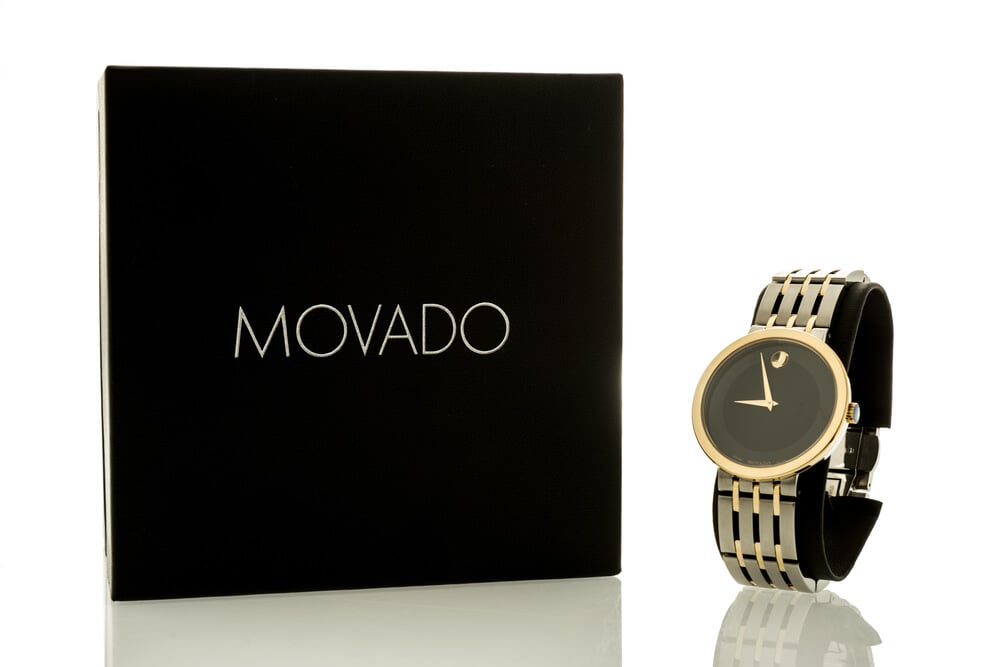
Movado’s Kingmatic automatic, produced from the mid-1950s onward, is an elegant dress watch that aged well and remains serviceable. A Kingmatic in running condition with a clean dial reaches $300 to $600.
The watch’s minimalist dial design (Movado’s signature aesthetic) has aged better than busier competitors, and many examples have been well preserved. Even a non-running Kingmatic with an original Movado dial is worth $150 to $300 to a restoration enthusiast.
IWC Big Pilot
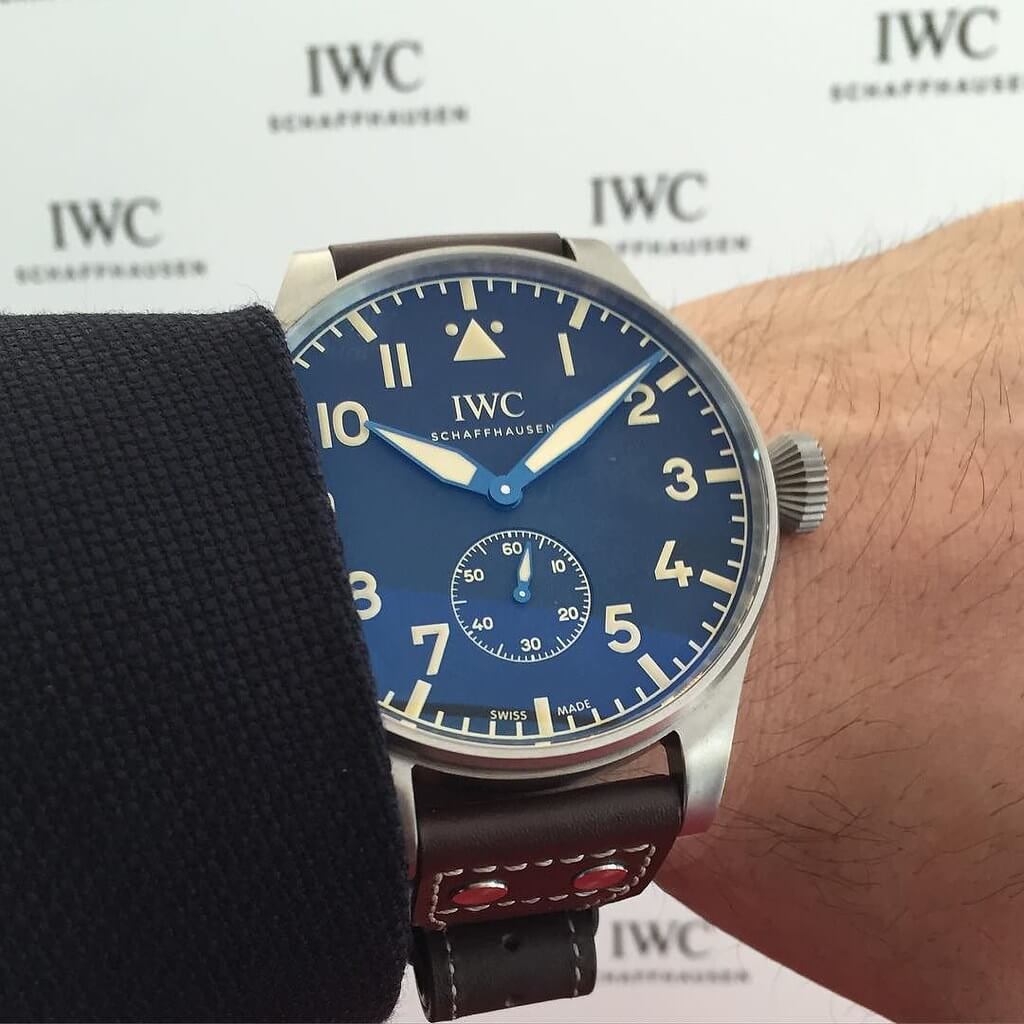
IWC’s big pilot watches from the 1940s through 1960s are substantial, legible instruments designed for military and civilian aviators and remain deeply collectible. A 1950s IWC pilot watch in good running condition with original dial and hands reaches $2,000 to $3,500.
Even a non-running example with an intact dial commands $1,000 to $1,800 because the movement is robust and the case design is timeless. Rarity and technical specification matter far more than cosmetic wear.
Glycine Airman
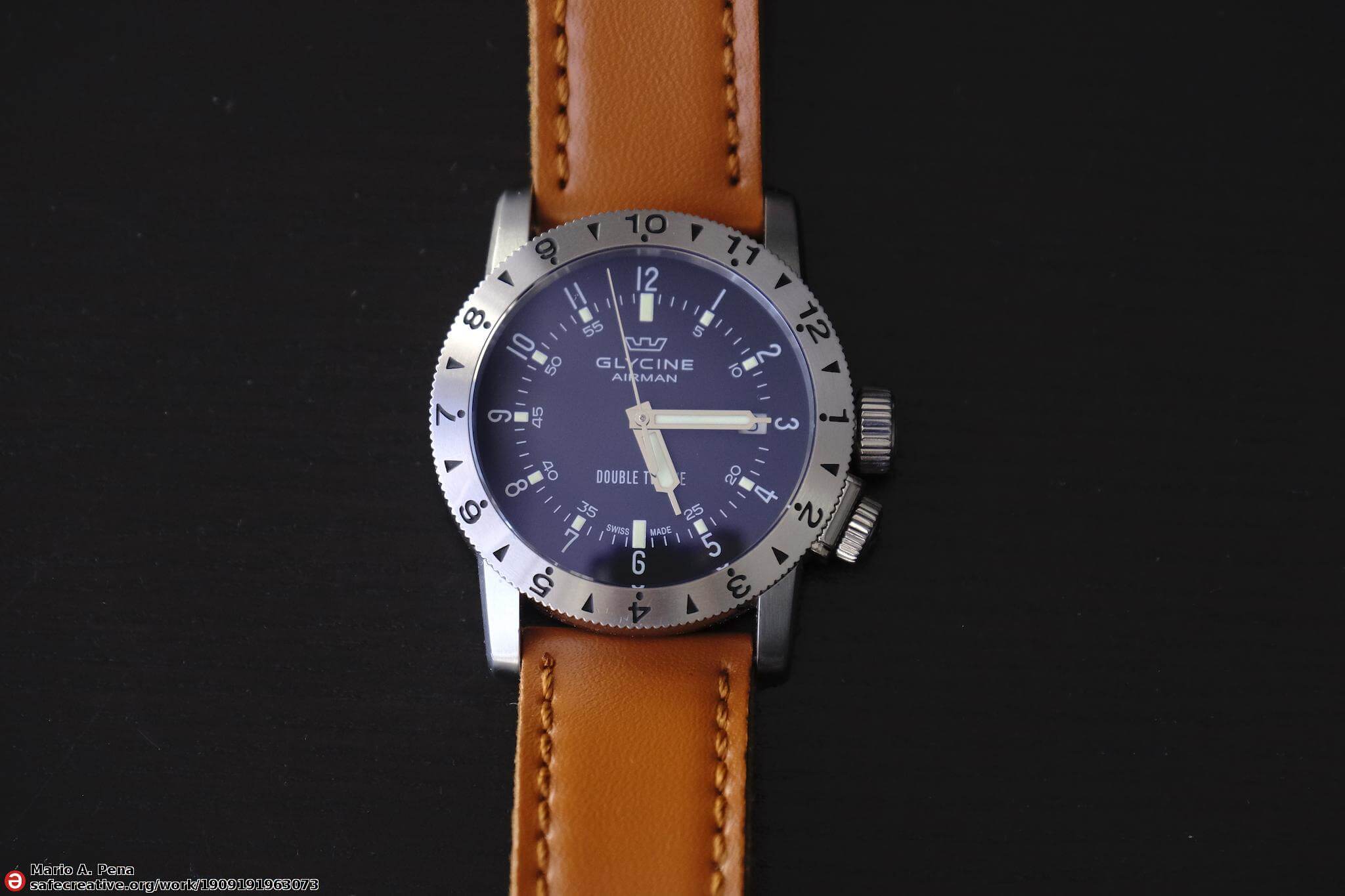
Glycine’s Airman, introduced in 1953, was the first wristwatch with a 24-hour dial and was marketed to military pilots and navigators. A vintage Airman in running condition with legible 24-hour dial and intact case brings $400 to $800; rare early examples exceed $1,200.
The watch’s functional design and technical innovation keep it desirable despite modest original prices. Dial legibility and case integrity are the critical valuation factors.
Lip Watch (French-Made)
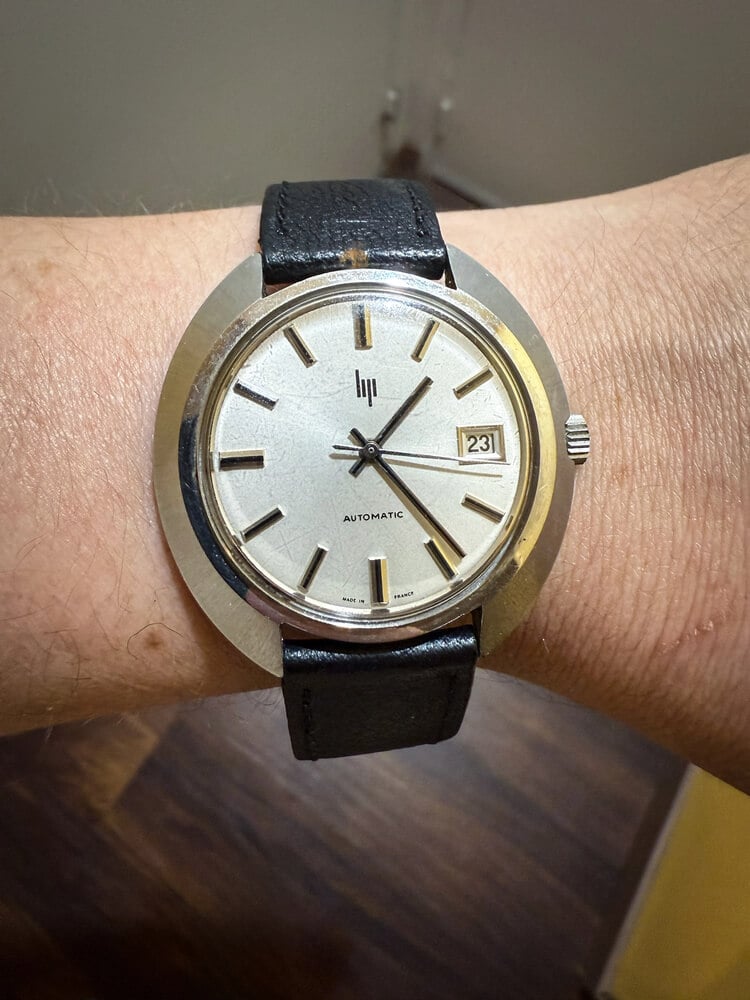
Lip, a French watchmaker now defunct, produced reliable watches for decades and attracted attention among enthusiasts interested in vintage European watches beyond the Swiss norm. A Lip automatic from the 1960s in running condition with legible dial reaches $150 to $300; a rare chronograph variant brings $400 to $800.
The brand’s relative obscurity and the durability of French watch movements support prices that reward patient collectors. Dial condition affects value more than case scratches.
Gruen Veri-Thin
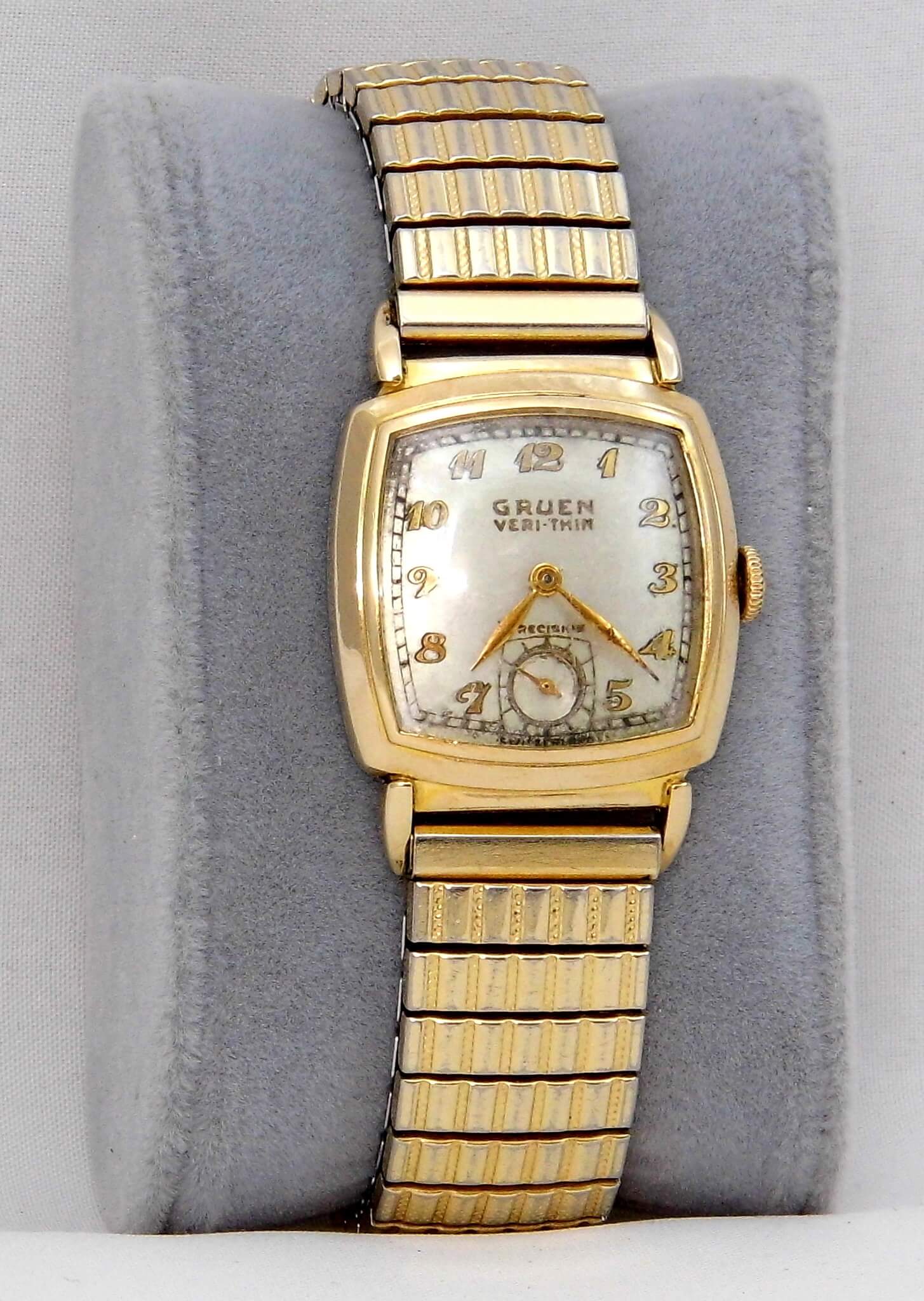
Gruen’s Veri-Thin, celebrated for its engineering and thinness relative to its functionality, was made from the 1940s through 1960s and aged into collectibility as the brand faded from prominence. A running Veri-Thin in good condition reaches $300 to $600; a rare caliber or precious-metal case commands more.
Even a non-working Veri-Thin movement is worth $100 to $200 because the mechanism is admired by restorers and engineers. The watch represents a benchmark in mechanical innovation.
Bulova Accutron
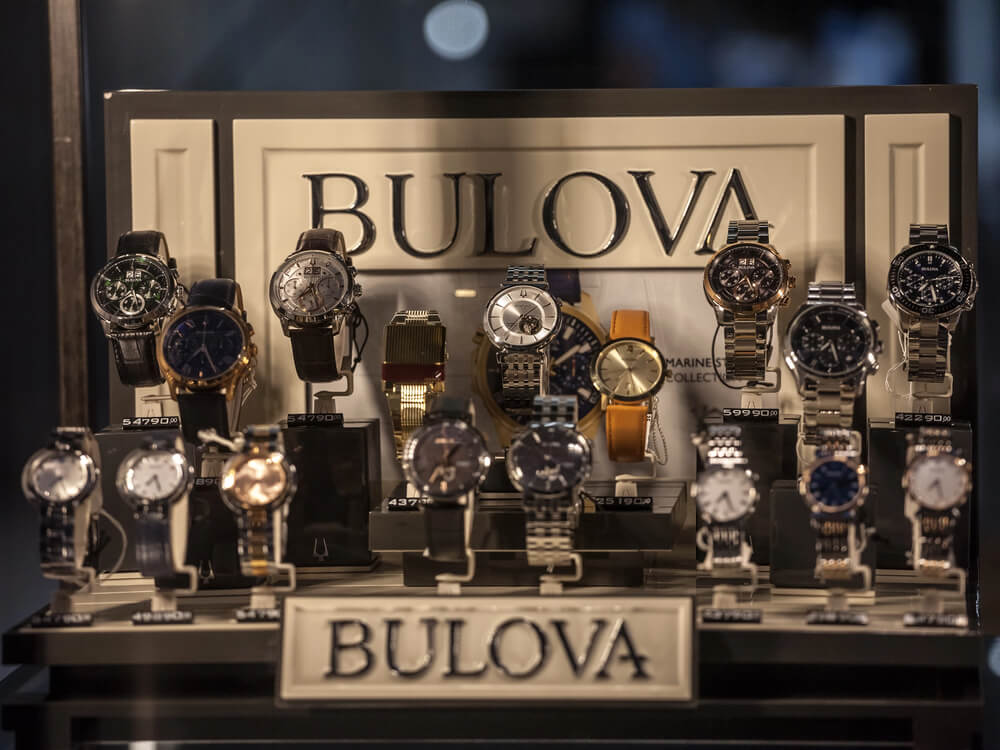
Bulova’s Accutron, powered by a tuning-fork mechanism rather than a balance wheel, was a mid-century marvel and remains functional because the movement is forgiving of neglect. A 1960s Accutron in running condition with legible dial and intact case brings $150 to $400.
The watch’s unusual technology, accuracy, and durability mean even heavily worn examples remain serviceable. Non-working Accutrons still fetch $50 to $150 because the movement is repairable and parts are available.
Jaeger-LeCoultre Memovox
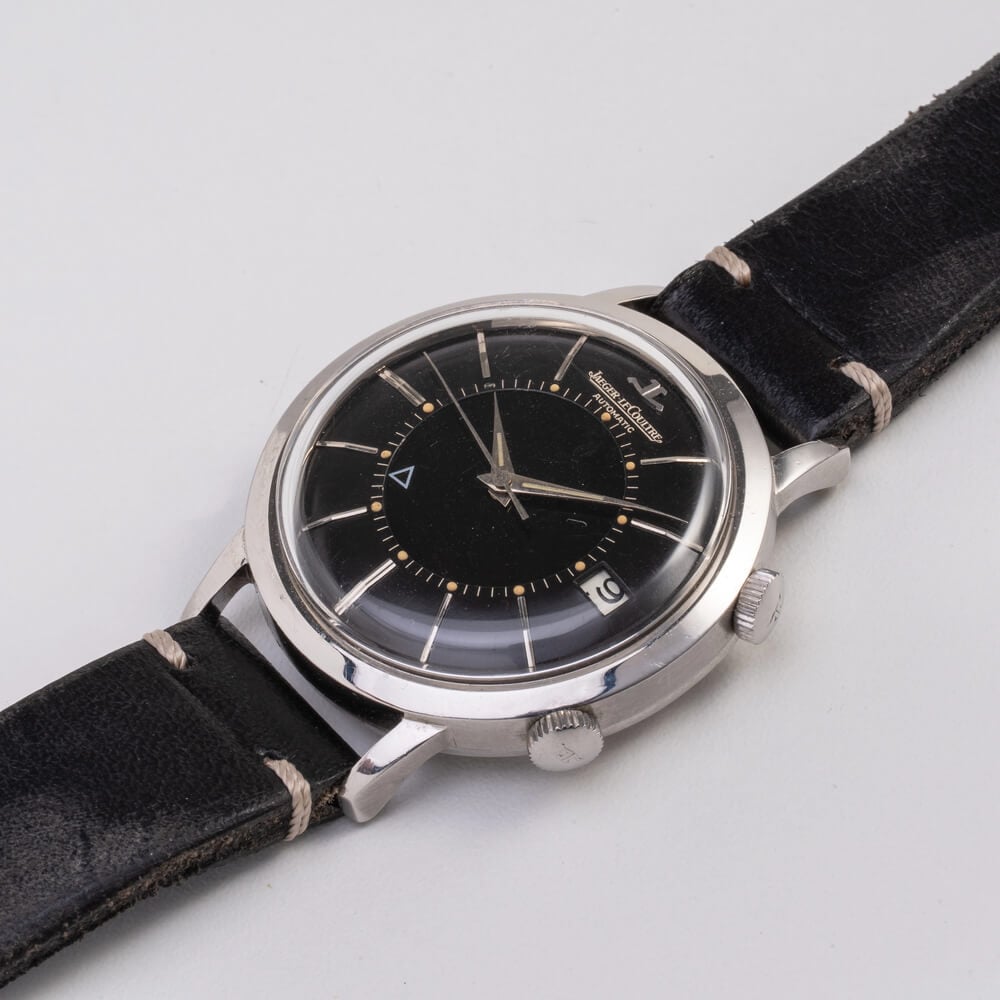
Jaeger-LeCoultre’s Memovox, featuring a mechanical alarm, was a luxury sports watch from the 1950s onward and remains highly capable and collectible. A 1960s Memovox in running condition with legible dial and functioning alarm brings $1,200 to $2,000.
Even a non-working Memovox with intact dial and case is worth $600 to $1,000 because the movement is masterfully engineered. The watch’s rarity and technical sophistication outweigh condition concerns.
Grana Automatic
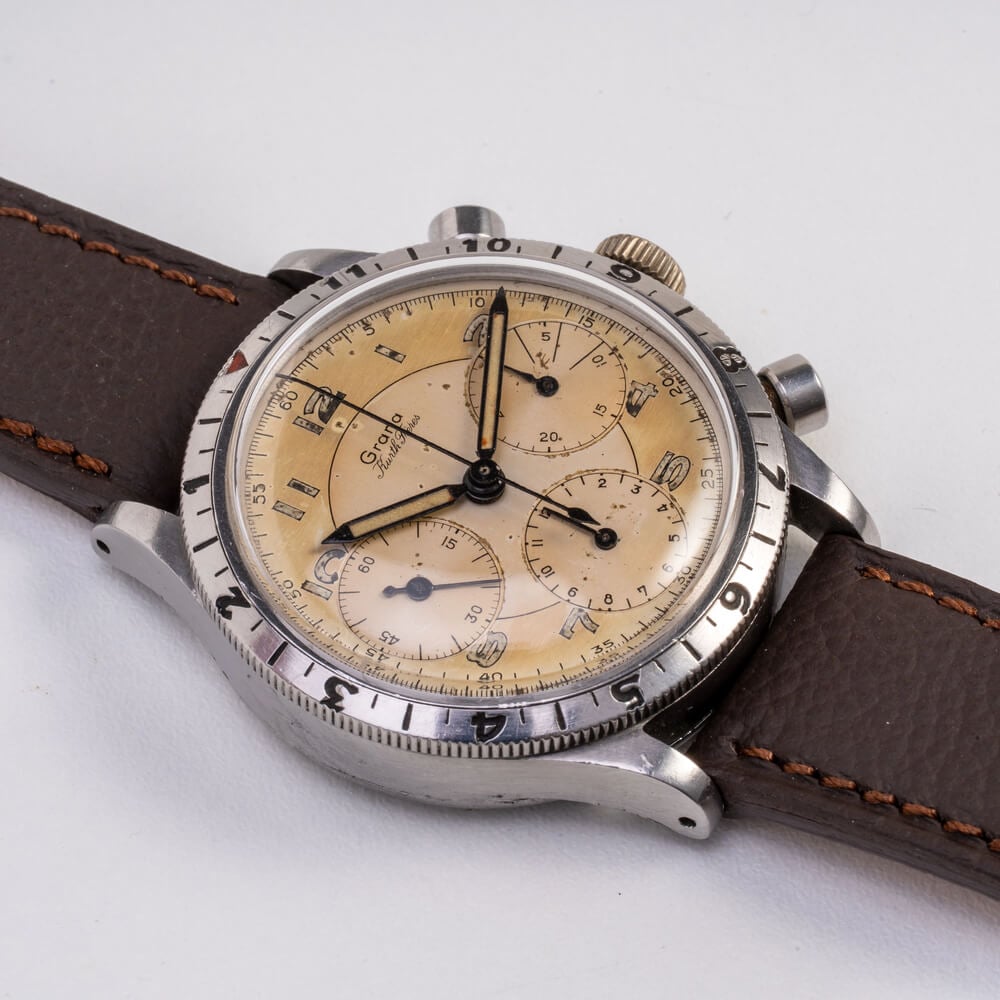
Grana, a lesser-known Swiss maker, produced respectable automatics from the 1950s through 1970s that aged well and remain undervalued. A Grana in running condition with legible dial and clean case reaches $100 to $250.
The brand’s obscurity means these watches are frequently overlooked at yard sales and estate lots, making patient collectors aware of bargains others miss. Any Grana with a visible maker name and legible dial justifies a professional evaluation.
Eterna Matic
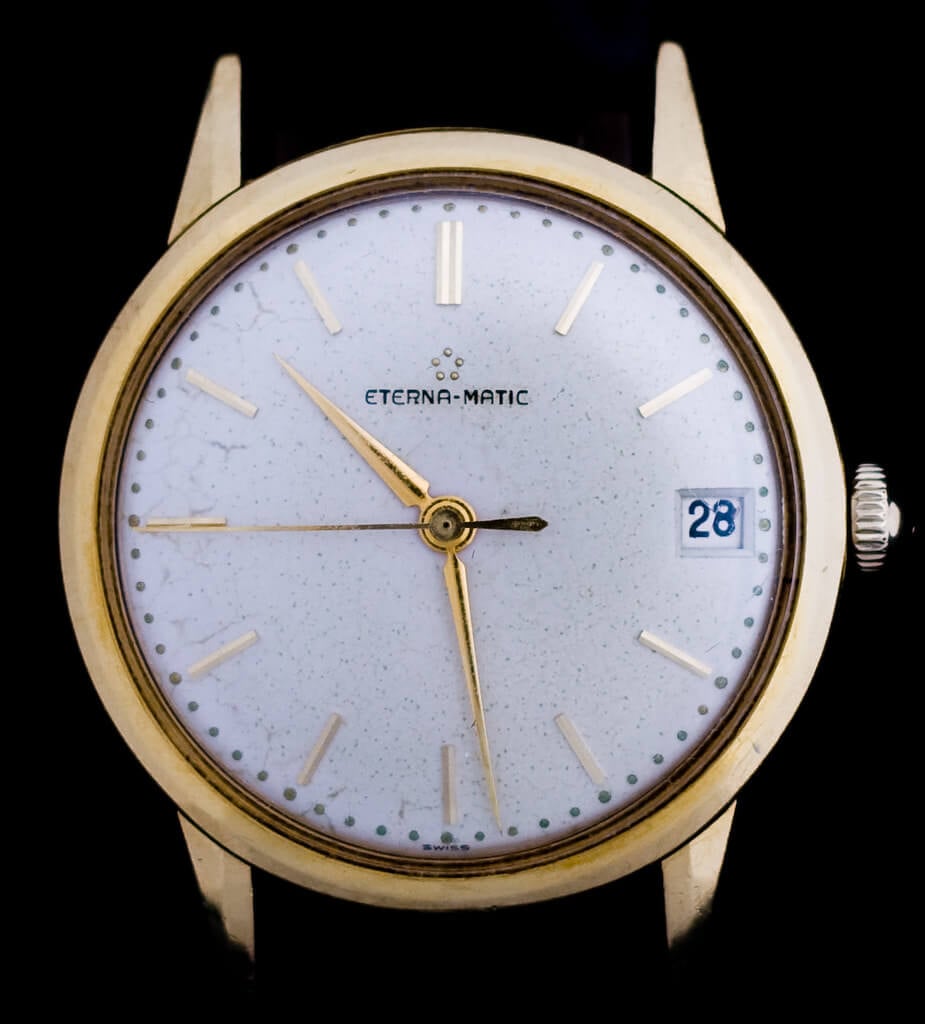
Eterna’s Matic line was a technical benchmark in automatic watches and the brand’s precision and durability are still respected among enthusiasts. A 1960s Eterna Matic in running condition with original dial brings $250 to $500; a rare caliber or precious-metal case commands multiples of that.
Even a non-working Eterna with an intact dial is worth $100 to $250 because the movement is durable and the brand’s reputation supports values. Originality of parts matters more than surface condition.
Benrus Automatic
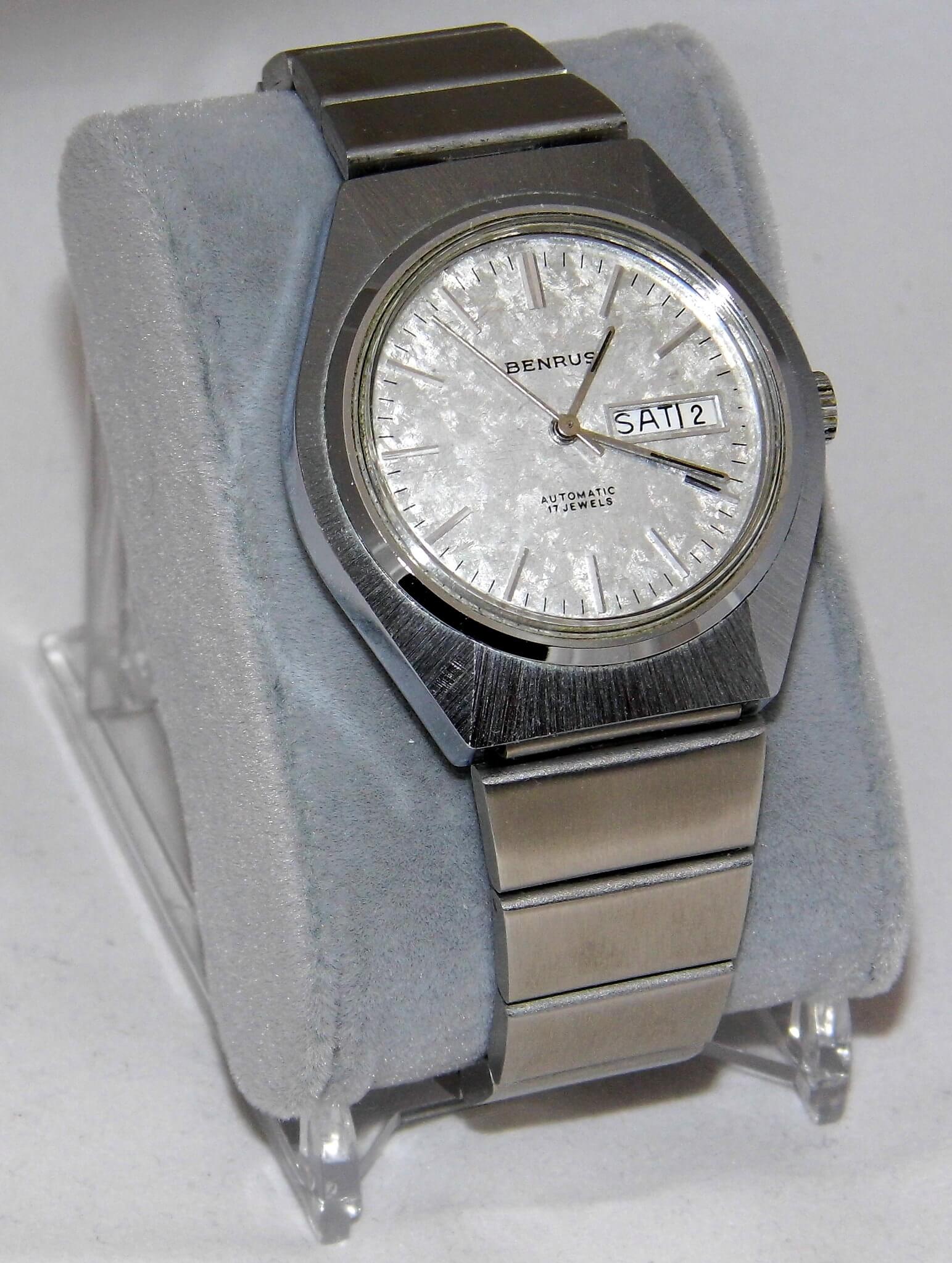
Benrus, an American watchmaker now dormant, made robust field watches and dress automatics that aged into collectibility as American watch manufacturing declined. A 1960s Benrus in running condition reaches $150 to $350; a military model or rare variant exceeds that.
Even a non-working Benrus with intact dial and case is worth $50 to $150 because American vintage watches have a devoted following. The brand’s connection to American manufacturing history adds collector appeal.
Elgin Automatic
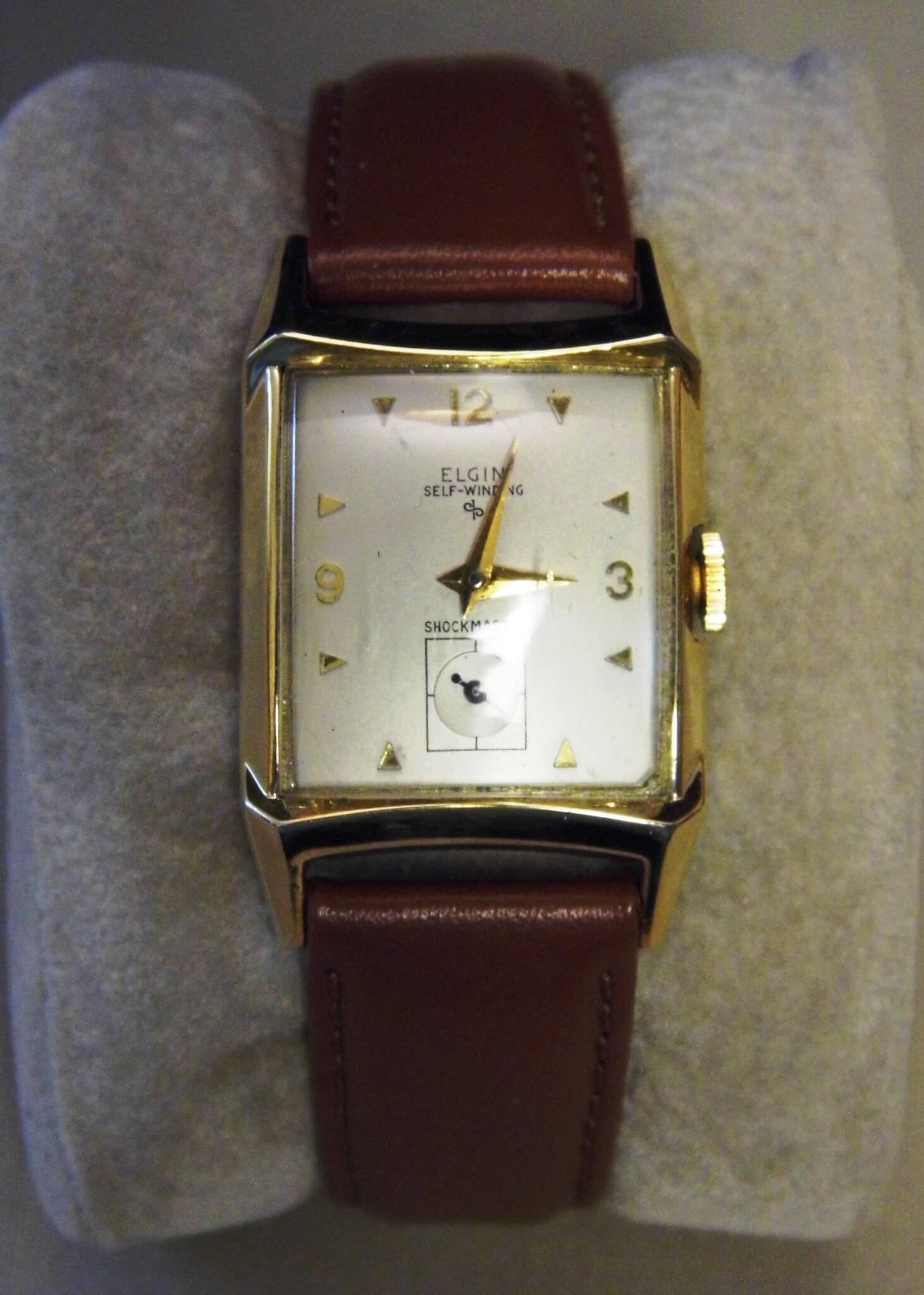
Elgin, the storied American watchmaker, produced automatics from the 1950s onward before ceasing production in the late 1960s. A vintage Elgin automatic in running condition with original dial reaches $200 to $400.
The brand’s historical significance and the rarity of well-preserved examples support prices that reward patient estate-lot hunters. Even a non-working Elgin with legible dial and sturdy case is worth $75 to $175 because of the brand’s American heritage and reputation.
Certina Automatic
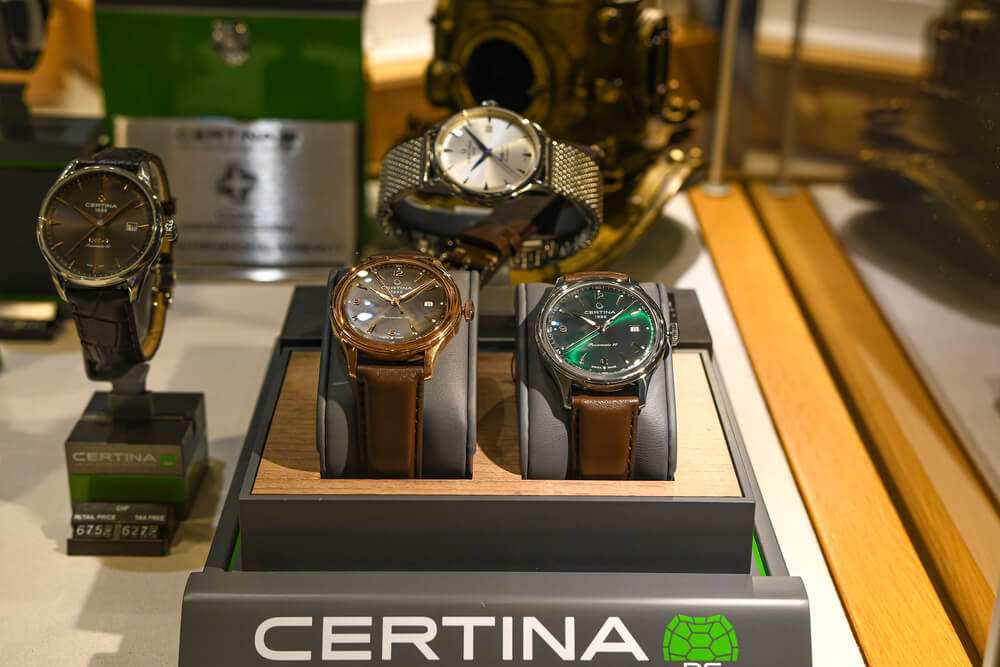
Certina, a Swiss maker later acquired by the Swatch Group, made reliable automatics from the 1950s through modern times and remains undervalued relative to output. A 1960s Certina in running condition with legible dial and clean case reaches $150 to $350.
The brand produced millions of watches, so scarcity is low; value rests on movement quality and condition. Even a non-working Certina is worth $50 to $100 to a restorer because the movement is robust.
Baume & Mercier Automatic
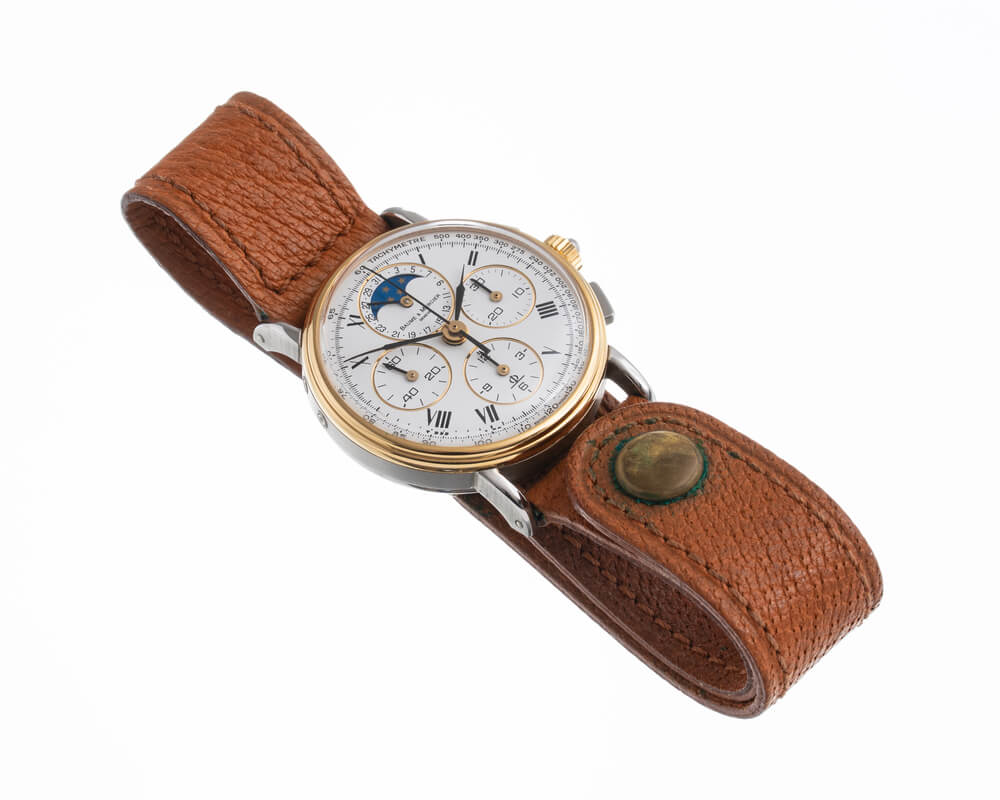
Baume & Mercier produced elegant dress automatics and sport watches that are serviceable and sometimes collectible if examples from earlier production runs survive. A 1950s-60s B&M automatic in running condition with original dial brings $200 to $500.
Precious-metal cases and rare chronograph models command substantial premiums. Even a non-working dress watch with intact dial is worth $50 to $150 because the case and movement are well-engineered.
Tissot Automatic
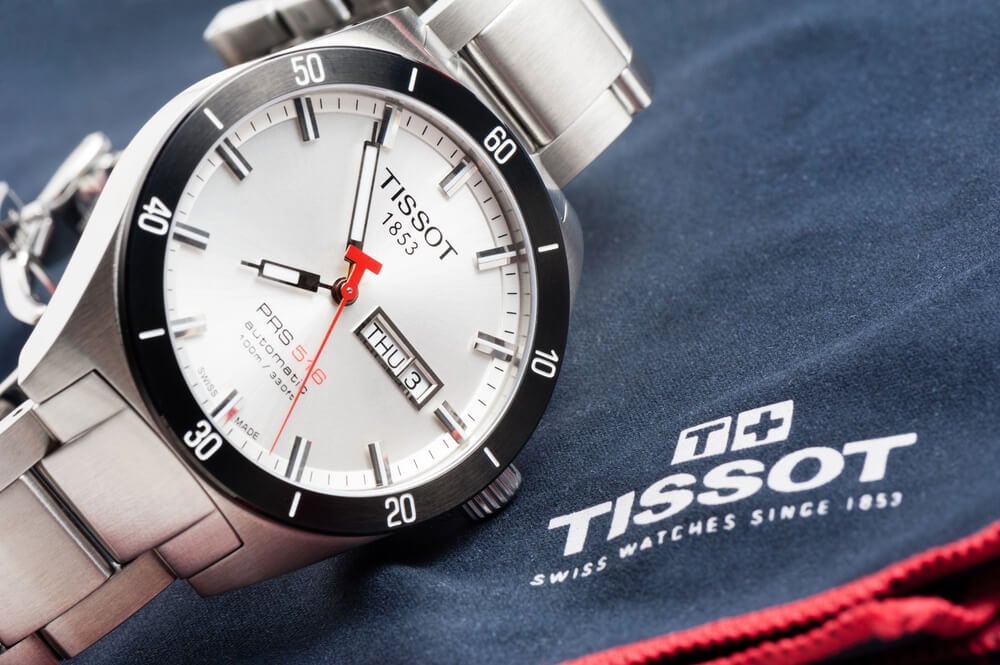
Tissot, now a Swatch Group subsidiary, was a respected independent maker before acquisition and produced automatics that remain serviceable and modestly collectible. A 1960s Tissot automatic in running condition reaches $150 to $350; a rare chronograph or precious-metal case exceeds that.
The brand’s ubiquity means condition becomes more important than scarcity; a well-preserved example commands a premium over a battered one. Even a non-working Tissot is worth $40 to $100 to a restorer.
Mido Automatic
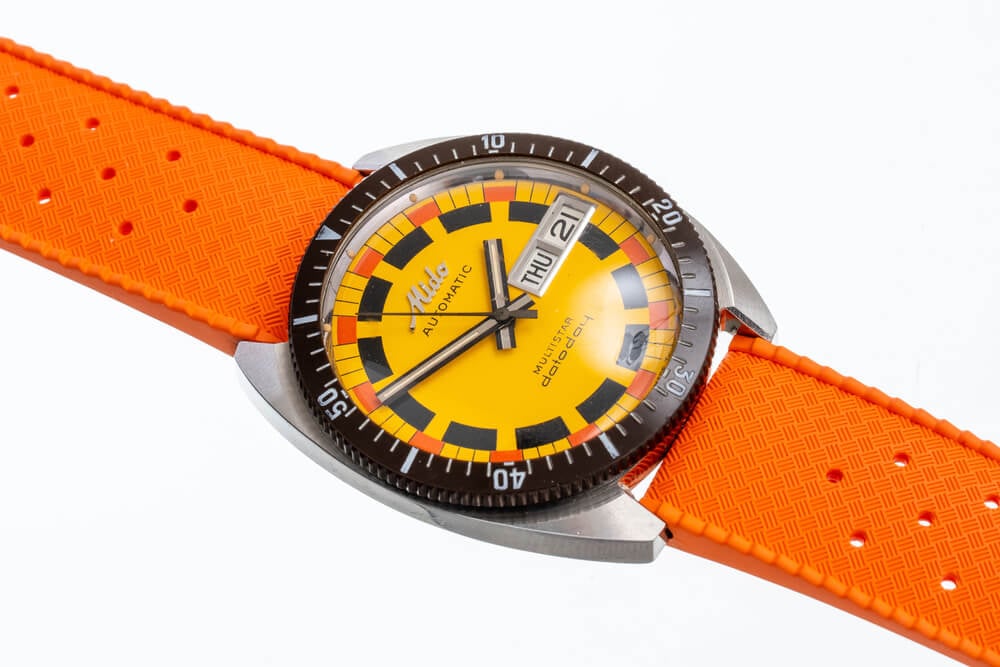
Mido, a Swiss maker also now under the Swatch Group, produced durable field watches and automatics from the 1950s onward. A Mido automatic in running condition with legible dial reaches $100 to $250.
The brand’s emphasis on robustness and water resistance has aged well; many examples remain serviceable. Even a heavily worn Mido is worth $25 to $75 because the brand’s reputation supports basic resale value.
Dial legibility matters more than case condition.
Cyma Automatic
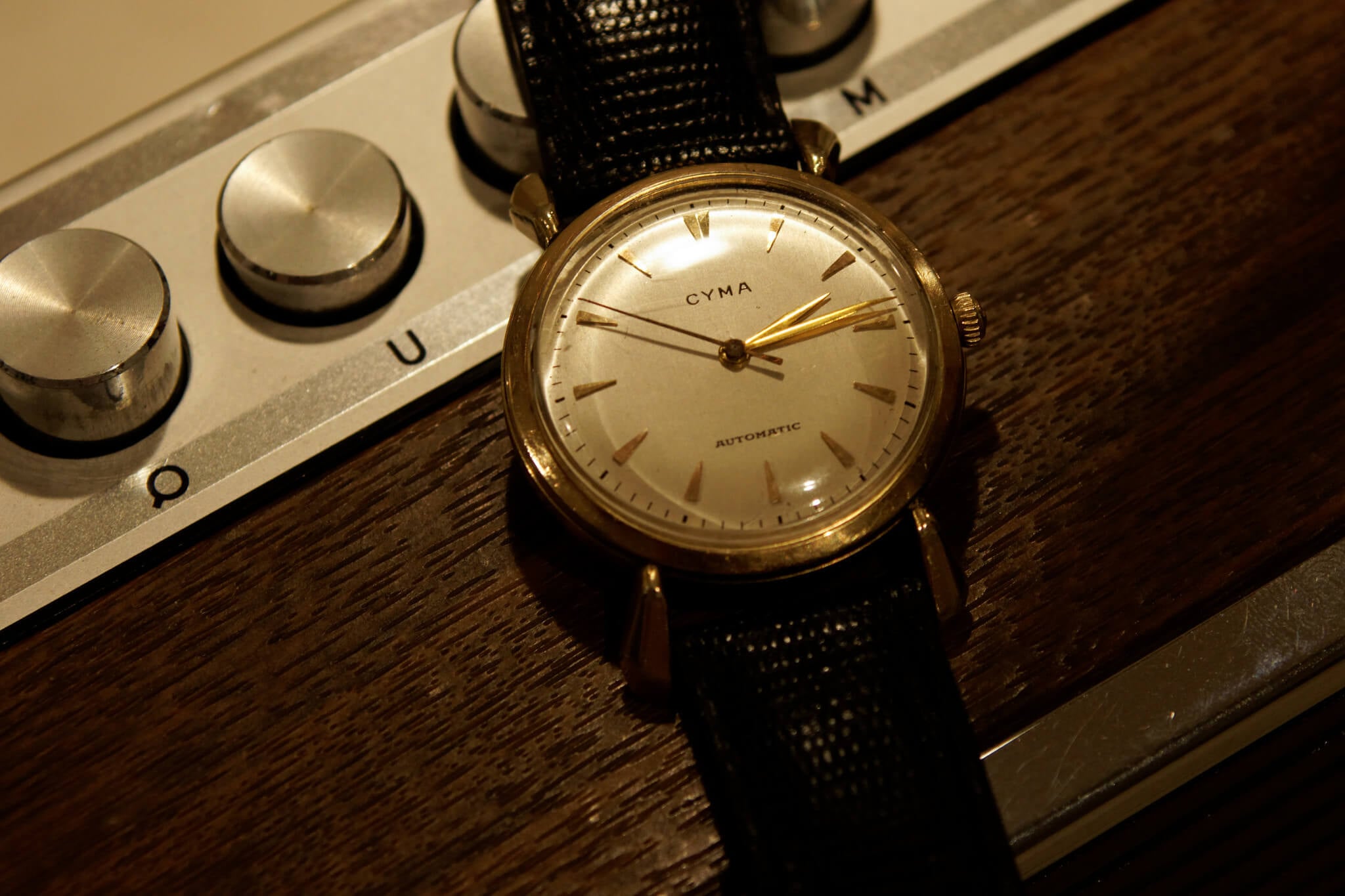
Cyma, a historic Swiss brand whose output ended before the quartz crisis, produced well-engineered automatics that occasionally surface in unexpected places. A Cyma automatic from the 1950s-60s in running condition with good dial reaches $150 to $300.
The brand’s relative obscurity compared to better-known Swiss contemporaries means examples are frequently undervalued. Even a non-working Cyma with an intact movement and legible dial is worth $50 to $100 to a collector searching for the unfamiliar.
Doxa Automatic
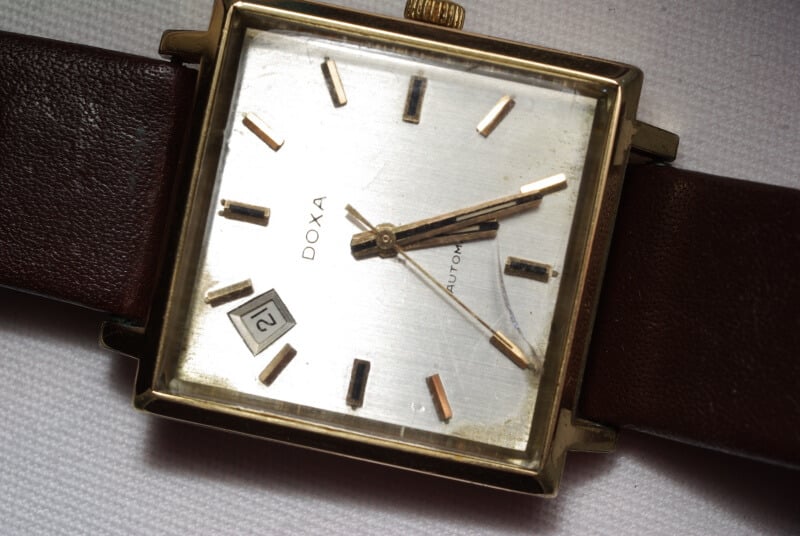
Doxa, a Swiss maker known for diving watches and technical instruments, produced automatics that are increasingly sought by collectors interested in early sports watch history. A 1960s Doxa automatic, particularly a dive model, in running condition with legible dial brings $300 to $600.
Precious-metal cases and the famous orange-dial variants command multiples of that. Even a non-working Doxa with an intact dial is worth $150 to $300 because the brand’s technical significance and rarity support strong values.
Felca Automatic
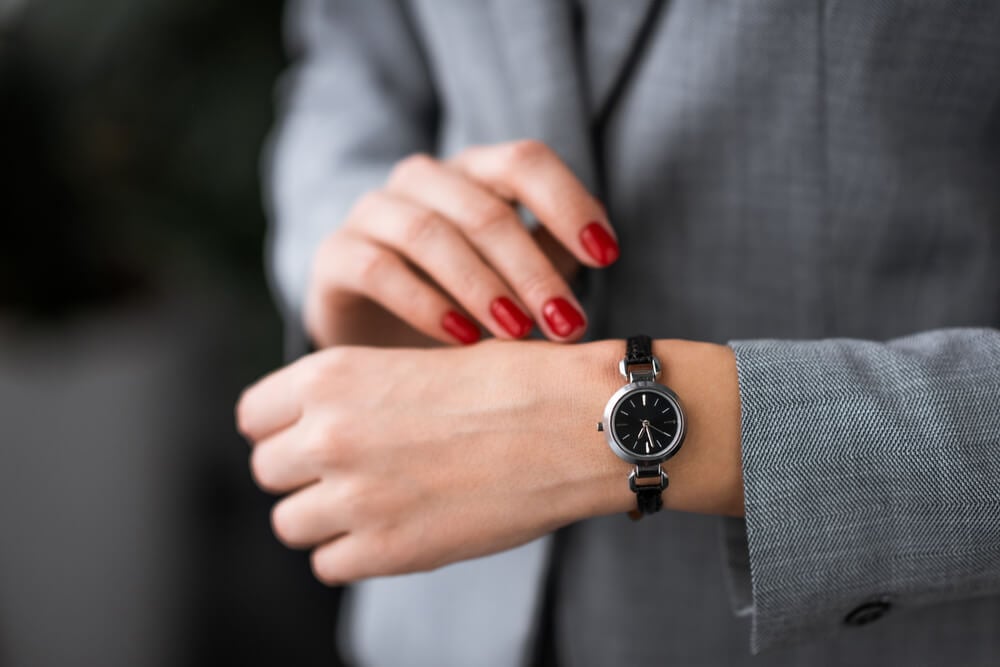
Felca, a small Swiss maker, produced modest numbers of quality automatics that aged well and remain serviceable if found. A Felca automatic in running condition with legible dial reaches $100 to $200.
The brand’s limited output and relative obscurity mean examples are encountered rarely at estate sales, rewarding patient hunters. Even a non-working Felca with a complete movement and intact dial is worth $25 to $75 because the brand is unfamiliar to most casual sellers, creating pricing gaps.
Zodiac Automatic
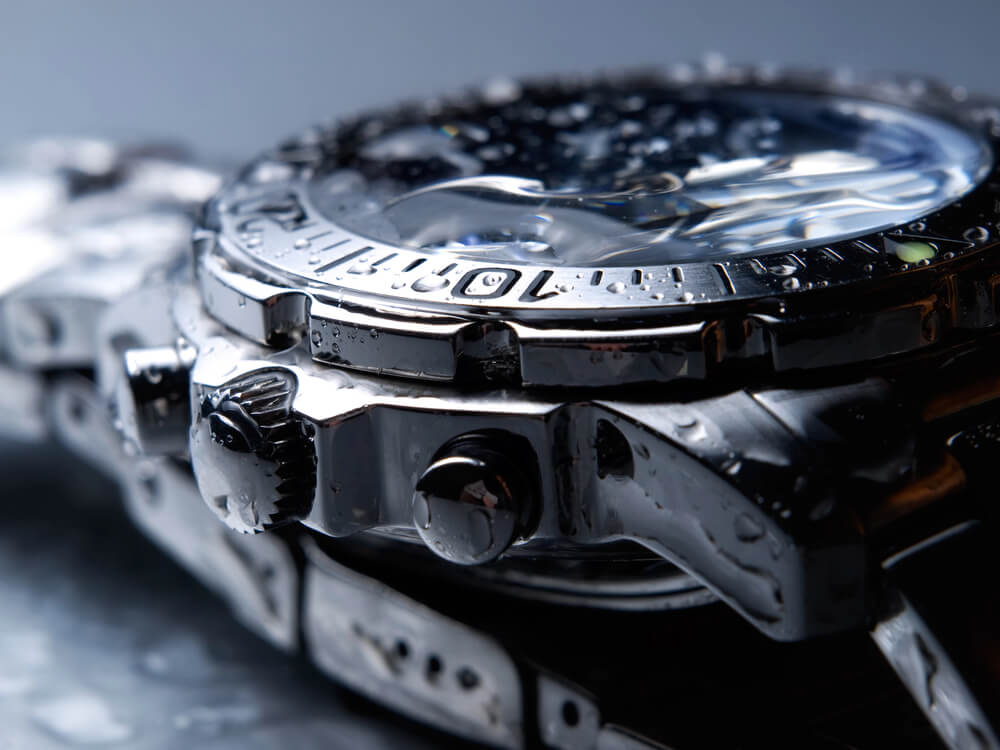
Zodiac produced respected sport and diving automatics from the 1950s onward, and the brand’s quality engineering means even heavily worn examples remain serviceable. A 1960s Zodiac sport watch in running condition reaches $200 to $400; a diving model commands more.
The brand’s connection to water sports and technical sophistication keep prices steady despite its eclipse by larger makers. Even a non-working Zodiac with intact case and legible dial is worth $75 to $150 to a sports-watch enthusiast.
The Quiet Victories of Drawer Gold
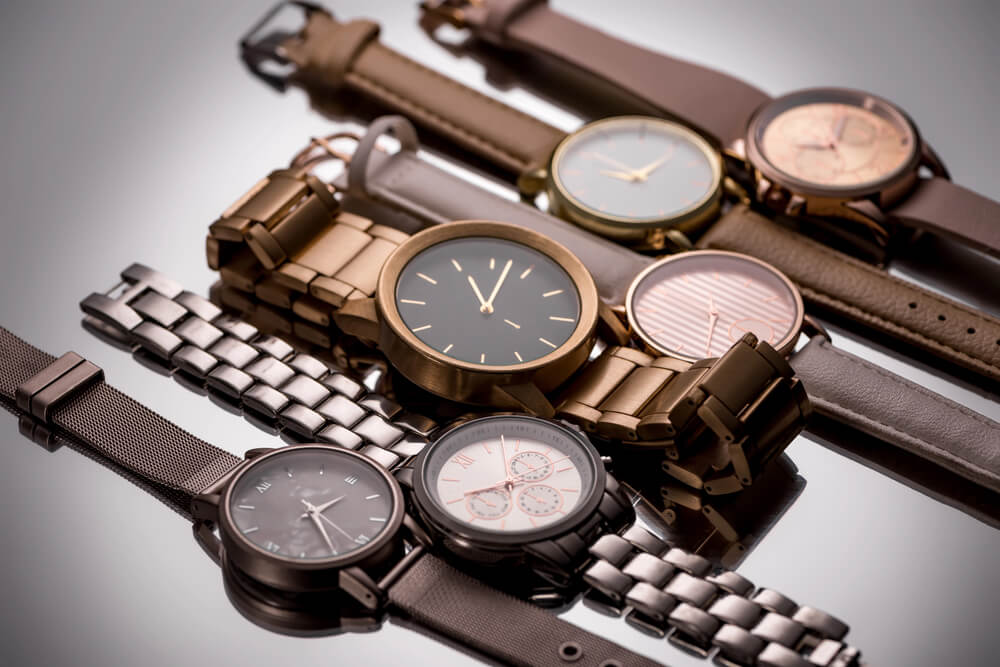
The vintage watch market rewards the patient appraiser more than the casual seller. A scratch on a fifty-year-old crystal is immaterial; a movement that marks the border between mechanical and electronic timekeeping is invaluable.
The watches that catch light in a junk drawer often carry not just hours of wear but decades of engineering choices, supply-chain decisions, and market forces that made them either forgotten or foundational. The appraisal costs eighty to one hundred fifty dollars and takes a week.
The difference between cashing in and cashing out correctly can stretch into five figures.
More from Go2Tutors!

- The Romanov Crown Jewels and Their Tragic Fate
- 13 Historical Mysteries That Science Still Can’t Solve
- Famous Hoaxes That Fooled the World for Years
- 15 Child Stars with Tragic Adult Lives
- 16 Famous Jewelry Pieces in History
Like Go2Tutors’s content? Follow us on MSN.