30 Old Coins Sitting in Jars People Overlook
Loose change tends to accumulate in jars, drawers, and old piggy banks without anyone bothering to sort through it carefully, which is exactly how genuinely valuable coins end up mixed in with ordinary pocket change for decades. Most people simply aren’t looking closely enough to notice the difference.
Value in coin collecting depends heavily on mint marks, specific dates, printing errors, and overall condition, so a coin that looks unremarkable at a glance can still be worth investigating with a loupe and a reference guide before it gets spent or melted down.
1909-S VDB Lincoln Cent
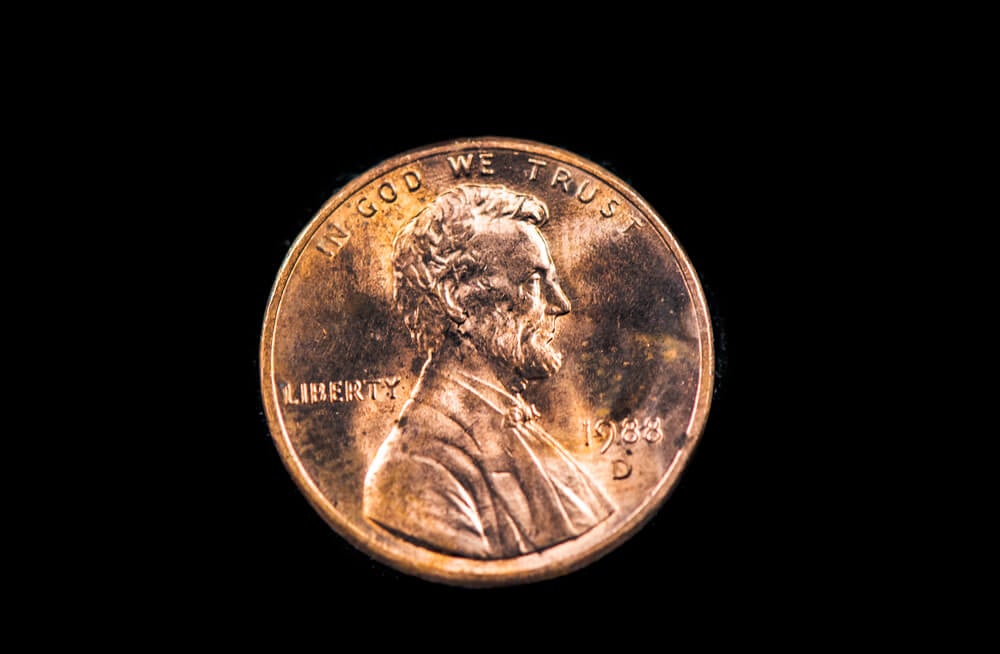
The first year of the Lincoln cent design included the designer’s initials, VDB, prominently on the reverse, a detail quickly removed after public criticism over its placement. The San Francisco mint mark combined with the VDB initials makes this specific version considerably scarcer than other 1909 cents.
It remains one of the most commonly searched-for key dates among casual coin collectors checking old jars.
1943 Copper Lincoln Cent
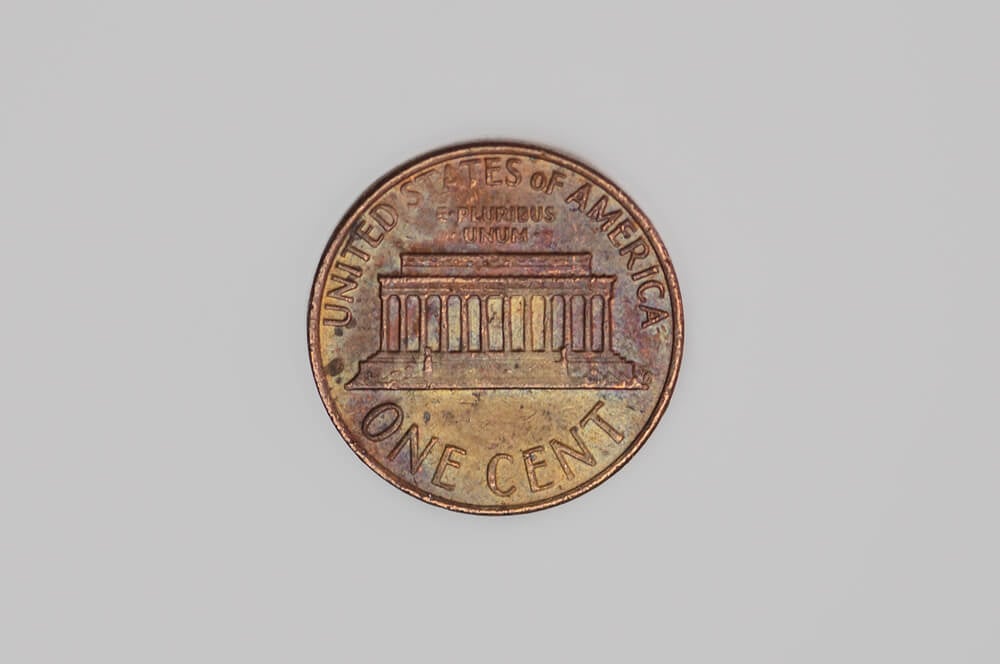
Due to wartime metal shortages, cents in 1943 were struck in zinc-coated steel rather than the usual copper, but a small number of copper planchets were mistakenly used before the switch was fully implemented. These accidental copper strikes from 1943 are exceptionally rare and highly sought after when genuine.
Because counterfeits and copper-plated steel cents are common, verification through weight and magnet testing is essential before assuming authenticity.
1955 Doubled Die Lincoln Cent
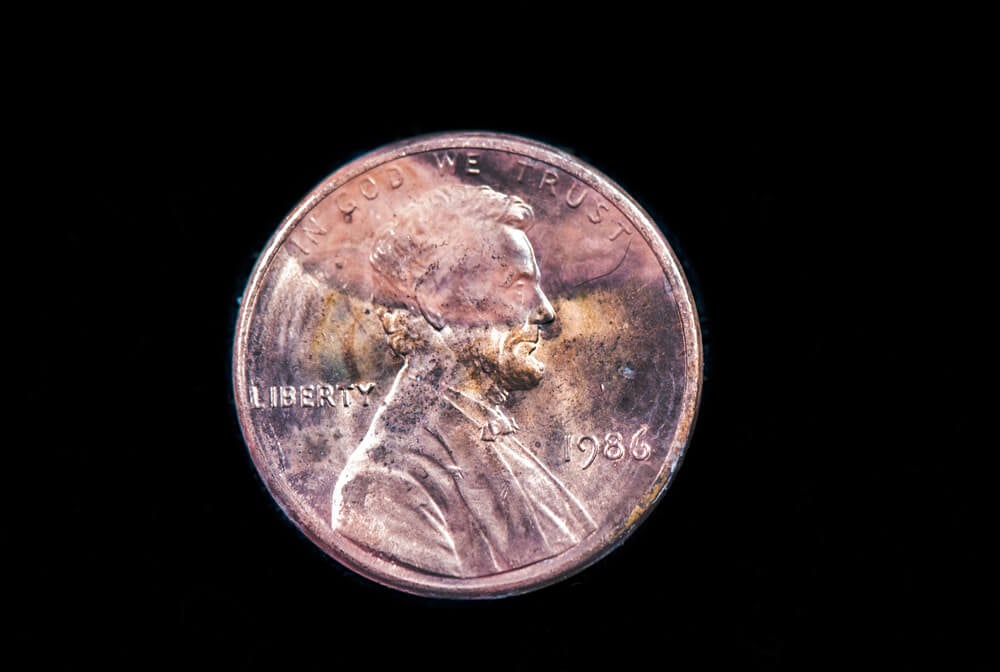
A minting error caused the date and lettering on this cent to appear doubled, a mistake visible to the unaided eye without magnification in strong examples. It’s considered one of the most famous and recognizable error coins in American numismatics.
Its dramatic, easily identifiable doubling has made it a favorite target for people sorting through old change specifically hoping to find something valuable.
1916-D Mercury Dime
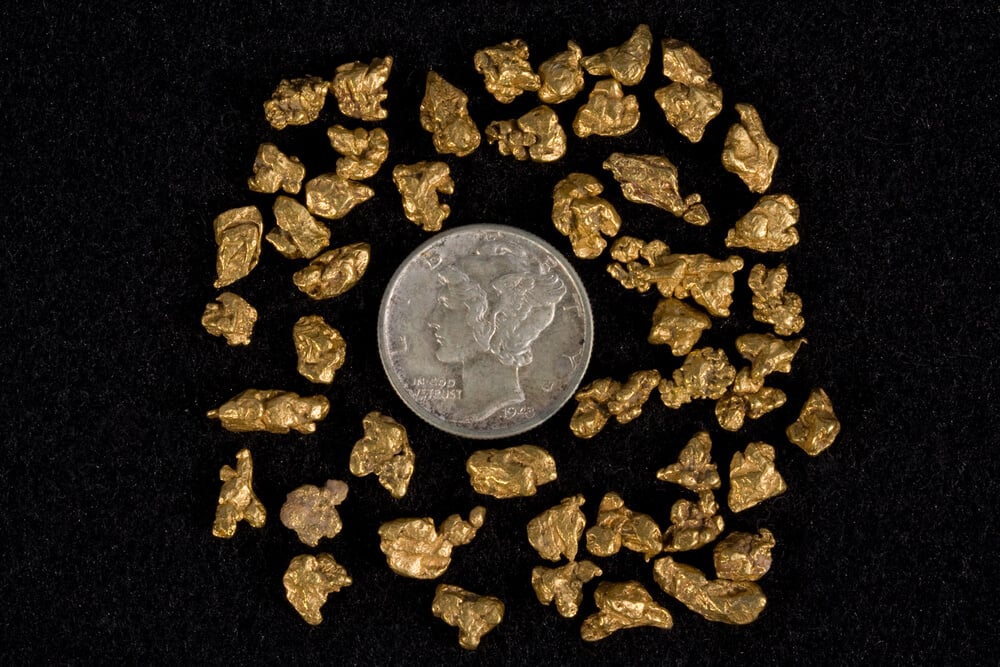
Produced at the Denver mint in the dime’s first year of the Mercury design, this issue had a notably small print run compared to other Mercury dimes from the same era. Its combination of an early date and low mintage has made it one of the most recognized key dates in the entire series.
Well-preserved examples remain a significant find for anyone sorting through inherited coin collections.
1918/7-D Buffalo Nickel
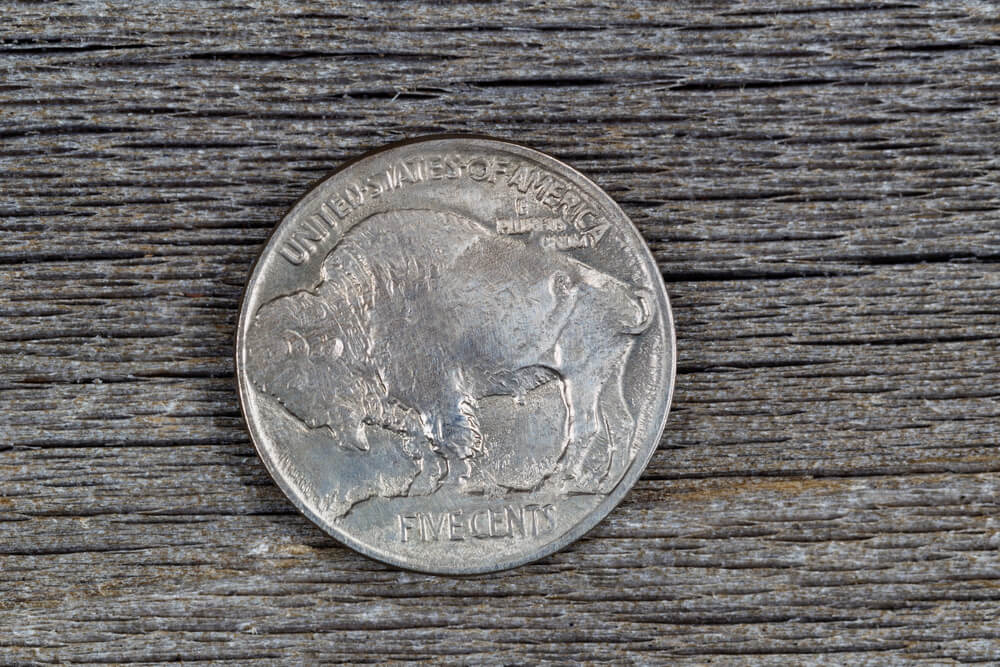
An overdate error occurred when a die originally stamped with 1917 was reused and partially re-stamped with 1918, leaving both dates faintly visible on close inspection. This kind of overdate error is genuinely rare among Buffalo nickels and requires careful examination to identify with confidence.
Authenticated examples are considered a significant find within the series.
1937-D Three-Legged Buffalo Nickel
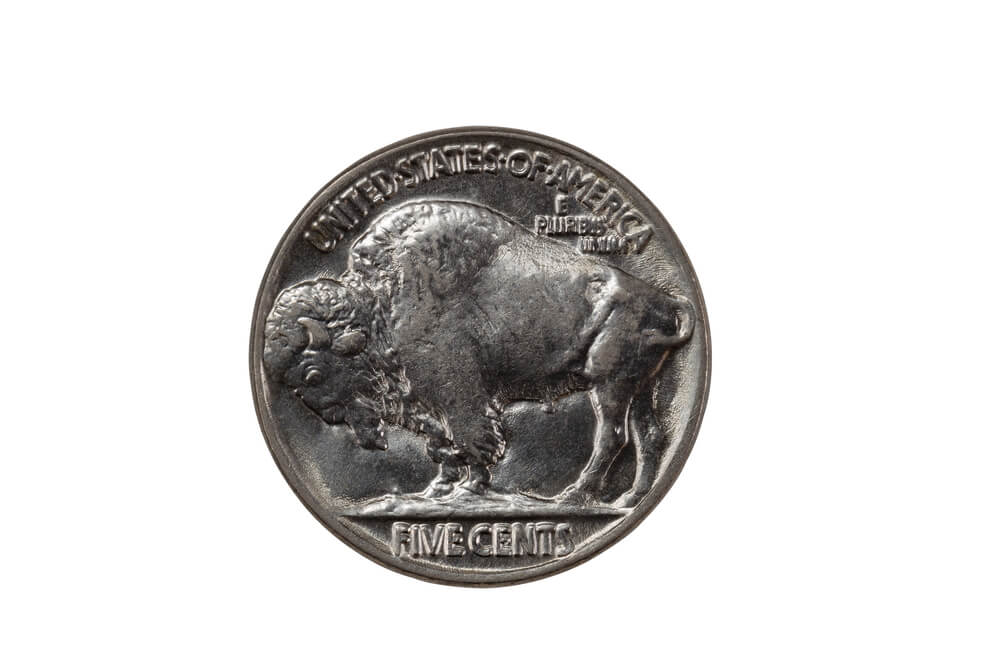
A die polishing error at the Denver mint accidentally removed one of the bison’s legs from the design, creating an unmistakable and widely recognized error variety. Its dramatic visual difference from a normal Buffalo nickel makes it relatively easy to identify once someone knows to look for it.
It remains one of the most popular error coins for casual collectors specifically because the mistake is so visually obvious.
1932-D Washington Quarter
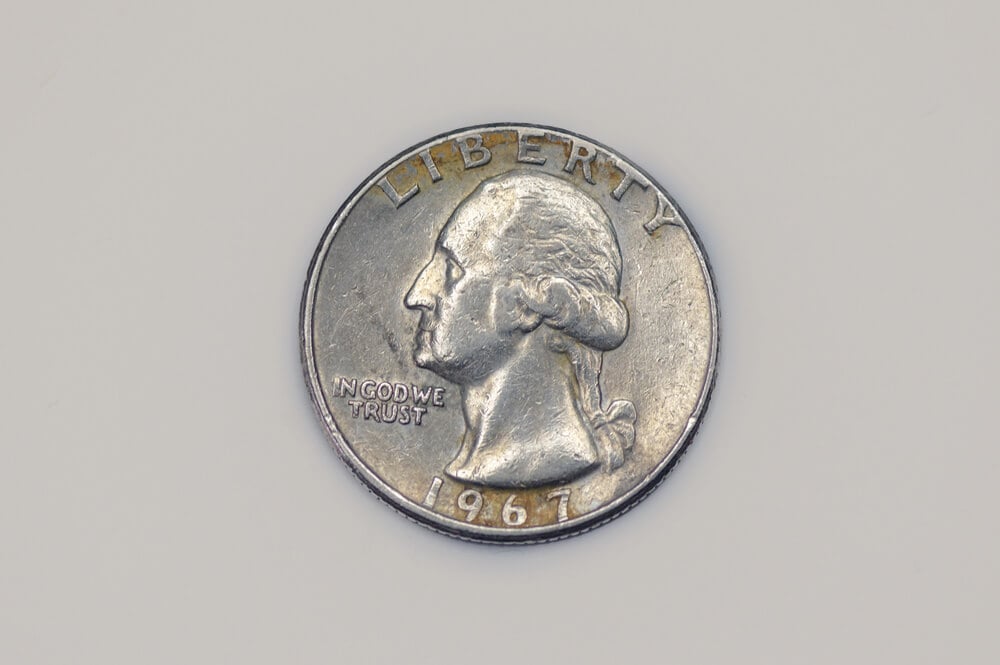
Produced in the first year of the Washington quarter design at the Denver mint, this issue had a comparatively low mintage that has made it one of the series’ recognized key dates. Along with the 1932-S issue, it’s specifically sought after by collectors trying to complete an early Washington quarter set.
Condition significantly affects value given how heavily circulated most surviving examples became over the following decades.
1893-S Morgan Silver Dollar
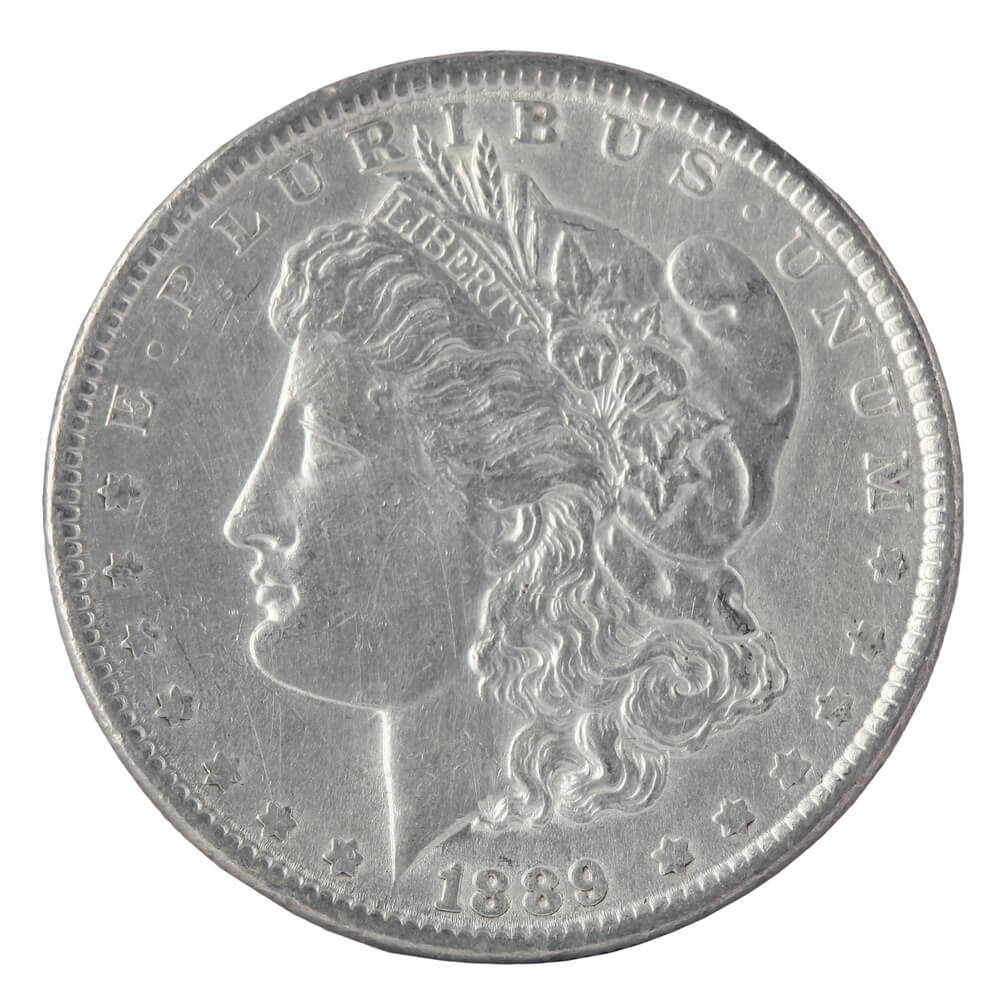
Produced at the San Francisco mint, this issue had the lowest mintage of any regular-issue Morgan dollar, making it one of the most significant key dates in the entire series. Its scarcity was recognized relatively early by collectors, which means fewer examples went uncollected into general circulation compared to other dates.
It remains one of the most valuable coins a casual collector could hope to find among inherited silver dollars.
1921 Peace Dollar High Relief
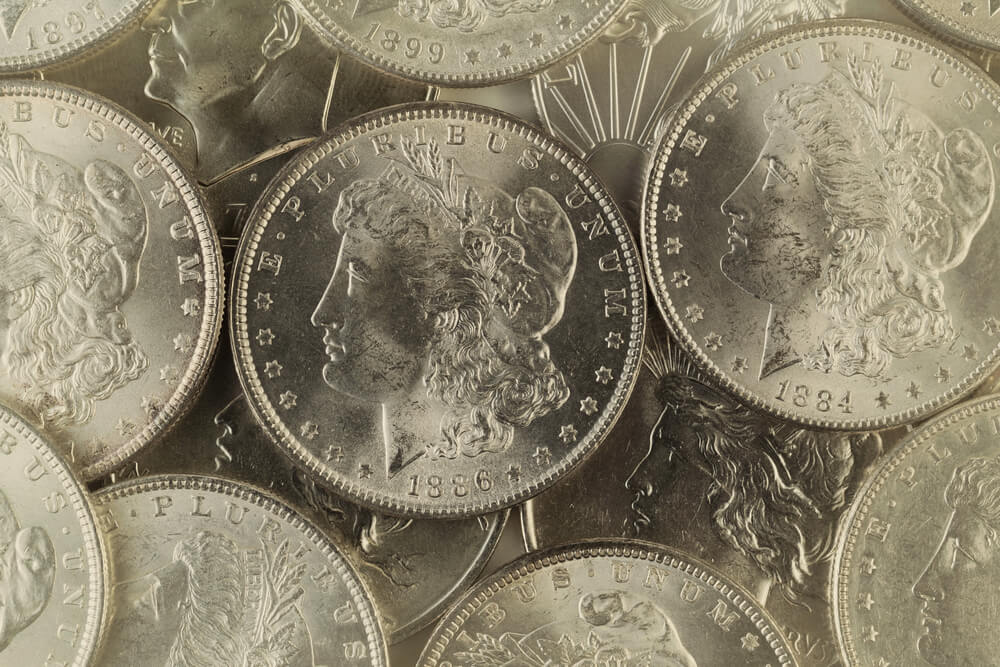
The first year of the Peace dollar design featured a notably higher relief than subsequent years, a design choice that caused the dies to wear down faster during production and was scaled back the following year. That distinctive high relief makes the 1921 issue identifiable even to less experienced collectors once they know the visual difference to look for.
It remains a popular target for anyone checking through inherited silver dollar collections.
1889-CC Morgan Silver Dollar
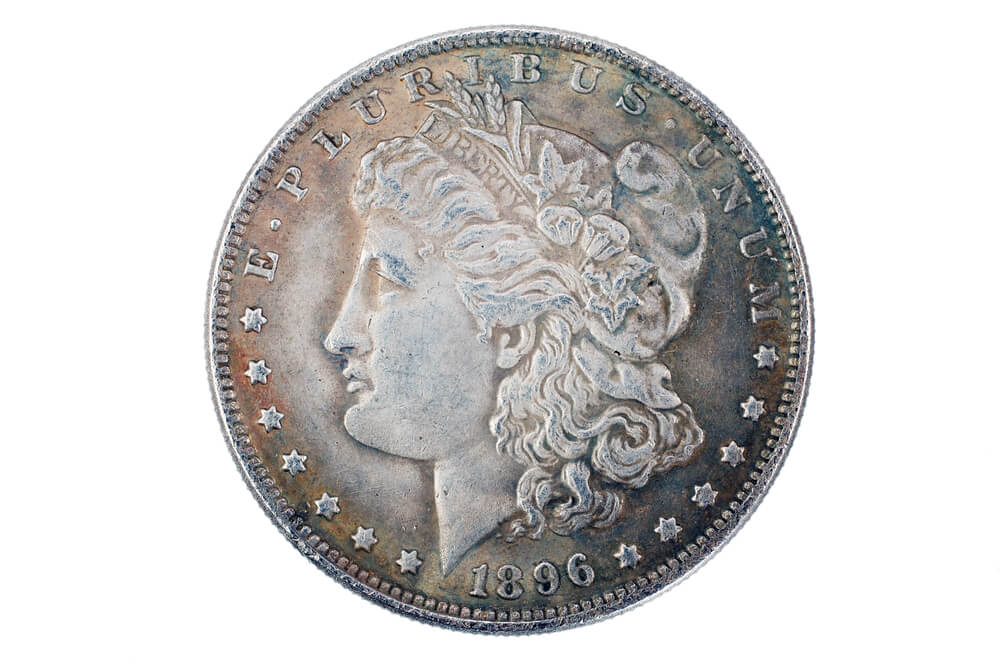
Struck at the Carson City mint, which operated only for a limited period during the nineteenth century, this issue is considered one of the key dates within the broader Morgan dollar series due to its relatively low mintage. Carson City-minted coins generally carry additional collector interest tied to the mint’s specific and relatively short operating history.
Well-preserved examples remain a significant find for collectors focused on that specific mint.
1877 Indian Head Cent
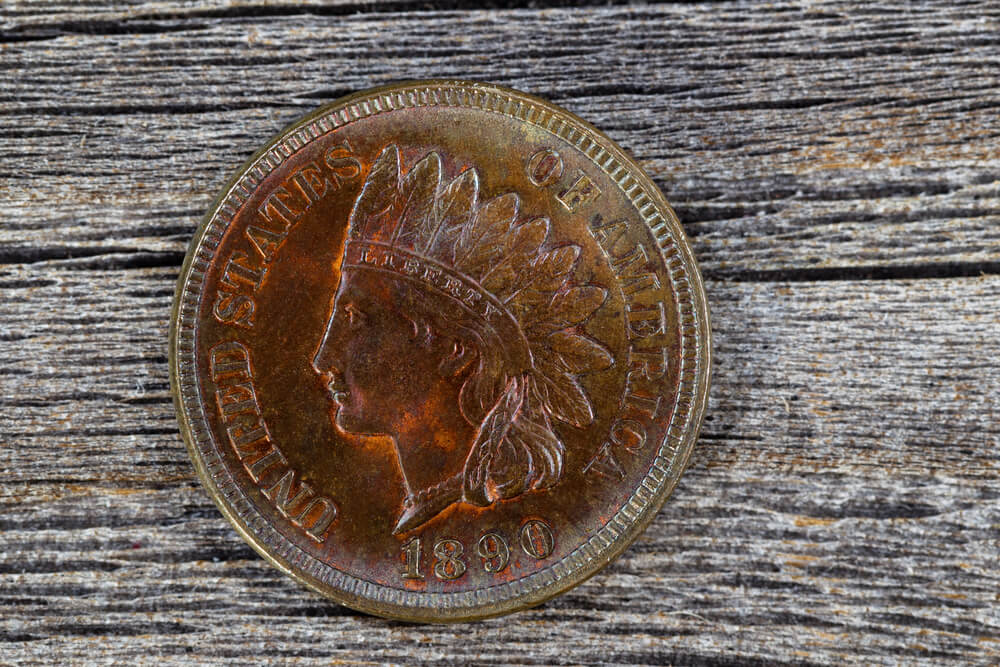
Produced during a year with a notably low mintage compared to surrounding years in the Indian Head cent series, this issue is widely recognized as the series’ primary key date. Its scarcity relative to more common Indian Head cents from nearby years has kept it a consistent target for collectors sorting through old accumulations.
Condition significantly affects its value given how long the coin type circulated before being pulled from general use.
1970-S Small Date Lincoln Cent
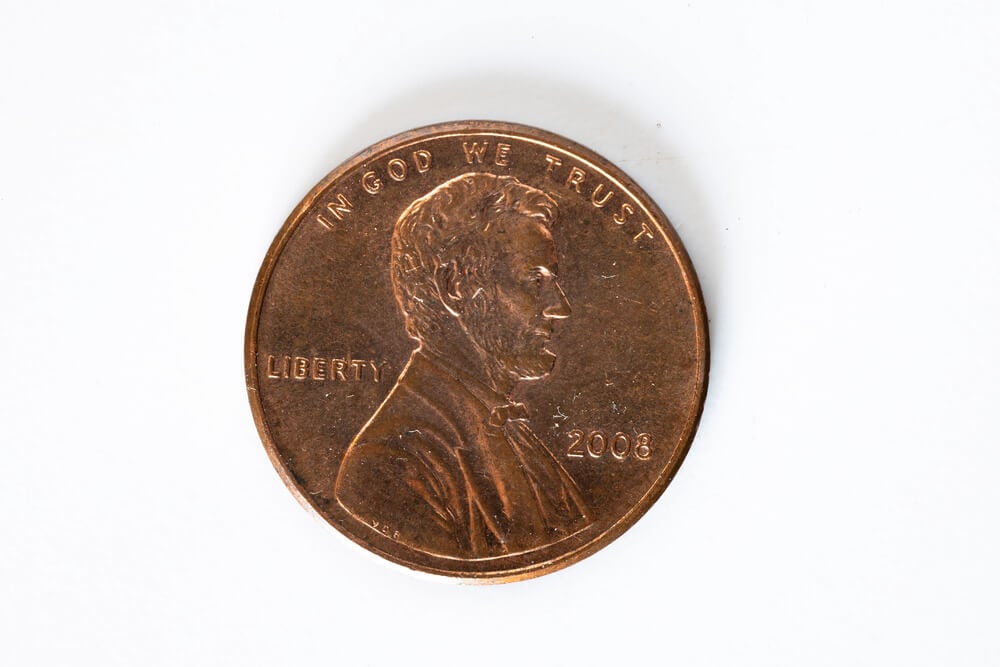
A minor but identifiable date-size variation exists among 1970-S cents, with the smaller date version considered scarcer than the more common large date variety from the same year. Distinguishing between the two requires close comparison against reference images, since the difference is subtle.
It remains a popular target for collectors specifically searching through more recent pocket change and rolls.
1972 Doubled Die Lincoln Cent
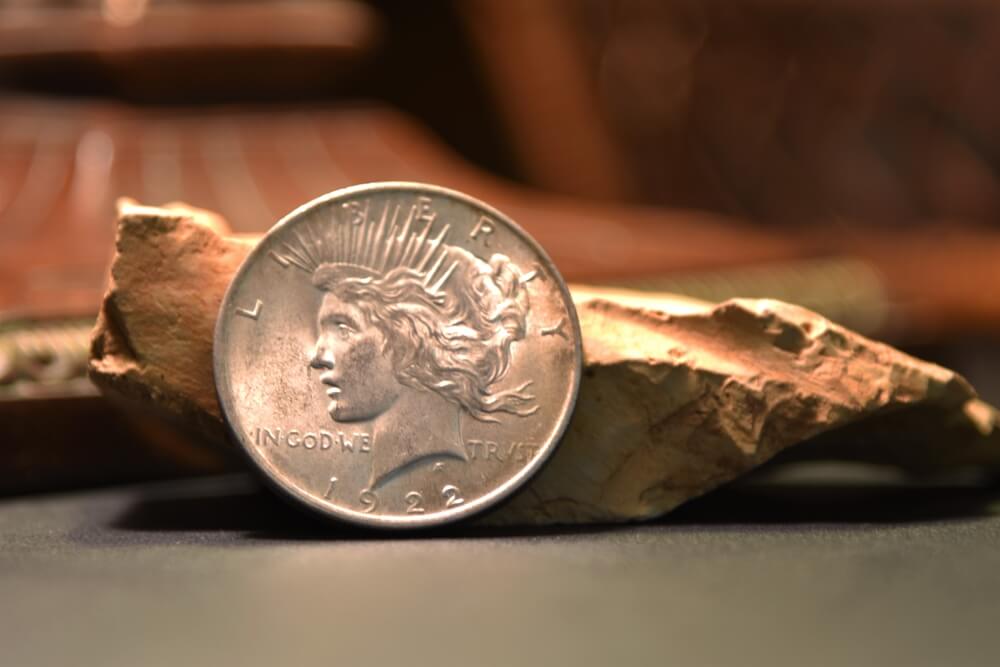
Similar in nature to the more famous 1955 doubled die error, this later doubled die variety shows visible doubling in the date and lettering on close inspection. Its relative rarity compared to normal 1972 cents has made it a specific target for error coin collectors.
It’s considered one of the more findable doubled die varieties given its comparatively later production date and wider potential survival in circulation.
1982 Small Date Bronze Lincoln Cent
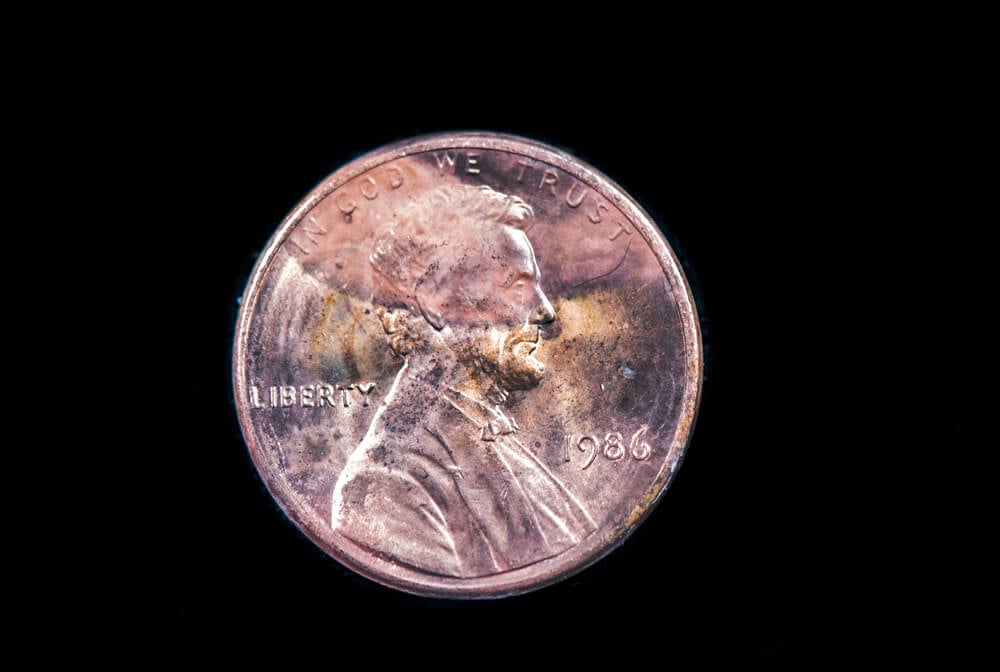
The Lincoln cent’s composition changed from bronze to copper-plated zinc during 1982, resulting in multiple date-size and composition combinations produced that same year. The small date bronze variety is considered scarcer than other combinations from that transitional year.
Distinguishing composition typically requires a precise weight measurement, since bronze and zinc cents can look nearly identical at a glance.
Pre-1965 Silver Roosevelt Dimes
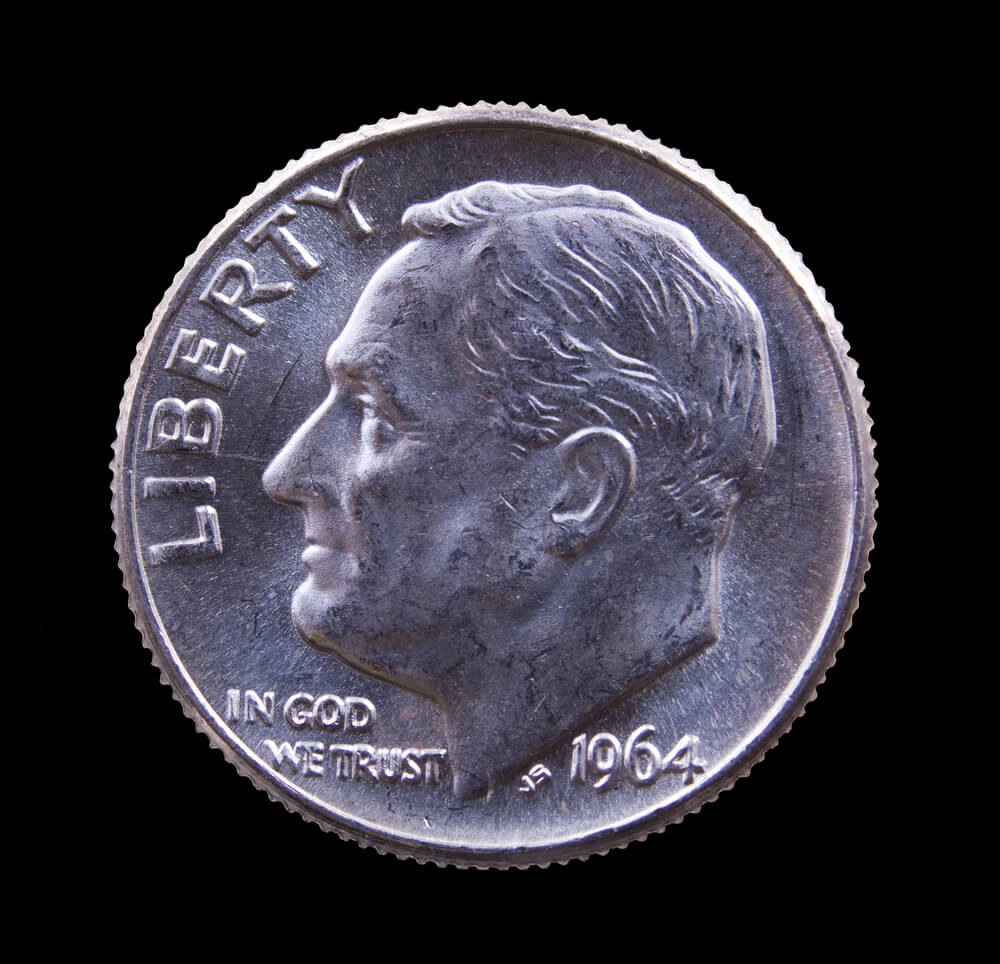
Roosevelt dimes struck before 1965 were composed of ninety percent silver, a composition dropped when the United States Mint transitioned to copper-nickel clad coinage due to rising silver prices. These older dimes are routinely found mixed into ordinary jars of change by people unaware of the composition change.
Their value is tied directly to the current price of silver rather than any specific date or mint mark rarity.
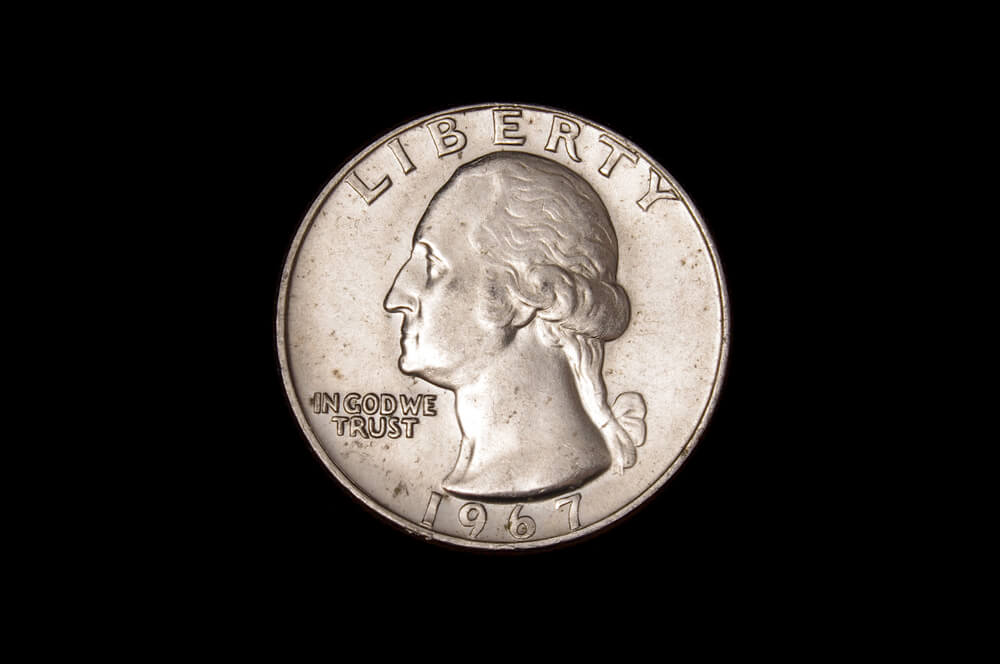
Pre-1965 Silver Washington Quarters
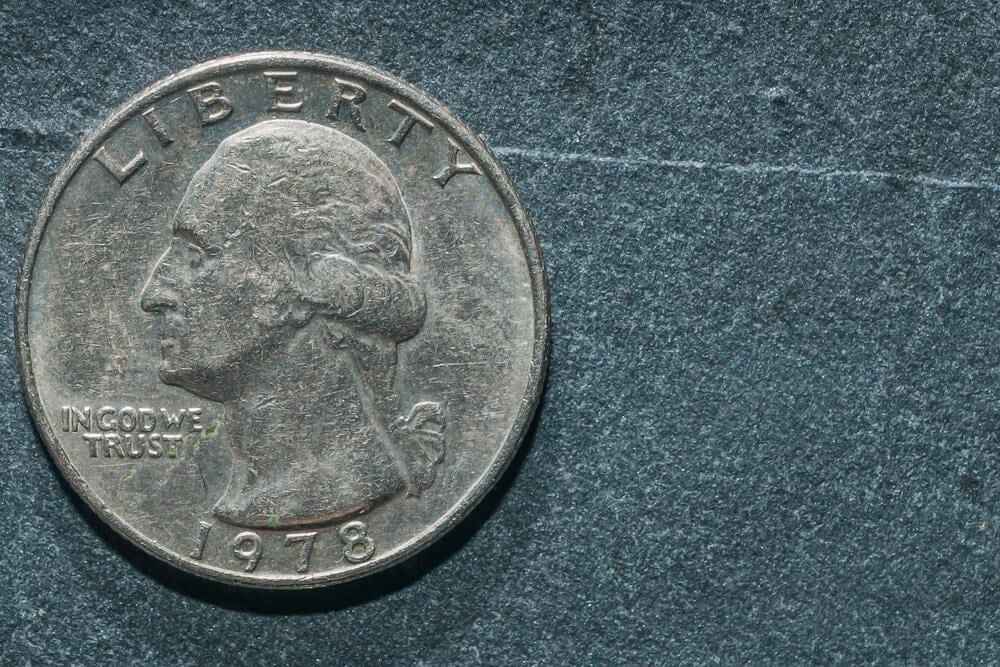
Like their dime counterparts, Washington quarters struck before 1965 contain ninety percent silver, making them worth notably more than their face value regardless of specific date or condition. They remain one of the most commonly overlooked coins in old jars, since their appearance differs only subtly from later clad quarters.
A simple edge inspection, since silver coins lack the visible copper stripe of later clad coins, can quickly identify them.
Pre-1964 Silver Franklin Half Dollars
Produced from 1948 through 1963, Franklin half dollars were struck in ninety percent silver and are commonly found mixed into old coin jars, particularly those assembled by people who saved change for decades. Certain dates with lower mintages carry additional numismatic value beyond their silver content alone.
Well-preserved examples with minimal wear on Independence Hall’s bell on the reverse draw particular collector interest.
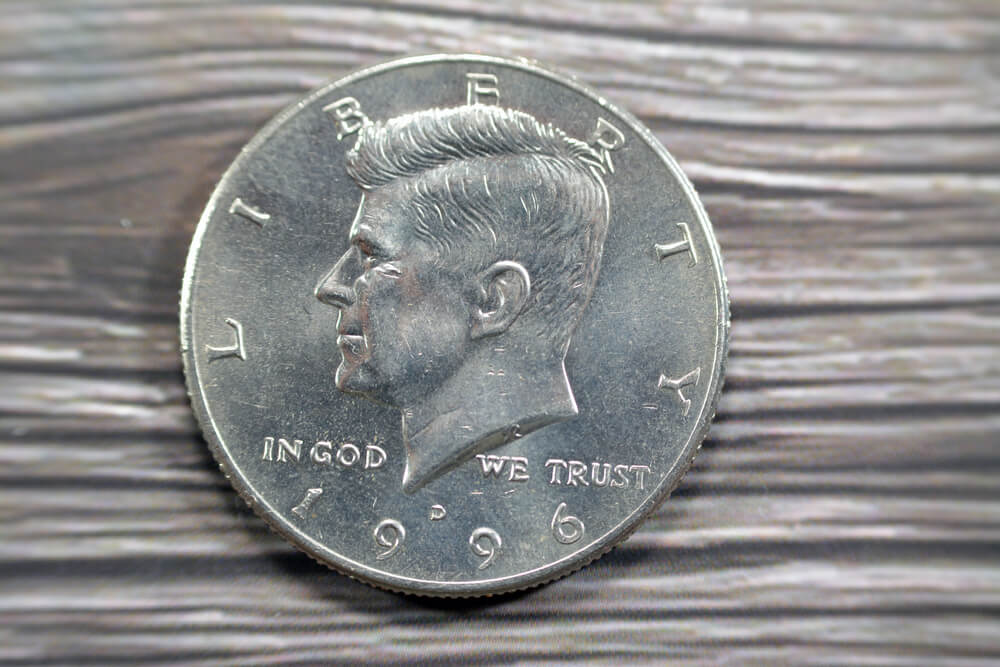
1964 Kennedy Half Dollar
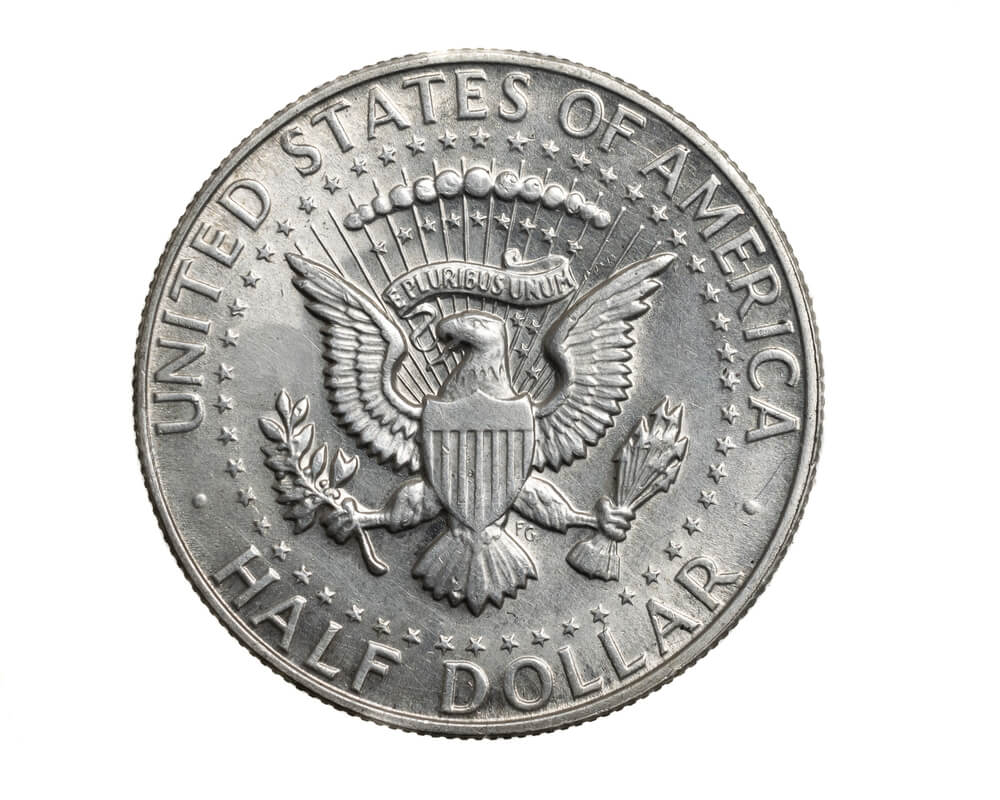
Released the year following President Kennedy’s assassination, this half dollar was struck in ninety percent silver during its debut year before the composition was reduced in subsequent years. Its combination of historical significance and precious metal content has made it one of the most commonly saved coins by people who never intended to become serious collectors.
It remains one of the easier valuable coins for a beginner to correctly identify.
Barber Dimes, Quarters, and Half Dollars
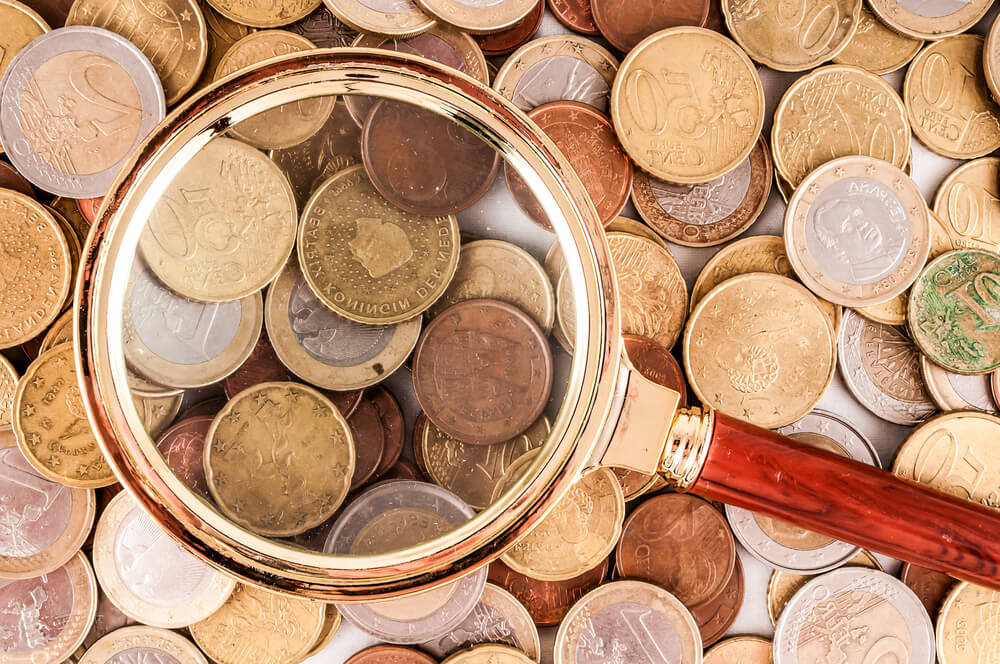
Produced from the 1890s through 1915 (half dollars) or 1916 (dimes and quarters), Barber coinage featured a design considered relatively plain compared to the more artistic designs that followed, which led to less careful preservation by the public at the time. Certain dates and mint marks within the series are considerably scarcer than others, requiring reference to a detailed mintage chart.
Well-preserved examples of any denomination in this series are increasingly hard to find given how heavily the coins circulated.
Standing Liberty Quarters
Produced from 1916 through 1930, this design featured a fuller depiction of Liberty on early issues that was later modified to add additional coverage after public objections. Certain early-date, low-mintage issues within the series are considered significant finds.
Condition of the date, which was positioned in a spot prone to wearing away entirely on heavily circulated examples, significantly affects a coin’s value.
Walking Liberty Half Dollars
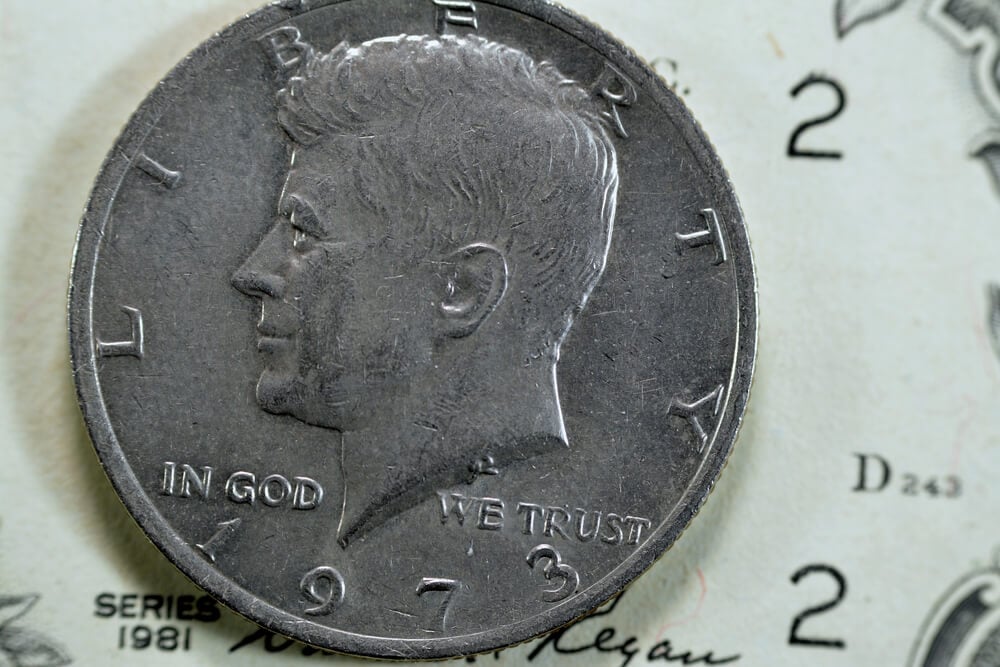
Produced from 1916 through 1947, this design is widely regarded by collectors as one of the most artistically accomplished coin designs in American history. Certain dates and mint marks within the long production run are considerably scarcer than others.
Well-preserved examples remain popular both for their silver content and their design, keeping demand broad across different types of collectors.
Buffalo Nickels
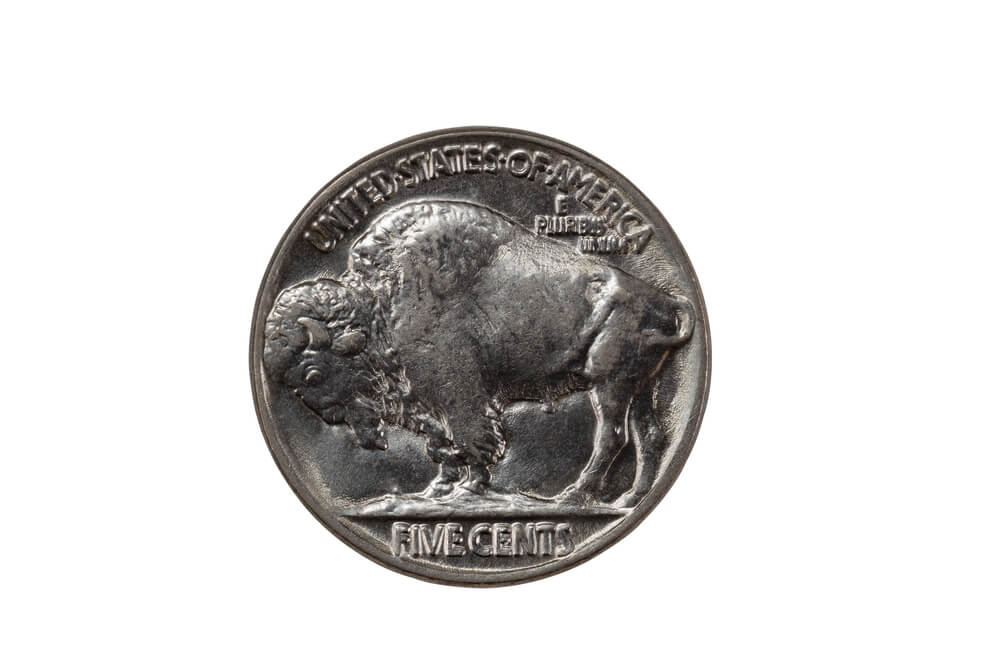
Produced from 1913 through 1938, Buffalo nickels are commonly found in old jars given how long the design circulated before being replaced. While most individual dates are relatively common, certain specific dates, mint marks, and error varieties within the series carry significant additional value.
Sorting a jar of old nickels specifically for Buffalo designs remains one of the simplest ways to potentially uncover a valuable find.
Wheat Pennies
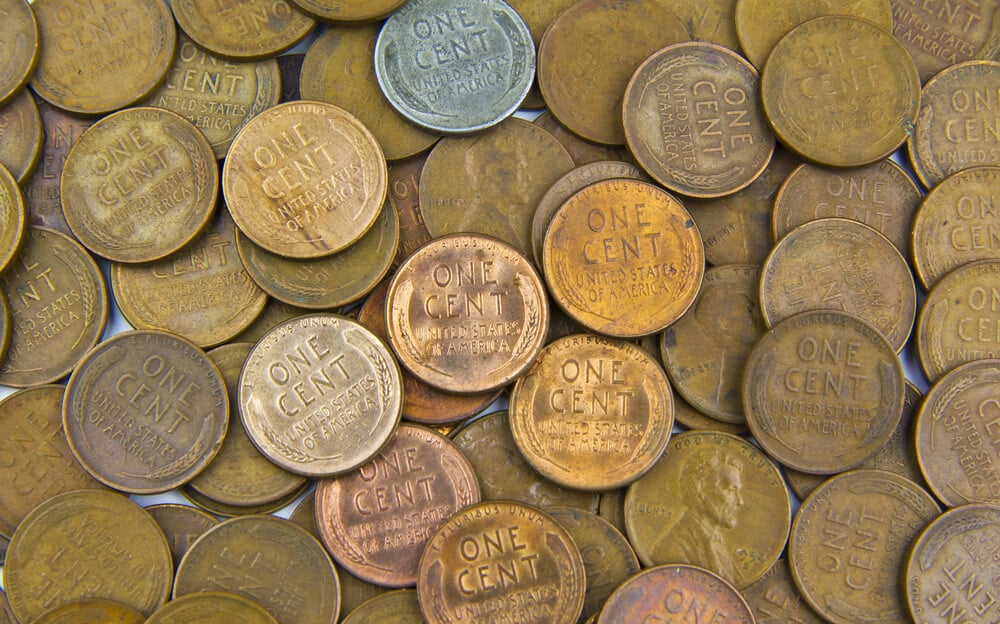
Produced from 1909 through 1958, cents featuring wheat stalks on the reverse are extremely common finds in old jars, since the design circulated for nearly fifty years. While most individual wheat cents carry only modest premium value over face value, certain key dates within the series can be worth substantially more.
Sorting through a large jar of old pennies specifically for the wheat design remains one of the most accessible entry points into coin collecting.
2000 Sacagawea “Cheerios” Dollar
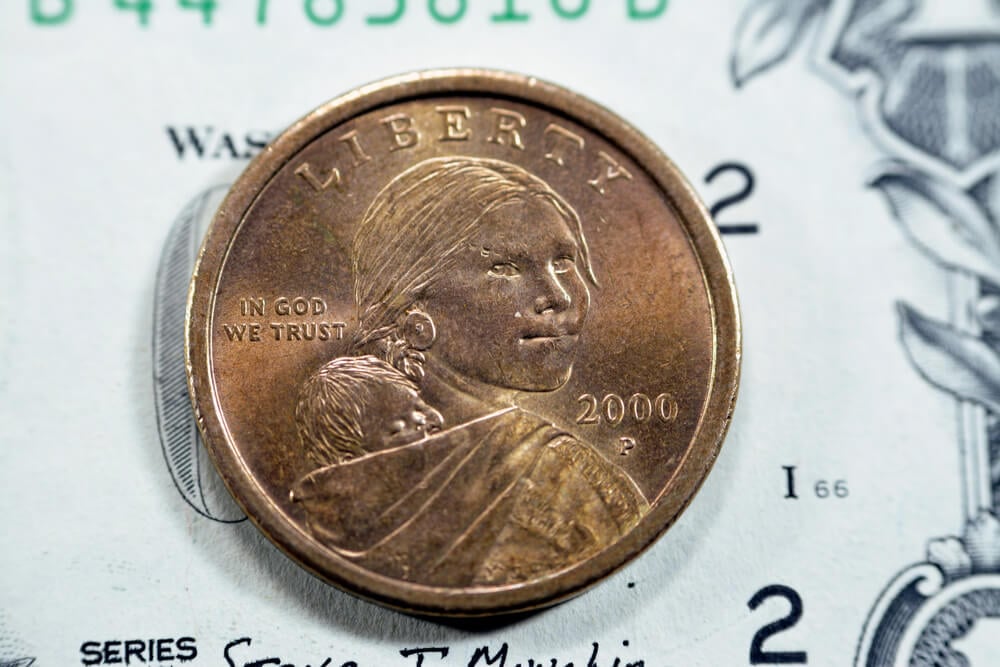
A small number of Sacagawea dollars distributed as promotional items inside cereal boxes in 2000 featured a slightly different eagle design on the reverse compared to the coin’s standard mass production. This specific promotional variety is considerably scarcer than the standard Sacagawea dollar and requires close comparison of the eagle’s tail feather detail to identify.
It remains a favorite story among collectors precisely because of its unusual promotional origin.
Silver War Nickels
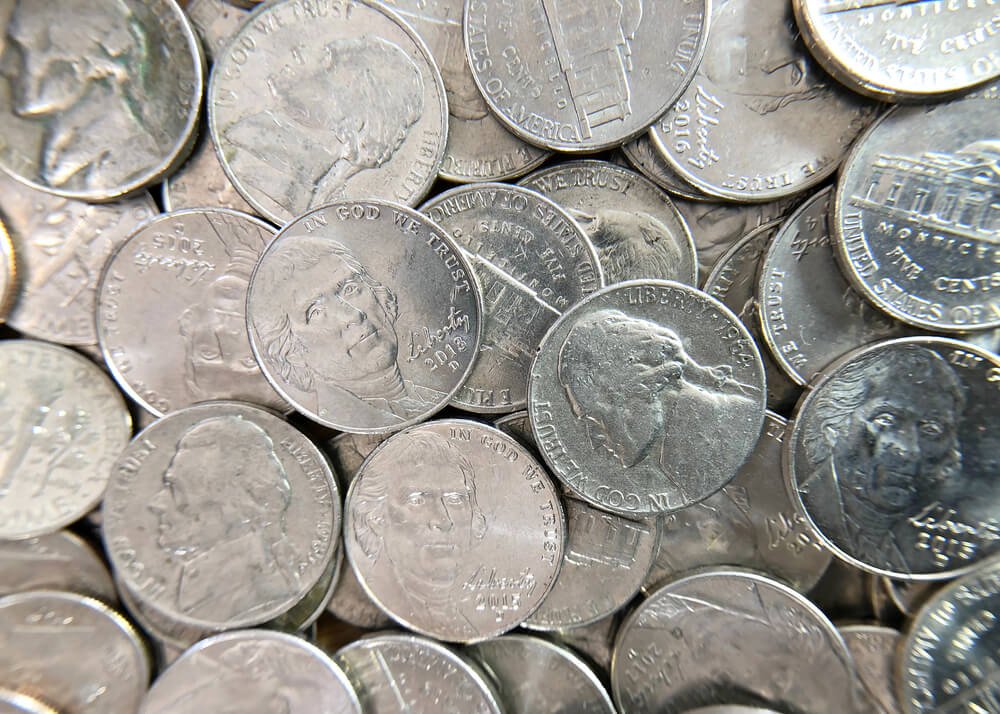
Produced from 1942 through 1945, wartime nickels were struck with a silver-copper-manganese alloy to conserve nickel for military production, identifiable by a large mint mark positioned above the building depicted on the reverse. This composition change makes them worth notably more than their face value due to silver content alone.
They remain commonly overlooked in old jars since their appearance differs only subtly from standard nickels of surrounding years.
1955 Poor Man’s Doubled Die Lincoln Cent
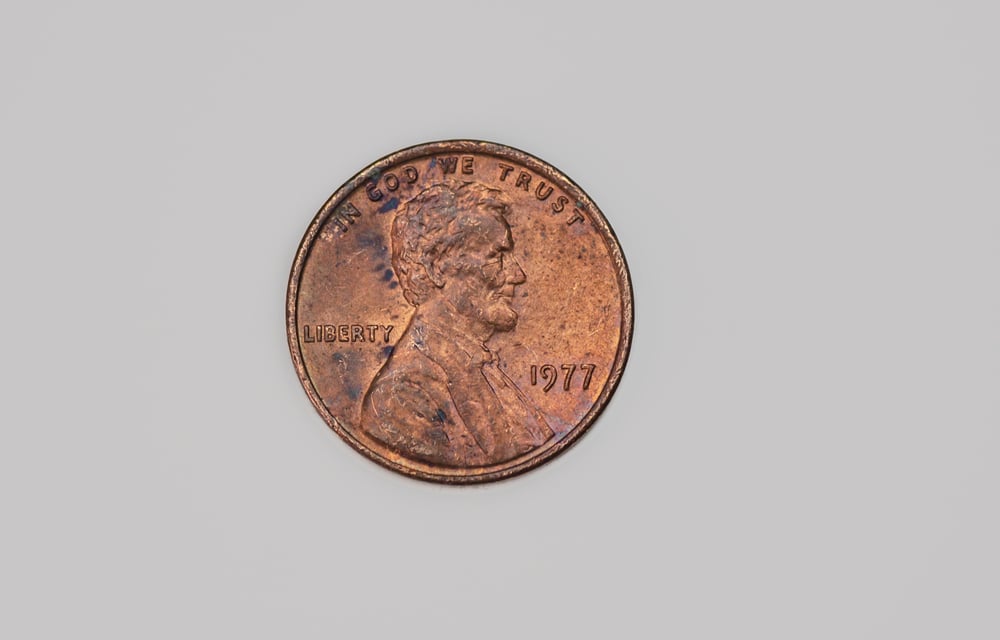
Distinct from the more famous 1955 doubled die, this lesser-known variety from a different die shows a milder, less dramatic doubling effect that’s harder to spot without magnification. It’s considered a more accessible, findable variant for collectors specifically because it required less careful die preparation to produce.
Reference guides with magnified comparison images are typically needed to distinguish it confidently from a normal strike.
1877-S Trade Dollar
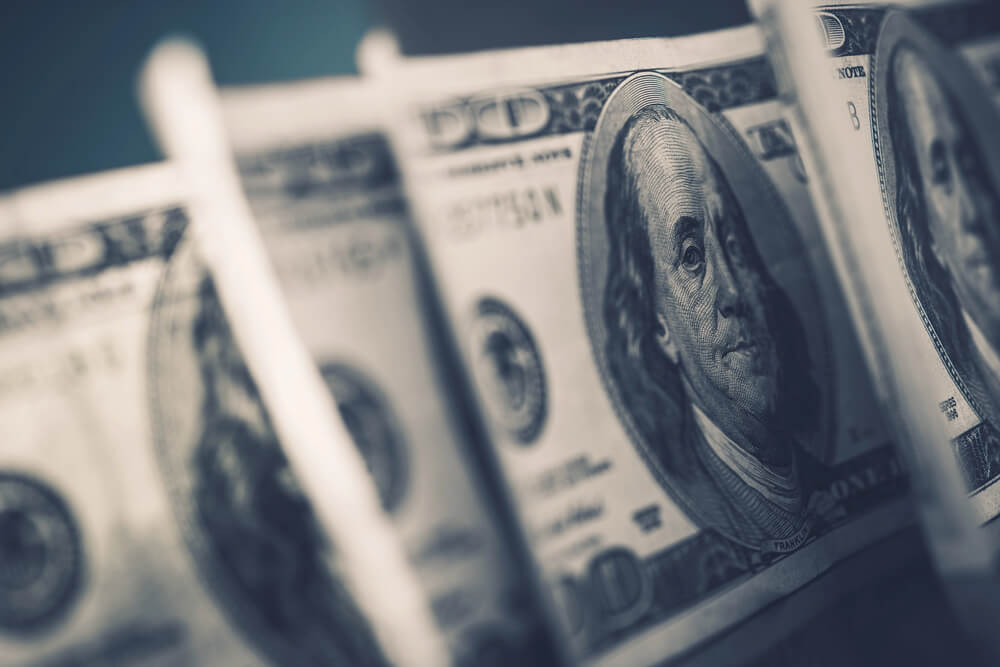
Trade dollars were originally struck for use in international trade with Asia rather than domestic circulation, a specialized purpose that makes surviving examples in the United States somewhat less common than standard silver dollars from the same era. Certain dates and mint marks within the series carry additional scarcity beyond the type’s general rarity.
Well-preserved examples remain a significant find within any inherited coin collection.
Indian Head Nickels With Full Horn Detail
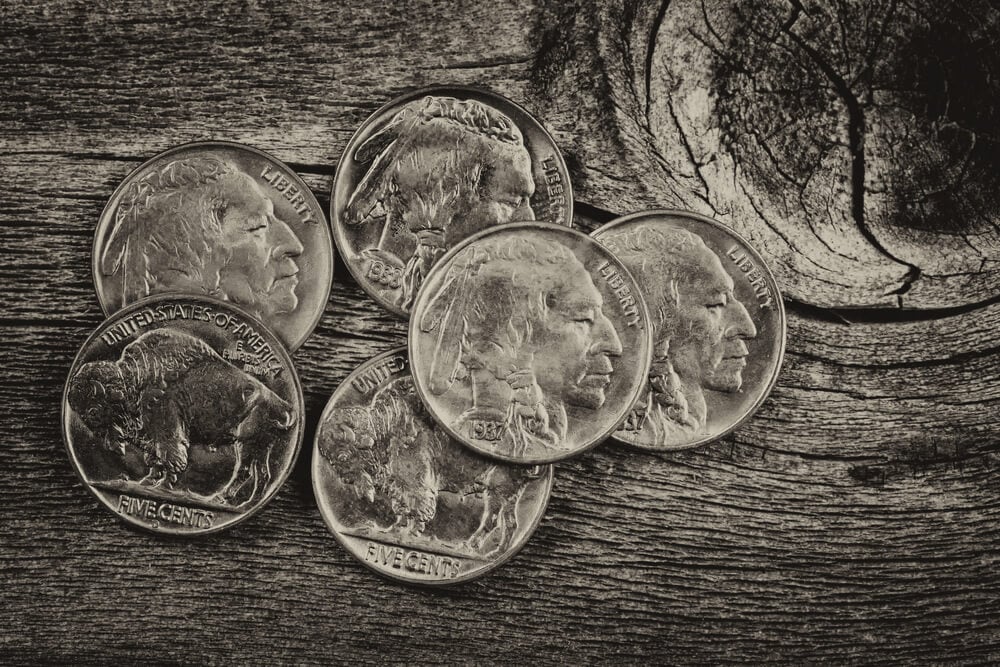
Also known as Buffalo nickels, examples that retain full, unworn detail on the bison’s horn are considered notably more valuable than the heavily worn examples typically found in circulation. This specific grading detail requires careful, close inspection rather than a quick glance.
It remains a useful specific detail for anyone sorting a jar of old nickels to check before assuming a coin is only worth face value.
1944 Steel Cent
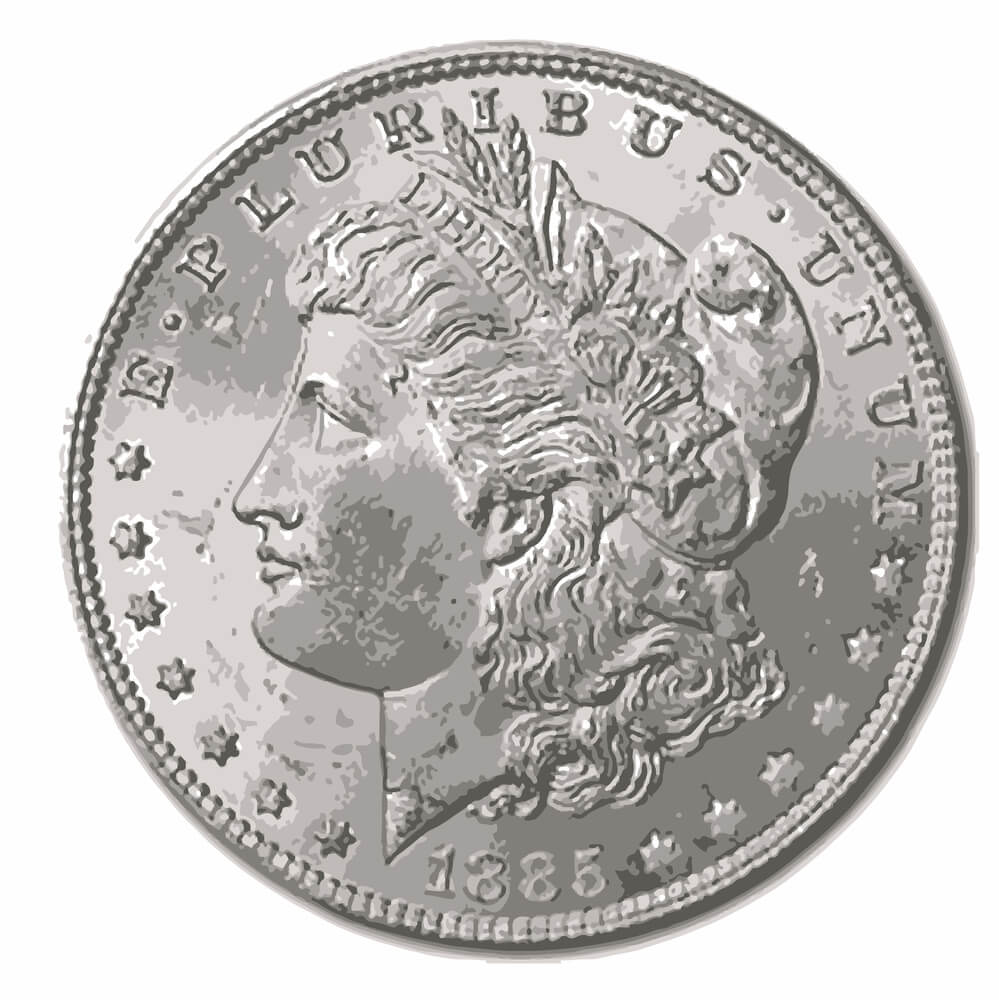
Following the wartime switch to steel cents in 1943, a small number of leftover steel planchets were mistakenly used again in 1944 after the mint had already returned to bronze composition. Like the 1943 copper cent, this reverse error is exceptionally rare and specifically sought after by error coin collectors.
Verification through magnet testing, since steel cents are magnetic while bronze cents are not, is an easy first check for anyone suspecting they’ve found one.
Gold Dollar Coins in Old Jewelry Boxes
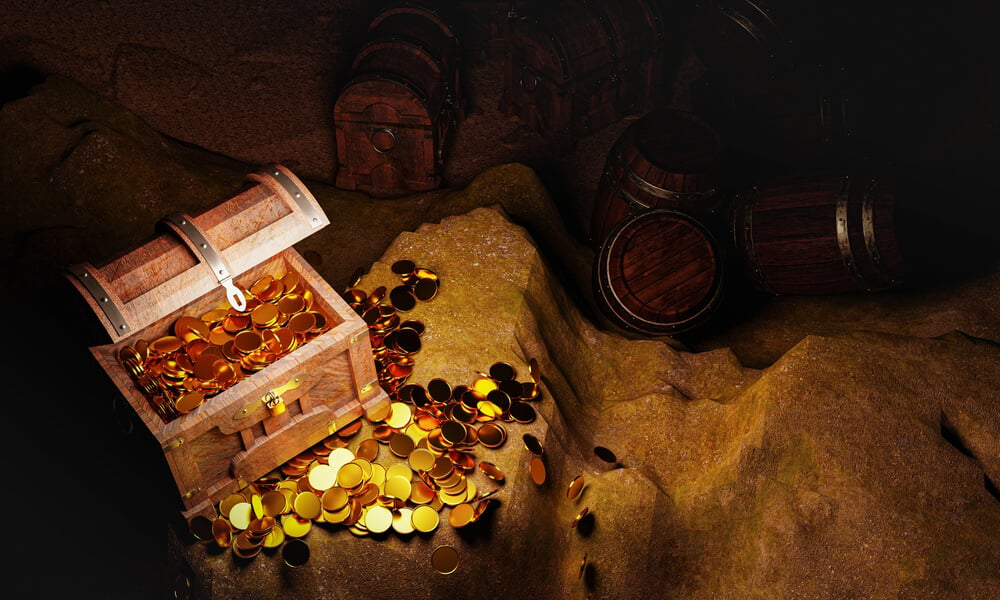
Small gold dollar coins produced through much of the nineteenth century were frequently repurposed into jewelry settings, meaning surviving examples sometimes turn up mounted in old rings, pins, or pendants rather than loose in a coin jar. Their gold content alone gives them significant value regardless of numismatic rarity.
Anyone going through inherited jewelry boxes alongside coin jars should specifically check for this less obvious hiding place.
The Value Sitting in Plain Sight
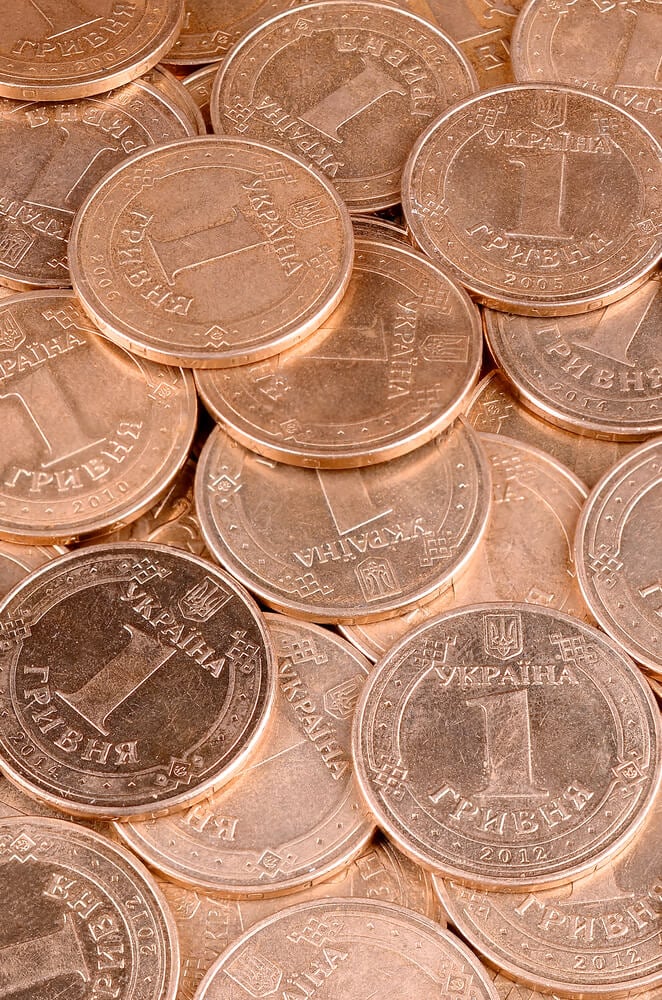
Most jars of old change were never assembled with any intention of collecting; they’re simply the accumulated result of decades of pockets being emptied onto a dresser. That casual, unintentional method of accumulation is precisely why valuable coins so often end up mixed in with completely ordinary ones.
Sorting through a jar carefully, checking dates, mint marks, and composition rather than assuming everything is worth exactly its printed value, is really the only difference between spending a small fortune at a coin shop and spending it at a vending machine.
More from Go2Tutors!

- The Romanov Crown Jewels and Their Tragic Fate
- 13 Historical Mysteries That Science Still Can’t Solve
- Famous Hoaxes That Fooled the World for Years
- 15 Child Stars with Tragic Adult Lives
- 16 Famous Jewelry Pieces in History
Like Go2Tutors’s content? Follow us on MSN.



