30 Old Magazines and Catalogs Collectors Want
Paper was never built to last, which is exactly why the magazines and catalogs that survived decades of newsstands, recycling drives and basement mildew now carry real weight with collectors. Most stacks of old periodicals are recycling material with a bit of nostalgia attached, but a specific handful of issues and catalogs draw serious money, and the difference usually comes down to a first-issue date, a landmark story, or a name printed on the spine that nobody thought to save at the time.
LIFE Magazine, First Issue
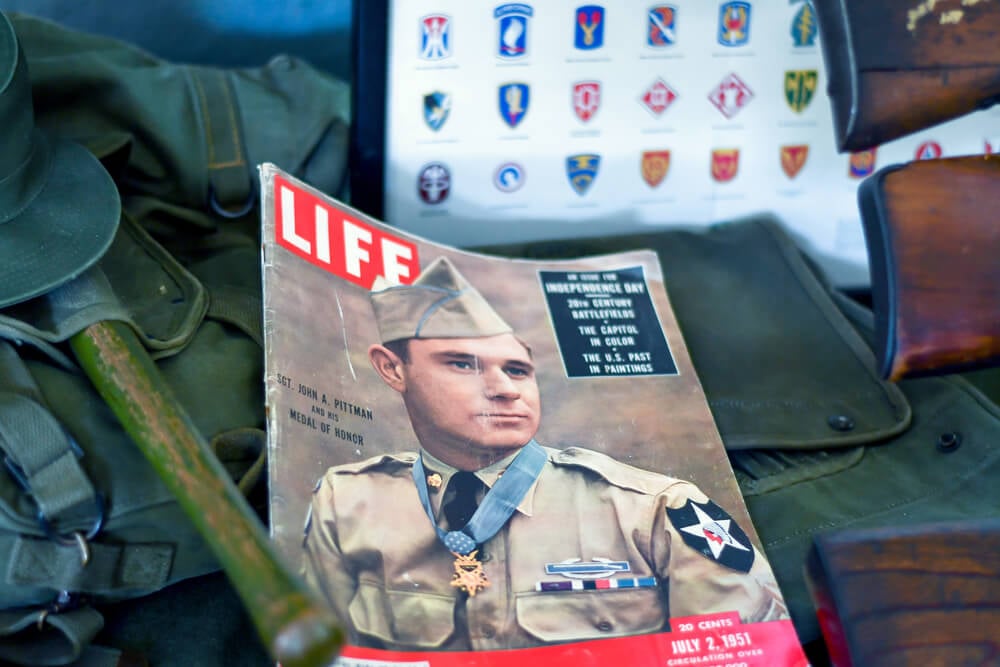
The November 23, 1936 debut issue introduced a photojournalism-driven format that would dominate American magazine publishing for decades, featuring a striking cover photograph of the Fort Peck Dam. Excellent-condition copies typically bring $500 to $1,000, a modest sum compared to some entries on this list but consistent demand given the title’s enduring recognition.
Later LIFE issues covering major historical events, such as significant wartime coverage or cultural milestones, can carry their own separate premium.
National Geographic, First Issue
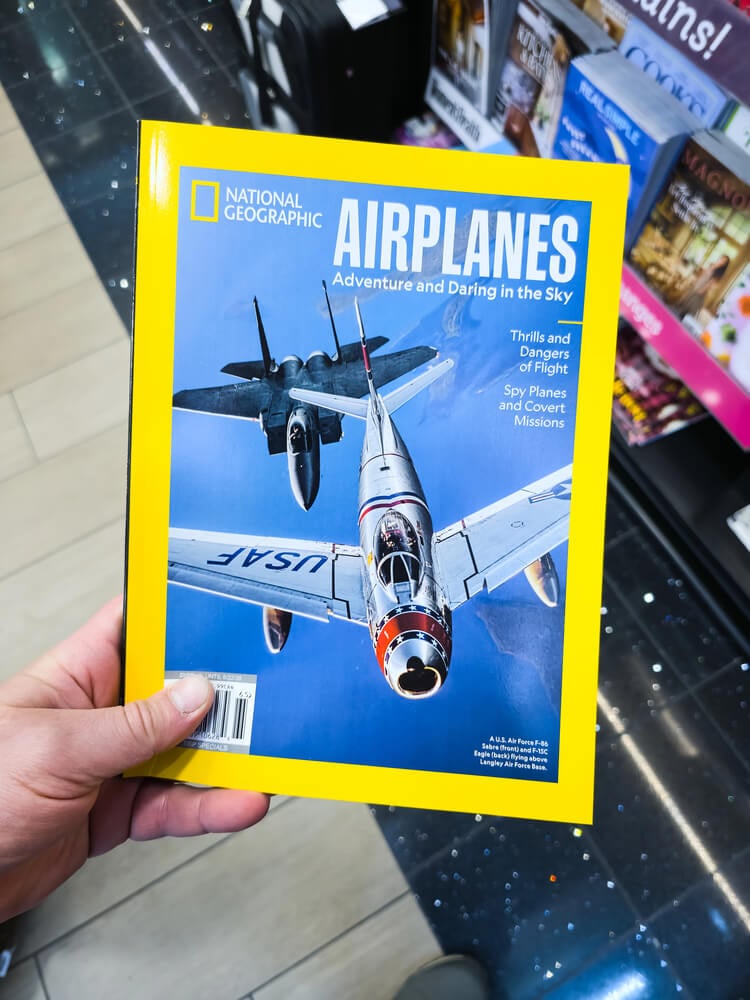
The October 1888 debut issue predates the society’s now-famous yellow-bordered cover design and photographic focus by several decades, making it look almost unrecognizable next to later issues. Complete, undamaged copies can reach $5,000 or more given the issue’s age and the enormous number of later issues that have diluted general interest in the magazine as a whole.
Condition matters enormously here, since the thin paper stock from this era is prone to significant deterioration.
TIME Magazine, First Issue
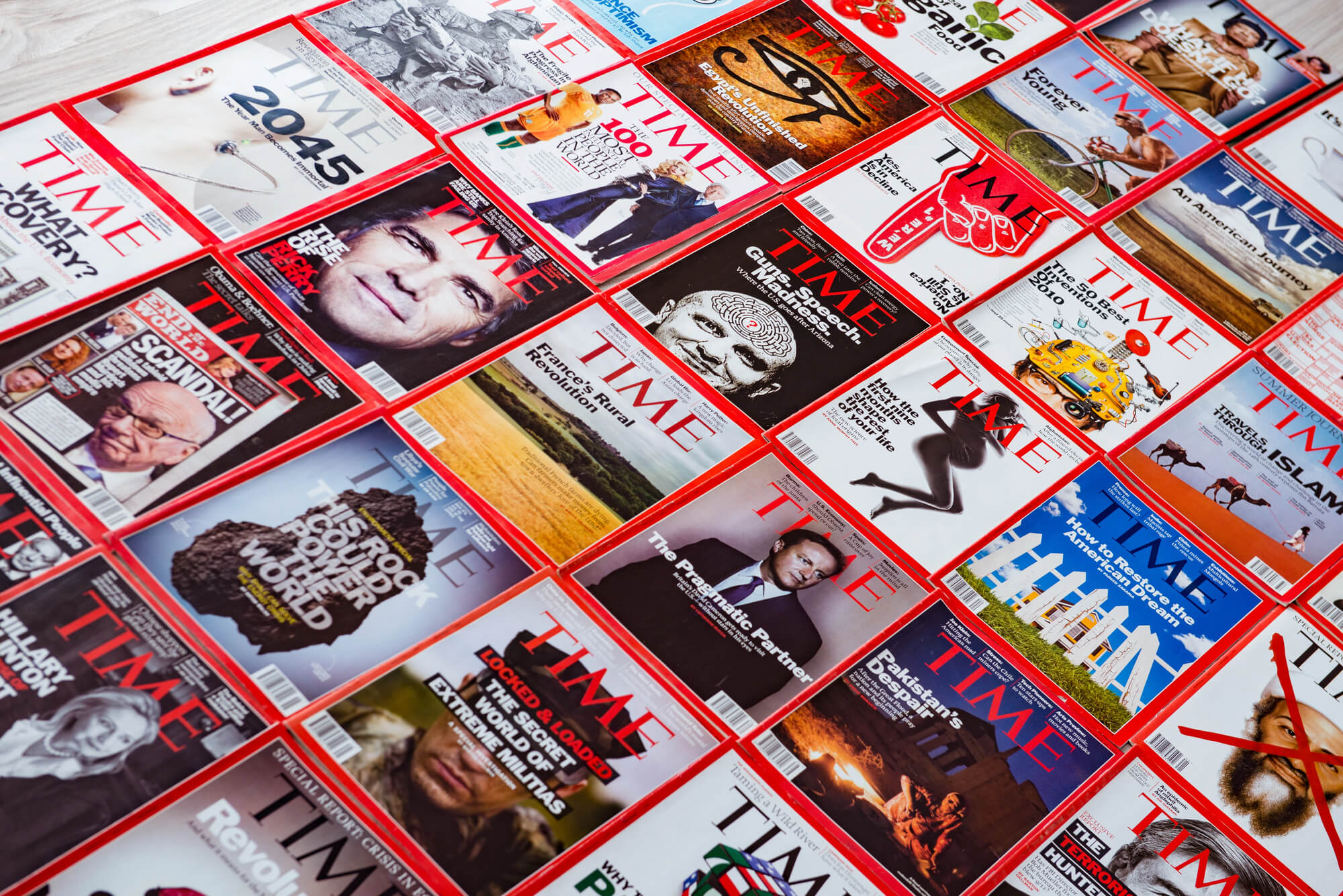
Published in March 1923, the inaugural issue of this newsweekly predates the red-bordered cover design that would later become one of the most recognized visual trademarks in publishing. Depending on condition, copies typically sell in the $1,000 to $5,000 range.
Issues featuring particularly significant cover subjects from later decades can also command meaningful premiums independent of their publication date.
Sports Illustrated, First Issue
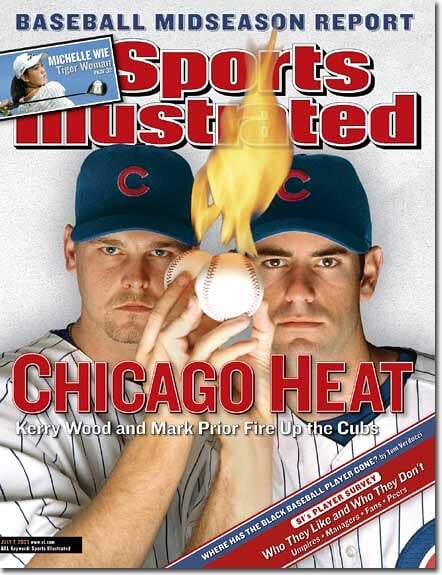
Debuting in August 1954, the first issue predated the magazine’s later swimsuit-issue fame by nearly a decade and focused instead on general sports coverage of the era. Excellent-condition copies typically sell in the $400 to $1,000 range.
Because the magazine achieved wide circulation quickly, later issues rarely approach the value of this specific first printing.
Rolling Stone, Early Issues
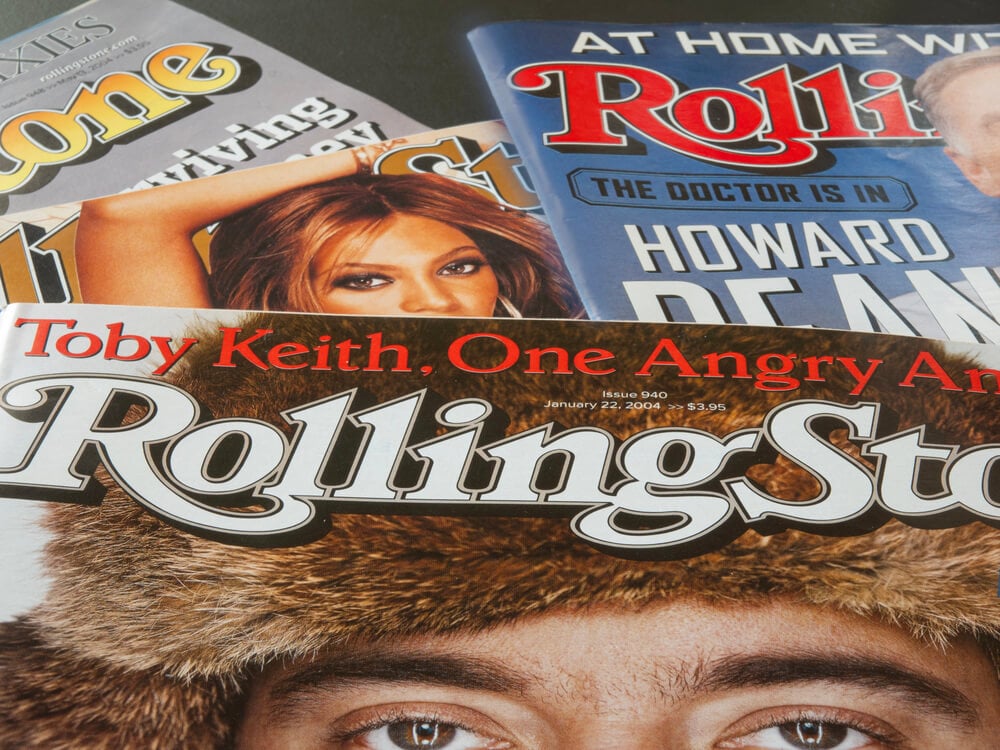
Founded in 1965 and covering the emerging rock music scene from its earliest days, issues from the magazine’s first three years featuring major musicians of the era draw steady interest from collectors of music history. Condition and cover subject both significantly affect value, with issues tied to particularly influential artists or events commanding the most attention.
Well-preserved early copies can bring meaningful sums well beyond typical secondhand magazine pricing.
TV Guide, First Edition

The debut national issue from April 1953 featured newborn baby Desi Arnaz Jr. on the cover alongside a headline about his famous parents, capturing television’s transition from novelty to cultural fixture. Regional variant covers from the 1950s and 1960s, produced before the magazine standardized a single national cover, are particularly prized by specialist collectors.
Strong first-edition copies can command substantial sums relative to the magazine’s originally low cover price.
Mad Magazine, Early Issues
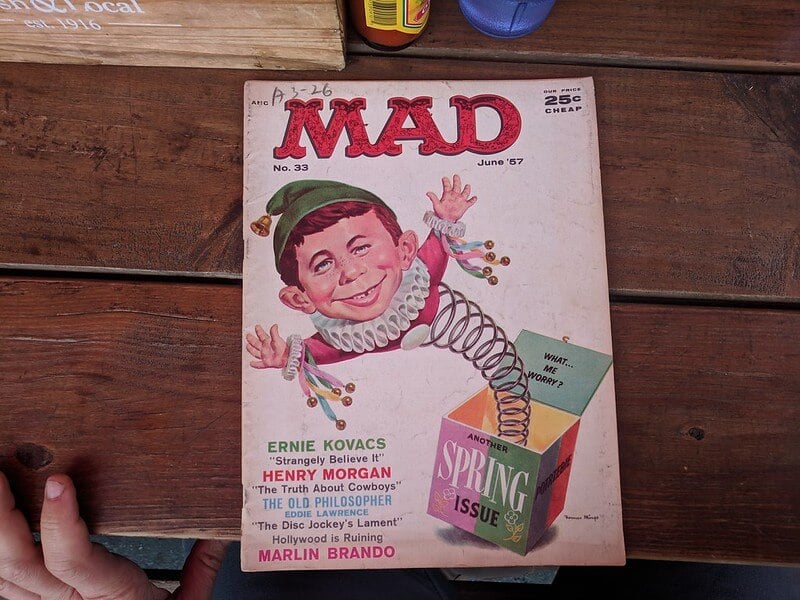
Launched in 1952 as a comic book before converting to a magazine format a few years later, the earliest issues predate the satirical mascot character that would become the publication’s most recognized visual element. Because the magazine was aimed squarely at children who did not treat their copies gently, surviving early examples in strong condition are considerably scarcer than the print numbers alone would suggest.
Well-preserved early issues can bring hundreds of dollars from dedicated collectors.
Beeton’s Christmas Annual, 1887
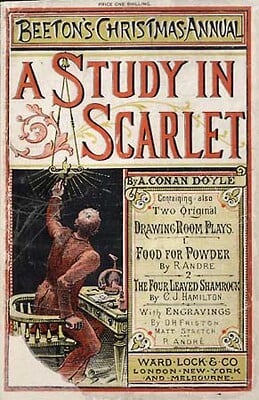
This British literary annual holds a singular place in publishing history as the volume that introduced Sherlock Holmes to the world in the story “A Study in Scarlet.” A copy sold at a major auction house for $156,000 in 2007, making it among the most valuable periodicals ever sold.
Surviving copies are exceptionally rare, since the annual was a disposable seasonal publication never expected to be preserved.
Vogue, Early Twentieth-Century Issues

Founded in 1892 and evolving over subsequent decades into the fashion publication recognized today, issues from the first few decades of the twentieth century capture illustration-driven cover art that predates the magazine’s shift to photography. Condition and cover artist both significantly affect collector interest.
Well-preserved early issues can bring meaningful sums, particularly those featuring recognized illustrators of the period.
The Saturday Evening Post, Norman Rockwell Covers
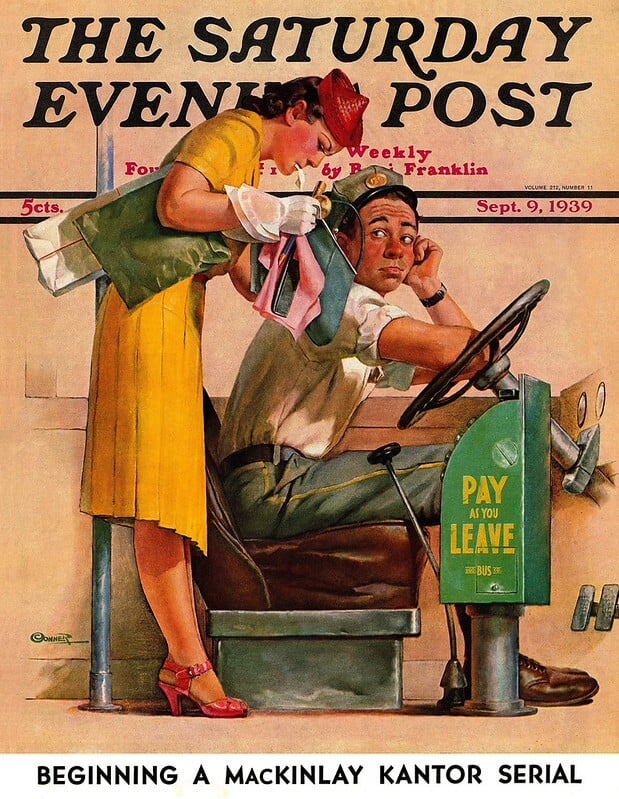
While the general-interest magazine itself dates back to the eighteenth century under various titles, issues featuring cover illustrations by Norman Rockwell during his decades-long association with the publication are specifically sought after independent of the magazine’s overall run. Rockwell’s cover subjects, ranging from small-town Americana to wartime themes, each carry their own collector following.
Well-preserved issues featuring his most recognized covers can command a real premium over ordinary issues from the same era.
Popular Mechanics, Early Twentieth-Century Issues
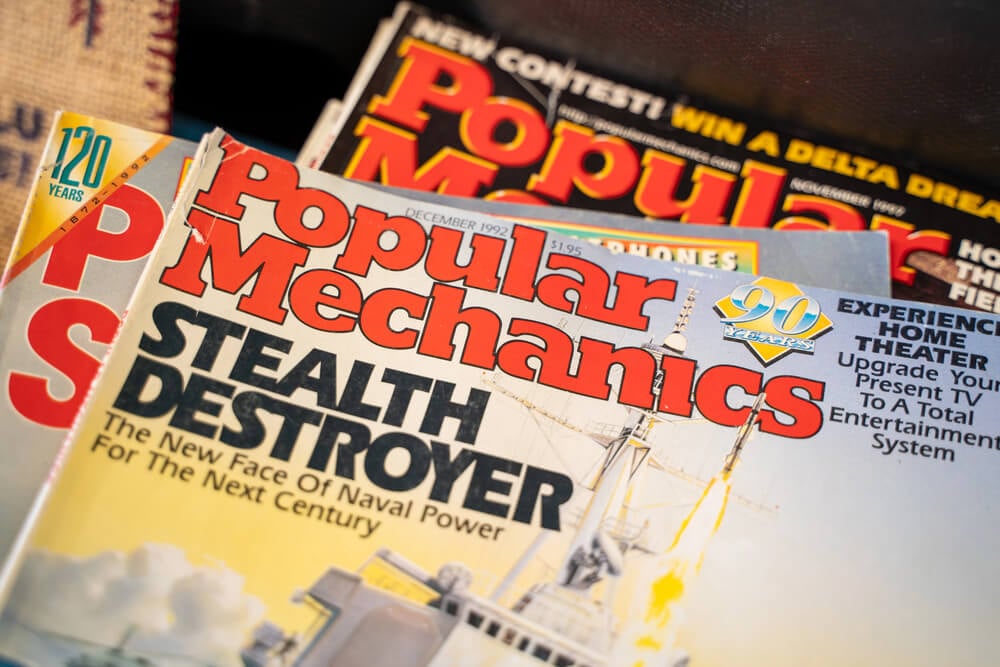
Launched in 1902, this magazine’s early issues offer a window into period predictions about technology that range from remarkably accurate to charmingly wrong. Collectors of technology and industrial history specifically seek issues covering major early inventions or predictions about future transportation and household devices.
Condition and specific cover content both drive pricing within this collecting niche.
Sears, Roebuck and Company General Catalog
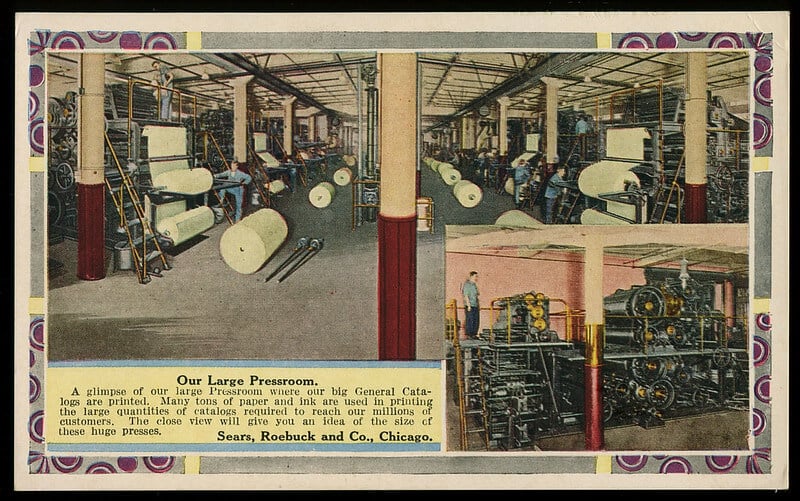
Known to generations of customers as the “Wish Book,” Sears catalogs from the late nineteenth and early twentieth centuries document consumer goods, pricing and daily life with a level of detail few other sources capture as completely. Early complete catalogs, particularly from before 1910, can bring hundreds to well over a thousand dollars depending on completeness and condition.
The catalog’s enormous size made survival difficult, since most were used until they fell apart and then discarded.
Sears Modern Homes Catalog

Between 1908 and 1940, Sears sold complete mail-order house kits through a dedicated catalog, and surviving copies now serve architectural historians researching which homes in a given neighborhood may have originated from a Sears kit. Complete catalogs in good condition can bring several hundred dollars given their research value beyond simple nostalgia.
Regional historical societies and architecture enthusiasts represent a meaningful portion of the buyer pool for this specific catalog.
Montgomery Ward Catalog
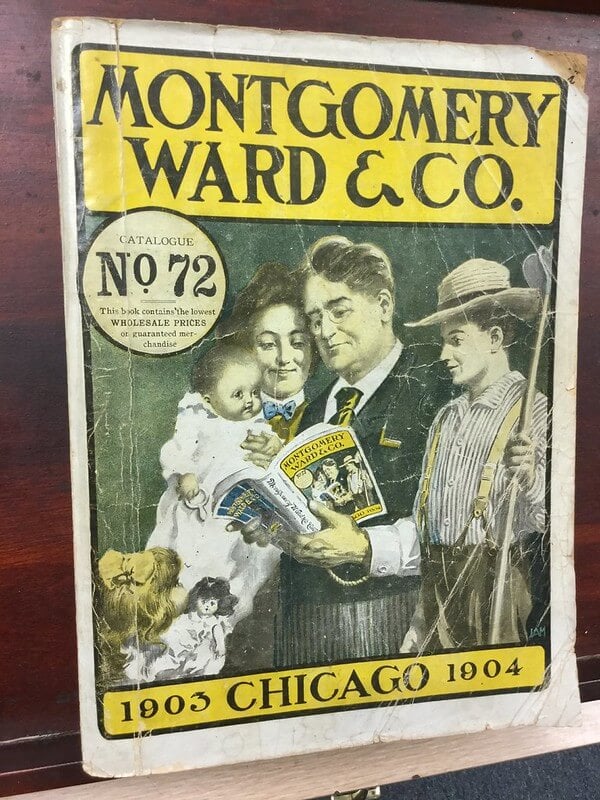
Predating Sears as America’s first major mail-order catalog business, Montgomery Ward’s earliest catalogs from the 1870s document a period of retail history before national mail-order shopping was commonplace. Surviving examples from the company’s first decade are exceptionally scarce given the catalog’s small initial print run and disposable intended use.
Well-preserved early examples can command significant sums from specialist collectors of retail history.
JCPenney Early Catalogs
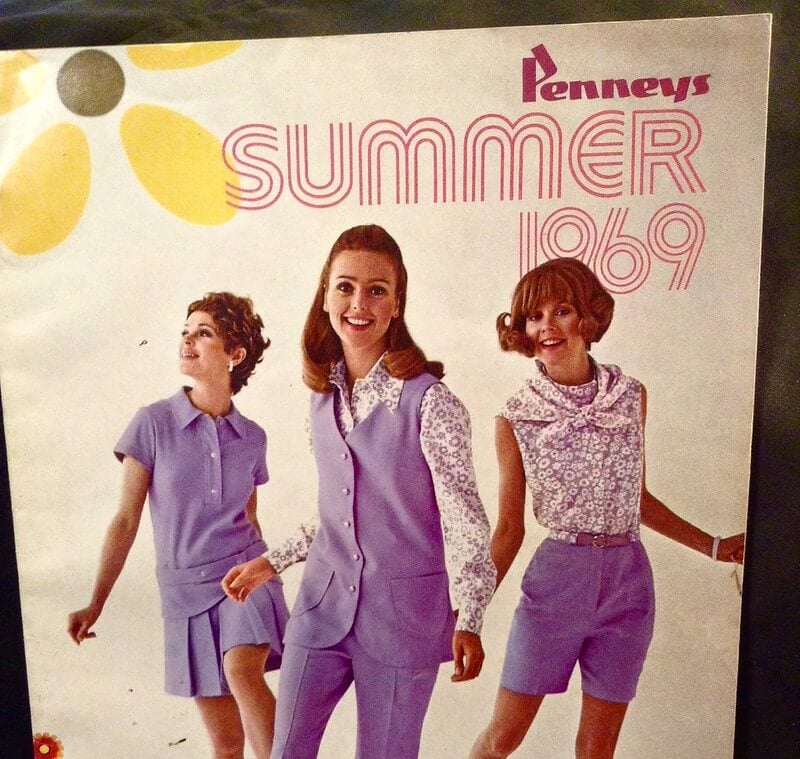
Though the company built its early reputation on physical storefronts rather than mail order, JCPenney’s mid-twentieth-century catalogs document mainstream American consumer culture and fashion trends with the same detail found in competitor publications. These catalogs are less intensively collected than Sears or Montgomery Ward, which keeps prices more modest despite comparable historical interest.
Well-preserved examples typically bring modest but steady sums among catalog specialists.
Whole Earth Catalog

First published in 1968 and closely associated with the counterculture movement of the era, this unconventional catalog blended product listings with essays and ideas in a format unlike any traditional retail publication. The final 1971 edition is particularly sought after and has been cited by prominent technology figures as an influential publication in their own thinking.
Well-preserved editions, particularly the final large-format issue, can command meaningful sums from collectors of counterculture history.
National Lampoon, Early Issues
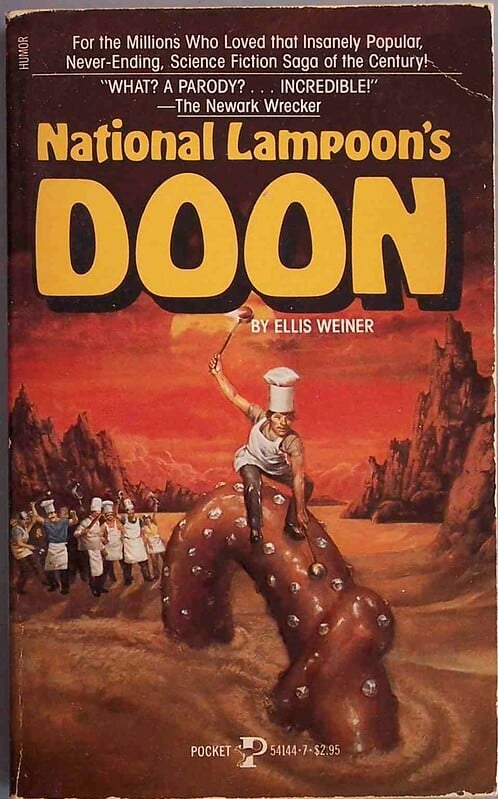
Launched in 1970 by writers who had previously worked on the Harvard Lampoon, the magazine’s earliest issues predate the film franchise the brand would later become known for. Issues from the first few years featuring the magazine’s most notorious cover concepts draw particular collector interest.
Well-preserved early copies can bring a meaningful premium over the magazine’s later, more widely available run.
Weird Tales, Early Pulp Issues
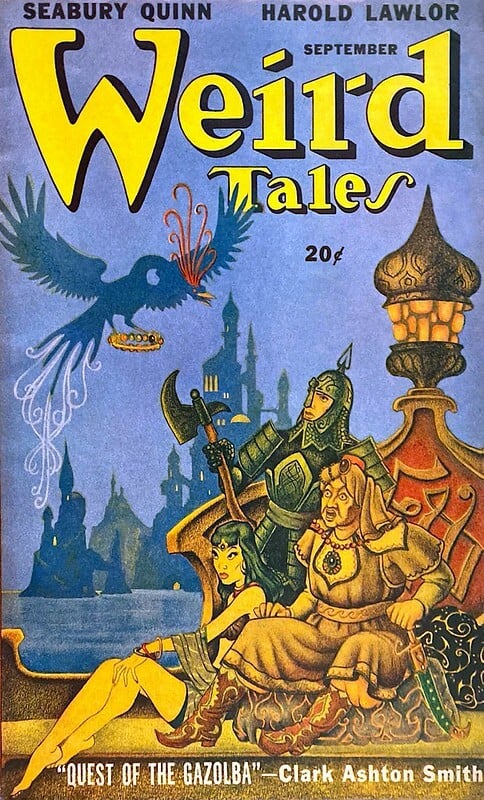
Launched in 1923, this pulp fiction magazine published early work by writers who would go on to define an entire genre of horror and fantasy fiction. Issues containing a first published story by a now-major author command significant premiums over issues with more forgettable contents.
Because pulp paper stock deteriorates rapidly, surviving copies in strong condition are considerably scarcer than surviving comic books from a similar era.
Amazing Stories, First Issue
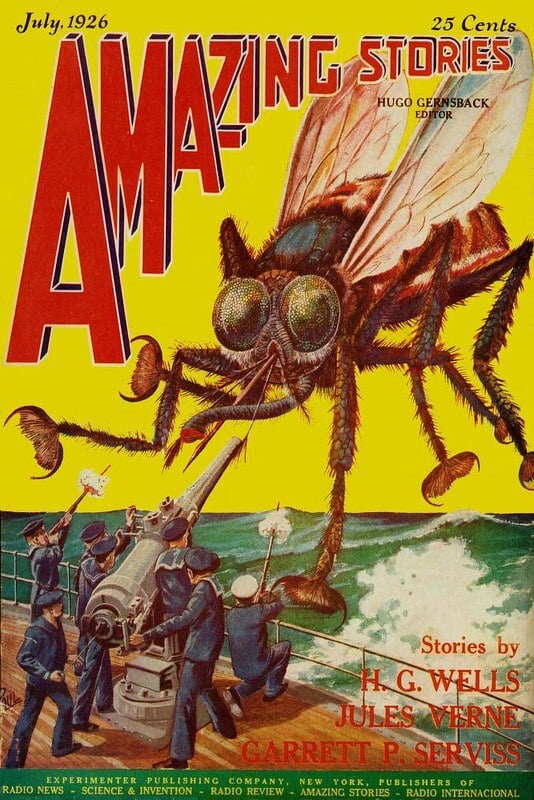
Published in April 1926, this magazine is widely credited as the first periodical dedicated entirely to science fiction, launching an entire genre of pulp publishing that followed in its wake. Surviving copies in strong condition are scarce given the fragile, acidic pulp paper used throughout the era.
Well-preserved examples can bring meaningful sums from collectors specializing in early science fiction publishing history.
The New Yorker, First Issue
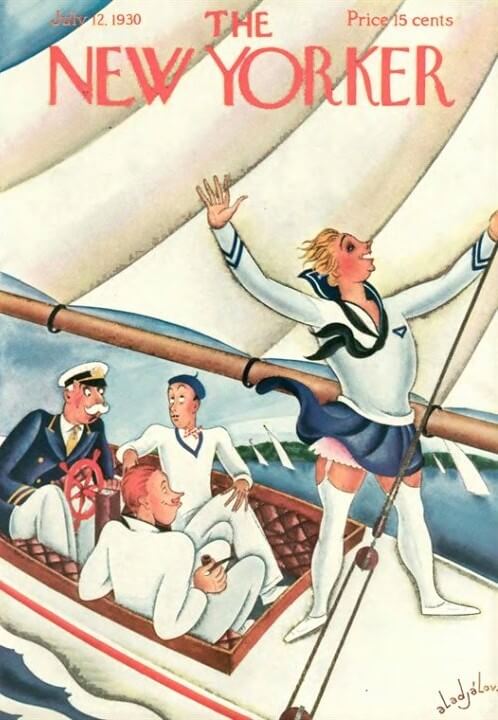
Debuting in February 1925 with a now-famous cover illustration of a dandy examining a butterfly through a monocle, this first issue established a visual identity the magazine has referenced in its own anniversary covers for a century since. Well-preserved copies can bring hundreds of dollars given the title’s enduring cultural relevance.
The specific cover illustration remains one of the most recognized images in American magazine publishing.
Harper’s Bazaar, Early Issues

Founded in 1867, this fashion publication’s earliest surviving issues predate photography-driven fashion coverage entirely, relying instead on detailed illustration. Collectors of fashion and illustration history specifically seek issues featuring recognized artists of the period.
Condition and illustrator both significantly affect value within this specialist collecting category.
Ebony Magazine, First Issue

Launched in November 1945, this magazine’s debut issue marked a significant moment in American publishing history as a mainstream periodical built specifically to cover Black achievement, culture and daily life. Well-preserved first issues are considered significant pieces of publishing and cultural history, commanding meaningful sums among specialist collectors.
The magazine’s ongoing influence has kept collector interest in its founding issue consistently strong.
Look Magazine, Early Issues

Launched in 1937 as a photography-driven competitor to LIFE, this magazine covered similar ground with a distinct editorial voice before ceasing publication in 1971. Issues covering major historical events or featuring significant photojournalism carry particular collector interest.
Well-preserved examples typically bring modest but steady sums, generally trailing LIFE in overall collector demand.
Collier’s Magazine, Early Twentieth-Century Issues
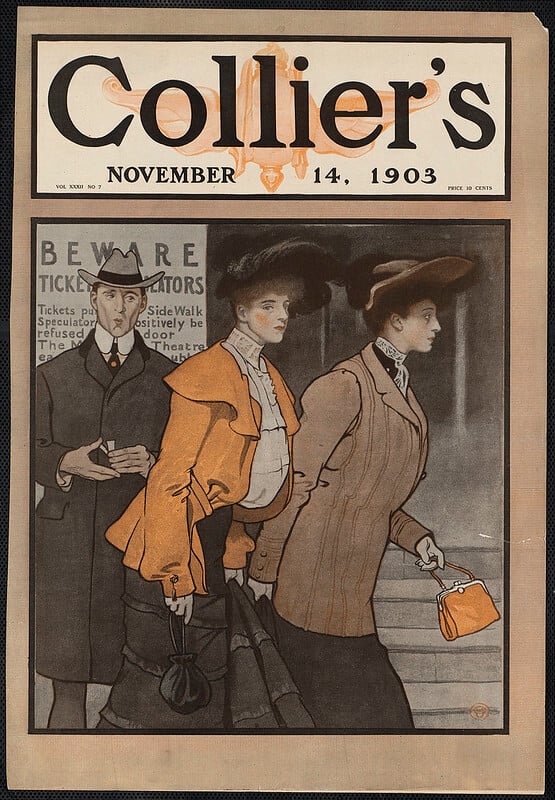
This general-interest weekly published influential investigative journalism and serialized fiction throughout the early twentieth century before ceasing publication in 1957. Issues featuring significant early investigative reporting or notable fiction serializations draw the most collector interest.
Condition and specific content both factor heavily into pricing within this niche.
Vanity Fair, Original Run

The magazine’s original run, published from 1913 until it was folded into Vogue in 1936, featured striking Art Deco cover illustrations that are now considered significant examples of graphic design from the period. Well-preserved issues, particularly those with recognized illustrators, command real interest from both magazine and design collectors.
The original run is treated as a distinct collecting category from the magazine’s later 1980s relaunch.
Photoplay, Early Hollywood Issues
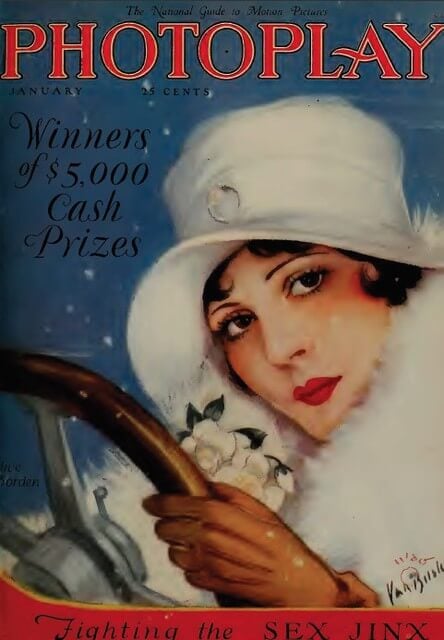
Launched in 1911 as one of the first fan magazines dedicated to the emerging film industry, early issues document the earliest years of American cinema celebrity culture before the studio system fully professionalized publicity. Issues featuring major early film stars command particular collector interest.
Well-preserved early examples can bring meaningful sums from collectors of film history.
Popular Science, Early Twentieth-Century Issues
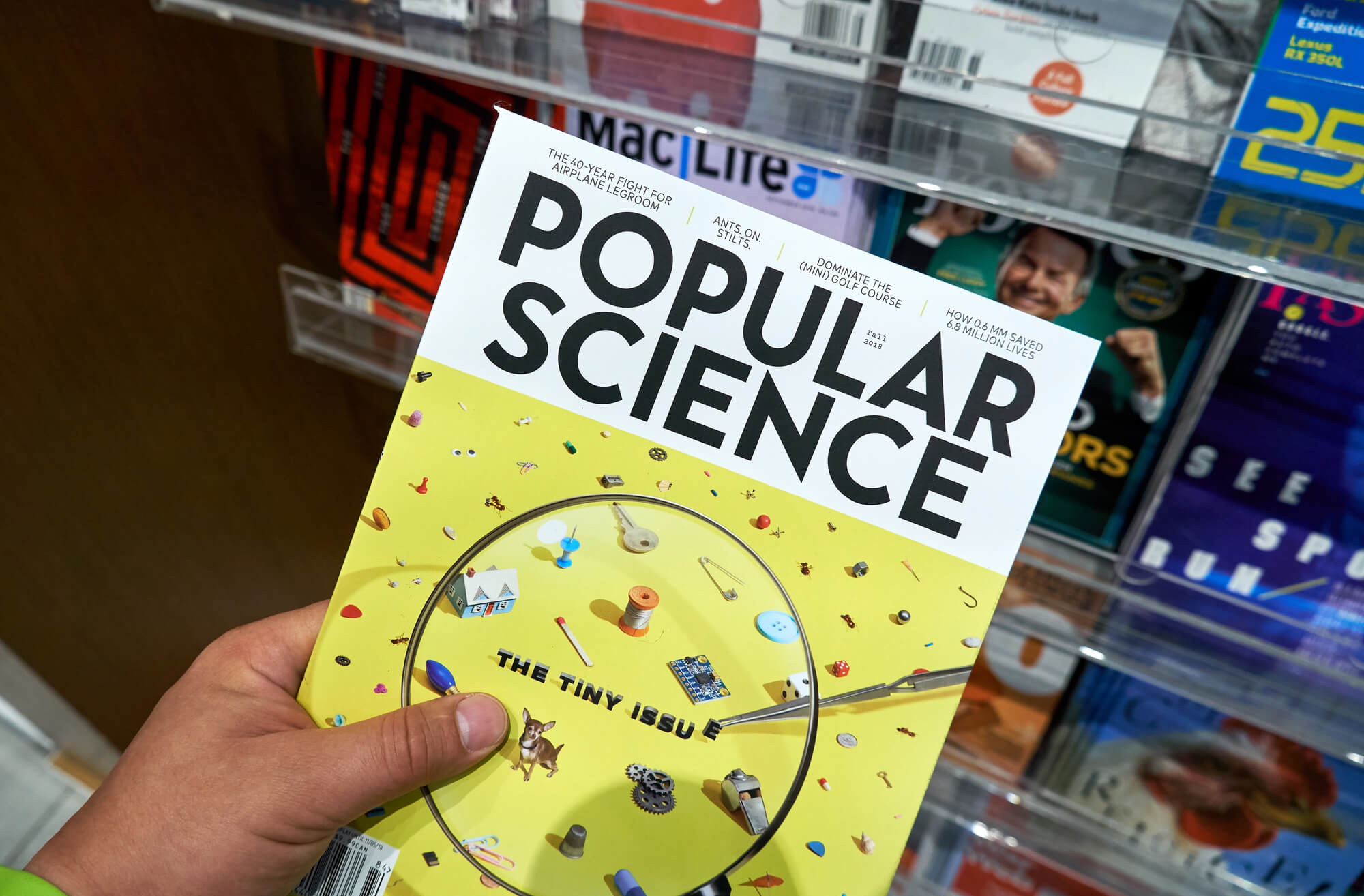
Publishing continuously since 1872, this magazine’s early twentieth-century issues document technological change during one of the most transformative periods in industrial history. Issues covering major early inventions or predictions about future technology draw the most specialist interest.
Condition and specific cover content both factor into pricing within this collecting niche.
Boys’ Life, Norman Rockwell Covers

The official publication of the Boy Scouts of America featured cover illustrations by Norman Rockwell for several decades, paralleling his more famous work for the Saturday Evening Post. Issues featuring his cover work carry a distinct collector following separate from general Boys’ Life collecting.
Well-preserved examples with his illustrations can command a meaningful premium over typical issues.
Godey’s Lady’s Book, Nineteenth-Century Issues
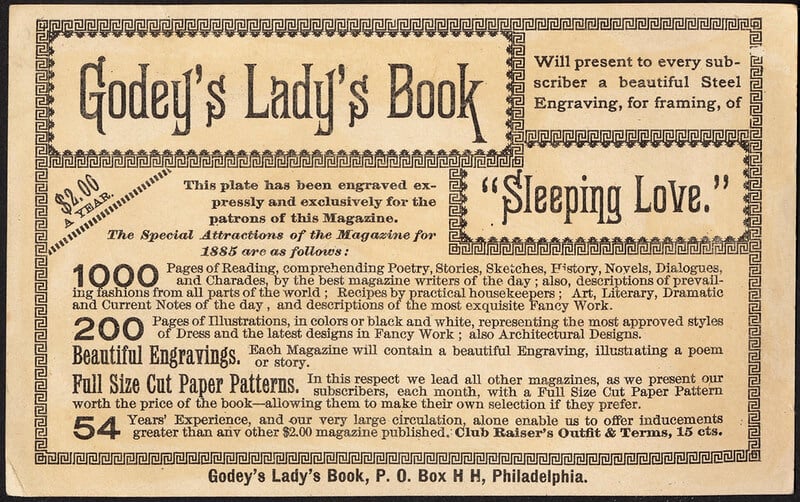
Published from 1830 to 1878, this influential women’s publication featured hand-colored fashion illustrations that were often removed and framed separately by original readers, making complete surviving issues considerably scarcer than the illustrations alone. Complete, unmutilated issues with intact fashion plates command significant premiums over incomplete copies.
This publication is credited with popularizing several enduring American holiday traditions through its editorial content.
Harper’s Weekly, Civil War Era Issues
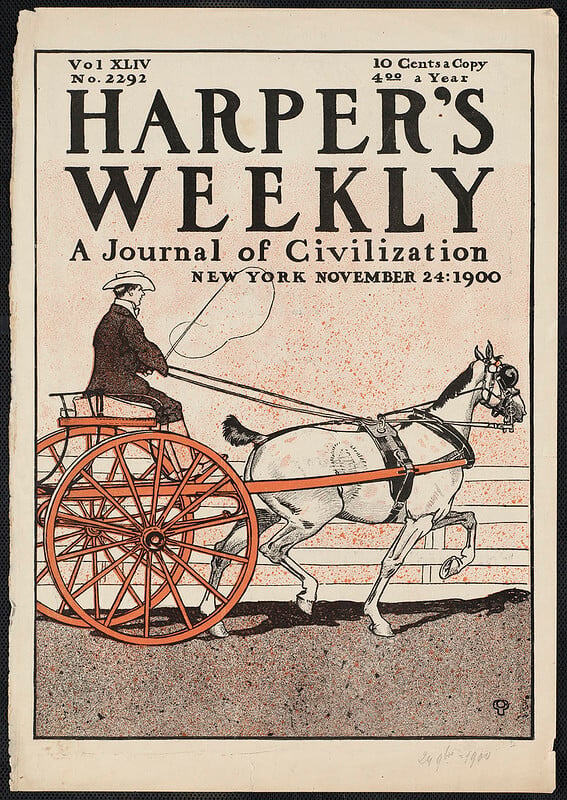
Published throughout the American Civil War with detailed illustrated coverage of major battles and events, issues from this specific period are treated as a distinct historical collecting category separate from the publication’s broader multi-decade run. Issues covering particularly significant battles or events command the highest premiums.
Condition and completeness of the illustrated plates both significantly affect value.
Early Automobile Trade Catalogs
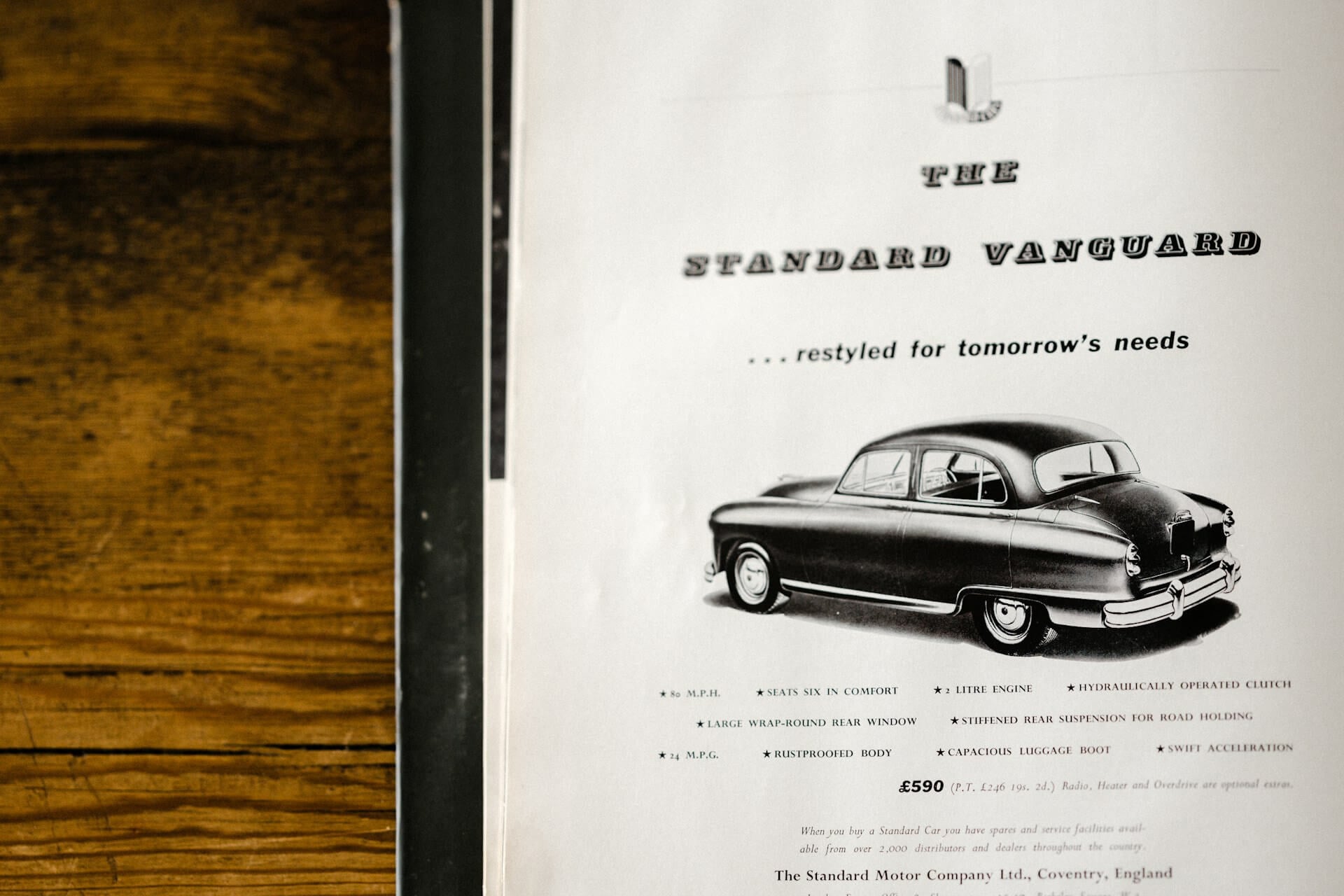
Catalogs produced by early automobile manufacturers to advertise their earliest models document a transformative period in transportation history when the format and features of cars were still being established. Catalogs from now-defunct manufacturers that did not survive the industry’s early consolidation are particularly scarce.
Well-preserved examples can bring significant sums from specialist collectors of automotive history.
Nineteenth-Century Seed and Nursery Catalogs
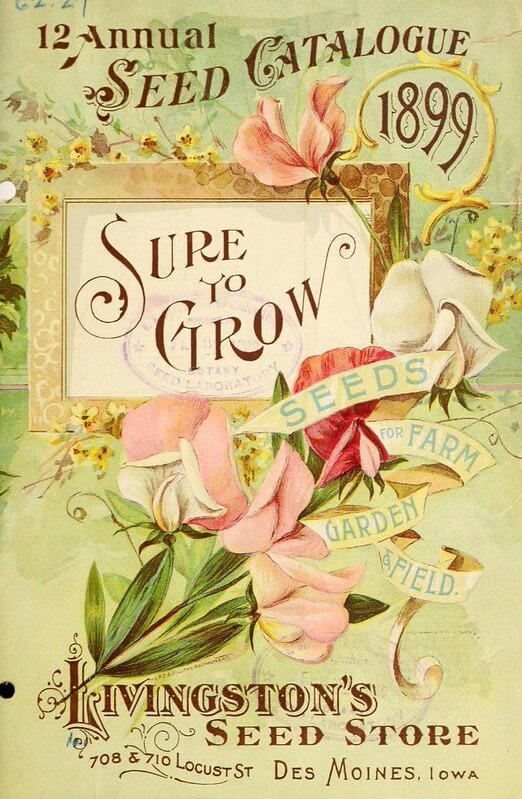
Illustrated seed and plant catalogs from companies operating in the nineteenth century document agricultural and horticultural history through detailed hand-colored plates depicting fruit varieties and ornamental plants. Catalogs from companies specializing in now-rare or extinct plant varieties draw particular interest from historians and horticulturists.
Well-preserved examples with intact color plates can command meaningful sums from a small but dedicated collecting community.
The Story Paper Never Finished Telling
Every title on this list survived an era that treated periodicals as genuinely disposable, meant to be read once, passed along, and eventually thrown out to make room for the next issue. What separates the survivors from the recycling bin was rarely intention; it was accident, storage, and the occasional reader who could not quite bring themselves to let go of something that felt important at the time.
Decades later, that accidental preservation has become the entire market. A magazine or catalog does not need to have been treasured to become valuable; it only needed to be kept, unread and undisturbed, long enough for the rest of its print run to disappear.
What collectors are really buying is the absence of everyone else’s copy.
More from Go2Tutors!

- The Romanov Crown Jewels and Their Tragic Fate
- 13 Historical Mysteries That Science Still Can’t Solve
- Famous Hoaxes That Fooled the World for Years
- 15 Child Stars with Tragic Adult Lives
- 16 Famous Jewelry Pieces in History
Like Go2Tutors’s content? Follow us on MSN.