National Roller Coaster Day: 14 Mind-Blowing Facts Behind Roller Coaster Engineering
When you’re screaming your way through a 200-foot drop or getting flipped upside down at 80 miles per hour, the last thing on your mind is probably the incredible engineering that makes it all possible. But behind every heart-pounding moment lies a masterpiece of physics, mathematics, and cutting-edge technology that would make rocket scientists jealous.
Roller coasters aren’t just fun machines—they’re some of the most precisely engineered structures on Earth. From the moment you hear that first ‘clack-clack-clack’ going up the lift hill to the final brake that brings you safely back to the station, every single element has been calculated, tested, and perfected by teams of brilliant engineers.
Here’s a list of 14 fascinating facts that reveal the incredible science and engineering behind these gravity-defying thrill machines.
They’re Powered Entirely by Gravity

Roller coaster trains have no engine or power source of their own. Instead, they rely on a supply of potential energy that is converted to kinetic energy.
The purpose of the coaster’s initial ascent is to build up a sort of reservoir of potential energy. Think of it like winding up a massive spring and then letting it go.
Once you start cruising down that first hill, gravity takes over and all the built-up potential energy changes to kinetic energy. It’s essentially a carefully controlled fall that lasts for two minutes.
Computer Simulations Test Every Millisecond
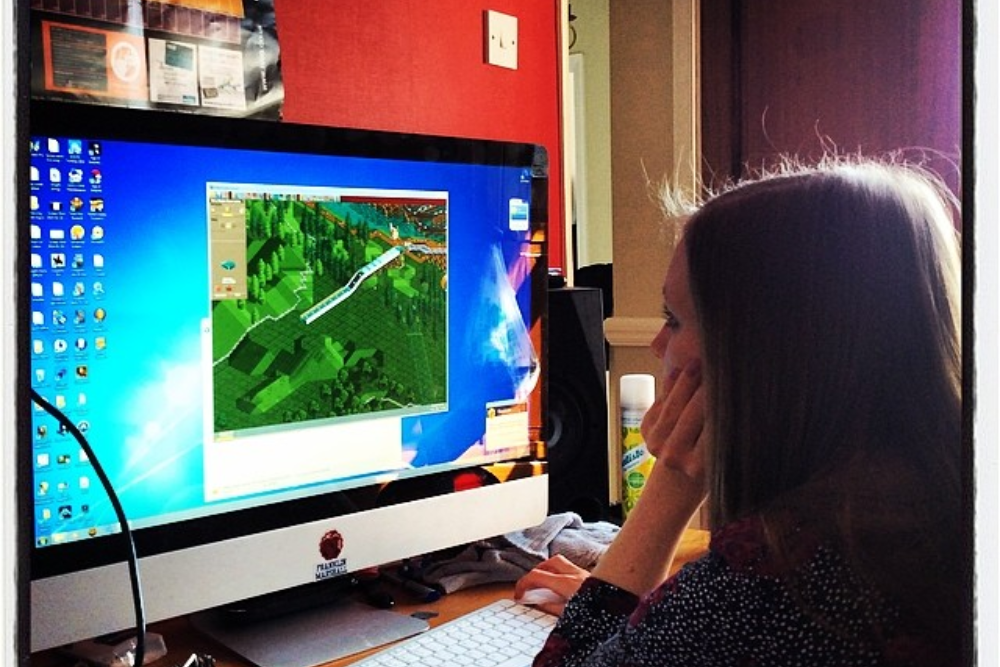
Computer design systems have made roller coasters safer by making the designs much more predictable and reliable. After the roller coasters are tested and simulated on the computer, they are built and extensively tested again before they are put into use.
Engineers can virtually ride the coaster thousands of times before a single piece of steel is bent. With this tailor-made procedure the customer is able to generate prototypes of tracks within an integrated 3D CAD-CAE environment, providing immediate assessment of its consequences on cars or users in terms of longitudinal, transverse and normal accelerations.
It’s like having a crystal orb that shows exactly what forces riders will experience.
Like Go2Tutors’s content? Follow us on MSN.
The First Hill Determines Everything
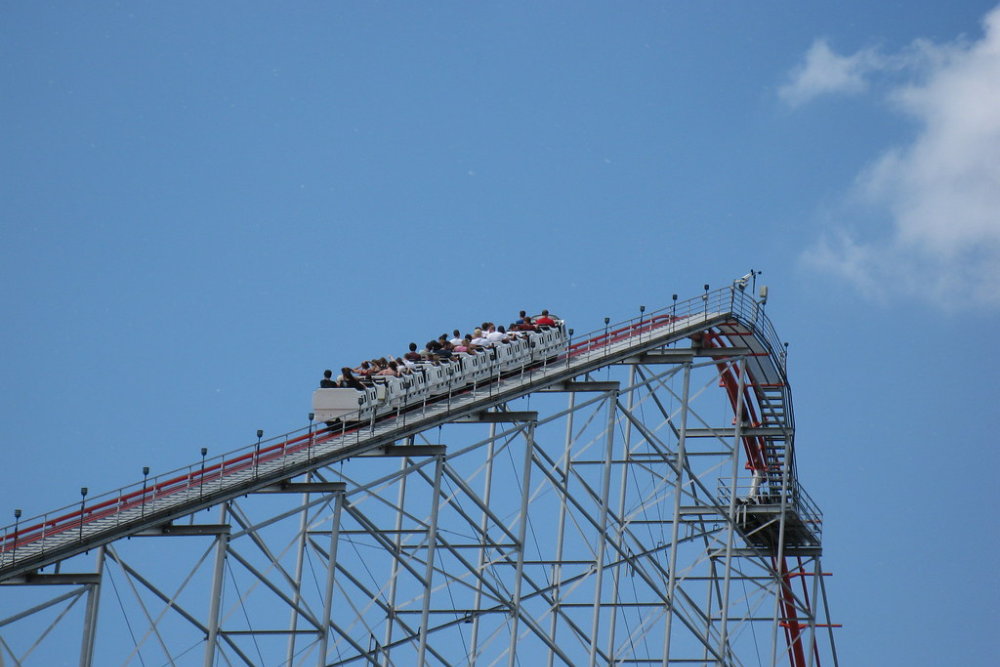
The first incline is calculated to provide enough potential energy for the train to complete the ride, while friction and air resistance are accounted for in the final design. Engineers work backward from the end of the ride, calculating exactly how much energy they need to overcome every hill, turn, and loop.
In most roller coasters, the hills decrease in height as the train moves along the track. This is necessary because the total energy reservoir built up in the lift hill is gradually lost to friction between the train and the track, as well as between the train and the air.
Get the math wrong, and the train might not make it home.
They Can Pull More G-Forces Than Fighter Jets
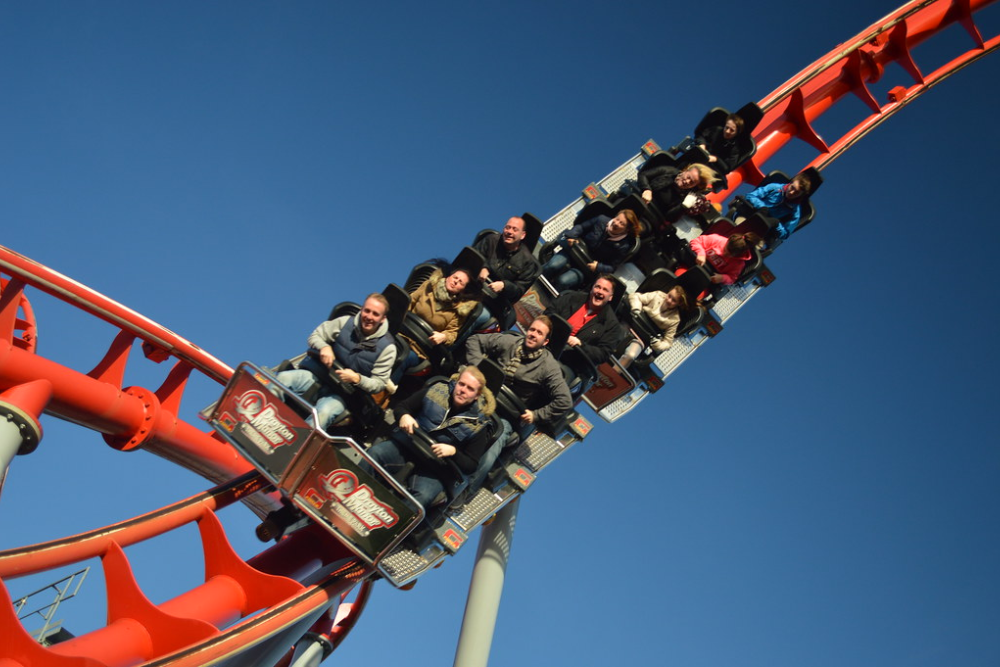
At 50 miles an hour the riders will experience a G-Force of four, which means they experience a force four times the force of gravity. To put this in perspective, astronauts experience about 3 G’s during rocket launch.
On the Helix ride in Sweden, a launch halfway round the ride fires the train up a steep hill into an inverted top hat. Pendrill’s data show that after this launch, riders experience around 4G as they fly up the hill.
Your body weighs four times more than normal during these moments.
Loops Are Teardrop-Shaped for a Reason
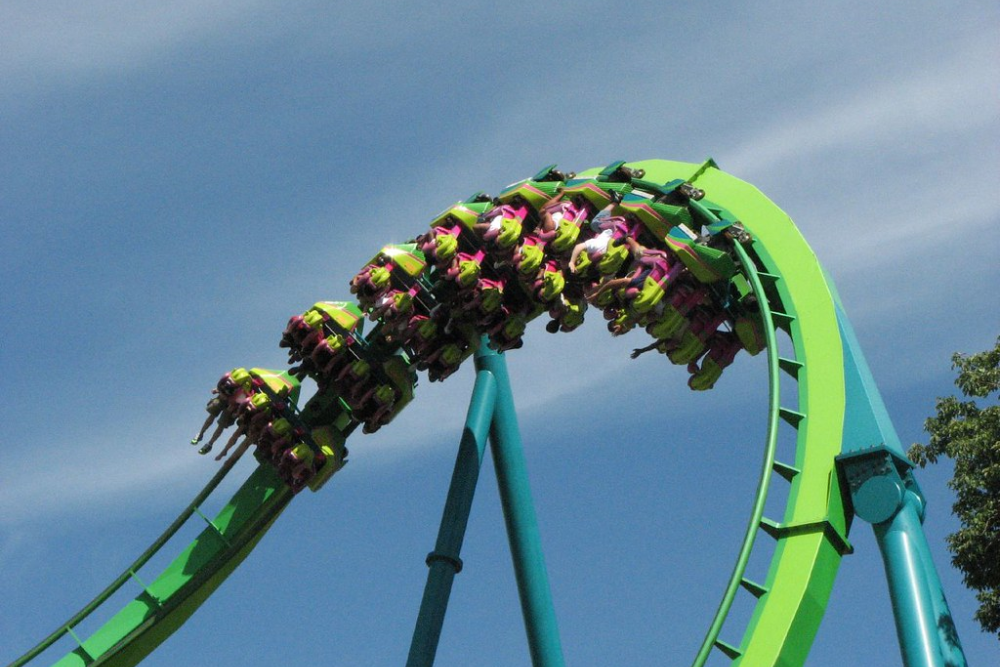
They review the shape of the inversions, such as making loops teardrop-shaped instead of circular, to maximize its physics and rider comfort. A perfect circle would create dangerous force spikes that could injure riders or even cause them to black out.
The teardrop shape allows for gentler entry and exit angles while maintaining the thrill. At the top of the loop, these forces will combine, creating the necessary centripetal force that keeps the rider on the circular track.
It’s a perfect balance between physics and physiology.
Like Go2Tutors’s content? Follow us on MSN.
They’re Safer Than Your Car
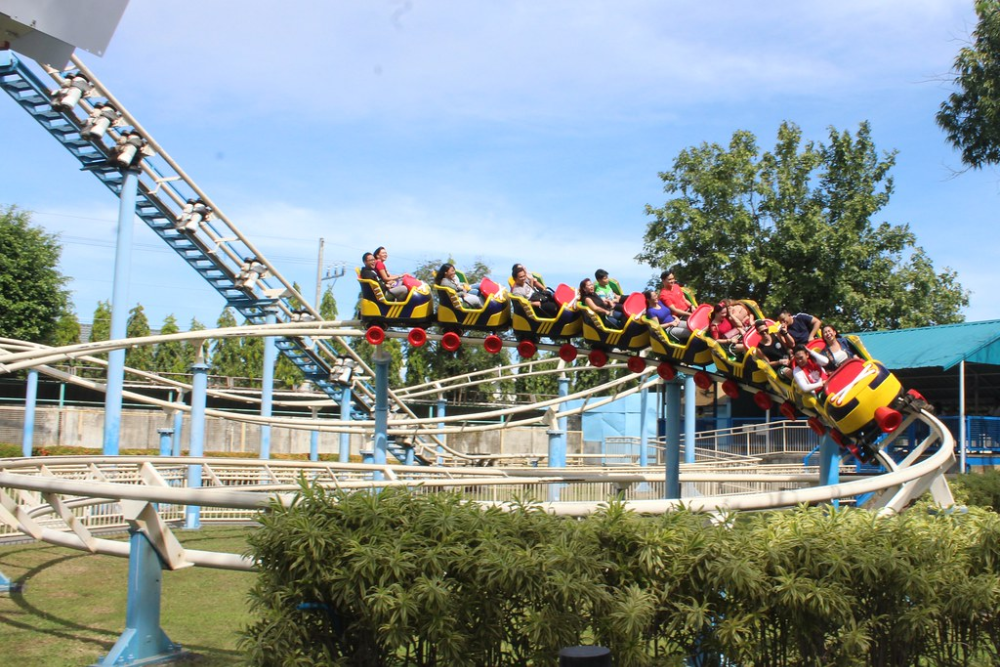
One of the comforting things about the roller coaster experience is that a coaster ride is safer than a normal car trip. The statistics are mind-blowing.
According to the International Association of Amusement Parks and Attractions (IAAPA), the likelihood of being seriously injured on a theme park ride in the U.S. is 1 in 24 million. You’re literally more likely to be struck by lightning than seriously injured on a roller coaster.
Anti-Rollback Systems Create That Famous Sound
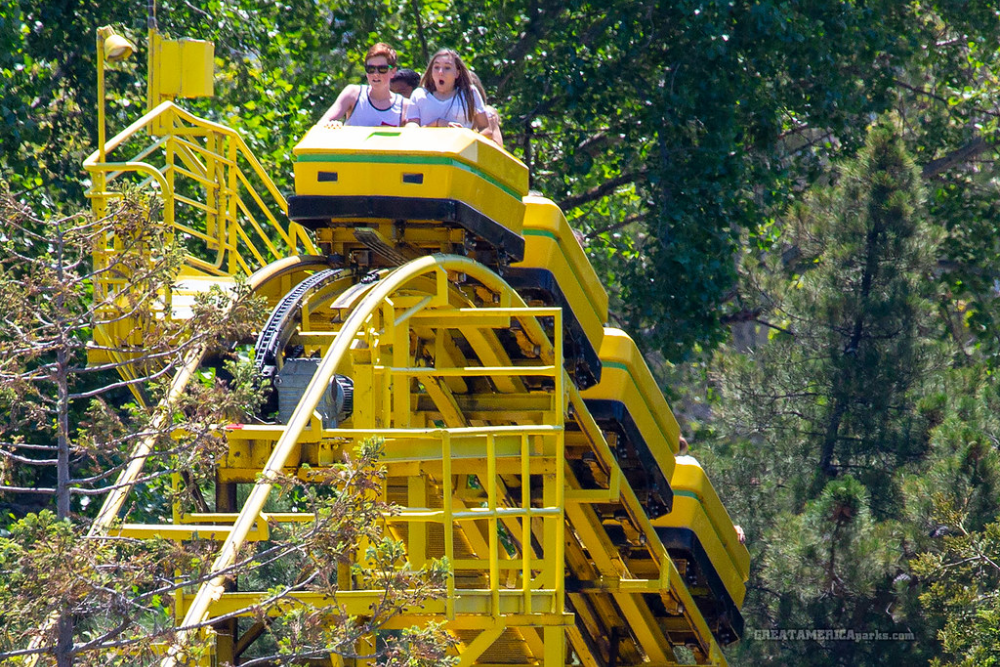
The famous ‘clack clack clack’ noise that is emitted as the coaster climbs the hill is caused by something called the anti-rollback system. Those metal teeth you see along the lift hill aren’t just for show—they’re a crucial safety system.
If the chain breaks or power fails, these metal dogs immediately engage to prevent the train from rolling backward. In 1912, engineer John Miller made a huge safety improvement that remains an integral part of today’s modern roller coasters, upstop wheels.
These are an extra set of train wheels that run on the underside of the track, designed to prevent a train from flying off.
Multiple Brake Systems Keep You Safe
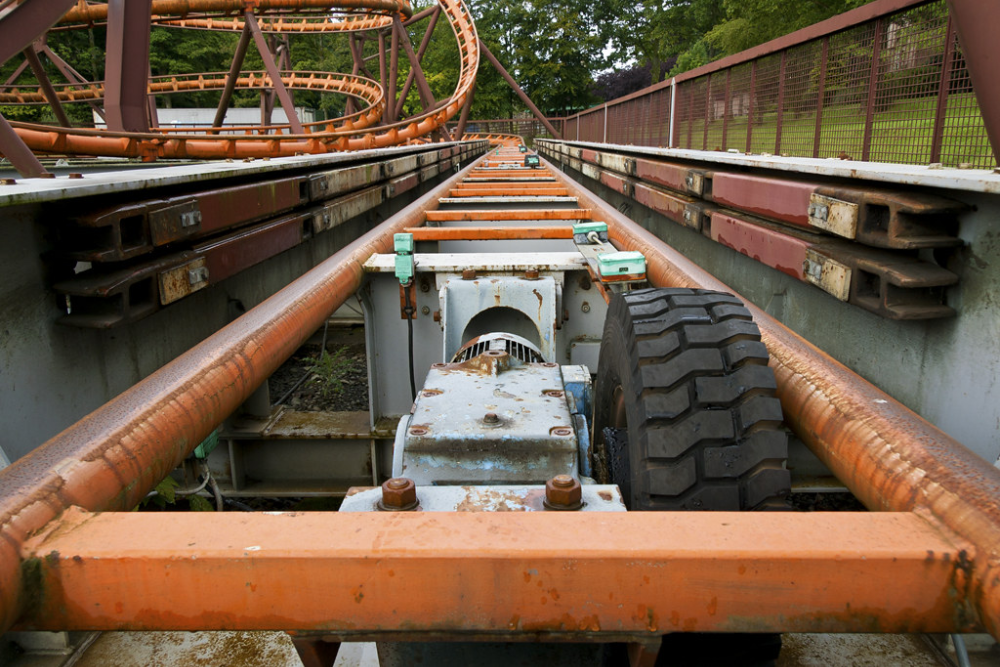
Trim brakes slow down the train, and block brakes halt it entirely. They’re embedded into the tracks.
Other variants include fin brakes, which are on the cars and clamp onto the track to produce friction. Magnetic or skid brakes use magnets to force a train to slow down.
These brakes are fail-safe and are designed to be in the closed position in case of a power failure. It’s like having multiple insurance policies all working at once.
Like Go2Tutors’s content? Follow us on MSN.
Block Systems Prevent Crashes
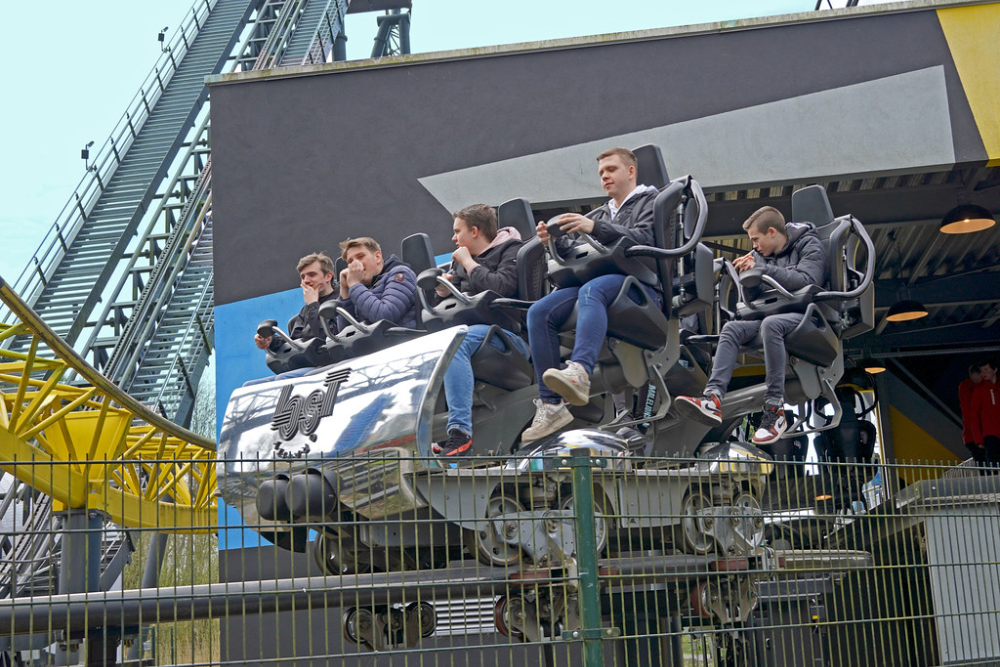
The safety system that makes sure trains do not collide with each other on the track is something called a block brake system. These are controlled by sensors around the track, which give the coaster computer, called the programmable logic controller (PLC), information on where the train is around the track at all times.
Each block can only accommodate one train at a time, ensuring that there is enough distance between trains for safety reasons. If a block is occupied, the automated block system will prevent the next train from entering until the block is clear.
Test Dummies Go First
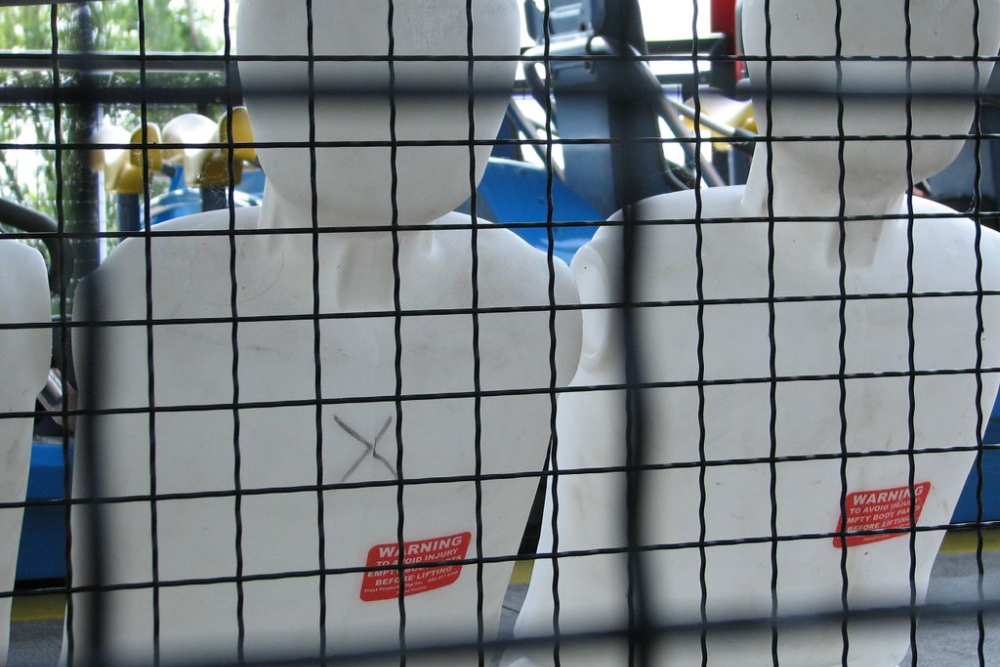
Before human riders are allowed on board, coasters are loaded with test dummies filled with water to simulate real passengers. Accelerometers measure g-forces throughout the ride, ensuring they remain within safe limits, typically not exceeding 3.5 g in most U.S.
These crash test dummies experience hundreds of test rides before any human ever steps foot on the coaster. Engineers study every bump, jolt, and force to ensure the ride is comfortable and safe.
Materials Withstand Extreme Forces
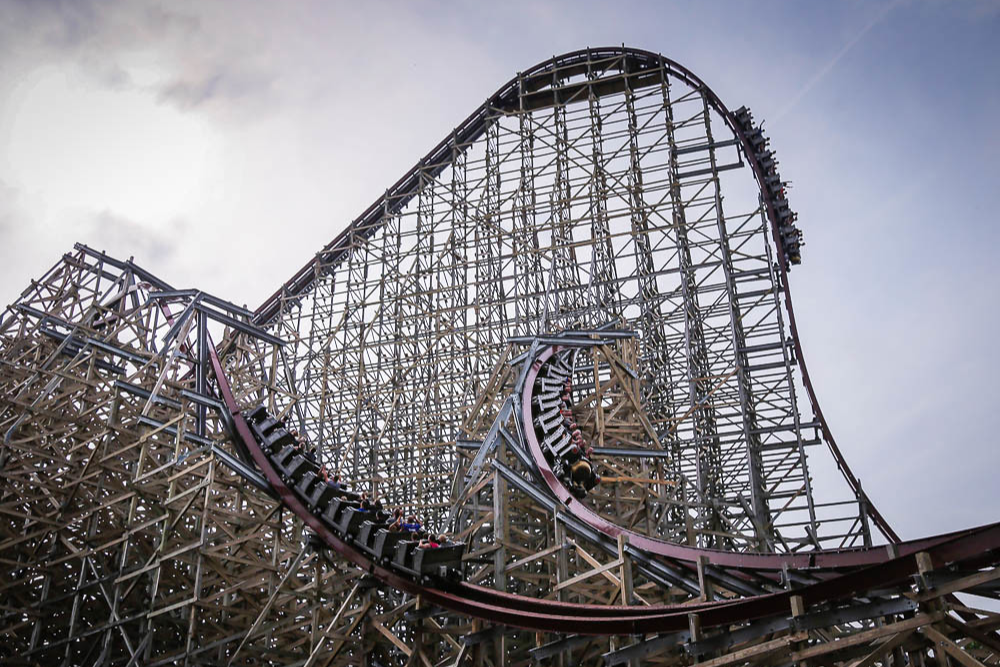
High-grade steel and aluminum alloys are commonly used for their strength and flexibility. These materials must withstand various stresses, including weather conditions, temperature fluctuations, and the constant strain of dynamic loads.
The Pepsi Max Big One at Blackpool Pleasure Beach in England is an engineering marvel, requiring 2,215 tons of steel and 60,000 bolts. Every bolt, beam, and support is designed to handle forces far beyond what they’ll ever encounter in normal operation.
Like Go2Tutors’s content? Follow us on MSN.
Modern Coasters Use Magnetic Launches
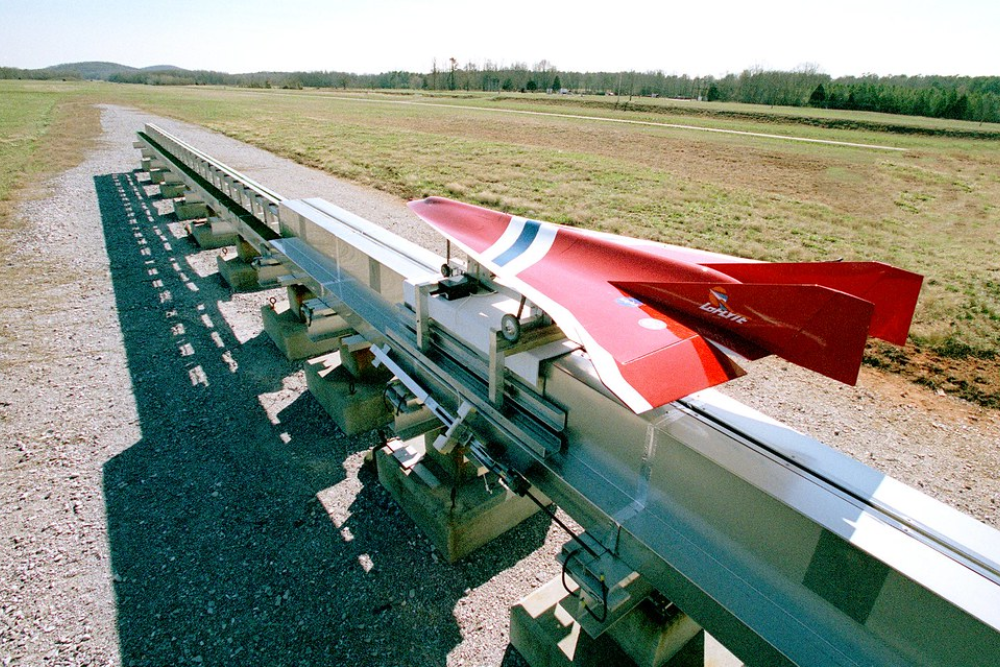
Other roller coasters rely on magnetics and a catapult-launch lift to gather energy. Instead of relying on the chain lift to build potential energy, the magnets produce kinetic energy in those seconds.
Formula Rossa in Abu Dhabi was inspired by the engineering of jet planes for its world-record-setting 150 mph launch. The hydraulic launcher continues to appear in other coaster designs.
These systems can accelerate trains from 0 to 100 miles per hour in under four seconds.
Fourth-Dimension Coasters Defy Logic
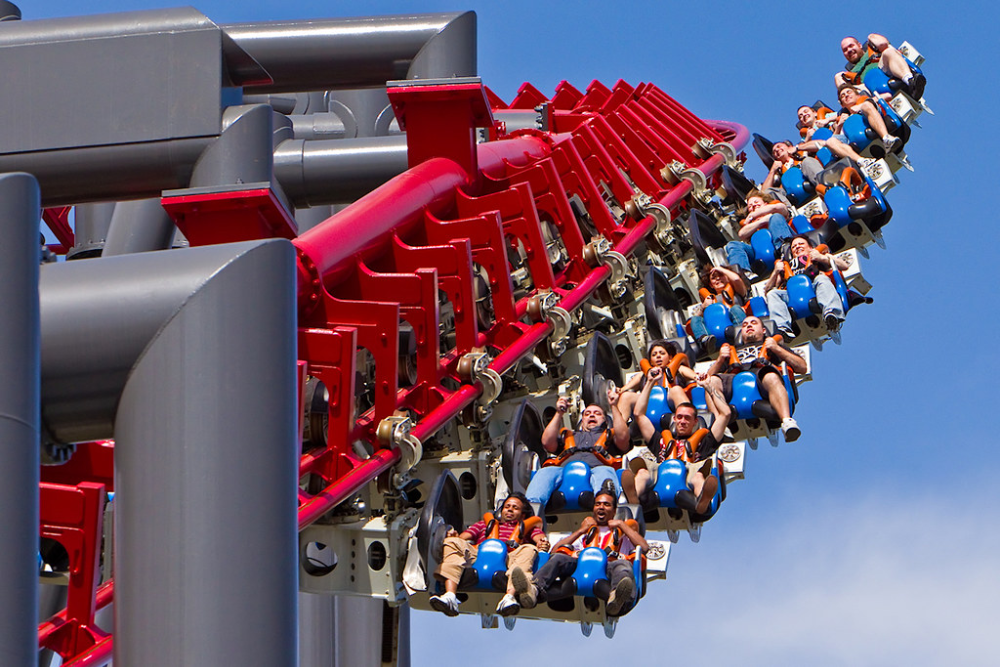
Fourth-dimension coasters are a new feat of coaster engineering. An example of this can be found in Japan’s Eejanaika.
The seats on this coaster rotate 360 degrees because of its unique four-rail design. A new ride developed by Vekoma called Orkanen, at Farup Sommerland in Denmark, is an example using the updated design method.
It boasts organic, naturally flowing shapes, limited lateral swinging dampened by shock absorbers, and padded ergonomic seats for comfort. These coasters create experiences that would have been impossible just decades ago.
Daily Inspections Are Mandatory
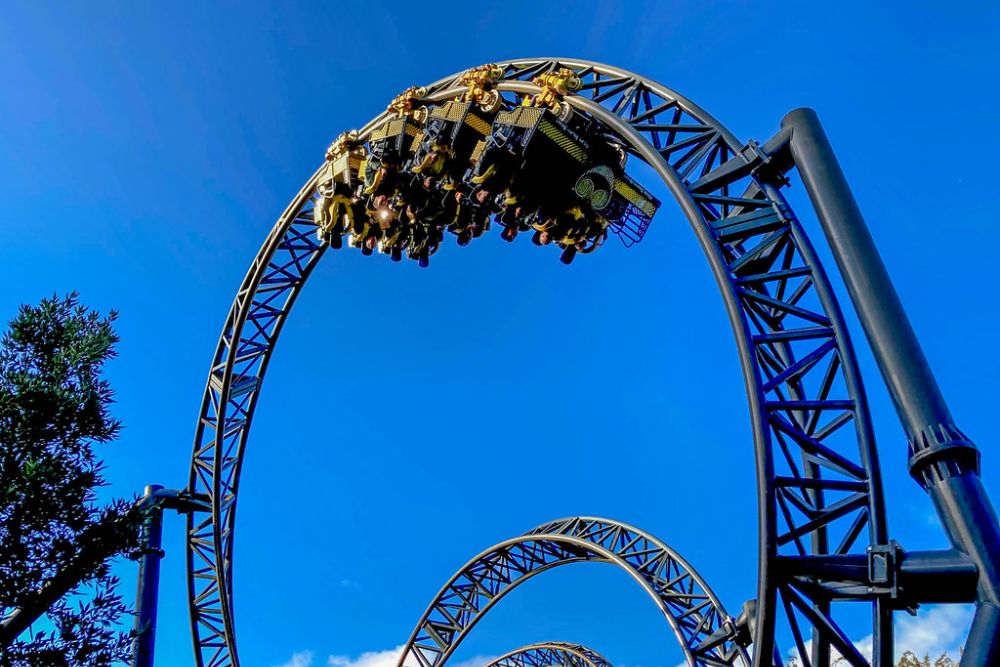
Even after they have been made available for the public, theme parks perform routine check-ups on the rides to ensure their safety and they have no qualms about shutting down a ride for repair. At parks like Thorpe Park and Alton Towers, daily maintenance routines involve hours of pre-opening preparation, while annual inspections involve independent engineers dedicating thousands of hours to verifying ride safety.
Every single day, before any guests arrive, engineers and mechanics crawl over every inch of track, testing systems and checking for wear.
Like Go2Tutors’s content? Follow us on MSN.
The Marriage of Thrills and Science
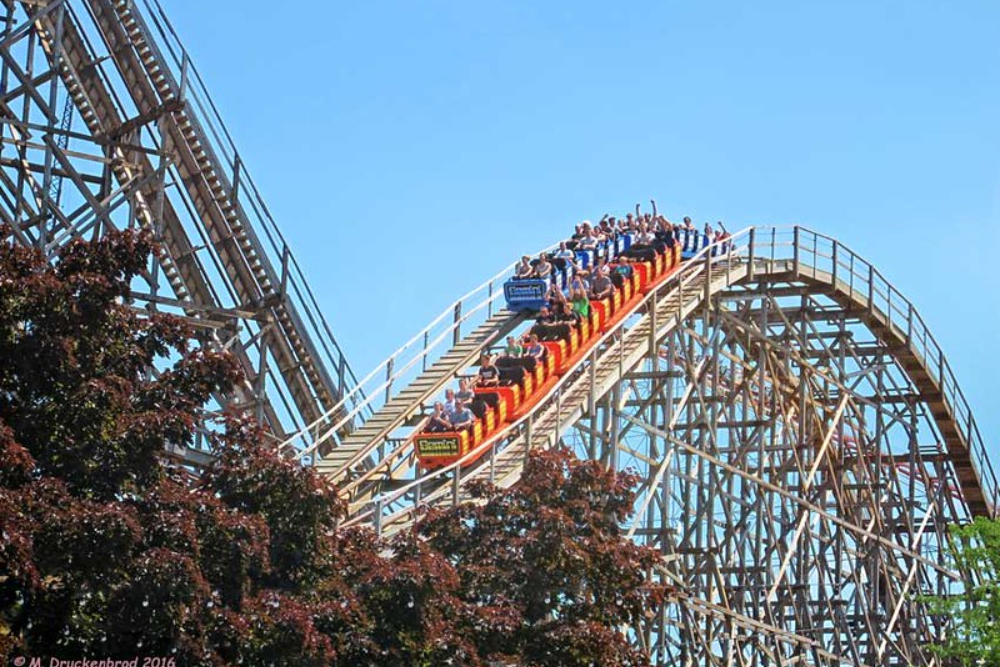
The engineering underlying these modern marvels is highly precise, requiring not only knowledge of concepts from across physics, but an intuition about how each element of a roller coaster will impact the rider. What makes roller coaster engineering truly remarkable isn’t just the raw technical achievement—it’s how engineers have learned to manipulate the laws of physics to create specific emotional responses.
It is these rapid changes that make rollercoasters so exciting, explains Brendan Walker, a researcher at Middlesex University London and rollercoaster consultant, who describes himself as a thrill engineer. They’ve essentially figured out how to bottle lightning and serve it up in two-minute doses.
In fact most of the roller coasters put into use in the fifties are still in use today, including Matterhorn Mountain. Today’s coasters represent the perfect fusion of cutting-edge technology and timeless engineering principles, proving that sometimes the best way to reach new heights is by understanding the fundamental forces that have always governed our world.
More from Go2Tutors!

- 16 Historical Figures Who Were Nothing Like You Think
- 12 Things Sold in the 80s That Are Now Illegal
- 15 VHS Tapes That Could Be Worth Thousands
- 17 Historical “What Ifs” That Would Have Changed Everything
- 18 TV Shows That Vanished Without a Finale
Like Go2Tutors’s content? Follow us on MSN.



