30 Things Found in Old Attics That Historians Would Love to See
Attics and basements hold more than just forgotten furniture and boxes of moth-eaten fabric. They routinely contain artifacts that bridge private lives and broader historical moments—objects that seemed worthless decades ago but now offer rare windows into how people actually lived.
What makes these discoveries so compelling for historians is not just their age, but their authenticity; an item discovered in someone’s attic arrives with minimal intervention, unfiltered by decades of institutional handling.
The value of these finds ranges from monetary to purely historical. A single photograph, a receipt, a journal entry, or a toy can rewrite assumptions about daily life, family migration patterns, wartime experiences, or the evolution of manufacturing.
These pieces matter because they’re specific evidence rather than generalized narrative.
Tiffany Lamps
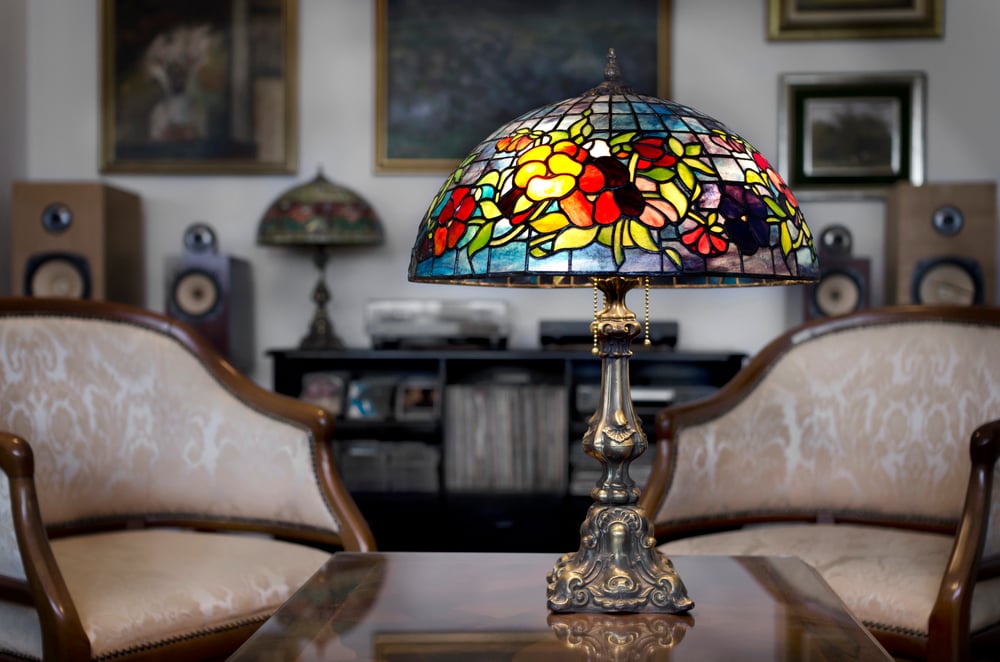
These stained glass marvels featuring signature dragonfly, flower, and geometric patterns command prices exceeding $100,000 in good condition. Look for the maker’s signature on the bronze base or inside the shade.
Even damaged examples are worth restoration given their extraordinary rarity in the aftermarket. The distinctive layered glass technique and hand-soldered construction make authentication straightforward for appraisers, and a single lamp can fund entire collections or renovations.
Declaration of Independence Signer’s Copies
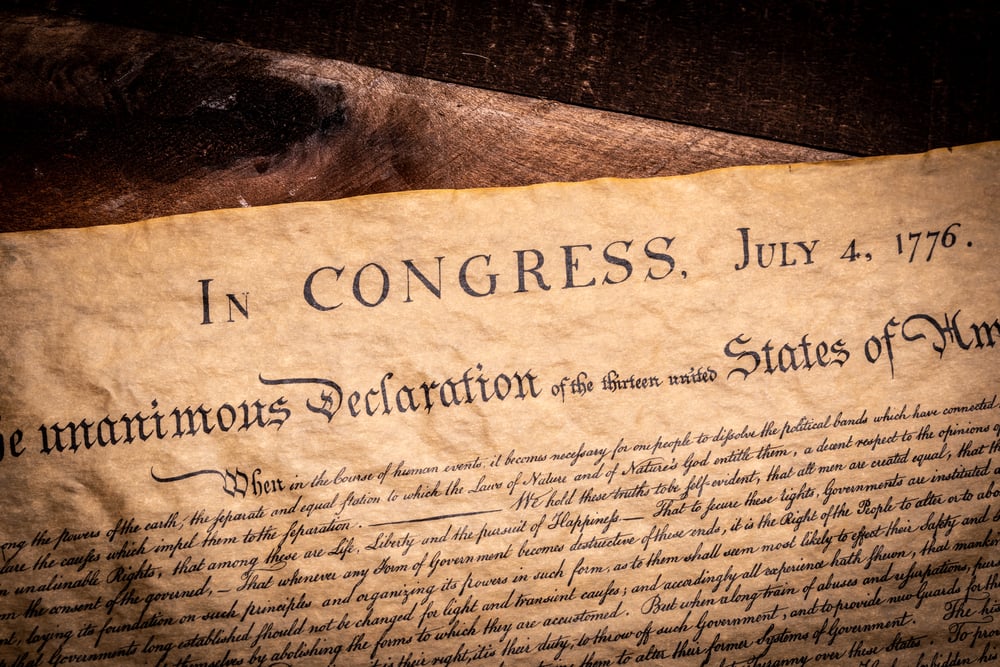
In 1820, printer William Stone produced exactly 200 official copies of the Declaration of Independence at the request of then-secretary of state John Quincy Adams. These “signer’s copies” were distributed to founding fathers, and one recently surfaced in a private collection worth verification by archivists.
The provenance alone makes these documents treasured by institutions, and any copy located in an attic represents a potential donation that could rewrite institutional holdings.
Baseball Card Collections
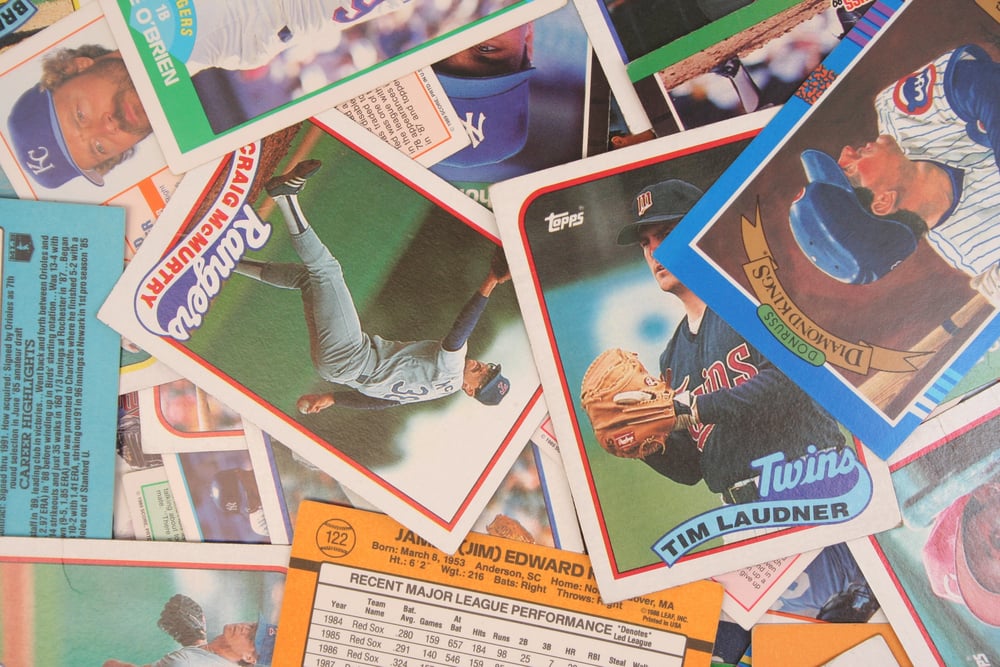
A collection discovered in an Ohio attic included over 700 cards from around 1910, with pristine condition specimens fetching millions. The Honus Wagner card—produced in limited quantities and featuring the baseball legend’s portrait—remains the most valuable sports trading card in existence.
Even common cards from the Silver Age (1956–1970) command serious collector interest when found in mint condition with original packaging intact.
Hot Wheels Cars (Especially Prototypes)
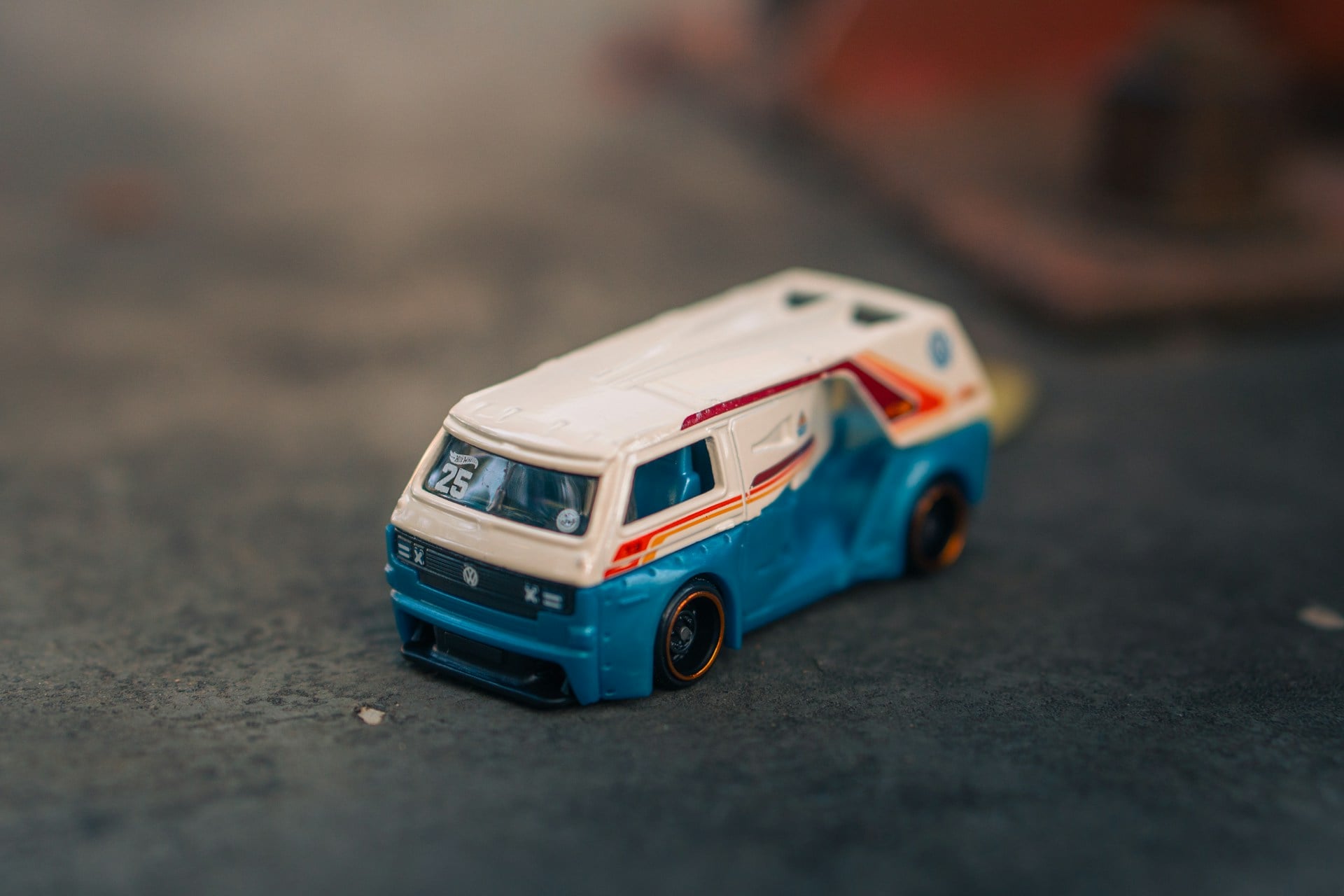
The 1969 Hot Wheels prototype VW Beach Bomb sells for $70,000 to dedicated collectors. Standard Hot Wheels from the 1960s remain consistently valuable, particularly rare color variants or first-run models still in original packaging.
The tiny vehicles’ appeal lies in their production scarcity; many molds were retired early, creating sudden rarity across entire color lines or variants.
Vintage Metal Toy Trucks
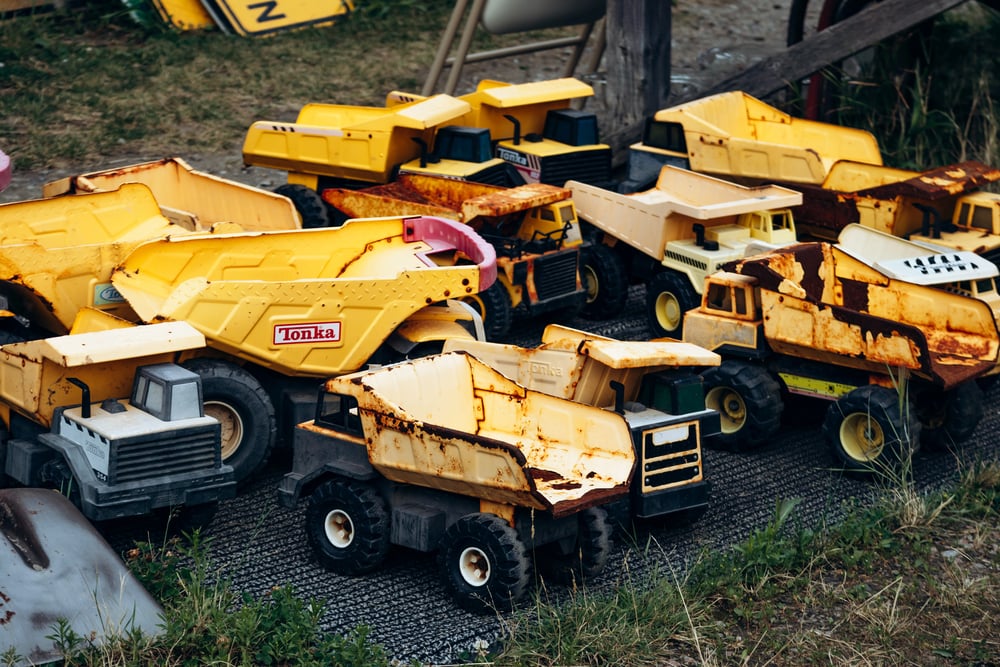
Tonka trucks from the 1950s and 1960s, particularly those still bearing original paint and decals, fetch between $50 and $300 depending on condition and model. Arcade brand cast-iron trucks from the 1920s command premium prices, with a 1923 Vintage Arcade International Harvester Dump Truck listed at $2,000.
The durability of metal construction means many survived decades of play, yet finding one in unplayed condition dramatically increases its historical appeal.
Star Wars Action Figures

A Luke Skywalker figure from 1978 sold for $25,000, while the rarest variant—the 1979 Rocket Firing Boba Fett, withdrawn from shelves due to choking hazard concerns—fetched $185,850 in 2019. Figures still in original packaging command exponentially higher prices than loose examples.
The early Kenner production runs from 1977–1979 are most sought-after, particularly figures with unpunched cardboard or mail-away variants.
Vintage Movie Posters
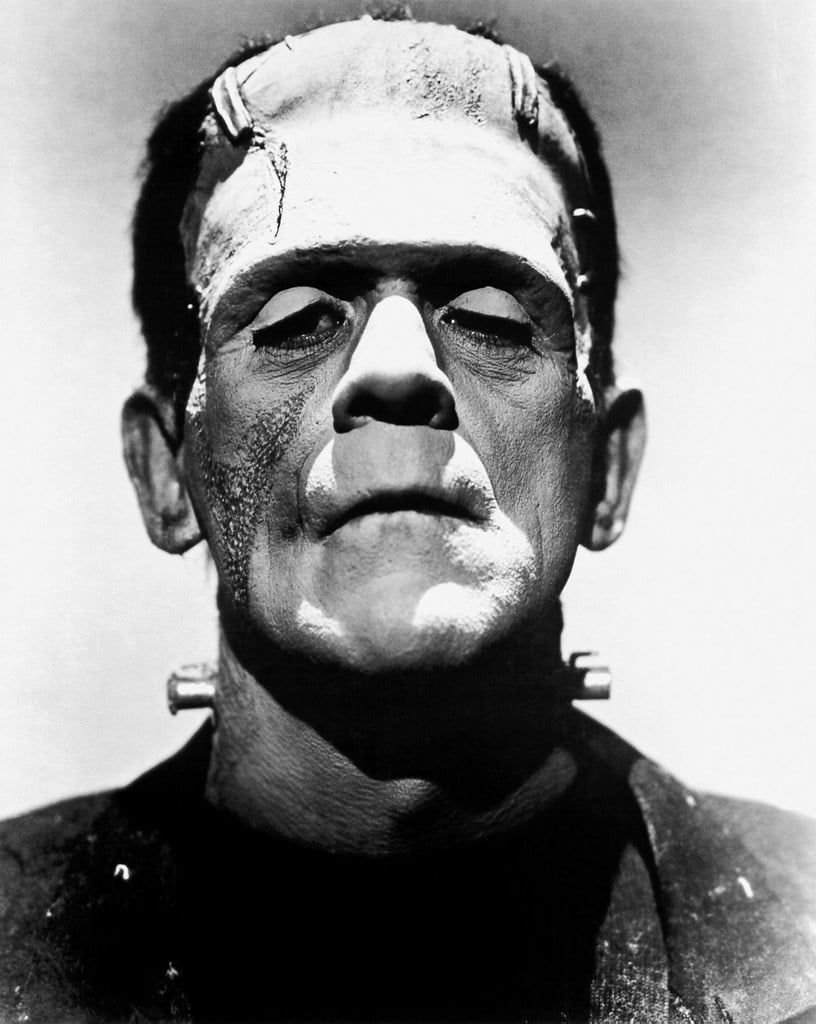
A six-foot-tall poster for the 1931 film Frankenstein discovered in a boarded-up projection booth represents the kind of ephemeral advertising that rarely survives. Original theatrical posters from the golden age of Hollywood are highly sought because studios routinely discarded them after theatrical runs.
Condition is critical, and unmolested examples command prices from $500 to $50,000 depending on rarity and film significance.
Comic Books (First Editions)
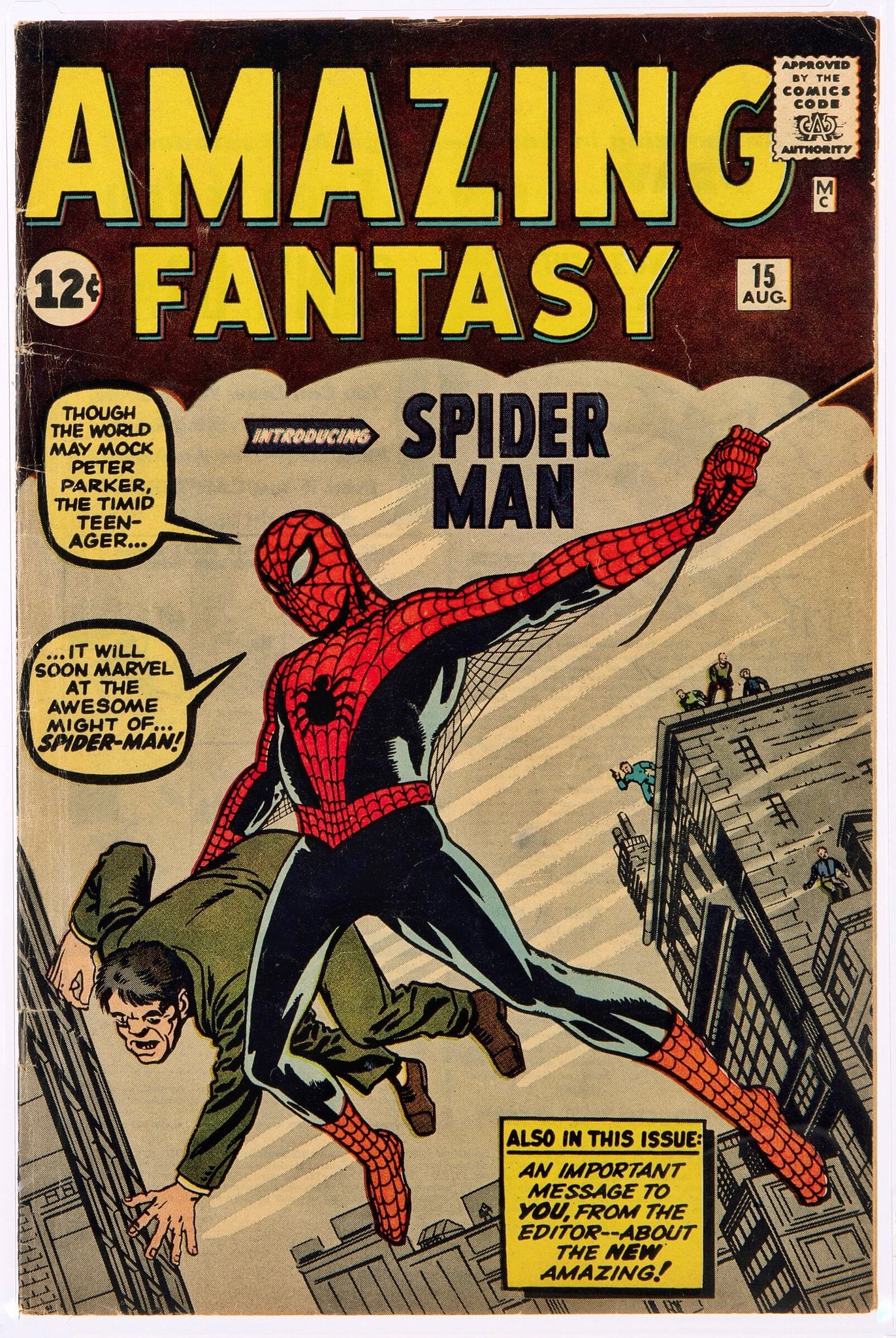
Amazing Fantasy #15 (1962), featuring Spider-Man’s first appearance, regularly sells for six figures. The Justice League of America, The Fantastic Four, and other Silver Age titles (1956–1970) from Baby Boomer collections continue appreciating in value.
Condition grading is extremely precise; a copy graded “Mint” commands ten times the price of the same book in “Good” condition, making storage and handling decisions critical.
Qing Dynasty Pottery and Vases

A Qing vase discovered in private collection sold for $69.5 million at auction, with its “lost twin” surfacing in 2018 after ninety years in another family. Chinese ceramics from the imperial period remain among the most valuable portable objects ever found in Western homes.
Verification through museum experts is essential, as authentication determines whether an object is priceless or merely decorative.
Antique Leica Cameras
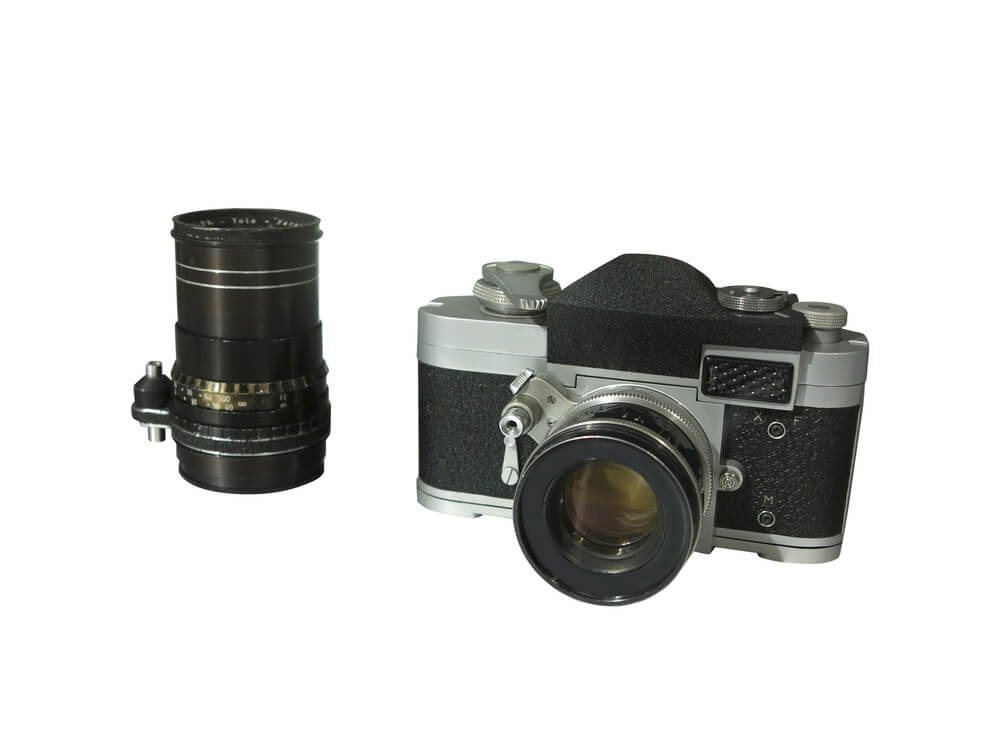
The Leica MP, produced in limited quantities after 2003 for dedicated photographers, regularly sells for $3,000–$5,000 in excellent condition. Earlier rangefinder models and special editions command even higher prices, particularly those with documented ownership by famous photographers.
A 1977 Polaroid OneStep Sonar Gold with 24-carat gold plating, made for Polaroid’s 40th anniversary, exemplifies how limited-edition variants become instant collectibles.
Rolleiflex Twin-Lens Reflex Cameras
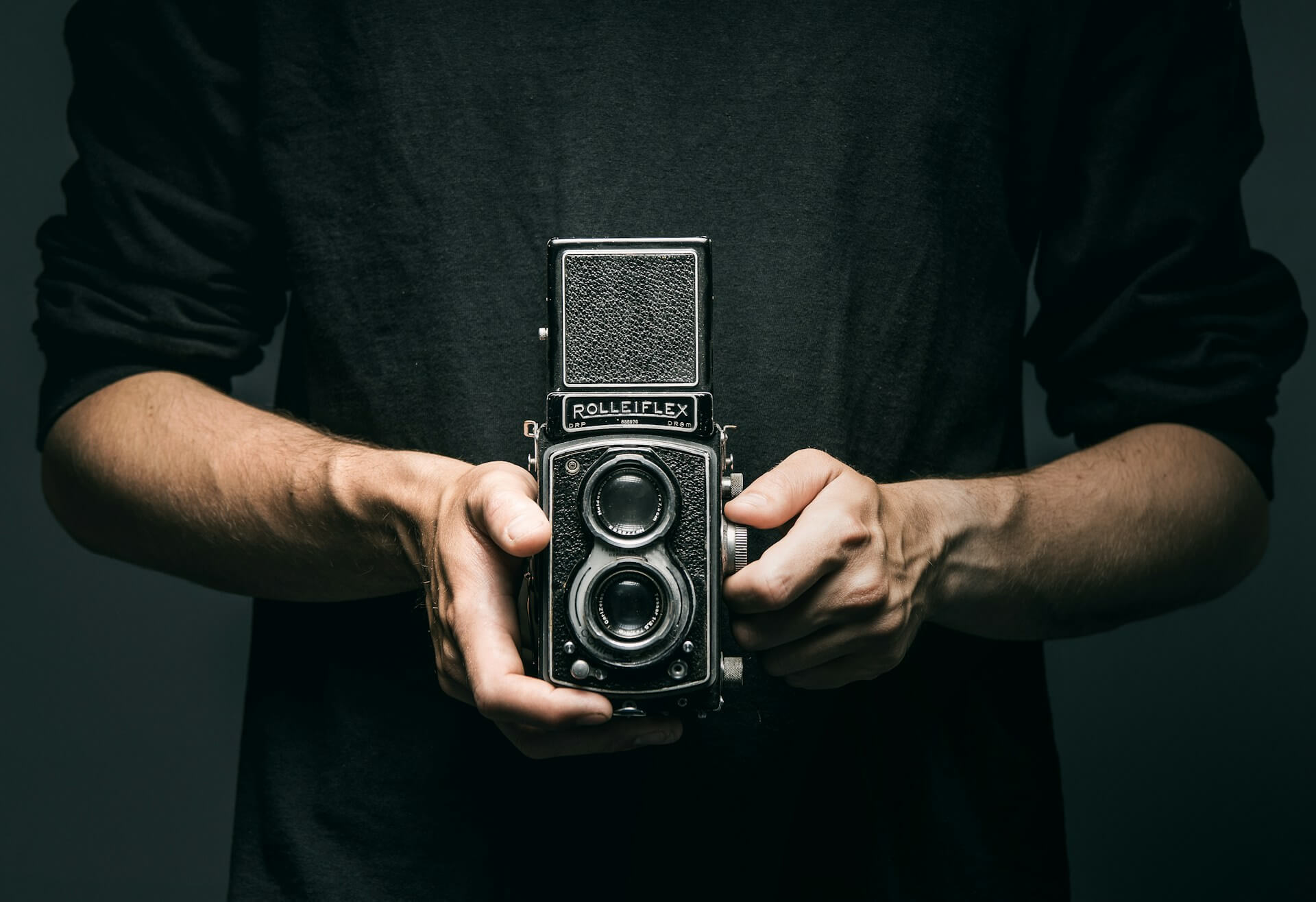
This German-engineered twin-lens design became the standard for professional photographers from the 1930s through 1970s. Resale prices range from $300 to $2,600 depending on condition and lens clarity.
Working examples are valued higher than non-functional models, though even broken units have parts value for specialist camera repair shops.
Victorian and Edwardian Jewelry
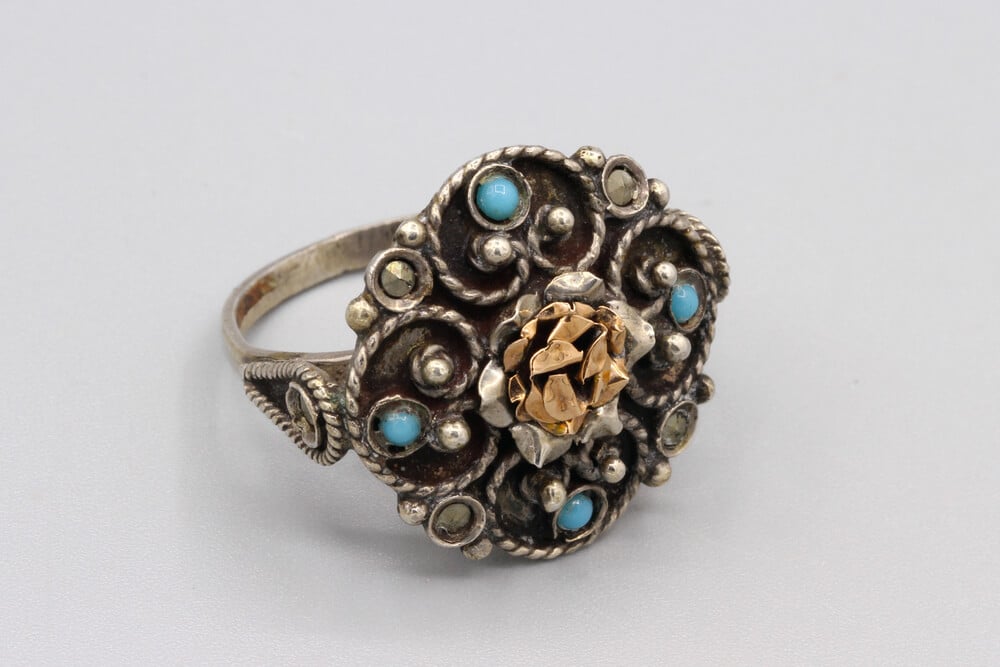
Pieces crafted from gold, silver, and platinum, especially those featuring unusual gemstones or artistic metalwork, appreciate steadily. The craftsmanship and materials of pre-1920s jewelry generally surpass modern mass-produced equivalents, making inheritance jewelry both aesthetically valuable and financially sound.
Documentation of origin significantly increases appraised value.
Daguerreotype and Wet Plate Cameras
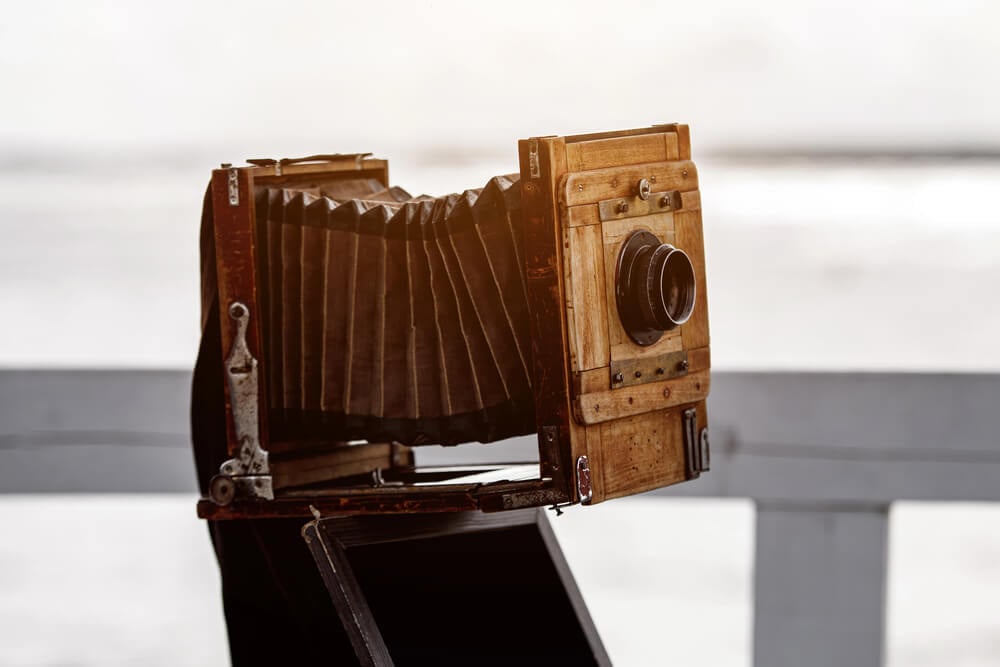
These pioneering photographic devices, manufactured between 1839 and 1880, range from $2,000 to $900,000 depending on maker and condition. Early Kodak box cameras from 1888–1900 command $300–$5,000.
These instruments represent the transition from mechanical experimentation to practical technology, making them prized by photography historians and museum curators.
Original Photographs by Historical Figures
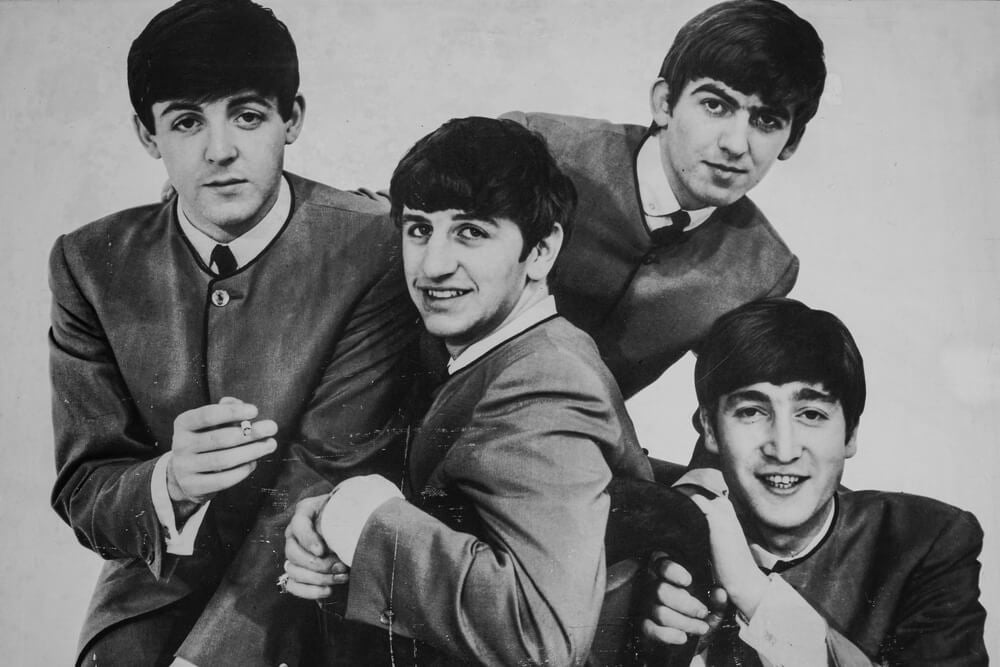
Unseen photographs of the Beatles taken in 1963 by an amateur photographer, only recalled decades later and discovered in his attic, demonstrate how documentary images can surface unexpectedly. Images featuring historic buildings, trains, amusement parks, small towns, landmarks, or significant events attract serious collector interest.
Family photographs capturing unusual moments or locations can also hold value for regional historians and photo archives.
Vintage Dolls and Doll Houses
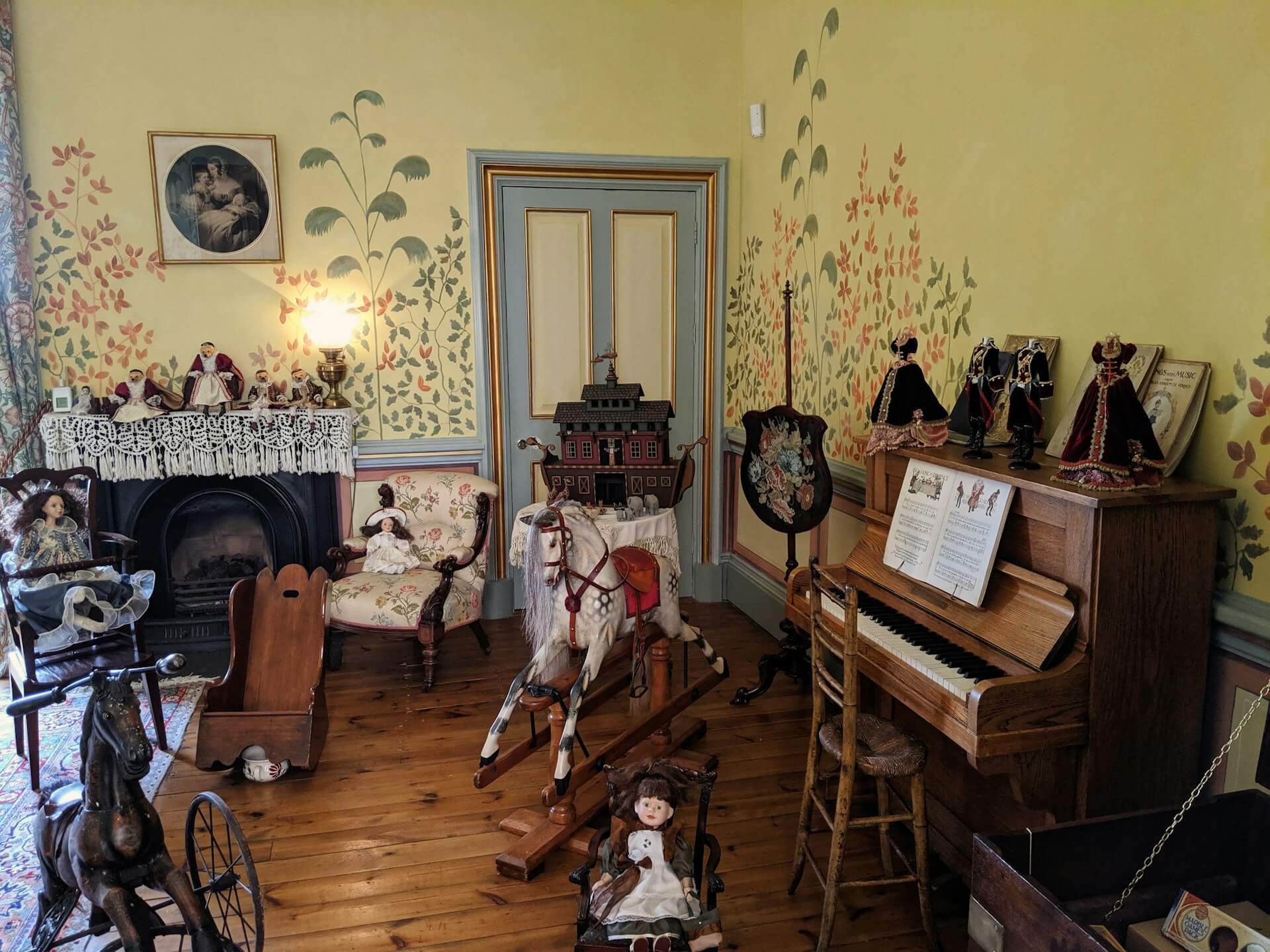
Porcelain dolls from the late 1800s and early 1900s, particularly those in original clothing with composition or bisque heads intact, fetch hundreds to thousands depending on maker and condition. Hand-painted facial features and real hair or mohair further increase desirability.
Doll houses complete with period furnishings and accessories command premium prices among collectors building historical domestic displays.
Handwritten Correspondence and Love Letters

Bundles of personal correspondence between spouses, friends, or notable figures offer social historians direct access to emotional life and lived experience across generations. Letters describing wartime experiences, migration decisions, business dealings, or family disputes provide archival value beyond sentiment.
Institutional archives actively seek donations of such materials to build collections documenting specific regions, professions, or time periods.
Diaries and Personal Journals
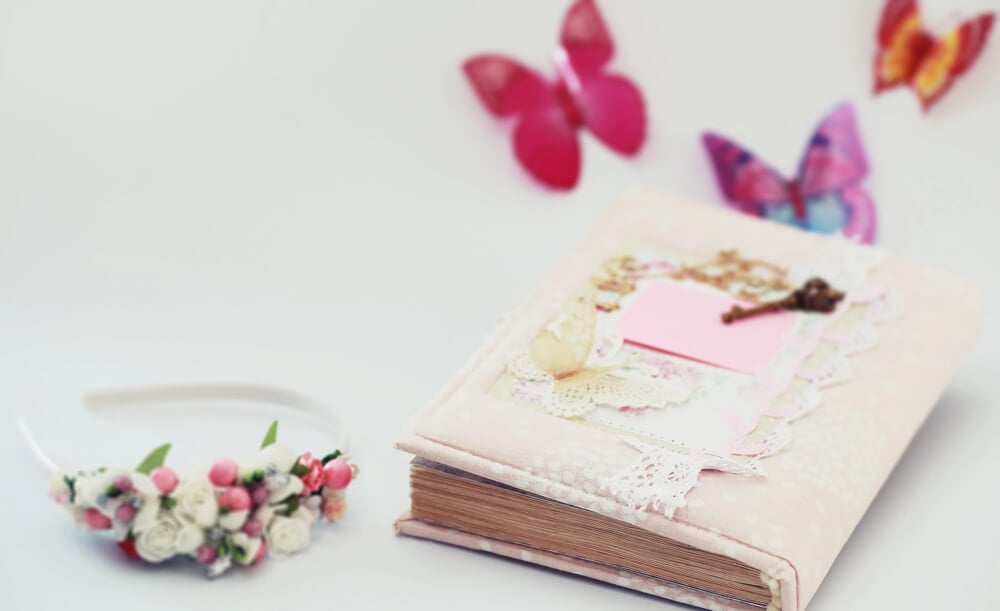
A diary documenting someone’s experience during wartime, a natural disaster, or a significant historical event can attract academic interest and archival acquisition. Handwritten accounts of daily life, economic decisions, health concerns, and social observation offer historians ground-level perspective on major historical shifts.
Legibility and date ranges increase institutional value, particularly when the writer held a notable profession or position.
Christmas Ornaments and Holiday Decorations
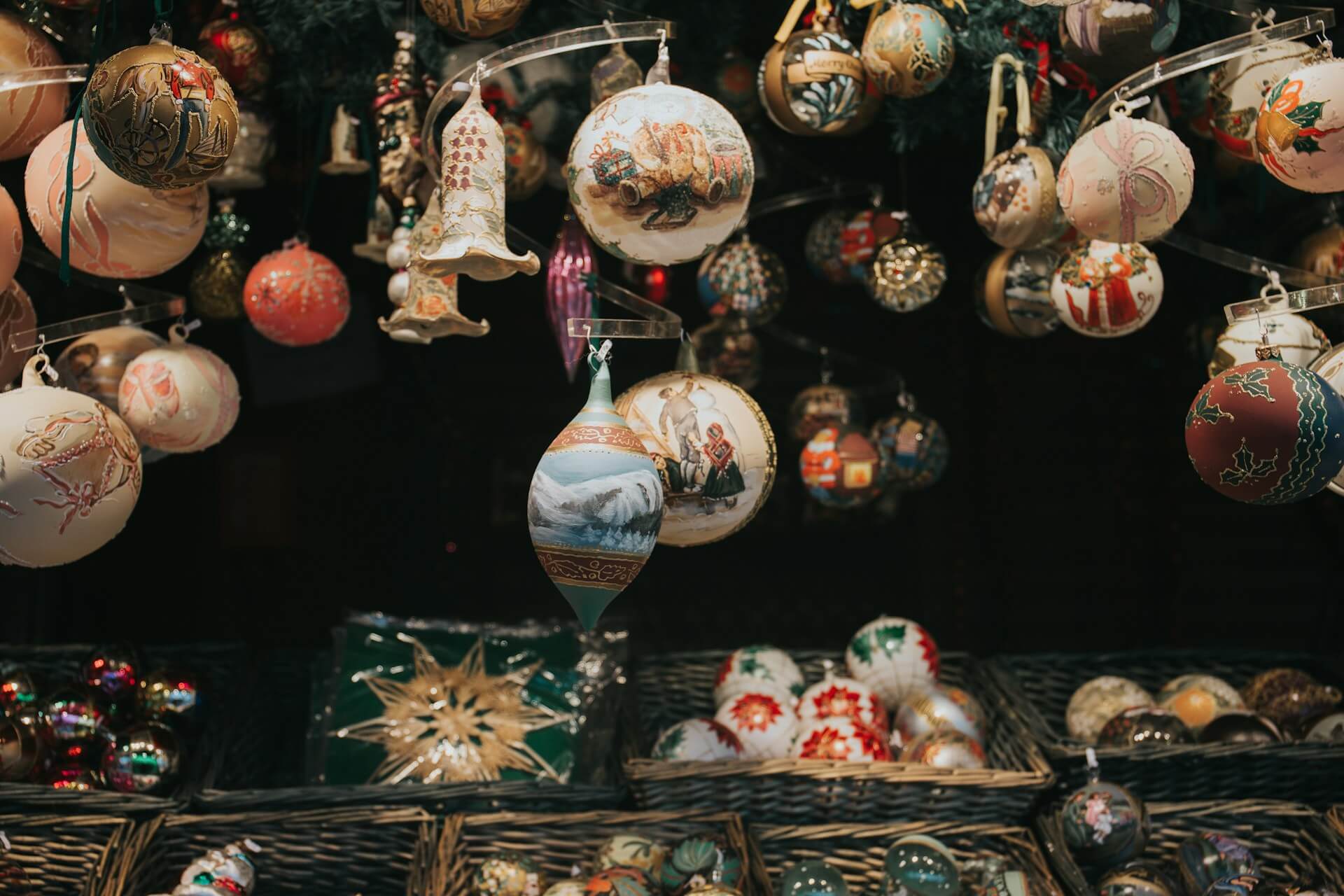
Glass ornaments wrapped in original 1920s newspaper discovered in an attic box exemplify how ephemeral holiday items survive when simply forgotten. Vintage glass ornaments, particularly hand-blown examples or those featuring rare paint techniques, have experienced collector appreciation over recent decades.
Sets of original ornaments from specific decades command higher prices than individual pieces.
Vintage Board Games and Toy Games
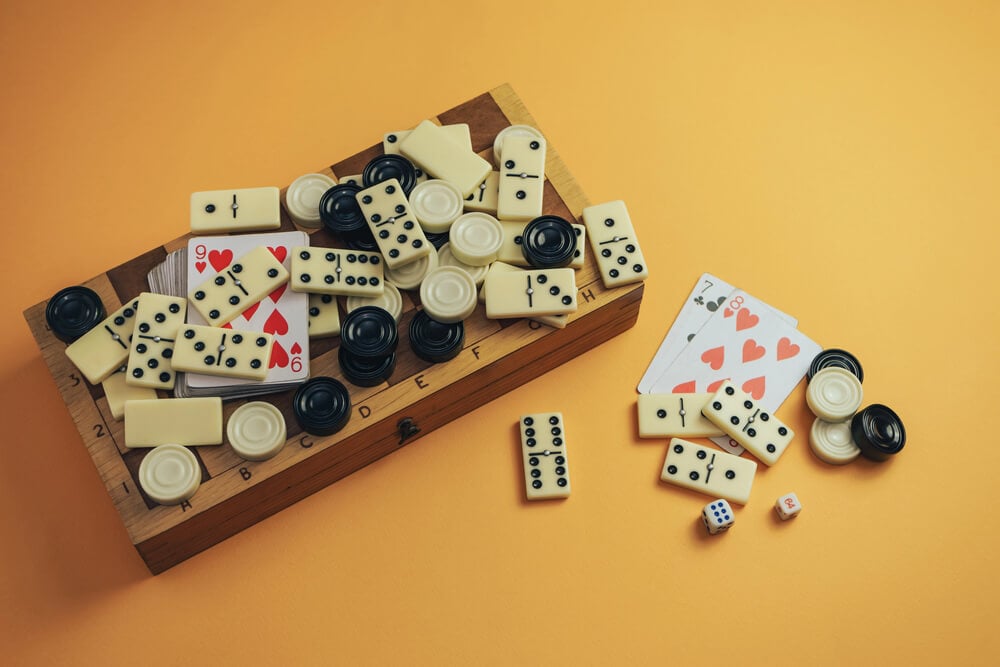
Complete, unplayed board games from the 1950s–1970s, especially those from sought-after manufacturers like Milton Bradley or Parker Brothers, attract collectors. Games featuring popular character licenses or innovative mechanics maintain stronger value than generic mass-produced examples.
Box condition and the presence of all original components significantly affect appraised value.
LEGO Sets (Complete and Unopened)
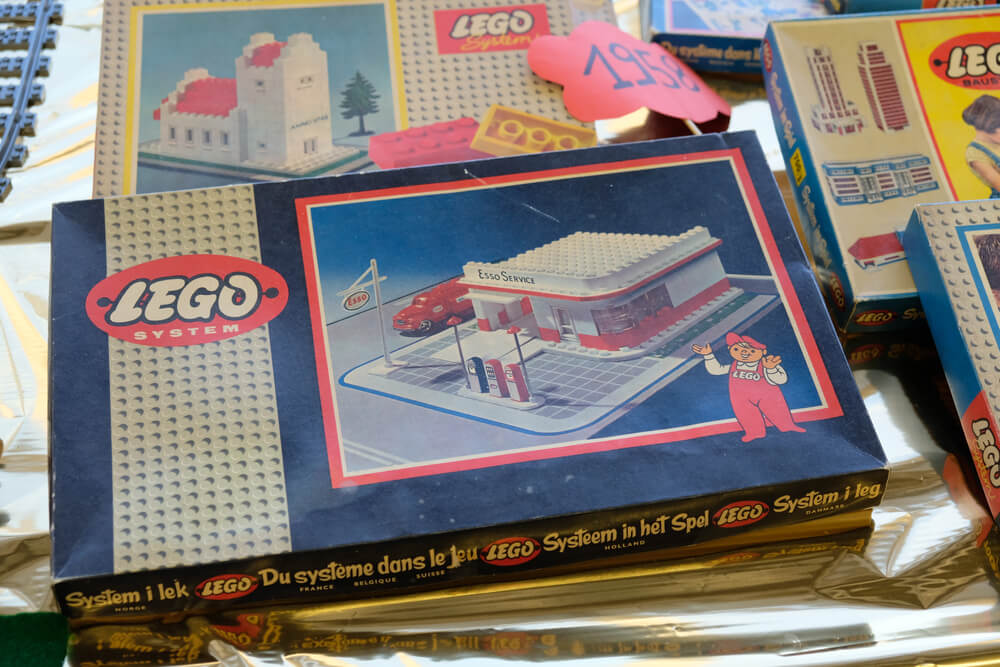
Sealed LEGO sets from the 1960s–1980s, particularly themed collections like the original Castle or Space series, command prices far exceeding original retail. Completeness is critical; missing minifigures or structural elements diminish value substantially.
Unopened boxes in original shrink wrap represent the peak market value, sometimes selling for ten times the set’s original price.
Model Train Sets and Track Systems
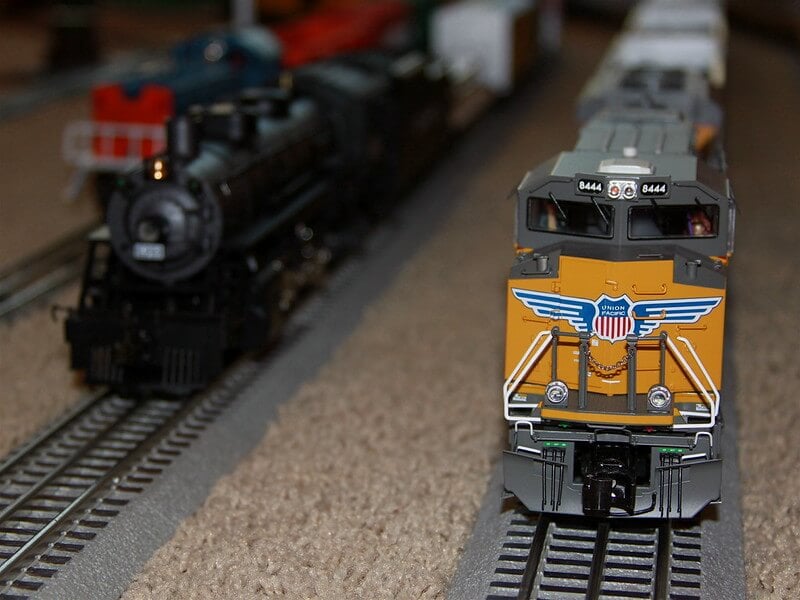
Lionel electric trains from the 1920s–1950s, particularly those still in original boxes with complete track and transformer systems, attract serious collectors. The Lionel brand dominated American toy railroads for decades, making vintage sets relatively common finds in attics—but complete systems with all original components are genuinely rare.
Condition of the transformer and track mechanisms directly affects functionality and resale value.
Vintage Typewriters
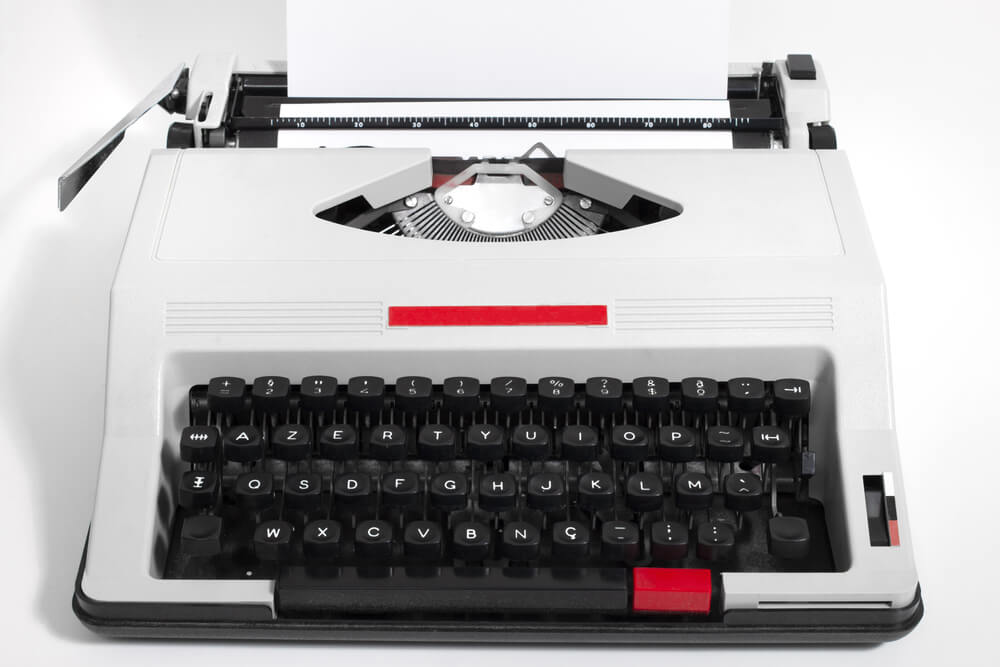
Portable typewriter models from the 1930s–1960s, particularly iconic designs from Hermes, Olivetti, or Smith-Corona, have experienced renewed collector interest as writers return to manual composition. Functional examples in good cosmetic condition command $200–$500, with particularly rare models fetching over $1,000.
The mechanical simplicity means many remain fully operational after decades of storage.
Original Sheet Music and Musical Scores
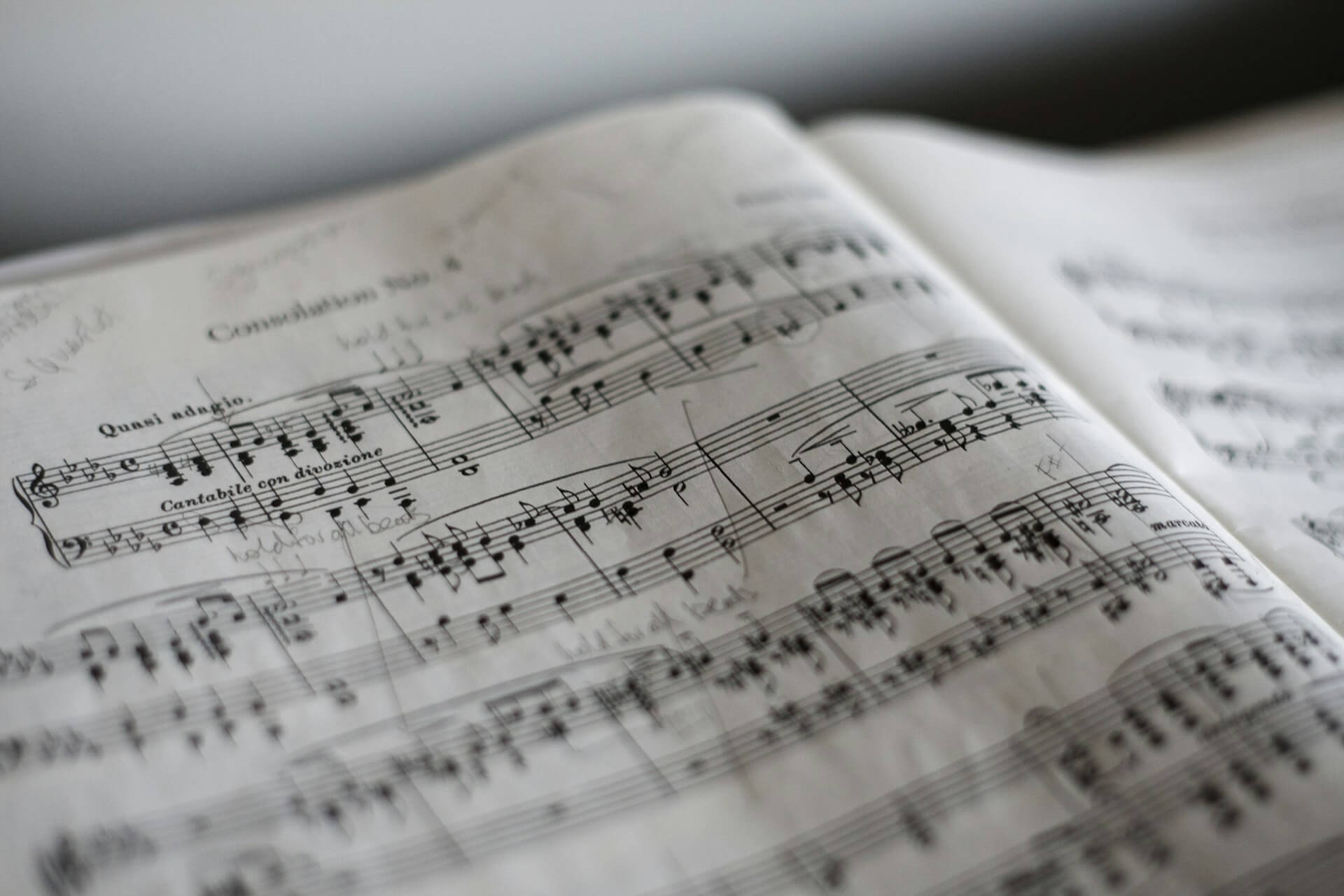
Published sheet music featuring famous composers’ signatures, first editions of classical scores, or rare printings of jazz standards hold value for musicians and collectors alike. Signed copies command premium prices, particularly if the composer or performer is historically significant.
Condition, age, and the rarity of the specific edition determine final appraisal value.
Vintage Coin Collections
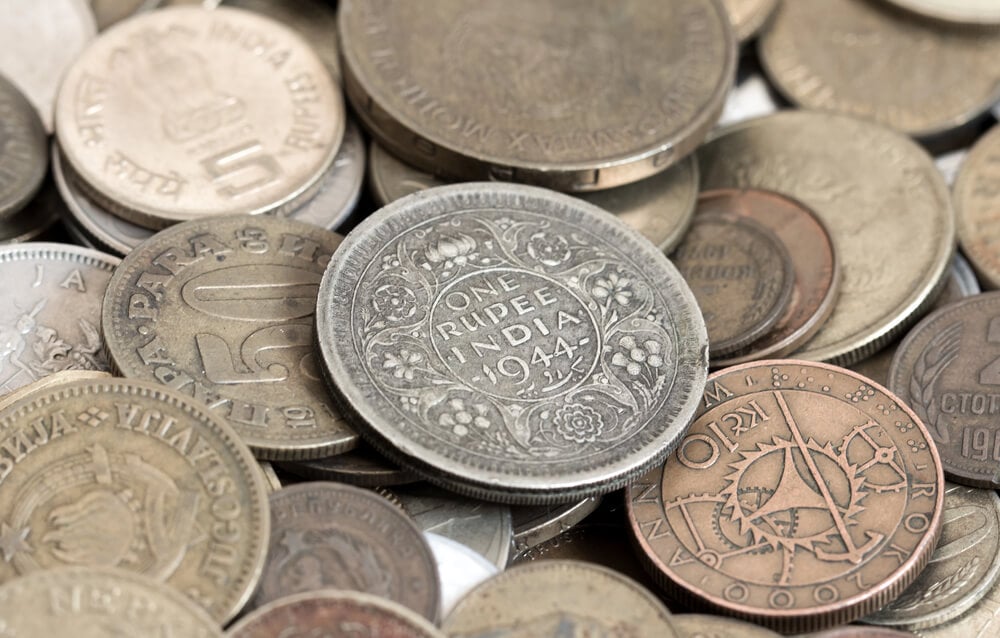
Hoards of coins discovered in sealed jars or bags—particularly those containing silver dollars, rare mint marks, or pre-1900 specimens—warrant professional numismatic appraisal. The melt value of silver coins alone justifies assessment, though rare dates and mint conditions can exceed precious metal value substantially.
Coins graded by professional services (PCGS, NGC) command significant premiums over ungraded examples.
Old Photograph Albums and Family Records

Albums documenting family history across multiple generations provide genealogists and local historians with primary source material. Images of clothing, architecture, hairstyles, and social rituals offer anthropologists tangible evidence of cultural change.
Labeled photographs with dates and identified individuals become archival treasures for institutions building regional or family historical collections.
Vintage Radios and Early Electronics
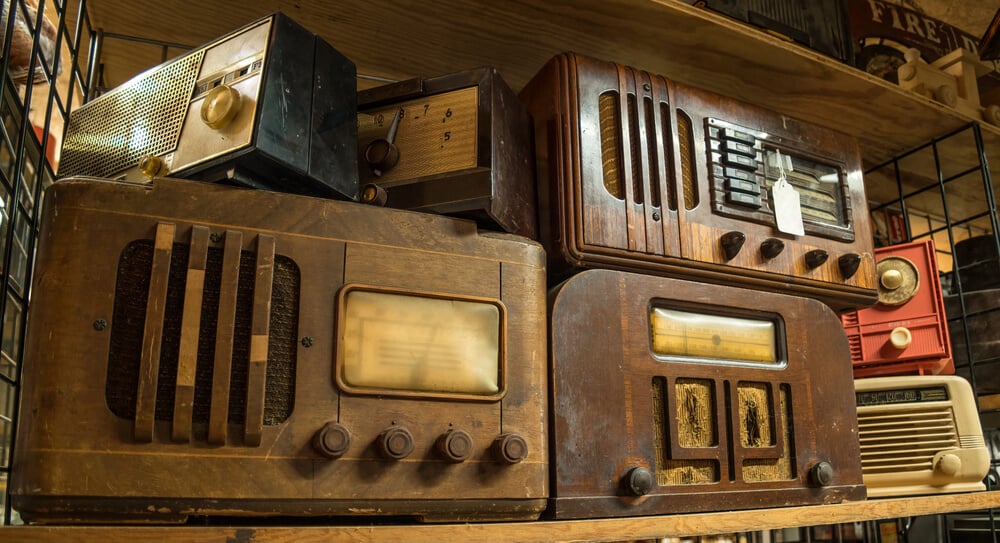
Tube radios from the 1930s–1950s featuring distinctive wood cabinets, Bakelite housings, or unusual industrial designs attract collectors of both working vintage electronics and industrial design. Sets that still function attract premium prices, particularly if original tubes remain intact.
The craftsmanship of hand-wired construction contrasts sharply with modern circuit boards, making survivors particularly valued.
Antique Medical and Scientific Instruments
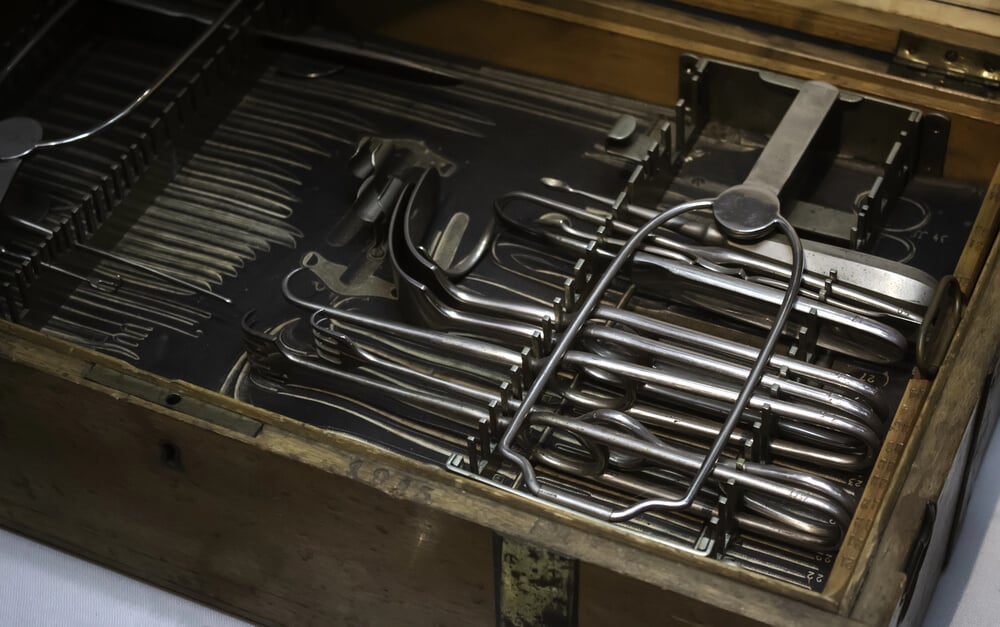
Surgical instruments, microscopes, medical devices, and laboratory equipment from the 19th and early 20th centuries hold value for medical historians and collectors of scientific apparatus. Brass and glass construction meant many instruments survived decades of storage unchanged.
Museums and medical schools actively seek donations of such instruments to illustrate the history of their respective fields.
Beanie Babies (Rare Variants)

Specific retired Beanie Babies from the 1990s, particularly those with production errors, rare color variants, or early PVC pellet variants, command prices from $1,000 to $5,000 among dedicated collectors. A single mint-condition Peace Bear or retired Patti the Platypus can sell for thousands.
The competitive grading market and authentication services developed around these toys ensure that extreme rarity commands proportional prices.
Teddy Ruxpin Animatronic Bear

This talking plush featuring a built-in cassette player for bedtime stories defined interactive 1980s toys. Working models with original tapes and outfit command $100–$800 in resale markets, depending on cosmetic condition and mechanical function.
The complexity of the battery-operated mechanism means many failed over decades, making functioning examples increasingly scarce.
Artifacts from Significant Historical Events
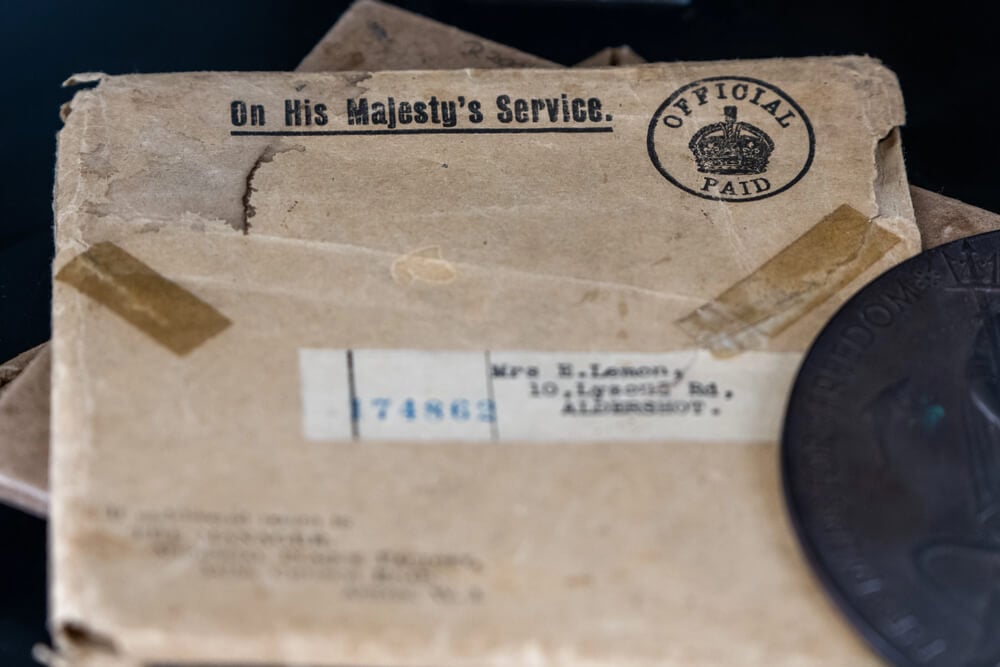
Wartime memorabilia, Civil War documents, Depression-era correspondence, space program ephemera, and items connected to documented historical events hold appreciation in value as source material. A World War I-era howitzer shell discovered under floorboards of an American Legion Post represented an accidental hazard worthy of bomb squad intervention.
Anything documenting participation in major historical episodes attracts institutional and private collector interest.
The Historical Weight of Forgotten Things
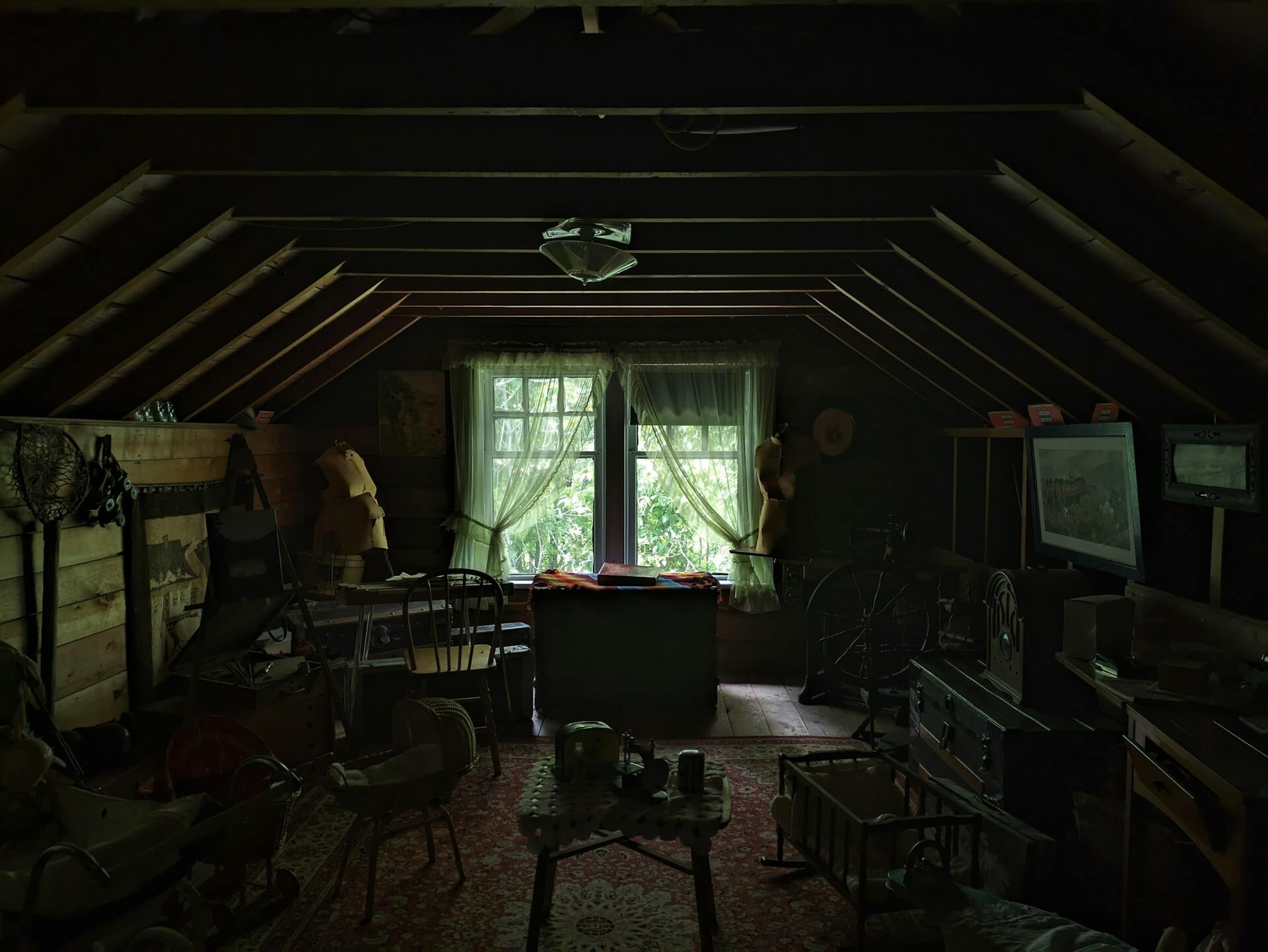
Every attic find tells two stories simultaneously: the story of the object itself and the story of how it survived neglect. A photograph survives not because someone deemed it important enough to preserve, but because no one remembered it existed.
A toy endures not through deliberate curation, but through accident—it rolled under a board and waited seventy years for rediscovery. Historians prize these artifacts precisely because they arrived unsifted and unfiltered by institutional gatekeeping.
They represent authentic survival rather than curatorial choice, which grants them credibility as genuine evidence of how ordinary people actually lived, what they kept, and what they valued enough to store away rather than discard.
More from Go2Tutors!

- The Romanov Crown Jewels and Their Tragic Fate
- 13 Historical Mysteries That Science Still Can’t Solve
- Famous Hoaxes That Fooled the World for Years
- 15 Child Stars with Tragic Adult Lives
- 16 Famous Jewelry Pieces in History
Like Go2Tutors’s content? Follow us on MSN.



