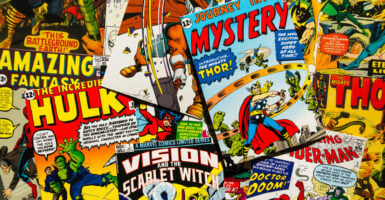
31 Comic Books Worth Digging Out of Storage
Comic books were printed on cheap paper, sold for a dime or a quarter and treated as disposable by nearly everyone who bought them. Mothers threw them out, kids rolled them into back pockets, and paper drives during World War II pulped millions more.
That casual treatment is exactly why the survivors matter now. A first appearance, a short print run or an unusual price variant can turn a box in the attic into a serious payday, especially when the pages are still flat and bright.
Action Comics No. 1
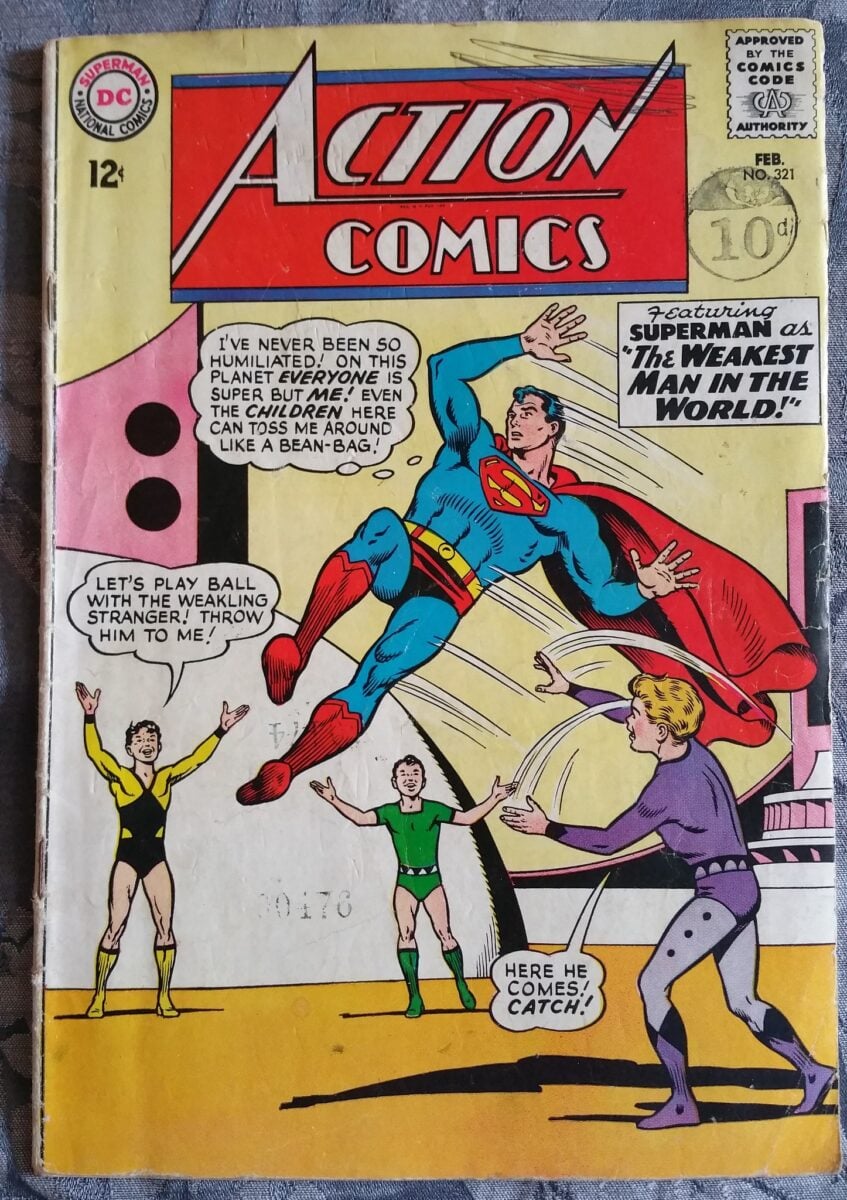
Superman made his debut in Action Comics No. 1 in June 1938, a 10-cent anthology that launched the superhero genre. Only an estimated 100 or so copies are believed to survive, and most are in low grades with tears, stains or missing pieces.
Even heavily worn copies bring sums in the hundreds of thousands of dollars, and a high-grade copy sold for about 6 million dollars in 2024. Restoration, which collectors treat as a major flaw, can lower prices dramatically.
Any copy that surfaces needs professional grading and authentication, since reprints and facsimile editions exist.
Detective Comics No. 27
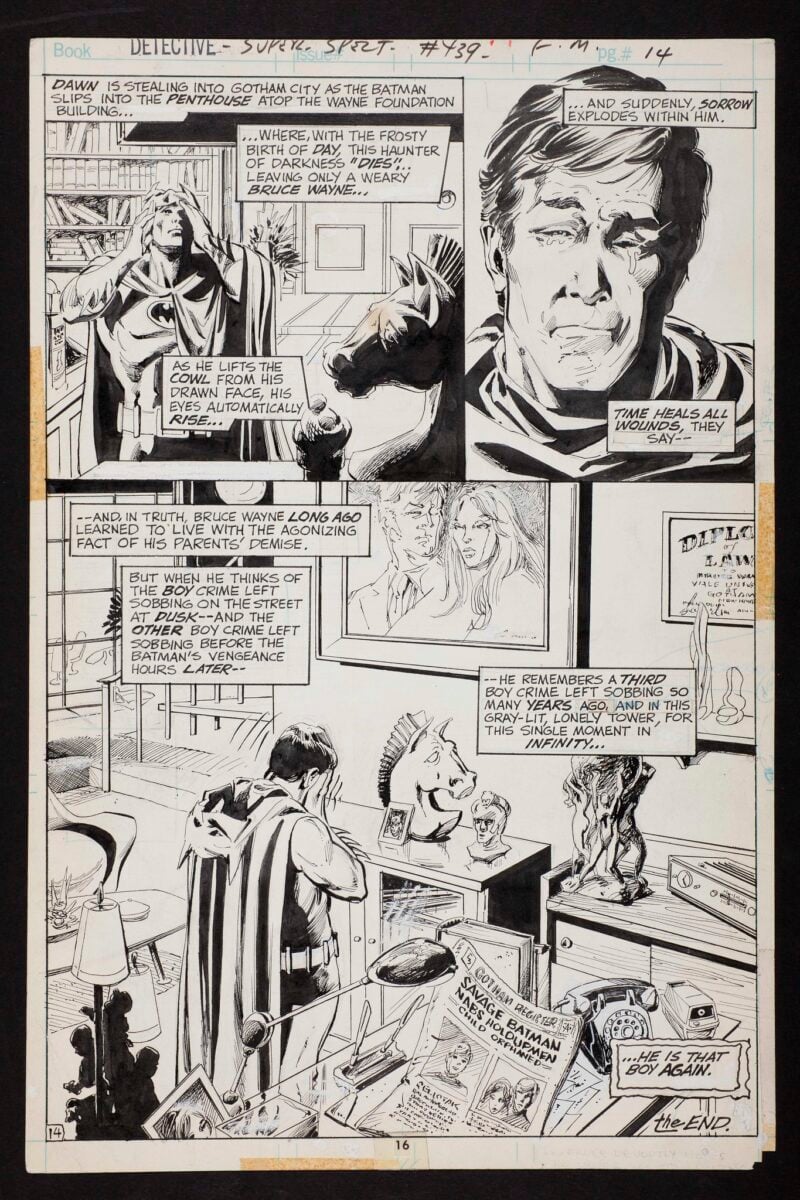
Batman first appeared in Detective Comics No. 27 in May 1939, created by artist Bob Kane with writer Bill Finger. The book is one of the cornerstones of comic collecting, and surviving copies are scarce.
Low-grade copies often sell for hundreds of thousands of dollars, and high-grade examples have sold for well over a million. Collectors also watch for facsimile reprints and later reproductions, which are common and worth very little.
Professional grading is essential, and restoration, trimmed edges or missing pages all reduce value significantly.
Batman No. 1
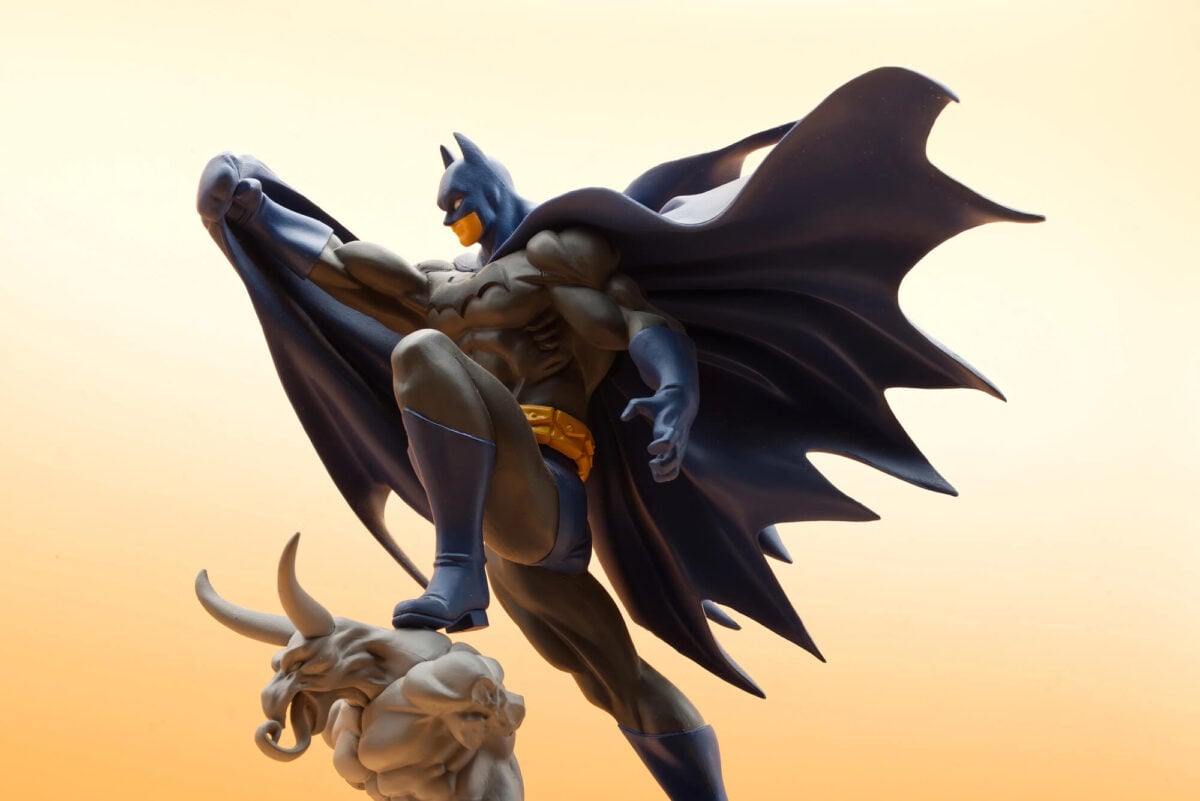
Published in spring 1940, Batman No. 1 gave the Caped Crusader his own title and introduced both the Joker and Catwoman in the same issue. That combination makes it one of the most valuable comics of the Golden Age.
Low-grade copies often sell for tens of thousands of dollars, while high-grade copies have sold for over 2 million. The cover, showing Batman and Robin swinging over the city, is instantly recognizable, and the Joker appears in two separate stories inside.
Restoration, tears and missing pages lower value, so professional grading matters before any sale.
Marvel Comics No. 1
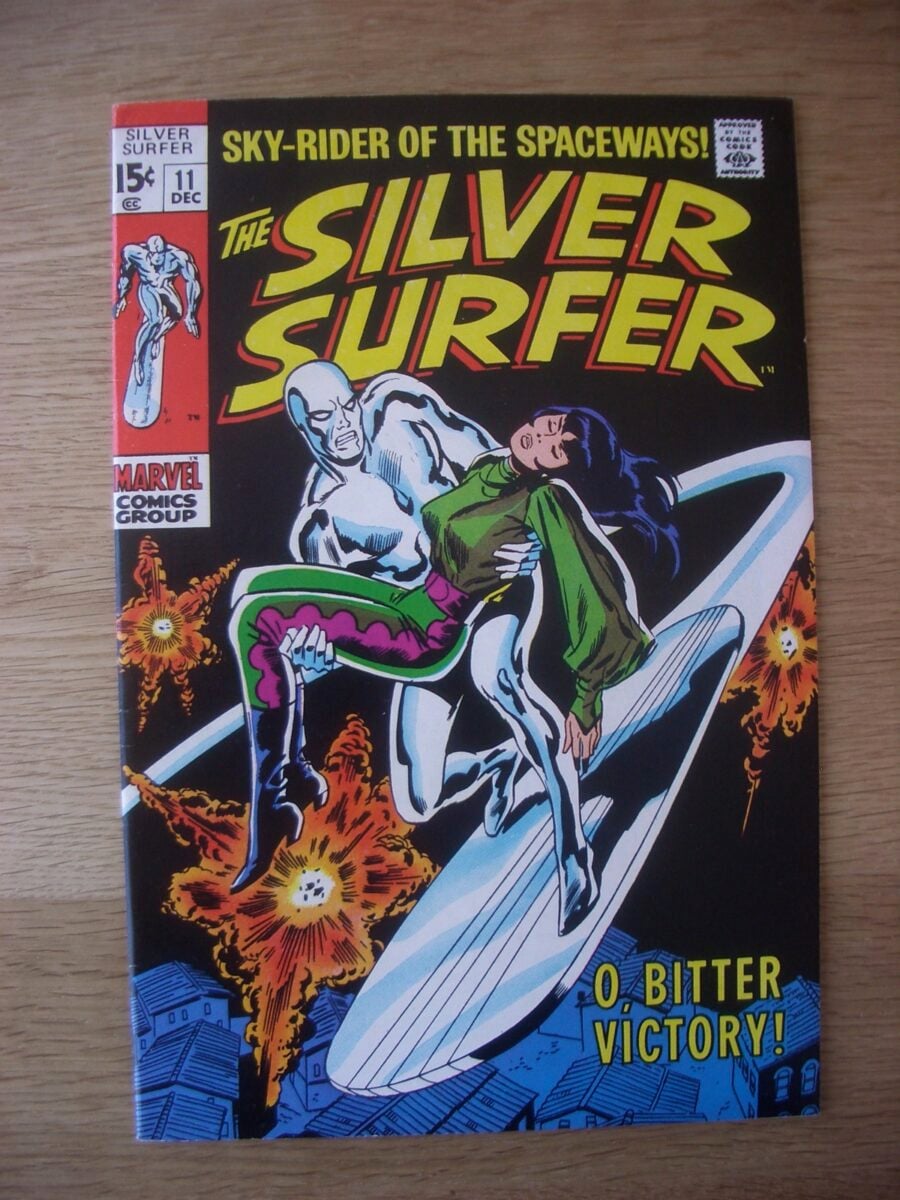
Timely Publications, the company that later became Marvel, published Marvel Comics No. 1 in 1939, featuring the Human Torch and Namor the Sub-Mariner. One famous copy, marked with the distributor’s payment notes on the cover, sold for about 1.26 million dollars in 2019.
The issue marks the very first page of the Marvel universe and remains highly sought after. Even low-grade copies bring large sums, often well into five figures, because so few survived wartime paper drives.
Restoration, tears and missing pages lower value, and professional grading is essential.
Captain America Comics No. 1
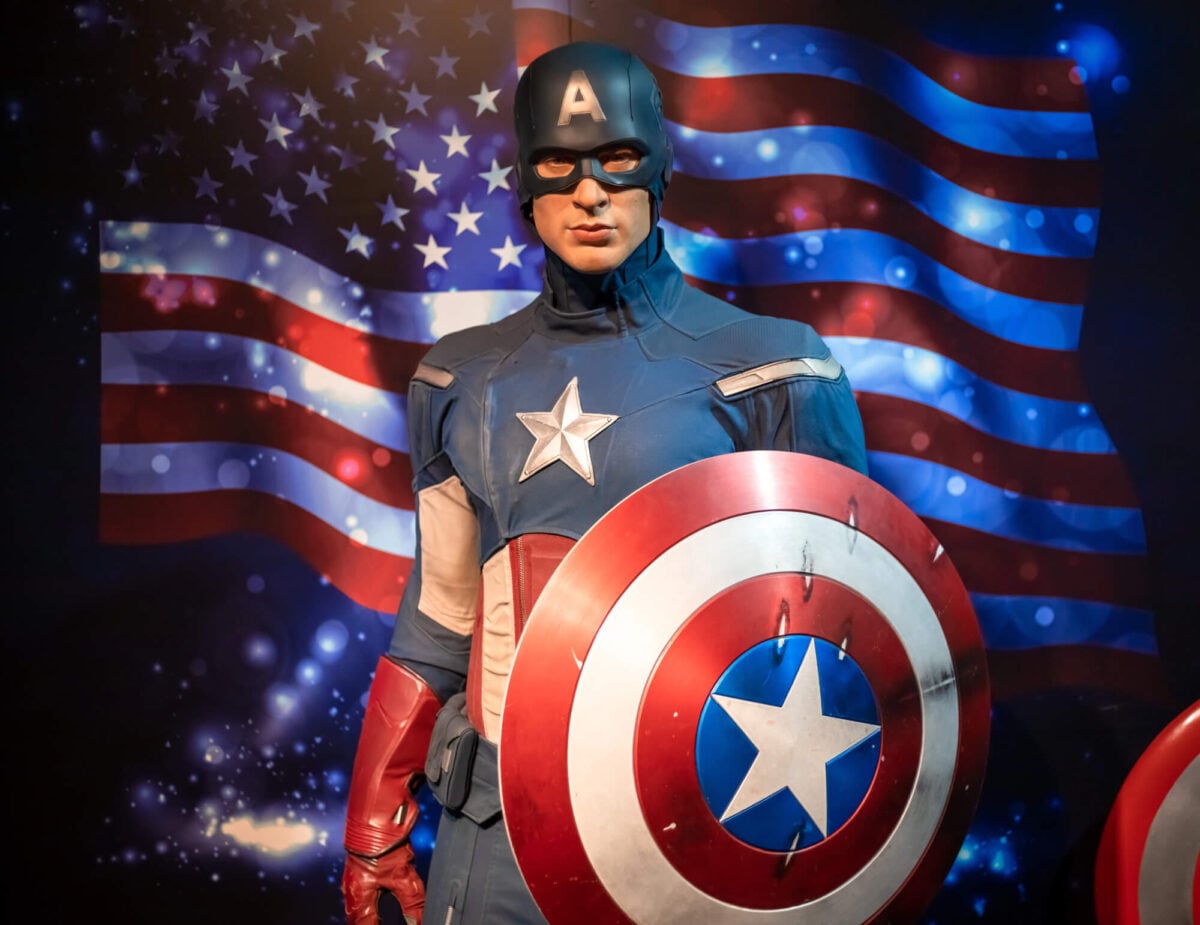
Joe Simon and Jack Kirby created Captain America, and the hero’s first issue, dated March 1941, showed him punching Adolf Hitler on the cover months before the United States entered World War II. The bold image made the book a sensation and a lasting piece of American pop culture, and the creators reportedly received angry letters and threats from Nazi sympathizers.
Copies often sell for tens of thousands of dollars in low grades, and high-grade examples bring far more. Restoration and condition problems such as tears and missing pieces reduce value significantly, so careful grading matters.
All Star Comics No. 8
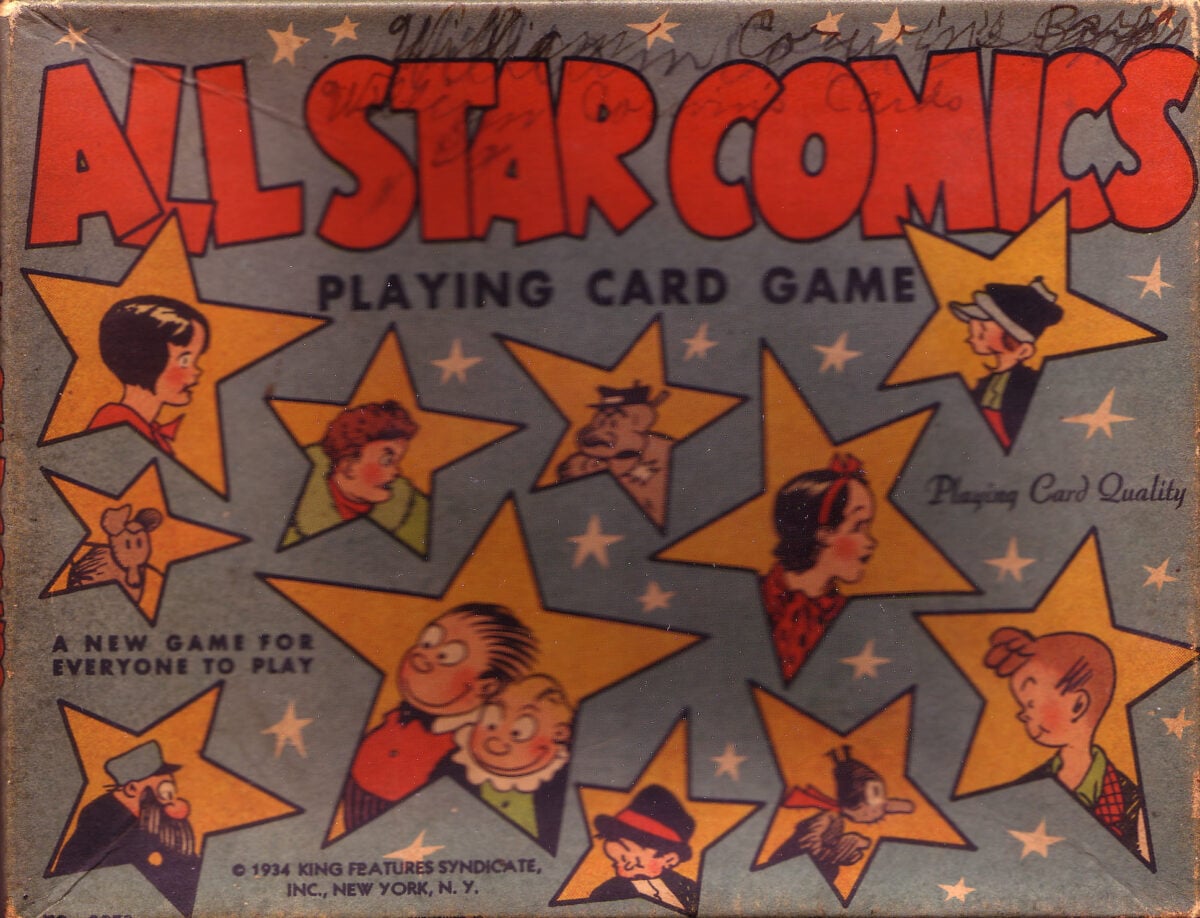
Wonder Woman made her first appearance in All Star Comics No. 8, cover-dated December 1941 to January 1942, created by psychologist William Moulton Marston with artist Harry G. Peter. Marston had also worked on early research tied to the lie detector, which helps explain the hero’s famous lasso of truth.
The issue is scarce, and copies often sell for tens of thousands of dollars in lower grades, with high-grade examples bringing much more. Collectors prize copies with bright covers and intact pages.
Restoration, tears, brittle paper and missing pages all lower value considerably.
Whiz Comics No. 2
Fawcett Publications introduced Captain Marvel, the boy who transformed into a hero by saying the word Shazam, in Whiz Comics No. 2, cover-dated February 1940. Created by artist C.C. Beck and writer Bill Parker, the character outsold Superman during parts of the 1940s, which led to a long copyright fight with DC’s publisher.
The issue’s numbering confuses many owners, since there was no Whiz Comics No. 1 sold on newsstands. Copies often sell for tens of thousands of dollars, depending on grade.
Restoration, tears and water damage reduce value substantially.
Showcase No. 4
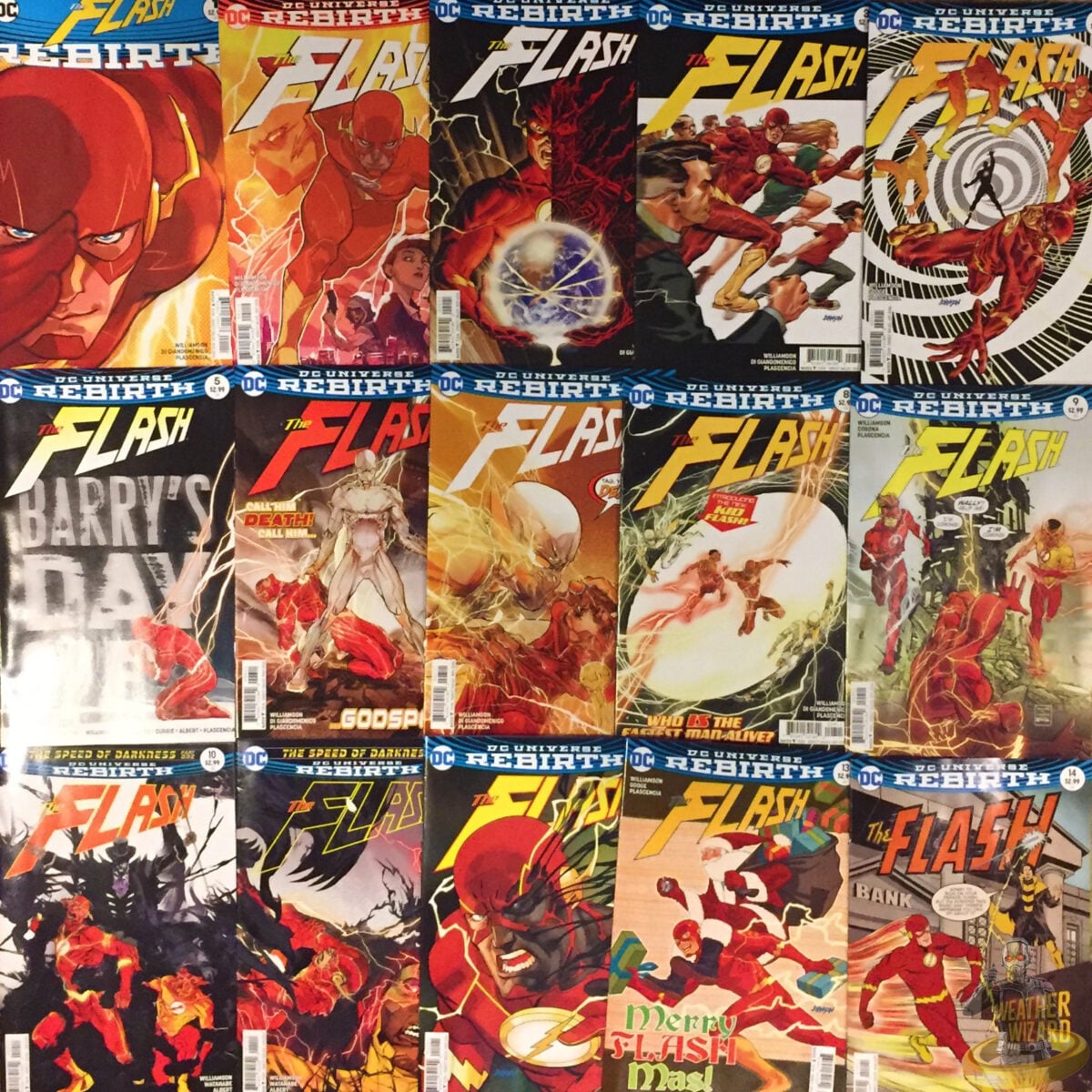
Showcase No. 4, cover-dated October 1956, introduced police scientist Barry Allen as the new Flash and is widely credited with launching the Silver Age of comics. Writer Robert Kanigher and artist Carmine Infantino reimagined the character with a sleek red costume and a science-fiction twist.
The success of the issue revived interest in superheroes after years of decline in the early 1950s. Copies often sell for thousands to tens of thousands of dollars, depending on grade, and high-grade examples are scarce.
Restoration, tears and missing pages lower value, and collectors pay close attention to spine condition.
Justice League Debut in The Brave and the Bold No. 28
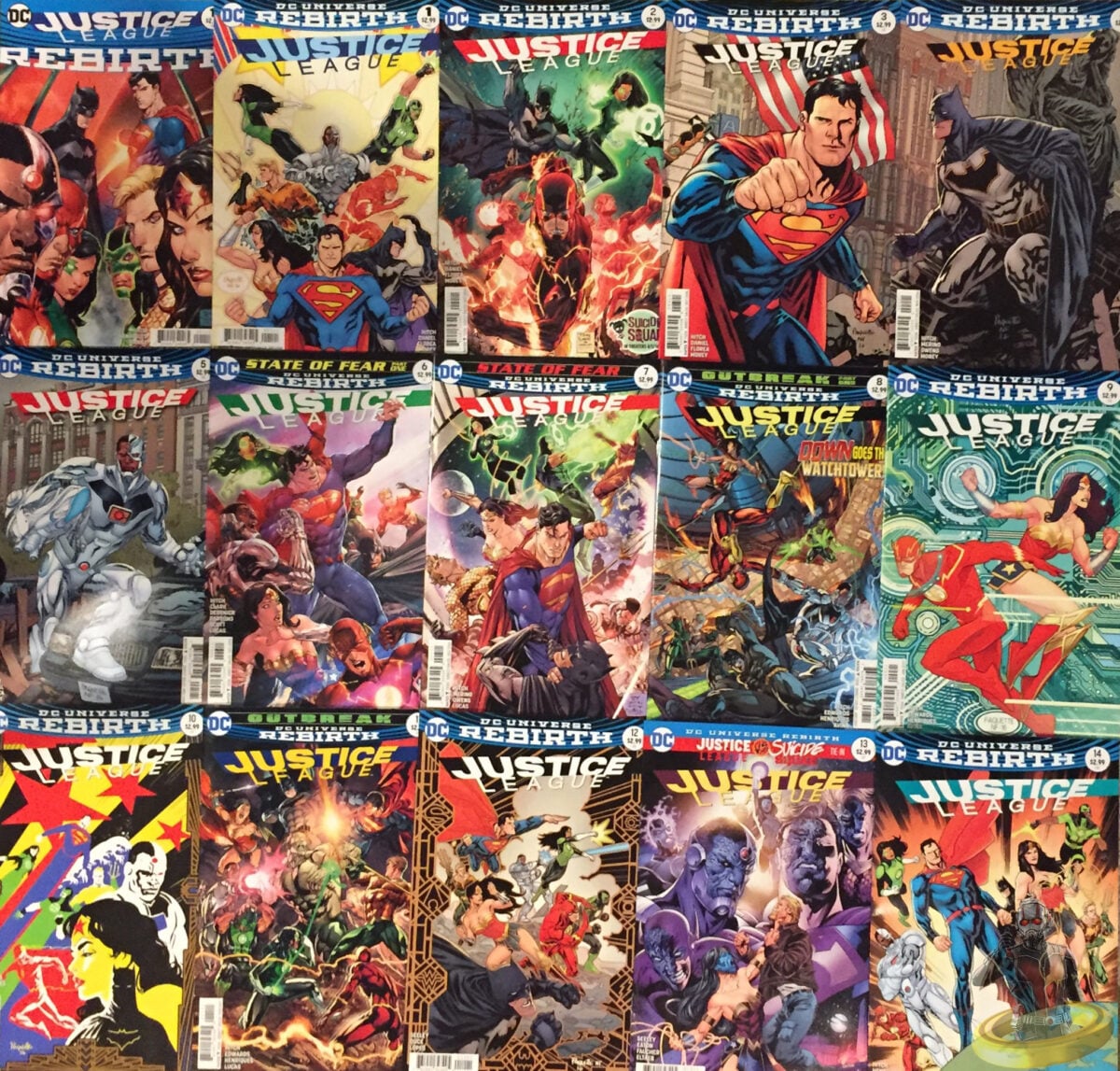
The Justice League of America made its first appearance in The Brave and the Bold No. 28 in early 1960, bringing together Superman, Batman, Wonder Woman, the Flash, Green Lantern, Aquaman and the Martian Manhunter against a giant alien starfish named Starro. The issue’s success reportedly prompted Marvel’s publisher to ask for a superhero team of his own, which led to the Fantastic Four.
Copies often sell for thousands of dollars, depending on grade, with high-grade examples bringing considerably more. Restoration, spine splits and missing pages lower value.
Showcase No. 22
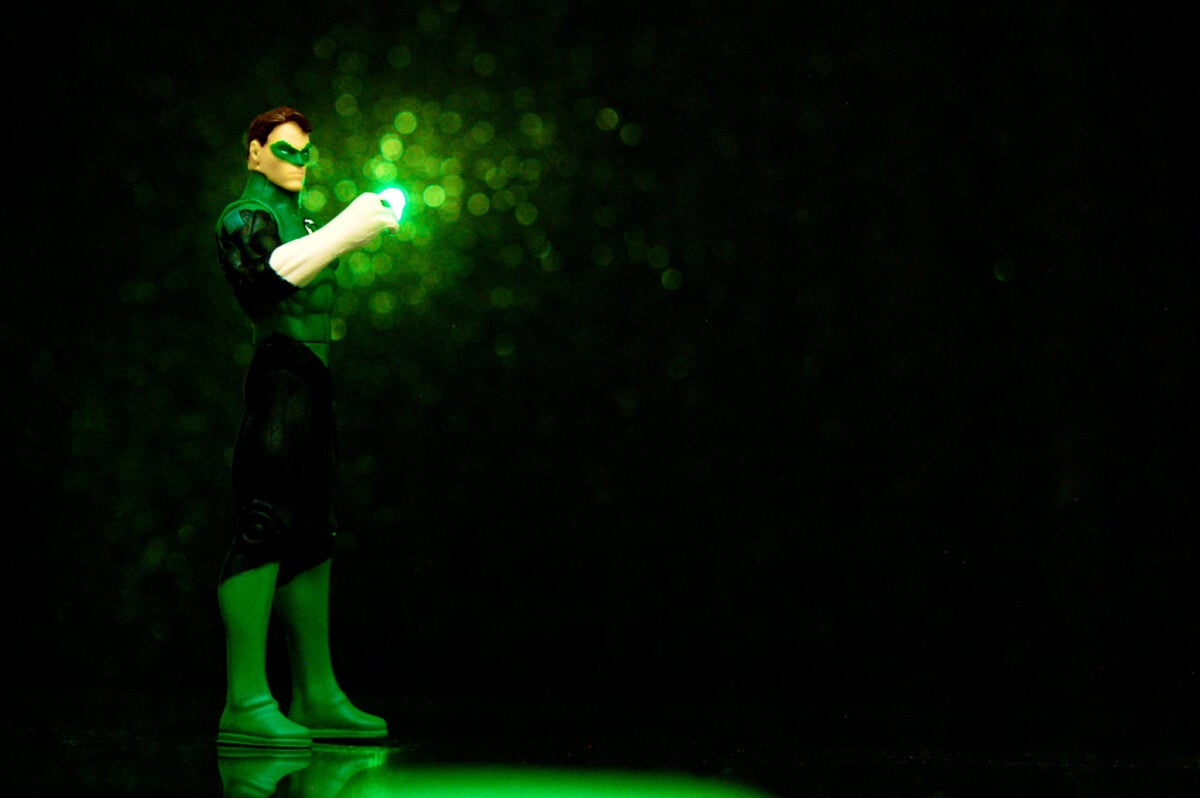
Test pilot Hal Jordan became the new Green Lantern in Showcase No. 22, cover-dated October 1959, with art by Gil Kane. The issue reinvented the character for the Silver Age, swapping magic for science fiction and tying his power ring to a galactic police force.
That concept later grew into the Green Lantern Corps, a cornerstone of DC’s cosmic stories. Copies often sell for thousands of dollars, depending on grade, and high-grade examples bring considerably more.
Restoration, tears and faded covers lower value, and collectors pay attention to the bright green cover colors.
Fantastic Four No. 1
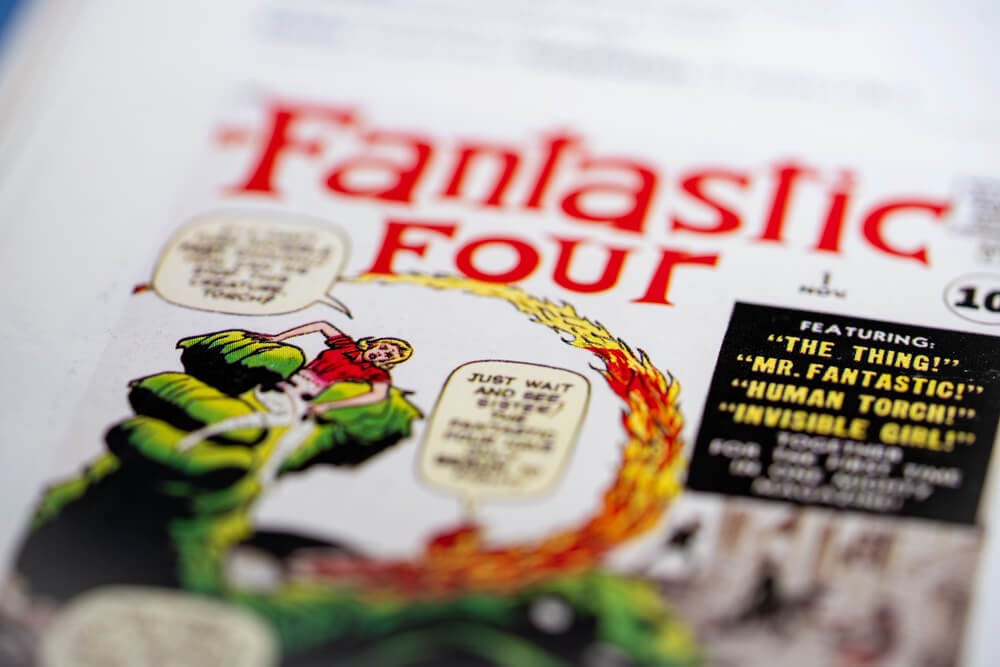
Stan Lee and Jack Kirby launched the Fantastic Four in November 1961, introducing Reed Richards, Sue Storm, Johnny Storm and Ben Grimm, along with the underground villain Mole Man. The team argued, worried about money and dealt with fame, which set it apart from the polished heroes at rival publishers.
The issue is widely seen as the beginning of the Marvel Age of comics. Copies often sell for thousands to tens of thousands of dollars, depending on grade, and high-grade examples bring much more.
Restoration, tears and missing pages lower value considerably.
Amazing Fantasy No. 15
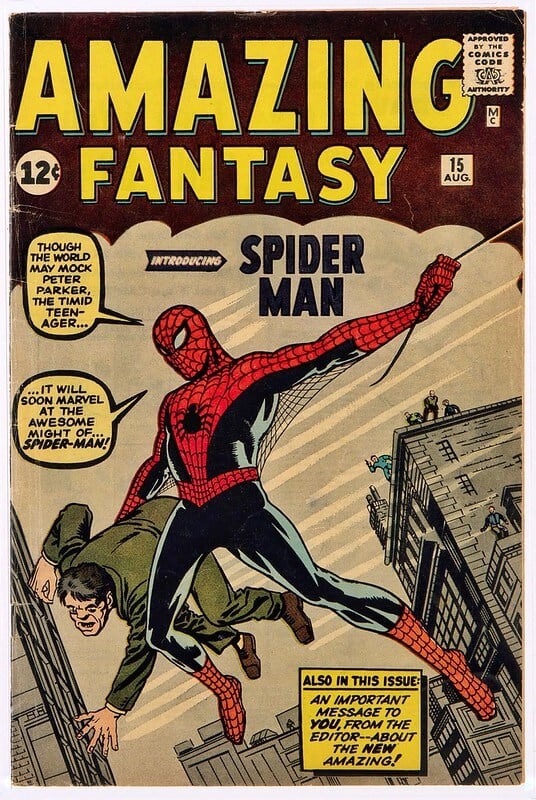
Spider-Man made his first appearance in Amazing Fantasy No. 15 in August 1962, in the final issue of a struggling anthology series that Marvel had already planned to cancel. Stan Lee and artist Steve Ditko created a teenage hero with ordinary problems, and readers responded immediately.
A high-grade copy sold for about 3.6 million dollars in 2021, a record for a comic at the time. Even low-grade copies often sell for tens of thousands of dollars.
Restoration, tears and missing pages lower value, and professional grading is essential with a book this valuable.
Tales to Astonish No. 27
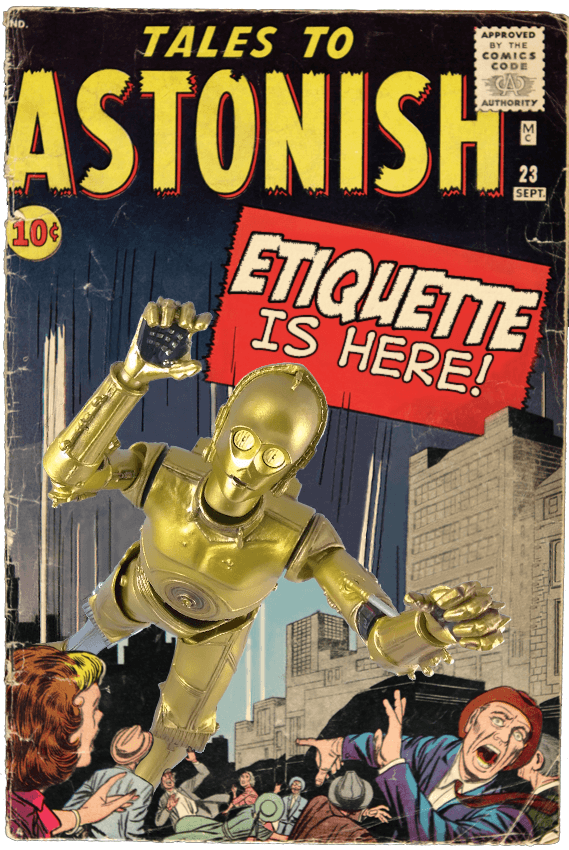
Scientist Henry Pym first appeared in Tales to Astonish No. 27, cover-dated January 1962, in a short science-fiction story about a man who shrinks to insect size and gets trapped in an anthill. The story was meant as a one-off, but Pym returned in costume as Ant-Man in issue No. 35 later that year.
Early first appearances like this one have gained value as Marvel characters reached movie screens. Copies often sell for thousands of dollars, depending on grade, and high-grade examples bring more.
Restoration, tears and missing pages lower value.
Gray Skin in The Incredible Hulk No. 1
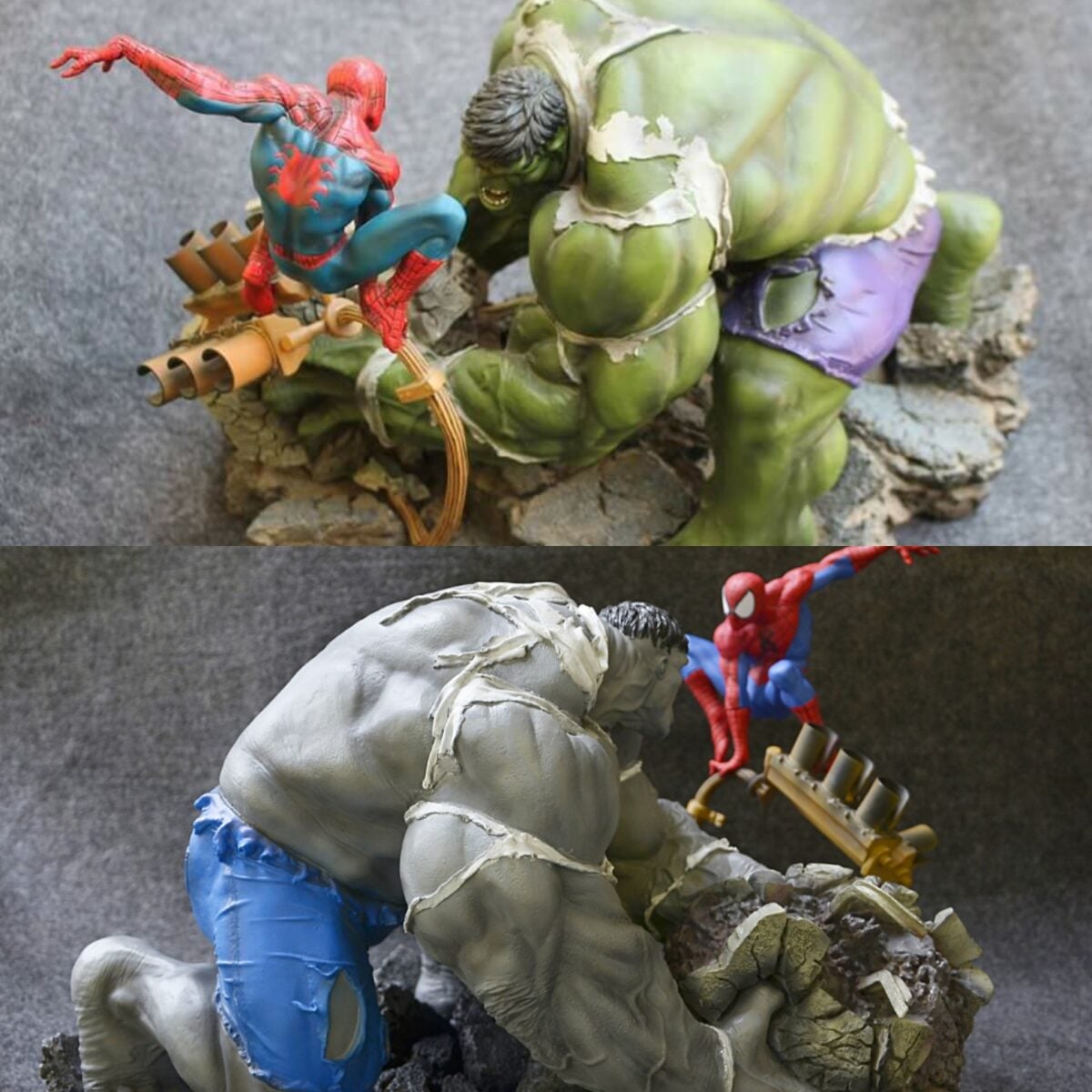
Bruce Banner’s alter ego debuted in The Incredible Hulk No. 1, cover-dated May 1962, with gray skin that changed to green in the next issue, reportedly because the gray color printed inconsistently. The series was canceled after only six issues, and the character survived by joining the Avengers and appearing in other titles.
Copies often sell for thousands to tens of thousands of dollars, depending on grade, and high-grade examples bring much more. The short run means fewer copies were saved.
Restoration, tears, missing pages and faded covers lower value.
Tales of Suspense No. 39
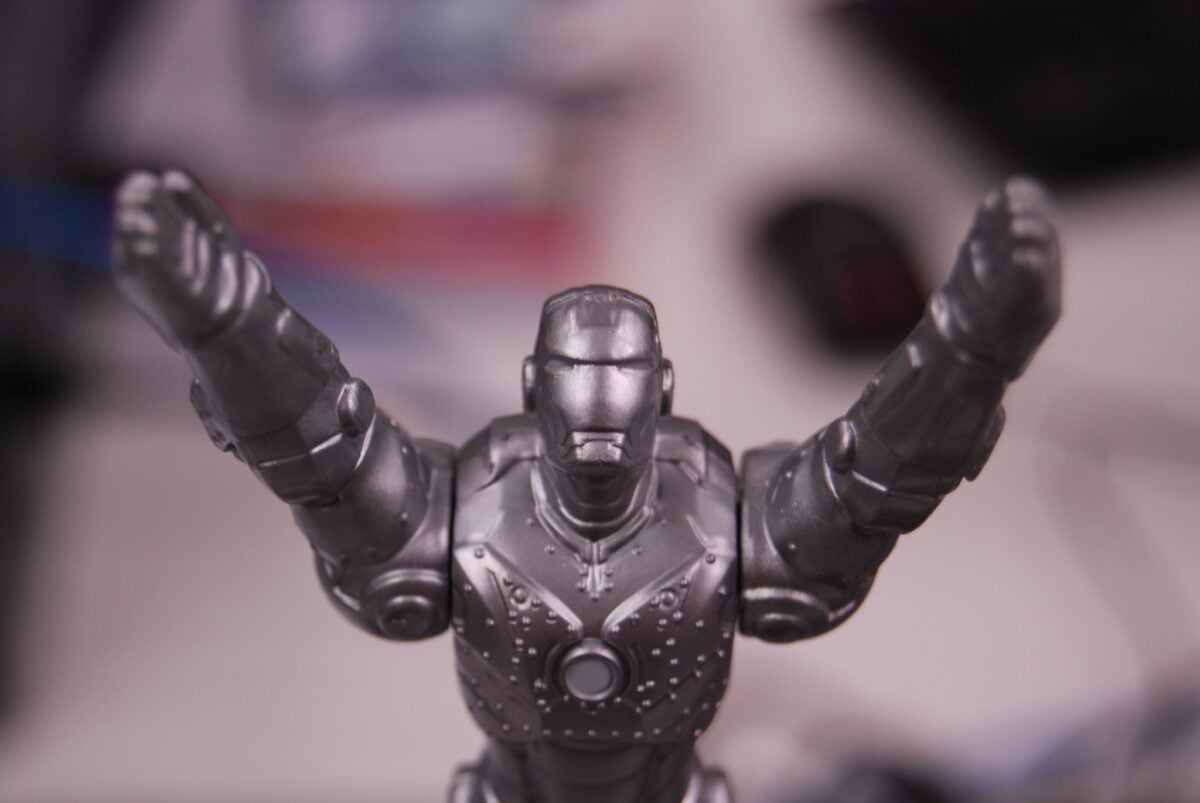
Iron Man first appeared in Tales of Suspense No. 39, cover-dated March 1963, wearing bulky gray armor that looked nothing like the sleek red and gold suit that came later. The story, plotted by Stan Lee with art by Don Heck and a cover by Jack Kirby, introduced Tony Stark as a weapons maker injured during a war overseas.
Interest in the issue climbed sharply after the 2008 Iron Man film. Copies often sell for thousands to tens of thousands of dollars, depending on grade.
Restoration, tears and missing pages lower value considerably.
Strange Tales No. 110
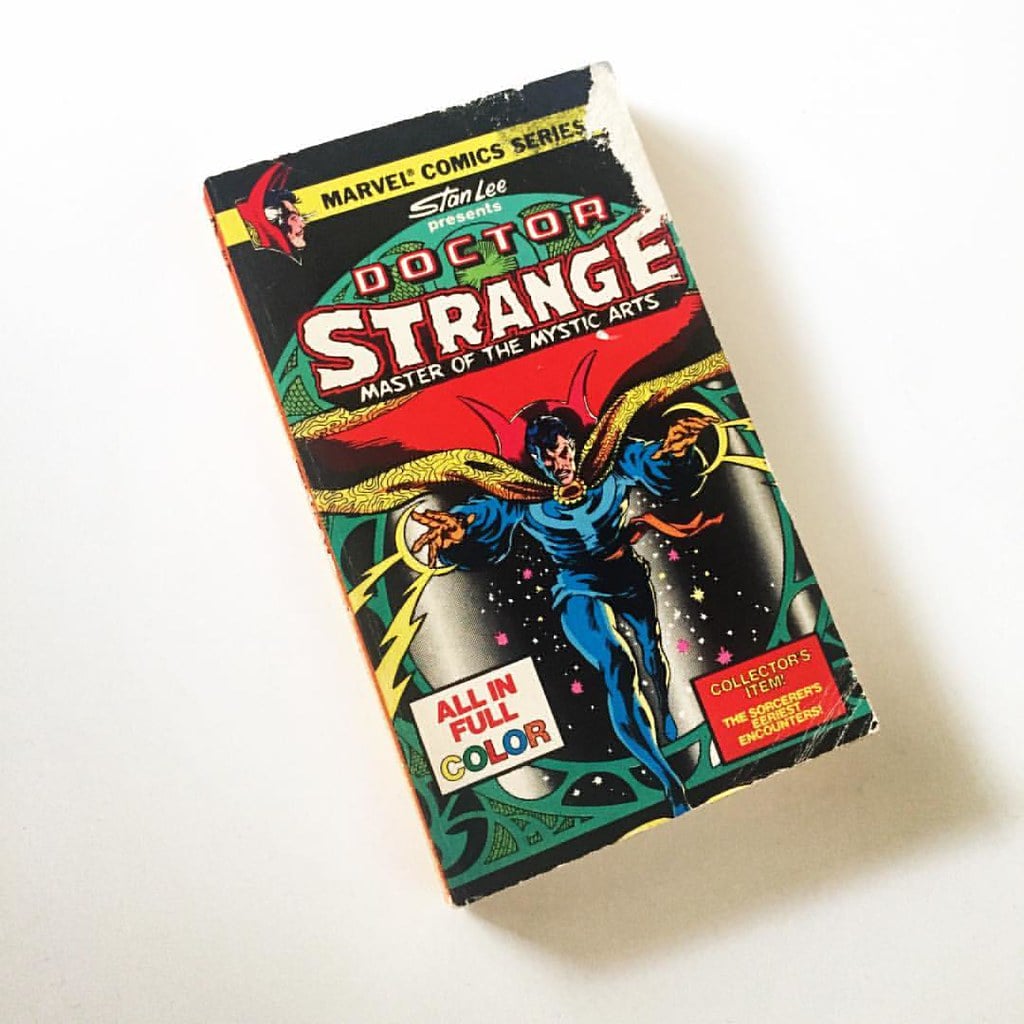
Doctor Strange first appeared in Strange Tales No. 110, cover-dated July 1963, in a short backup story created by Stan Lee and Steve Ditko. Ditko’s surreal, psychedelic artwork set the character apart and later drew a devoted following among college readers in the 1960s.
The issue also featured the Human Torch as its lead, which explains why the cover shows him instead of the new sorcerer. Copies often sell for thousands of dollars, depending on grade, and high-grade examples bring more.
Restoration, tears, missing pages and brittle paper all lower value.
Mutants Arrive in The X-Men No. 1
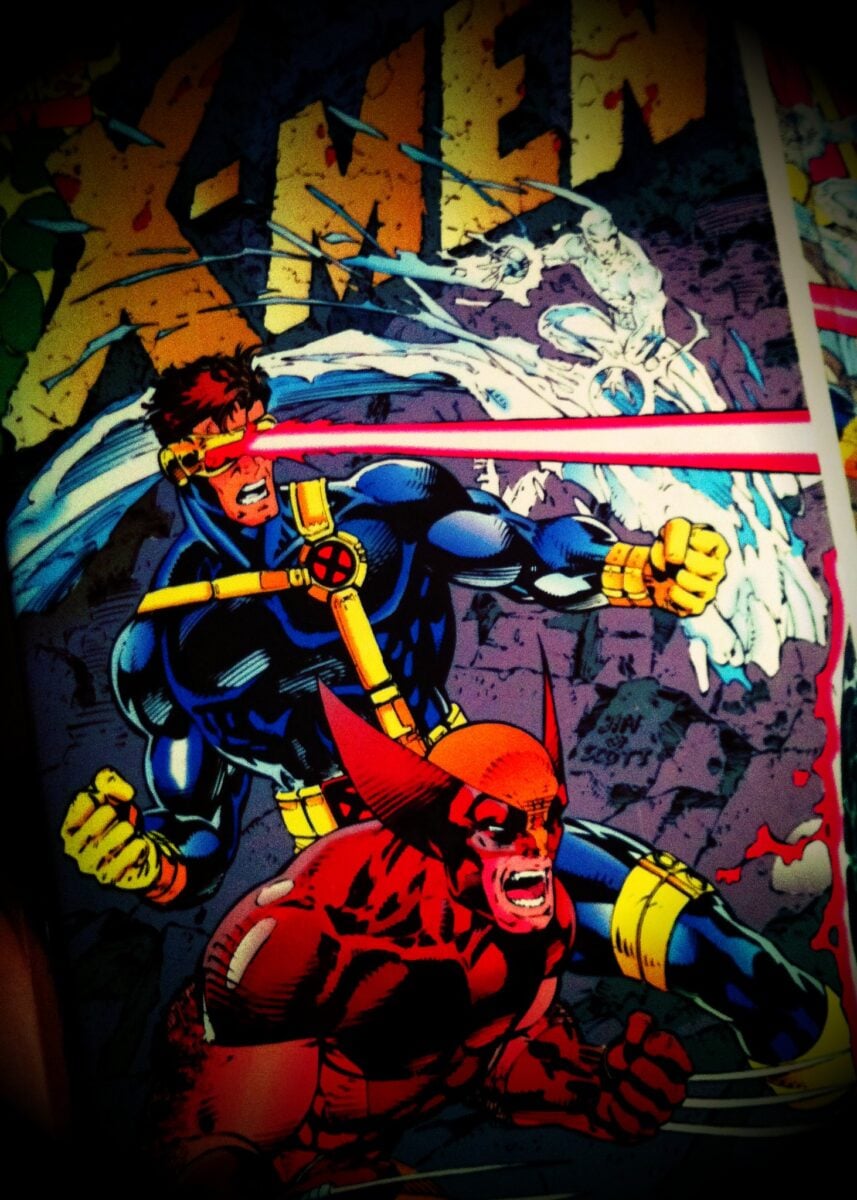
The X-Men debuted in September 1963, introducing Professor X, Cyclops, Marvel Girl, the Beast, the Angel and Iceman, along with their enemy Magneto. The series sold modestly for years and was reduced to reprints by 1970, before a revival in the mid-1970s made the team one of Marvel’s biggest properties.
Copies often sell for thousands to tens of thousands of dollars, depending on grade. High-grade examples bring considerably more.
Restoration, tears and missing pages lower value, and collectors pay attention to spine stress and color fading.
Earth’s Mightiest Heroes in The Avengers No. 1
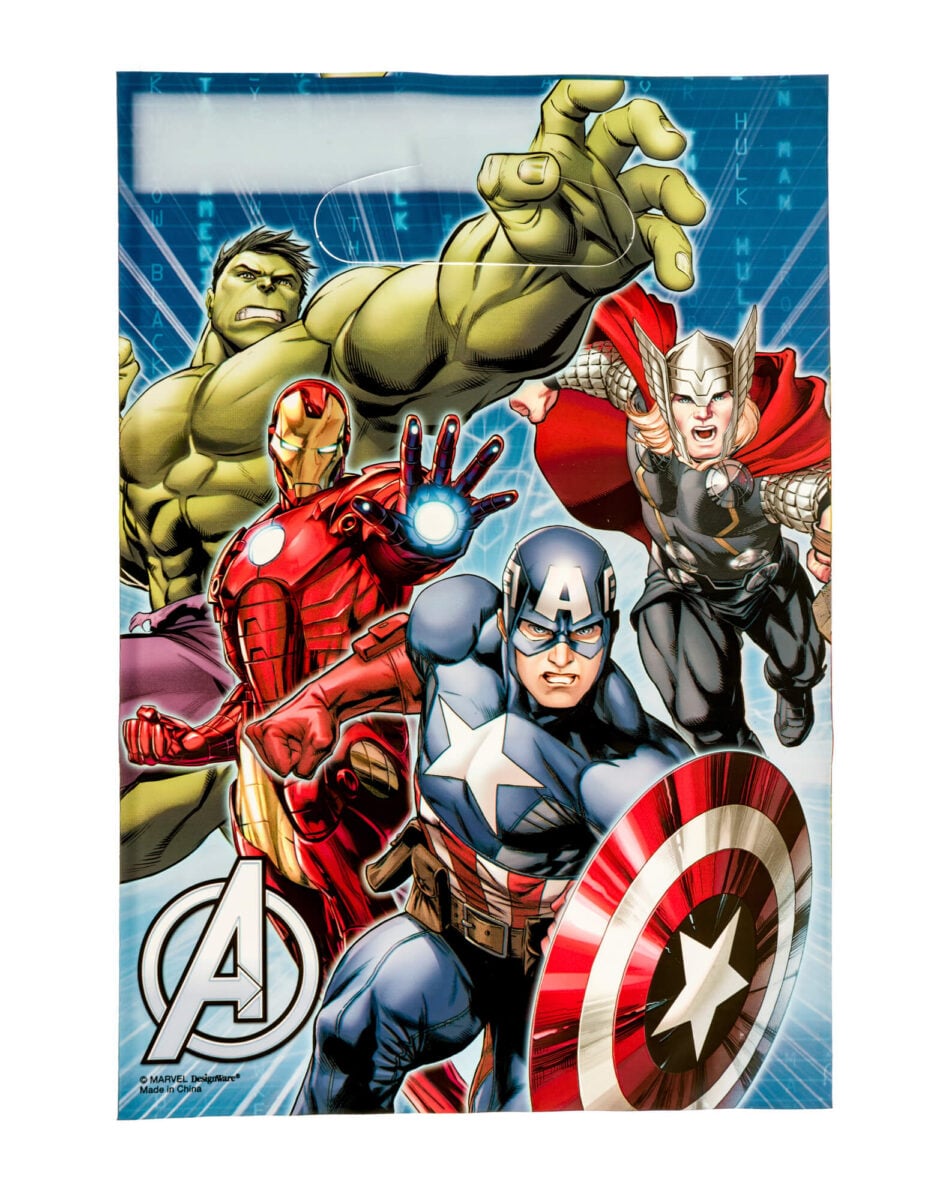
Marvel’s top heroes united when the Avengers debuted in September 1963, bringing together Iron Man, Thor, the Hulk, Ant-Man and the Wasp to fight Loki. Captain America joined the team a few months later in issue No. 4, which is a valuable book in its own right.
The first issue, drawn by Jack Kirby, gained considerable attention as the Avengers films became box office giants. Copies often sell for thousands of dollars, depending on grade, and high-grade examples bring considerably more.
Restoration, tears, missing pages and faded covers lower value.
Marvel Spotlight No. 5
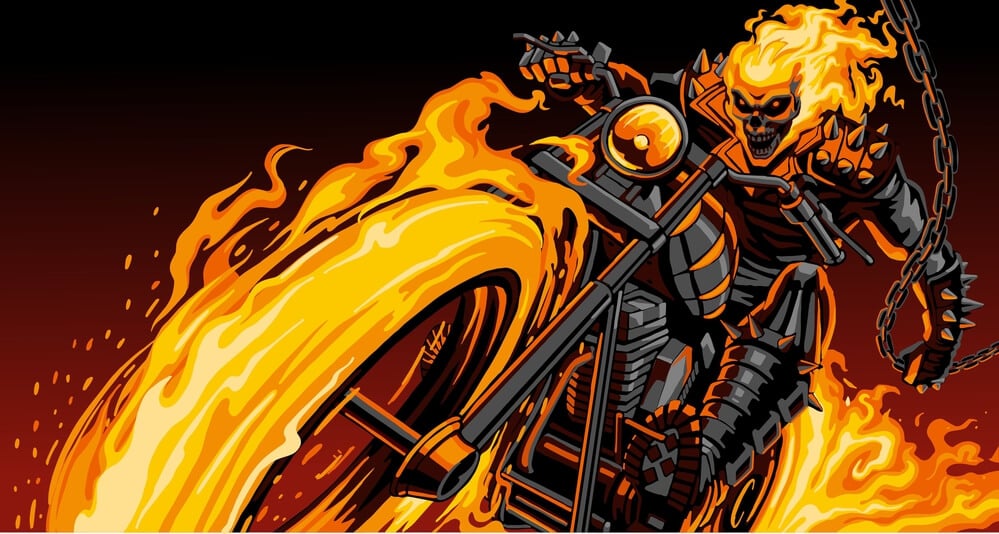
Ghost Rider, the flaming-skulled motorcycle stunt rider Johnny Blaze, first appeared in Marvel Spotlight No. 5, cover-dated August 1972. The character was created by Gary Friedrich, Roy Thomas and artist Mike Ploog, and he quickly earned his own series.
The issue’s striking cover, with the rider blazing across the page, helps drive demand. Copies often sell for hundreds to thousands of dollars, depending on grade, with high-grade examples bringing more.
Restoration, tears and missing pages lower value, and color fading on the cover is a common flaw.
Iron Man No. 55
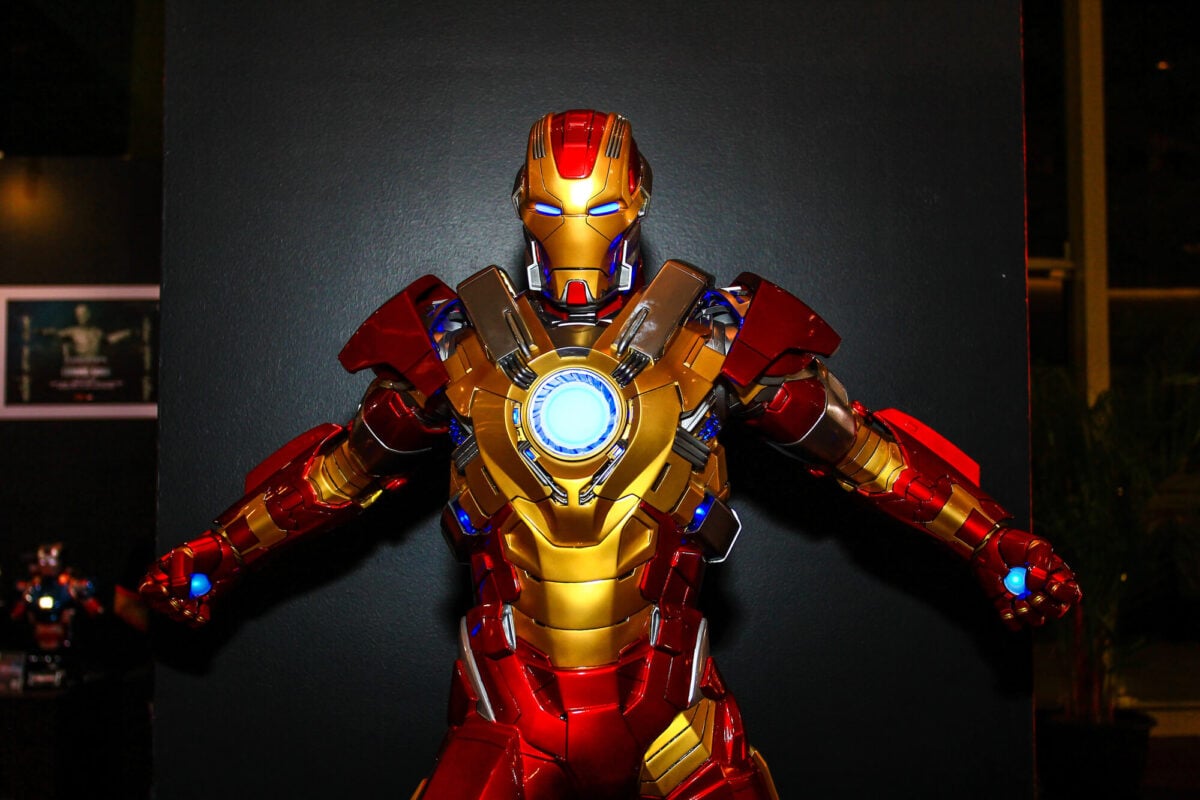
Thanos first appeared in Iron Man No. 55, cover-dated February 1973, created by writer and artist Jim Starlin. The same issue also introduced Drax the Destroyer, adding to its appeal for fans of the Guardians of the Galaxy.
Starlin later built a sprawling cosmic saga around Thanos, and the character became the central villain of the Avengers films. Copies often sell for hundreds to thousands of dollars, depending on grade, and high-grade examples bring more.
Restoration, tears and missing pages lower value, and collectors look closely for fading on the dark cover.
House of Secrets No. 92
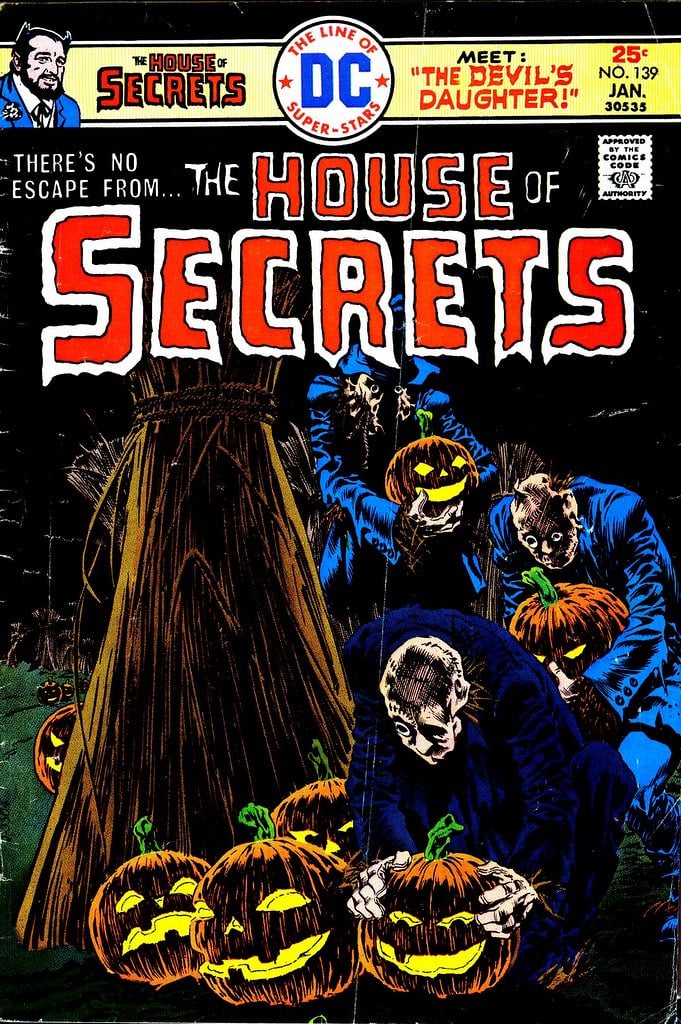
Swamp Thing first appeared in House of Secrets No. 92, cover-dated July 1971, in a short horror story by writer Len Wein and artist Bernie Wrightson. That first version was a scientist named Alex Olsen, and a different character carried the Swamp Thing name in the ongoing series that followed.
Wrightson’s moody art makes the issue a favorite with horror collectors. Copies often sell for hundreds to thousands of dollars, depending on grade, and high-grade examples bring more.
Restoration, tears and missing pages lower value.
The Punisher in The Amazing Spider-Man No. 129

Frank Castle, better known as the Punisher, first appeared in The Amazing Spider-Man No. 129, cover-dated February 1974, created by writer Gerry Conway with artists John Romita and Ross Andru. The character was introduced as a villain hired to hunt Spider-Man, and the issue also featured the first appearance of the Jackal.
The Punisher later became a popular antihero with his own series. Copies often sell for hundreds to thousands of dollars, depending on grade, and high-grade examples bring more.
Restoration, tears and missing pages lower value.
Wolverine’s Debut in The Incredible Hulk No. 181
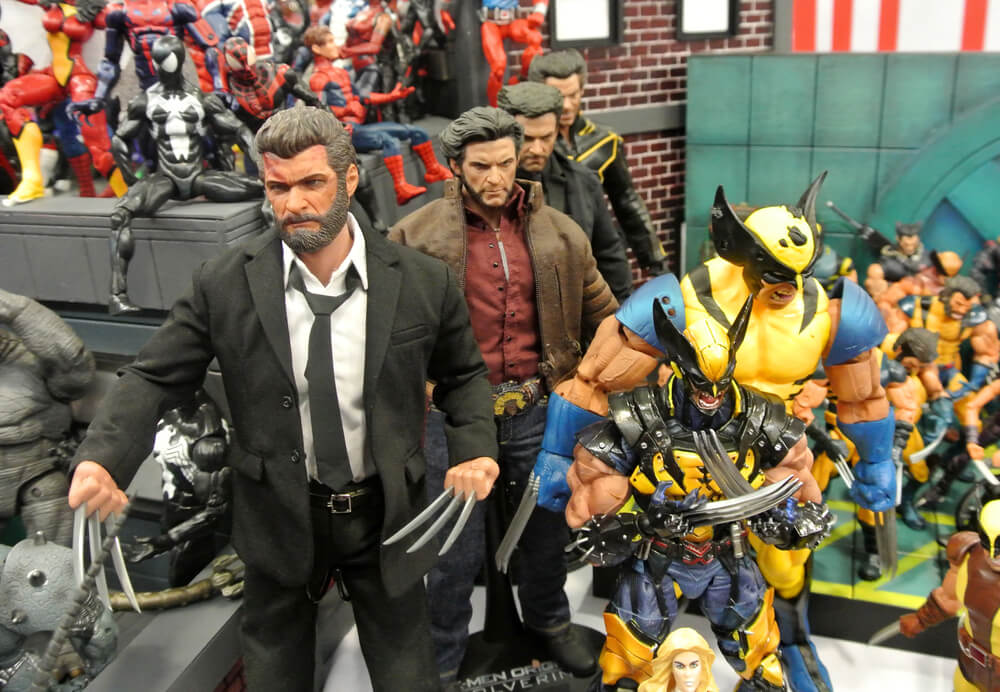
Wolverine made his first full appearance in The Incredible Hulk No. 181, cover-dated November 1974, created by writer Len Wein with artist Herb Trimpe. The character was introduced as a Canadian government agent sent to stop both the Hulk and the monstrous Wendigo, and he appeared briefly on the final page of the previous issue.
Many Marvel issues from that period included a Marvel Value Stamp that kids clipped out, and a missing stamp page sharply reduces value. Copies often sell for thousands of dollars, depending on grade, with high-grade examples bringing considerably more.
Restoration and spine wear lower value.
Giant-Size X-Men No. 1
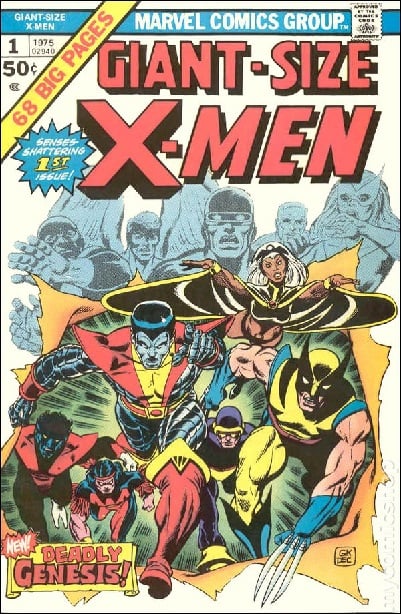
Giant-Size X-Men No. 1, published in 1975, introduced a new international team including Storm, Nightcrawler, Colossus and Thunderbird, created by writer Len Wein and artist Dave Cockrum. Wolverine also joined the team in this issue, after his earlier debut in the Hulk, and the book was a double-sized special priced at 50 cents.
The new lineup revived the X-Men and laid the foundation for decades of success. Copies often sell for hundreds to thousands of dollars, depending on grade, and high-grade examples bring more.
Restoration, tears and missing pages lower value.
Star Wars No. 1 With a 35-Cent Price

Marvel’s Star Wars No. 1 from 1977 exists in a rare variant with a 35-cent cover price, printed as part of a price test in select markets. Most copies sold for 30 cents, so the 35-cent version is scarce, and only a small number are known in high grades.
Copies often sell for thousands of dollars, depending on grade, and the best examples bring much more. Collectors check the price box in the upper left corner carefully, since altered copies exist.
Restoration, tears and missing pages lower value.
Teenage Mutant Ninja Turtles No. 1
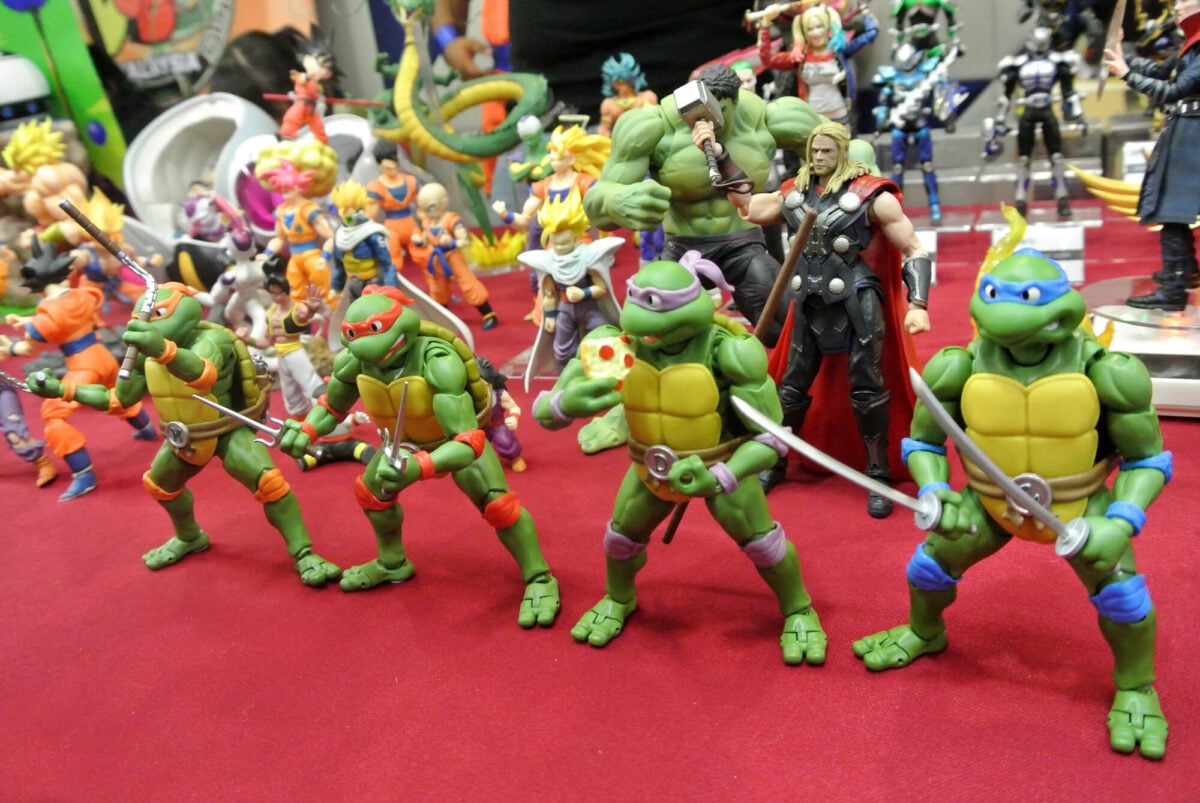
Kevin Eastman and Peter Laird self-published Teenage Mutant Ninja Turtles No. 1 in 1984 under their Mirage Studios label, with a print run of about 3,000 copies. The black-and-white comic was a parody of popular titles of the time, and the duo funded it with a tax refund and a loan from a family member.
Copies often sell for thousands of dollars, depending on grade, and high-grade examples bring more. Later printings are worth much less, so collectors check details carefully.
Restoration and condition problems lower value.
Venom in The Amazing Spider-Man No. 300
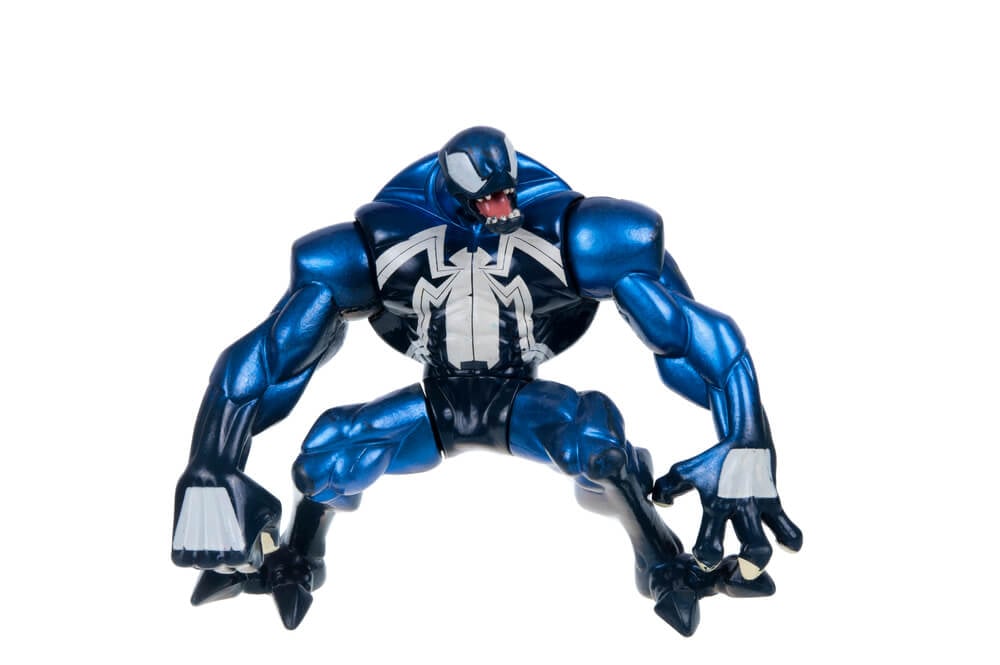
Venom made his first full appearance in The Amazing Spider-Man No. 300, cover-dated May 1988, with art by Todd McFarlane. The issue celebrated the 25th anniversary of Spider-Man’s debut, and it closed out the storyline of Peter Parker’s black costume, which had become the alien symbiote that bonded with Eddie Brock.
McFarlane later became one of the most influential artists of the era. Copies often sell for hundreds of dollars, depending on grade, and high-grade examples bring more.
Restoration, spine stress and missing pages lower value.
Deadpool in The New Mutants No. 98
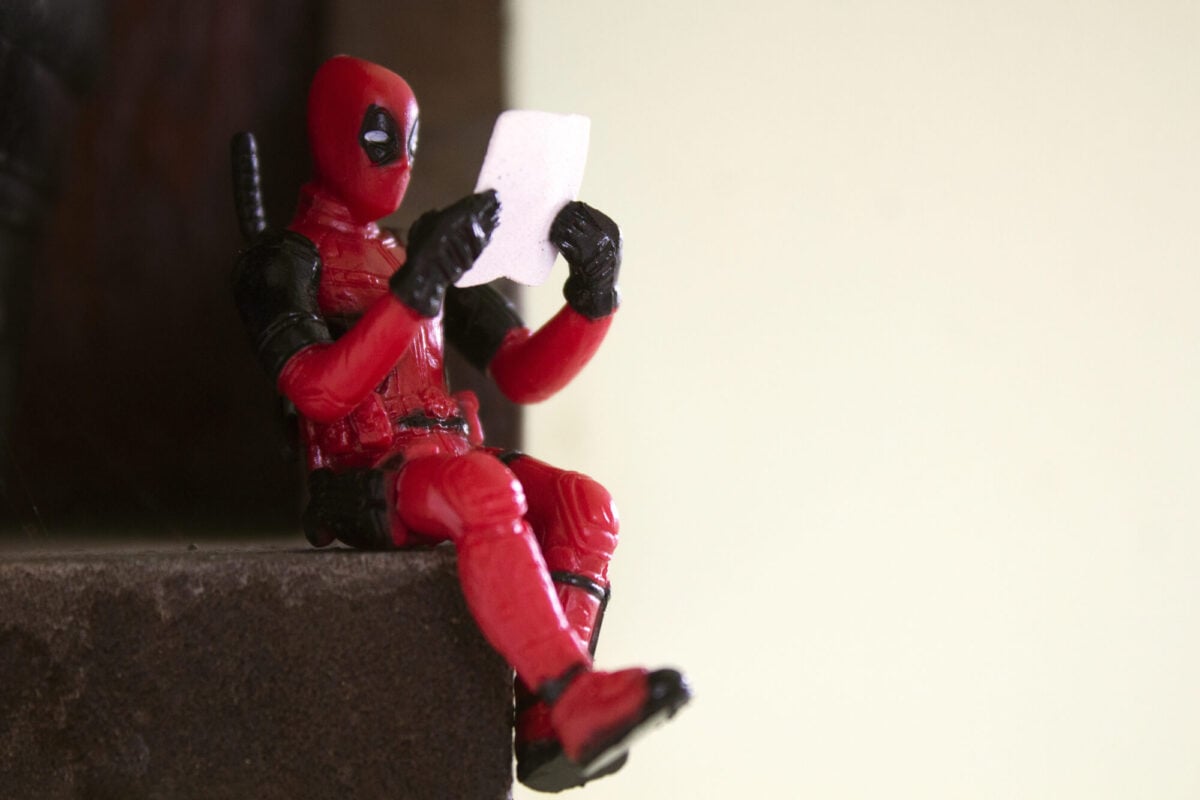
Deadpool first appeared in The New Mutants No. 98, cover-dated February 1991, created by artist Rob Liefeld and writer Fabian Nicieza. The character was introduced as a mercenary hired to kill Cable, and his wisecracking personality later made him a box office star.
Liefeld reportedly gave him a costume similar to DC’s Deathstroke, a resemblance fans still joke about. Copies often sell for hundreds of dollars, depending on grade, and high-grade examples bring more.
Large print runs mean many copies exist, so condition makes the biggest difference. Restoration and condition problems lower value.
Harley Quinn in The Batman Adventures No. 12
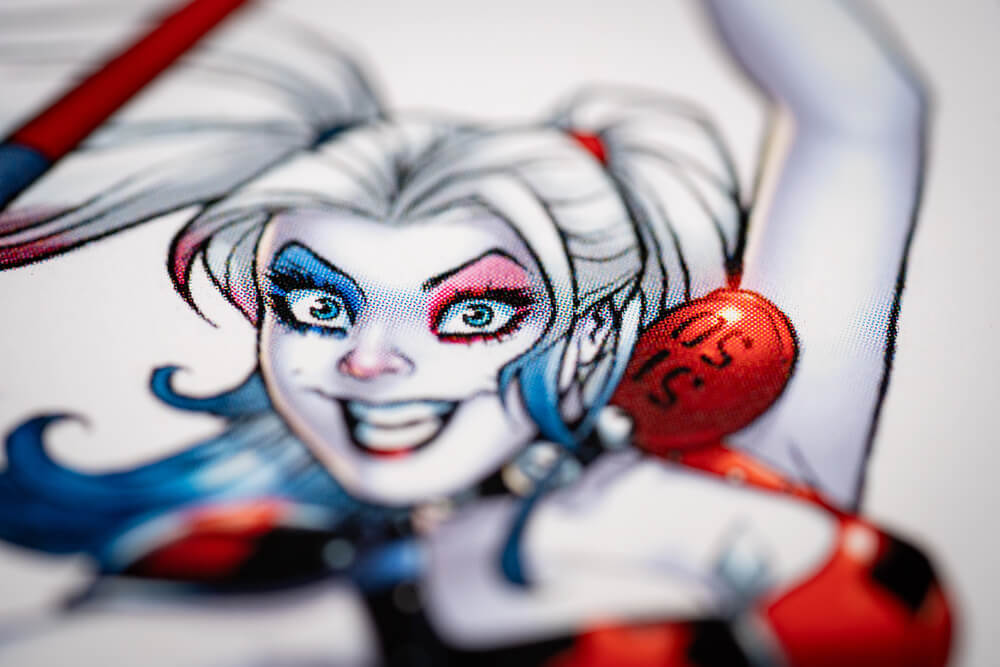
Harley Quinn made her first comic book appearance in The Batman Adventures No. 12 in 1993, after debuting on Batman: The Animated Series the year before. The character was created by Paul Dini and Bruce Timm, and her popularity grew far beyond the show.
Copies often sell for hundreds to thousands of dollars, depending on grade, and high-grade examples bring more. A later printing with a different cover exists, so collectors check carefully before buying.
Her name was a play on the word harlequin, borrowed from the classic clown figure of Italian theater. Restoration and condition problems lower value.
Zombies in The Walking Dead No. 1
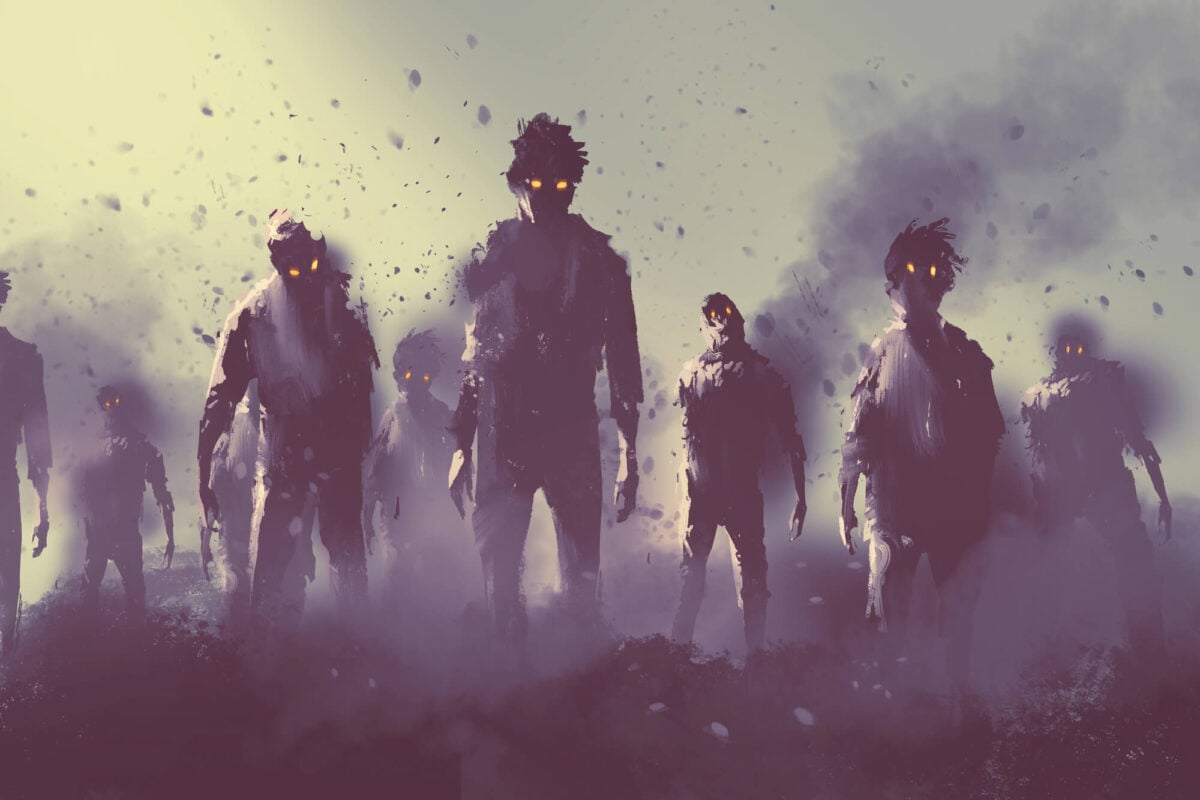
Image Comics published The Walking Dead No. 1 in October 2003, written by Robert Kirkman with art by Tony Moore. The black-and-white series had a modest first print run of several thousand copies, and it later inspired a long-running television series on AMC.
Copies often sell for hundreds to thousands of dollars, depending on grade, and high-grade examples bring more. Later printings and variants are worth less.
Restoration and condition problems lower value, and collectors pay close attention to the white cover, which shows wear easily.
Ultimate Fallout No. 4
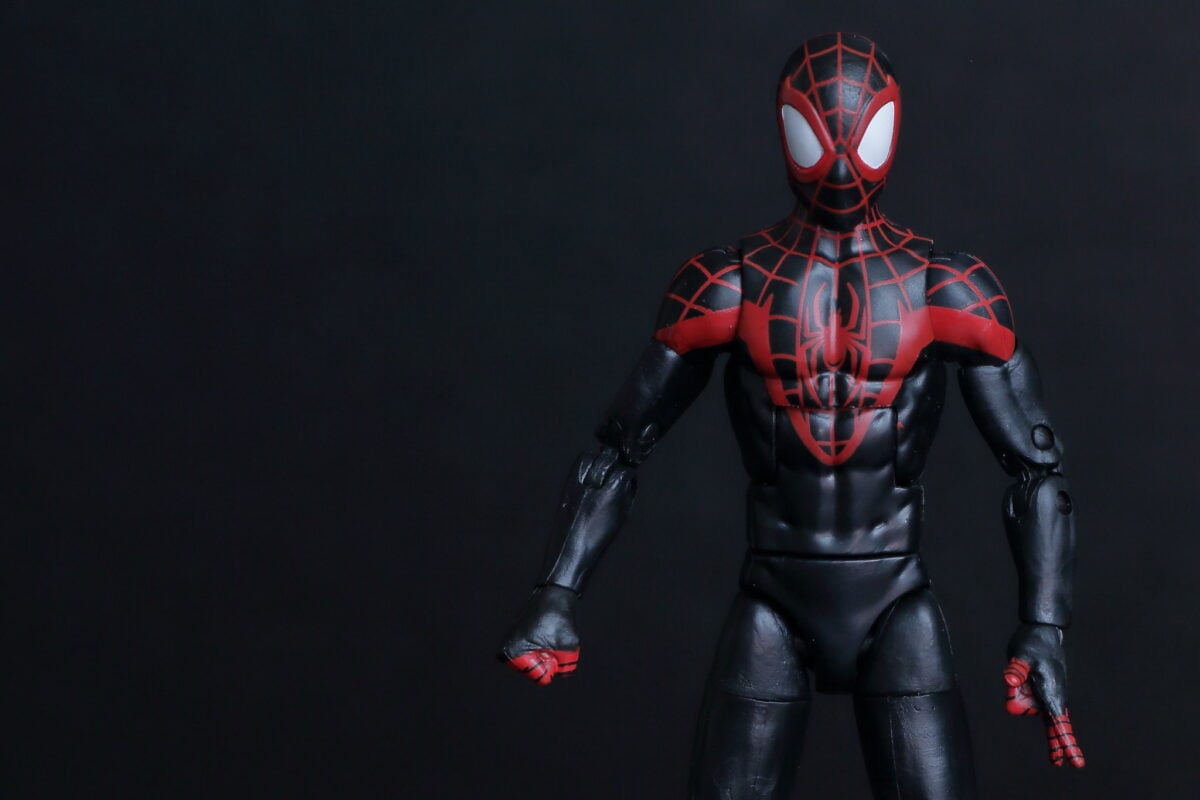
Miles Morales first appeared in Ultimate Fallout No. 4 in 2011, created by writer Brian Michael Bendis and artist Sara Pichelli. The character took over as Spider-Man in Marvel’s Ultimate universe after the death of Peter Parker in that line.
Miles later starred in the animated Spider-Verse films, which drove strong demand for the issue. Copies often sell for hundreds of dollars, depending on grade, and high-grade examples bring more.
Variant covers exist, and some are worth considerably more. Restoration, spine stress and creasing lower value, and later printings sell for less.
Newsprint Heroes and the Value of Neglect
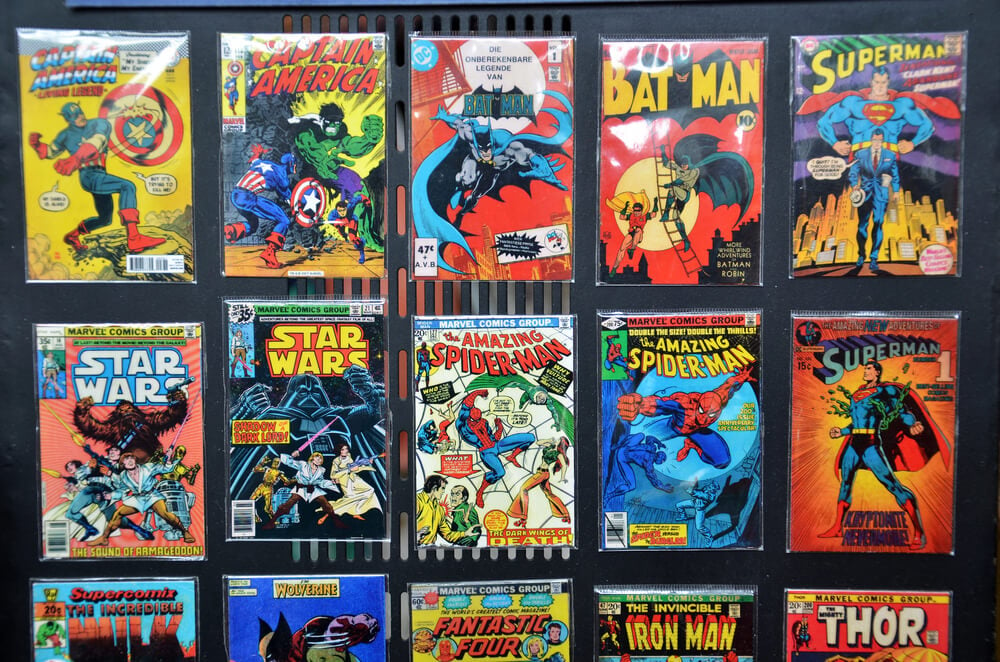
Most comic books were never meant to last. They were cheap entertainment, read once and tossed aside.
The copies that survived often did so by accident. That scarcity drives today’s prices.
Condition matters more than almost anything else. A crease, a tear or a missing page can cut value dramatically.
Professional grading helps establish trust between buyers and sellers. A forgotten box may hold more than expected.
More from Go2Tutors!

- The Romanov Crown Jewels and Their Tragic Fate
- 13 Historical Mysteries That Science Still Can’t Solve
- Famous Hoaxes That Fooled the World for Years
- 15 Child Stars with Tragic Adult Lives
- 16 Famous Jewelry Pieces in History
Like Go2Tutors’s content? Follow us on MSN.