Some of the World’s Oldest Structures Still Outperform Modern Ones
There’s a particular kind of humbling that comes from standing inside a building that’s been standing for thousands of years. Not just standing — functioning.
Sheltering. Holding water, channeling air, outlasting empires and engineering degrees and every confident prediction that something newer would eventually do it better.
Modern construction has given the world steel-framed skyscrapers and climate-controlled everything, but a surprisingly stubborn collection of ancient structures haven’t gotten the memo that they’re supposed to be obsolete. Some of them are still doing their original jobs better than anything built to replace them.
The Roman Pantheon
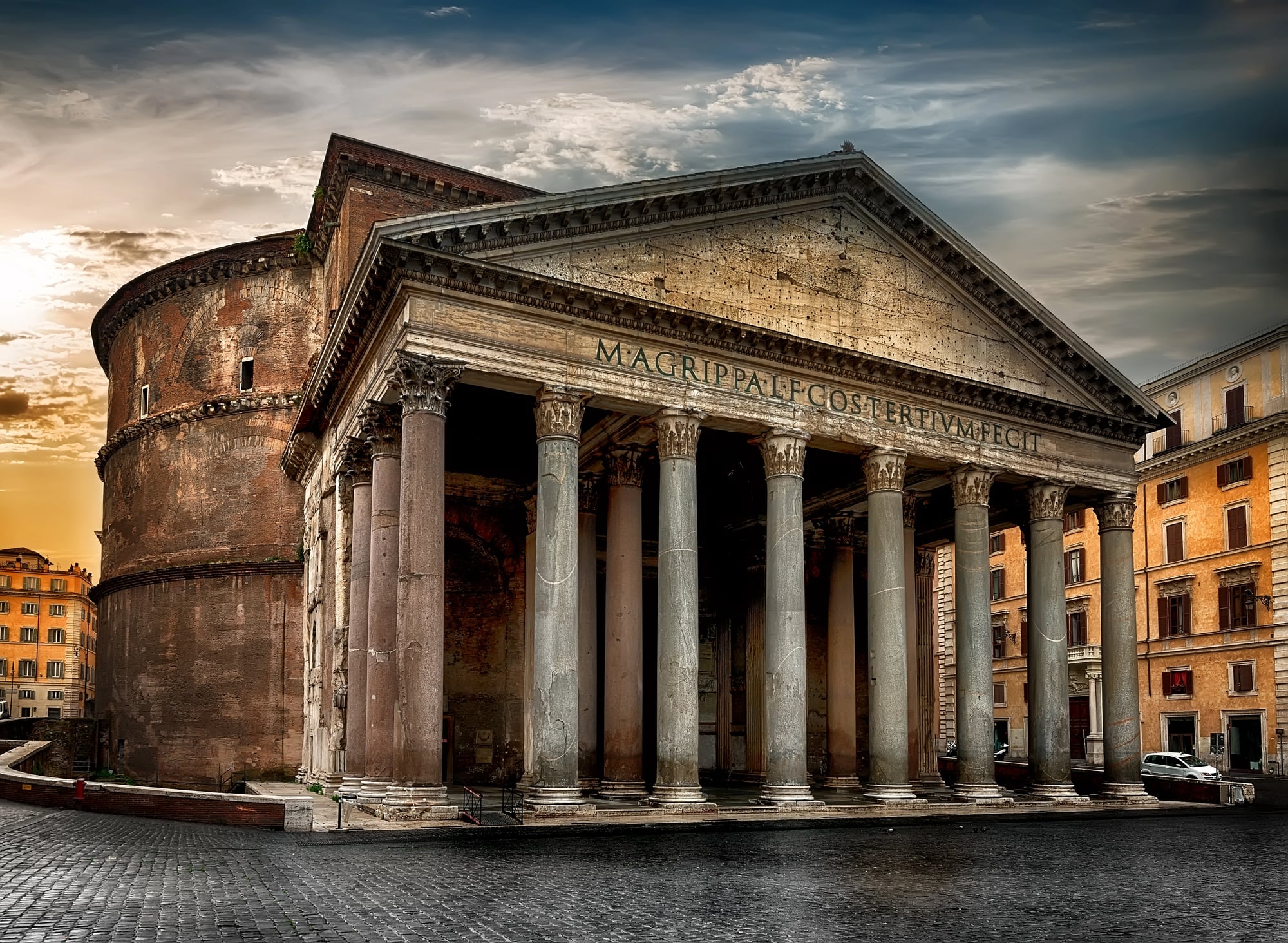
The Pantheon in Rome has been in continuous use for nearly 2,000 years, which is the kind of sentence that should give any structural engineer pause. Its unreinforced concrete dome — 142 feet in diameter — remained the largest in the world for over 1,300 years, and it still sits without a crack in the oculus that opens to the sky.
Modern engineers have studied its aggregate mix, which uses lighter volcanic pumice near the top to reduce load, and found that the Romans were solving stress distribution problems in ways that took the rest of the world centuries to rediscover.
Qanat Systems of Persia
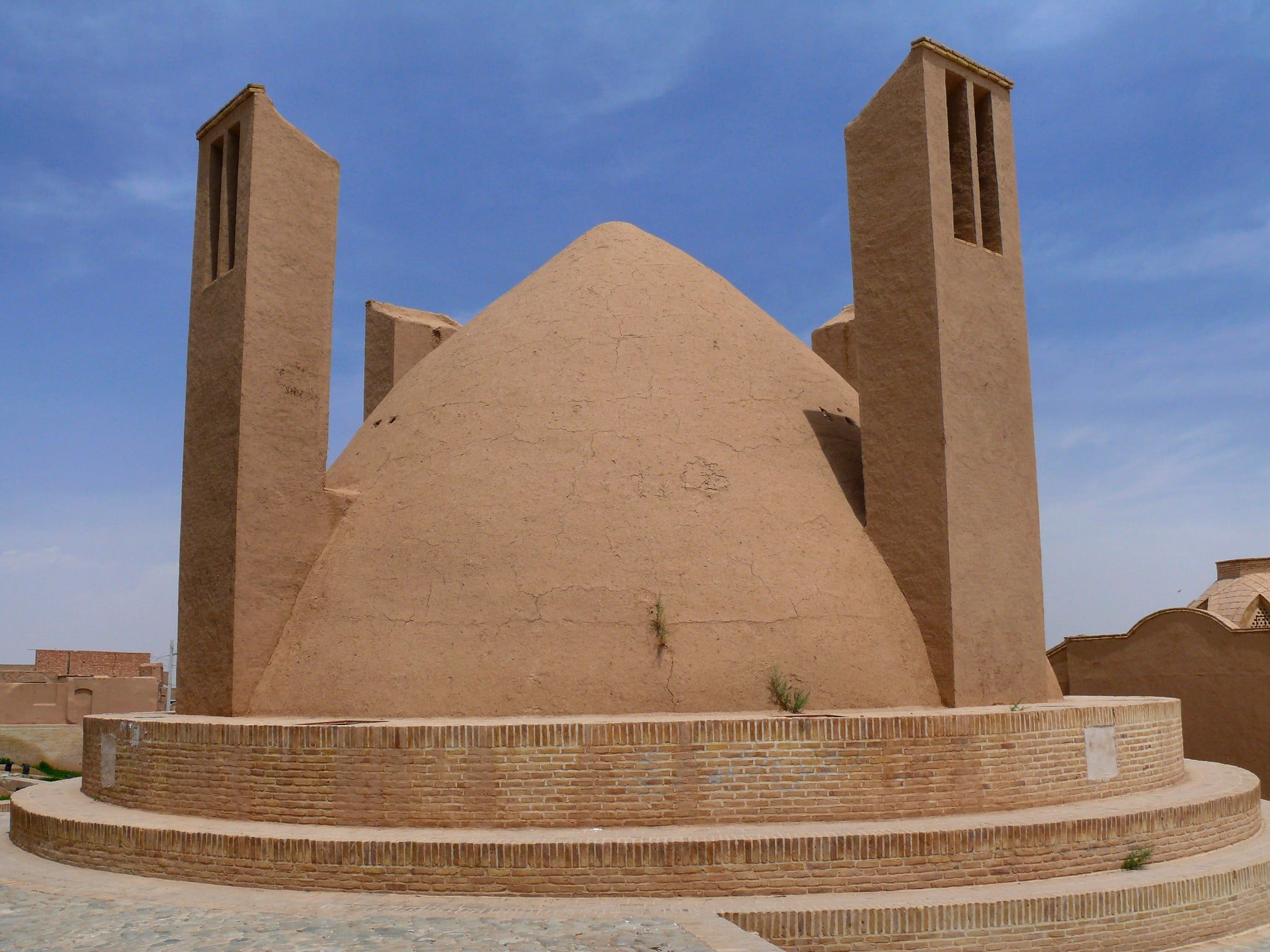
Underground water channels carved into the Iranian plateau as far back as 3,000 years ago, qanats tap into groundwater tables and deliver it to the surface through gravity alone — no pumps, no power, no infrastructure that can fail in a blackout. And the thing is, they still work: Iran alone has an estimated 37,000 active qanats still supplying water to farms and communities today.
Modern irrigation systems in arid climates struggle with evaporation losses, energy costs, and mechanical failure; the qanat, indifferent to all three, just keeps running.
The Walls of Sacsayhuamán
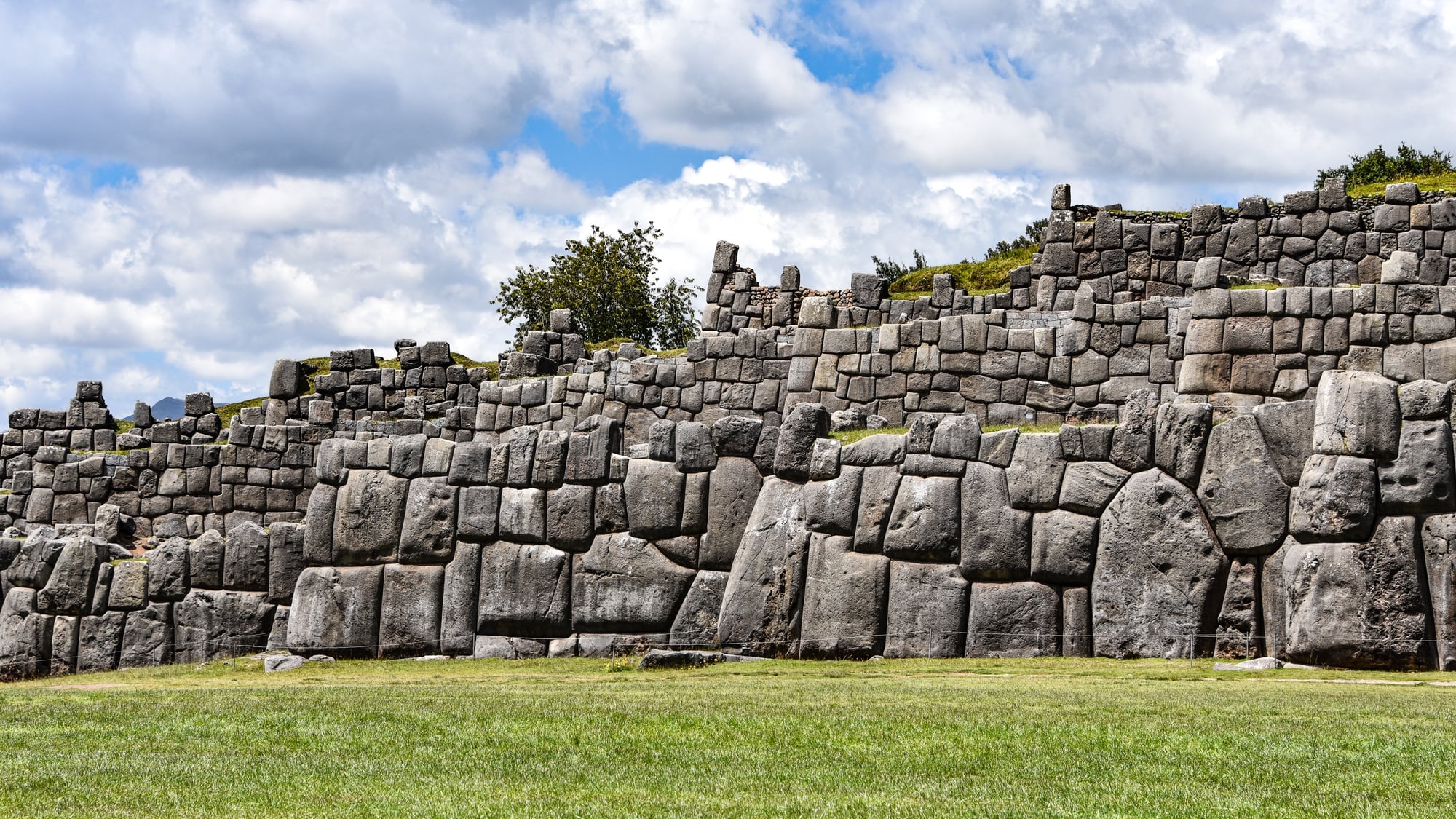
The fortress walls outside Cusco, Peru, were assembled from stones weighing up to 200 tons — fitted together without mortar, without a gap wide enough to slide a piece of paper through. Modern reproductions using cranes and precision equipment haven’t matched the fit.
The stones are also arranged in a slight zigzag pattern that distributes seismic energy, which is why they’ve survived earthquakes that leveled Spanish colonial buildings constructed right next to them.
Roman Roads
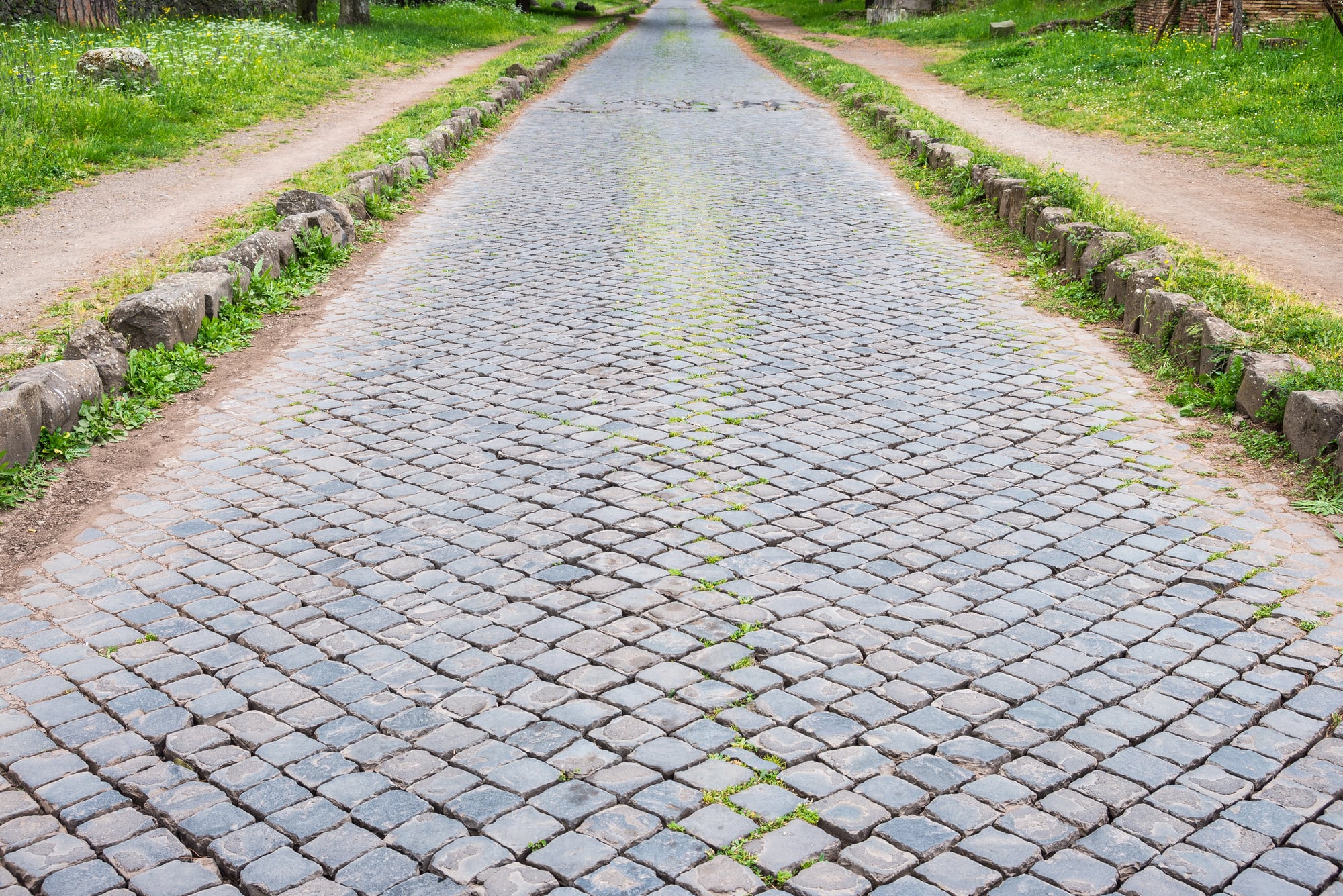
Roman roads are a genuinely stubborn argument against the idea that infrastructure improves with time. Built with layered foundations — sand, gravel, and fitted stone — many still exist as functioning roads or direct templates for roads used today, roughly 2,000 years after construction.
To be fair, modern asphalt has its advantages, but it also develops potholes within a few winters; the Via Appia, for its part, is holding up fine.
The Great Wall’s Sticky Rice Mortar

Sections of the Great Wall of China built during the Ming Dynasty used a mortar mixture that included sticky rice — amylopectin, a polysaccharide in cooked glutinous rice, binds into the calcium carbonate of the lime and creates a composite that’s actually harder than the bricks themselves. Modern materials scientists have studied this mixture and found it resists water penetration better than many standard Portland cement mortars used today.
Some of these sections have survived 600 years of freeze-thaw cycles without significant deterioration, which is something most modern concrete facades can’t claim after 60.
Catalhöyük’s Passive Temperature Control
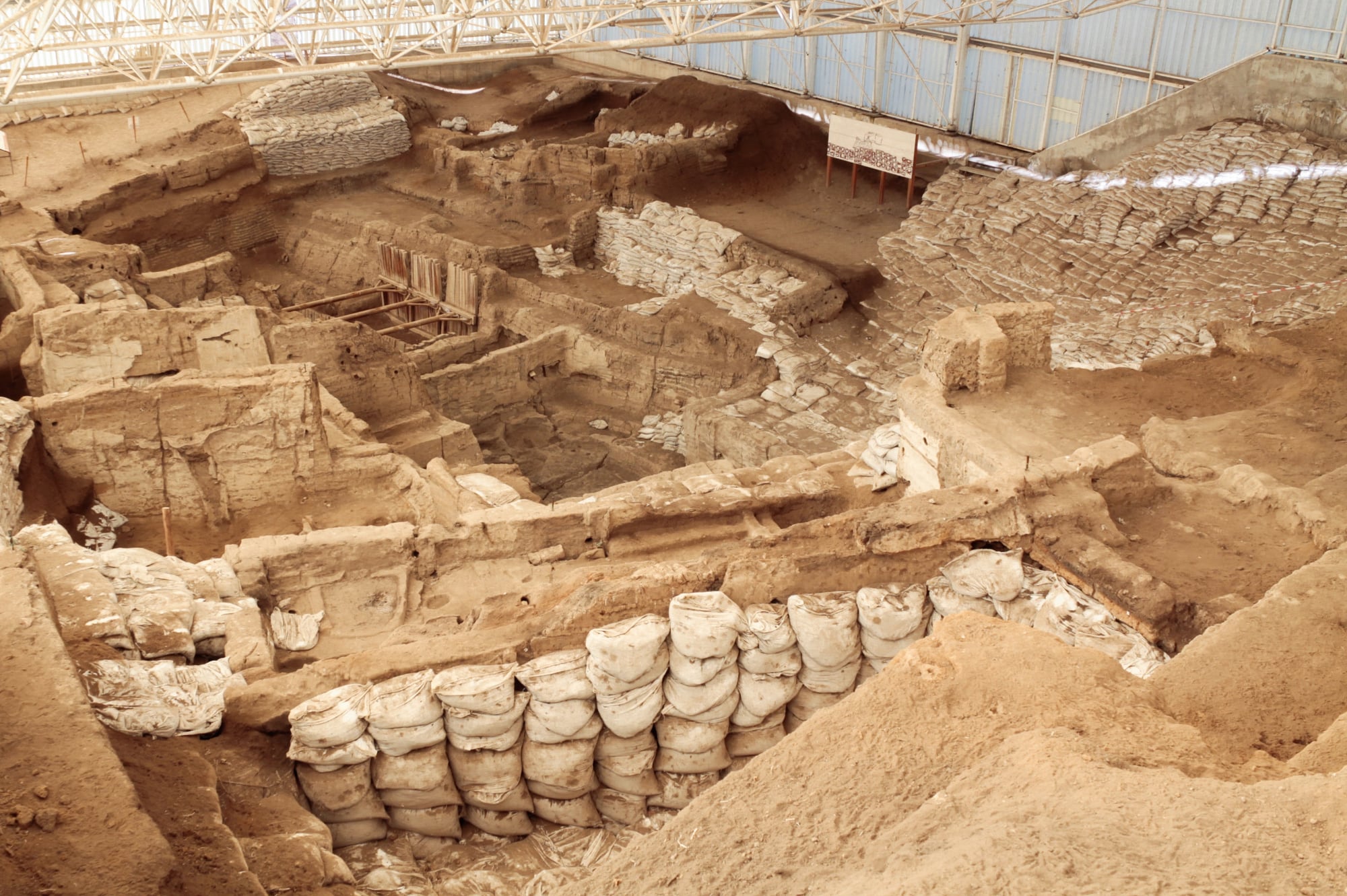
The Neolithic settlement of Çatalhöyük in modern Turkey — inhabited roughly 9,000 years ago — was built with thick mud-brick walls and flat roofs that acted as thermal mass, absorbing heat during the day and releasing it slowly at night. This is precisely the principle behind passive solar design, which contemporary architects are now paid handsomely to rediscover and apply.
The residents of Çatalhöyük didn’t have a theory for it; they just built houses that weren’t unbearable in the Anatolian summer, and it worked.
The Pont du Gard Aqueduct
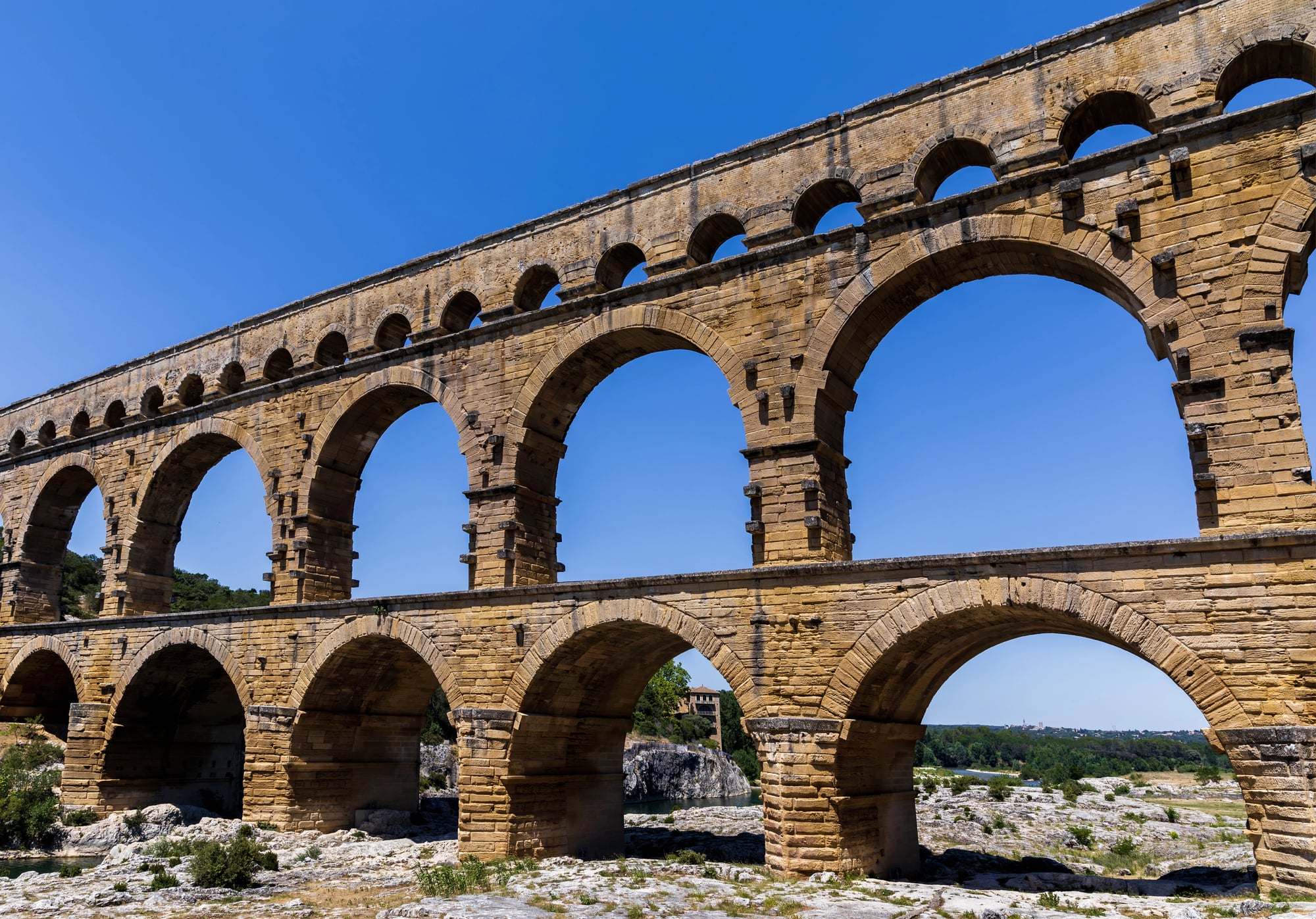
The Pont du Gard in southern France carried water across a 160-foot-tall valley as part of a 31-mile aqueduct system, maintaining a gradient so precise — a drop of just 56 feet over the entire 31 miles — that the Romans achieved it using only surveying rods and geometry. No water pump.
No power source. Just an almost arrogant confidence in math.
The structure has been standing since roughly 50 AD and, structurally, has no reason it couldn’t still carry water today.
Göbekli Tepe’s Pillar Stability
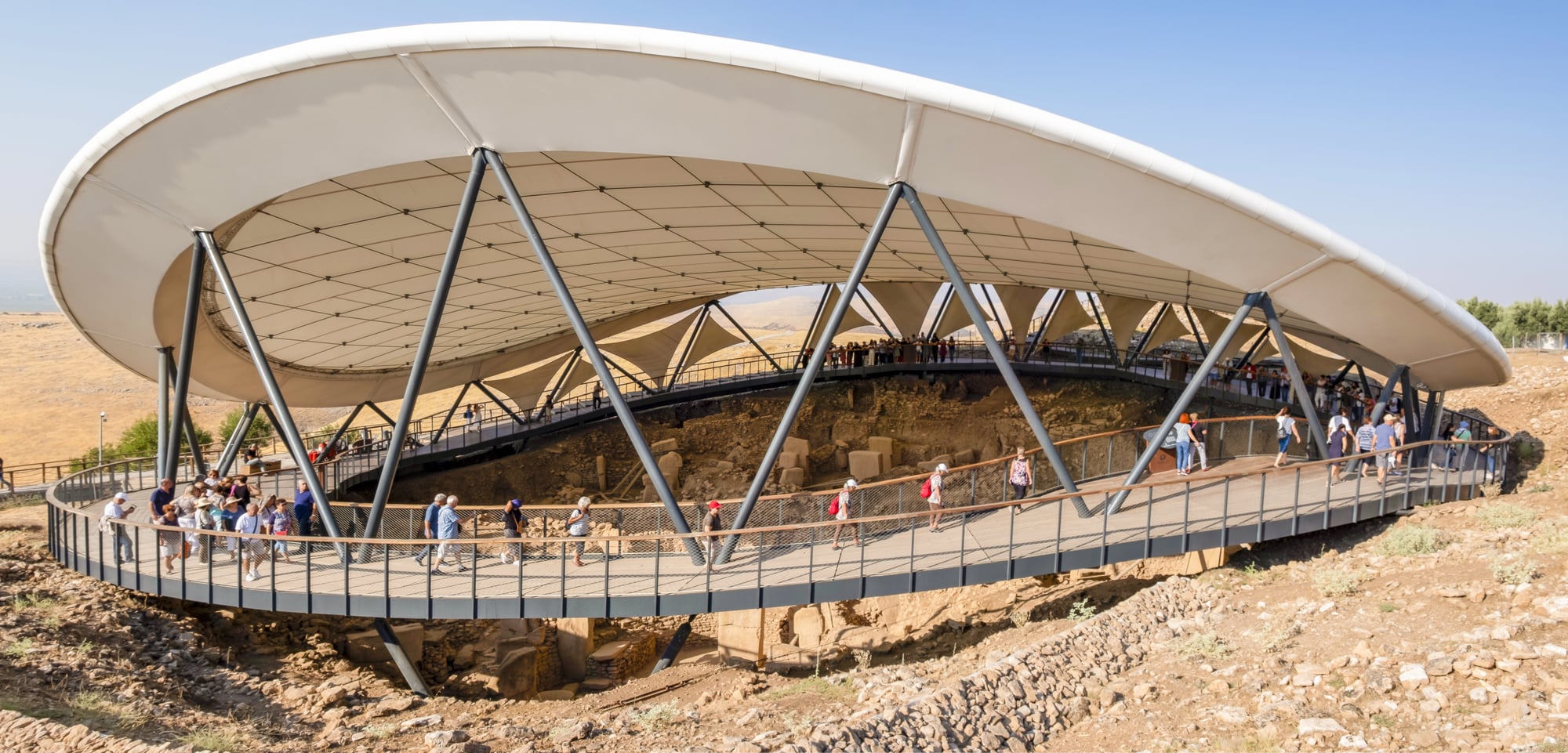
Göbekli Tepe in southeastern Turkey, built around 11,600 years ago, predates pottery and writing and still features T-shaped limestone pillars weighing up to 20 tons — set into bedrock with a stability that has allowed them to survive more than a hundred centuries. The people who built it had no metal tools.
What they had, apparently, was an extremely refined understanding of how stone behaves under vertical load, and the patience to act on it. Go figure.
The Lighthouse of Faros’ Descendants
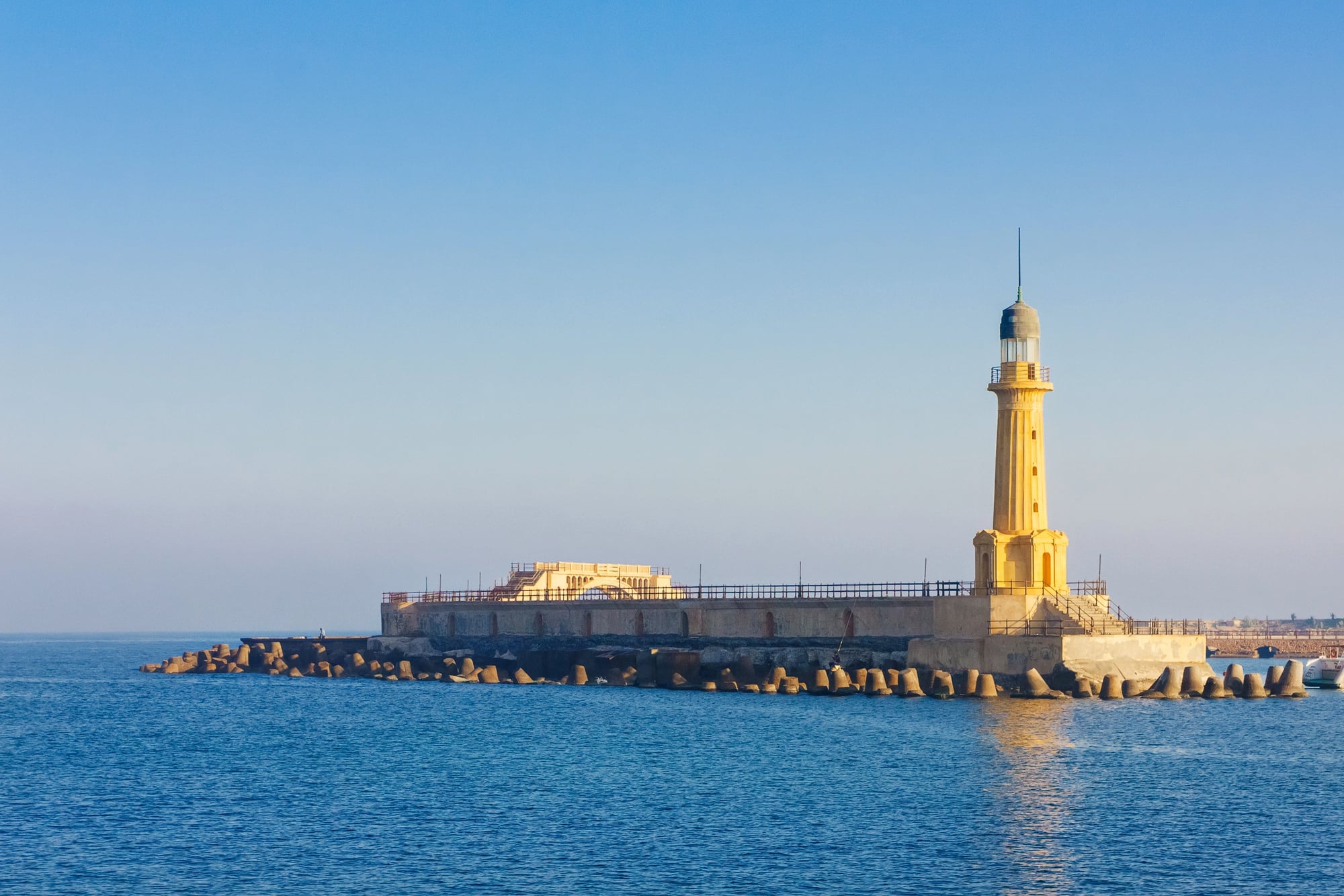
The original Lighthouse of Alexandria is gone, but the principles it established — a tall structure, a reflective fire at the top, a mirror system to project light — were so well-reasoned that lighthouse design didn’t meaningfully change for over 1,300 years. The lighthouse was severely damaged by earthquakes in the 10th century and had deteriorated into non-functionality long before the Arab traveler Ibn Battuta visited Alexandria in the 14th century.
During its operational peak, it remained a model for lighthouse design across the medieval world. That’s a longer operational lifespan than any automated lighthouse built in the last century has even been tested against.
Harappan Drainage Infrastructure
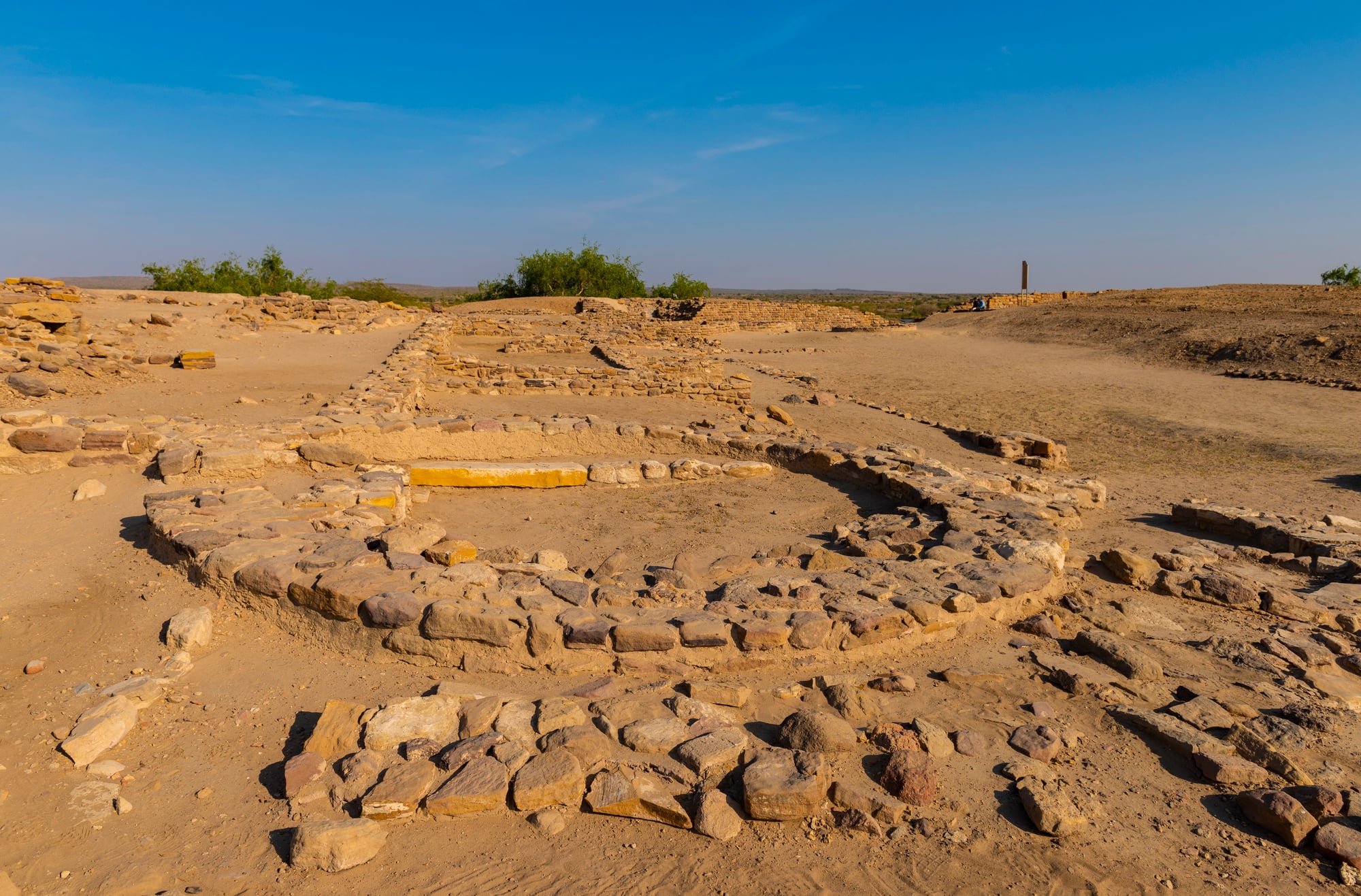
The cities of the Indus Valley Civilization — Mohenjo-daro and Harappa among them — were built around 2500 BC with covered drainage channels running beneath the streets, connecting individual homes to central waste systems. This is urban sanitation infrastructure.
It would not reappear, at comparable scale, until the Romans. Modern cities in parts of South Asia still struggle with drainage systems that the Indus Valley figured out 4,500 years ago, which is less a compliment to the ancients than an indictment of everything that came after.
Saadian Tombs’ Zellige Tile
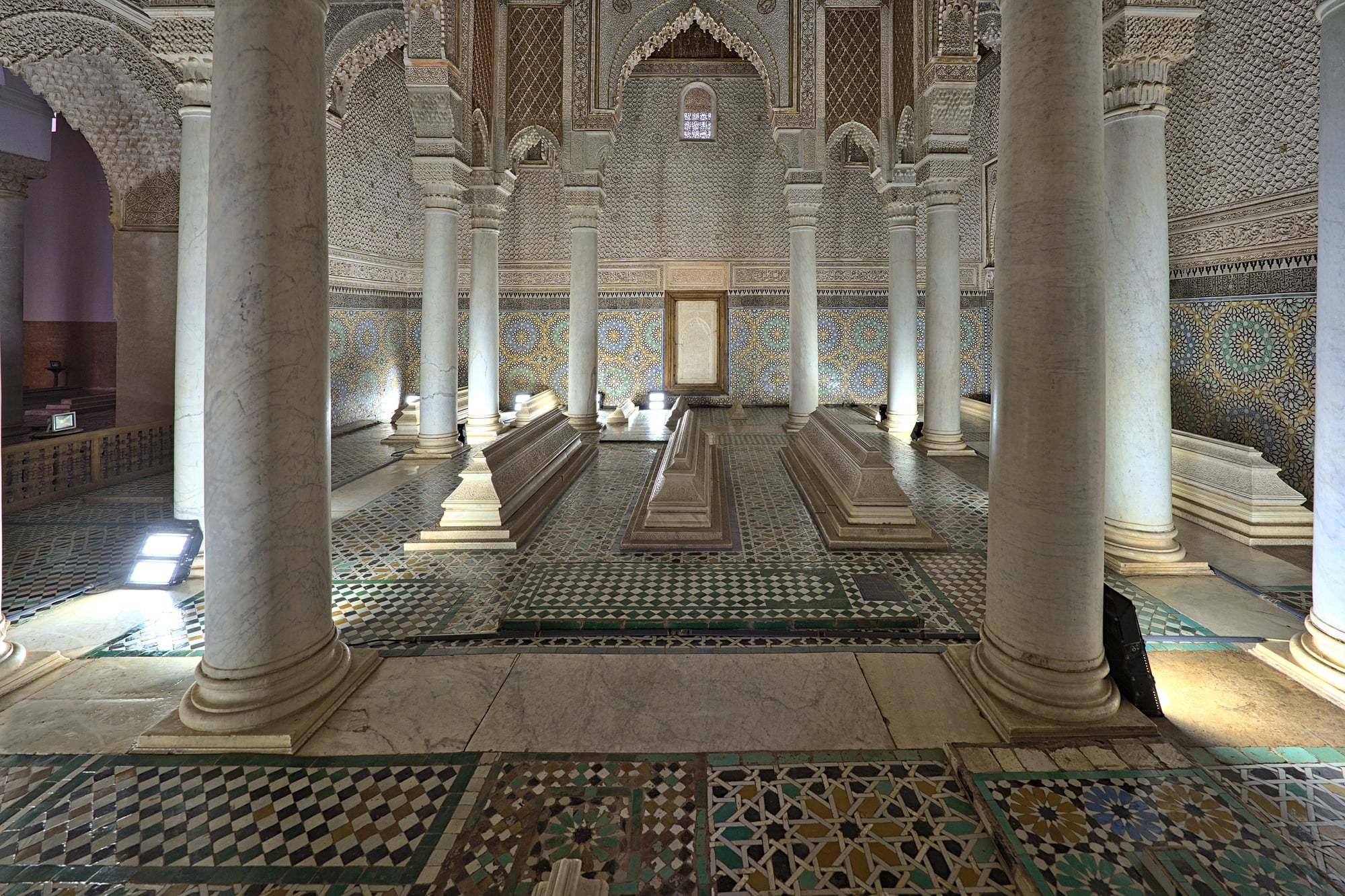
The Saadian Tombs in Marrakech, completed in the late 16th century, are lined with hand-cut zellige tilework — geometric mosaic patterns made from individually fired ceramic pieces, each cut by hand with a special chisel. They’ve been sitting in a sealed mausoleum, exposed to Moroccan summers and the occasional flood, for over 400 years.
Modern machine-cut tile, for all its precision, tends to show wear and grout degradation within decades; the zellige, it turns out, is doing better.
Mycenaean Corbelled Vaults
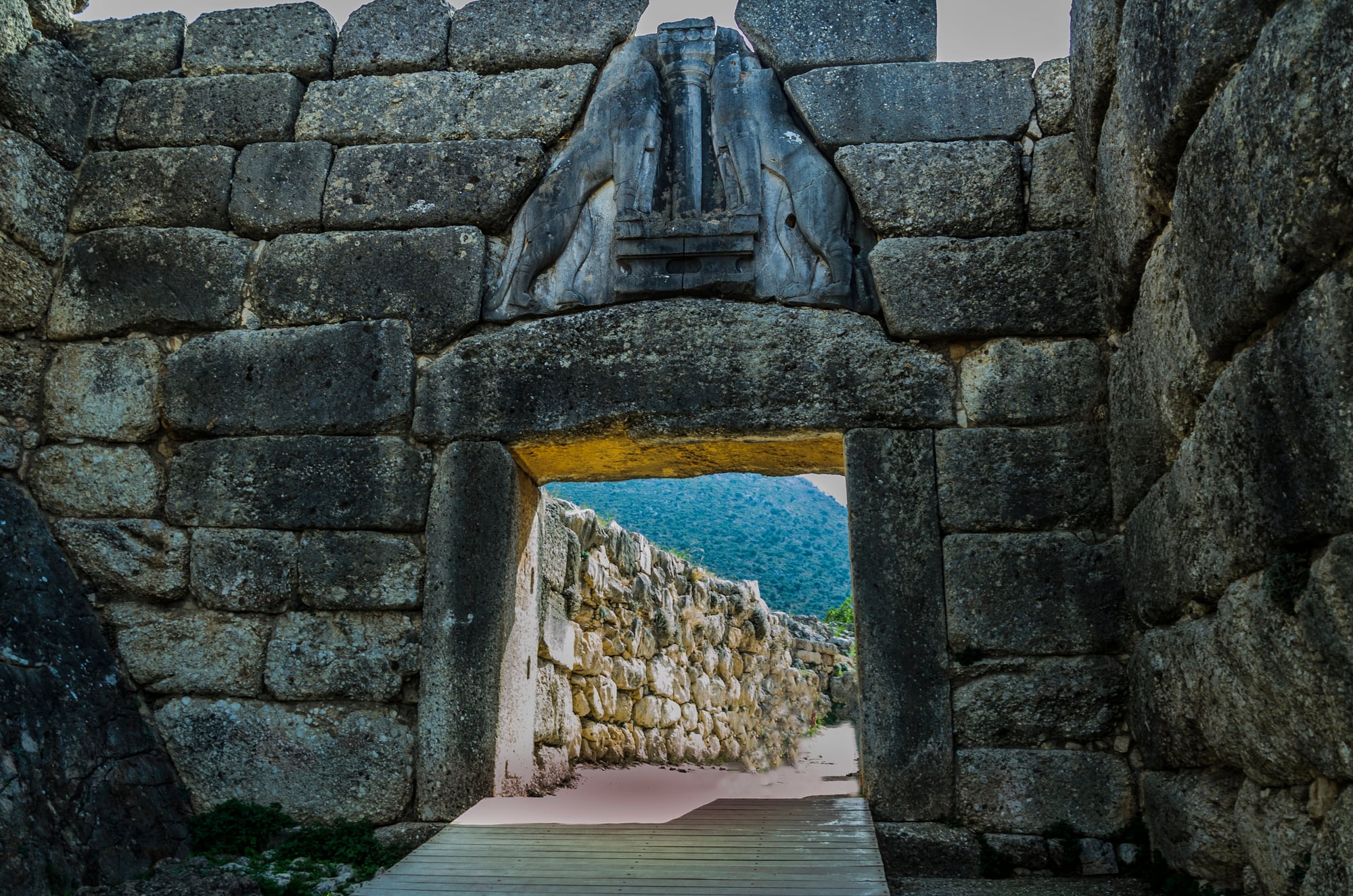
The Treasury of Atreus at Mycenae, built around 1250 BC, is a corbelled stone vault — stones stacked with each layer slightly overhanging the last, forming a beehive-shaped chamber without any true arch. The interior space is 43 feet high and 47 feet in diameter, and the lintel stone above the doorway weighs an estimated 120 tons.
It has held that shape, without mortar or keystone, for over 3,200 years — longer than most structural guarantees offered today by a margin that’s almost comedic.
Machu Picchu’s Earthquake-Resistant Masonry

Machu Picchu sits in one of the most seismically active regions on the planet, which makes it a strange place to build a city — and yet the Inca did it, and built it to survive. Their technique, called ashlar masonry, involved shaping stones to fit together so precisely that during an earthquake the blocks shift slightly, absorbing energy, then settle back.
It’s the same principle behind modern base isolation systems used in earthquake-resistant skyscrapers. The Inca got there first, working with hand tools, somewhere around the 15th century.
The Cloaca Maxima
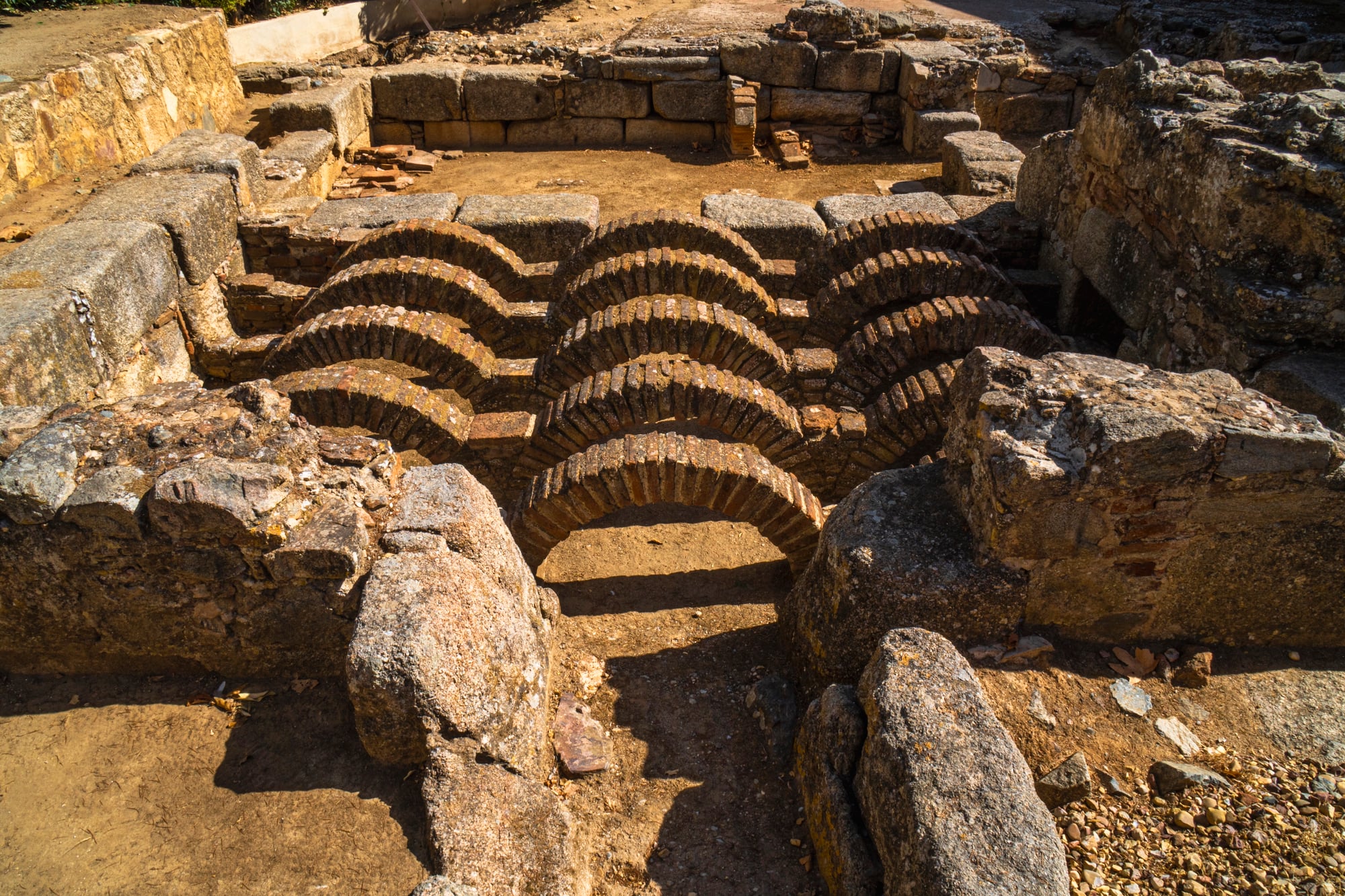
Rome’s Cloaca Maxima — the great sewer — was originally constructed in the 6th century BC and still drains into the Tiber River today, more than 2,500 years later. It handles modern Rome’s stormwater.
Not as a relic, not as a monument — as functioning drainage infrastructure, doing the job it was built to do. There’s something quietly extraordinary about a city that, in its plumbing, is still relying on decisions made before the Roman Republic even existed.
Angkor Wat’s Hydraulic Network

The temple complex of Angkor Wat in Cambodia was the center of a hydraulic engineering system — a network of reservoirs, canals, and overflow channels — that managed water for an urban population of roughly one million people in the 12th century. Modern hydrological engineers who have mapped the system describe it as a masterpiece of water resource management, distributing monsoon rainfall across the dry season with a precision that modern irrigation planners in the region still reference.
The canals are silted now, but the geometry of the original design remains instructive.
The Dome of the Rock’s Structural Continuity

Built in 691 AD on the Temple Mount in Jerusalem, the Dome of the Rock has stood through earthquakes, fires, and more than 1,300 years of political upheaval. Its double-shelled wooden dome — an inner shell supporting the interior ceiling and an outer shell forming the exterior profile — is a structural solution that reduces load and controls the thermal expansion and contraction that destroys less-considered domes.
Byzantine craftsmen understood the physics well enough to solve it; the building has required restoration, but its structure has never failed.
What the Old Ones Keep Saying

There’s a version of history where ancient engineering looks like a warm-up act — early drafts that eventually gave way to better thinking. The evidence doesn’t quite support that narrative.
What the oldest surviving structures actually demonstrate is that solving a problem well, using the materials and physics available, produces something with a durability that sheer technological confidence can’t automatically beat. Modern buildings are designed with shorter replacement cycles in mind, which isn’t a flaw exactly — it’s a different set of priorities.
But when a drainage channel carved out of rock 3,000 years ago is still doing its job, and a glass-and-steel office park from 1987 has already been demolished twice, the old ones are making a point. They’re just too indifferent to say it out loud.
More from Go2Tutors!

- The Romanov Crown Jewels and Their Tragic Fate
- 13 Historical Mysteries That Science Still Can’t Solve
- Famous Hoaxes That Fooled the World for Years
- 15 Child Stars with Tragic Adult Lives
- 16 Famous Jewelry Pieces in History
Like Go2Tutors’s content? Follow us on MSN.