31 Record Labels and Pressings That Turn Attic Vinyl Into Cash
Most records pulled out of a closet or an attic box are worth very little, regardless of how old or nostalgic they feel to the person holding them. Value in vinyl collecting comes down to a narrow set of factors: which label pressed it, how early in the print run that specific copy came from, and how well it survived decades of storage.
None of the following guarantees a windfall on its own. But any of these names or details on a label is a legitimate reason to look closer before assuming a record belongs in a donation pile.
Blue Note Records

Blue Note pressed its 1950s and early 1960s jazz catalog in relatively small quantities for a niche audience, which makes original copies scarce today relative to how influential the label later became. Collectors specifically look for deep-groove pressings carrying the label’s original West 63rd Street New York address. Titles from artists like Hank Mobley and Thelonious Monk have sold for thousands of dollars in strong condition.
Impulse! Records
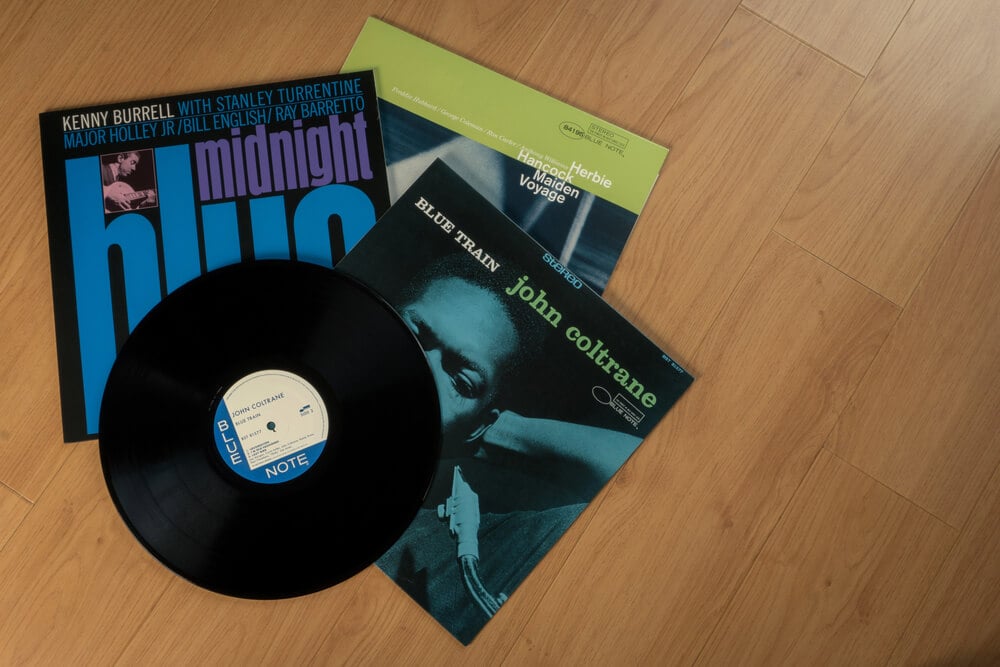
Impulse! became known through the 1960s for its striking orange and black label design and its association with major jazz recordings, most notably John Coltrane’s catalog. Original stereo pressings with correct early label details command significantly more than later reissues. A well-preserved original of a major title from this catalog can be a genuinely valuable find.
Sun Records
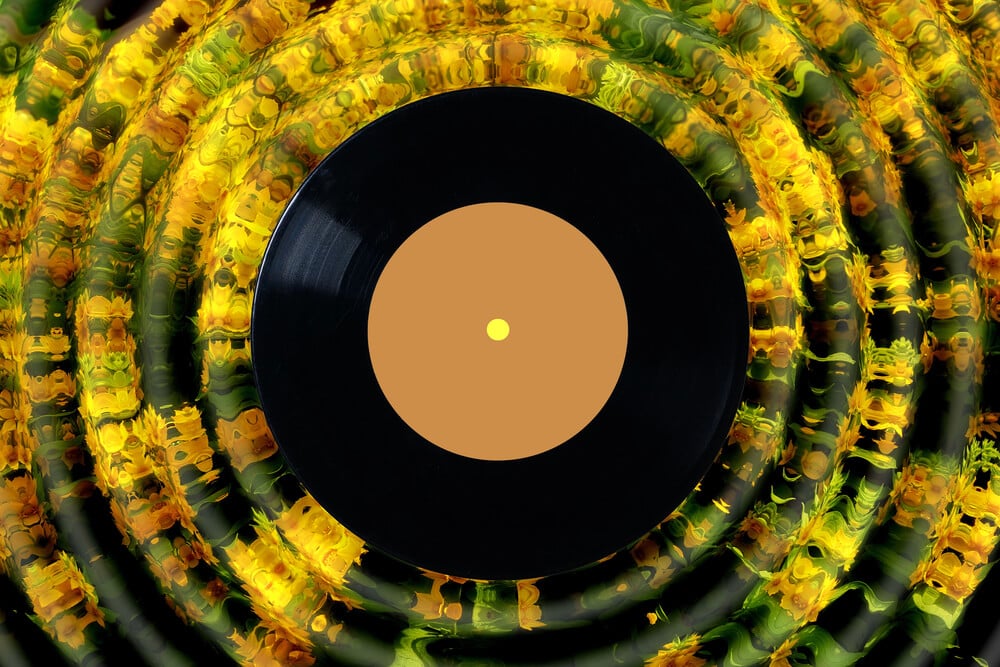
Sun Records, operating out of Memphis in the 1950s, pressed some of the earliest rock and roll and rockabilly singles in relatively limited quantities before the genre’s commercial explosion. Original Sun 45s in strong condition have sold for five to fifteen thousand dollars depending on the specific title and pressing. The label’s small original print runs make surviving near-mint copies genuinely rare.
Parlophone
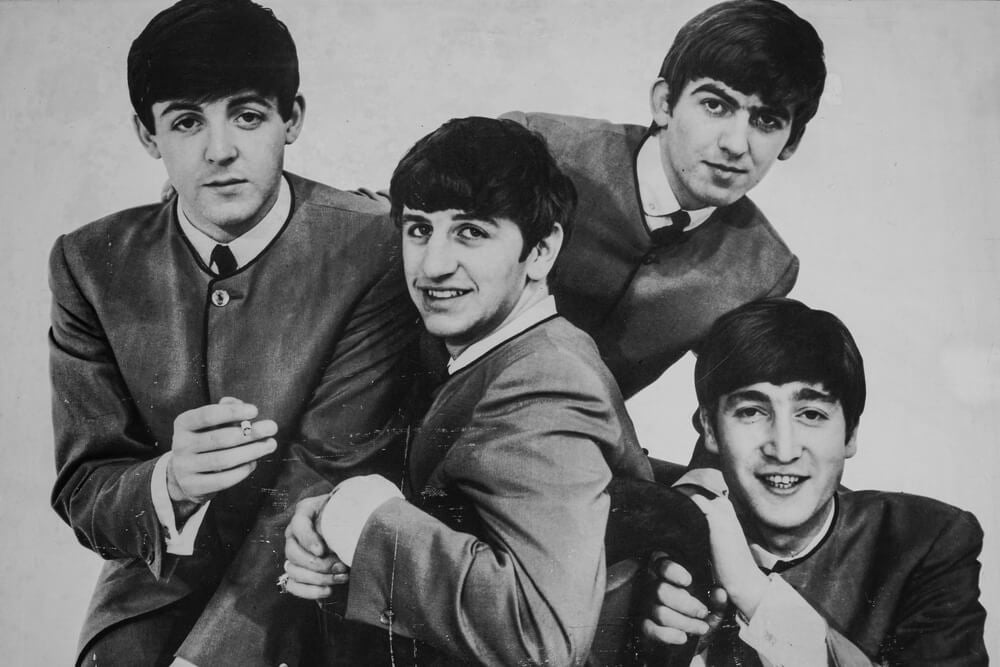
Parlophone released the Beatles’ earliest UK albums using a distinctive black and gold label design specific to the band’s first pressings. Correct matrix numbers stamped into the vinyl’s run-out groove are essential for verifying an early pressing against later reissues using the same basic label design. A verified early mono pressing in strong condition can be worth well into five figures.
The Capitol Butcher Cover

Capitol Records released the American version of a Beatles compilation in 1966 featuring a cover photograph of the band posed with raw meat and dismembered dolls, then recalled it almost immediately and pasted a new cover over the original artwork. Unopened copies with the original cover never pasted over have sold for well over one hundred thousand dollars. Even copies where the paste-over is still visible retain significant value to collectors.
The White Album Numbered Copies

The Beatles’ 1968 double album originally shipped with a plain white cover and an individually stamped serial number on each copy, a detail unique to its original pressing run. Lower serial numbers, and copies with documented ownership history, carry substantially higher value than the millions of unnumbered reissues that followed. One numbered copy owned by a band member sold at auction for close to eight hundred thousand dollars.
Vee-Jay Records
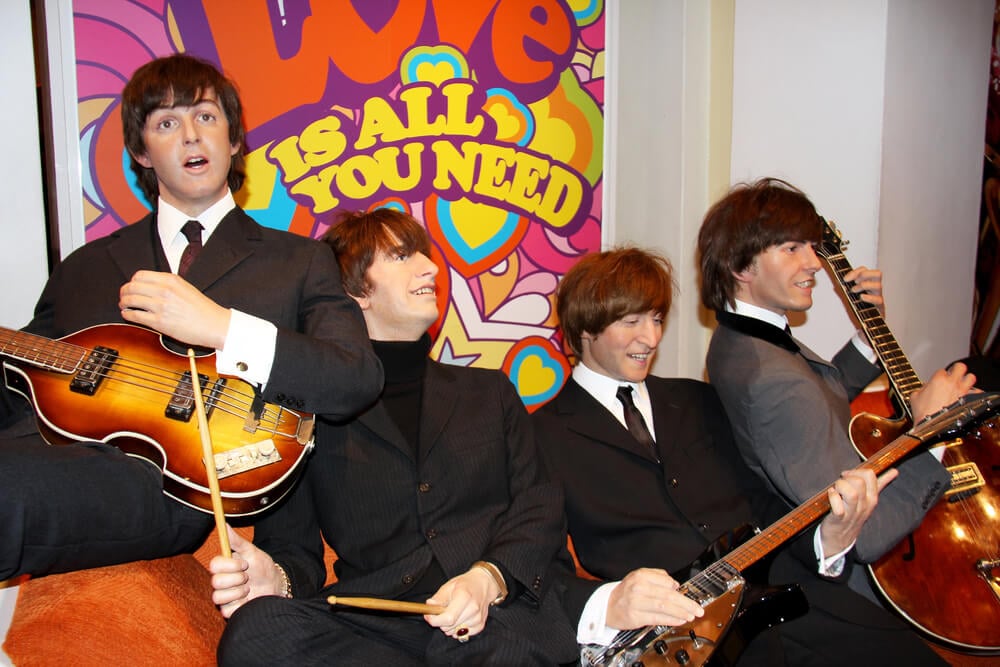
Vee-Jay Records briefly held early American distribution rights to some of the Beatles’ first recordings before Capitol took over the band’s U.S. releases, creating a narrow window of pressings with specific label errors and variations. Copies from this short period are considerably rarer than the Capitol pressings that followed. Collectors specifically hunt for the corrected and uncorrected label variations from this brief run.
Columbia’s Six-Eye Label
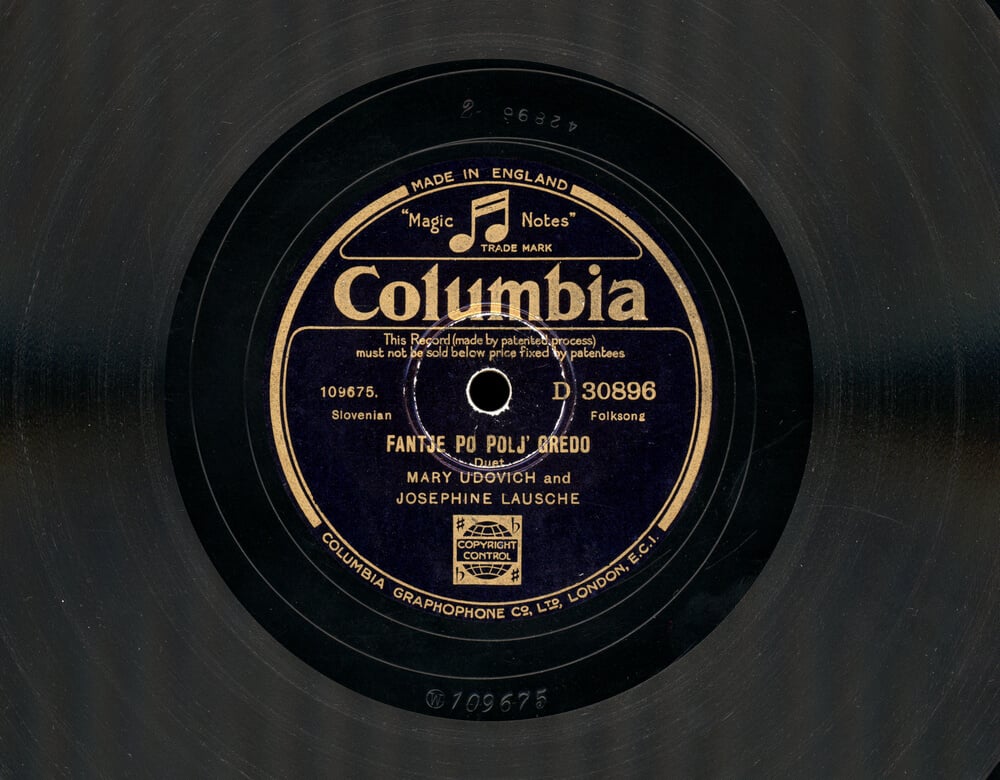
Columbia Records used a distinctive label design featuring six small eye-shaped logos arranged in a circle during the late 1950s and early 1960s, a period covering major jazz releases including Miles Davis’s most celebrated album. Original pressings using this specific label design predate later reissues using simplified logo designs. Mono pressings with correct early label details from this era are particularly sought after.
Coral Records
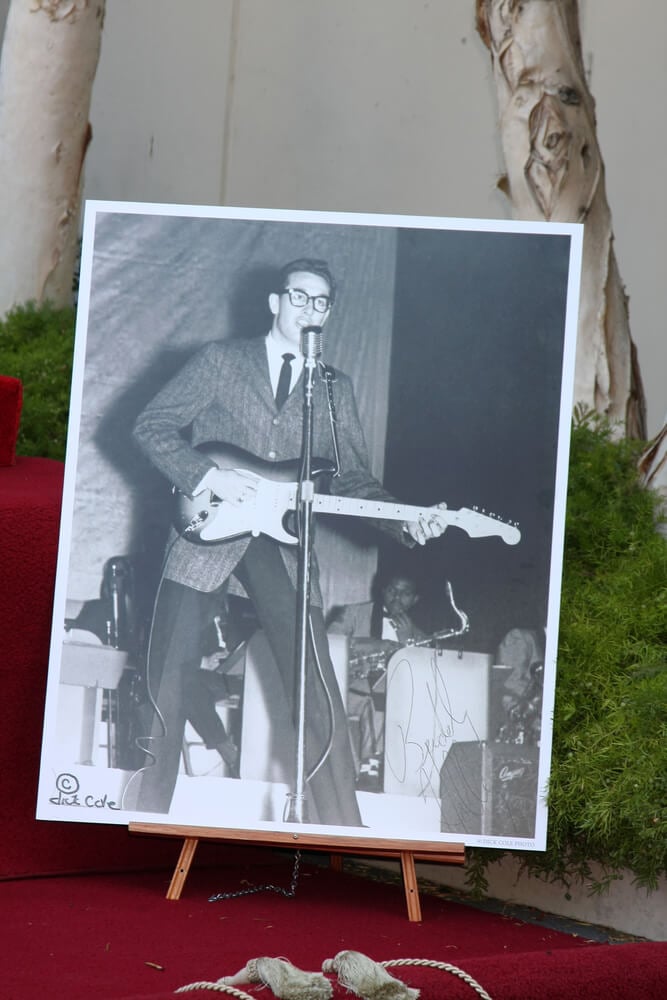
Coral Records released Buddy Holly’s catalog during the original run of his career in the late 1950s, pressing relatively modest quantities before his death sharply increased demand for his existing recordings. Original stereo first pressings in strong condition can sell for several hundred to over a thousand dollars. Later reissues using the same Coral branding are far more common and correspondingly less valuable.
Chess Records
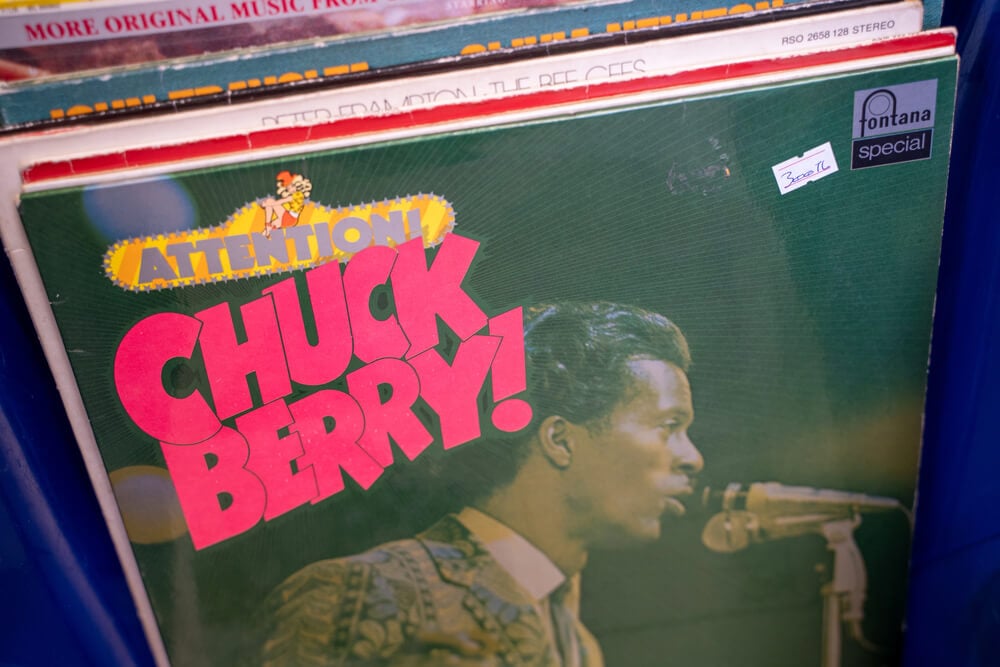
Chess Records, based in Chicago, pressed foundational blues and early rock and roll recordings from artists like Muddy Waters and Chuck Berry throughout the 1950s and 1960s. Original pressings from the label’s earliest years are considerably rarer than later reissues that continued using similar label designs for decades. Condition matters enormously here, since the genre’s original audience tended to play records heavily rather than preserve them.
Motown and Tamla Early Pressings
Motown’s earliest releases used the Tamla label name before the Motown brand became the company’s primary identity, making original Tamla pressings a specific detail collectors check for. These early pressings predate the label’s explosive commercial growth through the 1960s. Original copies of the earliest hit singles in strong condition can carry significant value well beyond typical soul reissues.
Stax Records
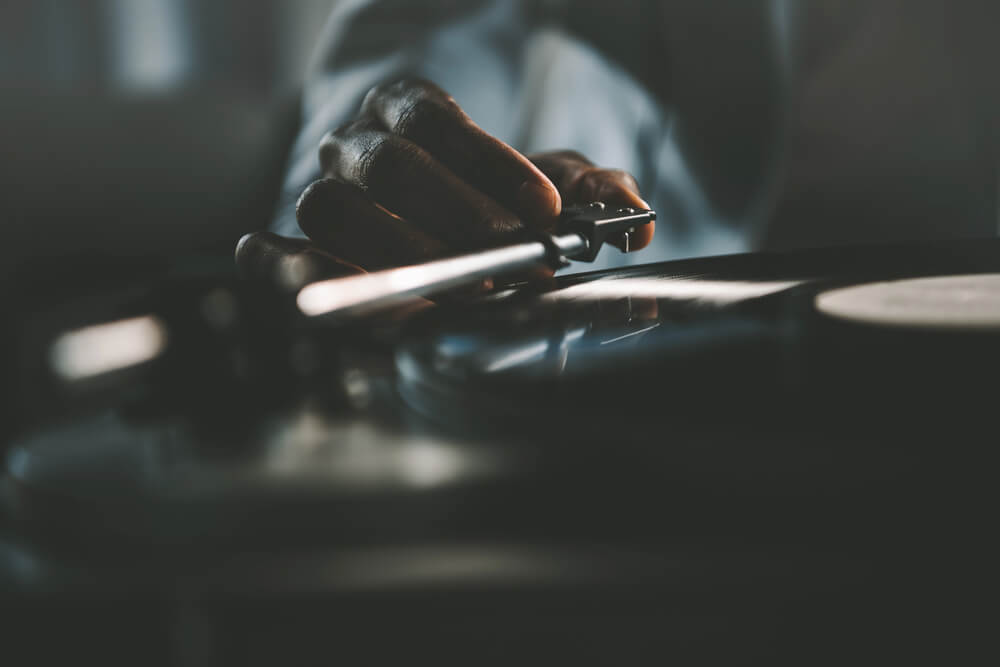
Stax Records pressed foundational Memphis soul recordings throughout the 1960s, operating with a distinct regional sound separate from Motown’s more polished output. Original pressings, particularly singles from the label’s earliest years, are considerably scarcer than the compilation reissues that later introduced the catalog to wider audiences. Regional soul labels like Stax remain a specific area of focus for collectors who track the genre closely.
Sub Pop Singles Club
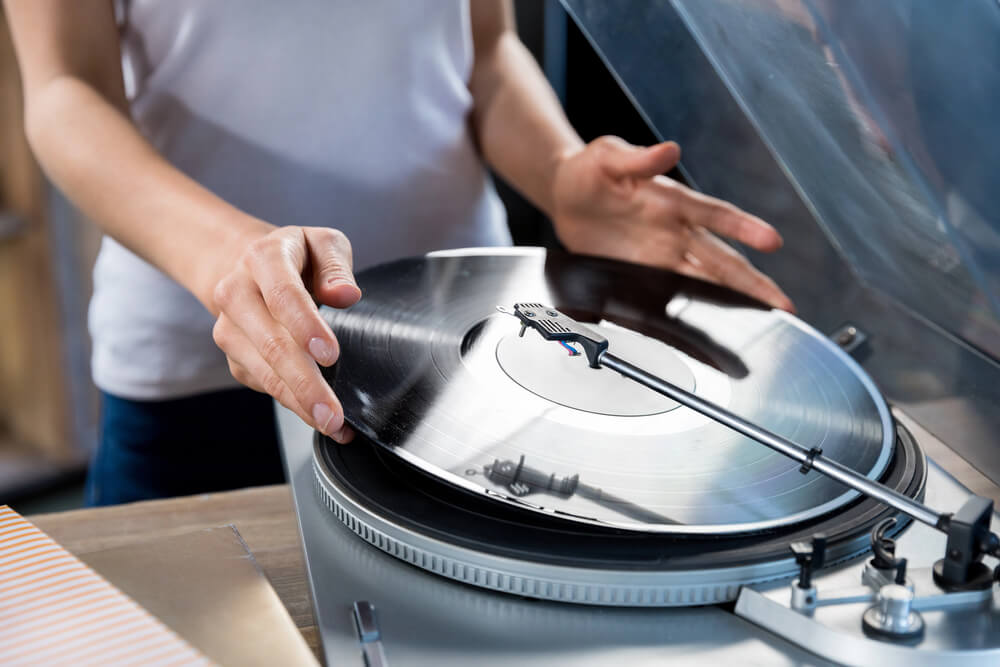
Sub Pop Records ran a subscription singles club in the late 1980s and early 1990s, mailing limited-run seven-inch singles to members before several of the featured bands became internationally famous during the grunge era. Early singles club releases from artists who later achieved major success are now valuable specifically because so few were pressed at the time. Condition and complete original packaging matter considerably for this specific category.
A&M’s Withdrawn Punk Single
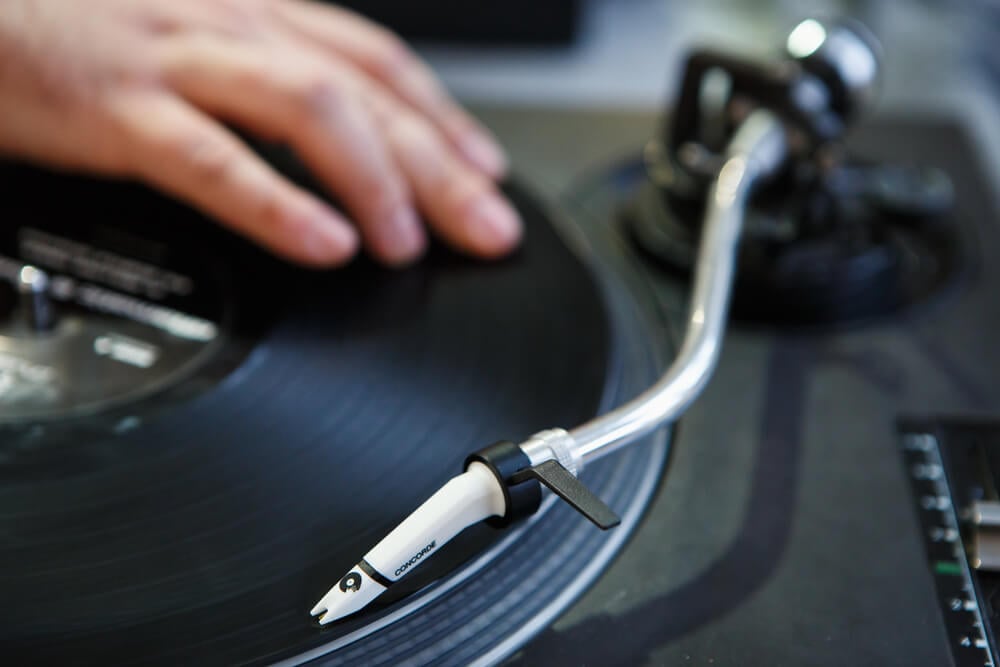
A&M Records briefly signed a prominent British punk band in 1977 and pressed a small run of a single before dropping the group within days under pressure from other artists on the label’s roster. The withdrawal happened so quickly that very few copies made it into public circulation before being pulled. Surviving copies rank among the most valuable punk-era singles in existence.
Factory Records
Factory Records, based in Manchester, released foundational post-punk and early alternative recordings throughout the late 1970s and 1980s using distinctive, design-forward packaging as part of the label’s identity. Original pressings from the label’s earliest catalog numbers are considerably scarcer than later reissues. The label’s numbering system, applied to almost everything the company produced, gives collectors a specific reference point for identifying original releases.
Trojan Records
Trojan Records specialized in reggae and ska recordings distributed to the UK market throughout the late 1960s and 1970s, introducing much of Jamaica’s recorded music to international audiences for the first time. Original pressings from the label’s earliest years are considerably rarer than later compilation reissues that dominate the genre’s modern availability. Specific singles from foundational reggae artists can carry meaningful value in strong condition.
Folkways Records
Folkways Records documented folk, spoken word, and ethnographic recordings across a remarkably broad catalog throughout the mid-twentieth century, often in extremely limited pressing quantities given the specialized nature of the material. Many titles were never pressed in large numbers even at the time of original release. The label’s archival importance means certain titles carry value disproportionate to their original commercial success.
King Records

King Records, based in Cincinnati, pressed early recordings from James Brown and other significant R&B artists throughout the 1950s and 1960s. Original pressings from the earliest years of an artist’s catalog on the label are considerably scarcer than later reissues and compilations. The label’s regional, independent operation meant smaller original print runs than major national labels of the same era.
Modern Records
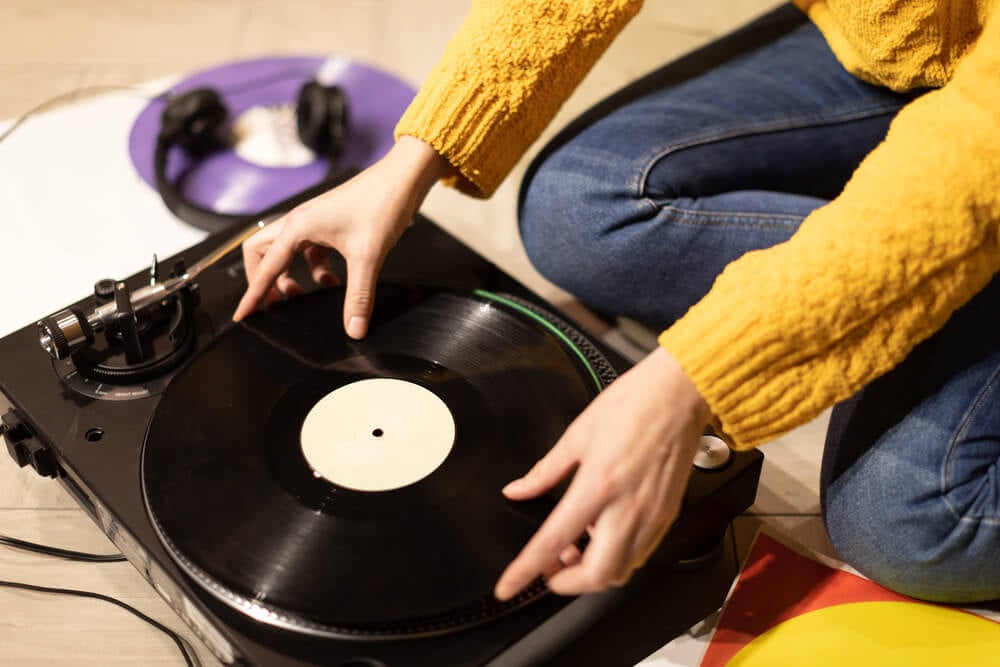
Modern Records pressed influential blues and early R&B recordings throughout the late 1940s and 1950s, operating as one of several independent labels central to the genre’s early commercial development. Surviving original pressings from this period are scarce given both the era’s smaller production runs and the passage of many decades since release. Condition assessment matters enormously for records this old, since most surviving copies show significant wear.
Riverside Records
Riverside Records built a substantial jazz catalog throughout the 1950s and early 1960s, competing directly with labels like Blue Note and Prestige for the same audience of serious jazz listeners. Original pressings from the label’s peak years carry specific label design details that distinguish them from later reissues. Titles from the label’s most celebrated artists remain consistently sought after among jazz-focused collectors.
Verve Records
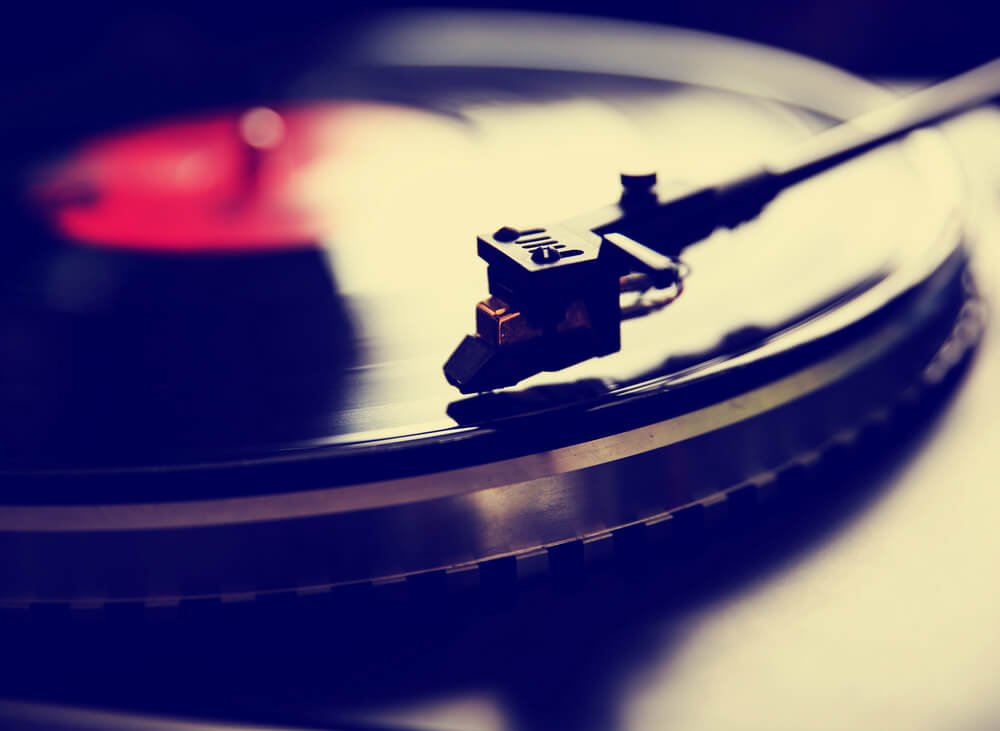
Verve Records released major jazz and vocal recordings throughout the 1950s and 1960s, building a catalog spanning some of the genre’s most significant artists. Original pressings carry specific label variations tied to different periods of the company’s ownership history. Collectors use these label details, alongside matrix numbers in the run-out groove, to distinguish valuable originals from far more common later reissues.
Atlantic Records Early Soul Pressings
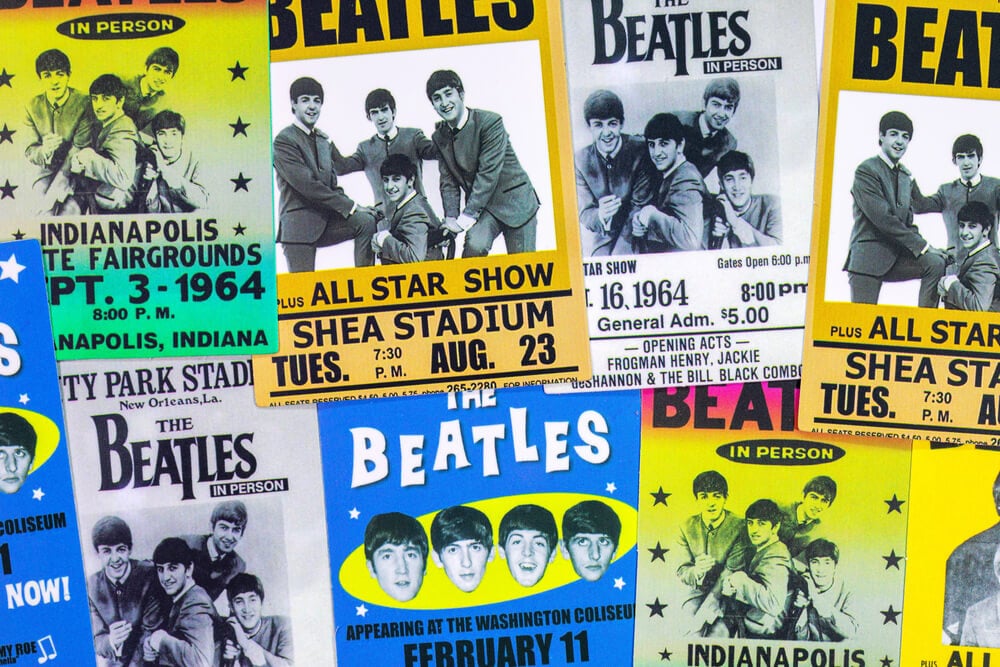
Atlantic Records pressed foundational R&B and soul recordings throughout the 1950s and into the 1960s before growing into one of the larger labels in the industry. The earliest pressings, predating the label’s major commercial expansion, are considerably scarcer than the reissues and later catalog pressings that followed. Specific early label design details help collectors identify which pressing era a given copy comes from.
Apple Records Promotional Releases
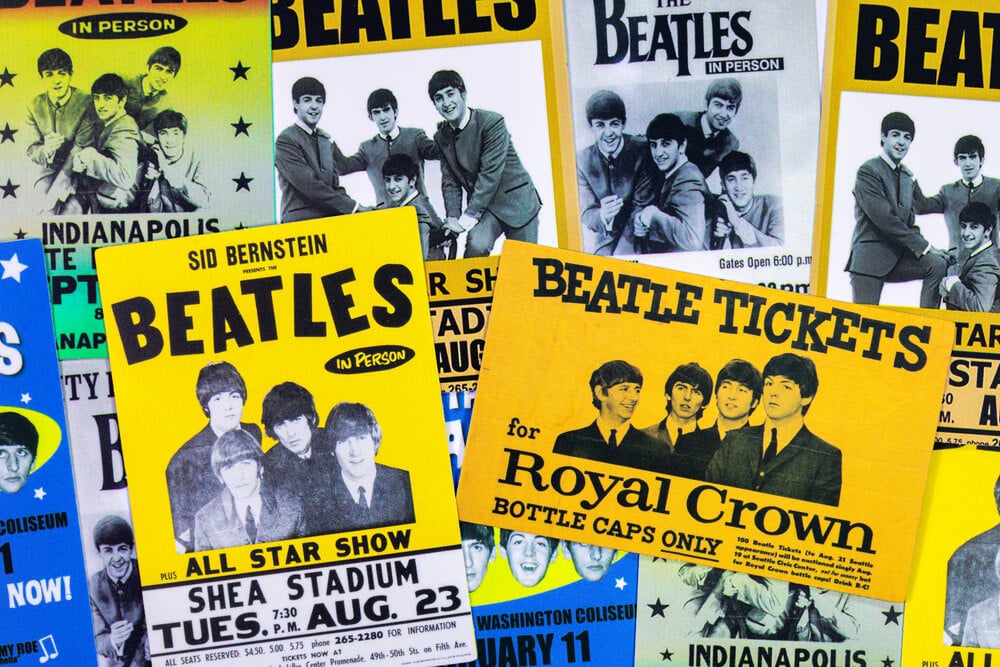
The Beatles launched Apple Records in 1968 as their own label, and promotional copies distributed to radio stations and press outlets ahead of official releases are considerably rarer than the standard commercial pressings that followed. These promotional copies often carry distinct labeling identifying them as advance or demonstration copies. Surviving examples in good condition are prized specifically for that promotional distinction.
Sire Records Early Punk Catalog
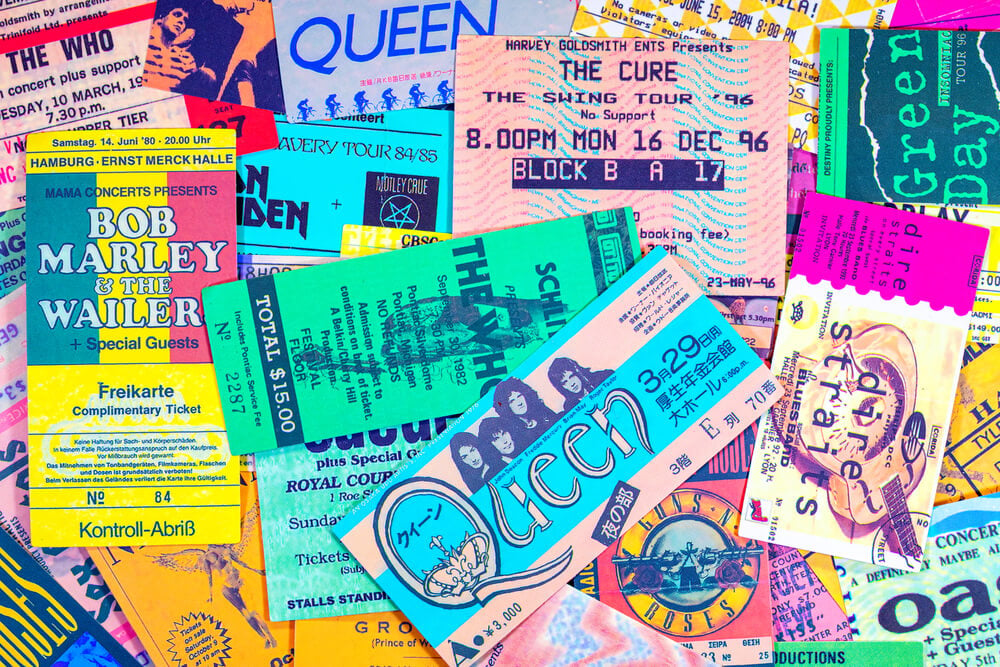
Sire Records signed and released foundational American punk and new wave recordings throughout the mid to late 1970s, capturing several artists early in their careers before major commercial success arrived. Original pressings from this specific window are scarcer than later reissues that followed once these artists became more broadly popular. The label’s early catalog numbers give collectors a useful reference point for identifying original releases.
Dischord Records

Dischord Records, based in Washington, D.C., documented the city’s hardcore and punk scene starting in the early 1980s, operating as an independent label closely tied to a specific regional music community. Original pressings from the label’s earliest catalog entries are scarce given the small scale of the scene at the time of release. The label’s continued operation under largely unchanged ownership makes tracking original pressings against later repressings more straightforward than with labels that changed hands repeatedly.
Fantasy Records

Fantasy Records built a broad jazz and rock catalog throughout the mid-twentieth century, eventually acquiring rights to other significant labels and expanding its reach considerably. Original pressings predating these later acquisitions carry specific label design details collectors use for identification. Certain early jazz titles from the label’s original catalog remain consistently valuable among serious collectors.
Deep Groove Pressings
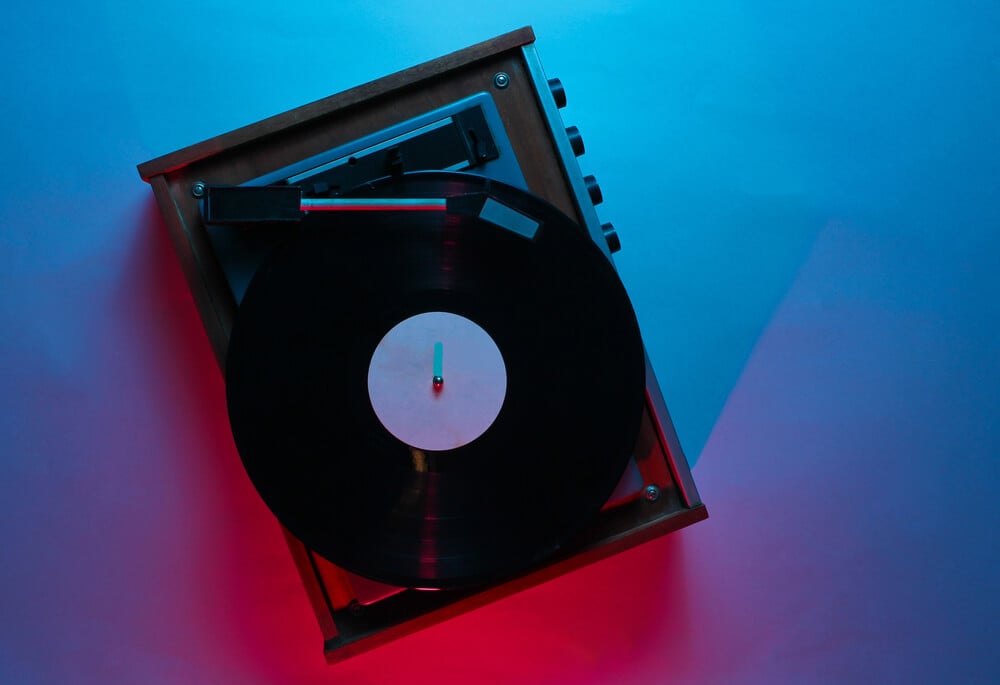
Deep groove refers to a visible ring pressed into the vinyl surface near the label, a manufacturing characteristic common on many pressings from the 1950s and into the early 1960s before manufacturing processes changed. Collectors use the presence of a deep groove as one indicator, among several, that a copy likely comes from an earlier pressing run. The detail alone does not guarantee value, but its absence on a record type that should have it can indicate a later reissue instead.
Test Pressings
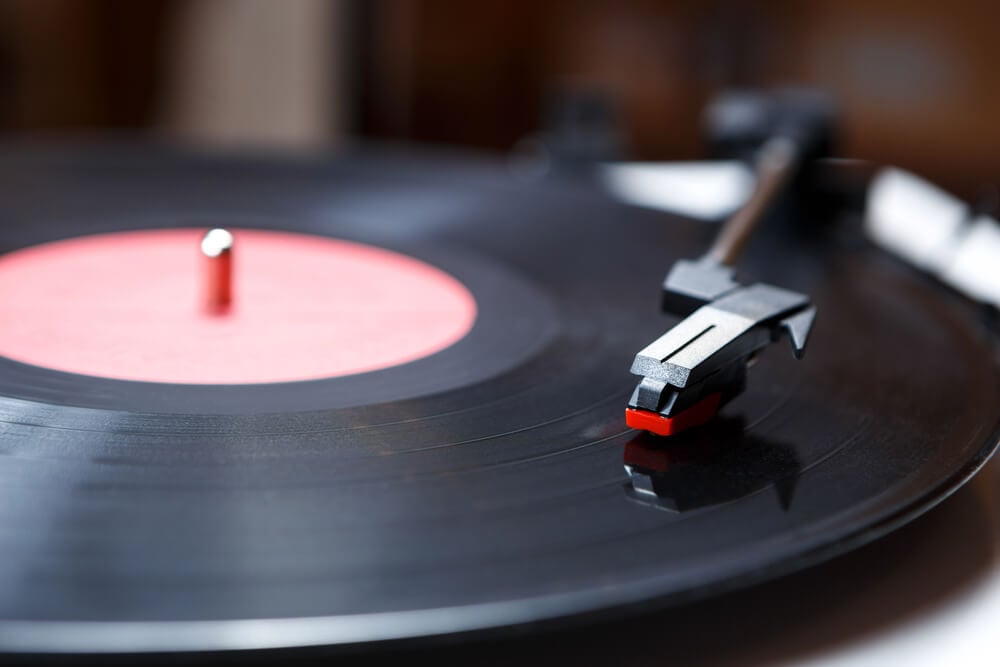
Test pressings are limited, often hand-labeled copies produced before a record’s full commercial run began, used internally to check audio quality and catch manufacturing errors before mass production. Because they were never intended for public sale, surviving copies are extremely scarce relative to standard commercial pressings of the same title. A verified test pressing of a significant album can be worth substantially more than even an early standard pressing of the same recording.
Promotional White Label Pressings
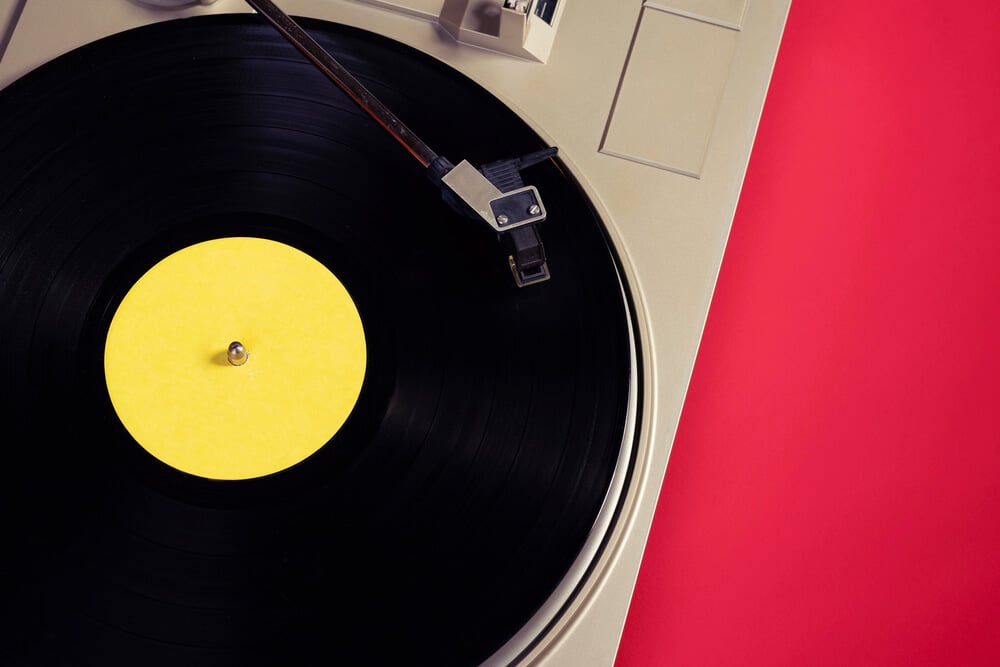
Promotional pressings, often featuring plain white labels rather than the standard commercial artwork, were distributed to radio stations and industry insiders ahead of a record’s official release. These copies sometimes contain mixes or edits that never appeared on the standard commercial version, adding to their appeal for serious collectors. Surviving examples in good condition, particularly for significant releases, can carry meaningful value beyond a standard first pressing.
Picture Sleeve 45s
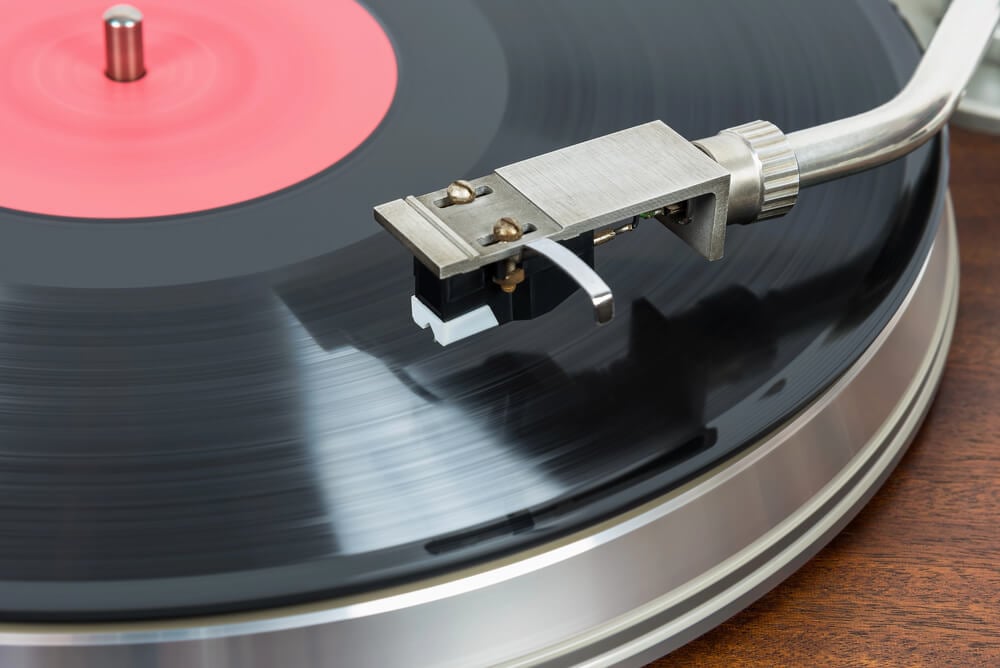
Seven-inch singles sold with a printed picture sleeve, rather than a generic company sleeve, are considerably scarcer than the single itself in many cases, since sleeves were thinner and more prone to damage than the record inside. Collectors specifically seek out singles with their original picture sleeve intact and undamaged. For certain significant releases, the sleeve alone can be worth more than the actual vinyl it once held.
What the Attic Box Might Actually Hold
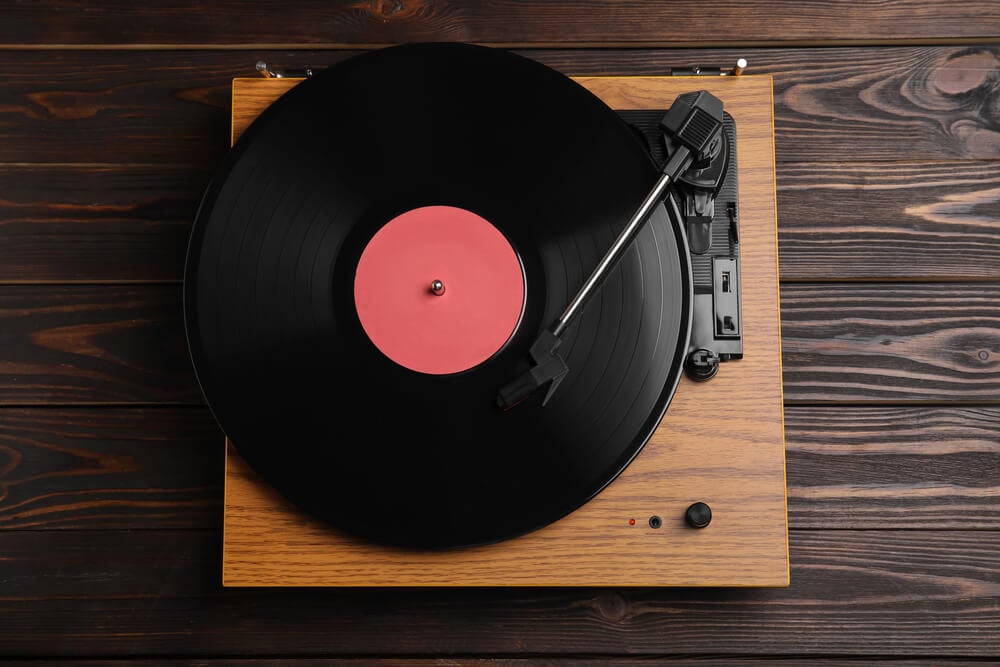
Most inherited or forgotten record collections turn out to be exactly what they appear to be: well-loved, well-worn copies of records that remain common and inexpensive regardless of the artist’s fame. That reality disappoints plenty of people who assumed nostalgia alone translated into resale value.
The records that do carry real value almost always come down to the same handful of details: an early pressing, a specific label, a surviving condition few other copies achieved. Checking those details takes very little time and occasionally turns a box nobody wanted to move into something worth a genuine second look.
More from Go2Tutors!

- The Romanov Crown Jewels and Their Tragic Fate
- 13 Historical Mysteries That Science Still Can’t Solve
- Famous Hoaxes That Fooled the World for Years
- 15 Child Stars with Tragic Adult Lives
- 16 Famous Jewelry Pieces in History
Like Go2Tutors’s content? Follow us on MSN.



