31 School Supplies from the ’80s That Kids Begged Their Parents to Buy
The 1980s transformed the humble school supply aisle into a status-symbol battleground where the right notebook could make you cool and the wrong lunch pail could doom your social standing. What made these products so irresistible wasn’t just function—it was the explosion of neon colors, novelty scents, character licensing, and the sheer audacity of selling supplies that were more art project than practical tool.
Kids approached back-to-school season like championship athletes preparing for competition, armed with carefully curated wishlists and ready to trade, collect, and flaunt their acquisitions like currency.
Trapper Keepers
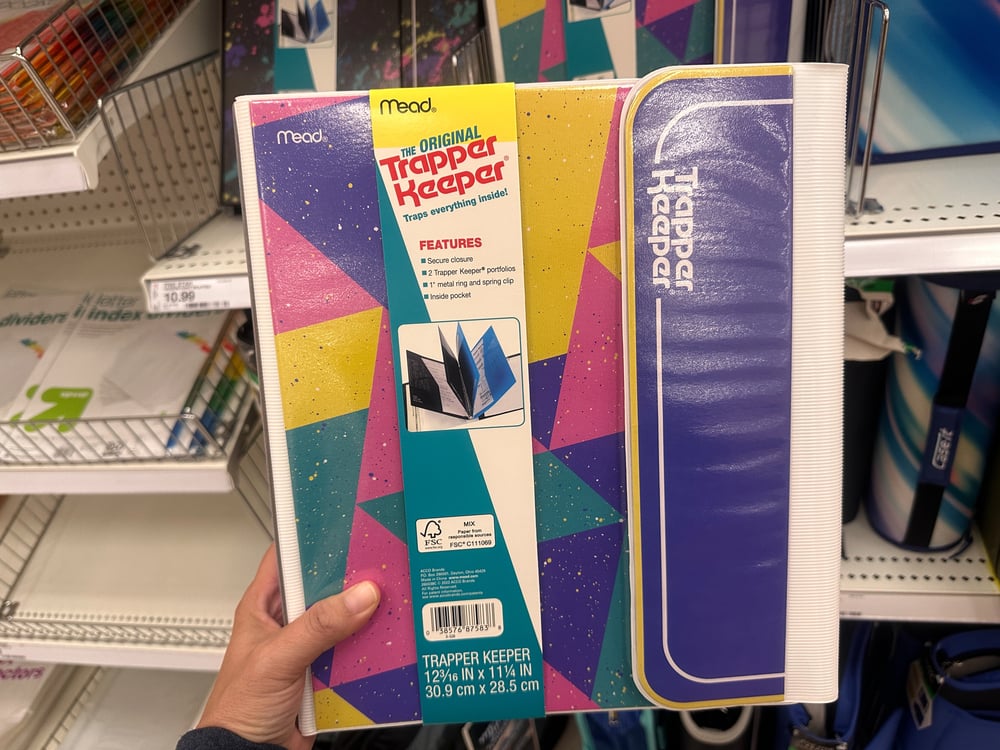
Released to the public in 1981 after extensive market research, Trapper Keepers transcended simple binders to become the defining school supply of the decade. With bold geometric designs, neon colorways, and signature velcro flaps, owning the right Trapper Keeper was such a coveted status symbol that fights actually broke out in schoolyards over different designs.
Over 75 million units sold across the 1980s, making this three-ring binder a phenomenon that no other organizational tool has matched before or since. Kids would rotate between multiple designs throughout the school year and swap or trade them with fierce negotiation.
Scratch-and-Sniff Stickers
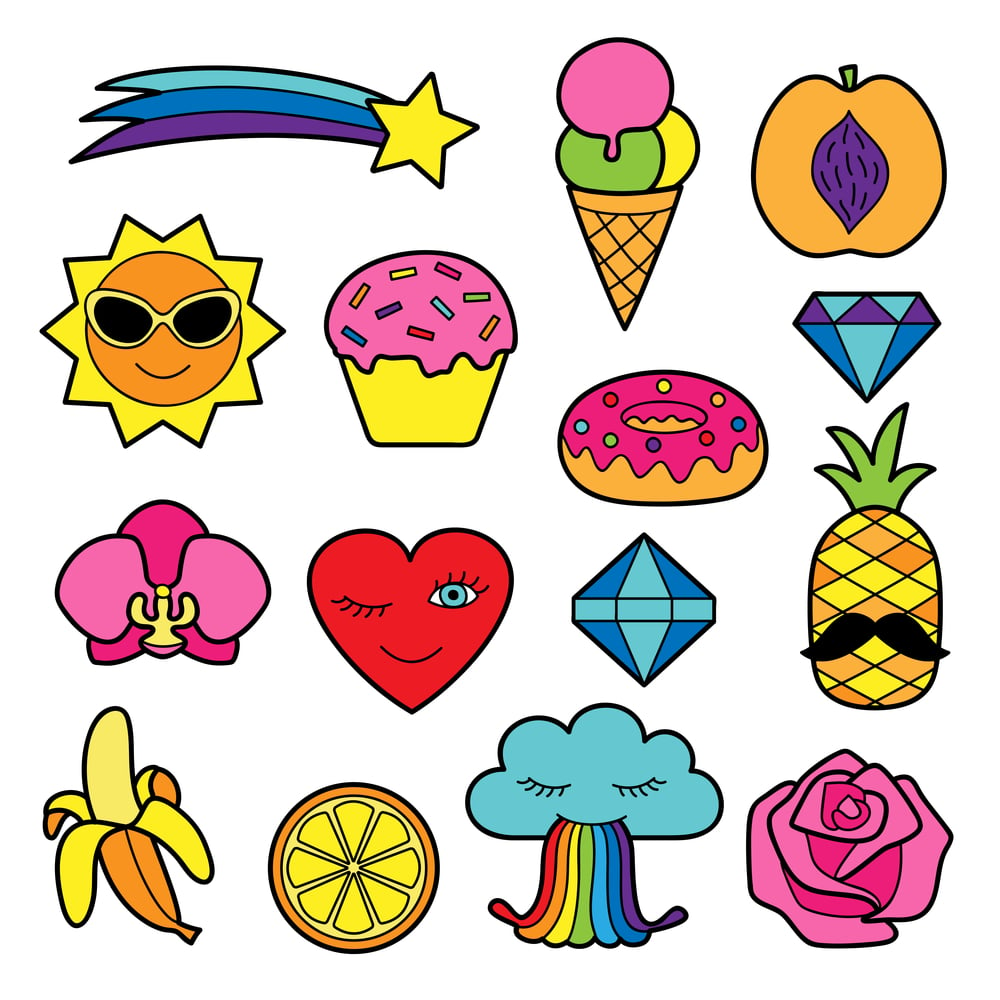
Teachers affixed these aromatic reward stickers to spelling tests and homework assignments, and kids became absolutely obsessed with collecting them. Available in scents like bubblegum, pizza, popcorn, and chocolate-scented “Scooper Dooper” ice cream cones, these stickers transformed a good grade into a multisensory experience.
Children maintained elaborate sticker collections in dedicated albums, treating them as high-value trading commodities with their classmates. The novelty factor was so powerful that the stickers themselves became the reward kids chased rather than the positive reinforcement they were designed to provide.
Mr. Sketch Scented Markers
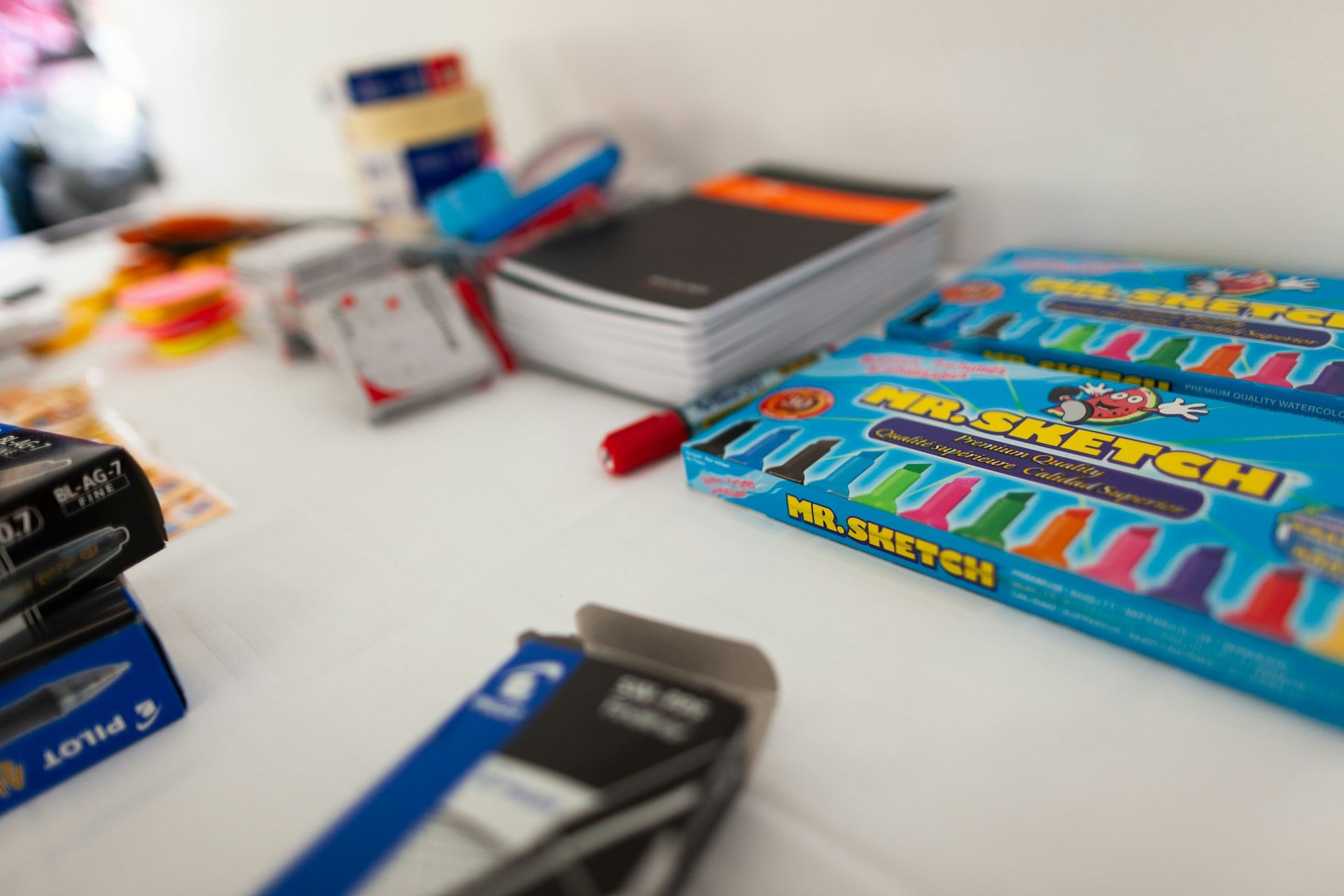
These fine-tipped markers came in a dazzling array of fruit scents—strawberry, orange, grape, lemon, and coconut—that made every writing assignment smell like a candy store. Teachers were rarely thrilled about kids sniffing their supplies all day, but the sensory appeal made Mr. Sketch markers the must-have writing instrument of the era.
Each color had its own distinct smell, and kids would develop passionate favorites that they’d flaunt during class. The scent intensity was borderline overpowering, making a classroom full of kids wielding Mr. Sketch markers into an olfactory adventure that no amount of ventilation could manage.
Lisa Frank Products
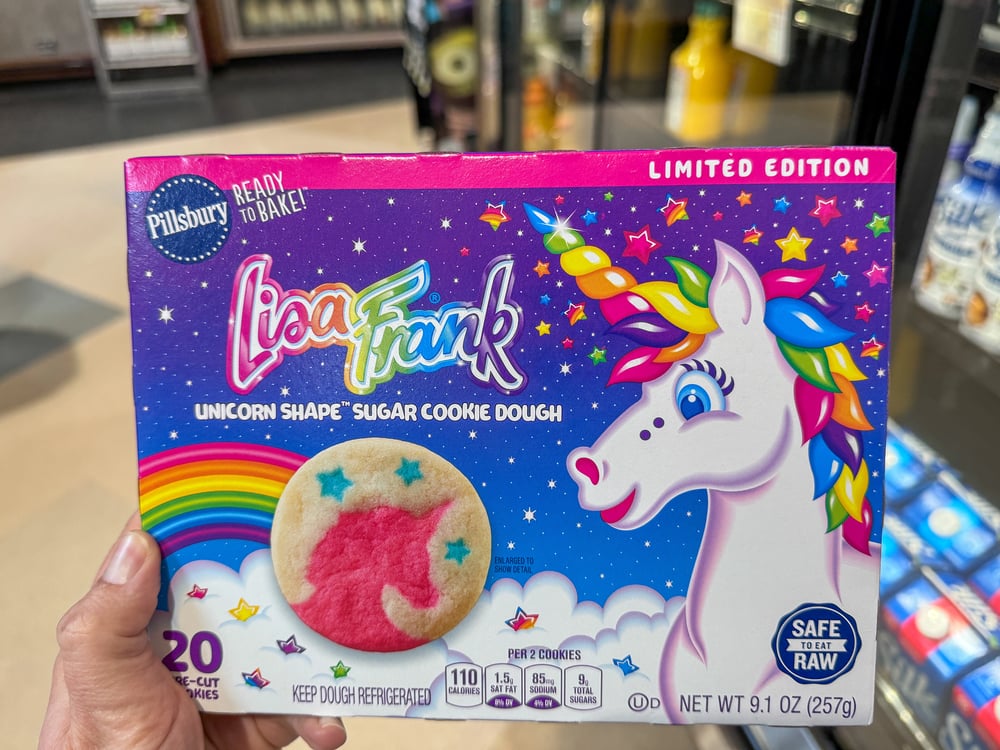
Everything the creative genius Lisa Frank touched in the late 1980s and early 1990s became instant gold for kids, especially girls who worshipped her neon-explosion aesthetic. Folders, notebooks, pencil boxes, erasers, and stickers all exploded in kaleidoscopic color combinations featuring her signature characters—smiling cheetahs with impossibly large eyes, rainbow-maned unicorns, kittens in improbable situations.
The Lisa Frank empire became so pervasive that parents found themselves buying duplicate designs to manage the demand. Her products represented peak 1980s style: unabashedly bright, unapologetically over-the-top, and completely irresistible to the elementary school crowd.
Neon Highlighters
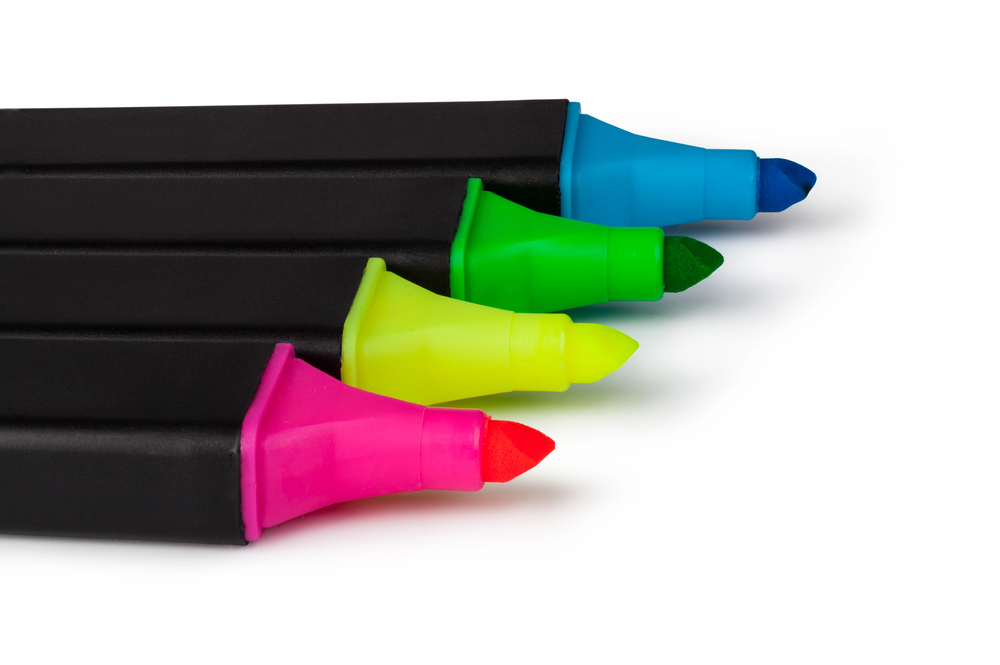
Highlighters didn’t truly take off until kids realized they could use them to transform textbooks and study notes into rainbow art projects. Neon yellow, neon pink, neon green, and neon orange turned boring passages into visual statements that made studying feel like a creative endeavor rather than an obligation.
Kids highlighted indiscriminately, coloring entire paragraphs and margins just to bask in the brightness, which probably defeated the actual purpose of highlighting important concepts. The purely aesthetic value of wielding a pack of six different neon colors was worth whatever minimal studying impact they actually provided.
Pop-a-Point Mechanical Pencils
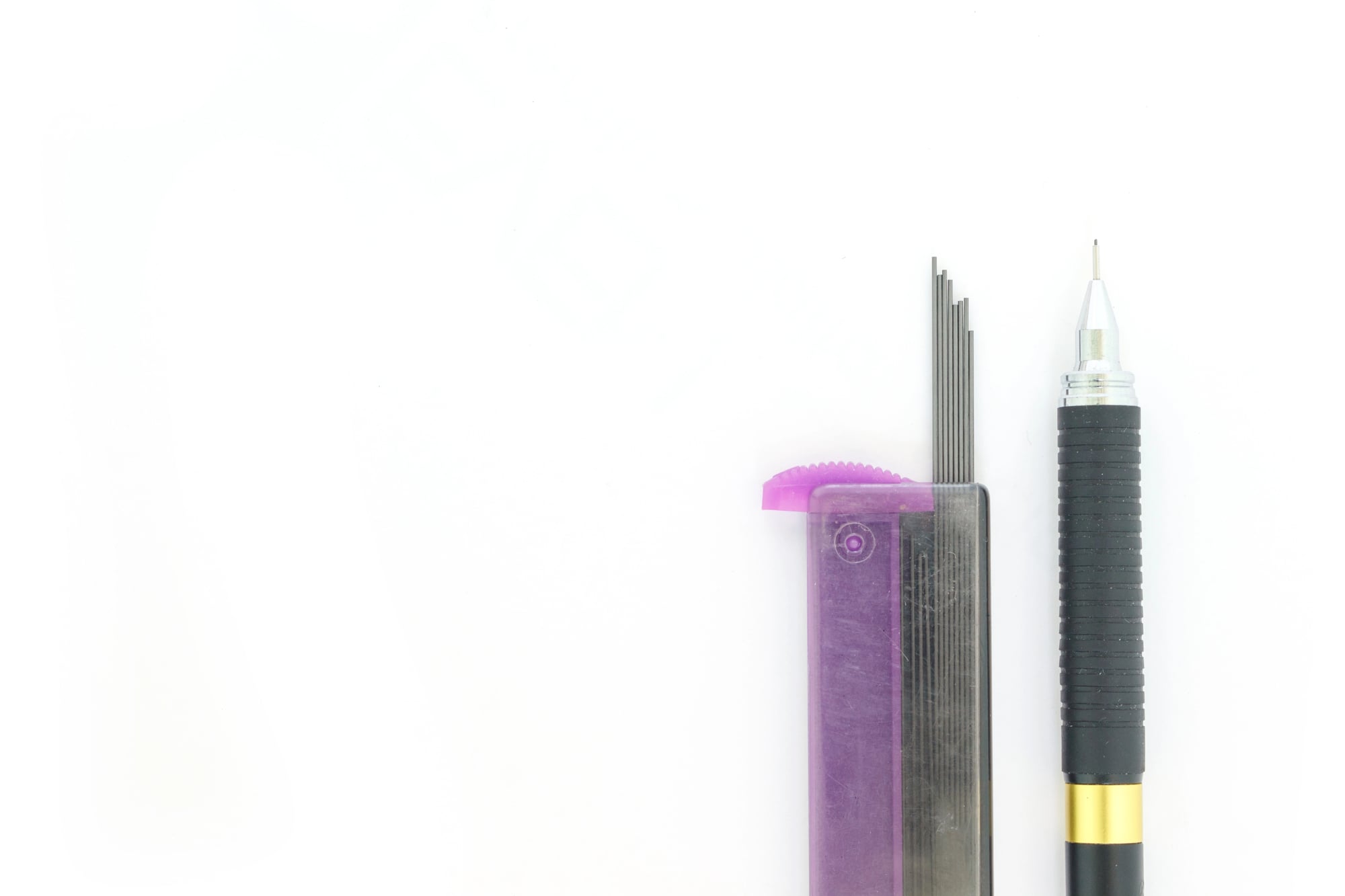
These pencils came loaded with small plastic cartridges containing ultra-sharp graphite tips that popped out at the push of a button, making them feel like miniature engineering marvels. The clicking mechanism and the satisfying pop when each new tip appeared made them endlessly entertaining during class.
Kids would click them repetitively until the tips broke or became dulled, then pop out a fresh point—a cycle that provided constant tactile satisfaction and probably drove teachers to distraction. The novelty of having multiple points at your fingertips made them far more desirable than standard pencils.
Novelty Erasers
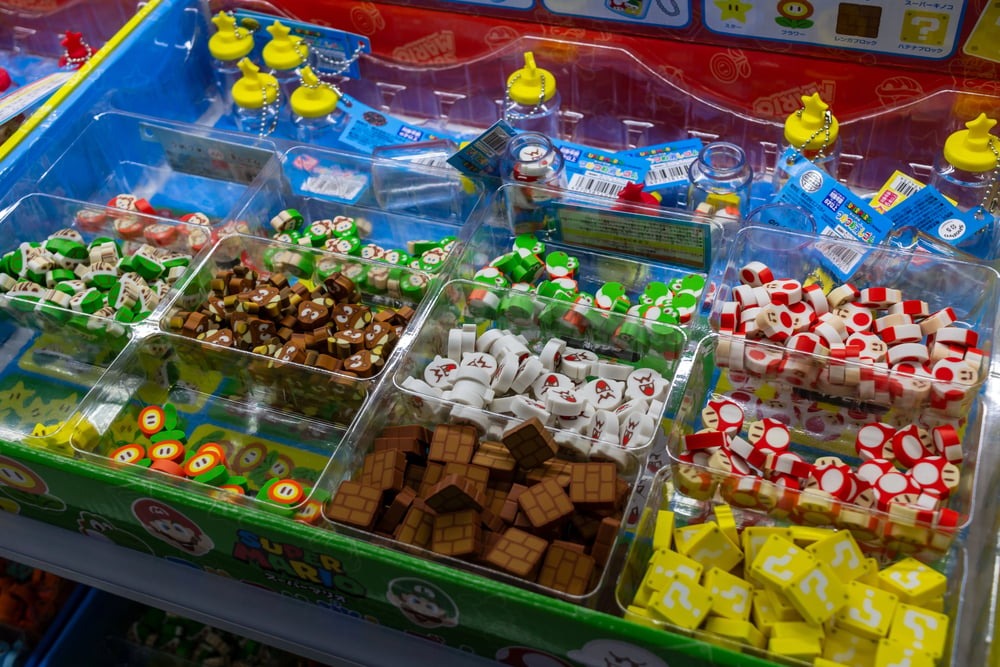
The 1980s introduced erasers shaped like hearts, stars, pizza slices, and virtually anything that could be molded from rubber, none of which actually erased particularly well. Teachers were relatively lax about what erasers made it into classrooms, allowing kids to stockpile colorful rubber creations that spread smudges and sometimes shredded paper rather than cleanly removing pencil marks.
The appeal lay entirely in collecting the most unusual shapes and the most vibrant colors—function was secondary to form. Kids would line their desks with arrays of these decorative erasers that looked cool but required supplemental tools that actually worked.
Eraser Mate Pens
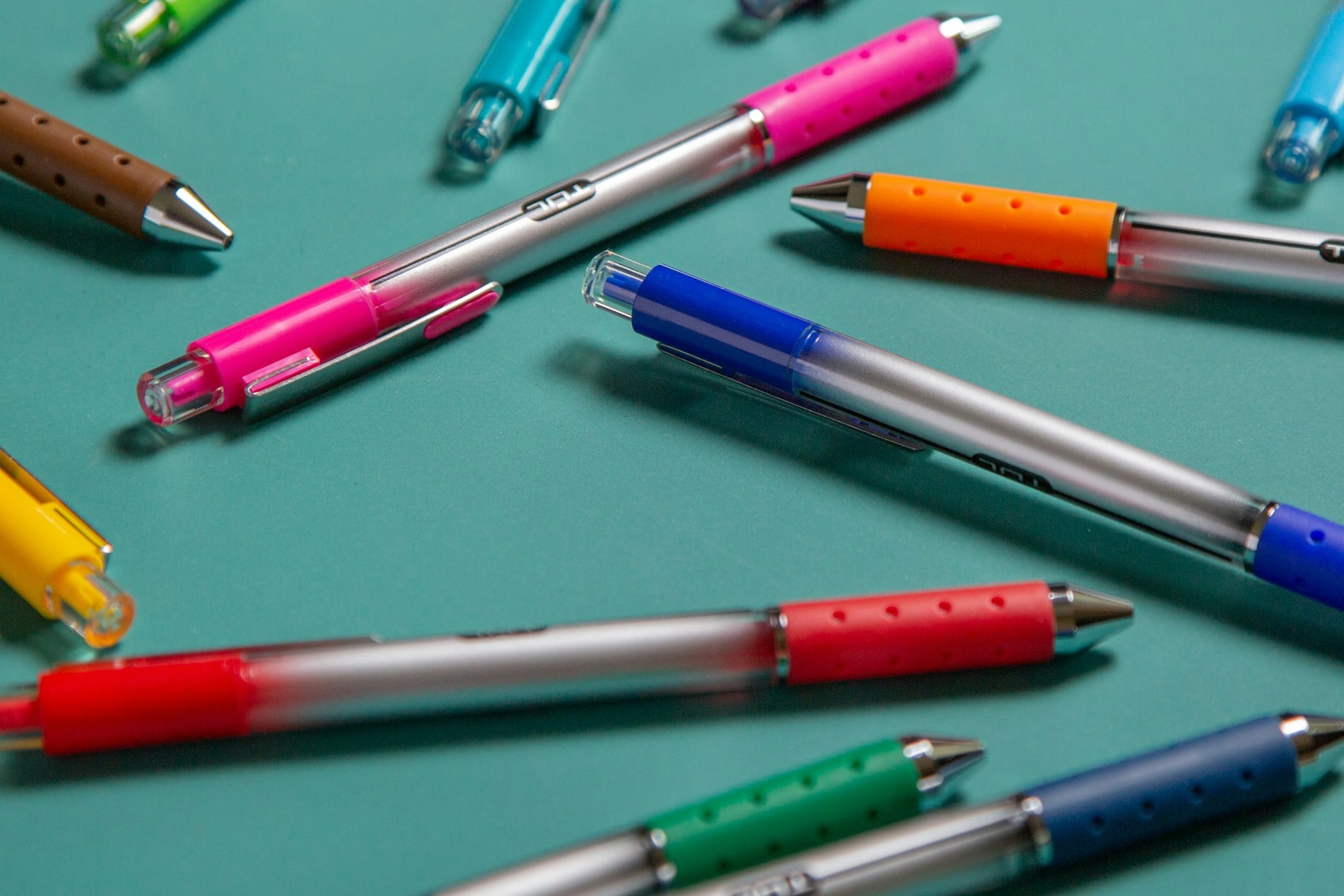
Paper Mate’s erasable-ink pens, introduced in 1979, became a status symbol for kids who wanted to feel technologically advanced despite their obvious limitations. The novelty of erasable ink and the distinctive rubber-like smell made them incredibly popular, even though the ink ran notoriously and didn’t erase as cleanly as the marketing promised.
Still, possessing a pack of Eraser Mates meant you were on the cutting edge of writing technology, never mind that regular pencils actually worked better. Kids loved the idea of pens that behaved like pencils, treating mechanical innovation as a statement of coolness.
Character Lunch Boxes
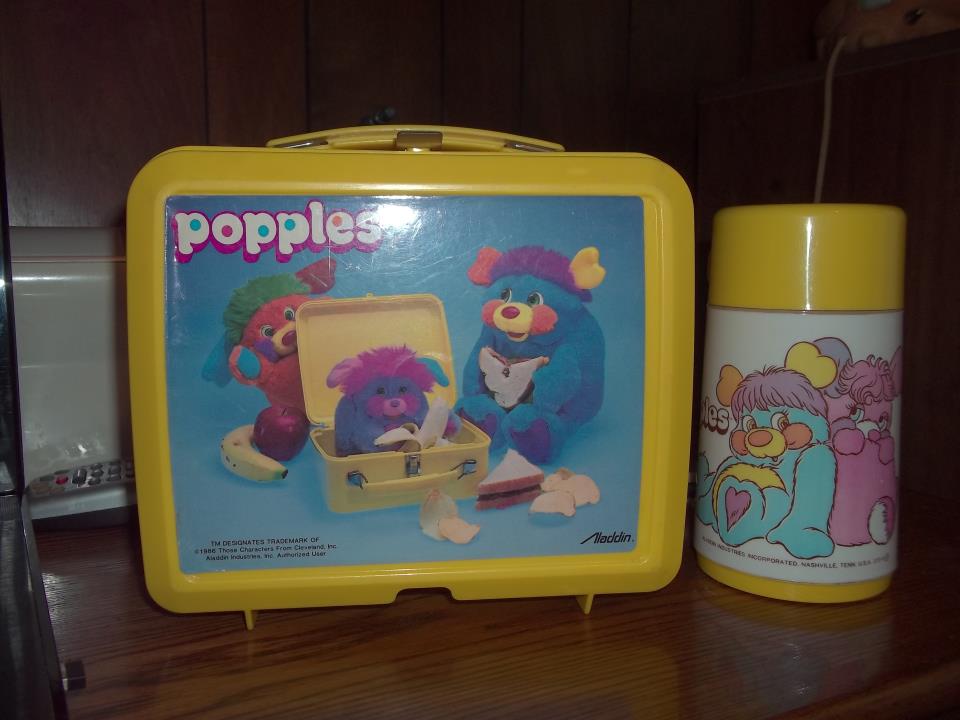
Licensed lunch pails featuring everything from He-Man and Star Wars to Strawberry Shortcake and E.T. transformed a functional container into a declaration of fandom and personality. These sturdy metal or plastic boxes arrived with matching thermoses that added to their appeal, and kids used the lunch box as a status display, opening it at the cafeteria table to show off which cool character they’d claimed.
The thermos inside barely mattered—it was the exterior that commanded respect, and having last year’s character design rather than the current hot property could genuinely affect your social standing. Lunchbox collecting became such a thing that kids fought over duplicates and coveted rare designs.
3D Puffy Stickers
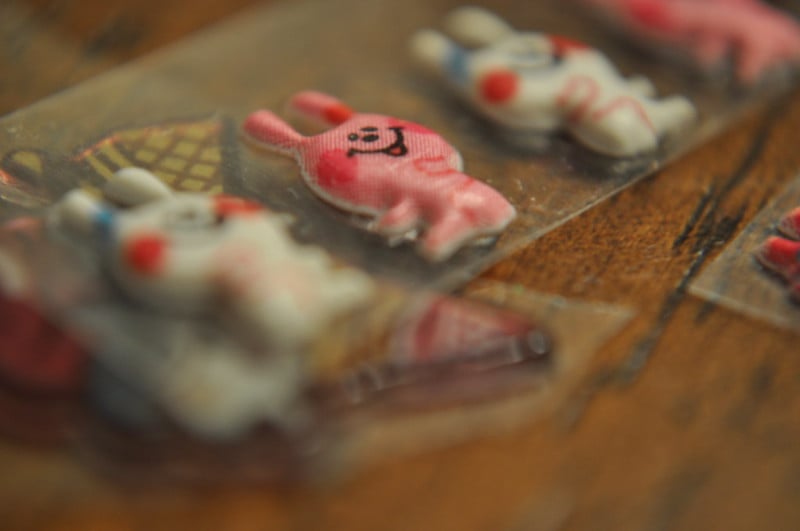
These highly dimensional stickers with raised, textured surfaces seemed almost impossibly ahead of their time and felt amazing to touch. Applied to notebooks, folders, and lockers, puffy stickers added tactile pizzazz to everything they decorated and were endlessly satisfying to run your fingers over.
The variety of designs—holographic, fuzzy, metallic—made collecting them a genuine hobby that could rival marble trading. Kids would carefully peel these stickers and strategically place them on their most visible school supplies, creating custom designs that showed personal style and imagination.
Gel Pens
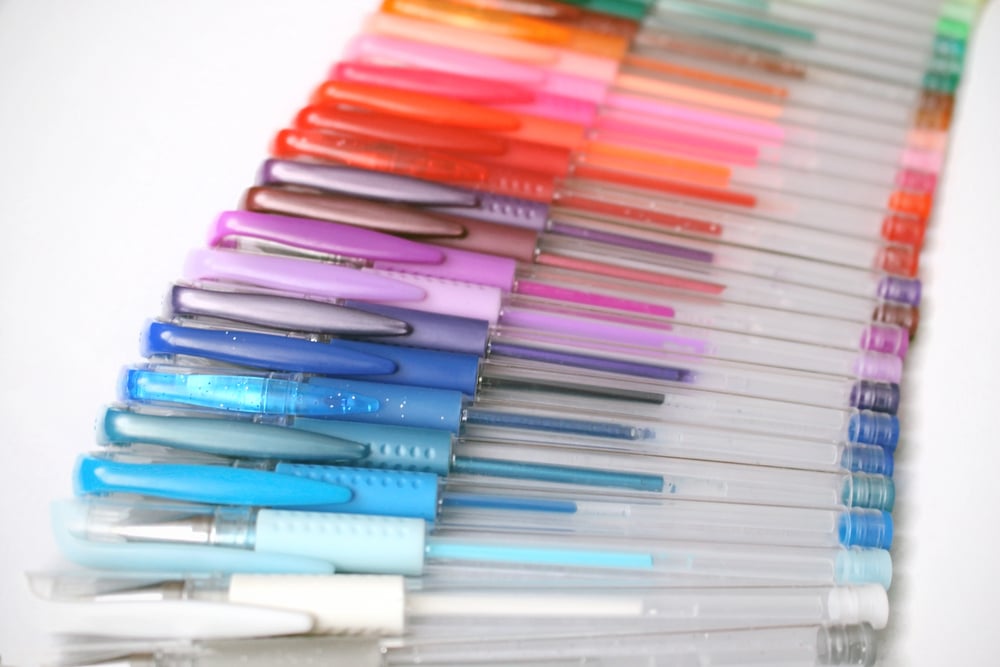
Gel pens hit classrooms in the 1980s and seemed to possess an almost magical quality that made every word written with them feel special. They came in metallic colors, jewel tones, and sometimes even glitter-infused variations that made notes shimmer across the page.
Teachers had complicated feelings about gel pens—they wrote beautifully but smudged easily and added an element of distraction to classrooms. Kids loved using them to make their handwriting look more sophisticated and artistic, treating gel pens as a creative tool rather than a functional writing instrument.
Possessing a full set of gel pens in different colors became a status symbol of artistic sensibility.
Caboodles Organizers
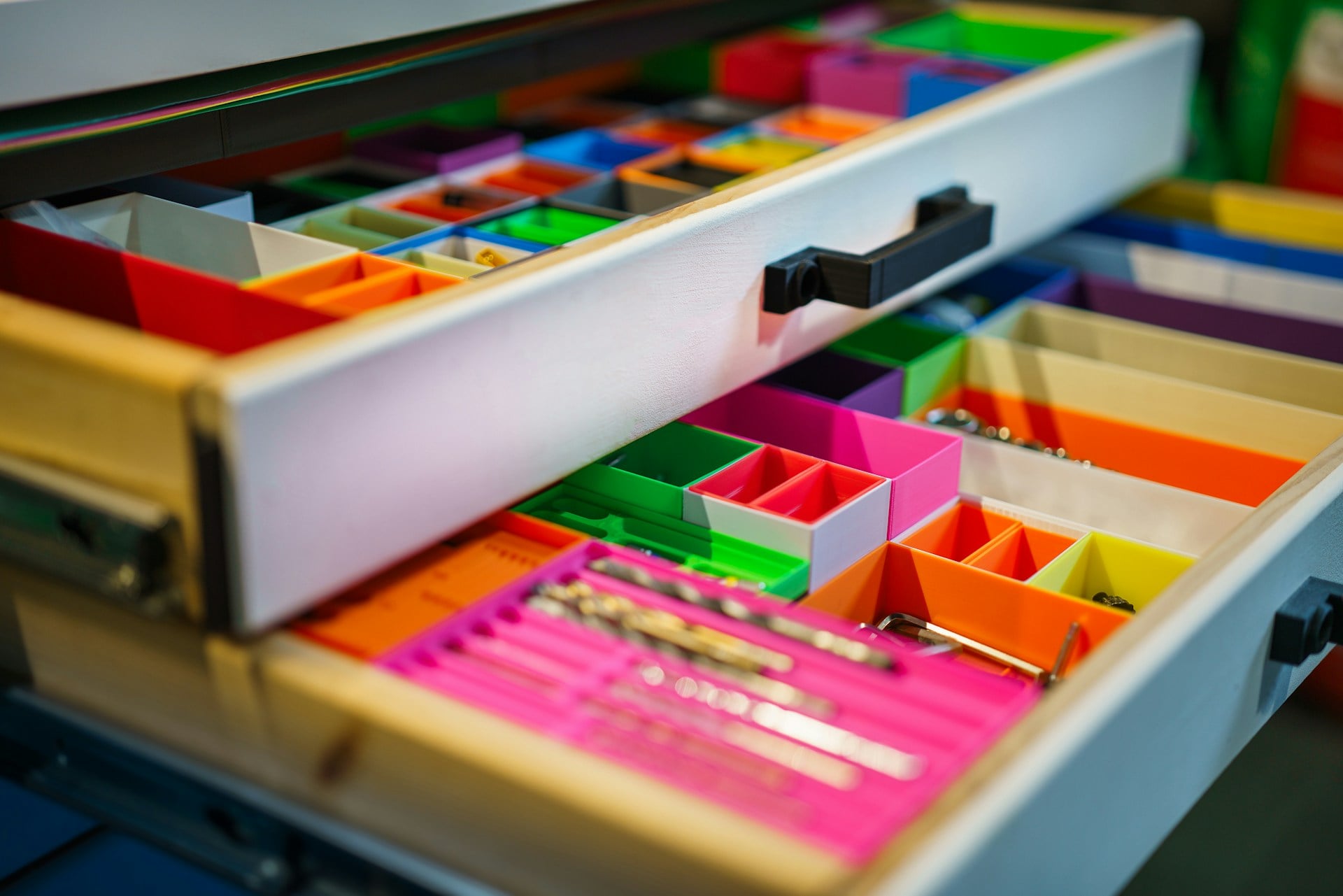
These plastic storage boxes with multiple compartments, drawers that slid out, and buttons that popped things back in represented the height of organizational luxury for kids who had too many supplies to manage. The pastel colors and modular design made organizing feel like a fashion statement, and Caboodles weren’t just practical—they were collectible.
Kids would use them to organize everything from stickers to erasers to loose change, treating their Caboodles like treasure chests. The satisfaction of opening each compartment and button-popping each drawer provided hours of tactile entertainment beyond mere storage functionality.
Magic Rub Erasers
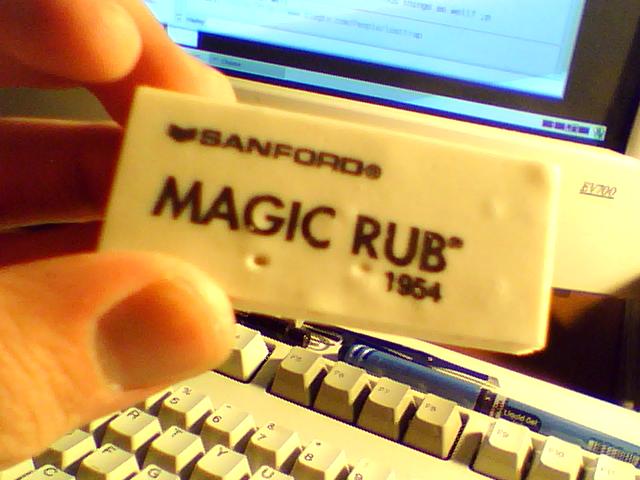
These iconic block erasers with the red and blue striped wrapper became office and school staples for their surprising effectiveness on various paper types and pencil marks. Kids appreciated that Magic Rub erasers actually performed their stated function, unlike many novelty erasers, which made them simultaneously practical and collectible.
The distinctive packaging made them easy to spot in pencil cases, and kids who had them demonstrated they understood the difference between form and function. Despite being genuinely useful, they still managed to be cool enough to be coveted and traded among classmates.
Character Backpacks

Showing up to school with a backpack featuring your favorite movie or TV character was a form of wearable advertising that let everyone know exactly what you loved. JanSport backpacks with embroidered designs became particularly coveted, and character-licensed options from brands like Eastern Mountain Sports transformed everyday gear into fashion statements.
Kids treated backpack selection with the seriousness usually reserved for major life decisions, understanding that backpack choice communicated volumes about taste and personality. Trading backpacks or upgrading to a new design in the middle of the school year could shift your entire social trajectory.
Foam Pencil Grips
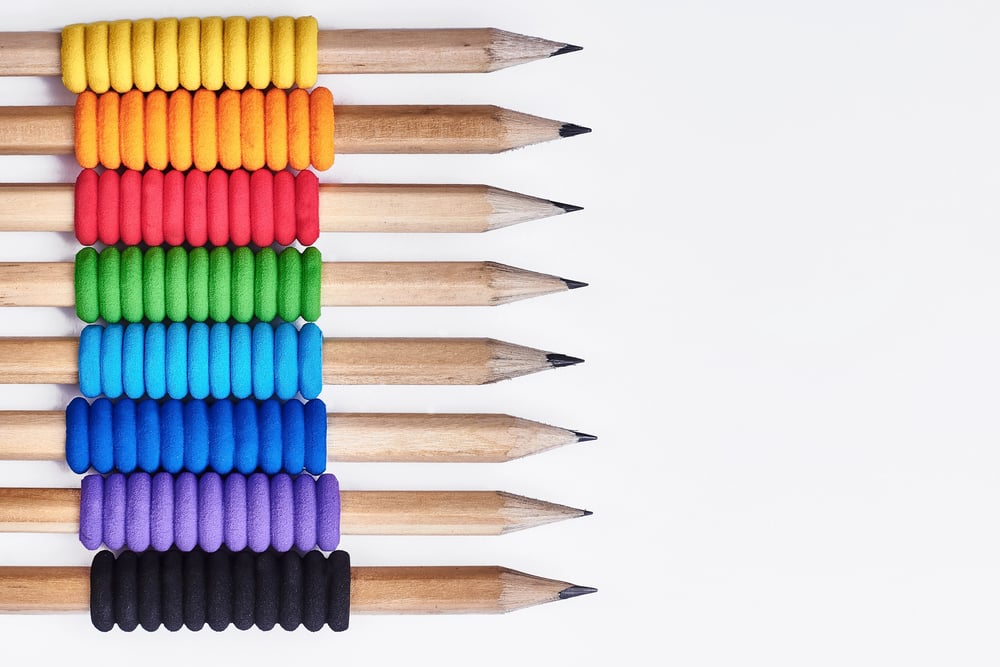
These squishy, colorful foam grips that slid onto pencils promised to make writing more comfortable while adding a pop of color and personality to otherwise boring writing implements. Every cool kid had a collection of these in different colors to match their moods or coordinate with their outfit.
The grips came in novelty shapes—stars, hearts, fuzzy characters—that made writing feel less like an academic task and more like a creative endeavor. While they genuinely did reduce hand fatigue, kids were equally interested in the aesthetic appeal and the social signal of using these upgraded grips.
Lunchbox Thermoses
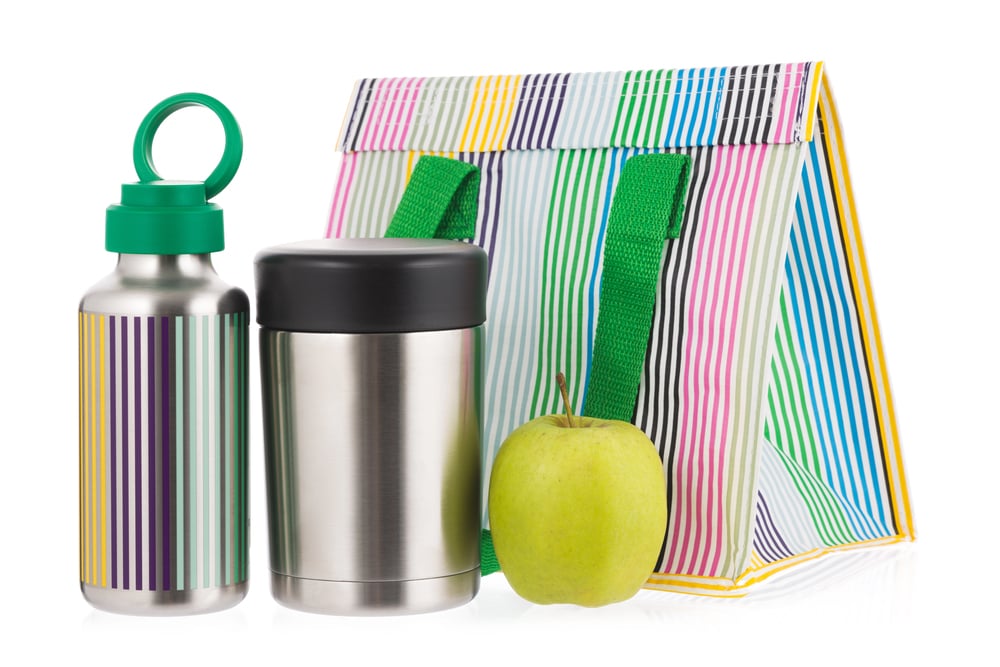
The thermos that came packaged inside a character lunchbox became its own collectible item, and kids would specifically seek out lunch sets just to acquire the matching drinkware. These metal containers kept beverages at the right temperature and featured the same licensed designs as their companion lunch pails.
Kids would trade thermoses the same way they traded the lunchboxes, and matching sets became particularly prized. The thermos represented status because it meant your parents had bought you the complete deluxe lunchbox package rather than a standalone container.
Pencil Toppers
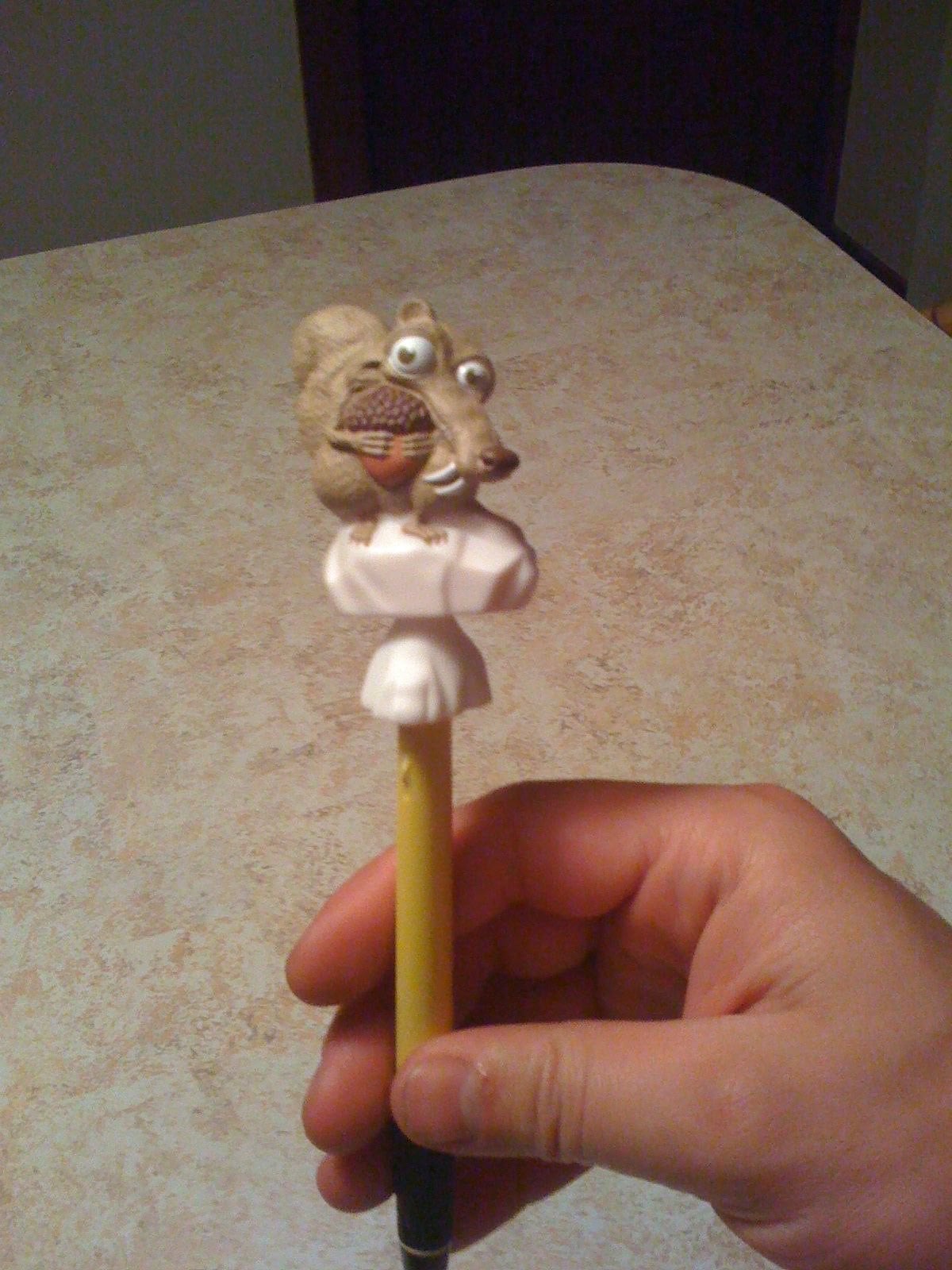
Troll dolls, miniature animals, and novelty character toppers transformed pencils into collectible wands that kids would compete over and trade with fierce determination. These rubber or plastic figures slid onto the eraser end of pencils and came in bewildering variety—glittery versions, fuzzy versions, versions with googly eyes.
Kids would display their collections like achievement badges and strategically choose which topper to pair with which pencil depending on their mood. Accumulating dozens of different pencil toppers became a legitimate hobby that occupied pencil cases across America.
Mechanical Pencil Sets
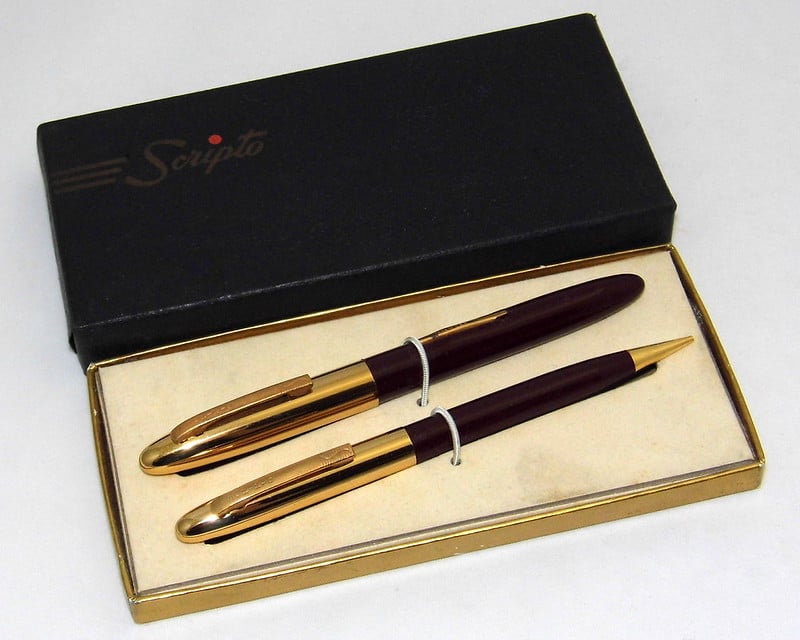
Fancy mechanical pencil sets that came in presentation boxes with multiple lead widths and color options transformed a basic writing tool into a collectible display piece. These sets often featured graduated sizing or specialized purposes—fine-point for math, medium for general writing—that made kids feel equipped for academic success.
The satisfaction of opening a new mechanical pencil set and exploring all the different lead widths and options made them eminently giftable items that showed parents understood school supply culture. Kids would carefully preserve these sets and display them in prominent places.
Fuzzy Notebooks

Soft, colorful fuzz covered these notebooks, begging to be touched and inviting tactile interaction that made studying feel less like work. These impractical notebooks looked incredible stacked in a locker or backpack and came in every imaginable pastel and neon color.
The fuzz would eventually pill and wear away, but kids didn’t care because the aesthetic appeal was the entire point of owning them. Writing in a fuzzy notebook was a purely indulgent experience that had nothing to do with note-taking quality but everything to do with status and personal expression.
Sticker Books
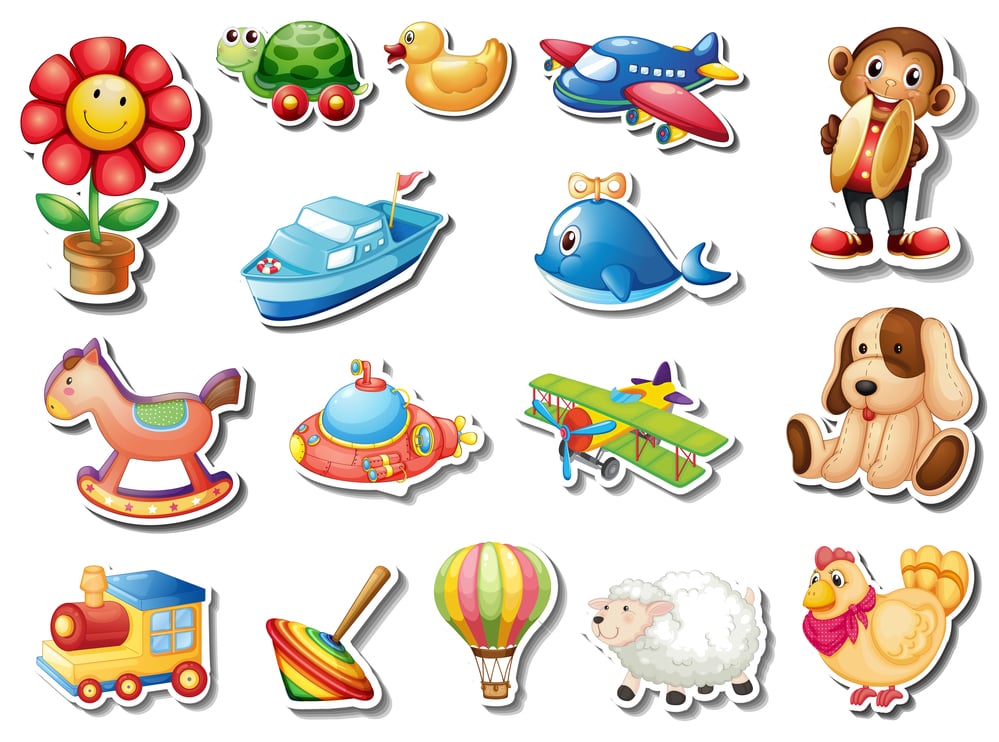
Kids assembled entire album collections dedicated to organizing, displaying, and protecting their sticker investments, treating these books like museum exhibitions. Sticker books with various themes—animals, space, celebrities, cartoon characters—became trading platforms where kids would swap duplicates for wanted designs.
Showing up with a rare sticker could elevate your social standing, and sticker negotiations were conducted with the seriousness of Wall Street deals. The books themselves often came decorated in neon and character designs that complemented the status value of the stickers inside.
Pencil Sharpeners
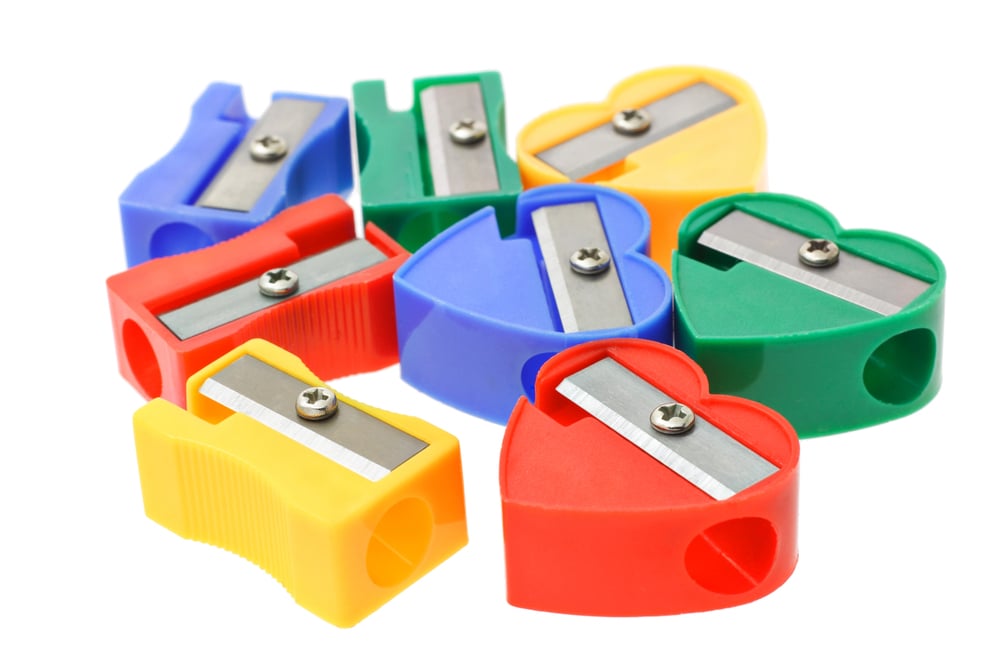
Novelty pencil sharpeners shaped like animals, buildings, or character heads transformed this mundane necessity into a collectible desk accessory that actually served a function. Kids would sharpen pencils they didn’t need just to enjoy using their decorative sharpeners, treating them more as toys than tools.
Manual pencil sharpeners that required handheld operation let kids customize the sharpening experience, and fancier models came with catch compartments that added to the appeal. Having multiple novelty sharpeners in different shapes and styles was considered the mark of a well-appointed desk.
Liquid Paper and Correction Pens
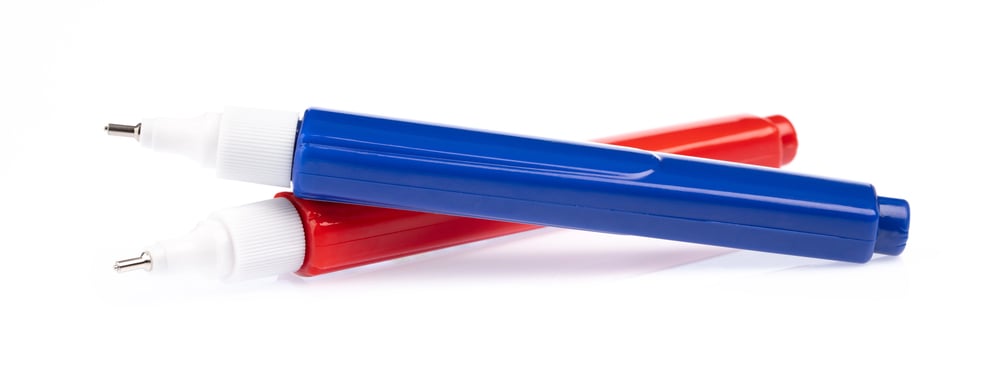
While adults used correction fluid for professional purposes, kids discovered Liquid Paper and correction pens as art supplies that allowed creative editing and customization of their work. The white liquid came in bottles that felt delightfully chemical and gave off a distinctive smell that kids would actually sniff for the novelty.
Correction pens in varied colors allowed kids to “fix” assignments in colorful ways, transforming simple editing into artistic expression. Teachers definitely didn’t appreciate the creative uses to which students put these correction products, but that didn’t stop kids from incorporating them into their daily supplies.
Pencil Cases with Secret Compartments
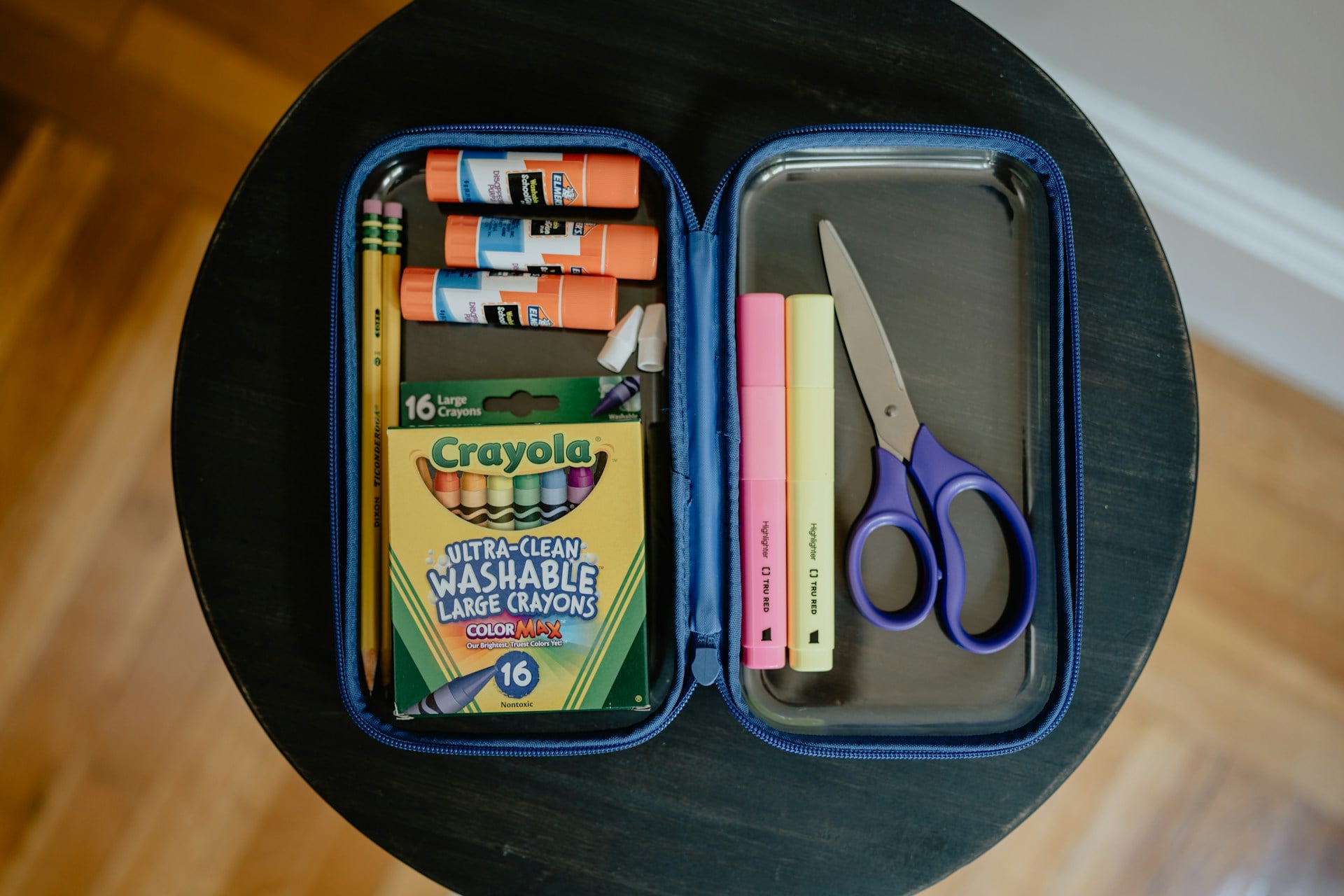
These plastic or fabric cases featured hidden drawers, pop-out sections, and mysterious compartments that made organizing writing supplies feel like an adventure in spatial design. Opening and closing all the different compartments and buttons provided endlessly entertaining tactile stimulation during class.
Kids would use these secret compartments to hide everything from notes to collectible stickers to illicit snacks, treating their pencil cases like security vaults. The more compartments and hidden features, the more sophisticated and cool the pencil case appeared to classmates.
Ruler Stencils
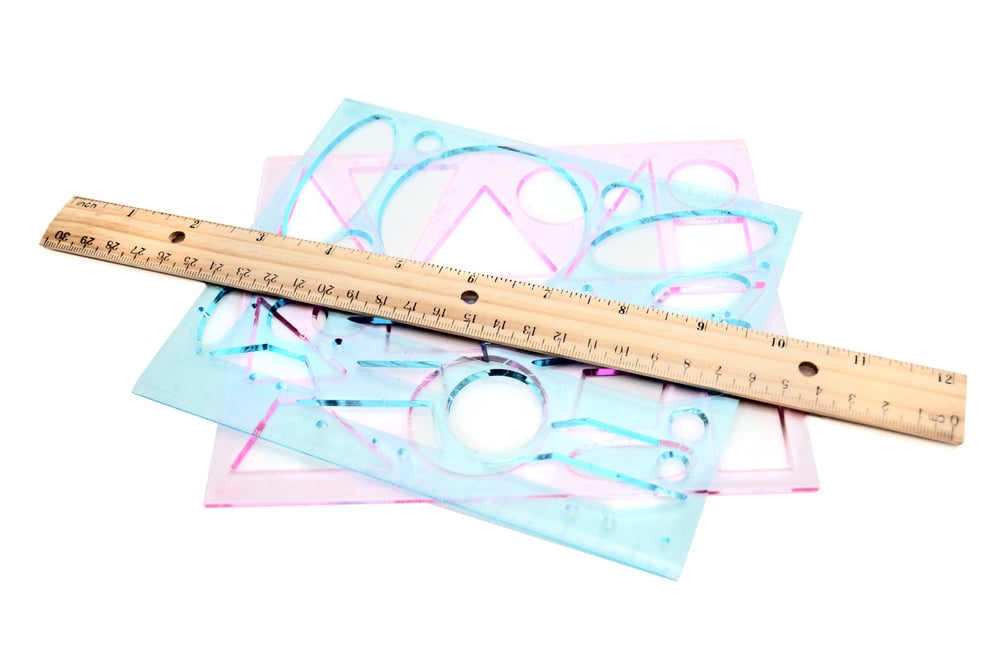
Rulers with built-in stencils for shapes, letters, and decorative designs transformed straight-line drawing into creative opportunity that let kids add artistic flourishes to their schoolwork. These multi-tool rulers came in various styles—some featured geometric shapes, others included alphabet stencils—and appealed to kids who wanted their assignments to look more polished and decorated.
Teachers appreciated the cleaner lines and better-organized notes, making stencil rulers both functionally useful and genuinely appreciated. Kids would compete over who had the most complete set of stencil options.
Color-Changing Pens
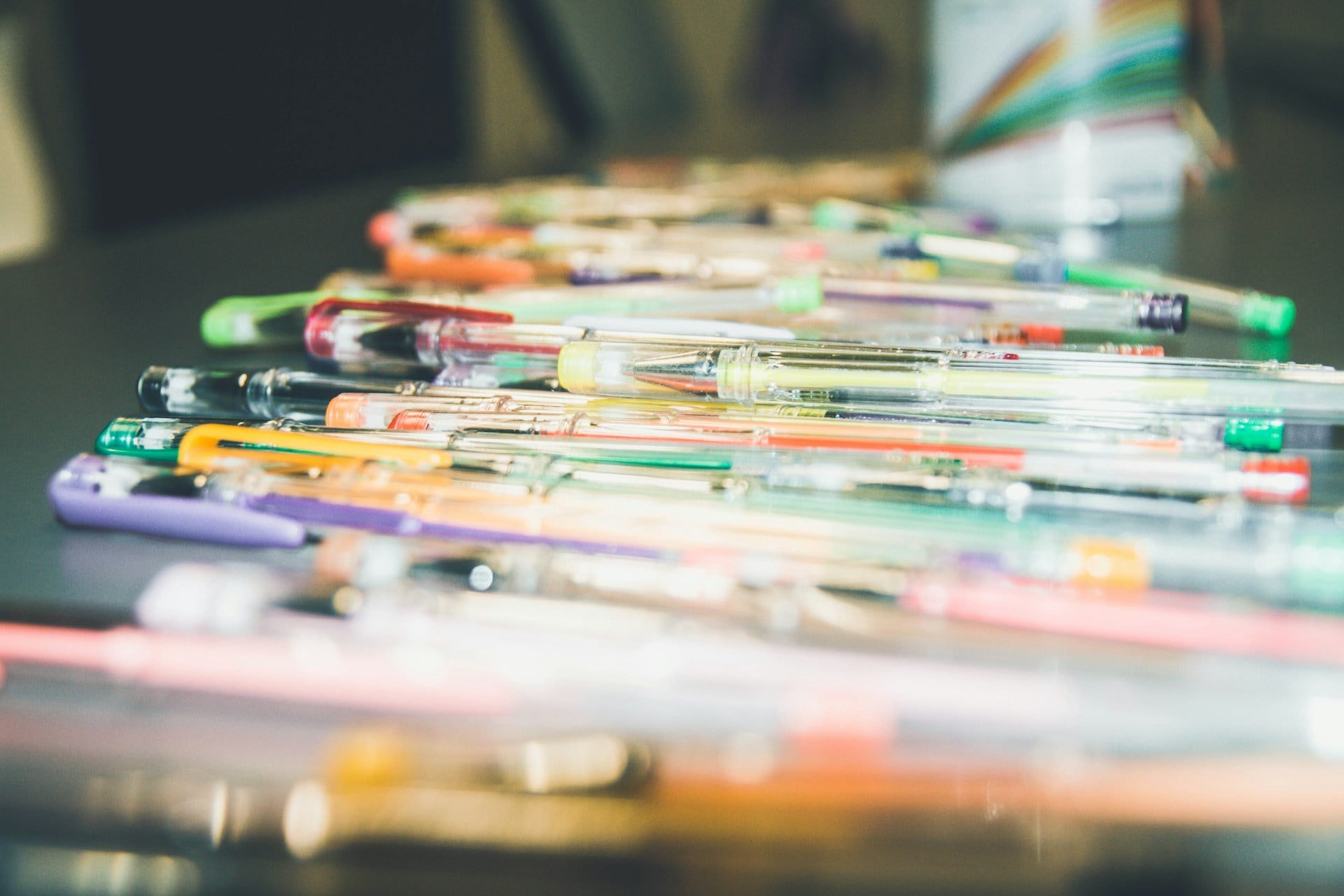
These thermochromic pens that changed color based on temperature represented cutting-edge novelty technology that appealed to every kid’s sense of wonder and innovation. Writing with color-changing pens made every assignment feel like a scientific experiment, and kids would frantically warm the barrel or cool it in the water fountain to watch their words transform.
While teachers questioned their practicality, kids appreciated the sheer entertainment value of pens that responded to temperature. Possessing an entire set of color-changing pens demonstrated access to the most technologically advanced school supplies available.
Sticky Notes in Novel Shapes
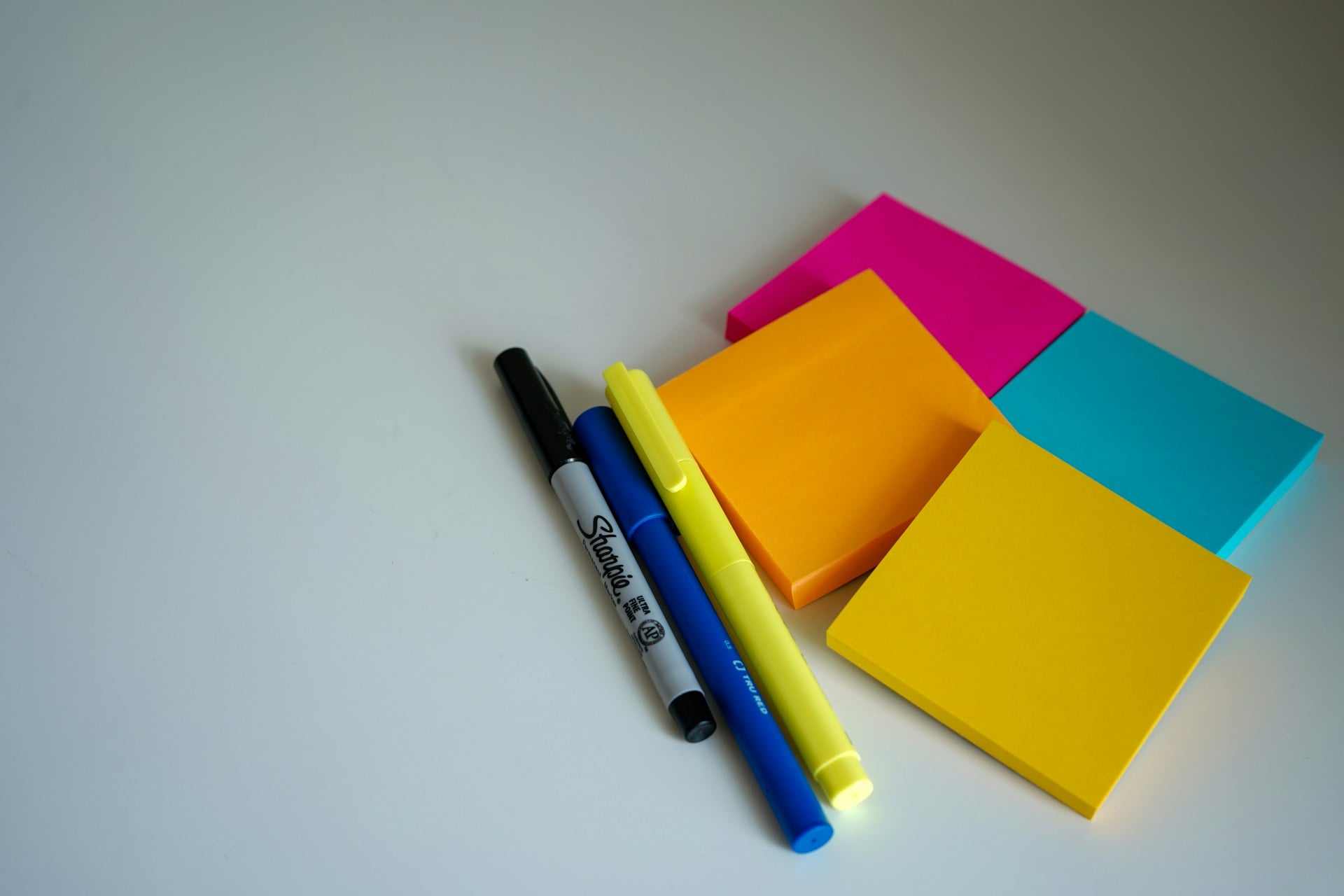
While standard yellow sticky notes existed, the 1980s introduced shaped sticky notes in animal forms, star patterns, and geometric designs that made note-taking feel like a creative process. These adhesive papers came in neon colors and unusual sizes, allowing kids to customize their schoolwork in ways that plain paper never permitted.
Visible sticky notes on notebook covers and locker doors became status displays that showed you had access to premium supplies. Kids would use shaped sticky notes for everything from actual note-taking to decorating their spaces with colorful paper arrangements.
Decorative Folders
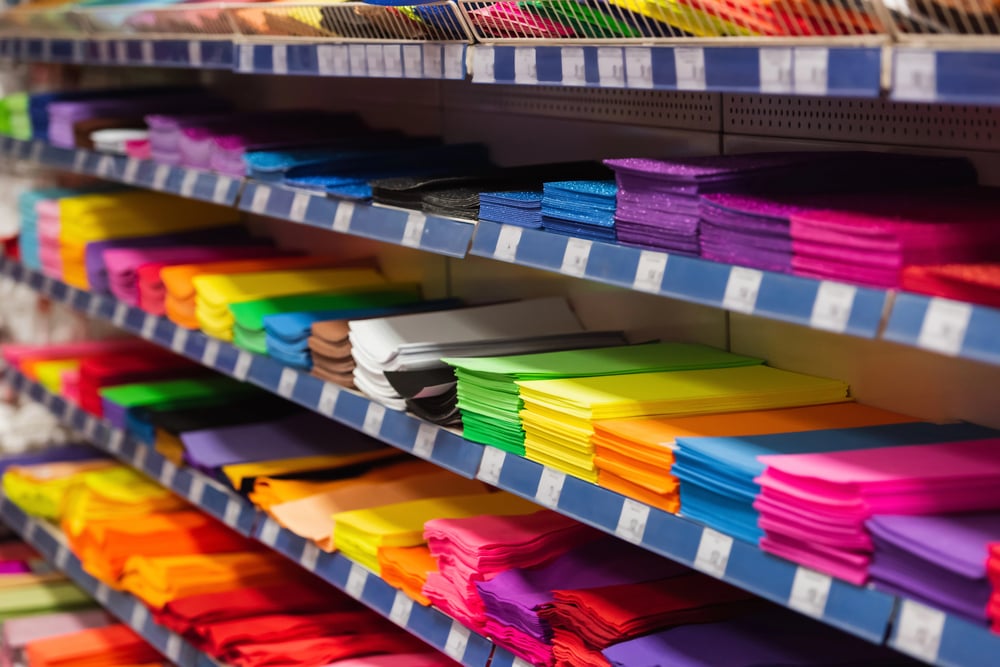
Folders featuring bold 1980s graphics, neon color combinations, and character designs transformed basic paper holders into statement pieces that organized while they impressed. Subject folders with matching themes let kids create complete coordinate sets of supplies, and having all matching folders and notebooks in complementary designs was a sign of supply sophistication.
Kids would carefully select folder designs that reflected personal taste, and the combination of folders, notebooks, and pencil cases had to work together as a cohesive aesthetic statement. Trading folders between friends was common practice when designs became outdated or preferences shifted.
Pencil Sets in Presentation Boxes
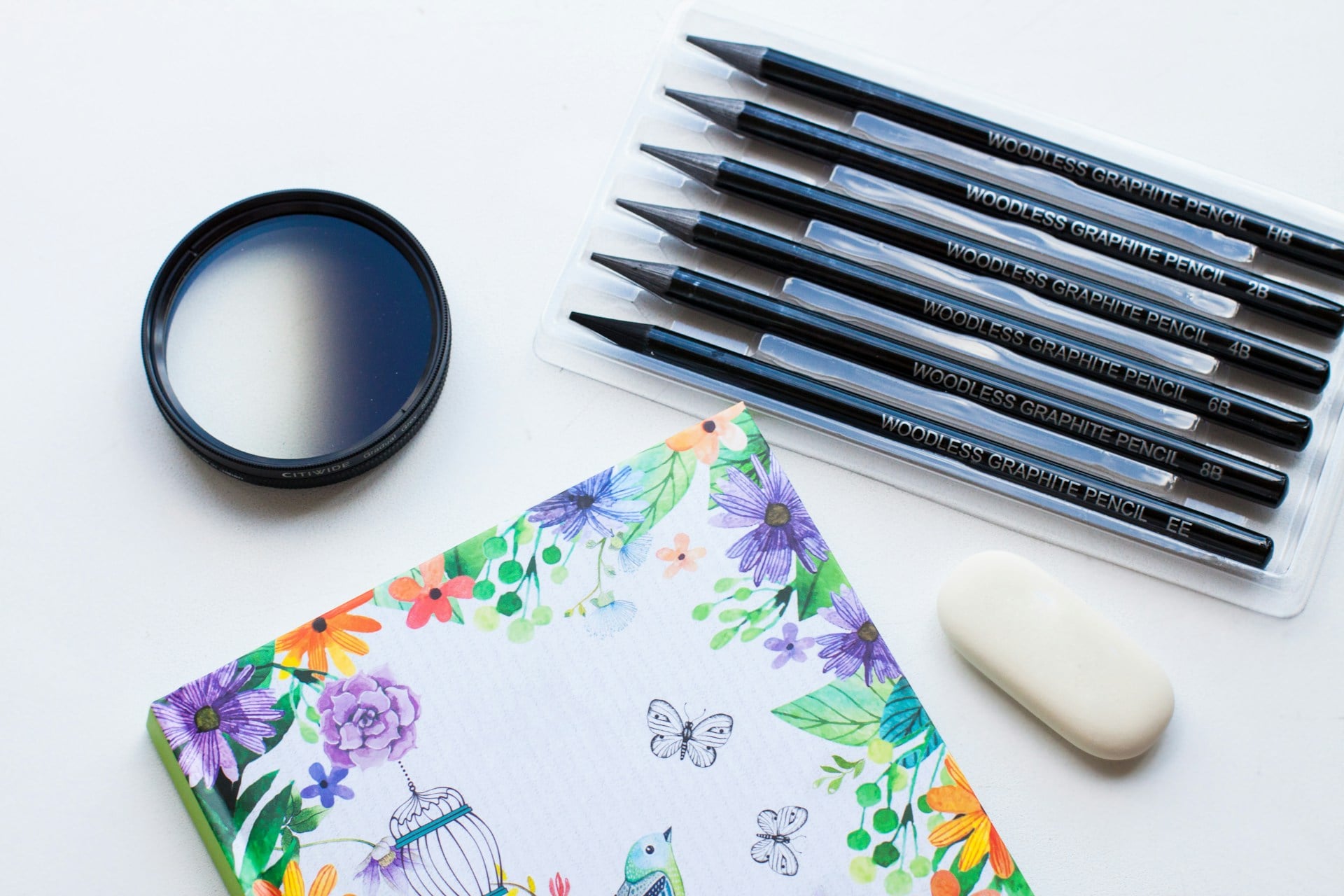
Multi-pencil sets that came packaged in attractive presentation boxes featuring wood grain, character designs, or bold graphics made gift-giving occasions particularly exciting. These sets often included a variety of pencil types—regular wood, mechanical, and sometimes novelty pencils all in one collection.
Kids would carefully preserve the presentation boxes because part of the appeal was the beautiful packaging and the satisfaction of opening a new set. Having a complete, organized pencil set suggested to teachers and classmates that you took school seriously and had your organizational act together.
Backpack Charm Bracelets

Crafters and companies created tiny beaded bracelets specifically designed to dangle from backpack zippers, transforming school bags into personalized expression vehicles. Kids would accumulate dozens of these charming accessories and strategically attach them to display favorite colors, brands, or character themes.
The bracelets provided a low-cost way to constantly refresh the look of the same backpack and showed that you’d invested effort into making your gear visually interesting. Friends would trade bracelets, creating a micro-economy of these tiny decorative items.
Jansport Backpacks
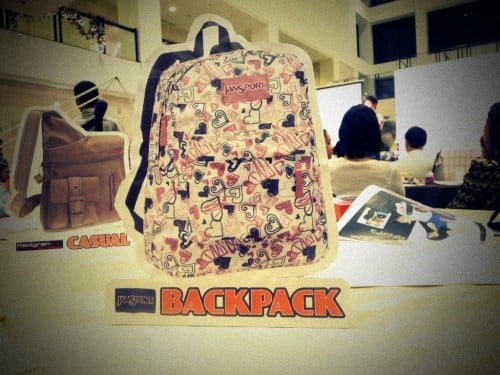
These durable canvas backpacks became status symbols in their own right, with certain color combinations and fabric patterns indicating fashion awareness and social standing. Owning a Jansport backpack meant your parents either understood school supply culture or had invested significantly in quality gear that would actually last through the school year.
The backpacks came in countless color combinations and were sometimes embroidered with character designs or patches, and kids wore these packs like designer accessories. Trading Jansport backpacks or upgrading to a new style became a major school year milestone.
Index Card Sets
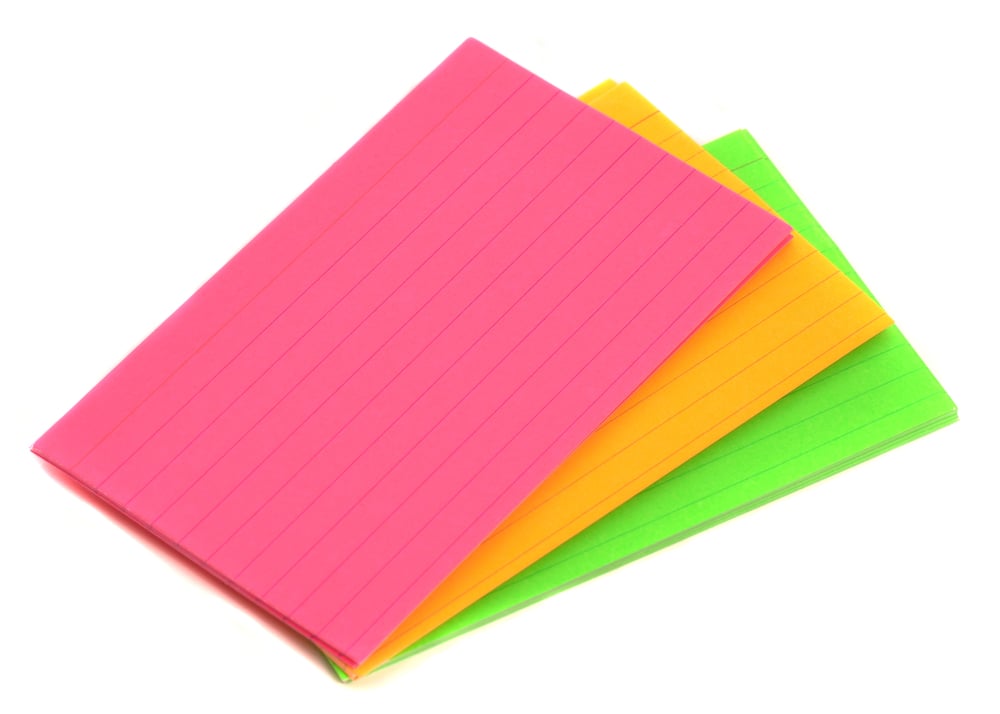
While these seem mundane by modern standards, colorful index card sets in multiple bright colors transformed flashcard studying into a visual organization system that made cramming feel more organized. Kids who used colorful index cards for different subjects demonstrated superior organizational thinking and could create color-coded study systems that actually worked.
The pastel and neon card colors made note review more visually engaging, and kids would proudly display their organized stacks of index cards as proof of academic diligence. Teachers noticed which students used color-coded systems and often assumed they were more prepared and organized.
The Status Economy of School Supplies
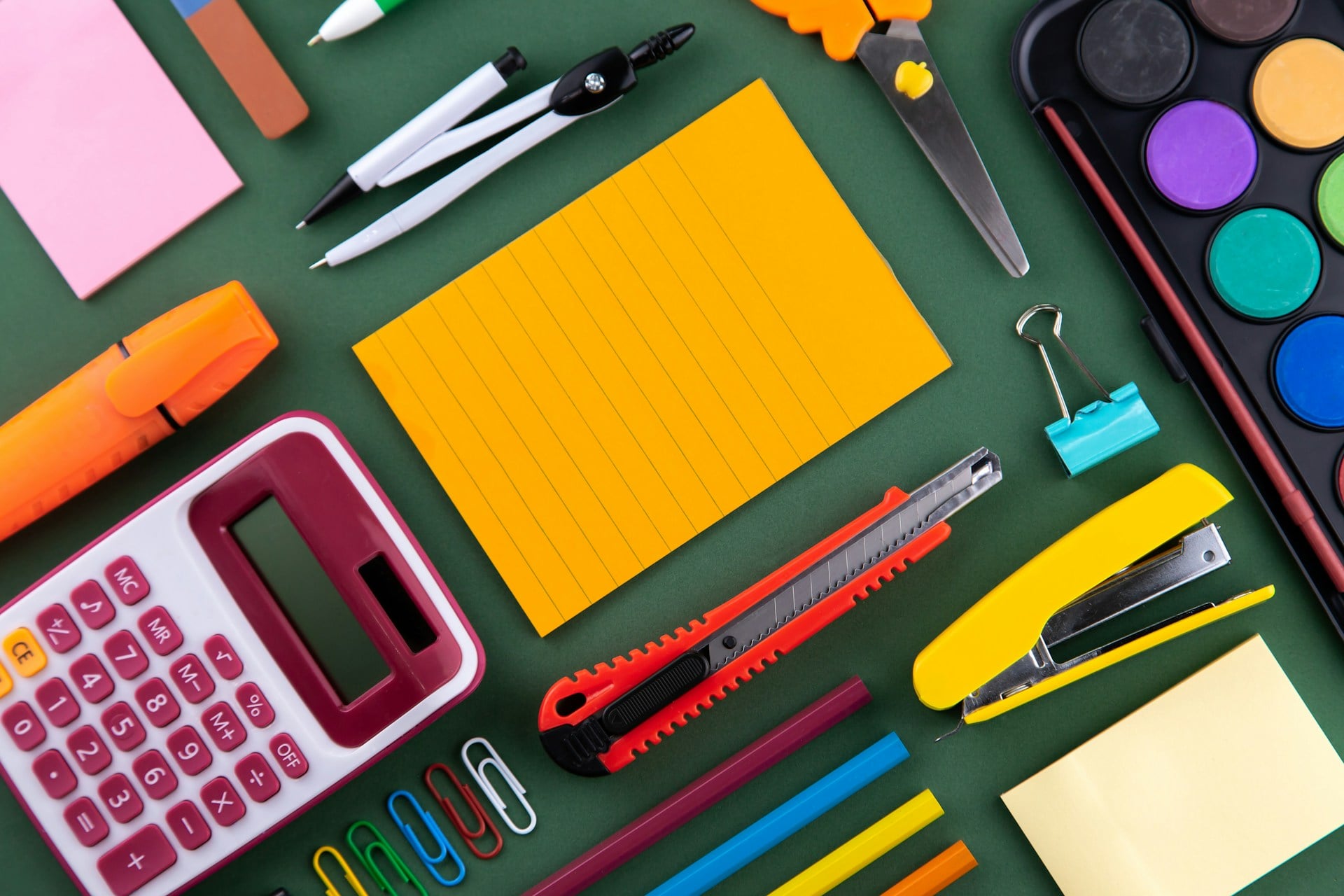
The 1980s transformed school supply shopping into a competitive social arena where the contents of your backpack and desk communicated volumes about taste, family resources, and social awareness. Every item on this list represented a small act of self-definition—a way for kids to signal who they were or who they wanted to become through the mundane necessity of going to school.
While today’s students might express themselves through social media profiles and smartphone cases, 1980s kids had to get creative with limited tools, turning highlighters and sticker collections into the currency of childhood status.
Looking back, it’s remarkable how many of these supplies served remarkably little educational purpose and yet generated such passionate desire and competition. Kids didn’t beg their parents for better notebooks because they improved writing quality—they wanted them because the fuzzy texture or character design or neon color made them feel cool and part of a larger culture.
Modern parents might question the logic of buying erasers shaped like hamburgers or pens that change color based on temperature, but they were tapping into something real: the human need to express identity and claim membership in a group through the things we carry with us every day. The 1980s just happened to make that process exceptionally fun, colorful, and ridiculously specific.
More from Go2Tutors!

- The Romanov Crown Jewels and Their Tragic Fate
- 13 Historical Mysteries That Science Still Can’t Solve
- Famous Hoaxes That Fooled the World for Years
- 15 Child Stars with Tragic Adult Lives
- 16 Famous Jewelry Pieces in History
Like Go2Tutors’s content? Follow us on MSN.



