31 Things Kids Got Away With Growing Up That Would Never Fly Now
There’s a particular kind of freedom that existed in American childhood before the world got safer, louder, and significantly more documented. Kids roamed, climbed, crashed, and generally survived experiences that today would trigger a strongly worded email to the school board at minimum.
It’s not that parents back then were careless — they just operated under a different theory of childhood, one where scraped knees were part of the deal and nobody called it neglect. Looking back at some of those things now, through the lens of current safety standards, parenting culture, and social media accountability, the contrast is almost dizzying.
Riding in the Back of a Pickup Truck

Kids rode in truck beds the way adults ride in taxis — casually, without giving it much thought. Wind in the face, legs dangling over the tailgate, maybe a dog beside you if you were lucky.
Every state in the country now restricts or outright bans this practice, and honestly, that’s probably correct — but it felt like flying when you were eight.
Roaming the Neighborhood Until Dark

You left in the morning and came back when the streetlights flickered on. No check-ins, no texts, no GPS tracking on a family app.
The rule was simple: be home by dark, and don’t make your parents come looking. That was the entire agreement, and it worked most of the time.
Drinking From the Garden Hose

The garden hose was a communal water source, a warm-water dispenser baking in July heat, and — if you held your thumb over it just right — a fairly effective weapon in a water fight. Nobody worried about the lead content in the fittings or the bacteria growing inside the rubber.
Turns out, they probably should have at least occasionally worried, but here everyone is regardless.
Walking to School Alone

There’s a particular kind of morning independence that belongs entirely to a child walking to school solo — the long way taken just because no adult is watching, the detour through the empty lot, the dawdling that eats seven minutes without guilt. Today, children walking alone to school in many neighborhoods prompt calls to child protective services, and at least a handful of states have debated the legal age at which kids can do it unsupervised.
The walk home used to be the best part of the day.
No Helmet, No Problem
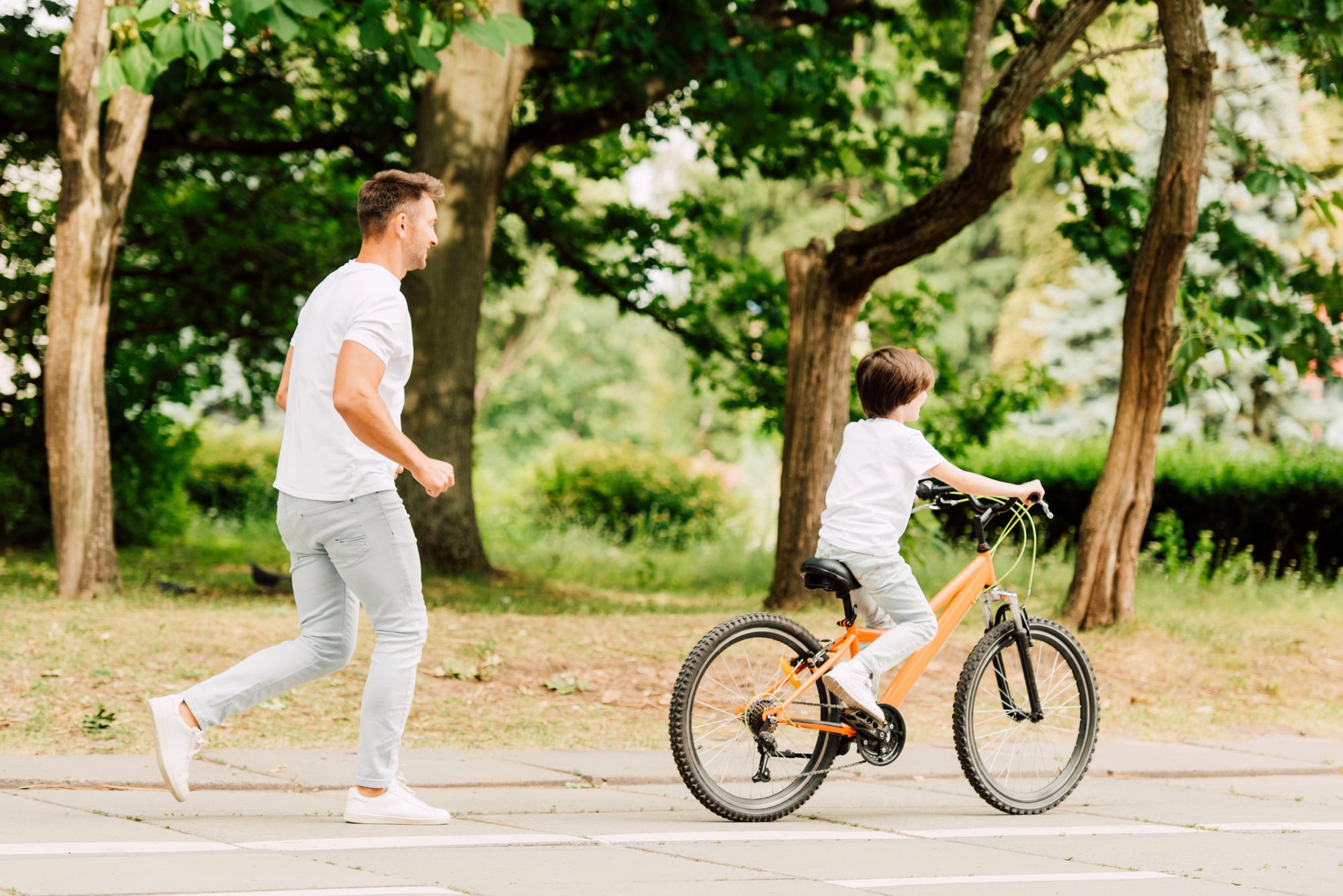
Helmet-free bike riding was the universal childhood experience for anyone who grew up before roughly 1990. You rode hard, crashed occasionally, got back up, and kept going — and the idea of wearing protective gear felt vaguely insulting, like an accusation that you didn’t know what you were doing.
Today, helmets are legally required for minors in many states, which is genuinely the right call given what we now know about head injuries.
Lawn Darts

Lawn darts — actual metal-tipped projectiles designed to be thrown high into the air and land in a small plastic ring on the ground — were a standard backyard toy until December 19, 1988, when the Consumer Product Safety Commission banned them after three children had died and thousands of injuries had been documented. Someone genuinely thought handing children weighted metal spikes and encouraging them to throw them skyward was a recreational activity.
It was wildly popular.
Staying Home Alone at Seven or Eight

The latchkey kid era was real and enormous — millions of children came home after school, let themselves in with the key on a string around their neck, made a snack, and sat in an empty house for two or three hours without incident. Child development experts today tend to suggest somewhere between ten and twelve as the earliest reasonable age for this.
Seven-year-olds running the microwave unsupervised is now considered a red flag.
Climbing Trees Without Anyone Watching
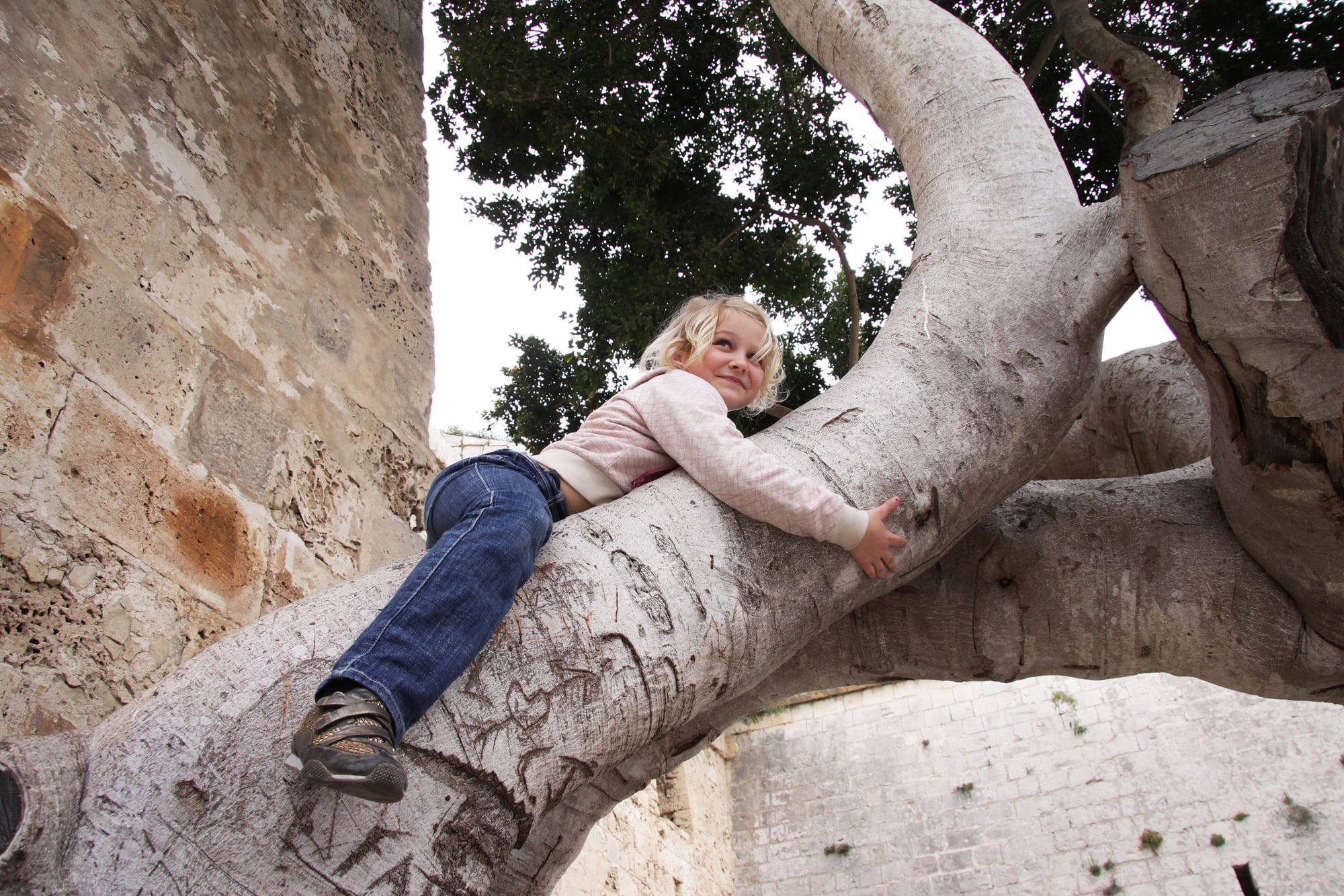
Tree climbing used to be a childhood rite of passage so unremarkable that it barely registered as an activity — it was just something you did, the way you’d kick a can or chase a cat. The higher the branch, the better the view, and the better the view, the more worth it the eventual climb down.
Some schools have now banned tree climbing on playgrounds entirely, citing liability concerns, which says everything about how far the cultural pendulum has swung.
Playing Outside in Extreme Heat With No Sunscreen

Sunscreen was the thing your mom made you put on before the beach, not something applied before a Tuesday afternoon in the backyard. Kids spent entire summers outside with no SPF protection whatsoever, and the worst outcome was usually a bad burn followed by an impressive peel.
Dermatologists have been very patient in explaining why this was a poor plan, and the current generation is mercifully better protected.
Skipping Seatbelts in the Car

The back seat of a station wagon, a pile of kids, no seatbelts — just a turn sharp enough to send everyone sliding into each other. Seatbelts existed in many cars well before they became legally mandatory, but the habit of actually wearing them took decades to take hold.
Federal law now mandates seatbelt use for adults, and every state has child passenger safety laws with specific car seat requirements by age and weight.
Using Playground Equipment That Would Fail Every Modern Safety Code

The metal merry-go-round that could genuinely hurt you if you fell off at speed, the tall slide that got hot enough in summer to qualify as a cooking surface, the monkey bars suspended over packed dirt instead of rubberized cushioning — these were the defining fixtures of any respectable 1970s or 80s playground. Modern playgrounds are engineered with fall zones, impact-absorbing surfaces, and equipment heights carefully calibrated to reduce injury.
They are also significantly less exciting.
Watching Whatever Was on TV
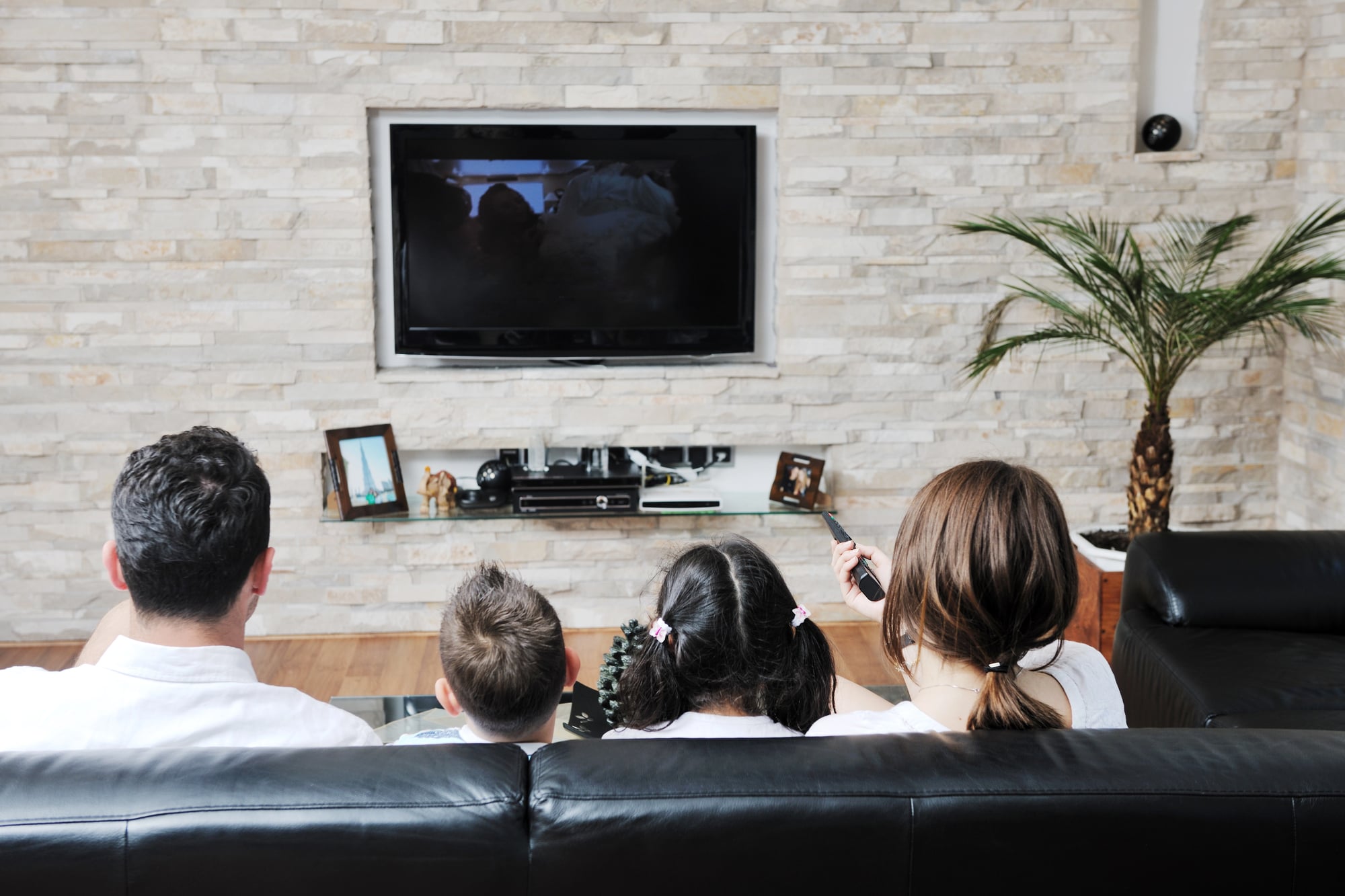
Saturday morning cartoons with no parental guidance label, evening news violence, horror movies at a friend’s sleepover because their older sibling rented it — content filtering was essentially nonexistent for many kids growing up in earlier decades. The television was just on, and you watched what was on, and nobody was monitoring your screen time or setting up parental controls on the family cable box.
Parenting culture around media consumption has shifted dramatically, and it’s not going back.
Eating Whatever Was in the Fridge, Unsupervised

There was a specific childhood skill set built around unsupervised kitchen access: making toast, eating cold leftovers straight from the container, treating the peanut butter jar as a direct-access snack situation. Today, the conversation around children and kitchen safety is considerably more structured — which makes sense given how many things can go wrong when an eight-year-old is operating a stove alone.
The freedom was real, though.
Getting in a Car With a Strange Adult

This one reads alarming by contemporary standards — but for a certain generation of kids, it was fairly common to accept a ride from a neighbor, a friend’s parent, or a family acquaintance without any adult in the household being notified first. The village-raising-children model assumed a baseline of community trust that has steadily eroded.
Stranger danger campaigns of the 1980s started pushing back on this, and the shift in thinking has been essentially permanent.
Running Errands Alone at Nine or Ten

A child, a bike, a list, and the expectation that they’d come back with groceries or a library book or the dry cleaning. The solo errand was a landmark of childhood maturity — proof you could navigate the world independently, handle money, and talk to adults without falling apart.
Today, a ten-year-old sent alone to a grocery store is liable to attract concerned looks from strangers and possibly a call to the non-emergency police line.
Roughhousing Without Adult Supervision

The kind of play that looked, from the outside, almost indistinguishable from an actual fight — wrestling, tackling, pile-ons, the general chaos of several kids sorting out a physical hierarchy without any referee present. Adults mostly looked the other way, trusting that the kids would work it out, and usually they did.
Zero-tolerance policies in schools have compressed the space where this kind of play used to happen, and recess supervision has gotten considerably more attentive.
Shooting BB Guns in the Backyard
In rural and suburban America alike, a BB gun was a fairly standard childhood item — a birthday or Christmas gift, sometimes given to a kid who was barely old enough to hold it steadily. Backyard target practice against old cans was a weekend ritual in millions of households.
The regulatory landscape around this varies enormously by state, but the cultural comfort with handing young children any kind of firearm has shifted considerably in most communities.
Swimming Without Much Safety Infrastructure

Open water swimming with no life vest, no adult in the water, and no sunscreen was simply summer. Lakes, rivers, ponds, the neighbor’s pool — wherever water was accessible, kids were in it, often without much in the way of safety supervision.
Drowning remains one of the leading causes of accidental death in children under fourteen, which makes the casualness of previous generations genuinely difficult to reconcile.
Spending All Day Playing Video Games Without Anyone Checking

This cuts the other direction — the concern now would be too much screen time, but for the first generation of home console kids, the worry was almost nonexistent. You could spend an entire rainy Saturday in front of the television with a controller in your hands, and no parent was tracking hours or setting timers.
Screen time limits as a formal parenting concept simply didn’t exist yet, because the concept of what excessive screen time might do to a developing brain hadn’t been studied yet either.
Taking Public Transit Alone
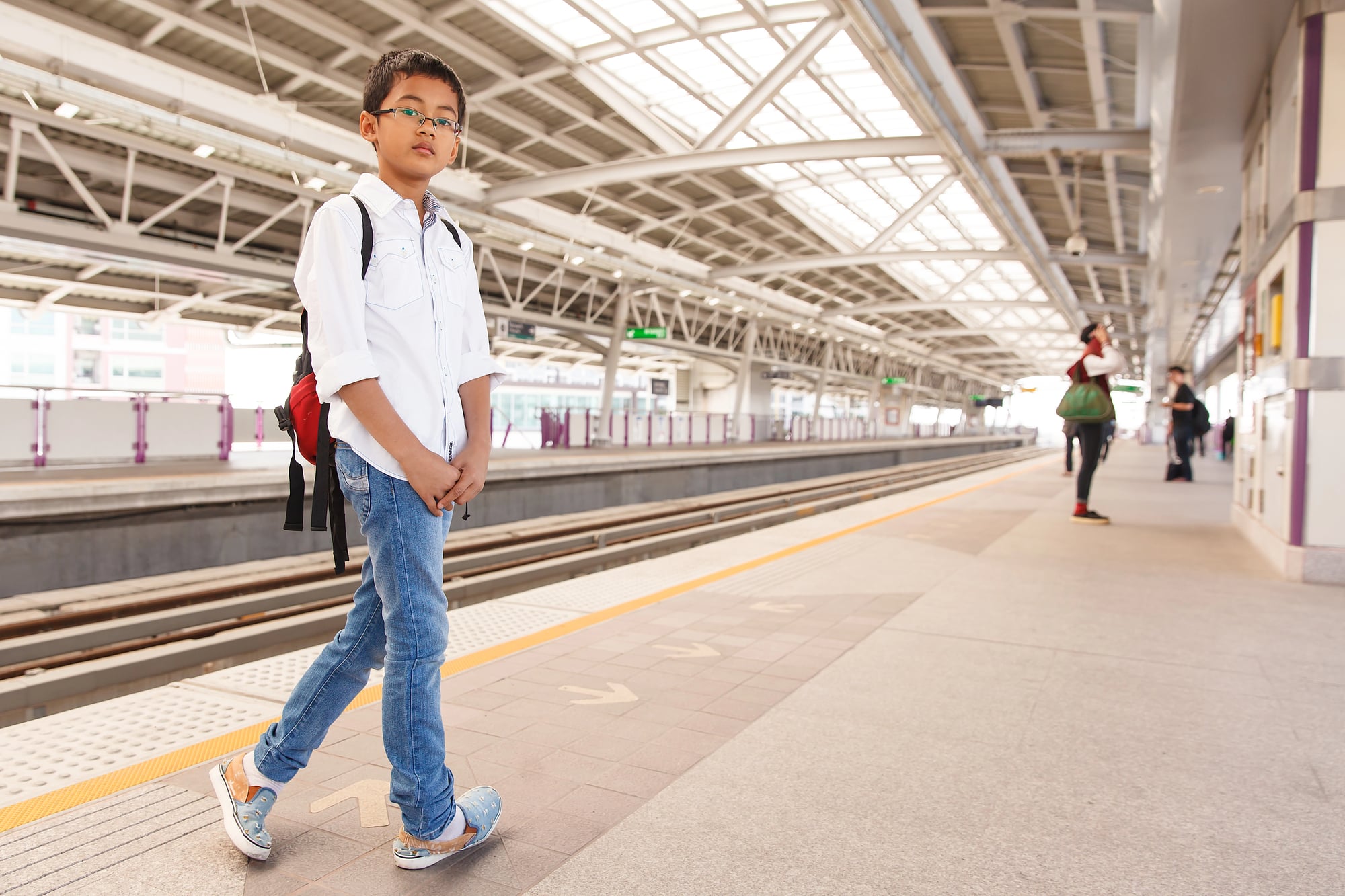
A bus token, a route memorized, and a ten-year-old left to navigate a city transit system without a chaperone — this was a practical, common reality for urban kids throughout the mid-twentieth century and well into the 1990s. The idea of a child alone on public transit today sets off alarm bells in a way that would have genuinely puzzled earlier generations.
The world hasn’t necessarily gotten more dangerous — perception of danger has shifted, which turns out to have almost the same practical effect.
Playing in Construction Sites and Empty Buildings

Abandoned buildings and half-finished construction zones functioned as the greatest playgrounds imaginable for kids who’d exhausted all the official options. They were dangerous in ways that were specific and real — unstable floors, exposed materials, none of the adults responsible for those sites aware children were there.
And yet, for a certain kind of kid, they were irresistible in the way that all genuinely forbidden things are: not in spite of the risk, but partly because of it.
Trick-or-Treating Without an Adult

Halloween used to belong entirely to the kids — groups of children fanning out through neighborhoods well after dark, no parents trailing behind, no flashlight mandatory, no family check-in protocol. The candy wasn’t x-rayed, the routes weren’t pre-approved, and the only rule was to be back by a certain hour.
Modern Halloween, with its supervised trunk-or-treat events and adult-escorted groups, is a tamer creature entirely.
Going to the Movies Alone

A Saturday, a few dollars, and a twelve-year-old dropped off at the multiplex for the afternoon while parents ran errands — this was completely unremarkable. Nobody questioned whether a child alone at a movie theater was an appropriate situation.
Today, many theaters have implemented policies requiring adults to accompany minors for evening screenings, which reflects both liability concerns and a broader cultural anxiety about children in unmonitored public spaces.
Making Their Own Decisions About Food Allergies

There was a period not so long ago when food allergies were either undiagnosed or poorly understood, and kids with genuine sensitivities simply ate whatever was served and dealt with the consequences later — sometimes in genuinely scary ways. School lunch tables didn’t have allergen labeling, birthday cupcakes were distributed without ingredient checks, and the idea of a nut-free classroom would have drawn blank stares.
The current vigilance around this is one area where the shift has been unambiguously good.
Fireworks, Unsupervised

The Fourth of July, a box of fireworks from the roadside stand, and a group of children operating them without meaningful adult oversight. Bottle rockets launched from glass bottles, firecrackers thrown at each other, sparklers handed to three-year-olds — the injury statistics from those decades are genuinely grim.
Fireworks regulations vary by state, but the general trajectory has been toward restriction, with consumer-grade fireworks banned outright in many areas.
Corporal Punishment at School
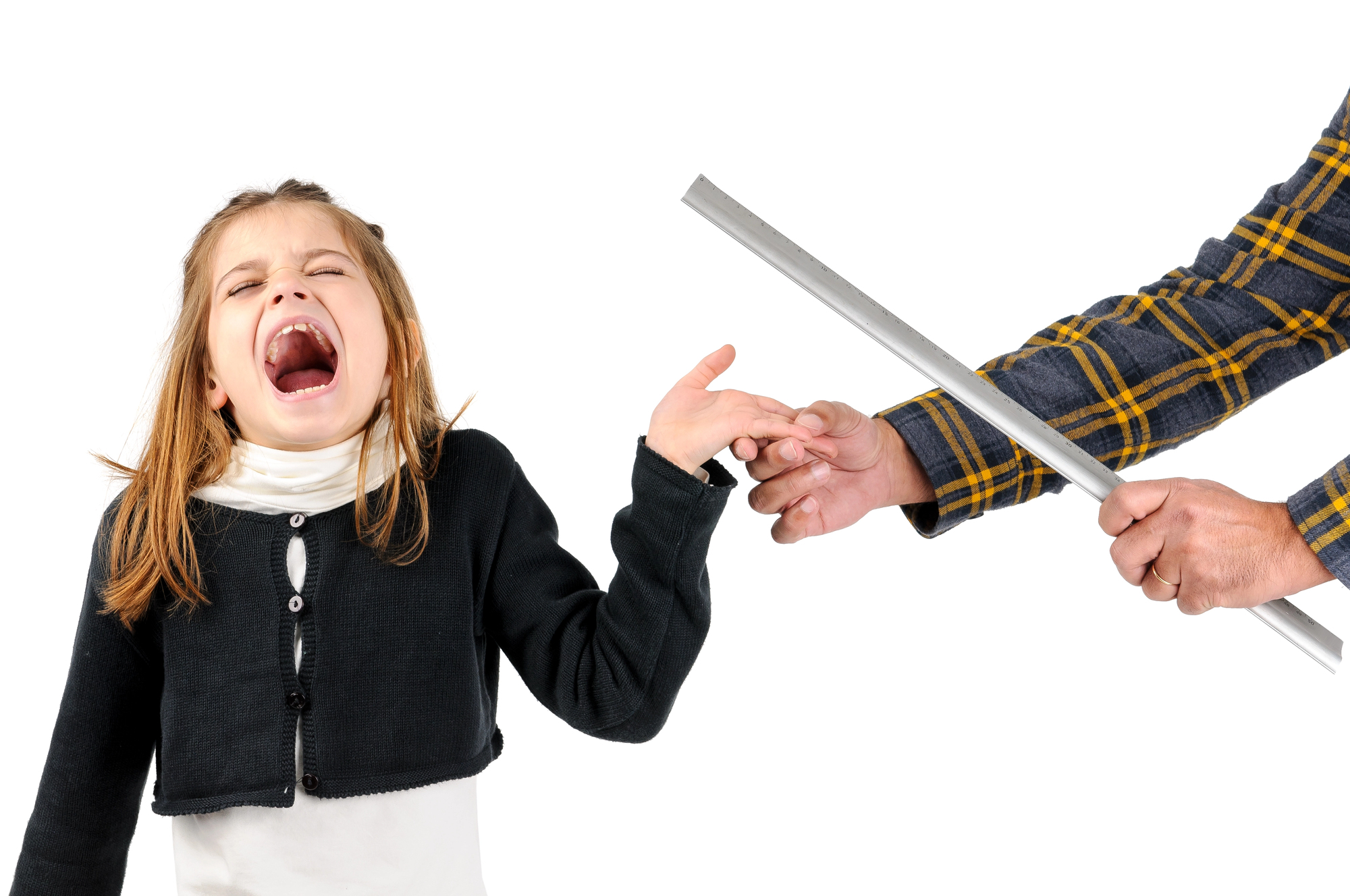
Paddling was a legally sanctioned disciplinary tool in American public schools for most of the twentieth century, and in a number of states it technically remains legal today — though the practice has largely disappeared. A child could be sent to the principal’s office for misbehavior and returned to class having been physically disciplined, with parents notified after the fact rather than before.
The research on the psychological effects of corporal punishment has been consistent and unflattering to the practice.
Making Up Their Own Rules in Unsupervised Play

Kids used to negotiate entire social and physical worlds without adult arbitration — who was it, what the out-of-bounds lines were, how you handled a dispute, when the game was over. The expectation was that children could govern their own small societies, imperfectly and loudly, and that the friction was the point.
Structured enrichment activities, supervised playdates, and scheduled recreational time have replaced a lot of that messy, self-directed chaos, and something genuinely useful to childhood development may have gone with it.
Staying Out Past 10 P.M. in the Summer

Curfew was loose, summer nights were long, and children in their early teens were frequently outside well past ten o’clock, riding around on bikes or just sitting somewhere doing nothing in particular. The kind of unstructured evening freedom that produced genuine adolescent independence — and, occasionally, poor decisions that also produced genuine adolescent independence.
It would draw a very different response today in most American suburbs.
Keeping Secrets From Parents Without It Being a Big Deal

There’s a particular kind of childhood privacy that existed before the smartphone made full parental transparency both possible and expected — the ability to have a social life that your parents simply didn’t know the full details of. Not dangerous secrets, just ordinary ones: who you liked, what you and your friends talked about, where you really went after school.
The current era of shared locations and read-accessible texts has essentially closed that gap, which kids today would probably tell you is its own kind of loss.
Hitchhiking
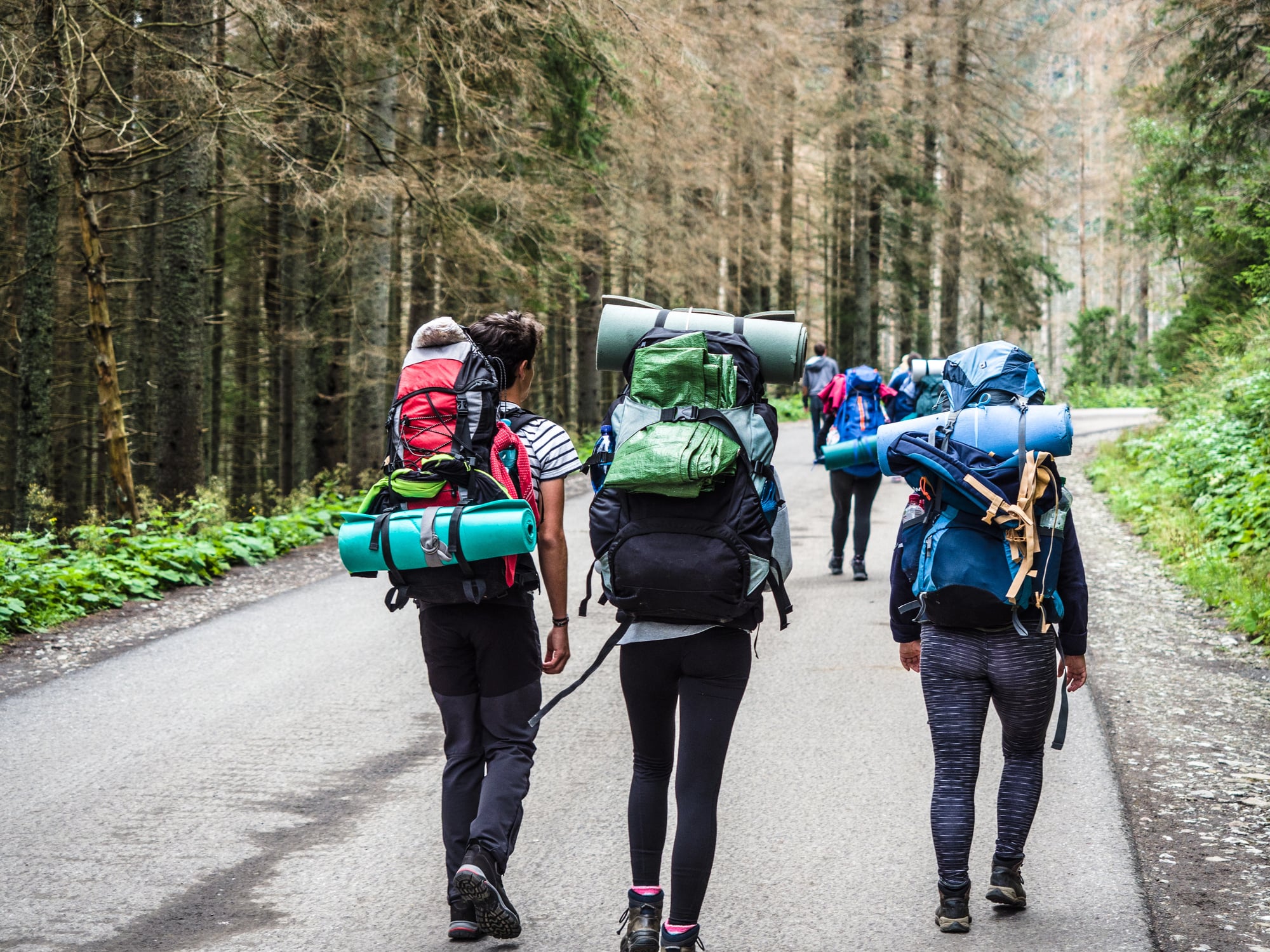
Hitchhiking was, for a surprising stretch of American history, an accepted mode of transportation for teenagers and young adults who needed to get somewhere and didn’t have a car. Truckers picked up teenagers, families picked up teenagers, it was woven into the fabric of how people moved around a country that loved cars but didn’t always have one available.
The cultural consensus against it hardened through the 1980s and 90s and is now essentially total — hitchhiking as a real and casual option has almost entirely vanished.
Getting Cuts and Scrapes and Just… Going Home
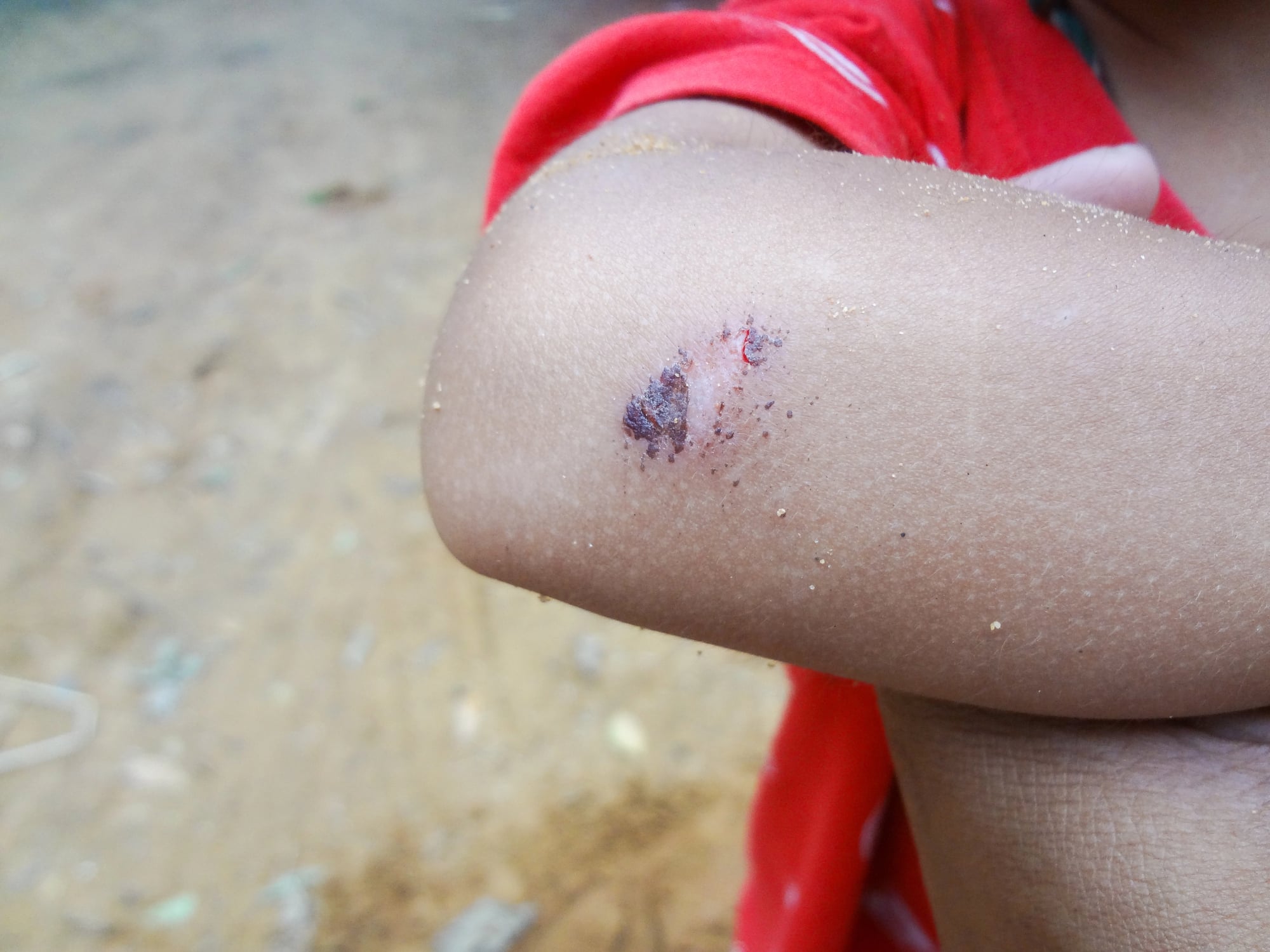
No urgent care visit, no tetanus concern logged in a medical file, no incident report filed with the school. You got hurt, you went home, someone put something on it, and the next day you went back outside.
The medicalization of minor childhood injuries is a relatively recent phenomenon — the expectation that every scrape warrants professional attention, or at least formal documentation. Kids were more durable in the sense that adults just assumed they were, which may have been the more useful belief.
When the Freedom Ran Out

It didn’t disappear all at once. It thinned gradually, like light going out of a room at the end of an afternoon, until one day the door-to-door trick-or-treating became chaperoned and the hose became a safety concern and the empty lot became a liability.
Some of what replaced those freedoms is genuinely better — children are safer in cars, better protected from the sun, less likely to be given metal projectiles as toys. But some of what replaced it is just anxiety wearing the costume of caution, and kids growing up today are navigating a world that trusts them with considerably less than previous generations were handed without a second thought.
More from Go2Tutors!

- The Romanov Crown Jewels and Their Tragic Fate
- 13 Historical Mysteries That Science Still Can’t Solve
- Famous Hoaxes That Fooled the World for Years
- 15 Child Stars with Tragic Adult Lives
- 16 Famous Jewelry Pieces in History
Like Go2Tutors’s content? Follow us on MSN.