32 Ancient Practices That Continued Far Longer Than Expected
It is easy to assume that ancient customs belong neatly to ancient eras, replaced the moment a newer technology or belief system arrived. In practice, plenty of practices people associate with the distant past ran in parallel with the modern world for centuries, sometimes overlapping with living memory far more than most people realize.
Egyptian Mummification Into the Roman Period
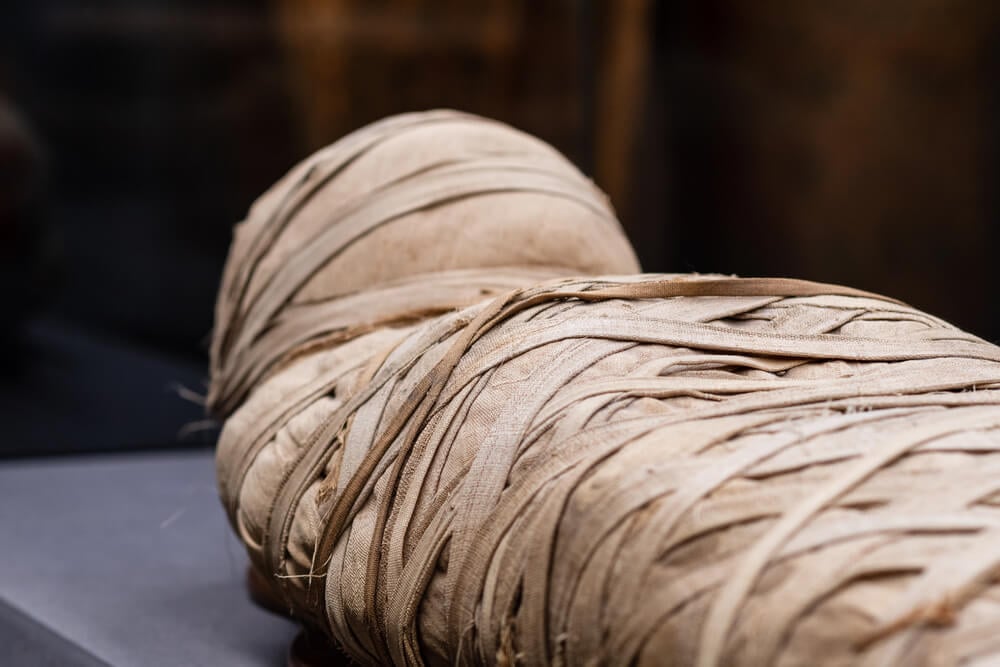
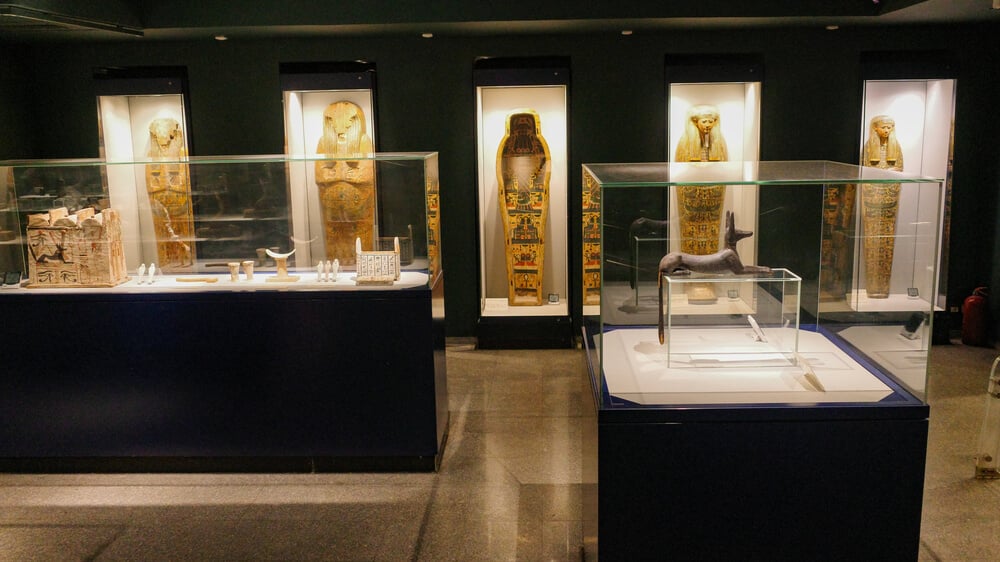
Mummification did not end with the pharaohs. The practice continued in Egypt well into the Roman period, adapting to include portrait panels painted in a Greco-Roman realist style, known today as Fayum portraits, attached directly to the wrapped remains. Some of these portrait mummies date to several centuries after Rome absorbed Egypt as a province.
Cuneiform Writing Used for Astronomy
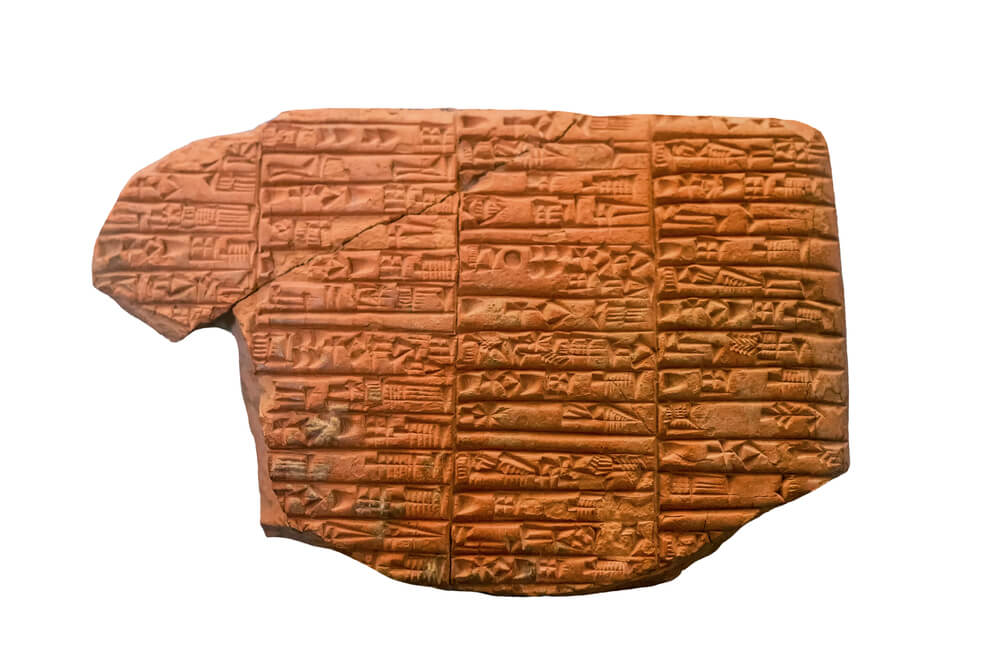
Cuneiform script, developed in Mesopotamia around 3400 BCE, remained in active use for specialized astronomical record-keeping until roughly the first century CE, even after alphabetic scripts had become dominant for most other purposes. The very last known cuneiform tablet is an astronomical text dated to 75 CE.
The Ancient Olympic Games
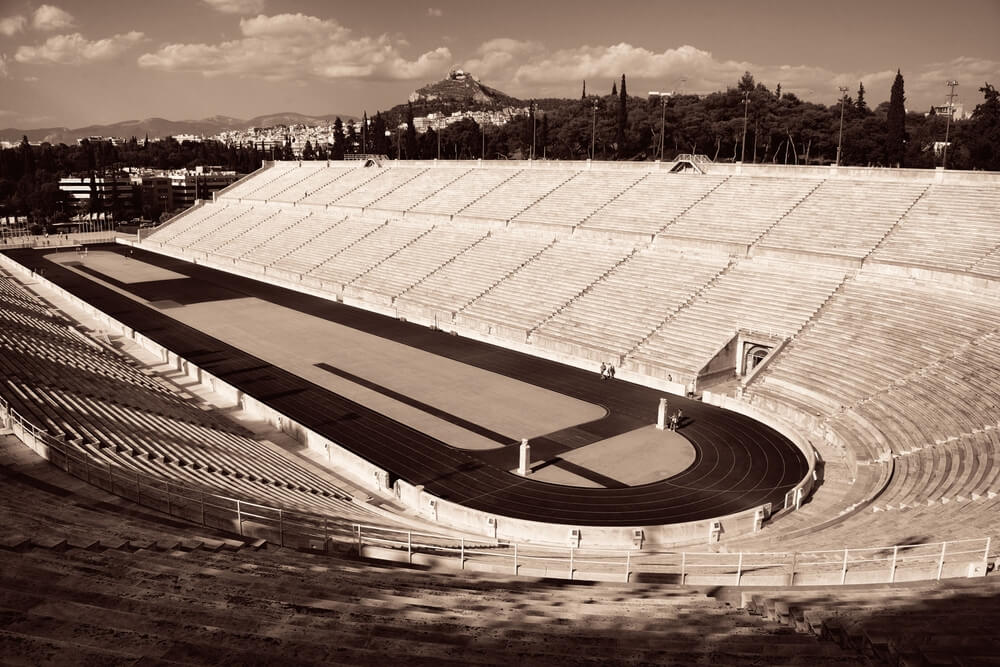
The Olympic Games, first recorded in 776 BCE, continued to be held every four years for over a thousand years before Roman Emperor Theodosius I banned them in 393 CE as part of a broader suppression of pagan festivals. The games therefore ran roughly three-quarters as long as the gap separating their end from the modern revival in 1896.
The Delphic Oracle

The Oracle of Delphi, consulted by rulers and ordinary citizens across the ancient Mediterranean for guidance from the god Apollo, continued operating for well over a thousand years before its final decline in the fourth century CE. Its influence on ancient political decisions is documented across many surviving historical sources spanning that entire period.
Foot Binding in China
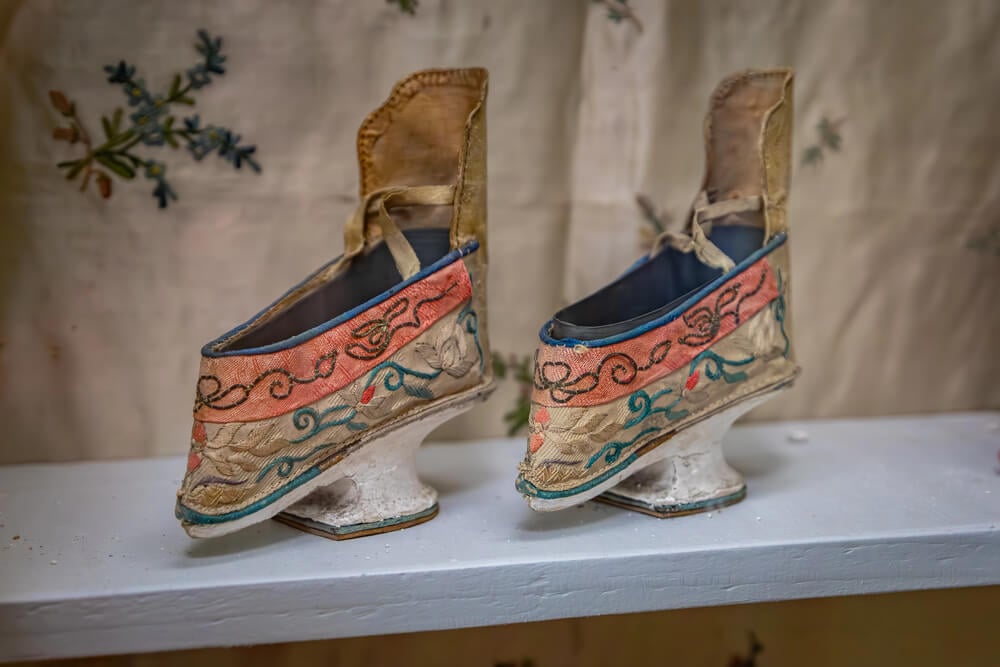
The Chinese practice of binding young girls’ feet to alter their shape, which began among elite households around the tenth century, remained widespread in parts of China into the early twentieth century despite repeated reform campaigns. It was not effectively ended until after 1949, meaning the practice overlapped with automobiles, telephones, and powered flight.
Trepanation as a Medical Procedure

Trepanation, the practice of drilling or scraping an opening into the skull, dates back to the Neolithic period and was performed for both medical and ritual reasons across many ancient cultures. Variations of the technique persisted in some regions into the nineteenth and even twentieth centuries as a crude treatment for head injuries and certain neurological conditions.
Latin as a Living Scholarly Language
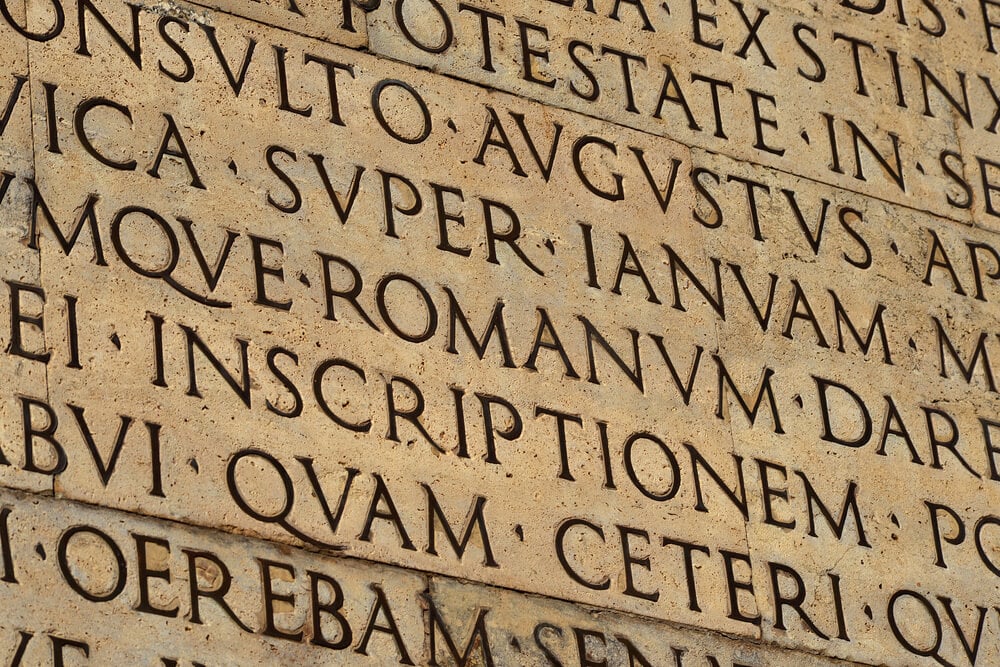
Latin ceased to be anyone’s native spoken language centuries after the fall of Rome, yet it remained the working language of European scholarship, law, and the Catholic Church for well over a thousand years afterward. University lectures across Europe were still commonly delivered in Latin into the eighteenth century.
The Silk Road Trade Networks

Trade routes connecting East Asia to the Mediterranean, collectively known as the Silk Road, functioned continuously in various forms for roughly fifteen hundred years, from around the second century BCE well into the medieval period. Goods, technologies, and ideas moved along these routes far longer than most individual empires that controlled sections of them survived.
Bloodletting as Standard Medical Practice

The medical theory that illness could be treated by draining a patient’s blood dates to ancient Greek medicine and remained standard practice across much of the Western world for over two thousand years. Doctors continued to recommend bloodletting as a legitimate treatment well into the nineteenth century, even as germ theory began to displace the humoral medicine that justified it.
The Guild System
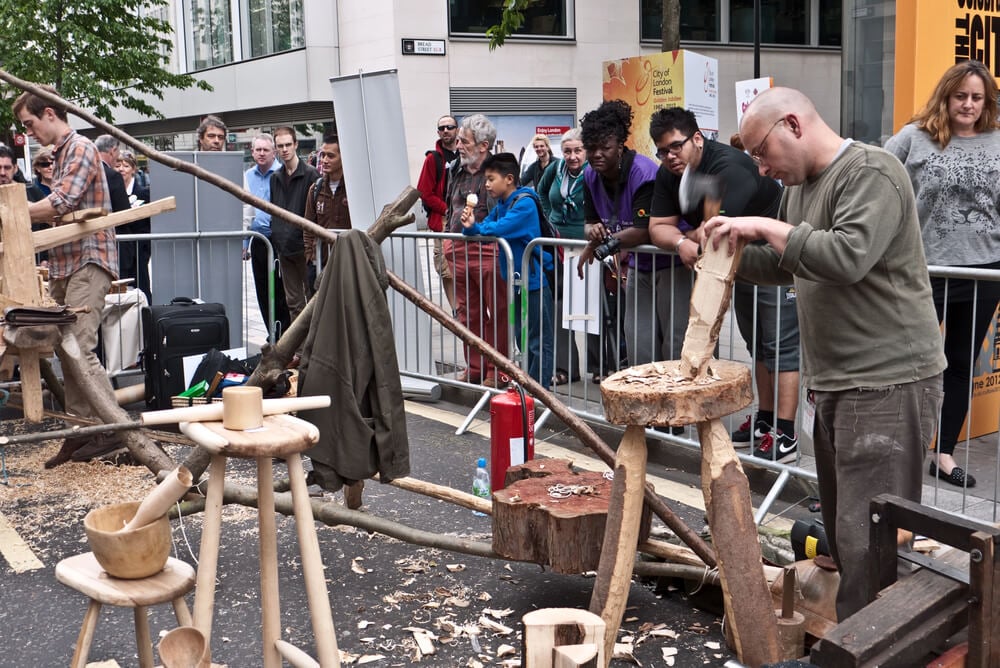
Craft guilds regulating trades, training, and quality standards emerged in medieval Europe and continued operating with real economic power for centuries, well past the point most people associate with the medieval period. Some guild structures persisted in parts of Europe into the industrial era before factory production made their model obsolete.
The Abacus in Active Commercial Use
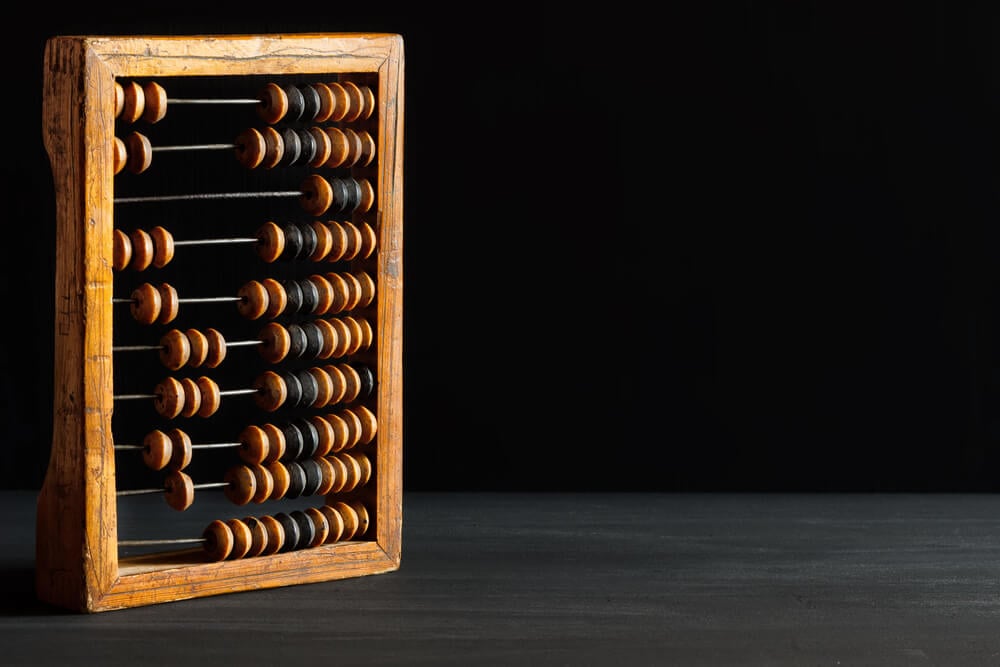
The abacus, a calculating device with roots in ancient Mesopotamia and later refined in China and Japan, remained the standard tool of everyday commercial arithmetic across large parts of Asia well into the twentieth century. Skilled abacus operators famously outpaced early electronic calculators in speed trials as late as the 1940s.
Falconry as an Elite Practice

Falconry, documented in written sources for well over two thousand years, remained an actively practiced elite sport across Europe, the Middle East, and Central Asia continuously through the medieval and early modern periods. The practice never fully disappeared and continues today in some countries as a recognized cultural tradition.
Andean Quipu Recordkeeping
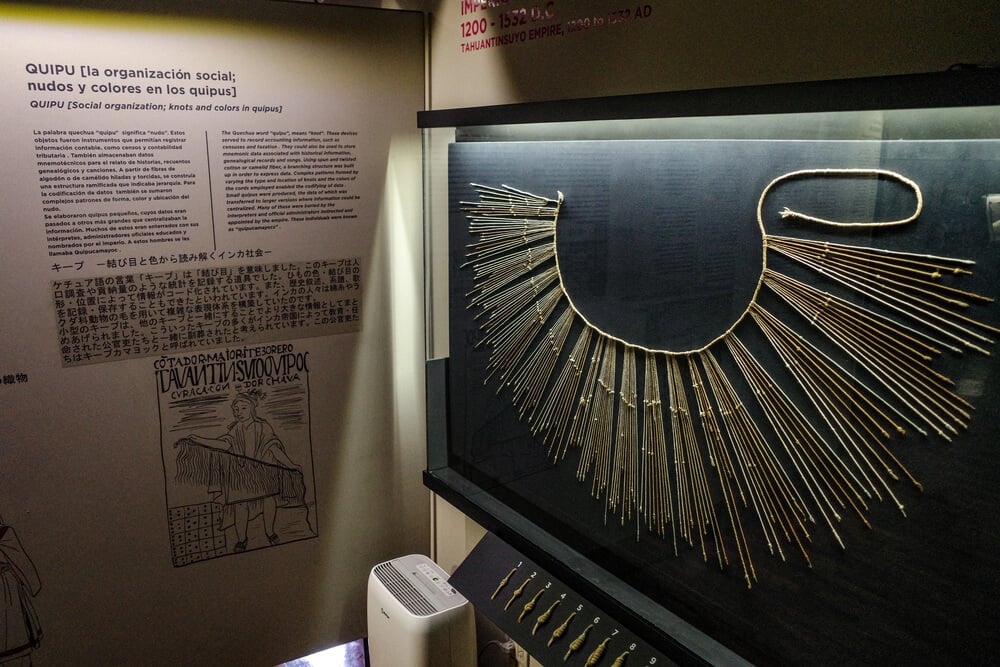
The Inca and earlier Andean cultures used knotted cord devices called quipu to record numerical and possibly narrative information, a system that predated European contact by centuries. Quipu use continued in some Andean communities well into the colonial period, and isolated instances of the practice persisted far longer than most colonial administrators assumed.
Zoroastrian Fire Temple Traditions
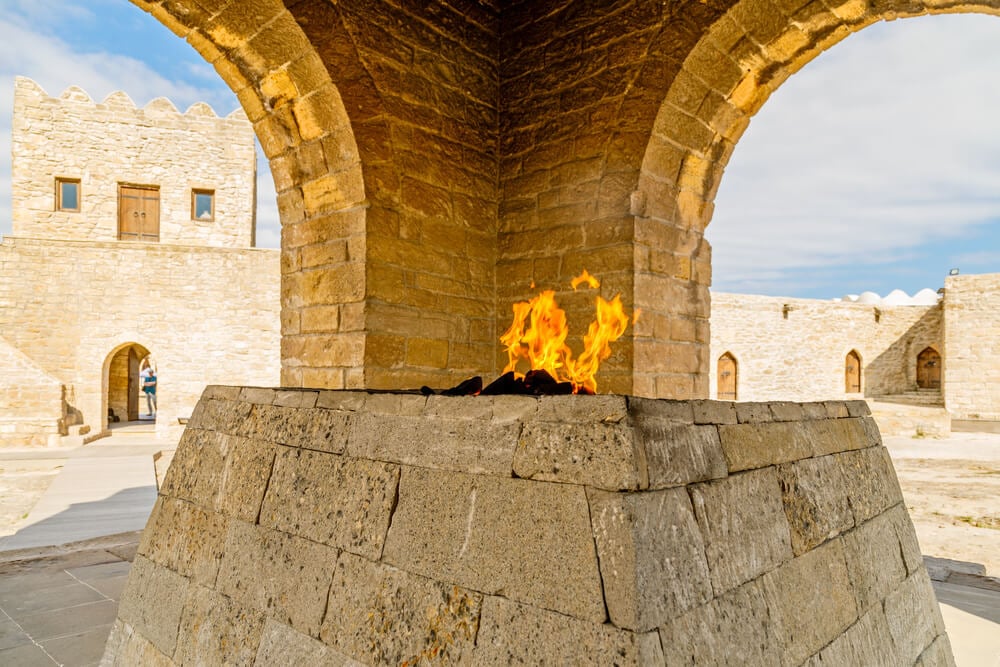
Fire temples central to Zoroastrian religious practice date back well over two thousand years to ancient Persia, and communities maintaining continuously burning sacred fires exist to the present day in Iran and India. Some of these sacred flames are maintained by traditions claiming an unbroken lineage stretching back many centuries.
The Chinese Civil Service Examination System
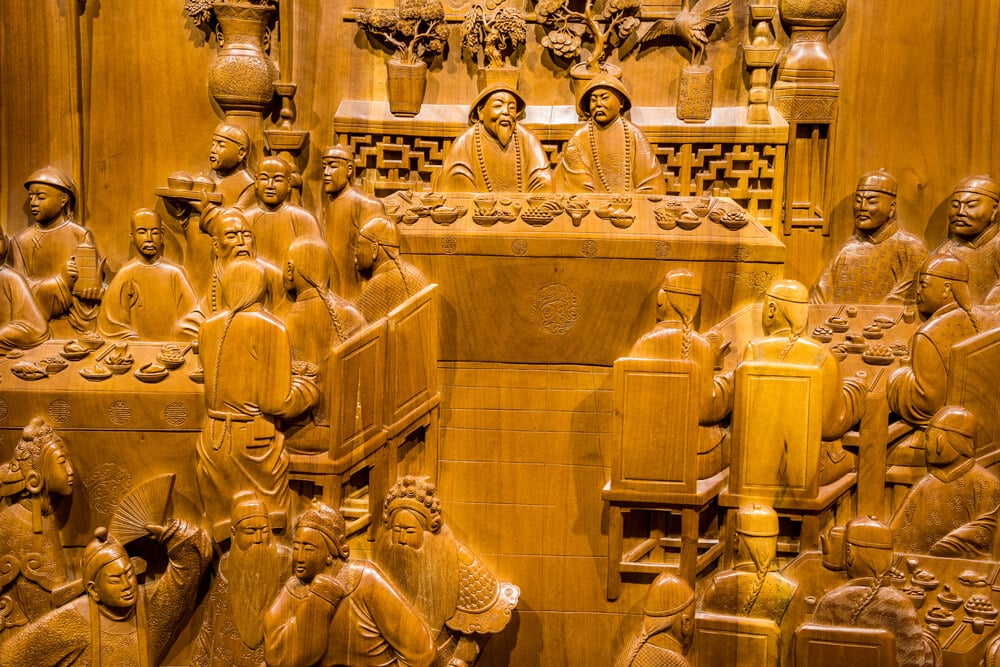
China’s imperial examination system, which selected government officials based on merit-based testing of classical knowledge, was formally established under the Sui dynasty around 605 CE and continued in essentially the same form for roughly thirteen hundred years. It was not abolished until 1905, only a few years before the imperial system itself collapsed entirely.
The Julian Calendar in Orthodox Churches
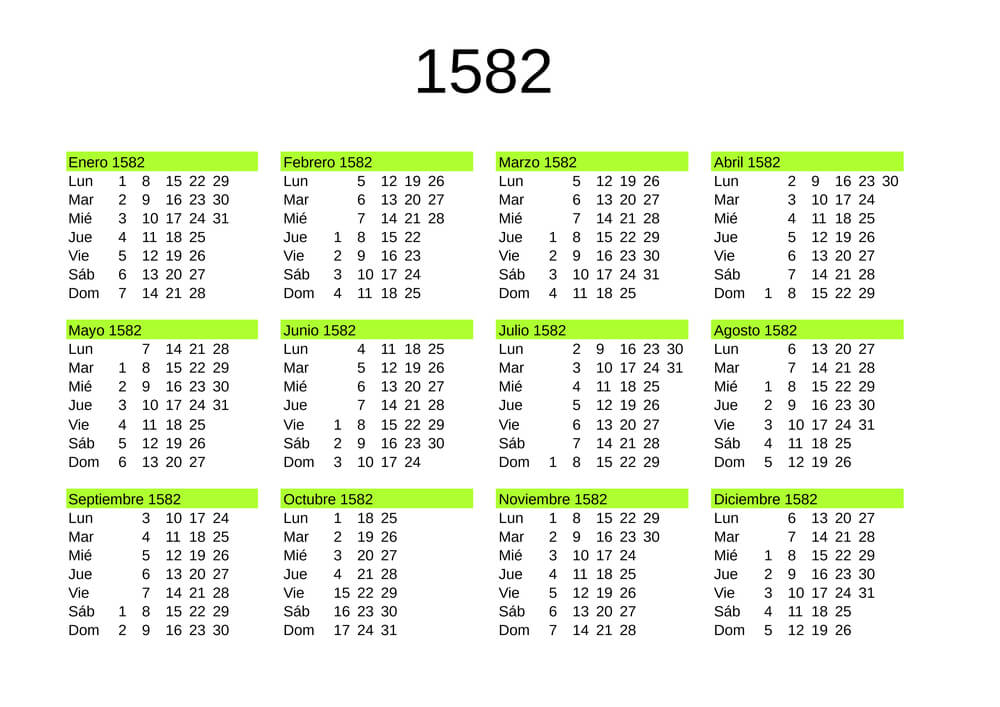
The Julian calendar, introduced by Julius Caesar in 46 BCE and gradually replaced across most of the world by the more accurate Gregorian calendar beginning in 1582, remains in liturgical use by several Orthodox churches to the present day. This means two different calendar systems dating to entirely different eras still coexist for calculating religious observances.
The Pilgrimage Route to Santiago de Compostela
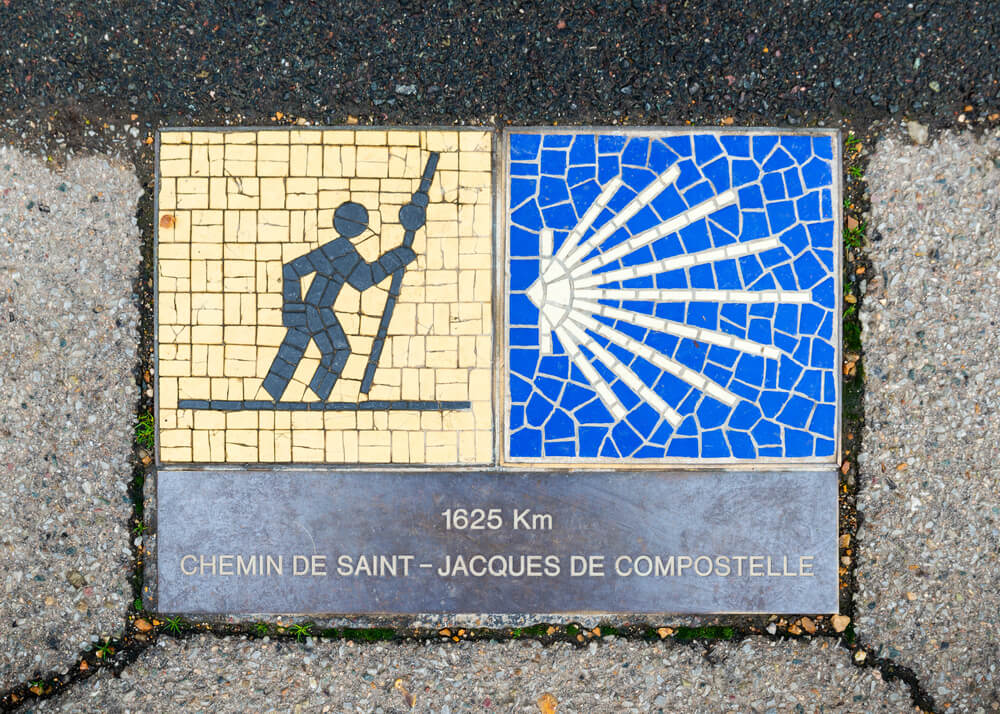
The Camino de Santiago pilgrimage route across northern Spain has drawn walkers continuously since the ninth century, making it one of the longest continuously used pilgrimage routes in the world. Modern hikers still walk sections of the same paths documented in medieval pilgrim guides written many centuries earlier.
Papyrus Use After Parchment’s Introduction
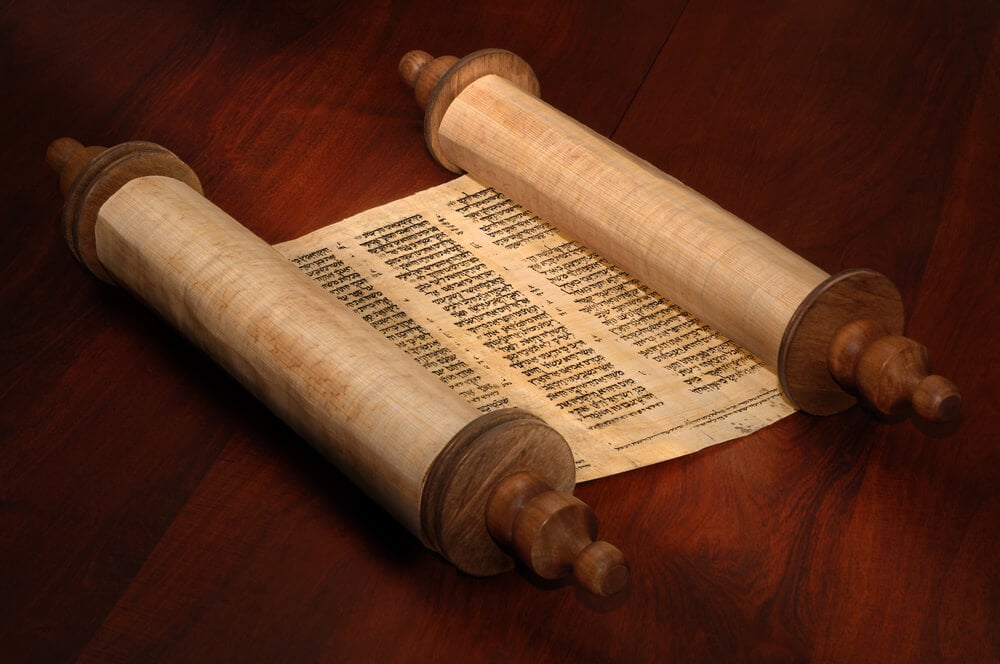
Parchment offered a more durable writing surface and became increasingly common after roughly the second century BCE, yet papyrus remained in active administrative and literary use across the Mediterranean world for many centuries afterward, particularly in Egypt where the plant grew abundantly. Papal documents were still being issued on papyrus as late as the eleventh century.
Gladiatorial Combat’s Long Decline
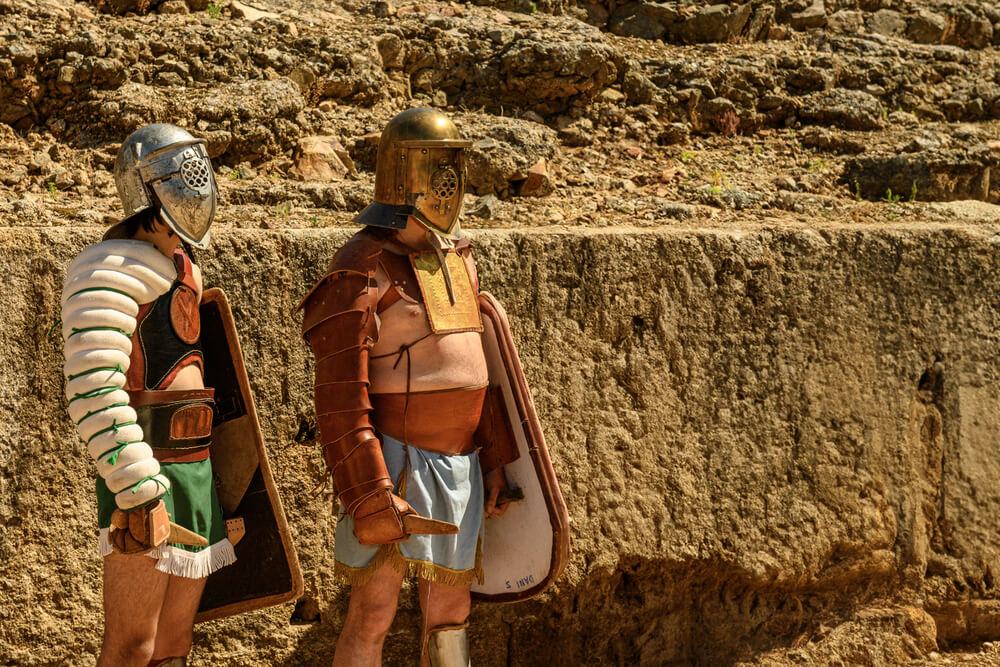
Formal gladiatorial games in Rome are commonly associated with the empire’s earlier centuries, but organized combat events continued in some form well into the fifth century CE, with a final recorded event traditionally placed around 404 CE. The practice therefore overlapped with the empire’s decline far more than popular memory usually credits.
Falconry’s Formal Legal Codes

Medieval Europe developed detailed legal codes regulating who was permitted to fly which species of bird based on social rank, a hierarchy documented in surviving hunting manuals. Versions of these class-based restrictions persisted in parts of Europe for centuries after most other feudal hunting privileges had faded away.
Astrology in Royal Courts

Court astrologers advising monarchs on the timing of major decisions were a fixture of ancient Mesopotamian and Egyptian rule, and the practice remained a serious feature of European royal courts well into the early modern period. Prominent monarchs continued consulting official astrologers on matters of state timing centuries after astronomy and astrology had begun to separate as distinct disciplines.
Oral Epic Recitation Traditions

The tradition of memorizing and performing lengthy oral epics, the kind of practice believed to lie behind works like the Iliad and Odyssey, continued as a living performance tradition in various cultures for millennia afterward. Specialists in some regions maintained oral epic traditions of comparable length and complexity into the twentieth century, providing scholars a living window into how such works were originally transmitted.
Trial by Combat in European Law
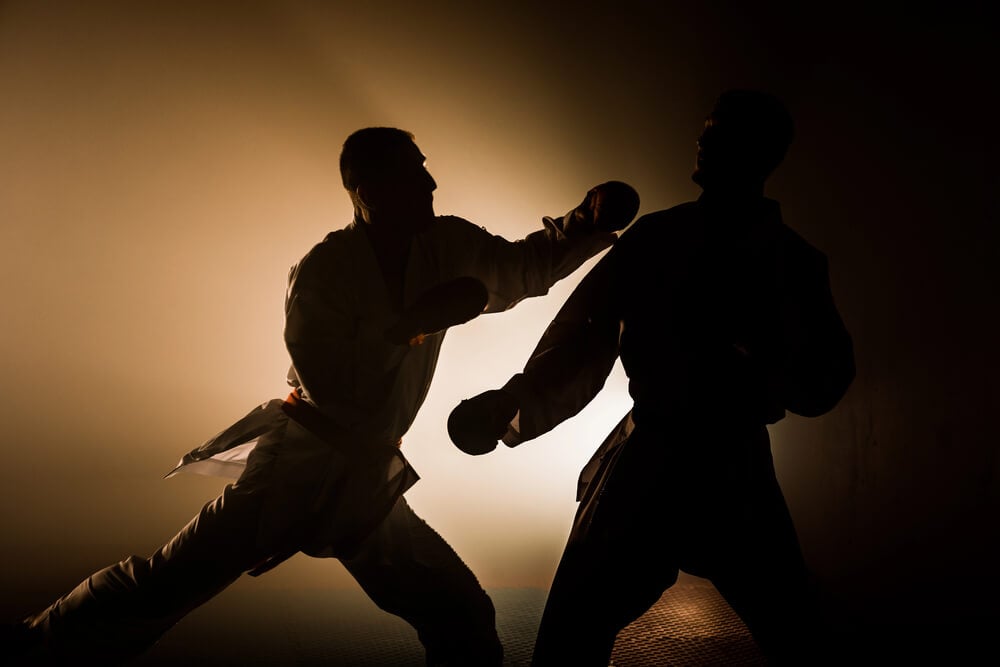
Trial by combat, in which a legal dispute could be settled by armed contest between the parties or their champions, was formally recognized in English law for centuries after its introduction following the Norman Conquest. The legal provision technically remained on the books and was invoked in an actual court case as late as 1818, prompting Parliament to formally abolish it the following year.
Roman Law’s Influence on Later Codes
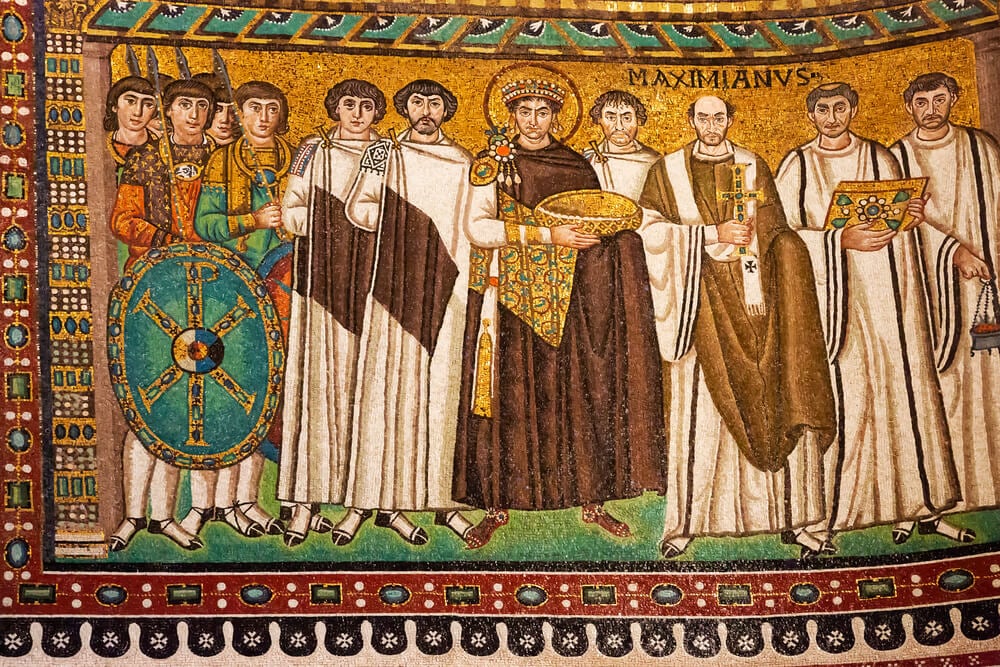
Roman legal principles, systematized under emperors like Justinian in the sixth century, continued shaping European legal thought for well over a thousand years and directly influenced the drafting of the Napoleonic Code in 1804. Modern civil law systems across much of the world still trace identifiable structural principles back to these ancient Roman foundations.
Scribal Copying After the Printing Press

Handwritten manuscript copying remained an active, valued practice in monasteries and scholarly centers for generations after Gutenberg’s printing press appeared in the fifteenth century, particularly for luxury and liturgical texts. Some scriptoria continued producing hand-copied manuscripts well into the sixteenth century even as printed books became widely available.
Egyptian Hieroglyphic Literacy
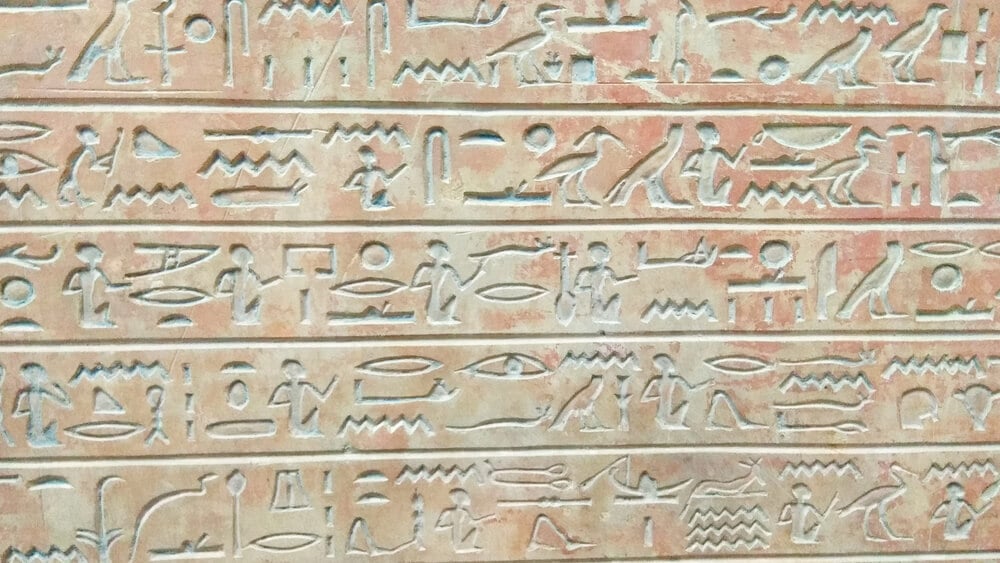
Hieroglyphic writing, developed in Egypt around 3200 BCE, remained in active religious and monumental use for well over three thousand years, with the last known hieroglyphic inscription dating to 394 CE. Knowledge of how to read the script was then completely lost for over fourteen hundred years until the Rosetta Stone allowed its decipherment in the 1820s.
Megalithic Monument Building on Remote Islands
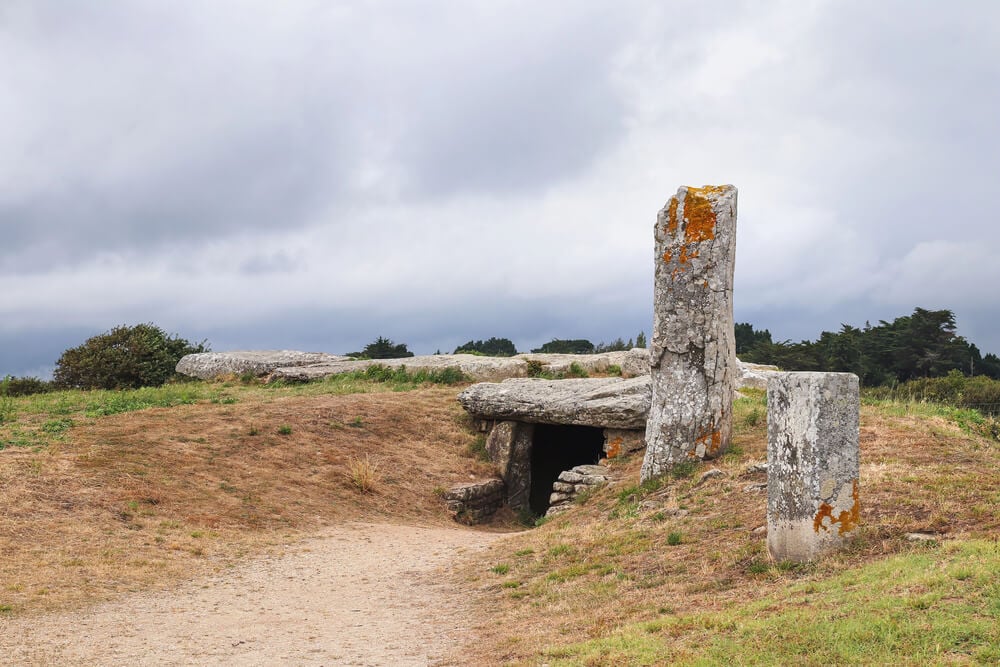
While large-scale megalithic construction in Europe is generally associated with the Neolithic period, some island cultures continued building massive stone monuments for many centuries longer, most famously the moai statues of Rapa Nui, carved as late as the seventeenth century. The tradition therefore continued thousands of years after comparable European stone monument building had ended.
Serfdom in Central and Eastern Europe

Systems of bonded agricultural labor resembling medieval serfdom persisted formally in parts of Central and Eastern Europe well into the nineteenth century, with Russia not abolishing serfdom until 1861. This meant a legal institution with roots in the early medieval period coexisted with railroads, telegraphs, and industrial factories.
Dueling as a Method of Settling Disputes
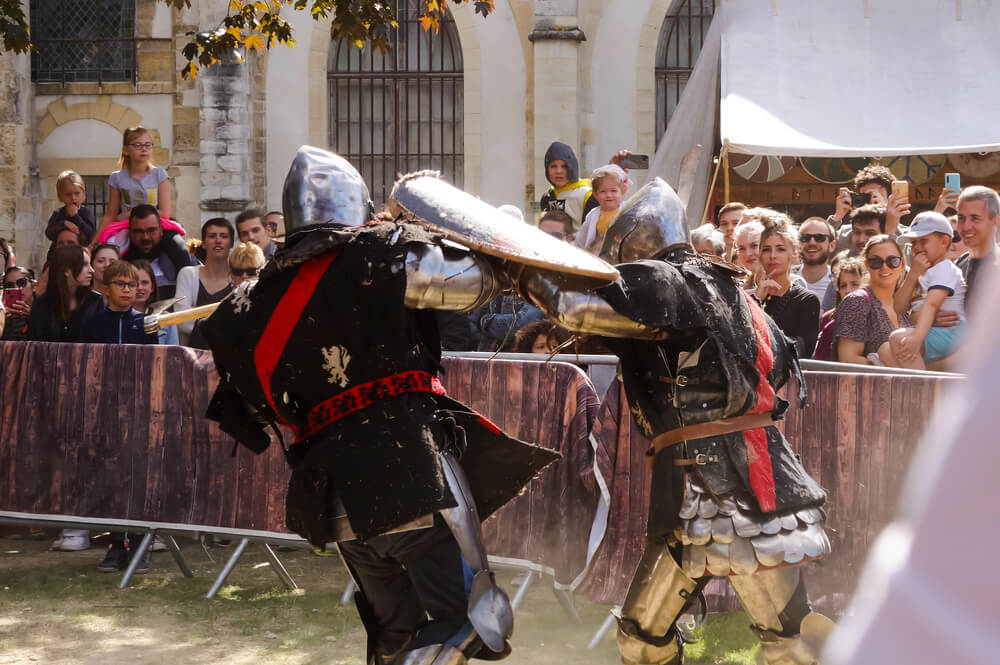
Formal dueling to resolve matters of personal honor, with roots in medieval trial by combat, remained a socially accepted practice among elites in parts of Europe and the Americas well into the nineteenth century despite growing legal prohibition. Documented duels, some fatal, continued occurring in various countries into the early twentieth century.
The Use of Chariots in Warfare
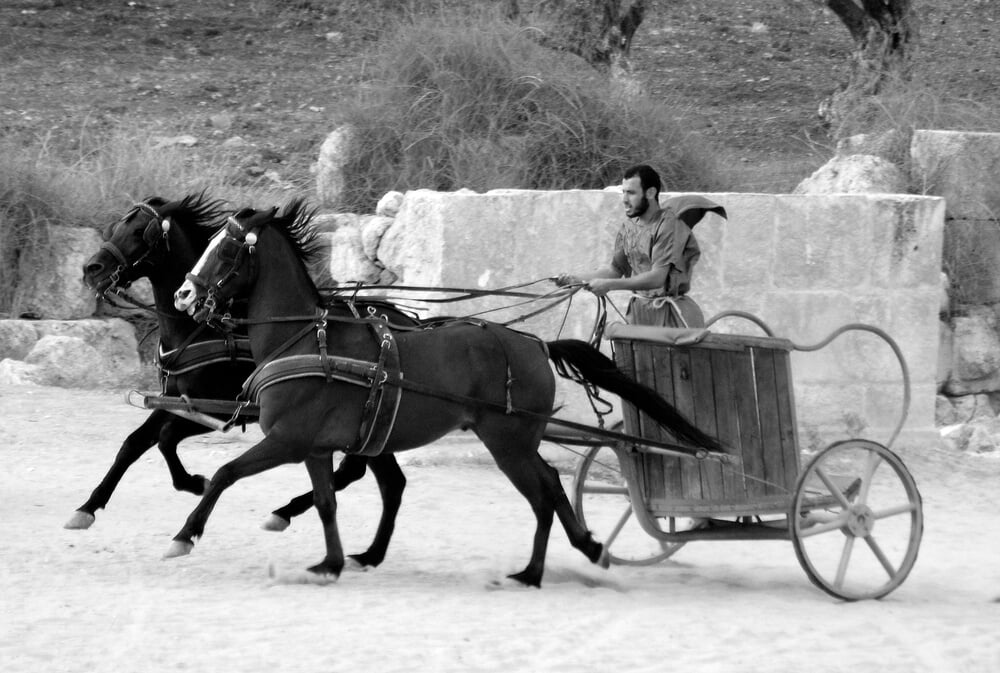
Chariot warfare, a hallmark of Bronze Age militaries across the ancient Near East, continued to appear on some battlefields for many centuries after most major powers had shifted primarily to cavalry, with chariots documented in specific regional conflicts well into the classical period. Their persistence in isolated contexts long outlasted the era most closely associated with their dominance.
Animal Sacrifice in Continuing Religious Traditions

Ritual animal sacrifice, documented across nearly every ancient religious tradition, continued as an active practice within specific living religious communities well past the point many assume such customs had universally ended. Some traditions maintaining the practice trace an unbroken line of religious continuity spanning thousands of years to the present day.
The Druidic Calendar’s Folk Echoes
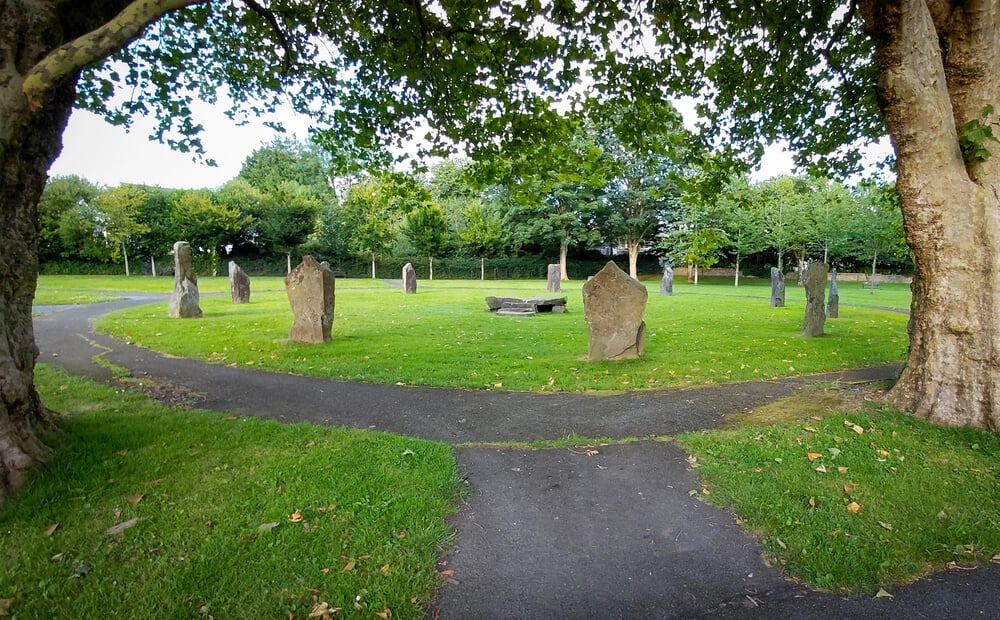
While the organized druidic religious tradition of ancient Celtic Europe faded under Roman and later Christian influence, elements of its seasonal calendar and associated folk customs persisted in altered form within regional European folk practice for many centuries afterward. Scholars continue to debate how much of this later folk tradition genuinely traces back to the original practice versus later reinvention.
The Past Rarely Ends on Schedule
History textbooks like clean transitions: one era closes, the next opens, and the old customs recede accordingly. Actual practices rarely cooperate. A method of writing, a system of medicine, or a form of religious observance tends to keep running exactly as long as it remains useful to the people doing it, regardless of which century a historian later assigns it to.
The genuine surprise in this list is not that any single practice lasted a long time. It is how often that persistence quietly overlapped with eras generally considered thoroughly modern, right up until the moment something better finally made the old way unnecessary.
More from Go2Tutors!

- The Romanov Crown Jewels and Their Tragic Fate
- 13 Historical Mysteries That Science Still Can’t Solve
- Famous Hoaxes That Fooled the World for Years
- 15 Child Stars with Tragic Adult Lives
- 16 Famous Jewelry Pieces in History
Like Go2Tutors’s content? Follow us on MSN.



