32 Vintage Christmas Ornaments From Grandparents’ Attics That Collectors Now Chase Down
Every family has a box of ornaments that comes down from the attic in December with a warning attached. Handle carefully, those were Grandma’s.
Some of those warnings are sentimental, and some are more financially accurate than anyone realizes. Glass blown in German villages, cardboard stamped in Dresden, and plastic molded in Rhode Island all have dedicated collectors who know exactly what they are looking at.
Shiny Brite Ornaments From Corning Blanks
Max Eckardt launched Shiny Brite in 1937, and Corning soon supplied the glass blanks using a ribbon machine built to make light bulbs, turning out ornaments by the thousands each minute. During World War II, silver for the reflective lining and metal for the caps grew scarce, so Shiny Brite sold clear, unsilvered glass with painted stripes and cardboard caps.
Those wartime pieces and the original patriotic boxes draw strong interest. Boxed sets of 12 usually sell for 30 to 150 dollars, while rare shapes and graphics bring more.
Flaking paint, faded boxes, and replaced caps lower the price.
Heavy Kugels From Lauscha

Glassblowers in Lauscha, Germany, made thick, heavy glass ornaments called kugels from about the 1840s through the end of the century. They were so weighty that early examples hung from sturdy brass caps with decorative hangers instead of thin wire.
Silver and gold are the most common colors, while cobalt, green, red, and amethyst are harder to find. Kugels sell for hundreds of dollars, and rare colors or shapes like grape clusters reach thousands.
Reproductions exist, so collectors check the weight, the glass, and the cap. Worn silvering inside, chips, and replaced caps lower value.
Dresden Paper Ornaments
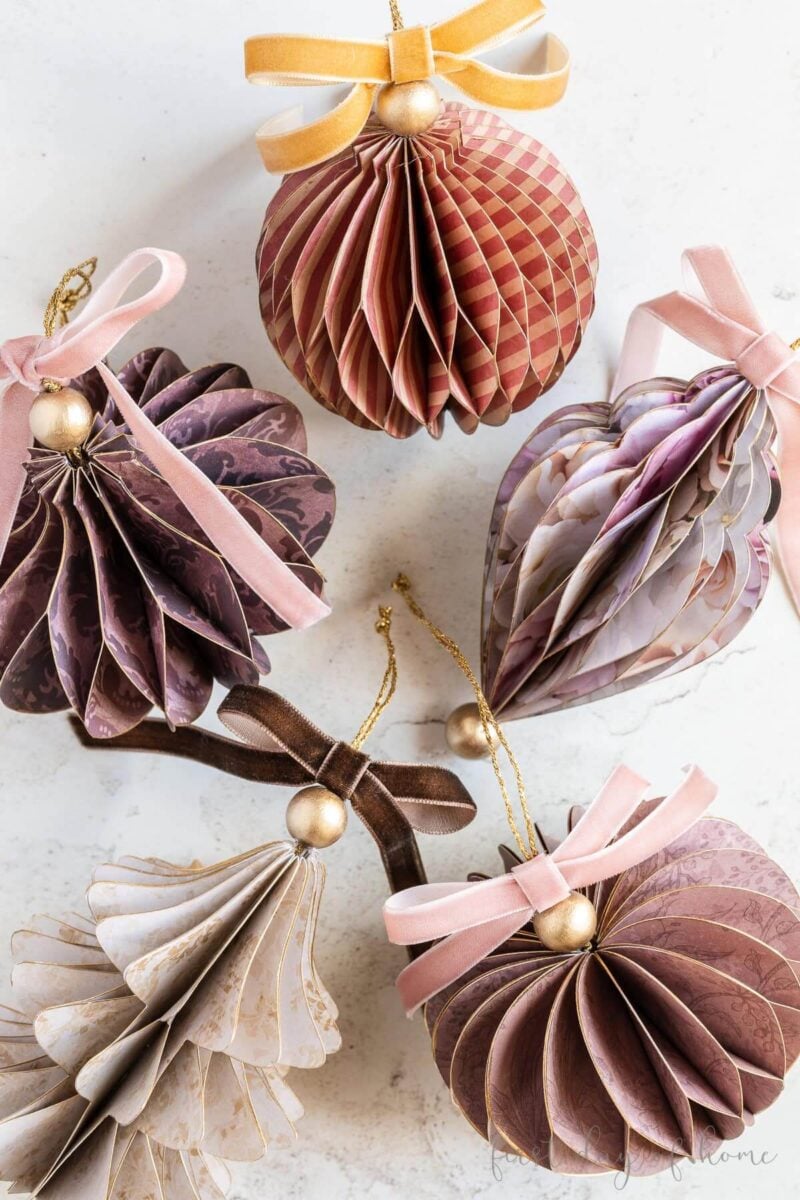
Factories around Dresden and Leipzig produced embossed, gilded cardboard ornaments from roughly the 1880s until World War I began. These delicate pieces came in the shapes of animals, fish, ships, carriages, and musical instruments, some so detailed that they look like metal.
Flat versions are more common, while three-dimensional pieces bring the most. Prices run from 100 dollars to several thousand for rare forms.
Faded gilding, tears, crushed edges, and missing parts lower value. The paper is fragile, and survivors in crisp condition are scarce after more than a century of holiday use.
Lauscha Mold-Blown Figurals
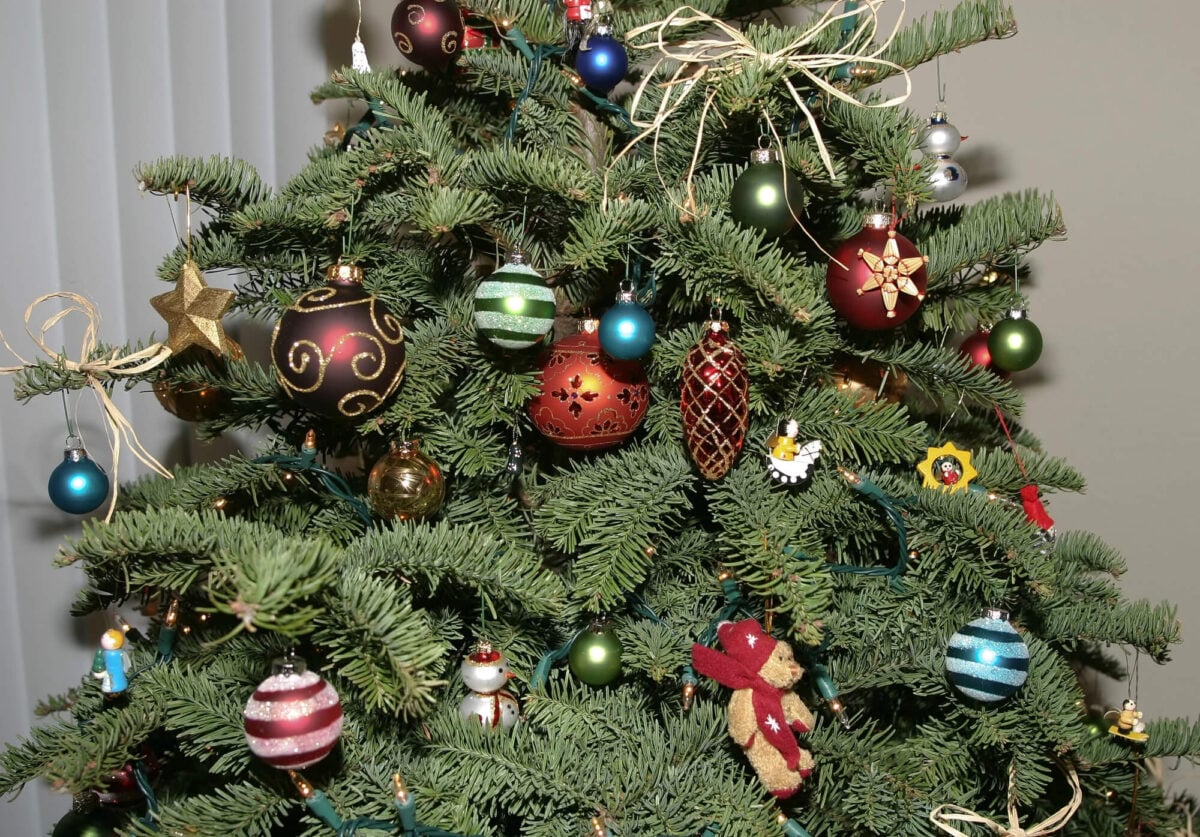
Lauscha glassblowers began blowing ornaments into molds in the 1870s, producing Santas, animals, fruit, and figures in fine detail. F.W. Woolworth began importing German glass ornaments to his American stores in 1880, and the figurals became popular across the country.
Prices range from tens of dollars for common shapes to thousands for rare figures, such as unusual characters or large Santas. Collectors check for worn paint, missing silvering inside, and cracks.
The original caps and hangers help confirm age. Paint loss on faces lowers the price considerably, since detailed faces drive much of the value.
Czech Beaded Ornaments
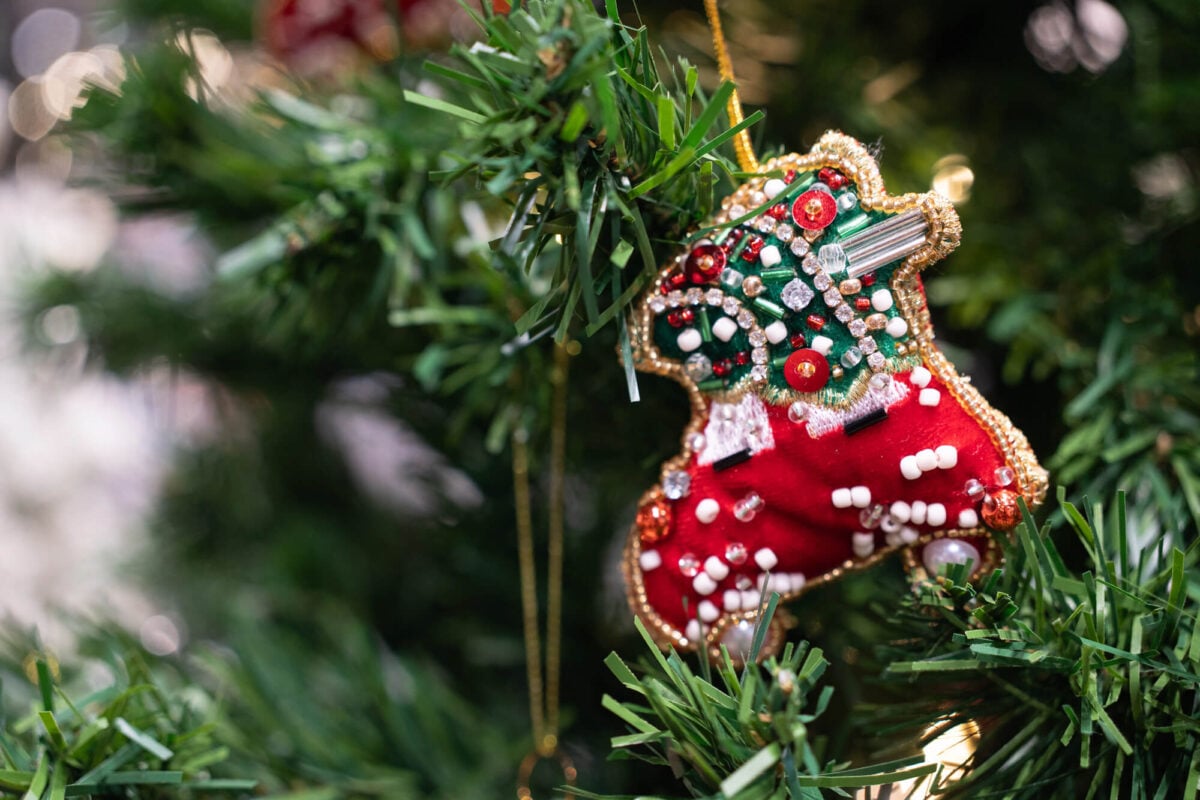
Craftspeople in Czechoslovakia wired small glass beads into ornament shapes in the 1920s and 1930s, creating stars, airplanes, snowflakes, and other forms. The pieces are lightweight and glitter under tree lights.
Most sell for 20 to 100 dollars, while rare shapes and large pieces bring more. Collectors check for broken beads, bent wire, and missing sections.
Many were made for export to the United States. Reproductions exist, so collectors look for signs of age in the wire and beads.
Complete pieces with all beads intact bring the best prices.
Indent Reflector Ornaments
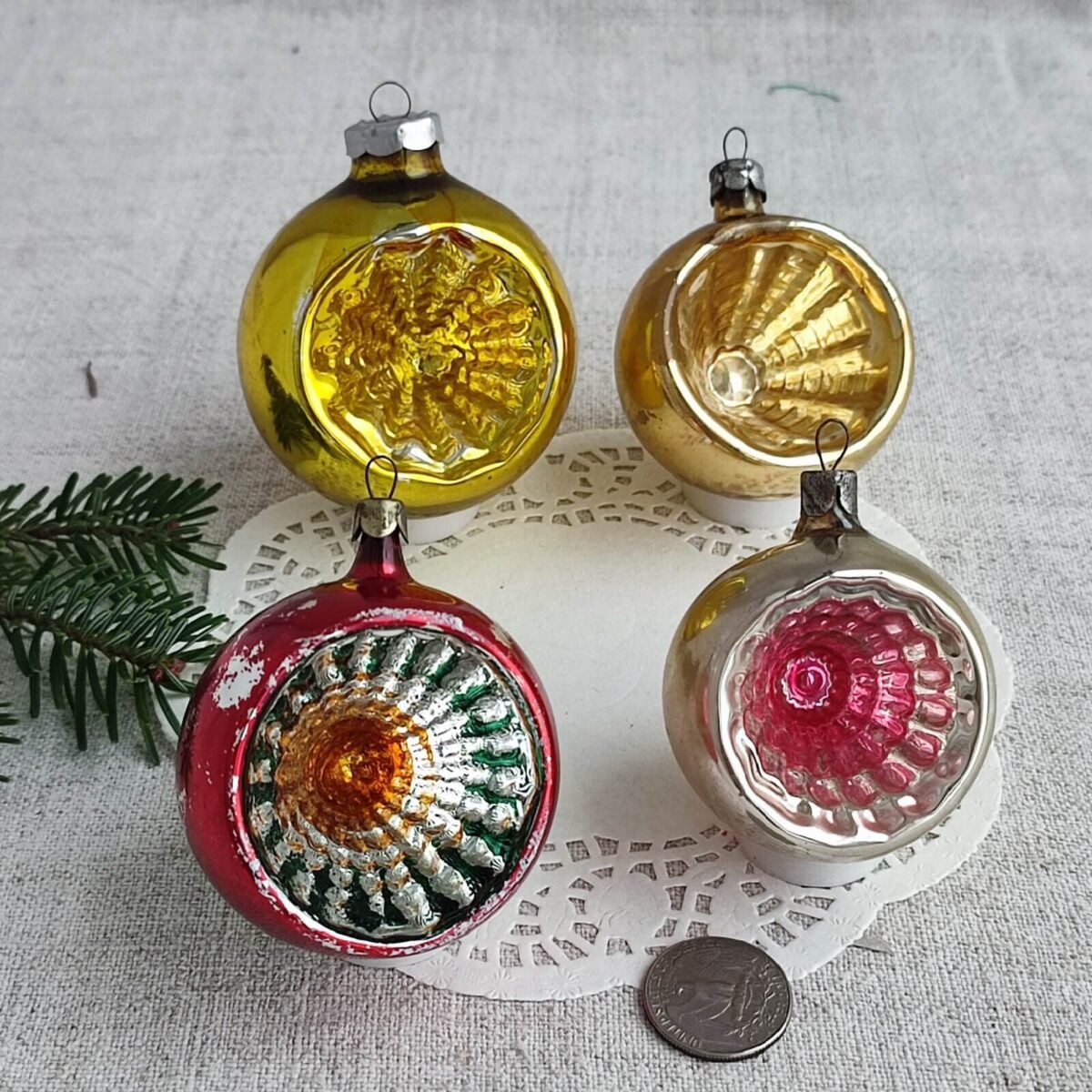
Indent ornaments have a concave section pressed into one or more sides, creating a reflector that catches light from the tree. They were made in Germany, Japan, and the United States from the 1920s through the 1960s.
Most sell for 10 to 50 dollars, while rare colors, unusual shapes, and multiple indents bring more. Shiny Brite made many American versions.
Collectors check for worn paint, missing silvering, and cracked glass. Original caps help confirm age.
Faded or scratched indents lower value, since the reflecting surface is the entire reason to buy one.
Early Christopher Radko Designs
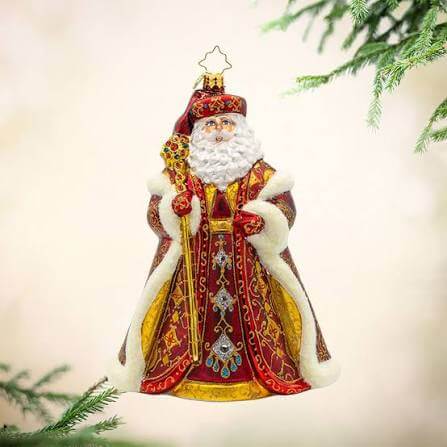
Christopher Radko founded his company in 1986 after his family’s Christmas tree collapsed and destroyed the heirloom glass ornaments his grandmother had collected. He began commissioning hand-blown ornaments from European glassblowers to replace them, and many of the earliest pieces came out of small workshops in Poland.
Early Radko ornaments from the late 1980s and early 1990s sell for 50 to several hundred dollars, and rare retired designs bring more. Collectors check for the original box, tags, and signature.
Chips, worn paint, and missing caps lower value. Limited editions and signed pieces draw the strongest interest.
Hallmark’s First Keepsake Collection
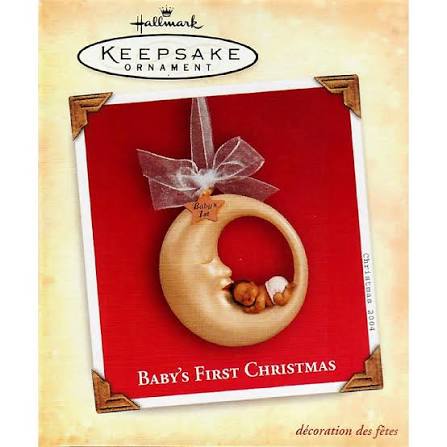
Hallmark launched its Keepsake Ornament line in 1973 with 18 ornaments, six decorated glass pieces and twelve yarn figures. The Betsey Clark glass ornament from that year became the first in a long-running series.
Original 1973 ornaments in their boxes sell for 50 to 150 dollars, with complete sets bringing more. Collectors check for the original box, faded decals, and cracked glass.
The yarn figures fade and lose shape over time. Hallmark Keepsakes created a collecting market of their own, and the earliest pieces anchor it.
First Edition Frosty Friends
Hallmark introduced Frosty Friends in 1980 with an ornament titled A Cool Yule, showing a small fur-hooded figure perched on an ice cube, and the series has continued every year since. That long run is exactly why the first edition matters, because every collector trying to complete the set eventually needs one.
Boxed examples in clean shape have commonly sold for a few hundred dollars, although prices shift with demand each season. Collectors look for the original box and price tag, then check for paint rubs, chips, and yellowing.
Loose or worn first editions trail boxed ones considerably, and later entries usually sell for far less.
Cotton Batting Figures
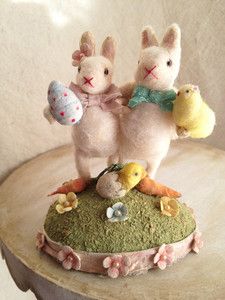
Pressed cotton batting ornaments came from German makers between roughly the 1880s and the 1920s, with the cotton shaped around wire frames and finished with chromolithographed paper faces. Children, angels, Santas, fruit, and vegetables are common subjects, and some figures wear tiny crepe paper clothing.
Prices range from tens of dollars to several hundred for rare or unusually large figures. Collectors check for faded faces, torn cotton, and discoloration, since the material soaks up dust and smoke from decades of holidays.
Clean examples are scarce for that reason. Original tinsel, paper wings, and painted details add noticeably to the value.
Wax Angels From Germany
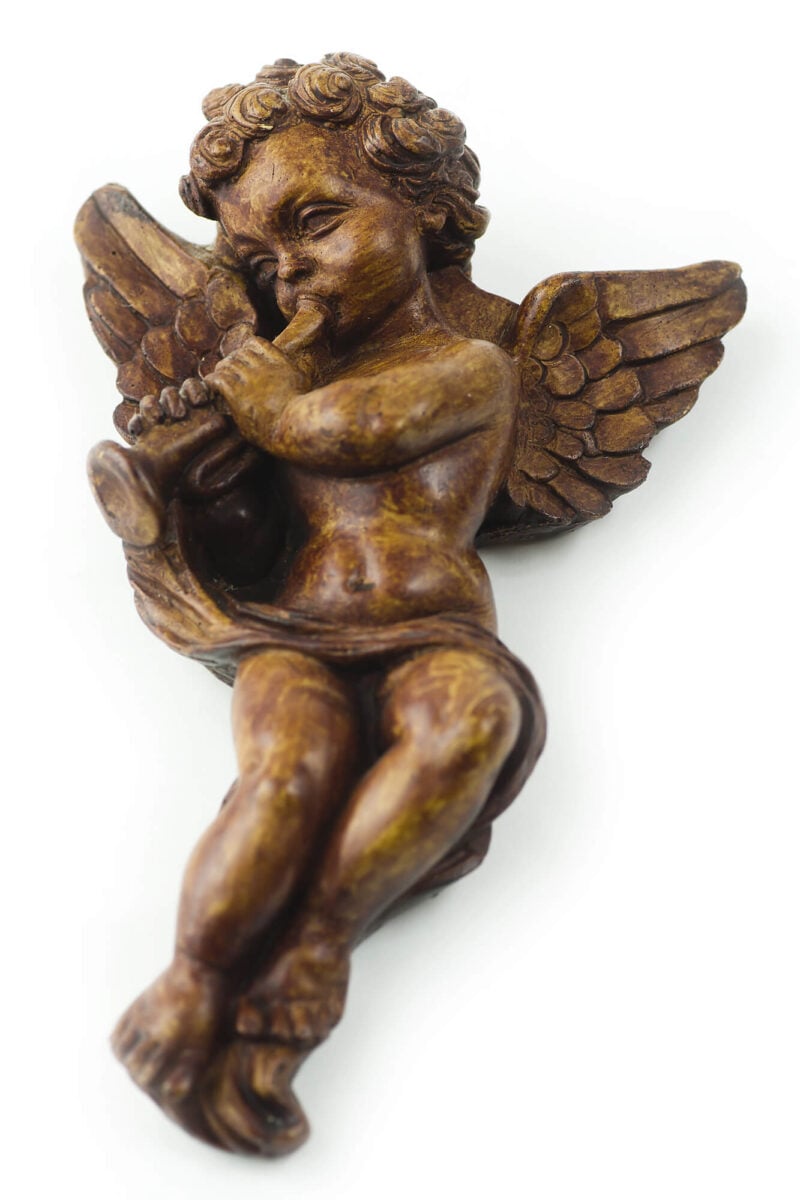
Nineteenth-century German makers produced angel ornaments by coating papier-mache or similar forms in wax, then adding spun glass wings and fabric clothing. Candles were the standard tree lighting of the era, which made wax an odd choice, and many of these angels simply softened and sagged on the branches.
Surviving examples often sell for hundreds of dollars. Collectors check for melted or cracked wax, missing wings, and faded clothing, and the spun glass wings are especially easy to lose.
Angels with original costumes and intact wings in good condition are scarce, and their delicate faces keep demand steady.
Wire-Wrapped Victorian Glass
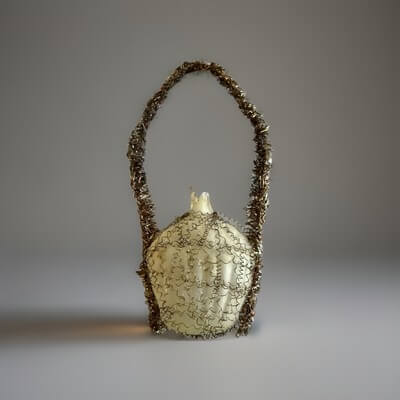
Victorian-era glass ornaments were often wrapped in tinsel wire, which formed baskets, stars, and airships around one or more pieces of blown glass. Most date from roughly the 1890s to the 1910s, and many added paper scraps, glass beads, or spun glass to the design.
Simple pieces sell for tens of dollars, while elaborate constructions reach the hundreds. Collectors check for broken glass, missing sections, and loose joins.
The wire often tarnishes to a dull brown over time, which lowers value compared with pieces that stayed bright. Complex designs with several glass elements and intact wire bring the most.
Japanese Glass Character Figurals
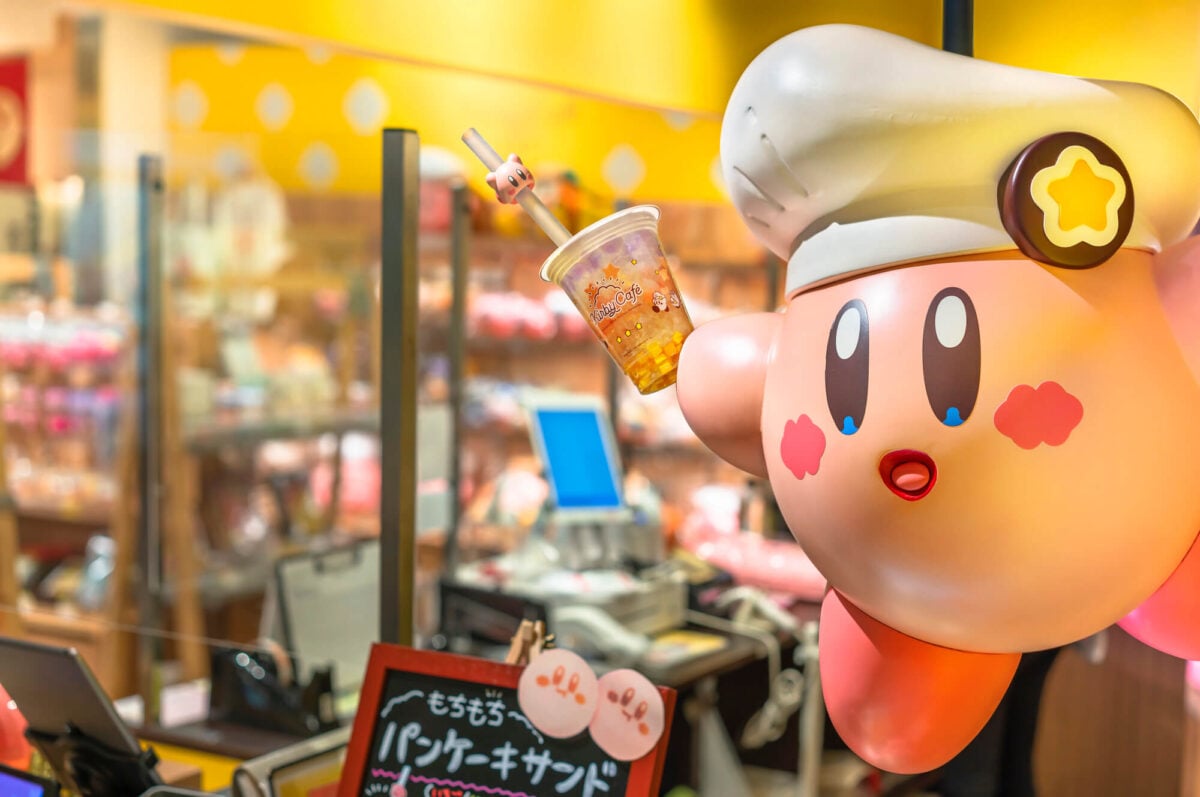
Cartoon characters showed up on Christmas trees in the 1920s and 1930s thanks to Japanese glassmakers, who produced mold-blown figurals of Mickey Mouse, Betty Boop, Popeye, and Little Orphan Annie among others. These pieces were cheap imports at the time, sold in dime stores for a few cents each.
Today character figurals often sell for 100 dollars or more, with scarce characters reaching several hundred. Collectors check for worn paint on faces, cracks, and missing caps.
The pieces draw interest from both ornament collectors and animation collectors, and that overlap keeps prices firm for examples with bright, complete paint.
German Glass Pickles
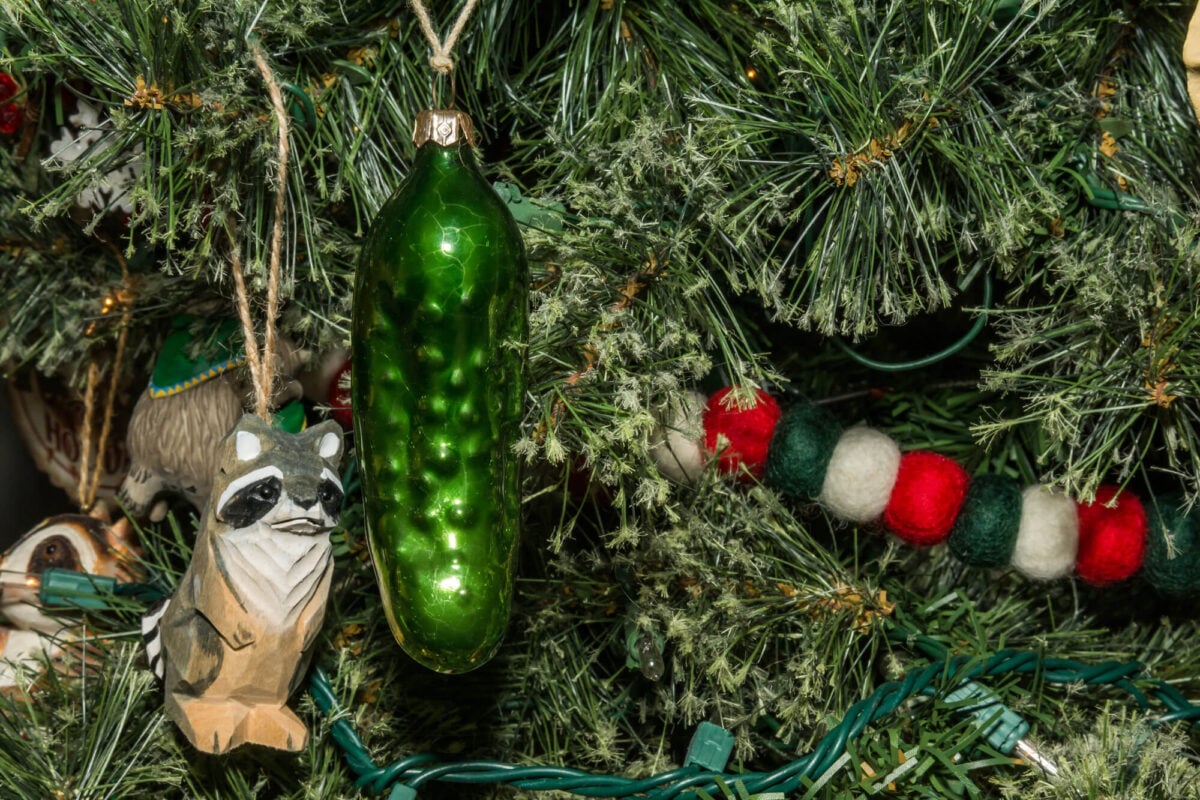
Legend holds that a glass pickle hidden deep in the tree earns an extra gift for whoever finds it first, and the tale is usually called a German custom. Most Germans have never heard of it, and historians generally treat it as an American tradition that borrowed German glass for credibility.
Old pickles made in Lauscha between the late 1800s and the 1930s still sell for tens of dollars, with early mold-blown examples reaching the low hundreds. Collectors check for worn green paint, cracks, and replaced caps.
Reproductions are everywhere, so older pickles with heavier glass and period caps command the premiums.
Celluloid Ornaments
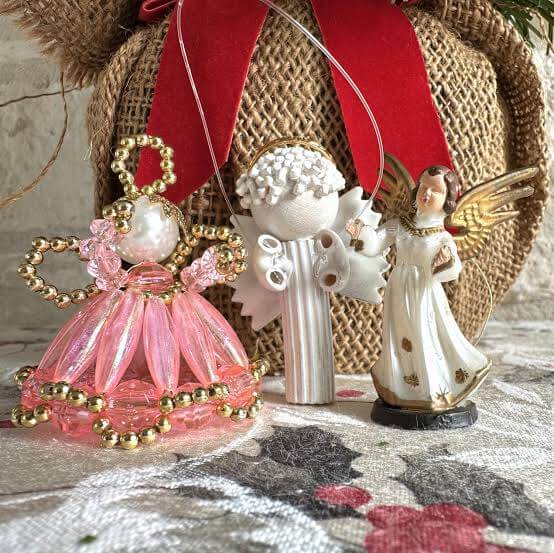
Celluloid, an early plastic, became a popular ornament material in the 1920s through the 1940s, with makers in Japan and the United States molding reindeer, Santas, sleighs, and sailing ships. The material was notoriously flammable, which made it a questionable choice near hot bulbs and a worse one near candles.
Common pieces sell for 10 to 50 dollars, while large figures and rare scenes bring a few hundred. Collectors check for cracks, dents, and faded paint, since celluloid walls are paper thin.
Crushed or yellowed pieces sell for little, while crisp examples with bright original paint draw the strongest bids.
Rosbro Hard Plastic Santas
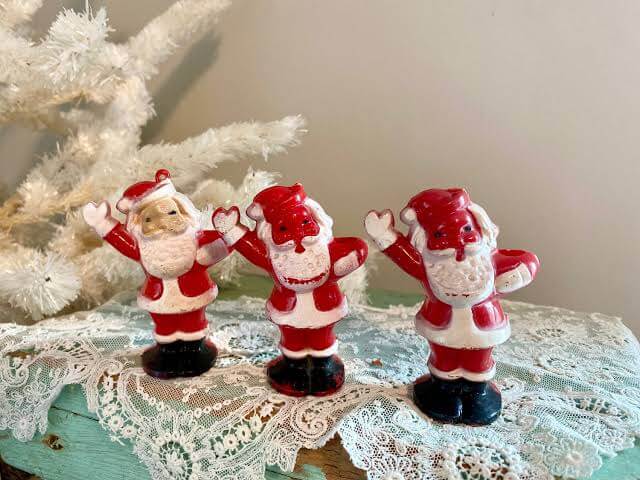
Rosbro Plastics of Providence, Rhode Island, turned out hard plastic Christmas figures in the 1940s and 1950s, including Santas, snowmen, and reindeer, many sold as candy containers or light-up decorations. The company used bright, glossy plastic that still looks cheerful decades later.
Common Santas sell for 20 to 75 dollars, while larger figures and unusual designs reach a few hundred. Collectors check for cracks, faded paint on faces and beards, and missing parts such as sleigh runners.
Pieces that still carry a Rosbro mark and their original paint bring more than unmarked or repainted examples found at estate sales.
Glass Spire Tree Toppers
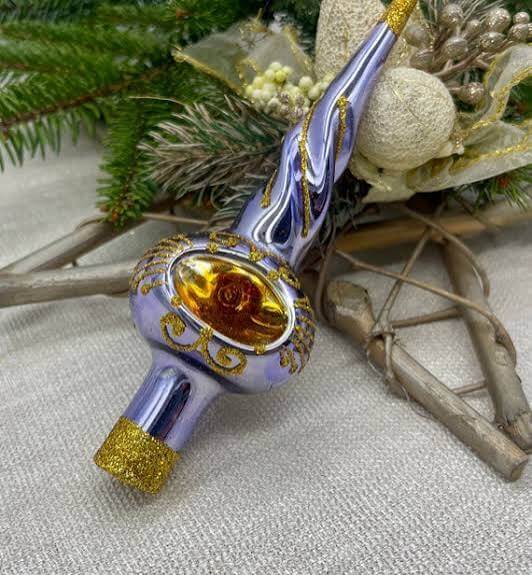
Tall glass spires crowned trees long before illuminated stars took over, and German and American makers produced them from the late 1800s into the 1960s. Many feature indents, embossed bells, or tiers of glass tips, and some Lauscha examples stand more than a foot tall.
Common toppers sell for 20 to 60 dollars, while early German spires with unusual shapes and bright silvering reach the hundreds. Collectors check the tip, which breaks easily, along with the neck where the topper slides onto the branch.
Faded paint and missing silvering lower value, and complete toppers with sharp points are harder to find than expected.
Clip-On Birds With Spun Glass Tails
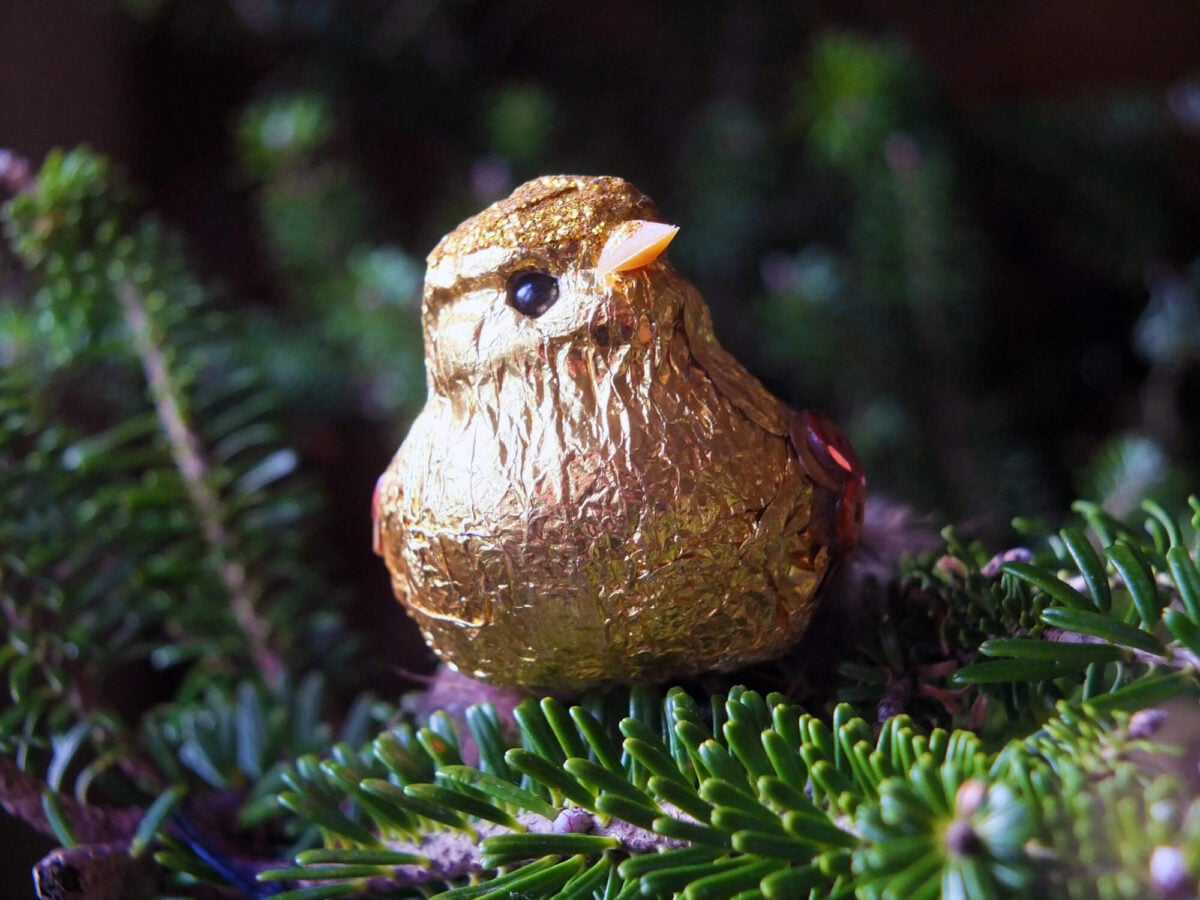
Clip-on birds were among the earliest figural glass ornaments made in Lauscha, and they perched on branches by a small metal spring clip instead of a hanger. Their tails were made of spun glass, a fine fibrous material that looked like silk but broke easily over the years.
Birds were considered a symbol of happiness in the home, which helped them sell. Common birds sell for 15 to 50 dollars, while early figures with intact tails and rare colors reach the hundreds.
Collectors check for rusted clips, missing tails, and worn paint, since a complete tail substantially raises value.
Victorian Scrap Angels With Tinsel
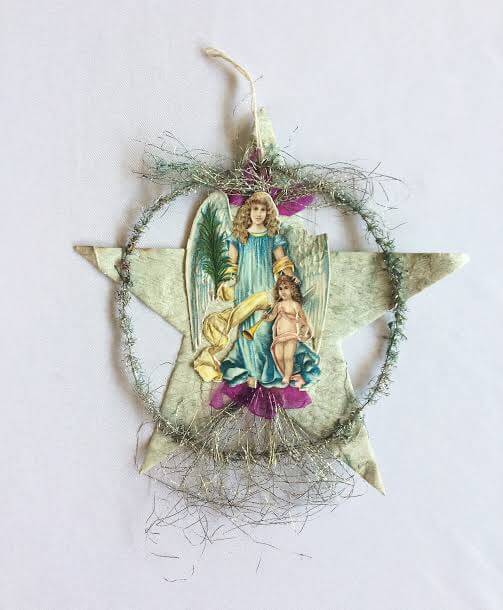
Victorian families decorated trees with angels cut from chromolithographed paper scraps, the glossy printed images sold in sheets for scrapbooks. Makers framed these angel faces and figures with tinsel wire, spun glass, or crinkled foil, producing light ornaments that shimmered under candlelight.
Most were made in Germany between the 1880s and the 1910s. Simple examples sell for 20 to 75 dollars, while large, elaborate pieces reach several hundred.
Collectors check for faded printing, torn paper, and tarnished tinsel. Bright colors and intact wire frames matter most, since both deteriorate quickly once exposed to light and humidity.
Papier-Mache Belsnickles
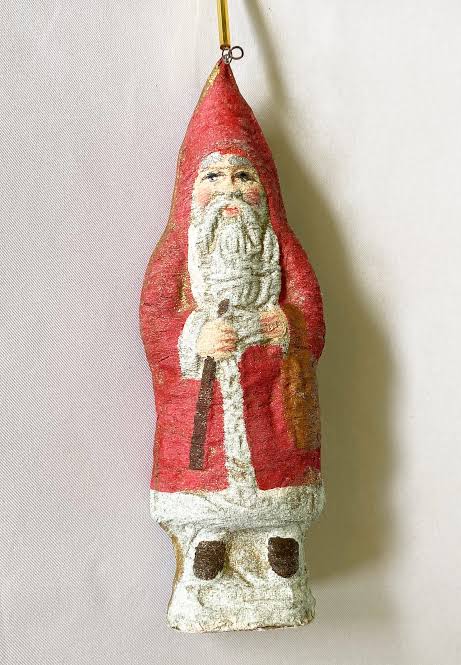
Belsnickle figures depict a stern, fur-clad gift giver from German folklore who arrived with switches for misbehaving children, a character carried to Pennsylvania by German immigrants. German makers produced papier-mache Belsnickles between the 1880s and the 1910s, many sold as candy containers with a hidden compartment.
They wear long hooded coats in white, red, blue, green, and purple, and the unusual colors bring the most. Prices range from several hundred dollars to thousands for rare colors and large sizes.
Collectors check for paint flaking, repairs, and replaced feather trees. Original paint in good condition is the main driver of value.
Italian Figural Glass From the 1950s
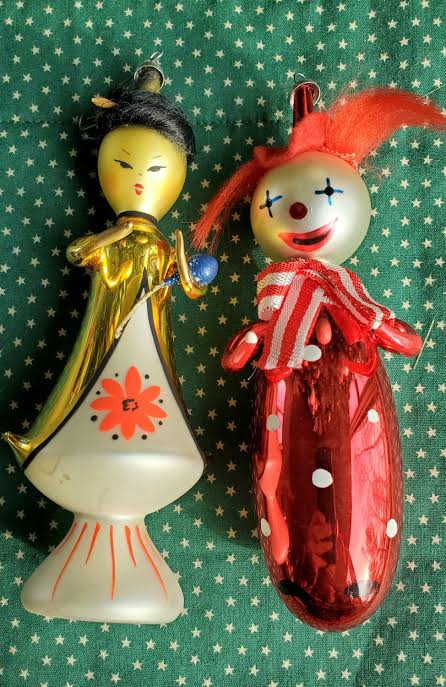
Italian glassmakers produced whimsical figural ornaments after World War II, and De Carlini of Milan became the best-known name. Their pieces combine hand-painted glass bodies with clip-on bases, depicting clowns, fairy-tale characters, musicians, animals, and vegetables with expressive faces.
Examples from the 1950s and 1960s usually sell for 30 to 150 dollars, while rare characters reach a few hundred. Collectors check for paint loss, cracked glass, and missing clips or accessories like hats and instruments.
Condition is critical because the paint sits on the outside of the glass. Complete figures with bright colors and intact details draw the strongest interest.
Swarovski’s First Annual Ornament
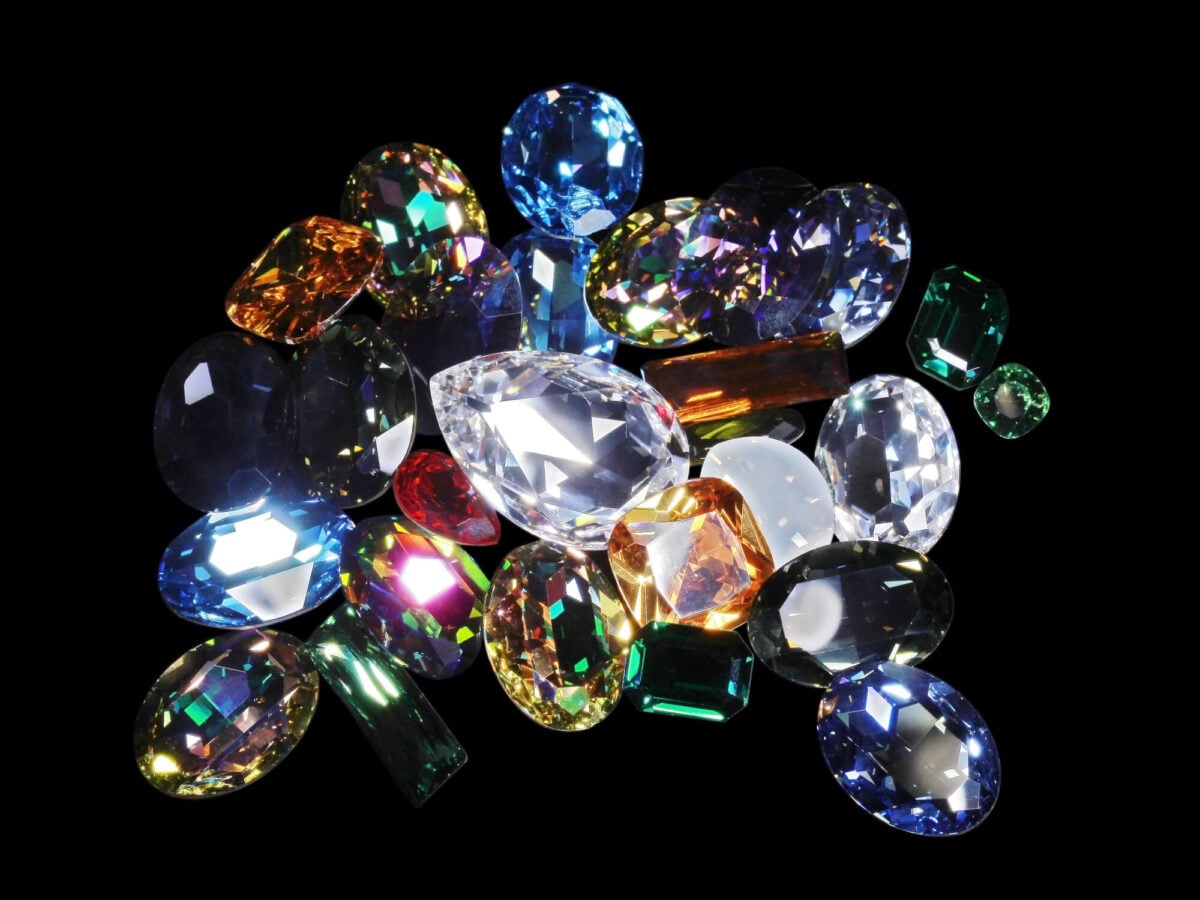
Swarovski released its first Annual Edition Christmas ornament in 1991, a faceted crystal snowflake that launched a yearly series collectors still follow. Because later buyers want complete runs, the first edition carries the highest price in the series.
Examples with the original box and certificate have commonly sold for a few hundred dollars, while loose pieces sell for less. Collectors check for chips on the points, scratches, and missing hanging ribbons or metal caps.
The box, sleeve, and paperwork carry real weight in the valuation. Later annual snowflakes usually sell for a fraction of the first, even in perfect condition.
Blown Glass Zeppelins
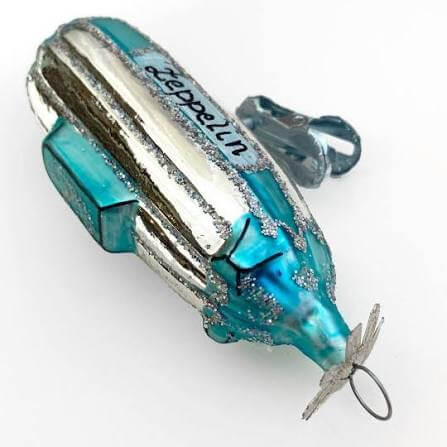
Airships captured the public imagination after Count Ferdinand von Zeppelin’s rigid airships took flight in 1900, and Lauscha glassblowers answered with zeppelin ornaments. Many were wrapped in tinsel wire, fitted with paper propellers, or decorated with painted flags and gondolas.
Examples from the 1900s to the 1930s often sell for 100 to 400 dollars, and rare versions go higher. Collectors check for cracked glass, missing propellers, tarnished wire, and worn paint.
Reproductions exist, so collectors examine the glass and caps. Airships remain one of the most popular transportation themes in antique ornaments, alongside cars, trains, and ships.
Glass Grape Clusters

Grape clusters symbolized abundance and a good harvest, which made them a natural subject for Lauscha glassblowers from the mid-1800s onward. Early kugel grape clusters, formed from thick, heavy glass, are among the most valuable ornaments of any kind and can sell for thousands in rare colors.
Later mold-blown clusters from the early 1900s sell for tens to a few hundred dollars. Collectors check for worn silvering, chips on the individual grapes, and replaced caps.
Cobalt, amethyst, and green clusters bring more than silver and gold. Reproductions are common, so collectors study the weight and cap closely.
Soviet-Era Glass Ornaments
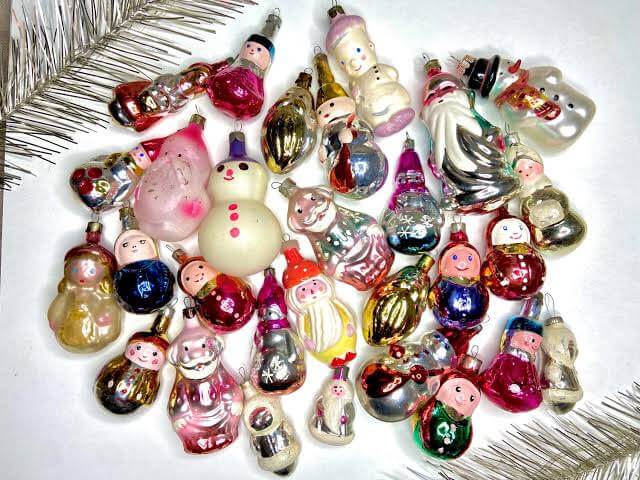
Soviet authorities discouraged Christmas trees for years before reviving the decorated tree in 1935 as a secular New Year celebration. Factories then produced glass and cotton ornaments reflecting state themes, including cosmonauts, rockets, satellites, and ears of corn during Nikita Khrushchev’s push to expand corn farming.
Most pieces sell for 10 to 50 dollars, while rare space-themed and early examples reach the hundreds. Collectors check for worn paint, cracked glass, and missing clips or caps.
Complete sets in original boxes bring more. Condition varies widely, since many were produced quickly with thin glass and paint that flakes easily.
Gorham Sterling Snowflakes
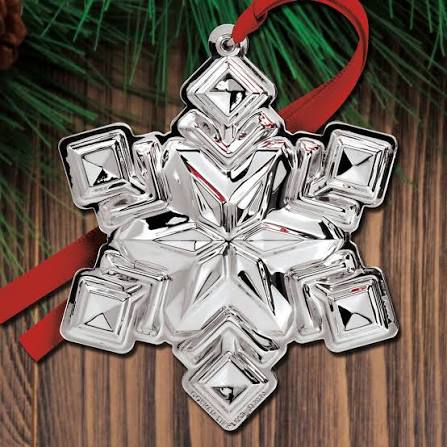
Gorham introduced its first annual sterling silver snowflake ornament in 1970, launching a series that has continued with a new design each year. The 1970 original is the anchor piece for collectors building complete runs.
Boxed examples in good condition have commonly sold for a few hundred dollars, while later years usually sell for much less. Collectors check for the original box and pouch, heavy tarnish, bent points, and scratches.
Silver content gives every piece a floor value, but collector demand drives the premium. Sets with every year in original packaging bring the strongest prices from series collectors.
Figural Christmas Light Bulbs
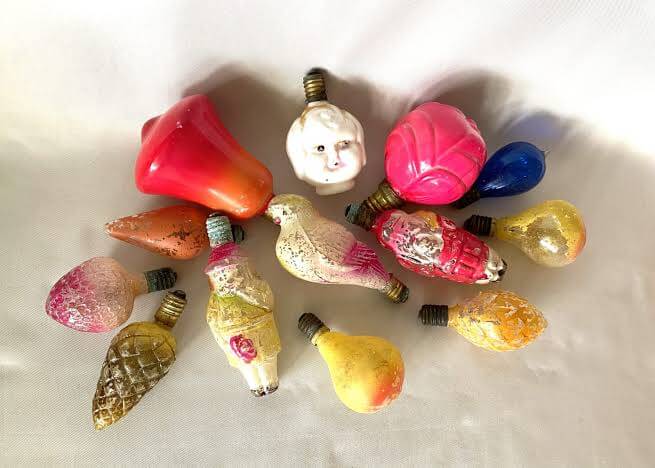
Figural light bulbs shaped like Santas, birds, snowmen, and flowers first appeared in the early 1900s, with Austrian makers producing many of the earliest versions. Japanese companies took over much of the market in the 1920s through the 1950s, making painted milk glass figurals by the millions.
Common Japanese bulbs sell for 10 to 40 dollars, while early Austrian figures and rare characters reach the hundreds. Collectors check for worn paint, cracks, and whether the bulb still lights.
Working bulbs bring more, though burned-out examples still sell. Boxed sets in original packaging draw extra attention.
Chenille Santas From Japan
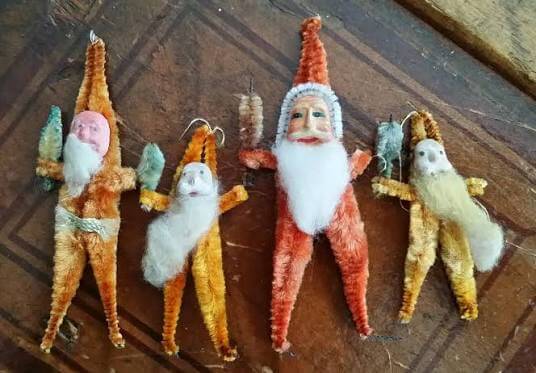
Chenille pipe cleaner Santas were a staple of Japanese Christmas exports from the 1930s through the 1950s, often finished with pressed paper or composition faces and cotton beards. Many rode on candy containers, sleds, or skis, and others hung directly from tree branches.
Common figures sell for 10 to 40 dollars, while large pieces and figures riding unusual vehicles reach the low hundreds. Collectors check for faded red chenille, water stains, missing beards, and damaged faces.
The chenille fades quickly in sunlight, so bright, intact figures are scarce. A clear Japan mark helps confirm age.
Occupied Japan Ornaments
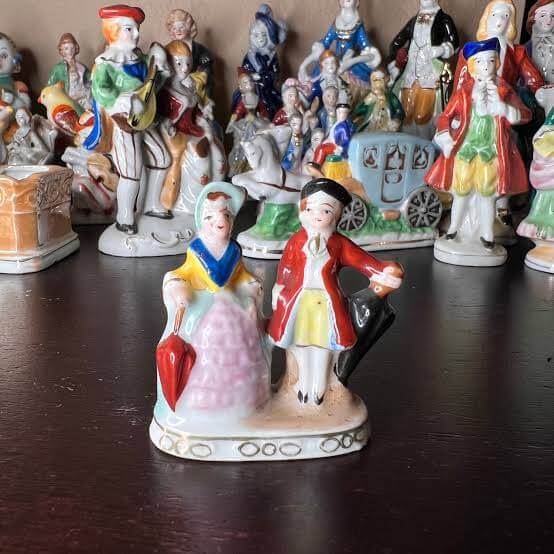
Ornaments marked Occupied Japan were made between 1945 and 1952, when the Allied occupation required that wording on exported goods. The mark itself has become collectible, and glass ornaments, paper decorations, and celluloid figures carrying it often sell for more than similar unmarked pieces.
Common examples sell for 10 to 50 dollars, while boxed sets and unusual figures reach the low hundreds. Collectors check for worn paint, cracks, and whether the mark appears on the item or only on the box.
Original boxes with clear markings add value, especially when the ornaments inside survive in good condition.
Glass Mushrooms
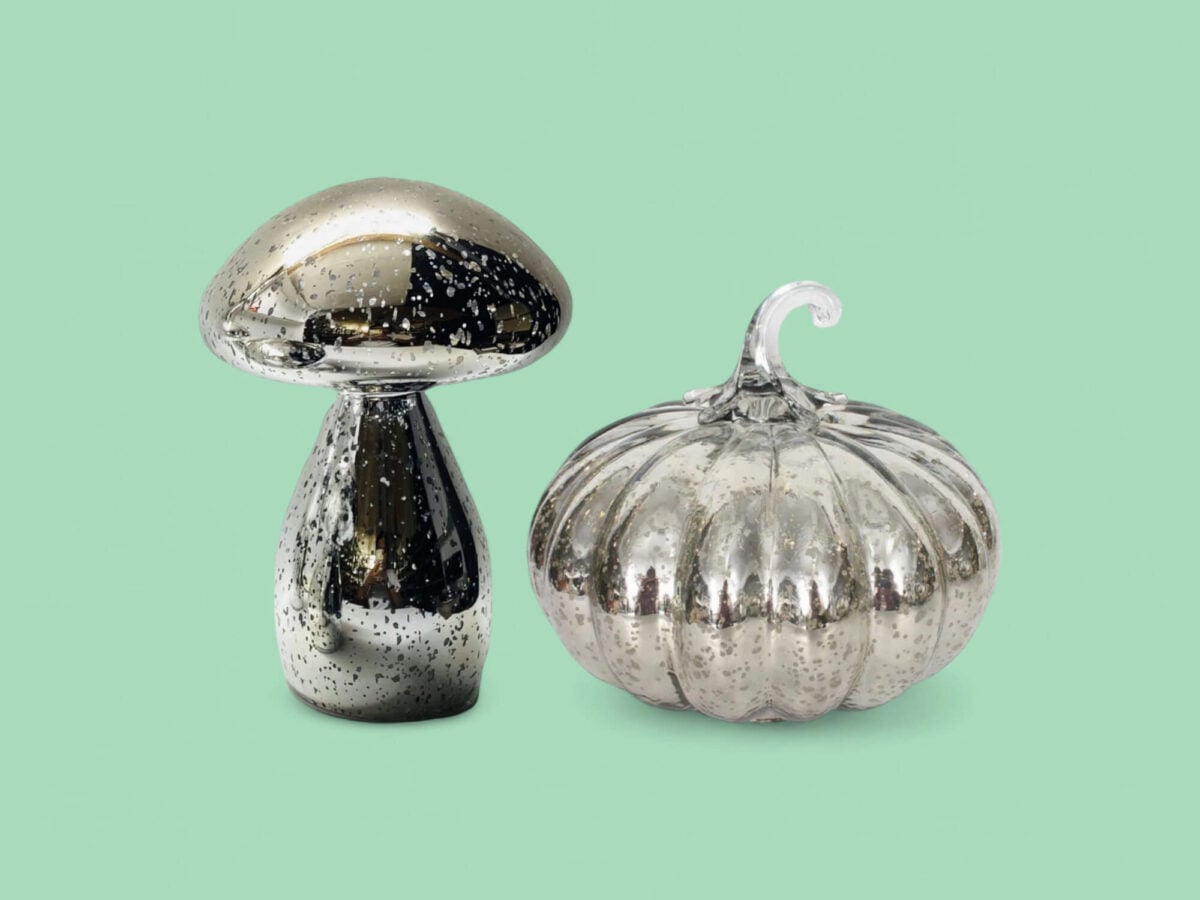
Mushrooms carry a long association with good luck in German folk tradition, especially the red fly agaric with white spots, and Lauscha glassblowers made them in large numbers. Most are clip-on ornaments, with the mushroom attached to a small metal clip that grips the branch.
Common examples sell for 10 to 50 dollars, while early pieces with unusual colors or multiple mushrooms reach the hundreds. Collectors check for worn paint on the caps, cracks, and rusted clips.
The spots are painted on the outside of the glass, so worn dots lower value quickly, especially on older examples.
Hallmark’s Lighted Starship Enterprise

Star Trek fans still hunt for the lighted USS Enterprise that Hallmark released in 1991 for the show’s 25th anniversary. It was the first Star Trek ornament in the Keepsake line, part of the Magic collection that plugged into tree light strings.
Examples with the original box have commonly sold for 100 to 300 dollars, with prices varying by condition. Collectors check that the light works, since a dead bulb lowers value, and then look for scuffs, broken nacelles, and a damaged box.
The ornament created a long-running Star Trek series that continues to draw collectors from both markets.
Victorian Paper Cornucopias
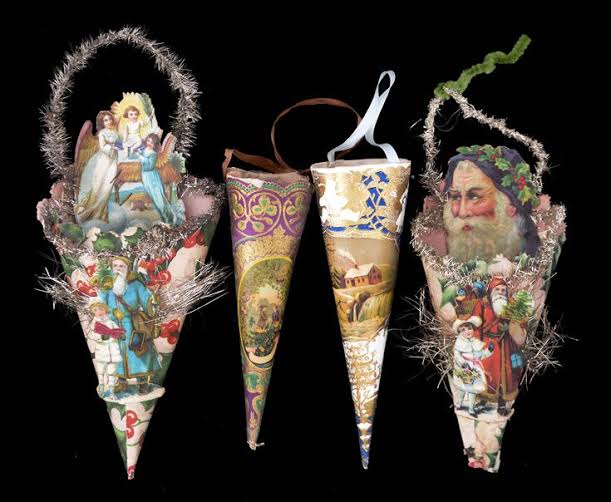
Paper cornucopias were hung on Victorian trees filled with candy, nuts, and small gifts, then emptied by children on Christmas morning. Many were made from chromolithographed paper, embossed foil, and lace, often with scrap pictures glued to the front.
Examples from the 1880s to the 1910s sell for 30 to 150 dollars, while elaborate or oversized pieces reach several hundred. Collectors check for torn paper, faded colors, missing handles, and water damage.
Few survived intact because the cones were meant to be used and discarded after the holiday. Crisp examples with bright colors and original trim bring the most.
Fragile Things Survive Careful Hands
Almost every ornament on this list was cheap when it was new. Dime stores sold glass figurals for pennies, and paper cornucopias were meant to be torn open by children on Christmas morning.
What makes them valuable now is less their materials than the simple fact that they survived. That survival usually comes down to one person who wrapped each piece in tissue every January.
Chipped paint, missing caps, and faded boxes separate a 10-dollar ornament from a 500-dollar one. Anyone inheriting a box of old decorations should handle them slowly and research the marks before the next holiday sale.
More from Go2Tutors!

- The Romanov Crown Jewels and Their Tragic Fate
- 13 Historical Mysteries That Science Still Can’t Solve
- Famous Hoaxes That Fooled the World for Years
- 15 Child Stars with Tragic Adult Lives
- 16 Famous Jewelry Pieces in History
Like Go2Tutors’s content? Follow us on MSN.