33 Battles Where the Losing Side Was Outnumbered Beyond Any Reasonable Chance
History records conflicts where sheer numbers meant nothing against determination, terrain, or superior strategy. These battles showcase armies that fought against overwhelming odds not expecting to win, but fighting anyway.
The outcomes reveal that numerical advantage, while significant, does not guarantee victory when other factors align against it.
Battle of Thermopylae (480 BCE)
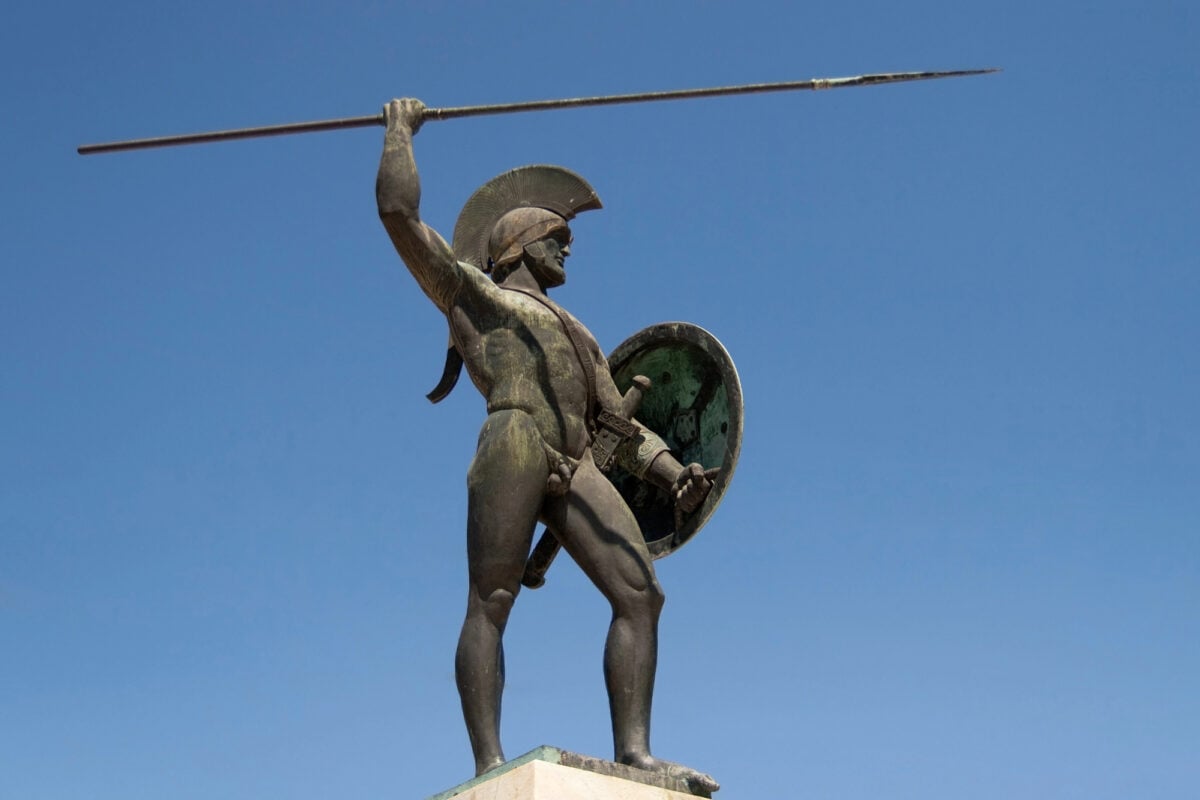
Three hundred Spartan warriors held off tens of thousands of Persian forces for three days. The Persians eventually outflanked them and won, but the sacrifice delayed the invasion and inspired Greek resistance that would eventually defeat Persia entirely.
Battle of Cannae (216 BCE)
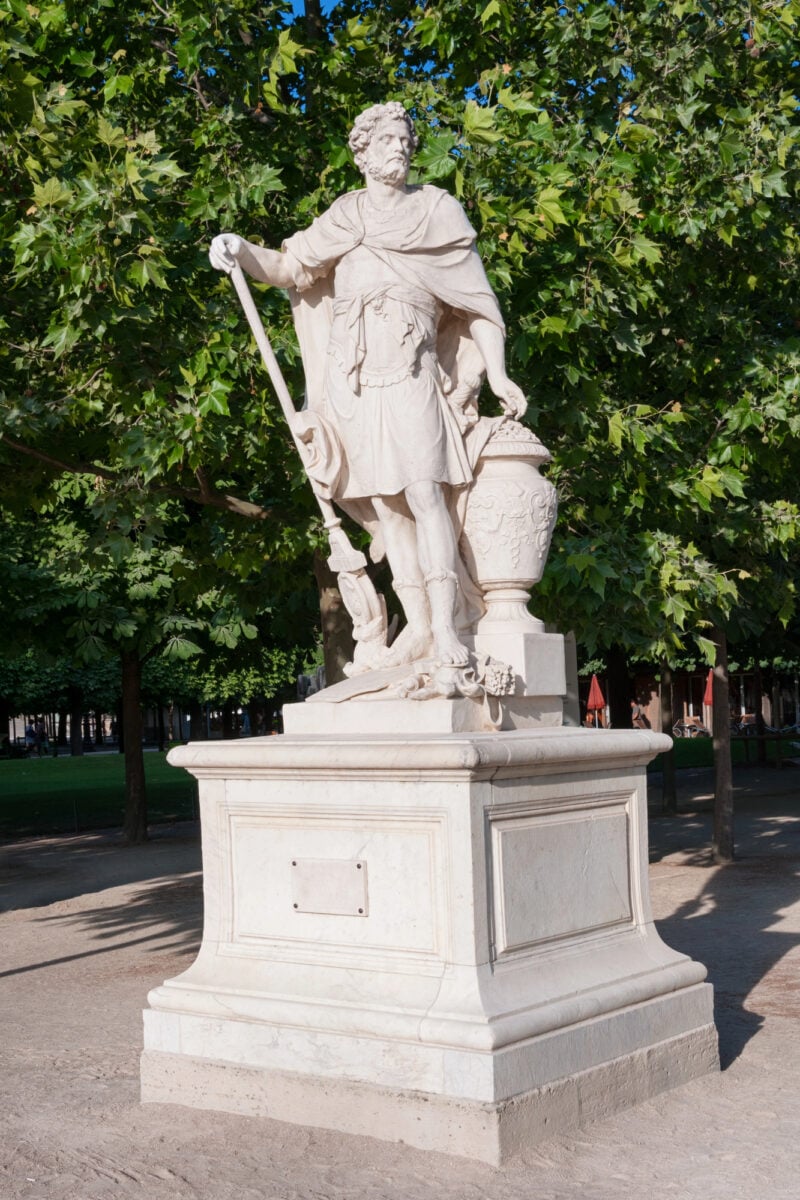
Hannibal commanded 50,000 troops facing 87,000 Roman soldiers. Through tactical genius, he surrounded the Romans and inflicted the worst defeat in Roman military history, killing or capturing 70,000 soldiers.
Battle of Tours (732 CE)
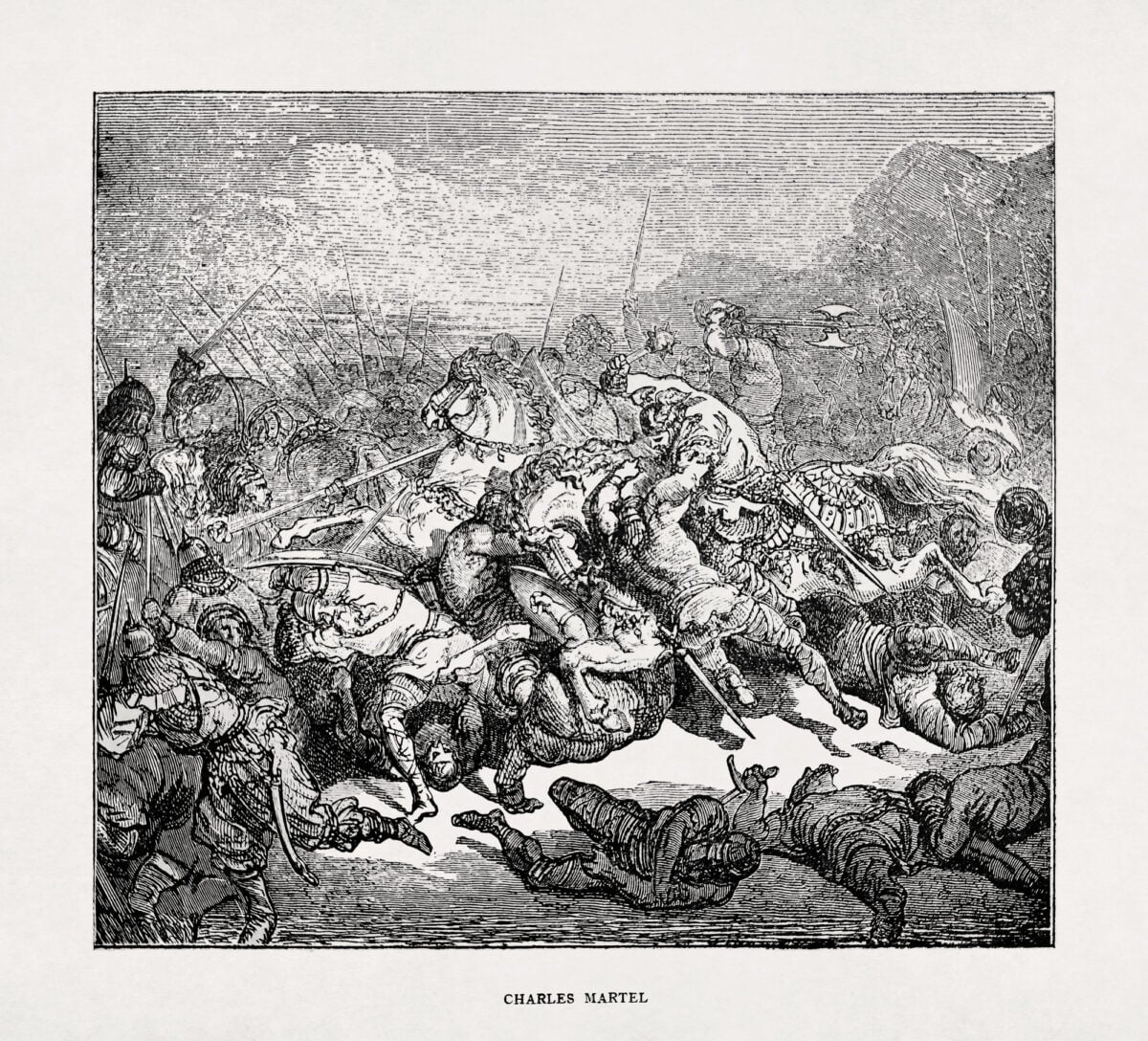
Charles Martel commanded a Frankish force that defeated a Muslim army. The Muslim forces may have numbered 100,000 while the Franks fielded perhaps 30,000.
The victory halted Muslim expansion into Western Europe.
Siege of Antioch (1098 CE)
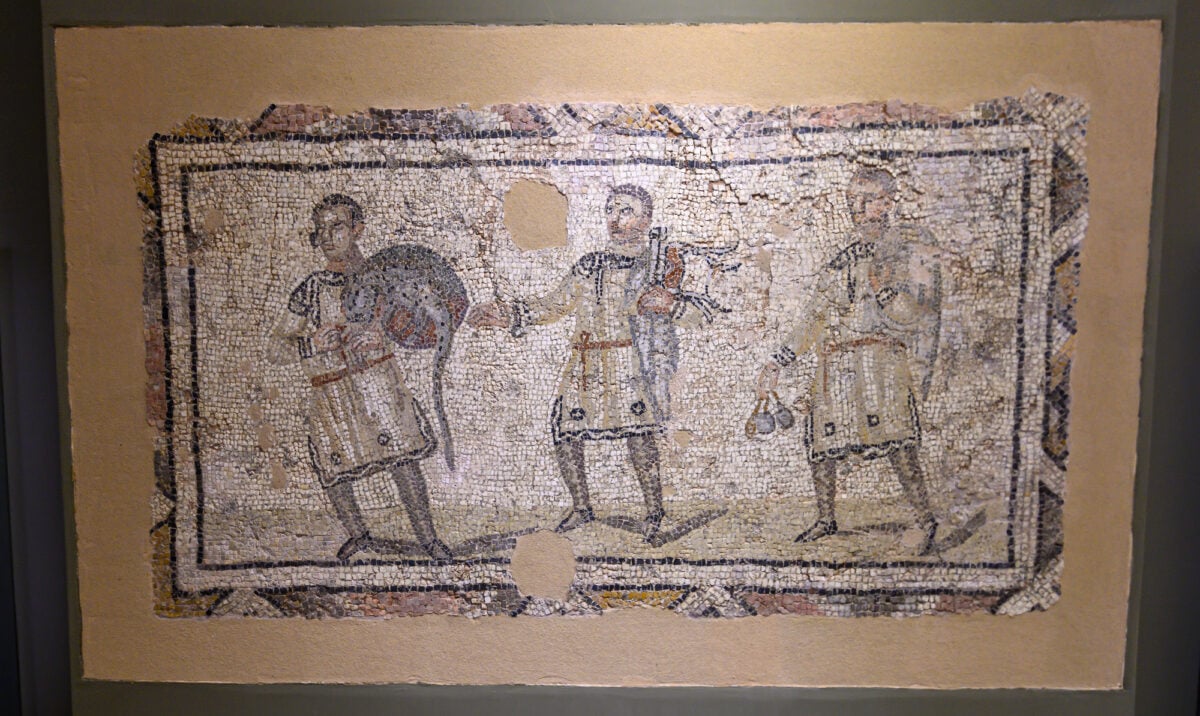
Crusaders numbering around 30,000 besieged Antioch held by 20,000 defenders. Yet starvation and disease killed most of the Crusader army, and their final assault succeeded through treachery rather than military strength.
Battle of Hattin (1187 CE)
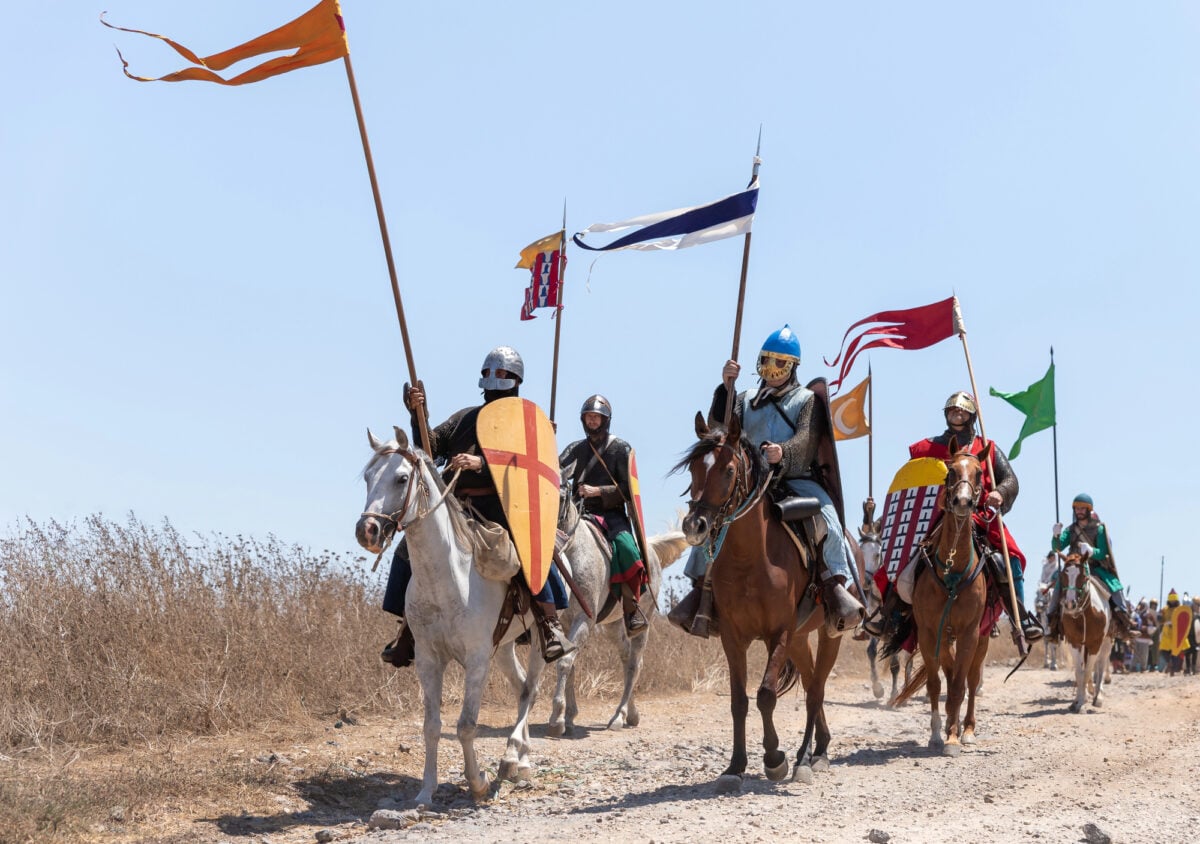
Saladin defeated Crusader forces through superior positioning and knowledge of water sources, turning the desert itself into a weapon. His superior positioning and knowledge of water sources turned the desert itself into a weapon against the Europeans.
Siege of Quebec (1759)
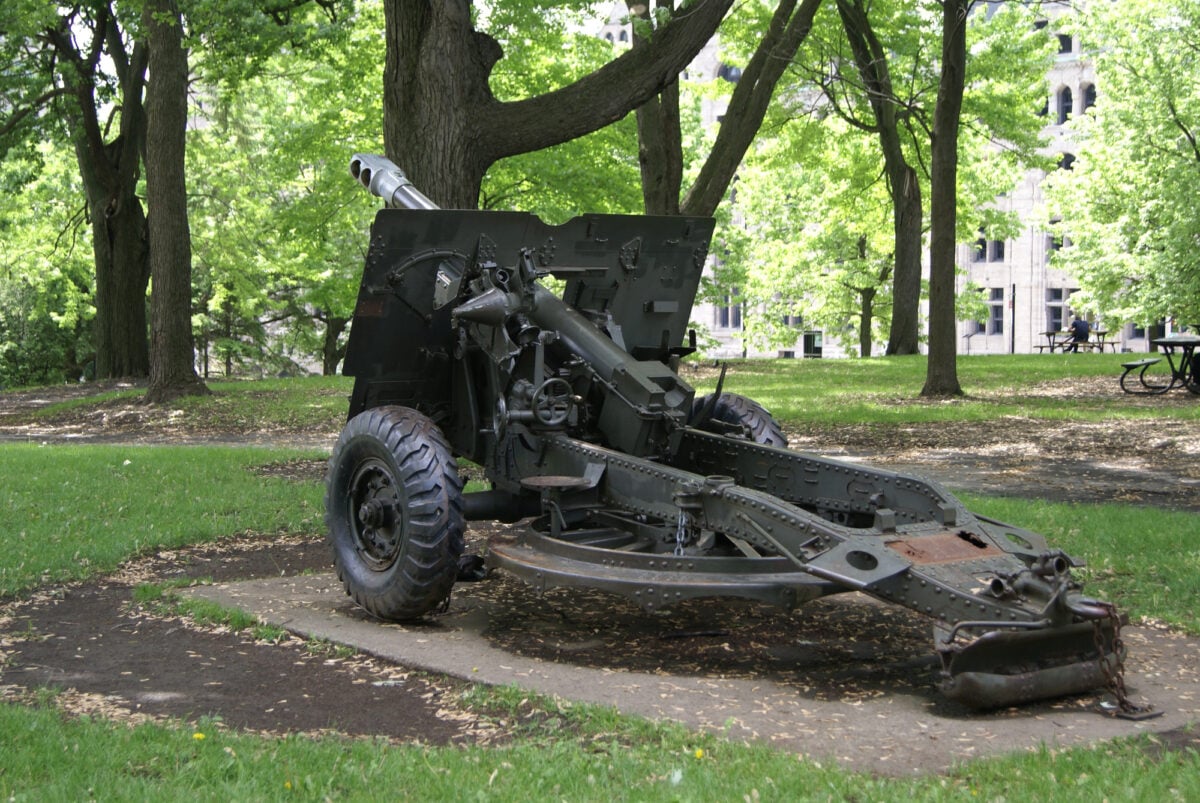
General Wolfe led British forces numbering approximately 7,000 against a French force of 16,000 defending Quebec. Though outnumbered, Wolfe’s force scaled the cliffs at night and won decisively.
Battle of Saratoga (1777)
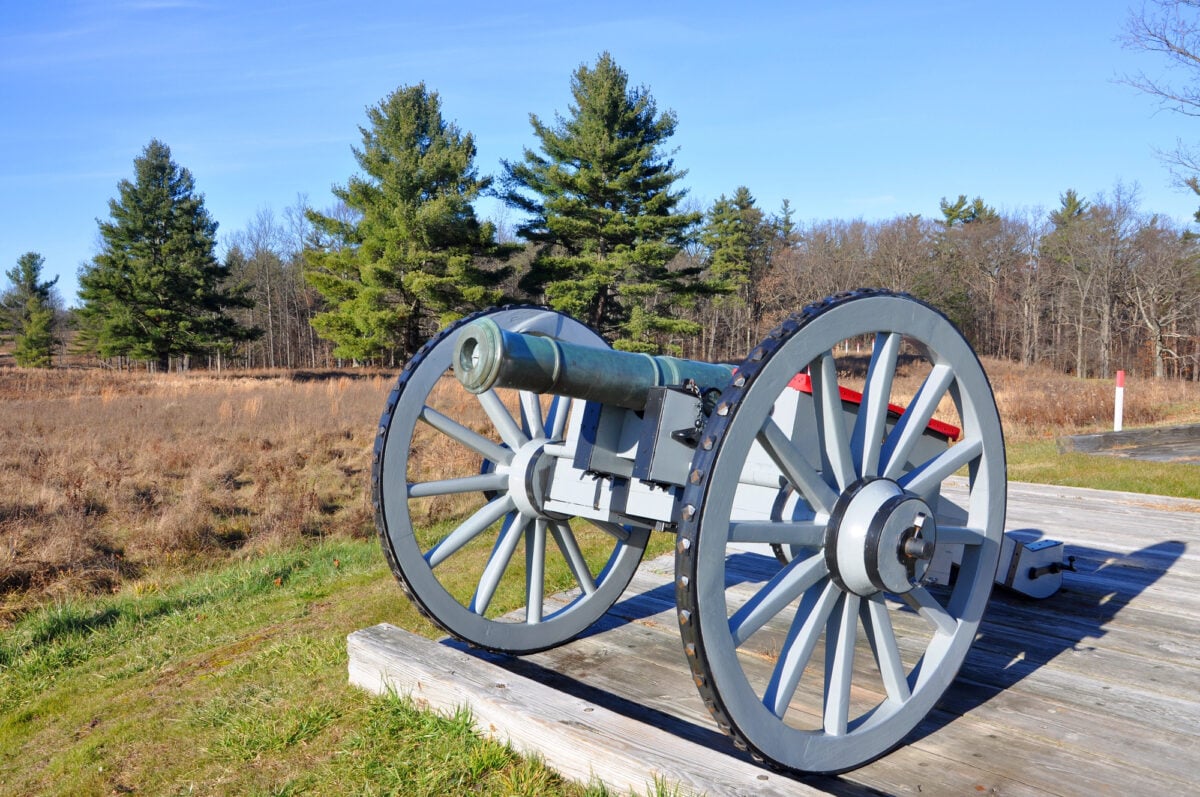
American forces of 7,000 defeated British commander Burgoyne’s invasion. The American victory convinced France to enter the war on America’s side.
Battle of Adwa (1896)
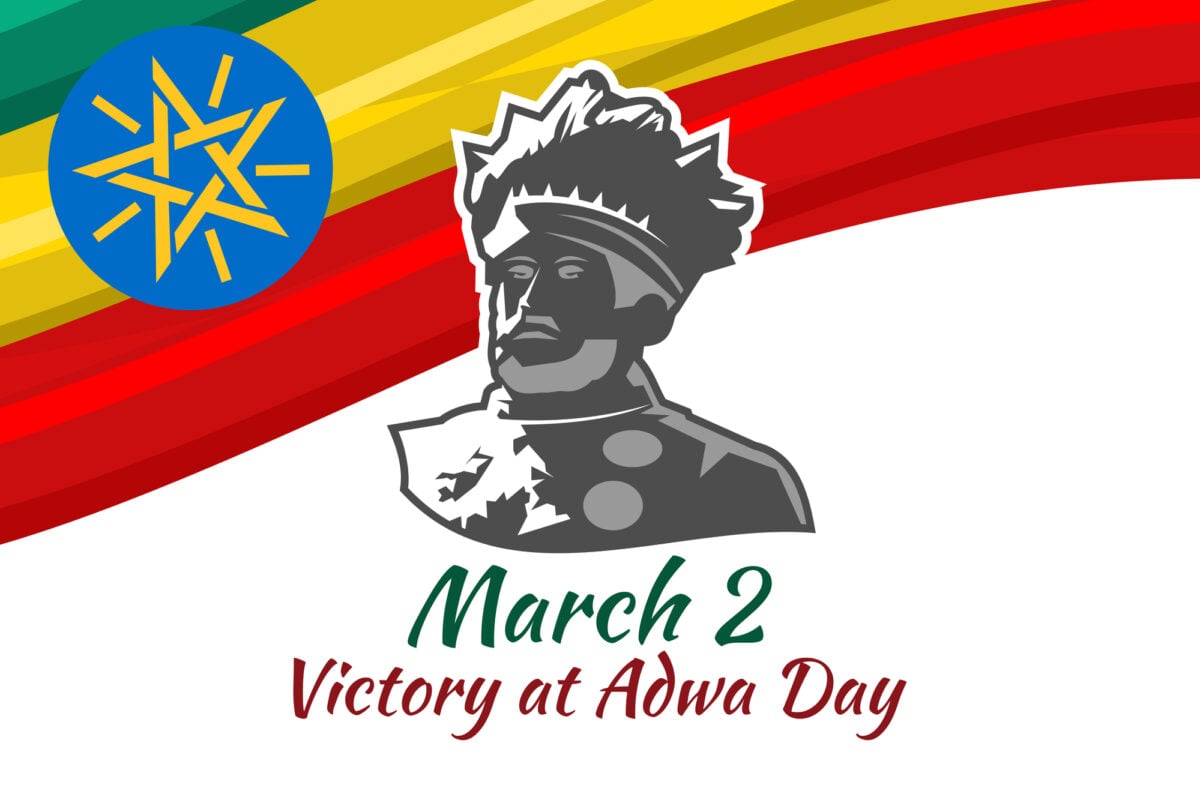
Ethiopian forces commanded by Emperor Menelik II defeated an Italian army attempting colonization. Menelik’s victory preserved Ethiopian independence.
Siege of Leningrad (1941-1944)

Soviet defenders held Leningrad against German siege for 872 days through starvation and bombardment, yet the city never fell to German forces.
Battle of Stalingrad (1942-1943)
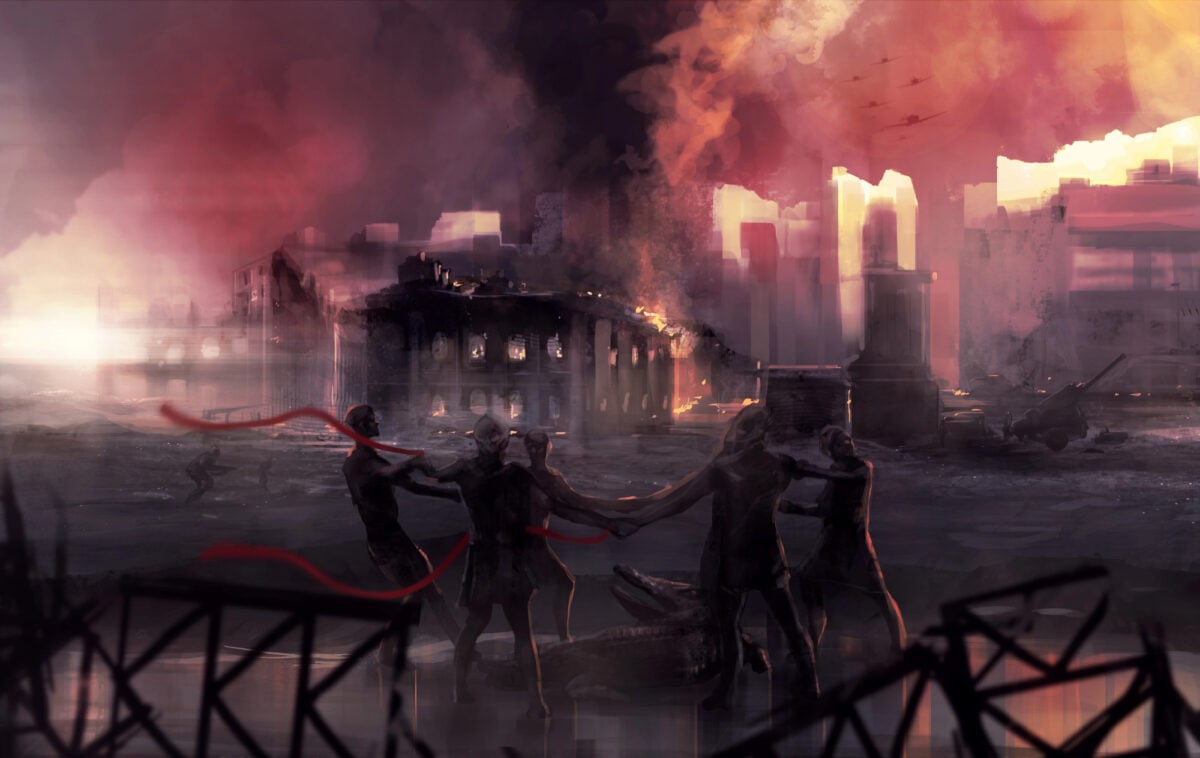
Soviet forces under General Zhukov defended the city block by block against German Army Group B. Soviet counterattacks eventually encircled the entire German army.
Battle of Midway (1942)
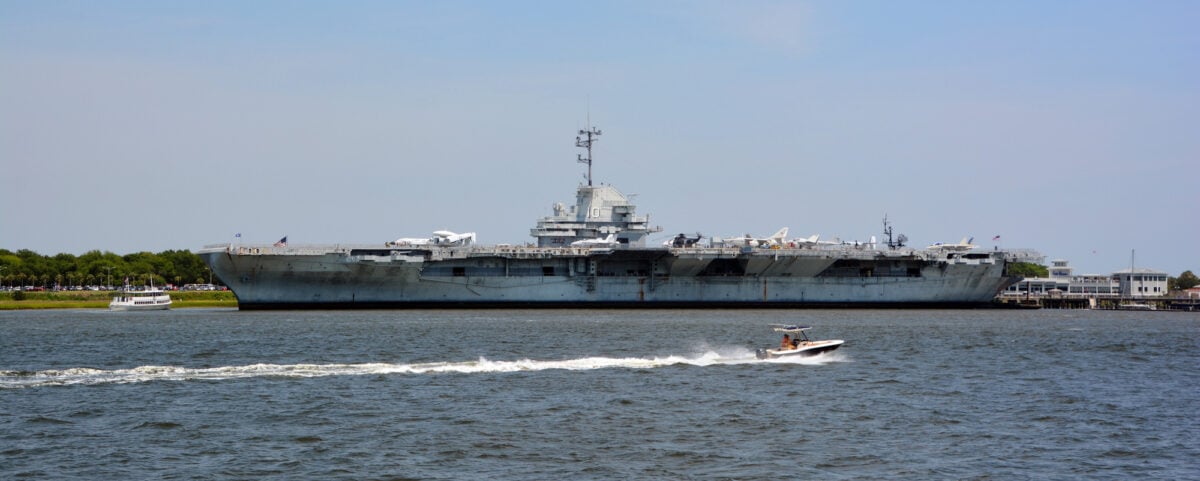
American naval forces sank four Japanese aircraft carriers despite being outnumbered. Intelligence advantages and tactical decisions turned the tide of the Pacific War.
Battle of the Bulge (1944)
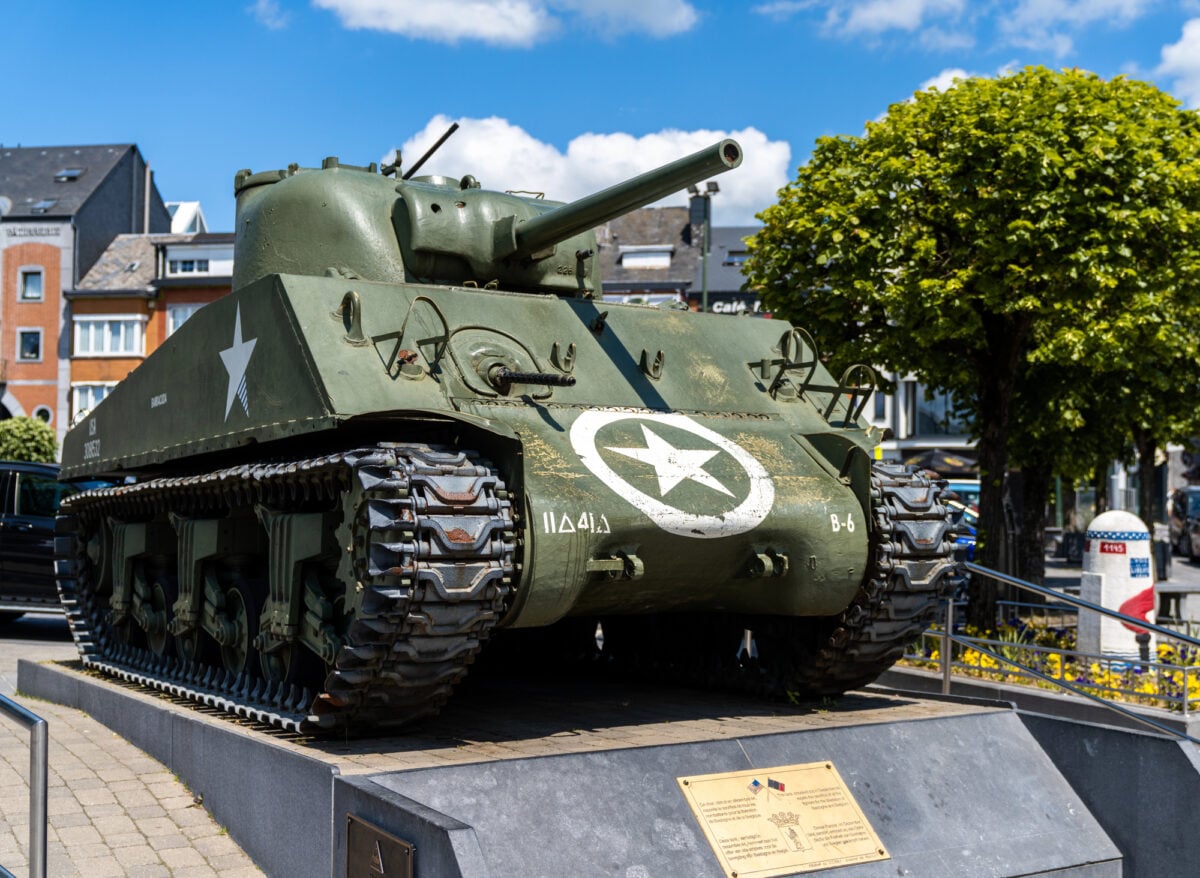
German forces achieved temporary surprise against American positions. American reserves and British forces reversed the offensive.
Battle of Imjin River (1951)
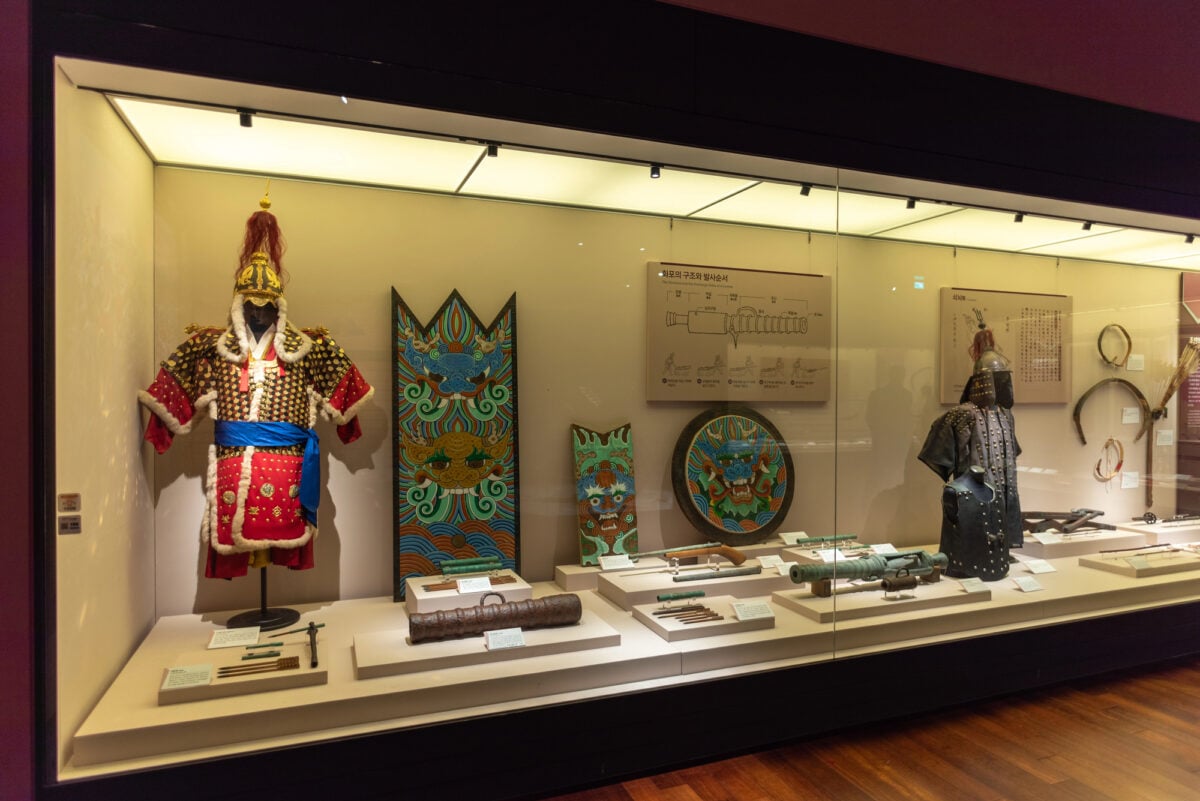
North Korean and Chinese forces totaling over 300,000 attacked positions held by about 30,000 troops. UN forces withdrew inflicting massive casualties despite being vastly outnumbered.
Dien Bien Phu (1954)
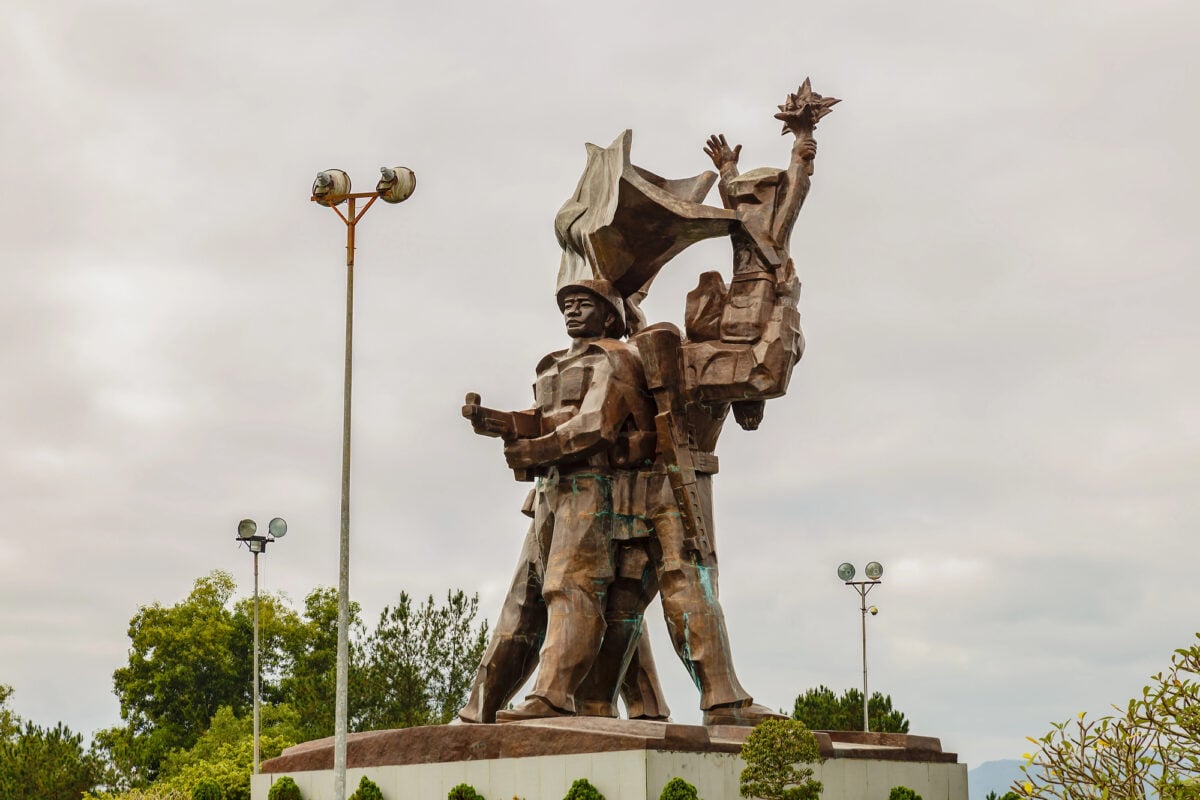
French forces faced Viet Minh forces commanded by General Giap. The Viet Minh managed to move heavy artillery into the highlands and besieged the French until surrender.
Bay of Pigs Invasion (1961)
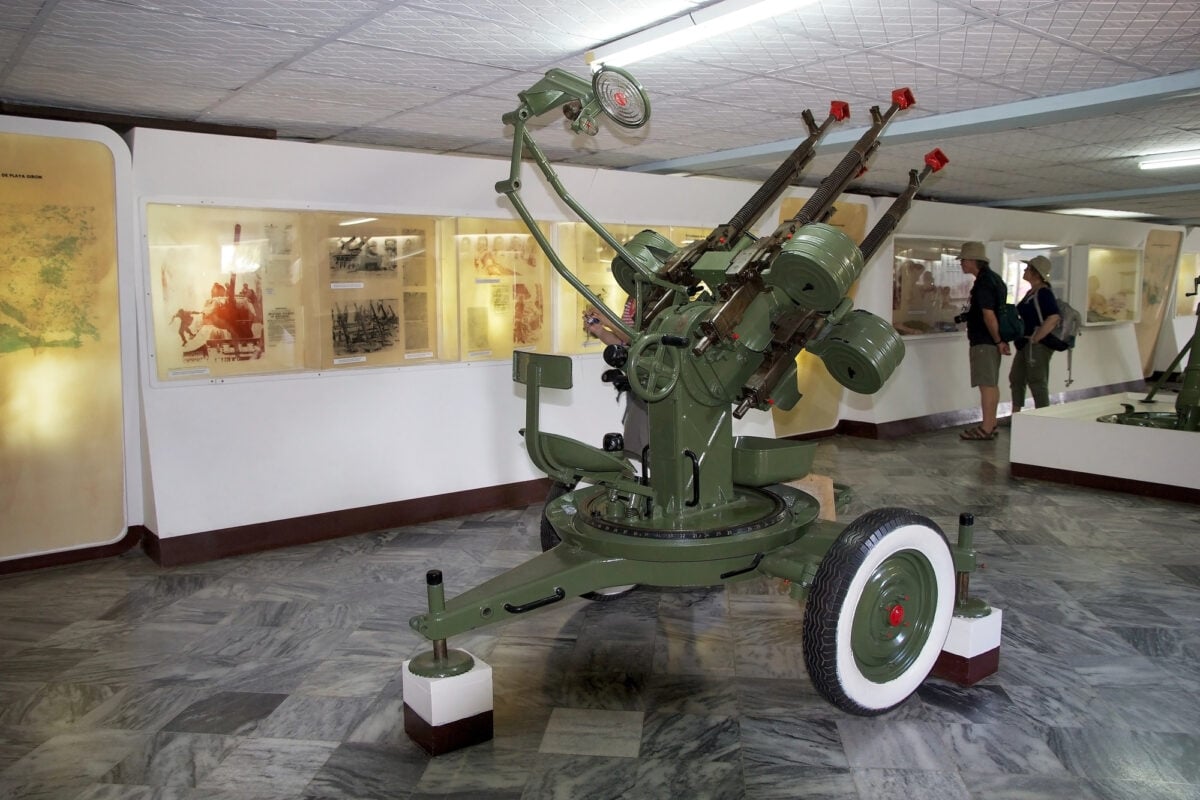
Cuban exiles numbered around 1,500 against Fidel Castro’s forces numbering over 10,000. The invasion failed due to lack of air support and planning.
Six-Day War (1967)
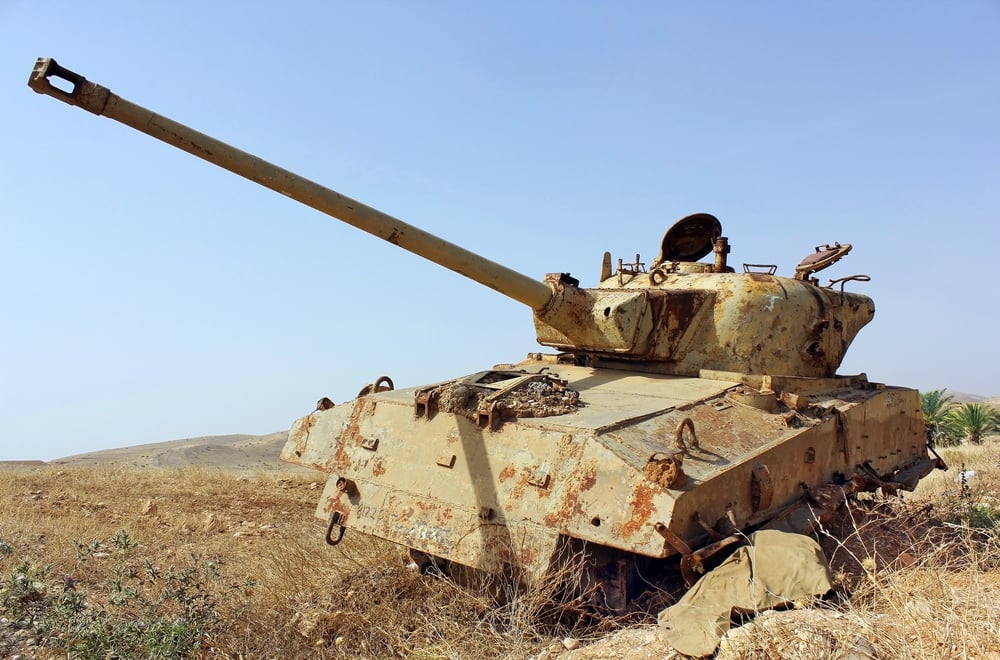
Israel faced combined Arab forces from Egypt, Syria, Jordan, Iraq, Lebanon, and Saudi Arabia. Israeli numerical inferiority was overcome by superior air power and tactical surprise.
Tet Offensive (1968)
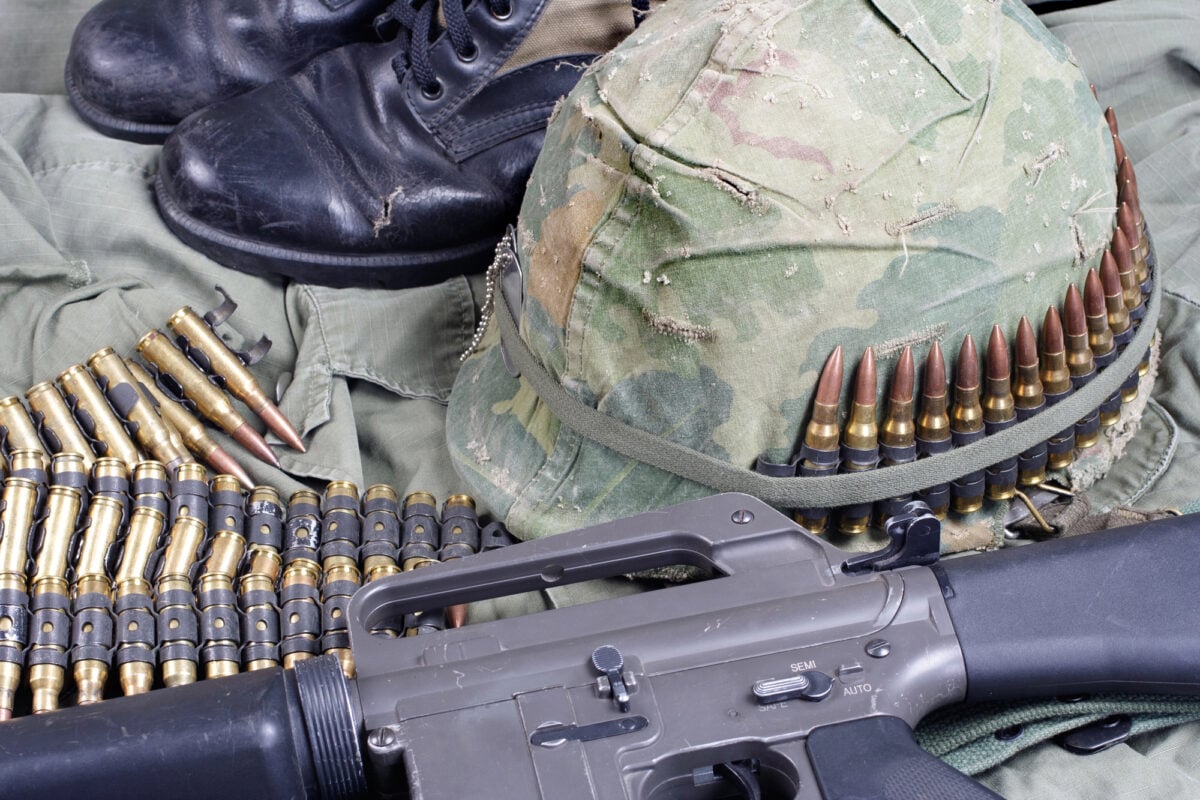
North Vietnamese and Viet Cong forces launched coordinated attacks across South Vietnam. Despite initial numerical advantage, the offensive was repulsed with enormous losses.
Yom Kippur War (1973)
Israeli forces faced simultaneous Egyptian and Syrian attacks on Yom Kippur. Though initially outnumbered, Israel mobilized reserves and turned the offensive against both Arab states.
Battle of Mogadishu (1993)
American special operations forces fought Somali militia in urban combat. The Americans faced thousands of armed Somalis and suffered significant casualties despite firepower advantages.
Second Battle of Grozny (1999-2000)

Russian forces struggled against Chechen resistance fighters in urban warfare. Despite numerical advantage, Russian casualties mounted in street-by-street fighting.
Battle of Fallujah (2004)
American and Iraqi forces fought insurgent forces in Fallujah. House-by-house combat inflicted heavy casualties despite American technological superiority.
Battle of Panjwai (2006)

Canadian forces engaged Taliban fighters in mountainous terrain. Despite better equipment and training, the Canadians faced determined insurgents in familiar terrain.
Operation Enduring Freedom (2001-2021)
NATO forces faced Taliban and al-Qaeda forces across mountains. Despite overwhelming material superiority, NATO struggled with enemies using terrain and population knowledge.
Siege of Kut (1915-1916)
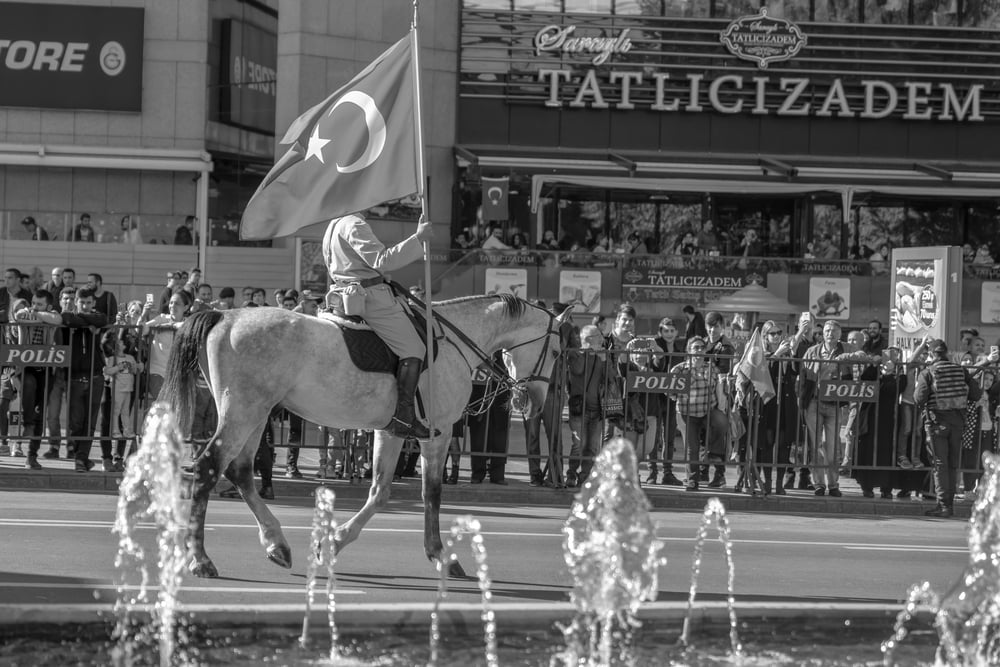
British forces under General Townshend were besieged by Ottoman forces. Starvation and disease forced surrender despite British relief efforts.
Battle of France (1940)
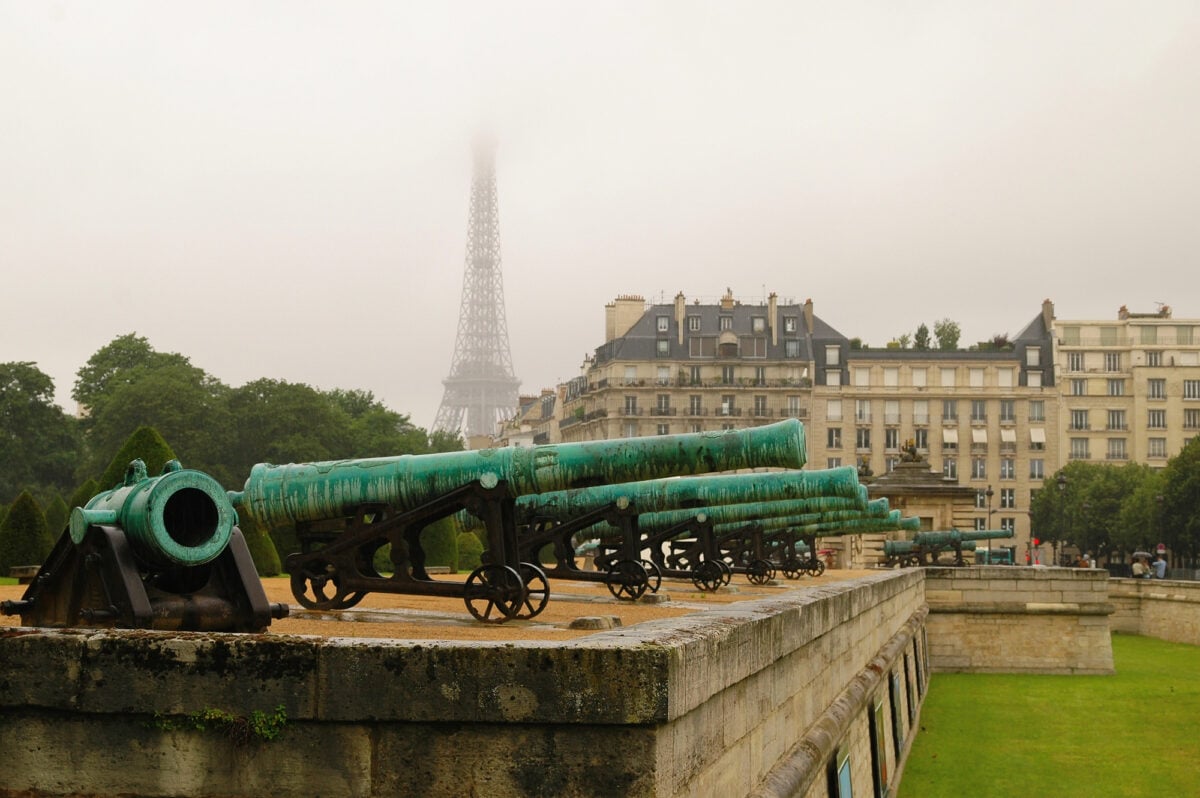
German forces defeated French and British armies through rapid tactical innovation. Superior strategy and mobility overcame numerical near-parity.
Battle of Britain (1940)
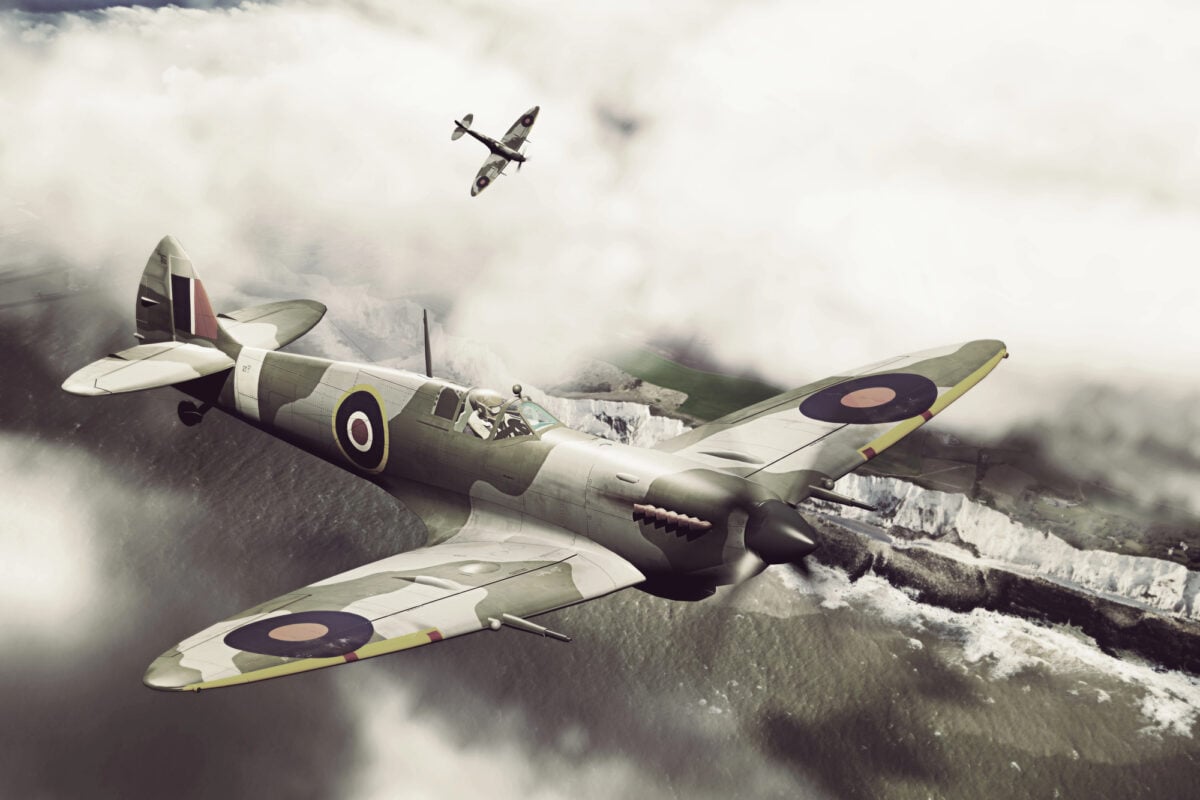
RAF pilots fought German Luftwaffe fighters. Fighting over their homeland gave British pilots advantages that contributed to German defeat.
Warsaw Uprising (1944)
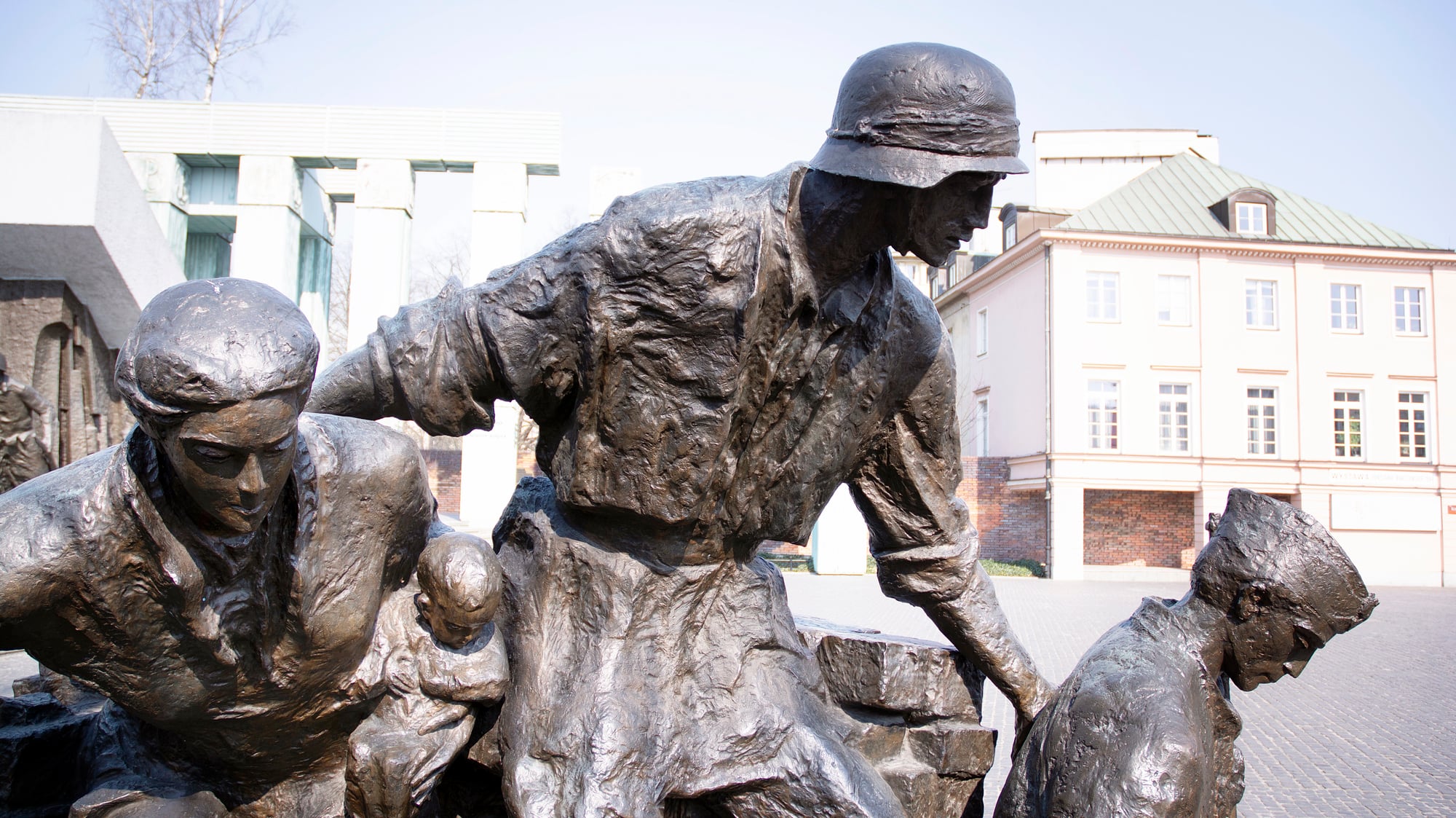
Polish resistance fighters fought German forces for 63 days with improvised weapons. Though defeated, they demonstrated civilian resistance.
Hungarian Revolution (1956)
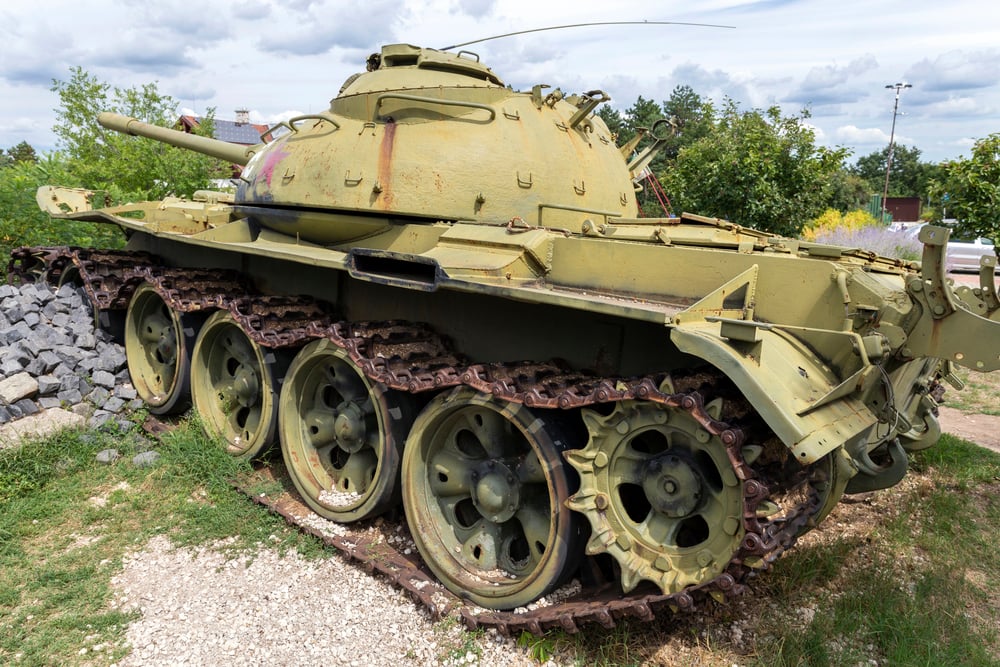
Hungarian rebels fought Soviet tanks with improvised weapons and Molotov cocktails. Soviet forces eventually crushed the uprising.
Prague Spring (1968)
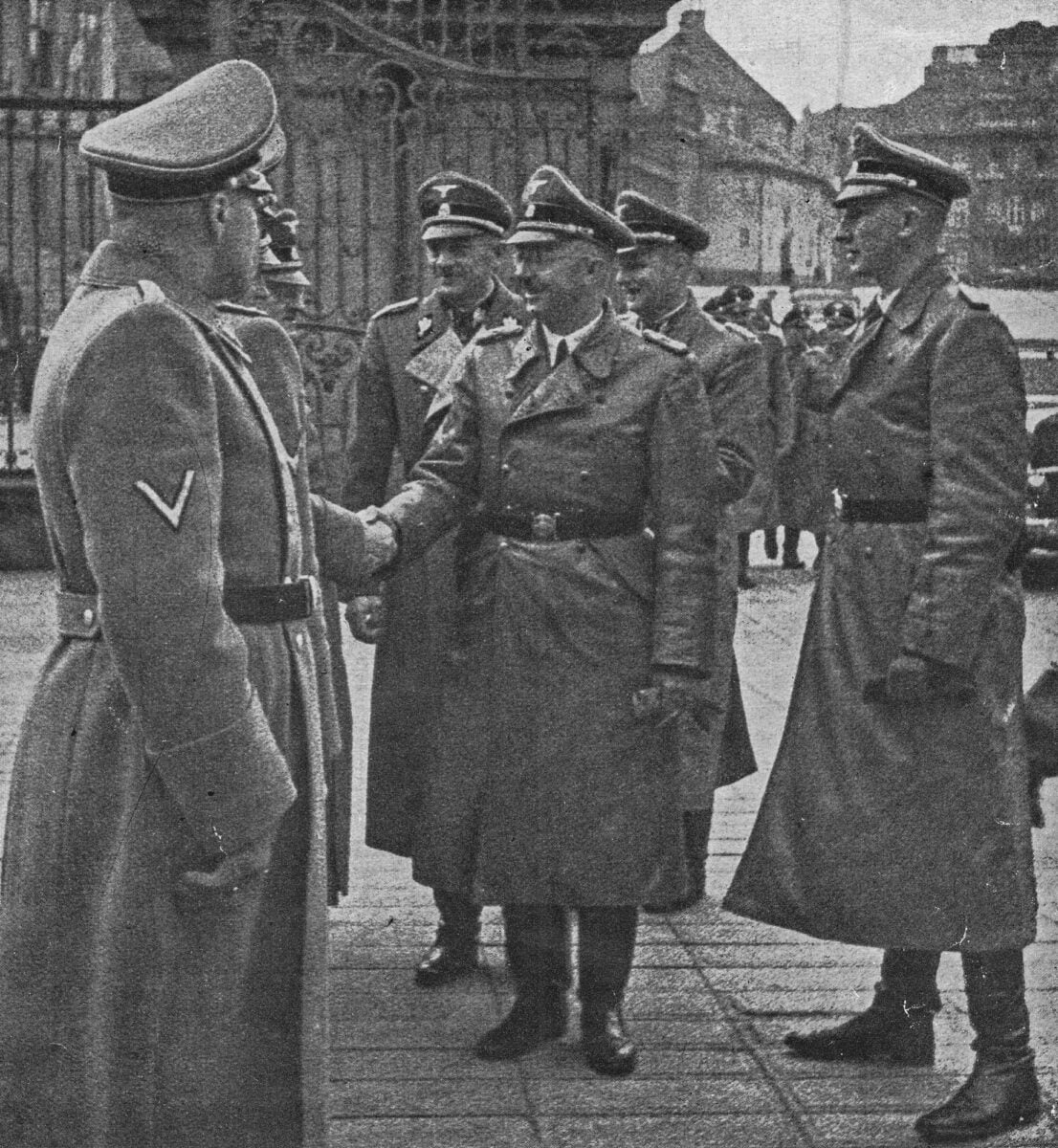
Czech civilians faced Soviet tanks during military occupation. Though the uprising failed, it demonstrated popular resistance.
Philippine-American War (1899-1902)
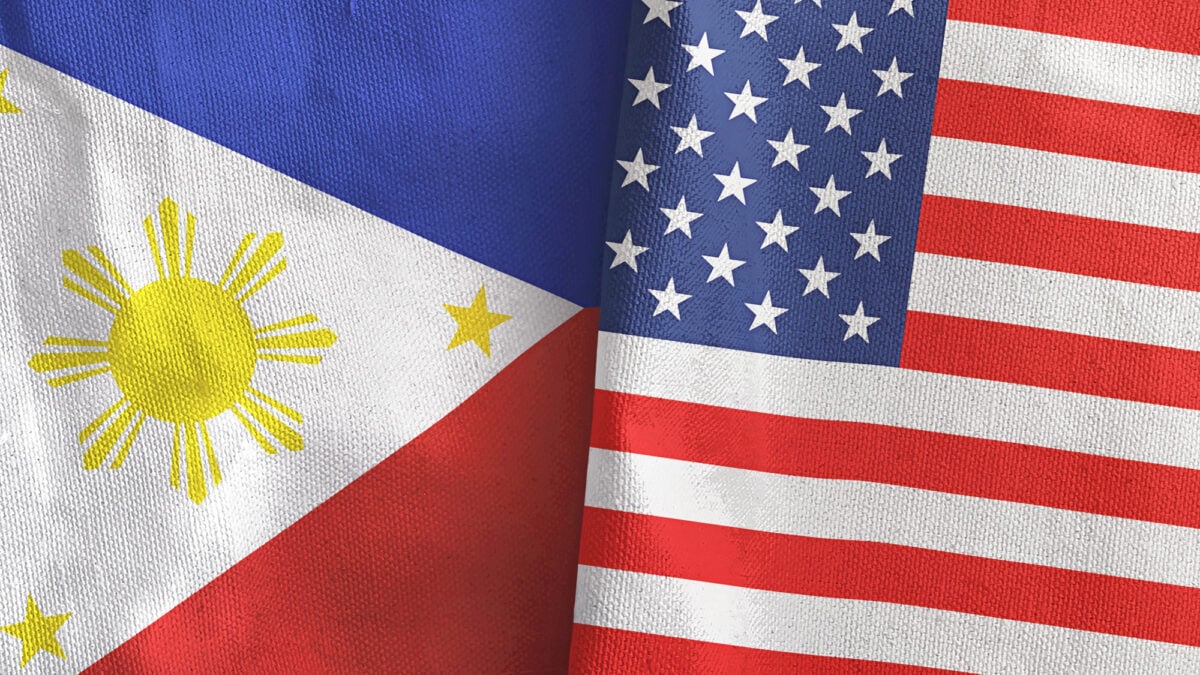
Filipino insurgents fought American forces with guerrilla tactics. Initial American numerical advantages were offset by terrain knowledge and popular support.
Verdun (1916)
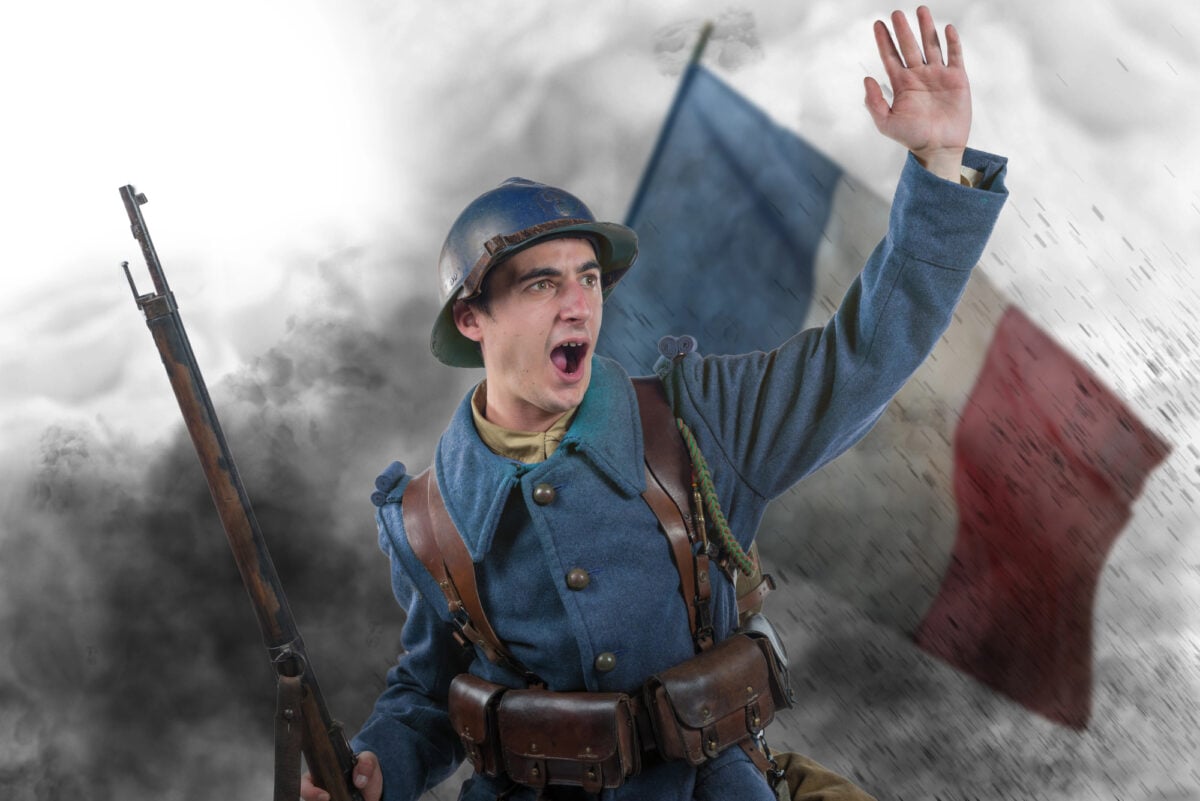
French forces defended against German offensive across ten months. Over 700,000 soldiers were killed or wounded, yet neither side achieved decisive victory.
Somme (1916)
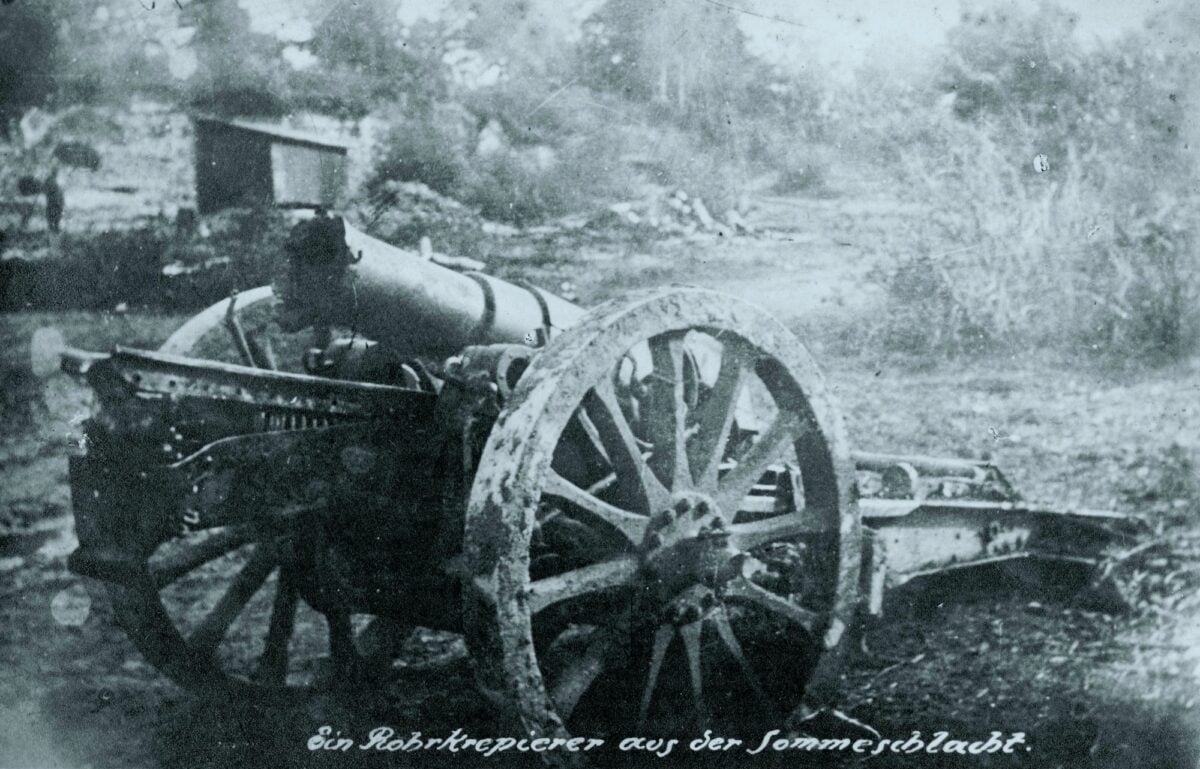
British and French forces attacked German positions across four months. Nearly 60,000 British soldiers died on the first day alone, yet the offensive continued.
The Pattern in Defeat
What these battles reveal is that numerical disadvantage does not determine outcome. Leadership, terrain, morale, and tactical innovation can overcome numerical disadvantage, though rarely without terrible cost.
More from Go2Tutors!

- The Romanov Crown Jewels and Their Tragic Fate
- 13 Historical Mysteries That Science Still Can’t Solve
- Famous Hoaxes That Fooled the World for Years
- 15 Child Stars with Tragic Adult Lives
- 16 Famous Jewelry Pieces in History
Like Go2Tutors’s content? Follow us on MSN.



