25 Battles That Were Greatly Impacted by Weather
History tends to celebrate military genius, tactical brilliance, and courageous leadership—yet often overlooks an uncontrollable force that decided outcomes as definitively as any general’s strategy. Throughout recorded warfare, weather has shifted momentum, delayed armies, changed visibility, destroyed supplies, and transformed landscapes into impassable terrain.
Some of history’s most famous victories belonged not to the commander with the superior force, but to the army that best exploited atmospheric conditions. The weather did not merely provide scenery for these battles; it delivered the deciding blow.
The interplay between climate and combat reveals something uncomfortable: the outcomes of wars have frequently depended on the timing of a storm, the direction of the wind, or the depth of winter’s freeze. Commanders who anticipated weather patterns survived; those who ignored them perished.
This collection documents twenty-five battles where atmospheric conditions proved more decisive than armor, strategy, or numbers alone.
Mongol Invasion of Japan, 1274
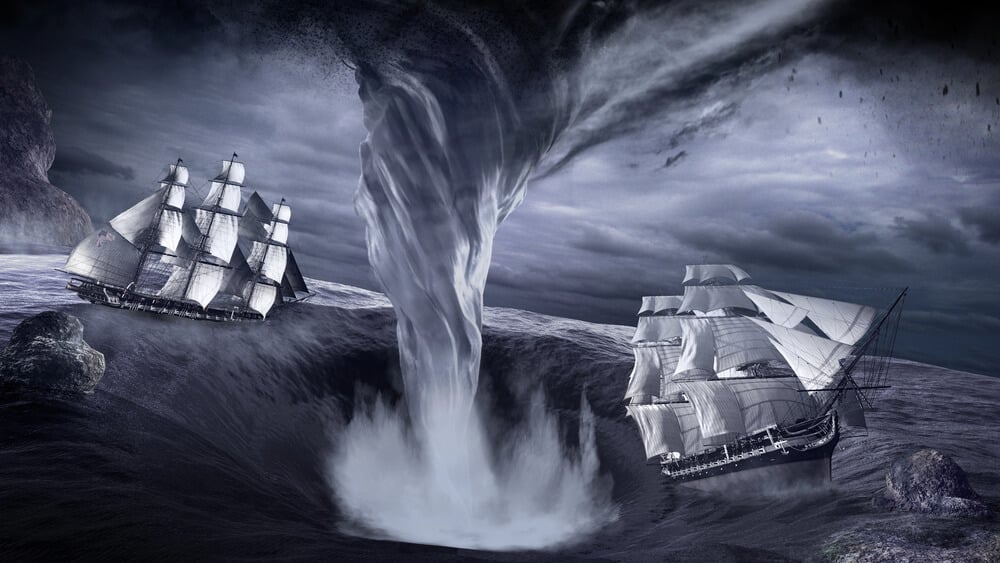
When Kublai Khan launched a fleet of 500 to 900 ships carrying 30,000 to 40,000 warriors toward Japan in autumn 1274, the operation seemed inevitable. The Mongols commanded the largest empire on Earth and had never faced a serious naval setback.
As their armada anchored in Hakata Bay after initial skirmishes with Japanese defenders, a massive typhoon struck with devastating force. An estimated 13,000 men drowned, around one-third of the ships sank, and the rest were damaged.
The Japanese called the storm “kamikaze”—divine wind—believing the gods had intervened to protect them.
Mongol Invasion of Japan, 1281
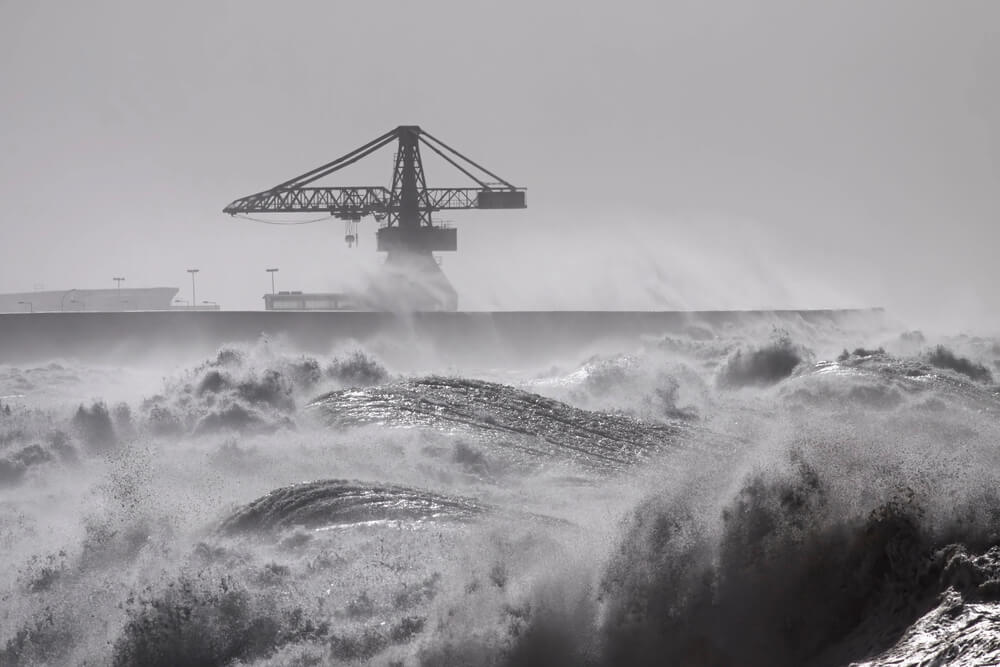
Undeterred by the first disaster, Kublai Khan assembled an even larger invasion force seven years later. This second armada consisted of 4,400 vessels and some 140,000 soldiers and sailors, making it the largest amphibious invasion attempt in history until World War II.
The Japanese, having learned their lesson, constructed a twenty-kilometer defensive wall to protect Hakata Bay. The Mongols, unable to land effectively, remained anchored offshore for weeks.
On August 15, as they were about to assault the much smaller Japanese forces defending the island, a massive typhoon hit, wrecking the Mongol fleet and once again foiling the invasion attempt. At least half the Mongols drowned, and scattered survivors were hunted down by samurai over subsequent days.
Battle of Waterloo, 1815
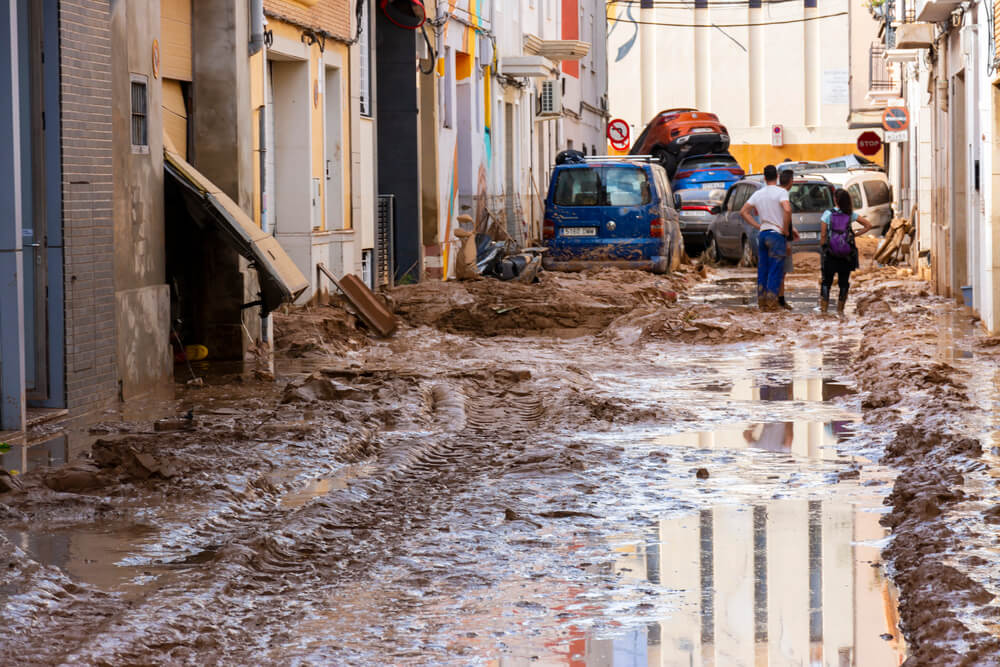
The Battle of Waterloo took place on June 18, 1815, and the night before brought heavy rain that transformed the battlefield into a muddy catastrophe. The clay-rich fields became so sodden that Napoleon delayed his opening attack, knowing that infantry and artillery could not move and fire as effectively in such conditions.
Guns sank into the mud, cannonballs buried themselves rather than skipping across the ground to devastating effect, and wheels dragged helplessly. The muddy terrain prevented Napoleon’s artillery from achieving its full destructive potential, and the delayed assault gave the Prussian reinforcements crucial time to arrive.
The weather that seemed to favor the French emperor ultimately enabled his defeat.
Battle of Berezina, November 1812

As November 1812 arrived, the weather turned treacherous in ways that ruined every option available to Napoleon’s retreating Grande Armée. A thaw broke up the ice covering the Berezina River so the frozen surface would not hold an army, yet simultaneously turned the approaches into mud and slush where men, horses, and wagons bogged down helplessly as they tried to reach the crossing points.
The river became an impassable barrier, the ground an impossible swamp. Thousands perished attempting to cross while being attacked from multiple directions, and the catastrophic losses at Berezina marked the final collapse of the French invasion of Russia.
Dunkirk Evacuation (Operation Dynamo), May 1940
In May 1940, the Dunkirk evacuation faced seemingly impossible challenges. The British Expeditionary Force was trapped by German forces along the coast of France, with no obvious way to escape back to Britain.
Fortune intervened in the form of unusually calm waters. The Channel seas remained exceptionally peaceful during the critical evacuation period, allowing hundreds of small civilian boats and naval vessels to navigate successfully.
Over ten days, more than 300,000 soldiers were evacuated across those calm waters. Without those exceptional sea conditions, the evacuation would have been impossible, and Britain’s entire military capacity might have been captured.
D-Day Invasion, June 1944
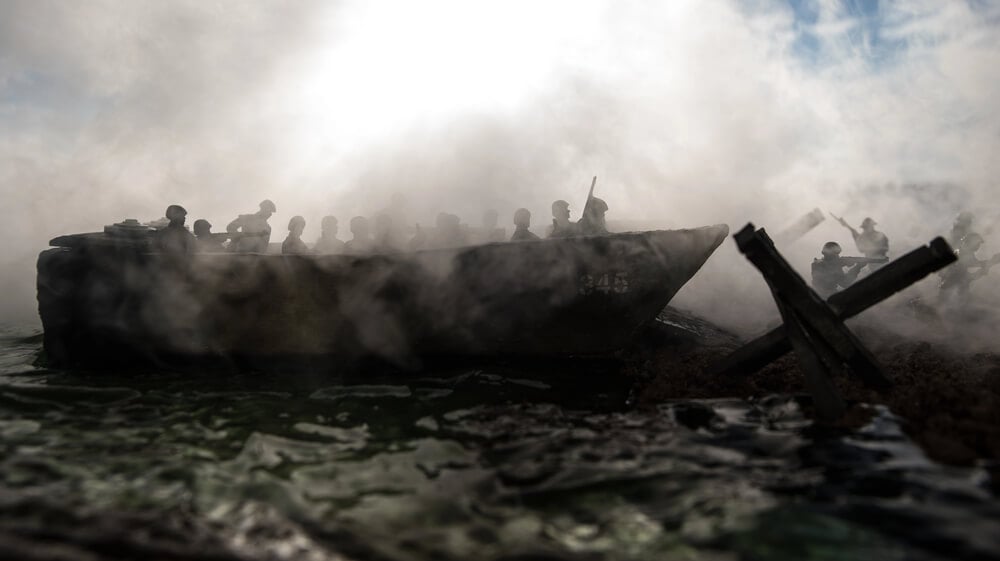
The success of the D-Day invasion depended entirely on precise weather forecasting and narrow windows of suitable conditions. The operation required moderate seas for landing craft, visibility for air support, and low winds for parachute operations.
Allied meteorologists faced one of the most consequential forecasting challenges in military history as thousands of lives and the tide of the war hung on their predictions. Poor weather delayed the invasion by one day.
When conditions finally cleared, the window proved narrow enough that a single additional day’s delay might have forced complete cancellation. The invasion succeeded partly because meteorologists correctly identified that June 6 would provide those rare favorable conditions.
Battle of Red Cliffs, Winter 208-209 AD
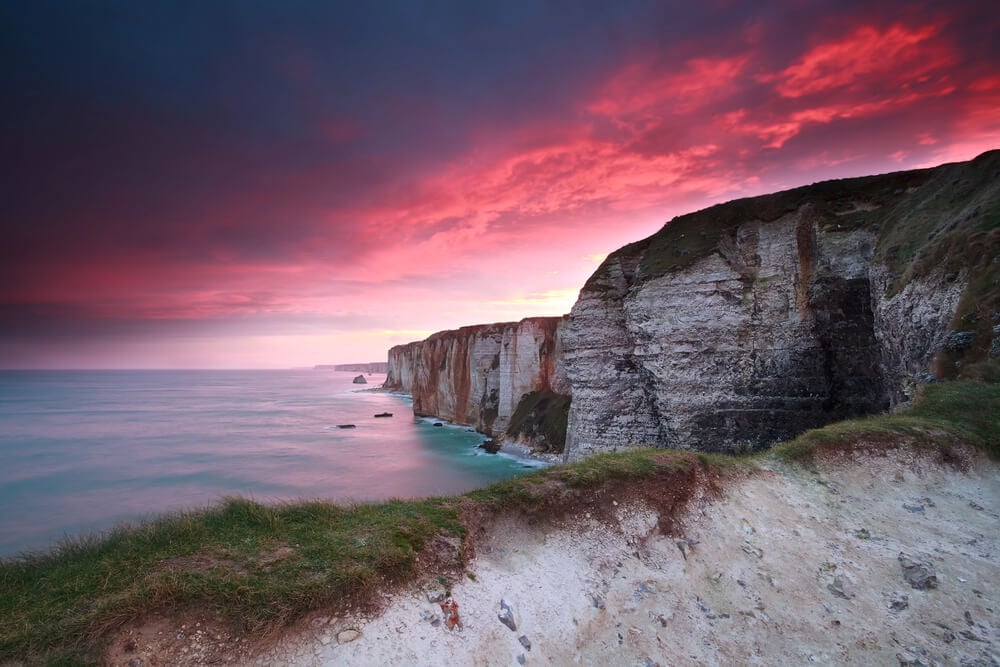
The entire strategy at Red Cliffs hinged on exploiting wind direction. The attacker, Cao Cao, had chained his 2,000 ships together to stabilize them against seasickness, which prevented maneuvering when fire struck.
The defenders waited for a southeast wind—the winter wind on the Yangtze typically blew from north to south, but they knew occasional reversals occurred. When the southeast wind finally materialized, the attacker’s fleet found itself defenseless.
Burning ships drifted directly into Cao Cao’s fleet, and the flames spread rapidly from hull to hull. The flames that consumed Cao Cao’s fleet burned away any possibility of quick reunification and created space for three independent kingdoms to emerge during the subsequent years of fragmentation.
Battle of Antietam, September 16, 1862

Dense fog rolled across the Antietam Valley in the morning hours, reducing visibility to just fifteen or twenty feet in any direction. This fog prevented coordinated movements across the valley and allowed separate engagements to escalate into the bloodiest single day in American military history.
Neither side maintained clear knowledge of the overall battlefield situation. The fog essentially prevented either commander from understanding what was happening across the valley, turning the battle into a series of brutal local encounters rather than a cohesive tactical engagement where either army could maneuver in response to overall developments.
Battle of Gettysburg, July 1863

During the three-day Battle of Gettysburg, a mathematics professor named Rev. Dr. Michael Jacobs recorded weather observations three times daily. His published “Meteorology of the Battle” provided specific details on atmospheric conditions and their impact on the engagement.
The biggest impact came from heavy rain that fell immediately after the three-day battle, leading to flooding in low-lying areas like Plum Run Creek, which overflowed its banks. This flooding severely hampered Robert E. Lee’s Confederate retreat across the Potomac River.
This geographic barrier of mud and flooding proved nearly as consequential as the actual fighting in determining the battle’s aftermath and preventing Lee’s escape.
Burnside’s Mud March, January 1863
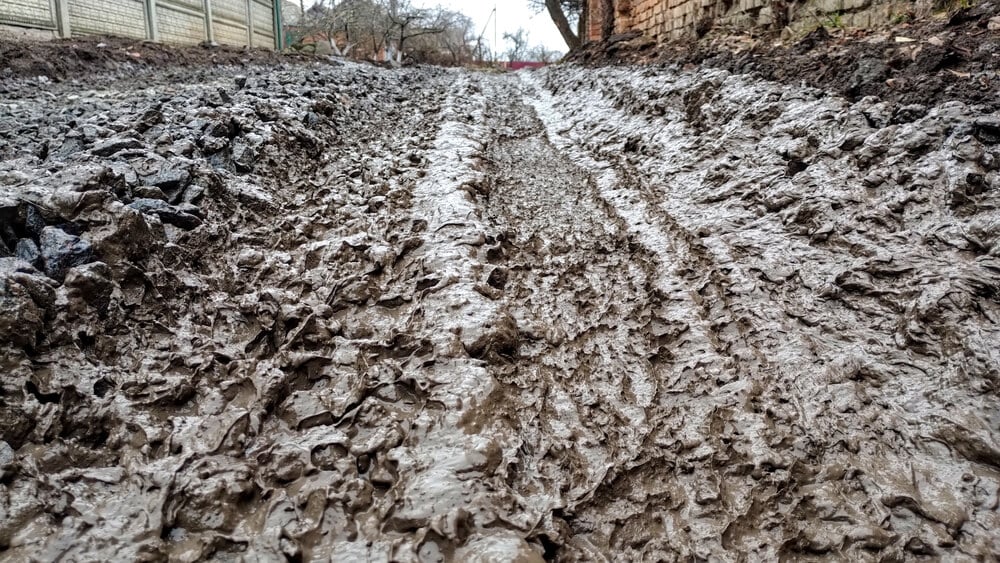
What began as an ambitious flanking maneuver by Union General Ambrose E. Burnside to attack Lee’s forces from the left collapsed entirely when torrential winter rains transformed Virginia roads into nearly impassable swamps. Soldiers, horses, and wagons became mired in mud so deep that forward movement became nearly impossible.
The entire offensive was abandoned before any serious engagement occurred. Union morale plummeted—not due to enemy action, but because nature had made maneuver impractical.
The weather had defeated the offensive as thoroughly as any Confederate defense.
Battle of the Trebia River, December 218 BC

Hannibal’s devastating victory over the Romans at Trebia was partially enabled by winter conditions. The river itself was swollen and cold, making it difficult for the Romans to cross, and the freezing temperature contributed to the rapid casualty rate.
Hannibal, expecting to use the river’s crossing as an ambush point, exploited the cold waters and winter mud to separate Roman forces. The bitter December weather favored the general who had prepared for it and devastated the army that had not, making conditions a tactical weapon as much as the hidden cavalry reserve that completed the encirclement.
Siege of Quebec, 1775-1776

In the fall of 1775, American Colonel Benedict Arnold led an expedition through the wilderness of modern-day Maine to attack the British fortress city of Quebec. The expedition pushed through despite terrible rain and snowstorms and a lack of supplies.
Little more than half of the 1,100 men who started the expedition made it to Quebec. The brutal winter weather killed more soldiers than combat, and the extreme conditions turned what should have been a rapid assault on an undermanned fortress into a stalled siege.
As winter deepened and supplies dwindled, the American force lacked the resources to maintain pressure, and British reinforcements eventually forced the Americans to retreat.
Battle of the Spanish Armada, 1588
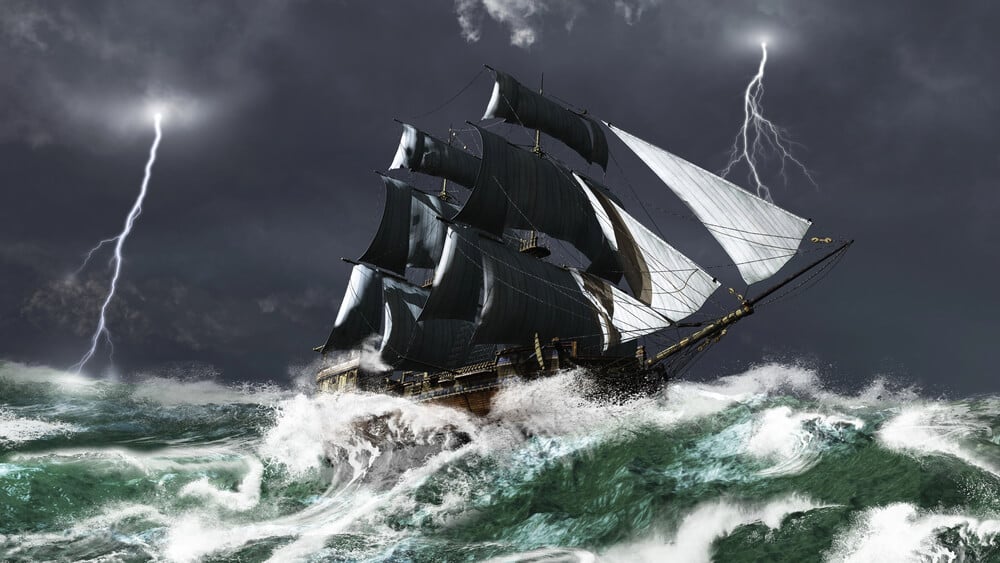
The Spanish Armada sailed from Spain in July 1588, but not before suffering its first weather setback. In April, the armada had to return to port after being damaged by storms before it had even left Spanish waters.
The fleet finally departed in July, only to face naval skirmishes with the English in the Channel. After being driven north into the North Sea, the Armada attempted to return home by sailing around Scotland and Ireland.
As the Spanish fleet rounded the north of Scotland in mid-September, it sailed into one of the worst storms to hit that coast in years. Without anchor cables the Spanish ships were unable to take shelter.
Between September and November 1588, at least 27 Armada ships foundered on the north and west coasts of Scotland and Ireland. The weather proved more destructive than English naval tactics, and the “Invincible Fleet” returned to Spain as a broken force.
Battle of Lake Trasimene, June 217 BC
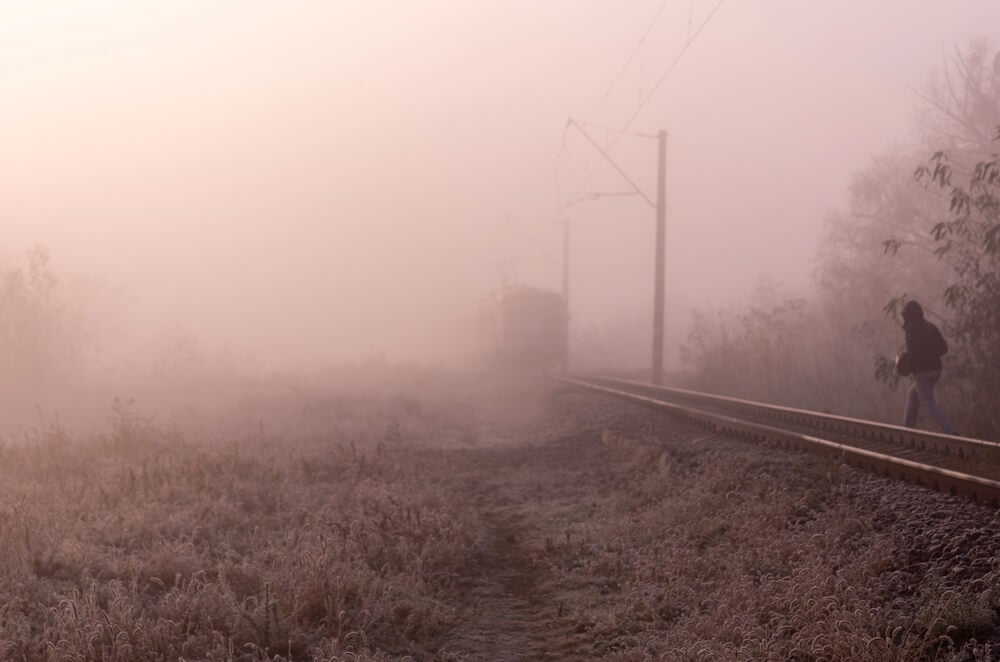
Hannibal’s greatest ambush relied fundamentally on fog. The entire Carthaginian army was concealed along the shores of Lake Trasimene, but attacking in daylight would have revealed the trap.
The fog concealed ambushes in the lakeside pass, routing 15,000 Romans with minimal Carthaginian losses. The fog allowed Hannibal to position his forces undetected and prevented the Romans from seeing the scale of the encirclement until they were already surrounded.
Without that fog cover, the same terrain would have been visible enough for the Romans to detect the trap and maneuver around it.
Siege of Orleans, 1429

During the Hundred Years’ War, rain proved decisive at the Siege of Orleans. Heavy rainfall slowed English forces and allowed the French to regroup.
The muddy conditions turned what should have been rapid English maneuvers into plodding advances. The English, who relied on rapid movement and archers positioned on solid ground, found their tactical advantages neutralized by rain and mud that hindered movement and rendered archery less effective.
The French eventually won the siege, partly because weather had negated English tactical superiority.
Second Battle of the Masurian Lakes, February 1915
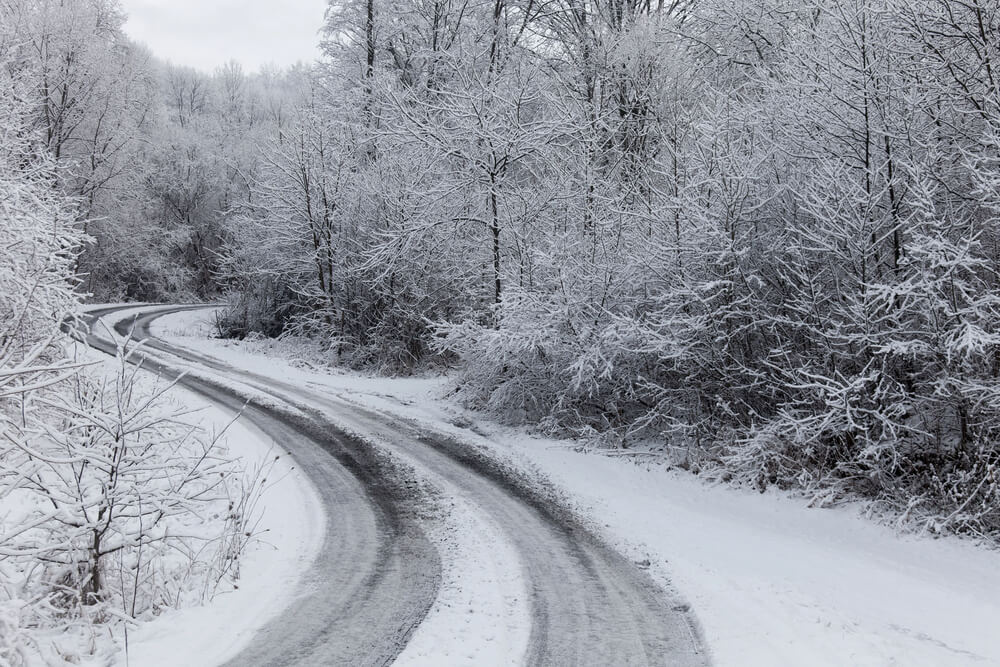
Heavy snow and repeated snowstorms reduced visibility and made movement punishing during this brutal winter engagement. Deep drifts turned roads and tracks into choke points where columns became vulnerable to ambush and could not maneuver effectively.
The German commander, understanding winter warfare better than the Russian forces, positioned troops where deep snow channelized attacks into killing zones. The blizzard conditions that were intended to aid the Russian advance instead resulted in their encirclement and catastrophic losses.
Battle of Borodino, September 1812

While the Battle of Borodino itself was tactically inconclusive, the weather that followed proved genuinely decisive. The Russian winter, beginning earlier and with greater severity than Napoleon anticipated, transformed the subsequent retreat into a disaster worse than any battlefield defeat.
The oncoming winter and lack of supplies forced the French to immediately withdraw from Russia. More French soldiers died from cold, starvation, and disease during the retreat than perished in combat at any single engagement.
Battle of the Bulge, December 1944-January 1945
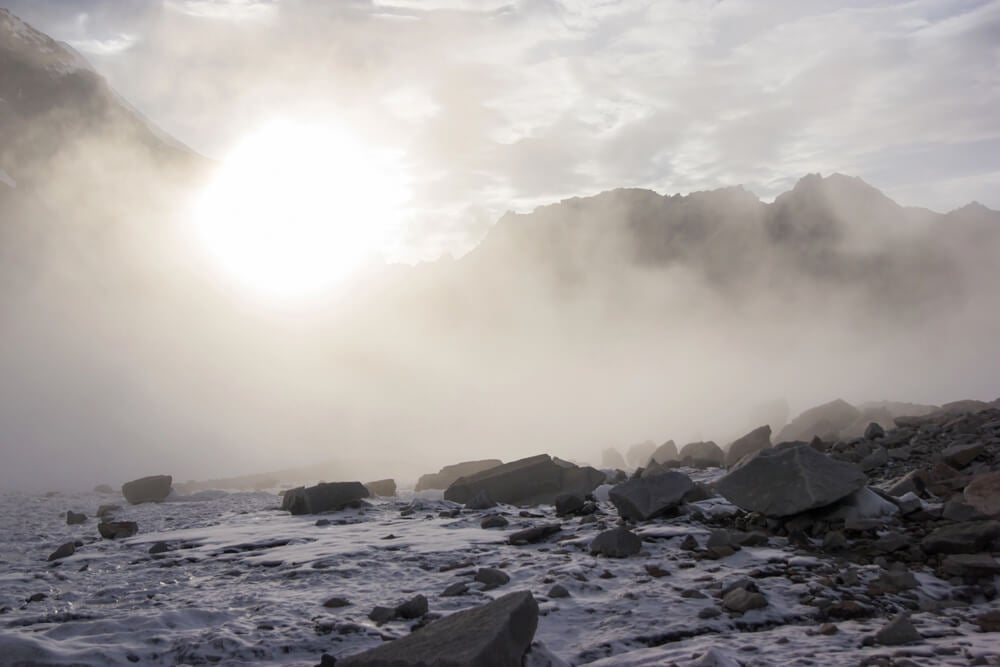
The German counteroffensive in Belgium during winter relied on exploiting fog and cloud cover that grounded the Allies’ superior air force. When dense fog blanketed the Ardennes region, German armor advanced rapidly without fear of air attack.
The temporary absence of air support nearly broke through Allied lines. Only when the weather cleared and American aircraft could operate again did the German advance collapse.
The weather window that concealed the German movement proved temporary, and its closure sealed the offensive’s failure.
Battle of Chancellorsville, May 1863
Rain had fallen in the days preceding this battle, and that rainfall proved crucial to Confederate success. The rain settled the dust that typically rose from marching columns, making Confederate flank movements nearly invisible to Union observers.
Without that rain preceding the battle, dust clouds would have revealed Jackson’s flanking maneuver, allowing the Union army to prepare defenses against the attack. The preceding rainfall directly enabled what became one of the war’s most audacious Confederate victories.
Battle of Hastings, October 1066
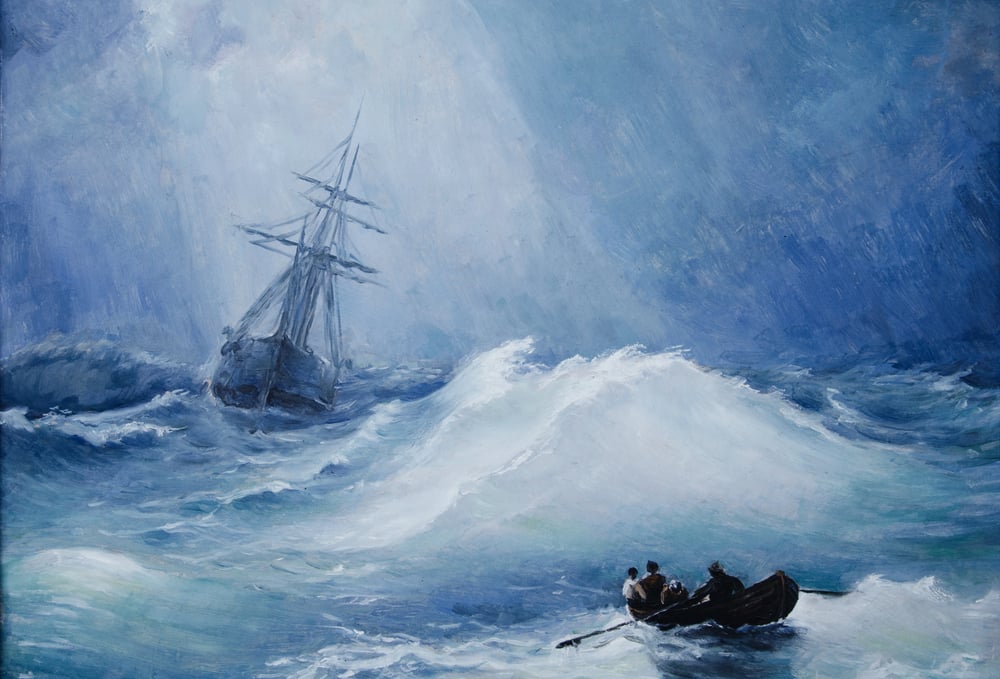
The Battle of Hastings occurred on terrain chosen by circumstance and proximity, but William of Normandy’s ability to cross the English Channel at all depended on favorable winds and seas during his invasion fleet’s crossing. Once ashore, wind direction during the battle itself influenced the effectiveness of arrows and missiles.
The conditions that allowed William’s invasion to land successfully and remain supplied across the Channel proved as crucial as the tactical engagement itself to his ultimate triumph over Harold Godwinson.
Brusilov Offensive, Summer 1916

The Brusilov Offensive, initially brilliant and generating massive breakthroughs, eventually stalled and then collapsed. Summer rains turned roads into swamps, slowing supply lines and preventing rapid exploitation of initial successes.
The weather did not defeat the Russians—poor coordination and exhausted reserves did—but the weather window that might have allowed the offensive to achieve a decisive breakthrough closed as mud accumulated. The rain essentially put a time limit on how long the Russians could sustain forward momentum before logistics collapsed entirely.
Battle of Tours, October 732 AD
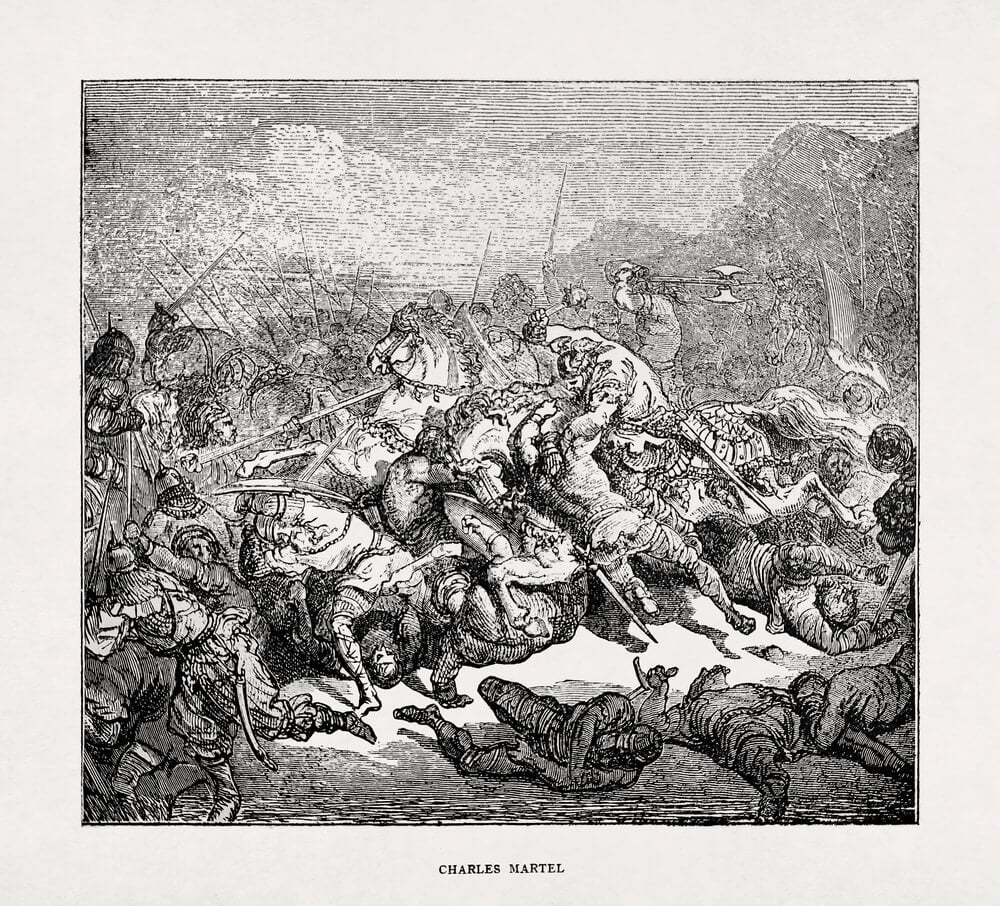
The Battle of Tours, where Charles Martel defeated the Umayyad Caliphate’s invasion of Western Europe, occurred in early October. While weather conditions are not extensively documented, they affected visibility and ground conditions.
The battle’s outcome as a decisive European defense against Islamic expansion depended partly on climate and terrain factors that favored the northern European forces. The cooler autumn weather and the terrain of the Loire valley created conditions less favorable to the rapid cavalry movements that had characterized Umayyad campaigns across open plains in Spain.
Battle of Iuka, September 1862

An atmospheric phenomenon caused by temperature inversions prevented sound from traveling normally across the battlefield at Iuka. This acoustic anomaly prevented one wing of the Union army from hearing artillery fire from the other wing.
The atmospheric effect created an invisible barrier to communication as effective as a physical wall separating the battle into isolated engagements. This prevented coordinated action and contributed to tactical confusion that ultimately affected the battle’s outcome.
Siege of Mill Springs, January 1862

The Confederate army, attempting to advance northward through Kentucky, found their movements progressively more hampered by winter weather. Heavy rain, fog, flooding, and mud thwarted Confederate operations at Mill Springs.
The combination of rain, flooding, and mud rendered the roads impassable for artillery and supply wagons. The Confederates, unprepared for winter conditions and without adequate supplies, were decisively defeated partly because weather prevented them from sustaining offensive operations.
Operation Barbarossa, Winter 1941-1942

During Germany’s invasion of Russia, the Russian winter proved deadlier than any defensive action. German forces, equipped for rapid summer campaigns, found themselves facing temperatures that froze lubricants, shattered metal, and made vehicles inoperable.
The German army, designed for Blitzkrieg in temperate regions, lacked the clothing, fuel, and equipment to sustain operations in Russian winter. Hypothermia and frostbite killed more soldiers than Soviet action during the winter of 1941-1942, and the weather ultimately halted the German advance outside Moscow.
Battle of Monmouth, June 1778

The Battle of Monmouth occurred during the heat of a New Jersey summer, when temperatures soared to extreme levels. The heat proved nearly as deadly as combat itself, with heat-related casualties mounting on both sides.
The British, with better supplies and discipline, managed the heat conditions more effectively than the American forces, enabling them to maintain tactical cohesion and prevent their defeat from becoming a rout. The weather punished the less-prepared American army disproportionately.
The Weather as Uncontrollable Commander
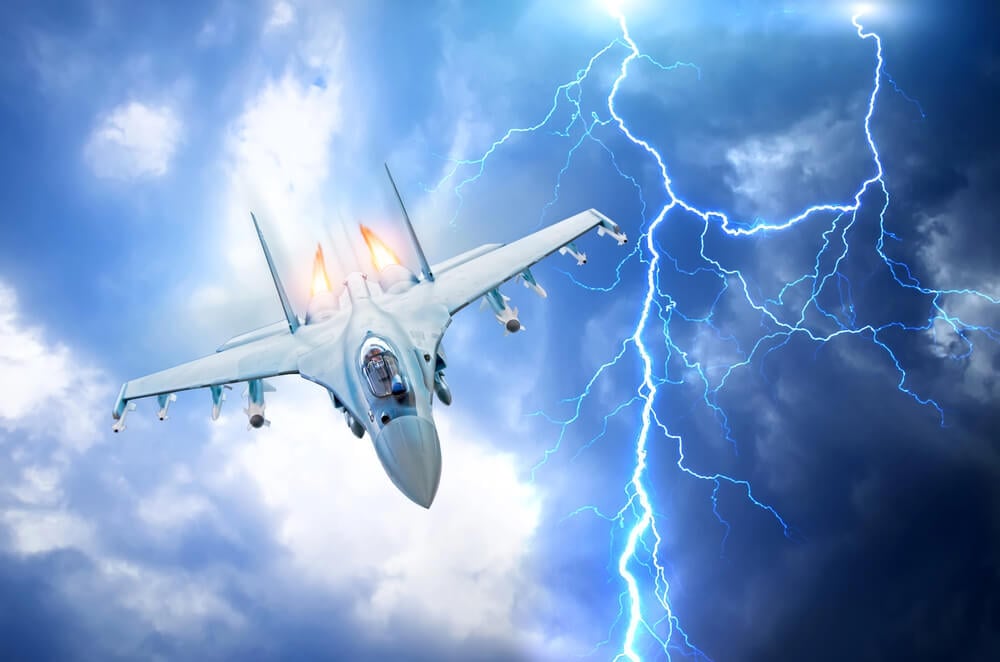
Throughout history, military commanders have struggled against an opponent they could never defeat through strategy alone—the atmosphere itself. Weather does not negotiate, accept surrender, or reward tactical brilliance.
It responds only to seasons and atmospheric systems utterly indifferent to human ambition. The commanders who understood this, who planned supply lines accounting for seasonal conditions, who positioned forces to exploit weather patterns, and who timed their movements to match favorable atmospheric windows—these leaders triumphed.
Those who ignored the weather, who assumed their genius could overcome frost and flood and hurricane-force winds, were humbled. The battles documented here remind us that history’s greatest dramas often play out against a stage whose most powerful actors are beyond any general’s control.
More from Go2Tutors!

- The Romanov Crown Jewels and Their Tragic Fate
- 13 Historical Mysteries That Science Still Can’t Solve
- Famous Hoaxes That Fooled the World for Years
- 15 Child Stars with Tragic Adult Lives
- 16 Famous Jewelry Pieces in History
Like Go2Tutors’s content? Follow us on MSN.



