33 Facts About America’s Conservation History That Most People Never Learned
The story of American conservation is far older and stranger than the usual textbook narrative suggests. Long before Earth Day or the EPA, ordinary citizens and visionary leaders were fighting to preserve what remained of the natural world, often against overwhelming odds and indifference.
These lesser-known facts reveal the messy, surprising, and sometimes absurd reality behind the forests we still have and the species we didn’t lose.
The First National Park Was Nearly a Theme Park
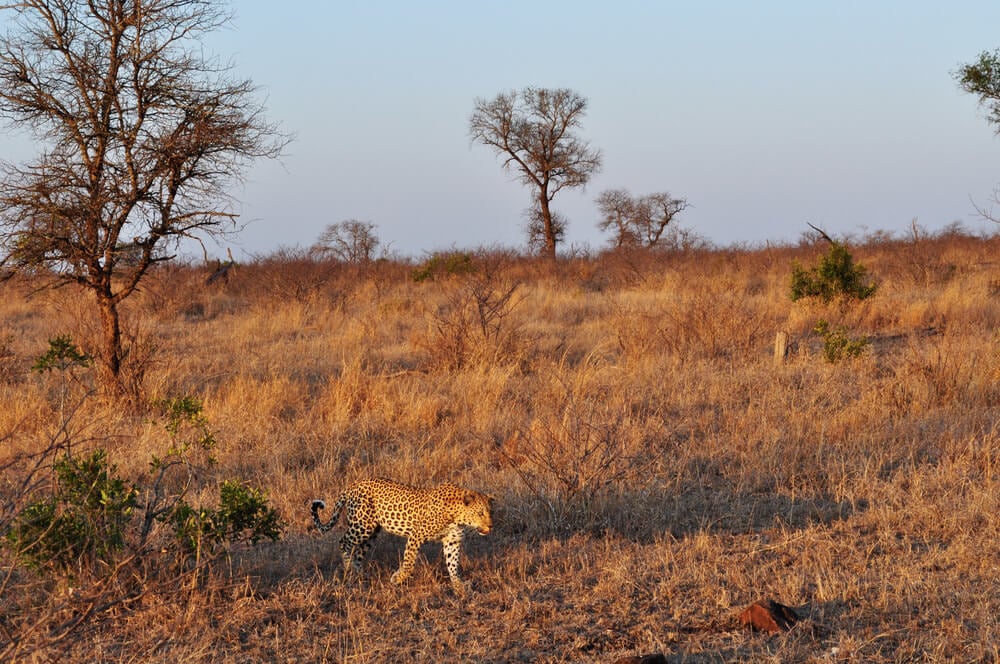
Yellowstone, established in 1872, was nearly developed as a commercial resort and thermal bath destination before Congress decided to preserve it as public land. Early proposals included a grand hotel at nearly every major geyser and a road network that would have destroyed much of the park’s thermal features.
Rachel Carson Wrote the First Environmental Science Book in 1935
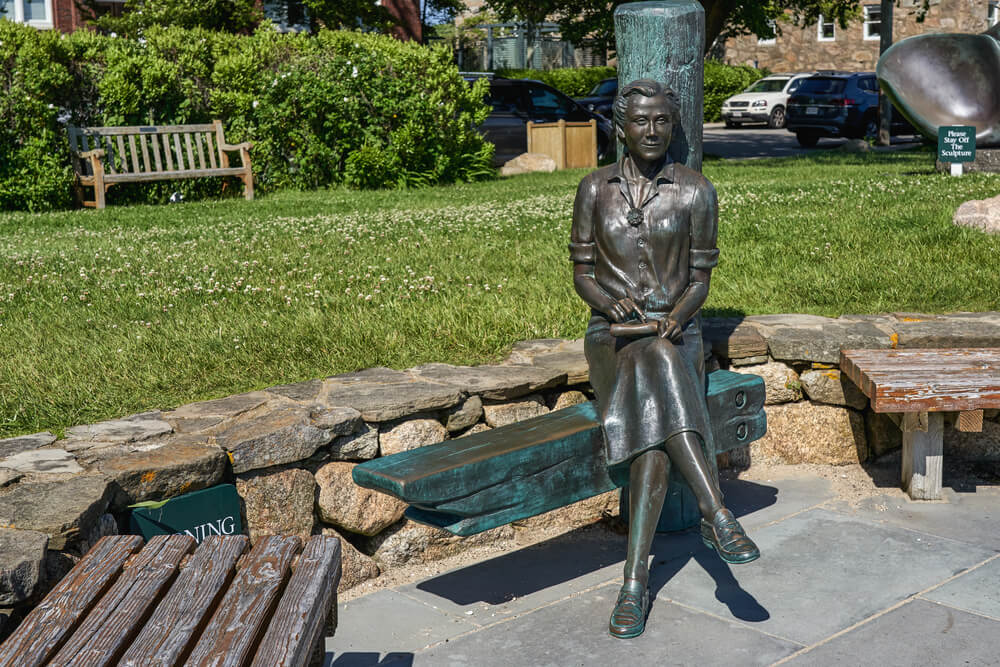
Carson’s The Sea Around Us (1951) became a bestseller, but her earlier work Undersea (1937) was one of the first books to connect ocean ecosystems to human activity. She was ignored by mainstream science for decades before the DDT crisis vindicated her warnings.
Theodore Roosevelt Visited Yellowstone and Became Obsessed in a Single Weekend
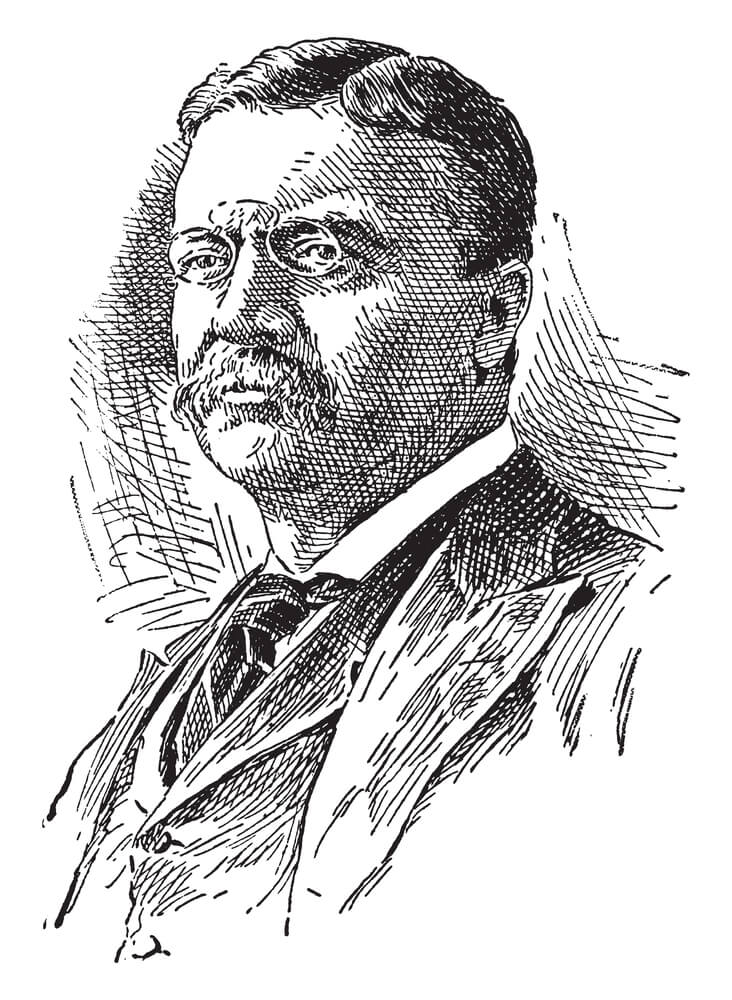
Roosevelt spent only 48 hours in Yellowstone in 1903 before declaring it his mission to protect American wilderness. He would go on to establish 51 federal bird sanctuaries, 18 national monuments, and protect approximately 230 million acres.
The Bison Was Deliberately Hunted to Near-Extinction as Policy
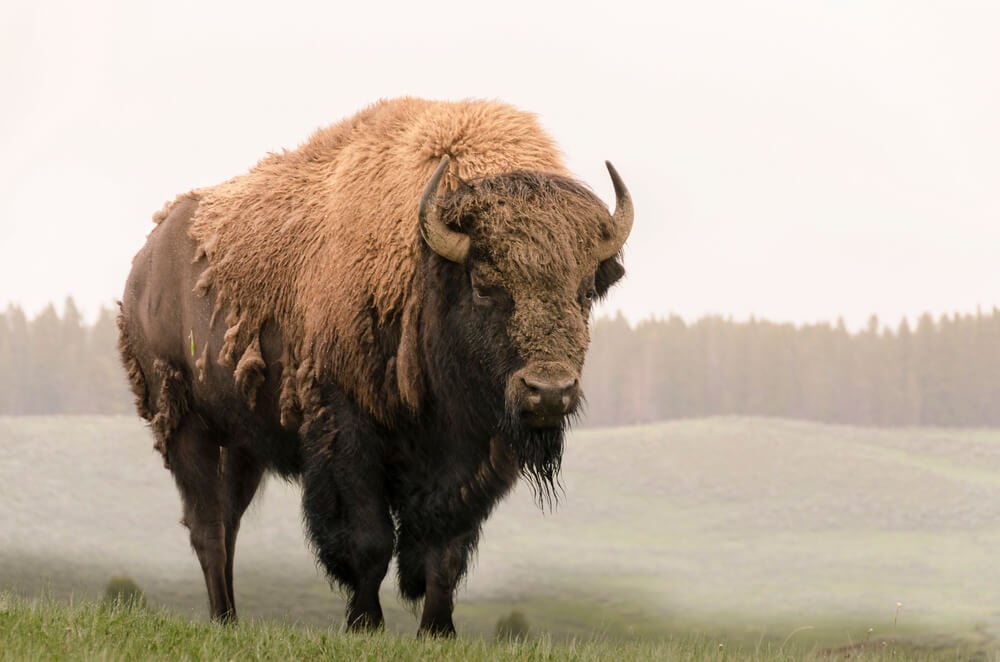
Between 1820 and 1900, the bison population fell from 30 million to fewer than 1,000 animals. This wasn’t accidental—U.S. generals explicitly ordered bison slaughter to eliminate Indigenous food sources and force tribes onto reservations.
John Muir Had to Fight to Save the Grand Canyon Twice
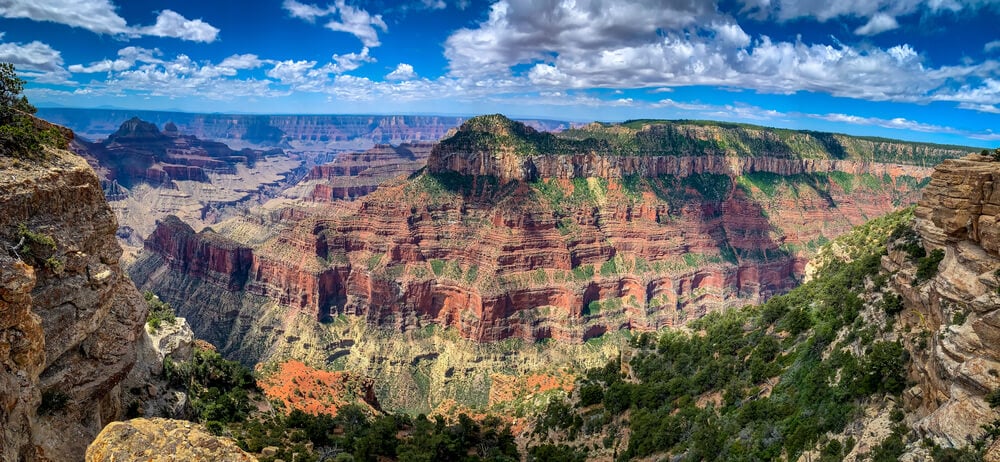
Muir’s first major victory was protecting the Grand Canyon’s rim in 1901, but a dam proposal in 1913 forced him to launch an entirely new campaign at age 75. He died in 1914, just before the dam was permanently blocked.
The Whooping Crane Recovery Is One of the Greatest Comebacks Ever
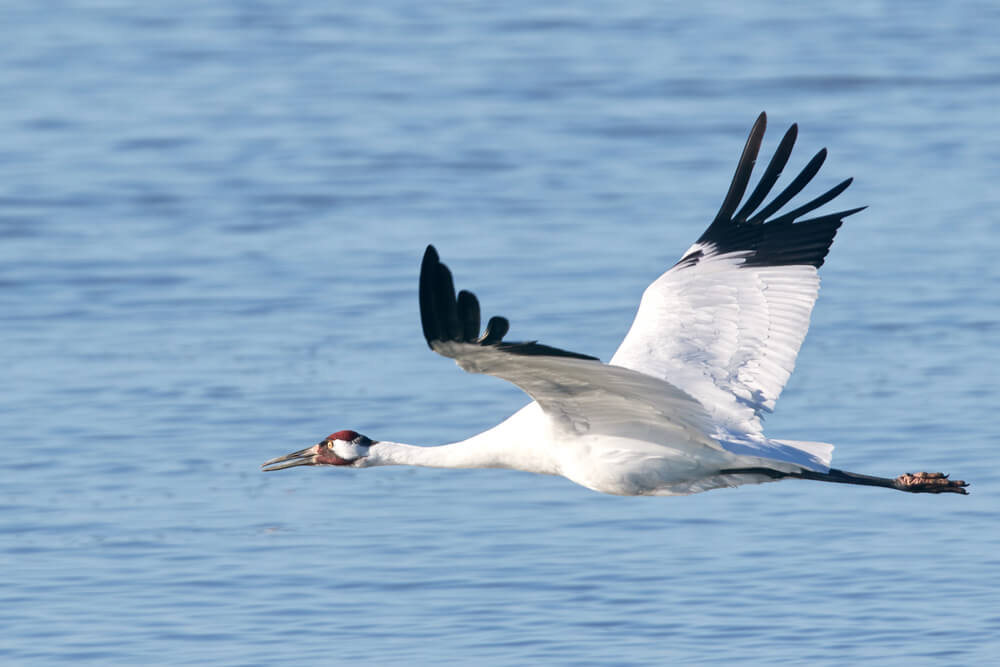
The whooping crane population dropped to 15 birds in 1941. Through captive breeding programs and habitat restoration, it has climbed to over 800 birds today—a multi-decade effort that required international cooperation between the U.S. and Canada.
Silent Spring Almost Wasn’t Published

Rachel Carson’s publisher wavered on Silent Spring (1962) because pesticide companies threatened legal action before it was even released. Carson mortgaged her reputation to see it published and died two years later, never knowing how right she was.
The Endangered Species Act Was Passed by a Single House Vote in 1973
The bill passed with overwhelming bipartisan support—355-4 in the House and 92-0 in the Senate. The legislation had strong backing across both chambers and faced no serious threat of failure in either vote.
Aldo Leopold Invented the Concept of “Land Ethic” While Starving
Leopold was laid off during the Great Depression and nearly bankrupt when he wrote A Sand County Almanac (1949), which fundamentally changed how Americans think about wilderness and conservation ethics. The book sold fewer than 2,000 copies during his lifetime.
The Environmental Protection Agency Didn’t Exist Until 1970

Before the EPA, pollution regulations were scattered across dozens of federal agencies with no coordination. Companies could legally dump waste into rivers and dump toxic chemicals into landfills with minimal oversight.
Marjory Stoneman Douglas Fought for the Everglades at Age 103
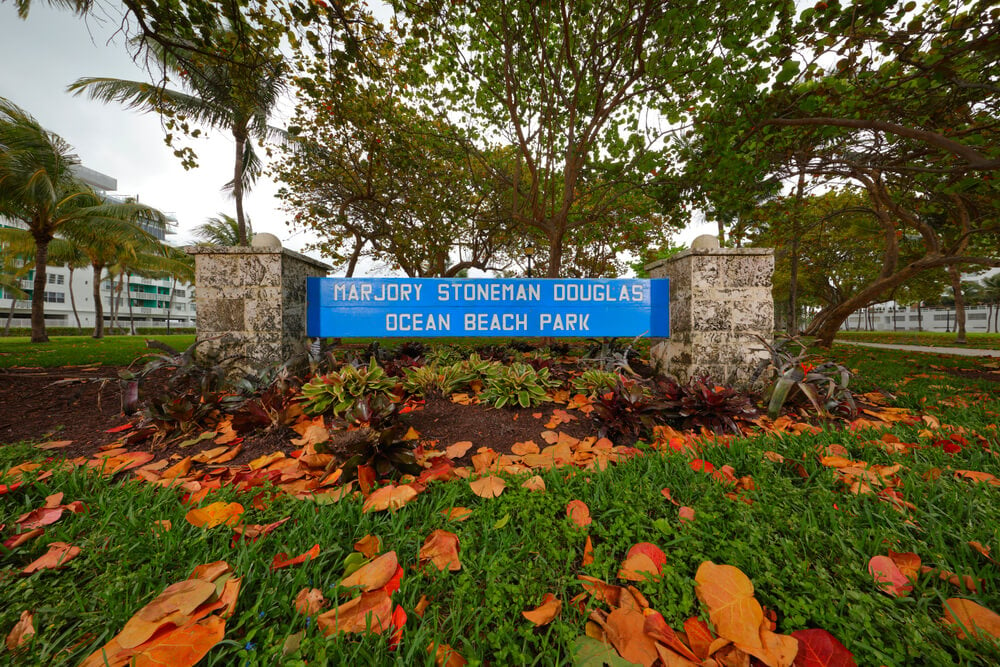
Douglas’s 1947 book The Everglades: River of Grass reframed the Everglades as a living ecosystem rather than a wasteland to be drained. She continued environmental activism for another 50+ years and died at 108.
The Cuyahoga River Literally Caught Fire in 1969
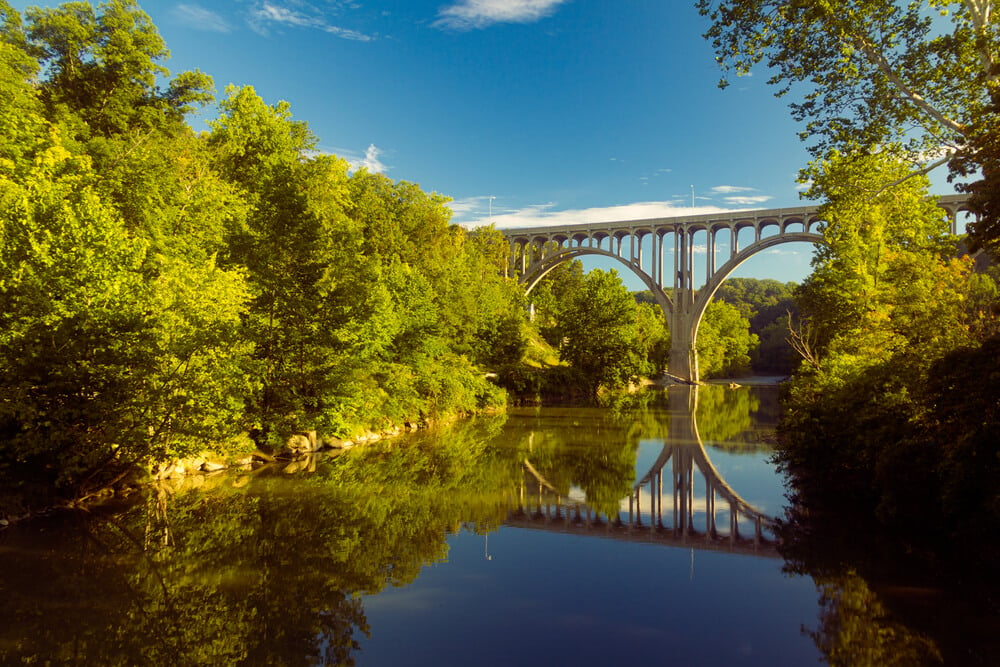
The Cuyahoga River in Cleveland caught fire so spectacularly that it made national headlines and directly led to the Clean Water Act of 1972. Industrial pollution was so severe that the river itself was flammable.
Three-Quarters of America’s Original Forest Cover Is Gone
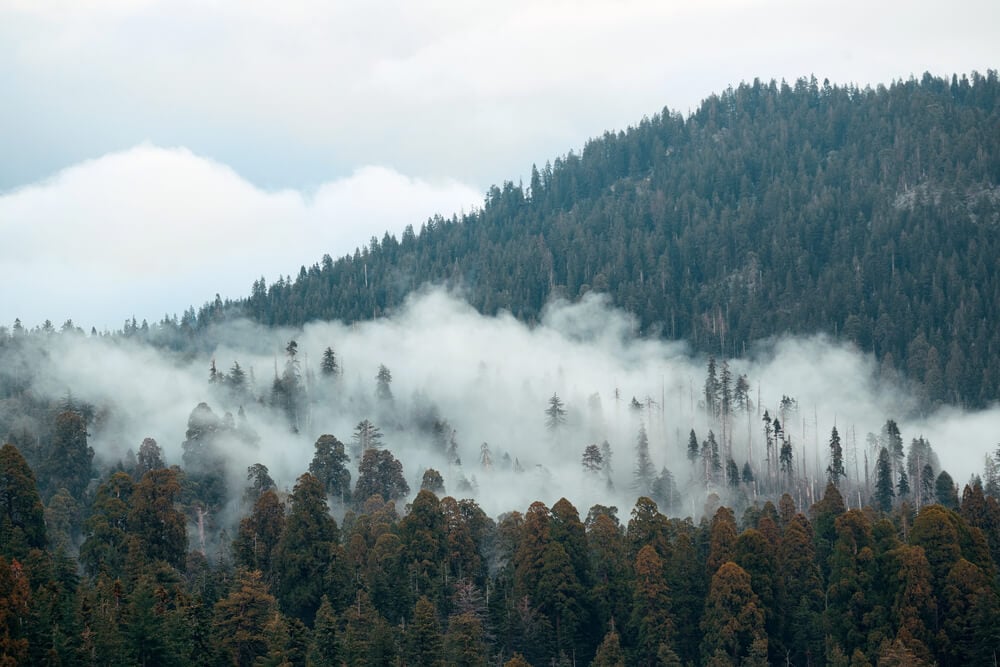
When Europeans arrived, forests covered about 46% of what is now the continental United States. Today, forests cover only about 11% of that original area—a loss documented through painstaking historical research.
The California Condor Was Brought Back From 27 Birds
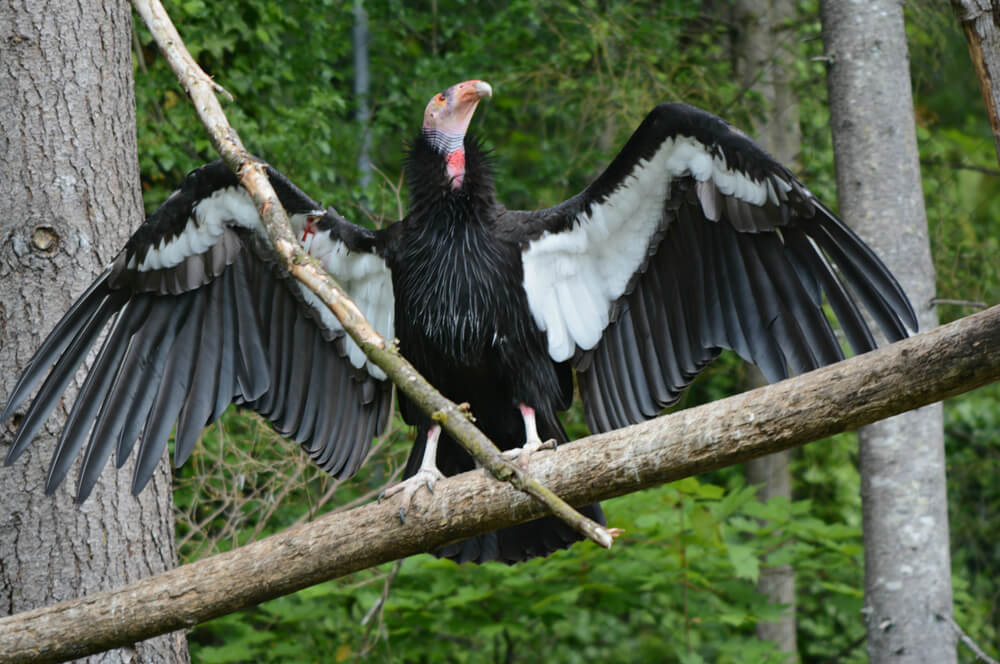
The California condor population hit a low of just 27 birds in 1987. Today, through captive breeding, the population has grown to over 500 birds, with roughly half now living in the wild.
Gifford Pinchot Invented “Sustained-Yield” Forestry in the 1890s
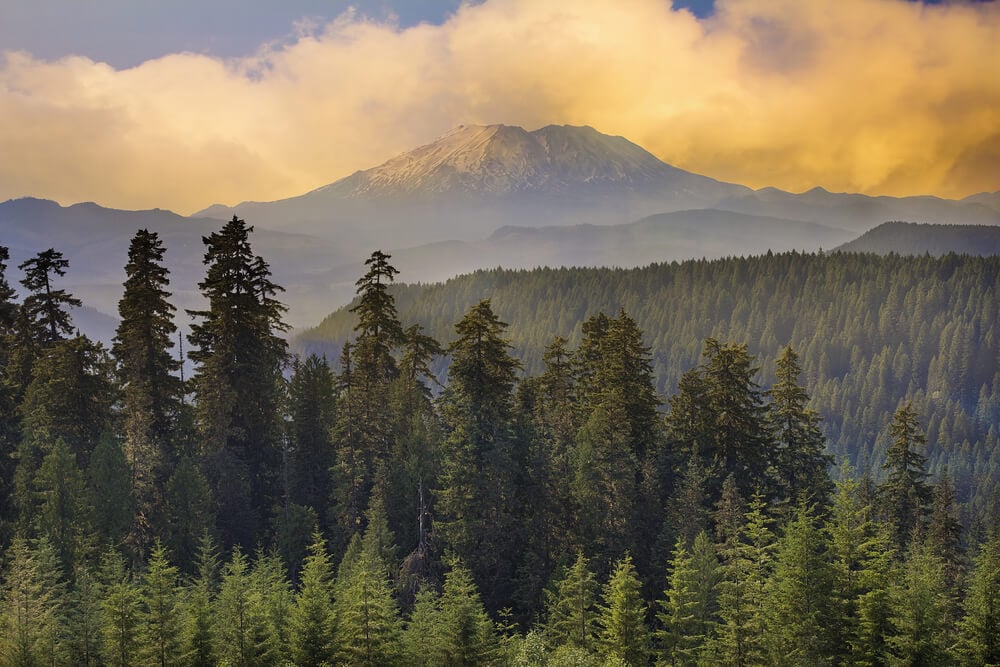
Pinchot’s idea that forests could be harvested sustainably—rather than clear-cut and abandoned—was revolutionary. While imperfect, the concept laid the groundwork for modern forest management and was adopted globally.
The First Environmental Law Was Passed in 1963, Not 1970

The Clean Air Act of 1963 preceded the major environmental wave by seven years, though it had limited enforcement power. The truly powerful Clean Air Act of 1970 built on its foundation.
300,000 Acres of Wetlands Disappear Every Year in the U.S.
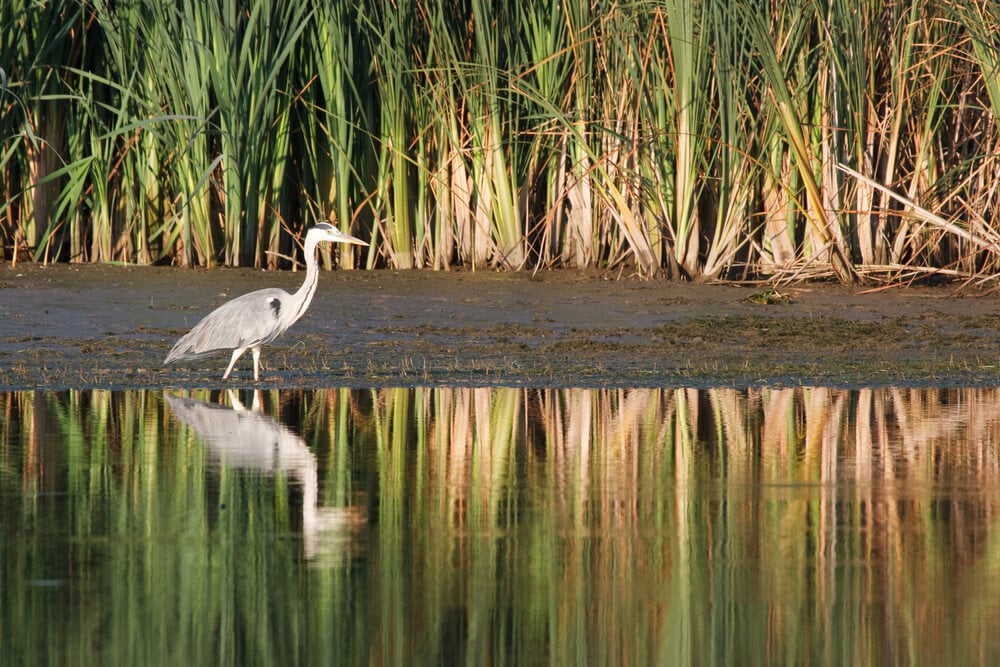
Wetlands are being converted to farmland and development at an alarming rate, despite their critical importance for flood control, water filtration, and wildlife habitat. This rate has held relatively steady for decades despite legal protections.
The Everglades Has Shrunk by 50% Since 1900
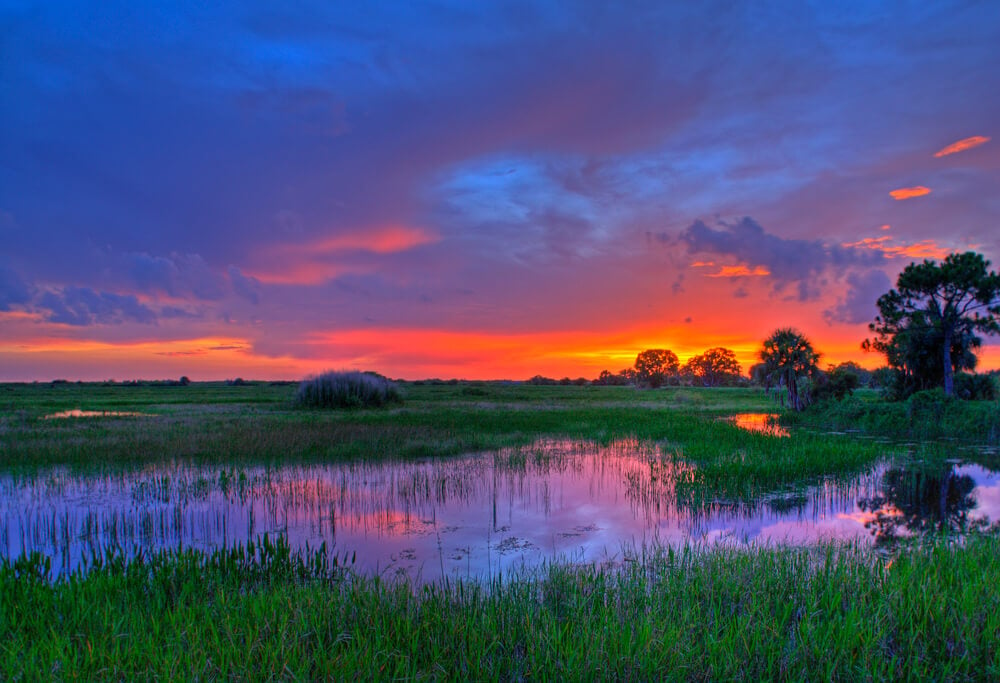
What was once a 100-mile-wide river system spanning central Florida has been drained, damned, and diverted to agricultural and urban use. Restoration efforts are ongoing but remain fragmented and underfunded.
Peregrine Falcons Were Saved by Banning a Single Pesticide
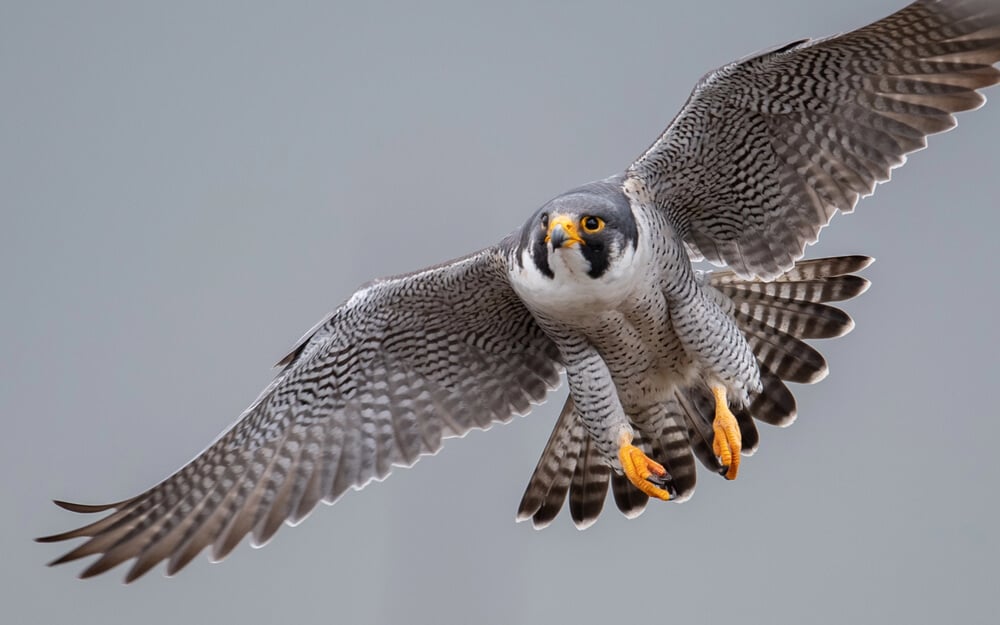
DDT caused eggshell thinning that prevented peregrine falcons from reproducing successfully. When DDT was banned in 1972, falcon populations recovered so dramatically that they were removed from the Endangered Species List in 1999.
The First National Wildlife Refuge Was Created Almost by Accident
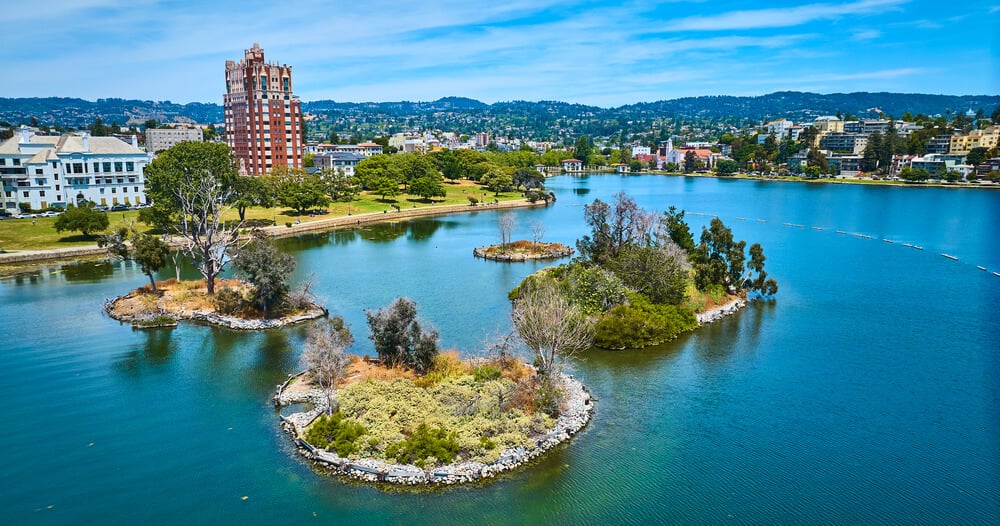
Theodore Roosevelt established Pelican Island as a wildlife refuge in 1903 almost on a whim, concerned about the hunting of nesting birds. It became the model for the National Wildlife Refuge System, which now protects over 150 million acres.
Lead Ammunition Was Poisoning Eagles, Vultures, and Other Raptors

Hunting ammunition made with lead fragments remains in animal carcasses, poisoning scavengers that feed on them. Banning lead ammunition is still fought by hunting interests, despite clear evidence of harm.
The Great Lakes Nearly Died From Pollution in the 1960s
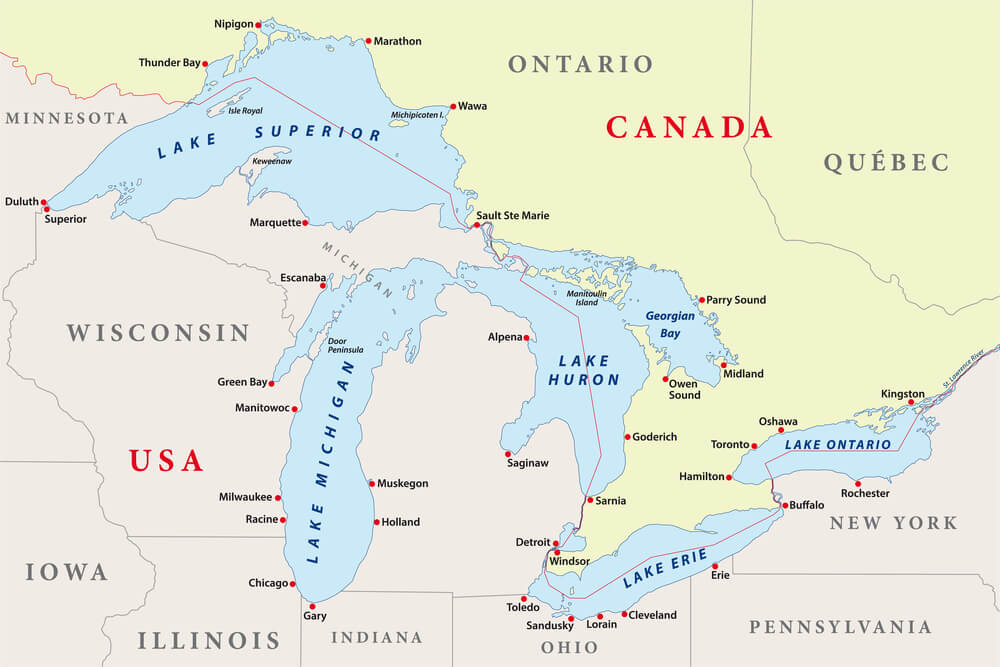
Lake Erie was declared “dead” in 1969 because it was so polluted with algae blooms and industrial waste that it could barely support fish. The Clean Water Act led to dramatic recovery, and Lake Erie rebounded by the 1990s.
Yosemite Was Nearly Logged Completely in the 1850s
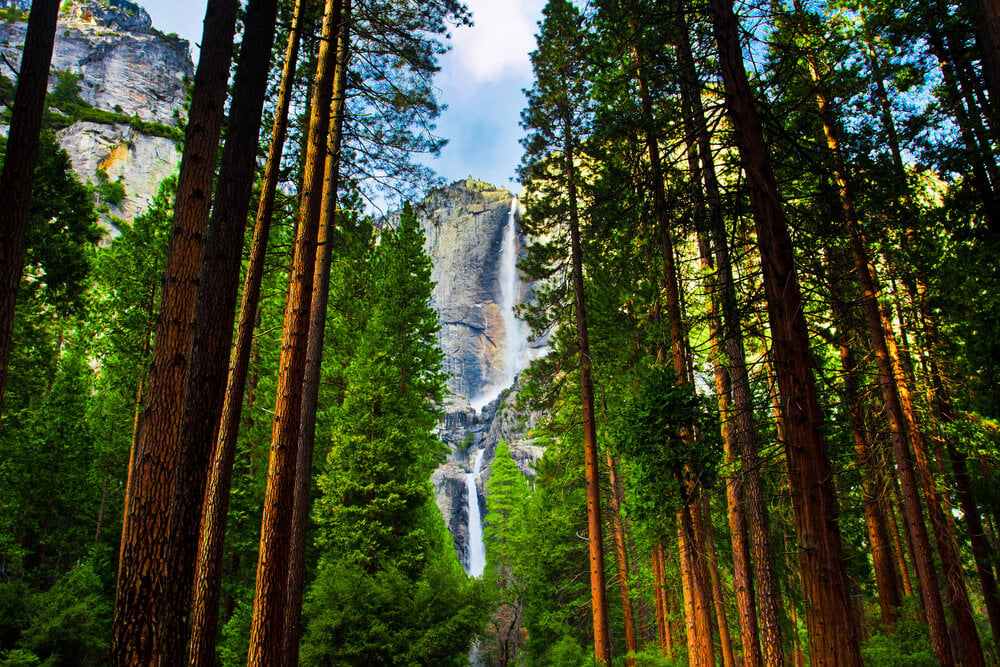
John Muir arrived in Yosemite Valley in 1868 to find it already scarred by logging and sheep grazing. His advocacy, combined with growing tourism interest, convinced California to preserve it—though only after significant damage.
The Spotted Owl Became a Symbol of Forest Wars in the Pacific Northwest
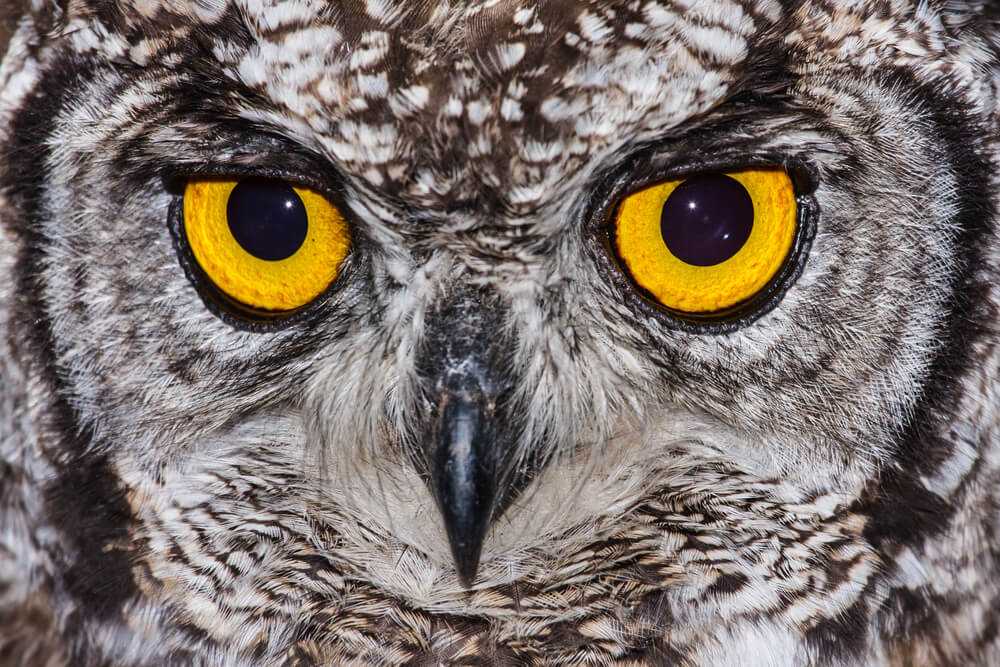
In the 1980s-90s, protection of the northern spotted owl led to a logging ban that devastated timber communities. The conflict crystallized the tension between environmental protection and economic livelihoods that persists today.
Passenger Pigeons Went From Billions to Zero in 50 Years

The passenger pigeon once darkened the skies with flocks so massive they blocked out the sun. Unregulated hunting and habitat loss eliminated the species by 1914, serving as a cautionary tale for conservation.
The Endangered Species Act Has Prevented 99 Extinctions
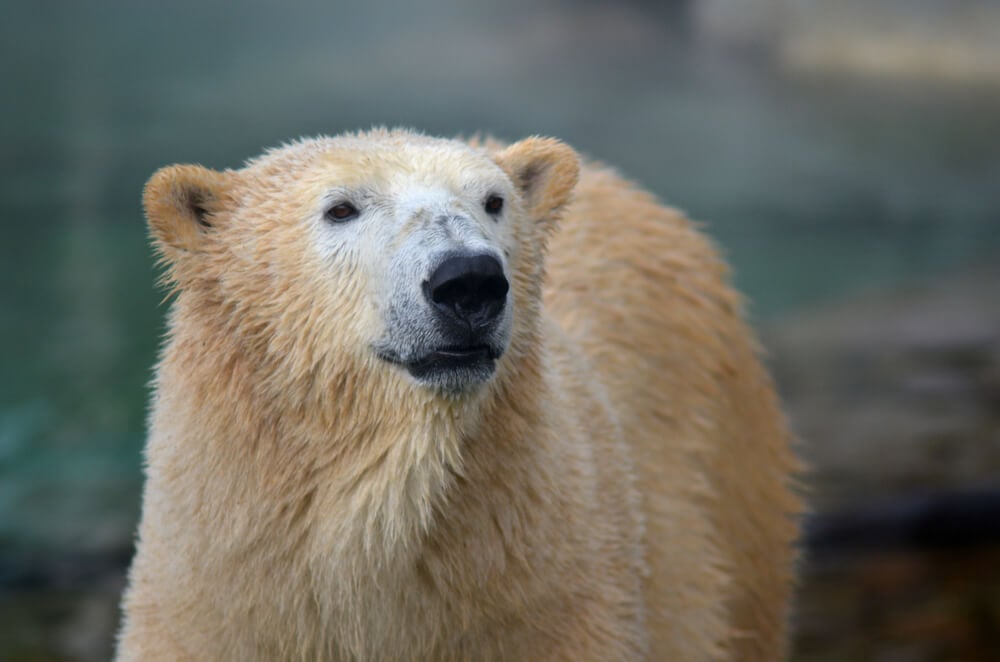
Since 1973, the ESA has prevented the extinction of 99 species that would otherwise have disappeared. Species like the bald eagle, gray wolf, and sea otter owe their survival directly to ESA protections.
Toxic Waste Sites Are Still Being Discovered Across the Country
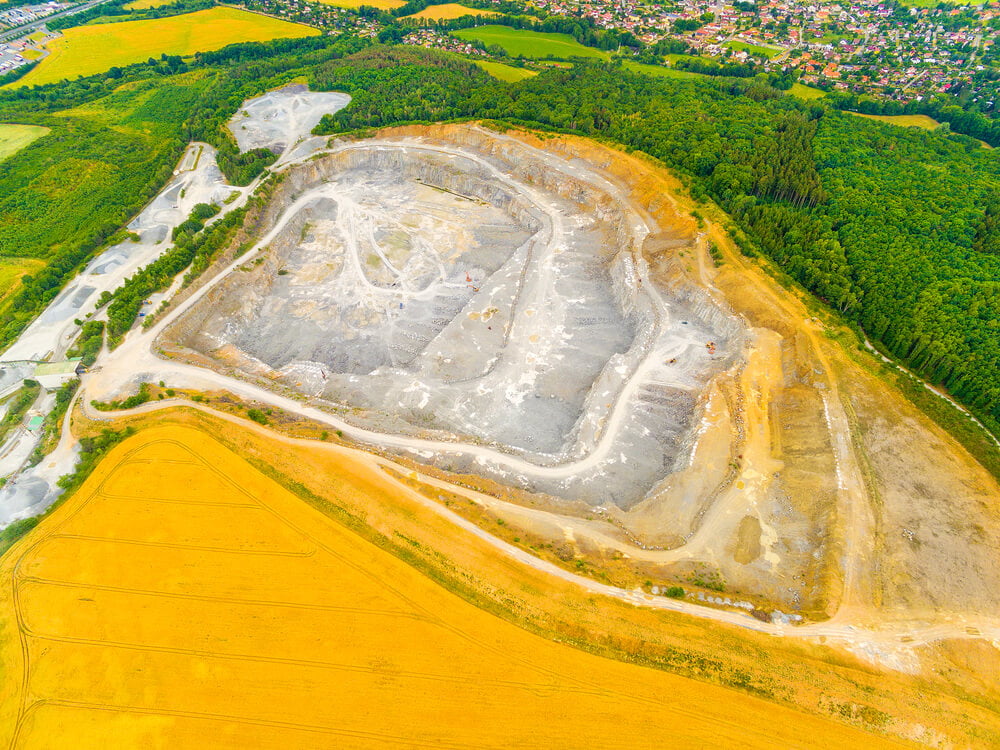
The Superfund program, created in 1980 to clean up toxic waste, has only fully remediated about 400 of over 1,300 designated sites. Cleanup costs run into the billions, and many sites remain contaminated decades later.
The Sierra Club Was Founded as a Radical Environmental Group in 1892
The Sierra Club began as a hiking club but evolved into one of the most powerful environmental advocacy organizations in America. Its early campaigns directly influenced the creation of the National Park System.
Love Canal Was Literally Built on a Chemical Waste Dump

In the 1940s-50s, a neighborhood near Niagara Falls was built on top of a former chemical waste site that had been buried and covered with soil. When the dump began leaching chemicals, residents discovered their homes were poisoning them.
The Clean Air Act Has Prevented an Estimated 230,000 Deaths Per Year
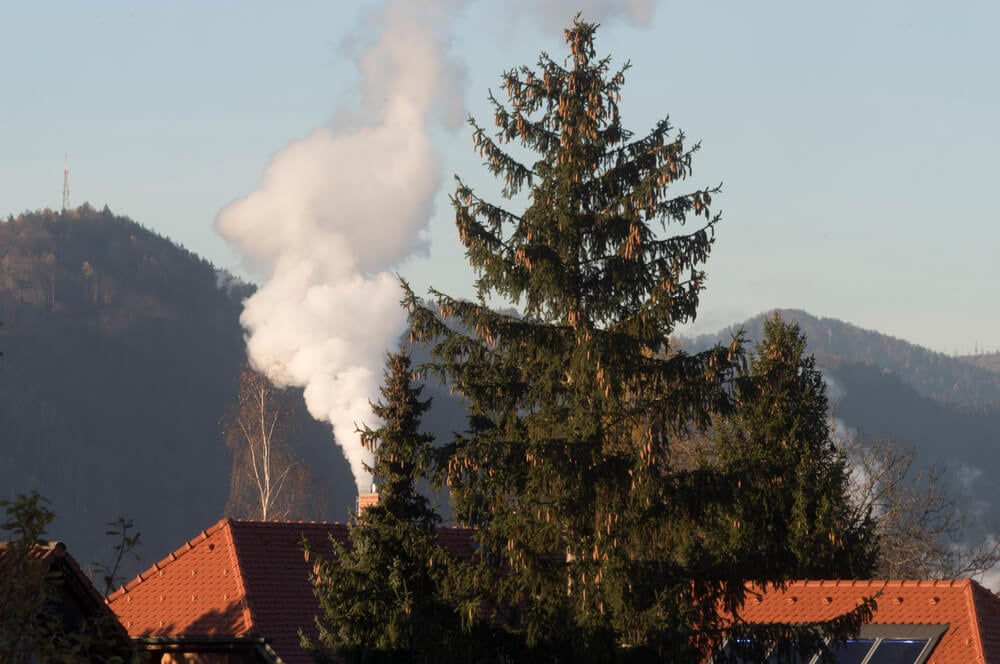
Since 1970, the Clean Air Act has prevented millions of premature deaths from air pollution. Despite the massive economic costs of implementation, studies show the health benefits exceed costs by a factor of 30 to 1.
American Rivers Were Used as Industrial Dumping Sites Openly Into the 1970s
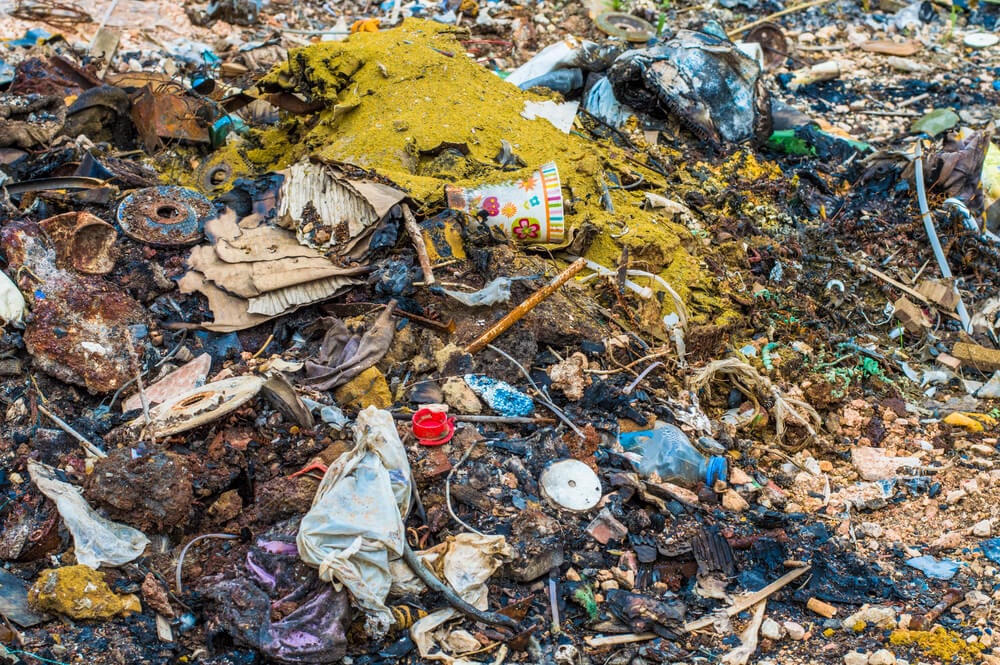
Companies treated rivers as free waste disposal systems, dumping everything from heavy metals to radioactive material. The Clean Water Act of 1972 changed this, though enforcement took decades.
The Florida Panther Population Hit a Low of 30 Individuals in the 1970s

The Florida panther, a subspecies of mountain lion, nearly disappeared due to habitat loss and hunting. Through protection and habitat restoration, the population has grown to around 200 individuals today.
Restoring the Everglades Is One of the Most Ambitious Environmental Projects Ever Attempted
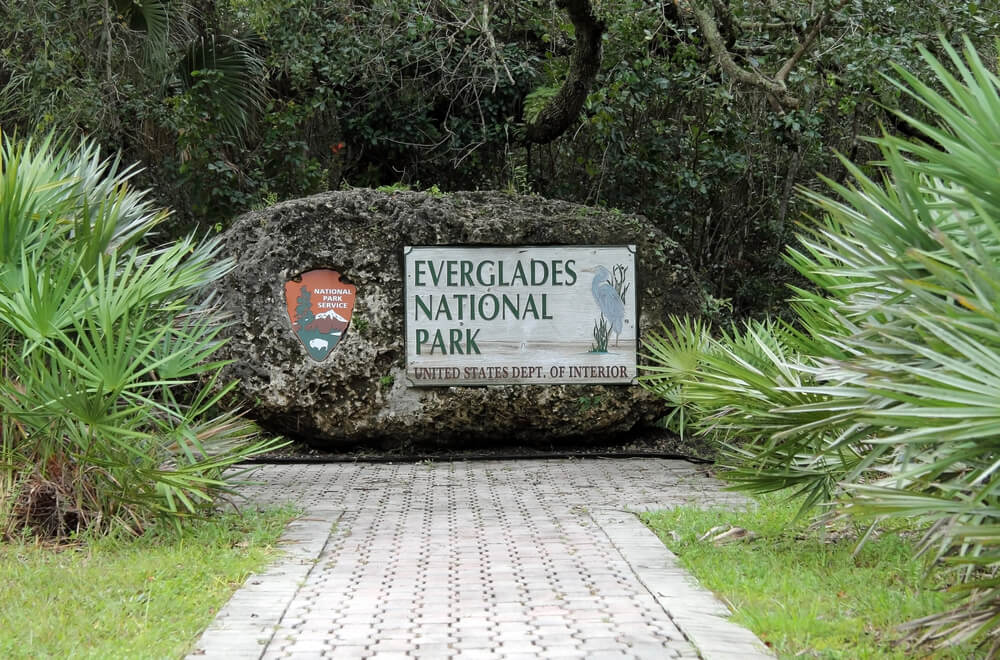
The restoration project, aimed at returning the Everglades to a more natural state, will cost over $20 billion and take several decades. It requires cooperation between state and federal governments, Native American tribes, and agricultural interests—a feat of unprecedented complexity.
When Obsession Becomes Curation
America’s conservation story is not one of inevitable progress or simple triumph. It is a story of urgent, often desperate action taken by people who recognized that once a species disappeared or a landscape was destroyed, no amount of regret could bring it back.
Every protected forest, every recovered species, every designation of wilderness represents a choice that could have gone differently. The conservation victories we celebrate today are less the inevitable march of enlightenment than they are the narrow escapes from complete destruction.
Understanding this history means recognizing that the work is not finished—it is never finished, as long as there are wild places and creatures that need protection.
More from Go2Tutors!

- The Romanov Crown Jewels and Their Tragic Fate
- 13 Historical Mysteries That Science Still Can’t Solve
- Famous Hoaxes That Fooled the World for Years
- 15 Child Stars with Tragic Adult Lives
- 16 Famous Jewelry Pieces in History
Like Go2Tutors’s content? Follow us on MSN.



