33 Moon Landing Details That Sound Too Strange to Be True
The moon landing was one of the most meticulously planned events in human history. Hundreds of thousands of engineers, scientists, and technicians spent a decade turning a political speech into a working spacecraft.
And yet, when you look closely at what actually happened — the decisions made, the objects left behind, the paperwork filed afterward — parts of it sound less like a triumph of rational engineering and more like something dreamed up on a slow afternoon. These are the details that tend to stop people mid-sentence when they hear them.
Some of the strangest things about Apollo 11 are not the risks or the technology. They are the small, human details: the bureaucratic forms, the handwritten notes, the private rituals performed in a spacecraft 239,000 miles from Earth.
Together they paint a picture of an event that was simultaneously the most extraordinary thing humans had ever done and, in certain moments, almost comically mundane.
Nixon Had a Eulogy Ready for Armstrong and Aldrin

Before Apollo 11 launched, speechwriter William Safire prepared a contingency address for President Nixon to deliver if the astronauts became stranded on the lunar surface. Titled “In Event of Moon Disaster,” it began: “Fate has ordained that the men who went to the moon to explore in peace will stay on the moon to rest in peace.”
The speech remained in Nixon’s chief of staff’s files for three decades and was only revealed publicly in 1999. It noted that the astronauts knew “there is no hope for their recovery” and recommended that the president end his call with them before NASA cut communication entirely.
The American Flag Blew Over When They Left
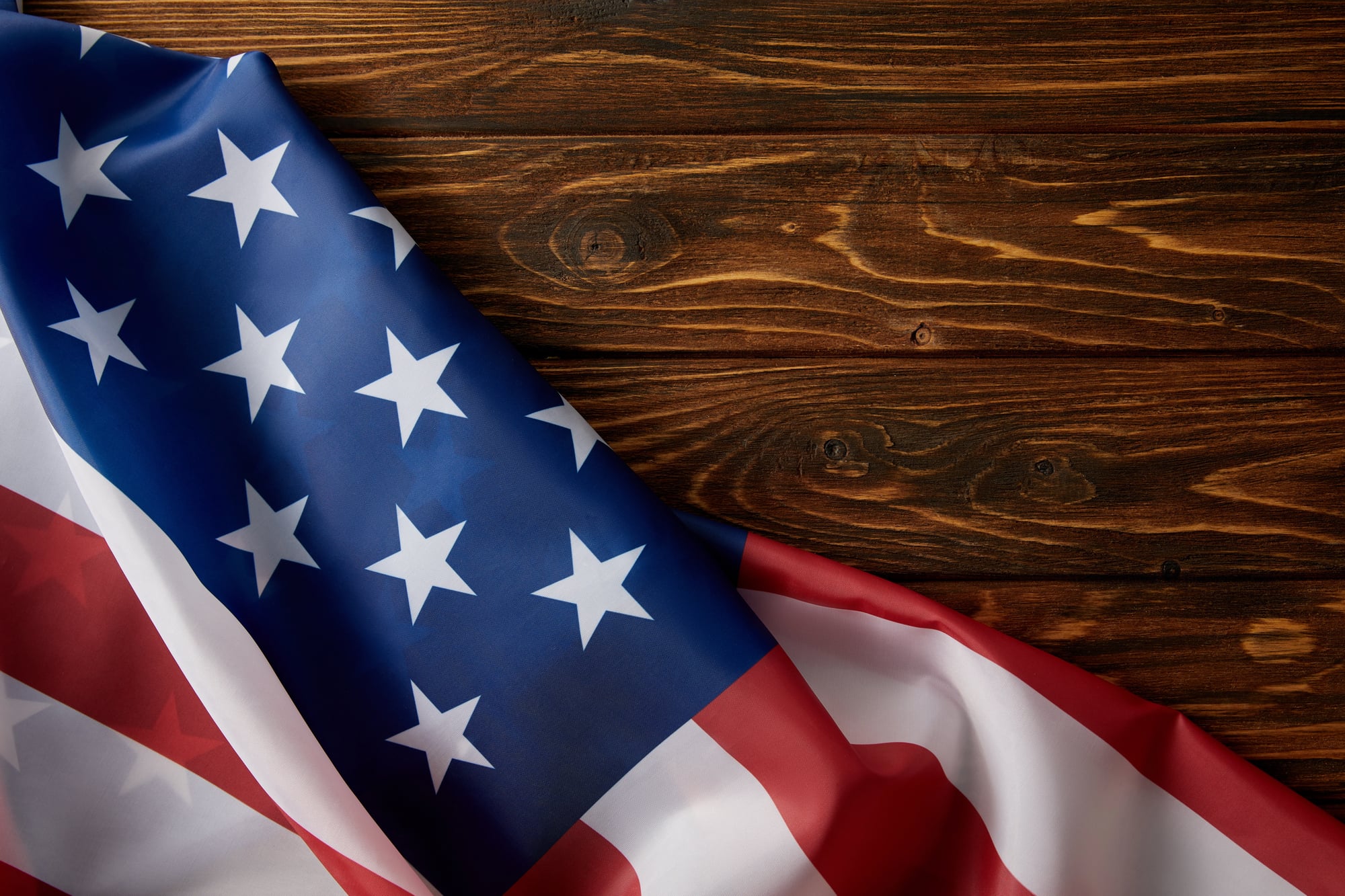
The flag planted by Neil Armstrong and Buzz Aldrin did not remain standing. As the lunar module’s ascent engine fired to lift the astronauts back into orbit, the exhaust knocked the flag over.
Every American flag planted on the Moon during Apollo was positioned close enough to the landers that this was likely a repeated problem across missions. Decades later, satellite imagery from NASA’s Lunar Reconnaissance Orbiter confirmed that most of the flags are still there — still flat on the surface.
The Astronauts Had to File a Customs Declaration

When Armstrong, Aldrin, and Michael Collins splashed down in the Pacific on July 24, 1969, they were handed a standard U.S. Customs declaration form. They filled it out.
Under “departure from,” they wrote “Moon.” Under cargo, they declared “moon rock and moon dust samples.”
In response to a question about conditions on board that might spread disease, the crew wrote “to be determined,” since no one yet knew whether the lunar surface was biologically sterile. The form, signed by all three astronauts, was processed by the Customs District Director for Hawaii and is now held by U.S. Customs and Border Protection.
Buzz Aldrin Filed a Travel Expense Report
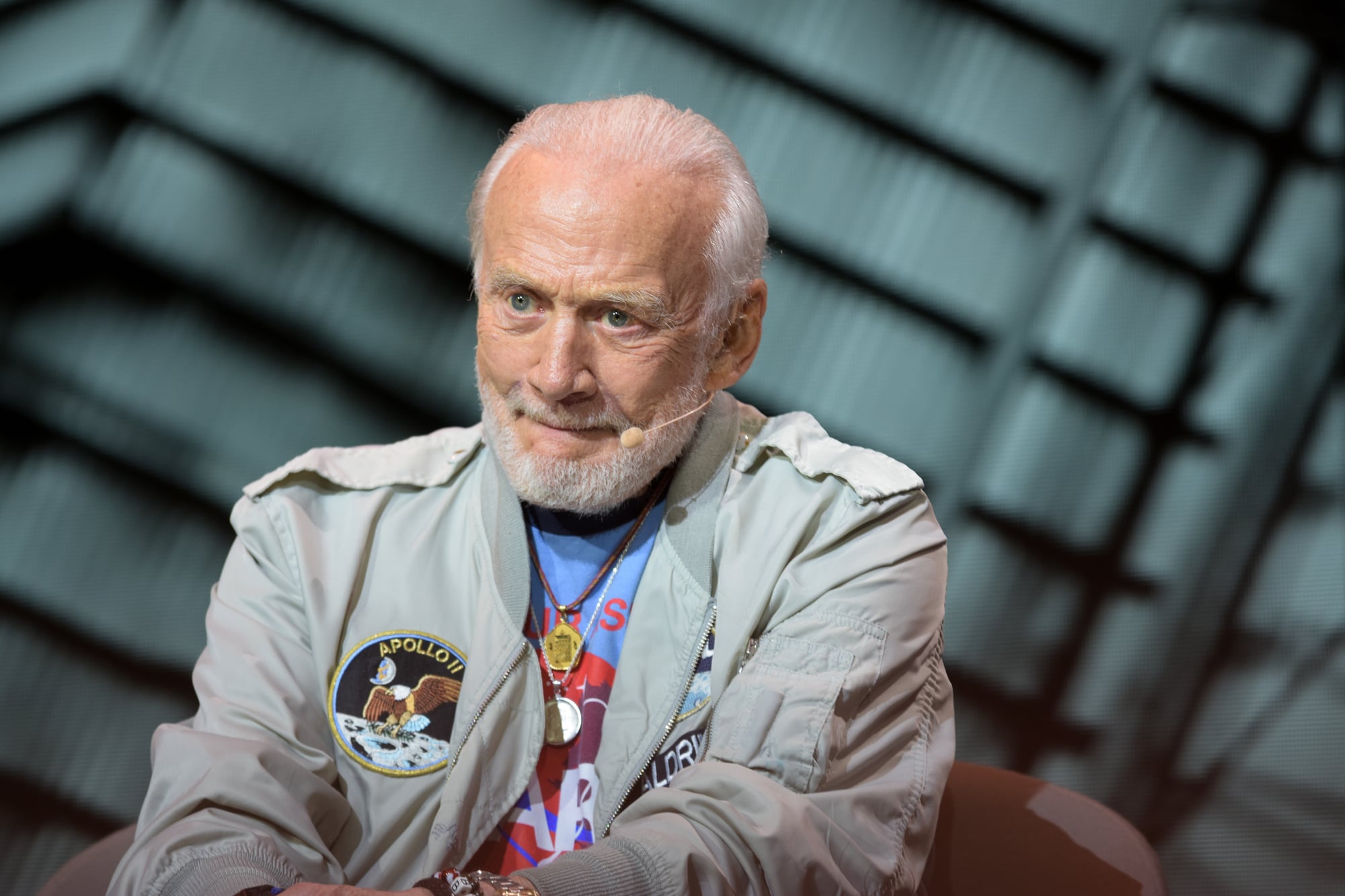
Aldrin submitted a government travel voucher for the Apollo 11 mission, just as he would for any work trip. The document carefully listed transportation costs: government air from Houston to Cape Kennedy, government spacecraft from Cape Kennedy to the Moon, and return via the USS Hornet.
His total out-of-pocket claim was $33.31, covering ground transportation. Meals and flights — interplanetary and otherwise — were covered.
The Software Was Physically Woven by Hand

The Apollo Guidance Computer’s read-only memory was encoded into “core rope memory” — copper wires physically threaded through or around tiny magnetic cores to represent ones and zeros. The code was written by Margaret Hamilton’s team at MIT and then sent to the Raytheon plant in Waltham, Massachusetts, where workers, mostly women, wove the program into hardware by hand.
Once the spacecraft launched, no patch was possible. The software was as fixed as stitching in fabric.
A 24-Year-Old’s Handwritten Cheat Sheet Saved the Landing
Three days before Apollo 11 launched, a NASA engineer named Jack Garman handwrote a list of every alarm code the Apollo Guidance Computer could produce and slipped it under the plexiglass on his console. When the alarm code 1202 flashed in the final minutes of descent — a code indicating the computer was overloaded — Garman checked his list, confirmed the landing could proceed safely, and relayed that single word to Mission Control: go.
Armstrong and Aldrin touched down with roughly 25 to 45 seconds of fuel remaining.
The Landing Was Nearly Aborted Because of a Rendezvous Radar
The 1202 alarm that almost triggered an abort was caused not by a software bug but by a hardware switch left in the wrong position. The rendezvous radar, used for docking in orbit, had been left on during the descent and was flooding the computer with unnecessary data.
The computer, designed by Hamilton’s team to prioritize tasks and shed lower-priority processes when overloaded, correctly dropped the radar data and kept guiding the lander down. The alarm was the computer doing its job.
Armstrong’s First Step Was Closer to a Four-Foot Drop
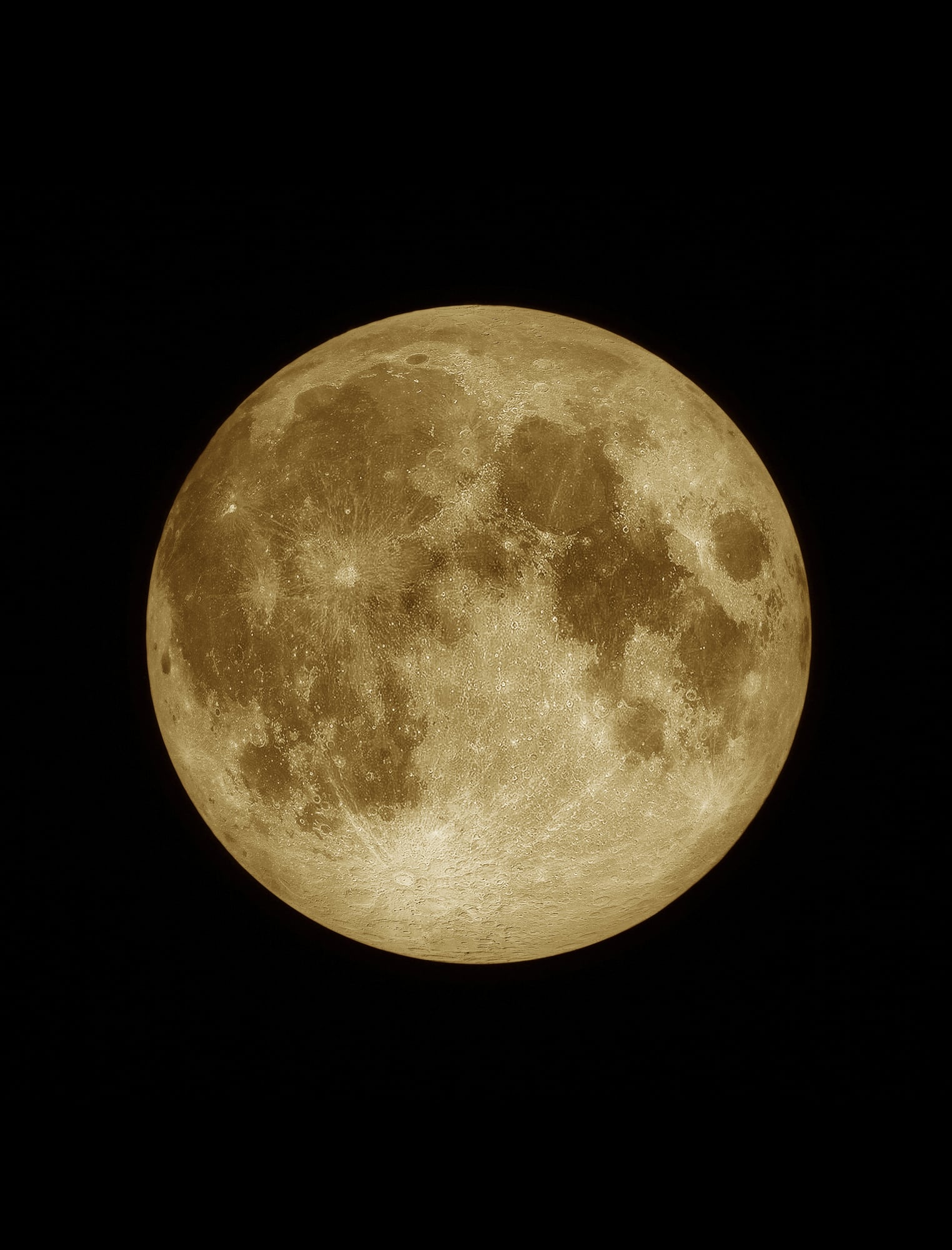
The lunar module landed so gently that its shock-absorbing legs barely compressed. This left the bottom rung of the ladder about a meter above the surface — further than planned.
Armstrong’s famous “small step” was therefore a controlled drop of roughly four feet onto the lunar surface. He reportedly did not appear concerned about it.
The Moon Has a Smell
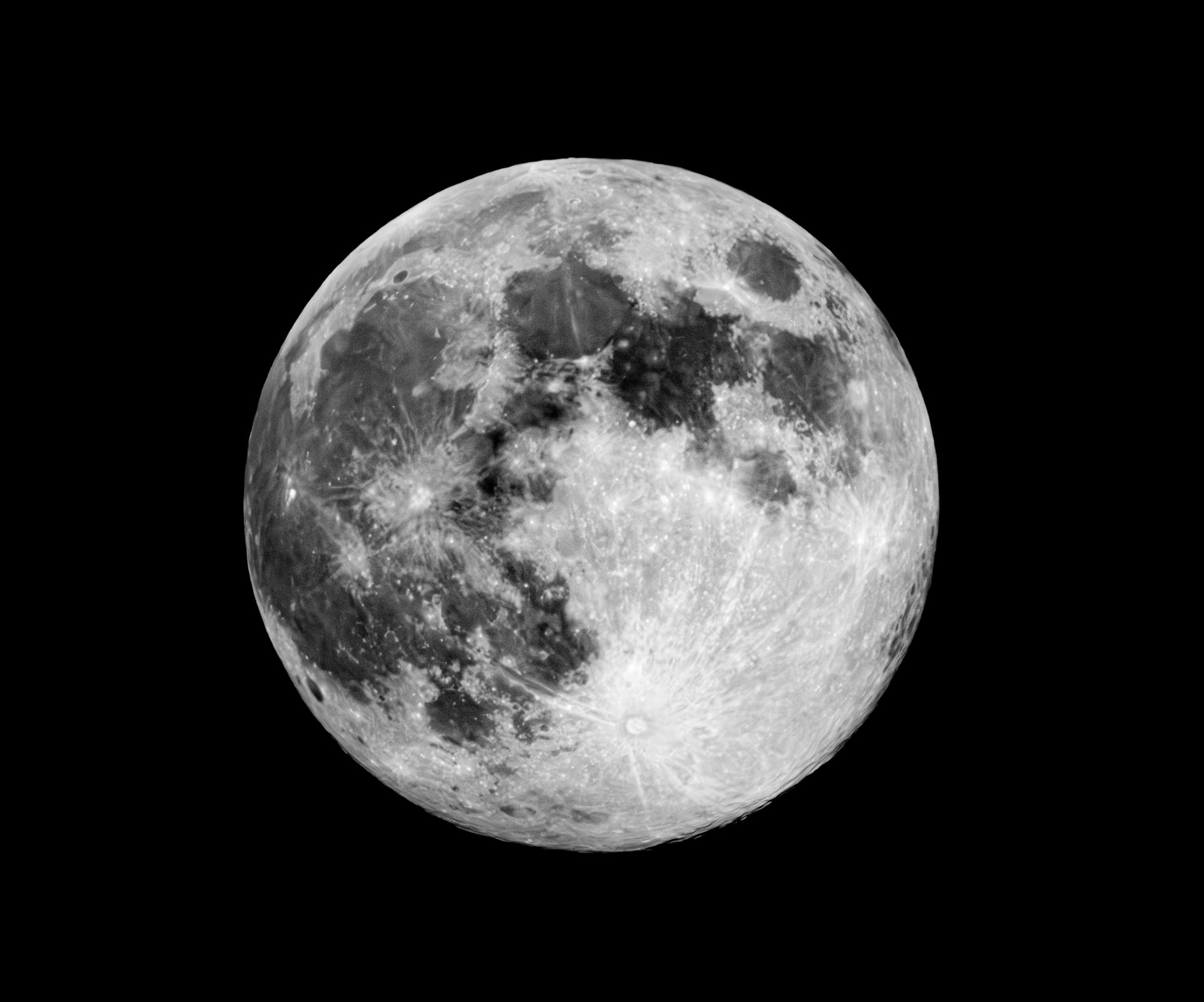
When Armstrong and Aldrin tracked lunar dust back into the lander after their walk, they removed their helmets and noticed the material had an odor. Armstrong described it as wet ashes.
Aldrin compared it to gunpowder. The smell is caused by the physical properties of lunar regolith, which contains highly reactive particles that have never been exposed to oxygen or water.
On Earth, that reactivity disappears almost instantly once the dust contacts the atmosphere, which is why moon rocks brought back to labs on Earth are odorless.
Aldrin Took Communion on the Moon
Before stepping onto the lunar surface, Buzz Aldrin privately celebrated Christian communion in the Eagle lander. He had brought a small kit from his Presbyterian church in Houston, including a wafer and a vial of wine.
He read a passage from the Gospel of John and drank the wine. NASA chose not to broadcast the moment, following earlier protests over the Apollo 8 crew reading Genesis on Christmas Eve 1968 — the lawsuit had argued that a government-funded broadcast of religious content violated the First Amendment.
Armstrong Brought Fabric from the 1903 Wright Flyer
Neil Armstrong carried to the Moon a small piece of muslin fabric and a sliver of wood taken from the left propeller of the Wright Brothers’ first airplane. The artifacts traveled 477,000 miles round trip and are now displayed at the National Air and Space Museum in Washington, D.C.
The gap between Kitty Hawk and the Sea of Tranquility was 66 years.
The Astronauts Couldn’t Get Life Insurance
The Apollo 11 crew were unable to obtain life insurance at any affordable rate before launch. As a workaround, the three men signed hundreds of envelopes during their pre-launch quarantine, to be postmarked on mission milestones.
These “insurance covers” were left with family members who could sell them if the crew didn’t return. Signed Apollo 11 envelopes now sell for thousands of dollars at auction.
The Computer Had Less Memory Than a Modern Toaster

The Apollo Guidance Computer weighed about 32 kilograms and operated at roughly 0.043 MHz. Its total memory — read-only and erasable combined — was smaller than a single icon on a modern phone home screen.
Modern internet-connected appliances, including some smart thermostats and toasters, contain more processing power than the machine that guided the first crewed lunar landing.
The Cabin Module Was Separated by an Accidental Pressure Burst

When the Eagle lunar lander separated from the Columbia command module before descent, the cabin had not been fully depressurized. The remaining air released like a champagne cork, generating an unexpected burst that threw the module’s planned landing trajectory four miles off-target.
Armstrong identified the problem visually during descent and manually flew the lander to a safer site, burning extra fuel in the process.
They Were Supposed to Sleep Before the Moonwalk
Mission planners originally scheduled a rest period for Armstrong and Aldrin before they suited up for the moonwalk. Both astronauts declined.
They had just landed on the Moon and had no interest in sleeping. Mission Control agreed to skip the rest period, and Armstrong stepped outside approximately six hours after touchdown.
The Astronauts Were Quarantined for Three Weeks
After returning to Earth, all three Apollo 11 astronauts were held in the Lunar Receiving Laboratory at Johnson Space Center in Houston for 21 days. The concern was genuine: no one had yet determined whether the lunar surface was biologically inert.
They were placed in quarantine immediately upon recovery from the ocean, transferred via a modified Airstream trailer — sealed and equipped with air filtration — and flown from Hawaii to Texas. Later missions, once lunar sterility was established, dropped the quarantine requirement.
Nixon Called the Astronauts From the Oval Office While They Were on the Moon
During the Apollo 11 moonwalk, President Nixon placed a telephone call to Armstrong and Aldrin on the surface. He called it “the most historic phone call ever made from the White House.”
The signal traveled from the Oval Office to a communications satellite, down to a NASA ground station, then across to the Manned Spacecraft Center in Houston, and finally via radio to the Moon and back — a round-trip path of nearly half a million miles for a phone conversation.
Thousands of VIP Guests Were Seated Miles Away in Case the Rocket Exploded

The Saturn V rocket carried enough fuel to scatter 100-pound fragments three miles in every direction if it detonated on the launchpad. NASA seated its VIP observation area at Kennedy Space Center 3.5 miles from the launch site as a precaution.
Among those watching from that safe distance were former Vice President Spiro Agnew and former President Lyndon Johnson, who had championed the program throughout his administration.
The Astronauts Trained for a Landing on Land
The Apollo splashdown plan called for recovery from the ocean, and astronauts spent significant time practicing water egress in swimming pools and the Gulf of Mexico. But the program planners also acknowledged the possibility of a land landing and required all crew members to complete jungle and desert survival training, just in case the capsule came down somewhere unexpected.
The Flag Had a Horizontal Rod to Keep It from Drooping in the Vacuum
The Moon has no atmosphere, which means a cloth flag would hang limp in zero air resistance. NASA engineers solved this by sewing a horizontal rod along the top edge of the flag to hold it extended.
The rod wasn’t fully extended during planting, which gave the flag a rippled, mid-wave appearance in photographs — a detail that conspiracy theorists later cited as evidence of wind, which was impossible.
Three New Minerals Were Discovered in the Lunar Samples
The rocks Armstrong and Aldrin brought back contained three minerals that had never been identified on Earth: armalcolite, named after Armstrong, Aldrin, and Collins; tranquillityite, named for the Sea of Tranquility; and pyroxferroite. Armalcolite has since been found on Earth in small quantities, but tranquillityite was considered uniquely lunar for 40 years until trace amounts were identified in Western Australia in 2012.
The Astronauts Left Medallions for Rival Cosmonauts on the Surface

Before departure, Armstrong and Aldrin left on the lunar surface commemorative medallions bearing the names of the three Apollo 1 astronauts killed in the 1967 launch-pad fire — Gus Grissom, Ed White, and Roger Chaffee — as well as the names of Soviet cosmonauts Vladimir Komarov and Yuri Gagarin, both of whom had died in accidents.
The gesture was made without fanfare and without any prior announcement.
Neil Armstrong Brought Theremin Music on the Mission
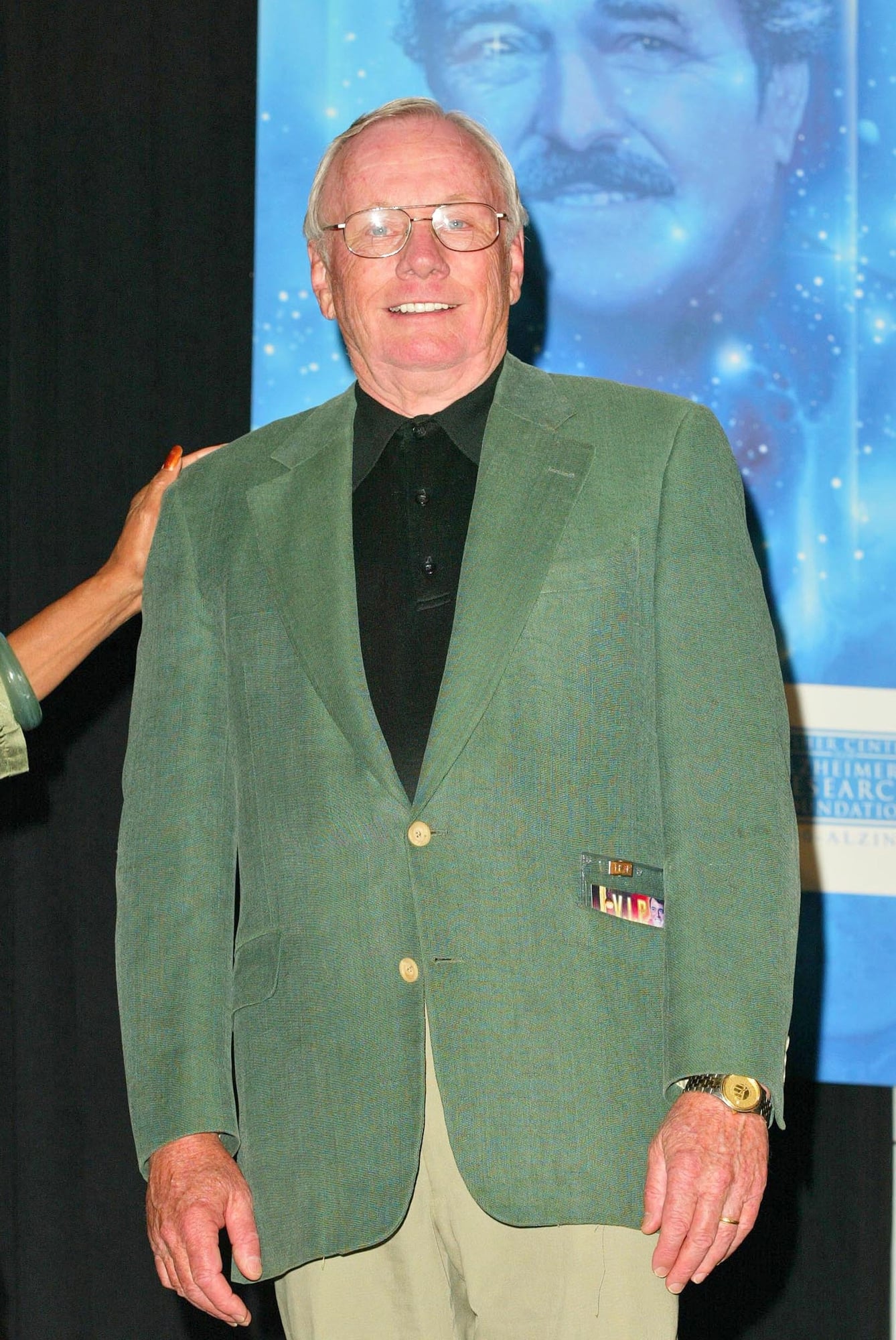
While the Apollo astronauts generally listened to country and adult contemporary music during their missions, Armstrong’s personal musical selection leaned toward the unusual. He brought recordings of theremin music — the electronic instrument played without physical contact, producing a wavering, ethereal sound.
The choice is consistent with Armstrong’s famously private personality: even his entertainment was unconventional and understated.
Michael Collins Orbited Alone for 21 Hours
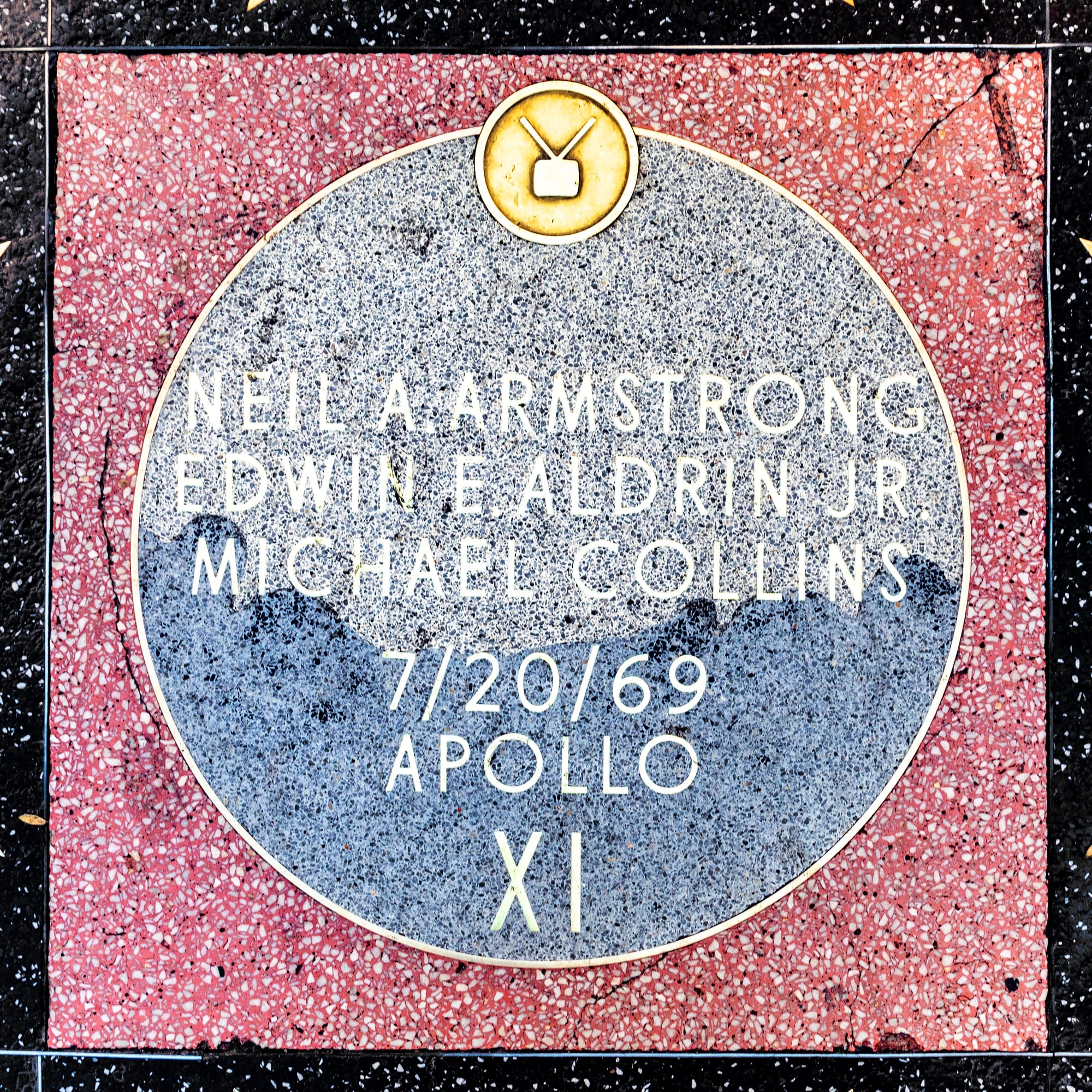
While Armstrong and Aldrin were on the surface, Collins piloted the Columbia command module in solo orbit above the Moon, passing in and out of radio contact with Earth. During the periods when Columbia passed behind the Moon, Collins was completely unreachable — the most isolated human being in history, separated from the nearest other person by approximately 2,000 miles of lunar rock.
He later wrote that he did not find it lonely, but that he was aware he was the only living thing within that entire volume of space.
There Was No Way to Rescue Them If the Ascent Engine Failed
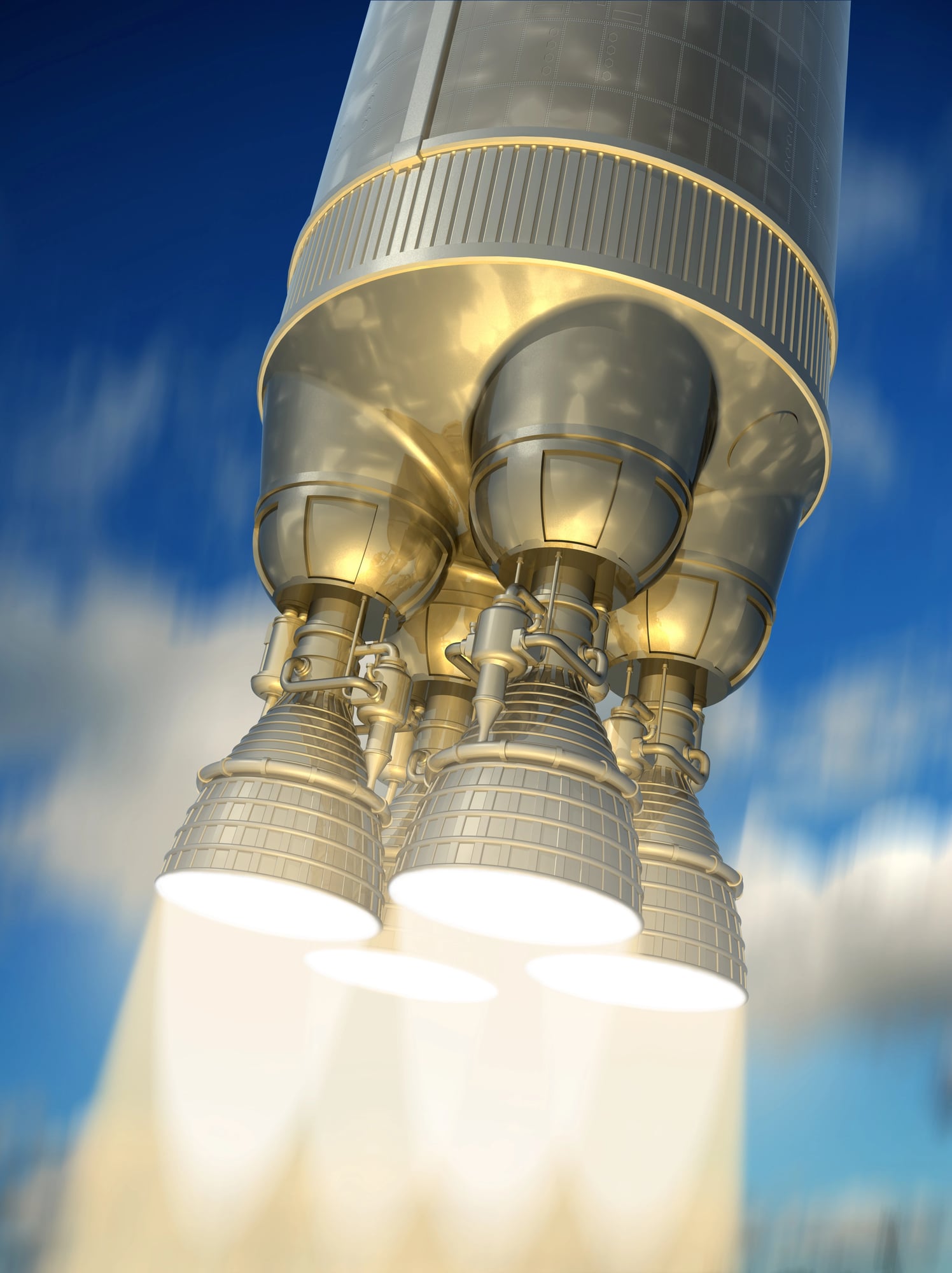
The lunar module’s ascent engine had a single point of failure: one engine, no backup. If it didn’t fire, Armstrong and Aldrin would remain on the surface with no rescue possible.
Mission planners and engineers had enormous confidence in the design, but the absence of redundancy was real and deliberate — adding a backup engine would have required weight the lander couldn’t carry. The engine fired on the first attempt.
The Mission Was 36 Minutes Longer Than Planned

The total mission time for Apollo 11 — from launch to splashdown — was 8 days, 3 hours, 18 minutes, and 35 seconds. This was 36 minutes longer than the original flight plan projected.
The overrun was partly caused by the extra time Armstrong spent manually flying the lander past the boulder-strewn original landing site to find a flat patch of surface.
Armstrong’s “Small Step” Quote Has a Missing Word

Armstrong’s famous line — “That’s one small step for man, one giant leap for mankind” — does not make grammatical sense without the indefinite article. He intended to say “one small step for a man,” which would contrast correctly with “mankind.”
The word “a” was either swallowed by static or inadvertently skipped. Armstrong later said he believed he said it correctly and that the word was lost in transmission. Audio analysis has been inconclusive.
The Lunar Module Served as a Launchpad and Was Left Behind
The Eagle’s descent stage — the lower half of the lunar module — was never meant to return. It stayed on the Moon, serving as the launchpad for the ascent stage that carried the astronauts back to orbit.
The descent stage is still there, sitting in the Sea of Tranquility, along with scientific instruments, sample return containers, tools, and a silicon disk containing goodwill messages from 73 world leaders.
Civil Rights Protesters Arrived at the Launch Site the Day Before Liftoff

A group of demonstrators led by Ralph Abernathy, the civil rights leader and successor to Martin Luther King Jr., arrived at the Kennedy Space Center gates the day before Apollo 11 launched, bringing mules and a wooden wagon to contrast the billions spent on space exploration with the poverty facing American families.
NASA Administrator Thomas Paine came out personally to speak with Abernathy. Paine later said he told the group he hoped the Moon program’s technology might eventually help address those same problems. Abernathy attended the launch.
The Astronauts Left Bags of Human Waste on the Surface
Among the items left behind on the Moon by Apollo 11 — and by subsequent missions — were bags containing human waste. This was a practical necessity: weight was at an absolute premium, and there was no reason to carry used waste bags home.
Scientists have since noted that studying the biological material after decades of exposure to cosmic radiation, vacuum, and temperature extremes could yield genuinely useful data for long-duration spaceflight research.
The Mission’s Computers Were Checked by a Human Computer

Before the flight, Katherine Johnson — one of the NASA mathematicians referred to internally as “human computers” — manually verified the trajectory calculations for the Apollo 11 mission. Johnson, whose work had already been essential to the first American orbital flights, was specifically requested by John Glenn when he refused to trust the electronic computers without human confirmation.
Her calculations for Apollo 11 matched the machines.
The World Watched via a Camera That Almost Wasn’t There

The television camera that broadcast the moonwalk to an estimated 600 million viewers was a late addition to the mission manifest, added after considerable internal debate about weight and mission priority. The camera was mounted on the descent stage and activated by Armstrong as he descended the ladder.
The signal was received at three ground stations simultaneously and converted for broadcast — the first live television images from another world.
Margaret Hamilton Coined the Term “Software Engineering”

The discipline now taken for granted across every technology sector was named by the woman who led the team that wrote the Apollo flight software. Hamilton introduced the phrase “software engineering” to describe her work at MIT, partly to push back against the engineering community’s tendency to treat software as a lesser discipline than hardware.
The Apollo 11 mission demonstrated that the software — and the engineering rigor behind it — was as mission-critical as any physical component on the spacecraft.
The Whole Thing Required 400,000 People

The Apollo program employed an estimated 400,000 engineers, technicians, scientists, and contractors at its peak. The program cost approximately $24 billion in 1969 dollars, equivalent to roughly $180 billion today.
Of those 400,000 people, two walked on the Moon, one orbited it alone, and none of them were entirely sure it was going to work.
Where the Improbable Becomes History

The strangest thing about the Apollo 11 moon landing is not any single detail — not the customs form or the contingency speech or the hand-stitched software. It is the combination of all of them.
A mission of almost incomprehensible ambition, executed by human beings who filled out expense reports and worried about flatulence and couldn’t afford life insurance. The gap between the scale of the achievement and the ordinariness of the people involved is where most of the wonder lives.
Looking back at the program from a distance, the details that seem most improbable are not the technical ones. The computers were small, but engineers worked around them.
The fuel margins were thin, but pilots compensated. What remains genuinely hard to explain is how 400,000 people, working across thousands of organizations, with no internet and limited computing power, managed to do something that had never been done before and hasn’t been done the same way since.
The mundane details don’t diminish that. They are, in a strange way, the whole point.
More from Go2Tutors!

- The Romanov Crown Jewels and Their Tragic Fate
- 13 Historical Mysteries That Science Still Can’t Solve
- Famous Hoaxes That Fooled the World for Years
- 15 Child Stars with Tragic Adult Lives
- 16 Famous Jewelry Pieces in History
Like Go2Tutors’s content? Follow us on MSN.



