33 School Supplies from the ’90s That Defined an Entire Childhood
here’s a specific kind of memory that lives in the smell of a freshly opened box of crayons or the satisfying click of a Trapper Keeper snapping shut. It doesn’t require much prompting — just the right object, the right moment, and suddenly you’re back in a plastic chair with carpet squares on the floor and a backpack that weighed more than your lunch.
The school supplies of the ’90s weren’t just tools for learning. They were status symbols, comfort objects, and the clearest possible signal that a new school year had officially begun.
Some of them were genuinely useful. Some were spectacularly impractical. All of them mattered in a way that a Google Doc just never will.
Trapper Keeper
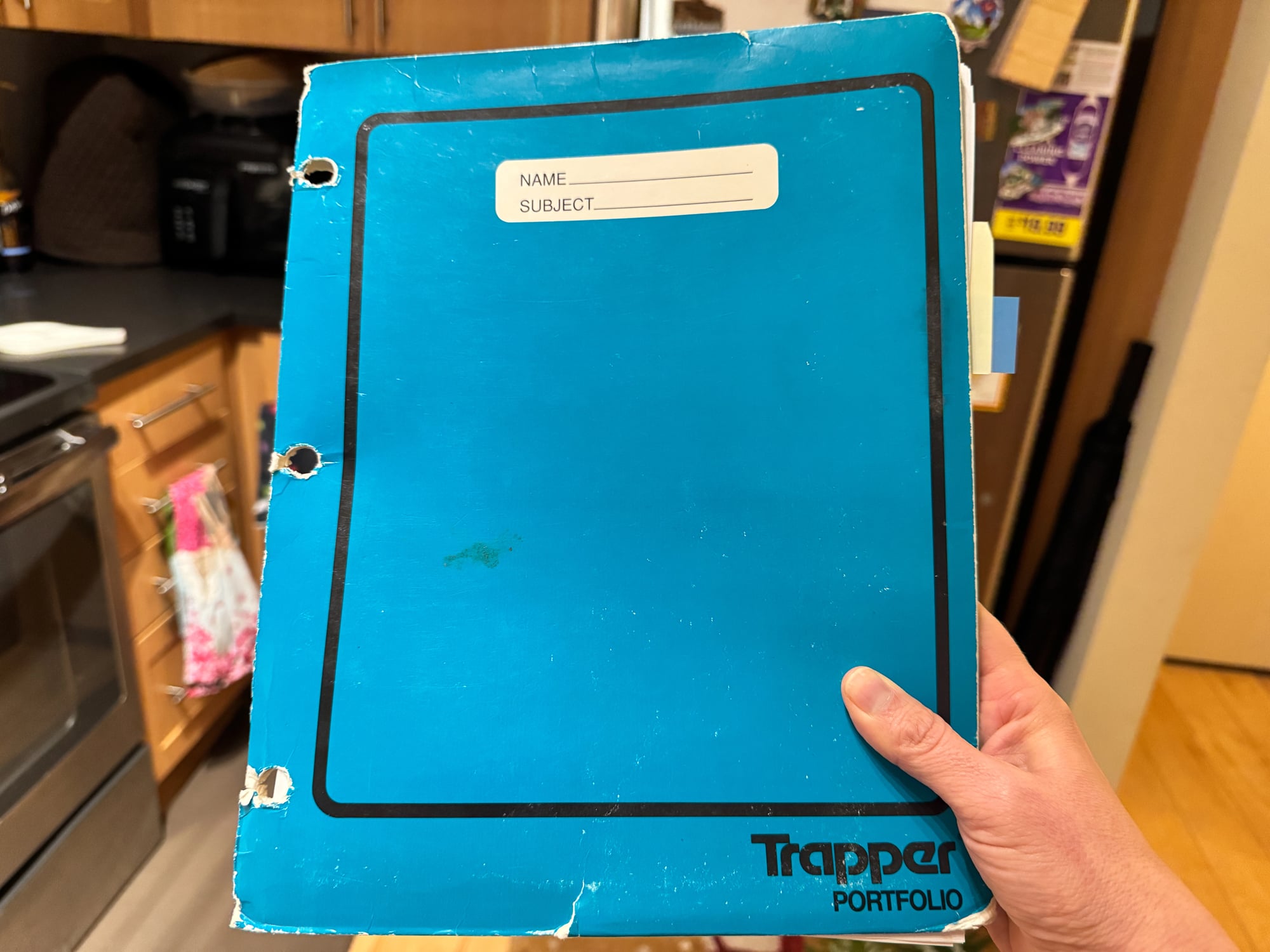
The Trapper Keeper was not just a binder. It was a declaration — a loud, Velcro-fastened declaration about who you were and what you stood for, which in 1994 apparently meant a neon geometric pattern or a photograph of a wolf standing in front of a waterfall.
The satisfying rip of that Velcro closure echoed through every homeroom in America for a solid decade. Mead built an empire on the specific anxiety of not having one.
Lisa Frank Folders
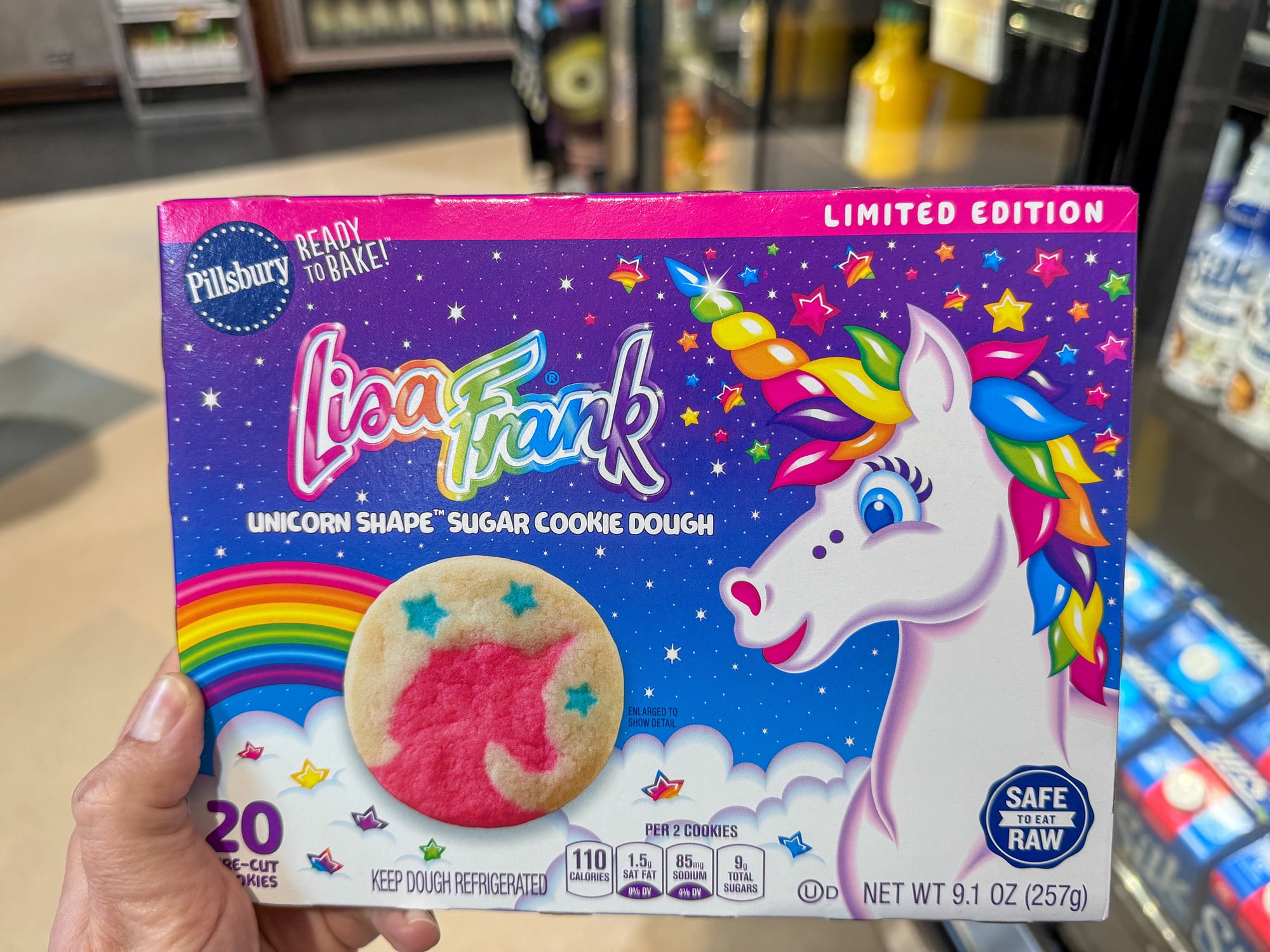
Lisa Frank understood something the rest of the school supply industry didn’t: children want maximum color saturation, and they want it immediately. Every folder came loaded with dolphins, tigers, and unicorns rendered in colors that didn’t technically exist in nature — hot pink skies, teal pandas, rainbows applied to everything with what appeared to be zero restraint.
Owning a Lisa Frank folder in third grade was a form of currency. You were either in the Lisa Frank universe or you were outside it looking in.
Gel Pens
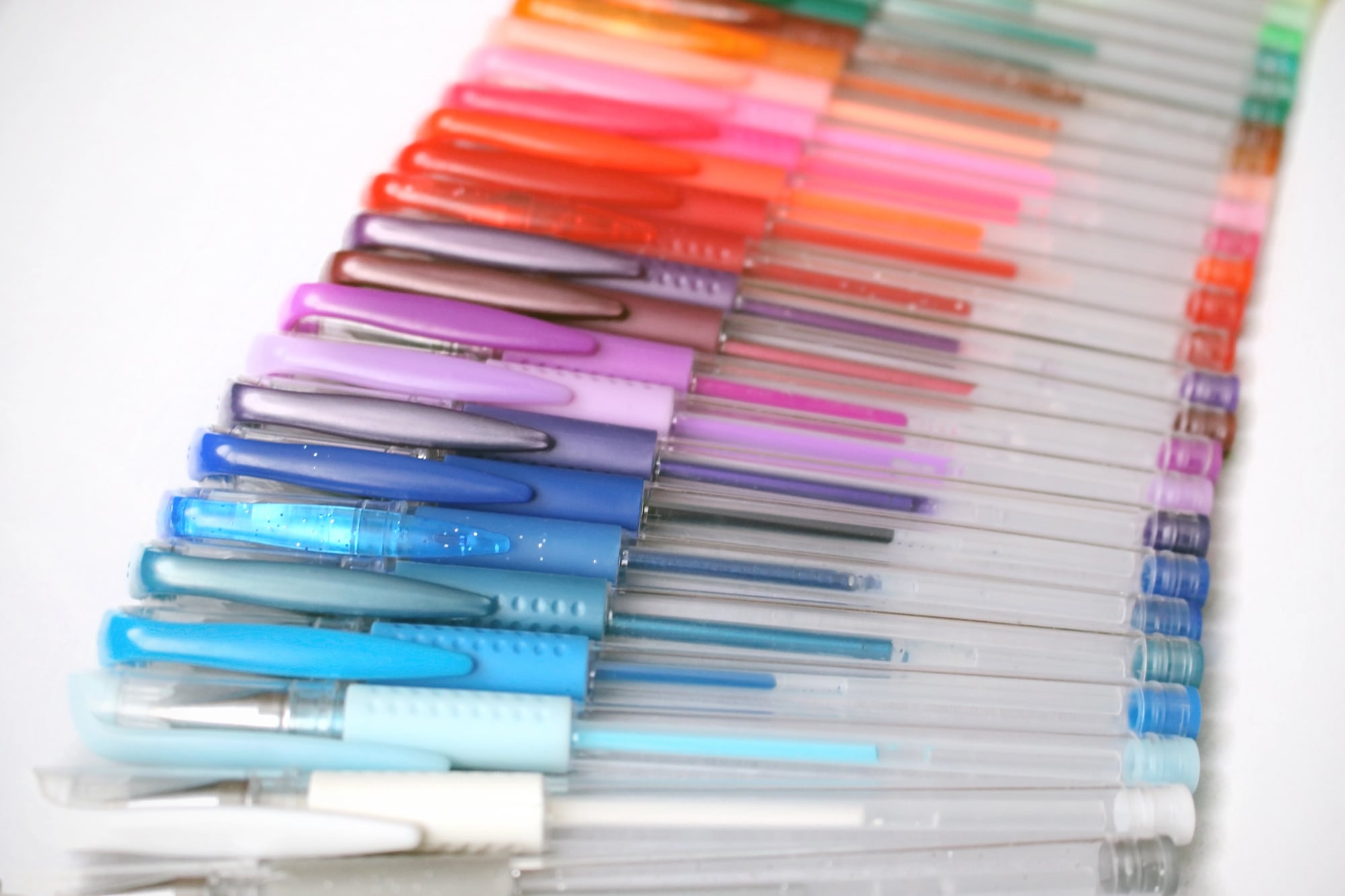
Gel pens arrived in the late ’90s and promptly ruined the concept of writing with anything else. The ink came out in colors like “electric blue” and “glitter gold” — neither of which showed up on white paper with any legibility, but that was beside the point, because legibility was never the goal.
Gel pens were for writing notes, decorating binders, and signing yearbooks with a level of drama that the moment required. Milky pens, Gelly Rolls, Pilot G2s — the specific brand you carried said more about you than your book report ever could.
Wide-Ruled Spiral Notebooks
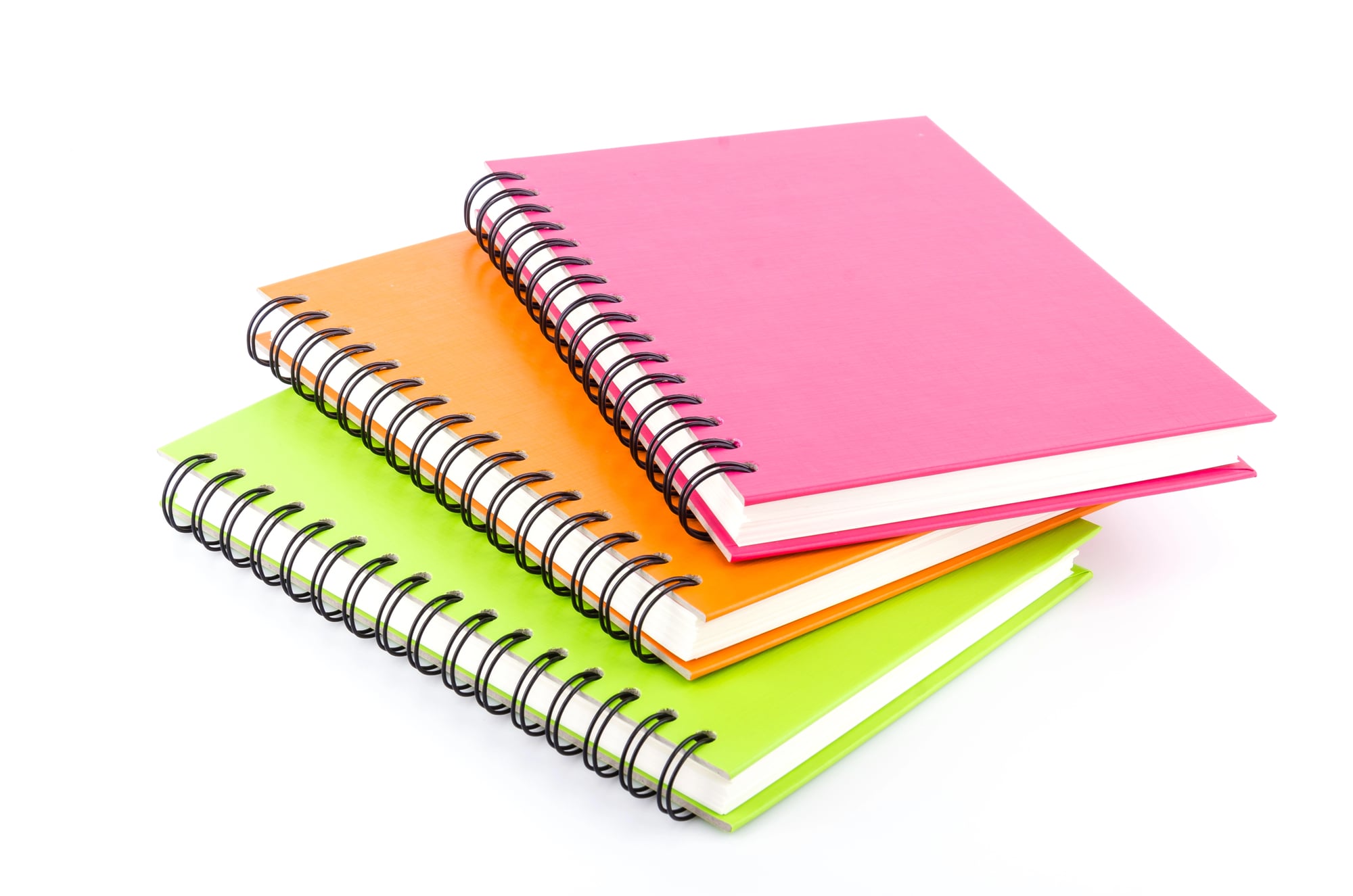
Wide-ruled notebooks were the workhorses of elementary school — the ones teachers specifically requested in August, the ones that appeared on every supply list from kindergarten through fifth grade without variation or apology. There’s something almost architectural about a fresh spiral notebook: the stiff cover, the tight coil along the left edge, pages that fan out cleanly when you flip through them before a single word has been written.
So you’d buy six, lose three by October, and somehow always end up sharing with someone who forgot theirs.
Pencil Pouches
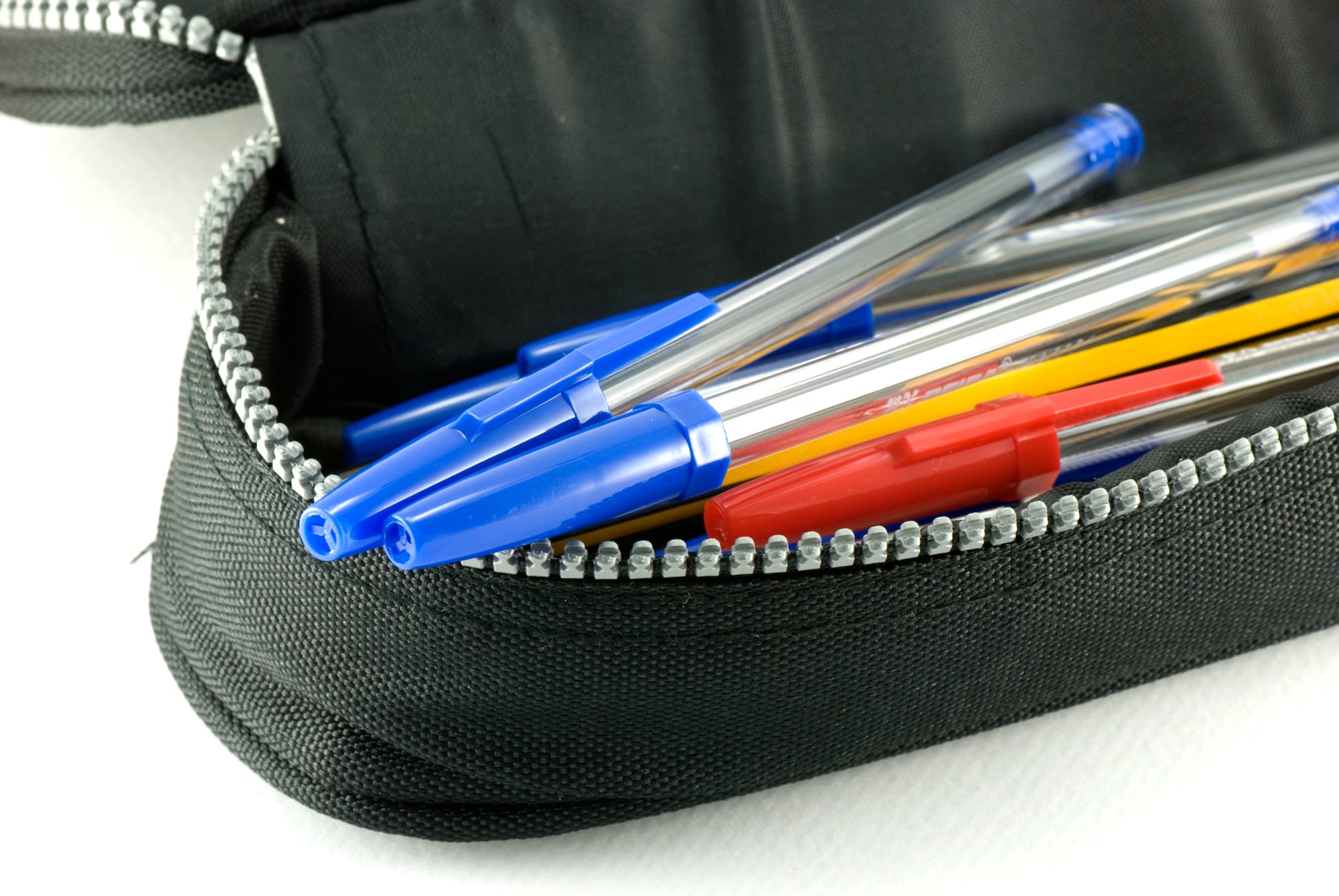
The pencil pouch sat inside the Trapper Keeper and contained an entire miniature world — stubs of colored pencils, eraser caps, mechanical pencil refills, and at least one marker with a dried-out tip that nobody threw away. It had a zipper that would eventually jam around week three.
But the ritual of stuffing it full on the first day of school, everything organized and accounted for, felt genuinely important — like packing a kit for an expedition that turned out to be mostly fractions worksheets.
Crayola Crayons
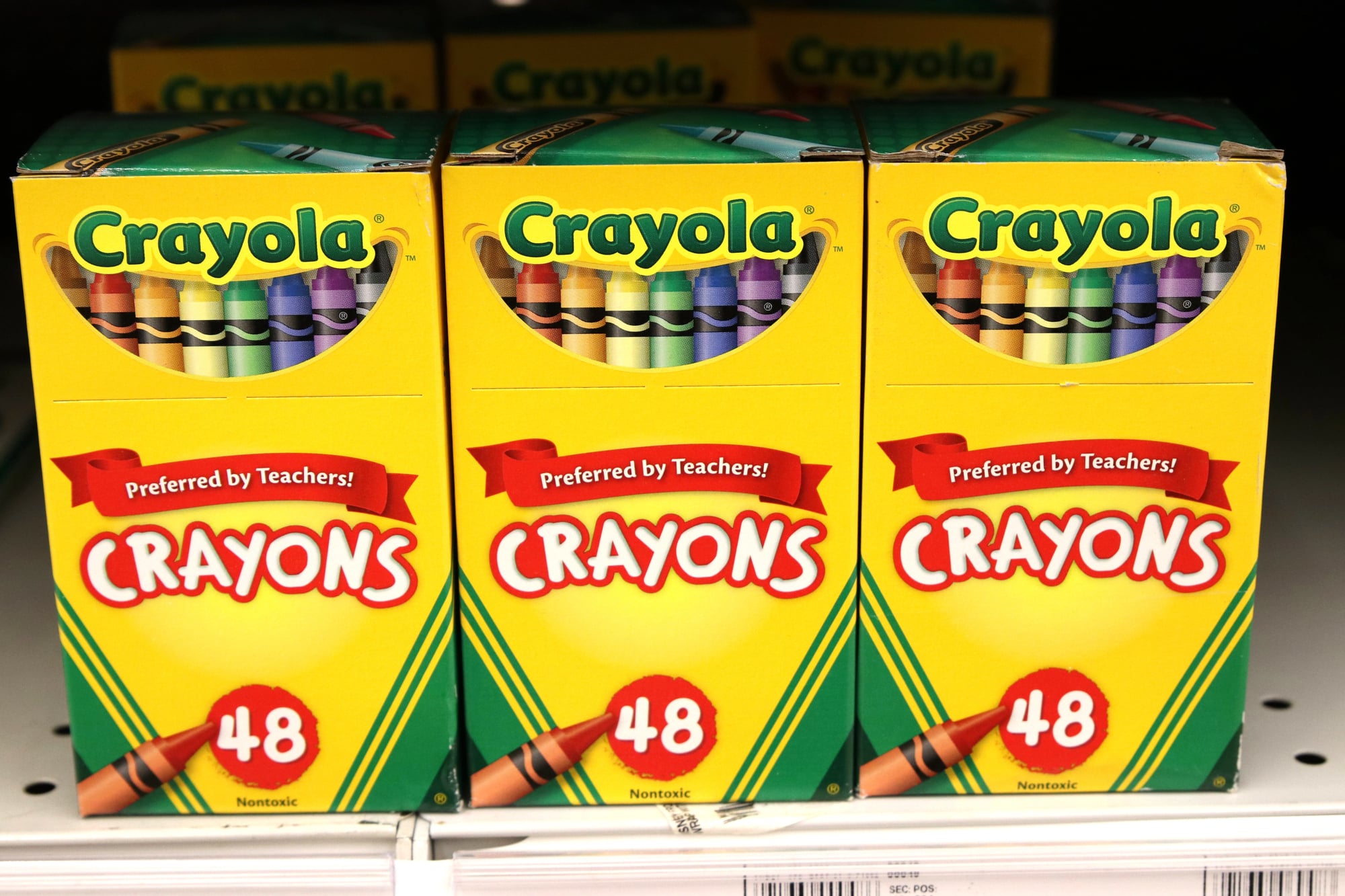
The 64-count Crayola box with the built-in sharpener in the back was a cultural artifact, not just an art supply. Opening a fresh box released a smell that is essentially the factory encoding of childhood itself — waxy, specific, immediately transporting.
Colors like “Burnt Sienna” and “Cornflower” had no business being as evocative as they were, and yet here we are. The 96-count box existed, technically, but owning it was almost too much power for one person.
Erasable Pens
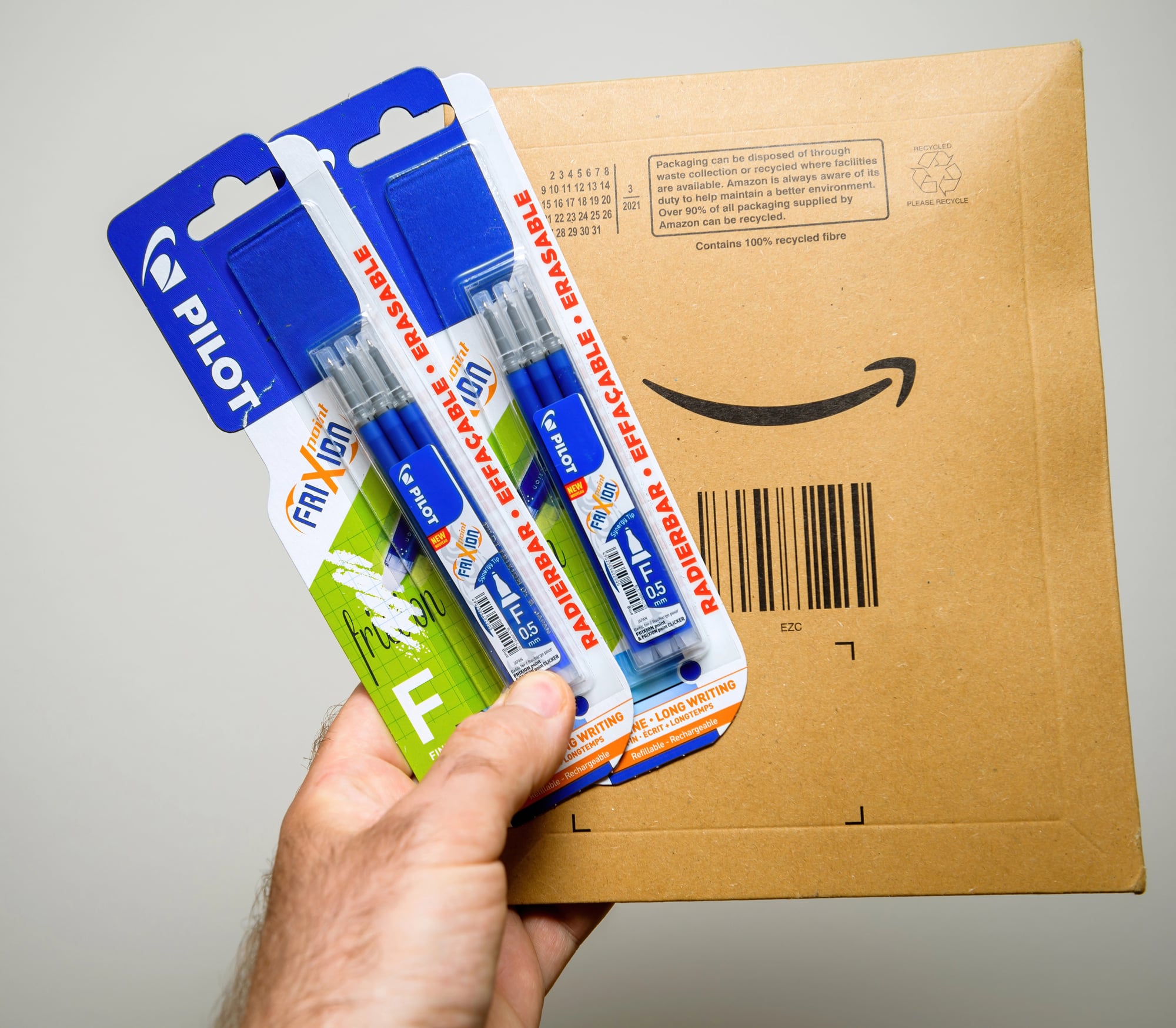
Erasable pens promised something revolutionary and delivered something deeply unreliable. The ink smeared before it dried, the “erasing” left ghost traces that your teacher could absolutely still read, and the whole enterprise required a level of faith in the product that it consistently failed to earn.
And yet every kid wanted them, because the concept — a pen that could be undone — was irresistible in a way that the execution never managed to match.
Scented Markers
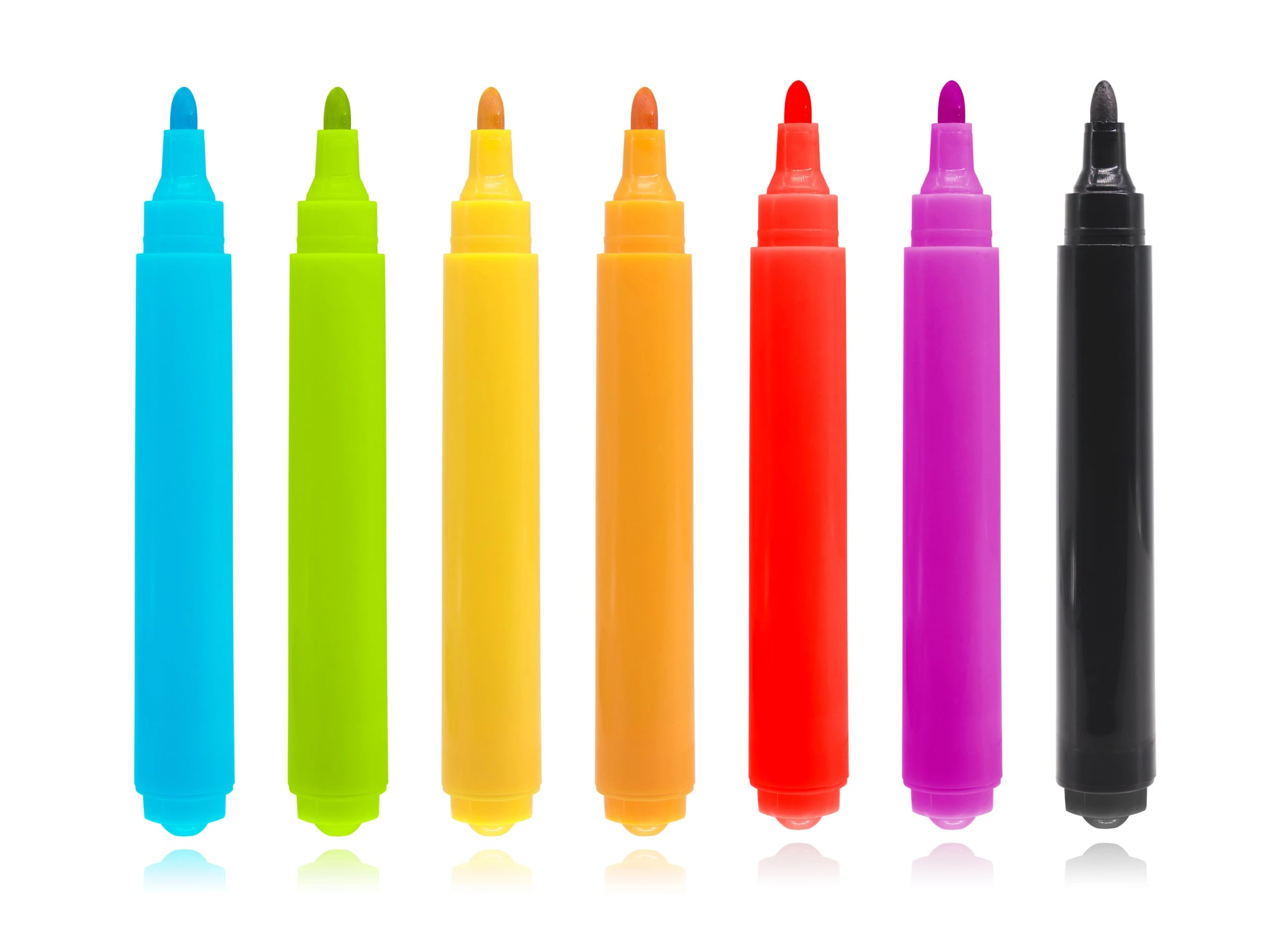
Scented markers operated on a logic of their own: the grape marker smelled like grape candy, not grapes; the cherry marker smelled like cough syrup; and the green one, labeled “lime,” smelled like something adjacent to lime the way a photograph is adjacent to a place.
None of this mattered. You sniffed every single one of them in sequence every time, because that was the ritual, and the ritual was non-negotiable. Mr. Sketch was the dominant brand, and those thick chisel tips left your drawings looking bolder and more confident than they had any right to.
Mechanical Pencils
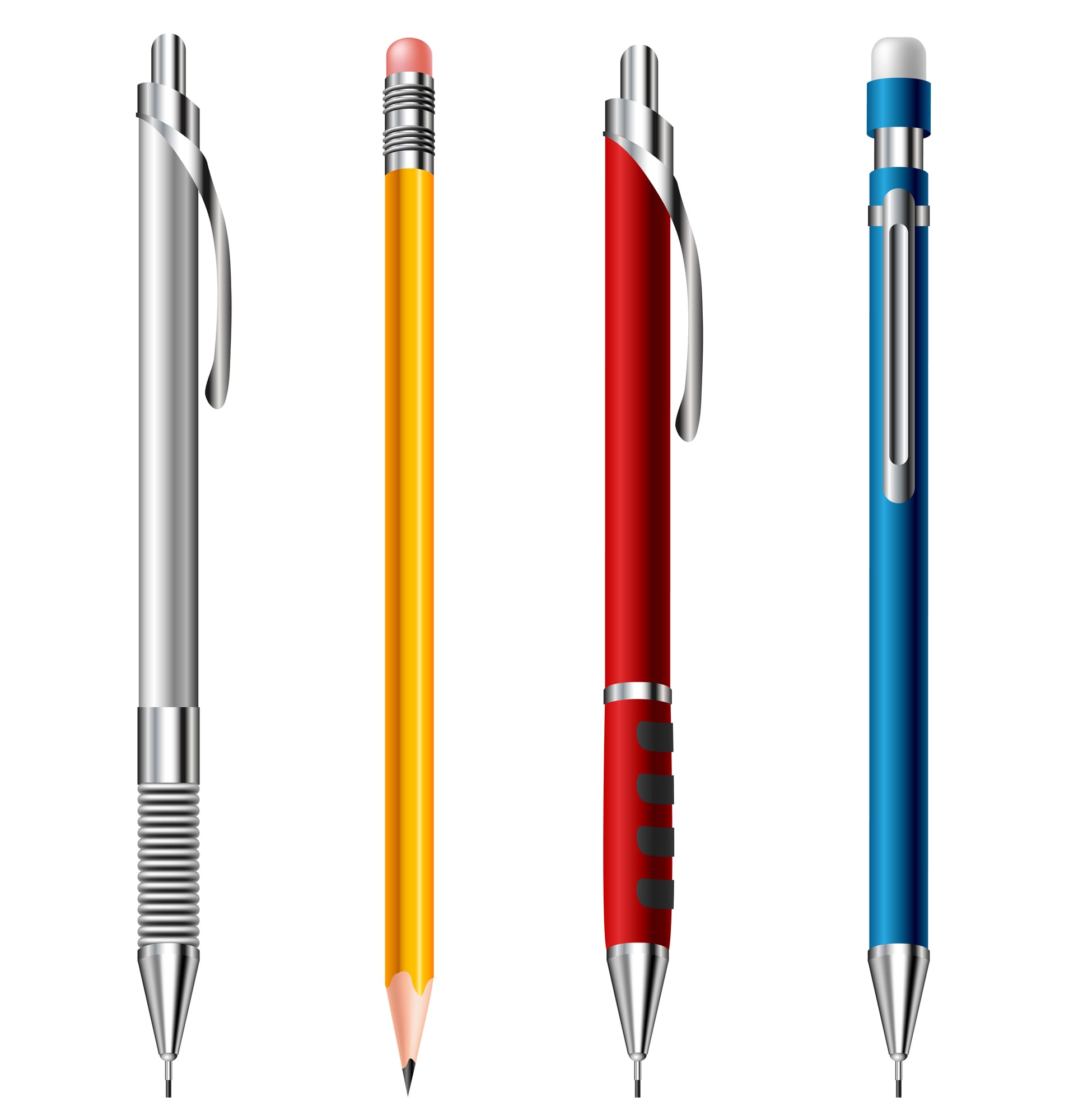
Mechanical pencils carried an air of sophistication that regular pencils simply couldn’t claim. You didn’t sharpen them — you clicked them, which felt more like operating equipment than doing homework.
The 0.5mm vs. 0.7mm debate was a real conversation that real children had with complete seriousness. Losing the eraser cap within the first week was practically a rite of passage, and from that point forward, the pencil became purely ceremonial.
Book Covers
Brown paper bag book covers were a back-to-school tradition in the same way that eating a bad airport sandwich is a travel tradition — technically a choice, but one that felt mandated by circumstances. You’d trace the spine, fold the flaps, crease the corners, and tape the whole thing together, knowing it would be destroyed by November.
The decorated ones — covered in doodles, band names written in bubble letters, or the name of your crush concealed inside a fake word — were the real version. The plain brown one was just practice.
Ruler With Metal Edge
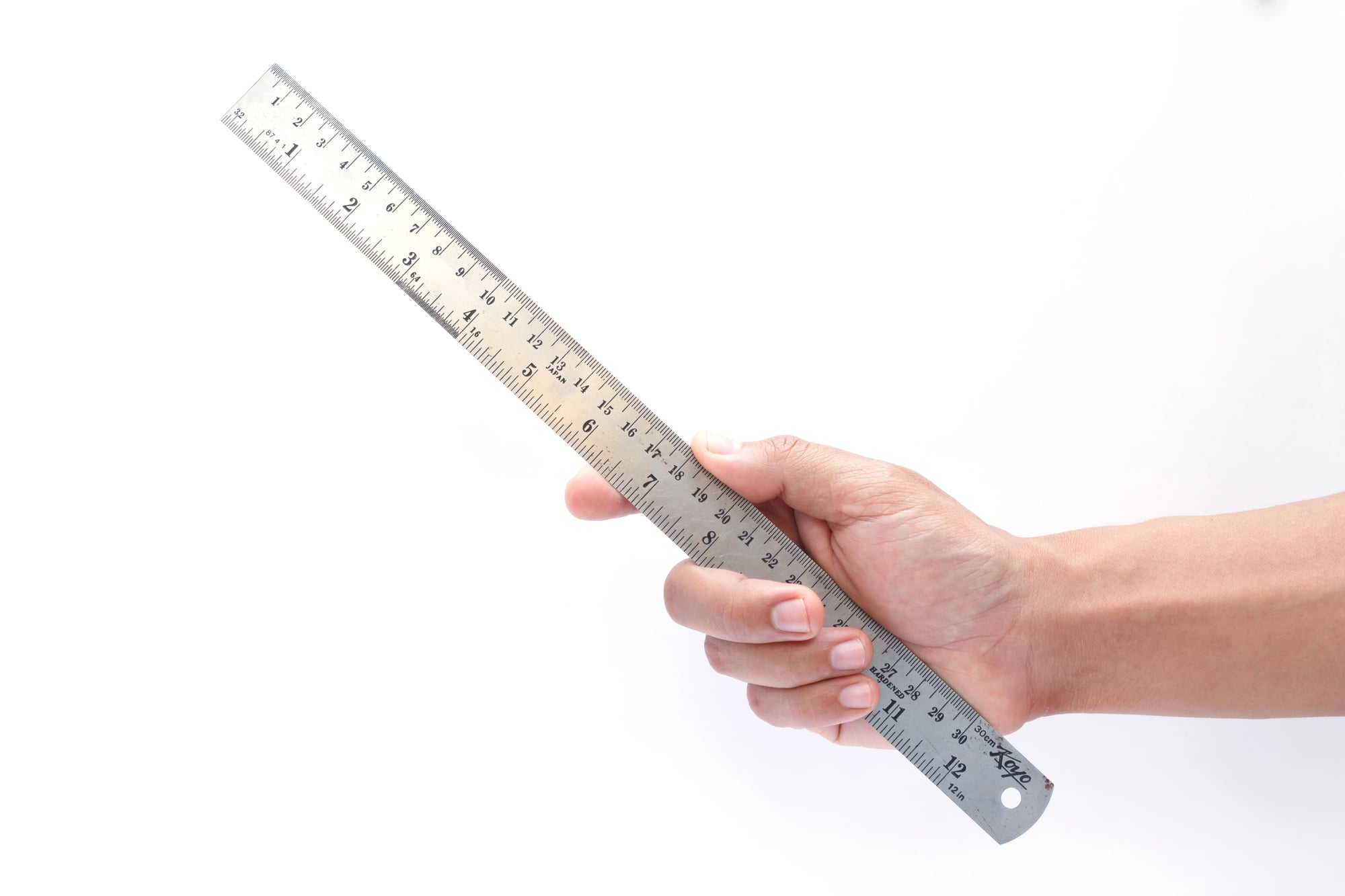
The ruler with the metal edge had two functions: measuring things in class, and being used as a makeshift drumstick against the edge of a desk when the teacher turned around. It was practically indestructible, which was fortunate, because a plastic ruler lasted about four weeks in a backpack before it snapped cleanly in half.
The metal-edged version was the kind of object that outlasted its usefulness by years — you’d find it in a junk drawer in 2003 and have no explanation for how it got there.
Composition Notebooks
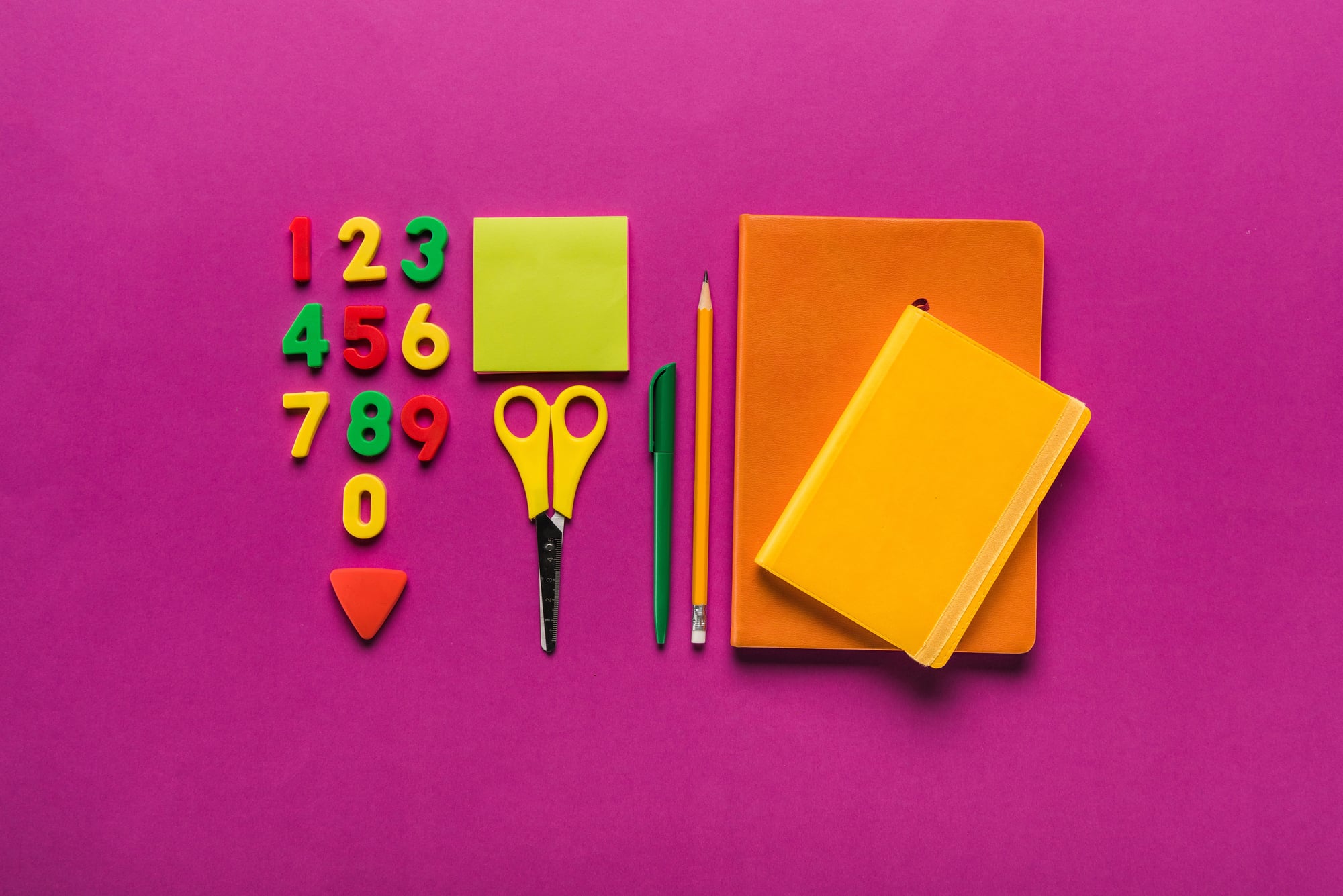
The black-and-white speckled composition notebook had a very specific personality: serious, institutional, slightly damp-looking, like something you’d find in a detective’s coat pocket. Teachers assigned them for journals and science logs, as if the marbled cover gave the contents more gravity.
And there was something to that — writing in a composition notebook felt different from writing on loose-leaf, more permanent, more considered, even when the entry was just a list of things you wanted for your birthday.
White-Out
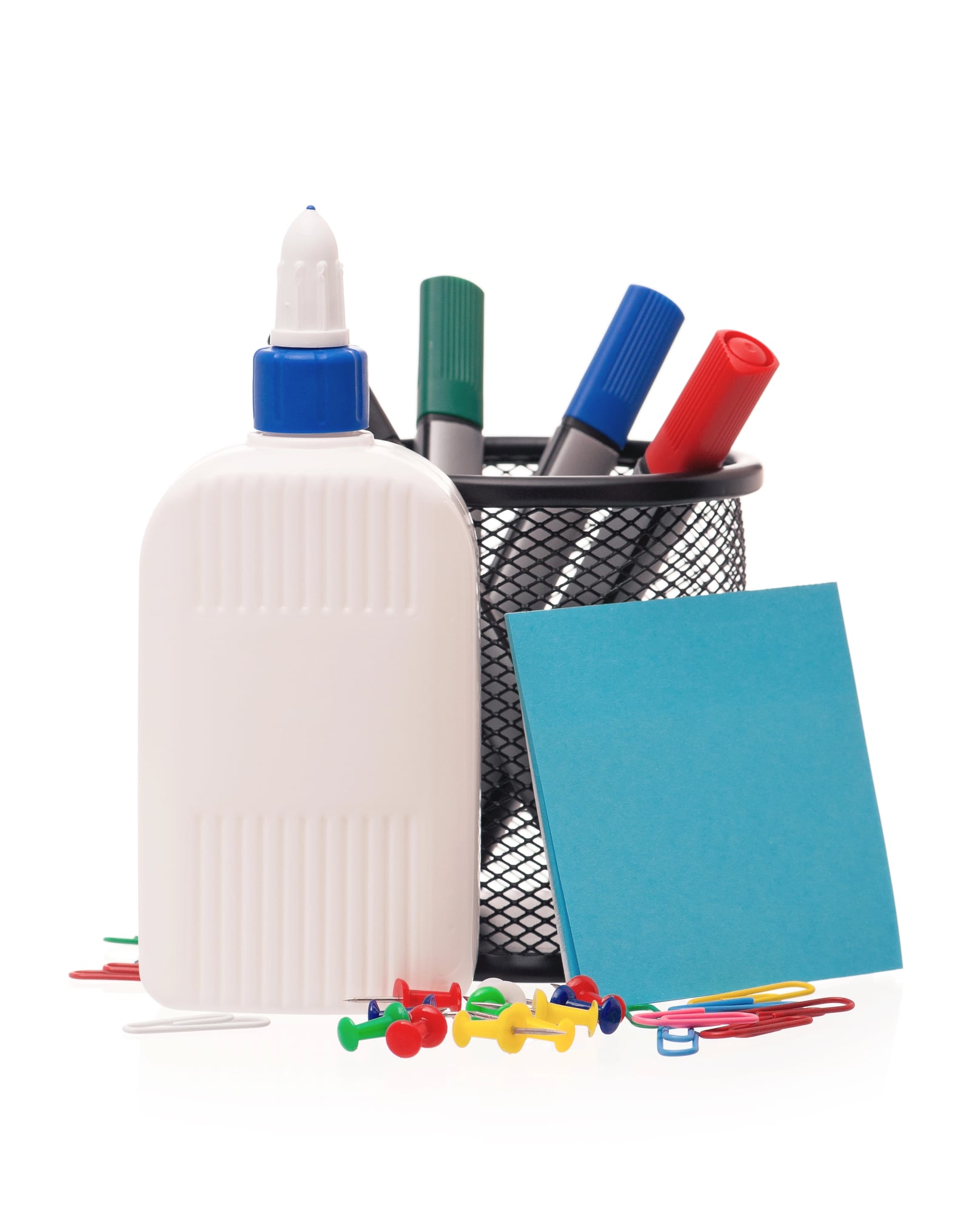
White-Out was the correction fluid that made written mistakes feel reversible, which was a philosophical comfort as much as a practical one. You’d shake the little bottle, apply the brush in one careful stroke, wait approximately four seconds longer than you should have, and then write directly on top of it — usually crookedly.
The smell alone could clear a room. Teachers had a deep ambivalence about White-Out: it solved the problem of a messy paper while creating the problem of a paper that now looked like someone had been aggressively editing a treaty.
Pencil Toppers
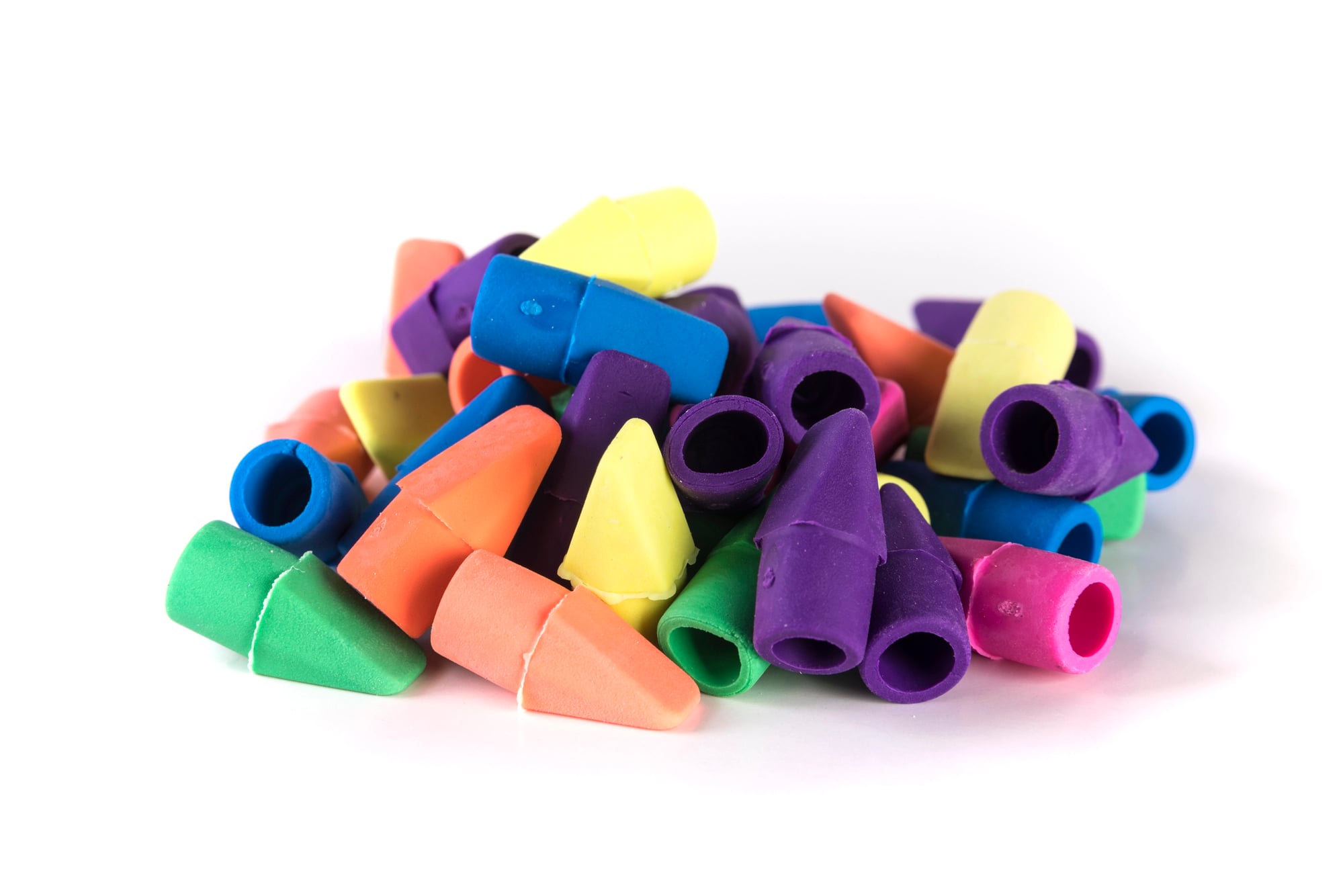
Pencil toppers were decorative additions to a pencil that served no function that could be charitably described as useful. They were small plastic figurines — animals, cartoon characters, tiny trolls with fluorescent hair — that clipped or slid over the eraser end.
Writing became slightly awkward, erasing became nearly impossible, and none of that mattered even slightly. The pencil topper was a tiny statement: this is my pencil, and I have personalized it, and the bar for personalization in 1993 was not particularly high.
Sticker Collections
A sticker collection was a deeply personal archive — scratch-and-sniff stickers from the teacher (earned, not given), puffy stickers, holographic stickers, and the fuzzy ones that felt like they were covered in carpet. They lived in a dedicated sticker book or, if you were less organized, on every flat surface you owned including the inside of your lunch box and the back of your bedroom door.
The scratch-and-sniff variety were the crown jewels: root beer, popcorn, watermelon — each one a small olfactory gamble that usually paid off.
Zipper Binders
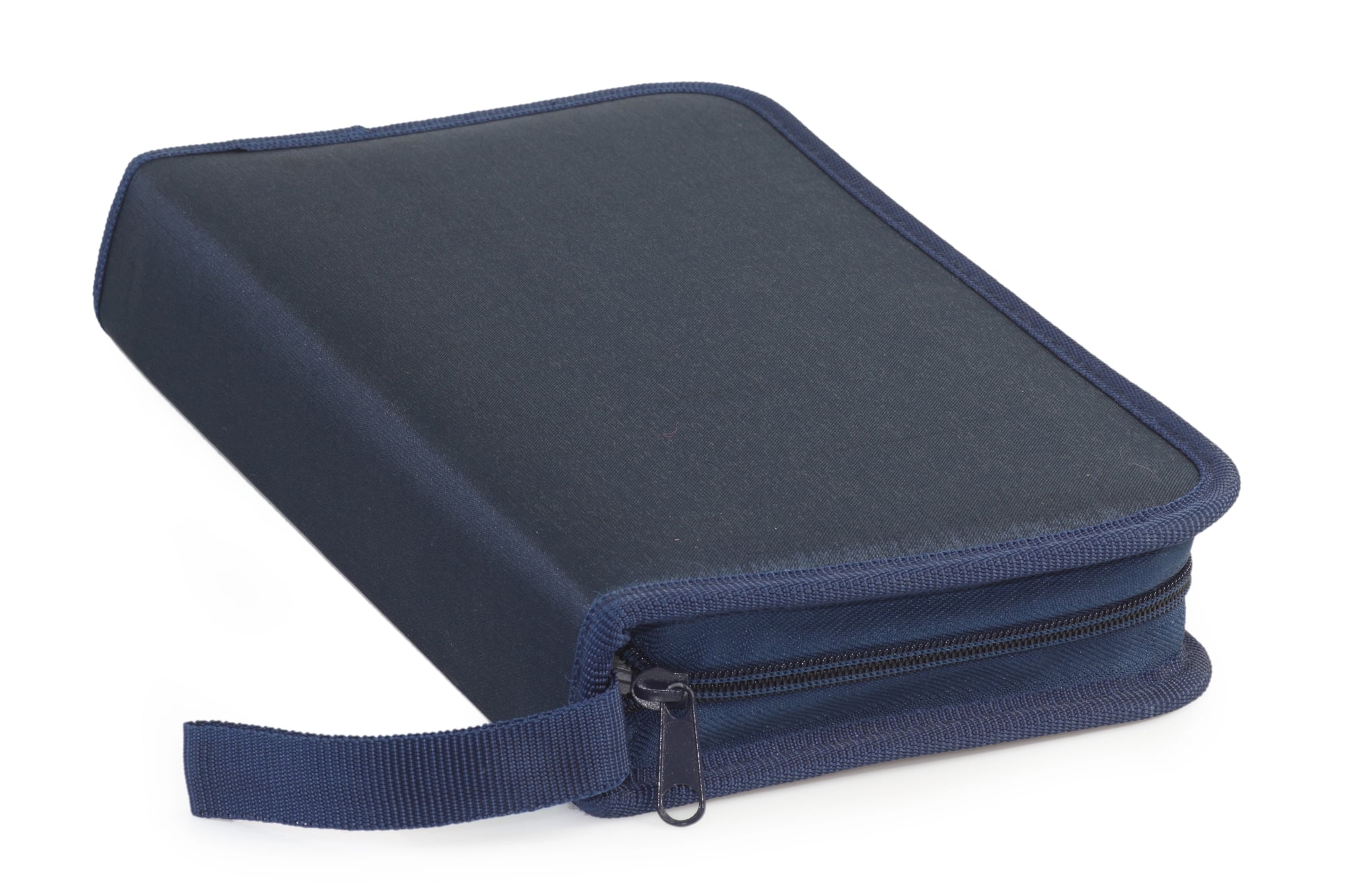
The zipper binder was the Trapper Keeper’s more organized older sibling — bigger, more serious, with actual ring binders inside and a full zipper closure that went around three sides. It felt like carrying a briefcase, which in fifth grade was an extremely appealing quality.
The zipper would eventually break at one corner, which created an opening large enough for papers to slowly work their way out during the walk between classes. But for the first few weeks of school, it was flawless.
Highlighters
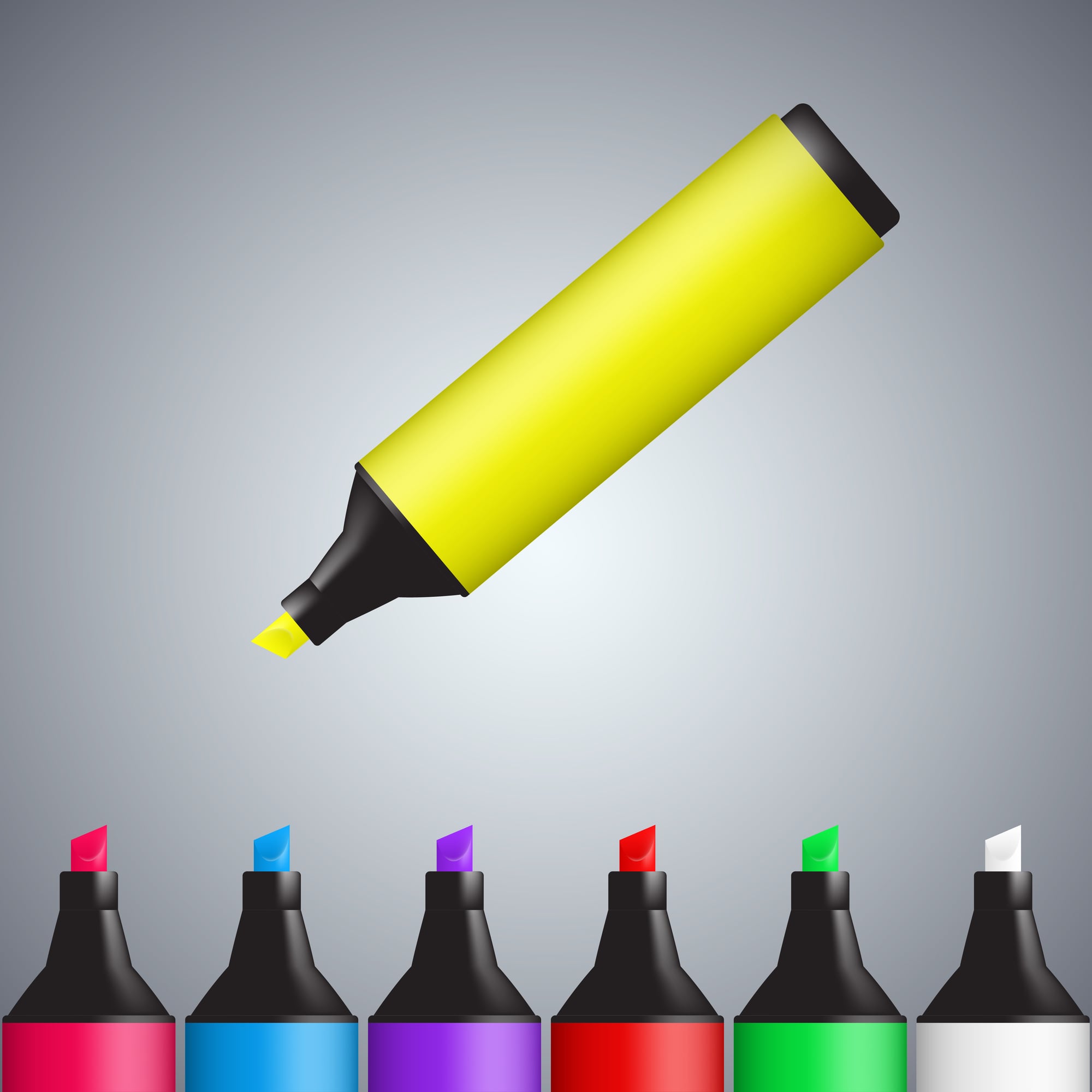
Highlighters arrived in the upper grades with a promise of seriousness. You were no longer a kid with crayons — you were a student with a color-coded system, a person who had opinions about whether to use yellow or pink for main ideas.
The problem was that everything felt important enough to highlight, so you’d work through a chapter leaving broad swaths of fluorescent yellow, rendering the exercise pointless. Turns out, highlighting everything is the same as highlighting nothing, which is a lesson most people learn the hard way around seventh grade.
Index Cards
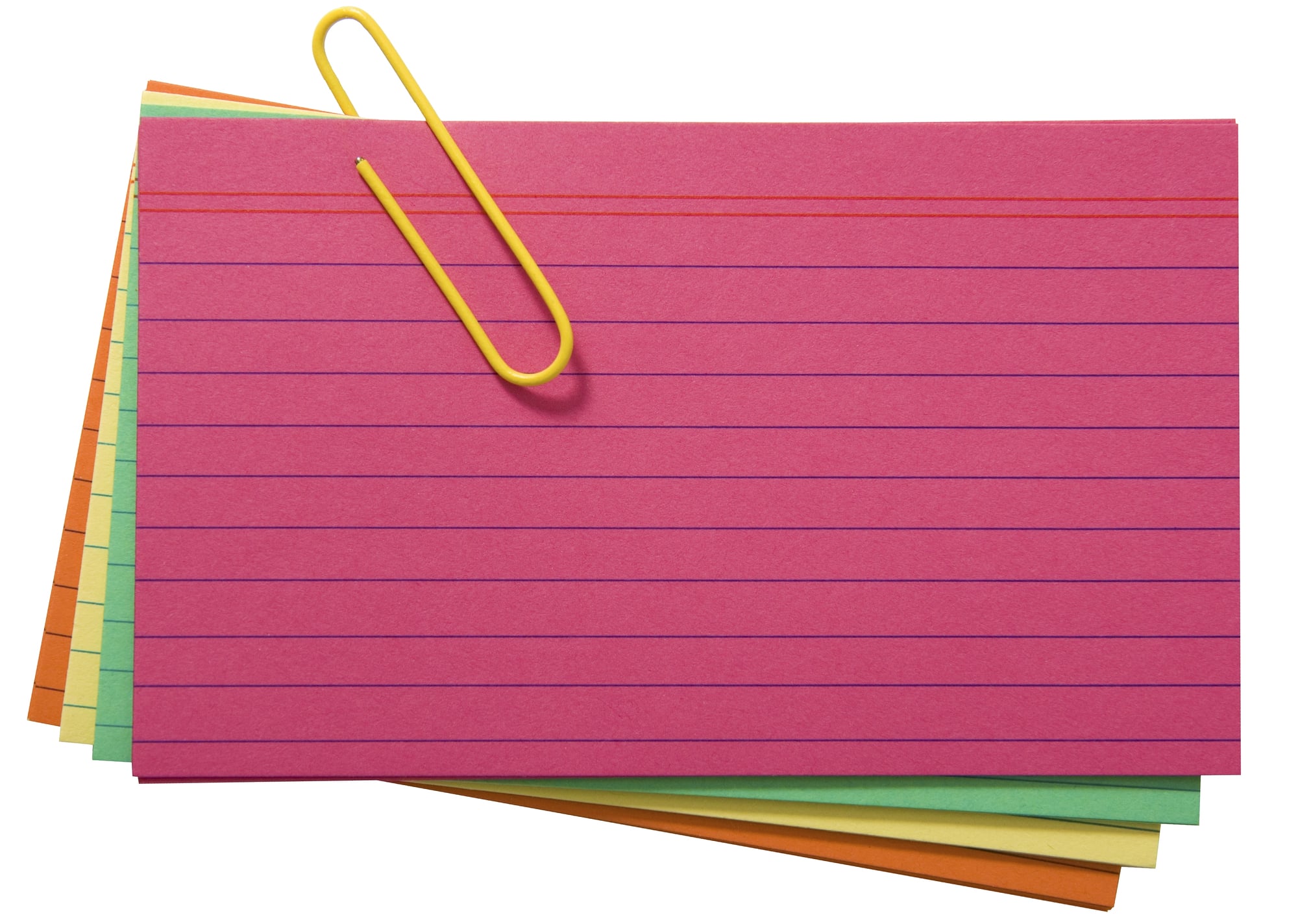
Index cards were assigned for studying and immediately repurposed for everything else — doodling, passing notes that were folded into elaborate geometric shapes, writing tiny messages to friends across the room. The 3×5 lined version was standard; the 4×6 unlined version felt luxurious, like having more room than you’d ever actually need.
Teachers believed deeply in index cards. Students believed in them too, just for different reasons.
Correction Tape
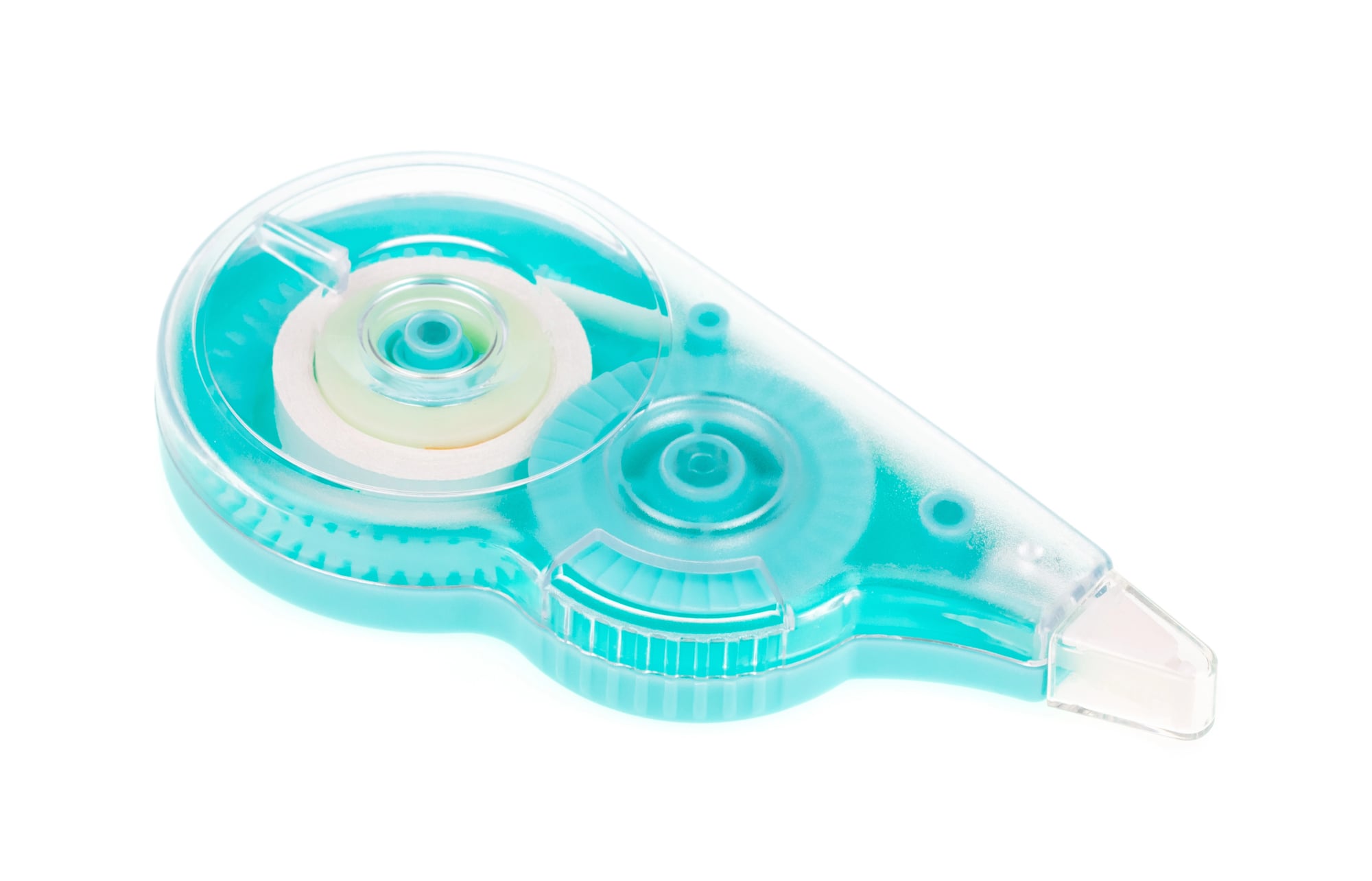
Correction tape arrived as a sleeker competitor to White-Out and immediately felt more modern, more precise — the kind of office supply that belonged in a world with clean lines and minimal fuss. You’d roll it across a mistake in one smooth pass and the white strip would lie flat on the page, ready for new text.
It was correction fluid for people who didn’t want to commit to waiting for things to dry, which, to be fair, described most people in a school setting with thirty seconds until the bell.
Globe

The classroom globe was a fixture — always slightly tilted on its axis, always a little dusty, always showing country borders that no longer existed because the globe had been manufactured sometime in the 1980s and politics had moved on. Spinning it with one finger while the teacher’s back was turned was a ritual with no purpose beyond the pleasure of the spin itself.
The USSR was still on most of them. That fact alone makes them historical documents.
Protractor
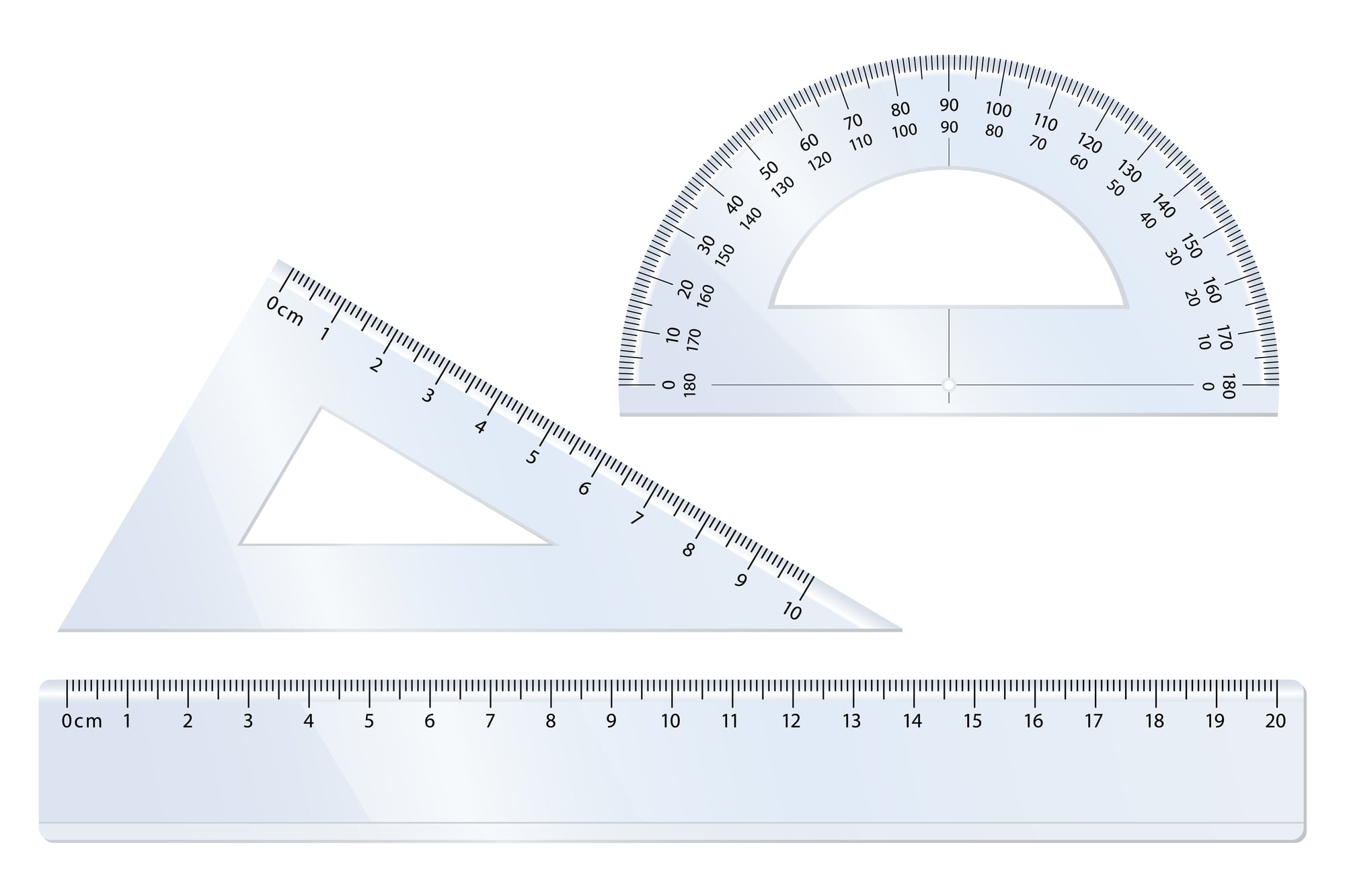
The protractor showed up in geometry class and immediately confused half the class with its two sets of numbers running in opposite directions. It was made of clear plastic, it broke if you looked at it wrong, and it measured angles — a skill that, the curriculum insisted, would be essential later in life.
The protractor’s real legacy is the way it felt in your hands: flat, curved, oddly satisfying to spin around a pencil point, like a tool that was designed to be fidgeted with during long explanations.
Graph Paper Notebooks
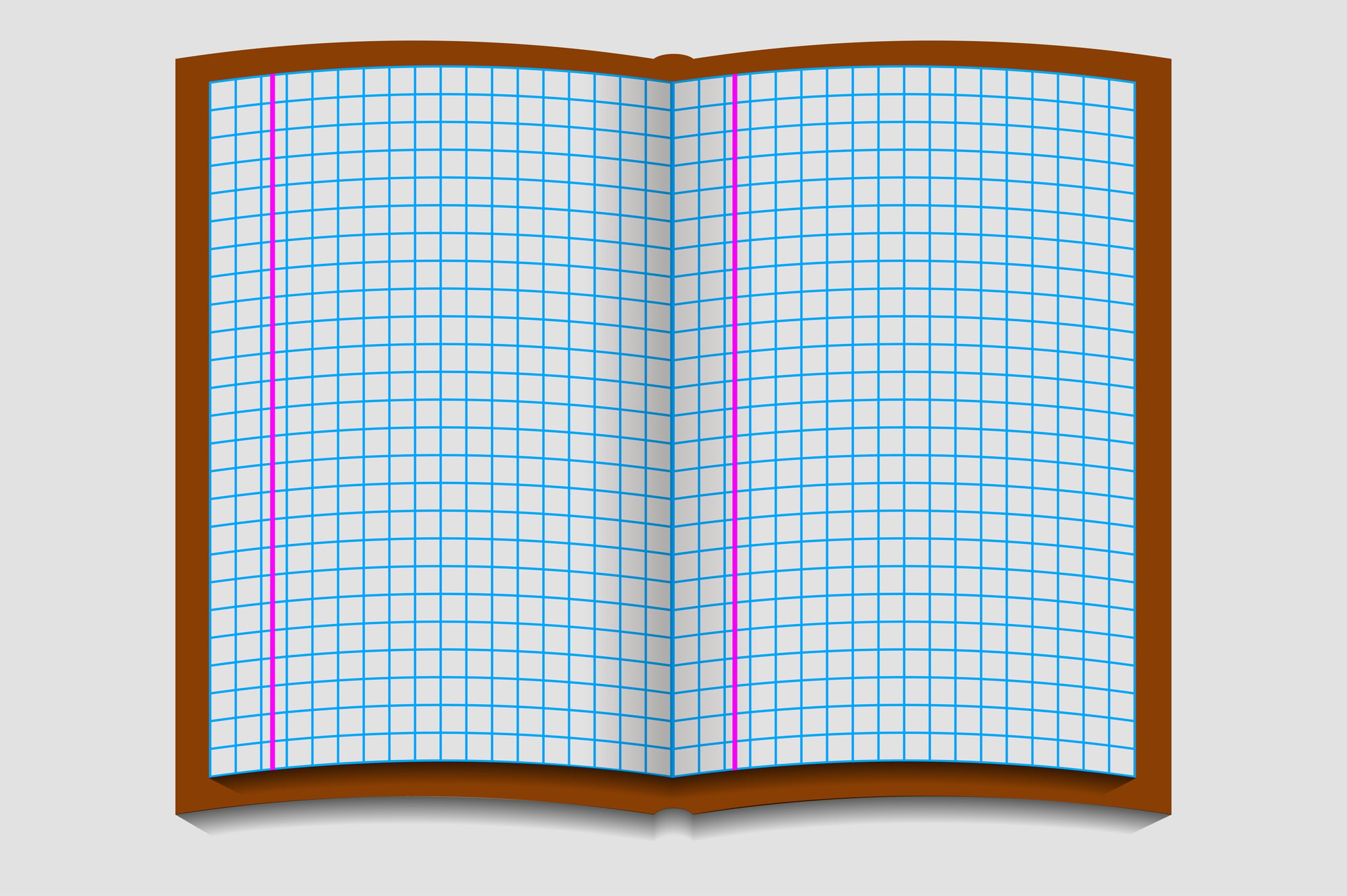
Graph paper notebooks were the supplies that made you feel organized before you’d done anything. The small blue squares suggested precision and intention — here was a person who had a plan, who measured things, who would not be drawing crooked tables in a regular notebook like some kind of amateur.
In practice, the graph paper mostly got used for elaborate dot-connecting games played during class, which was a perfectly reasonable use of a perfectly good grid.
Pencil Boxes
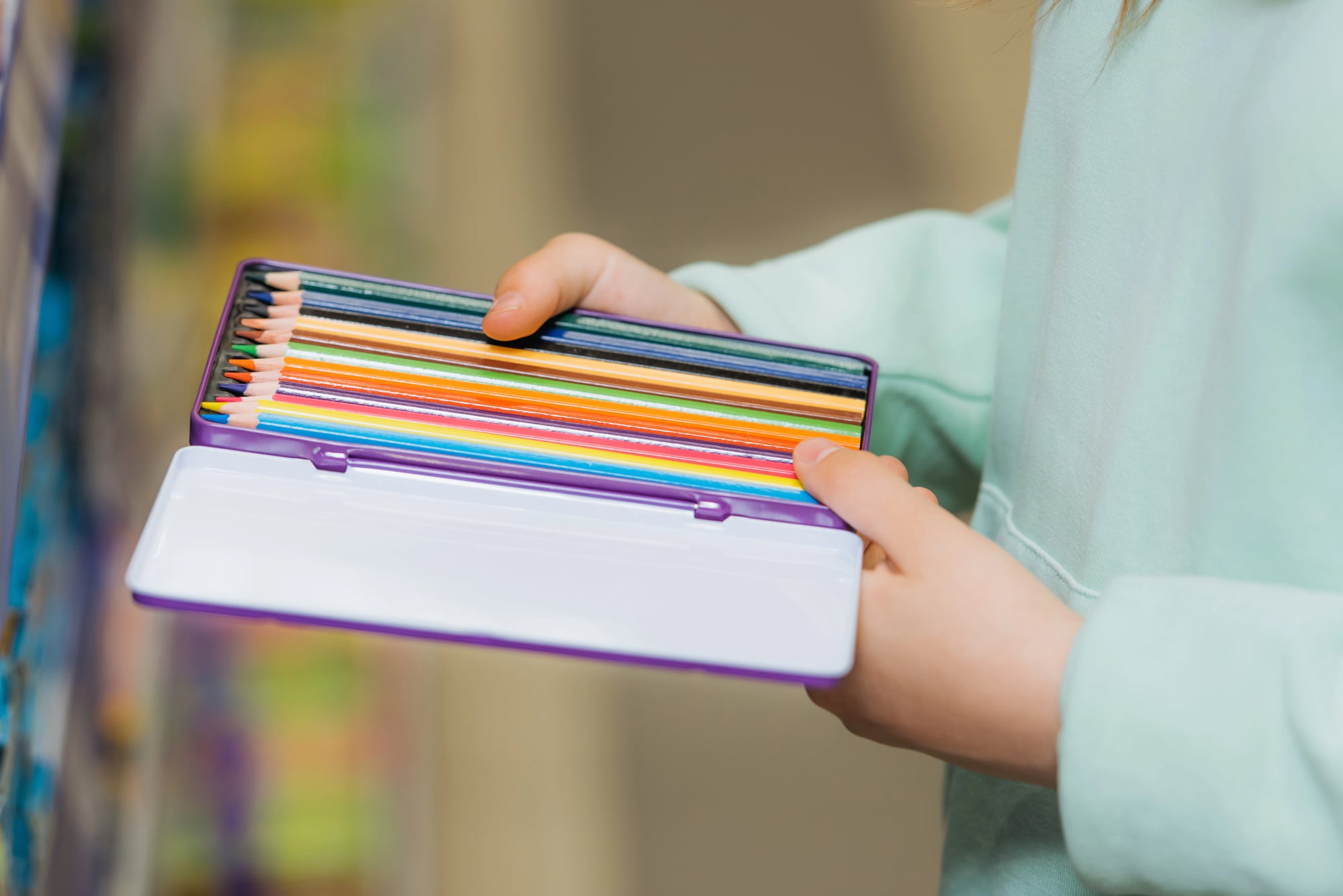
The plastic pencil box was the entry-level version of pencil storage — a hard rectangular case with a snap lid, usually in a primary color, usually containing a handful of sharpened pencils, a ruler, and an eraser that had already been chewed at one corner by October. It clattered around at the bottom of a backpack and announced its presence constantly.
But opening it at the start of a school year, when everything inside was new and intact, felt like surveying a very small, very well-organized kingdom.
Three-Hole Punch
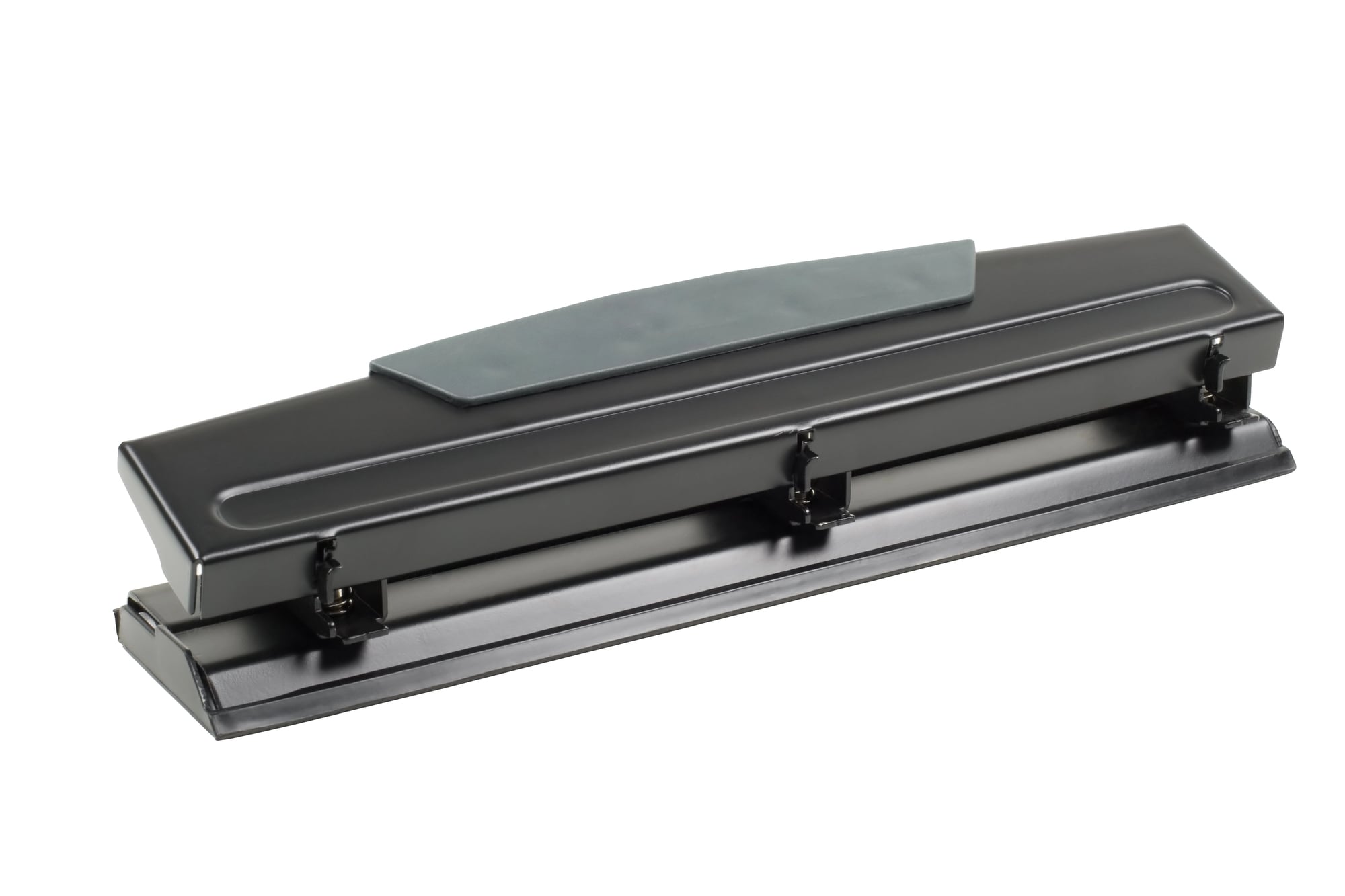
The three-hole punch lived on the teacher’s desk and was borrowed, returned, borrowed again, and occasionally lost for two weeks. The satisfying chunk of the handles pressing down and the small paper circles that fell into the little tray at the bottom — those confetti dots that nobody collected but nobody could bring themselves to throw away — made it one of the more tactilely gratifying objects in any classroom.
Punching paper should not feel like an accomplishment, and yet it reliably did.
Dry Erase Markers
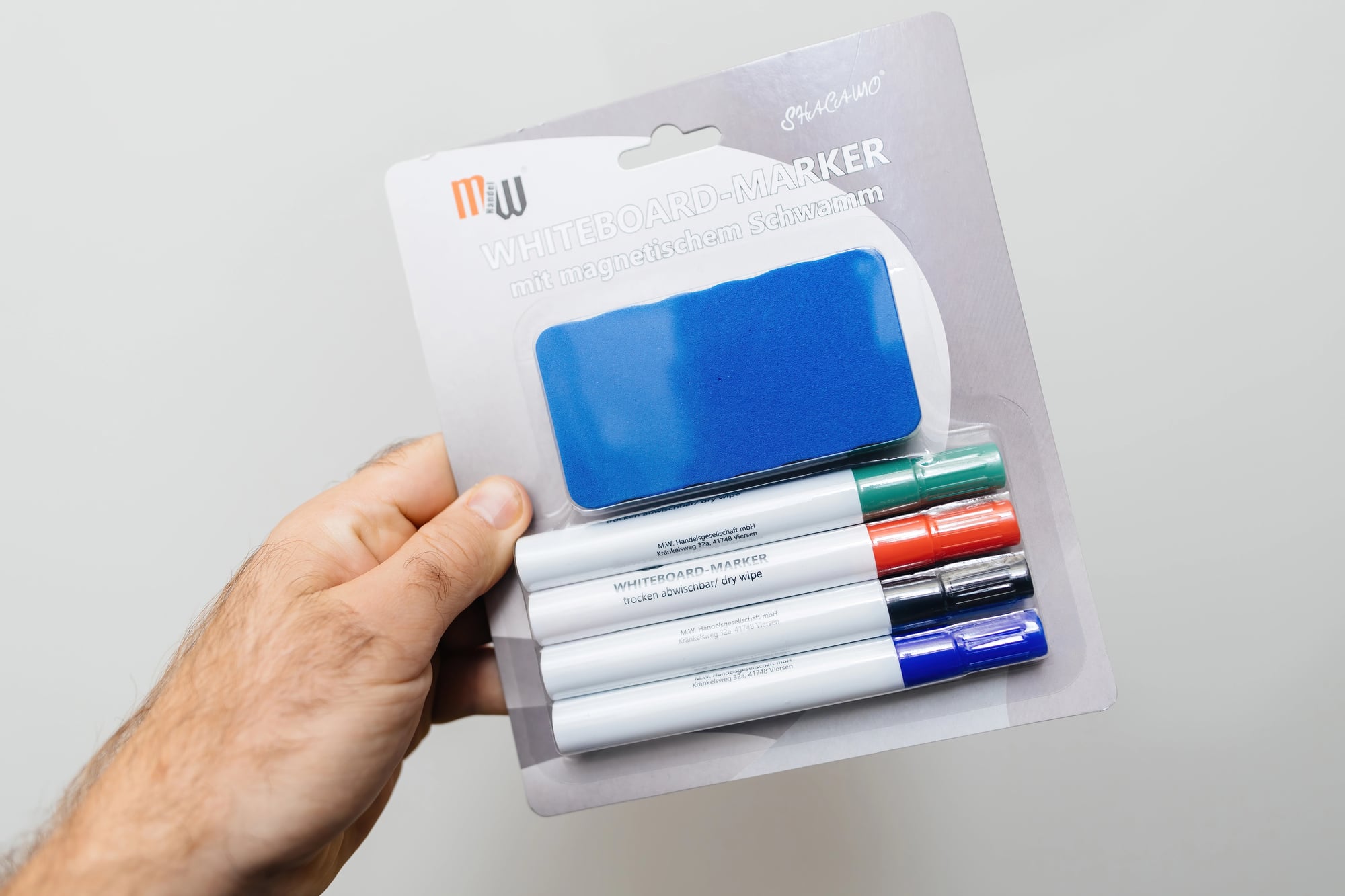
Dry erase markers belonged to the teacher, but every kid knew exactly where they were kept and thought about them constantly. Writing on a whiteboard felt like access to a different level of authority — bold, visible, erasable with a single swipe.
When a teacher handed you the marker to solve a problem on the board, it was the clearest possible signal that you had been trusted with something. The markers dried out constantly, smelled aggressively chemical, and left faint ghost marks on whiteboards for months. Completely worth it.
Bookmarks
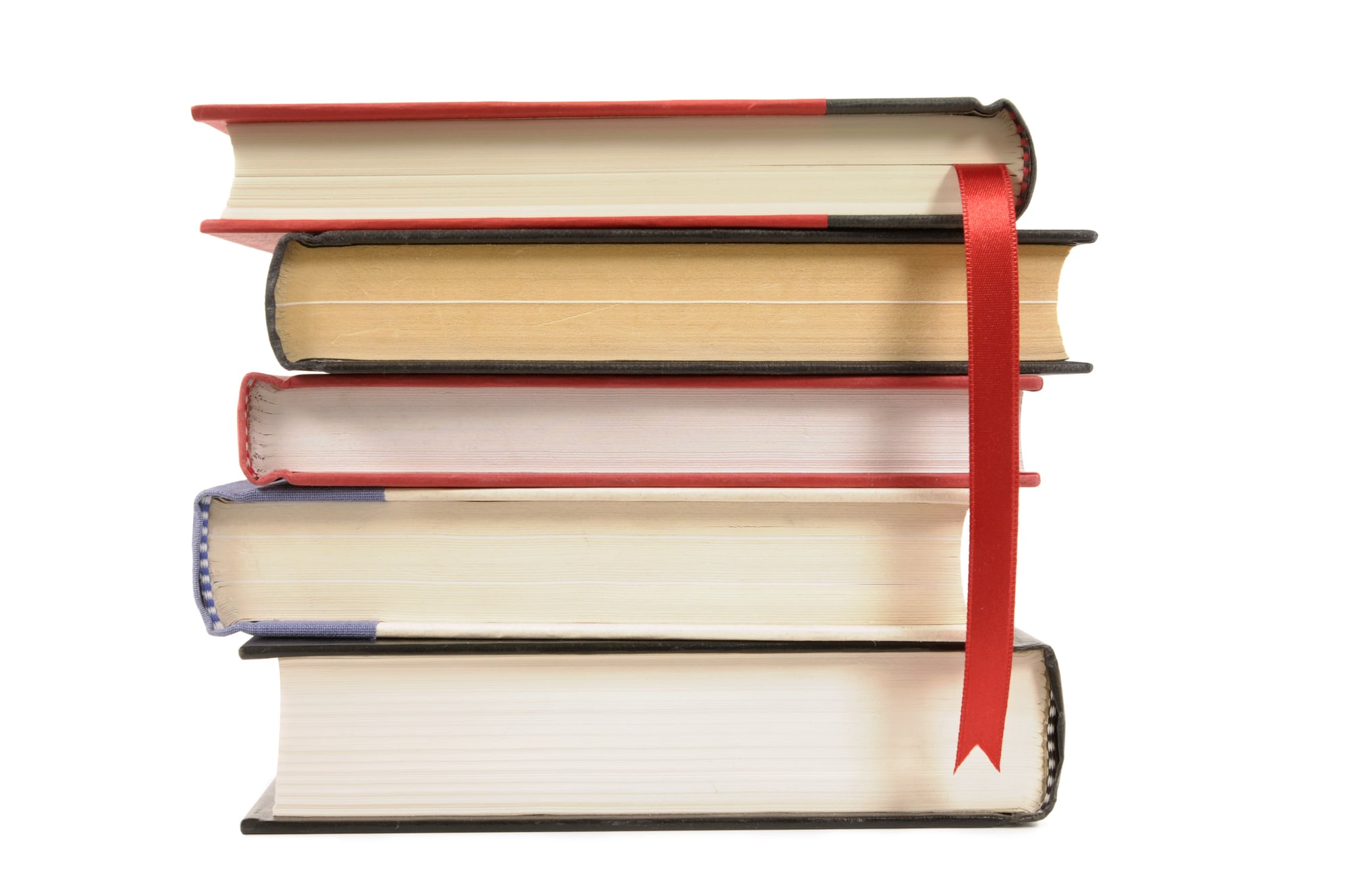
The bookmark was the school supply that tried hardest to be art. Teachers handed out laminated ones as rewards; the library gave out paper ones printed with slogans about reading; you made your own from cardstock and yarn tassels during craft time.
The best ones were the corner-page kind — little triangles of folded cardstock that wrapped around the page corner, impossible to lose, impossible to displace. Dog-earing a page was always an option, but it felt like a small act of disrespect toward a book that had done nothing wrong.
Crayola Colored Pencils
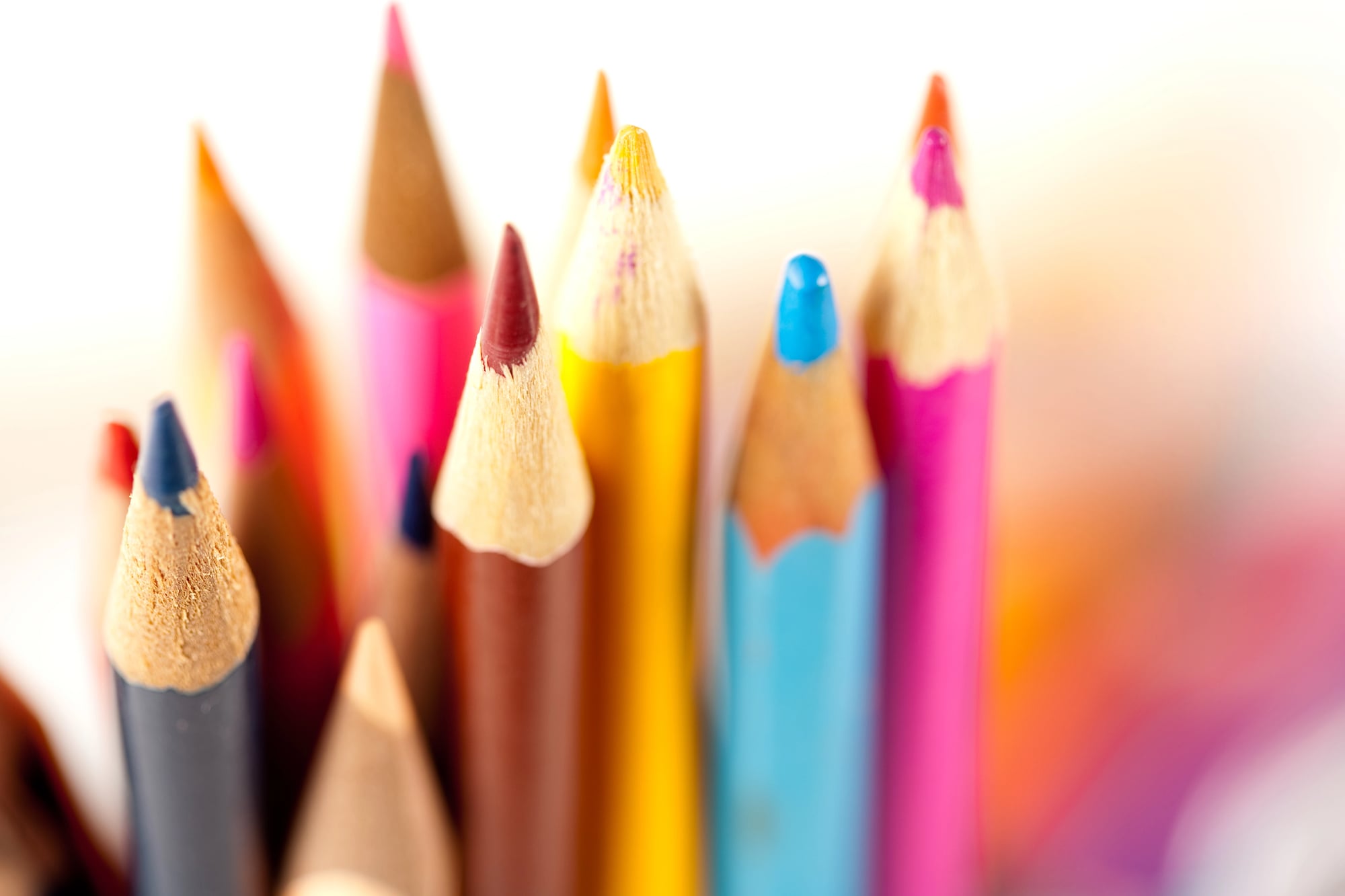
Colored pencils occupied a more serious position in the art supply hierarchy than crayons — they required more pressure, rewarded more patience, and produced results that felt closer to something you’d chosen deliberately. The 24-count Crayola set was the standard, but the tips broke constantly, the built-in sharpener in the back of the box made things worse, and the “flesh” color (later renamed “peach”) created a specific discomfort that took decades to fully articulate.
The colors that got used down to a nub versus the ones still sharp and pristine by June told you everything about what any given kid actually cared about.
Rulers With Centimeter/Inch Markings
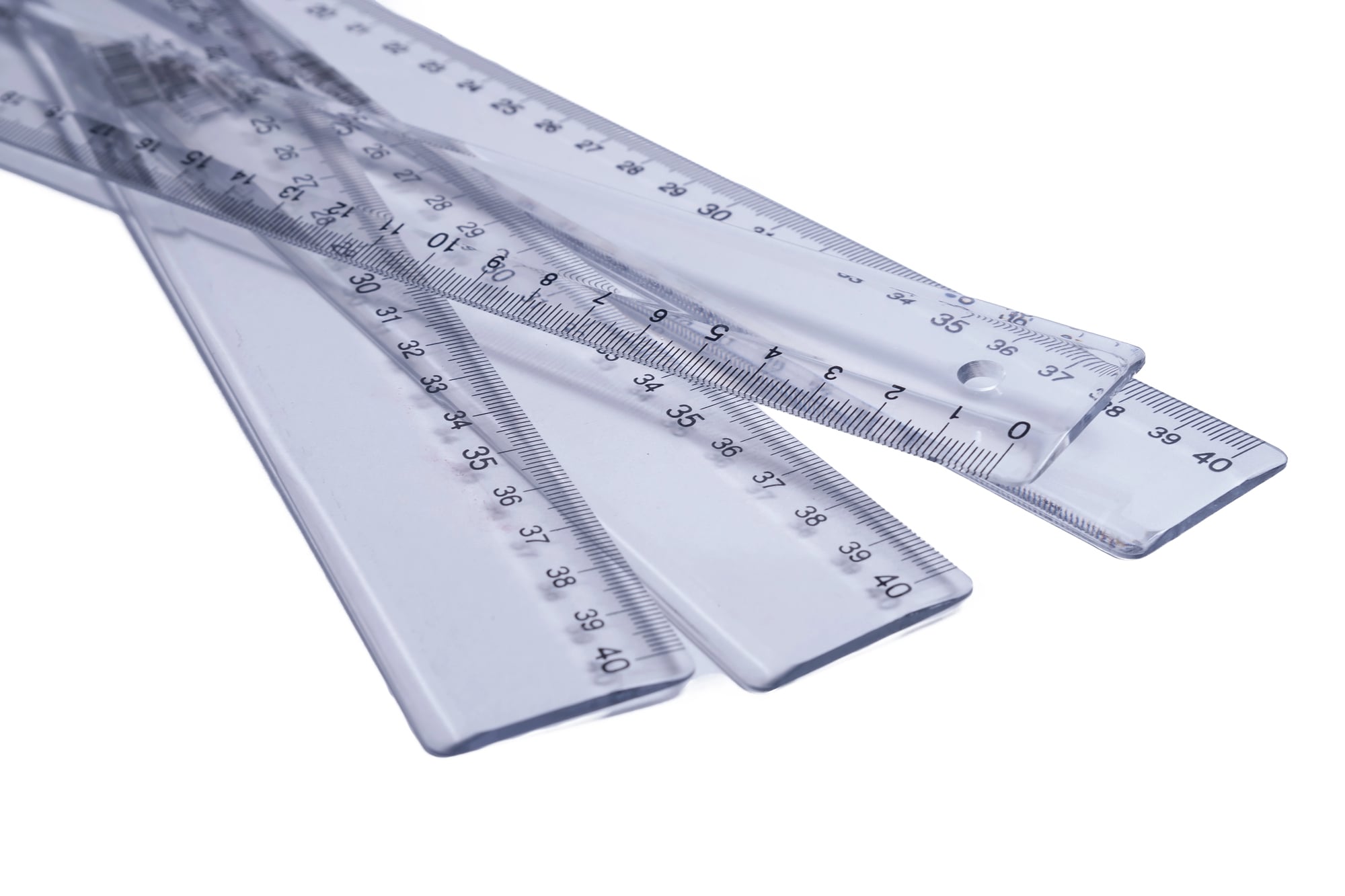
The dual-measurement ruler was a classroom staple that quietly taught a generation that the metric system existed — even if nobody was going to tell you when exactly you’d need it. The inches side was the one you used; the centimeter side was the one you noticed when you were bored and needed something to stare at.
Twelve inches long, sometimes flexible, sometimes not — and carrying a faint smell of plastic that no other object in the supply kit quite replicated.
Post-it Notes
Post-it Notes showed up in classrooms mostly as teacher tools — marking pages, labeling things, leaving short instructions on desks before class started. But kids who got their hands on a pad quickly understood the appeal: small, sticky, bright, removable, endlessly repurposable.
You could use them as bookmarks, as message slips, as very small pieces of paper for very small pieces of information. The neon pink and yellow pads were the ones that made it clear whoever was using them had a lot to say and not much space to say it.
Pencil Sharpeners
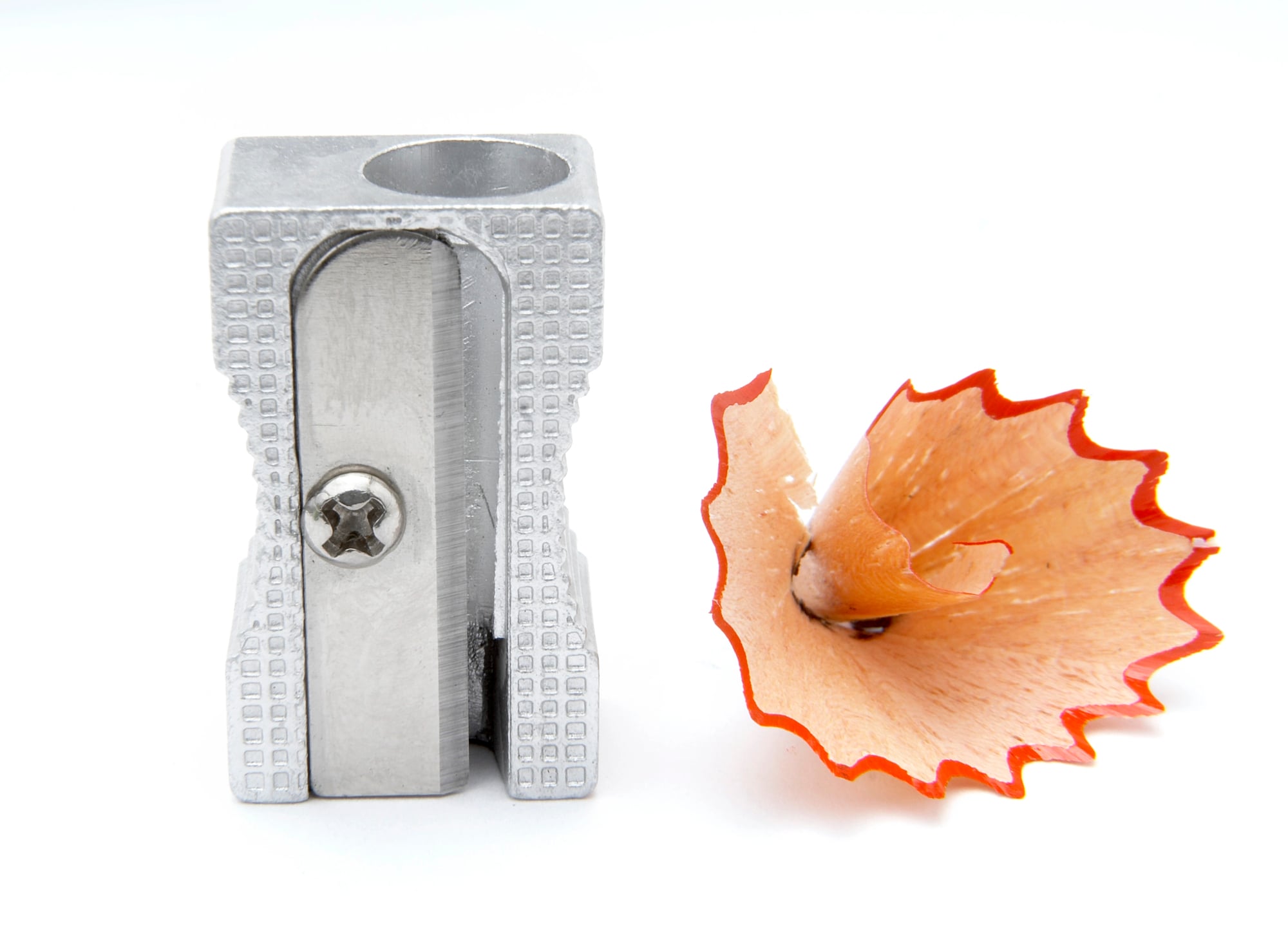
The electric pencil sharpener that sat on the teacher’s desk was an object of genuine power — loud, decisive, and requiring permission to use. You’d walk up with your dull pencil, insert it into the opening, and apply gentle pressure while the machine made a sound like a small industrial process happening at desk level.
The hand-crank sharpeners that lived inside pencil boxes were the backup option: quieter, slower, and prone to chewing the wood rather than cutting it cleanly. Both versions deposited shavings into a little drawer that nobody ever emptied until it was catastrophically full.
Flash Cards
Flash cards were the study tool that required you to admit you didn’t know something yet — which was, for many kids, the hardest part. You’d write the question on one side, the answer on the other, shuffle the deck, and go through them until the answers came fast.
The physical act of sorting them into “know it” and “don’t know it” piles gave studying a visible shape, a way to measure progress that a highlighted textbook couldn’t. Turns out, having something to hold while you learn is different from just reading words on a page.
Pencil Grips
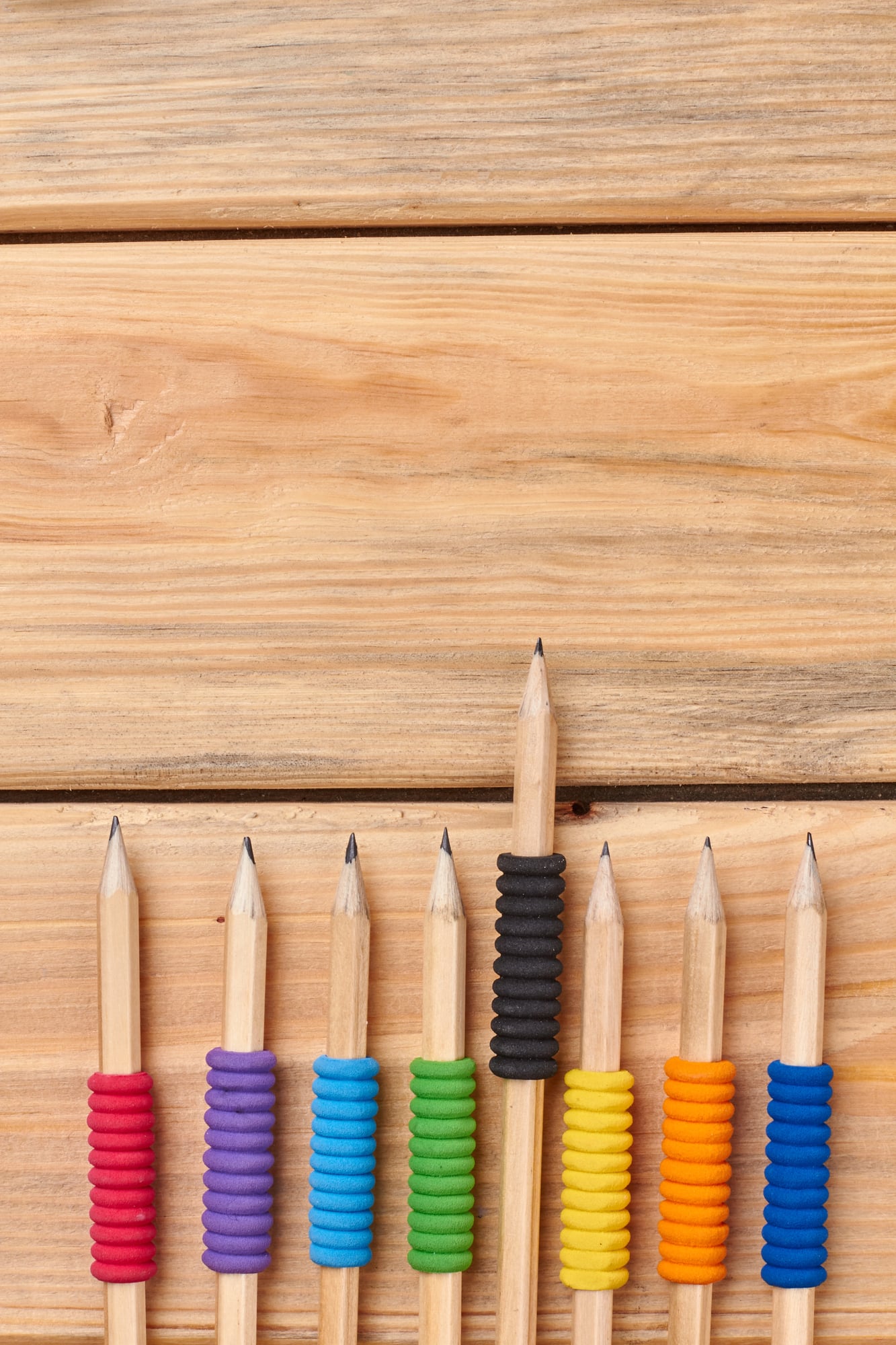
Pencil grips were the foam or rubber accessories that slid over the shaft of a pencil to help with holding position — assigned by teachers to kids who held their pencils in ways that were creative, if not technically correct. The triangular rubber ones were the most common; the soft foam tubes were the comfort version.
Either way, wearing one felt slightly remedial at the time, which was entirely unfair to an object that was genuinely just trying to help. The grip didn’t care how you felt about it. It just sat there, doing its job, correcting your hand.
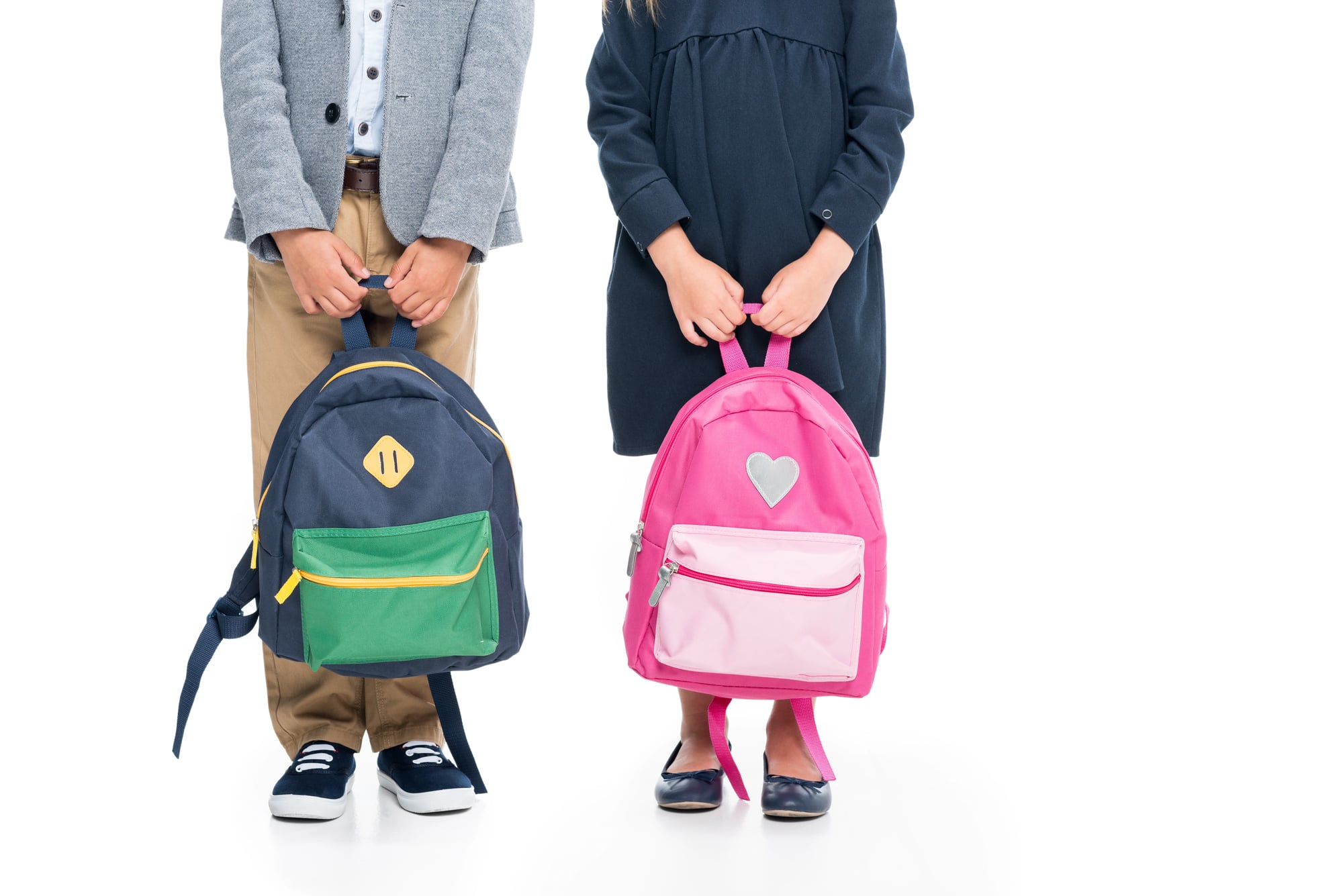
The backpack was the mother ship — the object that contained all the others, that carried the weight of every school day literally and figuratively. It started September crisp and clean, usually with a name written in marker somewhere inside the collar, and ended June faded, fraying at the zipper pulls, with a crumpled permission slip from February still folded at the bottom.
What went inside it varied. What it represented didn’t: the whole machinery of childhood in transit, moving between home and school five days a week, holding everything together through nothing more sophisticated than two padded straps and a lot of faith that the zipper would hold.
What the Supply List Was Really About
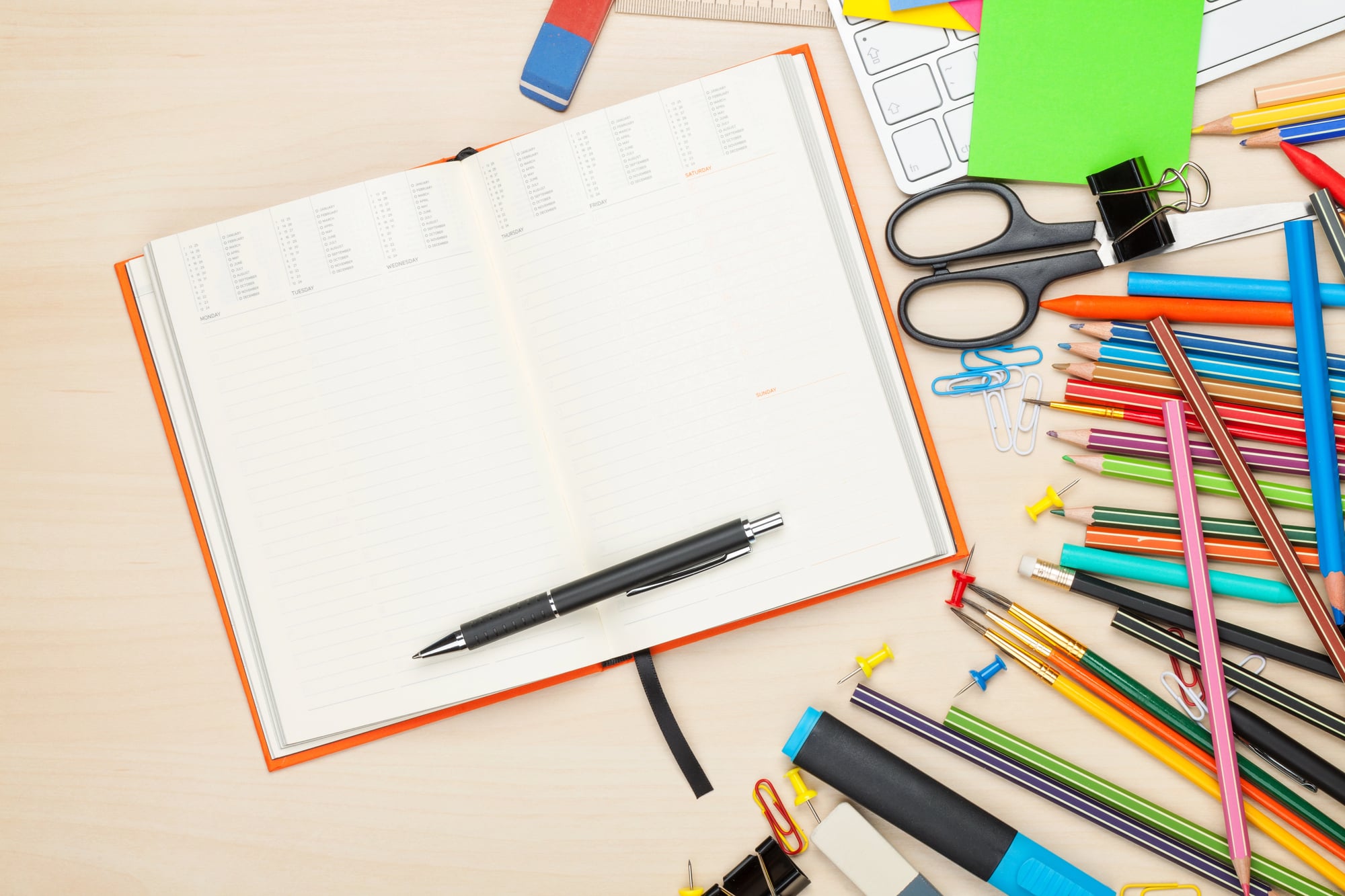
The August run to the store for school supplies was never really about supplies. It was a ritual of preparation — the physical act of equipping yourself for something that was going to happen regardless, made less overwhelming by the fact that you were doing something with your hands.
A new box of crayons couldn’t make fifth grade easier. A fresh spiral notebook couldn’t guarantee the year would go well.
But they were tangible, and they were yours, and in the days before school started, that was enough.Some of those objects are still around in updated forms.
Others — the Trapper Keeper, the physical correction fluid, the classroom globe with its obsolete borders — belong entirely to their moment. What they all shared was the capacity to make a school year feel, at least at the beginning, like something you were ready for.
More from Go2Tutors!

- The Romanov Crown Jewels and Their Tragic Fate
- 13 Historical Mysteries That Science Still Can’t Solve
- Famous Hoaxes That Fooled the World for Years
- 15 Child Stars with Tragic Adult Lives
- 16 Famous Jewelry Pieces in History
Like Go2Tutors’s content? Follow us on MSN.