Game Remakes Better Than the Original
Video game remakes used to be lazy cash grabs that added nothing new to beloved classics. Developers would slap on some updated graphics, fix a few bugs, and call it a day.
But over the past decade, something changed. Studios started treating remakes as opportunities to completely reimagine games with modern technology, improved mechanics, and deeper storytelling that the original hardware simply couldn’t support.
These remakes didn’t just update their source material—they actually surpassed it in nearly every way.
Resident Evil 2
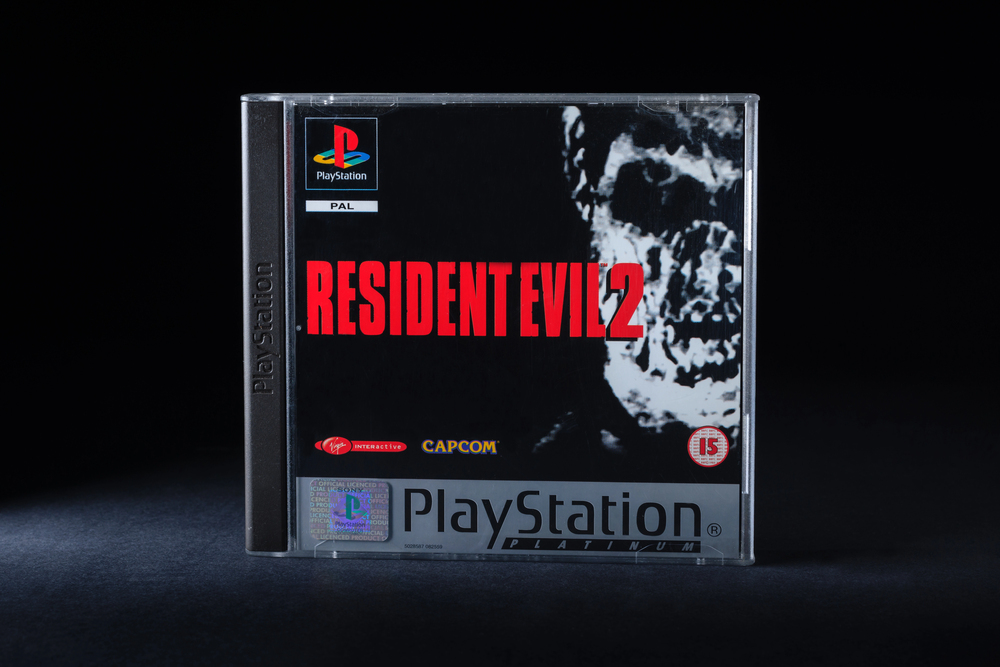
Capcom took a 1998 survival horror classic and completely rebuilt it from scratch in 2019. The over-the-shoulder camera replaced the fixed angles of the original, making exploration feel fresh and tense.
Leon and Claire’s stories expanded with better dialogue and more character development. The Mr. X encounters became genuinely terrifying with his relentless pursuit throughout the police station.
Players who loved the original still appreciated the remake’s bold changes and improvements.
Final Fantasy VII Remake
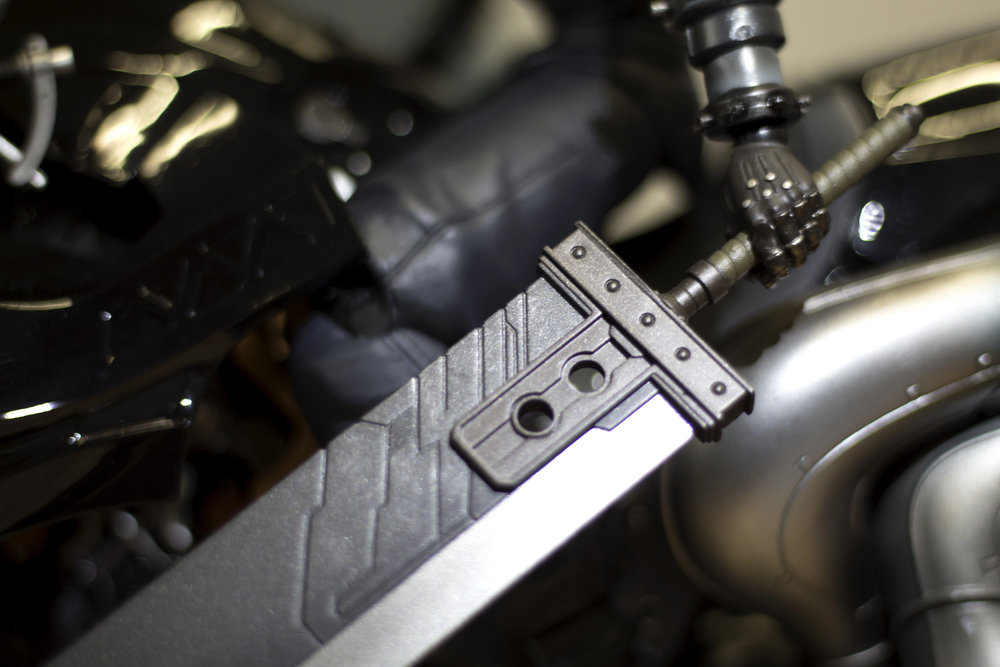
Square Enix transformed the turn-based combat of the 1997 original into a dynamic action system that kept battles exciting. Midgar, which took about six hours in the original, became a full 40-hour experience with expanded storylines and character moments.
The relationship between Cloud and the other Avalanche members got proper development instead of feeling rushed. Graphics brought the world to life in ways the blocky polygons of the PlayStation could never achieve.
The remake honored the original while creating something completely new and ambitious.
Demon’s Souls

Bluepoint Games rebuilt From Software’s 2009 PlayStation 3 title for the PlayStation 5 with stunning visual fidelity. The core gameplay remained brutally difficult and rewarding, but the presentation reached new heights.
Lighting effects and detailed textures made Boletaria feel like a real decaying kingdom. Load times practically disappeared on the new hardware, reducing frustration between deaths.
The remake proved that visual upgrades alone could transform a great game into a masterpiece.
Metroid: Samus Returns
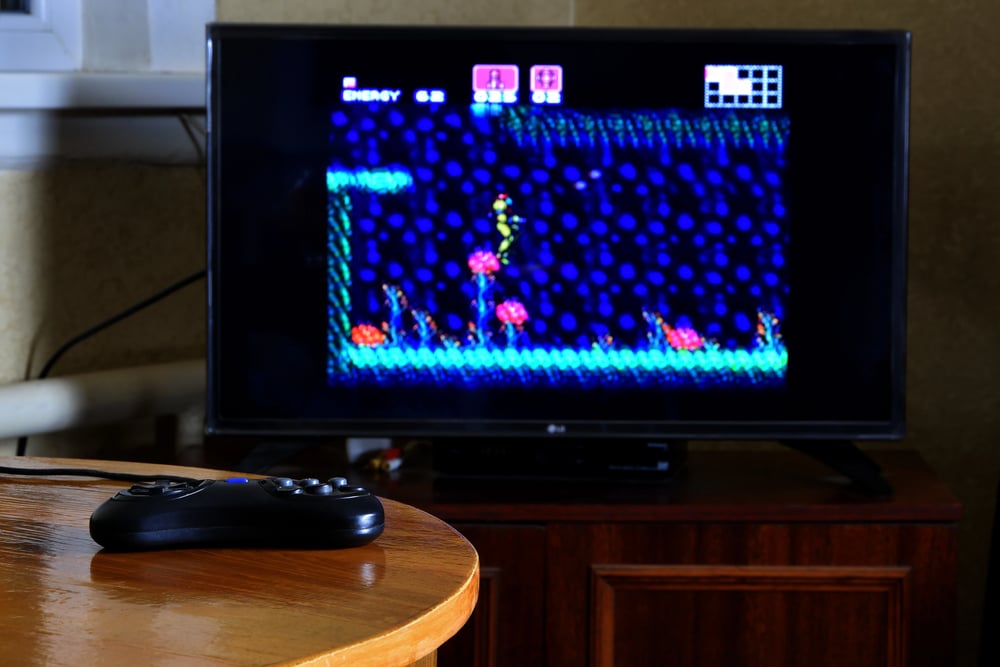
MercurySteam brought the 1991 Game Boy title Metroid II into the modern era with completely rebuilt gameplay. The addition of melee counters and 360-degree aiming made combat far more engaging than the original.
Aeion abilities added exploration options that weren’t possible on the Game Boy’s limited hardware. The story received subtle expansions that connected better to other Metroid games.
This remake saved a game that most players had never experienced due to its obscure Game Boy release.
Shadow of the Colossus

Bluepoint Games rebuilt this PlayStation 2 masterpiece twice, first for PlayStation 3 and again for PlayStation 4. The 2018 version featured graphics so beautiful that the colossi looked photorealistic.
The haunting atmosphere of the Forbidden Lands became even more powerful with improved lighting and weather effects. Controls got refined to feel less clunky while maintaining the weighty climbing mechanics.
The emotional impact of each colossus defeat hit harder with better presentation.
Crash Bandicoot N. Sane Trilogy
Vicarious Visions rebuilt the first three Crash games from the ground up with gorgeous modern graphics. The challenging platforming remained intact but felt more precise with updated controls.
All three games got unified mechanics, so moves from later games worked in earlier levels. Coco became a playable character across all titles instead of just the third game.
The trilogy reminded everyone why Crash was PlayStation’s mascot in the 90s.
The Legend of Zelda: Link’s Awakening
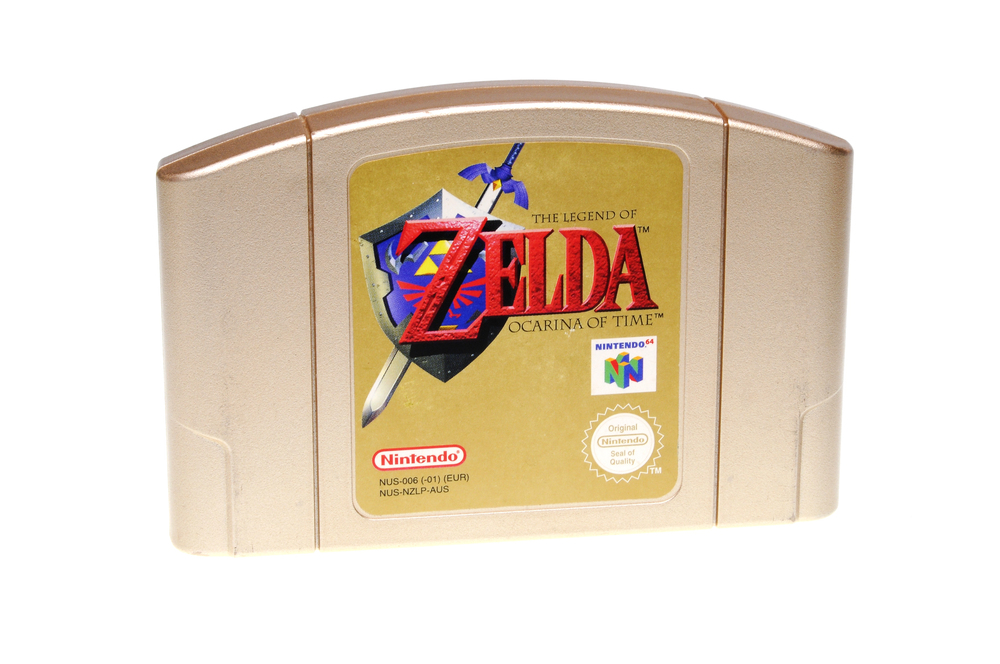
Nintendo transformed the grainy Game Boy original into a gorgeous toy-like world for the Switch. The tilt-shift visual style made the entire game look like an elaborate diorama.
Quality-of-life improvements removed frustrating item-swapping that the Game Boy’s limited buttons required. The dungeon creator added replay value that extended the experience beyond the main story.
This remake proved Game Boy games could translate beautifully to modern systems with the right creative vision.
Tony Hawk’s Pro Skater 1 + 2

Vicarious Visions nailed the physics and feel of the original games while adding modern conveniences. The create-a-park mode got massive upgrades with more tools and sharing options.
Online multiplayer brought the competitive spirit into the current era. Graphics made every level look incredible while maintaining the layouts players remembered.
The soundtrack additions complemented the classic songs perfectly, keeping the punk rock energy alive.
Pokémon HeartGold and SoulSilver
Game Freak remade the Game Boy Color titles Gold and Silver for the Nintendo DS with massive improvements. The Pokéwalker accessory let players level up Pokémon while walking around in real life.
The safari zone became customizable, allowing players to attract specific Pokémon types. Following Pokémon returned, letting the lead creature walk behind the trainer.
These additions made the Johto region feel more alive than the original ever could.
Halo: Combat Evolved Anniversary
Bungie and 343 Industries rebuilt the game that launched Xbox with stunning updated graphics. Players could instantly switch between classic and remastered graphics with a button press.
The ability to compare versions highlighted just how much gaming had advanced in ten years. Online co-op finally came to the campaign, something the 2001 original lacked.
The remake introduced a new generation to Master Chief while satisfying nostalgic fans.
Yakuza Kiwami
Ryu Ga Gotoku Studio remade the first Yakuza game with the Dragon Engine from Yakuza 0. New substories and expanded character moments filled gaps in Kiryu’s story.
The combat system received modern updates that made brawling feel smoother and more responsive. The Majima Everywhere system added hilarious encounters throughout Kamurocho.
The remake turned a somewhat rough PlayStation 2 game into a polished modern brawler.
Black Mesa
One group of players took a decade and a half to rebuild the first Half-Life using the Source engine. Backed by Valve, it eventually landed on Steam as an official release.
Sections like Xen, once hurried, now unfold slowly, filled with fresh material that stretches playtime. Updated visuals give the Black Mesa labs depth, texture, little shadows in corners where light flickers.
What started as passion proved how deeply fans can honor older titles through patience and craft.
Trials of Mana

Out of nowhere, Square Enix turned a rare 1995 Japanese Super Nintendo title into a global release through a complete 3D overhaul. Instead of waiting turns, fights now happen live, shifting sharply from how it used to be.
Each of six characters speaks their own lines, showing different angles on the same world. Customization deepened when the old class setup grew new branches and choices.
For years locked away, fans overseas can now actually play what was once just legend.
When nostalgia meets innovation

Once upon a time, remakes meant little more than prettier pixels on screen. Now? They’re full rebuilds – honoring the past but fixing what held them back.
Think smoother movement instead of clunky buttons, richer plots where silence once ruled. Creators see it clearly: fans crave smarter mechanics, fewer headaches from old-school quirks.
With today’s tools and fresh thinking, classic titles gain deeper life. Each entry below does more than echo nostalgia – it builds fresh magic atop solid roots. People who missed the beginning now get to discover why these matter.
More from Go2Tutors!

- The Romanov Crown Jewels and Their Tragic Fate
- 13 Historical Mysteries That Science Still Can’t Solve
- Famous Hoaxes That Fooled the World for Years
- 15 Child Stars with Tragic Adult Lives
- 16 Famous Jewelry Pieces in History
Like Go2Tutors’s content? Follow us on MSN.