Legendary Plays Remembered from the Super Bowl
Every now and then, a play happens during the Super Bowl that sticks around in people’s minds for years. Not because it simply decided a winner, but because someone will bring it up while watching another game, or argue about it over dinner.
Think of those seconds ticking away, one player making a choice that shifts everything. Moments like these slip into everyday talk, turning into stories told again and again.
They’re not just highlights – they’ve settled into how we see football, almost like old myths getting new life. What happened when the game shifted forever started with a single play.
Some say it was luck, though others point to nerves under bright lights. A hush fell across the crowd right then.
Moments like these stick around long after trophies fade. One player moved where nobody expected.
Silence turned to noise in seconds flat.
The Perfect Catch’s older sibling
Out of nowhere, David Tyree pinned the football to his helmet during Super Bowl XLII – a moment that ignored logic and odds alike. With the Giants stuck on third down, their season hanging by a thread against the still-perfect Patriots, everything seemed lost.
Then Eli Manning broke free from crushing pressure, scrambling as if chased, launching a desperate throw into the air. Mid-air, Tyree fought through a defender clinging tight, pressing the orb against his head with sheer grip.
Down he tumbled, possession intact. That scramble, that grab, rewrote momentum.
Victory slipped toward New York in one of sport’s most shocking turns.
The catch that started a dynasty
Up in the air, Dwight Clark jumped highest just before the end line – that play shifted how people saw the San Francisco 49ers. Though not part of the Super Bowl itself, this 1982 pass during the NFC title game pointed straight toward their first big win.
With defenders closing fast, Joe Montana moved sideways and tossed it skyward – way too high for anyone except Clark. That picture of him reaching over others froze time; now it shows up everywhere when football history is mentioned.
From here on out, the team started winning again and again while Montana earned his name for staying cool when things got tight.
When a linebacker became a running back
William Perry’s touchdown run showed that Bill Belichick wasn’t the only coach willing to get creative. The Chicago Bears put their 300-pound defensive tackle into the backfield during Super Bowl XX, and “The Refrigerator” bulldozed his way into the end zone from one yard out.
It was the kind of play that had no business working but became legendary anyway. The whole country watched this massive defensive player score, and it perfectly captured the personality of that dominant Bears team.
Malcolm Butler’s perfect read
Nobody expected a rookie cornerback to make the game-saving play in Super Bowl XLIX. The Seattle Seahawks had the orb on the one-yard line with seconds left, and everyone assumed they’d hand it to Marshawn Lynch.
Instead, Russell Wilson threw a quick slant, and Malcolm Butler jumped the route like he’d studied it a thousand times. He intercepted the pass at the goal line, and the New England Patriots won their fourth championship.
Seahawks coach Pete Carroll faced questions about that play call for years afterward.
The Philly Special
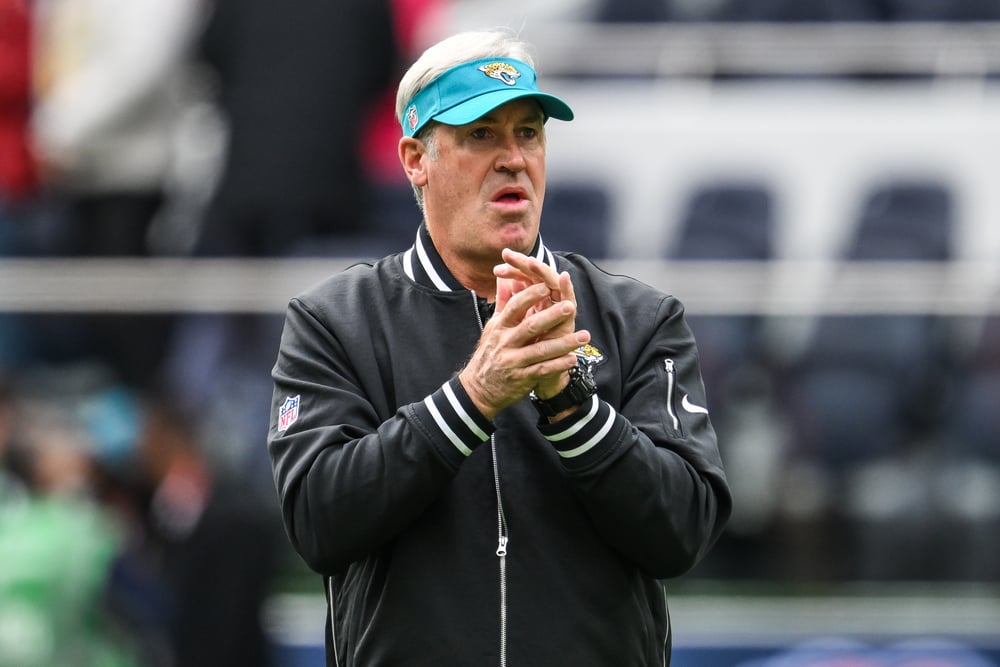
Doug Pederson showed massive confidence when he called a trick play on fourth down in Super Bowl LII. The Philadelphia Eagles lined up like they might go for it, then quarterback Nick Foles motioned out of the backfield and became a receiver.
Running back Corey Clement took a direct snap, pitched it to tight end Trey Burton, who threw a touchdown pass to Foles. The whole sequence looked like something from a backyard game, but it worked perfectly and gave the Eagles crucial points before halftime against the Patriots.
Joe Montana’s game-winner to John Taylor
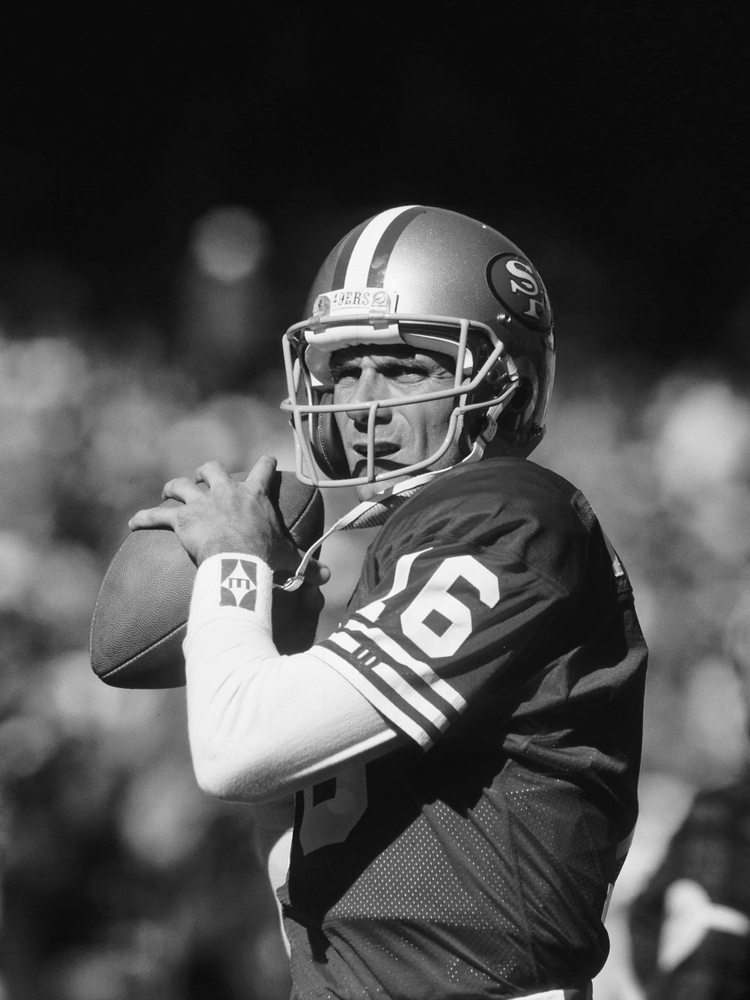
Super Bowl XXIII came down to the final seconds, and Joe Montana orchestrated a drive that cemented his legend. With the 49ers trailing the Cincinnati Bengals, Montana calmly moved his team 92 yards down the field without showing a hint of pressure.
He found John Taylor in the end zone with 34 seconds left, and the 49ers won their third championship. Montana’s ability to stay cool when everything was falling apart became the standard for quarterback excellence.
James Harrison’s 100-yard interception return
The longest play in Super Bowl history happened right before halftime in Super Bowl XLIII. Pittsburgh Steelers linebacker James Harrison intercepted Kurt Warner at the goal line and rumbled the entire length of the field.
He looked like he might collapse three different times, but somehow kept his feet moving all the way to the opposite end zone. That 14-point swing completely changed the game’s momentum and helped the Steelers hold off the Arizona Cardinals.
Desmond Howard’s kickoff return
Super Bowl XXXI belonged to Green Bay’s return specialist, who turned special teams into a game-changing weapon. Desmond Howard took a kickoff 99 yards for a touchdown, putting the final nail in the New England Patriots’ coffin.
He also returned punts brilliantly throughout the game, racking up 244 total return yards. Howard became the first and only special teams player to win Super Bowl MVP, proving that big plays come from unexpected places.
The Music City Miracle’s cousin
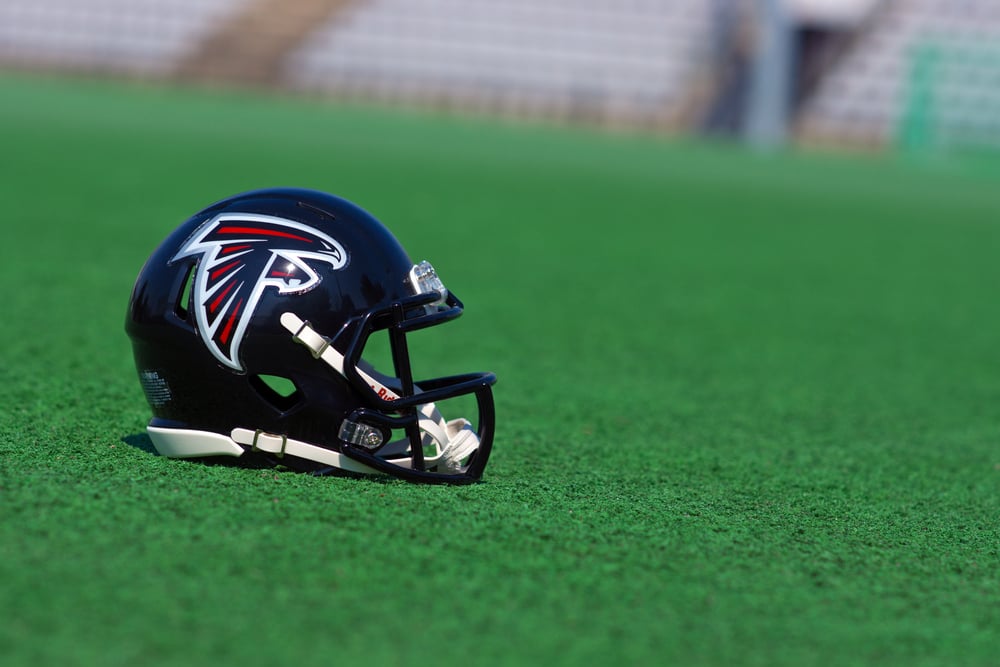
In Super Bowl LI, the Atlanta Falcons had built a 28-3 lead that seemed insurmountable. Then Tom Brady and the Patriots started chipping away with a series of clutch plays, including James White’s receiving touchdowns and two-point conversion.
The comeback culminated in the first overtime in Super Bowl history, where White scored again to complete the largest comeback ever. That game redefined what people thought was possible when trailing in the championship.
Franco Harris near the end zone
Not much flash at Super Bowl IX, yet Franco Harris’ dash to the end zone revealed Pittsburgh’s true identity. Out of nowhere came a handoff – then force, momentum, legs churning against Minnesota’s front line for nine tough yards.
This kind of game chewed up defenses slowly; it built empires without speeches. Power mattered more than speed, effort louder than slogans.
By nightfall, Harris stood on 160 rushing yards, proof that quiet execution often wins when noise fades. Simplicity worked best.
Lynn Swann leaps grabs football midair
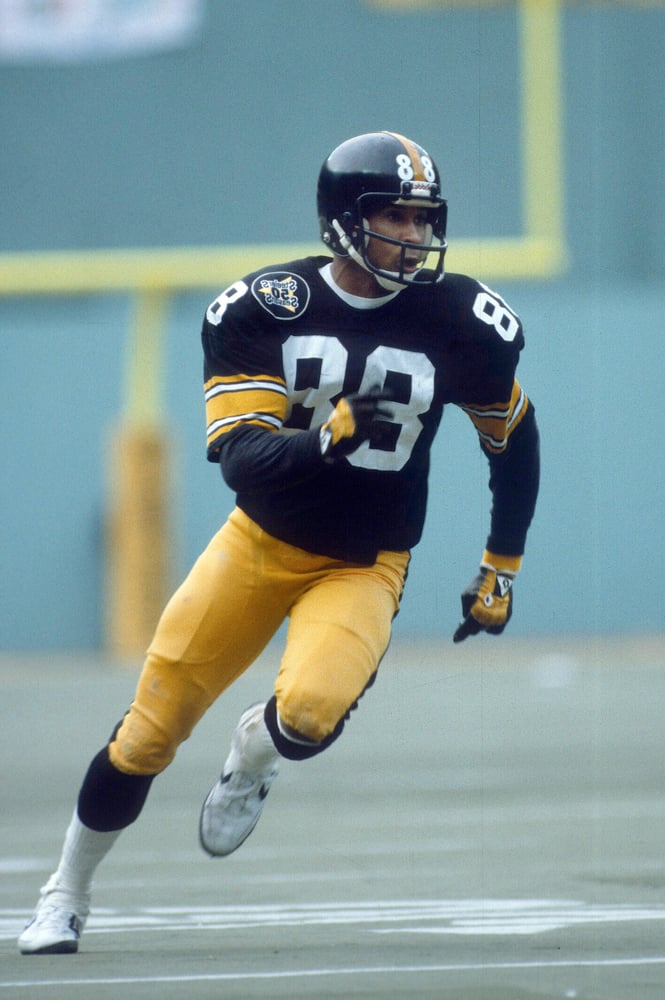
Midair magic lit up Super Bowl X like few games before it. Not just jumping but flying – Lynn Swann caught passes in ways that bent belief.
Twisting sideways, reaching behind, pulling grabs out of thin space – he did it all versus Dallas. One catch floated so long people swore gravity forgot him.
Defenders clung like shadows yet the orb stuck every time. Hard plays? They looked smooth because of how he moved.
His total: 161 yards through the air, enough to claim MVP without shouting. That night proved wideouts could own center stage when pressure peaks.
Adam Vinatieri kicks orbs in snowy game
A win hinged on one last play – time running out, crowd noise fading into silence. From 48 yards away, Adam Vinatieri stood still, eyes locked ahead, orb resting just right.
That moment sealed New England’s rise when the leather pierced the uprights. Before this, snow-covered turf saw him deliver under gray skies, cold biting at every player.
A quiet kind of legend grew from those icy moments, built without speeches or flash.
Santonio Holmes’s toe-tap touchdown

Super Bowl XLIII ended with one of the most precise catches ever made. Ben Roethlisberger threw a corner route to Santonio Holmes in the back of the end zone with 35 seconds left.
Holmes stretched out fully, caught the orb, and somehow got both feet down in bounds before falling out. The officials reviewed it multiple times, and the catch stood.
That level of body control under pressure separated great receivers from good ones.
Von Miller’s strip sack
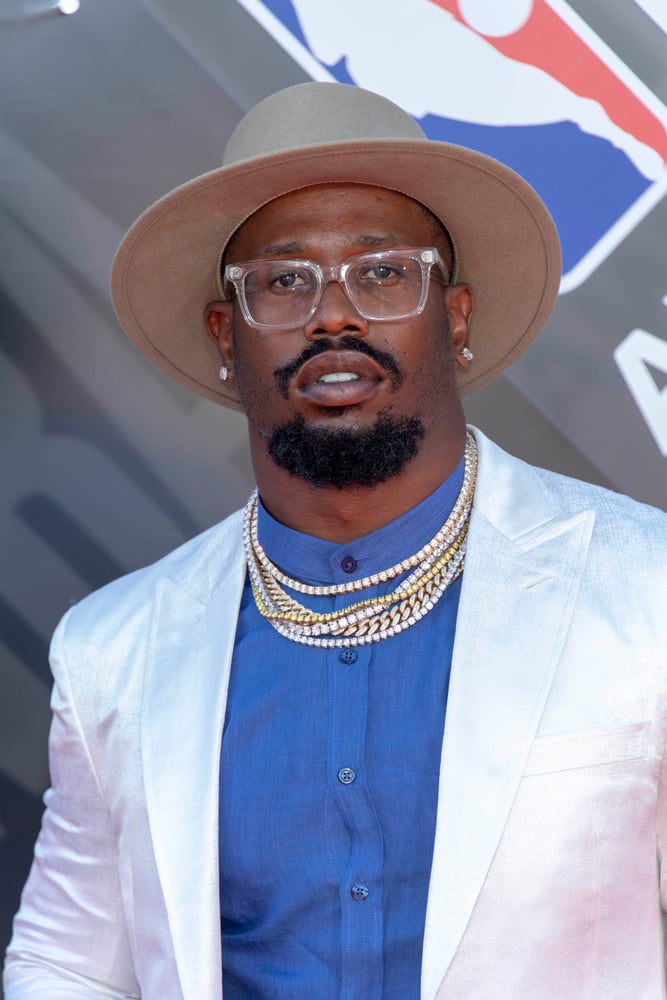
Super Bowl 50 featured dominant defense, and Von Miller destroyed Carolina’s offense repeatedly. His strip sack of Cam Newton in the fourth quarter led to a Broncos touchdown that essentially ended the game.
Miller had been a force all night, but that play showed why edge rushers can take over championships. The Denver defense carried Peyton Manning to his second title, proving that great defense still wins games.
Jacoby Jones’s kickoff return

Super Bowl XLVII had everything, including a 108-yard kickoff return by Baltimore’s Jacoby Jones to start the second half. The Ravens had just taken the lead, and Jones immediately put the game further out of reach with his speed.
He also caught a long touchdown pass from Joe Flacco earlier in the game, making him a dual threat. Jones’s explosiveness gave Baltimore the cushion they needed to survive San Francisco’s comeback attempt.
Marcus Allen’s reverse touchdown run
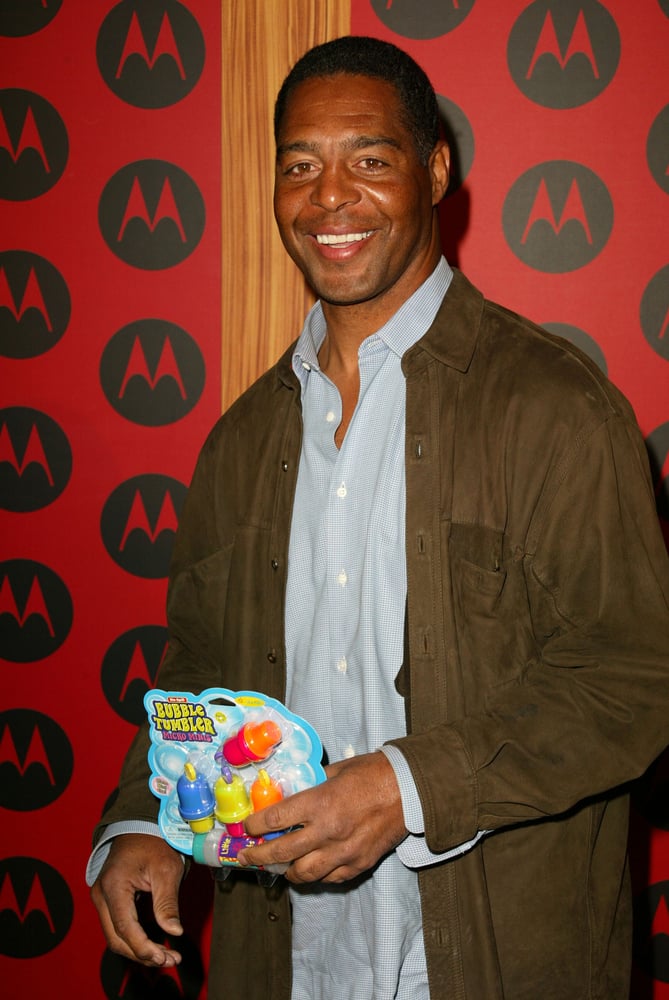
Super Bowl XVIII showcased one of the most impressive individual runs in championship history. Marcus Allen took a handoff, saw the play breaking down, reversed field completely, and outran everyone for a 74-yard touchdown.
The Los Angeles Raiders were already dominating the Washington Redskins, but Allen’s run became the signature moment. He finished with 191 rushing yards and showed that sometimes the best play is the one you make up on the spot.
Nick Foles leads fourth quarter push
When the dust settled on the trick play, it was clear the game still hung in the balance. Down the stretch, one throw at a time, Foles moved his team like he’d done it all before.
A pass to Ertz slipped through near the goal line – seconds ticking, pressure peaking. That moment wasn’t luck, but hours carved into muscle memory.
While voices roared across the stadium, calm hands delivered under center. Reputation meant nothing once the orb snapped; what mattered was who stayed steady when it counted.
Years of almosts melted away beneath confetti and noise. Victory didn’t come loud at first – just quiet certainty, then chaos.
Terrell Davis plays through migraine in Super Bowl XXXII
Starting off slow, Terrell Davis battled through blinding head pain during Super Bowl XXXII. Though his vision blurred from a brutal migraine, he still gained 157 rushing yards.
Each time the agony spiked, he stepped aside briefly – only to return and power past tacklers again. Instead of staying down, he kept rising after every hit.
Three times he reached the end zone despite barely seeing straight. Even when sidelined between plays, he never gave up control mentally.
The Broncos claimed their first title that day thanks partly to sheer willpower. Physical talent mattered, yet determination tipped the balance.
When moments become memories
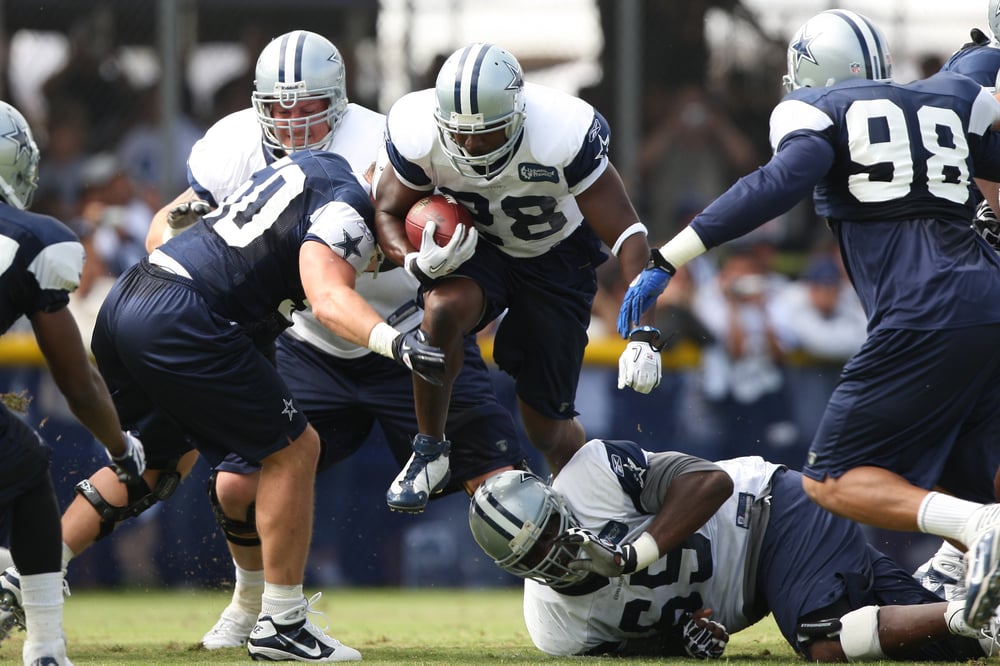
What sticks isn’t just speed or strength. When the air tightens and time slows, someone steps into that space – calm, sharp, ready.
Years pass, yet kids today chant names they never saw play. Moments pile up like layers in stone, each one shaped by sweat long dried.
Sunday lights shine bright enough to carve legends out of chance. Old tapes crackle, but the noise fades – the image stays.
More from Go2Tutors!

- The Romanov Crown Jewels and Their Tragic Fate
- 13 Historical Mysteries That Science Still Can’t Solve
- Famous Hoaxes That Fooled the World for Years
- 15 Child Stars with Tragic Adult Lives
- 16 Famous Jewelry Pieces in History
Like Go2Tutors’s content? Follow us on MSN.