Influential Movie Soundtracks of the 1970s
The 1970s transformed how audiences experienced films.
Music stopped being just background noise and became a character in its own right, driving emotion and defining entire cultural movements.
Composers experimented with everything from orchestral grandeur to funky basslines, while directors realized that the right soundtrack could turn a good movie into a phenomenon.
The decade gave us iconic themes that still make us reach for popcorn when we hear them decades later.
Here is a list of influential movie soundtracks that shaped cinema in the 1970s.
Star Wars
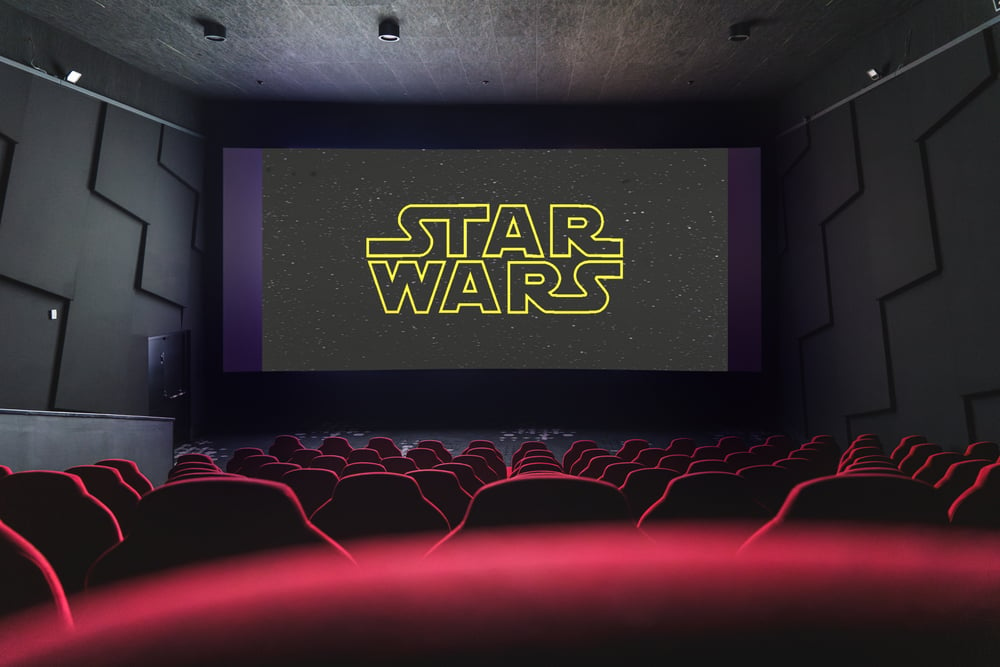
John Williams created a score where virtually every major character received their own iconic melody, from the bombastic main theme to the threatening Imperial March.
The London Symphony Orchestra brought Williams’ compositions to life, capturing lightning in a bottle for what became arguably the most influential science fiction film of all time.
The opening fanfare alone became a rallying cry for an entire generation of moviegoers.
Williams revived the grand symphonic tradition at a time when pop music dominated film scores, proving that orchestral arrangements still had the power to transport audiences to galaxies far, far away.
The Godfather
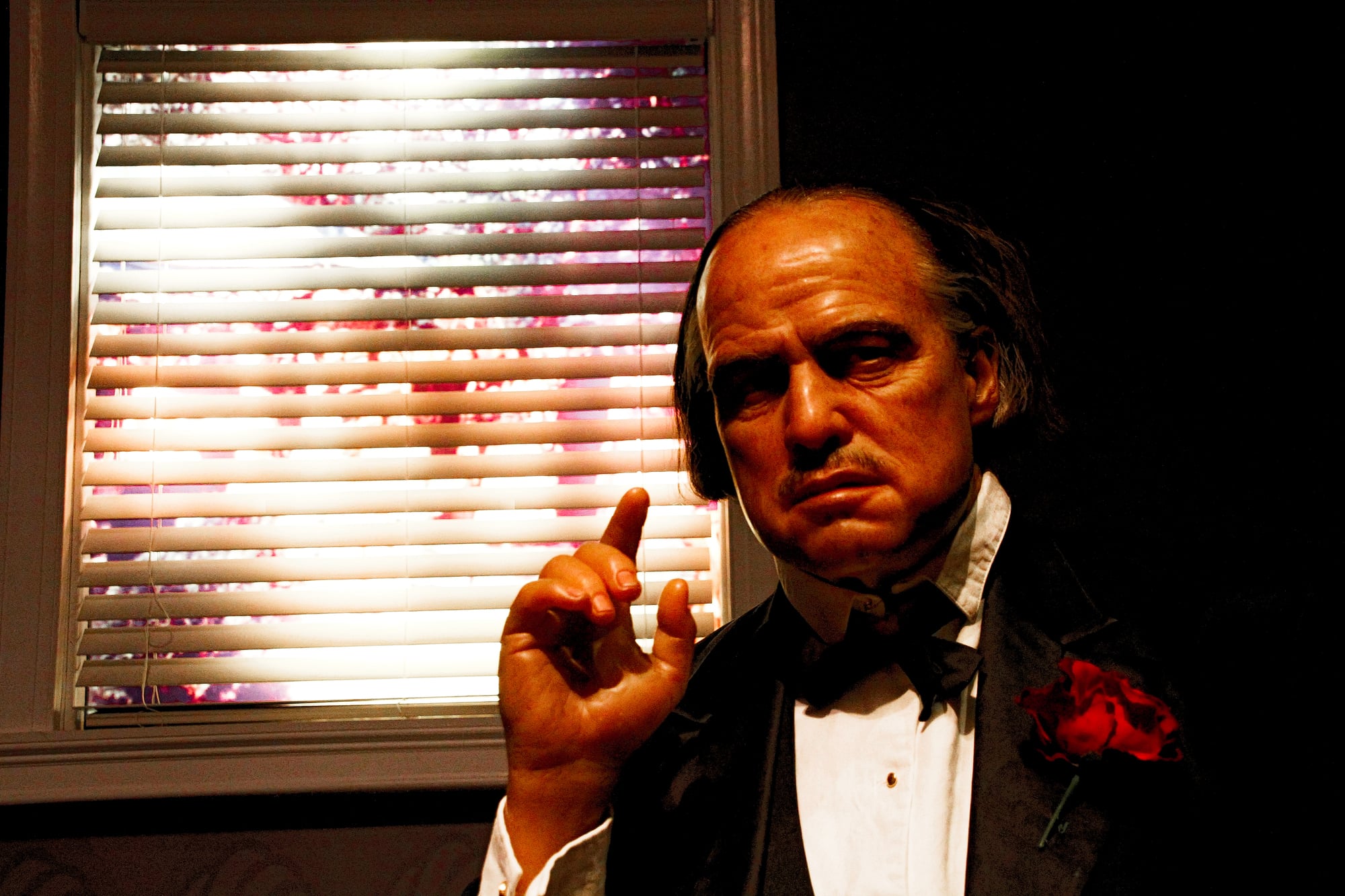
Composer Nino Rota, already well-known for his work on Franco Zeffirelli’s Shakespeare films, kept his score simple by lacing classic Italian instrumentation together with memorable melody lines.
The main theme became iconic immediately upon release.
The Academy initially withdrew Rota’s nomination for Best Original Score when they discovered he borrowed some themes from a previous movie he soundtracked, though he won in 1974 for The Godfather Part II.
The waltz-like love theme and main title music became so recognizable that they’ve been referenced and parodied countless times since, cementing themselves as shorthand for mob stories everywhere.
Shaft
Isaac Hayes delivered funk-soul compositions that were a major part of the 1971 film’s success, featuring pensive cymbal hits, thumping basslines, and scratching strings that defined the film’s themes of investigation and discovery.
In 1972, Hayes became the third African-American to win an Academy Award, taking home Best Original Song for the Theme from Shaft.
The track blended different influences into something fresh and unapologetically cool.
Hayes initially hoped to play the title role but settled for scoring duties instead, creating a soundtrack that outlasted the film itself in cultural impact.
Saturday Night Fever
The film wasn’t just a movie soundtrack but a social phenomenon, bottling all the glitz and hedonism of the era’s nightlife into a record.
The Bee Gees were responsible for much of the film’s music, crafting what would become some of their biggest hits like How Deep Is Your Love, Stayin’ Alive, and Night Fever.
The soundtrack helped John Travolta become a star and turned disco from a niche genre into a worldwide movement.
Those falsetto vocals and driving beats captured something essential about 1970s culture, whether people were ready for it or not.
Super Fly
Curtis Mayfield’s 1972 album became an iconic moment in the socio-political climate of 1970s America, drenched in funk, soul, and outwardly raw commentary.
It remains the only soundtrack of all time to outsell its accompanying movie, with Freddie’s Dead and the title track both selling in the millions.
Mayfield tackled loaded subjects like drug abuse, racism, and economic structures with a deft hand.
The album became a touchstone for American funk and soul, proving that soundtracks could be powerful statements in their own right rather than just musical wallpaper.
Jaws

Williams’ two-note theme, simply an E and an F, became one of the most recognizable pieces of music of any kind in the world, its primal insistence immediately putting listeners at water level.
The score sparked an immediate sense of panic whenever it played, perfectly capturing the film’s atmosphere while living autonomously of the movie itself.
What made this score brilliant was its simplicity paired with sophistication.
Beyond the famous shark motif, Williams filled the soundtrack with high adventure and rigorous classicism that elevated Steven Spielberg’s thriller into something legendary.
Rocky
Bill Conti’s dramatic and driving score chronicled the rise of Sylvester Stallone’s lovably mumbly Rocky Balboa, featuring tracks like the brassy Fanfare for Rocky and the reflective yet triumphant The Final Bell.
But everyone remembers Gonna Fly Now, the main theme that soars on trumpets, noodling guitar, and a choir belting out motivational lyrics.
With extremely simple lyrics, this main song typified why Rocky became such a beloved property, capturing the passion and drive for the American Dream.
The music practically forces you to want to run up a flight of stairs with your fists in the air.
Close Encounters of the Third Kind
Williams’ groundbreaking score came out the same year as Star Wars, showcasing the remarkable level he was operating on during the 1970s.
He reportedly wrote more than 900 variants of the five-note theme the aliens use to communicate, creating ample room to achieve the grand-scale curiosity he excelled at curating.
The score sounds notably different from Star Wars despite coming from the same composer in the same year.
Those five simple notes became as central to the film’s plot as any dialogue, proving that music could literally be a language unto itself.
American Graffiti

This 41-track collection grew in power and influence as decades passed, with critics eventually lauding it as a sensational survey of early rock and roll hits.
The motion picture budget allowed songs from Chuck Berry to The Big Bopper to The Beach Boys to exist in the same place, becoming what many consider the best album-length summation of an era driven by singles and novelty hits.
George Lucas understood that the right oldies could transport viewers back to 1962 California more effectively than any set design.
The soundtrack worked like a time machine wrapped in nostalgic cellophane.
Halloween
John Carpenter directed and composed the influential low-budget horror film, creating one of the most instantly recognizable horror scores of all time extremely cheaply.
With the film’s $300,000 budget leaving no room for an orchestra, Carpenter booked a synth studio in Los Angeles and created simple tunes in just three days without recording to picture.
Carpenter stated the main theme was inspired by Lalo Schifrin’s Dirty Harry score and Led Zeppelin’s Immigrant Song.
That minimalist piano melody became a progenitor for future horror music, proving you didn’t need a full orchestra to scare people senseless.
The Harder They Come
Jimmy Cliff’s reggae score for this film had a massive cultural impact, ushering reggae music into the mainstream with breezy numbers like Sitting in Limbo introducing moviegoers to a laid-back style that has been imitated countless times.
The soundtrack featured classic reggae and ska cuts from Desmond Dekker, The Slickers, and The Maytals, paving the way for Bob Marley’s conquest of the airwaves.
The album spawned a stage musical, inspired filmmakers like Sofia Coppola, and got sampled by The Clash.
It essentially opened American ears to a whole musical tradition they’d been missing.
Chinatown
J. Goldsmith created the ultimate noir score with haunting trumpet solos and strings that stab as suddenly as a flick knife, making it far more celebrated and influential than The Godfather Part II despite losing to it at the Oscars.
Goldsmith wasn’t hired until a last-minute preview screening yielded disastrous scores, then toiled day and night to complete music that incorporated four harps, two percussionists, and a string section.
Legendary Hollywood trumpeter Uan Rasey later revealed that Goldsmith told him to play it like it wasn’t good intimacy.
That sultry yet sinister sound perfectly captured 1940s Los Angeles corruption.
Suspiria
Italian band Goblin mixed Pink Floyd progressive grandiloquence and Ennio Morricone’s grotesque sounds to create masterpieces for horror movie scores.
For Dario Argento’s cult classic, they delivered a scary and mystic soundtrack suggesting a witch ritual landscape, with the theme divided into a frenzy crescendo of mandolin chords and primal percussions followed by a prog rock apotheosis of guitars and synthesizers.
The band forever changed film scoring by introducing synthesizers and drum machines into the horror genre.
The result was genuinely unsettling music that got under your skin and stayed there.
The Deer Hunter
Michael Cimino’s deeply emotional analysis of the crippling Vietnam War required a subtle score, making Stanley Myers’ classical guitar piece Cavatina the perfect choice.
Myers’ slow score became a defining piece of music in the decade, perfectly punctuating The Deer Hunter’s reflective intentions and becoming synonymous with the film.
The simple guitar melody captured the quiet devastation of war better than any bombastic orchestral piece could have.
Sometimes the most powerful film music is the music that knows when to whisper rather than shout.
Grease
The 1978 musical captured late-1950s nostalgia through a late-1970s lens, creating something that belonged entirely to neither era yet defined both.
The title track grooved with Frankie Valli’s distinctive vocals while songs like Summer Nights, Hopelessly Devoted to You, and You’re the One That I Want became instant classics.
The soundtrack blended doo-wop, rock and roll, and disco influences into something irresistibly catchy.
It helped turn John Travolta into a double-threat star after Saturday Night Fever and proved that old-fashioned movie musicals still had plenty of juice left.
Apocalypse Now
The film presented a quintessential reflection of the colorful tapestry of 1970s music, mirroring many concerns of the counterculture movement with some of their favorite music from The Rolling Stones to The Doors.
Francis Ford Coppola understood that the Vietnam War generation had their own soundtrack, so he gave it back to them.
The Doors’ The End bookended the film perfectly, while Wagner’s Ride of the Valkyries accompanied one of cinema’s most memorable helicopter attack sequences.
The soundtrack worked as both period-appropriate music and pointed commentary about what that era represented.
How the Music Lives On
These soundtracks didn’t just accompany great films—they rewrote the rules about what film music could accomplish.
Composers proved that scores could drive pop culture, win awards as standalone albums, and influence entire musical genres.
The 1970s showed Hollywood that investing in great music wasn’t just about enhancing a scene but about creating cultural touchstones that would outlive the films themselves.
Walk into any room today and play those opening notes from Jaws or Star Wars, and watch how quickly people recognize them—that’s the real legacy these soundtracks left behind.
More from Go2Tutors!

- The Romanov Crown Jewels and Their Tragic Fate
- 17 Halloween Costumes Once Considered Taboo
- Famous Hoaxes That Fooled the World for Years
- 15 Child Stars with Tragic Adult Lives
- 16 Famous Jewelry Pieces in History
Like Go2Tutors’s content? Follow us on MSN.