Most Elaborate Stage Designs for Modern Pop Tours
When a pop star walks onto a stage today, they’re not just performing—they’re stepping into a carefully constructed alternate reality. The line between concert and theatrical production has essentially vanished, replaced by immersive experiences that cost tens of millions to create and require armies of engineers to execute.
Each tour tries to outdo the last, pushing the boundaries of what’s physically possible in a temporary structure that gets torn down and rebuilt in a different city three days later.
U2’s 360° Tour
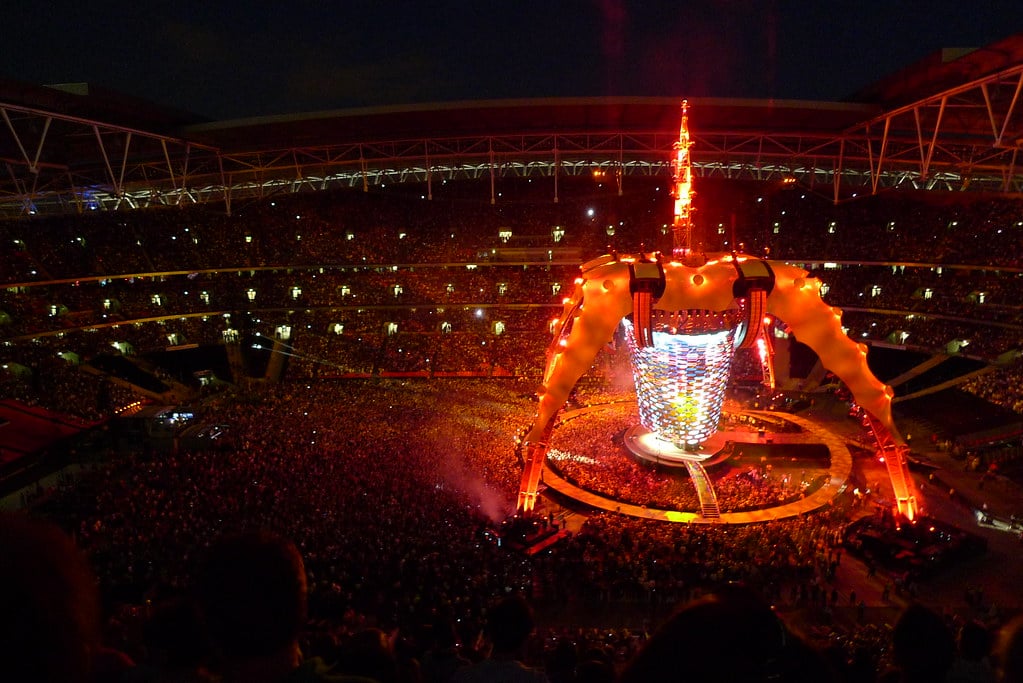
The numbers alone tell the story. Four 164-foot steel legs supporting a spaceship-like canopy.
The entire structure weighed 390 tons and required 120 trucks to transport between cities. U2 didn’t just build a stage—they built architecture.
The “Claw,” as it became known, placed the audience in a complete circle around the performers. No traditional front or back of house existed anymore.
Every seat became a premium view, which sounds generous until you realize it also allowed them to sell 25% more tickets per venue. The lighting rig hung from above like a massive alien craft, creating moments where Bono seemed to disappear into pure light before materializing elsewhere on the circular runway.
Beyoncé’s Formation World Tour
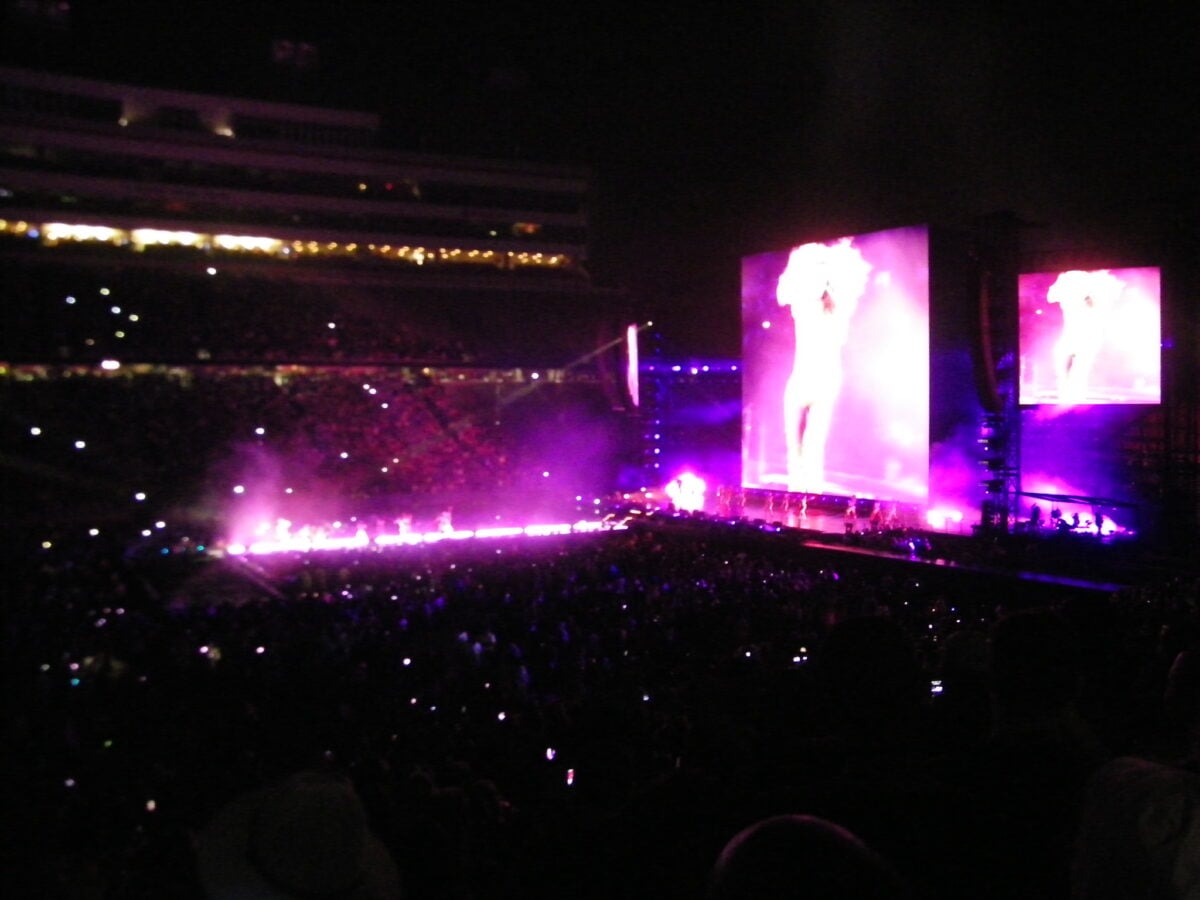
There’s something about watching a pyramid rise from a concert stage floor that makes you forget you’re in an arena in Cleveland on a Tuesday night—the geometric precision of it, the way the lighting made the entire structure pulse like a heartbeat, transforms the space into something that feels ancient and futuristic simultaneously. Beyoncé understood that her audience wasn’t just there for the songs (though obviously they were), they were there to witness a kind of controlled transcendence, and the pyramid became the altar where that happened.
The walkway extended deep into the crowd, but it wasn’t just a catwalk—it was a runway that could split apart, sections rising and falling independently while she performed on top of them. So you’d have this moment where she’s singing “Halo” on what appears to be solid ground, and then the floor literally opens beneath her feet, except she’s still standing there, now elevated fifteen feet above the chaos.
And the whole time, that pyramid keeps shifting behind her—sometimes it’s a mountain she’s conquered, sometimes it’s a spaceship she’s commanding. The technology never announces itself, which makes it feel like magic rather than engineering.
Taylor Swift’s Reputation Stadium Tour
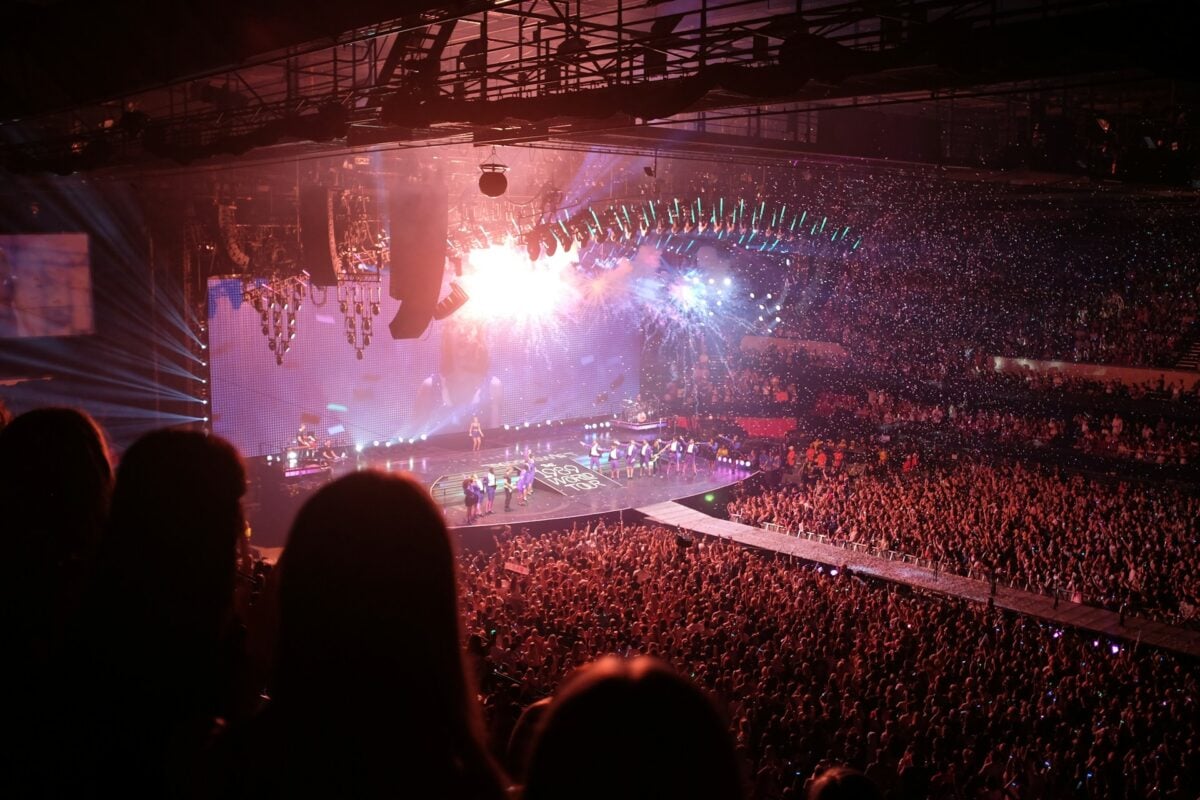
Swift built a fortress and then systematically tore it down every night. The stage featured massive LED screens that could display anything from intimate close-ups to abstract animations, but the real innovation was the catwalk system—multiple runways that extended deep into the stadium floor, allowing her to perform within arm’s reach of fans who paid lawn seat prices.
The snake motif dominated everything. Giant cobra heads emerged from the stage during “Look What You Made Me Do,” complete with glowing eyes and mechanical movement that made them genuinely unsettling.
Combined with the dark industrial aesthetic and Swift’s black sequined outfits, the entire production felt like a pop star’s version of a revenge fantasy brought to life.
Lady Gaga’s The Monster Tour
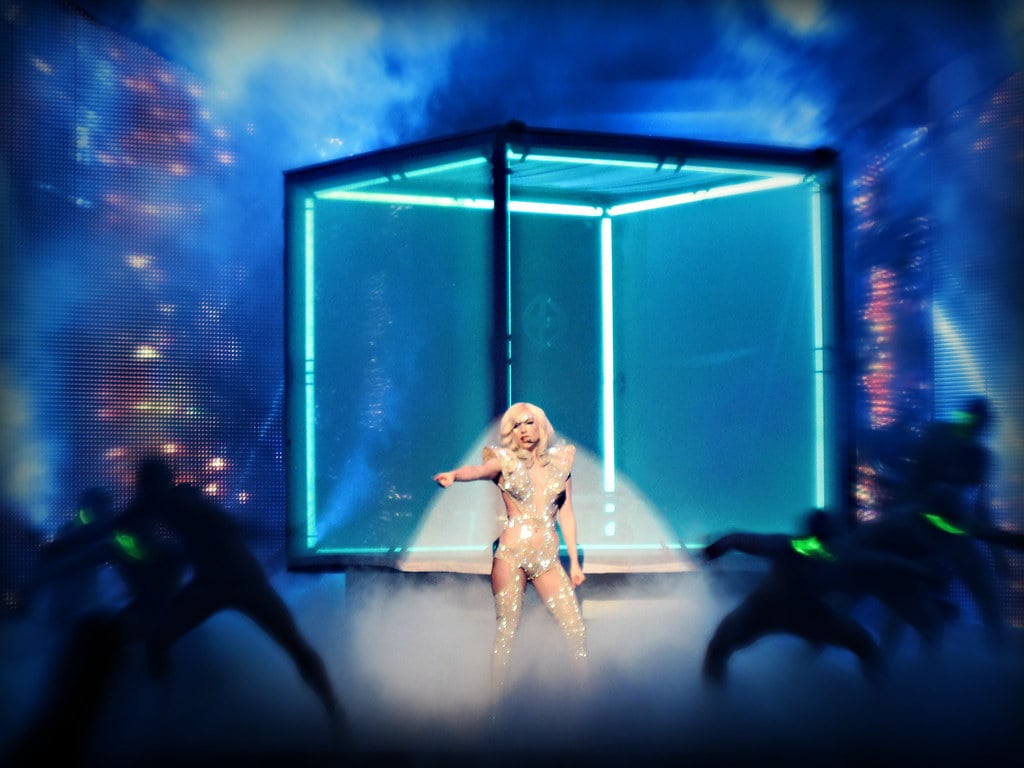
Gaga treated her stage like a living art installation. The set pieces weren’t just backdrops—they were interactive sculptures that she climbed, destroyed, and rebuilt throughout the performance.
A giant mechanical heart opened to reveal her inside. A crashed car became a percussion instrument.
Everything was deliberately unhinged.
The genius was in how organic it all felt despite the obvious complexity. Gaga would disappear inside a giant gyroscope and emerge in a completely different costume, but the transformation felt like metamorphosis rather than a wardrobe change.
The stage became an extension of her artistic persona—chaotic, beautiful, and slightly dangerous.
Kanye West’s Saint Pablo Tour
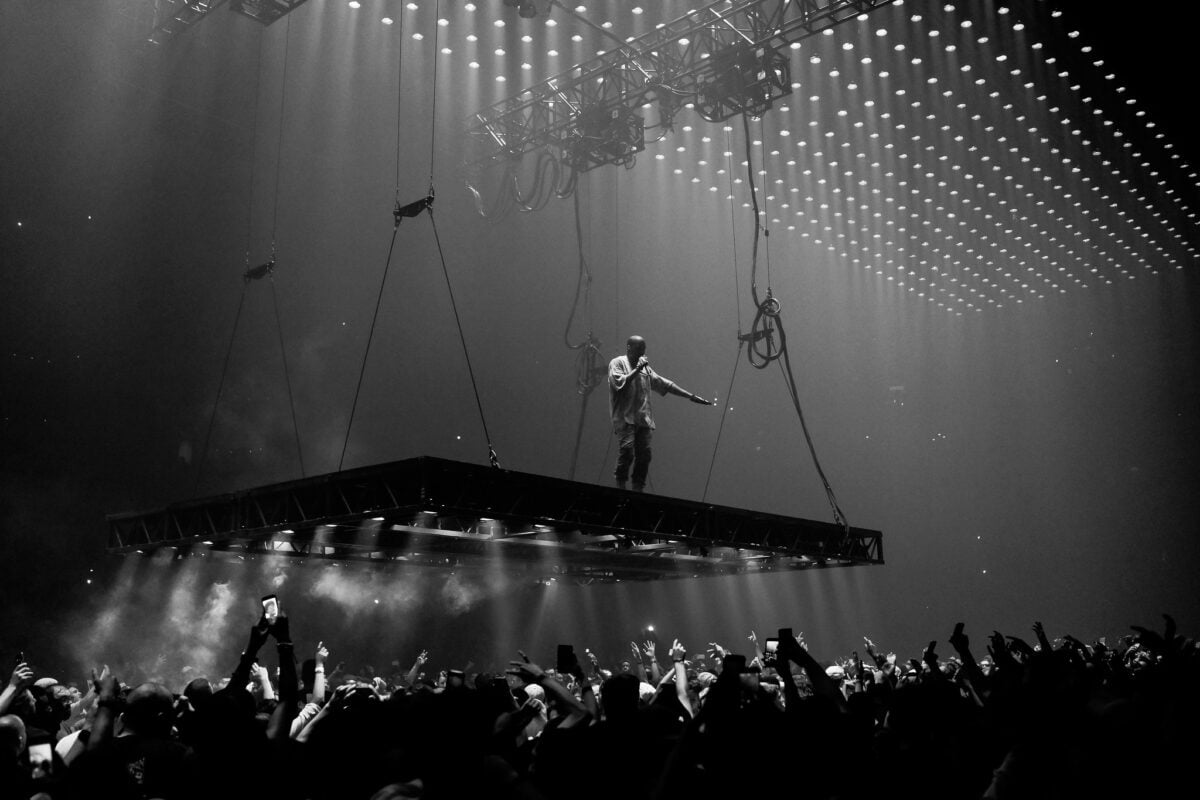
Picture this: you walk into an arena, and there’s no stage. Just an empty floor with folding chairs arranged in neat rows, like a town hall meeting or a high school graduation ceremony, and everyone’s looking around confused until this rectangular platform descends from the ceiling and starts floating through the crowd, maybe six feet above everyone’s heads, with Kanye standing on top of it performing “Ultralight Beam” while literally hovering over his audience like some kind of rap game prophet (which, let’s be honest, is probably exactly how he saw it).
The floating stage could move anywhere in the venue—front to back, side to side, sometimes stopping directly above fans who could reach up and touch the platform.
But here’s what made it brilliant: by eliminating the traditional stage entirely, West forced everyone in the building to experience the show differently depending on where the platform happened to be at any given moment. Sometimes he was right next to you, sometimes he was on the opposite side of the arena, and sometimes he was directly overhead, which created this constantly shifting dynamic where intimacy and distance kept trading places throughout the night.
And the lighting rig followed the platform wherever it went, so the entire arena became the stage—no fixed focal point, no hierarchy of better or worse seats.
Madonna’s Rebel Heart Tour
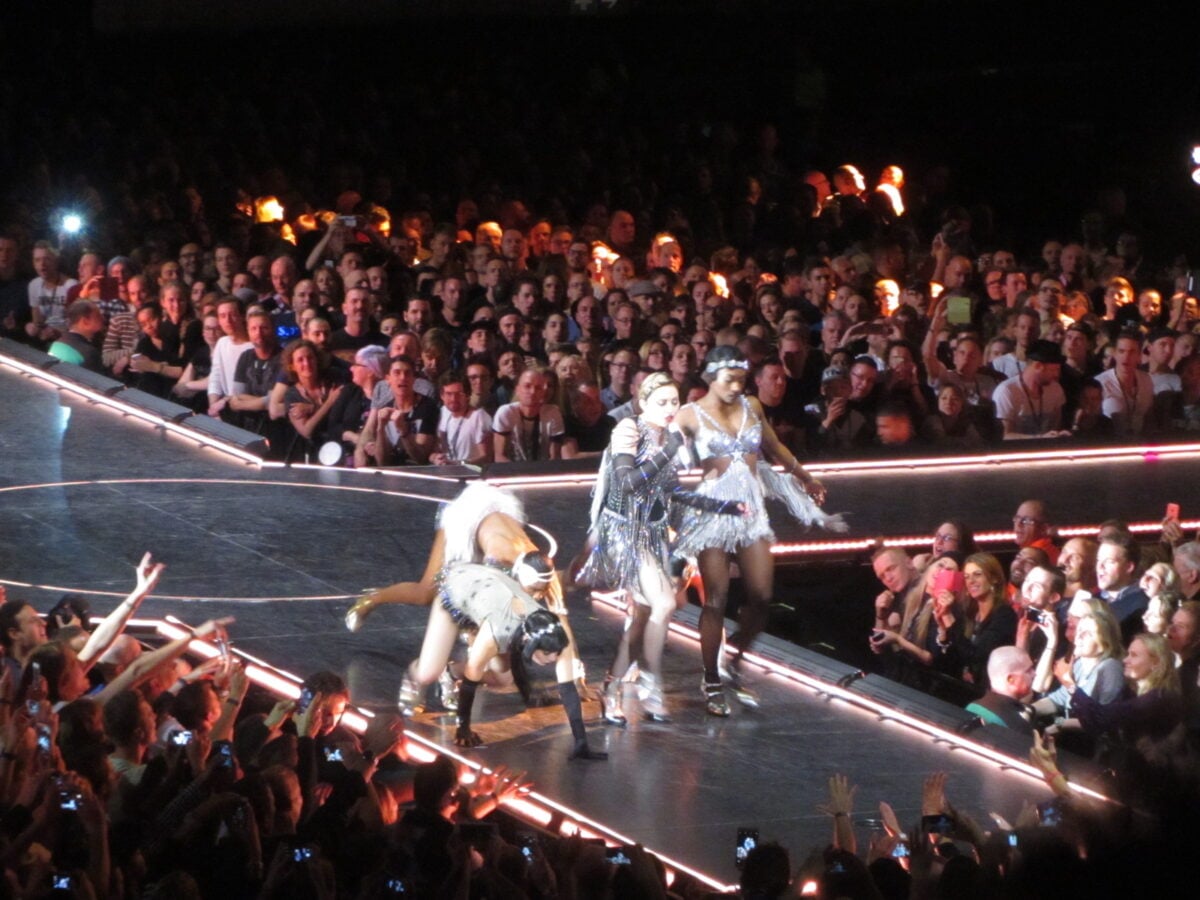
Madonna has always been a master of provocation, but the Rebel Heart stage design turned controversy into architecture. The main stage was connected to a smaller satellite stage by a catwalk that bisected the entire arena floor, but the real statement was the cross-shaped runway system that extended in four directions from the center.
Religious imagery dominated the production—stained glass projections, cathedral lighting, and that massive crucifix that Madonna was strapped to during “Living for Love.” The staging walked right up to the line of blasphemy without quite crossing it, which is vintage Madonna.
The technical execution was flawless, but the real achievement was how the design amplified the themes of her music rather than simply providing a backdrop for it.
The Weeknd’s After Hours Til Dawn Stadium Tour
The Weeknd constructed what can only be described as a fever dream made physical. The centerpiece was a massive tilted cityscape—complete with skyscrapers, neon signs, and smoke-filled streets—that looked like it had been pulled directly from the “Blinding Lights” music video and scaled up to stadium proportions.
But the real magic happened when that cityscape started moving. Buildings rose and fell, neon signs flickered and died, and entire sections of the set piece rotated to reveal new architectural elements.
Combined with The Weeknd’s cinematic lighting design and his tendency to disappear into the shadows before emerging somewhere unexpected, the whole production felt like being inside a noir film where the city itself was alive and dangerous.
Ariana Grande’s Sweetener World Tour

Grande’s approach felt deceptively simple until you realized how technically complex it actually was. The stage appeared to be a minimalist’s dream—clean lines, soft curves, and plenty of negative space—but every element served multiple functions.
The main platform could split apart and reconfigure itself into different shapes depending on the song.
The real innovation was in the subtlety. Instead of overwhelming the audience with spectacle, Grande created intimate moments within stadium-sized spaces.
The lighting design favored soft pastels and gradual transitions over harsh strobes and sudden changes. Even her costume changes felt effortless, though they required split-second timing and hidden machinery to execute.
The overall effect was like watching someone perform in their living room, except that living room happened to seat 50,000 people.
Drake’s Aubrey & The Three Migos Tour
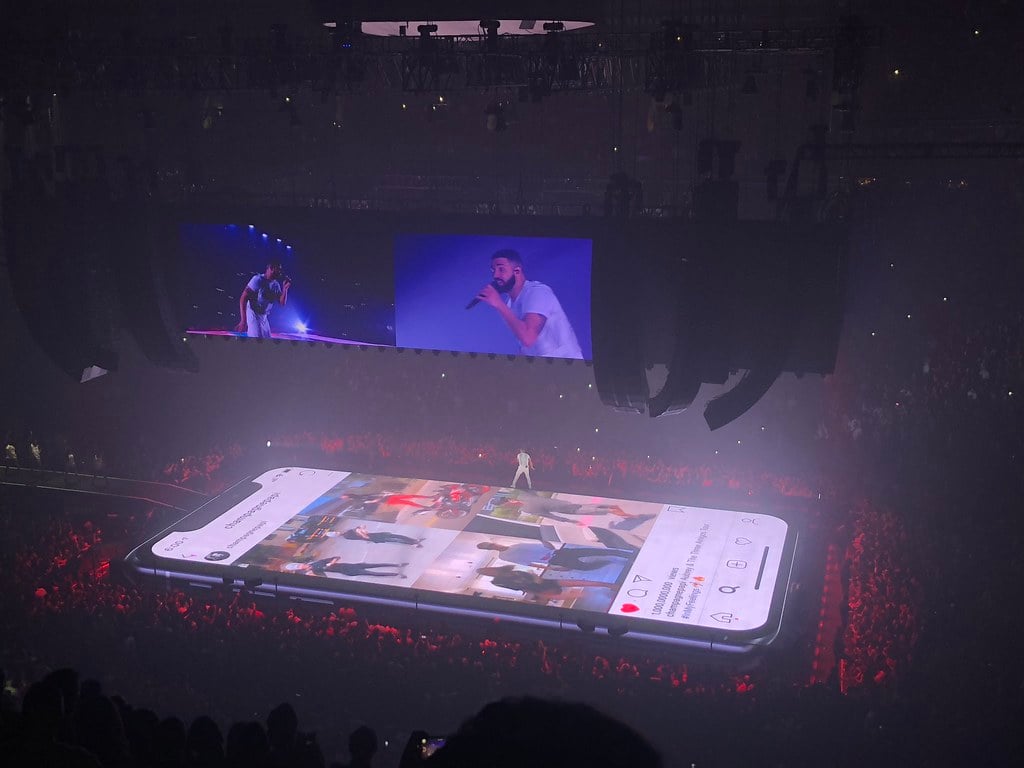
Drake and Migos didn’t build a stage—they built a neighborhood. The set design featured a detailed replica of a city block, complete with working streetlights, fire escapes, and storefronts you could actually walk through.
The attention to detail was obsessive: garbage cans with actual garbage, apartment windows with curtains, even fire hydrants that looked like they’d been there for decades.
The performers treated this urban landscape like their personal playground. Drake would emerge from a corner bodega, rap a verse on a fire escape, then disappear into an alley before surfacing on a different rooftop entirely.
The staging turned each song into a short film, with different locations providing different moods and energy levels throughout the night.
Pink’s Beautiful Trauma World Tour
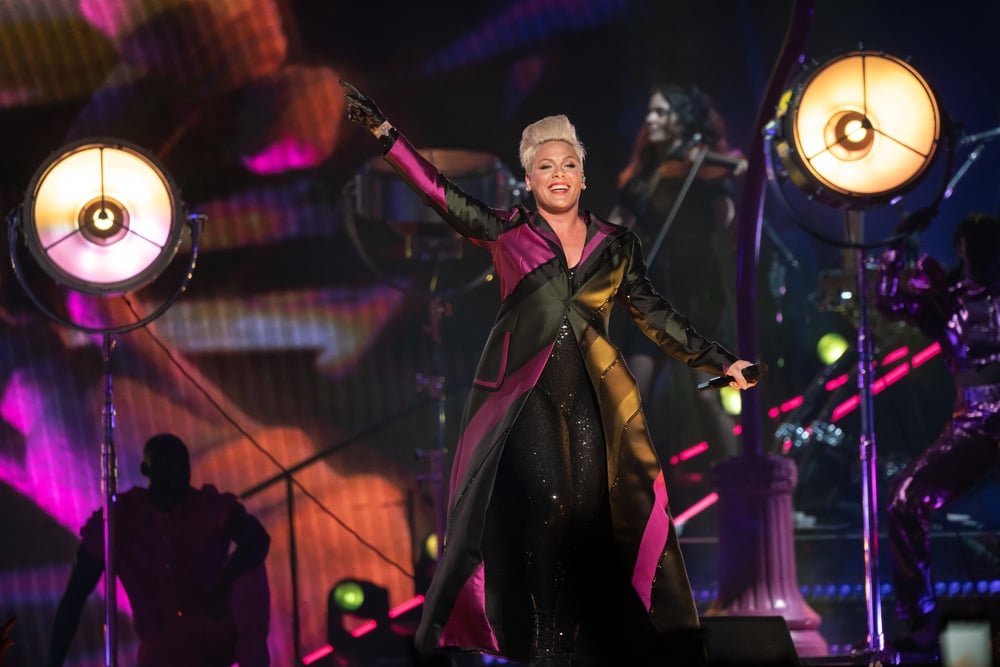
Pink transformed her concerts into full-scale circus productions, but with production values that put actual circuses to shame. The staging included multiple aerial rigs, trampolines, motorcycles, and enough pyrotechnics to power a small war.
Pink herself spent more time airborne than on solid ground, executing aerial choreography that would be impressive in a dedicated circus venue, let alone a basketball arena.
The technical complexity was staggering. Every aerial sequence required precise timing, backup safety systems, and crew members positioned throughout the venue to ensure nothing went wrong.
But Pink made it all look effortless, transitioning seamlessly from singing ballads while suspended 50 feet above the crowd to performing high-energy dance numbers on the main stage without missing a beat.
Justin Timberlake’s The Man of the Woods Tour
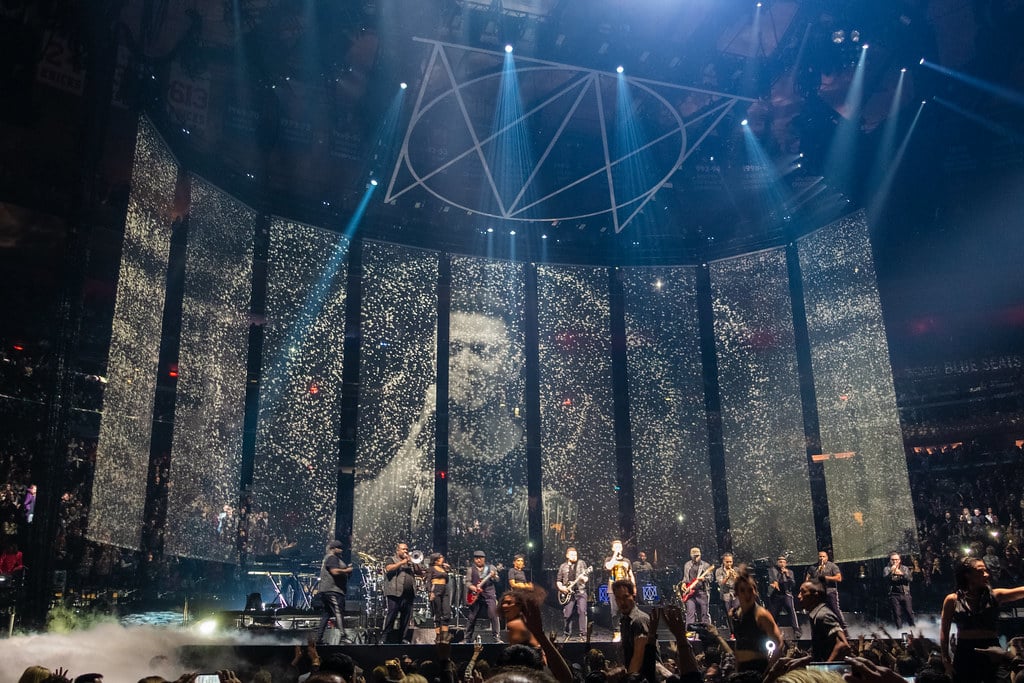
Timberlake built a forest inside every venue on his tour, complete with towering LED trees, projected wildlife, and enough artificial fog to simulate morning mist rolling through actual woods. The main stage was designed to look like a clearing in the wilderness, with rough-hewn wooden platforms and stone-like surfaces that complemented his album’s rustic aesthetic.
The innovation came in how the natural elements interacted with cutting-edge technology. The LED trees could change colors and patterns to match different songs, creating everything from autumn foliage to winter bare branches.
Hidden speakers throughout the “forest” created surround-sound effects that made the audience feel like they were actually outdoors, even when they were clearly sitting in Madison Square Garden.
Rihanna’s Anti World Tour
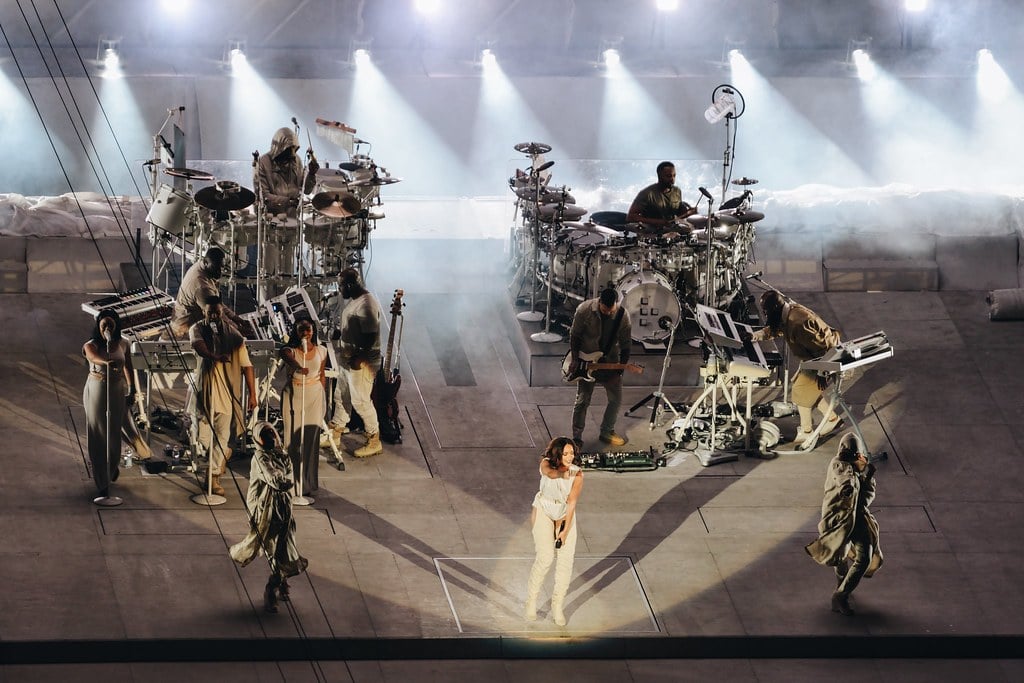
Rihanna’s staging was all about controlled chaos and deliberate imperfection. The main stage featured industrial scaffolding, exposed lighting rigs, and rough concrete surfaces that looked more like a construction site than a traditional concert setup.
But this apparent randomness was carefully orchestrated to create specific moods and energy levels.
The genius was in how the raw aesthetic amplified her performance style. Rihanna has always been at her best when she appears slightly dangerous and unpredictable, and the staging reinforced those qualities.
Smoke machines hidden throughout the scaffolding could fill the entire stage with fog in seconds, creating moments where she seemed to materialize out of thin air. The lighting rig could switch from harsh industrial floods to intimate spotlights, transforming the entire venue’s atmosphere with the flip of a switch.
Billie Eilish’s Where Do We Go? World Tour

Eilish created something that felt more like an art installation than a traditional concert stage. The centerpiece was a massive LED monolith that dominated the back of the stage, capable of displaying everything from abstract patterns to photorealistic imagery.
But the real innovation was in how minimalist the rest of the design remained.
The staging perfectly matched her aesthetic—dark, moody, and slightly unsettling. Hidden platforms could raise Eilish above the crowd without warning, creating moments of visual drama that felt organic rather than choreographed.
The entire production emphasized atmosphere over spectacle, proving that elaborate doesn’t always mean complicated. Sometimes the most sophisticated design choice is knowing what to leave out.
The New Standard
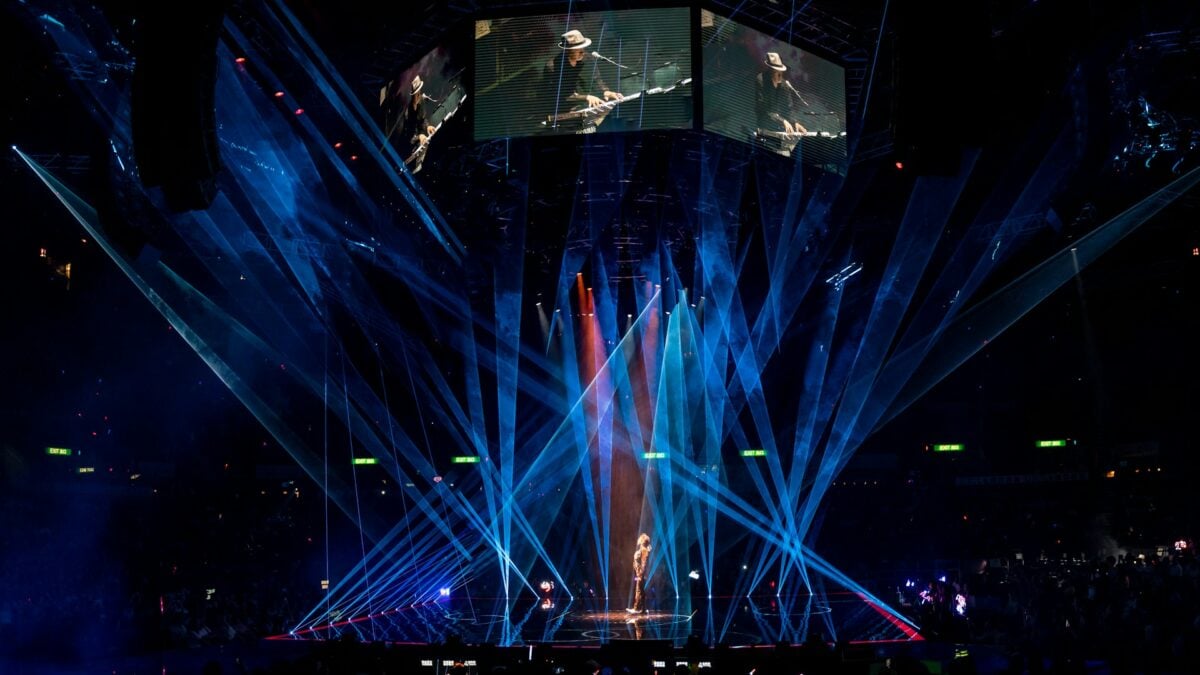
These productions have fundamentally changed what audiences expect from live music. A singer standing behind a microphone stand doesn’t feel intimate anymore—it feels incomplete.
The bar has been set so high that even emerging artists are expected to provide some level of visual spectacle, which has created an arms race of creativity and technology that shows no signs of slowing down.
What’s remarkable isn’t just the scale of these productions, but how seamlessly they integrate with the music itself. The best stage designs don’t just provide a backdrop for the performance—they become part of the emotional architecture of each song, amplifying feelings that might otherwise remain subtle or hidden.
When it works, the boundary between performer and production disappears entirely, leaving audiences with memories that feel more like dreams than concerts.
More from Go2Tutors!

- The Romanov Crown Jewels and Their Tragic Fate
- 13 Historical Mysteries That Science Still Can’t Solve
- Famous Hoaxes That Fooled the World for Years
- 15 Child Stars with Tragic Adult Lives
- 16 Famous Jewelry Pieces in History
Like Go2Tutors’s content? Follow us on MSN.



