Inventions That Failed Fast But Left a Legacy
Innovation has always been a gamble. For every breakthrough that changes the world, dozens of promising ideas crash and burn before they can find their footing.
Yet failure in the marketplace doesn’t always mean failure in the grand scheme of things. Some inventions, despite their brief commercial runs, planted seeds that would eventually grow into the technologies that define our lives today.
The stories of these failed innovations reveal something important about progress itself. Success rarely arrives in its final form on the first try — it emerges through a messy process of experimentation, disappointment, and the stubborn refusal to let good ideas die completely.
Apple Lisa
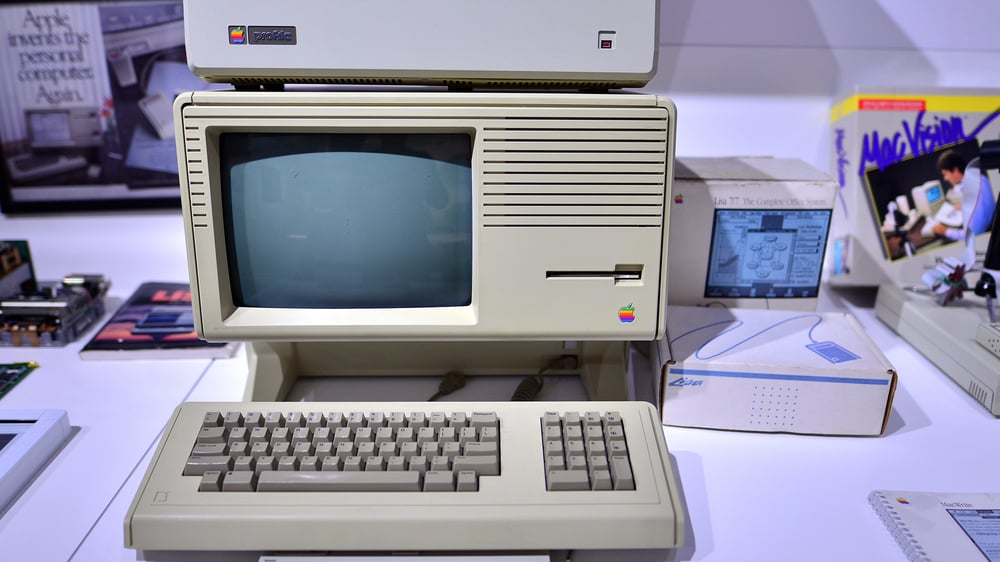
The Lisa died a spectacular commercial death. Apple’s 1983 computer cost $10,000 when most people had never touched a personal computer.
It flopped harder than almost any major tech product in history.
But the Lisa introduced the mouse and graphical user interface to mainstream computing. Every click and drag gesture traces back to this expensive failure.
Google Glass

Google’s wearable computer lasted exactly two years in the consumer market before the company pulled the plug in 2014. Privacy concerns, social awkwardness, and a $1,500 price tag killed it quickly (though “Glassholes” didn’t help the cause — and yes, that’s what people actually called early adopters, which tells you everything about public reception).
The technology felt simultaneously futuristic and half-baked, like someone had released a prototype by accident.
But Glass proved that computers could shrink down to eyewear size and overlay digital information onto the real world. Every augmented reality headset since then, from Microsoft’s HoloLens to Apple’s Vision Pro, follows the path that Glass blazed.
The execution was premature, but the vision was precise — and that vision is finally becoming reality now that the hardware has caught up to the ambition.
Segway Personal Transporter

There’s something almost heartbreaking about watching old Segway promotional videos now. The company’s founder genuinely believed his two-wheeled scooter would replace cars in cities — that people would glide to work, weaving through urban landscapes like something out of a utopian sci-fi film.
Instead, the Segway became a punchline, associated more with mall cops and tourist groups than transportation revolution.
The machine itself was remarkable: self-balancing gyroscopic technology that responded to the rider’s subtle shifts in weight. Lean forward slightly, move forward.
Lean back, slow down. It felt like magic when it worked.
But at $5,000, it was magic most people couldn’t afford, and even those who could found it impractical for daily use. You couldn’t fold it up, couldn’t carry it upstairs, couldn’t park it anywhere without worrying someone might walk off with five grand worth of gyroscopes.
Yet every electric scooter zipping down city sidewalks today owes something to the Segway’s pioneering work in battery-powered personal transportation. The company’s real legacy wasn’t in replacing cars — it was in proving that small, electric vehicles could be viable for short urban trips.
Just not at luxury car prices.
Newton MessagePad
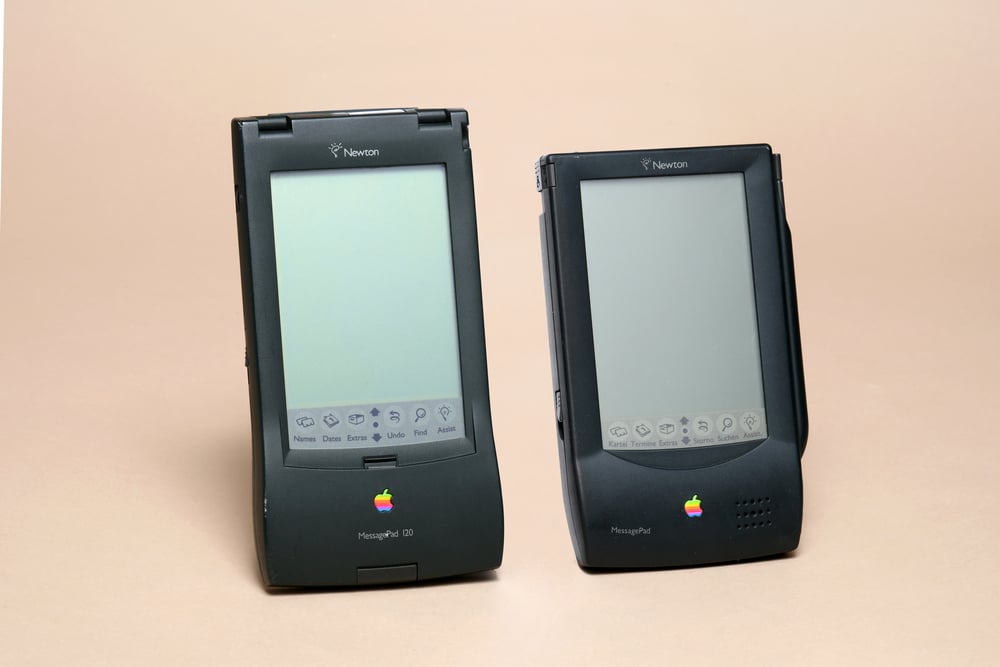
Apple’s Newton represented pure technological arrogance. The 1993 device promised handwriting recognition that could turn scribbled notes into digital text.
Instead, it produced garbled nonsense that became comedy gold.
The Newton died in 1998, but its failure taught Apple valuable lessons about user interface design. The iPhone’s touch-based interaction model learned from everything the Newton did wrong.
Betamax

Sony’s Betamax was technically superior to VHS in almost every measurable way (the picture quality was noticeably sharper, the tapes were more compact, and the recording mechanism was more precise), but it lost the format war so decisively that “Betamax” became shorthand for technological failure. Sony made a classic mistake: they prioritized engineering perfection over market realities, keeping tight control over the format while JVC licensed VHS technology to anyone willing to manufacture it.
So VHS players flooded the market at lower prices, and consumers chose affordability over quality — as they usually do.
But Betamax’s superior video compression technology didn’t disappear when the last player rolled off the production line. Sony refined and adapted those same techniques for digital video formats, and elements of Betamax engineering found their way into professional broadcasting equipment for decades afterward.
The format war was lost, but the underlying innovations lived on in other forms. Sometimes the best technology doesn’t win — it just gets reborn in something that does.
Microsoft Zune

The Zune existed in the shadow of a giant. Apple’s iPod had already conquered portable music by the time Microsoft launched their media player in 2006, and the Zune never managed to carve out more than a tiny slice of market share.
But the Zune introduced wireless music sharing between devices and pioneered subscription-based music streaming through Zune Pass. These features felt ahead of their time — too early for a world that wasn’t quite ready to think of music as a service rather than something you owned.
Every streaming platform today, from Spotify to Apple Music, traces its lineage back to ideas Microsoft tested with a product that most people forgot existed.
The Zune’s interface design also influenced Microsoft’s broader aesthetic philosophy. The bold typography, minimalist layouts, and emphasis on album artwork that characterized Zune software showed up later in Windows Phone and throughout Microsoft’s design language.
Failure in the marketplace doesn’t erase influence on design thinking.
HD DVD
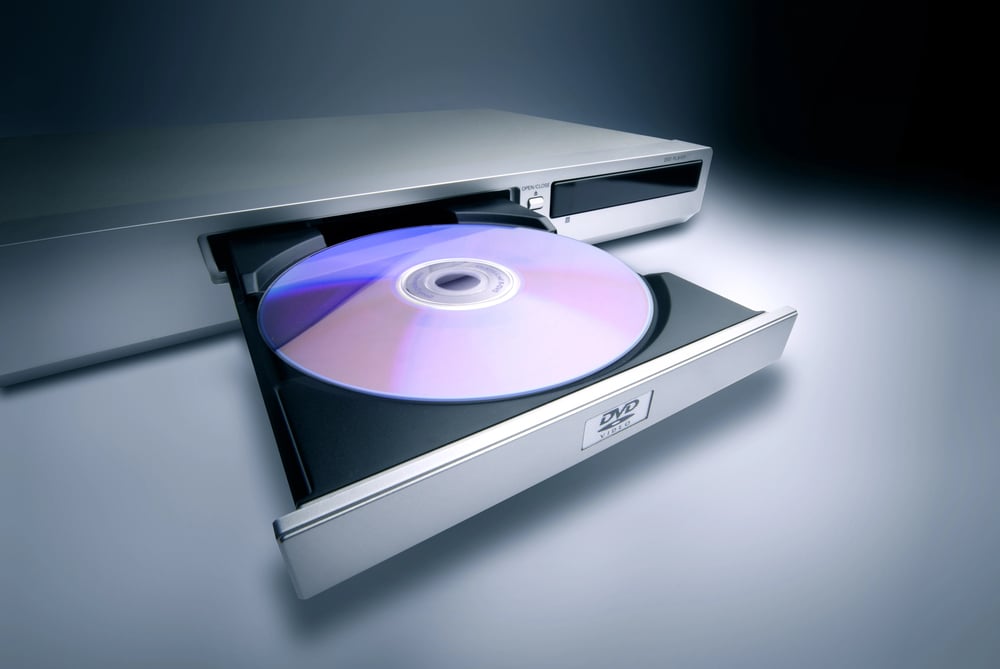
Toshiba’s HD DVD format fought a brief, brutal war against Sony’s Blu-ray for control of high-definition video. The battle lasted from 2006 to 2008, when Toshiba finally conceded defeat and discontinued the format (Warner Bros.’ decision to exclusively support Blu-ray essentially ended the war overnight, though both sides had been losing money for years).
Most consumers stayed on the sidelines, waiting to see which format would survive before investing in new players.
HD DVD actually offered some advantages over Blu-ray: lower manufacturing costs, easier production processes, and better backward compatibility with existing DVD technology. But Sony had learned from their Betamax mistakes and built a coalition of movie studios and hardware manufacturers that Toshiba couldn’t match.
And yet the competition between these formats pushed both sides to improve their technology rapidly — better compression algorithms, more efficient manufacturing processes, enhanced interactive features.
When streaming video eventually made physical media largely irrelevant, the innovations from both formats lived on in digital compression standards. The codecs that make Netflix possible owe something to the engineering advances that emerged from this short-lived format war.
Competition breeds innovation, even when one competitor doesn’t survive to see the benefits.
Google Wave

Wave was supposed to revolutionize online communication by replacing email. Google launched it in 2009 with enormous fanfare and shut it down less than two years later.
The platform was too complex and confusing for most users.
But Wave introduced real-time collaborative editing and threaded conversations that now power Google Docs and countless other collaboration tools.
Amazon Fire Phone

Amazon’s smartphone venture lasted exactly one year before the company pulled it from the market in 2015. The Fire Phone was built around a gimmicky 3D interface (four front-facing cameras tracked head movement to create the illusion of depth, which sounds impressive until you realize it was mostly useless for actual phone tasks) and heavy integration with Amazon’s shopping ecosystem, which made it feel more like a portable cash register than a communication device.
The phone was so focused on making it easy to buy things from Amazon that it forgot to be good at basic phone functions.
But the Fire Phone’s most innovative feature, Firefly, could identify objects in the real world using the camera — books, movies, artwork, products — and provide information or purchasing options instantly. This visual search technology didn’t disappear when the phone flopped.
Amazon refined Firefly’s image recognition capabilities and integrated them into the Alexa ecosystem, where they power features like visual search in the Amazon app. The technology also influenced Amazon’s work in computer vision for everything from cashier-less stores to delivery drones.
Sometimes a failed product is just a successful research project that got released too early.
Tablet PCs

Microsoft’s original Tablet PC initiative launched in 2002 with stylus-based devices running full Windows. The tablets were thick, heavy, and expensive — essentially laptops with swiveling screens that could recognize pen input.
But Tablet PCs established the fundamental interaction patterns for touch computing. The iPad’s success a decade later built directly on lessons learned from these early experiments with finger-based navigation.
Google+

Google’s social network lasted eight years but never posed a real threat to Facebook. The platform launched in 2011 with innovative features like Circles for organizing contacts and Hangouts for video chat, yet it never gained the user engagement that Google desperately wanted (the company’s aggressive promotion tactics, like forcing YouTube users to create Google+ accounts, probably hurt more than helped).
Most people signed up because Google made it nearly impossible to avoid, then promptly ignored their accounts.
But Google+ pioneered several social media concepts that seem obvious now. The Circles feature for segmenting your social connections predated Facebook’s friend lists and privacy controls.
Hangouts offered group video calling before Zoom made it ubiquitous. The platform’s emphasis on high-quality photos and automatic backup influenced how other social networks handle media sharing.
And Google+’s real-time commenting system, where conversations updated instantly without page refreshes, set expectations for responsive social interactions across the web.
Even the failure provided valuable lessons. Google+ showed that being late to social networking — even with superior technology and unlimited resources — means fighting an uphill battle against established habits.
People had already invested years of content, connections, and muscle memory in Facebook. Switching required not just a better product, but a dramatically better experience that justified abandoning all that accumulated social capital.
Google+ was good, but it wasn’t transformational enough to overcome Facebook’s head start.
Virtual Boy
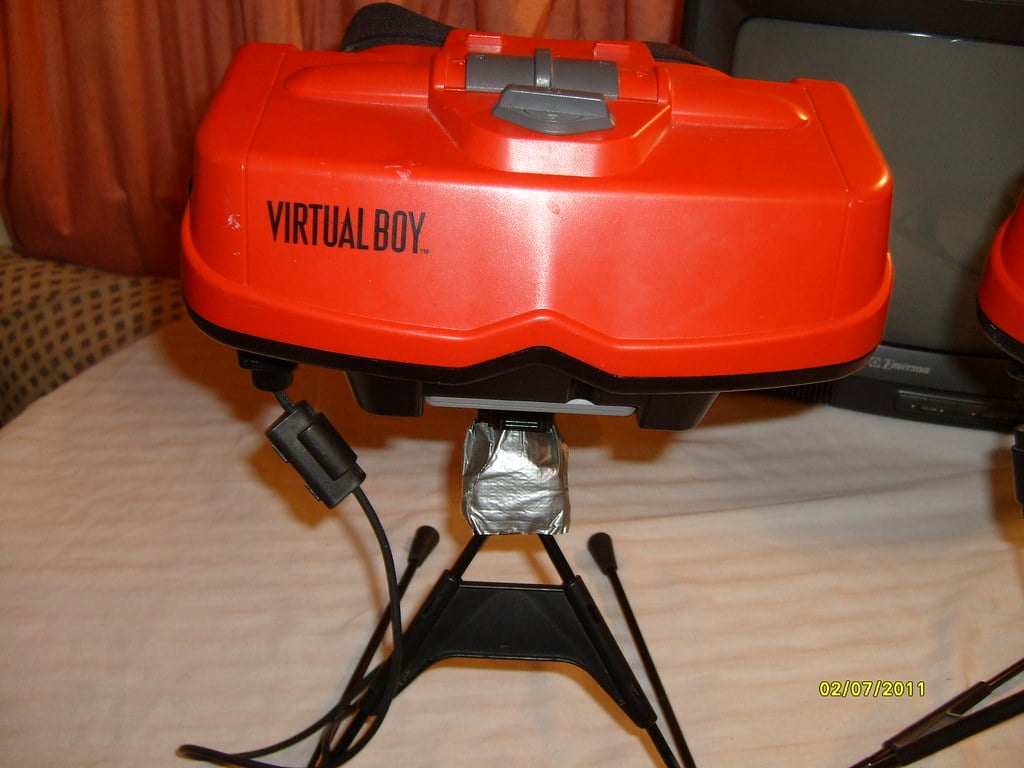
Nintendo’s 1995 Virtual Boy promised immersive 3D gaming but delivered headaches instead. The tabletop headset displayed red monochrome graphics and caused eye strain after short play sessions.
Nintendo discontinued it after less than a year.
But the Virtual Boy’s stereoscopic 3D display technology influenced every VR headset that followed, proving the concept even while failing at the execution.
LaserDisc

LaserDisc offered superior video quality compared to VHS, but the format never escaped its niche market. The discs were expensive, the players cost too much, and you couldn’t record anything.
Yet LaserDisc established the foundation for DVD technology and introduced features like director’s commentary and behind-the-scenes content that became standard for home video releases.
Pebble Smartwatch

Pebble launched through Kickstarter in 2012 and became one of crowdfunding’s biggest success stories. The smartwatch featured an e-paper display, week-long battery life, and a growing ecosystem of apps and watch faces that showed real promise for wearable computing (the company raised over $20 million from enthusiastic backers who believed smartwatches could become the next essential device).
For a few years, Pebble carved out a devoted following among tech enthusiasts who appreciated the device’s practical, no-nonsense approach to wearable technology.
But competing against Apple and Google proved impossible for a small company. Despite loyal users and innovative features, Pebble ran out of money and sold its assets to Fitbit in 2016.
The Apple Watch’s massive marketing budget and ecosystem integration steamrolled the scrappy startup that had pioneered many smartwatch concepts.
And yet Pebble’s influence persists throughout the wearable industry. The always-on display technology that makes modern smartwatches practical for quick glances traces back to Pebble’s e-paper innovation.
The concept of third-party app ecosystems for wearables started with Pebble’s developer-friendly platform. Even the focus on fitness tracking and notification management that defines today’s smartwatches echoes Pebble’s original vision of computers that enhance daily life without demanding constant attention.
Pebble proved that people wanted computers on their wrists — they just wanted them made by Apple.
The Persistence Of Good Ideas

These failed inventions share a common thread: they were right about the future but wrong about the timing. Each one identified a real need or desire, then tried to satisfy it with technology that wasn’t quite ready or at prices that weren’t quite accessible.
The ideas survived even when the products didn’t, waiting for better components, cheaper manufacturing, or simply a world more ready to embrace change.
Innovation rarely travels in straight lines. It moves through cycles of experimentation, failure, and gradual refinement until someone finally gets the formula right.
The inventors who fail fast often light the way for those who succeed later.
More from Go2Tutors!

- The Romanov Crown Jewels and Their Tragic Fate
- 13 Historical Mysteries That Science Still Can’t Solve
- Famous Hoaxes That Fooled the World for Years
- 15 Child Stars with Tragic Adult Lives
- 16 Famous Jewelry Pieces in History
Like Go2Tutors’s content? Follow us on MSN.



