16 Social Media Trends That Became Habits
There’s a pattern most people recognize but rarely talk about. Something starts as a novelty — a fun new feature, a quirky thing everyone’s doing for a week — and then, quietly, it becomes part of daily life.
No decision was made. No one chose to adopt it permanently.
It just stuck. Social media is full of these moments.
Trends that once felt fresh and optional have wired themselves into how people communicate, think, and move through the world. Here are 16 of them.
The Morning Phone Check

These days, mornings start with a screen instead of silence. A tap wakes more than any bell ever did.
Notifications pull eyes open long before feet touch the floor. Once just useful tools, apps now lead the routine without asking.
Getting updated feels automatic, like breathing. Few noticed when quick checks became full routines.
Waking up happens inside a feed most never chose.
Photographing Food Before Eating
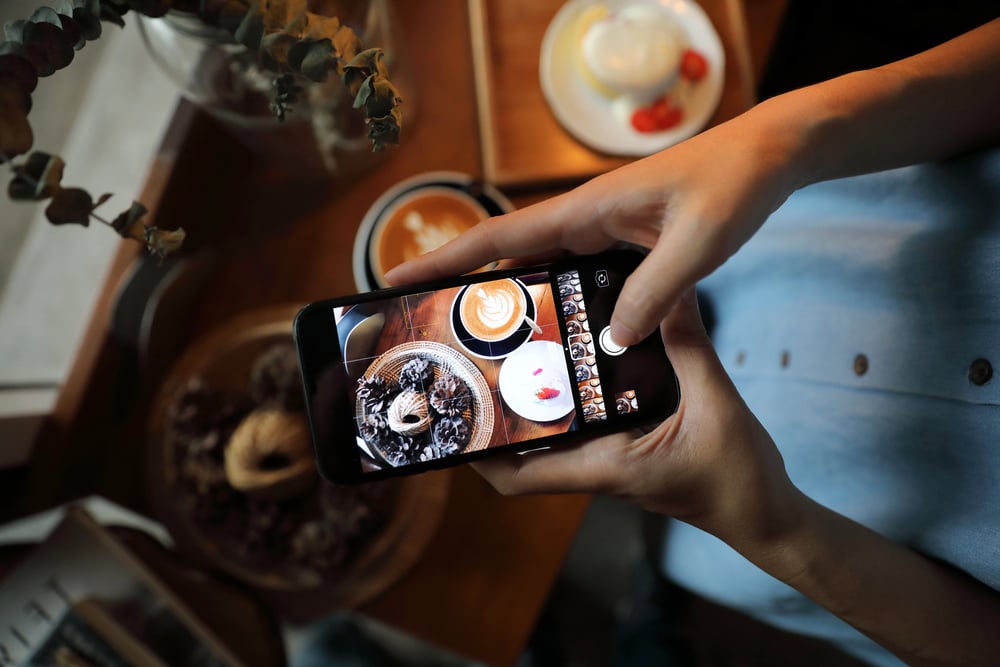
Back then, only a few bloggers and cooking lovers really cared about snapping meals on Instagram. Before long, others joined in – slowly at first, then suddenly everyone did it.
These days, pulling out your phone at a table beats picking up your fork. Plates cool while screens glow.
What matters most lands online, not in the stomach. The moment waits for the shot, even if the meal does not.
The Endless Scroll

Scrolling never stops because there is nothing telling you to pause. Designers removed pages long ago, so eyes stay glued without reason to look up.
It feels normal now even though it started by accident. Staying isn’t a choice; fingers move before thoughts catch up.
Breaking free takes attention few give when the rhythm pulls too hard.
Tagging People in Relatable Content
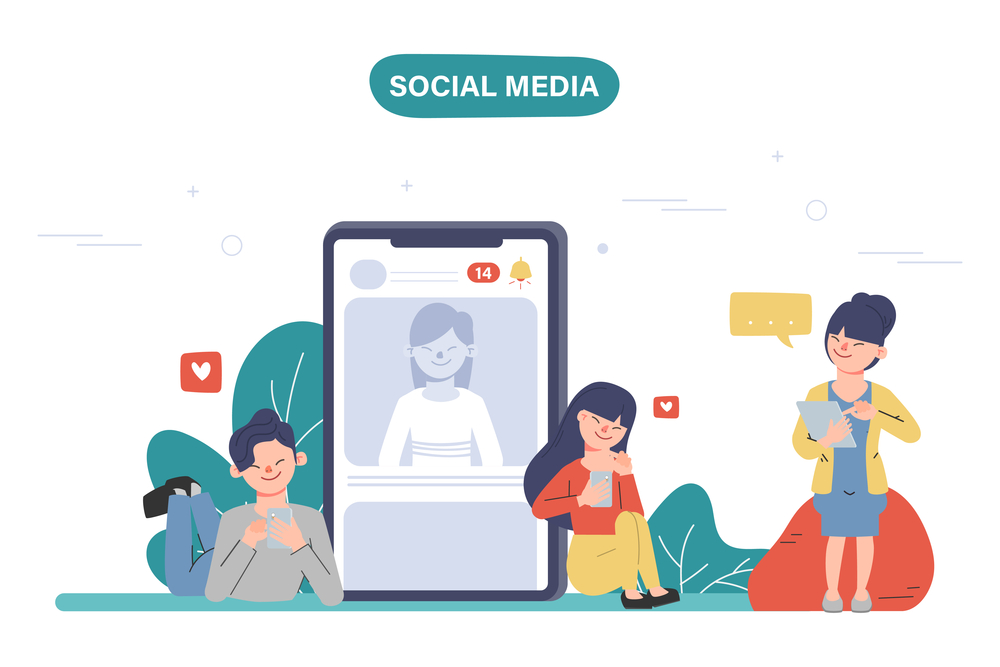
Out of nowhere, remembering someone when you see something online feels normal now. Back then, it simply wasn’t part of life two decades back.
A quick tag does what used to take a whole chat. Often, it stands in place of saying “me too” or “we’re alike.”
Without spelling anything out, it quietly says, “you belong here.”.
Posting Stories Every Day

One after another, folks began sharing snaps just because they could. At first glance, vanishing posts seemed relaxed – no big deal if one flopped.
Over time though, skipping a day feels off somehow. What started as throwaway moments turned into something people count on.
Without realizing it, regular updates stopped being optional. Soon enough, silence reads like an empty space begging to be filled.
Sending Memes Instead of Words
Once upon a time, group messages filled up with words. These days, pictures take over instead.
Not long ago, people traded paragraphs; now it’s snapshots and jokes pulled from the web. A well-placed meme carries meaning faster than lines of text ever could.
Feelings like shock, joy, or eye-rolls arrive packaged in frames borrowed from TV shows or strange photoshops. That shift didn’t stay on public forums – it slipped quietly into private threads.
Choosing just the right absurd image can say what awkward phrasing cannot. Tone lives inside those pixels more clearly than any carefully written note.
What began as internet humor turned into something closer to real speech.
Using Filters on Every Photo
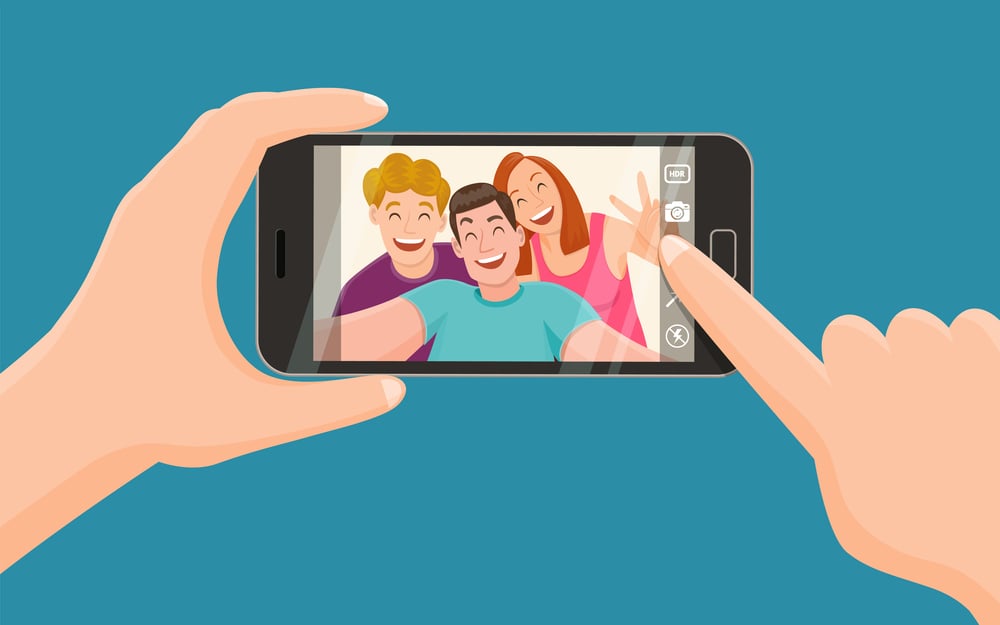
Filters started as a fun extra. Now for many people, posting an unedited photo feels like showing up underdressed.
The habit of adjusting brightness, smoothing skin, or adding a color grade before sharing has become so standard that unfiltered photos are sometimes called out specifically — as if the absence of editing is the thing that needs explaining.
Going Live for Everything

Live streaming was once reserved for major events — concerts, speeches, breaking news. Then platforms made it one tap away for anyone, and the behavior normalized fast.
People go live for mundane things now: a drive home, a cooking session, a random thought that felt worth sharing in real time. The impulse to broadcast the moment as it happens has become a reflex.
Checking Follower and Like Counts

This one feels almost embarrassing to admit, but it’s widespread. Posting something and then returning repeatedly to check how it’s performing is a habit that crept in alongside social media’s feedback loops.
The numbers don’t change your life, but they feel significant at the moment. Watching likes accumulate — or not — triggers a response that keeps people coming back to check again.
Sharing Location Check-Ins
Foursquare popularized the check-in, and while that app faded, the behavior didn’t. Tagging a location in a post, adding a geotag to a Story, or simply sharing where you are became a normal part of documenting experiences online.
It’s partly social, partly archival. People use it to say “I was here” in a way that feels more real when it’s timestamped and mapped.
DMing Instead of Texting
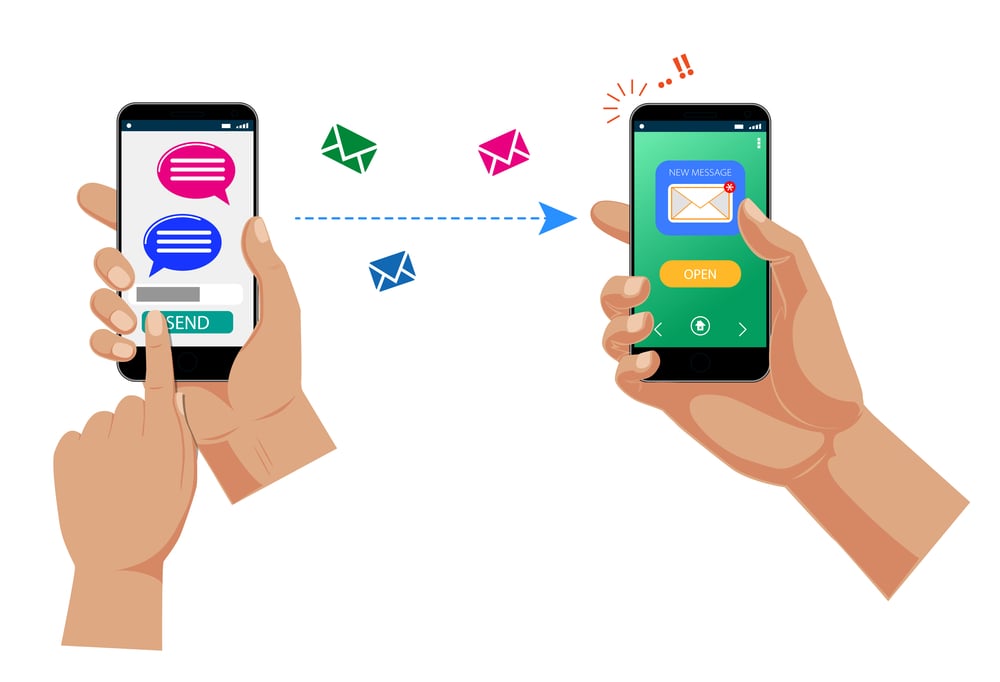
Direct messages on social platforms have quietly replaced traditional texting for a lot of conversations. This is partly because people are already on these apps when they want to reach someone, and partly because DMs now support voice notes, reactions, disappearing messages, and other features that standard SMS can’t match.
The contact list has shifted. For many relationships, the DM is the primary thread.
Watching Short Videos on Loop

Short-form video — the kind that runs for fifteen to sixty seconds — rewired attention in ways that are still being understood. The habit of watching quick videos, one after another, optimized for dopamine rather than depth, became a default leisure activity for enormous numbers of people.
Sitting with longer content now requires effort. The short-video format trained expectations that connect into everything else.
Following Strangers You Feel Like You Know
Parasocial relationships aren’t new, but social media made them available at scale and on demand. Following someone’s daily life through posts, Stories, and livestreams creates a sense of familiarity that feels real even when there’s no actual relationship.
People follow strangers the way they once followed characters in a series — invested in what happens next, genuinely affected when something goes wrong, celebrating milestones of someone they’ve never met.
Documenting Events While They’re Happening

Sometimes people go to shows but see them mostly through their phones. A meal with loved ones might begin with filming instead of talking.
Capturing moments as they unfold can mean missing parts of them entirely. Sharing later started feeling as important as living now.
What gets saved shapes what actually happens.
Typing In Lowercase On Purpose

What began as a look, popular with younger people, turned into its own form of expression. Writing like this feels relaxed, open, almost offhand, while uppercase feels stiff by comparison.
Saying I’m fine hits softer than I’m fine ever could. Over time it stuck, not just as preference but as meaning – quiet cues woven into letters, heard more than seen.
Reacting Without Thinking First

A flick. A tap. That is how people answer each other now.
Reaction icons popped up across social sites – tiny symbols for approval, amusement, or affection – and made feedback faster than speech. Instead of typing thoughts, users touch an emoji and slide on. This silent nod became common everywhere.
Even private chats feel different. A simple thumbs-up often ends talks dead, where earlier there would have been replies flying both ways.
When Trends Last Longer Than Platforms
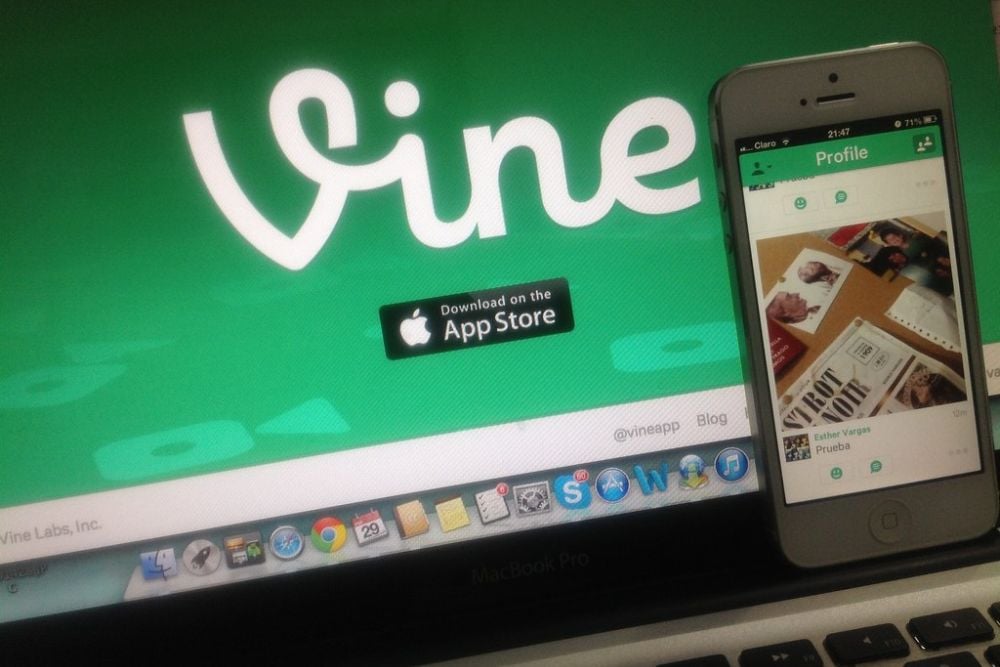
Odd how it works. Even after Vine shut down, tiny repeating clips stuck around, popping up across the web.
Foursquare lost its grip, yet dropping pins on maps became routine. MySpace vanished like smoke, still people keep shaping online versions of themselves for everyone to see.
The apps die, though pieces live on, tucked into new corners. What started as passing fads turned into daily routines.
These days, it’s less about platforms, more about routine choices. Life shaped them, not feeds.
More from Go2Tutors!

- The Romanov Crown Jewels and Their Tragic Fate
- 13 Historical Mysteries That Science Still Can’t Solve
- Famous Hoaxes That Fooled the World for Years
- 15 Child Stars with Tragic Adult Lives
- 16 Famous Jewelry Pieces in History
Like Go2Tutors’s content? Follow us on MSN.